- Montana’s remote location and small population mean fewer flights, less competition, and higher fares year-round
- Only 8 commercial airports serve the entire state, with most having limited carriers
- Peak summer (June-August) and ski season (December-March) see price spikes of 40-60%
- Flying into alternative airports like Billings or Spokane can save $200-400 per ticket
- Booking 6-8 weeks ahead for summer and 8-12 weeks for ski season typically yields the best prices
- Southwest’s entry into Bozeman has helped, but overall competition remains limited
Liked this article?
Add Roaming Montana as a preferred source so you see more of our articles and guides on Google.
The Geographic Reality of Flying to Montana
Here’s a truth that took me a few trips to fully appreciate: Montana is genuinely remote in ways that most Americans don’t understand until they look at a flight map. This is the fourth-largest state by area, yet it has fewer people than metropolitan San Diego. When I flew from Chicago to Bozeman last June, I watched out my window as we passed over Minneapolis, then seemingly endless prairie, before finally descending into the Gallatin Valley. That flight covered 1,500 miles—and there’s simply no cheap way to move a metal tube full of people that distance to an airport serving a metro area of 120,000. The math doesn’t favor the traveler. Airlines calculate profitability based on “revenue passenger miles,” and Montana routes struggle to fill enough seats at prices that would seem reasonable to most flyers. During my research on how long it takes to get to Montana, I discovered that many travelers underestimate both distance and connection complexity. Direct flights from major hubs are rare, and each connection adds cost to the airline’s operation—which gets passed directly to you.Understanding Montana’s Airport Landscape
Montana has eight commercial airports, but calling them “commercial” can be generous. Here’s what I’ve experienced at each:Bozeman Yellowstone International (BZN)
This is Montana’s busiest airport, and during my visit last summer, it genuinely impressed me with recent renovations. However, “busiest” in Montana means about 2 million passengers annually—which sounds like a lot until you realize Denver handles that volume every two weeks. When Southwest entered this market in 2021, I genuinely cheered. Competition helped, but fares remain elevated because demand consistently outstrips capacity during peak periods.Missoula Montana Airport (MSO)
I’ve flown into Missoula three times, and I love this airport’s mountain backdrop. However, on a recent trip last October, I paid $412 for a one-way from Seattle—a flight that takes barely an hour. The limited carrier options (primarily Alaska, Delta, United, and American) mean airlines can maintain higher price floors.Billings Logan International (BIL)
Here’s an insider tip I learned the hard way: Billings often has the cheapest fares into Montana, yet tourists overlook it completely. During my trip planning last winter, I found fares to Billings running $180-220 less than comparable Bozeman flights. Yes, Billings sits farther from Yellowstone and Glacier, but if you’re planning a road trip anyway, this airport deserves serious consideration.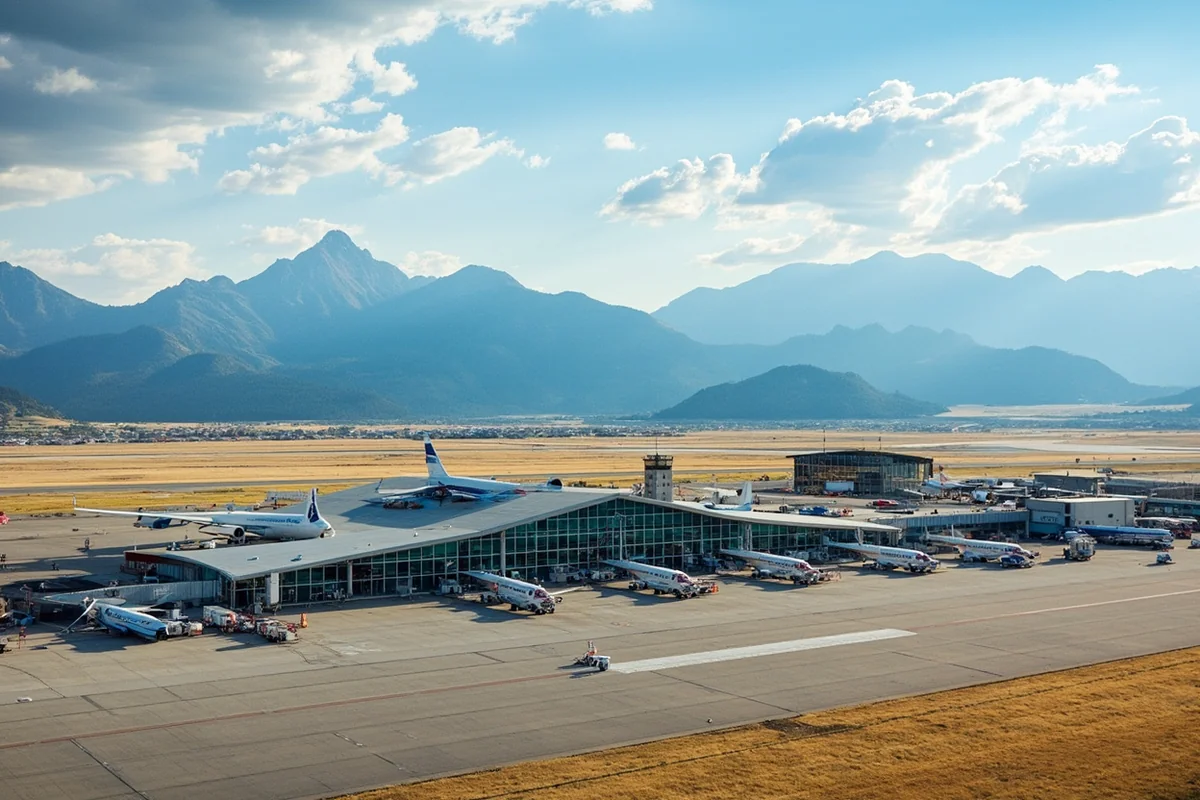
Great Falls International (GTF)
Great Falls serves as an underutilized gateway to Glacier National Park’s east side. On my trip there two summers ago, I found fares significantly lower than Kalispell, and the drive to Glacier’s eastern entrances takes roughly the same time.Glacier Park International (FCA)
This Kalispell airport has become my nemesis. During peak summer 2023, I watched fares hit $850 round-trip from Denver—for a destination that’s only 800 miles away. The combination of extreme seasonal demand and limited flights creates perfect conditions for premium pricing.Helena Regional (HLN), Butte (BTM), and West Yellowstone (WYS)
These smaller airports have extremely limited service. West Yellowstone only operates seasonally, and when I checked prices for a summer trip, the convenience premium made no financial sense for my group.The Economics Behind the High Prices
After talking with a gate agent in Bozeman during a weather delay last fall (we had three hours to chat), I gained insight into the airline perspective that changed how I think about Montana fares.Limited Competition Creates Pricing Power
Most Montana routes have two or three carriers at most. When I search flights from my home airport to Bozeman, I’m usually seeing United, Delta, and sometimes Alaska or Southwest. Compare this to flying into Las Vegas or Phoenix, where a dozen airlines compete aggressively. That competition simply doesn’t exist in Montana, and airlines price accordingly.Seasonal Demand Swings Are Extreme
Montana tourism follows a dramatic curve. During my January visit to Big Sky Resort, the Bozeman airport was packed with ski-equipment-laden travelers. In October, during shoulder season, I practically had the terminal to myself. Airlines must price summer and winter peak seasons high enough to compensate for the slower months. This means you’re essentially subsidizing empty flights when you book during busy periods.Operational Costs Run Higher
Montana weather doesn’t play nice with aviation. My flight into Kalispell got diverted to Spokane twice during a December trip—once due to snow, once due to wind. Every diversion, delay, and cancellation costs the airline money. The airports themselves face higher operational costs: snow removal, de-icing, and maintaining facilities that handle surges then sit relatively quiet.
When Montana Flight Prices Peak (and Why)
After tracking Montana flight prices obsessively for years, I’ve identified clear patterns:| Season | Typical Date Range | Price Impact | My Experience |
|---|---|---|---|
| Peak Summer | June 15 – August 15 | +40-60% above baseline | Paid $687 RT from Chicago to BZN in July 2023 |
| Ski Season Peak | Dec 20 – Jan 5, Feb holidays | +50-70% above baseline | Christmas week to Bozeman hit $890 RT in 2022 |
| Shoulder Summer | May, September | +10-20% above baseline | Found $389 RT to Missoula in late September |
| Shoulder Winter | Late January, March | +15-25% above baseline | March ski trip cost $445 RT from Denver |
| Off-Season | October-November, April | Baseline pricing | Scored $298 RT to Billings in early November |
Practical Strategies That Have Actually Saved Me Money
I’ve tested numerous approaches to reducing Montana flight costs. Here’s what genuinely works:Consider Alternative Airports (Even in Other States)
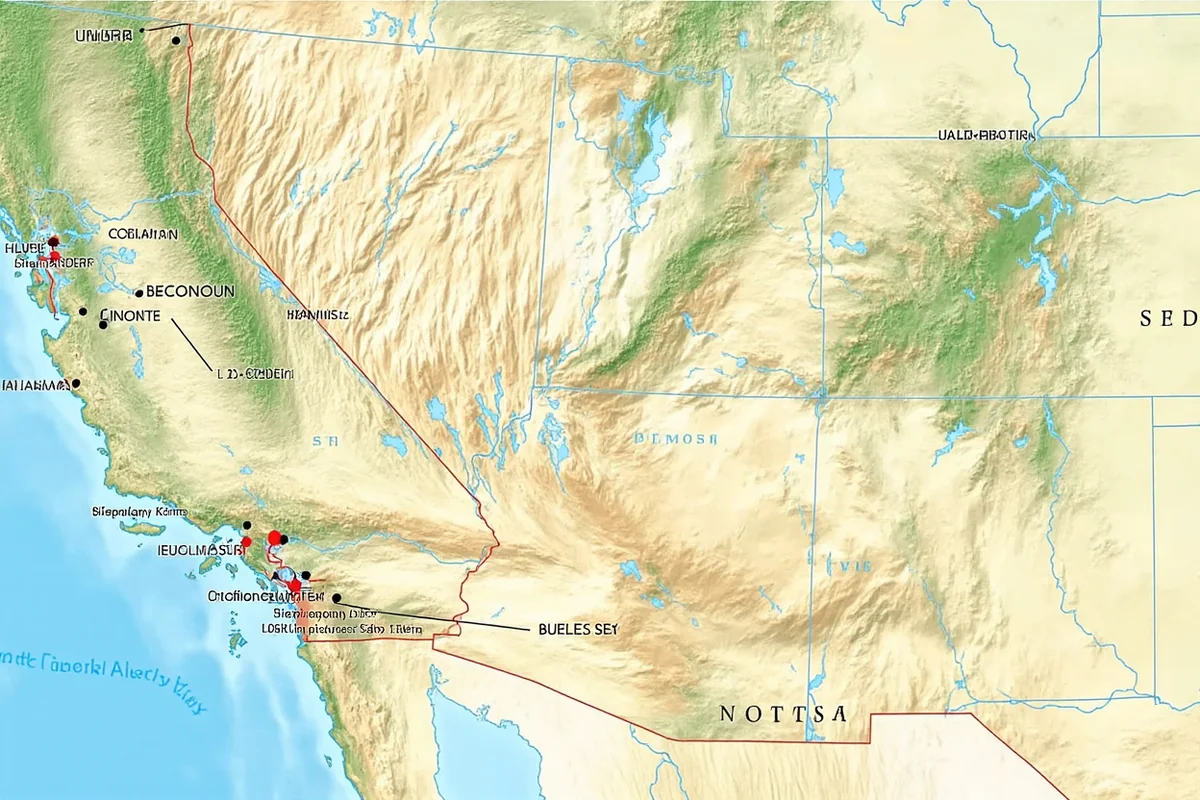
This strategy alone has saved me thousands over the years. When planning a trip to see the Northern Lights in Montana last fall, I flew into Spokane, Washington instead of Missoula and saved $340 per person. My favorite alternative airports for Montana trips:- Spokane (GEG): 3 hours to Missoula, often $150-300 cheaper
- Salt Lake City (SLC): Great for southern Montana access, major hub pricing
- Billings (BIL): Montana’s most affordable major airport
- Great Falls (GTF): Underrated Glacier alternative
- Idaho Falls (IDA): 90 minutes to West Yellowstone
Book During the Sweet Spot Window
Through trial and much error, I’ve found these booking windows work best for Montana: For summer travel, I start monitoring prices 10-12 weeks out and typically book around 6-8 weeks before departure. Last-minute summer prices are brutal—I’ve seen fares triple in the final two weeks before departure. For ski season, book earlier: 8-12 weeks out usually captures the best prices. When I waited until mid-November to book Christmas travel one year, I paid an extra $200 per ticket versus friends who booked in October.Use Strategic Flight Alerts
I set alerts on Google Flights, Hopper, and Scott’s Cheap Flights for every Montana airport. Last spring, Scott’s alerted me to a United sale to Bozeman at $298 round-trip from Chicago—a price I’d never have found searching manually. The key is setting multiple alerts to different airports. Sometimes Missoula drops while Bozeman stays high, or vice versa.Consider One-Way Ticket Combinations
Here’s a tactic that sounds counterintuitive but has worked for me multiple times: book separate one-way tickets on different airlines. During my research last winter, I found outbound flights to Kalispell were cheapest on Delta, but return flights were lowest on Alaska. Booking them separately saved $175 versus the best round-trip option. Just remember that if one airline delays or cancels, the other has no obligation to accommodate you.Fly Mid-Week When Possible
This advice applies everywhere, but it’s especially pronounced in Montana. On my recent trip planning for Glacier, I compared Tuesday/Wednesday flights against Saturday departures. The difference? Nearly $200 per ticket. Montana’s weekend flight premium exists because tourists want to maximize vacation time. If you have schedule flexibility, flying Tuesday through Thursday significantly reduces costs.
The Role of Tourism Growth in Rising Prices
Montana tourism has exploded. When I first visited Glacier in 2018, I could drive Going-to-the-Sun Road without reservation. Now the park requires timed entry permits during peak season. This tourism boom directly impacts airfare. Airlines have responded to demand by adding capacity, but not enough to satisfy the surge. When I spoke with local tourism industry contacts during my visit to Whitefish last year, they confirmed that visitor numbers have grown faster than airport capacity can expand. The “Yellowstone” effect (the TV show) particularly impacted this. Bozeman’s airport has seen dramatic passenger growth since the show premiered, and locals joke that you can spot the Yellowstone fans by their brand-new cowboy hats. Understanding how much it costs to visit Montana overall helps put flight prices in perspective—they’re often the largest single expense for out-of-state visitors.How Different Airlines Compare for Montana Routes
Based on my experience with all the major carriers serving Montana:Delta
Delta operates the most extensive Montana network from their Salt Lake City and Minneapolis hubs. I’ve found their pricing runs mid-range, rarely the cheapest but never outrageous. Their frequent schedule options provide flexibility. On my last Delta flight to Bozeman, the CRJ-900 felt cramped, but service was solid and we landed on time despite afternoon mountain winds.United
United’s Denver hub makes them competitive for Colorado-based travelers. I’ve had mixed experiences—some great prices through their Basic Economy fares, but connections through Denver can be tight given that airport’s size.Alaska Airlines
For Pacific Northwest residents, Alaska often offers the best Montana fares. Their Seattle hub provides solid connectivity, and I’ve found their prices to Missoula and Kalispell consistently competitive. My biggest Alaska success: $287 round-trip from Seattle to Missoula in early October, booked during a flash sale.Southwest
Southwest’s entry into Bozeman was genuinely exciting for budget-conscious travelers. While they’re not always cheapest, their lack of change fees provides valuable flexibility. When planning uncertain trips, I often book Southwest specifically for the free cancellation option—then monitor other airlines for better deals.American Airlines
American has limited Montana presence, primarily serving Bozeman through their Dallas and Phoenix hubs. I’ve found their pricing less competitive for Montana routes, though they occasionally have good sales.The Hidden Costs Beyond Airfare
When calculating flight value, remember that Montana airports add expenses that don’t appear in the base fare:Rental Car Necessity
Unlike destinations with public transit, Montana virtually requires a car. Rental prices at Montana airports often exceed those at larger hubs, particularly during peak season. During my July trip last year, a standard SUV at Bozeman airport cost $89/day. The same vehicle at Salt Lake City ran $52/day. Even accounting for gas to drive to Montana, the SLC option saved money. Before your trip, also research best cell coverage providers in Montana since you’ll be driving through areas with limited connectivity.Baggage Fees on Regional Flights
Several Montana routes operate on smaller regional jets with strict weight limits. I’ve been asked to gate-check bags on full planes, and overweight fees apply more frequently on these smaller aircraft. Pack efficiently and check your airline’s specific policies for Montana routes. My Montana trip packing list has helped me stay within limits while bringing everything needed.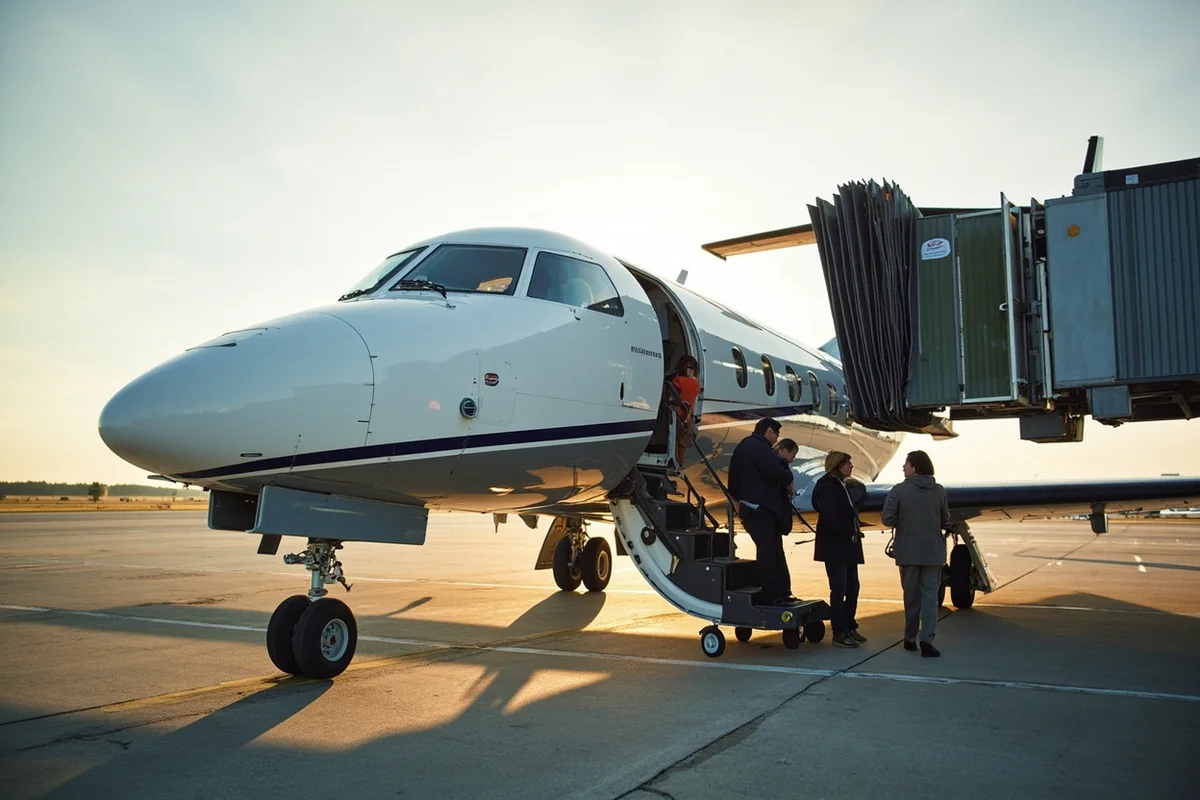
Timing Your Search: Days and Times That Matter
The old advice about “Tuesdays at 1 PM” for cheap flights has become outdated with dynamic pricing algorithms. However, my tracking has revealed some Montana-specific patterns: Prices tend to drop slightly Tuesday through Thursday for weekend searches. More importantly, watching prices over 2-3 weeks before booking lets you identify patterns and pounce on dips. I use a simple spreadsheet tracking daily prices for my target dates. This revealed that Montana fares to popular destinations often fluctuate $50-100 within a single week, giving patient searchers opportunities.Package Deals: Sometimes Worth It, Usually Not
I’ve tested bundled flight-plus-hotel packages for Montana trips multiple times. Here’s my honest assessment: For ski trips to Big Sky or Whitefish, packages through resort websites occasionally offer genuine savings—particularly when they include lift tickets. One package I booked through Big Sky Resort saved about $300 per person versus booking separately. However, for general Montana travel, I’ve found packages rarely beat individual booking. The included hotels often aren’t places I’d choose independently, and the apparent savings disappear when comparing to my preferred accommodations. When planning a budget-friendly Montana trip, compare package deals carefully against DIY booking before committing.Future Outlook: Will Prices Improve?
Based on industry trends I follow and conversations with aviation analysts, here’s my honest assessment of Montana’s airfare future: Short-term (1-2 years): Expect continued high prices. Tourism demand shows no signs of slowing, and airlines have limited incentive to add capacity to routes that already perform profitably. Medium-term (3-5 years): Bozeman’s airport expansion may enable additional flights, potentially improving competition. However, pilot shortages and broader aviation industry challenges could limit growth. Long-term: Electric and hybrid aircraft development could eventually reduce operating costs on regional routes, but meaningful impact remains 10+ years away. The most realistic expectation? Montana flights will remain expensive relative to more accessible destinations. Budget accordingly.My Best Flight Booking Strategy for Montana
After all my experience, here’s the exact approach I now use for every Montana trip: Step 1: Define my must-visit locations and acceptable airports (usually 3-4 options). Step 2: Set Google Flights alerts for all airports, both Montana and alternatives. Step 3: Begin monitoring 10-12 weeks before travel. Step 4: Research any current Montana travel restrictions or seasonal considerations. Step 5: Compare prices across airlines and booking platforms. Step 6: Book when prices hit my target threshold or at 6-8 weeks out (summer) or 8-12 weeks out (winter) if no deal materializes. Step 7: If flying Southwest, continue monitoring and rebook if prices drop (their fare difference comes back as credit). This methodical approach has helped me consistently find fares below what friends pay booking casually.Understanding the Full Trip Context
High flight costs feel less painful when you consider what awaits. Montana delivers experiences you simply cannot replicate elsewhere—and the remoteness that makes flights expensive also keeps crowds manageable compared to more accessible national parks. Before you go, check Montana air quality conditions, especially if traveling during late summer when wildfire smoke occasionally affects visibility. Using Montana webcams helps you see current conditions at popular destinations. Also review Montana safety information and tap water safety for practical travel preparation. If you’re planning to work remotely during your trip, research VPN options for Montana since you may need secure connections in areas with limited network coverage.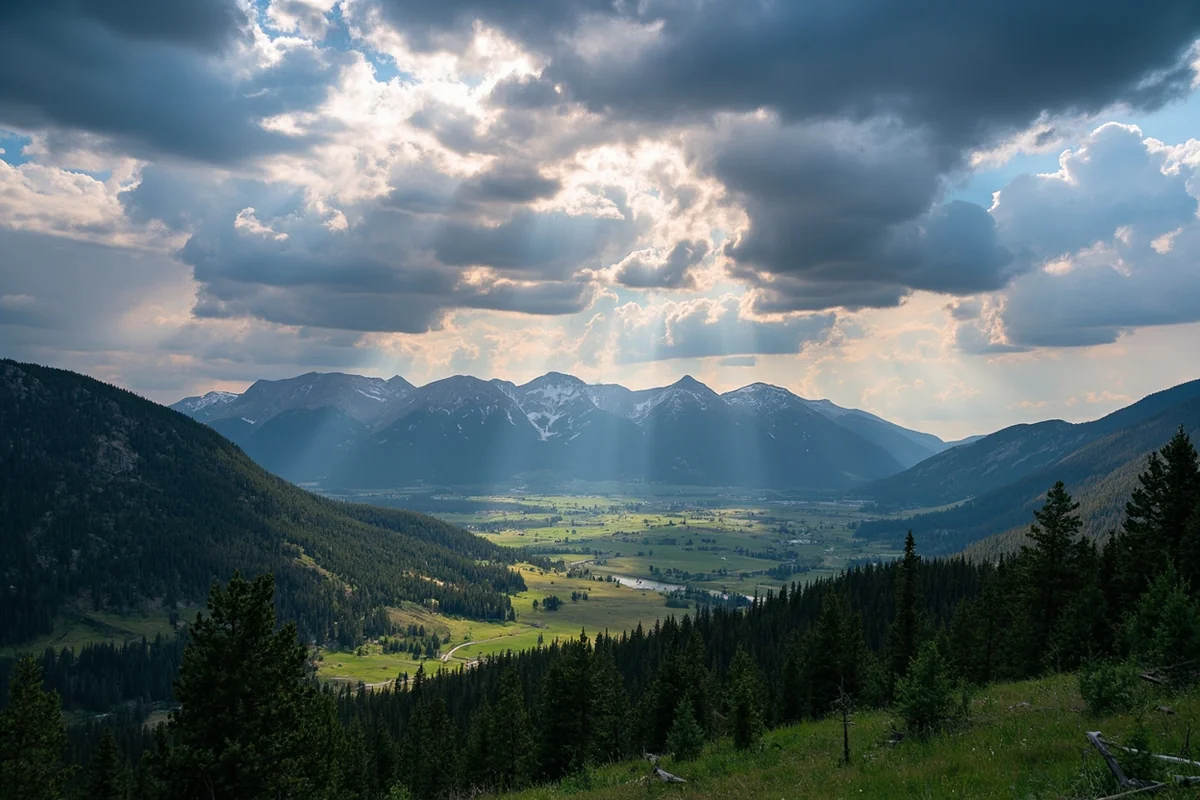
Final Thoughts on Montana Flight Costs
Yes, flying to Montana costs more than many alternatives. The combination of remote geography, limited competition, extreme seasonal demand, and small population creates structural factors that keep prices elevated. However, understanding these factors has helped me accept the reality while finding every possible way to minimize costs. The strategies I’ve shared—alternative airports, optimal booking windows, strategic alerts, and flexible scheduling—genuinely work when applied consistently. Montana’s expensive flights are essentially the price of admission to one of America’s last truly wild places. Every time I land in Bozeman and see the Bridger Range emerging from morning fog, or descend into Kalispell with Glacier’s peaks filling the horizon, I’m reminded why the cost is worth it. Book smart, fly mid-week when possible, and start your Montana adventure knowing you’ve done everything reasonable to minimize the one expense you can’t fully control. The Big Sky State delivers on its promise—even if reaching it costs more than you’d prefer.Frequently Asked Questions
Why are flights to Montana so expensive compared to other states?
Montana has limited commercial airports and lower passenger volume, which means airlines operate fewer routes with less competition. The state’s remote location also requires longer flight distances from major hubs, and seasonal tourism spikes during ski season and summer drive prices even higher due to demand.
What is the cheapest time of year to fly to Montana?
I’ve found the cheapest flights to Montana typically fall during the shoulder seasons of late September through early November and mid-March through May. Avoiding peak ski season (December-February) and prime summer months (June-August) can save you $150-$300 per ticket on average.
Which Montana airport is cheapest to fly into?
Billings Logan International Airport (BIL) consistently offers the most affordable flights since it’s Montana’s largest city with the most airline competition. Bozeman Yellowstone International (BZN) tends to be priciest due to proximity to ski resorts and Yellowstone, so flying into Billings and driving 140 miles to Bozeman can save significant money.
How far in advance should I book flights to Montana for the best price?
For domestic flights to Montana, I recommend booking 6-8 weeks in advance for summer travel and 2-3 months ahead for ski season trips. Setting price alerts on Google Flights or Hopper helps you catch fare drops, and being flexible with departure days can save you $50-$100 each way.
Are connecting flights to Montana cheaper than direct flights?
Yes, connecting flights through Denver, Salt Lake City, or Seattle are often $100-$200 cheaper than direct routes to Montana airports. The trade-off is adding 2-4 hours to your travel time, but for budget-conscious travelers, a layover is worth the savings on an already expensive destination.
Is it cheaper to drive to Montana instead of flying?
If you’re within 500-600 miles of Montana, driving can be significantly cheaper, especially for families or groups who would pay per-person airfare. From cities like Seattle (550 miles to Missoula) or Denver (550 miles to Billings), gas costs around $80-$120 each way versus $300+ per flight ticket during peak season.
What budget airlines fly to Montana to help reduce flight costs?
Unfortunately, ultra-low-cost carriers like Spirit and Frontier have very limited Montana service, which contributes to high prices. Allegiant Air offers seasonal routes to Bozeman and Missoula from select cities, and Southwest occasionally runs competitive fares to Bozeman, so checking these options first can yield better deals than legacy carriers.