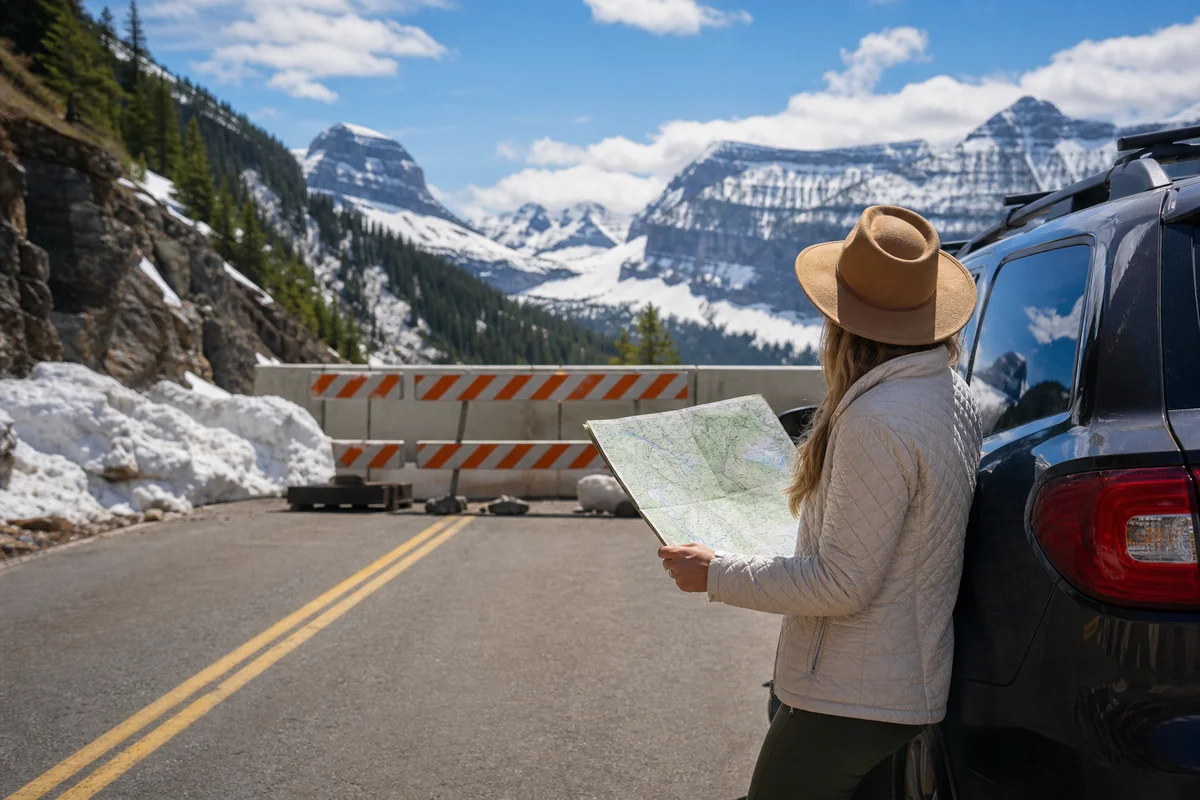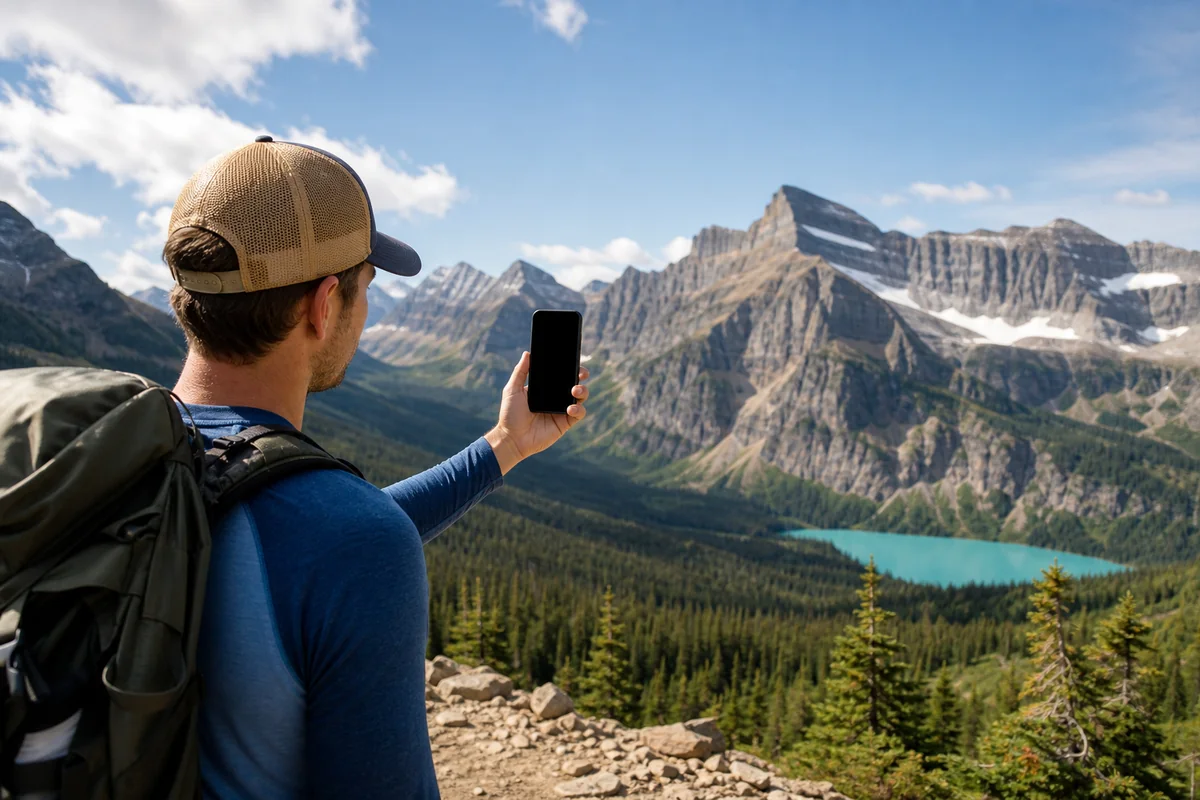
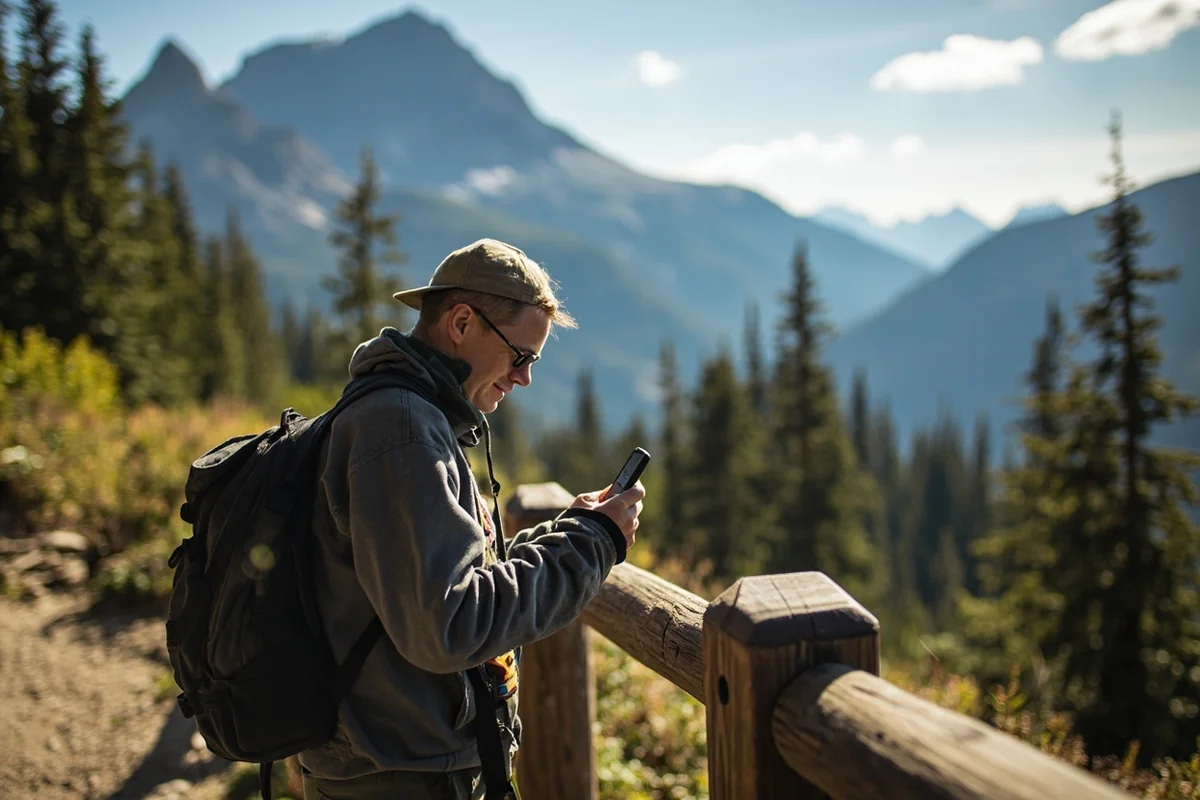
I was standing at the trailhead of Grinnell Glacier in Glacier National Park, watching a family desperately wave their phones in the air like they were conducting an invisible orchestra. “Does anyone have signal?” the dad called out, clearly hoping to check trail conditions before their hike.
I pulled out my phone—full bars on Verizon—and helped them out, but that moment crystallized something I’d learned through years of Montana travel: your choice of cell carrier here isn’t just about convenience, it’s about safety.
If you’re piecing together your Montana travel tips, understanding cell coverage should be near the top of your list. Montana is the fourth-largest state but ranks 44th in population density, meaning vast stretches of wilderness sit between cell towers.
I’ve tested all major carriers across dozens of Montana road trips, and I’m going to share exactly what I’ve learned so you can stay connected when it matters most.
- Verizon offers the most reliable coverage across rural Montana, especially along highways and in national parks
- AT&T performs well in urban areas and along I-90 corridor but struggles in remote backcountry
- T-Mobile has improved dramatically since the Sprint merger but still has significant gaps
- US Cellular provides surprisingly strong regional coverage, particularly in eastern Montana
- Download offline maps regardless of carrier—dead zones are guaranteed on any network
- Consider a satellite communicator (Garmin inReach, Zoleo) for serious backcountry travel
Liked this article?
Add Roaming Montana as a preferred source so you see more of our articles and guides on Google.
Why Cell Coverage in Montana Is Unlike Anywhere Else
Before I dive into carrier specifics, you need to understand what makes Montana’s cell coverage situation unique. This isn’t like losing signal for a few minutes on a rural highway in Pennsylvania.
Montana spans 147,040 square miles—roughly the size of Germany. Yet only about 1.1 million people call it home. That math translates to roughly 7.5 people per square mile, which means cell companies have little financial incentive to build towers in remote areas.
I’ve driven Highway 2 from Browning to Havre in late autumn, a 100-mile stretch where my phone showed “No Service” for nearly an hour straight. My car broke down on that drive once—I had to flag down a passing truck because calling for help wasn’t an option. That experience completely changed how I prepare for Montana road trips.
The terrain compounds these challenges. Mountain ranges block signals, deep valleys create shadow zones, and the sheer distance between towers means even “covered” areas can have weak service. When I hiked to the summit of Granite Peak near Red Lodge last summer, I had zero signal despite being at Montana’s highest point—the towers simply don’t reach that elevation.
The Infrastructure Reality
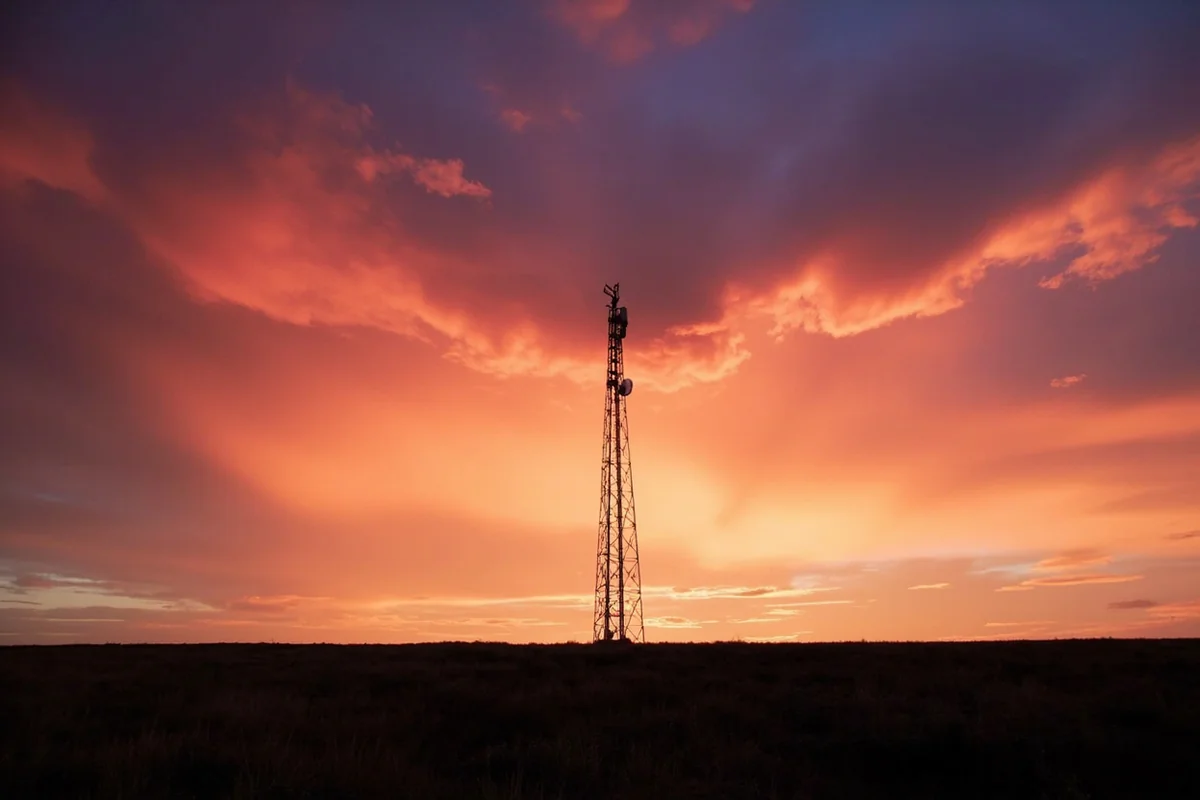
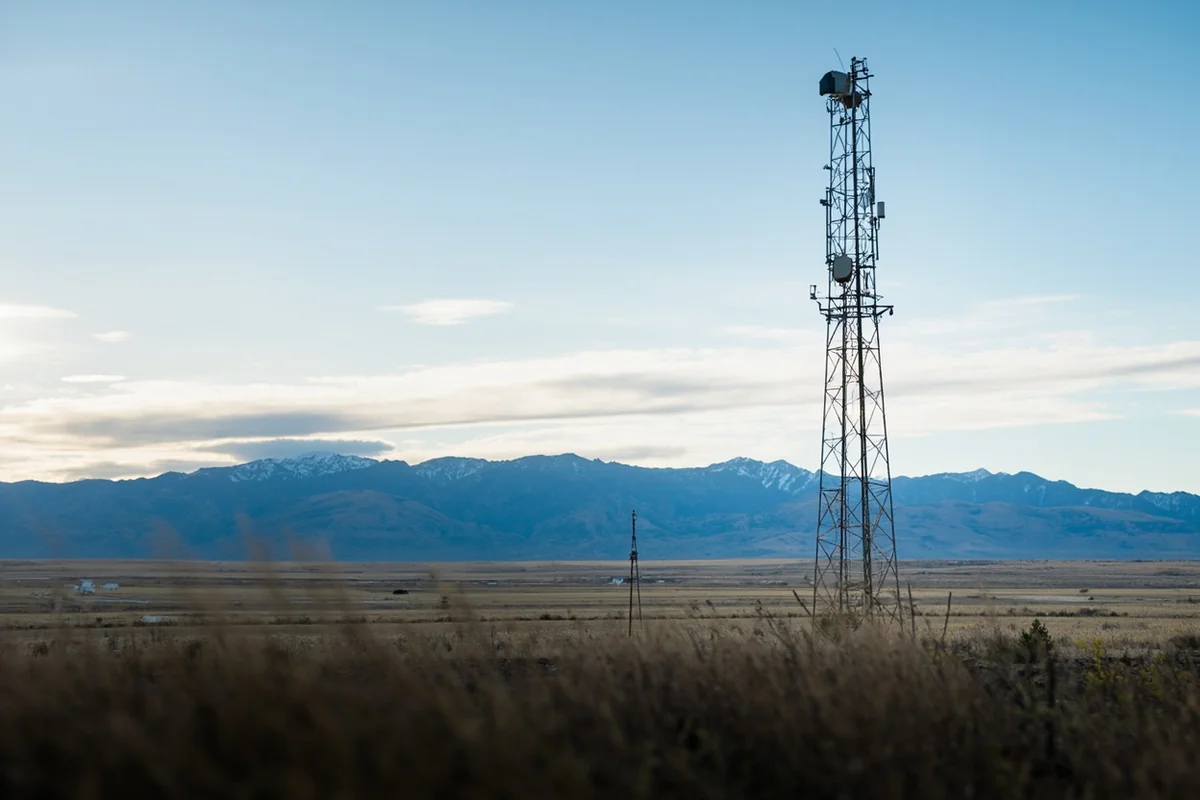
During my research, I spoke with a Verizon technician in Missoula who explained the situation bluntly: “Building a cell tower in Montana can cost over $300,000, plus ongoing maintenance and power costs. When that tower might serve 50 people total, the economics don’t work.”
This means carriers prioritize coverage along major highways, in population centers, and at popular tourist destinations. The further you venture from these areas, the more likely you’ll lose signal entirely.
When you’re thinking about how much it costs to visit Montana, factor in the potential need for backup communication devices if you’re planning serious outdoor adventures.
Carrier-by-Carrier Breakdown: My Testing Experience
I’ve carried multiple phones on my Montana trips over the past several years, specifically to test coverage differences. Here’s what I’ve found with each major carrier.
Verizon: The Overall Winner for Montana Travel
If I could only have one carrier for a Montana road trip, I’d choose Verizon without hesitation. During my most recent trip last summer, I drove from Billings to Glacier National Park via Great Falls, then south through Missoula and back through Butte. Verizon maintained usable signal for roughly 85% of that journey.
Inside Glacier National Park, I had consistent coverage at Apgar Village, Logan Pass, and Many Glacier—the three areas most visitors frequent. Service dropped completely on the Going-to-the-Sun Road between The Loop and Logan Pass (too many cliffs blocking signal), but it returned at the top.
In Yellowstone’s Montana portion, near West Yellowstone and Gardiner, Verizon performed admirably. I was able to video chat with my family from Mammoth Hot Springs with only minor buffering.
The Verizon network also held up well in smaller Montana towns that surprised me: Lewistown, Malta, and even tiny Jordan in the eastern plains all showed LTE coverage when I passed through.
Verizon Weaknesses: Deep wilderness areas remain dead zones. The Bob Marshall Wilderness—one of Montana’s crown jewels—has virtually zero coverage. Highway 83 between Seeley Lake and Swan Lake had multiple 10-15 minute gaps.
AT&T: Strong Urban, Spotty Rural
AT&T has invested heavily in Montana’s I-90 corridor, and it shows. Driving from Billings to Missoula along the interstate, I rarely lost signal with my AT&T test phone. Coverage in Billings, Bozeman, Helena, Butte, and Missoula is excellent—often with 5G availability in downtown areas.
The problems start when you leave major routes. On Highway 200 between Great Falls and Lewistown, AT&T dropped to “Emergency Calls Only” for substantial stretches where Verizon maintained weak but usable LTE.
Inside Glacier National Park, AT&T performed worse than Verizon at Many Glacier—I had one bar while my Verizon phone showed three. The coverage maps suggest similar service, but real-world testing told a different story.
However, AT&T impressed me in one unexpected way: the FirstNet network (available to first responders but also used to boost AT&T’s infrastructure) has improved coverage in some Montana areas. In Red Lodge, AT&T actually outperformed Verizon at my hotel near the ski area.
AT&T Verdict: Great choice if you’re sticking to major cities and highways. More risky for off-the-beaten-path adventures.
T-Mobile: Improved but Still Catching Up
T-Mobile’s acquisition of Sprint led to significant Montana infrastructure improvements, but the carrier still trails Verizon and AT&T in rural coverage. I tested T-Mobile during a trip to Whitefish and Kalispell in late spring, and the results were mixed.
In Whitefish proper, T-Mobile’s 5G network actually delivered faster speeds than my Verizon phone. Downtown Kalispell showed similar performance. The problems emerged quickly once I headed toward Glacier.
By the time I reached Columbia Falls—just 15 miles from Whitefish—T-Mobile had dropped to one bar of LTE. Inside Glacier National Park, coverage was inconsistent: signal at Apgar, nothing at Lake McDonald Lodge, weak signal at Logan Pass (surprisingly), nothing at Many Glacier.
Eastern Montana was worse. I drove from Billings to Miles City with a T-Mobile phone and lost signal for nearly 45 minutes between Forsyth and Miles City. That same stretch showed consistent (if weak) Verizon coverage.
T-Mobile Verdict: Acceptable for visitors staying in major resort towns but not recommended as your only carrier for road trips or backcountry adventures.
US Cellular: The Regional Sleeper
Most travelers don’t consider US Cellular, but it deserves mention for Montana specifically. This regional carrier has coverage agreements with other networks and has built out surprisingly robust infrastructure in rural areas that larger carriers ignore.
I borrowed a US Cellular phone from a friend during an eastern Montana trip. In places like Glasgow, Wolf Point, and Sidney, US Cellular outperformed both AT&T and T-Mobile. The carrier has a strong partnership with Verizon for roaming, which means you’ll often have coverage through Verizon towers as backup.
US Cellular Verdict: Worth considering if you’re spending significant time in eastern Montana or smaller agricultural communities. Not widely available in physical stores though.
Coverage Comparison Table by Region
| Montana Region | Verizon | AT&T | T-Mobile | US Cellular |
|---|---|---|---|---|
| Glacier National Park | ★★★★☆ | ★★★☆☆ | ★★☆☆☆ | ★★★☆☆ |
| Yellowstone (MT side) | ★★★★☆ | ★★★☆☆ | ★★★☆☆ | ★★☆☆☆ |
| Bozeman/Big Sky | ★★★★★ | ★★★★☆ | ★★★★☆ | ★★★☆☆ |
| Missoula | ★★★★★ | ★★★★★ | ★★★★☆ | ★★★★☆ |
| Billings | ★★★★★ | ★★★★★ | ★★★★☆ | ★★★★☆ |
| Eastern MT (Rural) | ★★★☆☆ | ★★☆☆☆ | ★☆☆☆☆ | ★★★★☆ |
| Highway 200 Corridor | ★★★☆☆ | ★★☆☆☆ | ★☆☆☆☆ | ★★★☆☆ |
| Bob Marshall Wilderness | ☆☆☆☆☆ | ☆☆☆☆☆ | ☆☆☆☆☆ | ☆☆☆☆☆ |
Practical Strategies I Use for Montana Connectivity
After years of Montana travel, I’ve developed specific habits that keep me connected when possible and safe when connection isn’t possible.
Always Download Offline Maps
Before any Montana trip, I download offline maps for every region I’ll visit. Google Maps allows you to save specific areas for offline use—I typically download overlapping regions to ensure full coverage.
On my most recent trip, offline maps saved me twice: once when Google Maps lost signal mid-navigation near Philipsburg, and again when searching for a restaurant in Livingston during a brief data outage.
Apple Maps now offers offline capability too, though I find Google’s offline features more robust for routing.
Invest in a Signal Booster
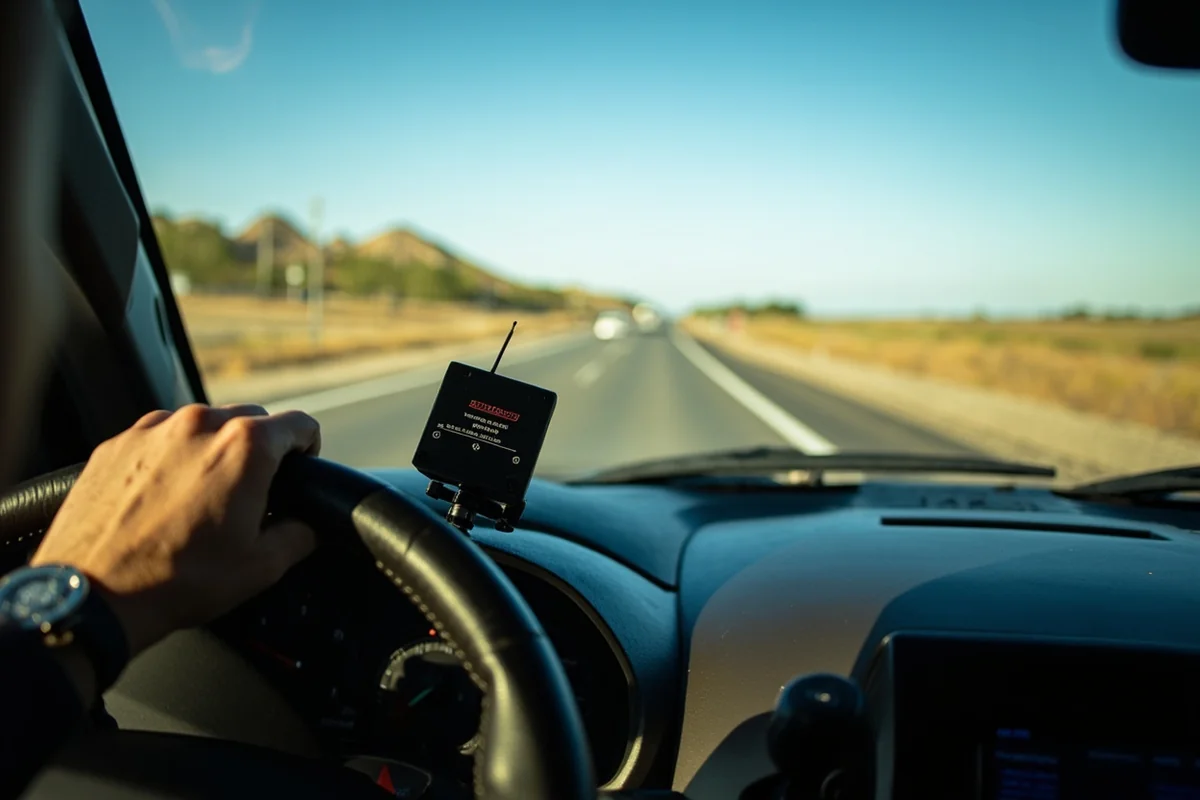
I keep a weBoost Drive Reach in my truck during Montana road trips. This device amplifies existing weak signals, extending usable coverage into marginal areas. It won’t create signal where none exists, but it’s helped me make calls in areas where my phone showed one flickering bar.
The Drive Reach costs around $500, which is steep, but for frequent Montana travelers, it’s been worth every penny. I’ve recommended it to at least five friends who’ve thanked me since.
Enable Wi-Fi Calling
Many Montana accommodations—even remote lodges—have WiFi even when cell signal is nonexistent. Before your trip, ensure Wi-Fi calling is enabled on your phone and carrier account. This lets you make and receive calls over WiFi when cellular networks fail.
During a stay at a remote cabin near the North Fork of the Flathead River last fall, I had zero cell signal but solid WiFi. Wi-Fi calling let me stay in touch with family without issue.
Consider a Satellite Communicator
For serious backcountry adventurers, I strongly recommend a satellite communicator. I carry a Garmin inReach Mini on every Montana hike, and it’s paid for itself in peace of mind dozens of times over.
These devices use satellite networks (not cell towers) to send text messages and trigger emergency SOS alerts from anywhere on Earth. The inReach Mini costs about $350 plus a monthly subscription ($12-50 depending on plan), but it works in the deepest wilderness where even Verizon fails.
When I hiked to the Chinese Wall in the Bob Marshall Wilderness, my inReach let me check in with my wife daily despite being 30 miles from the nearest road. That alone was worth the cost.
The Zoleo is another excellent option at a lower price point ($199), though with slightly less functionality.
Specific Location Coverage Reports
Let me share detailed coverage notes from my recent Montana travels. These represent real-world testing, not theoretical coverage maps.
Glacier National Park
Apgar Village/Lake McDonald Lodge area: Verizon shows 3-4 bars LTE. AT&T shows 2-3 bars. T-Mobile spotty but present.
Going-to-the-Sun Road: Coverage disappears completely between The Loop and approximately one mile before Logan Pass. This section takes 20-30 minutes to drive depending on traffic. Plan accordingly.
Logan Pass: Surprisingly decent coverage for all carriers at the visitor center. Verizon strongest at 3 bars.
Many Glacier: Verizon 2-3 bars at the hotel and Swiftcurrent parking area. AT&T weaker at 1-2 bars. T-Mobile unreliable—I had signal, lost it, regained it repeatedly.
Two Medicine: Very weak coverage. I managed one text message on Verizon but couldn’t load data.
If you’re hoping to photograph the aurora from Glacier, as many visitors try to do, note that checking whether Montana sees the Northern Lights requires signal—download predictions before heading into the park.
Yellowstone’s Montana Gateways
West Yellowstone: Excellent coverage for all carriers. This town has built out infrastructure for the massive tourist traffic. 5G available on Verizon and AT&T downtown.
Gardiner: Good coverage in town on all carriers. Signal drops quickly as you enter the park through the Roosevelt Arch.
Cooke City/Silver Gate: These tiny towns near the Northeast Entrance have surprisingly decent Verizon coverage. AT&T and T-Mobile are weak but functional.
Bozeman and Surrounding Areas
Downtown Bozeman: All carriers offer strong service, including 5G on major carriers.
Big Sky Resort: Coverage is good at the base area and Mountain Village. Gets spotty on upper mountain lifts but functions for basic use.
Paradise Valley (south toward Yellowstone): Verizon maintains coverage along Highway 89. AT&T drops occasionally near Emigrant. T-Mobile weakest of the three.
Hyalite Canyon: Verizon holds coverage to the reservoir. All carriers fail once you start hiking beyond the trailheads.
Missoula Region
Downtown Missoula: Excellent coverage on all carriers.
Rattlesnake Wilderness: Coverage fails within two miles of the main trailhead.
Lolo Pass (toward Idaho): Spotty coverage on Highway 12. Expect multiple dead zones of 5-15 minutes each.
Rock Creek Area: Weak but functional Verizon coverage along the main road. Dies quickly on side roads.
What About International Visitors?
If you’re visiting Montana from outside the United States, you have several options for cell coverage.
International Roaming: Your home carrier may offer roaming in the US, but rates are often extortionate. Check pricing before relying on this option. I’ve met international visitors at Glacier who racked up hundreds of dollars in roaming charges unknowingly.
US Prepaid SIM: T-Mobile and AT&T both offer prepaid SIM cards that international visitors can purchase without a US social security number. I’d recommend AT&T over T-Mobile specifically for Montana travel based on coverage testing. Buy your SIM at major airports or electronics stores before heading to Montana.
eSIM Services: Newer phones support eSIMs that can be purchased and activated instantly. Airalo and Holafly offer US eSIM packages. These typically use AT&T or T-Mobile networks.
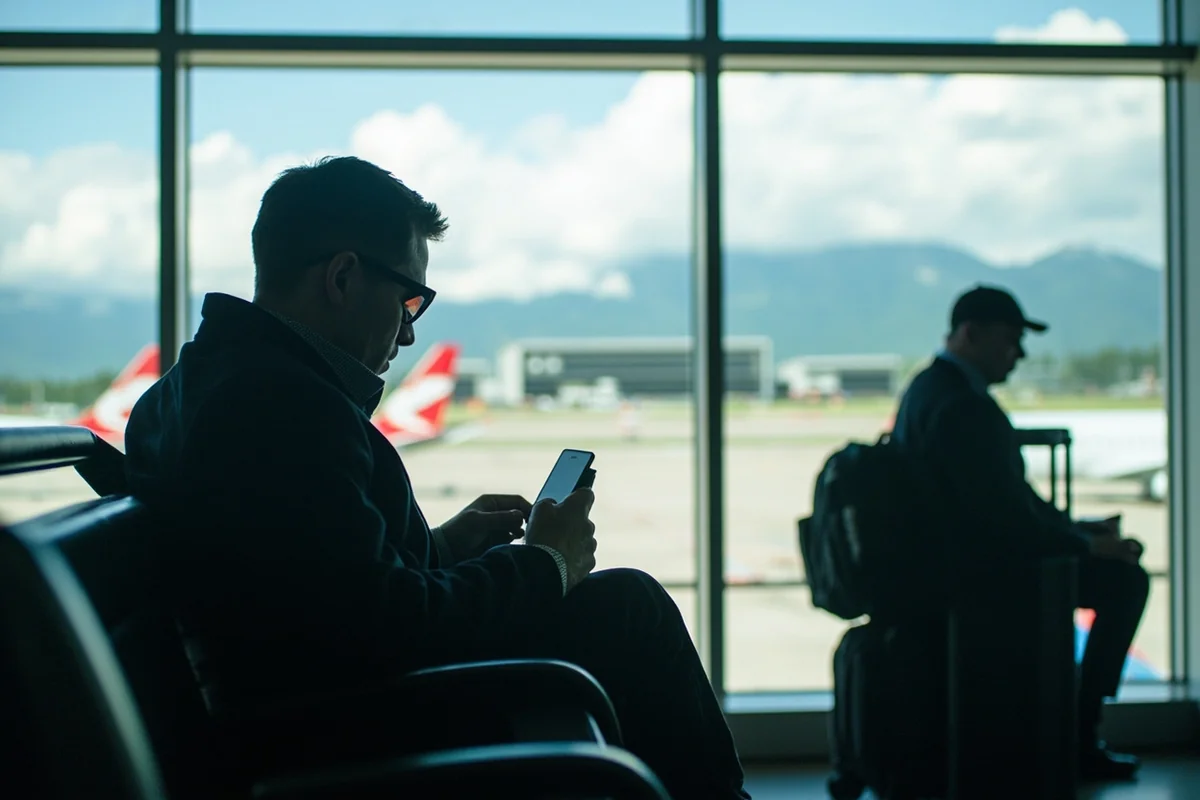
When planning your arrival, you might want to consider how long it takes to get to Montana and arrange your SIM or eSIM accordingly. Major Montana airports like Billings, Bozeman, and Missoula have cell carrier stores nearby.
If you need to use public WiFi while traveling, I’d also suggest reading about the best VPNs for Montana to protect your data on unsecured networks.
Emergency Communication Without Cell Service
Let’s talk about safety, because this is where Montana’s coverage gaps become serious rather than merely inconvenient.
Know Emergency Landline Locations: In national parks, visitor centers and ranger stations have landline phones. I’ve seen rangers allow emergency calls even after hours by posting instructions on doors.
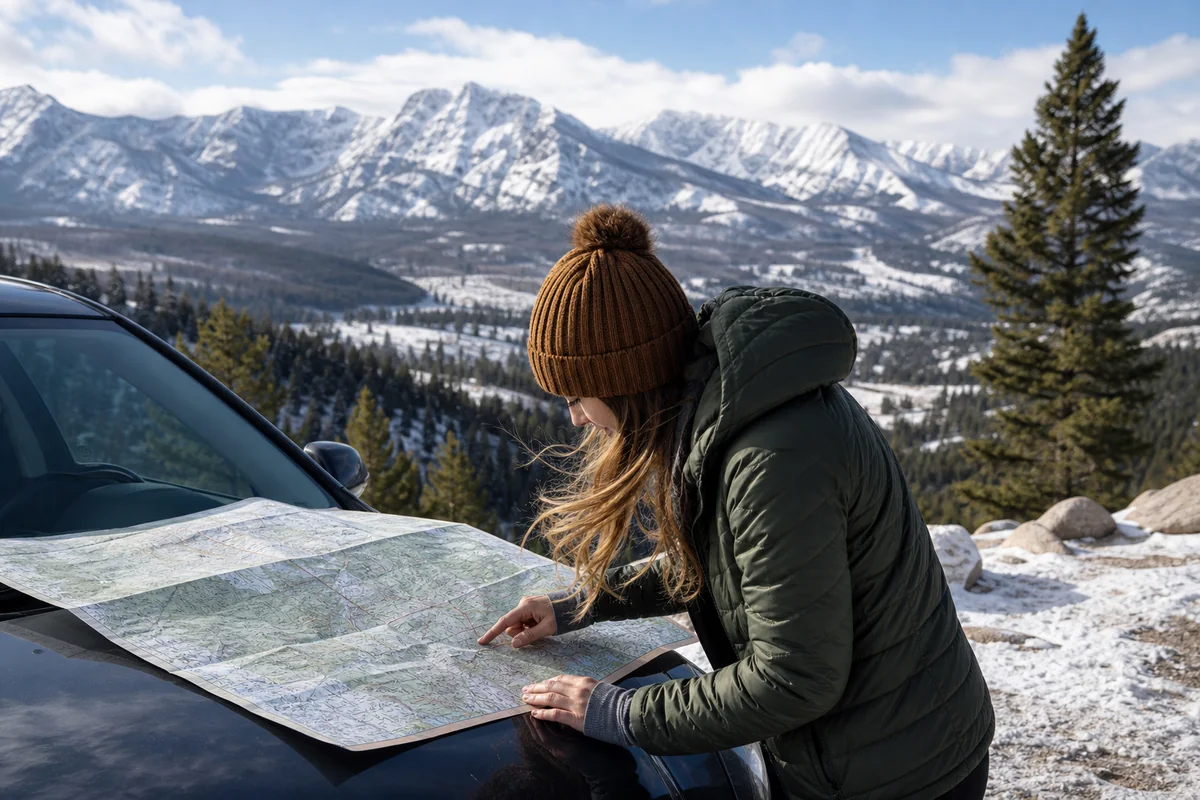
Carry Physical Maps: If your phone dies or loses signal, paper maps don’t fail. I always carry detailed USGS topographic maps of my hiking areas. They’re available at REI, ranger stations, and sometimes local gas stations.
Leave Detailed Itineraries: Before backcountry travel, I always leave my planned route and expected return time with someone outside Montana. Include vehicle description and parking location. Rangers can find you faster if they know where to look.
Consider Personal Locator Beacons: PLBs (like the ACR ResQLink) are one-time emergency devices that send GPS coordinates to search and rescue via satellite. They’re cheaper than satellite communicators ($250-350) but only send emergency SOS signals—no texting capability.
Understanding whether Montana is safe to visit includes preparing for communication challenges. Most Montana safety issues aren’t about crime—they’re about the environment and remoteness.
Cost-Effective Connectivity Options
Not everyone wants to switch carriers or buy expensive satellite devices for one Montana trip. Here are budget-friendly alternatives I’ve tested.
Carrier Temporary Plans: If your current carrier is T-Mobile with poor Montana coverage, consider activating a temporary prepaid Verizon line for your trip. A 2-week unlimited prepaid plan costs around $50-65 and could make a significant difference in your connectivity.
Hotspot Rentals: Companies like Skyroam offer portable WiFi hotspot rentals that work on multiple carrier networks. They’re not cheap ($10-15/day) but can provide backup connectivity when your primary carrier fails.
Town WiFi: Montana’s public libraries universally offer free WiFi. Coffee shops in tourist towns usually do as well. I’ve parked outside libraries after hours to send important emails when camping in areas without coverage.
For those planning budget-friendly day trips in Montana, these cost-effective options help you stay connected without breaking the bank.
How Coverage Affects Your Trip Planning
Understanding Montana’s cell coverage should influence several trip planning decisions.
Accommodation Choices
When booking lodging, I always check WiFi availability and read reviews specifically mentioning connectivity. Some remote lodges advertise “WiFi” that barely loads email, while others have surprisingly robust satellite internet.
For example, the Many Glacier Hotel in Glacier National Park has reasonable WiFi in common areas despite minimal cell coverage. Contrast that with some backcountry cabins that have literally no connectivity of any kind.
If staying connected matters for your trip (remote work, staying in touch with kids at home, etc.), prioritize accommodations in towns like Bozeman, Missoula, or Whitefish rather than wilderness lodges.
Navigation Planning
Download all offline maps and entertainment (podcasts, music, audiobooks) before leaving urban areas. There’s nothing worse than realizing your podcast app needs to buffer mid-episode when you’re 50 miles from the nearest cell tower.
I also screenshot important reservation confirmations and directions. Yes, this is old-school, but screenshots work offline when email apps don’t.
Activity Timing
Some Montana activities practically require connectivity for timing. Checking Montana air quality during wildfire season, for instance, might influence whether you proceed with a planned hike. Download air quality apps that cache recent data, or check conditions before entering dead zones.
Similarly, Montana webcams let you check road and weather conditions remotely—but only when you have signal to load them.
Future Coverage Improvements
Montana’s cell coverage is slowly improving, though “slowly” is the operative word.
Starlink and Satellite Internet: SpaceX’s Starlink is expanding across Montana, and some accommodations now offer Starlink-based WiFi. This doesn’t help your cell phone directly, but improves WiFi availability at lodges and campgrounds.
5G Expansion: Carriers are deploying 5G in Montana’s larger cities. Bozeman, Missoula, and Billings all have 5G zones now. However, 5G’s shorter range actually makes rural coverage worse in some cases—carriers are prioritizing 5G in cities while maintaining legacy 4G in rural areas.
FirstNet Buildout: AT&T’s FirstNet network for first responders is adding towers in Montana, which also improves consumer AT&T coverage. This is one reason AT&T has shown incremental improvement in my testing over the past few years.
Don’t expect Montana to match urban connectivity anytime soon, but each year brings modest improvements in key areas.
My Final Recommendations
After testing carriers across thousands of Montana miles, here’s my straightforward advice:
For most Montana visitors: Verizon is the safest choice. It won’t be perfect, but it’ll keep you connected more often than alternatives.
For urban-focused trips: AT&T or Verizon are roughly equivalent if you’re sticking to cities and major highways.
For backcountry adventures: Accept that no carrier will keep you connected. Invest in a satellite communicator and embrace the disconnection as part of the experience.
For extended stays: Consider dual-SIM phones or carrying a backup phone with a different carrier. Having both Verizon and AT&T available covers most situations.
Before you head out, make sure you’ve reviewed current Montana travel restrictions and packed appropriately according to your Montana trip packing list—which should definitely include your communication backup plans.
And one more consideration: flights to Montana can be expensive, so don’t let poor connectivity planning waste your hard-earned vacation. A few hours of preparation will ensure you stay connected when it matters and stay safe when you can’t.
Montana’s beauty partly stems from its wildness and remoteness. The same qualities that limit cell coverage create the stunning landscapes you’re traveling to experience. Prepare appropriately, embrace the occasional digital detox, and you’ll find that limited connectivity often becomes a feature of Montana travel rather than a bug.
Safe travels, and may your signal be strong when you need it most.
Frequently Asked Questions
Which cell phone carrier has the best coverage in rural Montana?
Verizon consistently offers the best cell coverage across rural Montana, including remote areas like Glacier National Park and the Missouri Breaks. I’ve found their network reaches about 70% of Montana’s vast wilderness areas where other carriers drop to zero bars. AT&T comes in second, particularly along major highways like I-90 and I-15.
Will my cell phone work in Glacier National Park and Yellowstone?
Cell service in Glacier National Park is extremely limited, with reliable coverage only near the Apgar Village and St. Mary areas. In Yellowstone’s Montana sections, you’ll find spotty Verizon service near Mammoth Hot Springs and park entrances. I recommend downloading offline maps and letting family know you may be unreachable for hours or even days in the backcountry.
Should I buy a prepaid SIM card or portable WiFi hotspot for traveling through Montana?
For road trips across Montana, I suggest getting a Verizon prepaid SIM card ($35-50 for 15GB) rather than relying on your current carrier. Portable WiFi hotspots work well in towns like Bozeman, Missoula, and Billings, but they’re essentially useless once you’re 20+ miles from major routes. Many travelers carry both as backup for the 550-mile stretches between cities.
What areas of Montana have no cell phone service at all?
Large portions of central and eastern Montana have complete dead zones, including the Charles M. Russell National Wildlife Refuge and much of the Hi-Line region along Highway 2. The Bob Marshall Wilderness Complex, spanning over 1.5 million acres, has zero cell coverage from any carrier. I always carry a satellite communicator like Garmin inReach when exploring these areas, which costs about $15-50 per month for emergency messaging.
How can I stay connected while camping in Montana’s backcountry?
Your best bet for backcountry connectivity in Montana is renting or buying a satellite messenger device, since traditional cell service simply doesn’t exist in most wilderness areas. Devices like the Garmin inReach Mini ($300) or SPOT X ($250) allow emergency SOS and basic texting via satellite. Many outfitters in Bozeman and Whitefish rent these devices for $10-15 per day, which I highly recommend for solo travelers.
Does T-Mobile or AT&T work along Montana’s scenic byways and highways?
T-Mobile coverage in Montana is frustratingly limited, mostly confined to cities and I-90 corridor towns like Butte and Billings. AT&T performs better on scenic routes like the Beartooth Highway and Going-to-the-Sun Road, though you’ll still experience frequent dropouts. For the 424-mile drive from Missoula to the North Dakota border, expect 60% of the route to have weak or no T-Mobile signal.
What’s the best way to prepare for limited cell coverage during a Montana road trip?
Before your Montana trip, download offline Google Maps for the entire state and save important reservation confirmations as screenshots or PDFs. I always text my itinerary to family members and establish check-in times at towns where I know I’ll have service. Bringing a paper road atlas ($12-15 at any Montana gas station) has saved me twice when GPS failed on unmarked Forest Service roads.
Sources
- https://leg.mt.gov/content/Committees/Interim/2017-2018/State-Tribal-Relations/Meetings/Mar-2018/cell-coverage-maps.pdf
- https://www.leg.mt.gov/content/Committees/Interim/2011-2012/Energy-and-Telecommunications/Meeting-Documents/November-2011/CellOne.pdf
- https://www.nps.gov/glac/planyourvisit/connectivity.htm
- https://gismaps.verizon.com/map4/?token=920hJbTf4B5i5f26V1ijGSRxAVX5U5qomWxPXg1cJ4HOlvq6iffk
- https://www.att.com/maps/wireless-coverage.html
- https://www.t-mobile.com/coverage/coverage-map