I’ll never forget filling my water bottle from a public fountain in Whitefish last summer and having a fellow traveler from Arizona stop me mid-pour. “You’re just going to drink that straight from the tap?” she asked, genuinely concerned.
I laughed, took a long sip, and told her what I’m about to tell you: Montana has some of the cleanest, best-tasting tap water I’ve experienced anywhere in the country.
But here’s the thing — that answer comes with important nuances depending on where you’re traveling, when you visit, and whether you’re venturing into the backcountry.
As someone who’s spent years exploring every corner of Big Sky Country and compiling essential Montana travel tips, I want to give you the complete picture so you can stay hydrated and healthy throughout your trip.
- Municipal tap water in Montana’s major cities (Bozeman, Missoula, Billings, Helena, Great Falls) is safe to drink and meets all EPA standards
- Montana’s tap water frequently ranks among the cleanest in the nation due to mountain snowmelt sources and low population density
- Never drink untreated water from streams, rivers, or lakes — even crystal-clear mountain water can contain Giardia
- Some rural areas and older buildings may have well water or aging pipes; ask before drinking
- Pack a water filter or purification tablets for backcountry adventures
- Wildfire season can temporarily affect water quality and taste in some areas
Liked this article?
Add Roaming Montana as a preferred source so you see more of our articles and guides on Google.
The Short Answer: Yes, Montana’s Tap Water Is Generally Excellent
Let me put your mind at ease right away. If you’re staying in any of Montana’s established cities or towns, you can drink the tap water without hesitation.
I’ve been drinking it for years, and during my travels across the state, I’ve consistently found it to be clean, refreshing, and honestly better-tasting than bottled water.
Montana’s municipal water systems are regulated by the Environmental Protection Agency and must meet strict federal standards. But beyond just meeting requirements, many Montana communities actually exceed them significantly.
What makes Montana’s water special is where it comes from. Most cities draw their water from mountain reservoirs, pristine aquifers, and snowmelt-fed rivers. This isn’t recycled wastewater that’s been heavily treated — it’s genuinely pure source water that requires minimal processing.
Why Montana’s Water Is Uniquely Clean
During my conversation with a water treatment facility manager in Bozeman on a recent trip, I learned something fascinating about why Montana’s tap water tastes so good. It comes down to three key factors that most states simply can’t replicate.
Low Population Density Means Less Contamination
Montana has roughly 1.1 million people spread across the fourth-largest state in America. That’s about 7 people per square mile compared to New Jersey’s 1,200. Fewer people means less agricultural runoff, fewer industrial pollutants, and less stress on water treatment systems.
When I drove from Missoula to Great Falls last fall, I passed through hundreds of miles of wilderness where the water flowing through rivers and streams had barely encountered human activity. That pristine water eventually makes its way into aquifers and reservoirs that supply tap water.
Mountain Snowmelt Sources
Many Montana cities source their water from the Rocky Mountains, where winter snow slowly melts and filters through granite and limestone. This natural filtration process has been happening for thousands of years.
Missoula, for example, draws water from the Rattlesnake Creek watershed and a massive underground aquifer. When I toured their water treatment facility, I was amazed to learn that their groundwater is so naturally clean it requires almost no treatment before reaching taps.
Minimal Agricultural and Industrial Impact
Unlike states with heavy manufacturing or intensive agriculture, Montana’s economy relies more on tourism, ranching, and natural resource extraction. While mining has caused some localized water issues (more on that later), the overall impact on municipal water supplies is minimal.
City-by-City Water Quality Breakdown
During my travels across Montana, I’ve made it a point to research and taste-test the tap water in major destinations. Here’s what I’ve found from personal experience and official water quality reports.
Bozeman: Exceptional Quality
I spent two weeks in Bozeman last summer, and the tap water was outstanding. The city sources water from Hyalite and Lyman Creek reservoirs in the Gallatin National Forest, and it shows.
Bozeman’s water consistently meets or exceeds all EPA standards, with notably low levels of chlorine compared to other cities. I actually preferred it to the expensive bottled water at my hotel’s gift shop.
The only caveat? Some older buildings in downtown Bozeman may have aging pipes. If your vacation rental is in a historic building, let the tap run for 30 seconds before drinking to flush any standing water.
Missoula: Among the Best in the Country
Missoula’s tap water is legendary among water quality enthusiasts (yes, that’s a thing). The city taps into one of the largest aquifers in the Pacific Northwest, and the water is so naturally pure that treatment is minimal.
When I was staying near the University of Montana campus during a recent football weekend, I filled my reusable bottle exclusively from tap sources. The water had no chlorine taste and was ice-cold straight from the faucet.
Billings: Good Quality with Harder Water
Billings sources its water from the Yellowstone River and treats it at a modern facility. The water is safe and meets all standards, but I noticed it has a slightly harder mineral taste compared to western Montana cities.
This isn’t a safety concern — just a taste difference. If you’re sensitive to harder water, you might prefer filtered water for drinking, though I found it perfectly palatable.
Helena: Excellent Mountain Water
Montana’s capital city draws water from the Tenmile Creek watershed in the Helena National Forest. During my visit to the state capitol last spring, I found the water to be clean and refreshing.
Helena does add fluoride to its water supply, which is standard practice for dental health. If you prefer non-fluoridated water, you’ll want to use a filter that removes fluoride.
Great Falls: Quality from the Missouri
Great Falls treats water from the Missouri River, and the treatment facility does an excellent job. The water meets all federal standards and tastes clean.
I noticed slightly higher chlorine levels compared to mountain-sourced cities, but it’s still far better than major metropolitan areas I’ve visited elsewhere in the country.
Water Quality Data: What the Numbers Say
I’m not just going by taste here — the data backs up my experience. Here’s a comparison of key water quality metrics from Montana’s major cities based on their most recent consumer confidence reports:
| City | Primary Source | Chlorine Level | Fluoride Added | EPA Violations (Past 5 Years) |
|---|---|---|---|---|
| Bozeman | Mountain Reservoirs | Low | Yes | None |
| Missoula | Aquifer/Groundwater | Minimal | Yes | None |
| Billings | Yellowstone River | Moderate | Yes | None |
| Helena | Tenmile Creek | Low | Yes | None |
| Great Falls | Missouri River | Moderate | Yes | None |
| Kalispell | Groundwater Wells | Low | No | None |
These numbers are reassuring, especially when you compare them to national averages. Montana’s major cities have clean track records with no EPA violations — something many larger metropolitan areas can’t claim.
The Backcountry Exception: Never Drink Untreated Wild Water
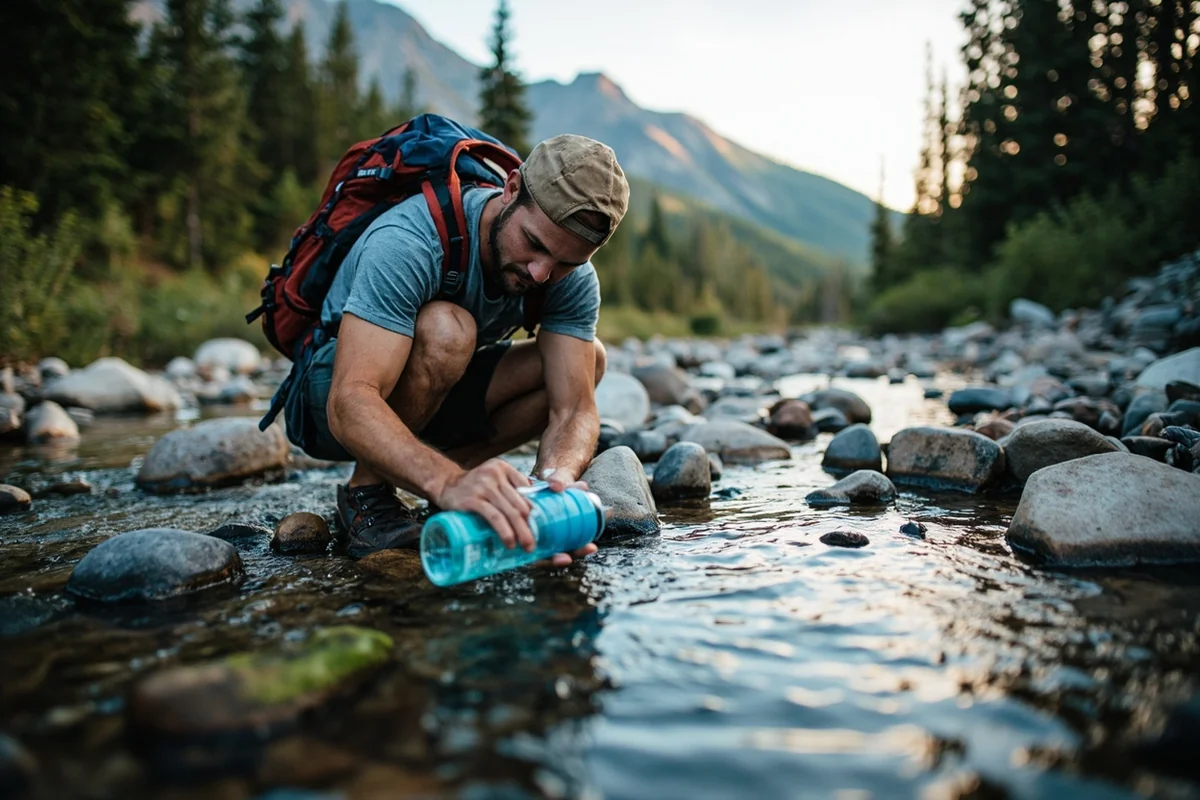
Here’s where I need to give you a serious warning that could save your trip. While Montana’s municipal tap water is excellent, the water in streams, rivers, and lakes throughout the backcountry is NOT safe to drink untreated.
I learned this lesson through a close call during my first backpacking trip in Glacier National Park years ago. A fellow hiker filled his bottle from a pristine-looking stream and started drinking without treating it. Three days later, he was violently ill with Giardia — a parasitic infection that causes severe gastrointestinal symptoms.
Giardia Is Everywhere in Montana’s Wild Water
Giardia lamblia, often called “beaver fever,” is a microscopic parasite found in wildlife feces throughout Montana. Deer, elk, bears, and especially beavers deposit these parasites in water sources constantly.
The cruel irony? The clearer and more beautiful the water looks, the more likely visitors are to drink it untreated. But crystal-clear mountain streams are just as likely to harbor Giardia as murky lowland creeks.
Symptoms usually appear 1-3 weeks after exposure and include severe diarrhea, cramping, nausea, and dehydration. It can ruin not just your Montana trip but weeks afterward.
How to Safely Drink Backcountry Water
When I’m hiking or camping in Montana’s wilderness areas, I always bring water treatment options. Here’s what I recommend based on my experience:
Portable Water Filters: I use a Sawyer Squeeze filter on day hikes. It weighs almost nothing, filters thousands of gallons, and removes 99.99999% of bacteria and protozoa. On a recent trip through the Bob Marshall Wilderness, this filter was my constant companion.
UV Purifiers: SteriPen and similar UV devices kill pathogens quickly and don’t affect taste. I use mine as a backup and for treating larger quantities at camp.
Chemical Treatment: Iodine tablets or chlorine dioxide drops work well and weigh almost nothing. Keep these in your pack as an emergency backup even if you have a filter.
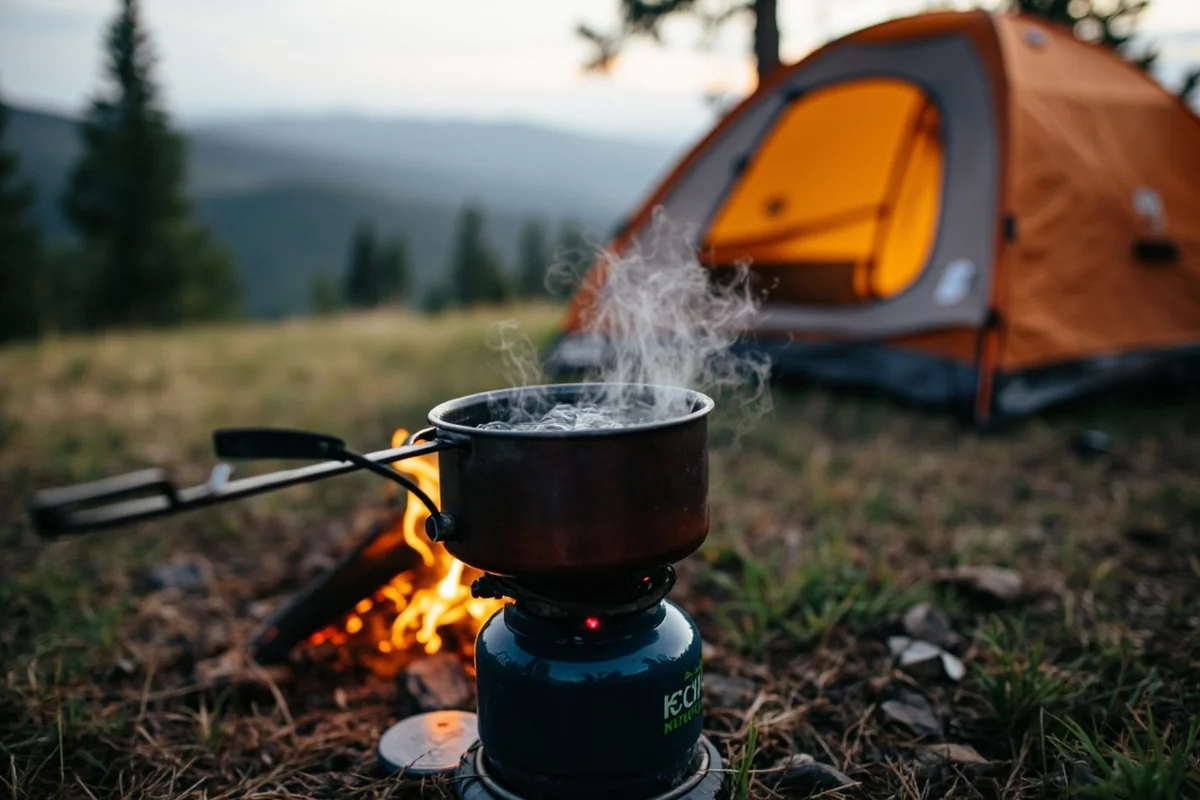
Boiling: If all else fails, boiling water for at least one minute (three minutes above 6,500 feet) will kill all pathogens. It’s time-consuming and fuel-intensive but reliable.
I always add a water filter or treatment method to my Montana trip packing list recommendations for anyone planning backcountry adventures.
Special Considerations for Rural Montana and Small Towns
Montana’s charm includes countless small towns that feel frozen in time. But when you’re visiting Montana on a budget and staying in smaller communities, water quality can be less predictable than in major cities.
Private Well Water
Many rural properties, vacation rentals, and smaller accommodations in Montana rely on private wells rather than municipal water systems. These wells aren’t subject to EPA regulation, and water quality depends entirely on the property owner’s maintenance.
During a stay at a ranch near Ennis last spring, I asked the owner about their well water before drinking it. They showed me their annual testing results and explained their filtration system. The water was excellent, but I was glad I asked.
My advice: When booking rural accommodations, ask about the water source. Most hosts are happy to share this information and may even have water test results available.
Historic Mining Areas
Montana’s mining history has left some areas with elevated levels of heavy metals in groundwater. The most notable example is Butte and surrounding areas, where over a century of copper mining impacted the environment.
Butte’s municipal water is treated and safe to drink today — I drank it without issue during my visit to the historic Copper King Mansion. However, some private wells in historic mining districts may have contamination issues.
If you’re staying in former mining towns like Butte, Anaconda, or Philipsburg, stick to municipal water or ask your accommodation about their water source.
Reservation Lands
Water infrastructure on Montana’s tribal reservations varies significantly. Some areas have modern treatment facilities, while others face ongoing challenges with aging systems.
When visiting the Blackfeet Reservation gateway to Glacier’s east side or the Flathead Reservation, I’ve generally found that businesses catering to tourists have reliable water. However, bringing bottled water as a backup is reasonable.
Seasonal Factors That Affect Water Quality
Montana’s dramatic seasons can impact tap water in ways that might surprise you. Understanding these patterns has helped me plan my trips better, and checking Montana air quality and water conditions has become part of my pre-trip routine.
Spring Runoff Season (April-June)
When mountain snowpack melts each spring, massive volumes of water flow into rivers and reservoirs. This runoff can temporarily increase turbidity (cloudiness) in some water systems and may require additional treatment.
I’ve noticed that tap water in river-sourced cities like Billings and Great Falls can have a slightly different taste during peak runoff in May. It’s still perfectly safe, but you might notice the difference if you’re sensitive to water taste.
Wildfire Season (July-September)
This is when Montana air quality often makes headlines, but wildfires can affect water too. Ash, debris, and increased runoff from burned areas can temporarily impact water sources.
During the severe 2021 fire season, some communities in western Montana issued advisories about water taste and appearance. The water remained safe, but affected residents reported a slightly smoky taste.
If you’re visiting during wildfire season and notice unusual water taste or color, check local news or the municipal water utility website for updates. In most cases, it’s a temporary aesthetic issue rather than a safety concern.
Winter Frozen Pipe Risks
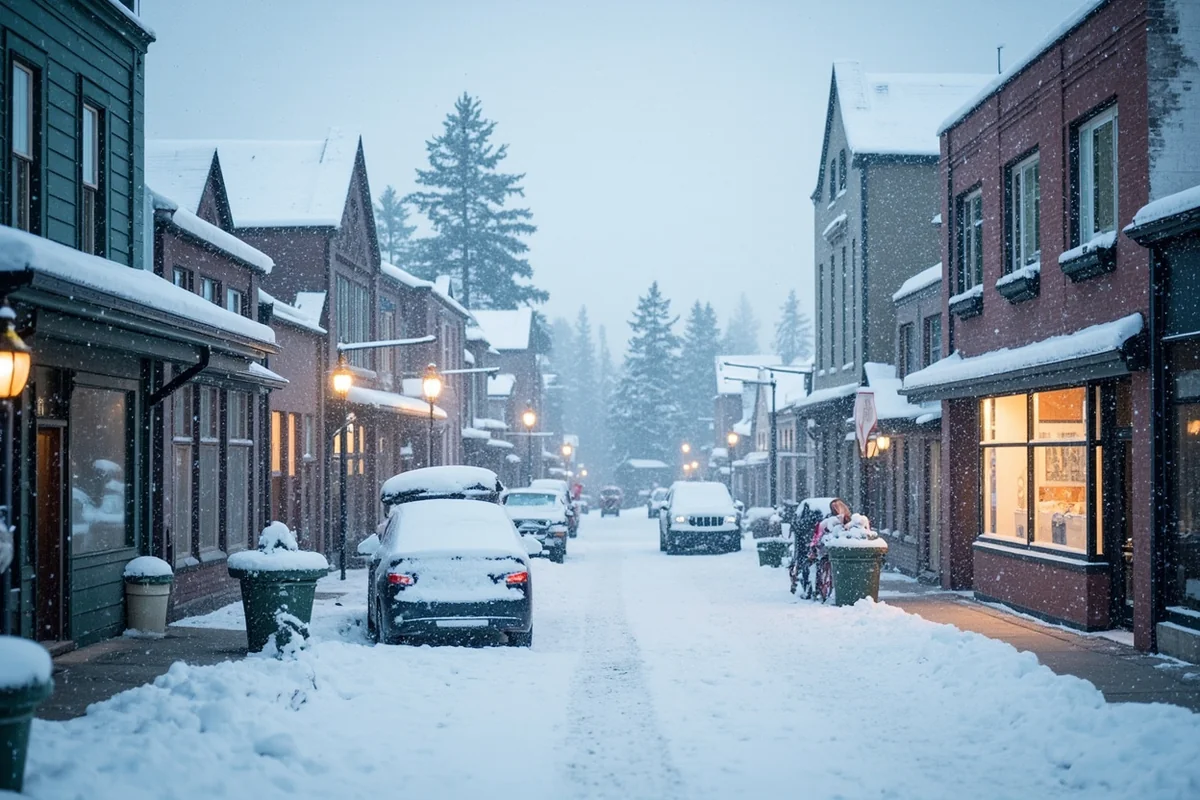
Montana winters are no joke, with temperatures regularly dropping well below zero. In very cold snaps, water main breaks become more common, and temporary boil-water advisories may be issued in affected areas.
During a December visit to Helena, I experienced a city-wide boil-water advisory after a major water main break. Hotels provided bottled water, and the issue was resolved within 48 hours.
Check local conditions during winter visits, especially after extreme cold snaps. This is good advice alongside understanding how long it takes to get to Montana and planning for potential weather delays.
National Parks: What to Expect
If you’re visiting Glacier National Park or Yellowstone’s Montana entrance, water quality is generally excellent but with some important caveats.
Glacier National Park
Developed areas in Glacier — including Many Glacier, Lake McDonald Lodge, Apgar, and St. Mary — have treated tap water that’s safe to drink. I’ve filled my water bottles at park facilities countless times without issue.
The water comes from mountain sources and tastes fantastic. During my last visit to Many Glacier Hotel, I commented to the staff that their tap water was better than any bottled water I could buy.
Backcountry chalets like Granite Park and Sperry have different situations. These historic structures collect water from local sources with varying treatment levels. Ask staff about current water conditions before drinking.
Yellowstone National Park (Montana Portions)
While most of Yellowstone is in Wyoming, the north entrance through Gardiner, Montana is a common access point. Gardiner’s tap water is safe and well-treated, sourced from mountain springs.
Inside the park, developed areas like Mammoth Hot Springs have treated water systems. However, never drink water from geothermal features, hot springs, or streams near thermal areas. Beyond being potentially contaminated, the extreme temperatures and mineral content can cause serious injury.
Practical Tips for Staying Hydrated in Montana
Based on years of Montana travel, here’s my practical advice for managing water needs during your trip:
Bring a Reusable Water Bottle
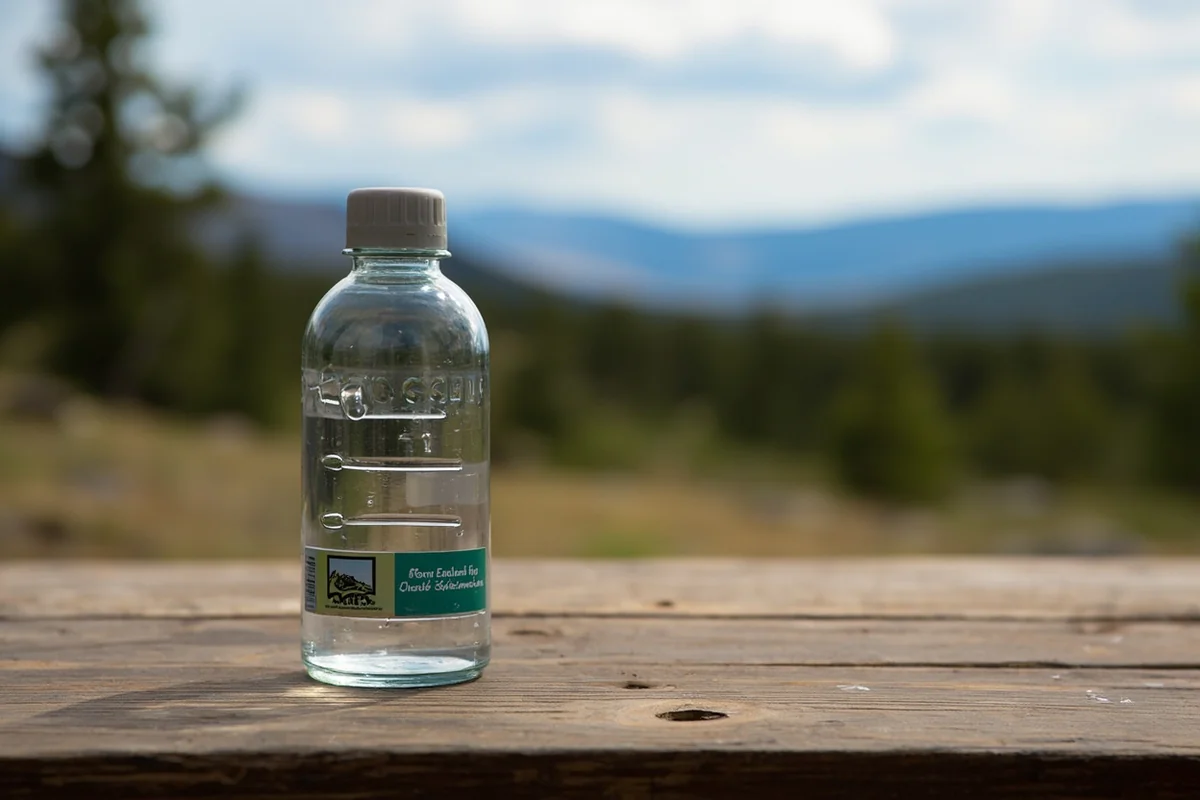
Montana’s excellent tap water makes reusable bottles a no-brainer. I carry a 32-ounce insulated bottle everywhere and refill it from tap sources constantly.
This saves money, reduces plastic waste, and ensures I stay hydrated in Montana’s dry climate. Plus, many Montana businesses actively encourage refilling — it’s part of the state’s outdoor culture.
Understand Montana’s Dry Climate
Montana’s high elevation and low humidity mean you’ll dehydrate faster than you might expect. When I first moved here, I was shocked at how much more water I needed compared to sea-level living.
Plan to drink significantly more water than normal, especially if you’re hiking, skiing, or spending time outdoors. Altitude sickness symptoms are often actually dehydration symptoms in disguise.
Don’t Rely on Bottled Water in Remote Areas
Montana’s vast spaces mean you can drive for hours without seeing a convenience store. Cell coverage in Montana can be spotty too, so don’t count on finding emergency water stops.
When I’m road-tripping through eastern Montana or taking backcountry routes, I always carry more water than I think I’ll need. A gallon per person per day is my minimum for remote travel.
Trust Hotel and Restaurant Tap Water
Every hotel, restaurant, and coffee shop I’ve visited in Montana serves safe tap water. You don’t need to order bottled water at restaurants or avoid the coffee maker in your hotel room.
When planning your Montana trip budget, know that you won’t need to spend much on bottled water unless you simply prefer it.
What About Hot Springs and Natural Swimming Spots?
Montana has hundreds of natural hot springs, and visitors often wonder about the water quality at these popular attractions.
Commercial Hot Springs
Developed hot springs resorts like Chico Hot Springs near Livingston, Fairmont Hot Springs near Anaconda, and Quinn’s Hot Springs near Paradise treat and monitor their pools. The water is safe for soaking.
However, don’t drink hot springs water — even at developed facilities. The mineral content and warm temperatures can harbor bacteria you don’t want to ingest.
Primitive Hot Springs
Montana has numerous undeveloped natural hot springs that adventurous visitors seek out. While soaking is generally fine, be aware of a few risks:
Naegleria fowleri, a rare but dangerous amoeba, can live in warm freshwater. Never submerge your head or get water up your nose in natural hot springs.
Water quality at primitive springs varies with weather, animal activity, and other factors. Stick to soaking and avoid swallowing any water.
If You’re Sensitive to Water Changes
Some travelers experience mild digestive adjustment when drinking water from new sources, even perfectly safe ones. This isn’t because the water is contaminated — it’s simply your body adjusting to different mineral content and bacterial profiles.
If you have a sensitive stomach, consider these strategies during your Montana trip:
Transition gradually by drinking small amounts of local water mixed with bottled water for the first day or two.
Bring probiotic supplements to help your digestive system adjust. I recommend starting these a few days before your trip.
Stick with bottled water if you’re especially sensitive and only visiting for a few days. There’s no shame in playing it safe.
Emergency Water Situations
While rare, water emergencies can happen anywhere. Here’s what to know about handling them in Montana:
Boil-Water Advisories
Municipalities issue these when water safety may be compromised, typically after main breaks, treatment failures, or natural disasters. If an advisory is issued:
Bring water to a rolling boil for at least one minute.
Use boiled or bottled water for drinking, cooking, brushing teeth, and making ice.
Check local news or utility websites for updates.
Finding Water in Emergencies
If you’re stranded in remote Montana without water, locate any water source and treat it before drinking. Backcountry streams, rivers, and even livestock water troughs can provide emergency hydration if properly treated.
This is another reason why carrying water treatment supplies is essential for backcountry travel. When evaluating whether Montana is safe to visit, water access in remote areas should factor into your preparation.
The Environmental Angle: Montana’s Water Protection Efforts
Part of why Montana’s tap water is so clean is the state’s commitment to protecting water sources. Understanding this context might enhance your appreciation for that refreshing glass of tap water.
Source Water Protection Programs
Montana municipalities actively protect their watersheds through land conservation, pollution prevention, and monitoring programs. Many of the forests and mountains you’ll explore as a visitor are also critical water source protection areas.
When hiking in the Rattlesnake Wilderness north of Missoula, you’re actually walking through Missoula’s watershed protection area. Pretty amazing to drink tap water knowing you hiked through where it comes from.
Ongoing Challenges
Montana isn’t without water quality challenges. Climate change is affecting snowpack timing and volume. Legacy mining contamination requires ongoing cleanup efforts. Population growth in destination communities stresses water systems.
But overall, Montana is ahead of most states in water protection. The clean water coming from your tap represents both natural blessing and intentional conservation.
Final Thoughts: Just Drink the Water
After years of traveling across Montana and drinking tap water in virtually every community, I can say confidently: municipal tap water in Montana is not just safe — it’s excellent. Many visitors comment that it’s the best-tasting tap water they’ve ever had.
Fill your reusable bottles at hotels, restaurants, and public fountains without concern. Enjoy coffee made with local water at Montana’s excellent cafes. Request tap water at restaurants rather than paying for bottles.
The only times to exercise caution are in very rural areas with private wells (ask first), backcountry streams and lakes (always treat), and during rare water advisories (follow instructions).
Montana’s combination of mountain snowmelt sources, low population density, and modern treatment facilities creates water quality that many states can only dream of. It’s yet another reason why Big Sky Country offers such a refreshing travel experience.
Now go explore — and stay hydrated with some of America’s best tap water. While you’re planning, consider checking Montana webcams to see current conditions, and if you’re hoping to catch the aurora, don’t miss our guide on whether Montana sees the Northern Lights.
Planning your arrival? Check out why flights to Montana can be pricey and any current Montana travel restrictions before booking. And if you need secure internet access during your travels, we’ve also covered the best VPNs for Montana.
Frequently Asked Questions
Is Montana tap water safe to drink straight from the faucet?
Yes, Montana tap water is generally safe to drink throughout the state. Municipal water systems in cities like Billings, Missoula, and Bozeman meet all EPA standards and are regularly tested. I’ve traveled extensively across Montana and have never had issues drinking tap water from hotels, restaurants, or public facilities.
Can I drink water from streams and rivers while hiking in Montana?
No, you should never drink untreated water from Montana’s streams, rivers, or lakes, no matter how pristine they look. Giardia and other waterborne parasites are common in backcountry water sources throughout Glacier and Yellowstone regions. Always pack a portable water filter, UV purifier, or water purification tablets if you’re planning hikes longer than a few miles.
Does Montana tap water taste different than other states?
Many visitors notice Montana’s tap water tastes noticeably cleaner and fresher than water in larger metropolitan areas. This is because much of Montana’s municipal water comes from mountain snowmelt and deep aquifers with minimal treatment needed. Cities like Missoula consistently rank among the best-tasting tap water in the country.
Should I bring bottled water on a Montana road trip?
While not necessary for safety reasons, keeping a few gallons of water in your vehicle is smart for Montana road trips since gas stations can be 50-100 miles apart in rural areas. I always carry at least 2 gallons per person when driving through eastern Montana or remote mountain passes. Refilling reusable bottles from your hotel tap works perfectly and saves $3-5 daily on bottled water.
Is the tap water safe at Montana campgrounds and RV parks?
Most established campgrounds in Montana have potable water that’s safe to drink, but always check signage at the spigot or ask the camp host. National Park and Forest Service campgrounds typically have tested water systems, while more primitive sites may only offer non-potable water for washing. When in doubt, I treat campground water with a filter or bring my own supply.
What water filtration gear should I pack for backpacking in Montana?
For Montana backpacking trips, I recommend bringing a pump filter like the Katadyn Hiker ($70-90) or lightweight squeeze filter like the Sawyer Mini ($25-35). These remove giardia and bacteria commonly found in mountain streams throughout Glacier National Park and the Bob Marshall Wilderness. Chemical treatments like Aquamira drops work as a reliable backup and weigh almost nothing in your pack.
Are there any areas in Montana where tap water quality is a concern?
Some older rural towns and well-water systems in Montana may have elevated mineral content or occasional advisories, though serious contamination is rare. If you’re staying in very small towns or historic lodges, it’s worth asking locals about water quality. The Montana DEQ website lists any current drinking water advisories, which I check before visiting off-the-beaten-path destinations.
Sources