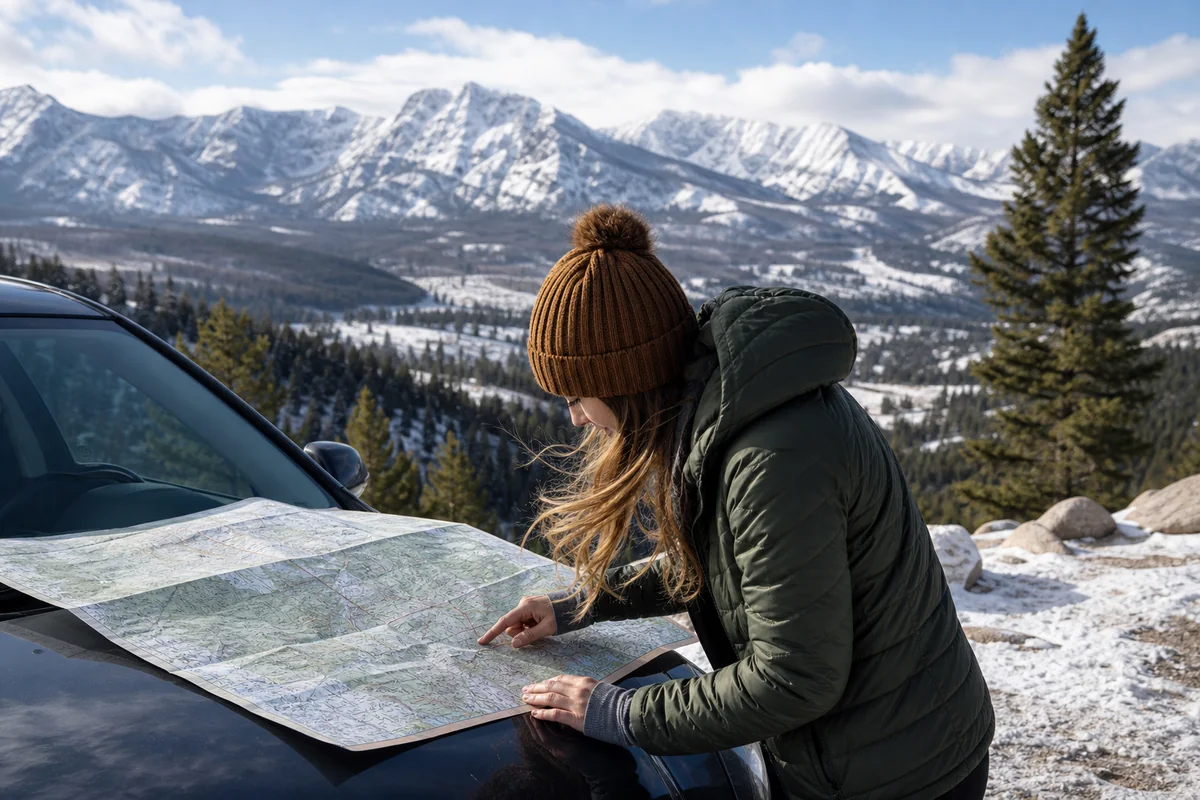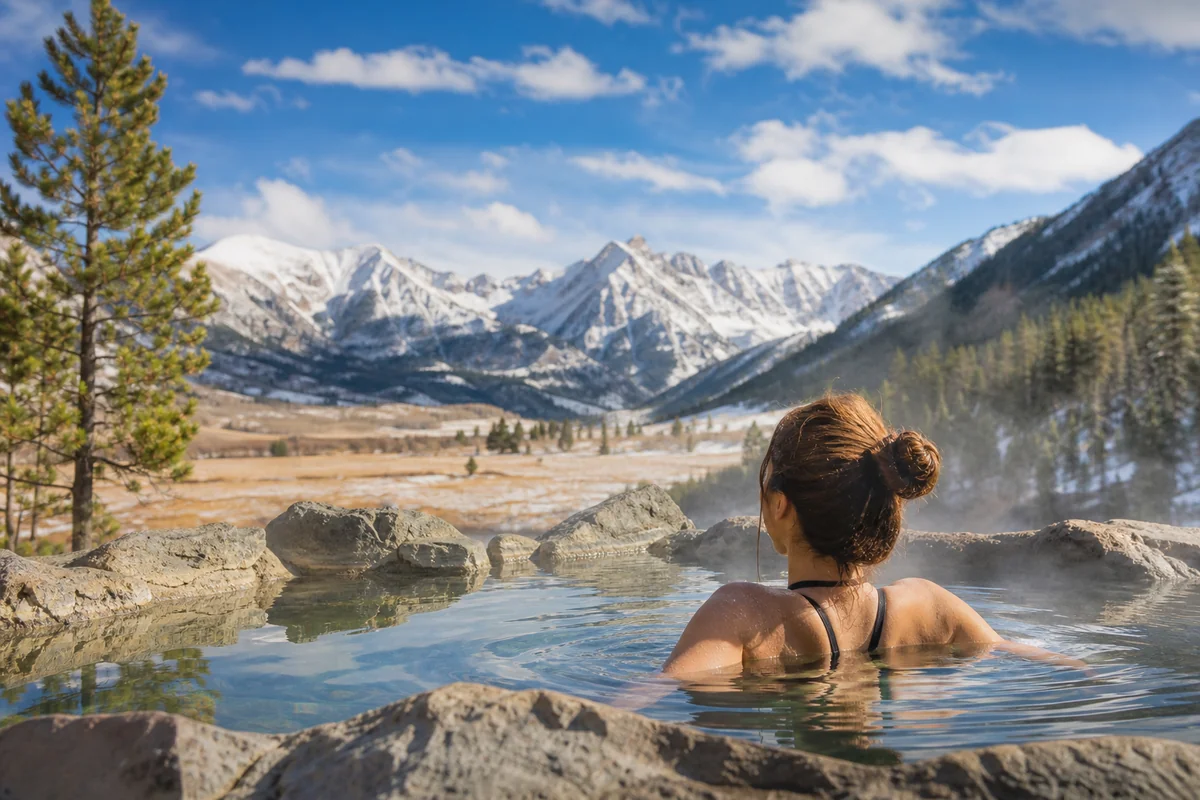
Last summer, I stood waist-deep in a natural hot spring surrounded by snow-capped peaks, steam rising around me, and realized I’d spent exactly $0 to get there.
That moment crystallized something I’d been learning throughout my years exploring Big Sky Country: Montana doesn’t have to drain your bank account.
While many visitors assume this state requires deep pockets—and yes, flights to Montana can be expensive—the truth is that some of my most memorable Montana experiences have cost little more than gas money.
If you’re looking for comprehensive Montana travel tips, budget-conscious exploration should be at the top of your list.
- Montana offers incredible free experiences: natural hot springs, scenic drives, wildlife viewing, and swimming holes
- Most day trips cost $20-50 total when you pack food and avoid tourist traps
- Shoulder seasons (May-June, September-October) offer the best value
- State parks cost just $8/vehicle—way cheaper than national parks
- Free camping and dispersed sites are legal throughout national forests
- I’ve personally tested all 11 day trips and share exact costs, timing, and insider tips
Liked this article?
Add Roaming Montana as a preferred source so you see more of our articles and guides on Google.
Why Budget Travel in Montana Actually Works
Before I break down each day trip, let me address the elephant in the room. Yes, understanding how much it costs to visit Montana matters for planning. Accommodation and food in tourist hotspots like Whitefish or Big Sky can rival any expensive destination.
But here’s what I’ve discovered over countless trips: Montana’s greatest assets are completely free. The mountains don’t charge admission. Rivers flow without ticket prices. And some of the state’s most stunning thermal features sit on public land, requiring nothing but the willingness to explore.
The key is knowing where to go and when. During my visit to Jerry Johnson Hot Springs last September, I had the pools entirely to myself for three hours. Meanwhile, tourists at Yellowstone’s crowded boardwalks were paying $35 per vehicle and fighting for parking spots.
11 Budget-Friendly Montana Day Trips That Deliver
I’ve organized these trips geographically so you can cluster them together based on where you’re staying. Each includes my honest assessment of costs, difficulty, and whether it’s genuinely worth your time.
1. Bozeman to Palisade Falls: The Perfect Intro to Montana Hiking
When I first moved to explore Montana extensively, a local friend told me Palisade Falls was “too easy” to bother with. She was wrong.
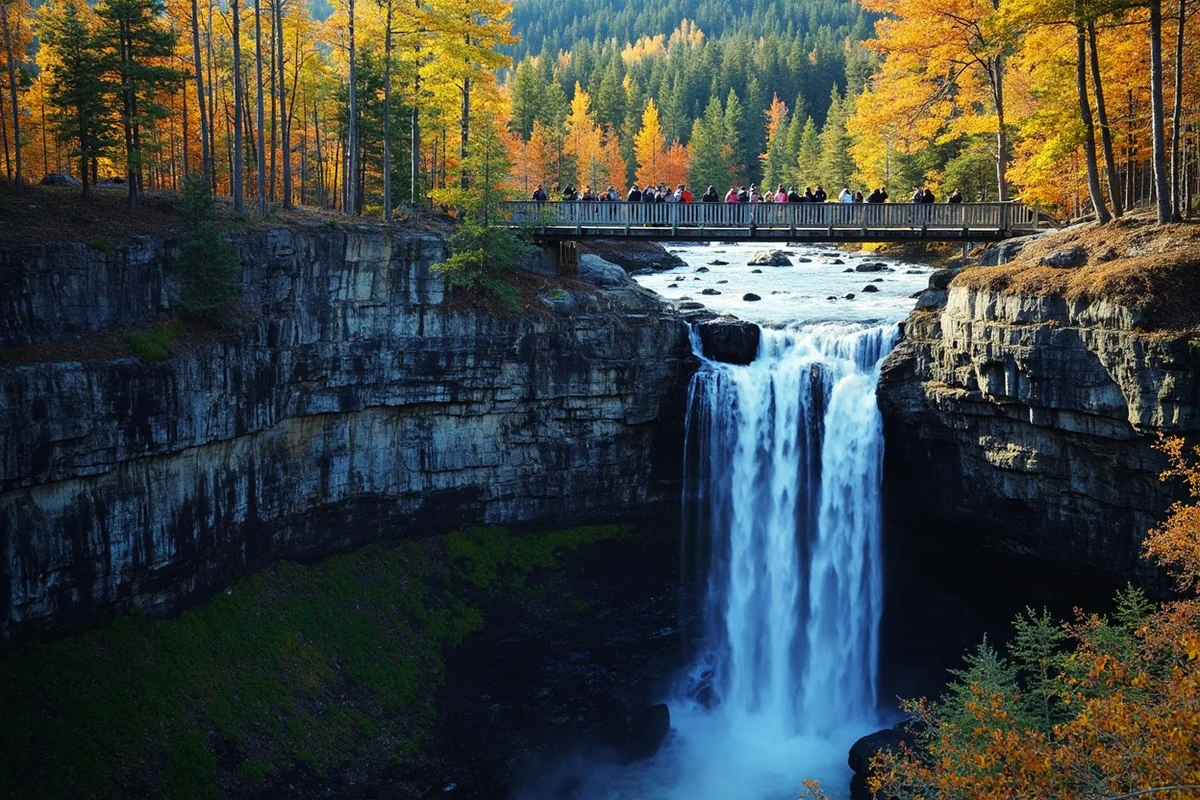
This 1.2-mile round-trip trail in Hyalite Canyon delivers an 80-foot waterfall without the crowds or difficulty of backcountry hikes. I visited on a Wednesday in late May, and the parking lot was maybe one-third full.
The trail is paved and wheelchair-accessible for most of its length, making it genuinely family-friendly. But what makes it budget-perfect is the location within Gallatin National Forest—completely free to access.
My actual costs:
- Parking: Free
- Trail access: Free
- Gas from Bozeman (16 miles): ~$4
- Picnic lunch packed from home: ~$6
Total: About $10
Pro tip: Continue up Hyalite Canyon Road to Hyalite Reservoir after the falls. The picnic areas along the water are stunning, and during my September trip, I watched osprey diving for fish while eating my sandwich.
2. Missoula to Jerry Johnson Hot Springs: The Ultimate Free Soak
This is my favorite budget Montana experience, period. Jerry Johnson Hot Springs sits just over the Idaho border, but since most visitors access it from Missoula, I’m including it here.
The 1-mile trail through old-growth cedar forest feels like stepping into another world. Multiple pools of varying temperatures line Warm Springs Creek, each accommodating 4-8 people comfortably.
During my most recent trip last summer, I arrived at 7:30 AM and had the lower pools to myself until around 10 AM when other soakers started arriving. The key is going early or late—midday on weekends gets busy.
Important warning: This is clothing-optional territory. I’ll be honest—my first visit caught me off guard. Just know what you’re getting into.
My actual costs:
- Parking: Free (Forest Service trailhead)
- Hot springs: Free
- Gas from Missoula (100 miles each way): ~$35
- Coffee and gas station snacks: ~$8
Total: About $43
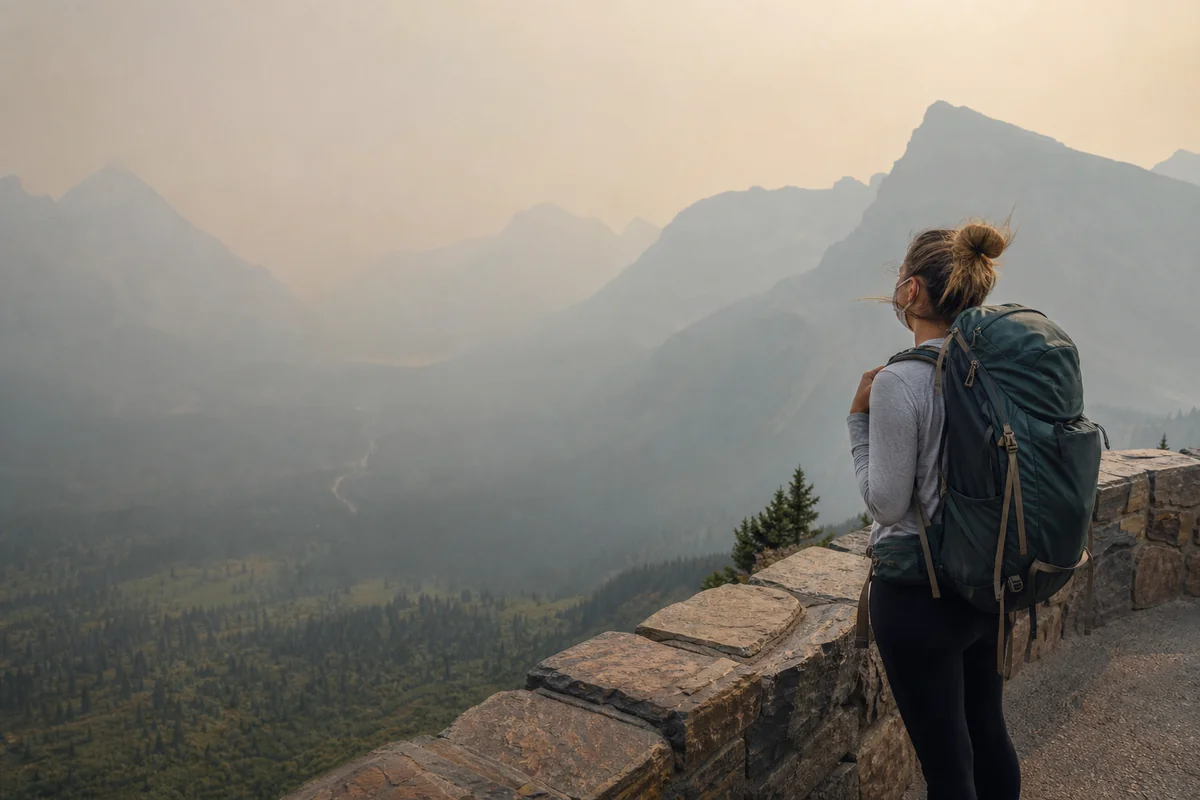
Before heading out, I always check Montana’s air quality conditions, especially during summer months when wildfire smoke can affect visibility and breathing.
3. Helena to Gates of the Mountains: Lewis and Clark’s Marvel
When Lewis wrote about the “gates of the rocky mountains” in his 1805 journal, he was describing limestone cliffs that still inspire awe today. The boat tour through this Missouri River canyon is the only expense, but at $18 per adult, it delivers serious value.
I took the 2-hour tour during a July visit and found it surprisingly uncrowded despite being peak season. The boat captain’s narration covered geology, wildlife, and expedition history without feeling corny or rehearsed.
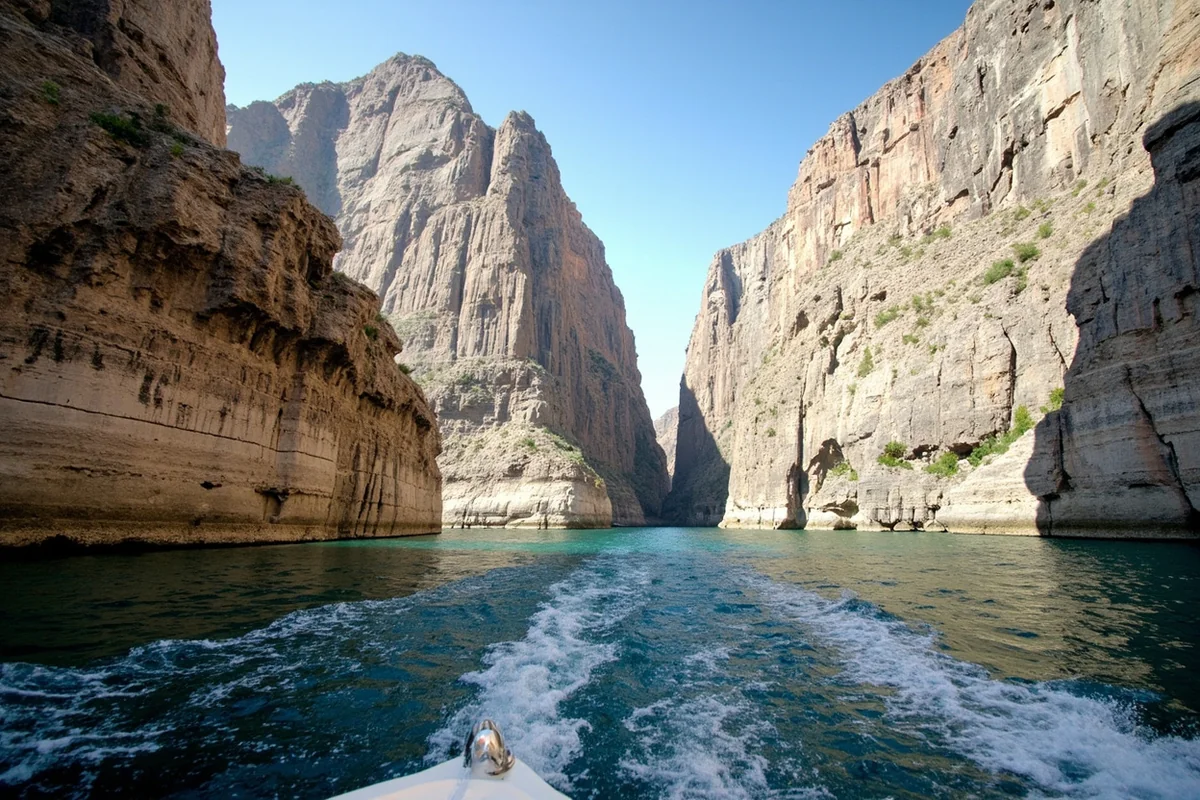
What makes this budget-worthy is everything you see: bighorn sheep on cliff ledges, nesting eagles, and rock formations that genuinely look like castle gates. I spotted a mountain goat with a kid during my trip, which the captain said happens maybe once per week.
My actual costs:
- Boat tour: $18
- Gas from Helena (20 miles): ~$3
- Packed lunch: ~$6
Total: About $27
4. Great Falls to Giant Springs State Park: One of America’s Largest Springs
Giant Springs discharges 156 million gallons of crystal-clear water daily, making it one of the largest freshwater springs in the country. The entry fee? Just $8 per vehicle for Montana state parks.
During my October visit, I walked the riverside trail system for nearly three hours without seeing more than a dozen other visitors. The trout hatchery on-site is free to tour, and watching rainbow trout swirl in the raceways kept my kids entertained longer than expected.
The spring itself emerges from underground with such force that it maintains a constant 54°F temperature year-round. You can literally see it bubbling up from the riverbed—one of the clearest demonstrations of groundwater flow I’ve witnessed.
Insider tip: The River’s Edge Trail connects Giant Springs to downtown Great Falls, offering 60+ miles of paved pathways if you want to extend your day. I biked a 15-mile section during my visit and passed through surprisingly diverse landscapes.
My actual costs:
- State park entry: $8
- Gas from Great Falls (3 miles): ~$1
- Ice cream at park concession: $4
Total: About $13
5. Kalispell to Jewel Basin: Backpacker Views Without the Backpack
Jewel Basin Hiking Area offers something rare: alpine lake scenery without multi-day commitments or technical skills. The 35-mile trail network accesses 27 alpine lakes, and several can be reached in day-hike distances.
I chose the route to Twin Lakes last August—about 8 miles round trip with 1,800 feet of elevation gain. Challenging? Yes. But I started at 6 AM and was swimming in snowmelt-cold alpine water by noon.
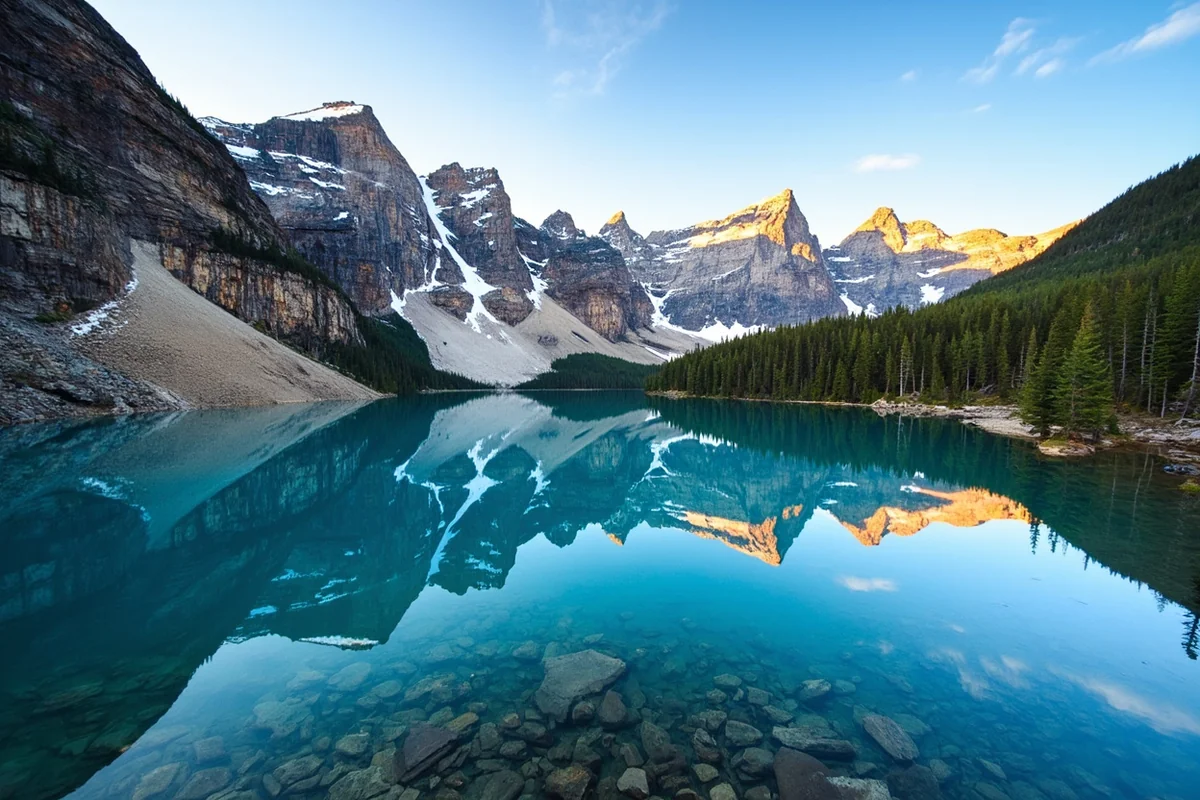
What makes Jewel Basin special is its vehicle restrictions—no motorized access means you’re sharing trails with hikers and horseback riders only. The crowds thin dramatically after the first couple miles.
My actual costs:
- Parking/trail access: Free
- Gas from Kalispell (35 miles): ~$6
- Trail snacks and lunch: ~$10
Total: About $16
Fair warning: cell coverage in Montana is spotty at best in places like Jewel Basin. Download offline maps before you go and tell someone your hiking plans.
6. Billings to Pictograph Cave State Park: 2,000 Years of History
When people think Montana, they imagine mountains and rivers—not ancient rock art. Pictograph Cave challenged my assumptions during a spring visit that cost less than a movie ticket.
The three caves here contain pictographs dating back 2,000+ years, painted by prehistoric hunters who used the shelters. The interpretive trail is short (less than a mile) but packed with information panels that helped me actually understand what I was seeing.
I spent about 90 minutes at the site, which felt like the right amount. The $8 state park fee covers your vehicle, making it work for families or groups.
What surprised me: The detail in some pictographs is remarkable—I could clearly make out animals, human figures, and geometric patterns. Photography is allowed, so I spent time trying to capture the artwork in the flat morning light.
My actual costs:
- State park entry: $8
- Gas from Billings (7 miles): ~$2
- Coffee from downtown Billings: $4
Total: About $14
7. Butte to Anaconda and the Pintler Scenic Route: Old Montana Character
This day trip combines quirky mining history with one of Montana’s most underrated scenic drives. I completed the loop during a September visit when fall colors were just beginning.
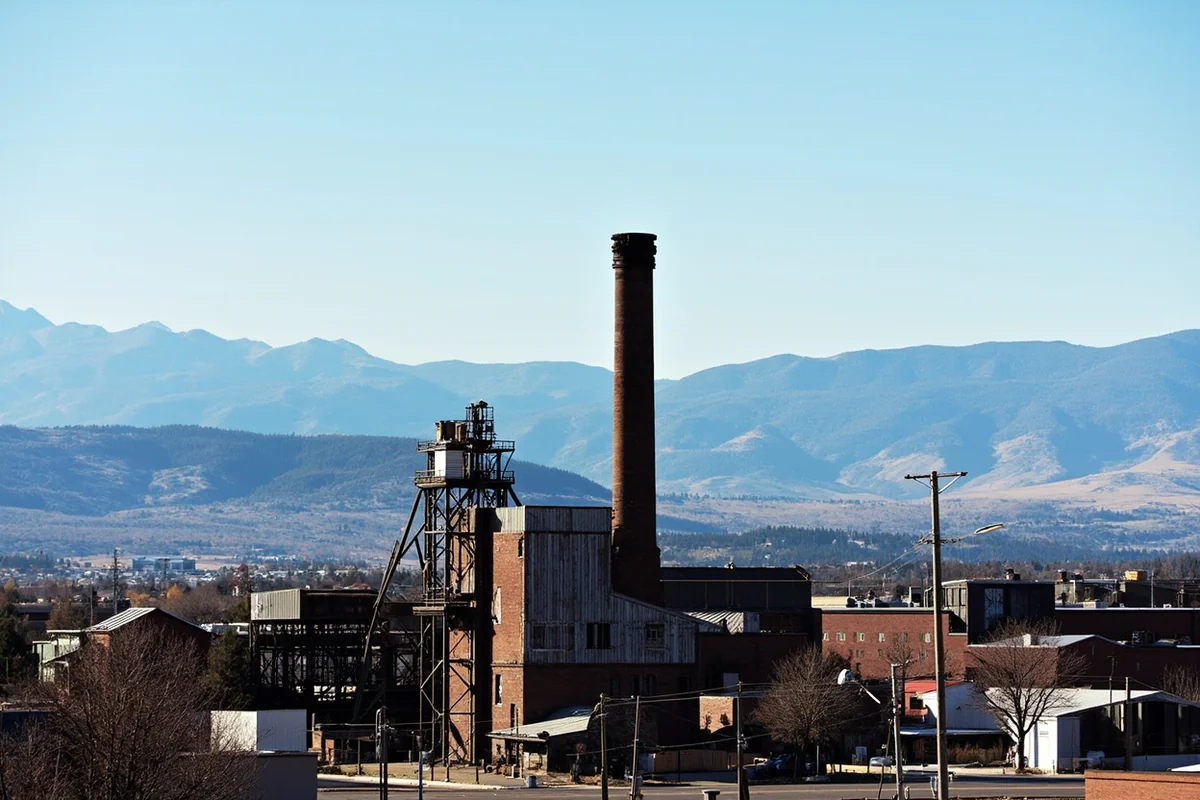
Start in Butte—a town that wears its copper mining history proudly. The Berkeley Pit viewing stand costs just $2, and staring into that toxic lake genuinely makes you contemplate industrial history in ways museums can’t.
From Butte, drive through Anaconda (another mining town with fascinating architecture) and connect to the Pintler Scenic Route. This 64-mile byway winds through the Pintler Wilderness area with multiple free pullouts for photos and stretching.
My actual costs:
- Berkeley Pit viewing: $2
- Gas for entire loop (~120 miles): ~$22
- Pasty from local bakery in Butte: $8
Total: About $32
8. Whitefish to Big Mountain Summit: Ski Resort Without the Ski Prices
Here’s a secret: Whitefish Mountain Resort’s scenic chairlift operates in summer for a fraction of winter prices. At $22 for adults, you’re getting mountain-top views that would cost hundreds during ski season.
I rode the lift on a clear July morning and could see into Canada from the summit. The on-mountain hiking trails let you explore alpine terrain without the elevation gain—my knees thanked me.
The summit restaurant is overpriced (I’d budget $25+ for a basic meal), but there’s nothing stopping you from packing sandwiches and eating at the picnic tables with Glacier Park in the distance.
Pro tip: Go on a weekday morning. During my Saturday attempt, the lift line was 30 minutes. My Tuesday revisit? I walked straight on.
My actual costs:
- Scenic lift ticket: $22
- Gas from Whitefish (8 miles): ~$2
- Packed lunch: ~$8
Total: About $32
9. Lewistown to Crystal Lake: Central Montana’s Hidden Gem
Most Montana visitors stick to the western mountains, which means central Montana’s Big Snowy Mountains stay wonderfully uncrowded. Crystal Lake, tucked into these peaks, became one of my favorite discoveries during a June road trip.
The lake sits at 6,000 feet and stays snow-free from late May through October most years. The campground is first-come, first-served ($12/night if you want to extend your day trip), but day use is completely free.
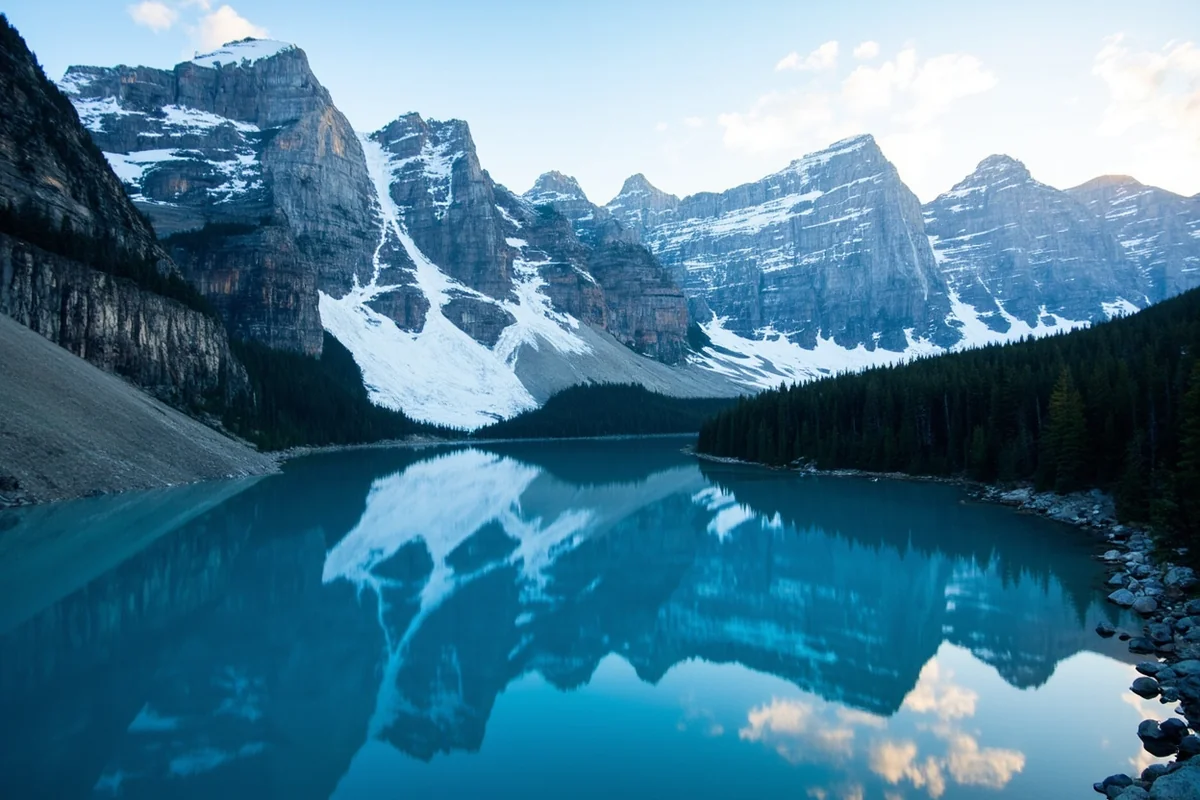
I spent a full day here—hiking the Crystal Lake Loop Trail (6 miles), swimming in the surprisingly warm shallows, and fishing for brook trout. Saw exactly four other groups the entire time.
My actual costs:
- Day use: Free
- Gas from Lewistown (25 miles): ~$5
- Fishing license (if you want to cast): $15 resident / $25 non-resident for conservation license + $8 fishing license
Total without fishing: About $8 / With fishing: About $38
10. Livingston to Paradise Valley Hot Springs and Beyond
Paradise Valley earned its name for good reason—the Yellowstone River cuts through mountains here in a landscape that looks Photoshopped. I’ve driven this route a dozen times and find new beauty each visit.
The budget approach: Skip the commercial hot springs at Chico Hot Springs ($8.50 per adult, worth it once) and explore the free natural attractions instead.
Drive south on Highway 89 and stop at Pine Creek Falls trailhead for a short 2.5-mile round-trip hike to a 200-foot waterfall. Continue to Yankee Jim Canyon, where the river narrows dramatically—free pullout parking with stunning views.
If you have time, keep going to the Gardiner entrance of Yellowstone. You won’t enter the park (that’s $35), but the Roosevelt Arch photo op is free from the parking area.
My actual costs (with Chico stop):
- Chico Hot Springs day pass: $8.50
- Gas from Livingston (50 miles round trip): ~$9
- Snacks: ~$6
Total: About $24
11. Glacier National Park: Yes, It Can Be Budget-Friendly
I almost didn’t include Glacier because the $35 entrance fee feels steep. But here’s my counterargument: that fee covers 7 consecutive days, and the experiences inside are virtually unlimited.
During my most recent Glacier trip, I maximized value by entering at dawn (no lines), packing all meals, and staying for 12+ hours. My cost-per-hour of entertainment dropped to about $3.
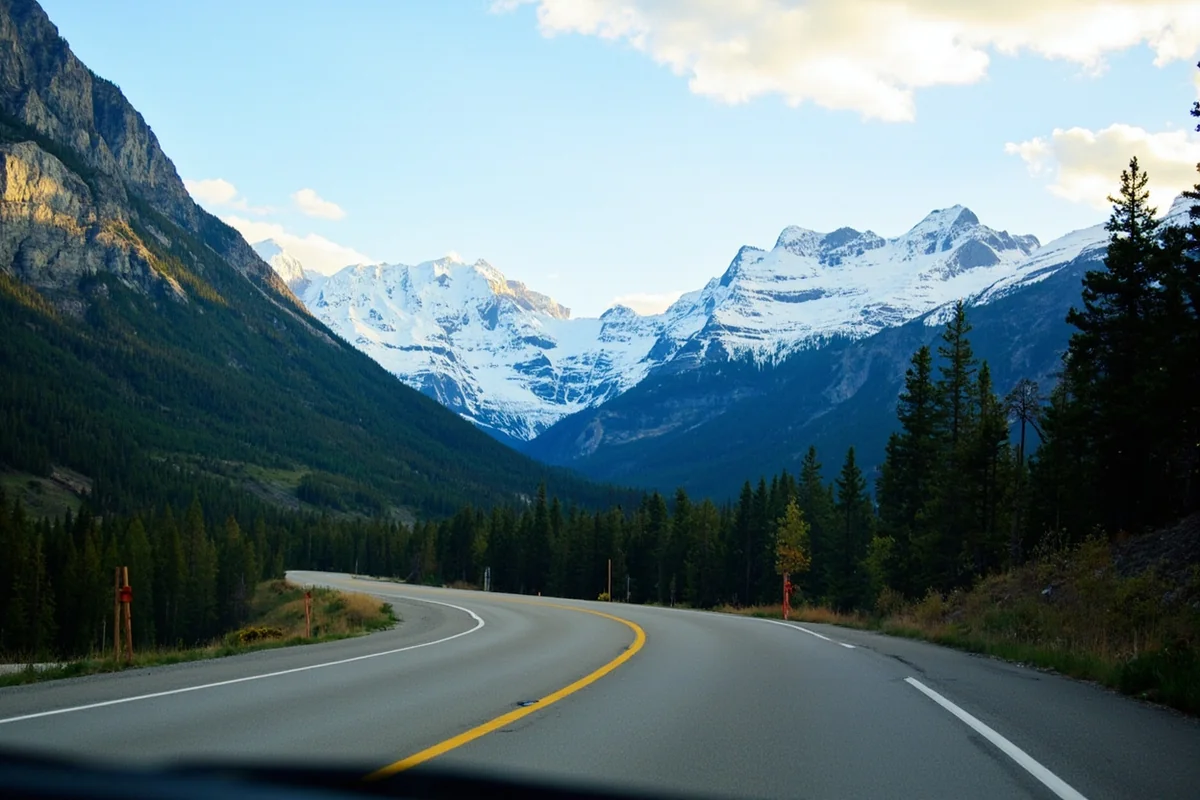
The Going-to-the-Sun Road is genuinely one of America’s greatest drives, and it’s included with admission. Logan Pass, the high point, offers multiple free hiking options—Hidden Lake Overlook (2.8 miles round trip) consistently delivers mountain goat sightings.
Budget maximization tips from my visits:
- Enter before 8 AM to avoid the new timed entry reservation requirement (free before 6 AM)
- Pack a cooler—picnic areas throughout the park have stunning views
- Free ranger programs happen daily; check the visitor center schedule
- If you’re visiting multiple times per year, the $70 annual pass pays for itself in two visits
My actual costs (single day):
- Entrance fee: $35
- Gas from Kalispell (30 miles): ~$5
- Packed food: ~$12
Total: About $52
Budget Day Trip Cost Comparison Table
| Day Trip | Difficulty | Typical Cost | Best For |
|---|---|---|---|
| Palisade Falls | Easy | $10 | Families, beginners |
| Jerry Johnson Hot Springs | Easy | $43 | Hot spring lovers |
| Gates of the Mountains | Easy | $27 | History buffs, boaters |
| Giant Springs State Park | Easy | $13 | Families, birders |
| Jewel Basin | Moderate-Hard | $16 | Strong hikers |
| Pictograph Cave | Easy | $14 | History lovers, families |
| Pintler Scenic Route | Easy (driving) | $32 | Road trippers, history buffs |
| Big Mountain Summit | Easy | $32 | View seekers, families |
| Crystal Lake | Easy-Moderate | $8-38 | Solitude seekers, anglers |
| Paradise Valley | Easy | $24 | Scenic drive fans |
| Glacier National Park | Varies | $52 | Everyone—bucket list |
Essential Budget Travel Tips for Montana
After years of exploring Montana on various budgets, I’ve developed strategies that consistently save money without sacrificing experiences.
Time Your Visit Strategically
Shoulder seasons deliver the best value. I’ve found late May through mid-June and September through early October offer lower accommodation prices, fewer crowds, and often better weather than you’d expect.
During a September trip to the Flathead Valley, I paid $89/night for a room that would have been $220 in July. Same room, same views, one-third the price.
Before planning your timing, check how long it takes to get to Montana from your starting point—this affects how many days you’ll need to budget overall.
Pack Smart for Self-Sufficiency
Every restaurant meal in Montana tourist areas costs $15-25 minimum. I’ve started packing a cooler with deli supplies and eating roughly half my meals picnic-style at trailheads and scenic pullouts.
Your Montana packing list should include reusable water bottles, a basic first aid kit, and layers—mountain weather shifts fast, and buying emergency supplies at tourist shops costs double or triple normal prices.
Consider Dispersed Camping
Montana’s national forests allow free dispersed camping on most public lands. During my Jewel Basin trip, I camped at a forest service road pullout instead of paying $30+ for a developed campground.
Rules vary by area, so I always check the specific national forest website before settling in. Generally, you need to be 200 feet from water and roads, and can stay up to 16 days.
Drink the Water
This sounds minor, but Montana tap water is safe and often excellent. I fill reusable bottles at hotels, restaurants, and public water fountains instead of buying bottled water. Saves $5-10 daily without trying.
Stay Safe on the Cheap
Budget travel shouldn’t mean reckless travel. I always check Montana safety information before trips, especially for wildlife awareness and weather patterns. Bear spray costs $35-50 and is essential for any backcountry exploring—cheaper than a hospital visit.
Also worth noting: Montana travel restrictions can affect certain areas seasonally, especially during fire season or wildlife management periods. A quick check before leaving saves wasted gas and disappointment.
When Free Experiences Outshine Expensive Ones
I want to end with a perspective shift. Some of my most expensive Montana experiences—a guided fly fishing trip, a helicopter tour, a fancy lodge dinner—were memorable but not necessarily better than the budget alternatives.
The night I watched the northern lights shimmer over Flathead Lake cost nothing. If you’re lucky with timing, Montana’s northern lights viewing is world-class and completely free.
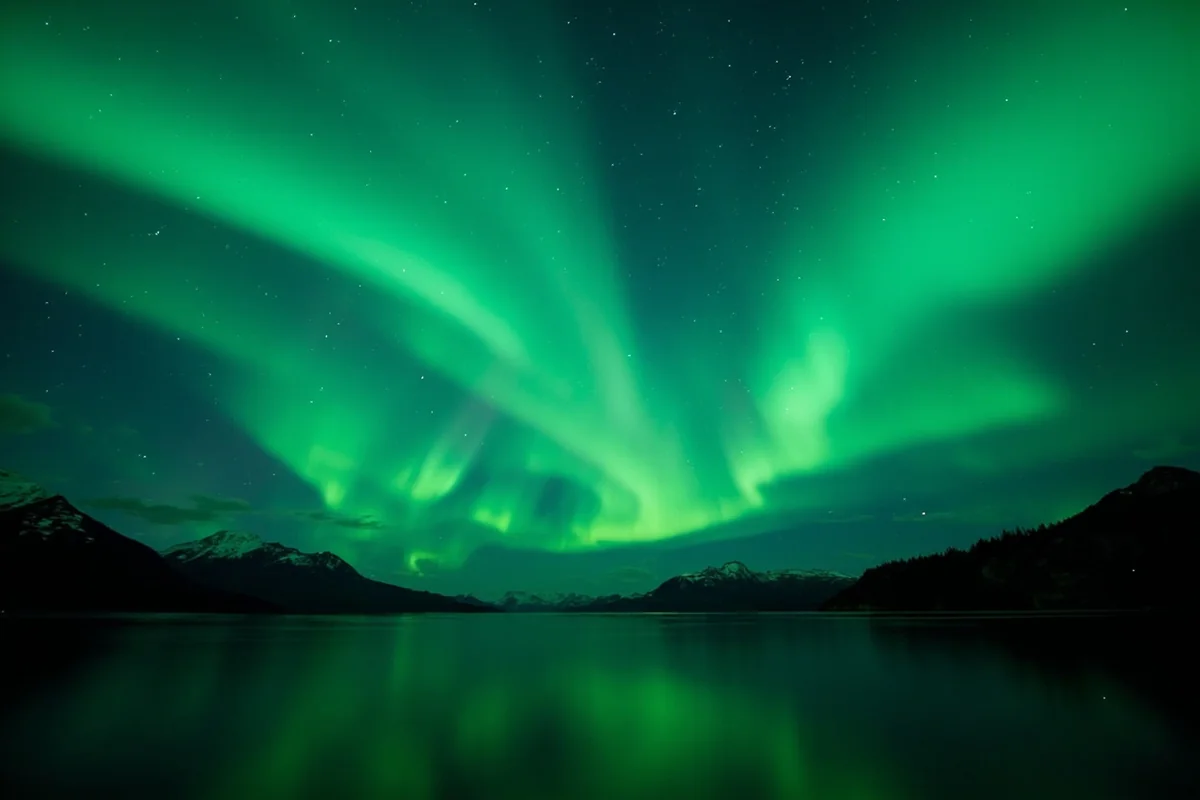
Soaking in a natural hot spring under stars, hiking to an alpine lake, watching a sunset paint the Missouri River breaks—these experiences define Montana more than any resort or tour package.
The state’s vastness works in budget travelers’ favor. There’s simply too much public land, too many dirt roads, too many hidden corners for everything to be monetized. When I find myself at a viewpoint with no entrance fee and no other people, I remember why I keep coming back.
Useful Tools for Planning
Before heading out on any Montana adventure, I check conditions using Montana webcams at popular destinations. These show real-time weather, crowd levels, and road conditions better than any forecast.
If you’re working remotely while traveling, knowing about VPN options helps when using public WiFi at cafes and libraries across the state.
Final Thoughts: Budget Montana Is Real Montana
The tourists spending $500/night at luxury lodges see the same mountains I see from my $15 dispersed campsite. The river doesn’t flow differently for people who paid more to stand beside it.
Montana’s essence lies in its wildness, its space, its untouched landscapes. Budget travel forces you to engage with that essence more directly—to drive the back roads, hike the extra miles, discover the spots that haven’t been packaged for mass consumption.
Start with one of these day trips. Pack your own food, fill your water bottle, and leave your wallet mostly in the car. I promise the experience won’t feel budget—it’ll feel like Montana.
Frequently Asked Questions
How much does a budget trip to Montana cost per day?
I’ve found you can explore Montana on a budget for around $75-120 per day, including gas, food, and activities. Many of the state’s best attractions like hiking trails, wildlife viewing, and scenic drives are completely free, which helps keep costs down significantly compared to other western states.
What is the cheapest time of year to visit Montana?
The shoulder seasons of late September through October and April through mid-June offer the best budget-friendly rates, with lodging often 30-50% cheaper than peak summer prices. I personally love early fall when the crowds thin out, the aspens turn gold, and you can still enjoy most outdoor activities without the summer price tags.
Are there free things to do in Montana for budget travelers?
Montana is a budget traveler’s dream because so much is free, including miles of hiking trails, stunning scenic byways, fishing access sites, and wildlife watching in areas like the National Bison Range. Many state parks only charge $8 per vehicle, and you can explore charming downtown areas in towns like Missoula, Bozeman, and Whitefish without spending a dime.
How far apart are attractions in Montana for day trips?
Montana is massive, so plan for drives between 45 minutes to 3 hours for most day trips from major hubs like Missoula, Bozeman, or Kalispell. I always recommend picking a home base and clustering nearby attractions together to save on gas, which currently runs about $3.20-3.80 per gallon in the state.
What should I pack for budget day trips in Montana?
Bring layers regardless of season, sturdy hiking shoes, a reusable water bottle, and packed lunches to avoid pricey tourist-area restaurants. I always keep a cooler in my car with snacks and drinks, which easily saves $30-50 per day compared to eating out for every meal.
Is it cheaper to visit Glacier National Park or Yellowstone on a budget?
Glacier tends to be slightly more budget-friendly since the west entrance near Kalispell has more affordable lodging options and free roadside attractions along Going-to-the-Sun Road. Both parks charge a $35 vehicle entrance fee valid for 7 days, but I recommend the $80 America the Beautiful annual pass if you’re planning multiple park visits.
Can I do Montana day trips without a car to save money?
Honestly, a car is essential for budget day trips in Montana since public transportation is extremely limited outside of a few small city bus systems. Renting an economy car typically runs $45-70 per day, and splitting costs with travel companions makes it the most practical and affordable way to explore the state’s spread-out attractions.
Sources