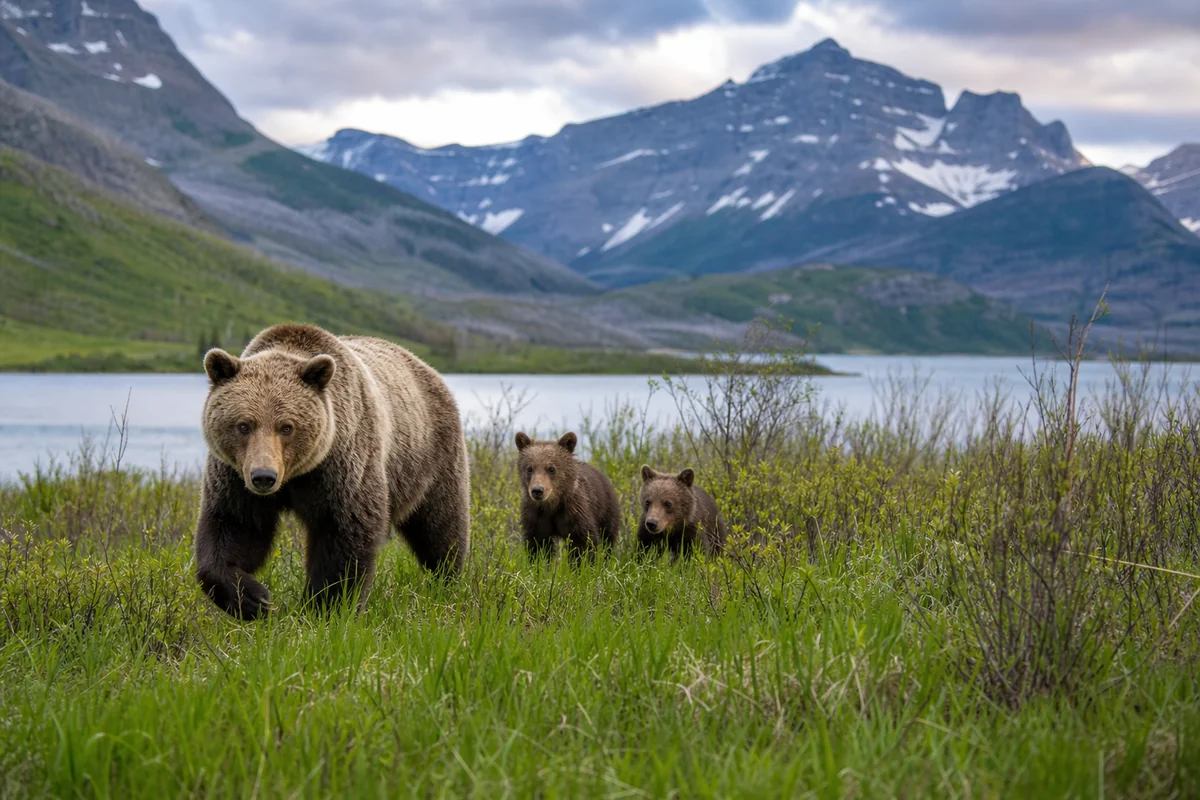
The grizzly bear was maybe thirty yards away when I spotted her through the morning fog near Many Glacier. My heart hammered against my chest as I slowly reached for my bear spray, but she simply glanced our way, huffed once, and lumbered off with her two cubs into the willows.
That encounter last July taught me something important: Montana isn’t dangerous—it’s wild. There’s a significant difference between the two, and understanding that distinction is exactly what makes the difference between a terrifying trip and an unforgettable adventure.
If you’re gathering Montana travel tips before your first visit to Big Sky Country, safety questions are probably at the top of your mind. You’ve seen the headlines about bear attacks, heard stories about brutal winters, and maybe wondered if the state’s rural nature makes it risky for visitors.
After spending years exploring every corner of this state—from the high alpine trails of the Beartooths to the rolling prairies near Malta—I’m going to give you the honest, unvarnished truth about what it’s really like.
- Montana is extremely safe for visitors who prepare properly and respect the wilderness
- Wildlife encounters are manageable with bear spray, awareness, and proper food storage
- Weather and road conditions pose more realistic risks than crime or animals
- Cell coverage is limited in many areas—download offline maps and tell someone your plans
- Most “dangerous” situations result from underestimating distances, weather changes, or wildlife behavior
- Crime rates in tourist areas are low, but vehicle break-ins at trailheads do happen
Liked this article?
Add Roaming Montana as a preferred source so you see more of our articles and guides on Google.
The Honest Truth About Montana Safety
Let me start with the bottom line: Montana is one of the safest states in the country for tourists. The violent crime rate is well below the national average, and the communities I’ve visited—from Whitefish to Bozeman to Red Lodge—are genuinely welcoming to travelers.
That said, Montana presents a different kind of safety consideration than most U.S. destinations. The risks here aren’t from people; they’re from the environment itself.
During my first trip to Montana back in 2018, I made nearly every rookie mistake possible. I underestimated how quickly weather could change in the mountains, didn’t carry bear spray on what I thought was a “short” hike, and nearly ran out of gas on Highway 200 because I assumed there’d be a station “soon.”
Those experiences shaped how I approach Montana travel now. The state rewards preparation and punishes overconfidence—but it absolutely doesn’t punish visitors who come ready for its unique challenges.
Wildlife Safety: Bears, Mountain Lions, and More
This is the big one. Every first-time Montana visitor asks about wildlife, and I completely understand why. The state is home to grizzly bears, black bears, mountain lions, wolves, moose, and bison—all animals that can seriously injure or kill humans under the wrong circumstances.
Here’s my honest take after dozens of backcountry trips: wildlife encounters are common, but attacks are extraordinarily rare.
Grizzly Bear Safety
Grizzlies live primarily in northwestern Montana, particularly in and around Glacier National Park, the Bob Marshall Wilderness, and the areas surrounding Yellowstone.
When I hiked the Highline Trail last summer, I saw three different grizzlies from safe distances. Each time, the bears showed zero interest in me.
The key is making yourself known. I talk loudly on trails, clap my hands around blind corners, and always hike with my bear spray accessible—not buried in my pack.
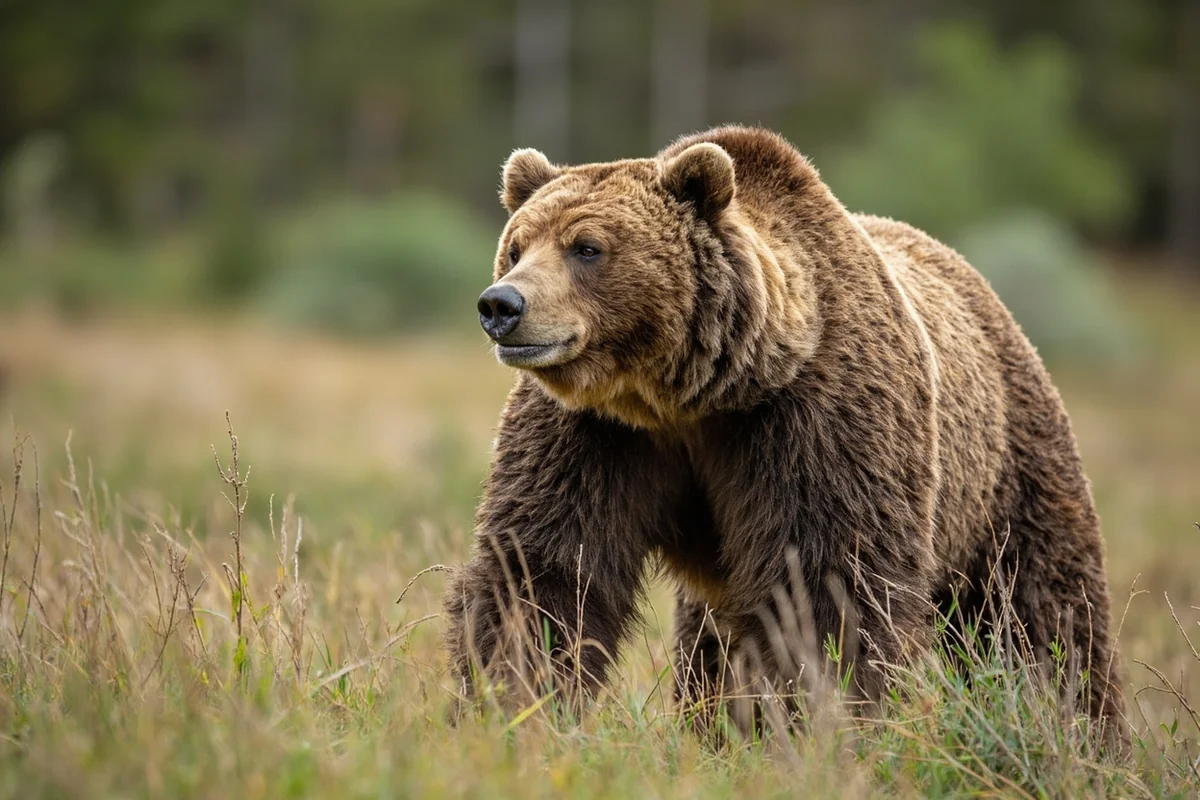
Bear spray is non-negotiable in grizzly country. I carry Counter Assault, but any EPA-registered spray with at least 7.9 ounces of formula and 2% capsaicin works.
On a trip to the Chinese Wall in the Bob Marshall Wilderness, my hiking partner actually deployed spray when a curious young grizzly got too close. The bear turned and ran immediately. The spray works—but only if you have it ready.
Store food properly. Every established campsite in bear country has either bear boxes or hanging poles. Use them. I’ve met rangers who could tell stories for hours about campers who thought “just one night” with food in their tent wouldn’t matter. It always matters.
Black Bears
Black bears are found throughout Montana and are generally less aggressive than grizzlies. I’ve encountered black bears on the outskirts of Missoula, near campgrounds in the Flathead National Forest, and even walking through a parking lot in Cooke City.
Black bears typically flee from humans. The exceptions occur when they’ve become food-conditioned—meaning previous visitors have taught them that people mean easy meals. This is why proper food storage matters even when you’re “just” in black bear territory.
Mountain Lions
Mountain lions exist throughout Montana, but encounters are rare. In all my years exploring this state, I’ve never seen one in the wild—though I’ve found tracks near Helena and in the Crazy Mountains.
Lions are ambush predators who prefer to avoid humans. If you do encounter one, make yourself appear large, maintain eye contact, and never run. Running triggers their chase instinct.
Moose: The Underestimated Danger
Here’s something that surprises most visitors: moose injure more people in Montana than bears do.
I learned this lesson near Big Sky when I rounded a corner and found myself face-to-face with a cow moose and her calf. The cow’s ears went back, her hackles rose, and I backed away slowly for what felt like an eternity. She eventually moved off, but those were the longest two minutes of my life.
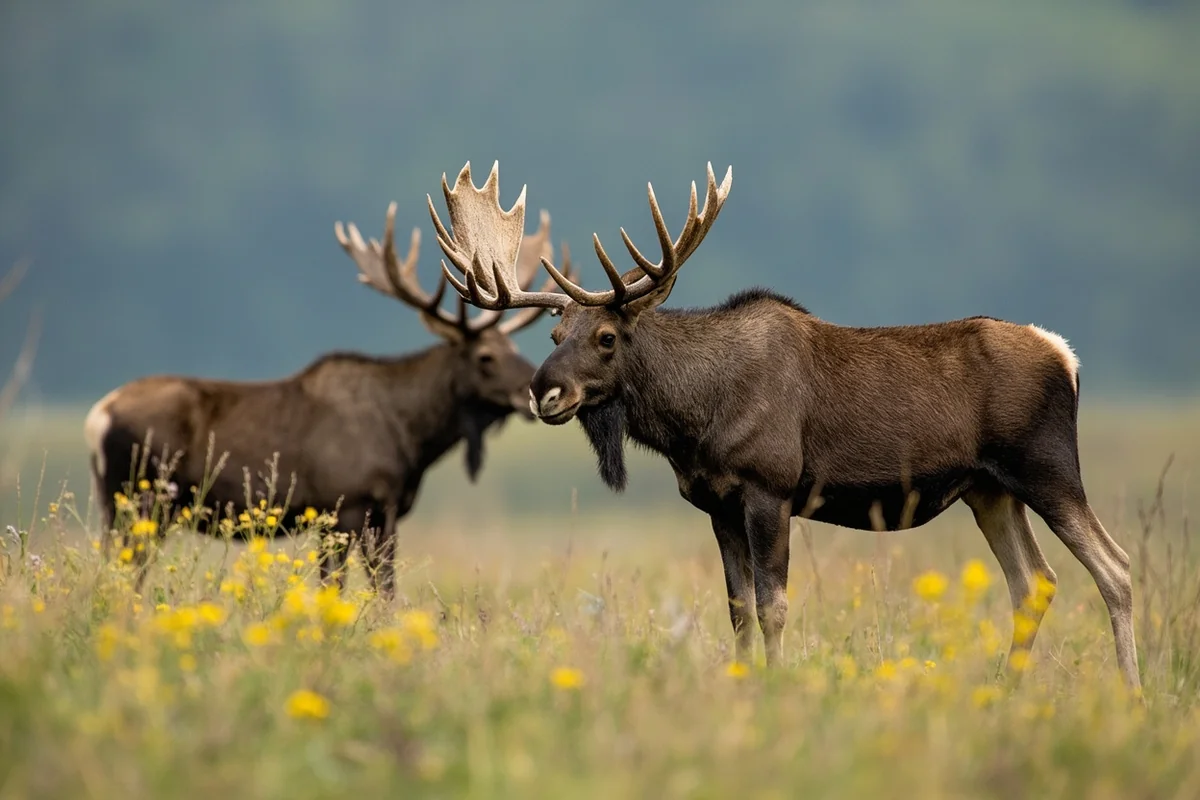
Moose are unpredictable and surprisingly fast. Give them at least 75 feet of space, and if you see a calf, assume the mother is nearby and extremely protective.
Bison
If you’re visiting Yellowstone (which technically extends into Montana), bison present a real risk. These animals look docile but can run 35 mph and weigh up to 2,000 pounds.
During my last Yellowstone visit, I watched a tourist approach within ten feet of a bison for a selfie. A ranger intervened before anything happened, but that situation could have ended in a goring. Stay at least 25 yards from bison—always.
Weather and Climate Dangers
Montana weather has nearly gotten me in trouble more times than any animal. The state’s climate is genuinely extreme, and conditions can change faster than you’d believe possible.
Hypothermia Risk Year-Round
I’ve experienced below-freezing temperatures in July in the high country. During a backpacking trip to Granite Peak last August, we woke to frost on our tents at 10,000 feet despite it being 85°F in Billings the day before.
Always bring layers, even on summer day hikes. A lightweight rain jacket and fleece can save your life if weather turns while you’re miles from the trailhead. Check out a proper Montana trip packing list before you go.
Afternoon Thunderstorms
From June through August, afternoon thunderstorms build almost daily over the mountains. I’ve learned to start hikes early and plan to be below treeline by early afternoon.
Lightning on exposed ridges is genuinely dangerous. During a hike on Mount Siyeh, I watched a storm roll in so fast that hikers ahead of me had to shelter in a rocky depression for over an hour. If you see storms building, descend immediately.
Winter Conditions
Montana winters are no joke. I’ve driven through whiteout conditions on I-90 near Bozeman where visibility dropped to maybe fifteen feet. I’ve seen temperatures hit -30°F in Helena. I’ve watched experienced locals get stuck on roads that looked perfectly passable.
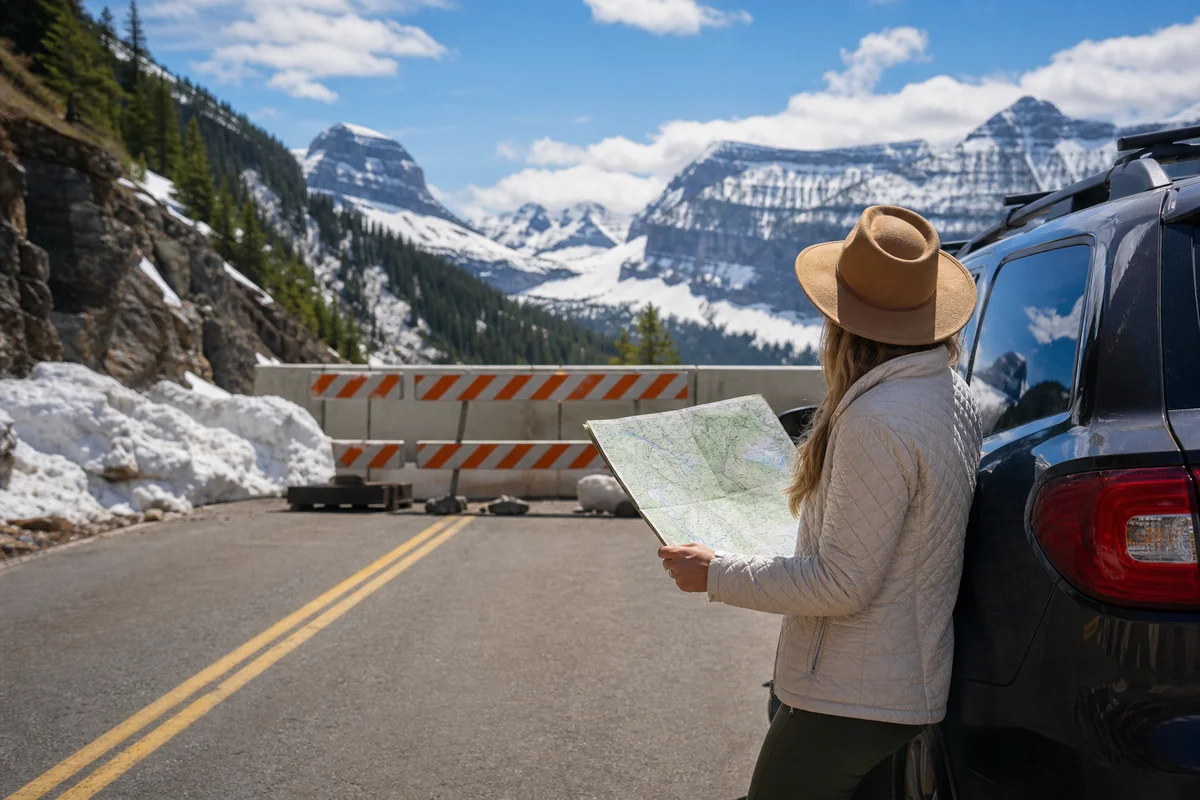
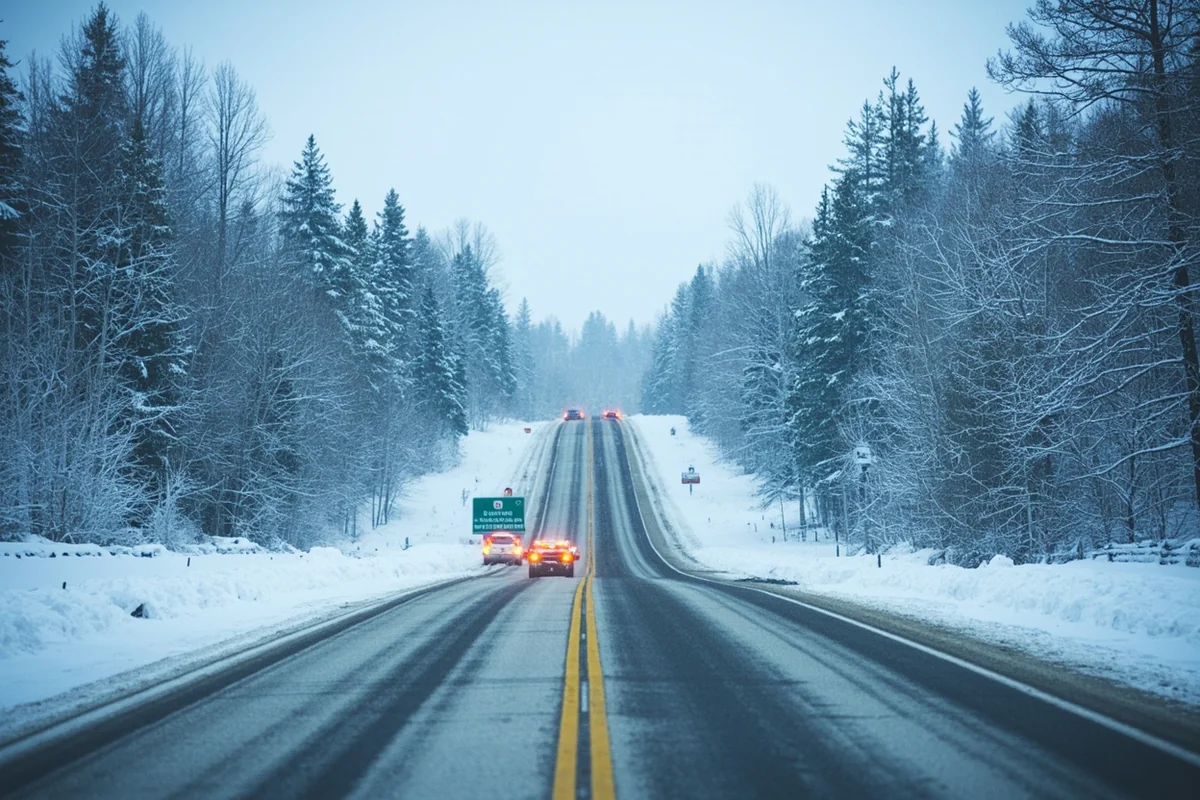
If you’re visiting between November and April, winter driving skills are essential. Carry emergency supplies in your vehicle: blankets, water, food, a flashlight, and a way to call for help if you get stranded.
Driving and Road Safety
Montana’s roads present unique challenges that catch many visitors off guard. The state is enormous—fourth largest in the nation—and distances between towns can be significant.
The Distance Problem
I once met a couple from New Jersey at a campground near Glacier who had planned to drive from Missoula to Glacier, spend a few hours, then continue to Yellowstone—all in one day. That’s roughly 8 hours of driving with zero time for actually experiencing anything.
Before planning your itinerary, understand how long it takes to get around Montana. The state rewards slow exploration, not rushed itineraries.
Rural Road Conditions
Many of Montana’s most spectacular destinations require driving on unpaved roads. The road to the Beartooth Highway’s east entrance, the access to many Glacier trailheads, and countless scenic backroads can become impassable when wet.
Last spring, I watched a sedan get hopelessly stuck on the road to Lake Blaine because recent rains had turned the surface to mud. A high-clearance vehicle isn’t always necessary, but checking road conditions before you go absolutely is.
Wildlife on Roads
Deer-vehicle collisions are a genuine risk, particularly at dawn and dusk. I drive Montana highways with extra caution during these hours, and I’ve still had close calls with deer, elk, and once a moose near St. Regis.
If you see one deer cross the road, slow down—more are likely following.
Limited Services
Gas stations can be 80+ miles apart in eastern Montana. Cell service disappears for long stretches. When planning road trips, I fill up whenever my tank hits half empty and never assume I’ll have connectivity.
Understanding the best cell coverage providers in Montana helps you set realistic expectations, and downloading offline maps before you leave cell range is essential.
Crime and Personal Safety
Let’s address this directly: crime against tourists in Montana is uncommon. The state has low violent crime rates, and most communities are genuinely friendly to visitors.
That said, I have noticed certain patterns worth mentioning.
Trailhead Theft
Vehicle break-ins at trailheads happen, particularly at popular spots in Glacier and near Yellowstone. I never leave valuables visible in my car, and I’ve started using a steering wheel lock after hearing about several break-ins at the Many Glacier lot.
Don’t leave electronics, bags, or anything that looks valuable visible through your windows. If possible, arrive early when parking lots have more activity.
Small Town Safety
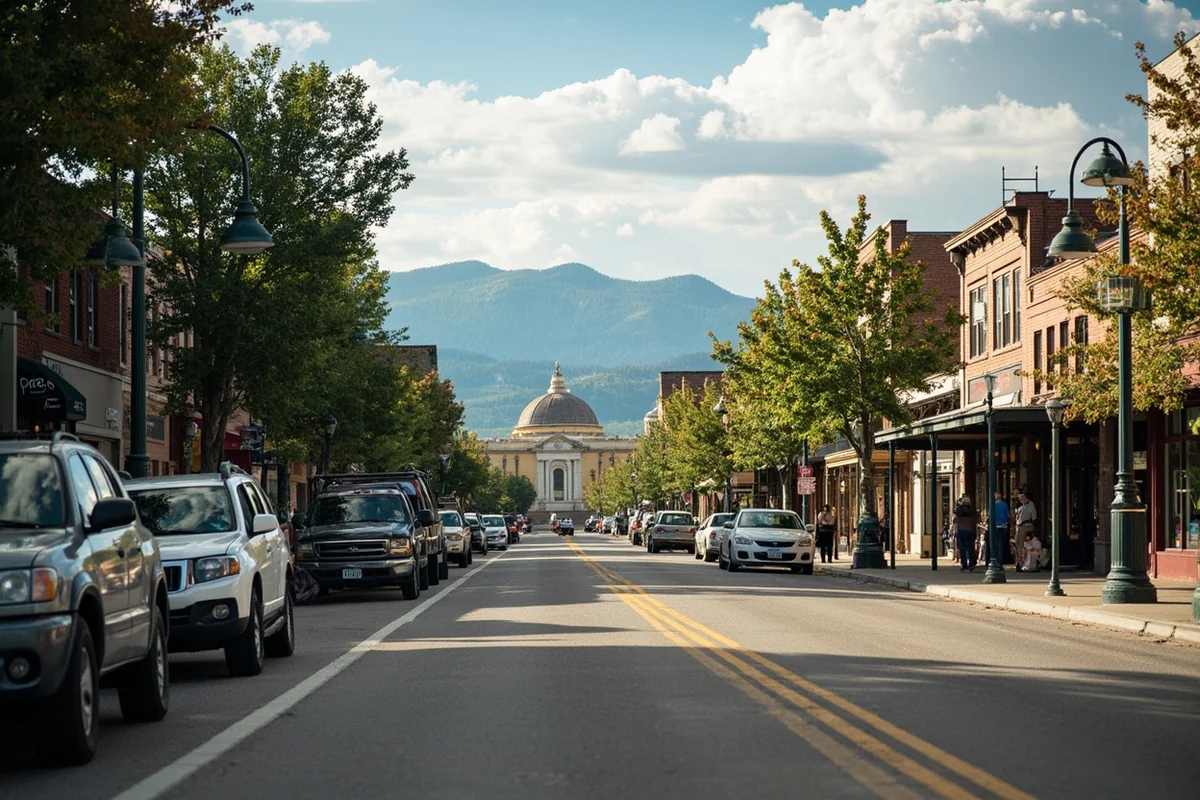
The small towns I’ve stayed in—from tiny Polebridge to larger places like Kalispell—have all felt remarkably safe. Locals often don’t lock their doors, though I’d still recommend standard precautions as a visitor.
The general vibe is friendly and trusting. People wave at you on rural roads. Strangers offer help if your car looks stuck. This welcoming attitude is one of my favorite things about traveling in Montana.
Health and Medical Considerations
Montana’s rural nature means medical facilities can be far away. Planning for health-related issues is part of traveling safely here.
Altitude Sickness
Many Montana destinations sit above 5,000 feet, and popular hiking areas reach well above 9,000 feet. Altitude sickness is real, and I’ve experienced headaches and fatigue when going too hard too fast.
Give yourself a day to acclimate before attempting strenuous high-altitude hikes. Stay hydrated, and don’t push through severe symptoms.
Tick-Borne Illnesses
Rocky Mountain spotted fever and other tick-borne diseases exist in Montana. I’ve pulled ticks off myself after bushwhacking through tall grass near the Missouri River breaks.
Wear long pants in tick habitat, use permethrin-treated clothing, and check yourself thoroughly after outdoor activities.
Water Quality
Montana’s streams look pristine, but Giardia is present throughout the backcountry. Never drink untreated water from streams or lakes, no matter how clear they appear.
I carry a Sawyer Squeeze filter on every backcountry trip. For towns and developed areas, Montana tap water is generally safe to drink.
Hospital Access
Major hospitals are located in Billings, Missoula, Great Falls, and Bozeman. If you’re exploring remote areas, understand that emergency response times can be lengthy.
Carry a basic first aid kit, know basic wilderness first aid principles, and consider carrying a satellite communicator like a Garmin inReach for backcountry trips.
Seasonal Safety Considerations
Each season in Montana brings different safety factors to consider.
Spring (April-June)
Spring means unpredictable weather, muddy trails, and high water levels in rivers. Snowmelt creates dangerous conditions for river crossings that might be simple later in summer.
I’ve seen visitors underestimate spring conditions repeatedly. Trails at high elevations often remain snowbound into July. Check current conditions before any mountain hike.
This is also the season when Montana air quality is generally excellent—before wildfire season begins.
Summer (July-August)
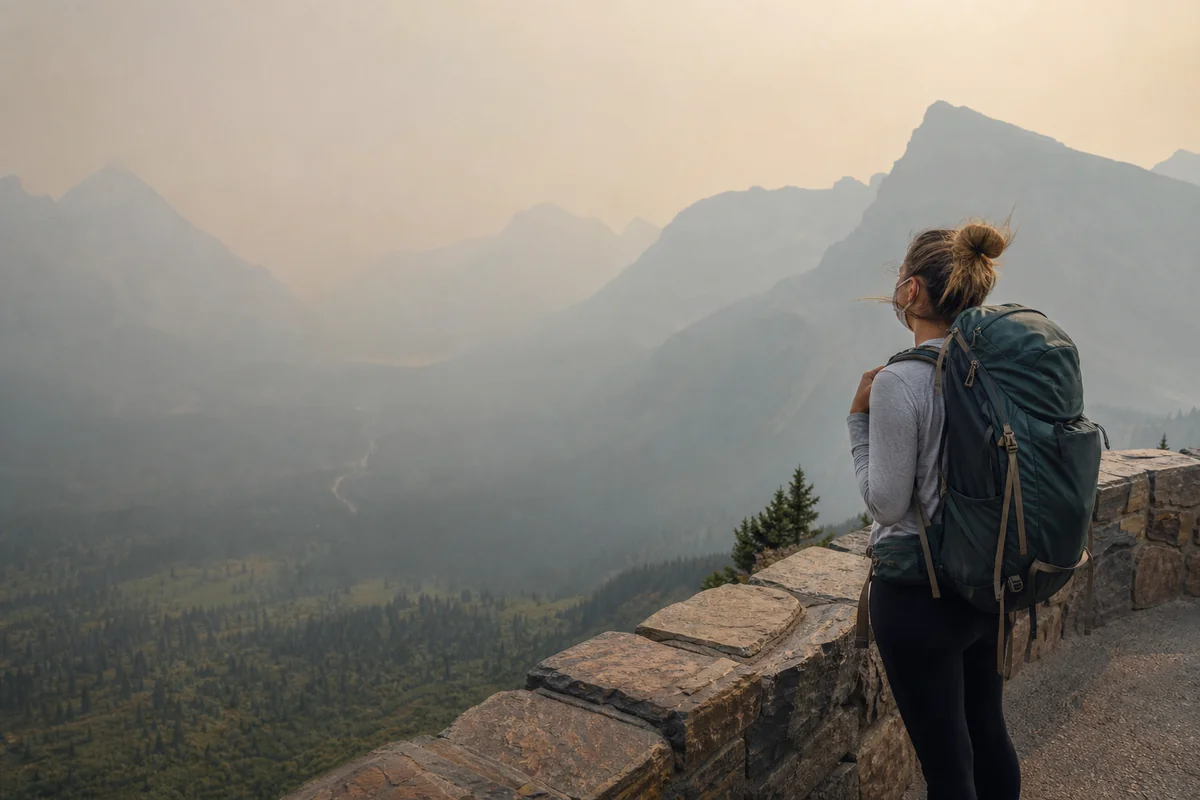
Summer brings the best weather but also the highest fire risk. Wildfire smoke can significantly impact air quality, particularly in August. During my visit to Glacier in August 2021, smoke from regional fires reduced visibility to a few miles and made strenuous hiking inadvisable.
Check air quality forecasts and have flexible plans. If smoke moves in, consider exploring eastern Montana or indoor activities until it clears.
Summer is also peak season for crowds, which actually increases safety on popular trails—more people around means help is more available if something goes wrong.
Fall (September-October)
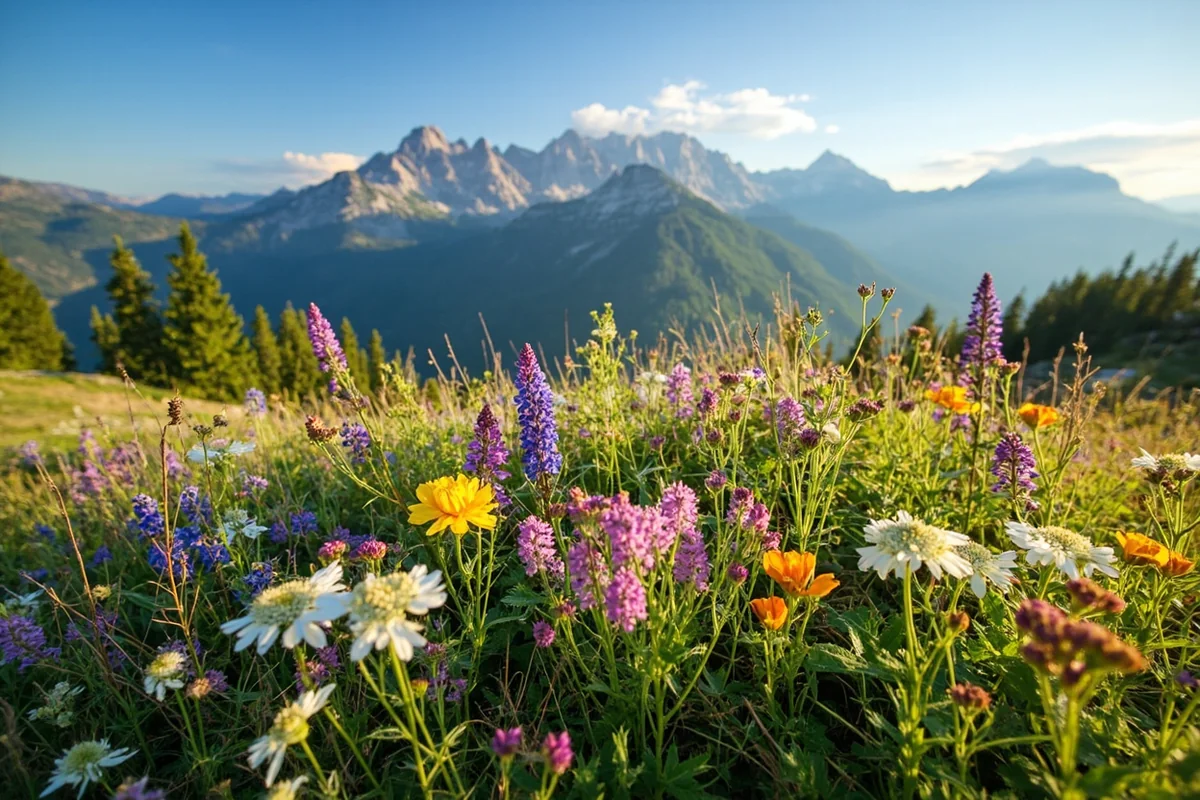
Fall is my favorite time in Montana. The crowds thin, the colors peak, and the weather can be spectacular. However, hunting season begins, and hikers should wear blaze orange when exploring areas open to hunting.
Weather can shift quickly in fall. I’ve started hikes in t-shirt weather and finished in snow. Bring layers.
Fall also offers opportunities to see the northern lights in Montana as nights grow longer.
Winter (November-March)
Winter in Montana is beautiful but demanding. Avalanche danger is real in the backcountry. Roads can close suddenly. Hypothermia is a genuine risk for unprepared travelers.
If you’re visiting in winter, stick to maintained roads, carry emergency supplies, and know your limits. Winter activities like skiing and snowmobiling are fantastic but require proper equipment and knowledge.
Practical Safety Tips
After years of Montana travel, these are the habits that keep me safe:
Before You Go
- Tell someone your itinerary and expected return time
- Download offline maps for areas you’ll be exploring
- Check current conditions at ranger stations and visitor centers
- Understand trip costs so you’re not caught short on funds
- Verify any current Montana travel restrictions
Gear Essentials
| Item | Why It Matters |
|---|---|
| Bear spray | Essential in grizzly country, helpful everywhere |
| Layers including rain jacket | Weather changes rapidly at elevation |
| Headlamp | If hikes take longer than expected |
| Water filter or purification | Giardia is present in backcountry water |
| First aid kit | Help may be hours away |
| Satellite communicator | For backcountry emergencies without cell service |
On the Road
- Fill gas when you hit half a tank
- Check road conditions before remote drives
- Watch for wildlife, especially at dawn and dusk
- Consider VPN options for Montana if you’ll be using public WiFi
- Use Montana webcams to check conditions at your destination
In the Backcountry
- Make noise on trails to avoid surprising wildlife
- Keep bear spray accessible, not buried in your pack
- Store food properly in bear-resistant containers or hung from poles
- Turn back if conditions deteriorate or you feel uncomfortable
- Stay on trails to minimize impact and reduce risk
Special Considerations for Budget Travelers
Traveling Montana on a budget is absolutely possible, and it doesn’t mean compromising safety. In fact, some of the best budget-friendly day trips in Montana are completely safe for prepared visitors.
Public campgrounds often have better wildlife management infrastructure than dispersed camping sites. National forest campgrounds typically have bear boxes, reducing your risk while keeping costs low.
Understanding why flights to Montana are expensive can help you budget appropriately and avoid financial stress during your trip.
Is Montana Safe? The Final Verdict
Yes, Montana is safe to visit. It’s one of the safest states in the country for travelers who approach it with appropriate preparation and respect for its wild character.
The risks here are different from urban destinations. You’re not worried about pickpockets or getting lost in a dangerous neighborhood. Instead, you’re managing distance, weather, and wildlife—challenges that are entirely manageable with preparation.
What I love about Montana is that the same factors that create these safety considerations—the vast wilderness, abundant wildlife, dramatic weather—are exactly what make it such an extraordinary destination.
The grizzly that had me gripping my bear spray near Many Glacier is part of what makes Glacier one of the most spectacular places I’ve ever visited.
Come prepared. Respect the wildness. And you’ll discover why those of us who know Montana keep coming back, year after year, to one of the most beautiful and welcoming places in America.
Frequently Asked Questions
Is Montana safe for solo travelers and families visiting in 2024?
Montana is one of the safest states for travelers, with low violent crime rates in tourist areas like Glacier National Park and Yellowstone. I’ve traveled solo through Big Sky country multiple times and felt completely secure. Small towns are welcoming, and ranger presence in national parks adds an extra layer of safety for families.
What are the biggest safety concerns when visiting Montana?
Wildlife encounters are your primary concern, not crime. Grizzly bears, mountain lions, and moose are active throughout Montana, so carrying bear spray ($40-$55) is essential for any hiking trip. Extreme weather changes can also catch visitors off guard, with sudden snowstorms possible even in summer at higher elevations.
Is it safe to drive in Montana during winter months?
Winter driving in Montana requires serious preparation, as mountain passes and rural highways can become treacherous quickly. I recommend renting an AWD or 4WD vehicle, carrying emergency supplies, and checking road conditions at 511mt.net before heading out. Many scenic routes like Going-to-the-Sun Road close entirely from October through June.
How do I stay safe from bears while hiking in Montana?
Always hike in groups of three or more, make noise on trails, and carry bear spray accessible on your hip, not buried in your pack. Store all food in bear-proof containers at campsites and never approach wildlife for photos. Most bear encounters happen when hikers surprise bears, so staying alert on blind corners is critical.
What’s the safest time of year to visit Montana national parks?
July through early September offers the safest conditions with predictable weather, fully open roads, and maximum ranger staffing. Shoulder seasons in June and late September can still be great but expect some trail closures and more unpredictable conditions. I prefer early September when crowds thin out but services remain fully operational.
Are Montana’s small towns safe for tourists at night?
Montana’s gateway towns like Whitefish, Bozeman, and West Yellowstone are extremely safe, even after dark. Petty theft is rare, but I still recommend locking your car and not leaving valuables visible, especially near trailheads where break-ins occasionally happen. Most locals are friendly and happy to help if you need directions or recommendations.
Do I need travel insurance for a Montana vacation?
I strongly recommend travel insurance that covers emergency evacuation, as rescue operations in remote backcountry areas can cost $10,000 or more out of pocket. Medical facilities are sparse once you leave major towns, with the nearest hospital sometimes 50-100 miles away. A policy costing $50-$150 provides peace of mind for outdoor adventures.
Sources