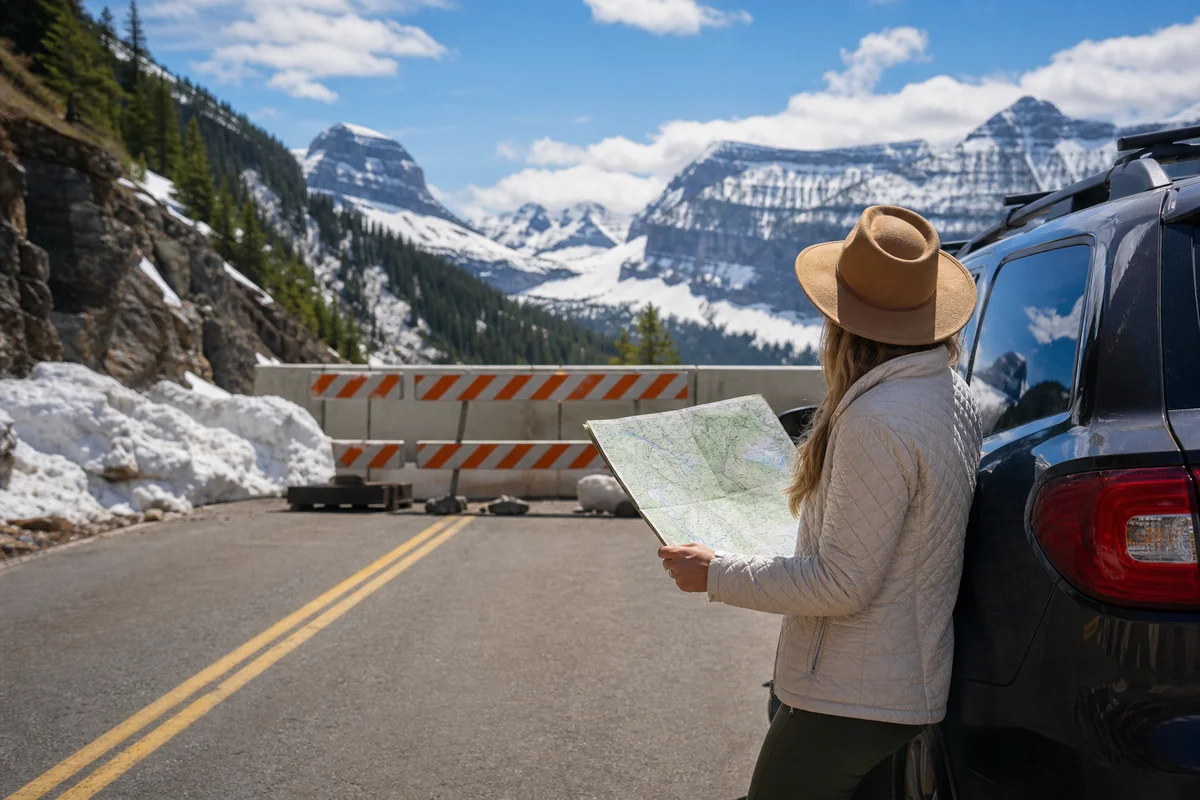
Last summer, I drove three hours to reach the Going-to-the-Sun Road in Glacier National Park, only to find it still closed due to late-season snowpack — a “restriction” I could have easily anticipated with five minutes of research.
That frustrating experience taught me something crucial: Montana’s so-called “travel restrictions” aren’t bureaucratic hurdles designed to keep you out. They’re practical realities shaped by weather, wildlife, and wilderness that every visitor needs to understand before hitting the road.
If you’re looking for comprehensive Montana travel tips, understanding what might limit your access is foundational knowledge. Let me walk you through everything I’ve learned from years of exploring Big Sky Country — including the mistakes I’ve made so you don’t have to repeat them.
- Montana has no COVID-era restrictions remaining — the state is fully open to all US travelers
- Seasonal road closures (especially Going-to-the-Sun Road) are the biggest access limitation
- Glacier National Park requires vehicle reservations during peak summer months
- Wilderness permits are needed for some backcountry areas
- Private land access and tribal lands have specific rules you must follow
- Winter travel requires preparation for road conditions, not permits
- Most restrictions are seasonal and predictable with proper planning
Liked this article?
Add Roaming Montana as a preferred source so you see more of our articles and guides on Google.
The Current State of Travel Restrictions in Montana (2024-2025)
Let me start with the question I see most often: are there COVID-related restrictions still in place?
The short answer is no. Montana lifted all pandemic-related travel restrictions back in 2021, and there are currently no quarantine requirements, vaccination mandates, or testing protocols for domestic travelers entering the state.
I visited Montana four times in 2024 alone, crossing state lines from Wyoming, Idaho, and North Dakota. Not once did I encounter any checkpoint, health screening, or documentation requirement related to COVID or any other public health measure.
What you will encounter are entirely different kinds of restrictions — ones that have existed for decades and serve important purposes. These include seasonal road closures, park reservation systems, wilderness permit requirements, and private land access limitations.
Understanding What “Restrictions” Really Means in Montana
When most people search for “Montana travel restrictions,” they’re often worried about being turned away at the border or facing unexpected barriers. During my conversations with rangers at Glacier and tourists at Yellowstone, I’ve noticed this anxiety comes from pandemic-era conditioning.
Here’s my honest assessment after logging over 15,000 miles on Montana roads: the “restrictions” you’ll encounter are almost always about protecting fragile ecosystems, managing crowd capacity, or keeping you safe from genuinely dangerous conditions.
The Going-to-the-Sun Road closure I mentioned earlier? That wasn’t bureaucratic overreach. The road literally had 15-foot snowdrifts that plowing crews were still clearing. Understanding these restrictions as sensible safety measures rather than arbitrary barriers completely changed how I plan my trips.
Seasonal Road Closures: The Biggest Access Factor
If I could emphasize one thing about Montana travel planning, it’s this: seasonal road closures will affect your trip far more than any permit or reservation system.
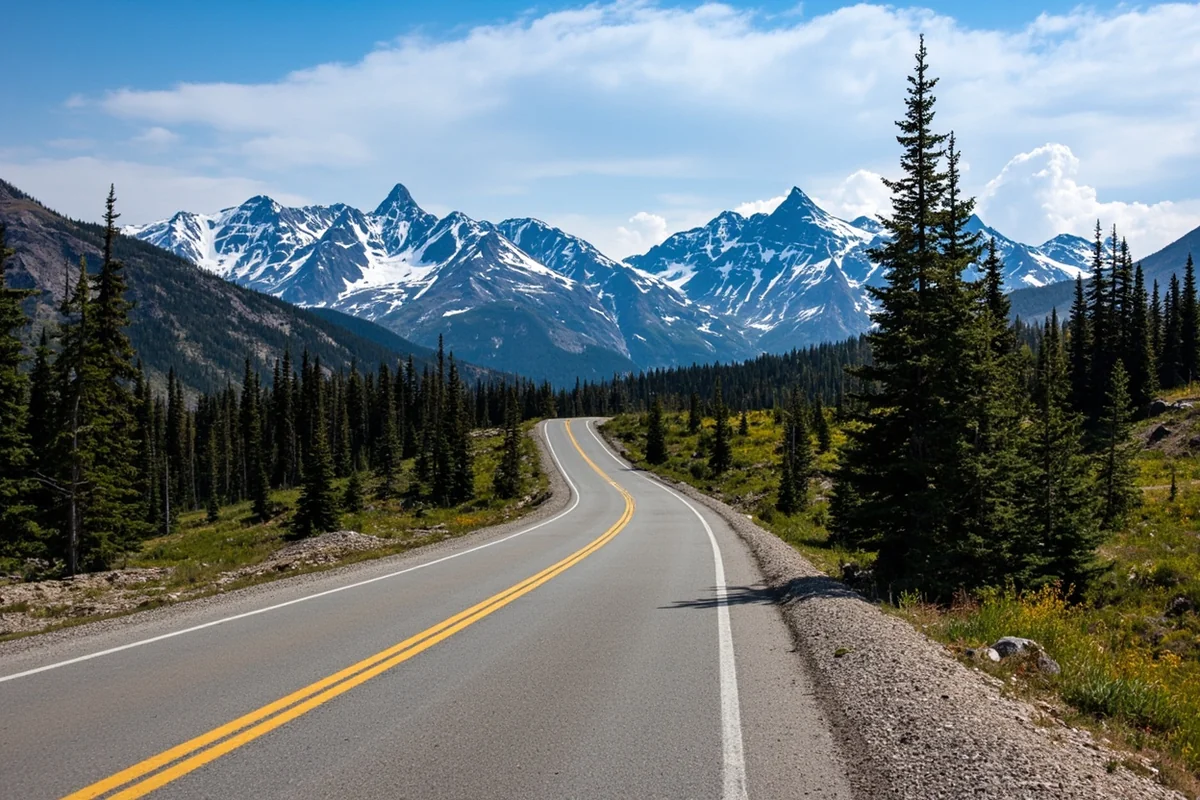
Going-to-the-Sun Road (Glacier National Park)
This 50-mile engineering marvel is Montana’s most famous scenic drive — and its most consistently restricted. During my June 2023 visit, only the first 12 miles from West Glacier were accessible.
The road typically opens fully by late June or early July, depending on snowpack. It usually closes again by mid-October, sometimes earlier if autumn storms hit. Last year, they kept it open until October 22nd, which the rangers told me was unusually late.
I’ve learned to check the Glacier National Park official website weekly starting in May if I’m planning a summer trip. The exact opening date varies by 2-3 weeks each year, and there’s no way to predict it months in advance.
Beartooth Highway
This stunning route connecting Red Lodge to Cooke City closes seasonally and can close temporarily even in summer during severe weather. I got caught in a late-May snowstorm here in 2022 that shut down the road for two days.
Typically, expect closures from mid-October through late May. However, I’ve seen it close in August due to early snow and reopen within hours once crews cleared the pavement.
Chief Joseph Scenic Highway
This Wyoming-Montana connector follows similar patterns to Beartooth. During my last visit in early June, it was technically open but had active avalanche mitigation that delayed traffic for three hours.
Checking Road Conditions Before You Go
Montana’s 511 system (dial 511 or visit 511mt.net) provides real-time road condition updates. I check it obsessively, especially for winter travel.
What I’ve learned from experience: conditions can change rapidly. I once checked 511 before leaving Bozeman for a drive to Helena, saw clear conditions, and hit a surprise whiteout near Townsend an hour later. The system updates frequently, but mountain weather moves faster.
Using Montana webcams has become my secret weapon for real road condition assessment. Seeing actual footage beats any text description.
National Park Reservation Systems
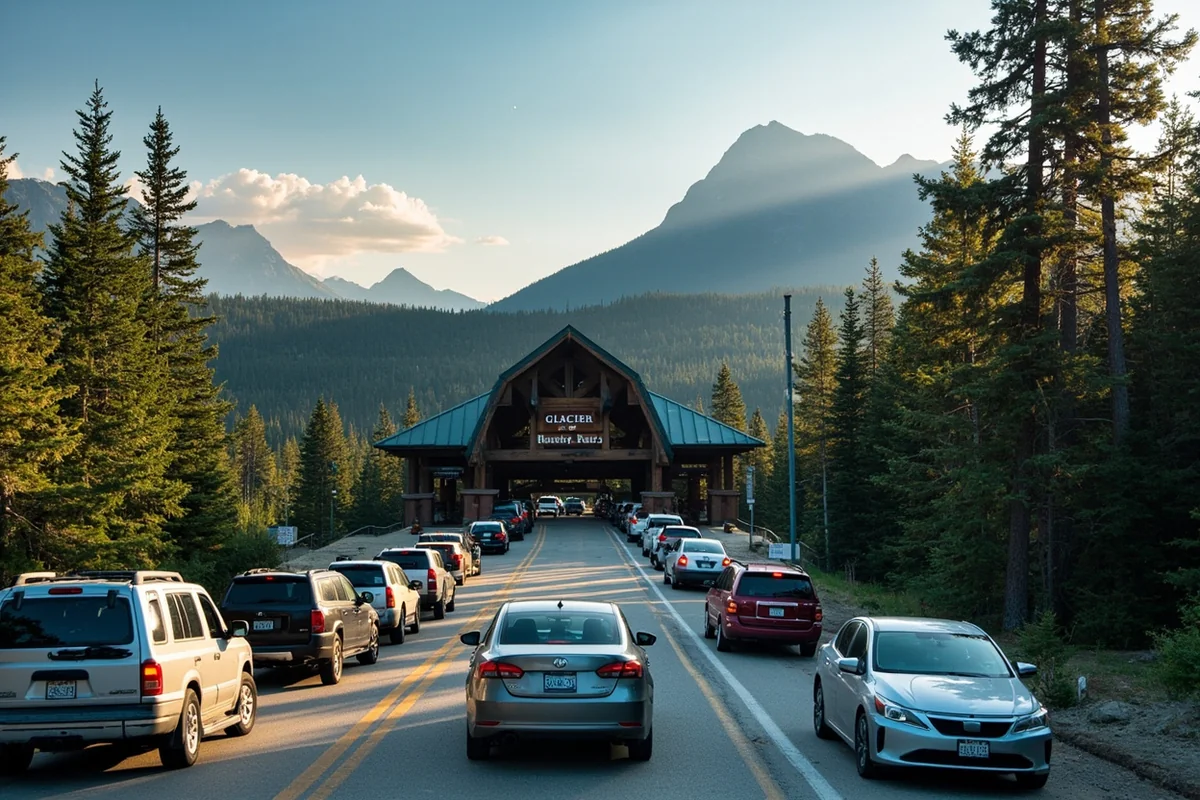
Glacier National Park Vehicle Reservations
This is the restriction that catches most first-time visitors off guard. During my July 2023 trip, I watched multiple families get turned away at the West Glacier entrance because they didn’t know about the reservation requirement.
From late May through early September (exact dates vary annually), you need a vehicle reservation to enter Glacier between 6 AM and 3 PM. This applies to the west side entrances accessing Going-to-the-Sun Road.
Reservations release in two batches: 120 days in advance for most reservations, and a smaller batch 24 hours ahead. I’ve had success with both methods, but the 120-day reservations go within minutes for popular July dates.
Here’s what I tell everyone: if you can’t get a reservation, you have options. Enter before 6 AM (which I’ve done successfully multiple times) or after 3 PM. You can also access the park via the east side without a vehicle reservation, though you’ll miss the famous western portion of Going-to-the-Sun Road.
Yellowstone’s Montana Entrances
Yellowstone’s north and northeast entrances are in Montana. Currently, there’s no reservation system for general entry, though the park experimented with reservations in 2022 following flood damage.
The North Entrance road from Gardiner was severely damaged in June 2022 floods. As of my most recent visit in September 2024, it’s fully repaired and open, but I always verify before driving there.
Understanding how long it takes to get to Montana matters here — if you’re timing your arrival for park entry windows, accurate drive time estimates become crucial.
Wilderness Permits and Backcountry Access
If you’re planning any overnight backcountry camping, permit requirements become relevant. Day hikers generally don’t need permits in Montana, but there are exceptions you should know about.
Glacier National Park Backcountry Permits
Overnight backcountry camping in Glacier requires advance permits. Competition for popular sites like Granite Park Chalet or backcountry campsites along the Highline Trail is fierce.
During my 2023 backpacking trip to Gunsight Pass, I applied for permits the moment the lottery opened and still didn’t get my first-choice dates. Flexibility with dates dramatically improves your odds.
Half of backcountry permits are reservable in advance; the other half are first-come, first-served starting at 8 AM the day before. I’ve successfully walked up for same-day permits in September, but July attempts have always ended in disappointment.
Bob Marshall Wilderness
The “Bob,” as locals call it, covers over a million acres and doesn’t require advance permits for most use. However, you should self-register at trailheads, and certain areas have group size limits.
What I appreciate about the Bob Marshall Wilderness is its relatively unrestricted nature. Last August, I spent four days in there and saw maybe a dozen other people total. No reservations, no permits, just vast wilderness.
Forest Service Restrictions
National Forest land in Montana sometimes has temporary restrictions during fire season. Fire bans can prohibit campfires, and area closures can block trail access entirely.
I’ve been turned away from three different trailheads over the years due to active fire closures. These aren’t negotiable — they’re for your safety and firefighter safety.
Private Land and Access Issues
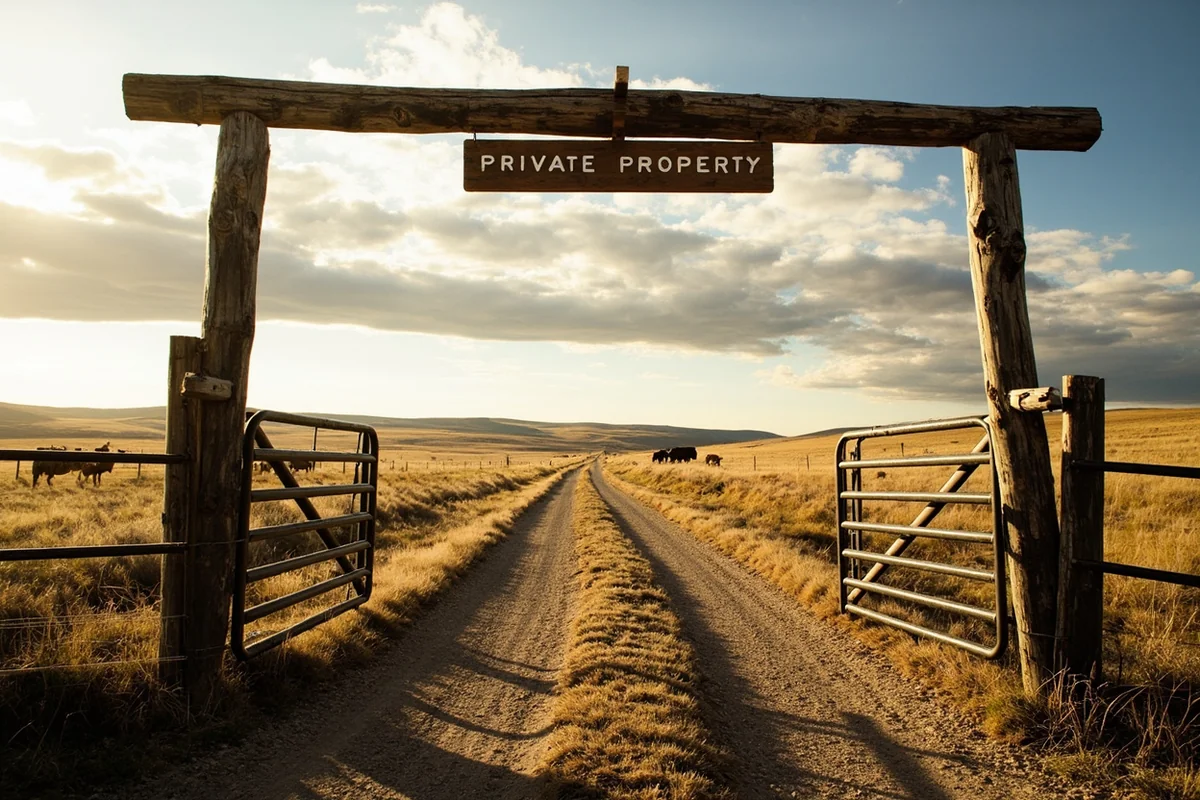
Montana is roughly 30% private land, and access issues are more complicated here than in states with more public land access traditions.
Stream Access Law
Montana has some of the best stream access laws in the country. You can access any water body below the high-water mark for recreation, even if the surrounding land is private.
However — and I learned this the hard way while fly fishing near Ennis — you cannot cross private land to reach that water without permission. I once had to hike two extra miles to find legal access to a stretch of the Madison River.
Block Management Areas
Montana’s Block Management Program provides public hunting access on private land. During hunting season, these areas can have specific rules about entry points, timing, and activities allowed.
Even if you’re not hunting, understanding Block Management areas helps explain why you might see “No Trespassing” signs adjacent to land that appears accessible.
Tribal Lands
Montana has seven Indian reservations, and each has sovereignty over access rules. The Blackfeet Reservation, which borders Glacier National Park, requires a tribal conservation permit for fishing or recreating on reservation lands.
During my fishing trip to Duck Lake on the Blackfeet Reservation, I purchased my permit at a local gas station in Browning. The $50 for a three-day permit was absolutely worth it — the fishing was exceptional and the scenery rivaled anything in the national park.
Seasonal Wildlife Restrictions
Montana takes wildlife protection seriously, and you’ll encounter restrictions designed to protect both animals and visitors.
Bear Management Areas
Glacier National Park has designated Bear Management Areas where off-trail travel is prohibited during certain seasons. These closures typically happen during berry season when grizzlies are actively feeding.
I’ve had multiple hikes rerouted due to BMAs. During my 2023 visit, the Granite Park area had off-trail restrictions that prevented me from taking a shortcut I’d planned.
Elk Calving Closures
Some areas around Yellowstone and on private ranches close temporarily during elk calving season (typically May-June). These protect newborn calves from human disturbance during their most vulnerable period.
Nesting Raptor Closures
Climbing areas sometimes close during peregrine falcon or golden eagle nesting seasons. If you’re planning any technical climbing, verify current closures through local climbing organizations.
Fire Season Considerations
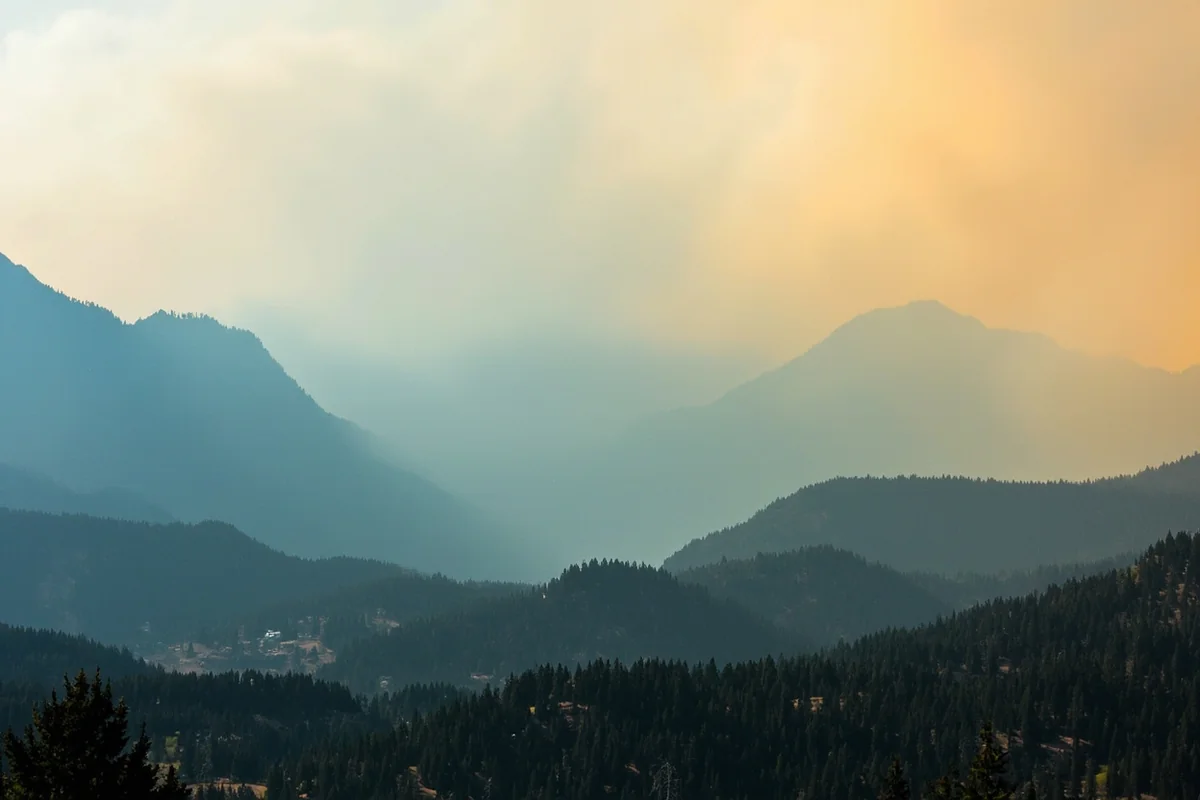
Montana’s fire season typically runs from July through September, though climate change is extending this window. Understanding how fire affects your travel is essential.
Fire restrictions progress through stages, and understanding Montana air quality conditions becomes particularly important during this season.
Stage I Fire Restrictions
These are the most common and least restrictive. Campfires are only allowed in designated fire rings, and smoking is restricted to enclosed vehicles or cleared areas.
Stage II Fire Restrictions
More serious conditions prohibit all open flames, including campfires in established rings. You can still use pressurized camp stoves, but charcoal grills and wood fires are completely banned.
Area Closures
When fires are actively burning, entire sections of national forests can close. During the 2023 fire season, I had to completely reroute a backpacking trip in the Flathead National Forest due to closures.
The key thing I’ve learned: fire conditions change daily. What’s accessible Monday might be closed Wednesday. I check inciweb.nwcg.gov every morning during fire season trips.
Winter Travel: A Different Kind of Restriction
Winter transforms Montana’s travel landscape completely. While there are no permit requirements for winter travel, the practical restrictions become significant.
Chain Requirements
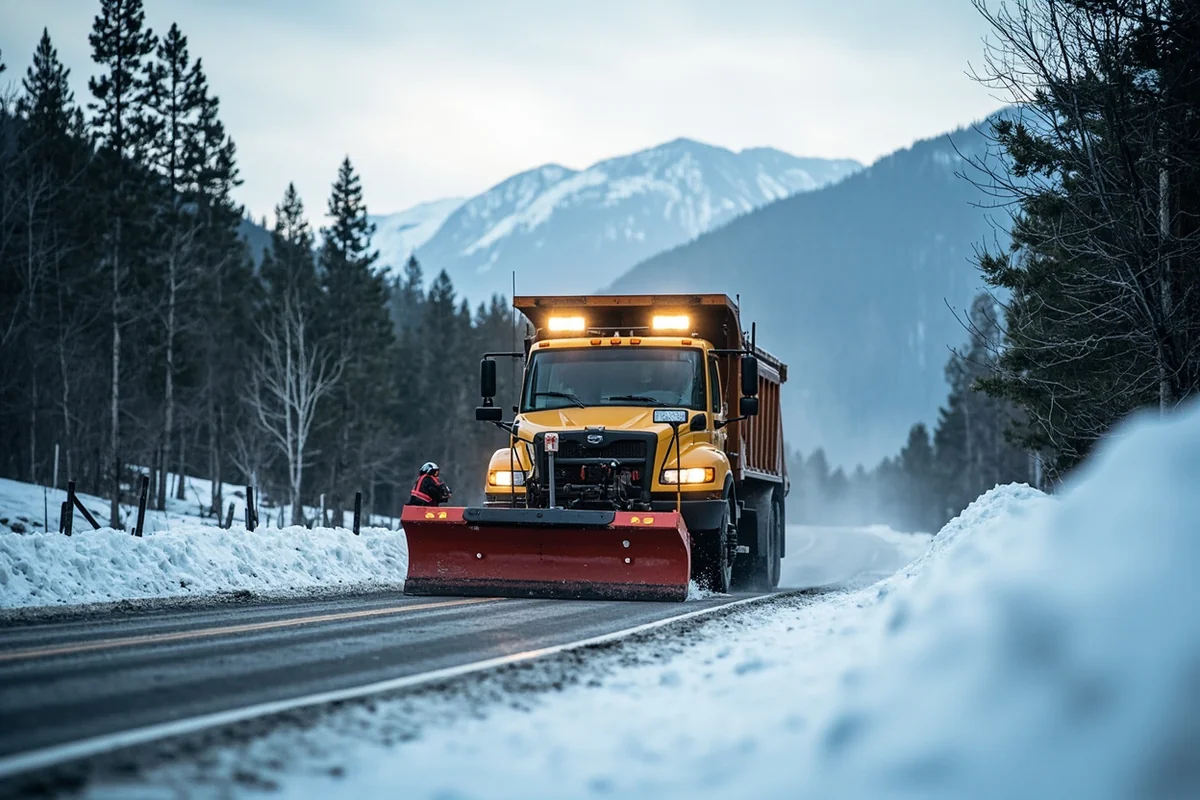
Montana can require chains on certain mountain passes during winter storms. I carry chains from November through April, even if I don’t expect to need them.
Road Closures
Many secondary roads and all high-altitude routes close for winter. The Going-to-the-Sun Road, mentioned earlier, is only plowed to Lake McDonald Lodge on the west side during winter.
Snowmobile Access
Designated snowmobile areas have specific rules about where motorized winter travel is permitted. West Yellowstone is Montana’s snowmobile capital, with extensive groomed trail systems.
Cross-country skiing and snowshoeing generally face fewer restrictions, though avalanche terrain requires appropriate education and equipment.
Planning winter travel? Make sure you have a solid Montana trip packing list that accounts for extreme conditions.
Practical Access Table: Quick Reference
| Area/Activity | Restriction Type | When It Applies | How to Prepare |
|---|---|---|---|
| Going-to-the-Sun Road | Seasonal closure | Typically Oct-June | Check NPS website weekly starting May |
| Glacier Park entry | Vehicle reservation | Late May-Early Sept, 6AM-3PM | Book 120 days ahead or enter outside window |
| Glacier backcountry | Permit required | All overnight stays | Apply when lottery opens, have backup plans |
| Beartooth Highway | Seasonal closure | Typically Oct-late May | Check 511mt.net before travel |
| Tribal lands | Permit required for recreation | Year-round | Purchase permits locally or online |
| Private land | No access without permission | Year-round | Stick to public land or get written permission |
| Campfires (fire season) | Restrictions vary | Typically July-Sept | Check current fire restrictions daily |
| Mountain passes (winter) | Chain requirements possible | Nov-April during storms | Carry chains, check 511 before travel |
Budgeting Around Restrictions
Understanding restrictions helps with budget planning. Vehicle reservations at Glacier are free, but they require planning that might affect when you visit and where you stay.
For a complete picture of trip costs, including how restrictions might impact your budget, check out how much it costs to visit Montana.
If you’re looking for alternatives when popular areas are restricted or fully booked, budget-friendly day trips in Montana can provide excellent experiences without fighting the reservation system.
Connectivity and Communication Restrictions
This isn’t a legal restriction, but Montana’s limited cell coverage creates practical access limitations you should plan for.
Large sections of the state have no cellular service whatsoever. During my drives through the Missouri Breaks and parts of eastern Montana, I’ve gone hours without any signal.
Understanding which cell providers work best in Montana can help you stay connected in areas that do have coverage. For areas without any coverage, consider a satellite communicator.
Some remote areas also limit GPS functionality. During a backcountry trip in the Bob Marshall Wilderness, my phone GPS worked fine, but my vehicle GPS lost satellite connection repeatedly.
If you’re working remotely while traveling, knowing the best VPNs for Montana helps when you do find connectivity in small-town coffee shops and libraries.
What About Flying Into Montana?
There are no restrictions on flying into Montana’s airports, but flight availability and costs can feel restrictive. Montana airports are smaller and less competitive than major hubs.
If you’ve wondered why flights to Montana are so expensive, the limited airline competition and seasonal demand explain most of it.
Safety Considerations vs. Restrictions
Montana is generally very safe for travelers, but understanding safety considerations helps you respect the restrictions that exist.
For a complete picture of what to expect, is Montana safe to visit covers crime, wildlife, and weather risks in detail.
One safety note about water: Montana’s mountain streams look pristine, but always treat backcountry water. For information about what’s safe to drink, see whether Montana tap water is safe.
Timing Your Visit to Minimize Restrictions
Based on my experience, here’s how different seasons affect what’s accessible:
Late June through Early September
Maximum accessibility. Roads open, parks fully operational, but reservation systems in effect and crowds at peak.
September
My personal favorite. Most roads still open, Glacier reservations end, crowds thin dramatically. I’ve had Going-to-the-Sun Road nearly to myself during late September visits.
October
Shoulder season begins. Some high-altitude roads close mid-month. Excellent for fall colors, minimal crowds, but weather becomes unpredictable.
November through April
Winter restrictions in full effect. Many roads closed, but skiing and winter activities become available. Different kind of Montana experience.
May through Mid-June
Awkward transition period. Snow still blocks high routes, but valleys are accessible. Rivers running high, fishing challenging.
Special Events and Natural Phenomena
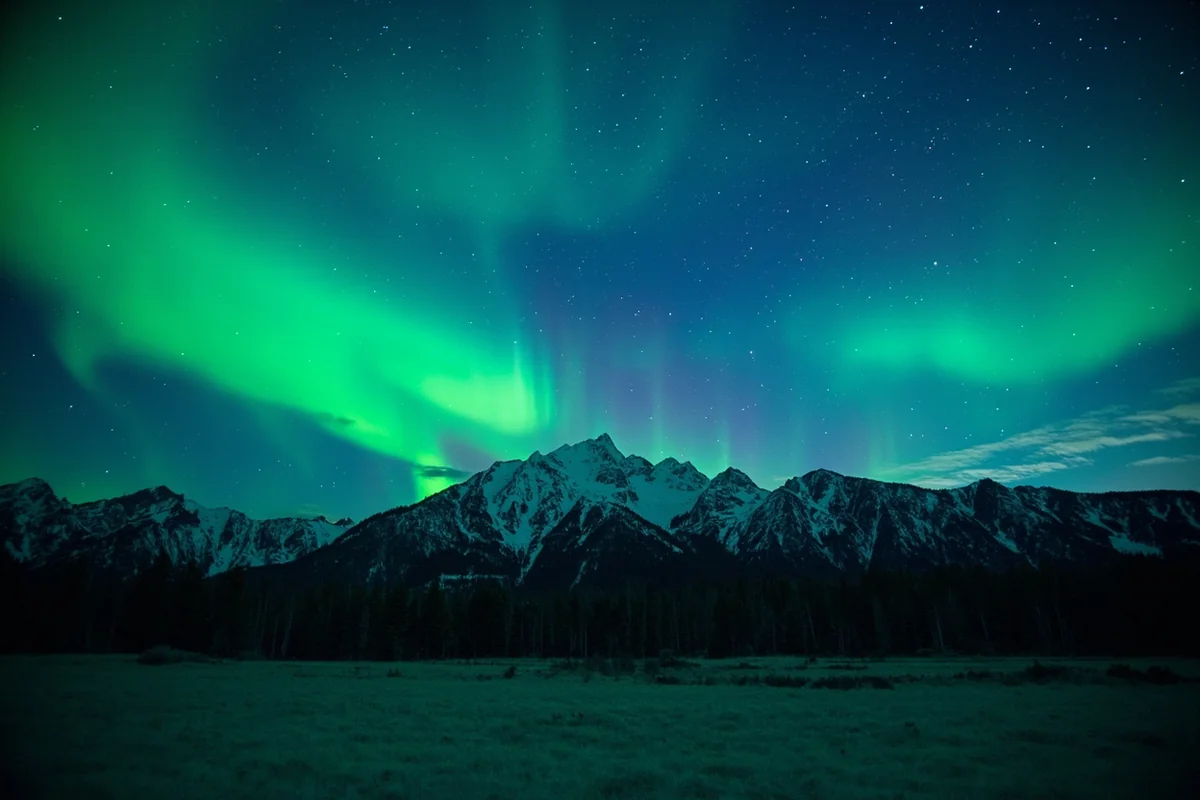
Some visitors come to Montana specifically for natural events. If you’re hoping to see auroras, Montana does see the northern lights under the right conditions, typically from September through March.
There are no restrictions on aurora viewing, but light pollution in larger towns diminishes the experience. I’ve had my best sightings in Glacier County, far from any town lights.
My Final Advice on Montana Travel Restrictions
After years of traveling Montana’s roads, trails, and rivers, here’s what I want you to understand: the restrictions that exist are manageable and logical.
The key is planning. Book Glacier reservations the moment they open. Check road conditions before driving mountain passes. Verify fire restrictions during summer. Respect private land boundaries.
What you won’t encounter is arbitrary bureaucracy preventing you from enjoying Big Sky Country. Montana wants visitors — the tourism industry is essential to the state’s economy.
What Montana asks in return is respect for its wild places, wildlife, and the practical realities of weather and terrain. The restrictions serve those purposes, nothing more.
Come prepared, stay flexible, and you’ll find Montana more accessible than you probably feared. The restrictions I’ve encountered have never ruined a trip — only the times I failed to plan around them.
Frequently Asked Questions
Are there any COVID-19 travel restrictions for visiting Montana in 2024?
Montana has lifted all COVID-19 related travel restrictions, and visitors can enter the state without testing, vaccination proof, or quarantine requirements. However, I always recommend checking the Montana DPHHS website before your trip since health guidelines can change. Individual businesses and tribal lands may still have their own policies in place.
Do I need a passport or special ID to travel to Montana from another US state?
You don’t need a passport to visit Montana from within the United States—a valid driver’s license or state ID works fine for domestic travel. If you’re flying, make sure your ID is REAL ID compliant by May 2025, or bring an alternative TSA-accepted identification. I’ve found that having a backup form of ID is always smart when road-tripping through remote areas.
What are the entry requirements for visiting Glacier and Yellowstone National Parks in Montana?
Both Glacier and Yellowstone National Parks require a $35 per vehicle entrance fee, valid for 7 days, or you can use an $80 America the Beautiful annual pass. Glacier National Park requires advance reservations for Going-to-the-Sun Road during peak season (late May through early September). I strongly suggest booking your vehicle reservation at recreation.gov at least 60 days ahead since spots fill up within minutes.
Are there travel restrictions when entering Montana’s Native American reservations?
Each of Montana’s seven tribal reservations has sovereign authority and may have specific entry guidelines, permit requirements for fishing or recreation, and cultural site restrictions. The Blackfeet Reservation near Glacier, for example, has periodically restricted access during certain periods. I recommend contacting the specific tribal office directly before visiting to respect their guidelines and ensure a smooth trip.
What is the best time to visit Montana to avoid crowds and seasonal road restrictions?
The sweet spot for visiting Montana is mid-September through early October when summer crowds thin out, fall colors peak, and most roads remain open. Winter travel (November-April) means chain requirements on mountain passes and potential closures on Going-to-the-Sun Road and Beartooth Highway. I prefer shoulder seasons because you’ll find lower lodging costs—often 30-40% cheaper than peak summer rates—and more availability at popular trailheads.
Do I need any special permits or licenses for fishing and hunting in Montana as an out-of-state visitor?
Yes, non-resident fishing licenses cost around $86 for the season or $15 for a two-day pass, and hunting licenses are significantly more expensive with limited availability for certain tags. You’ll need to purchase permits through Montana Fish, Wildlife & Parks (fwp.mt.gov) before your trip, and some popular areas require additional access permits. I always buy my fishing license online a week before arriving to avoid any last-minute issues at remote put-in spots.
Are there any vehicle or RV size restrictions on Montana’s scenic highways?
Going-to-the-Sun Road in Glacier National Park has strict vehicle restrictions—no vehicles over 21 feet long, 8 feet wide, or 10 feet tall are allowed between Avalanche Creek and Rising Sun. Other scenic routes like Beartooth Highway have no official size limits but feature tight switchbacks that can challenge RVs over 35 feet. I’ve seen large rigs struggle on these mountain roads, so if you’re driving a big motorhome, consider parking at a gateway town and taking a shuttle or smaller vehicle into the parks.
Sources