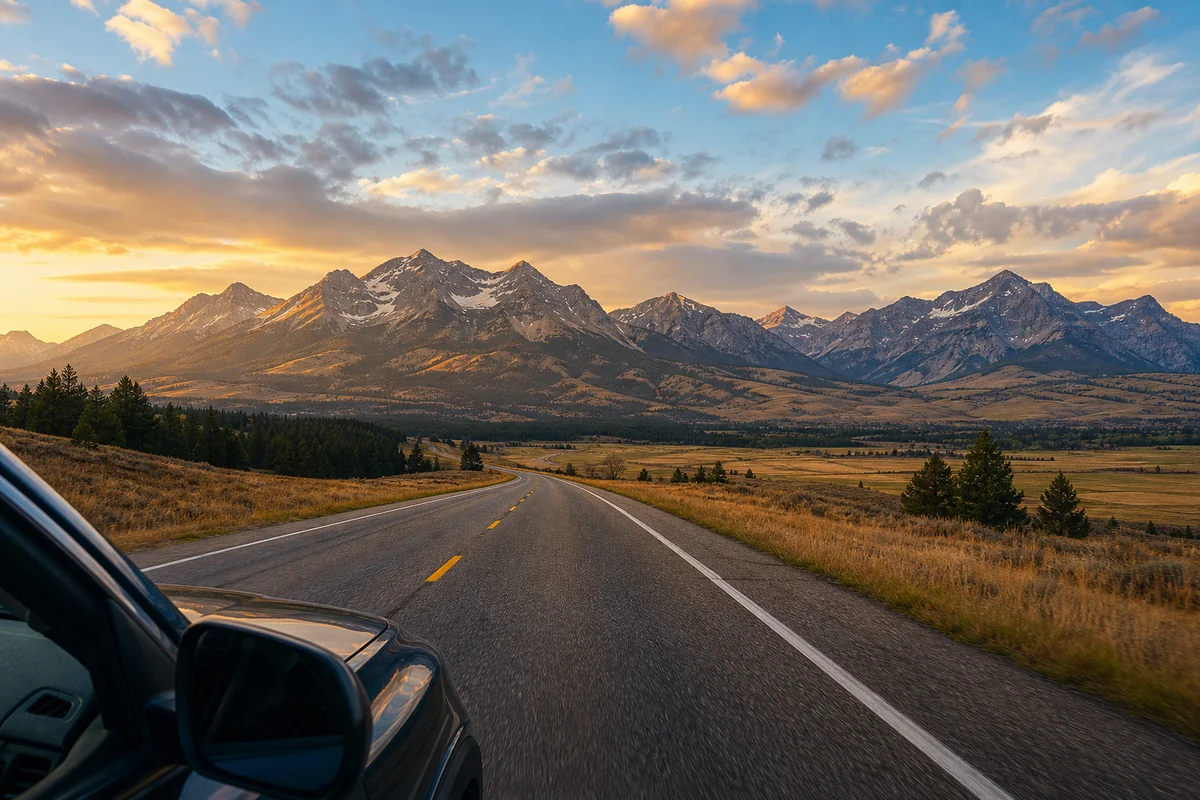
The first time I drove into Montana, I ran out of gas 23 miles from the nearest station on a lonely stretch of Highway 200. A rancher in a beat-up Ford eventually stopped, handed me a jerry can, and said, “City folks always forget how big empty is out here.”
That lesson—Montana operates on a different scale than anywhere else in America—has shaped every trip I’ve taken since.
After 47 visits over the past twelve years, I’ve accumulated hard-won knowledge about traveling through Big Sky Country that goes far beyond “pack layers” and “book early.”
This guide contains the specific, practical tips I wish someone had handed me before that first humbling experience on the roadside.
- Fill your tank at every opportunity — 100+ mile stretches without gas stations are common
- Visit Glacier’s Going-to-the-Sun Road between late June and mid-September for full access
- Book accommodations 6+ months ahead for peak summer and ski season
- Carry cash — many small-town businesses don’t accept cards
- Wildlife encounters require 100 yards distance for bears and wolves, 25 yards for other animals
- Shoulder seasons (May-early June, September-October) offer better prices and fewer crowds
- Cell service is unreliable outside major towns — download offline maps
Liked this article?
Add Roaming Montana as a preferred source so you see more of our articles and guides on Google.
Understanding Montana’s Scale and Geography
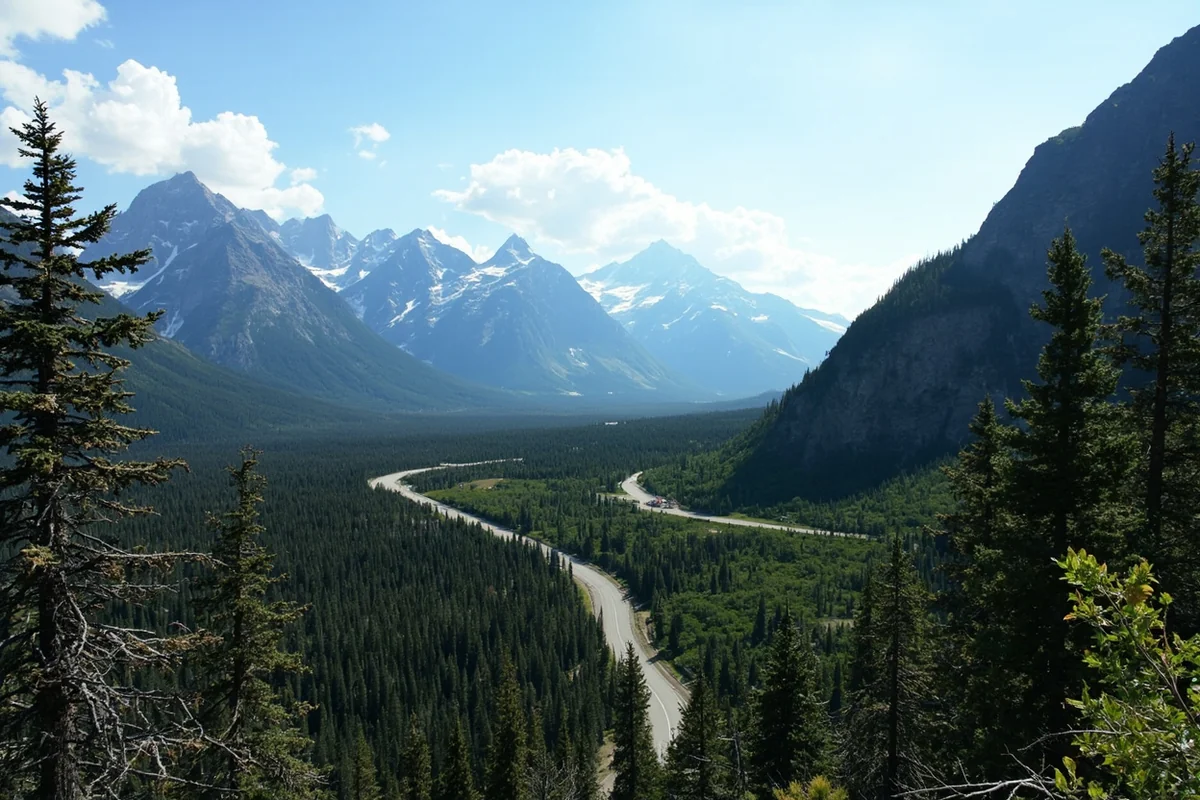
Montana is the fourth-largest state in the US, covering 147,040 square miles with a population of just over one million people. To put that in perspective, during my drive from Glacier National Park to Yellowstone last August, I covered 340 miles and passed through exactly two towns with populations over 5,000.
This emptiness is both Montana’s greatest gift and its biggest logistical challenge. I’ve learned to think of travel time in hours, not miles, because a “quick” 60-mile detour might take 90 minutes on winding mountain roads.
The Two Montanas
Locals often talk about “East of the Divide” and “West of the Divide,” and after spending significant time in both regions, I can confirm they feel like different states.
Western Montana, where I’ve spent the majority of my trips, features the dramatic mountain scenery most visitors imagine—Glacier National Park, Flathead Lake, and the Bitterroot Valley. The climate is milder, the forests are denser, and the culture leans toward outdoor recreation.
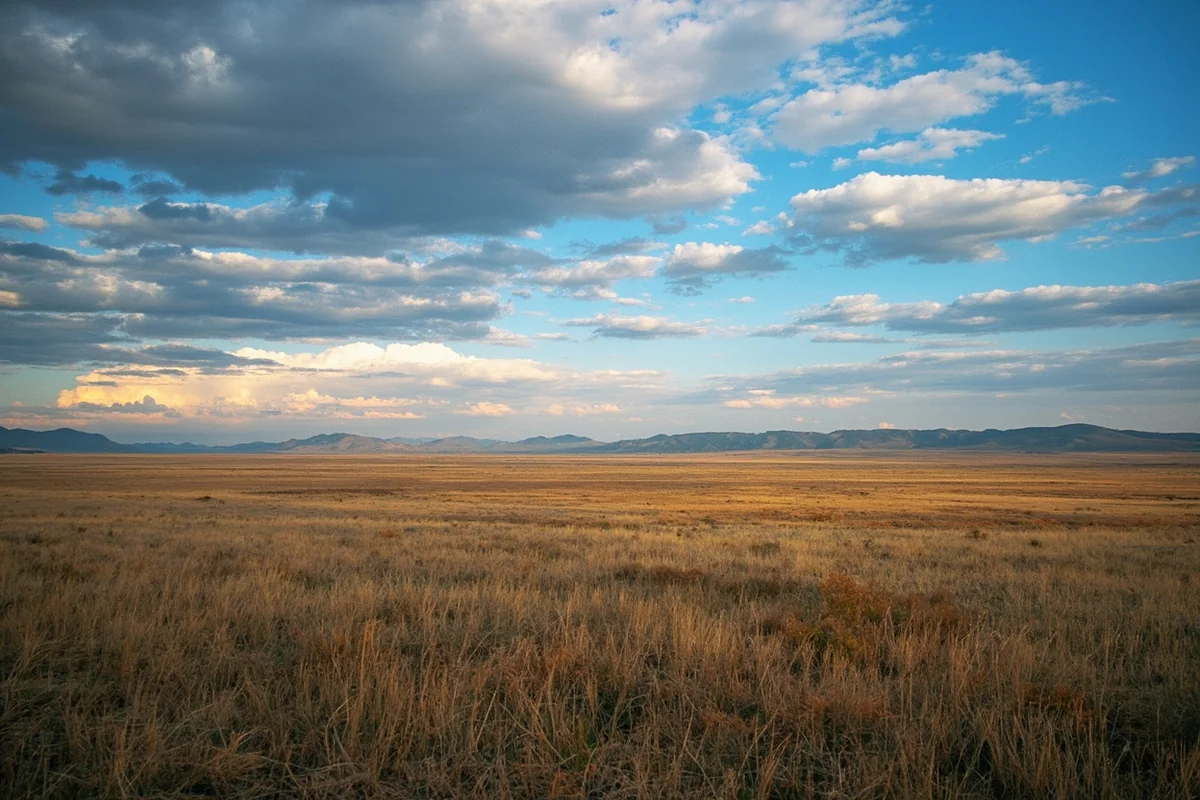
Eastern Montana, which I explored extensively during a two-week road trip in 2019, offers vast prairies, dinosaur fossils around the Missouri Breaks, and authentic ranching culture. It’s far less touristed, which means genuinely empty roads and locals who seem surprised (pleasantly) to see out-of-staters.
When to Visit Montana: Honest Season-by-Season Analysis
I’ve visited Montana in every month except February, and each season offers a genuinely different experience. Let me break down what you’re actually signing up for with each timing choice.
Peak Summer (Late June through August)
This is when Montana delivers its postcard moments—wildflowers blanketing alpine meadows, all roads and trails accessible, and long days with daylight lasting until nearly 10 PM in late June.
However, I’ve also experienced the downsides firsthand. During my visit to Glacier’s Logan Pass in mid-July 2022, the parking lot was completely full by 7:30 AM. I ended up parking at the Avalanche Creek lot and taking the free shuttle, which worked fine but required adjusting my plans.
Accommodations in gateway towns like West Yellowstone, Whitefish, and Gardiner often book solid six months in advance. Last summer, I watched friends scramble to find lodging when their original reservation fell through, eventually staying 45 miles outside the park.
Expect daytime temperatures ranging from 70-85°F in the valleys, though mountain elevations can be 20+ degrees cooler. I always pack a fleece even in August—I’ve been caught in snow at Logan Pass in late July.
Shoulder Seasons (May-Early June and September-October)
These are my preferred times to visit, and I recommend them to almost everyone who asks. During my September 2023 trip to Glacier, I hiked the Highline Trail on a Tuesday and encountered maybe 30 other people over six hours. Two months earlier, that same trail would have seen hundreds.
The trade-offs are real, though. Going-to-the-Sun Road typically doesn’t fully open until late June—during my early June trip in 2021, the road was only accessible to Logan Pass from the west side, and I had to turn around there.
September brings spectacular fall colors, particularly in the larch forests around Glacier and the Seeley-Swan Valley. The golden needles of western larches against evergreen forests created some of my favorite Montana photographs.
Wildlife is also more active during shoulder seasons. I’ve had my best bear sightings in late May and September, when animals are foraging heavily.
Winter (November through April)
Winter Montana is a completely different destination, centered on skiing and snowmobiling rather than hiking and sightseeing.
I spent a week in Big Sky during January 2020, and the skiing was outstanding—deep powder, short lift lines compared to Colorado resorts, and dramatically lower prices. However, driving conditions required serious attention. My rental car (I specifically requested AWD) handled Highway 191 fine, but I watched a sedan spin out near Big Sky’s entrance road during a moderate snowfall.
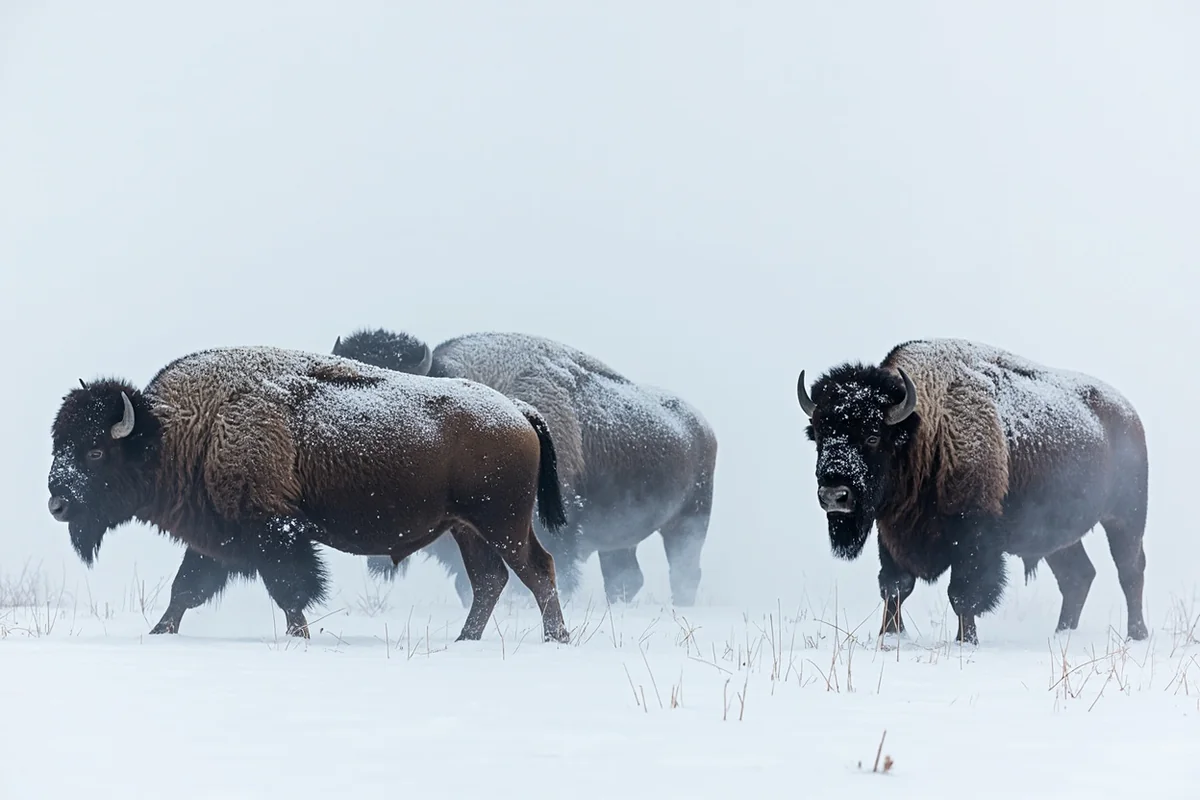
Yellowstone’s northern loop remains open year-round, and I did a winter day trip through Lamar Valley that December. Seeing wolves hunting in fresh snow, with bison covered in frost, remains one of my top Montana memories. But temperatures were brutal—negative 15°F that morning—and roads required constant vigilance.
Transportation and Driving Essentials
Getting around Montana requires more planning than most destinations. Here’s what I’ve learned through experience, including some expensive mistakes.
Rental Car Necessities
I always book SUVs or crossovers for Montana trips, even during summer. Many forest service roads, hot springs access points, and scenic drives benefit from higher clearance. Last August, I drove a basic sedan and had to skip my planned visit to Crystal Lake Campground because the road was too rough.
AWD or 4WD becomes essential from October through May. I watched a fellow traveler’s front-wheel-drive rental get stuck on a slightly icy incline near Cooke City last October—it took three people pushing to free it.
One critical tip: inspect your rental for windshield chips before leaving the lot. Montana highways are notorious for gravel and debris. I’ve had two windshield cracks during Montana trips, and documenting pre-existing damage saved me $350 in one instance.
Fuel Strategy
This deserves its own section because running low on gas in Montana can genuinely strand you.
My personal rule: fill up whenever you drop below half a tank and a gas station appears. On Highway 200 between Great Falls and Missoula, I drove 97 miles between stations last summer. On Highway 2 along the Hi-Line in eastern Montana, I’ve seen stretches of 80+ miles with nothing.
Gas prices vary wildly. I’ve paid $0.50 more per gallon in small towns versus Missoula or Billings. For a long trip, it’s worth topping off in larger towns even if your tank isn’t empty.
Many remote stations close by 8 PM or earlier. During my 2019 eastern Montana road trip, I arrived in Jordan at 9 PM desperately needing fuel—the only station was closed until 6 AM, so I slept in my car.
| Route | Longest Stretch Without Gas | My Recommendation |
|---|---|---|
| Highway 2 (Hi-Line) | 85 miles (Malta to Glasgow) | Fill in every town |
| Highway 200 (Central Montana) | 97 miles | Top off at Great Falls or Lewistown |
| Highway 89 (White Sulphur to Glacier) | 65 miles | Fill at Choteau |
| Going-to-the-Sun Road | 50 miles (no gas on road) | Fill in St. Mary or West Glacier before entering |
Road Conditions and Closures
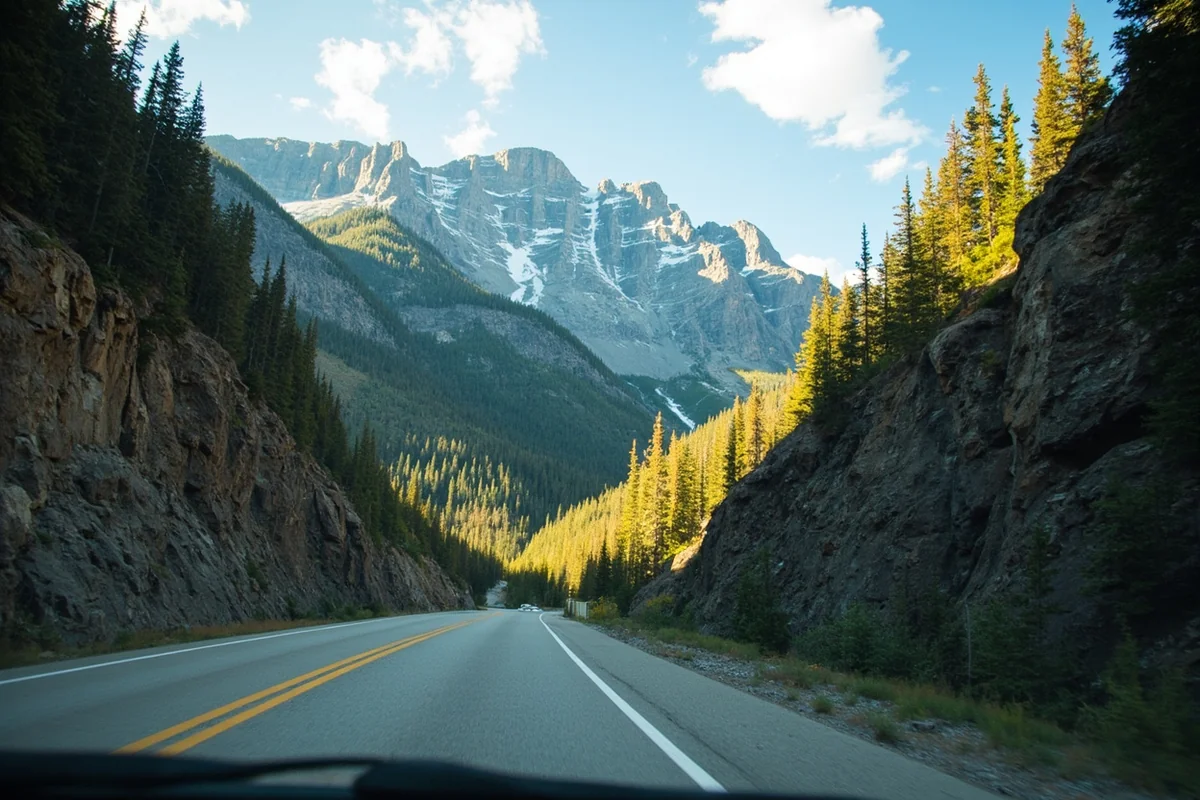
Montana roads require year-round respect, not just winter. During my August 2021 trip, a sudden thunderstorm on Highway 49 near Two Medicine turned the road into a slick mess with zero visibility. I pulled over for 30 minutes until it passed.
Going-to-the-Sun Road typically opens fully in late June and closes to cars by mid-October, depending on snowfall. Check the Glacier National Park website’s current conditions page before planning your visit. During my early September 2022 trip, the road was briefly closed for a day due to early snow—flexible itineraries help.
For real-time road conditions, I use the Montana Department of Transportation’s 511 system. Bookmark 511mt.net before your trip.
Accommodation Strategies That Actually Work
Lodging in Montana operates on supply and demand more intensely than anywhere I’ve traveled. Here’s what I’ve learned about getting good accommodations without overpaying.
Book Early, But Not Too Early
For peak summer (July-August), I book 6-8 months in advance for in-park lodging and gateway town accommodations near Glacier and Yellowstone. The Many Glacier Hotel, my favorite property in Glacier, often sells out for summer within days of reservations opening.
However, for shoulder seasons and less-visited areas, booking 2-3 months ahead usually works fine. My September trips typically come together 6-8 weeks beforehand without issues.
Cancellation policies vary wildly. I always check refund terms carefully because Montana weather can derail plans. Last October, smoke from California fires made visibility so poor that I canceled my Glacier trip entirely—fortunately, my Whitefish Airbnb had a flexible policy.
Consider Alternative Locations
Gateway towns charge premium prices. During my July 2022 Glacier trip, hotels in West Glacier and St. Mary averaged $350/night for basic rooms. By staying in Columbia Falls instead—25 minutes from the park entrance—I paid $180/night for a nicer room with a kitchen.
Some of my favorite Montana accommodations have been in unexpected towns:
- Livingston for Yellowstone access: 50 miles from the north entrance, but great restaurants and reasonable prices around $120-150/night
- Hamilton for western Montana exploration: Affordable base for Bitterroot Valley hot springs and fishing, with rooms often under $100
- Lewistown for central Montana: Underrated town with solid motels around $90/night and access to the Missouri Breaks
Camping Realities
Camping in Montana’s national parks requires either very early booking or very early arrival. For Glacier’s reservable campgrounds, sites for July typically book within minutes of becoming available six months ahead.
However, first-come, first-served campgrounds still exist. During my last Glacier trip, I arrived at Apgar Campground at 7 AM on a Tuesday and snagged a site that someone was vacating. This strategy requires flexibility and a backup plan if it doesn’t work out.
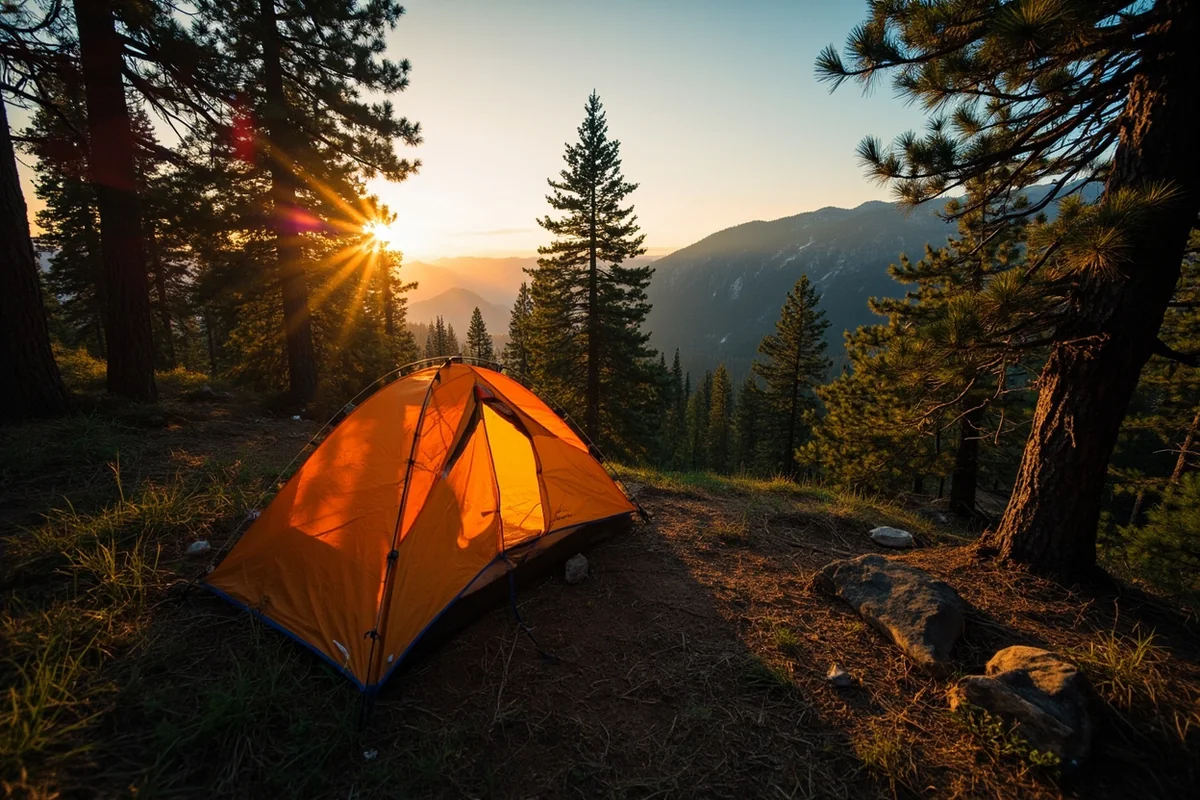
Dispersed camping on National Forest land offers free alternatives. I’ve spent numerous nights on Forest Service roads near Glacier and in the Gallatin Valley, perfectly legally and without reservations. The rules: camp at least 200 feet from water, use existing fire rings where present, and pack out everything.
Wildlife Viewing: Safety, Ethics, and Best Practices
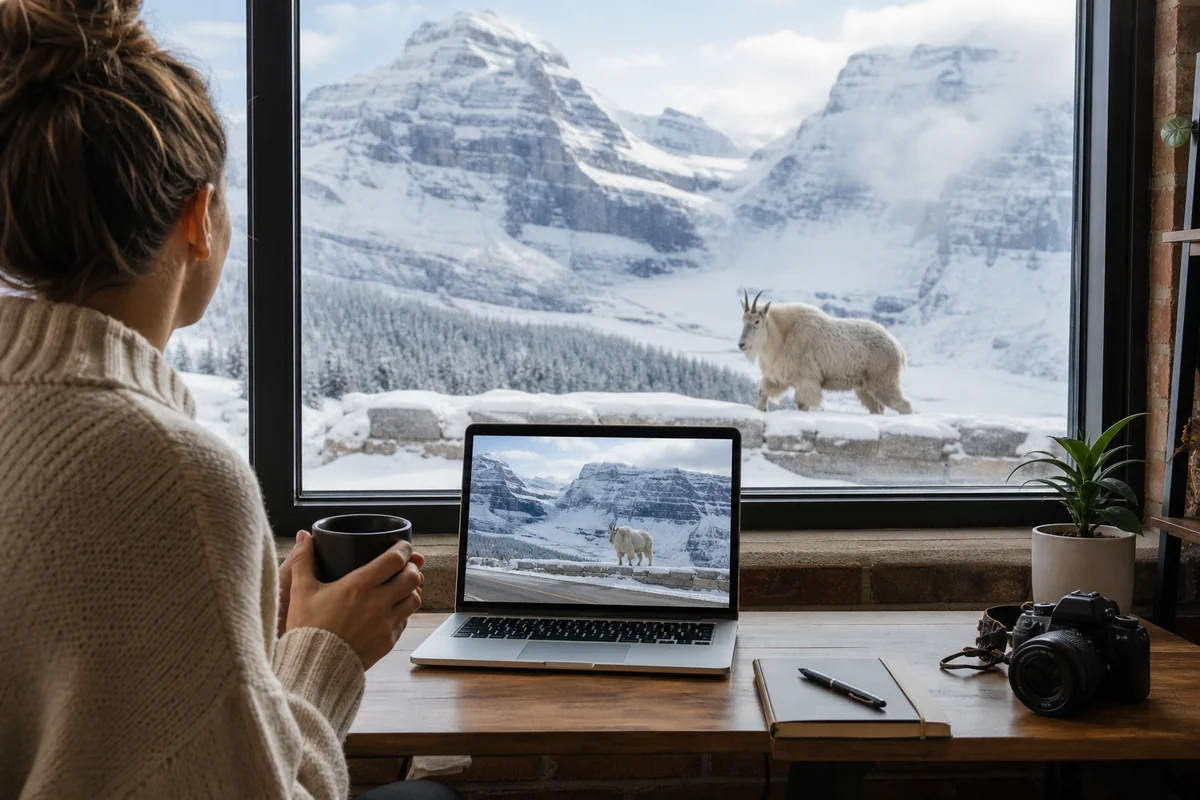
Montana contains more large wildlife per square mile than almost anywhere in the Lower 48. I’ve seen grizzly bears on 23 separate occasions, wolves twice, mountain goats countless times, and more elk than I could possibly count. Here’s what I’ve learned about doing it responsibly.
Distance Requirements
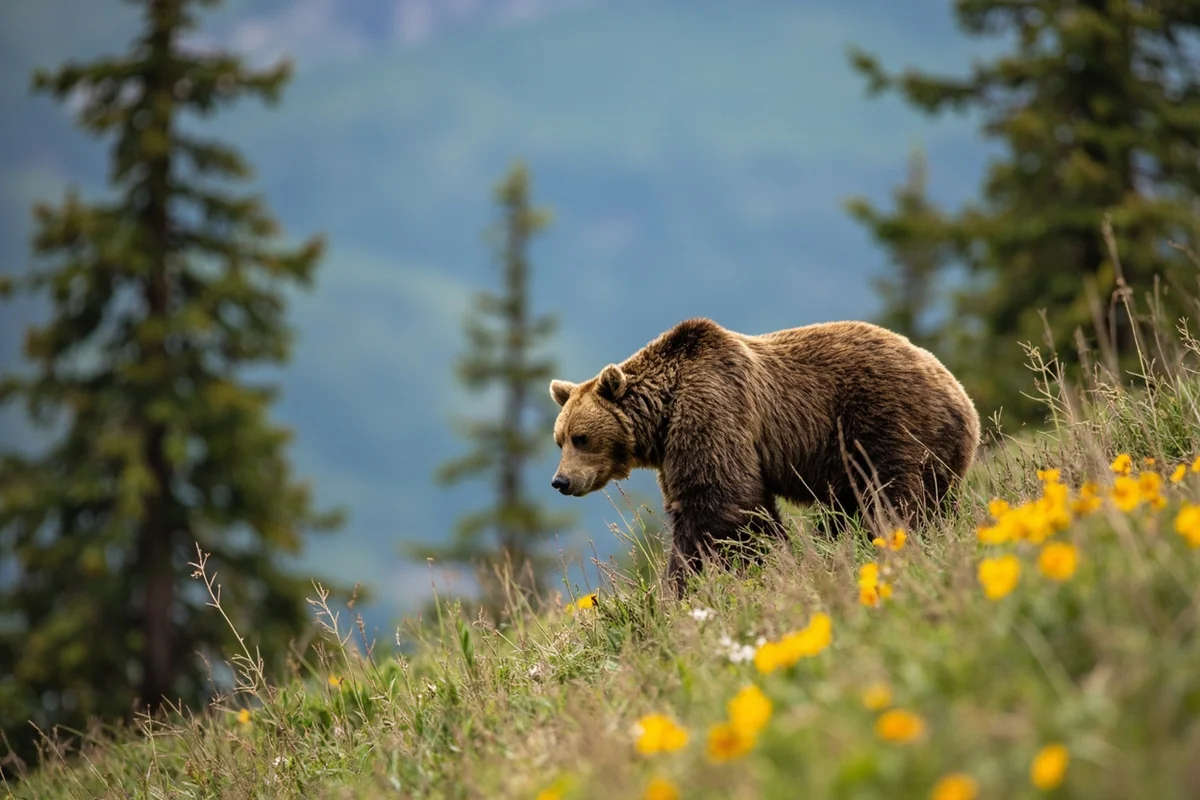
In national parks, you must maintain 100 yards from bears and wolves, and 25 yards from all other wildlife. These aren’t suggestions—I’ve watched rangers issue $500 citations to photographers who crept too close to a roadside grizzly in Yellowstone.
Outside national parks, Montana law doesn’t specify distances, but common sense should prevail. Last September, I watched a tourist approach within 50 feet of a moose near Seeley Lake. When the moose’s ears went back and it started to shift weight, I called out a warning. The tourist backed off just before what could have been a charge.
Best Wildlife Viewing Locations
Based on my experience, these spots offer the highest probability of quality sightings:
Lamar Valley, Yellowstone: I’ve had successful wildlife sightings on every single visit, including wolves on both occasions I went. Early morning (6-8 AM) works best. Bring a spotting scope—most action happens at distance.
Many Glacier area, Glacier National Park: The highest concentration of grizzly sightings I’ve experienced. The hillsides around Swiftcurrent Lake regularly have bears visible from the road. During my July 2021 visit, I watched a sow with two cubs for over an hour from a safe distance.
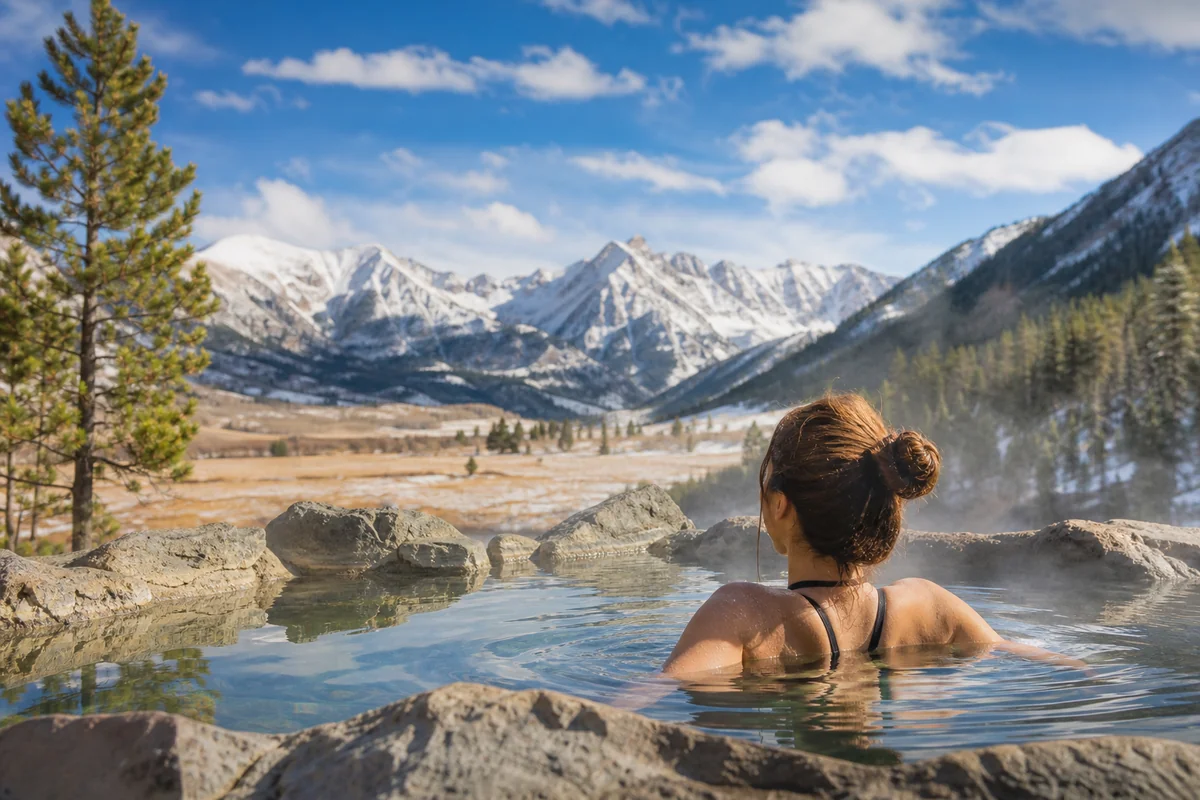
National Bison Range: This Fish and Wildlife refuge near Missoula offers guaranteed bison sightings plus frequent pronghorn, deer, and elk. It’s an underrated stop that I recommend to everyone driving through western Montana.
Bear Safety Beyond the Basics
Everyone tells you to carry bear spray. What they don’t always explain is how to use it effectively. I’ve practiced drawing and deploying expired canisters at home, and I recommend you do the same. In a real encounter, you won’t have time to read instructions.
Bear spray expires. Check the date on your canister before each trip. I replace mine every three years regardless of the printed date.
Where to buy bear spray: Big-box outdoor stores in Missoula, Bozeman, and Kalispell offer the best prices. Expect to pay $35-50 for quality brands like Counter Assault or UDAP.
Airport rental car counters and gateway town stores charge significantly more—I’ve seen $70 for the same product in West Yellowstone.
If you’re flying, you cannot bring bear spray on planes. Many outdoor shops offer recycling programs for partially-used canisters at trip’s end.
Connectivity and Communication Realities
Montana’s cell coverage gaps surprised me more than anything else about traveling here. I’ve stood at overlooks in Glacier with four bars of signal, then driven 10 miles to complete dead zones that lasted for hours.
Prepare for Offline Time
Download offline maps before your trip. Google Maps allows offline downloads of entire regions—I download all of Montana before each trip, not just my planned route.
During my Highway 2 drive across northern Montana, I lost cell service for nearly 100 miles, but my offline maps kept me confident in navigation.
Download any apps you’ll need for the trip while on WiFi. Park apps, weather apps, and accommodation confirmation emails should all be accessible offline.
Let someone know your itinerary. Before my eastern Montana road trip in 2019, I emailed my basic route to my family. In areas without cell service, no one would know if something went wrong unless they knew where to look.
Best and Worst Coverage Areas
Based on Verizon coverage (most extensive in Montana, though still limited):
Usually reliable: Missoula, Bozeman, Great Falls, Billings, Helena, major highway corridors (I-90, I-15)
Spotty but workable: Whitefish, Kalispell, Highway 93 corridor, most of Yellowstone (Old Faithful area has a cell tower)
Extremely limited: Going-to-the-Sun Road, Highway 200 midsections, Highway 2 east of Shelby, most of eastern Montana, Bob Marshall Wilderness access roads
Glacier National Park lodges have WiFi, though it’s slow and often overloaded. I’ve learned not to rely on it for anything important.
Money, Tipping, and Economic Practicalities
Montana’s economy mixes tourism with ranching and mining, creating some unique situations for travelers.
Cash Is Still King
I carry more cash in Montana than anywhere else I travel. Many small-town businesses—diners, bait shops, small motels, forest service campgrounds—either don’t accept cards or add surcharges.
Last summer in Ennis, my favorite breakfast spot (the Continental Divide) was cash-only on my visit. The nearest ATM charged a $5 fee. I now withdraw cash in larger towns before heading into rural areas.
Tipping Culture
Service industry workers in Montana often depend heavily on tips, especially in seasonal tourism areas. I tip 20% as a baseline for good service, more for exceptional experiences.
Fishing guides expect 15-20% of trip cost. I tipped my guide on the Madison River $100 on a $550 half-day trip—standard for the industry.
Housekeeping in hotels and lodges often gets overlooked. I leave $3-5 per night, especially at in-park lodges where workers often live in seasonal housing and work multiple jobs.
Cost Expectations
Montana travel costs more than many people expect, particularly near national parks. Some realistic budget benchmarks based on my experience:
- Budget lodging: $80-120/night in smaller towns, $150-250 in gateway communities
- Mid-range restaurants: $18-30 per person for dinner
- National park entry: $35 per vehicle for Glacier, $35 for Yellowstone (7-day passes)
- Gas: Usually $0.20-0.40 more per gallon than national average
- Guided activities: $150-300 for half-day fishing, $100-200 for wildlife tours
Health, Safety, and Emergency Preparedness
Montana’s remoteness means help can be far away. I’ve adjusted my packing and planning accordingly.
Altitude Considerations
Many popular Montana destinations sit above 5,000 feet. Yellowstone’s average elevation exceeds 7,500 feet. I notice mild symptoms—headaches, fatigue—when arriving from sea level, especially during the first day or two.
I hydrate aggressively during the first 48 hours. Alcohol hits harder at elevation; I’ve learned to pace myself differently than at home.
If you have respiratory conditions or heart problems, consult your doctor before high-altitude hiking. I’ve seen multiple incidents at Logan Pass where visitors experienced breathing difficulties.
Weather Preparedness
Montana weather changes faster than anywhere else I’ve traveled. My pack for any day hike includes:
- Rain jacket (non-negotiable, even on sunny days)
- Extra insulating layer
- Hat and gloves (yes, even in summer for high elevations)
- Emergency space blanket
- Headlamp
- Fire starter
Last July, I started a hike to Iceberg Lake in Glacier under clear skies. Two hours later, a storm rolled in with 30-degree temperature drops, driving rain, and near-zero visibility. My rain gear and warm layers made the difference between discomfort and genuine danger.
Medical Facilities
Hospitals in Montana are concentrated in larger cities. Driving from Many Glacier to the nearest hospital in Kalispell takes about 75 minutes in good conditions.
I carry a more robust first-aid kit in Montana than elsewhere, including SAM splint, compression bandages, and enough supplies to manage a significant injury for several hours while waiting for help.
Travel insurance with emergency evacuation coverage makes sense for backcountry trips. I’ve carried it for every Montana visit since 2016, after watching a helicopter evacuation from the Highline Trail.
Cultural Etiquette and Local Interactions
Montanans have been consistently welcoming during my visits, but understanding local culture makes interactions smoother.
Slow Down and Connect
Conversations in rural Montana take longer than in cities. People ask where you’re from, what brings you here, how you’re finding things. This isn’t nosiness—it’s genuine interest. Rushing through these exchanges feels rude.
At gas stations and diners in small towns, I’ve learned to budget an extra 10-15 minutes for chatting. These conversations have led to some of my best tips—a local in Choteau told me about a grizzly viewing spot that isn’t in any guidebook.
Respect for Land and Traditions
Montana contains seven Indian reservations, and some popular destinations cross reservation land. When visiting places like the Blackfeet Reservation (which borders Glacier’s east side), I’m mindful that I’m a guest.
Ask before photographing people or ceremonies. Purchase art and crafts directly from Native artists when possible. Stop at reservation businesses for gas and food—it supports local economies.
Ranching culture pervades Montana. Gates should be left as you find them (closed if closed, open if open). Livestock on or near roads have right of way. Private property boundaries are taken seriously.
My Top Ten Personal Tips After 47 Visits
To wrap up, here are the specific lessons that have made the biggest difference in my Montana travels:
- Start early every single day. The best wildlife, the best light, and the best parking all happen before 8 AM.
- Embrace the “wrong” turns. Some of my favorite memories came from impulsive detours down gravel roads marked only with cryptic forest service numbers.
- Build in buffer days. Weather, wildlife, or simply falling in love with a place can derail rigid itineraries. I plan 20% more time than I think I need.
- Talk to locals at bars, not just tourist information centers. Bartenders in Livingston and Whitefish have given me better recommendations than any visitor center.
- Invest in good binoculars. So much Montana wildlife is best observed from distance. My 10×42 binoculars have been worth every penny.
- Don’t overlook state parks. Flathead Lake State Park, Lewis and Clark Caverns, and Giant Springs offer experiences rivaling national parks with a fraction of the crowds.
- Learn to read the sky. Afternoon thunderstorms are common in summer. If clouds build dramatically by early afternoon, be off exposed ridges.
- Keep snacks and water in your car always. Unexpected delays happen. I’ve spent hours waiting for wildlife jams and accidents to clear.
- Respect your limits. Altitude, distance, and rugged terrain can humble experienced hikers. I’ve turned back from planned routes multiple times, and it’s always been the right call.
- Plan to return. No single trip covers Montana adequately. I’m still discovering new corners after a dozen years.
Montana demands more from travelers than most destinations—more planning, more patience, more flexibility, more respect. But it rewards that effort with experiences that feel genuinely wild and increasingly rare in our connected world.
Every time I cross the state line, that empty highway stretches ahead, and I feel the scale of the landscape reset something in my brain. After 47 visits, that feeling hasn’t faded. If you prepare properly and approach Montana with appropriate humility, I’m confident you’ll understand exactly what I mean.
Frequently Asked Questions
What is the best time of year to visit Montana for outdoor activities?
I recommend visiting Montana between June and September for the best hiking, fishing, and wildlife viewing conditions, with July and August offering the warmest temperatures. If you’re planning a ski trip to Big Sky or Whitefish, December through March provides excellent powder conditions. Keep in mind that shoulder seasons (May and October) offer fewer crowds and lower prices, though some mountain roads and facilities may be closed.
How many days do you need to explore Montana properly?
For a solid Montana road trip covering Glacier National Park and some smaller towns, I’d recommend at least 7-10 days. If you’re only visiting one major destination like Glacier or Yellowstone’s Montana entrance, 4-5 days works well. Remember that distances are vast here—Billings to Glacier National Park is about 340 miles, so factor in significant driving time between destinations.
What should I pack for a trip to Montana in summer?
Pack layers even in summer because Montana temperatures can swing 30-40 degrees between morning and afternoon, especially in mountain areas. I always bring a rain jacket, sturdy hiking boots, sunscreen, and bear spray for backcountry hiking. Don’t forget a good pair of binoculars for wildlife spotting and a reusable water bottle since tap water here is excellent.
How much does a week-long Montana vacation cost on average?
A moderate budget Montana trip runs about $150-250 per day for two people, covering lodging, food, gas, and activities. Expect to pay $120-200 per night for decent hotels near Glacier or Yellowstone during peak summer season, with camping options around $25-40 per night. Gas costs add up quickly given the distances—budget around $200-300 for a week of driving depending on your vehicle and itinerary.
Is it safe to drive in Montana during winter months?
Winter driving in Montana requires serious preparation—I always carry chains, a emergency kit, blankets, and extra food when traveling between November and April. Major highways like I-90 and I-15 are well-maintained, but mountain passes and rural roads can become treacherous quickly during storms. Check the Montana Department of Transportation road conditions at 511mt.net before any winter travel and rent an AWD or 4WD vehicle if possible.
Do I need bear spray in Montana and where can I buy it?
Yes, bear spray is essential if you’re hiking anywhere in Montana, especially in Glacier National Park and the Greater Yellowstone area where grizzly encounters happen regularly. You can purchase bear spray at outdoor retailers like REI, Sportsman’s Warehouse, or local gear shops near park entrances for around $35-50 per canister. I also recommend watching a quick tutorial on how to use it properly before hitting the trails.
What are the most common mistakes first-time Montana visitors make?
The biggest mistake I see is underestimating distances and trying to cram too much into one trip—Montana is larger than all of New England combined. Many visitors also show up at Glacier National Park without reservations for the Going-to-the-Sun Road, which requires advance permits during peak season. Finally, people often skip smaller towns like Whitefish, Bozeman, and Missoula, which offer incredible dining, breweries, and local culture that rivals the national parks.
Sources