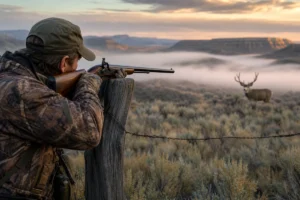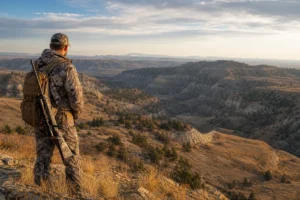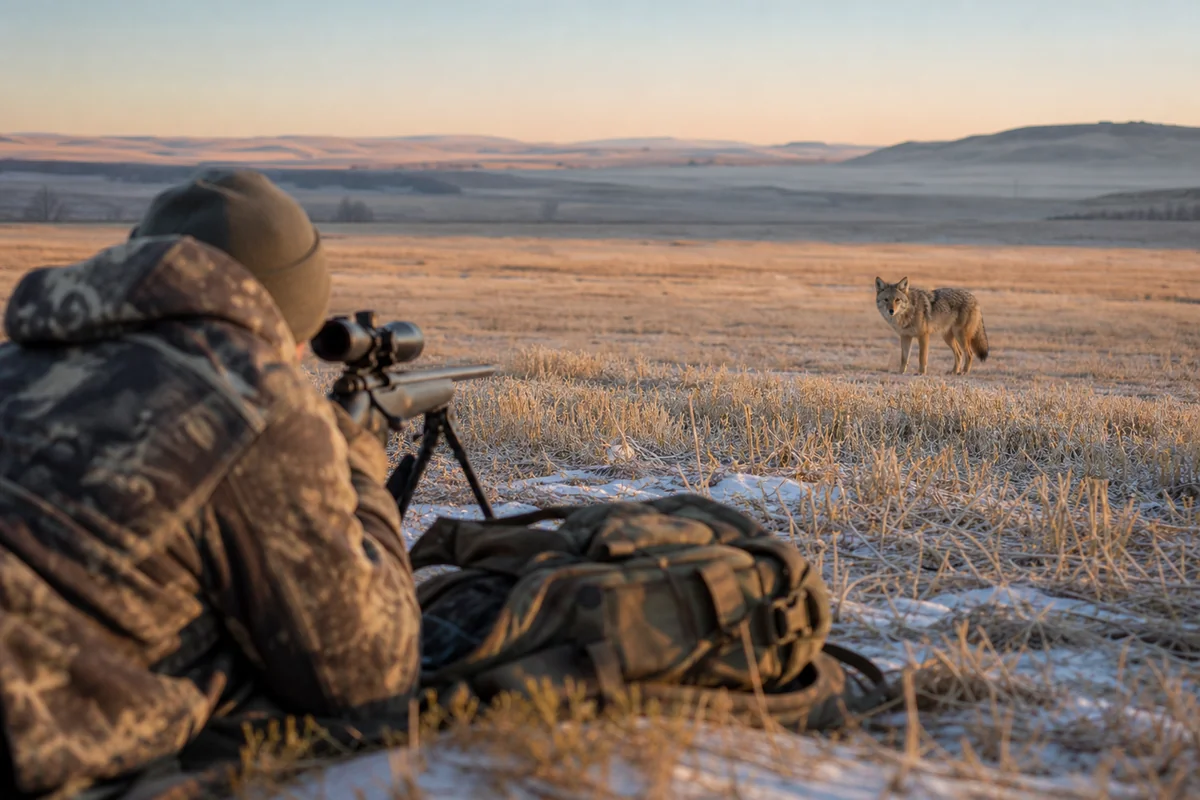
The first coyote I ever called in on Montana’s Hi-Line came sprinting across frozen stubble fields at dawn, responding to my dying rabbit sounds with an intensity that made my hands shake on the rifle stock.
That moment—watching a wild predator materialize from the vast prairie like a ghost—is why I keep coming back to Big Sky Country for some of the best coyote hunting in North America.
If you’re planning a trip to Montana and want to experience world-class predator hunting, this comprehensive Montana Hunting Guide companion will walk you through everything I’ve learned over years of chasing song dogs across this incredible state.
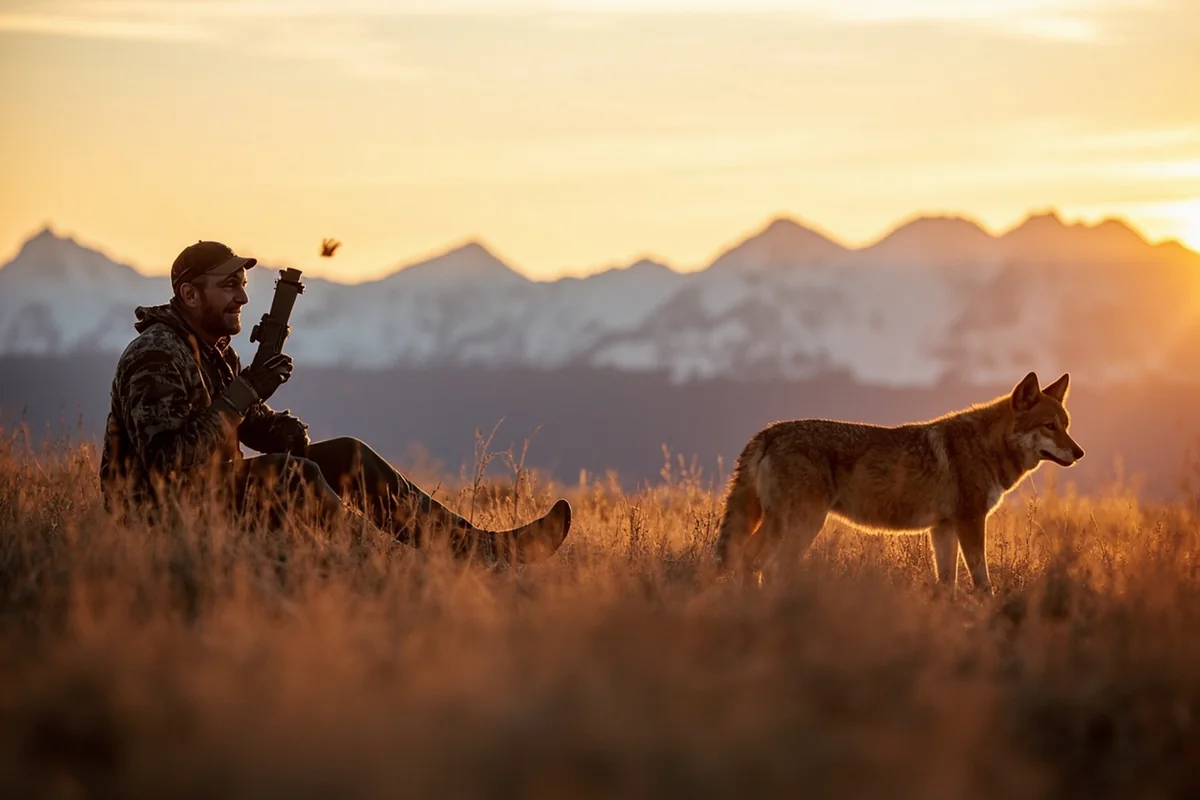
- Montana has no closed season on coyotes—hunt them year-round with valid license
- Best fur quality: December through February; best calling action: January-March
- No tag required, just a conservation license ($8 resident/$15 non-resident) or hunting license
- Prime regions: Hi-Line prairies, eastern Montana rangelands, and intermountain valleys
- Electronic calls are legal and highly effective on pressured coyotes
- Night hunting with artificial light is legal on private land with landowner permission
- Public land access is excellent through BLM, state lands, and Block Management areas
Why Montana Is a Coyote Hunter’s Paradise
Montana’s coyote population thrives across nearly all of the state’s 147,000 square miles, making it one of the premier destinations for predator hunters in the entire country.
During my trips across the state, I’ve encountered coyotes in every imaginable terrain—from the wide-open wheat fields of the Golden Triangle to the rugged breaks along the Missouri River and the alpine meadows of the Bridger Range.
What sets Montana apart from other western states is the combination of high coyote densities, liberal regulations, and vast amounts of accessible hunting land.
Unlike Montana elk hunting or deer hunting, you don’t need to draw a tag or accumulate Montana preference points. You can literally decide today to hunt coyotes tomorrow.
The state’s agricultural landscape creates ideal predator habitat with abundant prey populations. Coyotes here feed heavily on rodents, rabbits, and unfortunately for ranchers, sometimes livestock. This means landowners are often eager to grant access to responsible hunters.
Licensing Requirements for Coyote Hunting
One of the things I love about coyote hunting in Montana is how accessible it is from a regulatory standpoint. Understanding Montana hunting regulations for predators is straightforward compared to big game.
For residents, you need either a Conservation License ($8) or any valid hunting license. Non-residents need a Conservation License ($15) or a hunting license. That’s it—no special predator permit, no tag, no limited entry drawings.
When I first started hunting coyotes here, I was amazed that there’s no bag limit either. You can harvest as many coyotes as you can call in, which makes sense given their robust population and the depredation concerns many ranchers face.
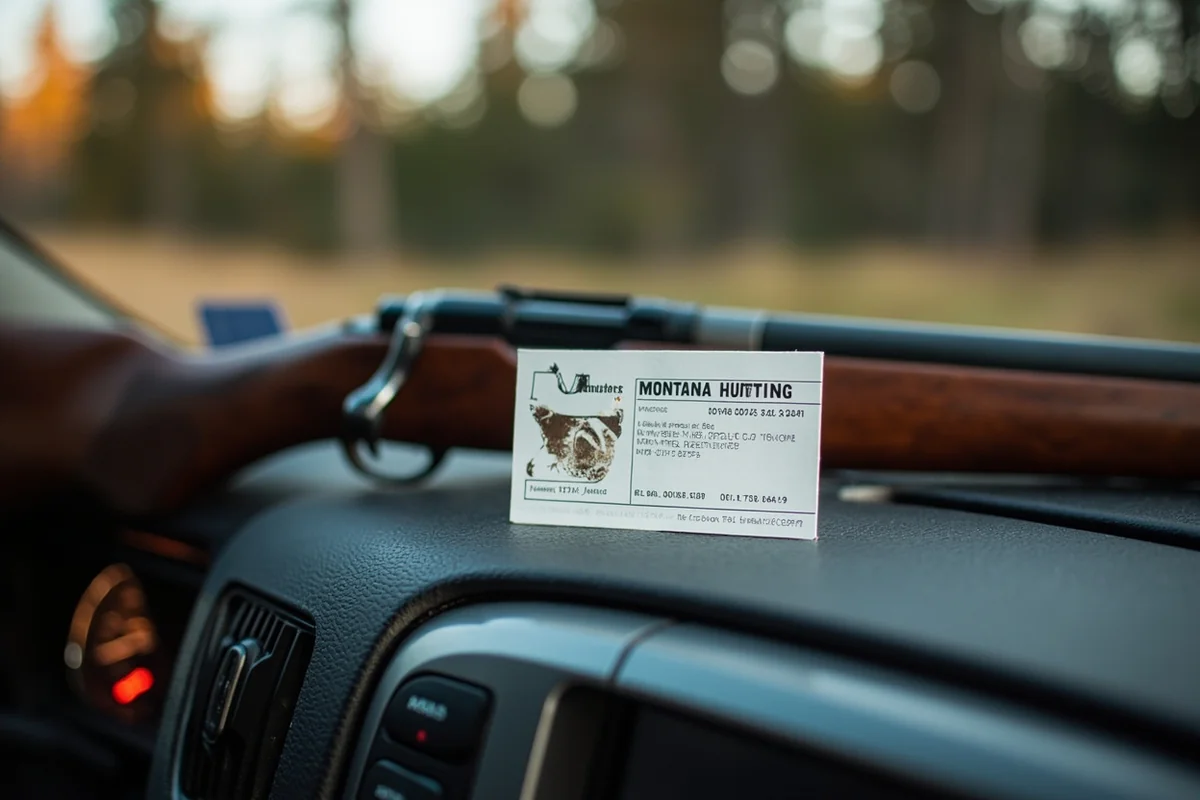
For detailed information on Montana hunting license costs, check out our complete breakdown. If you’re planning to combine your coyote hunt with other species, you’ll want to understand the full Montana hunting license system.
Important Regulatory Details
While coyote hunting is relatively unrestricted, there are still rules you must follow:
- Shooting hours: Legal shooting time applies (30 minutes before sunrise to 30 minutes after sunset) on public land
- Night hunting: Legal on private land with landowner permission and artificial light
- Electronic calls: Legal throughout the state
- No poison or gas: Illegal to use toxicants for taking coyotes
- Aerial hunting: Prohibited without special permit
I always double-check the current Montana hunting seasons regulations before each trip, as rules can change annually.
Best Times to Hunt Coyotes in Montana
Through years of trial and error, I’ve identified specific windows that produce the best hunting opportunities depending on your goals.
Prime Fur Season: December Through February
If you want pelts worth selling or keeping, this is your window. Montana’s brutal winters produce incredibly thick, prime fur that buyers actively seek. Last January, I harvested several coyotes near Malta with pelts so thick and luxurious they brought premium prices.
The cold also concentrates coyotes around food sources, making their movement patterns more predictable. I’ve had my best calling success during cold snaps when temperatures drop below zero.
Breeding Season: Late January Through March
This is hands-down my favorite time to call coyotes in Montana. During breeding season, male coyotes become incredibly aggressive and territorial. They respond to challenge howls and female invitation howls with reckless abandon.
During my visit to the Judith Basin last February, I called in three different males to the same stand using nothing but a lone howl sequence. Each dog came charging in ready to fight, completely abandoning their usual caution.
Summer and Fall Opportunities
While fur quality suffers, summer coyote hunting offers unique advantages. Pups are dispersing, making for naive targets, and visibility in agricultural fields is excellent after harvest.
I’ve had great success spot-and-stalk hunting during August when coyotes hunt field edges for mice in the early morning. The warmer months also allow comfortable camping for multi-day hunting trips.

Top Regions for Montana Coyote Hunting
Having hunted coyotes across most of Montana’s diverse landscapes, I can confidently recommend several areas that consistently produce.
The Hi-Line (Northern Montana)
The agricultural prairies stretching along Highway 2 from Havre to Glasgow offer some of the finest coyote calling I’ve experienced anywhere. The terrain is mostly open wheat and barley country interspersed with CRP grasslands that hold excellent coyote populations.
Counties like Blaine, Phillips, and Valley have relatively low hunting pressure compared to the western part of the state. During a three-day trip to Malta last winter, I saw more coyotes than other hunters.
The flat terrain here makes for long shooting opportunities, so bring a flat-shooting rifle and good glass. On one memorable stand east of Chinook, I watched a coyote respond to my call from over a mile away, giving me several minutes to prepare for the shot.
Eastern Montana Badlands
The Missouri Breaks and badlands country of eastern Montana provide challenging but rewarding coyote hunting. The terrain is rougher, with coulees, ridges, and river bottoms that concentrate predators.
I particularly love hunting the areas around Jordan and Terry. The mix of agricultural bottom land and rugged breaks creates diverse hunting opportunities. You can call open prairie in the morning and work brushy draws in the afternoon.
Coyotes here tend to be less pressured but can be educated quickly. I’ve found that subtle calling sequences work better than aggressive prey distress sounds in this region.
Southwestern Montana Valleys
The Gallatin, Madison, and Beaverhead valleys offer excellent coyote hunting with stunning mountain backdrops. These areas have higher human populations, meaning more pressured coyotes, but also more agricultural damage complaints that make landowner permission easier to obtain.
During my trips near Three Forks, I’ve noticed coyotes responding better to long-range calling sequences that don’t immediately alarm them. Patience is essential in these more pressured areas.
Central Montana Rangelands
The area around Lewistown and the Judith Basin has become one of my go-to destinations. Rolling grasslands, abundant ground squirrels, and healthy coyote populations make for consistent action.
The mix of private ranch land and accessible public ground through the Block Management program means you rarely struggle to find places to hunt. More on that access below.
Accessing Land for Coyote Hunting
Understanding how to legally access hunting land in Montana is crucial for planning a successful coyote hunt. Unlike some states where public land is limited, Montana offers incredible opportunities if you know where to look.
Block Management Areas
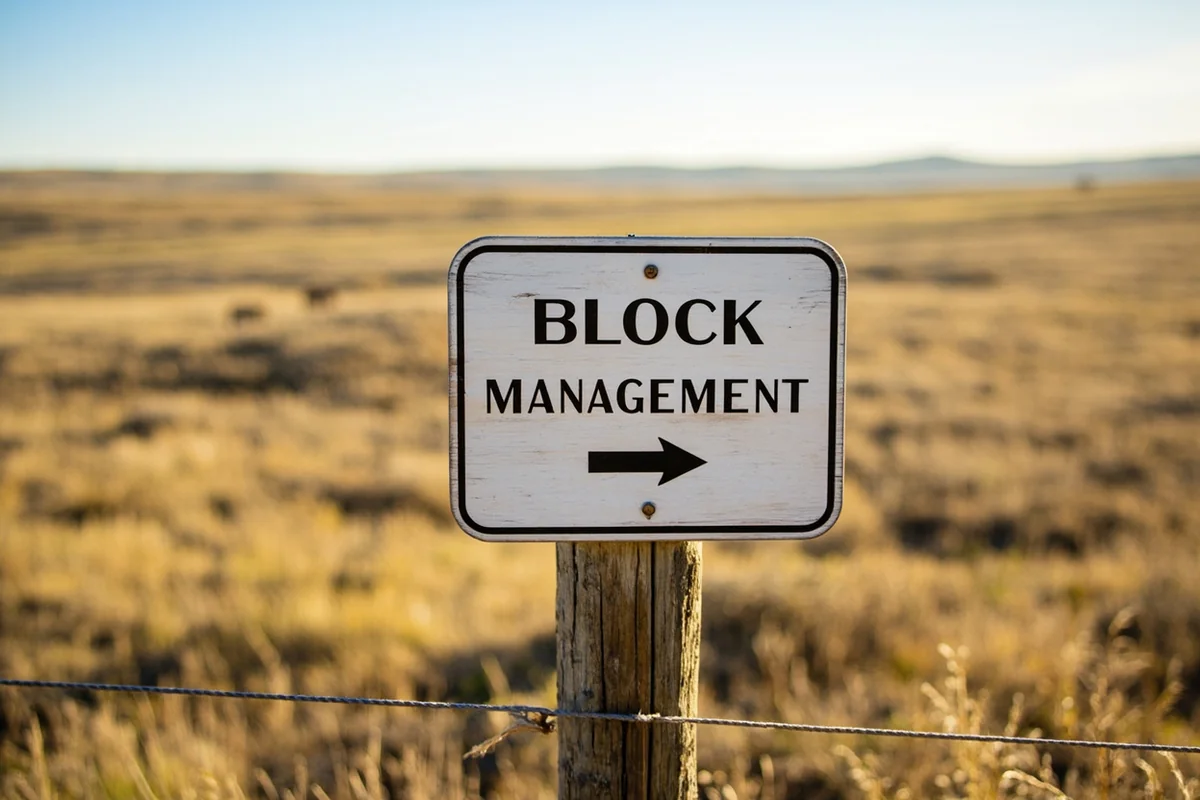
Montana’s Block Management program is a game-changer for visiting hunters. Ranchers and landowners enroll their private property in exchange for financial incentives, allowing public hunting access during specified seasons.
Hunting on Montana state land and Block Management areas has provided some of my best coyote hunting experiences. Check FWP’s online resources for Block Management area locations and access requirements.
Some BMAs require registration or have hunter number limits, so plan ahead. I always carry printed BMA maps since cell service can be spotty in prime hunting areas.
BLM and State Trust Lands
Federal BLM land and Montana state trust lands are open to hunting. Eastern Montana has extensive BLM holdings that offer uncrowded coyote hunting opportunities.
The key is knowing how to identify these parcels. I use OnX Hunt maps religiously—the app shows land ownership boundaries overlaid on satellite imagery, taking the guesswork out of access questions.
State trust lands (formerly known as school sections) are scattered throughout the state in a checkerboard pattern. While some are leased for agricultural purposes, most remain open to hunting.
Private Land Permission
For the best coyote hunting, particularly for night hunting, you’ll need private land permission. The good news is that ranchers dealing with livestock losses are often happy to grant access to responsible predator hunters.
My approach is simple: Be professional, respectful, and offer to share harvest information. I always ask if there are specific areas where they’ve seen predator activity or lost livestock. This information is gold for planning your hunting strategy.
When I was hunting near Big Sandy last December, a rancher I’d developed a relationship with called me specifically because coyotes had killed several lambs. That kind of connection takes time to build but pays dividends.
Gear and Equipment Recommendations
After countless coyote hunts across Montana, I’ve refined my gear list to essentials that perform in the state’s demanding conditions.
Rifles and Optics
Montana’s open terrain often demands long-range capability. My go-to setup is a .223 Remington with a 4-16x scope, which handles 90% of calling situations. For those 400+ yard shots across prairies, I bring a .22-250 or .243.
| Caliber | Best Use | Pelt Damage |
|---|---|---|
| .17 HMR | Close range calling | Minimal |
| .223 Remington | All-around workhorse | Low with proper bullets |
| .22-250 | Long-range prairie hunting | Moderate |
| .243 Winchester | Long range, windy conditions | Higher |
Bring quality binoculars—I use 10x42s—and a spotting scope for glassing distant terrain. Montana coyotes often respond to calls from incredible distances, and seeing them coming gives you time to prepare.
Calls and Calling Equipment
Electronic callers have revolutionized predator hunting, and they’re perfectly legal in Montana. I use a remote unit that I can place 50-100 yards from my position, drawing attention away from my setup.
My most effective Montana sounds include:
- Cottontail rabbit distress (morning calling)
- Jackrabbit distress (open prairie)
- Coyote howls (locating and challenging during breeding season)
- Woodpecker distress (when coyotes are call-shy)
- Pup distress (spring and early summer)
I always carry a manual mouth call as backup. Hand calls work well and can save a hunt when batteries die in frigid weather.
Clothing and Cold Weather Gear
Montana winters are no joke. I’ve hunted in temperatures well below zero, and proper layering is essential for both comfort and safety.
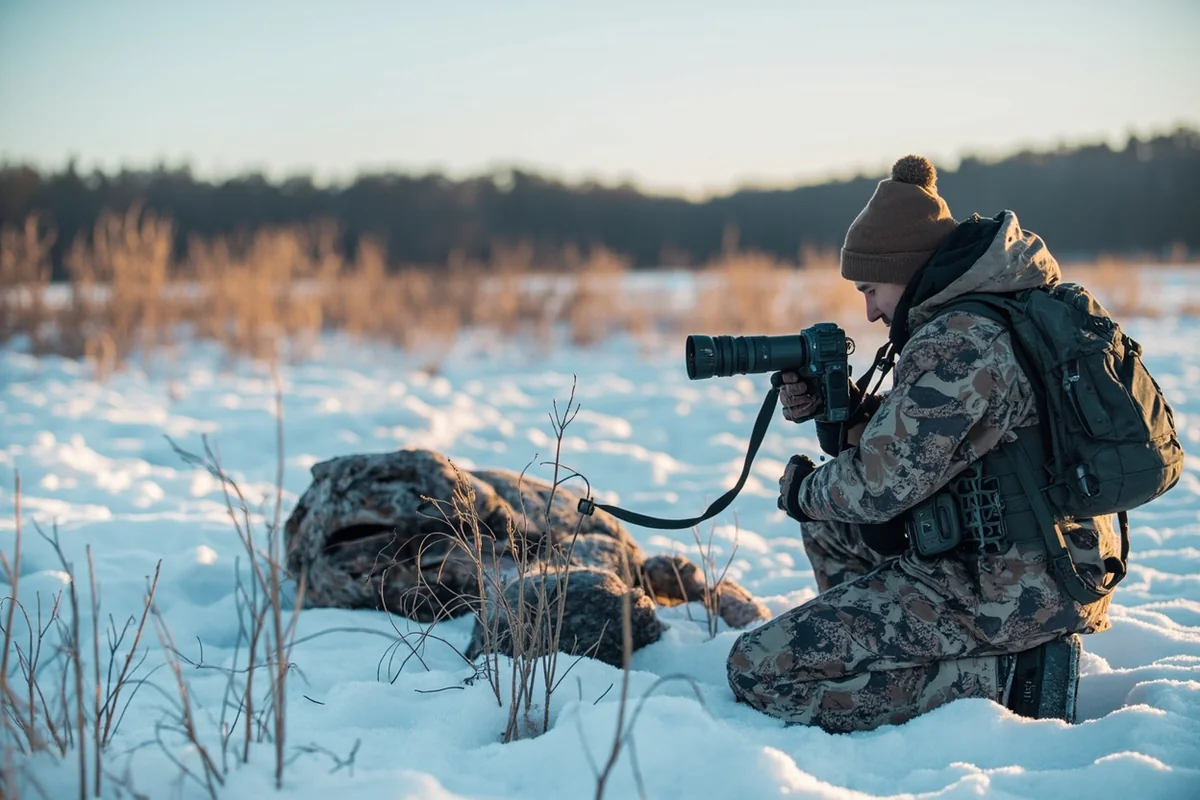
My winter coyote hunting system starts with moisture-wicking base layers, adds insulated mid-layers, and tops with wind-proof outer shells. White camouflage is essential for late winter hunts when snow covers the ground.
Hand and toe warmers aren’t just comfort items—they’re safety equipment when you’re sitting motionless for 20-30 minute calling sequences in sub-zero temperatures.
Calling Strategies That Work in Montana
The tactics that produce coyotes in Montana can differ significantly from what works in other states. Here’s what I’ve learned through experimentation and plenty of failures.
Prairie Calling Approach
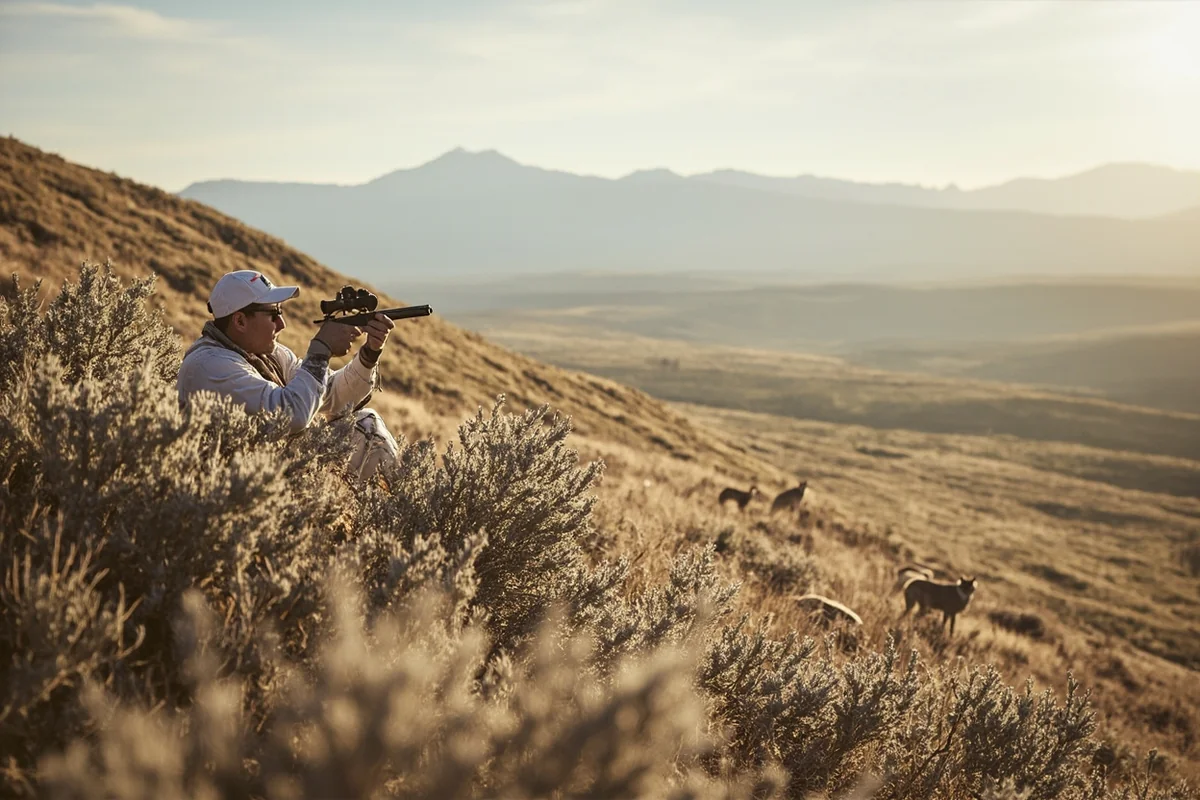
On open ground, coyotes can see for miles. Your setup location is critical—choose terrain features that provide some concealment while still offering good shooting lanes.
I look for slight rises, fence lines, or isolated brush patches that break up my outline. Position with the sun behind you when possible, and never skyline yourself.
My typical prairie sequence starts with a lone howl to locate coyotes, waits five minutes, then transitions to light prey distress. I keep the volume lower than you might expect—sound carries incredibly far across Montana’s prairies.
Patience is essential. I’ve had coyotes take 30+ minutes to respond on open ground, circling downwind and approaching cautiously. Don’t give up on a stand too quickly.
Coulee and Breaks Hunting
In rougher terrain like the Missouri Breaks, coyotes use topography to their advantage. They’ll often try to get above you or use draws to approach unseen.
I’ve found success setting up where I can watch likely approach routes while being positioned above major travel corridors. Coyotes in this country respond well to rodent squeaks and bird distress sounds that mimic their natural food sources.
Shorter calling sequences work better here—the confined terrain means coyotes either respond quickly or don’t respond at all. I’ll give a stand 15-20 minutes before moving.
Pressured Coyote Tactics
Near towns and on heavily hunted Block Management areas, coyotes have often been educated by previous calling attempts. Standard cottontail distress will send them running the other way.
For these smart dogs, I use non-traditional sounds: woodpecker distress, fawn bleats, and even domestic cat sounds. Challenge howls during breeding season work well on pressured coyotes because they trigger territorial instincts rather than hunger.
Longer approach distances and extremely quiet setups are crucial. I’ve killed educated coyotes by setting my call 200+ yards away and waiting motionlessly for an hour.
Dealing With Weather Conditions
Montana weather can change rapidly and dramatically, affecting both coyote behavior and hunting conditions.
Wind
The wind blows almost constantly across Montana’s prairies. While many hunters avoid windy days, I’ve actually found them productive for coyote calling.
Coyotes seem to feel more secure moving in wind because their senses are compromised just like ours. They can’t hear as well, making their usual cautious approach less effective.
The key is positioning. Set up with wind in your face or quartering, but not directly behind you. Use terrain features to reduce wind noise around your call.
Cold Snaps
When temperatures plummet below zero, coyotes become more active and more responsive to calls. They’re burning calories rapidly and actively seeking food.
During a brutal cold snap near Circle last January, I had my most successful day ever—calling in five coyotes in a single morning. They came charging to prey distress sounds with total abandon.
The challenge is staying warm enough to shoot accurately. I do shooting exercises in my vehicle between stands to keep my muscles from stiffening.
Snow Conditions
Fresh snow is a coyote hunter’s best friend. Tracks reveal travel routes, bedding areas, and population density. I spend the first hour after a snowfall glassing and driving roads to locate active areas.
Deep snow concentrates coyotes on wind-blown ridges and south-facing slopes where travel is easier. This makes their movements more predictable and setup locations more obvious.
Combining Coyote Hunts With Other Montana Adventures
One of the beautiful things about year-round coyote hunting is the ability to combine it with other Montana experiences.
During fall big game seasons, I always have my coyote rifle in the truck. After filling my Montana deer tag, I’ll spend mornings calling coyotes while waiting for elk movement during Montana shoulder season.
Spring gobbler hunters can effectively call coyotes during midday hours when turkeys go quiet. I’ve doubled up on predators and birds during several trips.
Montana upland bird hunting pairs naturally with coyote hunting—both species often use similar habitat, and you can call predators in the mornings before pheasants become active.
For something completely different, consider adding Montana antelope hunting or whitetail deer hunts in Montana to your predator hunting trip if you’ve drawn the appropriate tags.
Montana also offers unique hunting opportunities like Montana wolf hunting, Montana bear hunting, and for those fortunate enough to draw, Montana bighorn sheep hunting.
If you’re interested in truly unique experiences, look into Montana buffalo hunting or Montana swan hunting, though these require special permits and extensive planning.
Small game enthusiasts can add Montana squirrel hunting to their trip, while waterfowl hunters should explore Montana duck hunting opportunities.
Fur Handling and Care
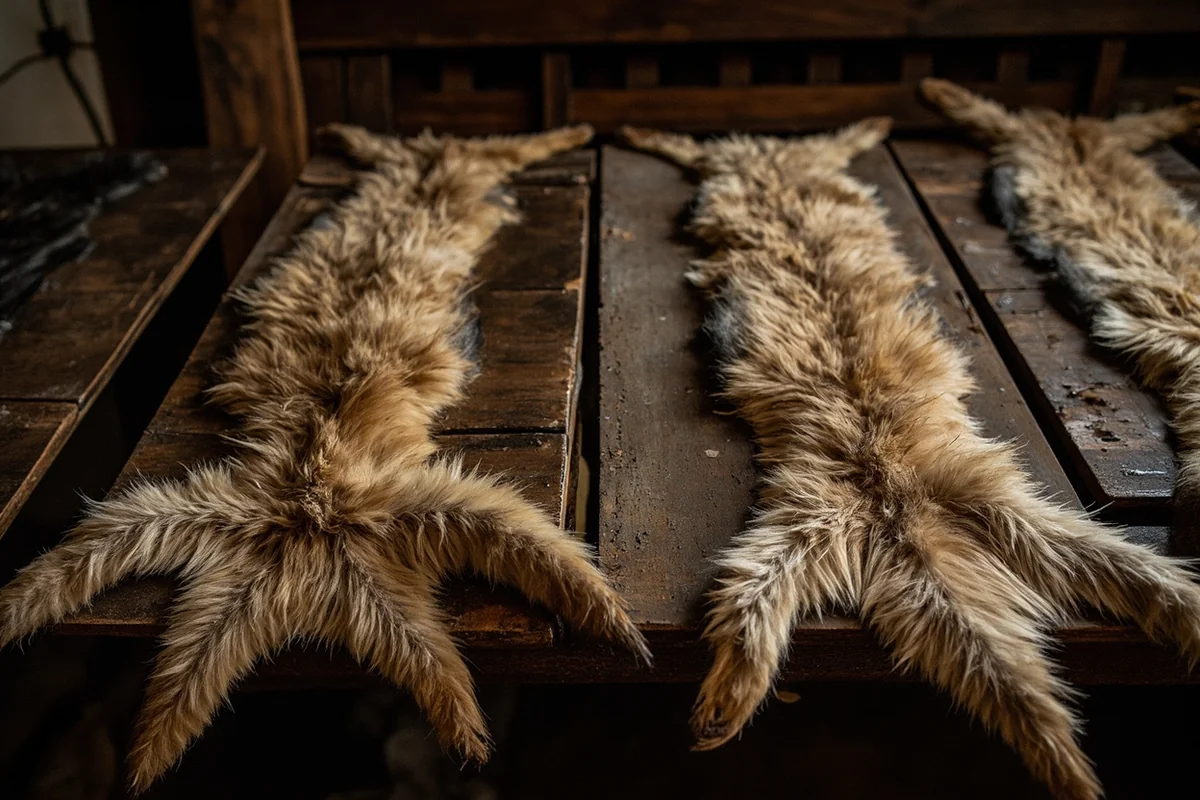
If you’re keeping pelts, proper handling starts the moment the coyote hits the ground.
Drag coyotes by the back legs, not the head, to avoid rubbing fur against the ground. In winter, I let carcasses freeze slightly before skinning, which makes the process easier and cleaner.
Case skinning is standard for coyotes, and quality fur buyers expect pelts stretched on proper boards. I invested in adjustable wire stretchers that accommodate different sizes and produce consistently shaped pelts.
Montana fur prices fluctuate significantly with international markets. During my best year, prime western coyotes brought $50-80 each. During poor markets, pelts might only bring $10-15.
Even when fur prices are low, I still keep and process pelts. Wall mounts, hat bands, and other crafts make use of beautiful Montana coyote fur.
Safety Considerations
Coyote hunting in Montana requires attention to several safety factors beyond basic firearm handling.
Weather Hazards
Montana weather can turn deadly quickly. I always check forecasts before heading out and carry emergency supplies including fire-starting materials, extra food, and warm layers.
Cell service is unreliable in prime coyote country. I carry a satellite communicator for emergencies and always let someone know my hunting location and expected return time.
Landowner Relations
Always verify you have permission before hunting private land, even if you’ve hunted there before. Land ownership and hunting permissions can change.
Close gates, don’t drive in soft fields, and treat the land with respect. Poor behavior by a few hunters has closed access for everyone in some areas.
Rifle Safety in Cold
Cold temperatures can affect rifle function. I keep my action clean and lightly oiled, and I never bring a warm rifle into a cold environment where condensation can freeze.
I always verify zero at the beginning of each hunt. Temperature swings and travel can shift point of impact, and coyote hunting often involves precise shots at challenging distances.
Planning Your Montana Coyote Hunt
For visiting hunters planning a dedicated coyote hunting trip to Montana, here’s how I’d structure the experience.
Trip Duration
Plan for at least 5-7 days if you’re traveling from out of state. This allows time for scouting, adapting to conditions, and hunting multiple areas. Coyote hunting involves some trial and error, and having extra days prevents frustration.
Lodging Options
Small towns across prime coyote country offer basic motels at reasonable prices. Malta, Glasgow, Jordan, Lewistown, and similar communities provide launching points for hunting surrounding areas.
For budget-minded hunters, dispersed camping on BLM land is free and puts you in prime hunting territory. I’ve done winter camping in my truck with a good sleeping bag, though I prefer heated lodging when temperatures drop below zero.
Guide Services
While most coyote hunters operate independently, guided hunts are available and can dramatically shorten the learning curve. Outfitters with private land access and local knowledge can put you on coyotes efficiently.
I recommend guiding for first-time Montana visitors who want to maximize limited time. After a guided trip, you’ll have the knowledge to plan future DIY hunts.
Budgeting
Coyote hunting is among the most affordable Montana hunting experiences. With no tag costs beyond the basic license, your main expenses are travel, lodging, and ammunition.
A week-long trip including gas, budget motels, and food can run $500-800 for a solo hunter driving from a neighboring state. Add outfitter costs if using guide services.
For understanding all license requirements and costs, review our detailed Montana deer hunting regulations guide, which covers the licensing system applicable to all hunting in the state. You might also want to understand Montana muzzleloader season dates if you’re planning multi-species hunts.
Final Thoughts on Montana Coyote Hunting
After years of pursuing coyotes across Montana’s vast landscapes, I remain convinced it’s one of the best predator hunting destinations in North America. The combination of healthy populations, liberal regulations, accessible land, and stunning scenery creates an experience that keeps me coming back season after season.
Whether you’re a seasoned predator hunter looking for new territory or a newcomer wanting to try calling coyotes, Montana delivers. The challenges of harsh weather and educated dogs are balanced by the rewards of incredible wild country and cooperative landowners.
Start with the resources I’ve outlined—get your license, study the Block Management maps, and practice your calling sequences. Then get out there and experience the thrill of watching a Montana coyote commit to your setup.
There’s nothing quite like that moment when a coyote appears on the horizon, locks onto your call, and comes charging across the frozen prairie. Montana makes those moments possible more than almost anywhere else.

Frequently Asked Questions
Do I need a license to hunt coyotes in Montana?
Yes, you’ll need a valid Montana hunting license to pursue coyotes, though there’s no additional tag or permit required. Non-resident hunting licenses cost around $125, and I’d recommend purchasing online through Montana FWP before your trip to save time. The good news is there’s no bag limit on coyotes in Montana, making it an accessible species for visiting hunters.
What is the best time of year for coyote hunting in Montana?
I’ve found winter months from December through February offer the best coyote hunting in Montana, as pelts are prime and coyotes respond more aggressively to calls. The snow cover also makes spotting and tracking significantly easier across Montana’s open prairies. Early morning and late afternoon hunts tend to produce the most action when coyotes are actively searching for food.
Where are the best areas to hunt coyotes in Montana?
Eastern Montana’s prairie regions around Miles City and Glasgow offer excellent coyote hunting with vast public BLM lands and high predator populations. The agricultural areas of the Hi-Line along Highway 2 are also productive since coyotes concentrate near livestock operations. I always use the Montana FWP’s public land access maps to identify walk-in areas and block management properties open to hunting.
What gear should I bring for a Montana coyote hunting trip?
Pack a quality electronic predator caller, a flat-shooting rifle like a .223 or .22-250, and a sturdy shooting rest or bipod for long-range prairie shots. Montana winters are brutal, so bring insulated boots rated to -20°F, layered clothing, and hand warmers since you’ll be sitting motionless for extended periods. Don’t forget quality binoculars and a rangefinder—I’ve called in coyotes from over 400 yards on the open flats.
How much does a guided coyote hunting trip cost in Montana?
Guided coyote hunts in Montana typically run between $300-$500 per day, which usually includes calling equipment, transportation, and local expertise. Multi-day packages with lodging can range from $1,200-$2,500 depending on accommodations and trip length. For budget-minded hunters, DIY hunting on public land is completely viable with just your license and some research on access points.
Can I hunt coyotes at night in Montana?
Yes, Montana allows night hunting for coyotes with artificial lights and night-vision equipment, making it one of the more permissive states for predator hunting. You’ll need written landowner permission to use lights on private property, and hunting from vehicles is prohibited. I’ve had great success using red or green lights paired with electronic distress calls during late-night winter hunts.
Is coyote hunting in Montana good for beginners?
Montana is actually an ideal destination for first-time predator hunters due to high coyote densities, abundant public land access, and a year-round open season with no bag limits. The open terrain makes spotting incoming coyotes easier than hunting in thick brush, giving beginners valuable learning opportunities. I’d suggest booking at least one guided day initially to learn local calling sequences and setup strategies before hunting solo.