The first elk I ever called in came crashing through a stand of lodgepole pines in the Missouri Breaks at sunrise, and in that moment—heart pounding, hands shaking, breath visible in the cold September air—I understood why hunters travel from across the country to experience Montana.
Whether you’re chasing bugling bulls, tracking mule deer through sagebrush coulees, or flushing pheasants along creek bottoms, planning a hunting trip to Big Sky Country is one of the most rewarding outdoor experiences you’ll ever have.
If you’re just getting started researching the possibilities, I highly recommend reading through our comprehensive Montana Hunting Guide for the full picture of what this incredible state offers.
- Montana offers diverse hunting opportunities including elk, deer, antelope, bear, upland birds, and waterfowl across 147,000 square miles of varied terrain
- Non-resident licenses require advance planning—apply by early March for limited-entry permits, general tags available online
- Budget $3,000-$8,000+ for a guided hunt or $1,500-$3,000 for DIY trips including licenses, travel, and lodging
- Best hunting regions vary by species: breaks and mountains for elk, eastern prairies for antelope, western forests for bear
- Peak seasons run September through November, with shoulder seasons extending opportunities into winter months
- Public land access is exceptional—over 30 million acres open to hunters through BLM, Forest Service, and state lands
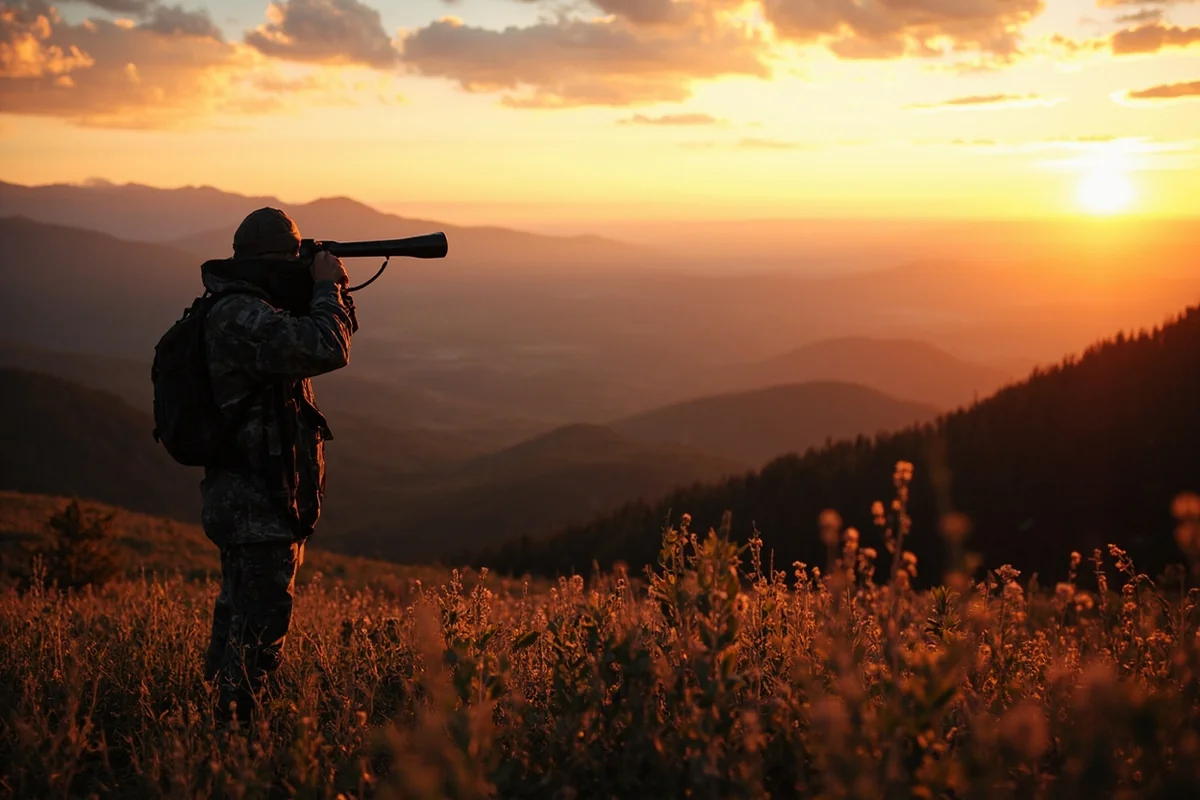
Why Montana Draws Hunters From Across America
I’ve hunted in a dozen states over the past fifteen years, and nothing compares to Montana. The sheer diversity of terrain, game species, and hunting opportunities makes it a true destination for serious hunters and first-timers alike.
Montana encompasses 147,000 square miles of hunting ground—from the glacier-carved peaks of the Rocky Mountain Front to the rolling prairies along the North Dakota border. Last fall, I drove from Bozeman to Glasgow over two days, passing through no fewer than six distinct ecosystems, each holding different game and requiring different tactics.
What makes Montana special isn’t just the quantity of game, though the numbers are impressive. It’s the quality of the hunting experience—the vast public lands, the lack of crowds compared to other Western states, and the authentic Western culture that welcomes visiting hunters.
The Numbers That Matter
Montana’s wildlife populations are genuinely healthy. The state maintains approximately 150,000 elk—one of the largest herds in North America. Mule deer number around 300,000, while whitetails add another 250,000 to the mix.
For those interested in Montana antelope hunting, the pronghorn population hovers around 150,000, offering excellent opportunities across the eastern two-thirds of the state. I drew my first antelope tag in Region 6 several years ago and couldn’t believe how many animals I spotted during a single morning glassing session.
The bird hunting is equally impressive. Montana sits in the Central Flyway for waterfowl and maintains robust populations of pheasants, Hungarian partridge, and sharp-tailed grouse across the agricultural regions.
Understanding Montana’s Hunting Regions
Montana Fish, Wildlife & Parks divides the state into seven administrative regions, and understanding these divisions is crucial for planning your trip. Each region offers distinct terrain, game densities, and hunting pressure levels.
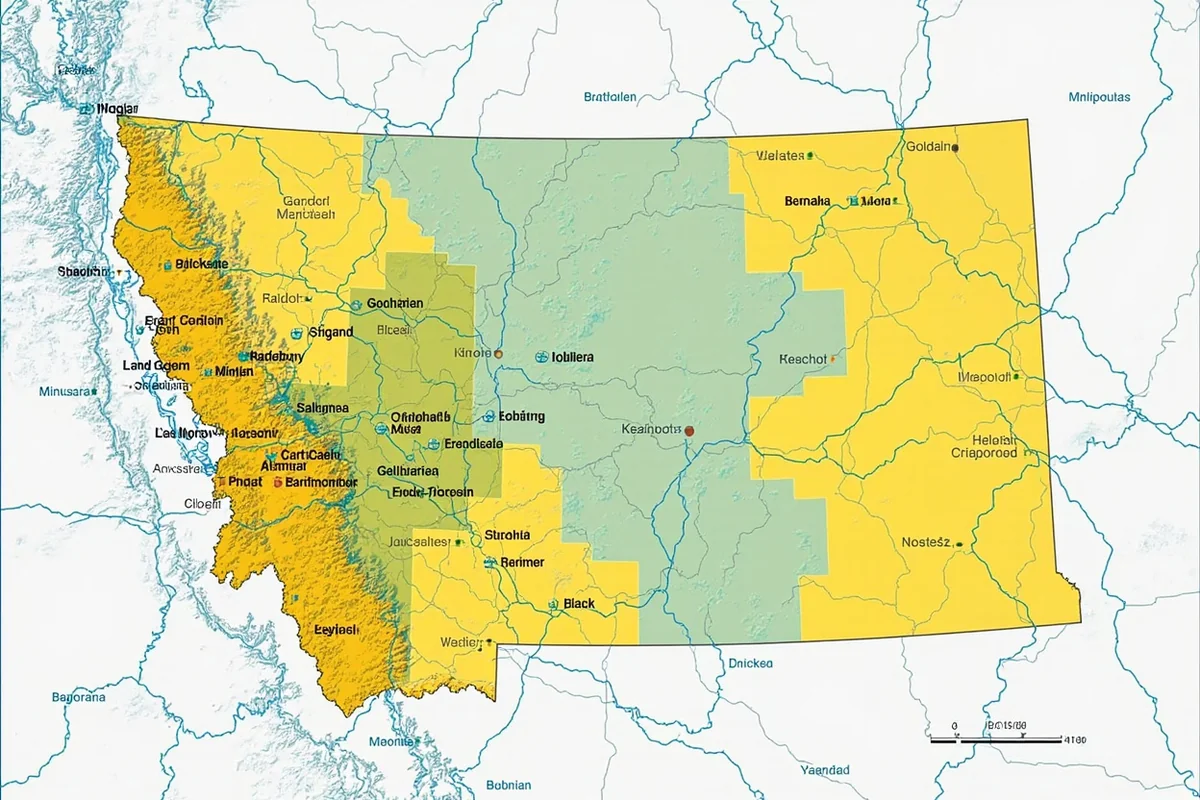
Region 1: Northwestern Montana
When I hunted near Kalispell during my first Montana trip, I was struck by how different this region felt from what I’d imagined “Montana hunting” would be. Dense forests of cedar, hemlock, and Douglas fir cover the mountains here—it’s more reminiscent of the Pacific Northwest than the open prairies I’d expected.
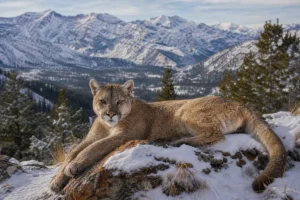
This region excels for whitetail deer hunting, Montana bear hunting, and mountain lion. The timber is thick, shots are close, and you’d better be comfortable hunting in the trees.
Region 2: West-Central Montana
Missoula serves as the hub for Region 2, which I consider the most diverse hunting region in the state. During a week-long trip here last October, I hunted elk in the Bitterroots, jumped ducks on the Clark Fork River, and flushed pheasants near Deer Lodge—all within 90 minutes of my base camp.
The Blackfoot Valley and Seeley-Swan area offer exceptional Montana elk hunting opportunities, particularly on the Lolo, Flathead, and Helena-Lewis and Clark National Forests.
Region 3: Southwestern Montana
This is where you’ll find some of Montana’s most iconic landscapes—the Madison Range, the Tobacco Roots, the Gravelly Range. It’s also where you’ll encounter the most hunting pressure, thanks to the popularity of Bozeman and the surrounding area.
I’ve hunted Region 3 extensively and have mixed feelings. The game is there, but so are the other hunters. My advice: push deeper into the backcountry or focus on shoulder seasons when pressure drops significantly. The Montana shoulder season elk hunting program has extended my opportunities here dramatically.
Region 4: North-Central Montana
The Missouri River Breaks dominate this region, and they’re unlike anything else you’ll encounter in North America. During my first trip to the Breaks, I remember cresting a ridge and seeing endless coulees, buttes, and badlands stretching to the horizon—and not a single other hunter in sight.
This is premier mule deer country, particularly for mature bucks. The Charles M. Russell National Wildlife Refuge and surrounding BLM lands offer incredible public access.
Region 5: South-Central Montana
Billing’s region bridges mountain and prairie hunting. The Beartooth Mountains hold elk, while the prairies south toward Wyoming offer mule deer and antelope.
I particularly love the Custer Gallatin National Forest portions of this region for late-season elk hunting. The crowds thin out significantly after rifle season ends, and the Montana muzzleloader season offers additional opportunities.
Region 6: Northeastern Montana
If you want to hunt antelope, deer, and upland birds without seeing many other hunters, Region 6 is your destination. The Hi-Line country stretching along Highway 2 is some of the most productive and least pressured hunting land I’ve experienced anywhere.
Glasgow and Malta make excellent base camps, and the mix of private land block management areas and public lands creates diverse hunting options.
Region 7: Southeastern Montana
The Custer Country around Miles City offers exceptional Montana mule deer tags and hunting, particularly for trophy-class bucks. I’ve also found the upland bird hunting here surprisingly good, with pheasants concentrated around irrigated agricultural areas.
Licenses, Tags, and the Application Process
This is where Montana hunting trips require serious advance planning. If you’re coming from out of state, you can’t just show up and buy a tag—at least not for the most popular species.
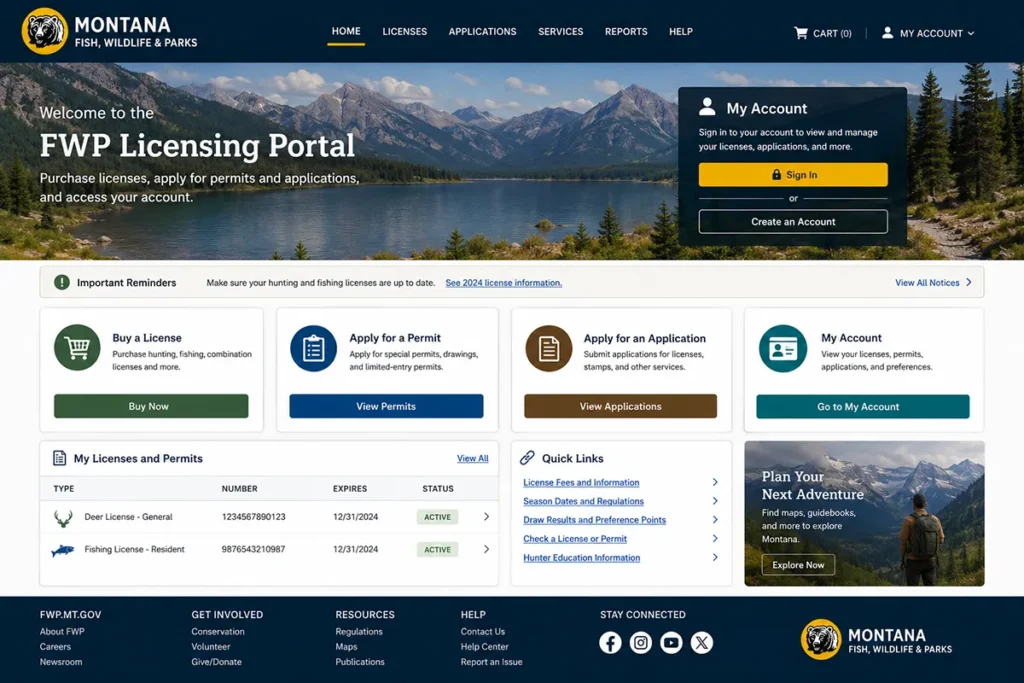
The Basics of Non-Resident Licensing
Montana uses a combination license system that can be confusing at first. Understanding Montana hunting license costs before you plan your budget is essential.
Non-resident combination licenses (deer, elk, bird, fishing) run approximately $1,000. General deer and elk tags are included, but they’re only valid in specific districts where over-the-counter tags remain available.
For many of the best hunting districts, you’ll need to enter the drawing. Applications open in early February and close in mid-March—miss this window, and you’ve missed your year.
The Drawing System Explained
Montana’s drawing system differs from other Western states in important ways. There’s no random draw for most species—instead, non-residents compete in a separate pool with limited allocations (typically 10% of total permits).
The Montana preference points system applies to certain limited-entry permits, particularly for bighorn sheep, moose, and mountain goat. For Montana bighorn sheep hunting, expect to accumulate points for 15-20+ years before drawing a permit.
Simplifying the Process
My recommendation for first-time Montana hunters: start with general license opportunities rather than chasing limited-entry permits. Focus on understanding the Montana hunting license system and securing your basic credentials.
General elk and deer opportunities remain available each year, and there’s plenty of public land where you can have an excellent hunt without waiting years for a premium permit.
Planning Your Hunt: DIY vs. Guided Trips
One of the biggest decisions you’ll make is whether to hunt independently or book with an outfitter. Both approaches have merit, and I’ve done both multiple times in Montana.
The Case for DIY Hunting
Do-it-yourself hunting in Montana is entirely viable thanks to the exceptional public land access. During a DIY elk hunt in the Pioneer Mountains a few years back, I spent six days hunting alone and never saw another orange vest.
The keys to successful DIY hunting:
- Invest time in pre-season scouting using onX Maps or similar GPS applications
- Study the regulations carefully—Montana hunting regulations vary significantly by district
- Research specific Montana deer hunting regulations if that’s your primary focus
- Be prepared for self-sufficiency in remote areas without cell service
- Have a solid game retrieval plan—getting a 600-pound elk out of a drainage alone is no joke
When a Guide Makes Sense
I recommend guided hunts for first-time Montana hunters, particularly for elk. A good outfitter provides not just local knowledge but also horses or pack mules for retrieval, established camps, and—perhaps most importantly—realistic expectations about success rates.
Guided Montana elk hunts typically run $5,000-$8,000 for a week-long rifle hunt. Premium outfitters in trophy units can charge $10,000+. These aren’t cheap experiences, but success rates with quality outfitters run 70-90% compared to 15-25% for DIY hunters in the same units.
For Montana bear hunting, guides become almost essential. Spring bear hunts require extensive scouting to locate feeding areas, and fall baited hunts (legal in Montana) require permit compliance and bait station management that’s impractical for visiting hunters.
A Hybrid Approach
What I often recommend—and practice myself—is a hybrid approach. Book a guided hunt for your primary species, then extend your trip to pursue additional opportunities independently.
Last September, I spent five days with an outfitter in the Missouri Breaks hunting elk, then drove east to the Hi-Line for three days of DIY antelope hunting. The combination gave me the best of both worlds at a more reasonable total cost.
Timing Your Montana Hunting Trip
Montana offers hunting opportunities from early September through late January, depending on species and weapon choice. Understanding the Montana hunting seasons calendar is critical for planning.
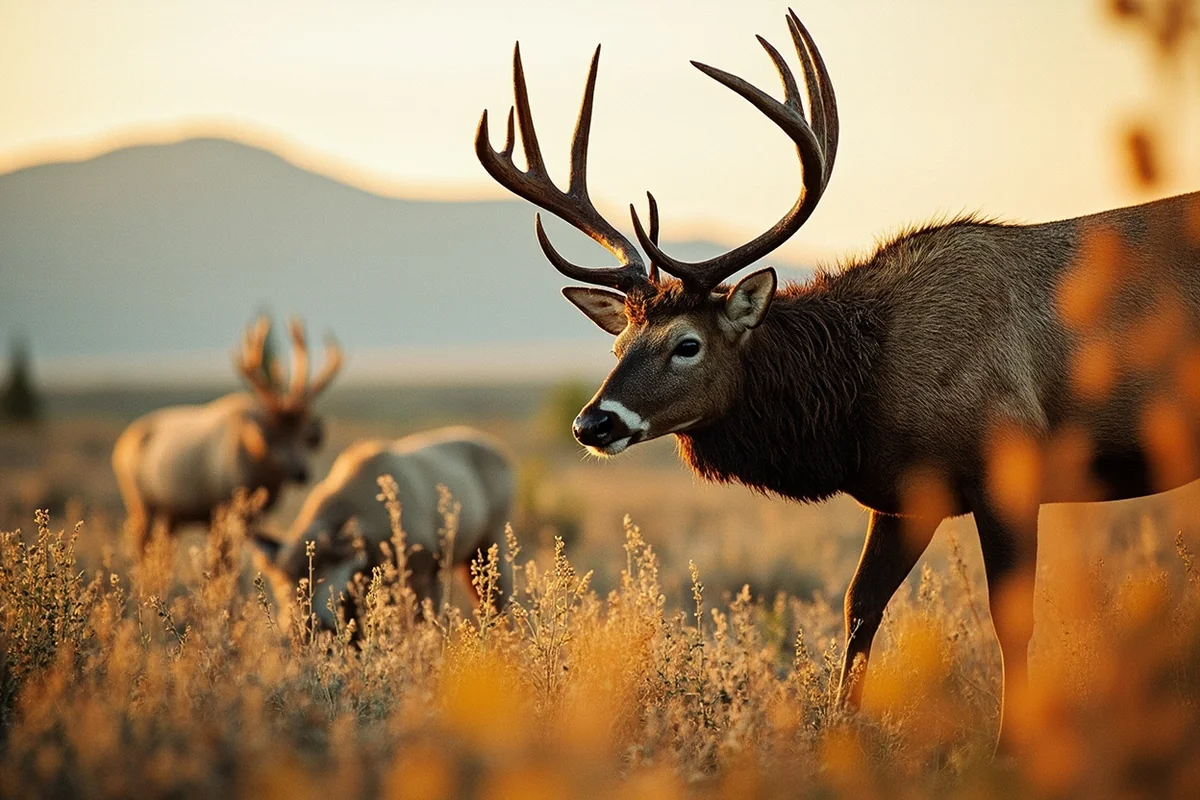
Early Season: September
Archery elk season opens in early September, coinciding with the rut. This is my favorite time to hunt Montana—the weather is pleasant, the elk are vocal, and the crowds haven’t arrived yet.
Temperatures in September typically range from the low 30s at night to the mid-60s during the day at elevation. Pack layers, as mornings start cold but warm quickly once you start climbing.
Peak Season: October-November
General rifle season for deer and elk runs through late October and into November. This is when Montana sees its highest hunter density, particularly during the first week of rifle elk season.
Weather becomes more serious during this window. I’ve hunted in 60-degree bluebird days and also in 14-inch snowstorms during the same October week in different years. Come prepared for anything.
Late Season Opportunities
The shoulder seasons and late-season opportunities don’t get enough attention from visiting hunters. After Thanksgiving, hunting pressure drops dramatically, and the elk that survived rifle season often become more predictable as they migrate to winter range.
December and January hunts require serious cold-weather preparation—I’ve seen minus-20 temperatures during late-season hunts in the Missouri Breaks—but the lack of pressure and concentrated game make it worthwhile.
Public Land Access: Montana’s Greatest Asset
Montana offers some of the best public land access in the American West. Understanding your options dramatically increases hunting success.
Federal Lands
Over 27 million acres of federal land are open to hunting in Montana. The major land management agencies include:
- USDA Forest Service (16+ million acres across 10 national forests)
- Bureau of Land Management (8+ million acres)
- US Fish and Wildlife Service (national wildlife refuges)
- National Park Service (limited hunting in some units)
Each agency has specific regulations regarding camping, road access, and hunting methods. The Charles M. Russell National Wildlife Refuge, for example, requires permits for some uses but offers incredible mule deer hunting.
State Land Opportunities
Montana’s state trust lands add another 5+ million acres of hunting access. These parcels are scattered throughout the state, and hunting on Montana state land follows specific rules that differ from federal land regulations.
State lands are marked with orange posts at access points. I always carry the state land layer loaded on my GPS to identify boundaries when navigating unfamiliar areas.
Block Management Program
Montana’s Block Management program provides access to over 7 million acres of private land enrolled by landowners who agree to allow public hunting. This is one of the best hunter access programs in the country.
Block Management areas require registration—some operate on a reservation system, while others are walk-in only. I’ve had some of my best hunts on Block Management lands simply because other hunters overlook them in favor of “guaranteed” public land access.
Species-Specific Trip Planning
Different species require different approaches. Here’s what I’ve learned hunting various game across Montana.
Elk Hunting Trips
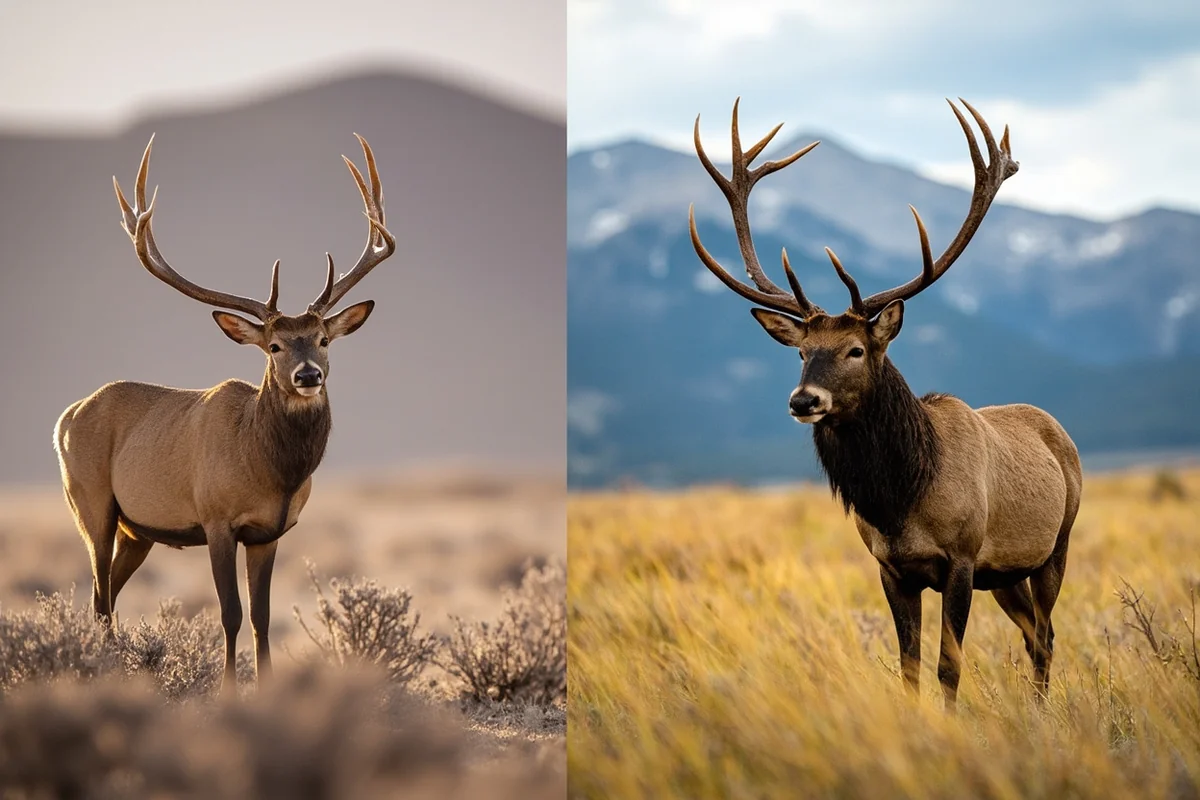
Montana elk hunting deserves its reputation as some of the best in North America. The state offers both general license opportunities and limited-entry permits for premium units.
For your first Montana elk hunt, I recommend focusing on the general season in western Montana. Regions 1, 2, and 3 hold good elk numbers and allow over-the-counter hunting for non-residents in many districts.
Physical preparation cannot be overstated. Elk live in steep, nasty country, and the average successful kill occurs well over a mile from the nearest road. I start training in June for September hunts—hiking with a weighted pack, stair climbing, and core strengthening.
Deer Hunting Trips
Montana offers outstanding opportunities for both whitetail and mule deer. The Montana deer hunting guide I put together covers strategies for both species in detail.
For whitetail deer hunts in Montana, focus on the river bottoms and agricultural areas of northwestern and eastern Montana. The Milk River drainage and Flathead Valley consistently produce mature bucks.
Mule deer hunting reaches its peak in the breaks country of central Montana. Trophy bucks often come from Regions 4, 6, and 7, where sage-covered coulees and badlands terrain creates ideal habitat.
Antelope Hunting
Pronghorn hunting is Montana’s most underrated opportunity. The success rates are high, the hunting is accessible, and the landscape is spectacular in its own windswept way.
Antelope hunts center on the eastern two-thirds of the state. Regions 4, 6, and 7 offer the most opportunity, with both limited-entry and general license options depending on the specific district.
Bird Hunting Opportunities
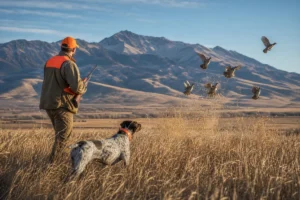
Montana’s upland bird hunting provides an excellent complement to big game pursuits. Pheasants, Hungarian partridge, and sharp-tailed grouse are the primary targets.
For Montana duck hunting, the prairie pothole region of northeastern Montana offers exceptional shooting during fall migration. The Freezeout Lake WMA near Choteau is legendary during peak waterfowl movement.
Even Montana swan hunting is possible through a limited permit system—it’s one of the few states in the country offering this unique opportunity.
Specialty Hunts
Montana offers several unique hunting opportunities that draw dedicated hunters:
Montana wolf hunting is legal and provides a challenging pursuit of one of North America’s most intelligent predators.
Montana buffalo hunting opportunities exist primarily through the Gardiner late-season hunt when bison migrate out of Yellowstone National Park.
Even Montana squirrel hunting has its devotees—it’s an underrated way to introduce young hunters to the sport or spend time in the timber between big game pursuits.
Practical Budget Planning
Let’s talk real numbers. Montana hunting trips require significant financial investment, and understanding the full cost picture prevents unpleasant surprises.
| Expense Category | DIY Hunt | Guided Hunt |
|---|---|---|
| Non-Resident License/Tags | $900-$1,200 | $900-$1,200 |
| Guide/Outfitter Fee | $0 | $4,500-$10,000+ |
| Airfare/Transportation | $400-$800 | $400-$800 |
| Rental Vehicle (7 days) | $500-$900 | Often included |
| Lodging (7 nights) | $600-$1,200 | Included |
| Food/Supplies | $200-$400 | Included |
| Game Processing/Shipping | $300-$600 | $300-$600 |
| Total Estimated Cost | $2,900-$5,100 | $6,500-$13,000+ |
Hidden Costs to Consider
Several expenses catch first-time Montana hunters off guard:
Meat shipping or processing adds $300-$800 depending on animal size and your processing preferences. I now budget $500 minimum for elk processing and shipping costs.
GPS apps like onX Hunt cost $100+ annually but are essentially mandatory for navigating public/private boundaries.
Cold weather gear appropriate for Montana conditions often requires upgrades from what works in other states. Quality base layers, waterproof insulation, and serious gloves matter when you’re sitting on a ridge at 6 AM in November.
Booking Accommodations and Travel
Montana’s hunting season coincides with the end of tourist season in many areas, which works both for and against you.
When to Book
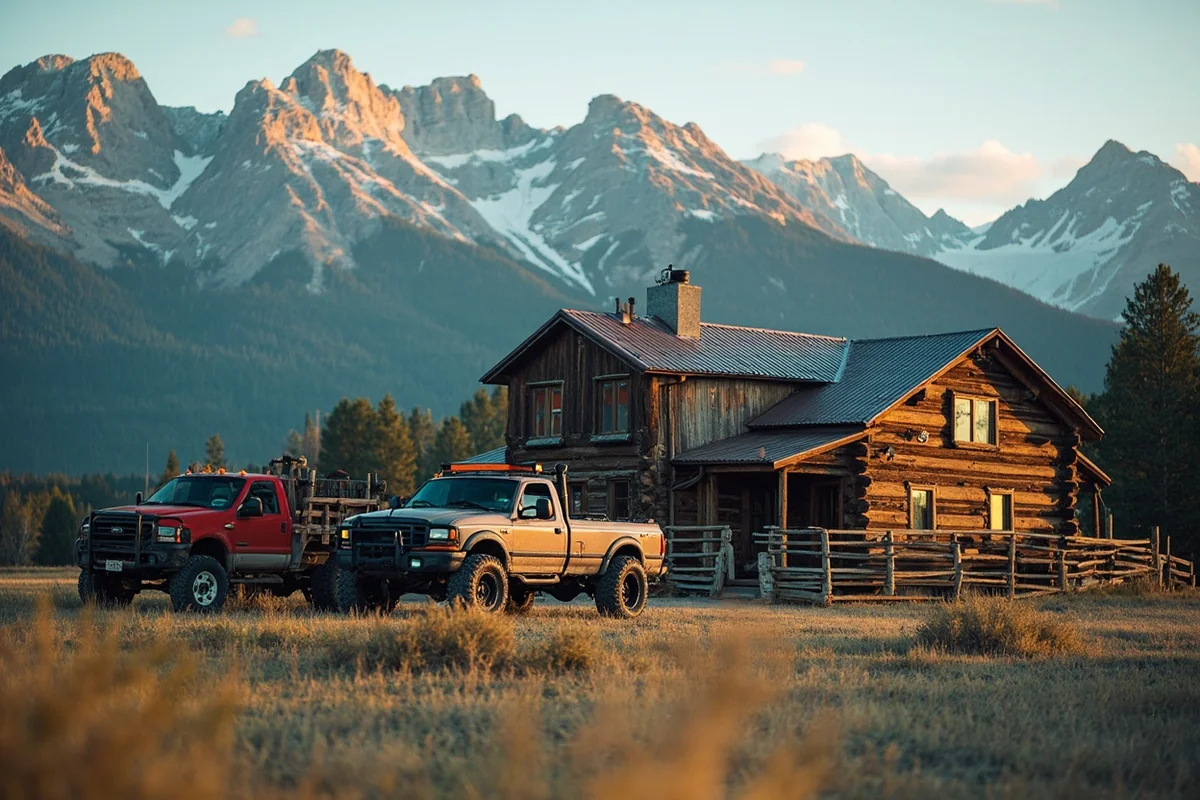
I recommend booking lodging 3-6 months in advance for popular hunting areas. Small-town Montana has limited accommodation options, and during peak rifle season, everything fills up.
For guided hunts, the best outfitters book a year or more in advance. If you’re planning a premium guided hunt, start your outfitter research 12-18 months before your intended hunt date.
Accommodation Options
Montana lodging during hunting season typically falls into several categories:
Small-town motels in places like Lewistown, Ennis, or Malta offer basic but functional rooms for $80-$150/night. Book early, as these fill fast.
Hunting lodges provide a more immersive experience with meals included and often field support services. Expect $200-$400/night for quality lodge accommodations.
Vacation rentals through VRBO or Airbnb can accommodate groups affordably, particularly in the shoulder seasons.
Camping remains an option through mid-October in most areas, though be prepared for serious cold. I’ve woken up to frozen water bottles in the tent more than once during archery season.
Getting There
Major airports serving Montana hunters include:
- Bozeman (BZN) – Best for southwestern Montana
- Missoula (MSO) – Best for western Montana
- Billings (BIL) – Best for central and eastern Montana
- Great Falls (GTF) – Best for north-central Montana
Rental vehicles with four-wheel drive are strongly recommended. Many access roads deteriorate rapidly with fall weather, and you don’t want to miss a hunt because your rental sedan can’t handle mud.
Essential Gear for Montana Hunting
Montana demands quality gear that can handle dramatic weather changes and rugged terrain.
Weapons and Optics
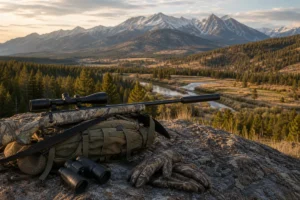
For rifle hunting, Montana’s open terrain rewards flat-shooting calibers and quality optics. My go-to setup is a .300 Win Mag with a variable 4-16x scope—versatile enough for timber hunting and capable of reaching across the coulees when needed.
Quality binoculars matter more than rifle caliber. I spend far more time glassing than shooting, and 10×42 binoculars have become my single most-used piece of equipment. A spotting scope (20-60x) is essential for judging animals at distance in the breaks country.
Clothing Systems
Layer-based clothing systems handle Montana’s variable conditions best. I typically carry:
- Merino wool base layers (two sets)
- Insulated mid-layer (synthetic or down)
- Quiet softshell outer layer for active hunting
- Waterproof rain/snow shell
- Heavy insulated parka for glassing and waiting
Cotton has no place in a Montana hunting pack. I learned this the hard way during an unexpected October storm that turned a light cotton shirt into a hypothermia risk.
Navigation and Safety
GPS units loaded with land ownership data prevent trespass incidents and help you find unmarked public parcels. I carry both a phone-based GPS (onX Hunt) and a dedicated GPS unit as backup.
Emergency communication devices like the Garmin InReach provide peace of mind in areas without cell coverage—which includes most of the best hunting country.
Making the Most of Your Trip
After multiple Montana hunting trips, I’ve learned several lessons that improve both success rates and overall experience.
Scout Before You Hunt
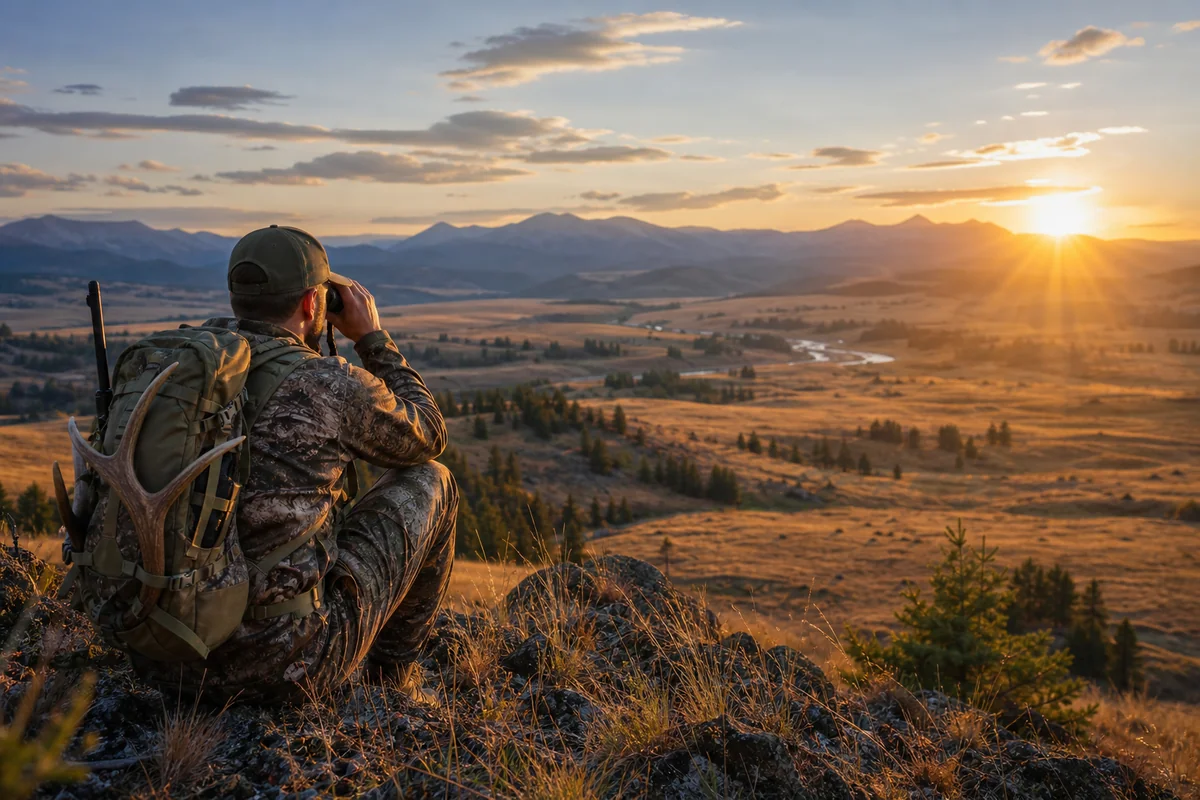
If possible, arrive 1-2 days before your season opens to scout terrain and locate animals. Time spent glassing from vantage points during legal shooting hours translates directly to success during the hunt.
When I can’t scout in person, I spend hours on Google Earth studying terrain features, access points, and likely travel corridors. This virtual scouting has helped me identify productive areas before ever setting foot on the ground.
Plan for the Unexpected
Montana weather changes rapidly and dramatically. I always pack for conditions 20 degrees colder than forecast and carry rain gear regardless of predictions.
Vehicle breakdowns happen in remote country. Carry basic tools, a spare tire, jumper cables, and enough supplies to spend an unplanned night in your vehicle if necessary.
Respect the Resource and the Locals
Montana’s hunting tradition depends on maintaining good relationships between hunters and landowners. Always ask permission before crossing private land, close gates behind you, and pack out everything you pack in.
Local businesses appreciate hunting season dollars. Buy your supplies in small towns when possible, tip generously at restaurants, and represent visiting hunters well.
Building Toward Future Hunts
Your first Montana hunting trip should be the beginning of a longer relationship with Big Sky Country. Here’s how to build toward future opportunities.
Start Accumulating Points
Even if you’re hunting general season areas now, consider applying for limited-entry permits to begin building preference points. The earlier you start, the better your chances at premium permits years down the road.
Develop Local Knowledge
Return to the same areas multiple times rather than bouncing around the state. Deep knowledge of a specific area produces better results than surface familiarity with many regions.
I’ve hunted the same Missouri Breaks drainage four times now, and each trip reveals new details—game trails I missed, bedding areas I didn’t know existed, feeding patterns I hadn’t observed.
Connect with the Hunting Community
Montana’s hunting community welcomes serious hunters who demonstrate respect for the resource. Join conservation organizations like the Rocky Mountain Elk Foundation or Mule Deer Foundation to connect with like-minded hunters and support habitat conservation.
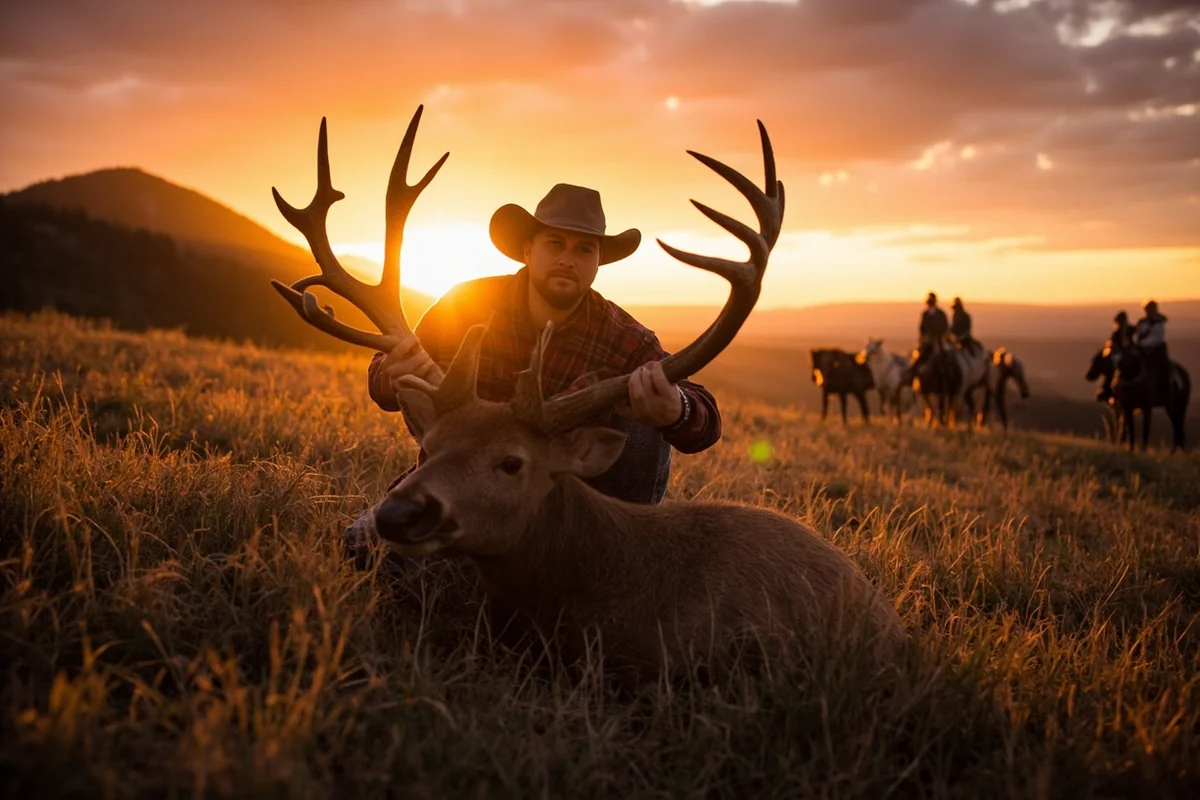
Montana hunting trips require more planning and investment than local whitetail seasons, but the rewards match the effort. The first time you watch sunrise paint the Spanish Peaks gold while elk bugle in the valley below, you’ll understand why thousands of hunters return to Big Sky Country year after year.
Start your planning now—Montana’s hunting opportunities await, and the memories you’ll make in these wild places will last a lifetime.
Frequently Asked Questions
What is the best time of year to go on a Montana hunting trip?
The prime hunting season in Montana runs from September through November, with archery seasons typically opening in early September and general rifle season starting in late October. I’ve found that late October offers the best combination of active game movement and manageable weather conditions. Plan your Montana hunting trip around the specific species you’re targeting, as elk, deer, and upland bird seasons have different peak windows.
How much does a guided hunting trip in Montana cost?
Guided Montana hunting trips typically range from $3,500 to $8,000 for a 5-7 day elk or deer hunt, with premium outfitters charging $10,000 or more for trophy hunts. Budget hunters can expect to spend $1,500-$2,500 for DIY trips including licenses, lodging, and travel from most US cities. Non-resident hunting licenses add $500-$1,000 depending on species, so factor that into your total Montana hunting trip budget.
Do I need a guide for hunting in Montana as an out-of-state visitor?
Montana doesn’t legally require non-residents to hire a guide for most hunting, but first-time visitors benefit significantly from local expertise on public land access and game patterns. I recommend guided trips if you’re unfamiliar with Montana’s vast wilderness areas, as some hunting units span hundreds of square miles with limited cell service. For wilderness areas specifically, outfitter services are required by law for overnight backcountry hunts.
What hunting licenses and tags do non-residents need for Montana?
Non-resident hunters need a Montana Conservation License ($10) plus species-specific licenses, with general deer tags around $527 and elk combination licenses running approximately $1,096. Many coveted tags like moose, sheep, and goat require entering a drawing months in advance with application deadlines typically in March or April. I’d suggest visiting Montana Fish, Wildlife & Parks website at least 6 months before your planned trip to understand tag availability and application procedures.
What gear should I pack for a Montana hunting trip in fall?
Pack layered clothing rated for temperatures ranging from 20°F to 60°F, as Montana weather shifts dramatically during hunting season. Essential gear includes quality waterproof boots broken in for mountain terrain, a GPS device with downloaded offline maps, and optics suited for glassing open valleys and timbered ridges. I always bring more cold-weather gear than expected since early snowstorms are common in Montana’s high country starting in October.
Where are the best public land hunting areas in Montana for non-residents?
Montana offers over 30 million acres of public hunting land, with Region 3 (southwestern Montana) and Region 7 (eastern Montana) being particularly productive for elk and mule deer respectively. The Charles M. Russell National Wildlife Refuge and areas surrounding the Bob Marshall Wilderness provide excellent DIY hunting opportunities within 3-5 hours of Bozeman or Missoula airports. Block Management areas throughout the state give hunters free access to private land, and I’ve had great success using the Montana Hunt Planner tool to identify less-pressured units.
How far in advance should I book a Montana hunting trip?
Book guided Montana hunting trips 12-18 months in advance for prime October dates, as reputable outfitters fill quickly with repeat clients. For DIY hunts requiring special draw tags, submit applications by early April for hunts the following fall. I recommend securing lodging near your hunting unit at least 6 months out, especially in popular areas like the Bozeman or Helena corridors where accommodations are limited during peak season.