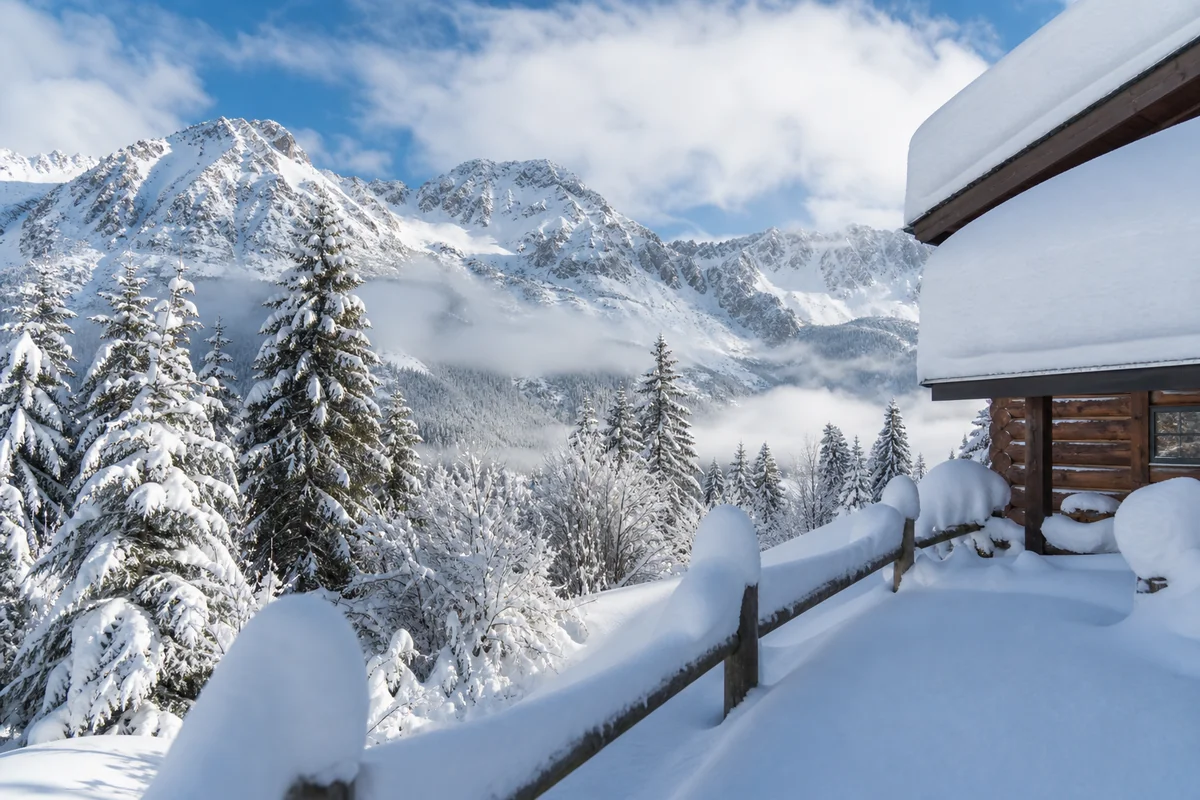
I’ll never forget standing outside my rental cabin in Cooke City at 7 AM, watching a local dig out his truck from under four feet of fresh snow—his third dig-out that week.
“This is light,” he laughed, tossing powder over his shoulder like confetti. That moment perfectly captures what Montana Living means for snow lovers: a place where winter doesn’t just visit, it moves in and stays awhile.
Montana’s snowiest corners receive more annual snowfall than most Americans see in a lifetime, and having spent multiple winters exploring these powder-buried communities, I can tell you they offer experiences you simply cannot find anywhere else in the Lower 48.
- Cooke City averages 200+ inches of snow annually and is Montana’s snowiest year-round community
- Summit, at the top of Marias Pass, receives up to 300 inches per year
- Whitefish Mountain Resort and Big Sky Resort both average 300+ inches of skiable snow
- The snowiest months are December through March, with January being peak accumulation
- Western Montana’s mountains receive significantly more snow than eastern plains
- Snow tires and chains are essential—many areas require them by law
- Book accommodations months ahead for prime snow season (mid-December to mid-March)
Liked this article?
Add Roaming Montana as a preferred source so you see more of our articles and guides on Google.
Understanding Montana’s Snowfall Patterns
Before diving into specific locations, you need to understand why certain Montana places get absolutely buried while others remain relatively snow-free. During my years visiting the state in winter, I’ve come to appreciate how dramatically different the snow experience can be just 50 miles apart.
The Continental Divide acts as Montana’s great snow wall. Pacific moisture systems slam into the Rocky Mountain Front, dropping their payload on the western slopes. This is why places like Glacier National Park’s western entrances measure snow in feet while the eastern prairie towns might see inches from the same storm.
Elevation plays an equally crucial role. For every 1,000 feet you climb in Montana, expect roughly 10-15 additional inches of annual snowfall. This explains why a ski resort base at 6,000 feet receives moderate snow, while the summit at 8,000 feet gets hammered.
I’ve tracked snowfall patterns during multiple trips, and the consistency is remarkable. The same areas get buried year after year. If you’re planning a snow-focused visit, understanding these patterns helps you choose exactly the right destination for your goals.
Cooke City: Montana’s Snowiest Town
When I first drove into Cooke City on a February afternoon, the snow berms lining the road were taller than my SUV. This tiny gateway community to Yellowstone National Park sits at 7,608 feet elevation and receives an astounding 200+ inches of annual snowfall.
The town’s population hovers around 75 hardy year-round residents, though that number swells considerably during snowmobile season. During my last winter visit, I stayed at a small lodge where the owner explained that some years they’ve recorded over 250 inches.
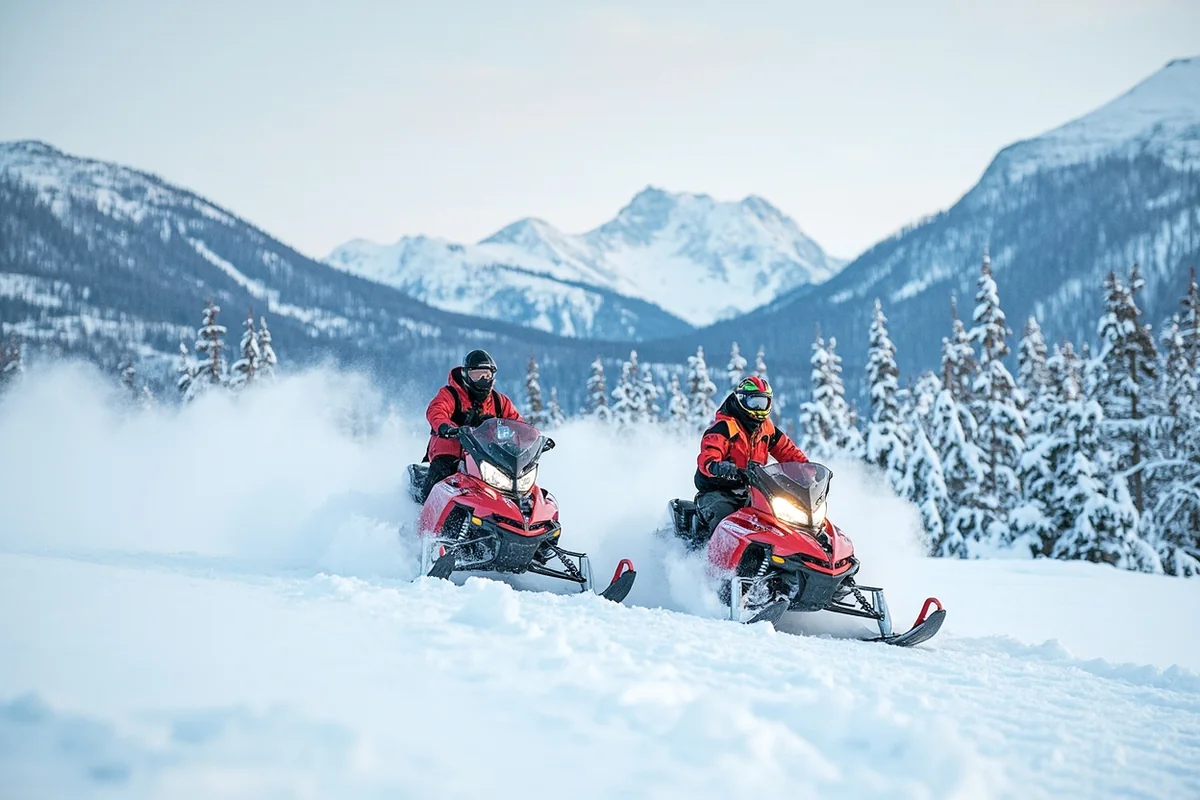
What makes Cooke City special isn’t just the quantity—it’s the quality. The snow here is consistently light and dry, what locals call “cold smoke.” On my most recent trip, I watched experienced snowmobilers float through meadows of powder so deep their machines nearly disappeared.
Getting to Cooke City in Winter
Here’s something many visitors don’t realize: there’s only one winter road into Cooke City. The Beartooth Highway closes from mid-October through late May, leaving the route from Gardiner through Yellowstone as the only access.
I made the mistake of assuming I could loop through during my first visit. Instead, I had to drive 60 miles each way through the park, passing bison herds and steaming geothermal features along the way. Honestly, it turned out to be one of the most magical winter drives I’ve ever experienced.
The road is well-maintained but can close temporarily during severe storms. I recommend checking road conditions the morning of your drive and carrying emergency supplies.
What to Do in Cooke City
Snowmobiling dominates the winter scene here. The surrounding Gallatin and Custer national forests offer over 60 miles of groomed trails plus unlimited backcountry terrain. When I rented a sled from one of the local outfitters, the guide took me to a bowl he called “the freezer”—appropriately named because the powder stays cold and fluffy weeks after falling.
Cross-country skiing and snowshoeing attract a smaller but dedicated crowd. The Bannock Trail provides a moderate workout with stunning views of surrounding peaks.
The town itself has a authentic frontier feel. The Miners Saloon serves surprisingly good food considering the remote location, and I spent several evenings there listening to locals share stories about legendary snow years.
Summit at Marias Pass: Montana’s Snowfall Champion
At 5,213 feet, Summit sits at the top of Marias Pass along Highway 2, and it holds the distinction of recording some of Montana’s highest annual snowfall totals—regularly exceeding 300 inches.
I stopped at Summit during a late November storm and watched BNSF freight trains punch through whiteout conditions on the tracks that parallel the highway. The area has a weather station that’s been recording data for over a century, providing fascinating historical context.
The Lewis and Clark National Forest surrounds this pass, and the snow here tends to be heavy and wet compared to other Montana locations. Moisture-laden storms off the Pacific dump their cargo right here before the air masses continue east.
Accessing Summit Safely
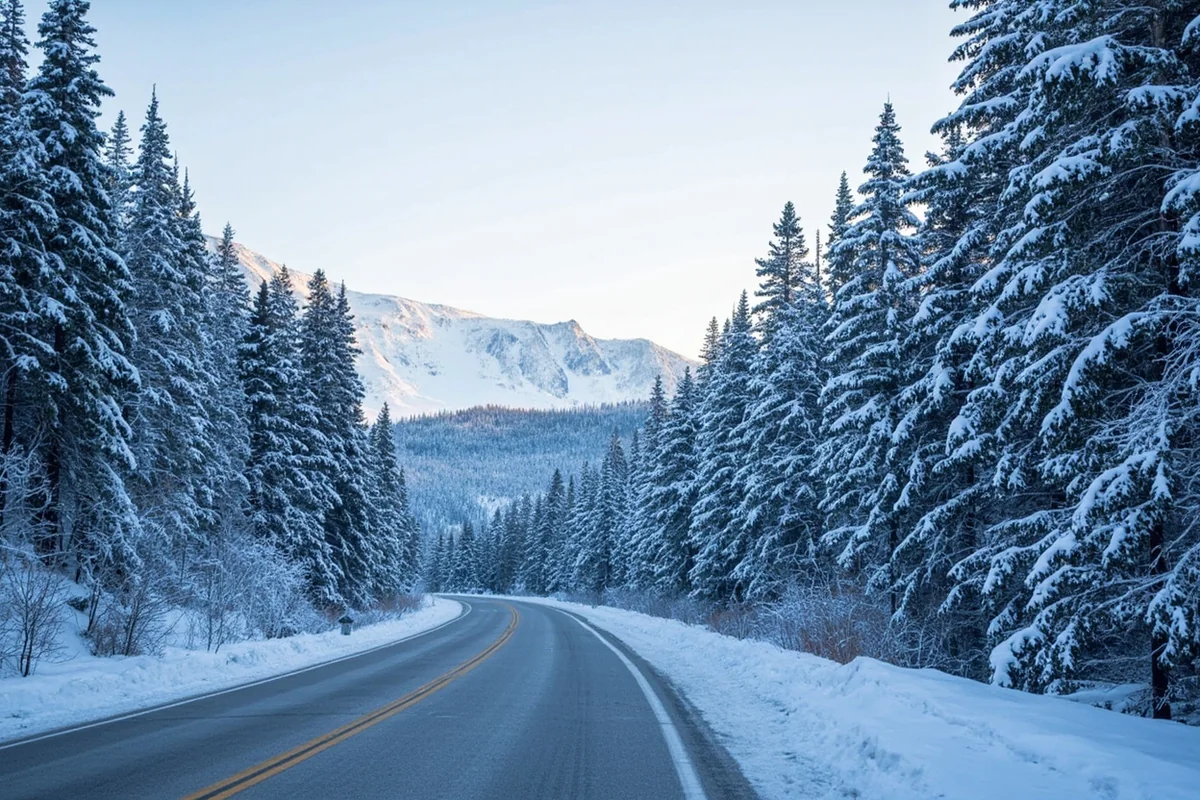
Highway 2 remains open year-round, but conditions can deteriorate rapidly. During my December visit, I encountered a ground blizzard that reduced visibility to near zero despite relatively light snowfall. Wind is the x-factor at Marias Pass—the Continental Divide creates a natural funnel that amplifies even moderate breezes.
Montana DOT does an excellent job maintaining this route, but I strongly recommend checking the MDT road condition website before heading over the pass. Pull-offs are limited, and getting stuck here could mean a long wait for assistance.
Nearby Attractions
Most travelers pass through Summit en route to Glacier National Park, which receives significant snow at higher elevations. The Going-to-the-Sun Road closes to vehicles in winter, but cross-country skiers and snowshoers can access lower sections.
The town of East Glacier Park, about 12 miles east of the pass, offers limited winter services but provides a good base for exploring the area. I spent a memorable afternoon snowshoeing to a frozen waterfall near Two Medicine Lake during my most recent visit.
For those wondering whether Montana is boring, a winter trip over Marias Pass during an active storm will quickly dispel that notion.
Whitefish Mountain Resort and Surrounding Area
The Whitefish area combines serious snowfall with modern resort amenities, making it my top recommendation for visitors who want big snow without roughing it. The resort summit averages 300+ inches annually, while the town of Whitefish at lower elevation still sees around 70 inches.
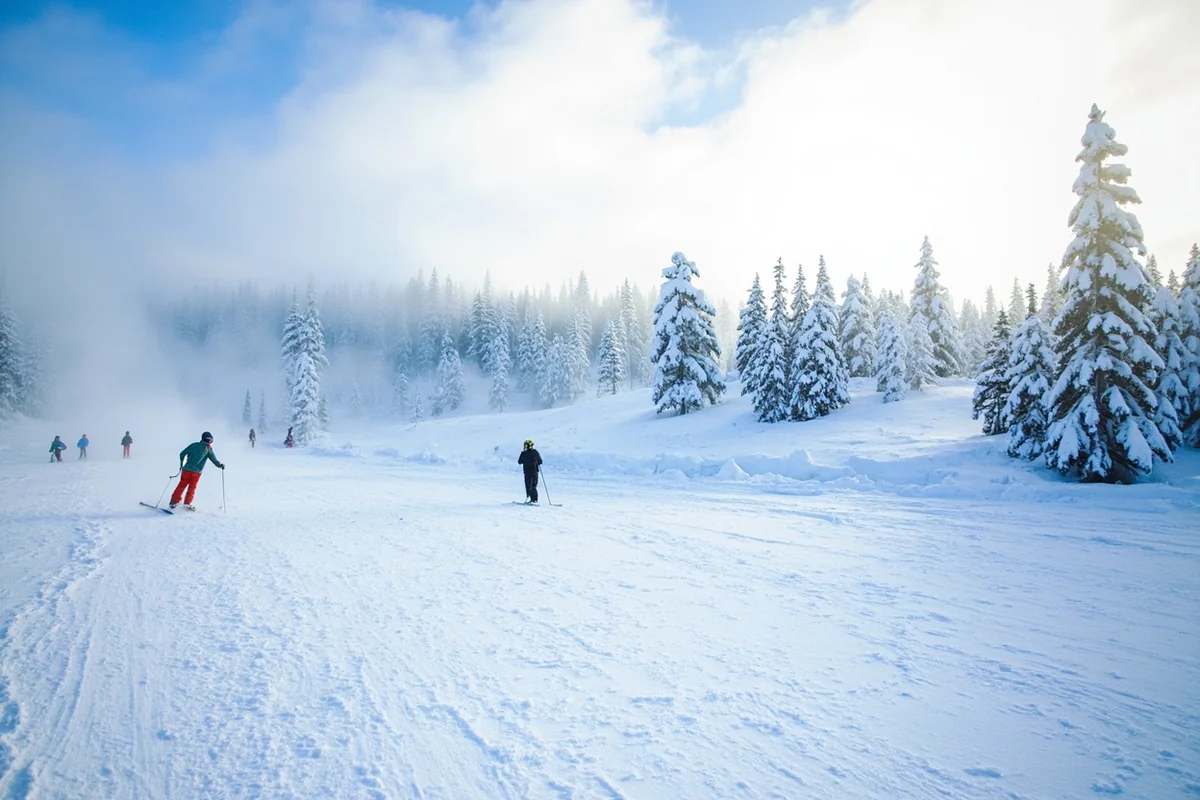
Last January, I spent a week based in Whitefish and experienced what locals call “Glacier Park weather”—four consecutive days of steady snowfall that dropped nearly 40 inches. The resort’s eight-passenger gondola kept running throughout, ferrying skiers to some of the best powder skiing I’ve encountered anywhere.
Why Whitefish Gets So Much Snow
The resort’s position directly south of Glacier National Park places it in the prime moisture pathway from Pacific storms. The mountain itself creates additional lift, forcing already-saturated air even higher and squeezing out more precipitation.
I’ve talked with longtime ski patrollers who describe multi-day storms that can drop 3-4 feet without pause. The resort’s north-facing slopes preserve this snow remarkably well, and I’ve skied soft powder a full week after the last storm.
The Whitefish Town Experience
What sets Whitefish apart from other snowy Montana destinations is the town itself. Central Avenue features excellent restaurants, craft breweries, and unique shops—all accessible by foot and typically decorated with impressive snow displays during peak winter.
During my extended stay, I appreciated being able to end a ski day with a short drive to a well-stocked grocery store and comfortable lodging. The contrast with Cooke City’s frontier isolation is striking.
The town has grown significantly in recent years, and you’ll notice the impact if you’ve visited before. Many people are moving here seeking compelling reasons Montana offers, which has affected housing availability and prices.
Big Sky Resort: Where Snow Meets Luxury
Big Sky Resort advertises an average of 400 inches of annual snowfall at its highest terrain, making it arguably Montana’s snowiest lift-served skiing. During my three visits over the past several winters, I’ve experienced conditions ranging from perfect cold smoke to challenging wind-affected surfaces.
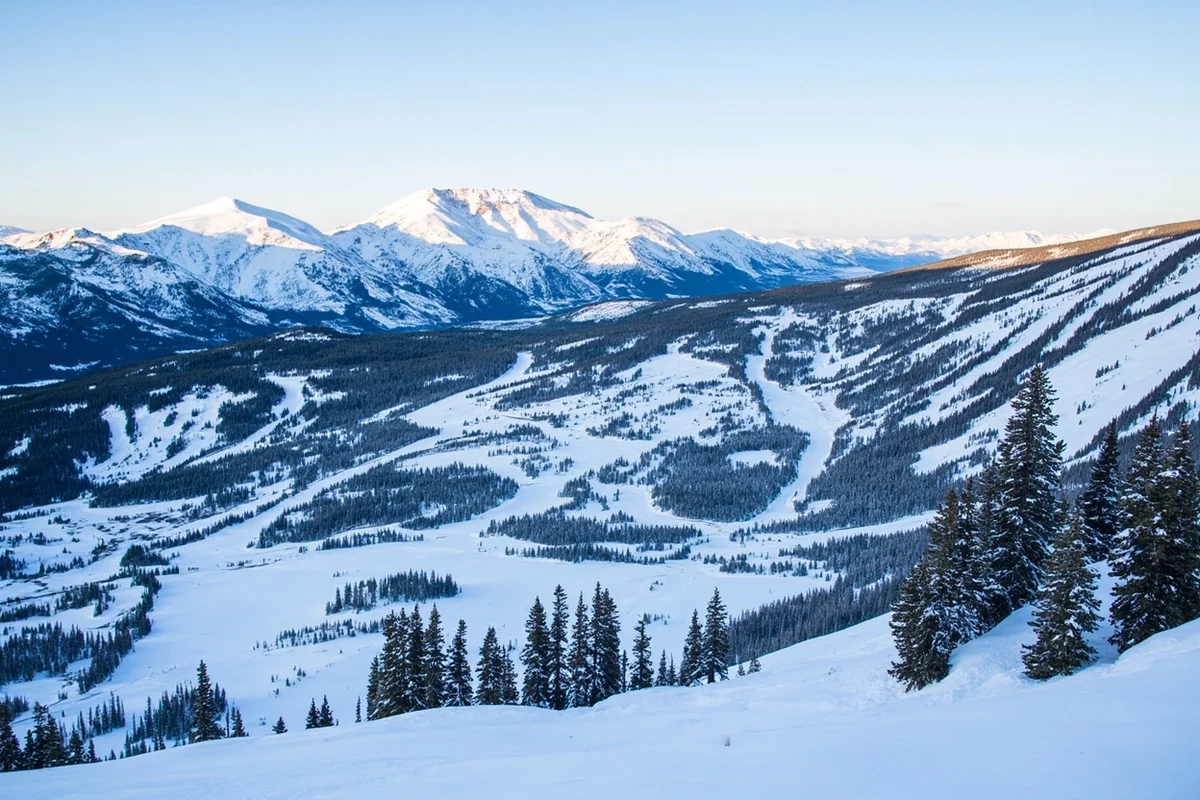
The resort spans an enormous 5,800 acres across four interconnected mountains. On powder days, the sheer size means you can find fresh tracks hours after the lifts open—I did exactly that during a February visit, finding untracked lines in Moonlight Basin well into the afternoon.
The Lone Peak Experience
Lone Peak summit at 11,166 feet receives the heaviest snow, but it’s only accessible via the Lone Peak Tram and requires expert-level skiing ability. I rode the tram on a bluebird day and found surprisingly good snow despite several days without new precipitation—the elevation simply keeps everything frozen and preserved.
The exposure at that altitude is no joke. Even on calm days, wind chill regularly drops well below zero. I carry a face mask and extra layers in my pack specifically for Lone Peak laps.
Big Sky Town Services
The Big Sky community has transformed dramatically in recent years, with new restaurants, shops, and services opening regularly. This growth is part of Montana’s fastest growing areas trend, and you’ll find modern amenities alongside traditional mountain town charm.
That said, Big Sky remains expensive. Understanding why Montana has become so pricey helps set expectations for lodging, dining, and equipment rental costs.
West Yellowstone: Gateway to Winter Wonderland
West Yellowstone consistently records 150+ inches of annual snowfall and offers one of Montana’s most unique winter experiences. The town serves as the western gateway to Yellowstone National Park, and during my winter visits, I’ve used it as a base for both snowmobiling and wildlife watching.
The community takes snow seriously—they host world championship sled dog races and maintain extensive snowmobile trail systems. I watched the Rendezvous Ski Race during a February visit and was impressed by the community’s winter sports enthusiasm.
Yellowstone in Winter
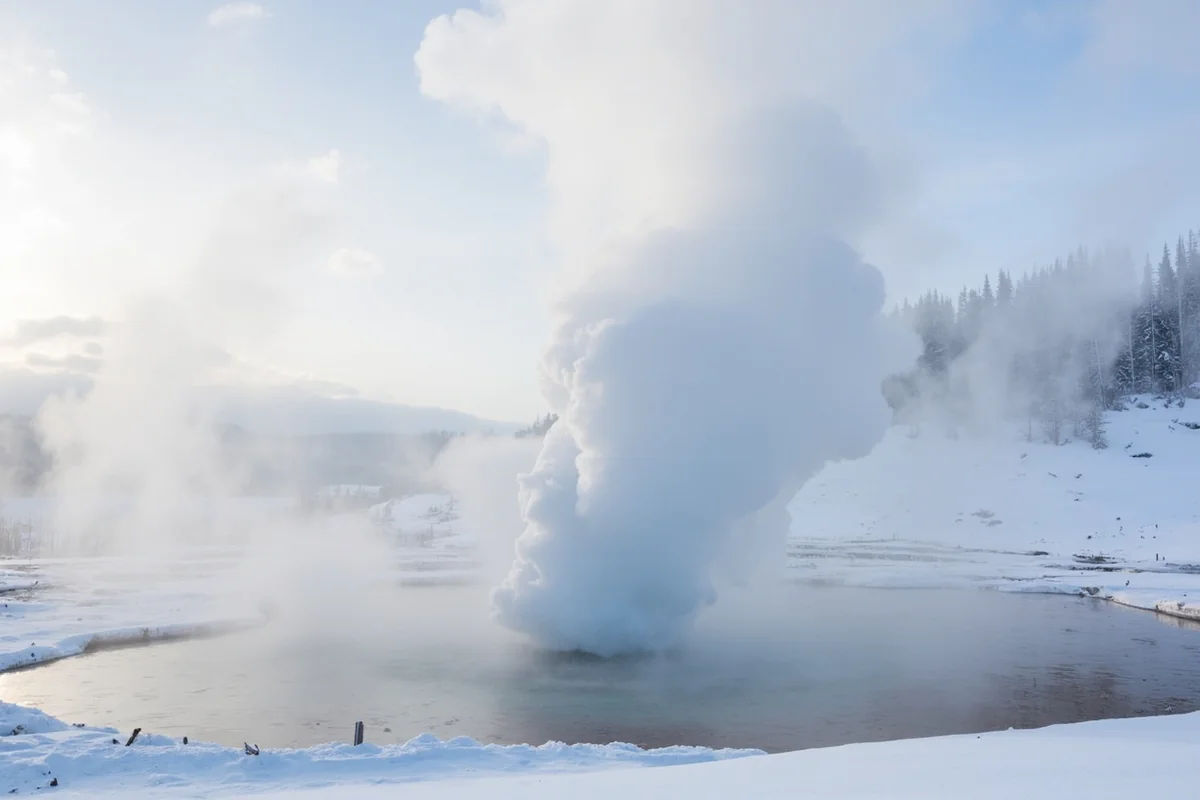
Accessing Yellowstone’s interior during winter requires either a guided snowcoach tour or guided snowmobile trip. I took a snowcoach to Old Faithful during my last visit and found the experience transformative—no crowds, snow-covered thermal features, and regular wildlife sightings.
The interior snowfall is even more impressive than West Yellowstone itself. Old Faithful area regularly receives 200+ inches, creating a surreal landscape where geysers erupt through blankets of white.
Preparing for West Yellowstone Winter
Temperatures here can be brutal. During my January trip, we experienced -30°F one morning, and the cold lasted for three consecutive days. Hotels and restaurants stay open but expect reduced hours compared to summer.
I recommend layering with high-quality technical gear rather than cotton. Moisture management becomes critical when temperatures swing 50 degrees between sunny midday and overnight lows.
Seeley Lake and the Swan Valley
The Swan Valley runs north-south along Highway 83 between Clearwater Junction and Bigfork, and the entire corridor receives substantial snowfall—typically 100-150 inches at valley floor elevation with much more in the surrounding mountains.
Seeley Lake has become my personal favorite for relaxed winter getaways. The pace is slower than resort towns, and I’ve found excellent cross-country skiing right from town. Last winter, I spent four days exploring the area and never encountered crowded trails.
Winter Recreation Options
The Seeley Lake Nordic Ski Club maintains over 30 kilometers of groomed trails, and the quality impressed me. During my visit, I skied classic and skate lanes in excellent condition despite a week without new snow.
Snowmobiling is equally popular here. The Seeley Lake/Blackfoot Trail System offers over 350 miles of groomed routes connecting to broader networks. I rented a machine for a day trip and found the forest scenery stunning—old-growth larch and pine buried under heavy snow.
For those researching best places to live in Montana, Seeley Lake offers a more affordable alternative to higher-profile resort communities while still delivering serious winter experiences.
Lesser-Known Snowy Spots Worth Exploring
Beyond the famous destinations, Montana hides numerous snowy corners that most visitors never discover. I’ve made a point of seeking these out, and several have become regular winter stops.
Lincoln
This small town along Highway 200 sits in a valley that funnels moisture from the west, creating consistent snowfall of 80-100 inches annually. I stopped in Lincoln during a December storm and found a charming community with excellent snowmobile access and friendly locals happy to share trail tips.
The town has a fascinating history as the last place Unabomber Ted Kaczynski lived before his arrest. Less sensationally, it offers authentic small-town Montana character and reasonable cost of living compared to resort areas.
Philipsburg
Located in the Flint Creek Valley, Philipsburg receives moderate snowfall but provides access to seriously snowy terrain at Discovery Ski Area. The resort is smaller than Big Sky or Whitefish but averages over 200 inches annually and rarely feels crowded.
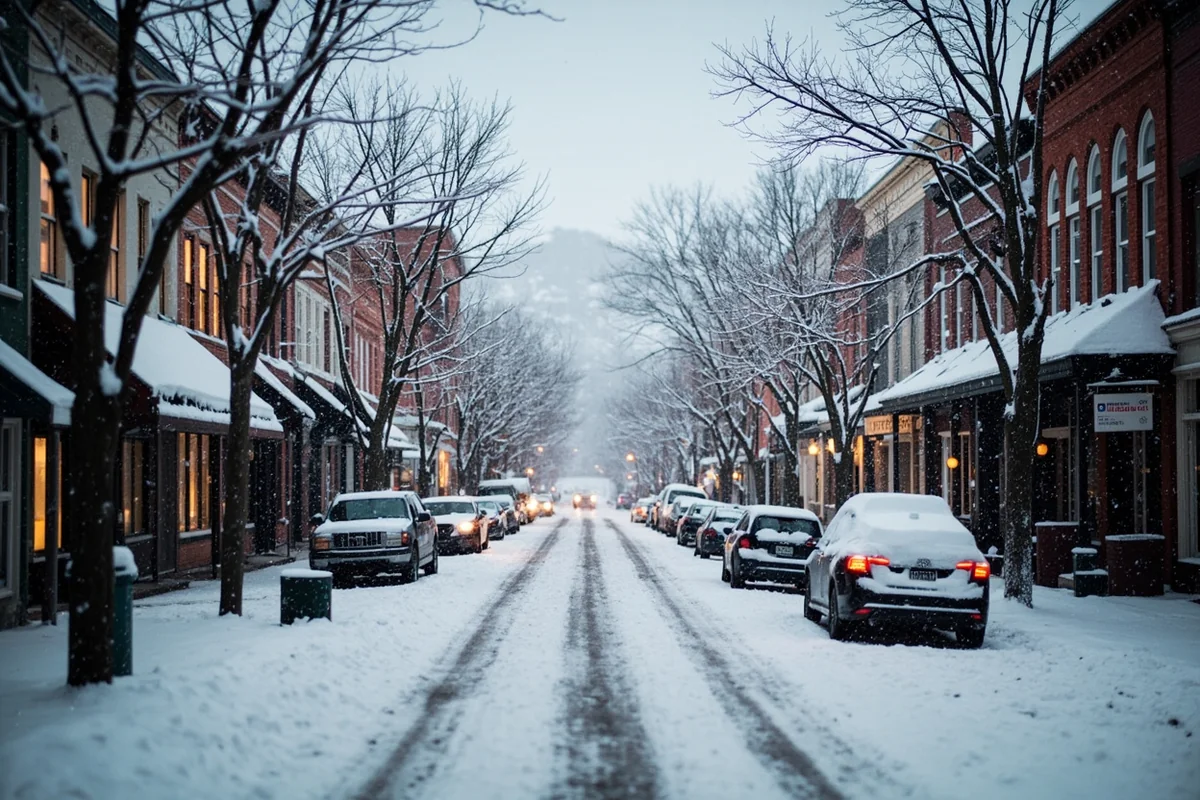
I skied Discovery on a powder day and had an entire bowl to myself for multiple laps. The town of Philipsburg offers charming Victorian architecture and what locals claim is the best candy shop in Montana.
Anaconda
Anaconda’s proximity to the Pintler Mountains gives it access to serious snowfall at elevation. The Georgetown Lake area regularly sees 100+ inches, and the small but enjoyable Lost Trail Powder Mountain ski area records even more.
The town itself reflects Montana’s mining heritage and provides more affordable lodging options than resort destinations. I found a comfortable motel for half what Whitefish properties charge.
Practical Snowfall Data by Region
| Location | Avg Annual Snowfall | Elevation | Peak Months |
|---|---|---|---|
| Cooke City | 200-250 inches | 7,608 ft | Dec-Mar |
| Summit (Marias Pass) | 300+ inches | 5,213 ft | Nov-Apr |
| Whitefish Mountain (summit) | 300+ inches | 6,817 ft | Dec-Mar |
| Big Sky (Lone Peak) | 400+ inches | 11,166 ft | Nov-Apr |
| West Yellowstone | 150-180 inches | 6,666 ft | Dec-Mar |
| Seeley Lake | 100-150 inches | 4,028 ft | Dec-Feb |
| Lincoln | 80-100 inches | 4,544 ft | Dec-Feb |
Driving in Montana’s Snowiest Places
I cannot emphasize this enough: winter driving in Montana requires serious preparation. During my travels, I’ve witnessed multiple accidents involving unprepared vehicles, and I’ve personally experienced conditions that tested even my equipped SUV.
Essential Equipment
Snow tires are not optional in these areas. I switched to dedicated winter tires several years ago and the difference in control and confidence is dramatic. All-wheel drive helps but doesn’t replace proper tires—I’ve seen stuck AWD vehicles beside older front-wheel-drive cars with good winter rubber.
Carry chains even if you don’t expect to use them. Some passes require chains on all vehicles during severe storms, and having them available provides crucial peace of mind.
My winter emergency kit includes: jumper cables, a small shovel, extra warm layers, energy bars, a flashlight, a phone charger, and a reflective triangle. I’ve used the shovel twice and the extra layers more times than I can count.
Road Condition Resources
Montana Department of Transportation maintains an excellent website with real-time road cameras and condition reports. I check it every morning before driving anywhere and again before heading back in the afternoon.
Cell service in Montana’s snowiest areas is often spotty or nonexistent. Download offline maps before your trip and don’t rely on real-time navigation in remote locations. I learned this lesson the hard way near Cooke City when my phone lost signal just as I needed directions.
For more details on natural hazards including winter storms, understanding Montana’s seasonal challenges helps you prepare appropriately.
When to Visit for Maximum Snow
Timing your visit requires balancing snow conditions against access and safety considerations. Here’s what I’ve learned from multiple winter trips across different months.
November
Early season conditions are unpredictable. Some years, November delivers major storms; others remain surprisingly mild. Ski resorts typically open late November with limited terrain.
I visited Big Sky during Thanksgiving week and found decent mid-mountain coverage but limited expert terrain. The crowds were light, which somewhat compensated for the conditions.
December
Snow reliability improves significantly in December. The week between Christmas and New Year brings peak holiday crowds and premium pricing, but conditions are usually excellent.
My best December trip was to Whitefish the second week of the month—fresh snow, open terrain, and reasonable crowds before the holiday rush.
January
This is prime time for serious snowfall. Temperatures drop, storms become more frequent, and accumulation builds rapidly. I’ve experienced -20°F mornings in January that kept casual visitors away, leaving trails and slopes pleasantly uncrowded.
The cold requires serious preparation but rewards hardy visitors with the best snow conditions of the year.
February and March
February offers a sweet spot: heavy snowfall continues while temperatures moderate slightly. Days grow longer, providing more daylight hours for outdoor activities.
March brings spring storm patterns that can deliver enormous snowfall totals. My biggest powder day ever came during a mid-March storm that dropped 30 inches overnight at Whitefish. The tradeoff is increased avalanche danger and occasional warm spells that affect snow quality.
Avalanche Safety: Critical Knowledge
If you venture into Montana’s backcountry during winter, avalanche awareness isn’t optional—it’s essential. I’ve taken avalanche safety courses and carry rescue gear on every backcountry trip, and I still find the terrain intimidating at times.
The Gallatin National Forest Avalanche Center and Flathead Avalanche Center provide daily forecasts during winter months. I check these religiously before any backcountry travel, even seemingly benign terrain.
Several Montana locations offer introductory avalanche courses. I took mine through a Bozeman-based outfit and consider it money extremely well spent. The knowledge applies whether you’re snowmobiling, skiing, snowshoeing, or even hiking in certain terrain.
If you’re sticking to groomed trails and developed ski areas, avalanche danger is managed by patrol teams. But understanding the risk helps you appreciate why certain runs close and why backcountry access requires caution.
Where to Stay During Your Snowy Adventure
Accommodation options vary dramatically based on your chosen destination. Here’s what I’ve discovered about lodging in Montana’s snowiest places.
Budget Options
West Yellowstone offers the best value among popular snowy destinations. During my January visit, I found a clean, comfortable motel room for under $100 per night—unthinkable at Big Sky or Whitefish during peak season.
Lincoln and Philipsburg provide even better value for those willing to explore lesser-known areas. I’ve stayed at family-run motels in both towns for around $70 per night.
Mid-Range Choices
Whitefish town offers moderate options that balance cost with comfort. I prefer staying in town rather than slopeside—lodging costs less, dining options are better, and the shuttle to the mountain runs frequently.
Seeley Lake has several cabin rental options that work well for groups. During my last visit, four of us split a three-bedroom lakeside cabin and paid less per person than budget motel rates in bigger towns.
Luxury Experiences
Big Sky’s mountain village features high-end slopeside properties with corresponding price tags. I splurged on a ski-in/ski-out condo one year and appreciated the convenience, though my wallet felt the impact.
Some visitors combine snow activities with stays at Montana’s most exclusive properties, several of which sit in snowy mountain settings.
What to Pack for Montana’s Snowiest Places
Packing for Montana winter goes beyond standard cold-weather gear. Here’s my refined list after multiple trips:
- Multiple base layer options (moisture-wicking, not cotton)
- Insulated mid-layer (down or synthetic)
- Waterproof outer shell (jacket and pants)
- Snow boots rated to at least -25°F
- Multiple glove pairs (liner gloves plus insulated over-gloves)
- Face protection (balaclava or neck gaiter)
- UV-blocking sunglasses AND ski goggles
- High SPF sunscreen (snow reflects UV intensely)
- Lip balm with SPF
- Hand and toe warmers
I’ve learned the hard way that cotton kills comfort in cold, wet conditions. Moisture-wicking synthetic or wool base layers make an enormous difference in maintaining warmth.
Sunscreen seems counterintuitive for winter trips, but I’ve gotten my worst sunburns during Montana ski days. The combination of altitude, reflection off snow, and extended outdoor time creates intense UV exposure.
Making the Most of Your Snowy Montana Trip
After dozens of winter trips to Montana’s snowiest corners, I’ve developed a philosophy: embrace the unexpected. Storms close roads, plans change, and flexibility turns potential frustration into memorable adventure.
Some of my best Montana winter experiences came from forced changes. A road closure once rerouted me through the Blackfoot Valley, where I discovered a fantastic little restaurant I’ve returned to three times since. A weather delay in West Yellowstone led to an unplanned wildlife watching session that yielded my best-ever bison photography.
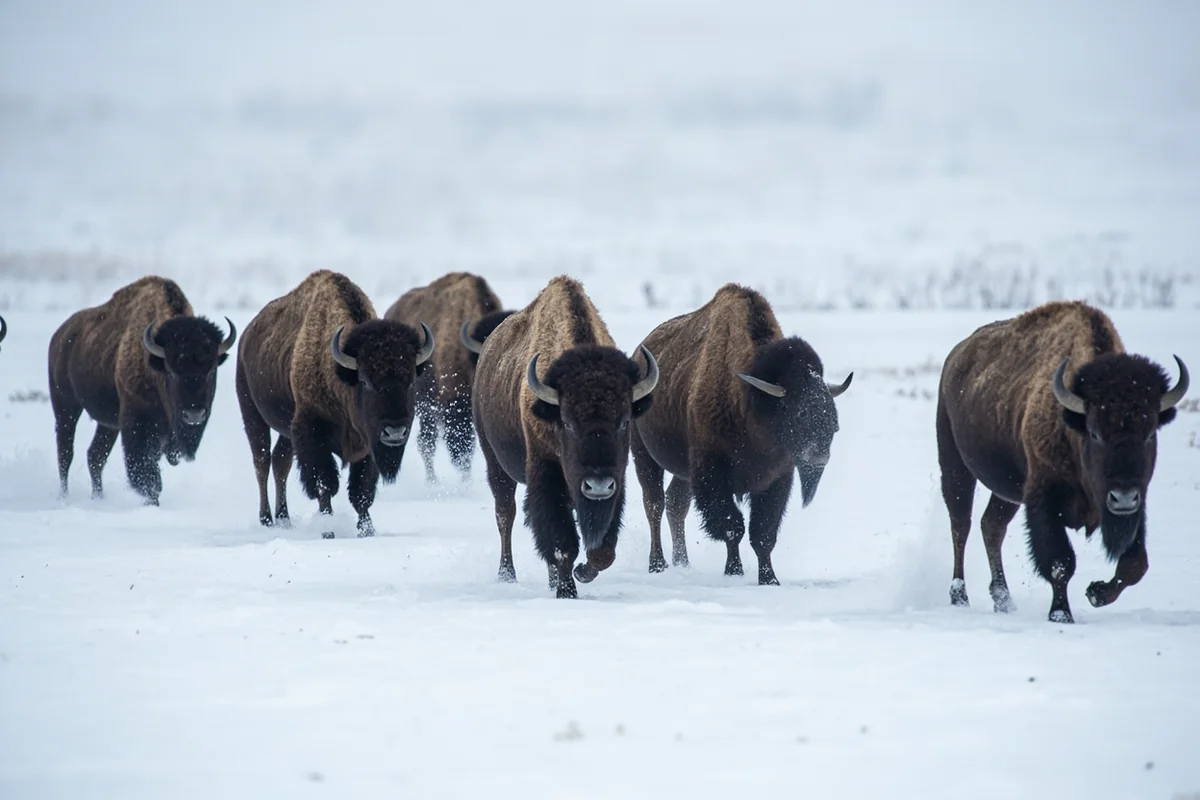
The communities in Montana’s snowiest places have adapted to winter’s demands and welcomes visitors who come prepared. I’ve received invaluable advice from local bartenders, gas station attendants, and random folks in parking lots—Montanans are generous with their knowledge if you ask.
There are countless reasons Montana captures visitors’ hearts, and watching fresh powder fall on ancient mountains ranks high among them. Whether you’re seeking world-class skiing, peaceful snowshoeing, or the simple wonder of watching snow pile up outside a warm cabin, Montana’s snowiest places deliver experiences that stay with you long after the last flake melts.
When considering the pros and cons of living in Montana, heavy snowfall lands firmly in both categories depending on your perspective. For those who love winter, these snowy corners offer something approaching paradise. For others, even visiting requires mental preparation for conditions unlike anything in their daily experience.
Given why Montana remains relatively unpopulated, challenging winters certainly play a role. Yet for those willing to embrace the season, these snowy places reveal a side of Montana that summer visitors never experience—quieter, wilder, and somehow more authentically itself when wrapped in white.
Frequently Asked Questions
Which Montana town gets the most snow each year?
Summit, Montana near Marias Pass consistently receives the most snow in the state, averaging over 300 inches annually. Other heavy hitters include Cooke City near Yellowstone’s northeast entrance and the ski towns around Whitefish, which regularly see 200+ inches of snowfall each winter season.
What is the best time to visit Montana for snow activities?
I recommend visiting between mid-December and early March for the most reliable snow conditions across Montana. January and February typically offer the deepest snowpack for skiing, snowmobiling, and snowshoeing, though conditions can vary significantly between the western mountains and eastern plains.
How much does a winter trip to snowy Montana cost?
Budget around $150-$300 per day for a Montana winter trip, including lodging, lift tickets, and meals. Ski resort towns like Big Sky and Whitefish run pricier at $200-$400 nightly for accommodations, while smaller snow-heavy towns like Cooke City offer more affordable options starting around $100 per night.
What should I pack for visiting Montana’s snowiest areas?
Pack layered clothing including moisture-wicking base layers, insulated mid-layers, and waterproof outer shells since temperatures can drop well below zero. Don’t forget tire chains or ensure your rental has 4WD, plus emergency supplies like blankets and snacks if you’re driving mountain passes like Going-to-the-Sun Road approaches or Highway 212 to Cooke City.
Is it safe to drive to Montana’s snowiest towns in winter?
Driving to high-snow destinations like Cooke City or towns near Glacier National Park requires serious winter driving experience and proper vehicle preparation. I always check the Montana Department of Transportation road conditions at 511mt.net before heading out, and I recommend renting an AWD or 4WD vehicle if you’re not used to icy mountain roads.
Which Montana ski resorts get the most annual snowfall?
Whitefish Mountain Resort leads Montana ski areas with an average of 300 inches of snow annually, followed closely by Big Sky Resort at around 400 inches on its upper terrain. Discovery Ski Area near Anaconda and Showdown Montana also receive impressive totals exceeding 200 inches, often with fewer crowds and lower lift ticket prices around $50-$70.
Can I visit Glacier National Park in winter to see heavy snow?
Yes, but access is extremely limited since Going-to-the-Sun Road closes to vehicles from late October through June due to heavy snowfall often exceeding 150 inches. You can still explore the park’s lower elevations near Apgar and Lake McDonald on snowshoes or cross-country skis, which I find offers a magical, crowd-free experience compared to summer visits.
Sources
- https://www.umt.edu/this-is-montana/columns/stories/montana-70below.php
- https://www.umt.edu/this-is-montana/columns/stories/montana-winters.php
- https://www.mdt.mt.gov/visionzero/people/winterdriving.aspx
- https://www.weather.gov/byz/precip_report_map?type=snow
- https://www.nps.gov/yell/planyourvisit/visiting-yellowstone-in-winter.htm
- https://www.nps.gov/romo/index.htm