You are currently viewing Montana Living: 11 Pros and Cons for Big Sky Country Residents

Montana Living: 11 Pros and Cons for Big Sky Country Residents

  • Post author:
  • Post category:Montana
  • Reading time:44 mins read

Have you ever dreamed of waking up to breathtaking mountain vistas, breathing in crisp alpine air, and living where nature’s grandeur is your backyard? Montana, the “Big Sky Country,” offers this alluring vision of rugged beauty and wide-open spaces.

But what’s it really like to call this vast wilderness home? From stunning natural wonders to challenging winter conditions, Montana presents a unique tapestry of advantages and obstacles for those considering putting down roots in the Treasure State. In this comprehensive guide, we’ll explore the pros and cons of Montana living, unveiling the realities behind the postcard-perfect scenes.

Whether you’re drawn by the promise of outdoor adventure, seeking a simpler way of life, or simply curious about what makes Montana tick, join us as we dive deep into the essentials of Big Sky living – from tax benefits and job opportunities to the challenges of remote living and wildlife encounters. Buckle up for an honest look at what awaits in Montana’s awe-inspiring landscapes and tight-knit communities.

Montana Living: What to Know

Montana, often called “Big Sky Country,” lives up to its nickname with vast open spaces that stretch as far as the eye can see. The fourth largest state by area yet one of the least densely populated, Montana offers a unique lifestyle that combines wilderness adventure with small-town charm.

Geographically diverse, Montana features the rugged Rocky Mountains in the west and sprawling plains in the east. The state is home to portions of Yellowstone National Park and the entirety of Glacier National Park, two crown jewels of the national park system. With over 170,000 square miles of land but only about 1.1 million residents, Montana provides space to breathe that’s increasingly rare in today’s crowded world.

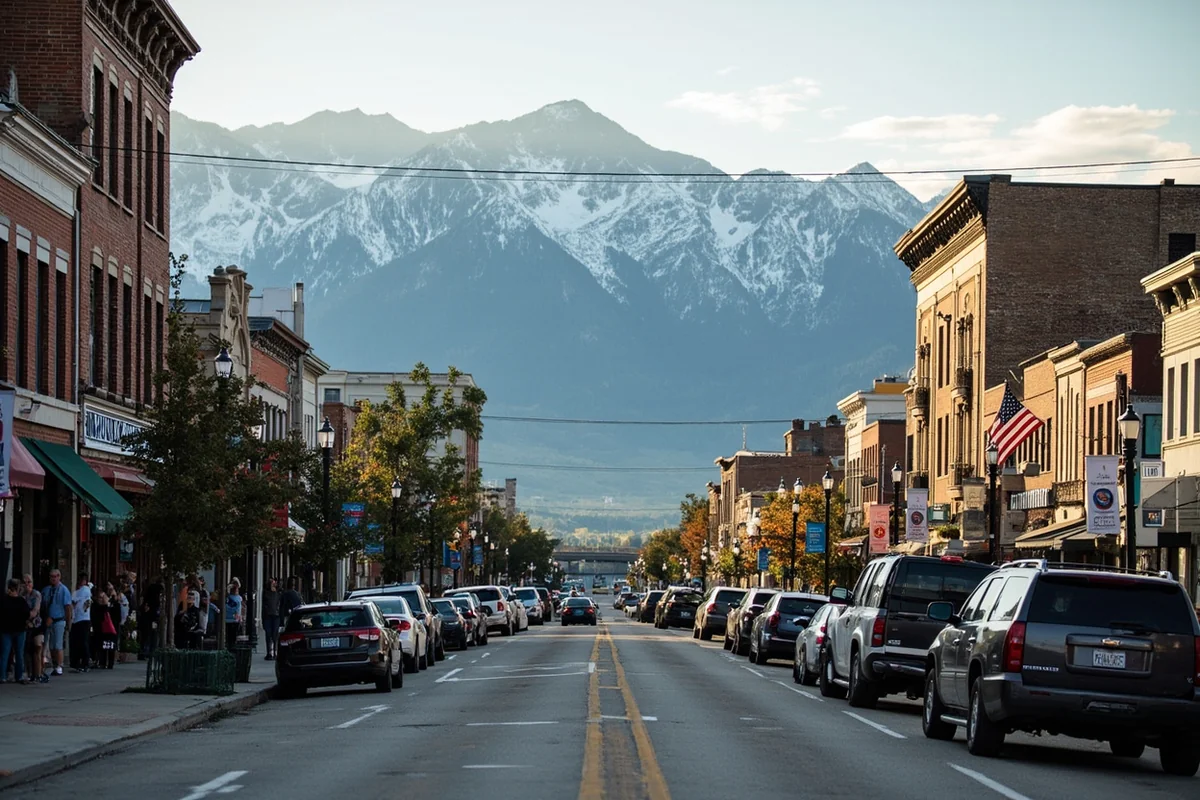
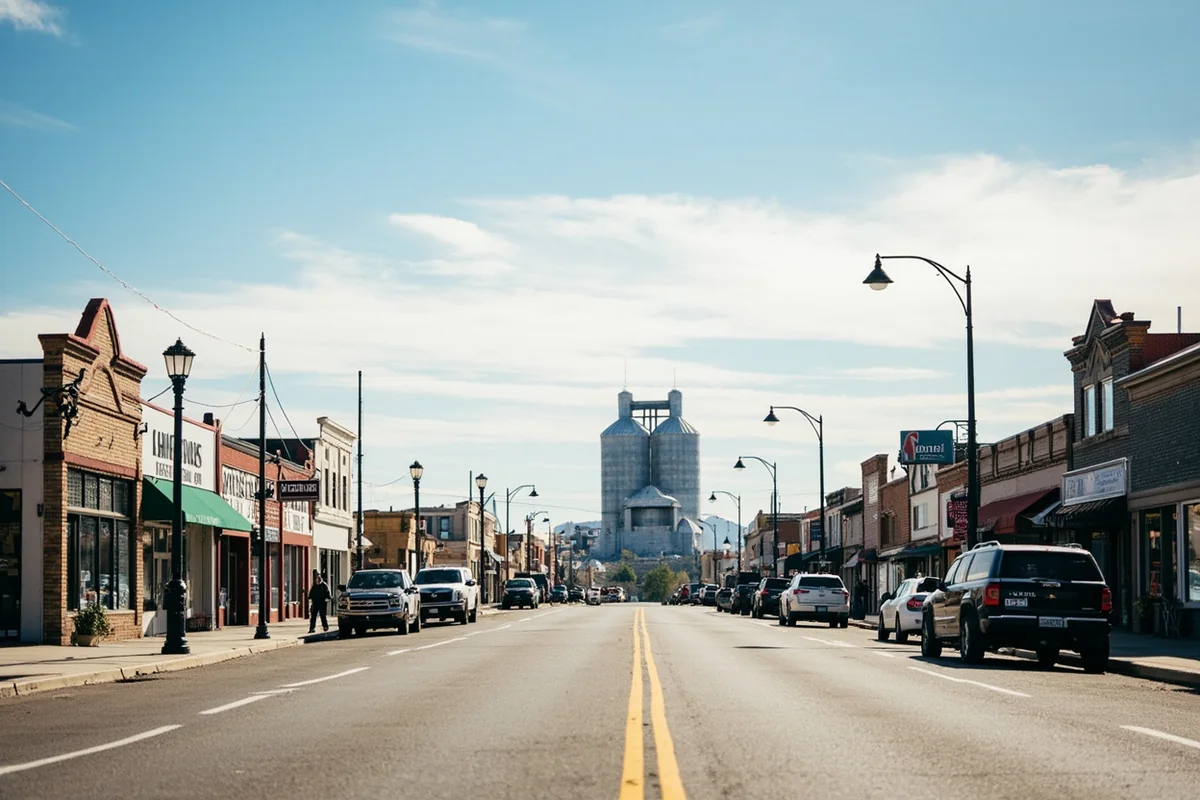
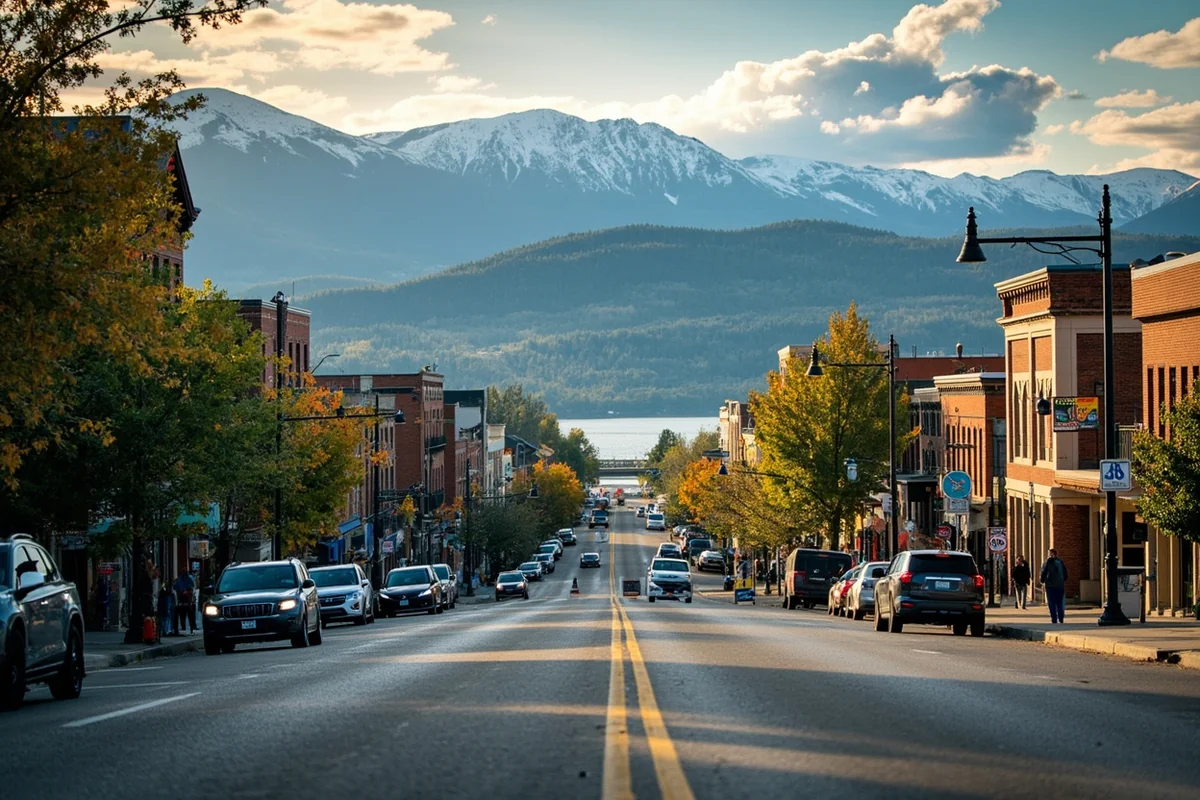
The state’s population centers remain relatively small by national standards. Billings, the largest city, has just over 100,000 residents, while other notable communities like Missoula, Great Falls, and Bozeman maintain their small-city feel even as they grow. This combination of natural splendor and manageable communities creates an appealing balance for many residents.

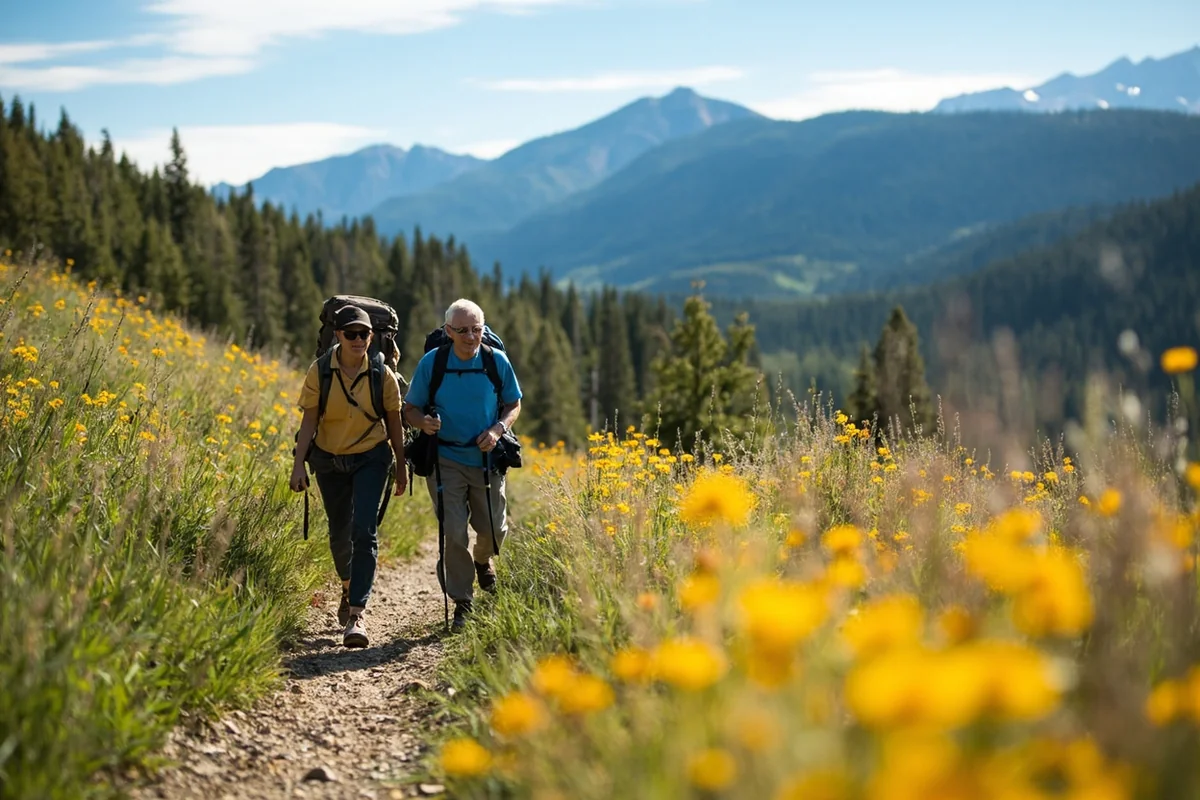
What truly sets Montana apart is its connection to the natural world. Here, outdoor recreation isn’t just a hobby—it’s a way of life. Residents embrace the landscape through activities ranging from fly fishing on blue-ribbon trout streams to hiking alpine trails, skiing world-class mountains, and exploring millions of acres of public lands.

The Montana lifestyle also embodies self-reliance and community spirit. Neighbors know each other by name, help during difficult times, and celebrate together during good ones. This sense of community, combined with a slower pace of life, draws people seeking an alternative to the rush of urban existence.

People consider moving to Montana for various reasons: some seek adventure in the great outdoors, others want to escape crowded cities, while many are drawn by the promise of a simpler life with strong community ties. Remote work opportunities have recently made this lifestyle more accessible to newcomers who can bring their careers with them.

Whether you’re contemplating a move to Montana or simply curious about life under the big sky, understanding both the advantages and challenges of Montana living is essential. The state offers extraordinary beauty and freedom, but also demands resilience and adaptability from those who call it home.

The Pros of Montana Living

Montana offers a unique living experience that captivates residents with its distinctive blend of natural wonders and practical benefits. Known as “Big Sky Country,” this state delivers advantages that extend far beyond its breathtaking landscapes. From economic opportunities to lifestyle perks, Montana presents compelling reasons to call it home. Whether you’re seeking outdoor adventures, financial benefits, or a tight-knit community atmosphere, the Treasure State delivers on multiple fronts. In the following sections, we’ll explore the eleven most significant advantages of Montana living, highlighting why many residents couldn’t imagine calling any other place home. From its majestic mountains to its favorable tax climate, Montana’s appeal continues to attract newcomers while keeping longtime residents firmly rooted in its rich soil.

1. Enjoy Stunning Natural Beauty

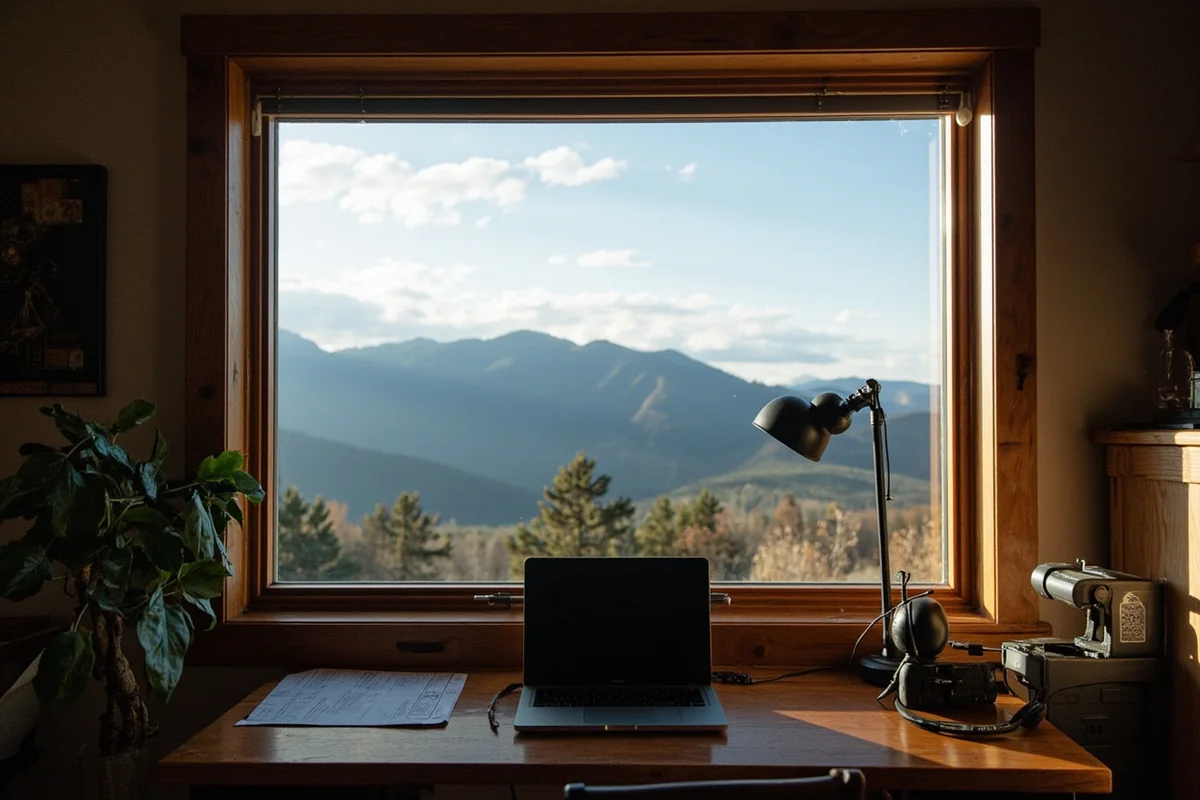
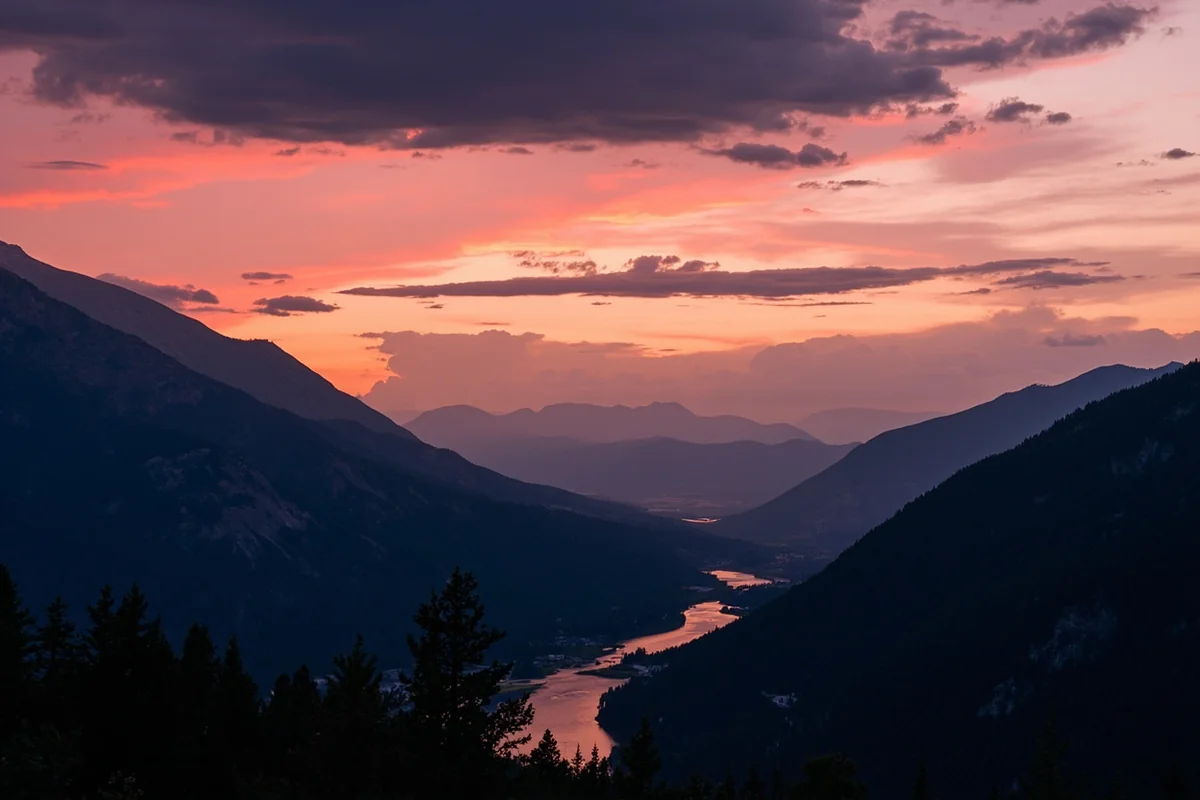
Montana earned its nickname “Big Sky Country” for good reason—the vast, open horizons create an almost surreal panorama where the azure blue sky seems to stretch endlessly in all directions. This visual spectacle is just the beginning of Montana’s natural offerings.

The state boasts some of North America’s most diverse and pristine landscapes. Glacier National Park, often called the “Crown of the Continent,” features over one million acres of towering mountain peaks, crystal-clear alpine lakes, and more than 700 miles of hiking trails. The park’s Going-to-the-Sun Road offers one of America’s most spectacular drives, winding through mountain passes and providing breathtaking vistas at every turn.

In the southern part of the state, Montana shares Yellowstone National Park with Wyoming and Idaho. Here, you’ll witness nature’s raw power through geysers, hot springs, and dramatic canyons. The Yellowstone River carves its way through the landscape, creating the magnificent Grand Canyon of the Yellowstone.

Beyond these national treasures, Montana’s geography includes the rugged Rocky Mountains in the west, transitioning to rolling plains in the east. The state houses part of the Continental Divide, where waters flow either toward the Pacific or Atlantic Oceans. The Bob Marshall Wilderness Complex spans over 1.5 million acres of untouched forest land, offering solitude and pristine natural beauty rarely found elsewhere.

Montana’s landscape is dotted with over 450 lakes and reservoirs, including the massive Flathead Lake—the largest natural freshwater lake west of the Mississippi. Rivers like the Missouri, Yellowstone, and Blackfoot (made famous by Norman Maclean’s “A River Runs Through It”) provide world-class fishing and recreation opportunities.

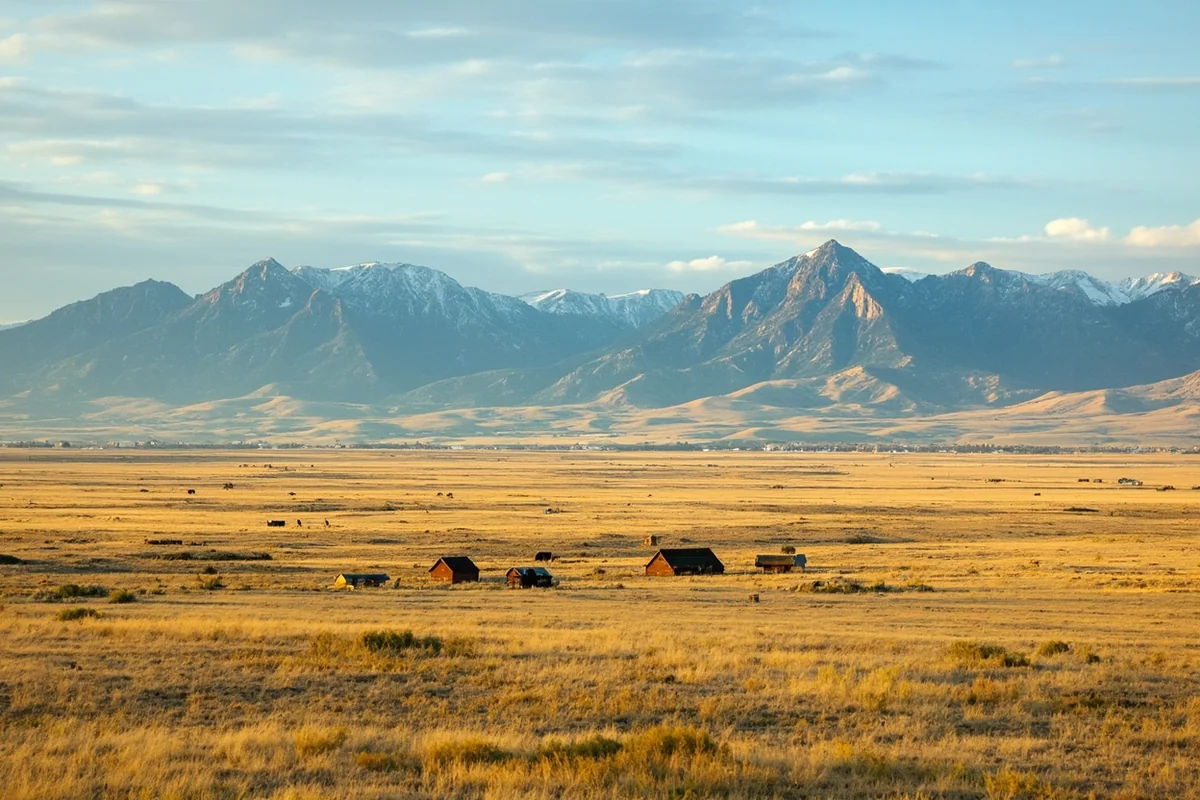
The eastern prairies, though less celebrated than the mountains, hold their own unique beauty—rolling grasslands that turn golden in the summer sun and host diverse wildlife from pronghorn antelope to prairie dogs.

Living in Montana means waking up to this natural splendor every day, with four distinct seasons painting the landscape in ever-changing colors and textures. For nature lovers, photographers, and outdoor enthusiasts, Montana’s natural beauty isn’t just a backdrop—it becomes an integral part of daily life and identity.

2. Experience Year-Round Outdoor Fun

Montana isn’t called “The Last Best Place” for nothing—it’s a four-season playground that never closes. Unlike states where weather extremes limit outdoor activities to certain months, Montana offers an endless rotation of recreational opportunities throughout the year.

In spring, as snow melts from lower elevations, hiking trails begin to open while mountain peaks remain perfect for late-season skiing. Anglers flock to blue-ribbon trout streams like the Madison, Yellowstone, and Bighorn Rivers during the legendary spring hatches. The shoulder season offers a perfect window to explore popular areas without summer crowds.

Summer unleashes Montana’s full recreational potential. Over 3,000 lakes and countless rivers provide exceptional opportunities for kayaking, stand-up paddleboarding, and whitewater rafting. Rock climbers test their skills on formations throughout the state, while mountain bikers tackle world-class single-track trails. Backpackers disappear into the Bob Marshall Wilderness Complex—over 1.5 million acres of pristine wilderness—or explore Glacier National Park’s 700+ miles of trails.

Fall transforms Montana into a hunter’s paradise. The state’s generous hunting seasons and abundant public lands give sportsmen access to elk, deer, antelope, and upland game birds. Fly fishing reaches another peak as brown trout spawn and become more aggressive. Hikers enjoy spectacular foliage displays against crisp blue skies, with fewer crowds on popular trails.

Winter doesn’t slow Montana down—it simply shifts the adventure. World-class ski resorts like Big Sky and Whitefish Mountain offer challenging terrain for downhill enthusiasts, while backcountry skiers find endless powder stashes. Snowmobilers access over 4,000 miles of groomed trails, and ice fishing becomes a popular weekend activity. For a uniquely Montana experience, dog sledding and snowshoeing provide peaceful ways to explore snow-covered landscapes.

What truly sets Montana apart is the accessibility of these activities. Within a short drive from most towns, residents can be fishing a blue-ribbon trout stream, hiking a mountain trail, or accessing thousands of acres of public land. The state’s relatively small population means less competition for these outdoor treasures—weekday adventures often feel like having Montana all to yourself.

3. Bask in Beautiful Summers

Montana summers are nothing short of magical. While the state might be known for its challenging winters, the summer months offer a perfect reprieve that many residents consider worth the wait. From June through September, Montana treats its residents to some of the most pleasant summer conditions you’ll find anywhere in the United States.

The temperature typically hovers between 70°F and 85°F during peak summer months, creating ideal conditions for outdoor activities without the oppressive heat found in southern states. Even better, Montana’s northern latitude blesses it with extraordinarily long daylight hours—particularly in June and July when the sun might not set until after 10 PM in some parts of the state. These extended “golden hours” provide ample time for after-work hikes, evening fishing trips, or simply enjoying dinner on the patio as the sun slowly dips behind the mountains.

One of Montana’s best-kept summer secrets is its low humidity. Unlike the muggy conditions that plague much of the eastern and southern United States during summer, Montana’s dry climate means that even the warmest days remain comfortable. The low humidity also contributes to dramatic temperature drops in the evening, so even after a warm day, you can expect cool, refreshing nights that are perfect for sleeping with the windows open.

Montana’s summer climate also creates ideal conditions for outdoor gatherings. From backyard barbecues to community festivals, the comfortable temperatures and minimal rainfall during summer months make planning outdoor events relatively stress-free. The pleasant conditions also extend the growing season for local farmers, resulting in abundant farmers’ markets filled with fresh produce throughout the summer.

Perhaps most impressively, Montana’s summer weather provides the perfect backdrop for exploring its vast natural landscapes. Whether you’re hiking in Glacier National Park, floating down the Madison River, or camping in the Bitterroot Mountains, the comfortable temperatures and clear skies create optimal conditions for outdoor adventures of all kinds.

4. Enjoy Low Unemployment Rate

Montana boasts one of the healthier job markets in the United States, with unemployment rates consistently below the national average. As of recent data, Montana’s unemployment rate hovers around 2.8%, compared to the national average of 3.7%. This significant difference reflects the state’s resilient economy and diverse employment opportunities.

The stability of Montana’s job market stems from its balanced economic sectors. While traditional industries like agriculture, mining, and forestry remain strong, the state has seen growth in technology, healthcare, and tourism sectors. Bozeman, in particular, has emerged as a tech hub, sometimes called the “Silicon Prairie,” attracting startups and remote workers from larger metropolitan areas.

Employment stability in Montana also benefits from the state’s entrepreneurial spirit. Small businesses thrive here, with Montana ranking among the top states for entrepreneurship per capita. This creates a dynamic job environment where workers often develop versatile skill sets across multiple disciplines.

The state’s low population density compared to job availability creates a favorable environment for job seekers. Many employers report challenges filling positions, giving qualified workers significant leverage in negotiating salaries and benefits. This employer competition has led to improving wages across numerous sectors, particularly in skilled trades and professional services.

Rural areas of Montana also maintain surprisingly strong employment rates. While job diversity may be more limited in smaller communities, the essential nature of agricultural work, resource management, and community services ensures steady employment opportunities even outside urban centers.

5. Montana Welcomes Retirees

Montana has emerged as a premier retirement destination for good reason. The state offers retirees a unique blend of natural beauty, financial advantages, and quality of life that’s hard to match elsewhere.

Tax benefits are a significant draw for those on fixed incomes. Montana doesn’t tax Social Security benefits, and the state offers property tax assistance programs specifically designed for senior citizens. Additionally, there’s no sales tax, which helps stretch retirement dollars further on everyday purchases.

The housing market in Montana features several established retirement communities, particularly in areas like the Flathead Valley, Bozeman, and Missoula. These communities often provide amenities tailored to active seniors, including golf courses, social clubs, and organized activities that foster connection and community.

Healthcare access, a critical concern for retirees, is surprisingly robust in Montana despite its rural nature. Major cities like Billings, Missoula, and Bozeman feature excellent medical facilities with specialized geriatric care. The Billings Clinic, for example, consistently ranks among the nation’s top hospitals. Many smaller communities maintain critical access hospitals ensuring that emergency care is available throughout the state.

Perhaps most valuable is the quality of life Montana offers. The slower pace and connection to nature provide retirees with a stress-free environment that promotes wellness and longevity. The state’s clean air and water, combined with ample opportunities for gentle outdoor recreation like fishing, bird watching, and scenic drives, create an ideal setting for healthy aging.

Many retirees report that Montana’s friendly communities make the transition to retirement life seamless. Local senior centers throughout the state offer programs, meals, and social opportunities specifically designed for older adults. The state’s strong sense of community means neighbors look out for one another—a particularly valuable aspect for aging residents.

For those seeking an active retirement, Montana’s abundance of volunteer opportunities with conservation organizations, historical societies, and community improvement projects provides purpose and connection during the retirement years.

6. Find Affordable Living

Montana offers a refreshing financial landscape for those tired of high-cost living in metropolitan areas. While the state’s overall cost of living sits about 6% below the national average, the affordability varies significantly depending on where you choose to settle.

Cities like Billings and Great Falls provide the best value, with housing costs running 15-20% below national averages. A typical three-bedroom home in these areas might cost between $250,000-300,000, compared to the national median of around $375,000. Even rental markets remain reasonable, with average two-bedroom apartments going for $850-950 monthly in many communities.

Beyond housing, everyday expenses contribute to Montana’s affordability advantage:

  • Utilities: Despite cold winters, utility costs run approximately 5% below national averages in most regions
  • Groceries: While slightly higher in remote areas, most populated regions enjoy grocery costs comparable to national averages
  • Healthcare: Medical expenses run about 8% lower than national benchmarks
  • Transportation: With shorter commutes and less traffic congestion, transportation costs typically run lower than in metropolitan areas

Eastern Montana presents particularly attractive affordability, with communities like Miles City and Glendive offering housing costs nearly 30% below national averages. However, these savings come with trade-offs in terms of amenities and job opportunities.

Western Montana, especially around Bozeman and Missoula, has experienced significant price increases in recent years due to their popularity. These areas now exceed national averages in housing costs, though they still remain more affordable than comparable scenic destinations in Colorado or California.

For budget-conscious residents, Montana’s lack of sales tax provides additional savings on everyday purchases, stretching your dollar further than in neighboring states. This tax advantage, combined with generally lower costs across multiple expense categories, makes Montana an increasingly attractive option for those seeking financial breathing room without sacrificing quality of life.

7. Welcome Pets in a Pet-Friendly Environment

Montana stands out as one of the most pet-friendly states in America, making it an ideal place for animal lovers. The state’s vast open spaces and outdoor-oriented lifestyle create a natural haven for pets of all kinds.

Montana’s pet-friendly policies extend beyond just tolerating animals—they actively welcome them. Many businesses across the state proudly display “Dogs Welcome” signs, and it’s common to see water bowls set out for thirsty canine visitors. Unlike more restrictive urban environments, Montana’s relaxed approach to pet ownership means fewer breed restrictions and more flexible housing options for pet owners.

The abundance of outdoor spaces is perhaps the biggest draw for pet owners. With millions of acres of public lands, pets have room to roam like nowhere else. Many of Montana’s hiking trails, parks, and recreation areas allow leashed pets, giving owners countless options for adventures with their four-legged companions. In winter, many dogs enjoy accompanying their humans on snowshoeing or cross-country skiing excursions.

Pet services in Montana have expanded significantly in recent years. Even in smaller towns, you’ll find veterinarians, pet supply stores, grooming services, and boarding facilities. Many communities have established dog parks where pets can socialize off-leash, and pet-friendly events like “Yappy Hours” at breweries and “Doggie Dips” at public pools at season’s end have become popular traditions.

The pet-owning culture in Montana reflects the state’s overall values of independence and respect for nature. Dogs particularly thrive here, with working dogs still serving important roles on ranches and farms. Many Montanans adopt hardy breeds suited to the outdoor lifestyle and variable climate. The bond between Montanans and their animals runs deep—pets aren’t just accessories but true companions who share in the Montana experience.

For those moving to Montana with pets, this welcoming attitude means less stress about finding accommodations and more opportunities to fully integrate your animals into your lifestyle. Whether you have a herding dog eager for open spaces or an adventure cat ready to explore, Montana offers a quality of life for pets that few other places can match.

8. Embrace the Strong Ranching Culture

Montana’s identity is deeply rooted in its ranching heritage, with vast stretches of open land dotted with cattle, horses, and agricultural operations that have defined the state for generations. This isn’t just a profession in Montana—it’s a way of life that shapes communities across the state.

The ranching culture runs deep, with many operations being multi-generational family businesses that have weathered economic ups and downs for over a century. Drive through Montana’s countryside and you’ll see working ranches that span thousands of acres, where cowboys and cowgirls still work the land using both time-honored traditions and modern agricultural techniques.

This agricultural backbone contributes significantly to Montana’s economy, with cattle ranching being one of the state’s largest industries. The state ranks sixth nationally in beef cattle production, with over 2.5 million head of cattle—more cattle than people! Annual events like county fairs, rodeos, and livestock auctions aren’t just entertainment but vital community gatherings that celebrate and sustain this way of life.

The values that emerge from ranching culture—self-reliance, hard work, neighborliness, and respect for the land—permeate Montana communities even in more urban areas. There’s an unwritten code of conduct that includes helping neighbors during difficult times, respecting property boundaries, and practicing conservation alongside agriculture.

For newcomers to Montana, understanding and respecting this ranching heritage opens doors to authentic community connections. Even if you never set foot on a ranch, you’ll find that ranching influences everything from local politics to social events. Many Montanans take pride in supporting local agriculture through farmers’ markets and farm-to-table restaurants that showcase locally raised beef and other products.

Whether you’re watching a rodeo in Miles City, attending the Montana State Fair in Great Falls, or simply driving past the picturesque hay fields and grazing lands that define Montana’s landscape, the ranching culture provides a connection to the land and a sense of continuity that few other places in America can match.

9. Reap Tax Benefits

Montana offers a tax structure that many residents find appealing, particularly those moving from high-tax states. The Treasure State stands out in the region for its resident-friendly tax policies that can significantly reduce your overall tax burden.

Perhaps the most celebrated aspect of Montana’s tax system is the complete absence of a state sales tax. While neighboring states charge between 4-7% on purchases, Montana residents enjoy tax-free shopping on everything from groceries to large purchases like furniture and electronics. This advantage becomes particularly noticeable for big-ticket items—imagine saving thousands on a new vehicle purchase simply by registering it in Montana.

Property taxes in Montana fall in the middle range nationally, with an average effective property tax rate of approximately 0.84%. While not the lowest in the country, these rates remain competitive, especially compared to states like New Jersey or Illinois. Furthermore, Montana offers property tax assistance programs for seniors, disabled veterans, and low-income homeowners, providing potential reductions for qualifying residents.

Regarding income tax, Montana uses a progressive system with rates ranging from 1% to 6.75% across seven brackets. While not as low as states with no income tax, Montana’s system proves more favorable than high-tax states like California or New York. The state also provides various deductions and credits, including those for education expenses, energy conservation improvements, and adoption costs.

Business owners find additional advantages in Montana’s tax structure, with no inventory tax and relatively low corporate tax rates. Entrepreneurs and small business owners often appreciate these policies that support business growth without excessive taxation.

For retirees, Montana offers particular tax benefits, as the state doesn’t tax Social Security benefits for residents with moderate incomes. Additionally, some pension income may qualify for partial exemption, making Montana an increasingly popular destination for those looking to stretch their retirement dollars further.

10. Discover Good Job Opportunities

Montana’s job market has been steadily expanding in recent years, offering diverse opportunities across several growing sectors. While the state may not host many Fortune 500 companies, its economy provides stable employment with competitive wages in several industries.

Healthcare stands as one of Montana’s fastest-growing sectors, with major medical centers like Billings Clinic, Benefis Health System, and Providence St. Patrick Hospital among the state’s largest employers. These institutions constantly seek medical professionals, administrators, and support staff, often offering salaries comparable to national averages.

The technology sector has seen remarkable growth, particularly in the “Silicon Prairie” areas around Bozeman and Missoula. Companies like Oracle, onX, and ClassPass have established significant operations in Montana, drawn by the high quality of life they can offer employees. Tech workers can often maintain competitive salaries while enjoying Montana’s natural amenities, creating an attractive work-life balance.

Tourism and hospitality continue to be economic pillars, with Yellowstone and Glacier National Parks generating thousands of seasonal and year-round positions. While entry-level tourism jobs typically offer modest wages, management positions at resorts, hotels, and outdoor recreation companies can provide solid middle-class incomes.

Natural resources remain important to Montana’s economy, with sustainable forestry, mining, and energy production offering well-paying jobs, particularly for those without college degrees. The average mining position in Montana pays significantly above the state’s median income.

Montana’s entrepreneurial ecosystem is thriving, with small business development centers, incubators, and a supportive community for startups. The state consistently ranks among the top states for entrepreneurship per capita, reflecting the independent spirit of its residents.

Remote work has dramatically expanded job opportunities for Montanans, allowing professionals to work for companies nationwide while living in Big Sky Country. This trend accelerated during the pandemic and shows no signs of slowing, bringing higher-paying jobs to even the most rural communities.

Salary trends in Montana present a mixed picture. While wages tend to be lower than national averages, the cost of living in many Montana communities (outside the most popular resort areas) offsets this difference. The state’s median household income hovers around $57,000, below the national average but sufficient for a comfortable lifestyle in many Montana towns.

For those considering a move to Montana, researching specific industry opportunities in your target region is essential, as job markets vary significantly between urban centers like Billings and smaller communities.

11. Outstanding Public Higher Education Opportunities

Montana offers an impressive public higher education system that often surprises newcomers with its quality and affordability. The Montana University System consists of 16 public institutions spread across the state, providing accessible education options for residents regardless of where they live.

The flagship universities—University of Montana in Missoula and Montana State University in Bozeman—stand out for their academic excellence and research opportunities. Montana State University is particularly renowned for its engineering, agriculture, and science programs, while the University of Montana excels in forestry, wildlife biology, and journalism. These institutions consistently rank well nationally despite their relatively small size.

What makes Montana’s higher education truly special are the specialized programs that connect directly to the state’s unique environment and economy. Students can pursue degrees in fields like natural resource management, conservation studies, agricultural sciences, and outdoor recreation leadership—all with Montana’s vast landscape serving as their laboratory. Montana Tech in Butte offers outstanding engineering programs, particularly in mining and geological engineering, leveraging the region’s rich mining history.

Perhaps most appealing is the affordability factor. In-state tuition at Montana’s public universities averages significantly lower than comparable institutions in neighboring states like Washington and Colorado. The Montana University System also offers the Montana University System Honor Scholarship, which covers full tuition for top-performing high school graduates who choose to stay in-state for their education.

For families considering a move to Montana, the state’s commitment to higher education represents a genuine advantage. Students can receive a quality education without accumulating the massive debt often associated with college degrees in more expensive states. Additionally, the smaller campus environments foster close relationships with professors and create tight-knit academic communities where students receive personalized attention rarely found at larger institutions.

The Cons of Montana Living

While Montana offers breathtaking landscapes and a relaxed way of life, it’s important to consider the challenges that come with living in the Treasure State. The rugged independence that many residents cherish comes with practical limitations that can impact daily life. From infrastructure challenges to weather extremes, Montana presents unique obstacles that prospective residents should carefully weigh before making the move.

The state’s vast, sparsely populated terrain creates natural barriers to conveniences that many take for granted in more densely populated areas. Services that might be just around the corner in urban environments can require significant travel in Montana. The state’s remote character, while part of its charm, creates practical hurdles that affect everything from shopping to healthcare access.

Additionally, Montana’s climate and geography impose demands that newcomers might not anticipate. The following sections explore these challenges in detail, providing a realistic picture of what to expect when considering Montana as your home. Understanding these potential drawbacks can help you make an informed decision about whether the Big Sky Country lifestyle aligns with your needs and preferences.

1. Face Limited Amenities

Montana’s vast, open spaces come with a trade-off that newcomers often find challenging: limited amenities compared to more urbanized states. While Montana’s major cities like Billings, Missoula, and Bozeman offer basic services, they lack the comprehensive urban conveniences found in larger metropolitan areas.

Shopping options in Montana tend to be practical rather than abundant. Most communities have essential stores like Walmart, Target, or local grocery chains, but specialty shopping requires planning and often travel. Looking for high-end fashion, specialty electronics, or unique home goods? You might need to drive several hours to a larger city or resort to online shopping.

Entertainment venues are similarly restricted. While local theaters, bowling alleys, and community centers exist in most towns, major concerts, professional sports, and diverse cultural events are limited. When popular performers tour, they typically only stop in Billings or Missoula, meaning residents from other areas face long drives to attend shows.

Healthcare presents another consideration. While basic medical care is available in most communities, specialized treatment often requires traveling to regional medical centers. For complex medical procedures or specialized care, residents sometimes need to travel out of state to places like Denver, Salt Lake City, or Seattle.

The distances between services can be substantial. In rural Montana, a simple trip to a hardware store might mean a 45-minute drive each way. Even in more populated areas, residents often plan their errands strategically, combining multiple stops during trips to larger towns to maximize efficiency.

This lifestyle adjustment requires embracing a different pace and priorities. Many Montanans develop self-sufficiency skills, maintain well-stocked homes, and learn to plan ahead. The trade-off for limited amenities is often considered worthwhile for those who value Montana’s natural beauty, open spaces, and relaxed lifestyle over urban conveniences.

2. Deal With Inconsistent Mobile Network Coverage

Montana’s vast, mountainous landscape creates significant challenges for telecommunications infrastructure. While major cities like Billings, Missoula, and Bozeman enjoy relatively reliable service, step just a few miles outside these urban centers and you’ll likely watch your signal strength plummet.

The state’s rugged topography presents natural obstacles for signal transmission, with mountains blocking cellular signals and creating dead zones throughout much of western Montana. Eastern Montana faces different challenges—the sparse population makes it economically unfeasible for carriers to build comprehensive coverage networks across such vast, sparsely inhabited areas.

Most major carriers claim to cover Montana’s population centers, but the reality on the ground tells a different story. Verizon typically offers the most consistent coverage, followed by AT&T, while T-Mobile and smaller carriers struggle significantly in rural areas. Even with the “best” provider, expect regular service interruptions when traveling between towns or venturing into the backcountry.

Internet connectivity follows similar patterns. Urban centers increasingly have access to high-speed fiber connections, but rural residents often rely on satellite internet with higher latency, data caps, and weather-related reliability issues. DSL and cable internet availability drops dramatically outside city limits, leaving many households with limited options.

For those settling in Montana, particularly in rural areas, planning for connectivity challenges is essential:

  • Research coverage maps carefully before selecting a cellular provider, but recognize these maps often overstate actual coverage
  • Consider investing in signal boosters for your home and vehicle
  • Maintain a landline telephone for emergency communication if living in remote areas
  • Explore satellite internet providers like Starlink that are improving rural connectivity
  • When house-hunting, test cellular reception at different times of day at potential properties
  • Build redundancy into your communication systems with multiple options

Many Montana residents develop a healthy relationship with being occasionally unreachable—embracing the disconnection as part of the state’s charm while maintaining necessary safety precautions when venturing into areas with no service. For remote workers, carefully selecting a location with verified connectivity is crucial before making the move.

3. Lack of Public Transportation

Montana’s vast, sprawling landscape creates significant transportation challenges for residents. Unlike metropolitan areas where buses, subways, and ride-sharing services abound, Montana offers minimal public transit infrastructure. Even in larger cities like Billings, Missoula, and Bozeman, public transportation options remain limited, with infrequent schedules and restricted routes that rarely extend to outlying areas.

The absence of comprehensive public transit creates an almost complete dependency on personal vehicles. For newcomers accustomed to car-free living, this represents a major lifestyle adjustment. Daily errands, commuting to work, accessing healthcare, and social activities all require vehicle ownership. This dependency becomes particularly challenging during winter months when road conditions deteriorate.

Intercity travel presents another challenge. Greyhound service has diminished over the years, and Amtrak’s Empire Builder line only serves the northern portion of the state. Regional airports connect larger Montana cities, but smaller communities remain isolated without reliable transportation links. This isolation can be particularly difficult for elderly residents, those with disabilities, or individuals who cannot drive.

The transportation limitations extend beyond mere convenience—they can impact quality of life. Young adults and teenagers have fewer options for independence, while those who cannot drive may experience social isolation. Additionally, the environmental impact of nearly universal car ownership contradicts the state’s otherwise nature-oriented values.

While some communities are working to expand transportation options through local initiatives, Montana’s low population density makes comprehensive public transit economically challenging. For those considering Montana living, budgeting for vehicle expenses—including a reliable all-weather vehicle—is essentially non-negotiable.

4. Require 4×4 Vehicles

Montana’s varied terrain and challenging weather conditions make owning a robust vehicle not just a preference but often a necessity. The state’s rugged landscapes, unpaved rural roads, and significant snowfall create driving conditions that standard city vehicles simply aren’t equipped to handle.

Four-wheel drive or all-wheel drive vehicles become essential tools for daily life, especially during the winter months when snow and ice can make roads treacherous. In remote areas, dirt roads and mountain passes require vehicles with higher clearance and better traction. During heavy snowfalls, which can reach several feet in some areas, having a vehicle that can navigate through deep snow might be the difference between being stranded at home and being able to reach essential services.

The financial implications of vehicle ownership in Montana extend beyond the initial purchase price. Fuel costs can be significant, especially for rural residents who might drive long distances for basic necessities. The state’s average commute might be shorter than the national average, but those living outside population centers often face lengthy drives to reach grocery stores, medical facilities, or work.

Maintenance expenses also tend to run higher in Montana. The combination of extreme temperature fluctuations, gravel roads, and winter salt usage accelerates wear and tear on vehicles. Tires need more frequent replacement due to rough terrain, and undercarriage damage is common on less-maintained roads. Winter driving conditions necessitate snow tires or chains, adding seasonal expenses to the budget.

Insurance costs can vary widely depending on location, but comprehensive coverage becomes more important when considering the potential for weather-related accidents or wildlife collisions. Many Montanans maintain emergency kits in their vehicles year-round, including extra food, water, blankets, and communication devices for unexpected situations on remote roads.

For newcomers to the state, the adjustment to Montana driving conditions can be significant. The investment in an appropriate vehicle should be considered an essential part of relocation planning rather than an optional upgrade. While the necessity for capable transportation adds to the cost of living, most long-term residents view it as a worthwhile investment in safety, reliability, and access to the state’s natural beauty.

5. Encounter Scarce Housing

Montana’s housing market has become increasingly challenging in recent years, especially for newcomers hoping to settle in the Treasure State. The combination of limited inventory, growing popularity, and seasonal pressures has created a perfect storm of housing scarcity across many desirable areas.

In popular destinations like Bozeman, Missoula, and Whitefish, housing inventory has reached historic lows. What might take weeks to find in other states could stretch into months of searching in Montana. This shortage is particularly pronounced in mid-range family homes, creating intense competition when properties do become available.

The seasonal nature of Montana’s economy further complicates the housing picture. Summer months bring an influx of seasonal workers, vacation home buyers, and tourists looking for short-term rentals, dramatically reducing available inventory during peak seasons. Many properties that might otherwise enter the long-term rental market are instead listed as vacation rentals, particularly in tourist hotspots near national parks and ski resorts.

Housing affordability has become a significant concern as prices have surged, especially in the wake of increased remote work migration. Areas that were once affordable for middle-income families have seen dramatic price increases, with median home prices in some communities jumping 20-30% in just a few years. Local wages often haven’t kept pace with these housing costs, creating challenges for long-time residents and newcomers alike.

Rural areas offer more affordable options but come with trade-offs in terms of amenities and access to services. The most budget-friendly housing tends to be located in areas with longer commutes to employment centers, creating additional cost considerations for working families.

For those planning a move to Montana, it’s advisable to begin housing searches well in advance and to work with local real estate professionals who understand the seasonal patterns and can provide insight into upcoming inventory. Being flexible about location and property type can also significantly improve your chances of finding suitable housing in this challenging market.

6. Endure Harsh Winters

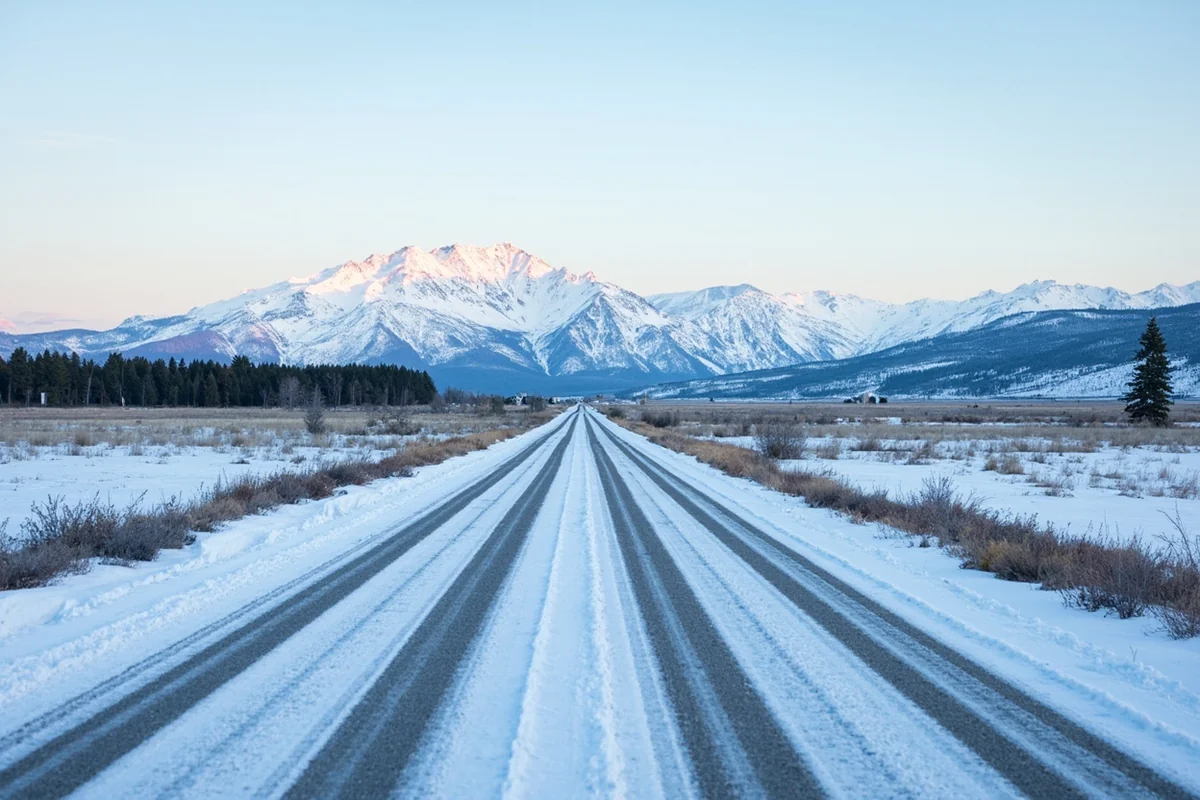
Montana winters aren’t for the faint of heart. When residents joke about having two seasons—”winter and July”—they’re only half-kidding. Winter in Big Sky Country is a serious affair that demands respect and preparation.

Temperatures regularly plummet well below zero, with some areas recording temperatures as low as -50°F during cold snaps. The eastern plains can experience bone-chilling winds that make these already frigid temperatures feel even more extreme. Even in the western valleys, which tend to be milder, winter temperatures hovering around 0°F are common for weeks at a time.

Snow isn’t just an occasional visitor—it’s a constant companion from November through April in many parts of the state. Mountain towns like Whitefish and Red Lodge can see over 100 inches annually, while even cities like Missoula and Bozeman regularly deal with multiple feet of accumulation. This isn’t the light, fluffy snow that melts by afternoon; Montana snow sticks around, building up over months.

Managing daily life requires significant adaptation. Snow removal becomes part of your morning routine, with many residents investing in heavy-duty equipment like snowblowers or plow attachments for vehicles. Shoveling your driveway isn’t just about convenience—it’s often necessary just to leave your home.

Vehicle maintenance takes on new importance, with block heaters, winter tires, and emergency kits becoming essential rather than optional. Many Montanans keep their vehicles plugged in overnight to ensure they’ll start in the morning. Carrying emergency supplies—blankets, food, water, and extra warm clothing—is standard practice for even short drives during winter months.

Home heating costs spike dramatically, with many households budgeting significantly more for winter utilities. Pipes freezing becomes a legitimate concern, and power outages during storms can quickly become dangerous situations rather than mere inconveniences.

Winter safety knowledge becomes essential survival information. Understanding frostbite risks, recognizing hypothermia symptoms, and knowing how to navigate icy roads are skills every Montana resident develops. Schools rarely close for snow, but “cold days” when temperatures make outdoor exposure dangerous do occur.

The isolation factor intensifies during winter months. Rural residents may find themselves truly cut off during heavy storms, sometimes for days at a time. Mental health professionals note increased cases of seasonal affective disorder due to the limited daylight hours and extended periods of indoor confinement.

While the winter landscape offers undeniable beauty and world-class winter sports opportunities, the reality of Montana winters requires serious consideration before making the move. The season’s harshness tests even longtime residents’ resolve and demands respect from everyone who calls Montana home during these challenging months.

7. Limited Food Options

Montana’s vast, rural landscape creates unique challenges when it comes to dining and food shopping options. While the state offers incredible natural beauty, its food scene doesn’t quite match the diversity found in more urban states.

In smaller Montana towns, restaurant variety tends to be limited to a handful of local establishments, often featuring American comfort food, burgers, steaks, and pizza. Ethnic cuisine can be particularly hard to find outside of larger cities like Missoula, Bozeman, and Billings. If you’re accustomed to having Thai food one night, Ethiopian the next, and authentic Mexican after that, the limited restaurant diversity in many Montana communities might feel restrictive.

Grocery shopping presents its own challenges, especially in rural areas. Many small towns have just one primary grocery store with limited selection, particularly when it comes to specialty items, international ingredients, or organic products. Residents often plan monthly trips to larger towns for more extensive shopping options, stocking up on items unavailable locally. Fresh produce selection can be especially limited during winter months when local growing seasons end.

The food supply chain in Montana faces unique obstacles due to the state’s remote location and harsh winter conditions. Delivery trucks can be delayed or entirely prevented from reaching certain areas during heavy snowstorms, leading to occasional shortages of fresh products. This remoteness also means higher prices for many imported food items, as transportation costs get passed on to consumers.

Many Montanans adapt by embracing local food systems—growing gardens during summer months, preserving foods, hunting, and participating in community supported agriculture programs. While these practices create resilience and connection to the land, they also represent necessary adaptations to the limited conventional food options available throughout much of the state.

8. Embrace Remote Living

Montana defines remote living in the truest sense. The state ranks as the third least densely populated in the nation, with just 7.4 people per square mile—compared to the national average of 87.4. This isolation creates a lifestyle that’s both liberating and challenging for residents.

The vast majority of Montana exists far removed from major metropolitan areas. Billings, the state’s largest city, has just over 110,000 residents—a small town by national standards. From most Montana communities, you’ll need to drive several hours to reach cities like Denver, Seattle, or Salt Lake City for major shopping, entertainment, or specialized medical care.

This geographic isolation creates practical challenges. Many residents plan monthly or quarterly trips to larger cities for supplies and services unavailable locally. Weather compounds these travel challenges, with mountain passes often closing during winter storms, cutting off communities for days. Flight options are limited too, with fewer direct flights and higher prices than you’d find in more populated states.

The psychological impact of remote living shouldn’t be underestimated. For those accustomed to the constant stimulation of urban environments, Montana’s quiet vastness can be jarring. The isolation can be particularly difficult during long winter months when daylight is scarce and outdoor activities more limited.

Yet many Montanans find profound value in this remoteness. The distance from urban centers fosters self-reliance, tight-knit communities, and a deeper connection with the natural environment. Residents often develop practical skills—from basic auto repair to food preservation—out of necessity. This remoteness also preserves a way of life increasingly rare in America, where neighbors know each other, communities solve problems together, and the pace of life remains deliberately unhurried.

For those considering Montana living, honestly assessing your comfort with isolation is crucial. The state rewards those who value solitude and self-sufficiency but can challenge those who need constant social stimulation and immediate access to services.

9. Handle Tourist Crowds

Montana’s breathtaking landscapes and iconic national parks draw millions of visitors each year, creating a seasonal ebb and flow that residents must learn to navigate. While tourism brings economic benefits, it also presents distinct challenges for those who call Montana home year-round.

Glacier and Yellowstone National Parks transform dramatically during peak summer months, with once-peaceful areas becoming bustling hubs of activity. From June through August, locals often find themselves sharing their favorite trails, fishing spots, and dining establishments with crowds of eager tourists. Popular destinations like Whitefish, Big Sky, and West Yellowstone can see their populations temporarily double or even triple during these high seasons.

This influx places significant strain on local infrastructure. Traffic congestion becomes a daily reality on scenic byways and in small mountain towns designed for much smaller populations. Parking becomes a premium commodity, and simple errands that might take minutes during the off-season can require strategic planning during tourist season. Many residents develop a sixth sense for alternative routes and timing their activities to avoid the heaviest crowds.

The impact extends beyond mere inconvenience. Housing availability tightens further as vacation rentals and second homes reduce the year-round housing stock. Local services stretch thin, with longer waits at restaurants, crowded grocery stores, and busier medical facilities. Even cell service and internet bandwidth can suffer under the increased demand.

Longtime Montanans often develop seasonal adaptations to maintain their quality of life. Many establish personal “tourist calendars,” knowing precisely when to avoid certain areas or attractions. Some take their own vacations during peak tourist season, exploring less-visited parts of the state or visiting family elsewhere. Others embrace the tourism industry for seasonal employment opportunities that complement other work during quieter months.

Despite these challenges, most residents recognize tourism’s vital economic role and have developed a philosophical approach to the seasonal crowds. As one local saying goes, “We share our backyard with the world for three months so we can have it to ourselves for nine.” This perspective helps maintain the welcoming spirit Montana is known for, even when residents might occasionally yearn for the return of winter’s solitude.

10. Encounter Wildlife

Living in Montana means sharing your space with an impressive array of wildlife. While this offers incredible viewing opportunities, it also presents unique challenges for residents. The state is home to grizzly and black bears, wolves, mountain lions, moose, elk, and numerous other species that regularly interact with human environments.

Wildlife encounters are not just occasional events but a regular part of Montana living. Residents in rural areas and even some suburbs must take precautions that might seem unusual to newcomers. Bear-proof garbage cans are a necessity in many communities, not a luxury. Motion-sensor lights, proper food storage, and regular property maintenance become essential habits rather than optional security measures.

Safety considerations extend beyond your property lines. Hiking trails often require bear spray, and residents quickly learn to make noise while moving through forested areas. Seasonal awareness becomes second nature—knowing when animals are most active, when mothers might be protecting young, or when food scarcity might drive wildlife closer to human settlements.

Property protection takes on new dimensions in Montana. Gardens may need extensive fencing to deter deer and other herbivores. Fruit trees require regular harvesting to avoid attracting bears. Even bird feeders can become problematic during certain seasons, drawing unwanted visitors to your yard.

The relationship between Montanans and wildlife requires adaptation on the human side. Many residents develop coexistence strategies that balance respect for wildlife with practical safety measures. This might mean adjusting outdoor activities during dawn and dusk when predators are most active, planning landscaping that doesn’t attract certain species, or accepting that occasional property damage is simply part of the lifestyle.

While wildlife encounters can be challenging, many Montanans view them as one of the state’s most precious aspects. Learning to live alongside these animals offers profound connections to the natural world that simply aren’t possible in more developed regions. The occasional inconvenience of dealing with a bear in your trash becomes a small price to pay for glimpsing a wolf pack in the distance or watching moose calves grow through the seasons.

If you’re accustomed to living in major metropolitan areas where the latest fashion, technology, and cultural movements arrive instantly, Montana’s pace might feel like stepping back in time. The state experiences a noticeable delay in trend adoption that affects everything from retail options to cultural shifts.

Montana’s geographical isolation creates a natural buffer against the rapid cycle of trends that sweep through places like New York, Los Angeles, or Chicago. When a hot new restaurant concept is taking over coastal cities, Montanans might not see a local version for years—if ever. The same applies to fashion trends, which often arrive in local stores long after they’ve peaked elsewhere.

This delay extends to technology and services as well. New retail chains, streaming services, or delivery apps frequently launch in major markets first, with Montana communities among the last to gain access. When companies roll out new products or services in “select markets,” Montana rarely makes the initial cut.

Entertainment options follow a similar pattern. While blockbuster movies typically release simultaneously nationwide, touring musicians, theater productions, and cultural exhibitions often bypass Montana entirely or include just one stop in Billings or Missoula on their national tours.

For some residents, this slower pace represents a refreshing break from the constant churn of consumer culture. Many Montanans take pride in their more deliberate approach to adopting new things. However, newcomers from more metropolitan areas might find themselves frustrated when unable to access services or products they once took for granted.

The upside? Montana’s selective approach to trends means the state often adopts only those with staying power, skipping over fleeting fads and embracing innovations with genuine value to its communities and lifestyle.

Montana Living: Final Thoughts

Montana offers a unique lifestyle that truly isn’t for everyone. The treasure state presents a compelling blend of natural splendor and practical challenges that require careful consideration before making it your home.

The stunning landscapes—from Glacier National Park to the sweeping plains—provide an unmatched backdrop for daily life that many residents find deeply fulfilling. The outdoor recreational opportunities available year-round create a lifestyle centered around nature that simply can’t be replicated in more urban environments. Add to this the state’s relatively affordable cost of living in many areas, tax advantages, and strong sense of community, and it’s easy to see why Montana continues to attract new residents.

However, the Montana lifestyle comes with significant trade-offs. The harsh winters can be challenging even for longtime residents, while the remote nature of many communities means limited access to amenities, healthcare, entertainment, and diverse dining options. Housing has become increasingly competitive and expensive in desirable areas, and the infrastructure—from roads to internet connectivity—can be frustratingly inadequate.

Your experience in Montana will largely depend on your personal priorities and circumstances. Young professionals might find the job market promising in certain sectors but limited in others. Families should carefully research school districts, as quality varies significantly across the state. Retirees may appreciate the tax benefits and natural beauty but should consider proximity to medical facilities. Remote workers will need to verify internet reliability in their desired location before making the move.

For those considering Montana, a visit during different seasons is essential. Experiencing both a Montana summer and winter firsthand will provide crucial perspective. Consider renting before buying to ensure your chosen community meets your needs. Connect with locals through online forums or community events to gain honest insights about daily life in specific areas.

Montana rewards those who embrace its unique character—who value wide-open spaces over convenience, who appreciate self-reliance, and who find joy in nature’s rhythms. While it may lack some modern conveniences, it offers something increasingly rare: a genuine connection to the land and a pace of life that allows for deeper appreciation of what truly matters.

Frequently Asked Questions

What is the cost of living like in Montana?

Montana offers relatively affordable living in many areas, with overall costs about 6% below the national average. However, housing prices have increased significantly in popular areas like Bozeman and Missoula. Cities like Billings and Great Falls tend to be more budget-friendly. The lack of sales tax helps stretch dollars further, but residents should budget for higher utility costs during harsh winters and potentially increased transportation expenses due to long distances between amenities.

How severe are Montana winters?

Montana winters are notoriously harsh, with temperatures regularly dropping below zero and heavy snowfall common from November through April. Some areas can see over 100 inches of snow annually. Residents need to be prepared with proper vehicles, home heating systems, and winter survival skills. While challenging, many Montanans embrace winter for its beauty and outdoor recreation opportunities.

What job opportunities are available in Montana?

Montana’s job market is diverse, with strong sectors in healthcare, technology, tourism, and natural resources. The state has a low unemployment rate, often below the national average. Growing tech hubs in Bozeman and Missoula offer opportunities in the “Silicon Prairie.” However, job seekers should research specific industries and locations, as opportunities can vary significantly across the state.

Is Montana a good place for retirees?

Montana can be an attractive option for retirees, offering tax benefits (no tax on Social Security for moderate incomes), natural beauty, and a relaxed lifestyle. The state welcomes retirees with established retirement communities and property tax assistance programs for seniors. However, retirees should carefully consider healthcare access, as specialized care may require travel to larger cities or out of state.

How does wildlife impact daily life in Montana?

Wildlife encounters are a regular part of Montana living, requiring residents to take precautions like using bear-proof garbage cans, carrying bear spray while hiking, and properly storing food. While these adaptations can be challenging, many residents view wildlife interactions as a unique and valuable aspect of Montana life.

What is the housing market like in Montana?

Montana’s housing market has become increasingly competitive, especially in desirable areas near natural attractions or in growing cities. Limited inventory and rising prices have created challenges for both newcomers and long-time residents. Rural areas offer more affordable options but may have limited amenities. Prospective residents should research specific local markets and consider renting before buying to ensure their chosen community meets their needs.

How does Montana’s remote nature affect daily life?

Montana’s remoteness impacts many aspects of daily life. Residents often need to plan ahead for shopping, healthcare, and entertainment, sometimes driving long distances for services. Internet and cell phone coverage can be inconsistent, especially in rural areas. While this isolation can be challenging, many Montanans appreciate the self-reliance, tight-knit communities, and connection to nature that come with remote living.

Sources

Sarah Bennett

My writing is rooted in long-term experience living in Montana, covering its cities through the lens of everyday life and local highlights. I aim to provide a balanced perspective that is supported by research and facts, helping readers understand the true character of these communities without hype or exaggeration

Leave a Reply