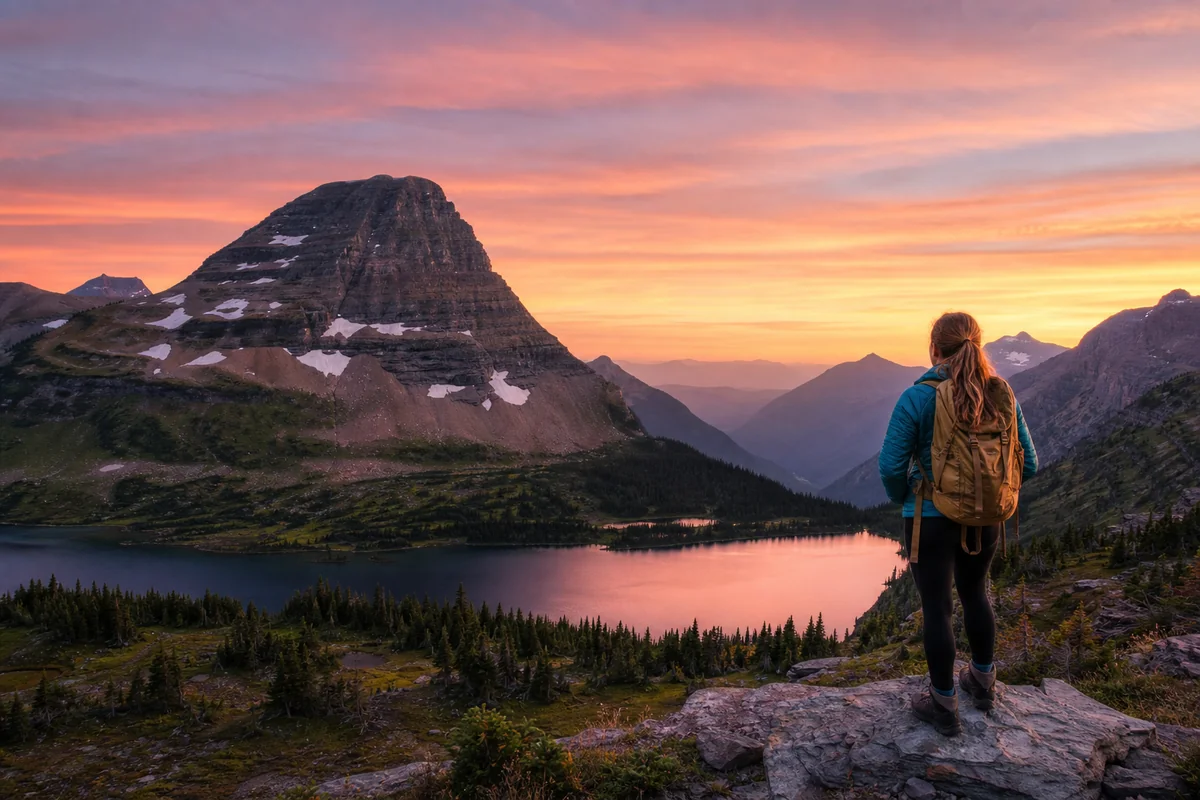
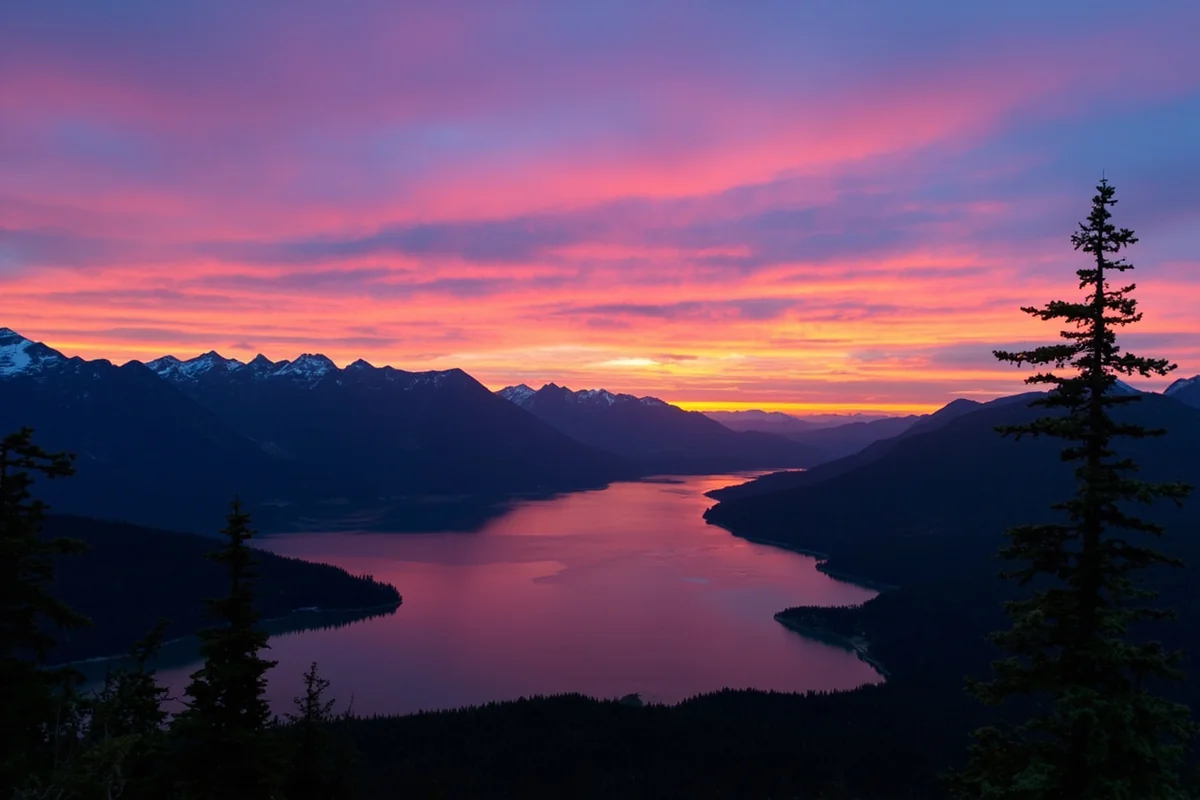
Standing at the edge of Glacier National Park’s Hidden Lake Overlook last August, I watched the sunset paint the sky in shades I’d never seen anywhere else—peach melting into lavender, stretched across a canvas so impossibly vast that I finally understood why Montana earned its nickname.
That single moment crystallized everything I’d been feeling during my three weeks exploring this extraordinary state, and it’s why I keep returning year after year.
If you’re curious about Montana Living and wondering what makes this state so magnetic for visitors and transplants alike, you’re about to discover why Big Sky Country isn’t just a clever marketing slogan—it’s a profound lived experience that changes how you see the world.
- Montana offers genuinely uncrowded wilderness experiences even during peak season with proper planning
- The state’s community culture emphasizes authenticity and connection over pretense
- Wildlife viewing opportunities rival any African safari—I’ve seen grizzlies, wolves, and moose in a single day
- Four distinct seasons each offer unique adventures, from winter skiing to summer fly fishing
- Small-town hospitality makes solo travelers feel welcome and families feel safe
- The cost of visiting varies dramatically by region and season—strategic timing saves hundreds
- Dark sky preserves offer some of North America’s best stargazing
Liked this article?
Add Roaming Montana as a preferred source so you see more of our articles and guides on Google.
The Sky Really Is Different Here
I’ve traveled extensively throughout the American West, and I’ll be honest—I used to think “Big Sky Country” was tourist board hyperbole. Then I spent my first full day driving Highway 2 across the Hi-Line, watching the horizon stretch endlessly in every direction, and I became a believer.
What makes Montana’s sky feel so expansive isn’t just the lack of tall buildings or trees in certain regions. It’s the combination of high elevation, low humidity, and minimal light pollution that creates visibility you simply can’t experience in more developed areas.
During my recent trip last summer, I drove from Browning to Glasgow—a roughly five-hour journey across the northern plains. For nearly three hours, I didn’t see another vehicle. The sky dominated everything, making me feel simultaneously insignificant and incredibly alive.
Understanding the Geographic Diversity
Here’s something that surprised me on my first Montana road trip: the state contains radically different landscapes within just a few hours’ drive. This isn’t one-note terrain.
Western Montana features the dramatic Rocky Mountains, dense evergreen forests, and glacially carved valleys. I spent four days based in Whitefish last October, hiking through terrain that reminded me of the Swiss Alps.
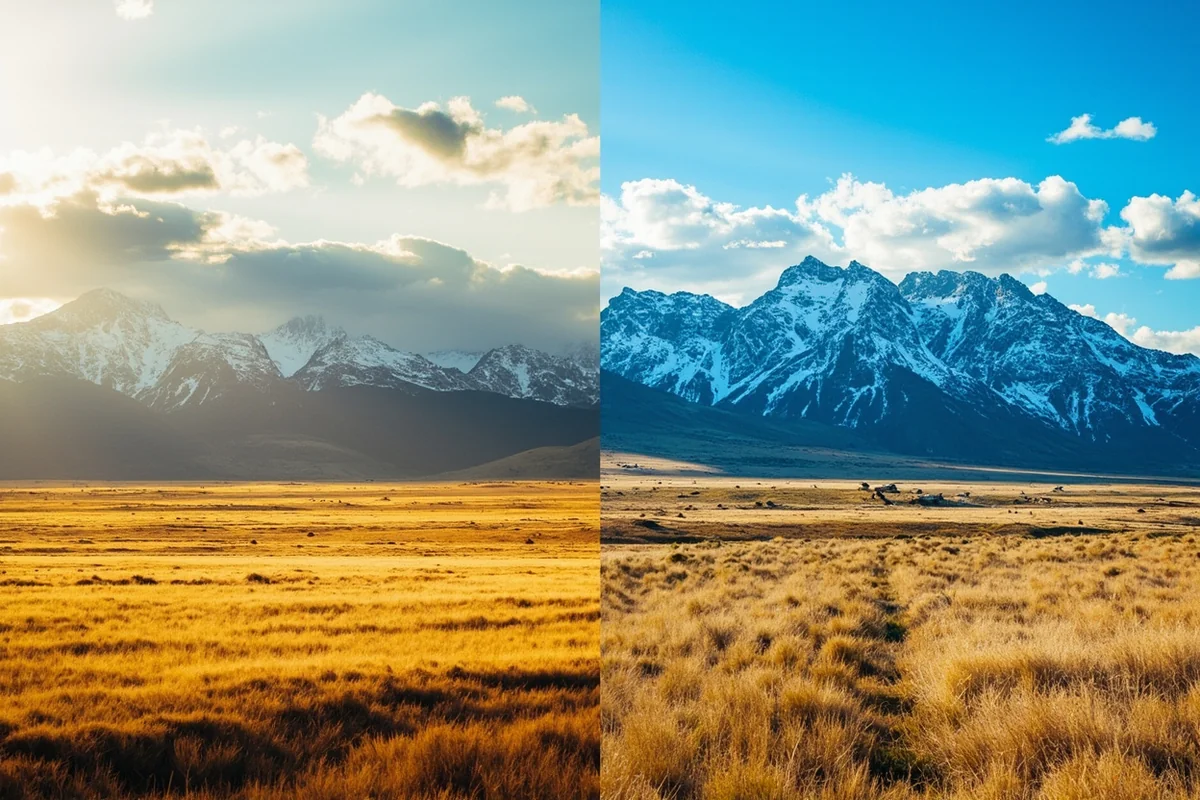
Eastern Montana transforms into rolling prairies, badlands, and the Missouri River Breaks. When I visited the Charles M. Russell National Wildlife Refuge during a September trip, the golden grasslands stretched to the horizon with barely a tree in sight.
This diversity means you can experience multiple distinct ecosystems without leaving the state. I recommend planning at least two weeks if you want to truly appreciate Montana’s range—anything less feels rushed.
Wildlife Encounters That Rival African Safaris
I’m not exaggerating when I say Montana offers wildlife viewing experiences on par with destinations that charge thousands of dollars for guided safaris. The difference? Here, you’re often the only observer.
Last June, I spent a week in the Lamar Valley—often called America’s Serengeti—and witnessed scenes that still give me chills. On my third morning, positioned at a pullout near Slough Creek, I watched a wolf pack take down an elk less than 300 yards away. Two other vehicles were present. That’s it.
Where and When To See Specific Animals
| Animal | Best Location | Best Time | My Experience |
|---|---|---|---|
| Grizzly Bears | Glacier NP, Yellowstone | May-June, September | Saw 7 in one day at Many Glacier |
| Wolves | Lamar Valley, Paradise Valley | Dawn/dusk year-round | Junction Butte pack sighting lasted 40 minutes |
| Moose | Glacier NP, Big Hole Valley | Early morning, late evening | Cow and calf near Swiftcurrent Lake |
| Bison | Yellowstone, National Bison Range | Year-round | Thousands visible along Lamar Valley road |
| Mountain Goats | Logan Pass, Beartooth Highway | July-August | Goats approached within 20 feet at Logan Pass |
One practical tip I learned the hard way: bring serious binoculars and a spotting scope if you’re serious about wildlife photography. The animals are often farther away than phone cameras can capture effectively. I upgraded to a 600mm lens after my first Montana trip, and it transformed my wildlife documentation.
Small Town Hospitality That Feels Genuine
After spending time in Montana’s smaller communities, I’ve become somewhat spoiled when traveling elsewhere. The hospitality here isn’t performative—it’s woven into daily life.
During my visit to Choteau last spring, I stopped at a small café for breakfast. Within fifteen minutes, the owner had recommended three hiking trails I’d never heard of, the table next to me had offered to show me their favorite fishing spot, and someone had drawn me a hand-sketched map to a dinosaur fossil site on their family’s property.
This kind of interaction happens constantly. It’s not because locals are trying to sell you something or expect anything in return. They’re genuinely proud of their home and want visitors to experience it properly.
Communities Worth Extended Visits
I’ve found that spending at least two nights in Montana’s smaller towns reveals dimensions you’ll miss as a drive-through visitor. Some communities that particularly impressed me:
Livingston surprised me with its thriving arts scene. Last summer, I attended a gallery walk on a Friday evening and met painters, sculptors, and writers who’d relocated from major cities. The combination of creative energy and mountain town atmosphere felt genuinely unique.
Red Lodge serves as the gateway to the Beartooth Highway, but the town itself deserves exploration. I spent a rainy afternoon browsing its bookstores and antique shops, then discovered a barbecue joint that rivaled anything I’ve eaten in Texas.
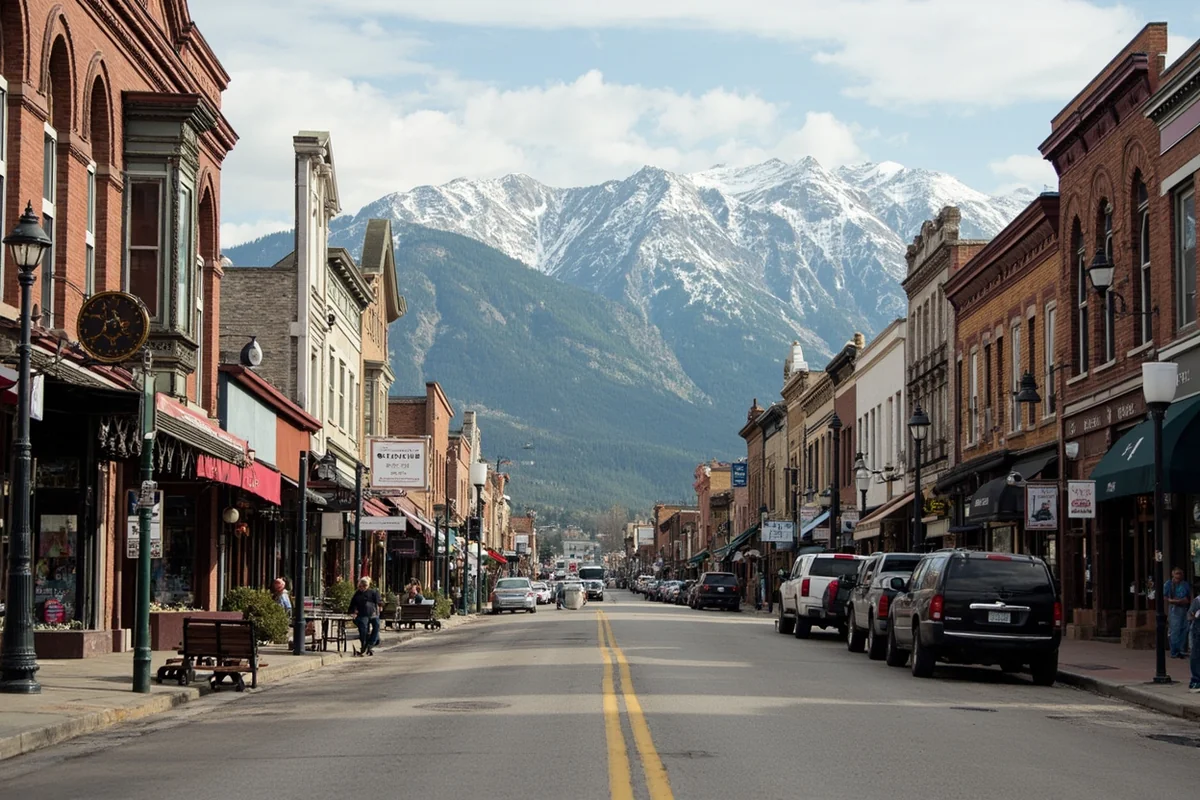
Philipsburg charmed me with its perfectly preserved historic main street and surprisingly sophisticated dining options. The sweet shop there makes candy using original Victorian-era recipes—I bought more than I’d care to admit.
Lewistown, situated almost exactly at Montana’s geographic center, offered a glimpse into agricultural community life. I attended a livestock auction during my visit—not as a buyer, just an observer—and found the experience fascinating.
If you’re considering whether Montana might eventually become home, exploring the best places to live in Montana provides deeper context for what each community offers long-term residents.
Outdoor Adventures For Every Skill Level
Montana’s reputation as an adventure destination is well-earned, but I want to emphasize something important: you don’t need to be an elite athlete or experienced outdoors person to enjoy incredible experiences here.
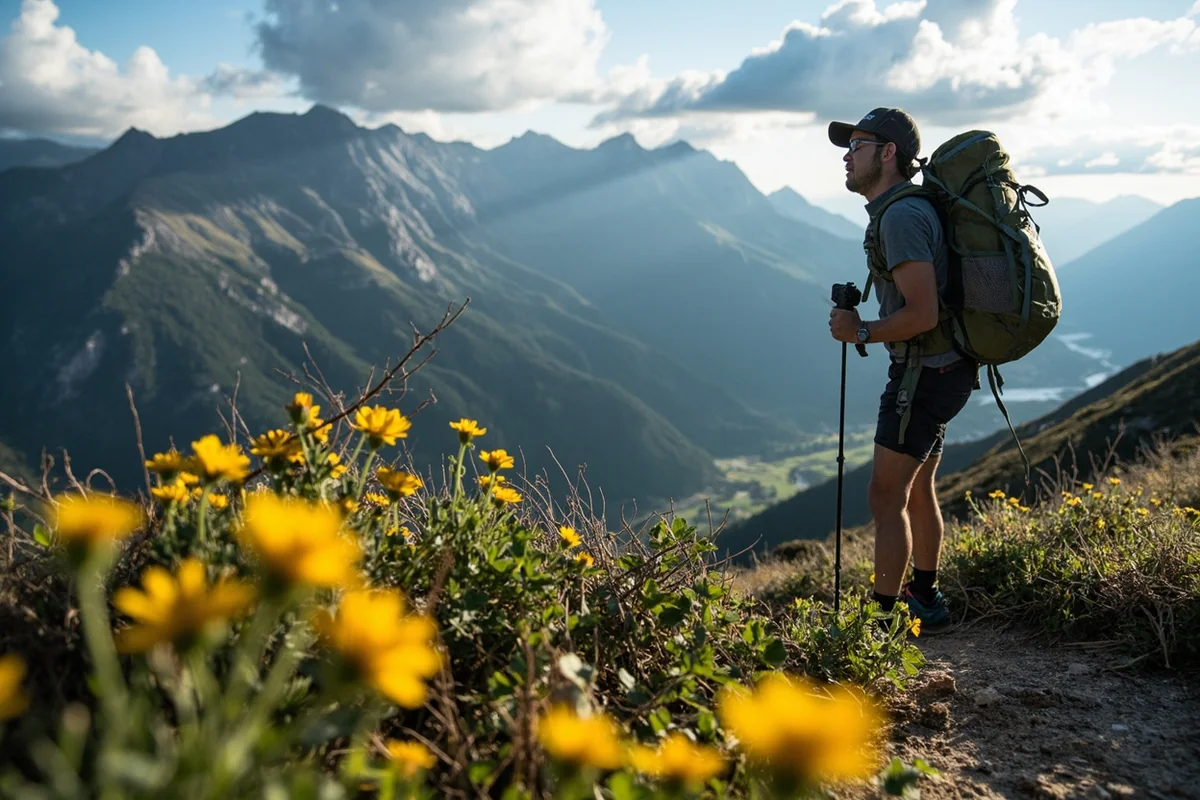
During my visits, I’ve shared trails with families pushing strollers, retirees enjoying leisurely walks, and experienced mountaineers preparing for technical climbs. The state accommodates everyone.
Hiking Options I’ve Personally Tested
Beginner-Friendly:
The Trail of the Cedars in Glacier National Park remains one of my favorite recommendations for first-time Montana visitors. The boardwalk loop through ancient cedars and hemlocks takes about 30 minutes and requires zero fitness. I took my 75-year-old father here, and he still talks about it.
Running Eagle Falls (also called Trick Falls) near Two Medicine offers another accessible option. The one-mile round trip ends at a waterfall that appears to emerge from solid rock during high water—a genuine optical illusion created by geology.
Moderate Challenges:
Avalanche Lake Trail, also in Glacier, rewards moderate effort with stunning payoff. The 4.5-mile round trip gains about 500 feet of elevation through gorgeous forest before revealing a turquoise lake surrounded by waterfalls. I’ve hiked it three times and notice something new each visit.
Grinnell Glacier Trail challenges you more significantly at 11 miles round trip, but the views of one of America’s remaining glaciers justify every step. When I completed this hike last July, the wildflowers were so prolific I stopped to photograph them dozens of times.
Serious Expeditions:
The Highline Trail from Logan Pass tests your stamina over 11.8 miles of exposed alpine terrain. I completed this route last August, starting at 6:30 AM to avoid afternoon thunderstorms. The continuous mountain views rank among the most spectacular I’ve ever experienced.
For backpackers seeking multi-day adventures, the Bob Marshall Wilderness offers true backcountry isolation. I spent five days there two summers ago and didn’t encounter another person after the first morning.
Fly Fishing That Lives Up To The Hype
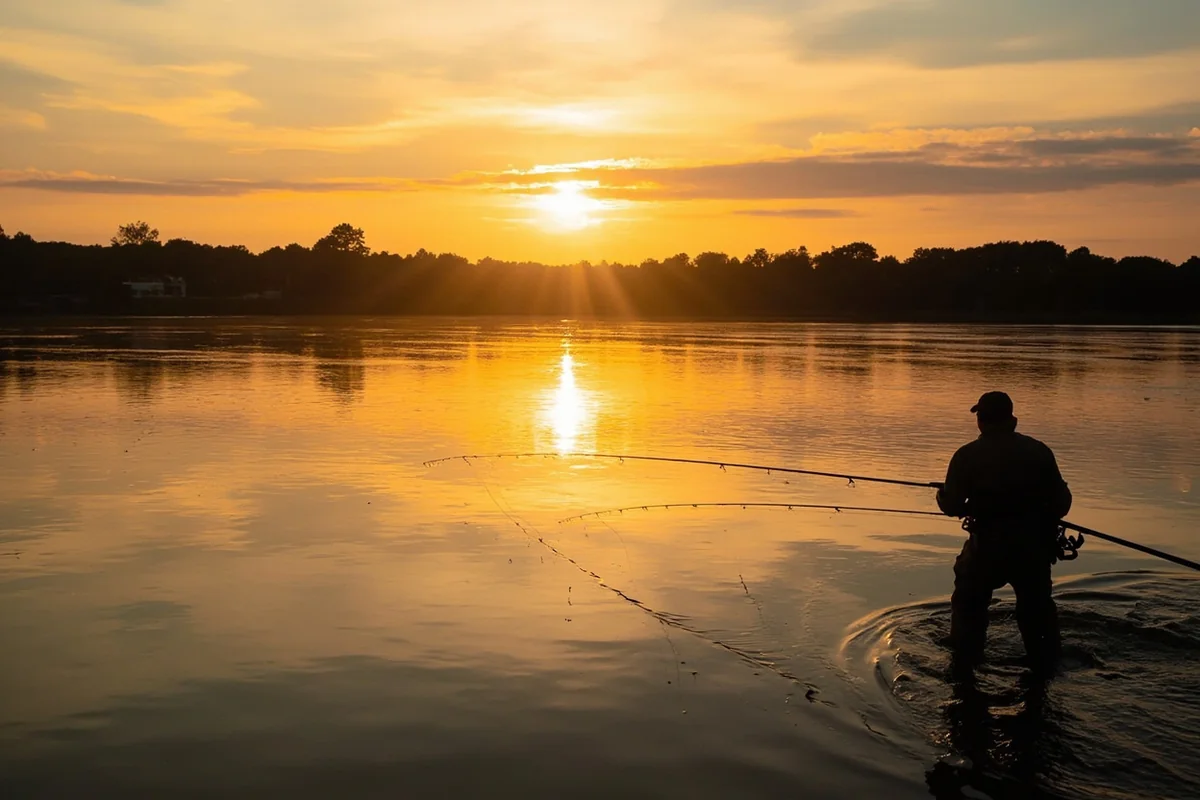
Before my first Montana trip, I’d never fly fished. A friend convinced me to book a guided day on the Madison River, promising it would be transformative. He wasn’t wrong.
That initial experience near Ennis hooked me (pun intended) on a pursuit I’d previously dismissed as elitist. My guide, a third-generation Montana native, taught me not just technique but river ecology, insect hatching patterns, and the Zen-like patience required for success.
I’ve since returned specifically for fishing trips, exploring different waters each visit. The Bighorn River near Fort Smith provided my best day ever—over 30 fish brought to net, including several brown trout exceeding 18 inches.
Rivers I Recommend For Different Experience Levels
Complete beginners should consider the Missouri River below Holter Dam. The consistent flows and abundant fish populations make success more likely while you’re still learning. I suggest booking a guide for your first outing—the investment accelerates learning dramatically.
Intermediate anglers often find the Yellowstone River near Livingston ideally challenging. The varied water types—riffles, pools, runs—require adapting techniques throughout the day.
Experienced fly fishers seeking solitude should explore the Smith River. Access requires winning a competitive permit lottery, but the multi-day float through limestone canyons delivers wilderness fishing few places can match.
One honest observation: Montana’s famous rivers get crowded during peak season (July-August). If possible, visit in September or early October. The fall colors add visual beauty, the crowds diminish dramatically, and the fishing often improves as water temperatures cool.
Winter Transforms Everything
Many visitors only consider Montana for summer trips, which means they’re missing half the experience. I deliberately planned a February trip two years ago to understand winter here, and it fundamentally changed my perception of the state.
Yes, temperatures drop significantly—I experienced -20°F one morning in West Yellowstone. But the winter landscape possesses a stark, crystalline beauty that summer visitors never witness.
Yellowstone in winter became one of my most memorable travel experiences ever. With road access limited to snowcoaches and snowmobiles, the crowds that define summer visits simply don’t exist. I watched wolves hunt bison through deep snow without another tourist in sight.
Winter Activities Worth The Cold
Downhill skiing at Big Sky Resort surprised me with its quality. The terrain variety exceeds most Colorado resorts I’ve visited, and the lift lines remain remarkably short even during holiday periods. Whitefish Mountain Resort offers a more relaxed, locals-oriented atmosphere at lower prices.
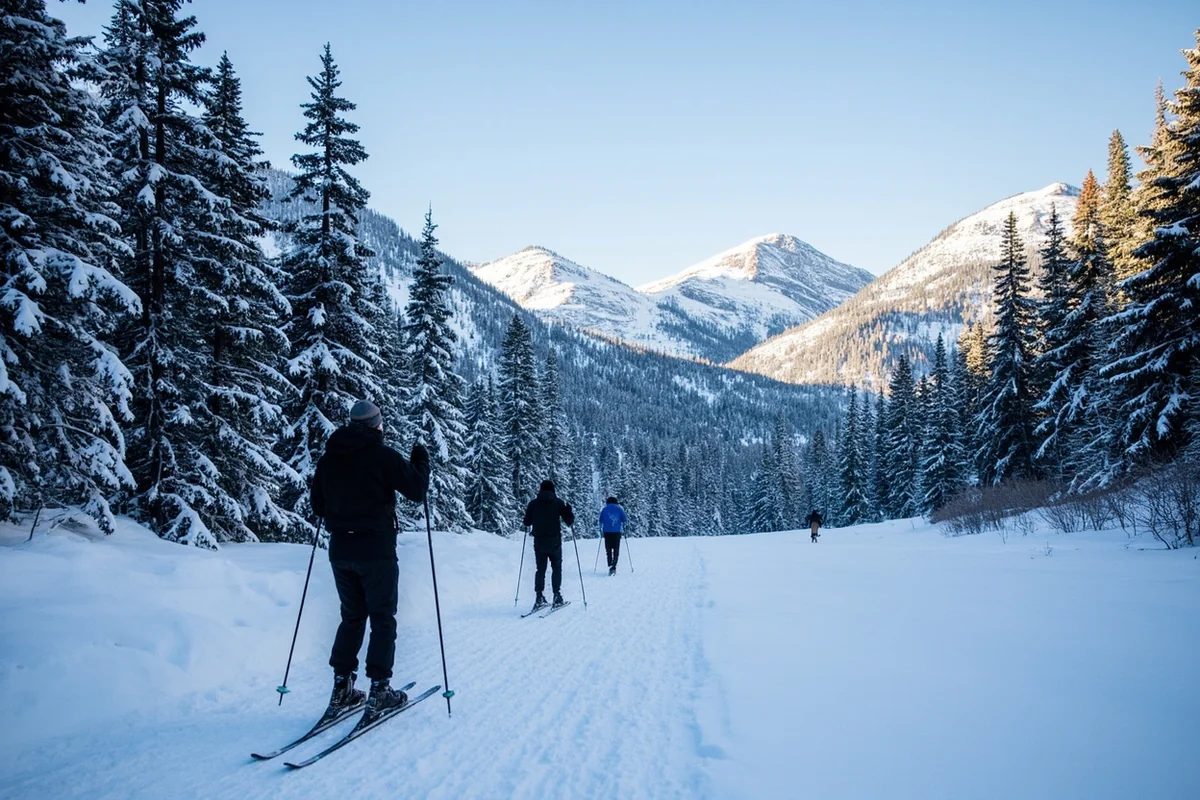
Cross-country skiing trails throughout the state provide peaceful forest experiences. I particularly enjoyed the groomed trails near Lone Mountain Ranch and the backcountry options accessible from Many Glacier.
Snowmobiling in the West Yellowstone area offers access to hundreds of miles of groomed trails. Even as someone who’d never operated a snowmobile, I found guided tours provided sufficient instruction to enjoy the experience safely.
Ice fishing on Montana’s frozen lakes introduces a completely different angling dimension. I tried this for the first time on Georgetown Lake and caught my first burbot—an experience I never would have sought without winter travel.
If you’re wondering whether Montana places with the most snow receive enough accumulation for reliable winter activities, the answer is definitively yes. Some areas average over 300 inches annually.
The Night Sky Will Humble You
I grew up in a suburban area where seeing a dozen stars on a clear night felt normal. My first Montana night, camping in the Missouri Breaks, I stepped outside my tent and literally gasped.
The Milky Way wasn’t a faint smudge—it was a brilliant river of light stretching from horizon to horizon. I saw shooting stars without trying to spot them. The sheer number of visible stars made familiar constellations difficult to identify because they were lost among thousands of neighbors.
Montana contains multiple International Dark Sky certified locations, including Glacier National Park and Medicine Rocks State Park. But honestly, even non-certified rural areas offer remarkable stargazing simply due to the low population density.
Best Stargazing Locations I’ve Visited
Medicine Rocks State Park near Ekalaka combines dark skies with otherworldly sandstone formations. I spent a new moon weekend here last September, photographing the Milky Way arching over mushroom-shaped hoodoos. The nearest significant town is hours away, creating darkness so complete my eyes took 30 minutes to fully adapt.
Makoshika State Park near Glendive offers similarly dark conditions among badlands terrain. The park’s dinosaur fossil heritage adds daytime interest, but nights reveal the true magic.
Big Hole Valley in southwestern Montana provides mountain-ringed darkness that feels almost theatrical. I’ve watched meteor showers here that produced visible streaks every few seconds during peak activity.
Practical tip: Download a stargazing app before visiting. I use SkySafari, which identifies celestial objects when you point your phone skyward. Learning what you’re seeing dramatically enhances the experience.
Food Culture That Surprised Me
I’ll admit my expectations for Montana cuisine were low before my first visit. I anticipated steakhouses, basic diners, and little else. I was spectacularly wrong.
While excellent beef certainly features prominently—Montana ranches produce some of America’s finest cattle—the food scene has evolved far beyond stereotypes.
Dining Experiences That Exceeded Expectations
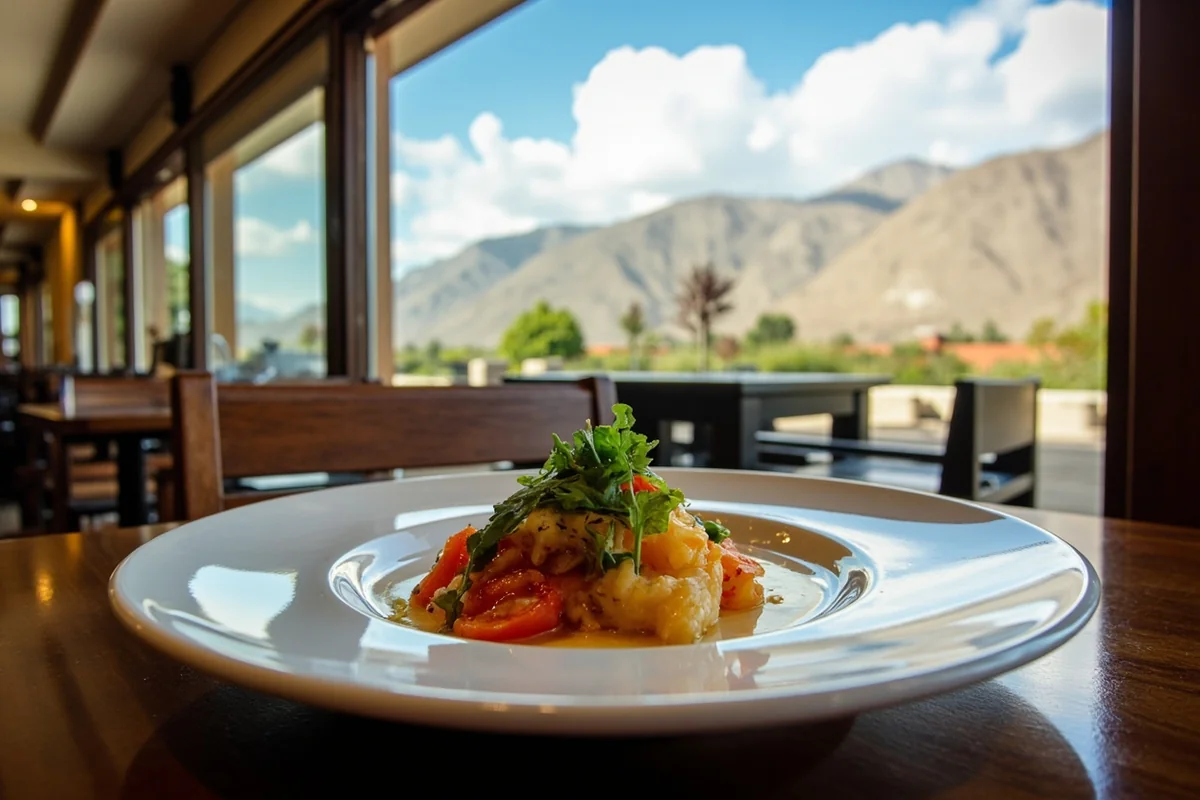
Café Kandahar at Whitefish Mountain Resort delivered one of my most memorable meals anywhere in the country. The tasting menu showcased local ingredients through sophisticated techniques, and the wine pairings demonstrated real expertise. I’ve dined at Michelin-starred restaurants in major cities that didn’t impress me as much.
Pine Creek Lodge near Livingston combines rustic atmosphere with surprisingly refined cooking. I ate there twice during a week-long stay, ordering different items each time, and everything succeeded.
Bozeman’s downtown restaurant scene offers remarkable diversity. During a four-day visit last October, I enjoyed exceptional Thai food, creative new American cuisine, and a farm-to-table breakfast that featured eggs from chickens I could see from my table.
Missoula’s food trucks provided some of my most enjoyable casual meals. The cluster near the river on summer evenings creates a festive atmosphere where locals and visitors mingle easily.
Even in smaller towns, I’ve consistently found at least one dining option that exceeded expectations. The trick involves asking locals rather than relying on online reviews, which often lag behind actual quality in less-populated areas.
Speaking of local customs, travelers sometimes ask about Montana grocery stores and liquor sales—it’s a quirky state regulation that catches some visitors off guard.
Hot Springs Scattered Across The State
Montana’s geothermal activity extends beyond Yellowstone, creating natural hot springs throughout the western portion of the state. I’ve made visiting these pools a personal mission across multiple trips.
Chico Hot Springs near Pray offers the most developed experience, with a historic resort and multiple pools at different temperatures. I spent a snowy December evening floating in the main pool, watching stars appear as steam rose around me.
Jerry Johnson Hot Springs requires a short hike into the Clearwater National Forest (technically in Idaho, but accessed from Montana). The primitive, clothing-optional pools appeal to visitors seeking a more natural experience.
Norris Hot Springs near Ennis combines soaking with live acoustic music on summer weekends. The small pool accommodates maybe 20 people, creating an intimate atmosphere where strangers become friends.
Elkhorn Hot Springs in the Pioneer Mountains provides genuine backcountry character. The rustic facilities and remote location filter for visitors seeking authenticity over amenities.
Native American Culture And History
Seven tribal nations call Montana home, and their presence shapes the state’s cultural landscape in ways that deserve respectful attention.
During my visits, I’ve prioritized learning about indigenous perspectives through appropriate channels—tribal museums, cultural centers, and tours operated by Native-owned businesses.
The Museum of the Plains Indian in Browning provided essential context for understanding Blackfeet history and contemporary life. I spent half a day there and wished I’d allocated more time.
At the Little Bighorn Battlefield National Monument, I initially focused on the famous military history before realizing the Crow and Northern Cheyenne perspectives offered far richer narratives. The Indian Memorial there honors the tribes who fought to preserve their way of life.
I encourage visitors to approach these experiences with humility and genuine curiosity rather than preconceived notions from Hollywood depictions. The real histories are more complex, more tragic, and more inspiring than any movie version.
For those interested in Montana’s diverse communities more broadly, exploring Montana’s African American community reveals another dimension of the state’s social fabric that many visitors overlook.
The Cost Varies More Than You’d Expect
Montana’s reputation as an expensive destination deserves nuance. Yes, certain areas during peak season command premium prices. But strategic planning creates affordable alternatives.
Where And When Prices Spike
Whitefish during ski season charges resort-town rates for lodging. A basic hotel room exceeds $200 nightly, and upscale options approach $500.
Big Sky near Yellowstone’s west entrance becomes extraordinarily expensive during summer. I saw rooms listed at $400+ for basic accommodations during my July research.
Bozeman has experienced significant price increases as its population has grown. What locals describe as normal dining or shopping costs often surprises visitors from lower-cost regions.
Strategies That Saved Me Significant Money
Shoulder seasons (May-early June, September-October) offer dramatically lower prices with often-superior conditions. My September trips have consistently cost 40-50% less than identical itineraries in July would require.
Eastern Montana remains genuinely affordable even during peak periods. I’ve found comfortable motel rooms in Malta, Glasgow, and Miles City for under $80 nightly—unthinkable in western Montana resort towns.
USDA Forest Service campgrounds provide stunning locations at $10-20 nightly. Some of my most memorable Montana nights involved tent camping in national forest sites that offered mountain views rivaling any luxury lodge.
Cooking your own meals while traveling saves substantially versus restaurant dining. I typically stock up at grocery stores and prepare breakfasts and lunches independently, reserving dinner for restaurant exploration.
For deeper analysis of financial considerations, Montana’s cost of living provides extensive detail. Those curious about real estate specifically might explore why Montana has become so expensive and why prices continue booming.
If budget matters significantly, Montana’s cheapest places to live highlights communities where money stretches further.
The Pace Of Life Resets Your Perspective
Something happens to my internal rhythm within a few days of arriving in Montana. The constant urgency I carry in daily life gradually dissolves, replaced by a more measured approach that feels healthier.
Part of this involves the physical environment—natural beauty commands attention in ways that smartphone notifications cannot. Part involves the people, whose unhurried manner proves contagious.
During my last extended trip, I noticed I was sleeping better, eating more slowly, and actually reading books rather than endlessly scrolling. These changes persisted for weeks after returning home.
I’m not suggesting Montana offers magical transformation. But removing yourself from the stimuli that drive modern anxiety, then immersing in genuine natural splendor among genuinely unhurried people, creates conditions for meaningful mental reset.
This pace explains why so many visitors contemplate permanent relocation. Reasons to move to Montana explores what draws people to make that leap, while pros and cons of living in Montana provides balanced perspective for serious consideration.
Even celebrities who’ve chosen Montana living cite the peaceful atmosphere as primary motivation for their relocation decisions.
Family-Friendly Without Being Sanitized
Traveling with children often requires choosing between authentic experiences and appropriate activities. Montana manages to offer both simultaneously.
When I brought my nephew (then 8) on a Glacier National Park trip two summers ago, I worried about maintaining his interest. Those concerns evaporated immediately.
He spotted mountain goats before I did. He completed hikes I’d assumed would exceed his capability. He asked questions about geology, wildlife, and history that revealed genuine engagement rather than polite tolerance.
Montana’s version of family-friendly doesn’t involve cartoon characters or manufactured entertainment. It means safe communities where children can explore somewhat independently, natural wonders that inspire wonder regardless of age, and educational opportunities disguised as adventure.
For families considering longer-term Montana life, Montana’s best school districts and safest cities and towns provide crucial planning information.
The Practical Details You Need To Know
After numerous Montana trips, I’ve learned lessons that make subsequent visits smoother. Here’s the practical wisdom I wish someone had shared with me initially:
Driving Considerations
Distances exceed what maps suggest. Montana’s size means a “short” drive often takes hours. I routinely underestimated travel times during my first visits, leading to rushed itineraries.
Gas stations become scarce in certain areas. On eastern Montana drives, I’ve encountered 100-mile stretches without services. Fill your tank whenever opportunity presents.
Wildlife on roads poses genuine danger. I’ve had close calls with deer, elk, and once a moose. Drive cautiously, especially during dawn and dusk hours.
Weather changes rapidly in mountains. I’ve experienced all four seasons during single summer days at high elevation. Pack layers regardless of forecast.
Connectivity Expectations
Cell service becomes unreliable or nonexistent in many areas I find most interesting. I now download offline maps, inform someone of my plans before backcountry trips, and embrace the disconnection as feature rather than bug.
Seasonal Considerations
Spring (April-May) brings unpredictable conditions. Snow remains possible at higher elevations while valleys bloom. Many mountain roads and facilities remain closed.
Summer (June-August) offers the warmest weather and fullest access but also peak crowds and prices. Wildfires become possible in late summer.
Fall (September-October) provides my favorite conditions—golden aspens, reduced crowds, excellent wildlife activity, and comfortable temperatures. Some high-elevation roads close in October.
Winter (November-March) requires preparation and appropriate gear but rewards intrepid visitors with solitude and unique beauty. Many facilities close seasonally.
Speaking of seasonal hazards, understanding Montana’s natural disasters and wildfire patterns helps visitors plan safely.
Why People Keep Returning
Every Montana trip teaches me something new about the state—and, honestly, about myself. The place possesses layers that reveal themselves gradually across repeated visits.
I’ve met travelers at various Montana locations who’ve returned annually for decades. Their knowledge exceeds mine substantially, yet they approach each trip with the enthusiasm of first-timers. The state somehow sustains that excitement.
Some visitors wonder whether Montana might be boring. Having explored extensively, I find the opposite problem—too many experiences competing for limited time.
The state’s low population contributes to this richness. Exploring why Montana remains so unpopulated or checking whether Montana is heavily populated reveals how geography and history created conditions for preserved wildness.
For perspective, Montana’s population remains remarkably modest given its enormous land area—a ratio that ensures continued wilderness access for generations.
Planning Your First Visit
If you’re convinced Montana deserves your travel time—as I hope you are—here’s how I’d approach a first visit:
Choose a focus. Montana’s size makes comprehensive exploration impossible in single trips. Decide whether you’re prioritizing Glacier National Park, Yellowstone’s Montana portions, eastern Montana’s prairies, or something else entirely.
Allocate more time than seems necessary. The pace here rewards lingering. I now plan Montana trips at roughly half the intensity of other destinations.
Book accommodations early for peak season. Popular areas fill months in advance for summer visits. I’ve been shut out of preferred lodging despite planning weeks ahead.
Stay flexible. Weather, road conditions, and wildlife sightings create opportunities that rigid itineraries can’t accommodate. Leave buffer room for spontaneous detours.
Talk to locals. The best Montana experiences I’ve had came from tips offered by residents. Their recommendations consistently outperform online research.
For those intrigued by Montana beyond tourism, Montana’s best colleges attract students who often become permanent residents. Montana’s fastest growing cities and counties indicate where transplants are currently clustering.
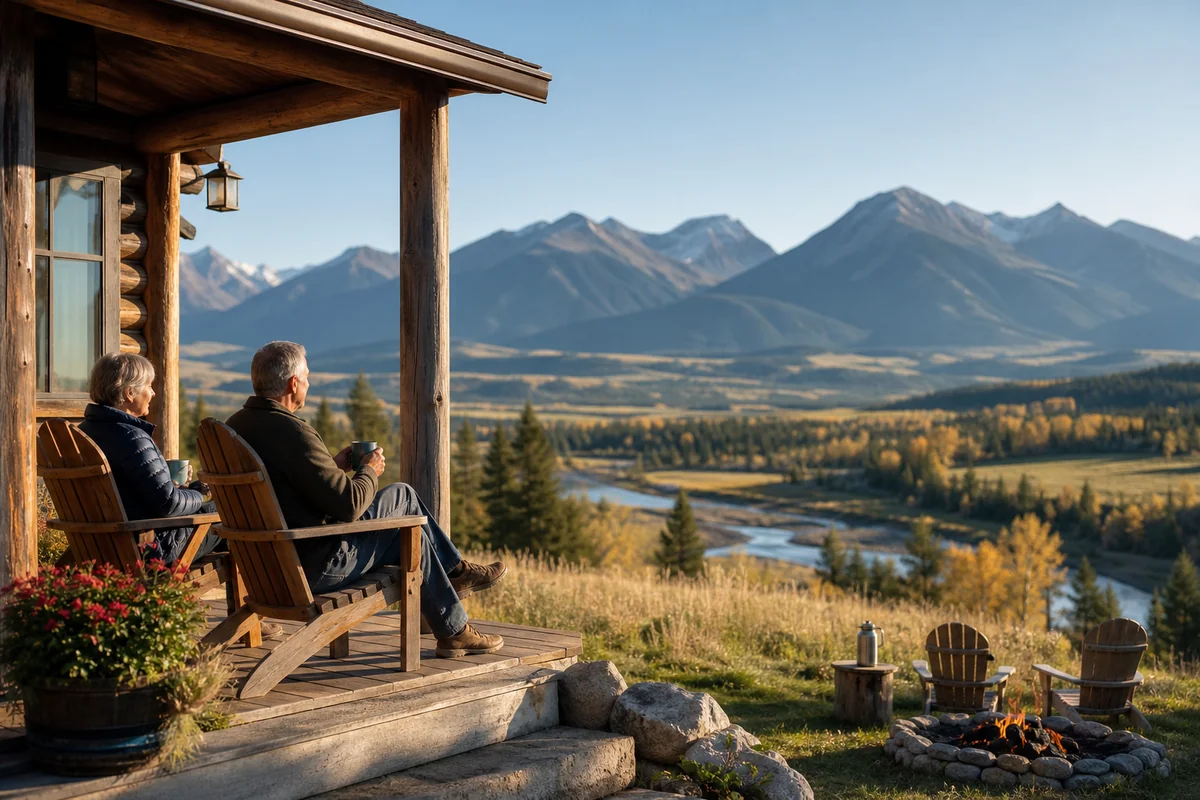
Retirees specifically might explore reasons for retiring in Montana and Montana retirement communities for targeted information.
Those pursuing self-sufficient lifestyles should investigate homesteading in Montana, which remains more viable here than in most states.
And yes, some towns prove better than others. For complete transparency, Montana’s worst places to live identifies communities to research carefully, while Montana’s most dangerous cities provides safety context.
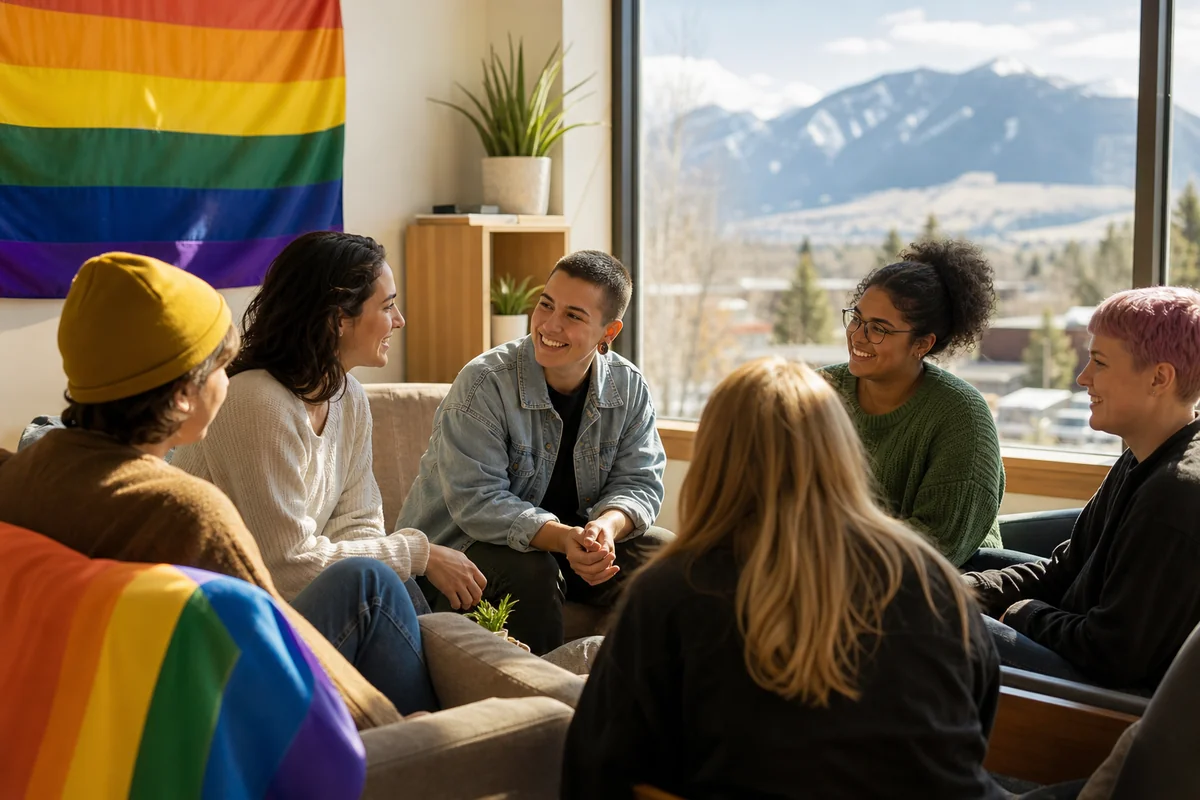
For LGBTQ travelers, Montana’s LGBTQ friendliness varies by community, and Montana’s LGBTQ organizations provide support networks.
The Honest Assessment
Is Montana perfect? Obviously not. Winters challenge those unprepared for genuine cold. Distances make certain trips logistically difficult. Some communities lack amenities city dwellers consider essential. Critics who call Montana the worst state cite real concerns that deserve acknowledgment.
But the rewards justify the challenges for those whose values align with what Montana offers. If you prioritize natural beauty, outdoor access, authentic community, and space to breathe, few American destinations compete.
I’ve traveled extensively—internationally and domestically—and Montana remains my most-visited state by a significant margin. Each return trip reinforces rather than diminishes my appreciation.
The reasons to love Big Sky Country aren’t complicated or hidden. They’re evident the moment you arrive, stretched across that impossibly vast sky, waiting for anyone willing to look up.
The state doesn
Frequently Asked Questions
What is the best time of year to visit Montana for outdoor activities?
I recommend visiting Montana between June and September for hiking, fishing, and wildlife viewing when trails are accessible and temperatures average 70-85°F. Winter months from December through March are ideal if you’re planning a ski trip to Big Sky Resort or Whitefish Mountain. Spring and fall offer fewer crowds and stunning scenery, though weather can be unpredictable.
How much does a week-long trip to Montana cost on average?
A week in Montana typically runs $1,500-$3,000 per person depending on your travel style. Budget travelers can find campsites for $20-35/night and modest hotels around $100-150/night, while luxury lodges near Yellowstone or Big Sky can exceed $400/night. I suggest budgeting $50-75 daily for food and activities, plus gas money since you’ll likely drive 200+ miles between destinations.
What should I pack for a summer road trip through Big Sky Country?
Pack layers even in summer since Montana mountain temperatures can drop 30 degrees after sunset. I always bring hiking boots, sunscreen, bear spray for backcountry trails, and a good pair of binoculars for wildlife spotting. Don’t forget a reusable water bottle and a cooler for long drives between towns where services can be 50-100 miles apart.
How far is Glacier National Park from Yellowstone and can I visit both?
Glacier and Yellowstone National Parks are approximately 340 miles apart, about a 6-hour drive through some of Montana’s most scenic landscapes. I’ve done both parks in one trip and recommend at least 3-4 days at each to truly experience them. The route between them passes through charming towns like Bozeman and Missoula, making it an incredible Montana road trip loop.
Is Montana safe for solo travelers and first-time visitors?
Montana is extremely safe for solo travelers and consistently ranks among the friendliest states I’ve visited. The main safety concerns are wildlife encounters and remote driving conditions rather than crime, so carry bear spray on trails and keep your gas tank above half-full. Cell service is spotty outside major towns, so download offline maps and let someone know your itinerary.
What makes Montana different from other Western states for travelers?
Montana offers a more authentic, uncrowded Western experience compared to Colorado or Utah, with over 147,000 square miles and just over one million residents. I love that you can still find genuine ranching communities, natural hot springs without entrance fees, and hiking trails where you won’t see another person for hours. The lack of sales tax also makes shopping and dining noticeably cheaper than neighboring states.
Do I need a rental car to explore Montana or are there other transportation options?
You absolutely need a rental car to properly explore Montana since public transportation is virtually nonexistent outside Missoula and Bozeman. I recommend renting an SUV or vehicle with good clearance for accessing trailheads and scenic backroads, especially if visiting in winter. Expect to pay $50-100/day for rentals, and book well in advance during peak summer months when availability gets tight near national parks.
Sources
- https://www.census.gov/quickfacts/fact/table/MT/PST045222
- https://www.nps.gov/glac/learn/nature/index.htm
- https://www.nps.gov/glac/learn/historyculture/index.htm
- https://www.nps.gov/yell/learn/management/upload/State-of-the-Park-2023-Web.pdf
- https://mt.gov/discover/brief_history.aspx
- https://www.nass.usda.gov/Quick_Stats/Ag_Overview/stateOverview.php?state=MONTANA
- https://applymontana.mus.edu/colleges/choosing-a-college/explore-all-colleges/tribal-colleges.html
- https://commons.wikimedia.org/wiki/File:Looking_N_at_Montana_Hall_-_Montana_State_University