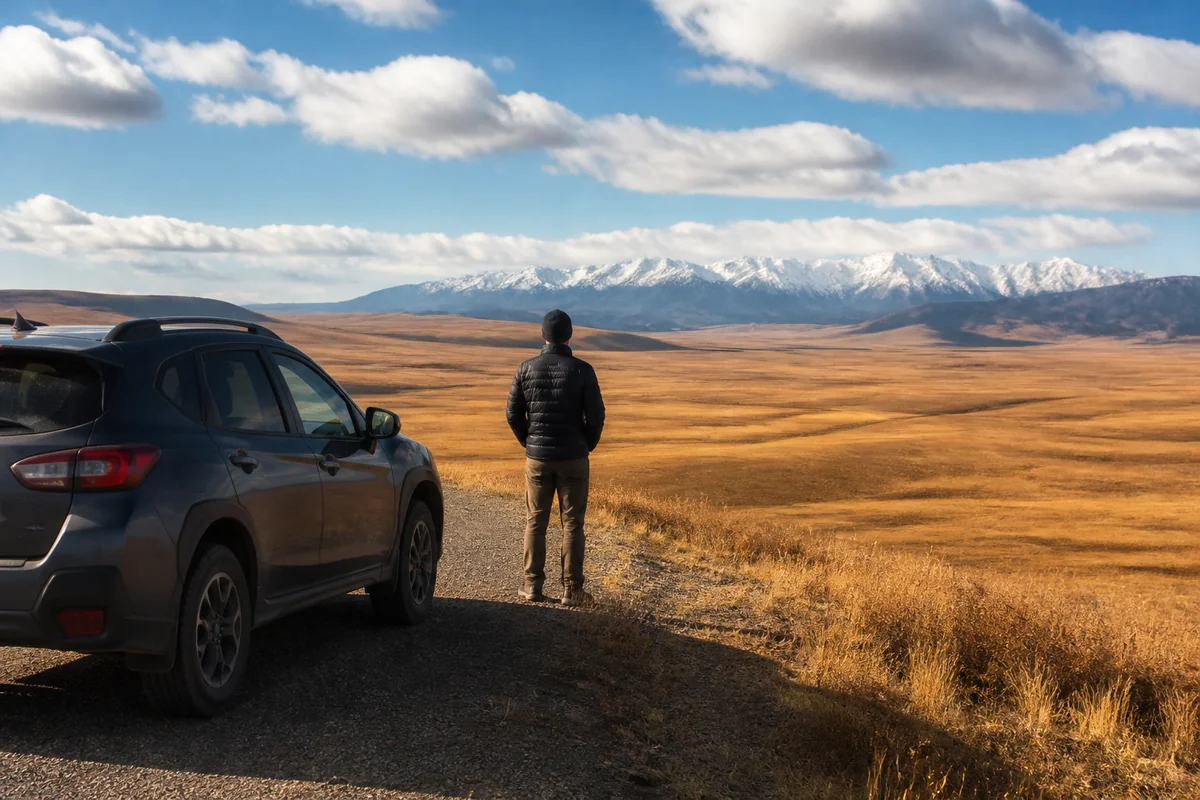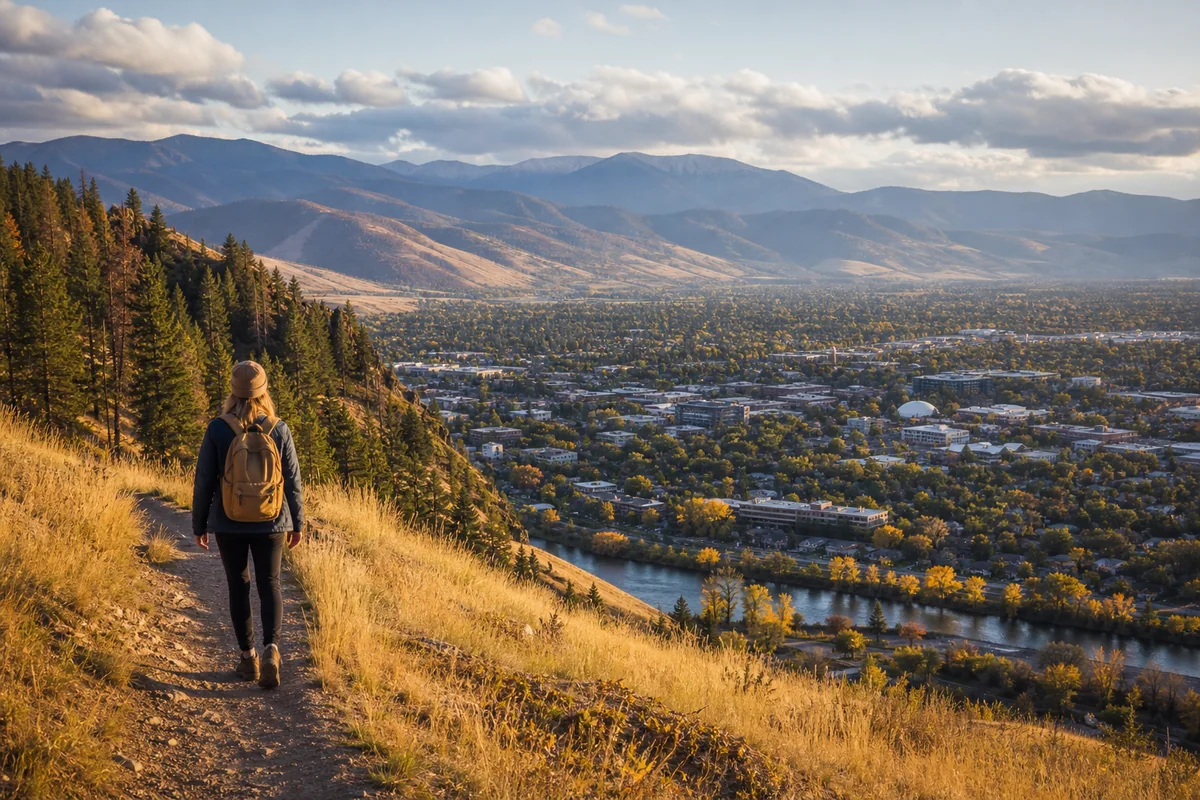
I was standing on the M Trail above Missoula last September, watching the sun paint the Bitterroot Mountains in shades of amber and rose, when a fellow hiker asked me the question I’ve been asked hundreds of times: “Where’s the best place to live in Montana?” My answer took the entire 45-minute descent, because honestly, it depends on who you are and what you’re looking for.
After spending over a decade exploring every corner of Big Sky Country—from the wheat fields of the Hi-Line to the glacier-carved valleys of the northwest—I’ve developed strong opinions about Montana living. Some might surprise you.
The Instagram-famous towns aren’t always the best fit for real life, and some overlooked communities offer incredible quality of life at a fraction of the cost.
- Bozeman offers the best balance of amenities, outdoor access, and job opportunities—but housing costs have skyrocketed
- Missoula remains my top pick for culture, community, and affordability relative to Bozeman
- Whitefish is paradise if you can afford it and don’t mind tourist crowds
- Helena provides underrated livability with the benefits of being the state capital
- For budget-conscious relocators, consider Great Falls, Billings, or smaller communities like Livingston
- Eastern Montana towns offer the lowest costs but require serious lifestyle adjustments
Liked this article?
Add Roaming Montana as a preferred source so you see more of our articles and guides on Google.
What Makes a Montana Town “Best” to Live In?
Before I dive into specific places, let me share the criteria I use when evaluating Montana communities. These aren’t arbitrary—they’re based on conversations with hundreds of residents I’ve met during my travels and my own experiences house-hunting across the state.
First, I consider outdoor access. This is Montana, after all. If you’re moving here and don’t care about mountains, rivers, or open spaces, you might want to reconsider. The reasons to love Big Sky Country almost always involve the landscape.
Second, I look at economic opportunity. Remote work has changed everything, but not everyone can work from a laptop. Understanding local job markets matters, especially if you’re considering attending one of the best colleges in Montana or bringing a family that might need employment options.
Third, community character matters more than most people realize. Some Montana towns lean progressive, others deeply conservative. Some welcome newcomers warmly; others take years to accept you. I’ll be honest about these dynamics because they affect daily life.
Finally, I weigh practical concerns: housing costs, healthcare access, school district quality, and climate considerations. Montana winters are no joke, and some communities handle them better than others.
The Major Players: Montana’s Largest Cities
Bozeman: The Crown Jewel with a Steep Price Tag
Let me be direct: Bozeman is objectively one of America’s best small cities. When I first visited in 2015, I understood immediately why it attracts so many transplants. The Bridger Mountains rise dramatically to the north, the Gallatin Valley spreads golden in summer, and downtown buzzes with breweries, farm-to-table restaurants, and gear shops.
But Bozeman has changed dramatically. During my most recent extended stay last winter, I noticed housing prices that would make Californians wince. The median home price has exceeded $700,000, and rentals command Denver-level rates. This isn’t just local griping—it’s the reality that has fundamentally altered who can afford to live here.
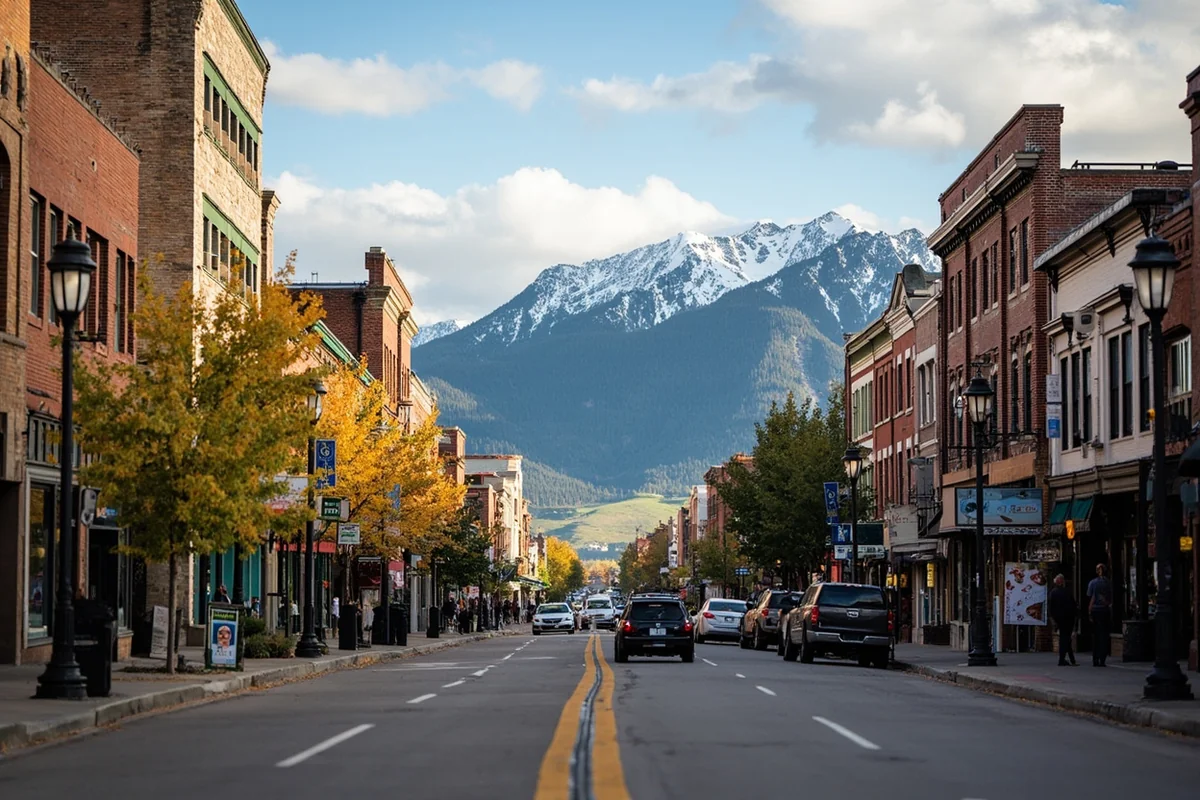
That said, if money isn’t your primary concern, Bozeman delivers. Montana State University creates intellectual energy and cultural events. Bridger Bowl and Big Sky Resort offer world-class skiing within easy drives. The restaurant scene rivals cities ten times its size. Healthcare at Bozeman Health is excellent by Montana standards.
The job market centers on outdoor industry, tech startups, healthcare, and the university. Remote workers have flooded the area, which partly explains why Montana prices are booming. If you’re wondering about the cost implications, I recommend checking out a detailed breakdown of Montana’s cost of living.
Best for: Remote workers with strong incomes, outdoor enthusiasts who want amenities, families willing to pay premium prices for excellent schools
Consider elsewhere if: You’re on a fixed income, prioritize affordability, or dislike rapid growth and traffic
Missoula: The Soul of Montana
I’ll confess my bias upfront: Missoula is my favorite Montana city. There’s something about the way five valleys converge here, how the Clark Fork River threads through downtown, and how the community balances outdoor culture with genuine artistic energy.
During a three-week stay last fall, I fell into the rhythm of Missoula life. Morning coffee at Black Coffee Roasting, afternoon hikes in the Rattlesnake Wilderness, evening shows at the Top Hat or Wilma Theatre. The University of Montana campus adds youthful energy without overwhelming the town.
Missoula remains more affordable than Bozeman—though that gap narrows yearly. You can still find homes under $500,000 if you’re flexible on neighborhoods, and rentals, while tight, aren’t quite as brutal.
The city genuinely supports the arts, with a robust literary community, multiple live music venues, and the famous Missoula Art Museum.
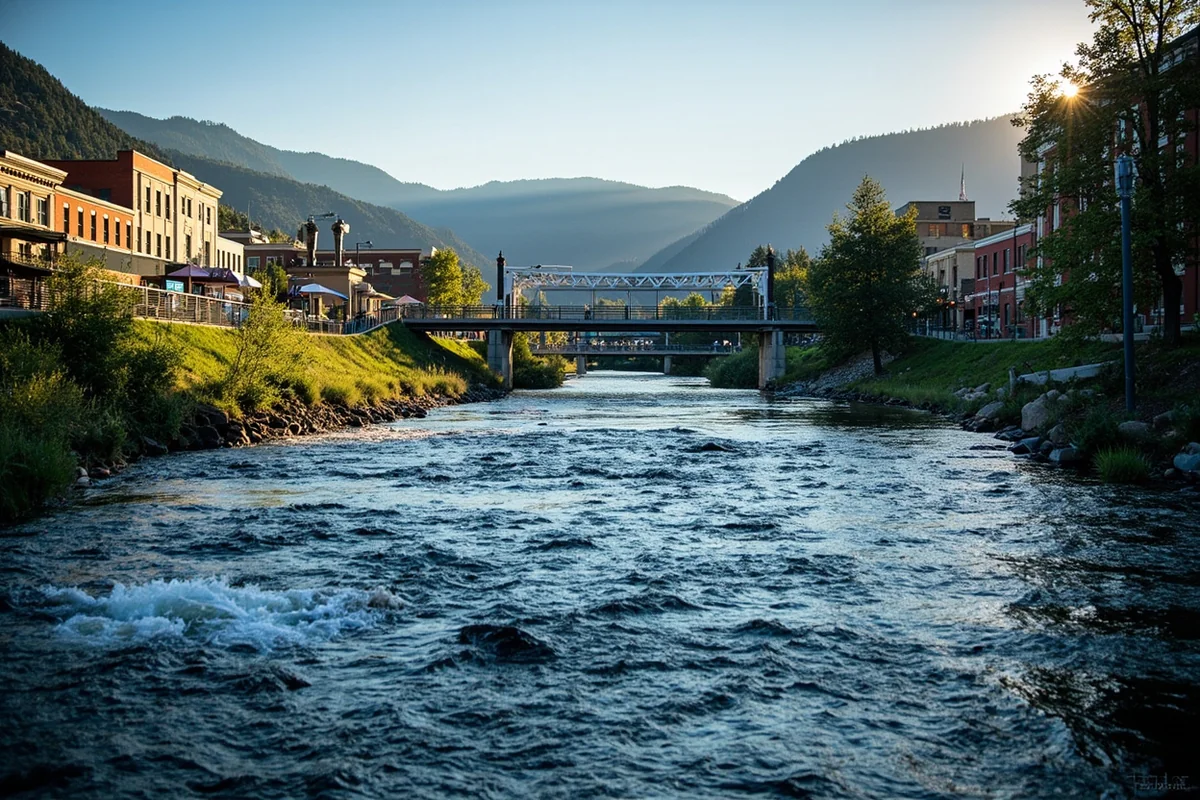
The job market is more limited than Bozeman’s. Healthcare, education, retail, and nonprofits dominate. Remote work has become essential for many residents. But if you can make the economics work, Missoula offers a quality of life that’s hard to match.
One honest consideration: Missoula sits in a valley that can trap wildfire smoke during summer and autumn. Some years are worse than others, but if you have respiratory issues, research Montana’s wildfire situation thoroughly before committing.
Best for: Artists, writers, academics, progressive-leaning individuals, those who value culture alongside outdoor access
Consider elsewhere if: You need diverse job opportunities, prefer conservative communities, or have serious smoke sensitivity
Billings: Montana’s Real Metropolis
Most Montana newcomers overlook Billings, which I understand—it lacks the dramatic mountain scenery of western Montana. But I’ve come to appreciate what Montana’s largest city offers, especially after spending two weeks there during a road trip last spring.
Billings is where Montana actually works. It’s the state’s commercial and medical hub, with two major hospitals and the most diverse job market in the state. If you need a career beyond remote work or tourism, Billings provides options that simply don’t exist elsewhere in Montana.
The Rims—those dramatic sandstone cliffs above downtown—offer surprising urban hiking. Nearby, the Beartooth Mountains provide legitimate wilderness access within an hour’s drive. The craft beer scene has exploded, and restaurants have improved dramatically.
Housing costs roughly half what you’d pay in Bozeman. A decent three-bedroom home can still be found around $350,000, and rentals remain genuinely affordable by Montana standards. The city also offers the state’s largest African American community and growing diversity overall.
The downsides? Billings experiences more crime than smaller Montana communities—I’d recommend researching Montana’s crime statistics before choosing neighborhoods. The city sprawls in a way that requires driving for almost everything. And honestly, it looks industrial in places.
Best for: Families needing employment options, healthcare workers, those prioritizing affordability over scenery
Consider elsewhere if: Mountain views are essential to your happiness, you prefer walkable communities, or you value small-town atmosphere
Great Falls: The Underdog Worth Considering
I’ll admit I didn’t expect to like Great Falls. The city’s reputation—windy, flat, industrial—had set my expectations low. But during an extended stay last year while exploring the nearby Missouri River Breaks, I discovered a community that deserves more attention.
Great Falls offers Montana’s most affordable housing among cities with real amenities. You can still buy homes under $250,000 in decent neighborhoods. The presence of Malmstrom Air Force Base creates stable employment and surprisingly good ethnic restaurants—I had excellent Vietnamese food at a tiny strip mall place that rivals anything in Bozeman.
The Missouri River runs through downtown, offering urban fishing and riverside parks. Giant Springs State Park provides easy nature access. The nearby Bob Marshall Wilderness and Rocky Mountain Front aren’t as convenient as Missoula’s backyard access, but they’re reachable for weekend adventures.
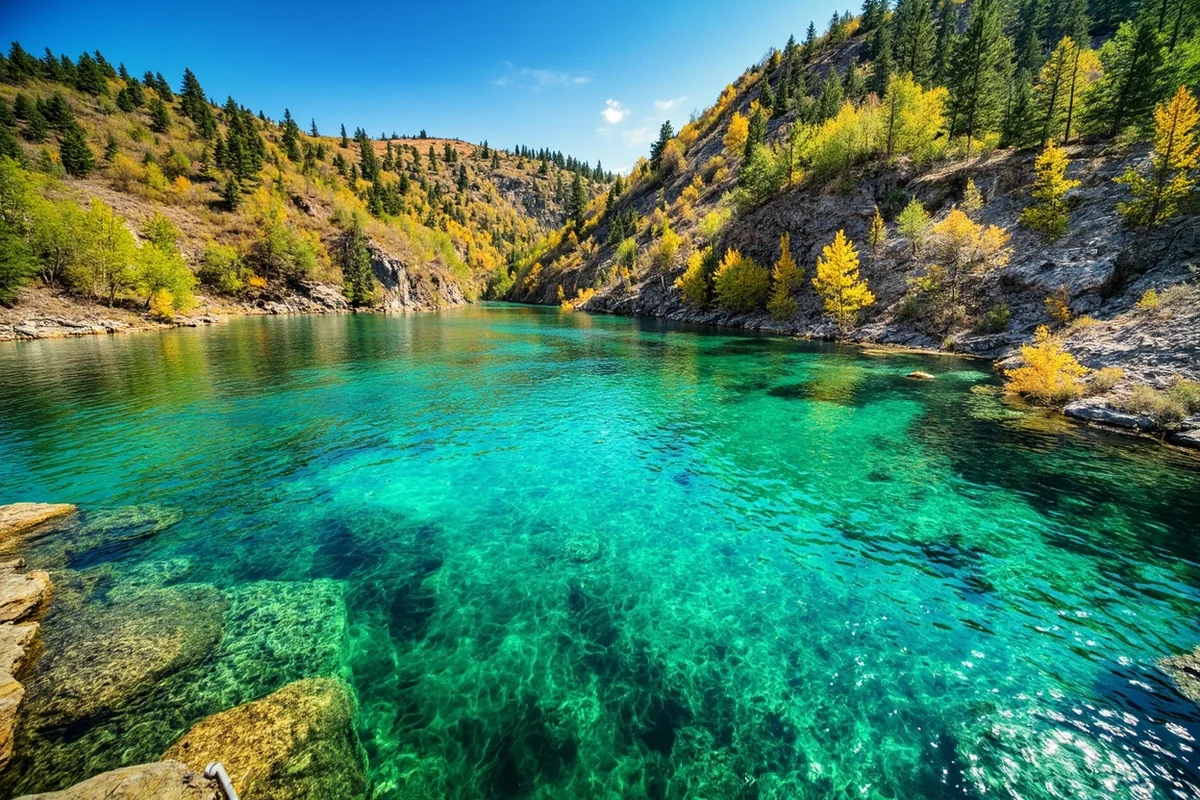
Yes, it’s windy. Like, really windy. Locals joke about it constantly. And the aesthetic leans more “working Montana city” than “mountain resort town.” But for those seeking value and authenticity, Great Falls delivers.
Best for: Budget-conscious relocators, military families, those who prefer genuine Montana grit to tourist polish
Consider elsewhere if: You need mountains on your doorstep, prefer vibrant nightlife, or can’t tolerate serious wind
The Mountain Towns: Premium Living at Premium Prices
Whitefish: Where Dreams Meet Reality Checks
Whitefish is arguably Montana’s most beautiful town. When I first drove down Central Avenue on a September evening, with the Whitefish Range glowing pink above the town and kayakers paddling Whitefish Lake, I understood why so many people sacrifice financially to live here.
The ski town charm is genuine—this isn’t a manufactured resort community. Whitefish Mountain Resort provides world-class skiing, and Glacier National Park lies just 30 minutes away. Downtown features locally-owned shops, excellent restaurants, and a walkability that most Montana towns lack.
But let’s talk honestly about costs. Whitefish has become one of America’s most expensive small towns. Median home prices exceed $800,000, and many properties command over a million.
The seasonal economy means limited year-round employment. During my winter visits, I’ve met service workers commuting from Columbia Falls or Kalispell because they simply cannot afford Whitefish rents.
If you’re researching luxury properties, Whitefish and nearby areas dominate Montana’s most expensive real estate listings. Several celebrities have chosen Montana living precisely for Whitefish’s combination of beauty and relative anonymity.
Best for: High-income remote workers, retirees with substantial savings, those prioritizing outdoor access above all else
Consider elsewhere if: You have any budget constraints, need diverse employment, or dislike tourist crowds
Big Sky: Living Inside a Postcard
Big Sky isn’t really a town in the traditional sense—it’s a resort community that has grown into something approaching permanent habitation. I’ve stayed here multiple times during ski seasons and summer music festivals, watching it evolve from pure resort to something more complex.
The skiing is exceptional. Access to Yellowstone National Park is unbeatable. The surrounding wilderness provides endless exploration opportunities. During a week-long stay last February, I experienced some of the best backcountry skiing of my life with guides who knew every secret stash.
But Big Sky poses unique challenges for permanent living. It’s expensive—not Whitefish expensive, but close. The community remains heavily seasonal, with many businesses closing or reducing hours in shoulder seasons. Healthcare is limited; serious medical needs require driving to Bozeman. The town lacks the organic growth and diverse population that makes communities interesting.
Best for: Dedicated skiers, those who prioritize immediate wilderness access, remote workers who embrace resort culture
Consider elsewhere if: You want a real town with year-round community, need affordable housing, or require significant medical care
Red Lodge: The Gateway Nobody Knows
Red Lodge remains one of Montana’s best-kept secrets, though I’m hesitant to blow up the spot. This former coal-mining town at the base of the Beartooths has transformed into a vibrant small community that offers much of what makes Whitefish special at significantly lower prices.
During a summer stay two years ago, I hiked stunning trails directly from town, ate excellent dinners at Bridge Creek Backcountry Kitchen, and enjoyed live music at the Snow Creek Saloon. The Beartooth Highway—often called America’s most beautiful drive—begins here, and Yellowstone’s northeast entrance is an hour away.
Red Lodge remains more affordable than northwest Montana’s resort communities. You can still find homes under $500,000, though prices are rising. The town supports year-round residents with a hospital, good schools, and basic services.
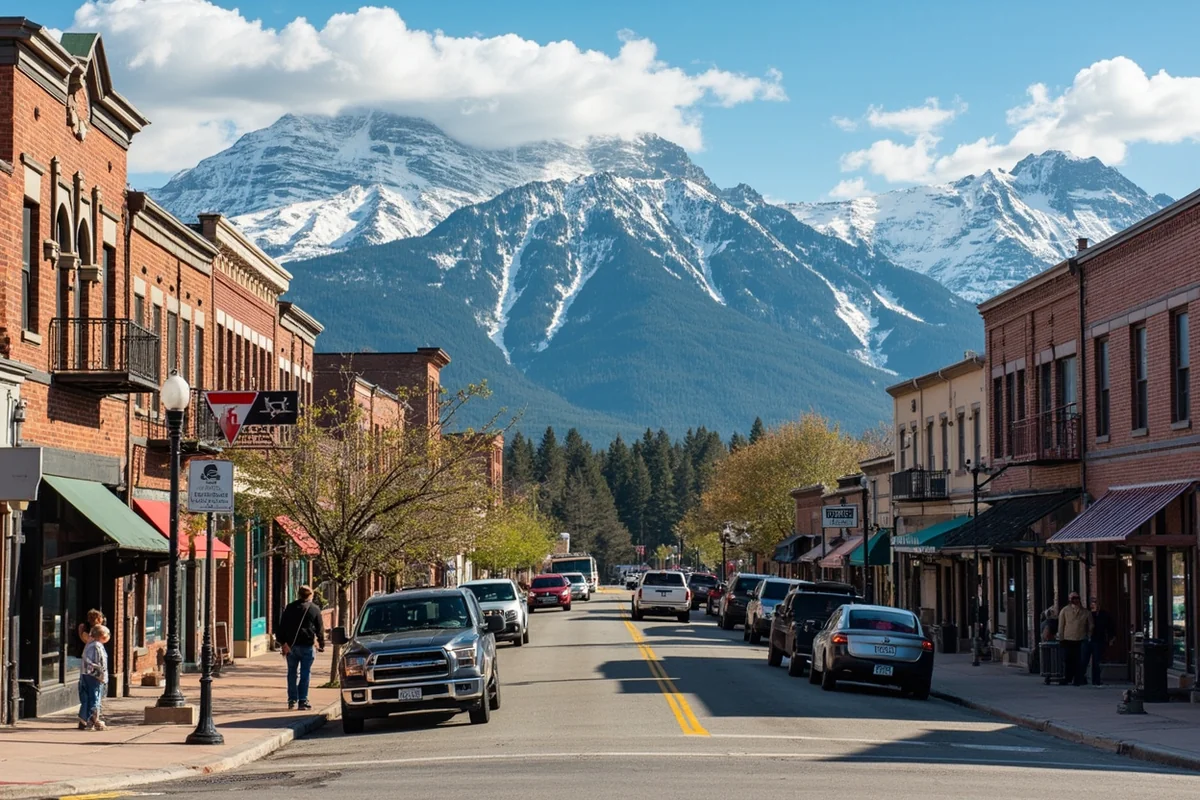
The downsides? Red Lodge is isolated. Billings, the nearest major city, lies an hour away. Winters are serious—the Beartooth Highway closes from October to May. And the job market is extremely limited outside tourism and service industries.
Best for: Remote workers seeking mountain-town life at lower costs, outdoor enthusiasts, those comfortable with small-town isolation
Consider elsewhere if: You need diverse employment, want urban amenities, or prefer milder winters
Capital City and Academic Towns
Helena: The Overlooked State Capital
Helena rarely appears on “best places to live” lists, which I find genuinely puzzling. After multiple visits and a month-long stay during a legislative session, I’ve concluded that Helena offers one of Montana’s best value propositions.
The city combines small-town accessibility with capital-city amenities. State government provides stable employment. The historic downtown—with its gorgeous cathedral and preserved Victorian architecture—offers genuine charm. The Sleeping Giant and surrounding mountains provide excellent outdoor access without the crowds of more famous destinations.
Housing costs significantly less than Bozeman or Missoula. The community is educated and engaged. And Helena’s central location makes exploring both eastern and western Montana surprisingly convenient.
Yes, Helena lacks Missoula’s cultural vibrancy or Bozeman’s outdoor-industry buzz. The winter inversions can trap cold air in the valley, making January genuinely brutal. But for those seeking reasonable costs, good schools, and authentic Montana community, Helena deserves serious consideration.
Best for: State employees, families seeking value, history enthusiasts, those wanting central Montana access
Consider elsewhere if: You prioritize cultural amenities, need major university town energy, or want iconic mountain scenery
Bozeman versus Missoula: The Eternal Debate
I’ve been asked to settle this debate countless times, and my honest answer is that it depends entirely on what you value.
Choose Bozeman if you prioritize economic opportunity, world-class skiing (Big Sky and Bridger Bowl), and a community that embraces growth and change. Bozeman feels more polished, more ambitious, more connected to national trends.
Choose Missoula if you prioritize arts and culture, political progressivism, and a community that values authenticity over ambition. Missoula feels scrappier, more creative, more rooted in Montana’s complex history. The University of Montana brings literary culture—several famous writers call Missoula home.
Both cities experience housing crunches, though Bozeman’s is more severe. Both offer excellent outdoor access. Both will make you happy if you’re the right fit.
Small Towns with Big Appeal
Livingston: The Writer’s Town
Livingston has earned its reputation as Montana’s most artistic small town. Located just over Bozeman Pass, it combines stunning Yellowstone River scenery with genuine creative community.
When I spent a week there last autumn, I encountered writers working in coffee shops, galleries showing local artists, and a Main Street that felt authentically alive.
The wind is legendary—and I mean legendary. Livingston sits at a gap in the mountains where wind funnels through with remarkable force. During my visit, I watched trash cans blow down Main Street and locals shrug it off as Tuesday.
Housing costs less than Bozeman but more than you might expect for a town of 7,000. The commute to Bozeman is manageable, making Livingston attractive for those priced out of the larger city. Just factor in winter driving through the pass.
Best for: Artists, writers, fly fishers, those seeking small-town authenticity near Bozeman amenities
Consider elsewhere if: Wind genuinely bothers you, you need local employment, or you prefer larger communities
Hamilton: The Bitterroot Alternative
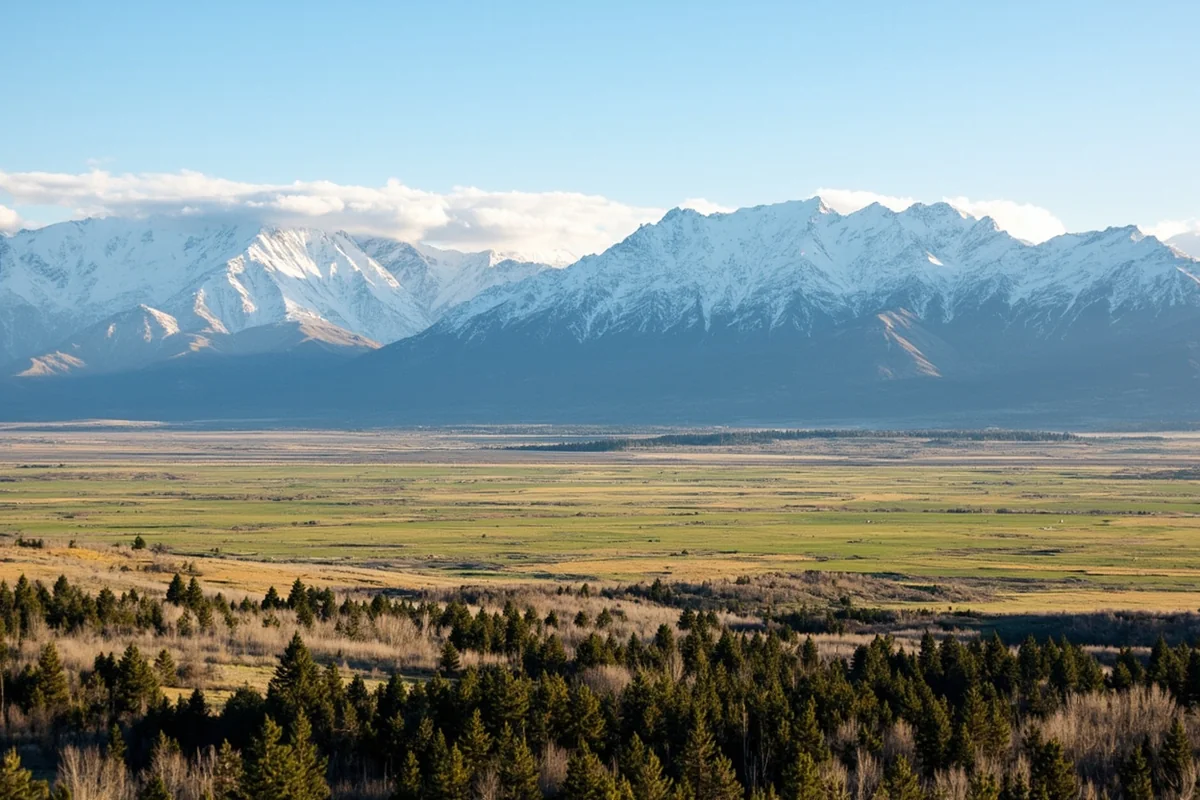
The Bitterroot Valley stretching south from Missoula represents some of Montana’s most beautiful landscape. Hamilton, the valley’s commercial center, has grown substantially while maintaining small-town character.
During multiple visits, I’ve been struck by the valley’s dramatic beauty—the Bitterroot Mountains rise steeply to the west, offering endless hiking and hunting access. Hamilton itself provides essential services, decent restaurants, and a community that balances longtime residents with newcomers.
Housing costs less than Missoula, though the gap has narrowed. The commute to Missoula (about 45 minutes) works for some but proves exhausting for others. The valley trends more conservative than Missoula, which matters to some relocators.
Best for: Those wanting Missoula access at lower costs, outdoors enthusiasts, conservative-leaning families
Consider elsewhere if: You need urban amenities, prefer progressive communities, or dislike commuting
Columbia Falls and Kalispell: Gateway Communities
These Flathead Valley towns offer Whitefish-adjacent living at substantially lower costs. Columbia Falls in particular has grown while maintaining working-class authenticity that Whitefish has largely lost.
During ski seasons, I’ve stayed in both communities to save money while accessing Whitefish Mountain. The trade-off is obvious: you sacrifice walkability and mountain-town charm for affordability. But for families who want Glacier access without Whitefish prices, these towns make practical sense.
Practical Considerations for Montana Living
Understanding Montana’s True Costs
Montana’s lack of sales tax initially seems like a financial bonus. But I’d encourage prospective residents to examine total costs carefully. Property taxes, though not extreme, add up.
Income taxes exist. And the practical costs of Montana living—heating bills, vehicle maintenance on rough roads, travel to access specialized services—can surprise newcomers.
For detailed financial planning, I recommend reviewing Montana’s cheapest places to live if budget is a primary concern. The question of whether Montana has sales tax reveals just one piece of a complex financial picture.
Climate Realities
Montana winters separate dreamers from committed residents. During a particularly brutal January in Helena, I watched temperatures plunge to -30°F and stay there for days. Snow accumulation varies dramatically by location—check Montana’s snowiest places if winter sports access matters.
Natural disasters also deserve consideration. Wildfire smoke has become a regular summer feature, particularly in western Montana valleys. Flooding occasionally impacts communities near major rivers.
Is Montana Right for You?
I’ve met transplants who arrived with unrealistic expectations and left disappointed. Montana isn’t for everyone. If you’re wondering whether Montana is boring, the honest answer depends on whether you create your own entertainment or rely on external stimulation.
The question “Is Montana the worst state?” seems absurd to me, but I understand the perspective. Limited nightlife, sparse population, brutal winters, and economic challenges are real. Understanding the pros and cons of Montana living honestly will save you from expensive mistakes.
| Town | Median Home Price | Best For | Watch Out For |
|---|---|---|---|
| Bozeman | $700,000+ | Remote workers, outdoor enthusiasts | Extreme costs, traffic |
| Missoula | $550,000 | Artists, academics, progressives | Wildfire smoke, limited jobs |
| Billings | $350,000 | Career seekers, families | Less scenic, urban issues |
| Great Falls | $280,000 | Budget-conscious, military | Wind, fewer amenities |
| Whitefish | $800,000+ | Skiers, high earners | Extreme costs, tourists |
| Helena | $425,000 | State employees, families | Less cultural vibrancy |
| Red Lodge | $475,000 | Remote workers, adventurers | Isolation, limited jobs |
| Livingston | $500,000 | Artists, fly fishers | Extreme wind |
Special Considerations for Different Life Stages
Families with Children
If you’re raising kids, school quality matters more than mountain views. Research specific districts rather than assuming town quality correlates with school quality. Some smaller towns maintain excellent schools while larger cities vary by neighborhood.
Consider healthcare access carefully. Pediatric specialists cluster in Billings, Missoula, and Bozeman. Living remotely with young children requires planning for medical emergencies.
For families exploring educational pathways, understanding which Montana communities offer the best academic environments can significantly impact your decision.
Retirees
Montana has become increasingly attractive to retirees, and for good reason. No sales tax helps fixed incomes stretch further. The outdoor recreation opportunities promote active aging. And many communities offer the peace that retirement deserves.
I’d encourage potential retirees to explore Montana retirement communities and understand the reasons for retiring in Montana. Healthcare access should factor heavily into your decision—living two hours from a hospital sounds romantic until you need one.
LGBTQ+ Residents
Montana’s politics trend conservative, but reality is more nuanced than headlines suggest. Missoula and Bozeman both maintain visible LGBTQ+ communities with active social scenes and supportive businesses. Research whether Montana is LGBTQ-friendly in specific areas you’re considering, and connect with Montana’s LGBTQ organizations for local perspectives.
Homesteaders and Rural Dreamers
Montana’s wide-open spaces attract those dreaming of land-based living. If that’s you, research carefully before purchasing acreage. Water rights, zoning restrictions, and the practical challenges of rural Montana life surprise many newcomers. Understanding how to start homesteading in Montana can save you from expensive mistakes.
Population and Growth Trends
Montana has experienced significant population growth, particularly in western communities. Understanding Montana’s current population and fastest-growing cities helps contextualize what you’ll experience.
Despite growth, Montana remains not heavily populated by national standards. In fact, some ask whether Montana is the least populated state—it’s not, but it’s close. Understanding why Montana remains unpopulated reveals truths about climate, economics, and lifestyle that affect daily living.

Safety and Community
Montana generally offers safe living, though this varies by location. I’d recommend reviewing Montana’s safest cities and towns while also understanding that even our “dangerous” cities would be considered safe by national standards.
Equally important: know which communities to approach carefully. Every state has places that struggle, and Montana is no exception. Before committing, research towns to potentially avoid and understand why they face challenges.
Lifestyle Considerations
Small details matter when you’re choosing a place to live. Can you buy wine at the grocery store? Yes—Montana grocery stores do sell liquor. Does Montana have professional sports teams? Understanding Montana’s sports landscape might matter if you’re a fan.
And what will people call you once you move? Montana residents are called Montanans—but earning that title from longtime locals takes years of actually living here.
Environmental consciousness varies across Montana, but options exist. Research Montana recycling programs in your target community if sustainability matters to you.
Understanding Montana’s Costs Honestly
I’ve alluded to costs throughout this article, but the question deserves direct attention: Why is Montana so expensive? The answer involves limited housing supply, massive demand from remote workers, and geography that makes construction challenging.
The reasons to move to Montana remain compelling despite these costs. But go in with realistic expectations about what you’ll spend.
My Final Recommendations
After years of exploring Montana’s communities, here’s my honest advice:
If money is no object and outdoor access is paramount: Whitefish or Big Sky.
If you want the best overall quality of life with good amenities: Missoula.
If you need job opportunities and can compromise on scenery: Billings.
If you want value while maintaining access to outdoor recreation: Helena or Great Falls.
If you’re seeking small-town authenticity near bigger cities: Livingston or Hamilton.
If you want affordable mountain-town living and embrace isolation: Red Lodge.
The best place to live in Montana is ultimately wherever aligns with your priorities, budget, and lifestyle. Visit before committing. Rent before buying. And understand that Montana will test you—but for those who belong here, it will reward you with experiences that nowhere else can provide.
I’ve made my life exploring this state, and I still discover new reasons to love it. Whatever community you choose, welcome to Montana. The mountains are waiting.
Frequently Asked Questions
What are the most affordable places to live in Montana for families?
I’ve found that cities like Great Falls, Billings, and Helena offer the best balance of affordability and family amenities, with median home prices ranging from $280,000 to $350,000. These areas have solid school districts, lower crime rates, and plenty of outdoor recreation within 30 miles of downtown.
Which Montana cities have the best job markets for remote workers and professionals?
Bozeman and Missoula are hands-down the best Montana cities for remote workers, with excellent high-speed internet infrastructure, coworking spaces, and vibrant downtown scenes. Bozeman especially has become a tech hub, though you’ll pay premium prices with median homes exceeding $600,000.
What is the cost of living in Montana compared to other Western states?
Montana’s cost of living runs about 5-10% above the national average, but it’s significantly cheaper than Colorado, Washington, or California. I’d budget around $2,500-$3,500 monthly for a comfortable lifestyle in mid-sized cities, with housing being your biggest expense at roughly 30-40% of that budget.
What should I know about Montana winters before deciding to move there?
Montana winters are no joke—temperatures regularly drop below 0°F, and cities like Butte and Great Falls can see over 50 inches of snow annually. You’ll need a reliable 4WD vehicle, quality winter tires, and should budget $200-$400 monthly for heating costs from November through March.
Are Bozeman and Whitefish worth the higher cost of living in Montana?
If outdoor recreation is your priority, Bozeman and Whitefish absolutely justify their premium prices with world-class skiing, hiking, and fishing within 20 miles of town. I’d say they’re worth it if your household income exceeds $120,000, but smaller towns like Livingston or Kalispell offer similar access at 30-40% lower housing costs.
What are the safest small towns to live in Montana with low crime rates?
Towns like Hamilton, Dillon, and Lewistown consistently rank among Montana’s safest communities, with violent crime rates well below national averages. These smaller communities (populations under 15,000) offer tight-knit neighborhoods and affordable housing under $300,000, though job opportunities are more limited.
How do I visit Montana to explore potential places to live before relocating?
I recommend planning a 7-10 day scouting trip, flying into Bozeman or Missoula and renting a car to cover the 200-400 miles between major cities. Visit during both summer and late fall to experience the weather extremes, and budget around $150-$200 daily for lodging, food, and gas while exploring different neighborhoods.
Sources