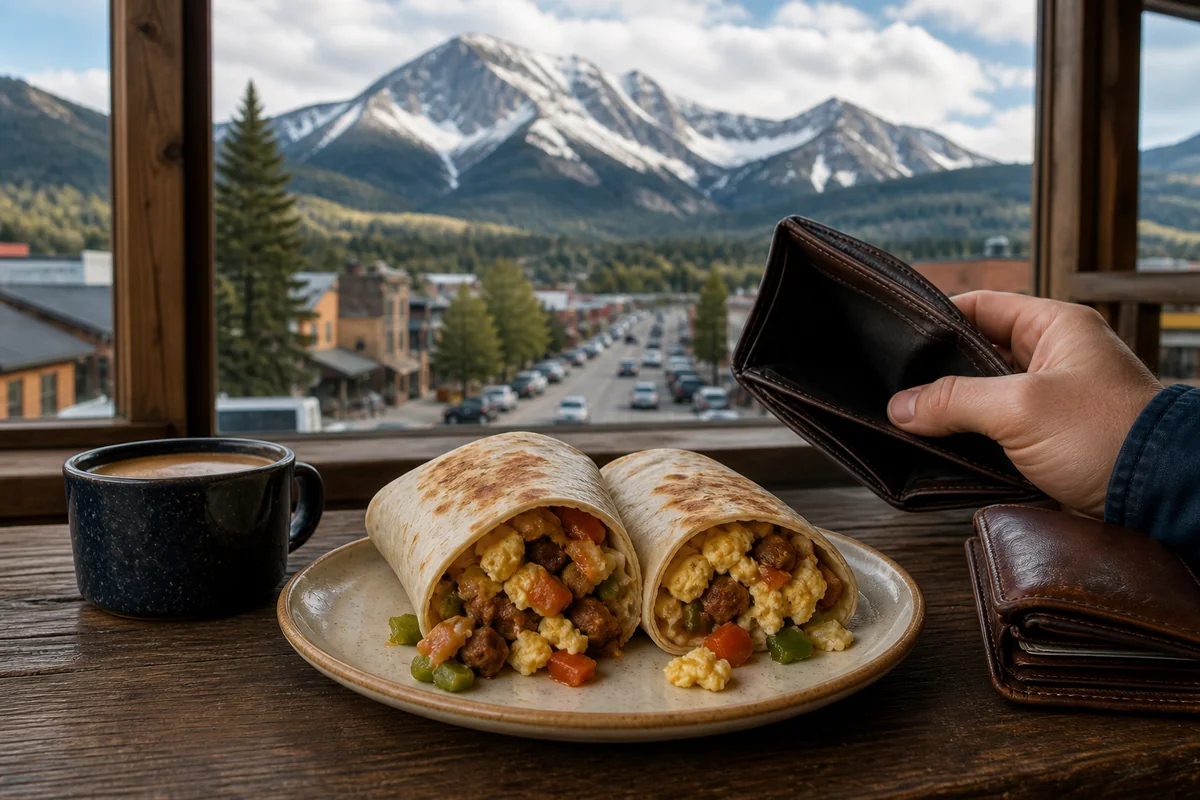
When I handed over $47 for two breakfast burritos and coffee in Whitefish last summer, I nearly choked on my first bite. That moment crystallized something I’d been noticing across countless Montana trips over the past decade: Big Sky Country has become shockingly expensive, and the reasons run far deeper than simple supply and demand.
If you’re exploring Montana Living or planning your first visit, understanding why everything costs more here will help you budget realistically and avoid sticker shock.
I’ve spent years traveling throughout this state, from the remote corners of the Hi-Line to the glitzy streets of Big Sky, and I’m going to share exactly what’s driving these prices—and how you can still enjoy Montana without emptying your bank account.
- Montana housing prices have surged 80%+ since 2020, driven by remote workers and wealthy out-of-state buyers
- Geographic isolation means everything—from groceries to building materials—costs more to transport
- Limited housing supply, strict zoning, and seasonal tourism create a perfect storm of high costs
- Celebrity ranch purchases and the “Yellowstone effect” have permanently altered the market
- Budget travelers can still enjoy Montana with strategic timing and location choices
- Some Montana towns remain relatively affordable despite overall price increases
Liked this article?
Add Roaming Montana as a preferred source so you see more of our articles and guides on Google.
The Perfect Storm: What Made Montana So Expensive So Fast
I remember visiting Bozeman in 2015 and finding a decent hotel room for $89 a night. During my trip last September, that same property wanted $289 for their cheapest room. This wasn’t inflation—this was a fundamental transformation.
Montana’s affordability died a rapid death between 2020 and 2023. COVID-19 triggered a massive migration of remote workers seeking space, beauty, and a slower pace of life. They found all three in Montana, along with the willingness to pay California and New York prices.
The numbers tell a stark story. Median home prices in Gallatin County (Bozeman) jumped from $425,000 in early 2020 to over $750,000 by 2023. Some neighborhoods saw prices double. This wasn’t a housing market—it was a gold rush.
The Remote Work Revolution Changed Everything
When companies told employees they could work from anywhere, “anywhere” increasingly meant Montana. I met a software engineer from San Francisco at a Missoula coffee shop who was paying $2,800 for a two-bedroom apartment—a bargain compared to his Bay Area rent, but astronomical by traditional Montana standards.
These new arrivals didn’t haggle. They paid asking price or above, often in cash. Local families who’d lived here for generations suddenly found themselves priced out of their own communities. The Montana population didn’t just grow—it transformed.
What makes this particularly painful is that wages haven’t kept pace. Montana’s median household income hovers around $64,000, yet housing costs now rival those in states with six-figure median incomes. The math simply doesn’t work for many longtime residents.
Geographic Isolation: The Hidden Tax on Everything
Pull up a map and look at Montana’s position. We’re talking about the fourth-largest state by area with just over 1.1 million people. That vast emptiness is beautiful, but it comes with a price tag.
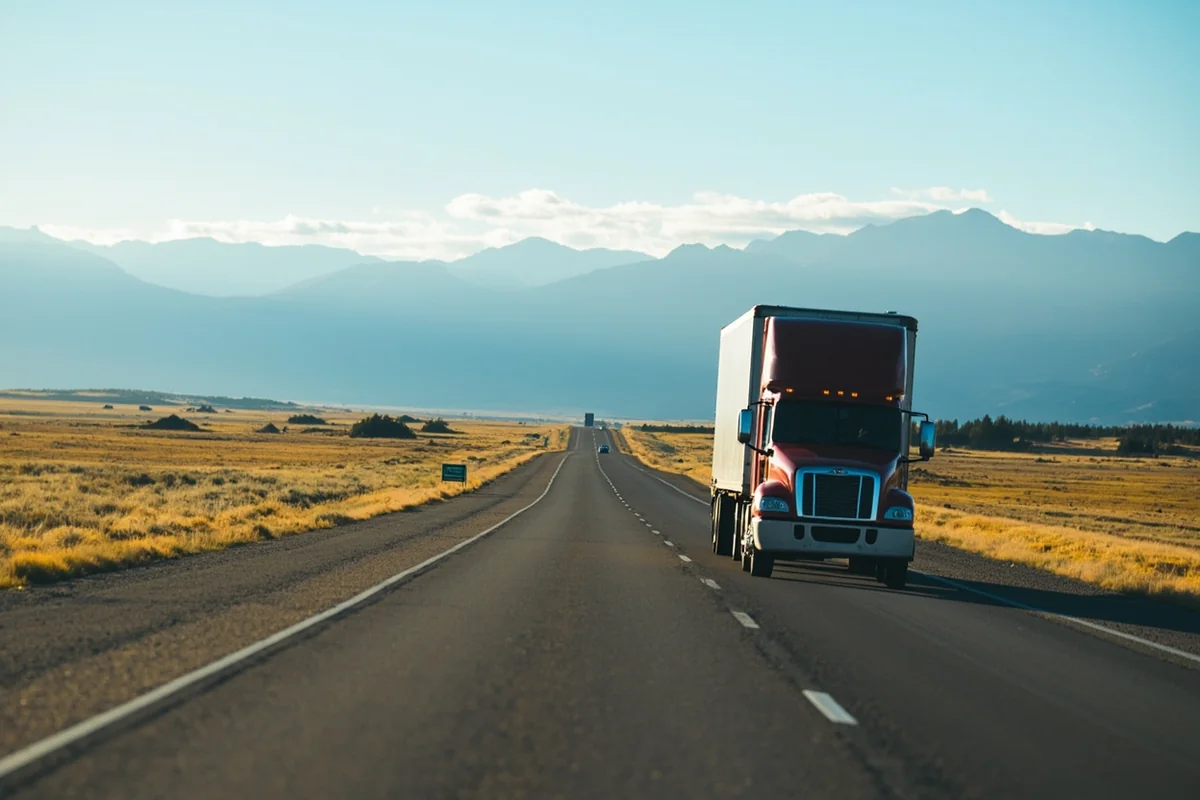
Every gallon of milk, every two-by-four, every piece of furniture has to travel hundreds of miles to reach Montana stores. I’ve noticed this most acutely in small towns along the Hi-Line or in eastern Montana, where grocery prices can be 20-30% higher than in Billings simply because of the additional transportation costs.
The Supply Chain Realities
Montana has no major seaports. No significant rail hubs. Limited interstate access compared to other states. When I was researching Montana cost of living, I discovered that building a home here costs roughly 15-20% more than the national average just because of material transportation.
During my recent trip through Glacier National Park’s gateway communities, I stopped at a hardware store in Columbia Falls. The owner explained that his shipping costs had tripled since 2019. Those costs go directly to consumers.
This isolation affects everything. Medical specialists are scarce, meaning routine procedures often require expensive travel. Car repairs cost more because parts take longer to arrive. Even streaming a movie costs more because internet infrastructure in rural areas remains limited and expensive.
The Tourism Economy: A Double-Edged Sword
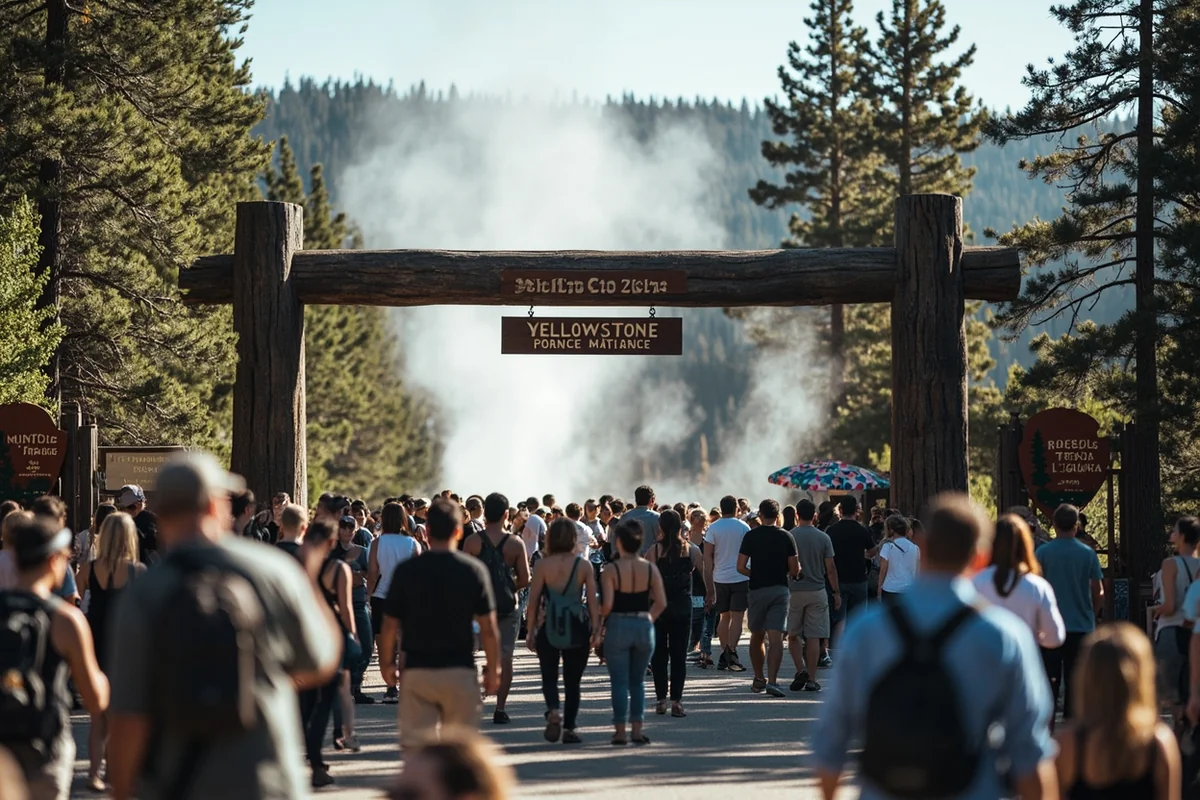
Montana welcomed over 12 million non-resident visitors last year. That’s roughly 11 visitors for every resident. This tourism economy brings billions in revenue but creates intense pressure on prices—especially during peak seasons.
When I visit during July, I’m competing with millions of others for limited hotel rooms, restaurant tables, and campsite reservations. Simple economics kicks in: high demand plus limited supply equals high prices.
Seasonal Price Swings Are Dramatic
I’ve tracked lodging prices in Whitefish for years. The same room that costs $150 in April might run $450 in July or during ski season. Restaurants raise prices in summer, knowing tourists will pay. Even gas stations near Yellowstone charge 30-40 cents more per gallon than stations in Great Falls.
This seasonal economy also affects wages. Tourism jobs often don’t provide year-round employment, creating a workforce that struggles with housing costs. Many tourism workers commute an hour or more because they can’t afford to live near their jobs.
For travelers asking is Montana boring or not, the irony is that the state’s incredible attractions are partially responsible for making it so expensive to visit.
The Celebrity Effect and Luxury Development
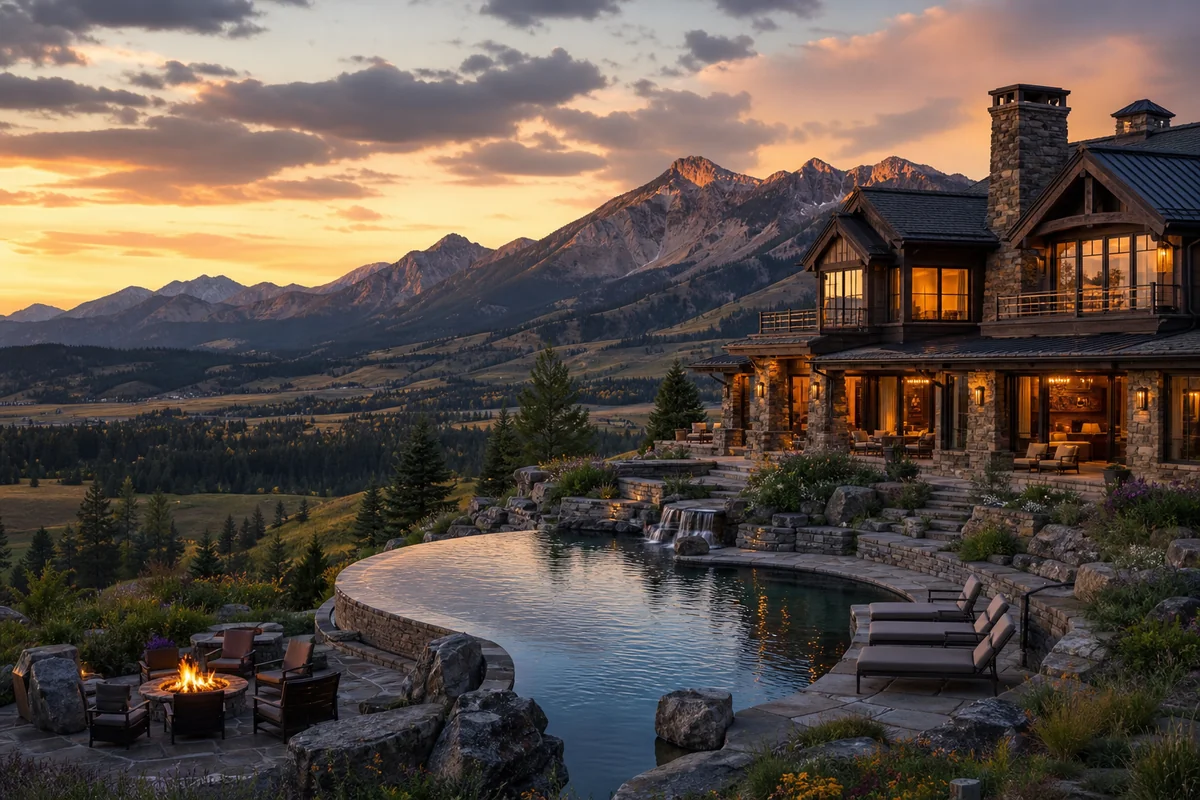
Here’s something I’ve observed firsthand: when celebrities started buying Montana ranches, everything changed. The properties weren’t just expensive—they set new psychological benchmarks for what Montana land could cost.
I drove through Paradise Valley last fall and counted the private “No Trespassing” signs guarding massive ranches. Many of these properties sold for $20-50 million or more. You can read about celebrities living in Montana, but what you need to understand is how their presence reshapes entire communities.
When a tech billionaire pays $50 million for a ranch, surrounding property values explode. Local ranchers whose families worked the land for generations suddenly face property tax bills based on their neighbor’s luxury purchase, not their agricultural income.
The “Yellowstone” TV Show Impact
I can’t overstate how much the television series “Yellowstone” influenced Montana’s appeal. The show premiered in 2018, and realtors I’ve spoken with trace a direct line between its popularity and incoming buyer interest.
People don’t just want to visit Montana anymore—they want to own a piece of it. This aspirational demand drives prices far beyond what traditional economics would suggest. When buyers are purchasing a dream rather than simply a property, they’ll pay dream prices.
The development around Big Sky exemplifies this perfectly. What was once a sleepy ski area has become a luxury destination with homes selling for $10 million and beyond. One real estate agent told me that buyers often fly in on private jets, tour properties for two hours, and make cash offers before flying home. These buyers are exploring Montana’s most expensive properties, and their purchases ripple throughout the regional economy.
Housing Supply: Why Building More Isn’t Simple
The obvious solution to high housing costs is building more housing. But Montana faces unique obstacles that make this incredibly difficult.
Much of Montana’s most desirable land is publicly owned. National forests, wilderness areas, Bureau of Land Management land—these spaces can’t be developed. Private land that could accommodate housing is often zoned for agriculture or has conservation easements.
Construction Challenges Unique to Montana
I spoke with a contractor in Helena who explained the brutal economics of building here. The construction season is short—sometimes just six months between frozen ground and snow. Labor is scarce because Montana’s workforce is limited and competitors offer higher wages in neighboring states.
Materials cost more due to transportation. Permits take longer because county offices are understaffed. And the pandemic created backlogs that some builders told me haven’t fully cleared.
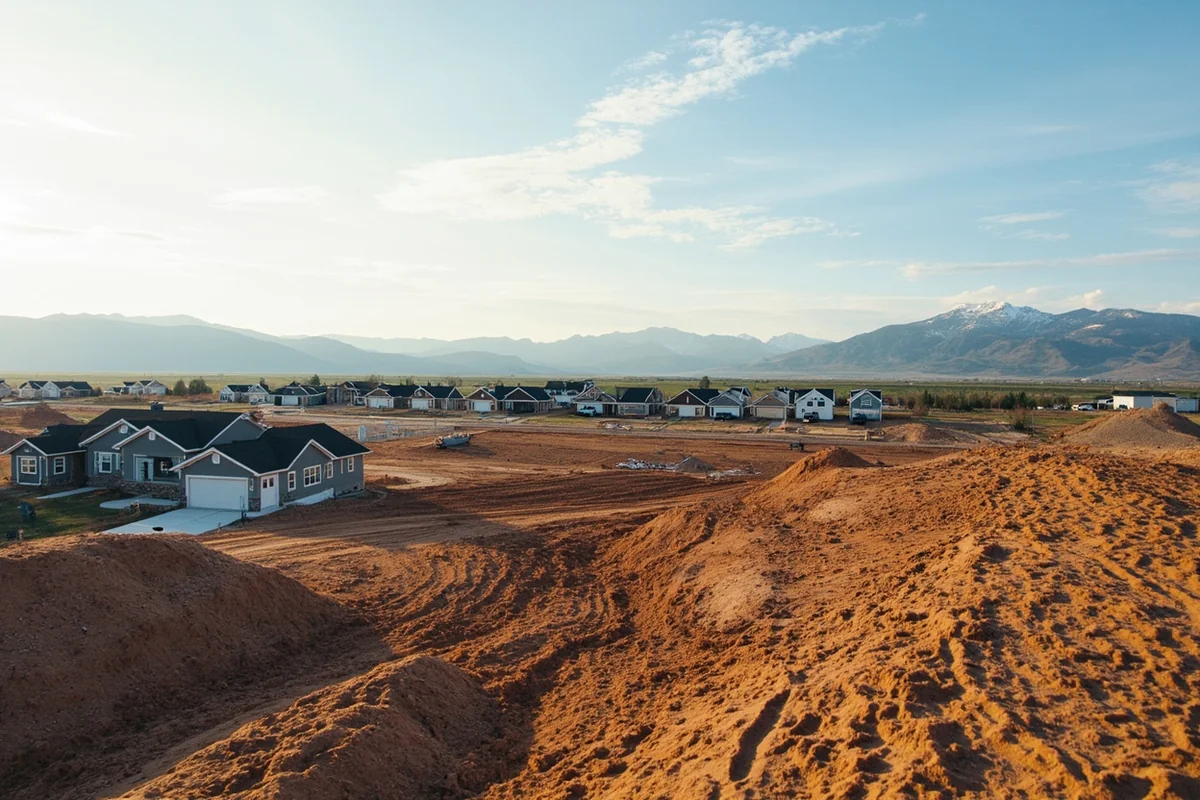
The result? New housing is primarily luxury housing because those are the only projects that pencil out financially. Affordable housing construction requires subsidies, nonprofit involvement, or government programs that are chronically underfunded.
Understanding why Montana prices are booming requires recognizing that the housing shortage has structural causes that won’t resolve quickly.
What Specific Costs Should You Expect?
Let me break down what you’ll actually pay across different categories based on my extensive travels throughout the state.
| Category | Low-End Cost | High-End Cost | Notes |
|---|---|---|---|
| Hotel (summer peak) | $150/night | $600+/night | Gateway towns highest |
| Vacation rental (weekly) | $1,200/week | $5,000+/week | Location dependent |
| Restaurant dinner (per person) | $25 | $100+ | Whitefish/Big Sky priciest |
| Gas (per gallon) | $3.20 | $4.50+ | Tourist areas charge more |
| Guided fishing trip | $450/day | $800+/day | Madison River premium |
| Ski lift ticket | $75 | $200+ | Big Sky most expensive |
One silver lining: Montana has no sales tax. While shopping here, you can check out some details about Montana sales tax—or rather, the lack of it. This saves meaningful money on large purchases like outdoor gear or electronics.
Regional Variations: Not All of Montana Is Equally Expensive
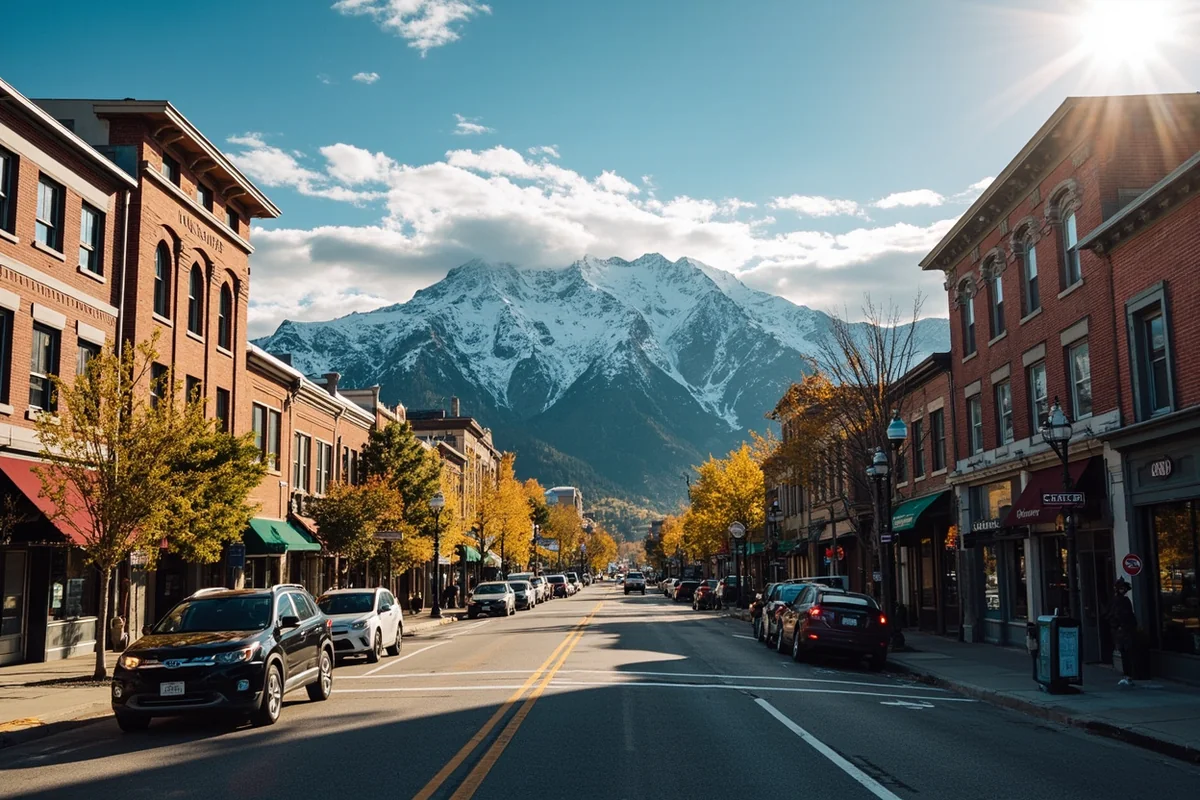
Here’s something crucial that many visitors don’t realize: Montana’s costs vary dramatically by location. Focusing only on Bozeman and Whitefish gives you a skewed picture.
When I explored cheapest places to live in Montana, I discovered towns where costs remain genuinely reasonable—places like Havre, Miles City, Glasgow, and Lewistown. These aren’t tourist destinations, but they offer authentic Montana experiences at fraction of the cost.
Eastern Montana: The Forgotten Bargain
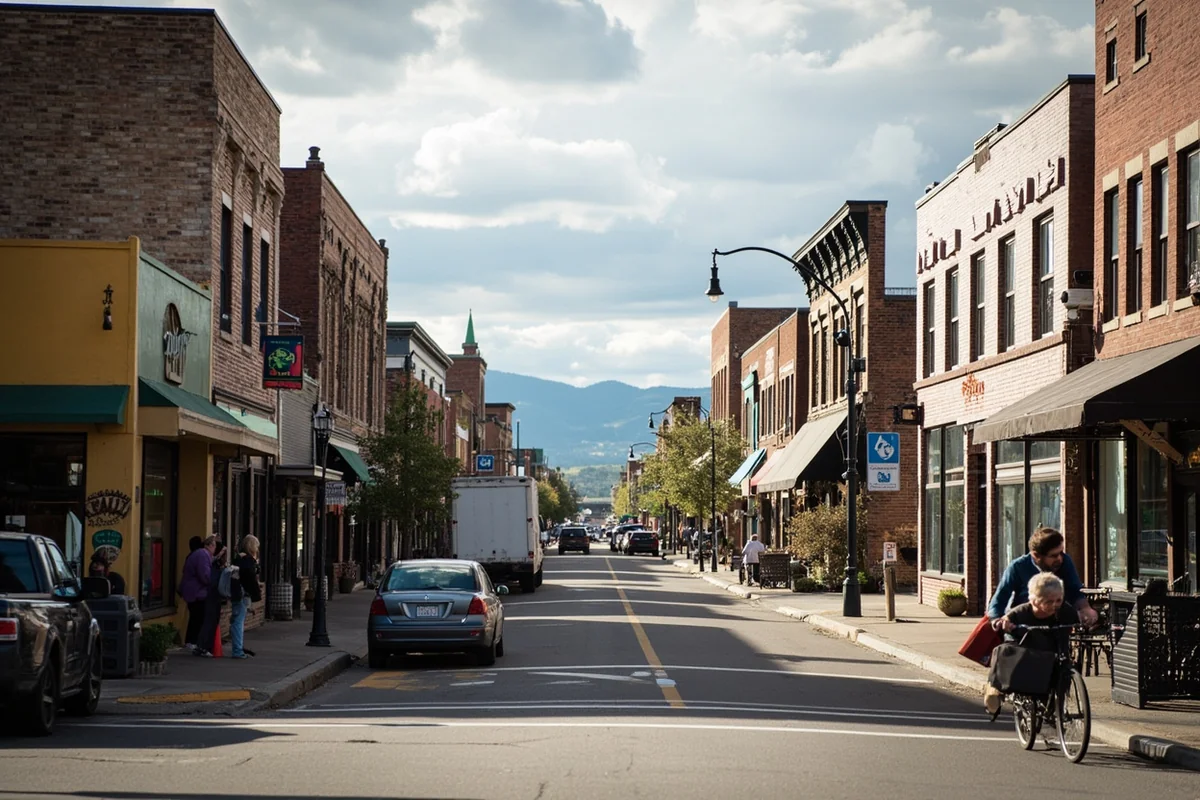
I spent a week driving through eastern Montana last spring, and the price differences stunned me. A nice hotel room in Sidney cost $85. Breakfast at a local diner ran $11 with tip. Gas was 40 cents cheaper per gallon than in Missoula.
The trade-off? You’re far from mountains and major attractions. But if you’re seeking authentic Western culture, rodeos, small-town hospitality, and wide-open spaces, eastern Montana delivers all of this affordably.
The reasons Montana is so unpopulated actually work in your favor if you’re willing to explore less-trafficked regions.
Where Prices Hit Hardest
The most expensive areas cluster around specific magnets:
- Bozeman/Big Sky corridor: Tech money, celebrity ranches, world-class skiing
- Flathead Valley (Whitefish/Kalispell): Glacier National Park proximity, resort town appeal
- Paradise Valley: Yellowstone gateway, celebrity enclave
- Missoula: University town, cultural hub, outdoor access
If you’re researching Montana’s fastest growing cities, you’ll notice significant overlap with the most expensive areas. Growth and cost increases feed each other.
How High Costs Affect Local Communities
Beyond traveler budgets, Montana’s expense creates real community challenges worth understanding.
I’ve talked with teachers, firefighters, and healthcare workers throughout the state. Many commute 45 minutes or more because they can’t afford housing near their jobs. Some have left Montana entirely. This creates critical workforce shortages that affect visitors too—understaffed restaurants, reduced park services, longer waits for everything.
The social fabric is straining. When I interviewed residents for pros and cons of living in Montana, housing costs came up in nearly every conversation. Multi-generational families are splitting apart because young people can’t afford to stay.
The Workforce Housing Crisis
Ski resorts have resorted to buying apartments and RV parks to house employees. Yellowstone National Park struggles to staff positions because workers can’t find affordable housing within reasonable commuting distance. Restaurants close or reduce hours due to staffing shortages.
This affects your experience as a visitor. Service might be slower. Options might be limited. Understanding this context helps manage expectations.
Towns are experimenting with solutions—deed-restricted workforce housing, employer housing programs, relaxed zoning. But these measures can’t keep pace with incoming money from out-of-state buyers.
The Population Dynamics Behind the Prices
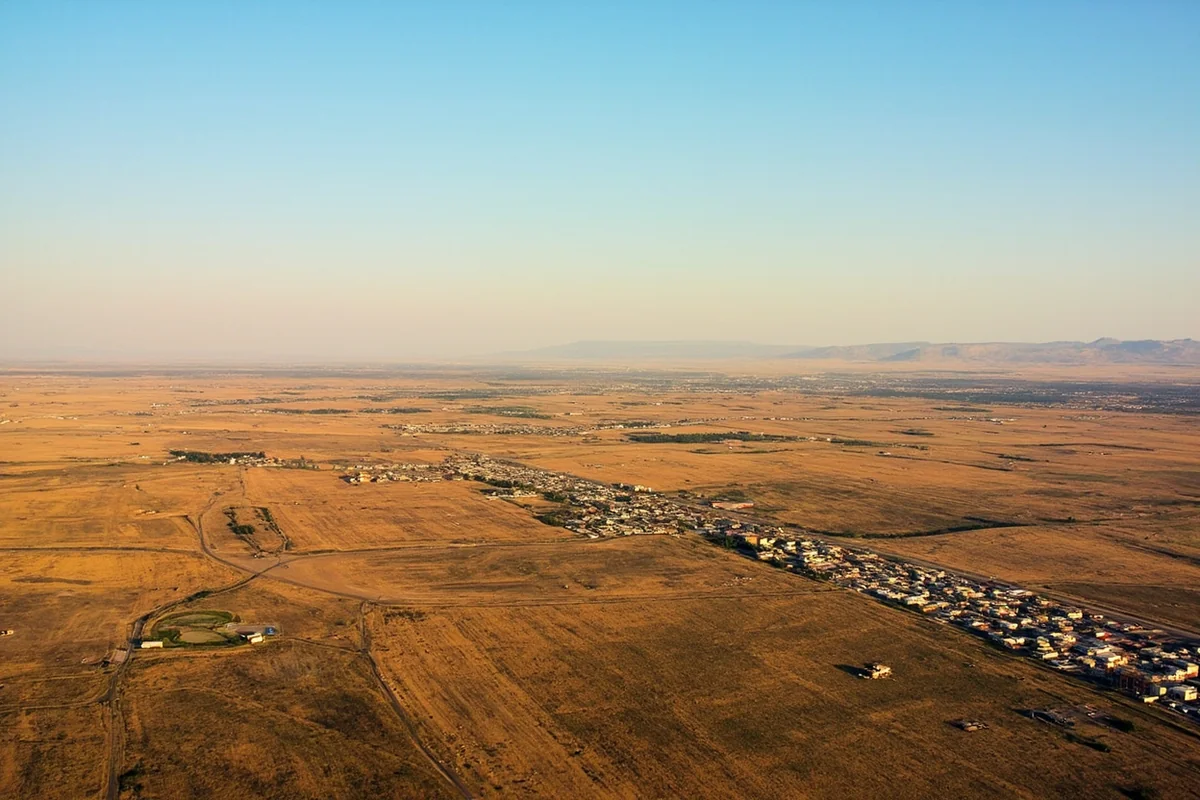
Montana’s small population contributes significantly to its expense. With roughly 1.1 million residents spread across 147,000 square miles, you might wonder is Montana a heavily populated state. The answer is definitively no—it’s one of America’s emptiest.
This low population means limited economies of scale. A grocery store serving 5,000 people can’t negotiate the same prices as one serving 500,000. Healthcare providers spread across vast territories can’t operate as efficiently as urban systems.
Growth Concentrated in Few Places
While Montana isn’t the least populated state, population growth concentrates intensely in specific corridors. Gallatin County (Bozeman) grew over 30% in a decade. Meanwhile, many eastern counties lost population.
This uneven growth creates the worst of both worlds: high prices in popular areas and declining services in shrinking communities. The eastern plains lack the population density to support diverse businesses, while western valleys can’t build housing fast enough.
Practical Strategies for Visiting Montana on a Budget
Despite everything I’ve described, you can absolutely enjoy Montana without destroying your finances. I’ve tested these strategies extensively over years of travel here.
Timing Is Everything
Shoulder seasons offer dramatic savings. I visited Glacier National Park in late September last year—the crowds had thinned, rates had dropped 40%, and the fall colors were spectacular. Similarly, skiing in early December or late March costs far less than peak February.
Avoid the July-August crunch if possible. Even moving to late June or early September saves significant money while still offering good weather.
Location Strategy
Stay outside the premium zones and day-trip in. During my Yellowstone visit, I based in Livingston rather than Gardiner. Savings of $100+ nightly, plus a charming town with better dining options.
For Glacier, consider Kalispell or Columbia Falls instead of Whitefish. You’ll save 30-50% on lodging while adding minimal driving time.
Accommodation Alternatives
Camping remains Montana’s best budget option. Forest Service campgrounds charge $10-20 nightly, and dispersed camping on public land is often free. I keep a camping setup in my vehicle specifically for Montana trips.
If camping isn’t your style, look into the state’s smaller towns. Staying in Conrad, Cut Bank, or Shelby puts you within striking distance of Glacier while cutting costs significantly.
Understanding Montana’s Tax Advantages
Here’s something that partially offsets high prices: Montana’s tax structure favors consumers in certain ways.
No sales tax means what you see is what you pay. Coming from a state with 8-10% sales tax, this saves real money on purchases. If you’re buying expensive outdoor gear, consider making Montana purchases.
Additionally, if you’re wondering do Montana grocery stores sell liquor, the answer is no—you’ll need state liquor stores. But beer and wine are available in grocery stores, and prices on alcohol are generally reasonable.
For those considering longer stays or relocation, Montana’s income tax structure and property taxes require careful analysis. The details vary significantly based on income level and property type.
Is Montana’s High Cost Worth It?
After all my travels here, I still say yes—with caveats.
The landscapes genuinely are unlike anywhere else in America. Driving over Going-to-the-Sun Road, floating the Blackfoot River, watching bison in the Lamar Valley—these experiences justify considerable expense.
But you need realistic expectations. Montana isn’t the budget-friendly Western adventure it was even a decade ago. Planning carefully, choosing timing strategically, and exploring beyond the obvious destinations makes the difference between an affordable trip and a budget-busting one.
I’ve written about reasons to love Big Sky Country, and those reasons remain valid despite the costs. The expense reflects demand, and that demand reflects genuine value.
Looking Ahead: Will Prices Stabilize?
Based on everything I observe, Montana’s prices won’t return to pre-2020 levels. The changes are structural, not cyclical.
Remote work is here to stay. Wealthy buyers continue discovering Montana. Tourism keeps growing. Meanwhile, housing construction can’t match demand, and geographic constraints won’t change.
The best-case scenario is price stabilization rather than reduction. If interest rates stay elevated and the national economy cools, we might see growth slow. But significant price decreases would require massive economic disruption—nothing to hope for.
For travelers, this means accepting current prices as the new baseline. Budget accordingly, and don’t wait for deals that probably won’t materialize.
Final Thoughts: Making Peace With Montana’s Prices
That $47 breakfast still stings when I think about it. But I also remember watching morning light hit the Swan Range through the restaurant window, surrounded by the hum of a mountain town waking up.
Montana’s expense reflects its extraordinary appeal. People pay premium prices because the experiences justify them—at least for many visitors. Whether those prices work for your budget is a personal calculation only you can make.
If you’re exploring best places to live in Montana or just planning a vacation, go in with eyes open about costs. Research thoroughly, time your visit strategically, and consider areas beyond the famous hotspots.
For those with families, resources like best school districts and best colleges in Montana become important planning factors. For retirees, information about Montana retirement communities and reasons for retiring in Montana can help weigh whether the expenses make sense for your situation.
Montana earned its reputation as one of America’s most spectacular destinations. That spectacle now comes with a spectacular price tag. Plan accordingly, and you’ll find the investment worthwhile.
Frequently Asked Questions
Why is Montana so expensive to visit compared to other US states?
Montana’s high costs stem from its remote location, limited infrastructure, and massive demand during peak seasons when millions flock to Glacier and Yellowstone National Parks. I’ve noticed that everything from gas to groceries costs more here because goods must be trucked hundreds of miles to reach small mountain towns. The state’s popularity as a celebrity haven and influx of wealthy transplants has also driven up prices across the board.
How much does a week-long trip to Montana typically cost?
Budget travelers can expect to spend $150-200 per day, while mid-range visitors typically pay $250-400 daily for decent lodging, meals, and activities. During peak summer months near Glacier or Yellowstone, hotel rooms easily exceed $300-500 per night, and even basic cabin rentals can run $200+. I recommend budgeting $2,000-3,500 per person for a comfortable week-long Montana vacation, excluding flights.
What is the cheapest time of year to visit Montana?
The shoulder seasons of late September through October and April through early June offer the best deals, with hotel rates dropping 30-50% compared to summer peaks. I’ve found November through March to be the absolute cheapest for lodging, though many park roads and attractions close for winter. Just avoid holiday weeks and spring break periods when prices spike regardless of season.
Is it cheaper to stay outside Glacier and Yellowstone National Parks?
Absolutely—staying in gateway towns like Kalispell (32 miles from Glacier) or Bozeman (90 miles from Yellowstone) can save you $100-200 per night compared to in-park lodges or West Yellowstone hotels. I always book accommodations in these larger towns where competition keeps prices more reasonable and grocery stores help cut food costs. The trade-off is longer drives, but Montana’s scenic routes make the commute worthwhile.
Why are Montana hotels and Airbnbs so overpriced in summer?
Montana has a severe shortage of accommodations relative to the 12+ million annual visitors, creating extreme supply-and-demand pricing from June through August. Many properties are also owned by out-of-state investors who price for maximum profit during the brief 10-week high season. I’ve seen basic motel rooms near Whitefish jump from $89 in May to $289 in July—booking 6+ months ahead is essential for reasonable summer rates.
What are the hidden costs of a Montana road trip most travelers forget?
Gas stations can be 50-100 miles apart in rural Montana, and prices run $0.30-0.50 higher per gallon than the national average, so fuel costs add up quickly on a 500+ mile itinerary. National park entrance fees are $35-80 per vehicle, guided activities like fly fishing or horseback riding cost $200-500 per person, and even basic diner meals average $18-25 in tourist areas. I always budget an extra $50-75 per day for these unexpected expenses.
How can I visit Montana on a budget without missing the best experiences?
Camp in national forest land for free or snag first-come-first-served campground spots for $10-25 per night instead of pricey hotels. Pack a cooler with groceries from larger towns like Missoula or Billings, where prices are reasonable, and take advantage of free activities like hiking, wildlife watching, and scenic drives. I’ve had incredible Montana trips spending under $100 daily by cooking my own meals, camping strategically, and visiting during shoulder season when park crowds thin out.
Sources
- https://lmi.mt.gov/_docs/Publications/EAG-Articles/0919-MigrationInMT.pdf
- https://lmi.mt.gov/_docs/Publications/EAG-Articles/1019-MT-Housing-Market.pdf
- https://www.census.gov/quickfacts/fact/table/MT/PST045222
- https://www.nps.gov/yell/index.htm
- https://www.census.gov/quickfacts/fact/table/bozemancitymontana/PST045222
- https://www.nps.gov/glac/index.htm
- https://www.umt.edu/news/2023/01/011923yell.php