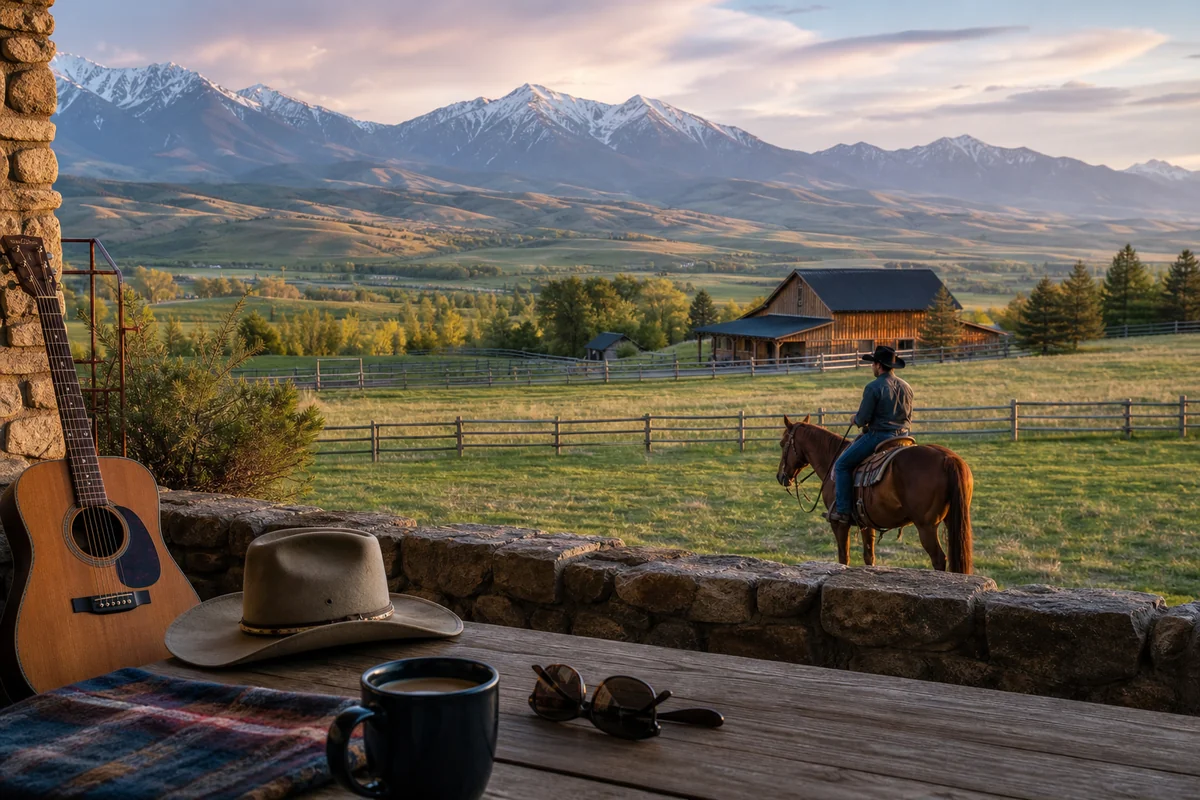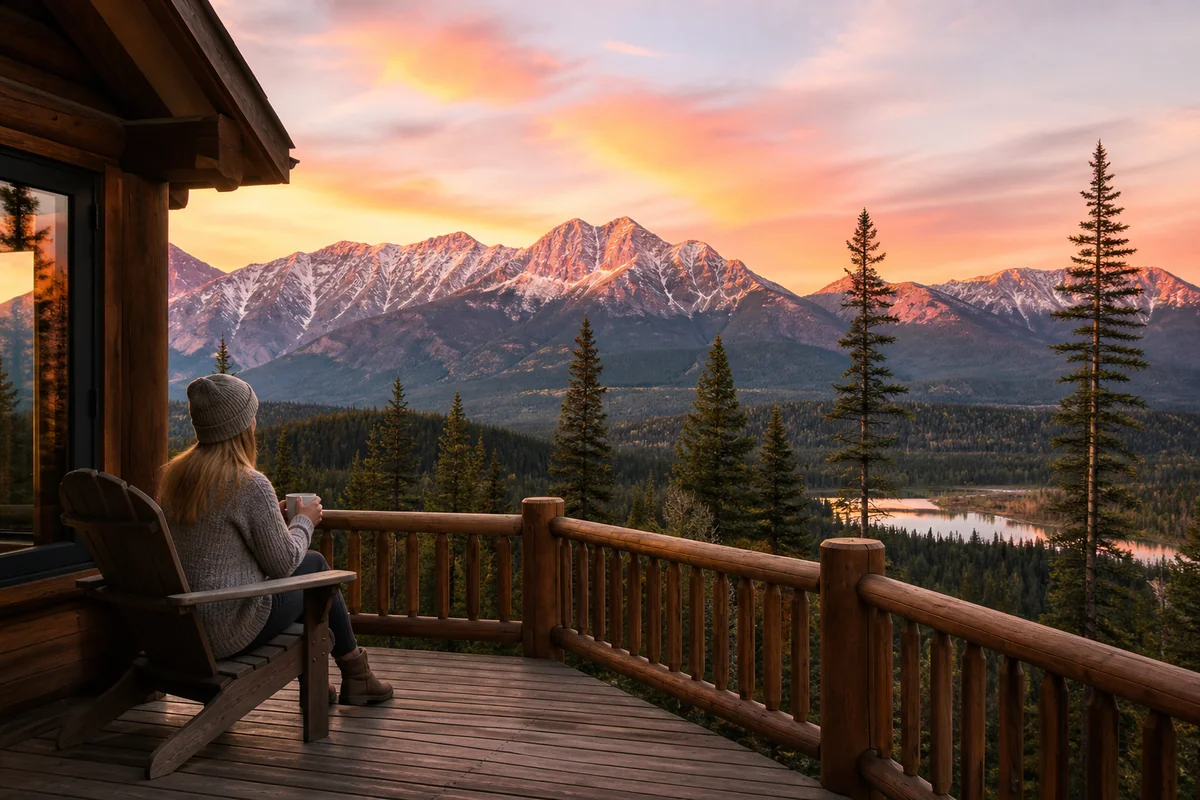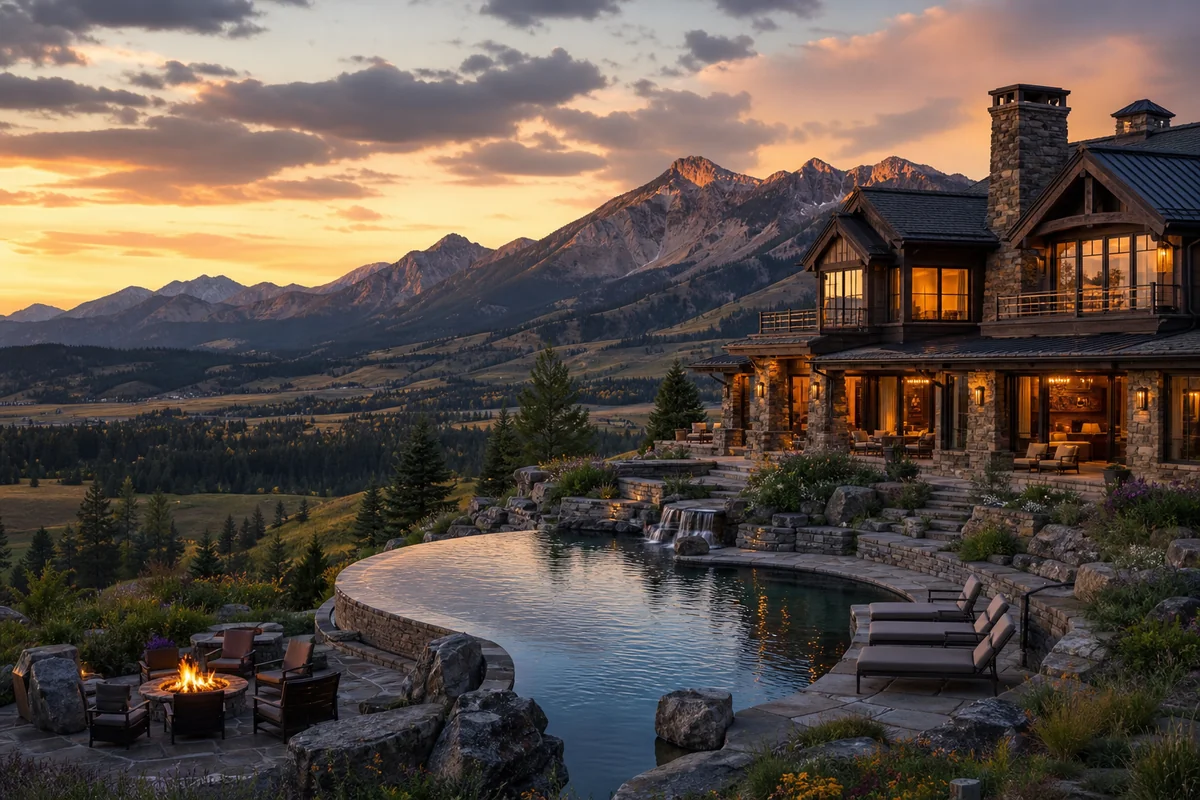
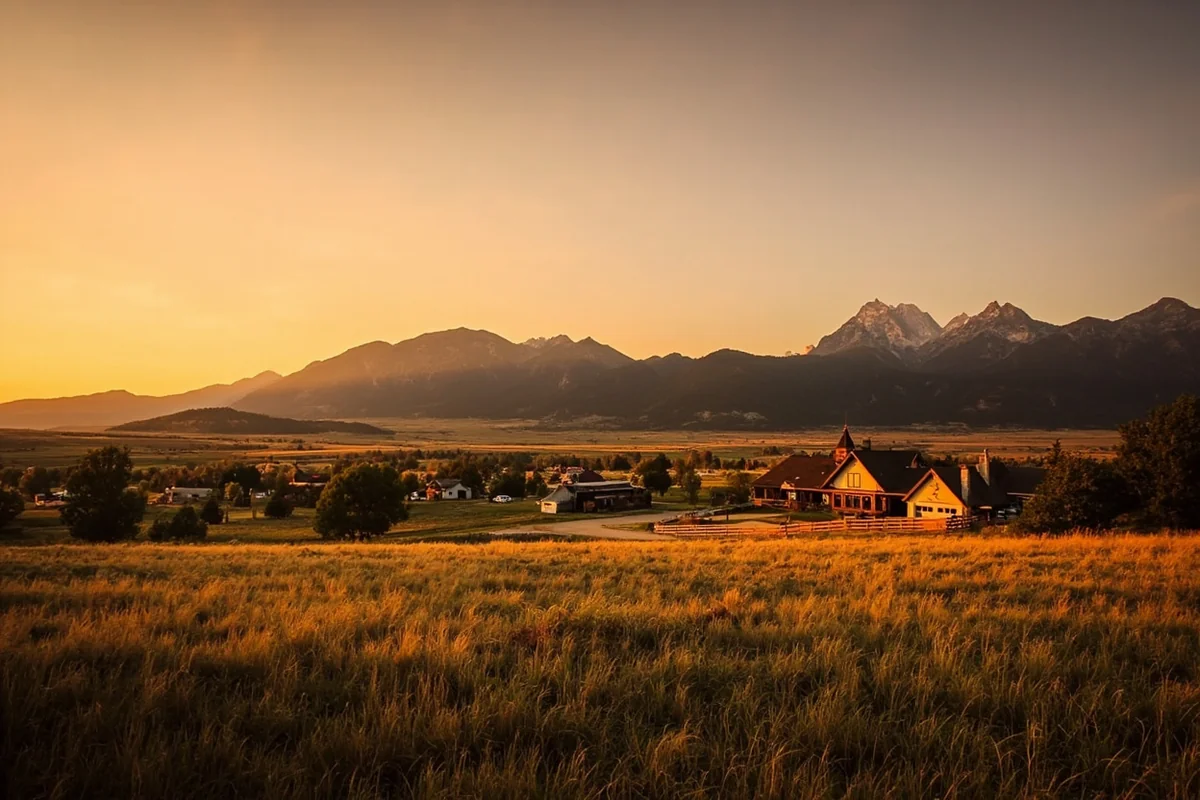
I’ll never forget standing at the edge of a 12,000-acre ranch outside Bozeman last fall, watching the sun paint the Absaroka Range in shades of amber and rose, while the property’s owner casually mentioned he’d paid more for this spread than most people would see in ten lifetimes.
That moment crystallized something I’d been noticing during my years exploring Montana Living: this state has quietly become one of America’s most exclusive real estate destinations, attracting billionaires, celebrities, and titans of industry who are willing to pay astronomical sums for a piece of Big Sky Country.
- Montana’s most expensive properties range from $50 million to over $165 million, featuring sprawling ranches, luxury ski homes, and historic estates
- The Bozeman, Big Sky, and Yellowstone Club corridors dominate the ultra-luxury market
- Celebrity buyers and tech billionaires have dramatically driven up prices since 2020
- Most trophy properties include thousands of acres, private water rights, and working agricultural operations
- Even “entry-level” luxury in Montana now starts around $10-15 million in prime areas
Liked this article?
Add Roaming Montana as a preferred source so you see more of our articles and guides on Google.
Why Montana Has Become America’s Billionaire Playground
When I first started covering Montana real estate back in 2018, a $20 million property made headlines. Now? That barely cracks the top tier of what’s available in this market.
The shift happened gradually, then all at once. Remote work freed wealthy Americans from coastal obligations, and they fled to states like Montana seeking space, privacy, and natural beauty. Understanding why Montana has become so expensive requires looking at simple supply and demand—there’s only so much pristine ranchland with river frontage and mountain views.
During a recent conversation with a Bozeman luxury realtor, she told me something that stuck: “We’ve had more $25 million-plus transactions in the last three years than in the previous two decades combined.” The numbers back this up. Montana’s booming prices aren’t just affecting luxury buyers—they’re reshaping entire communities.
Property #1: The Pioneer Moon Ranch – Estimated $165 Million+
Let me start with what many consider the crown jewel of Montana real estate: a massive 240,000+ acre operation in the Madison Valley that’s been assembled over decades by a single family.
I’ve driven past portions of this property more times than I can count, and its sheer scale is impossible to comprehend from the road. The ranch encompasses entire mountain ranges, miles of blue-ribbon trout streams, and enough land to make some East Coast states jealous.
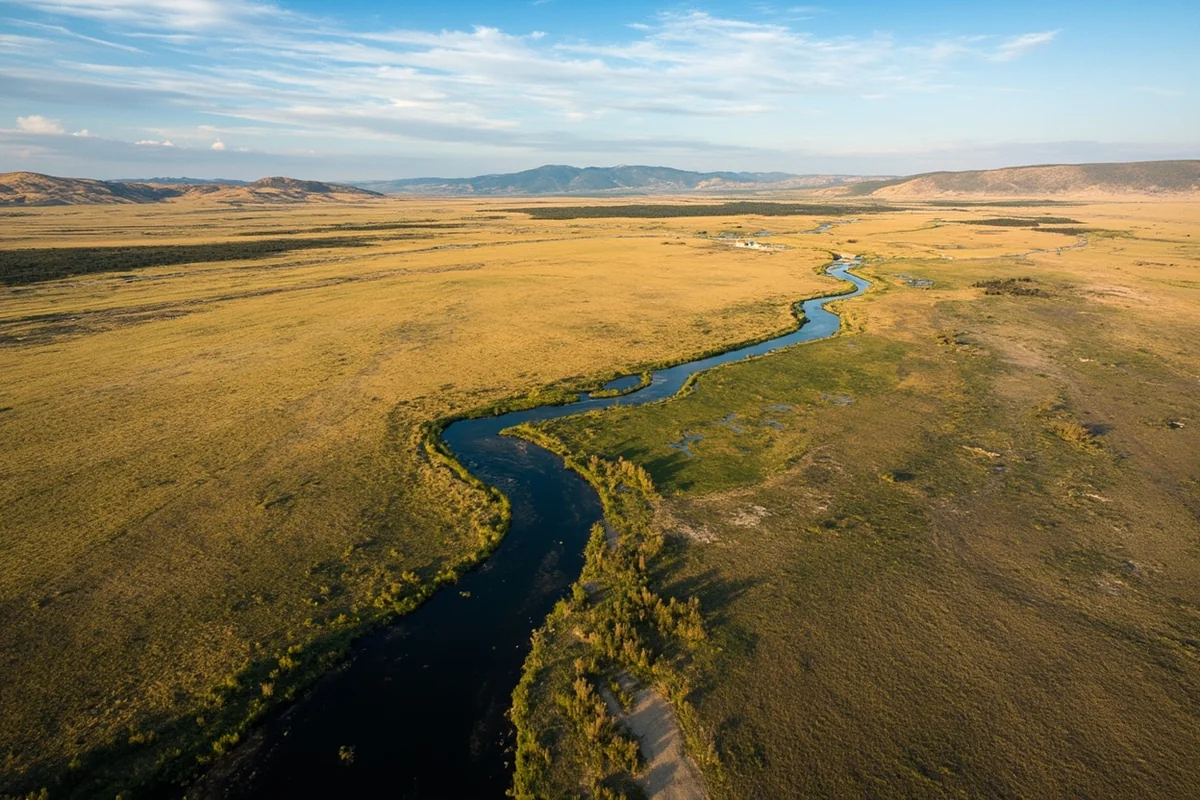
What makes this property extraordinary isn’t just size—it’s the ecological diversity. During a guided fly-fishing trip on the Madison River last summer, our guide pointed toward the ranch’s boundaries and explained how its conservation easements have protected crucial wildlife corridors for grizzlies, wolves, and elk herds.
The main compound reportedly includes a 15,000+ square foot lodge, multiple guest houses, staff quarters, and working agricultural facilities. Private airstrip? Of course. This isn’t just a ranch—it’s essentially a private kingdom.
Property #2: Yellowstone Club’s Most Expensive Chalet – $78 Million
I’ll admit something: getting past the gates at Yellowstone Club isn’t easy for a travel writer. But when I finally secured a tour during a media event two winters ago, I understood immediately why billionaires compete for membership here.
The most expensive home currently in the club sold for $78 million, though I’ve heard rumors of off-market deals pushing even higher. The property features direct ski-in/ski-out access to completely private slopes, with views of Lone Peak that genuinely took my breath away.
The home itself spans over 15,000 square feet, with seven bedrooms, a private spa, wine cellar, and the kind of details that define ultra-luxury: heated driveways, a dedicated boot room that’s larger than most Manhattan apartments, and smart home technology that would make Silicon Valley jealous.
What struck me most? The silence. Despite being in a club with hundreds of members, the terrain is so vast that you can ski for hours without seeing another person. As one member told me over drinks at the clubhouse, “That’s what you’re really buying—complete and total peace.”
Property #3: The Climbing Arrow Ranch – $136 Million
This 9,700-acre property near Big Timber made national headlines when it hit the market, and I made it a point to drive out and see what all the fuss was about.
The ranch sits along 12 miles of the Boulder River, and when I stopped at a public access point nearby, I watched trout rising in crystal-clear pools that looked like something from a fly-fishing magazine cover. The main residence dates to the 1930s, a 15,000+ square foot lodge originally built as a hunting retreat for wealthy industrialists.
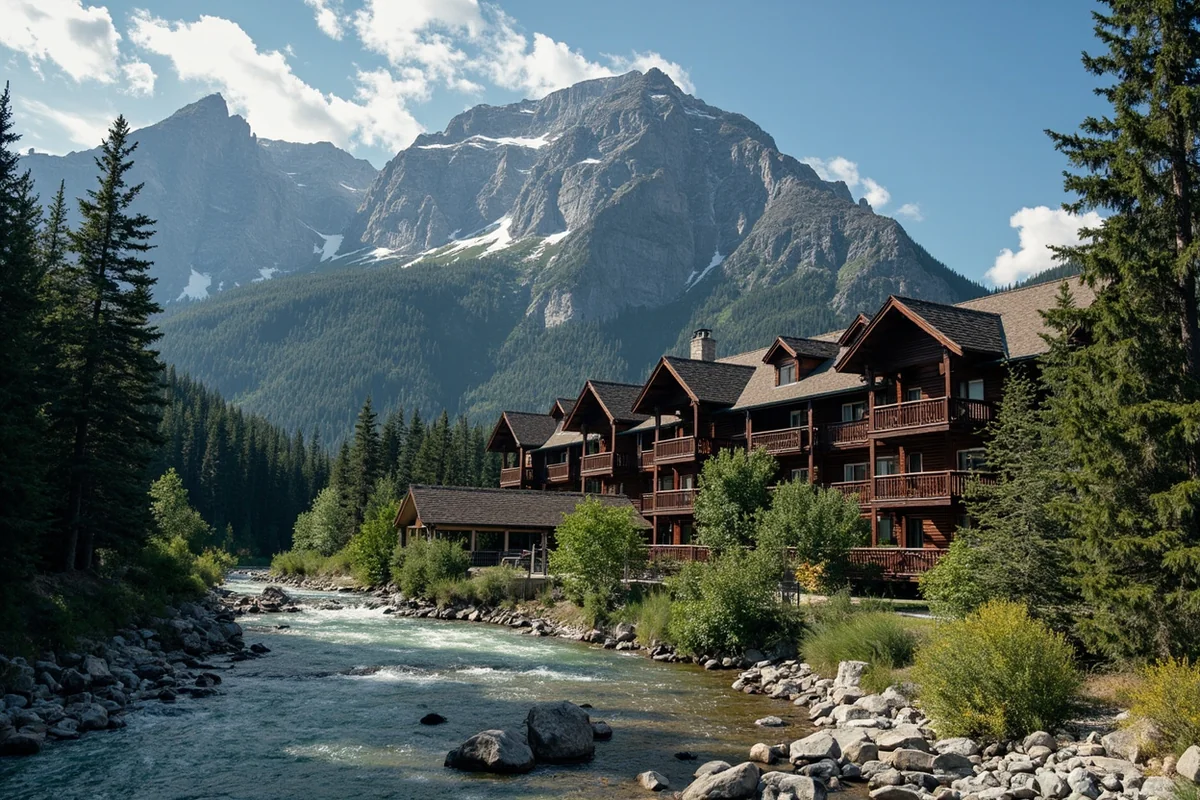
What justifies that price tag? Beyond the obvious—stunning scenery, privacy, river frontage—the ranch includes significant water rights, functioning cattle operations, and some of the best elk habitat in the lower 48 states. Many celebrities who’ve chosen Montana living have expressed interest in properties exactly like this one.
The current owners have invested heavily in conservation, protecting the land while maintaining its agricultural productivity. That balance is increasingly rare and incredibly valuable.
Property #4: The Spanish Creek Ranch – $48 Million
Just outside Big Sky, I toured this 1,600-acre property during an open house event last fall, and it redefined my understanding of “mountain modern” architecture.
The main residence was designed by a prominent architect whose name you’d recognize, featuring floor-to-ceiling windows that frame the Spanish Peaks like living artwork. Every room feels like you’re floating in the landscape rather than observing it from within a structure.
The property includes multiple ponds stocked with trophy trout, riding facilities, and guest accommodations that could function as luxury hotels in their own right.
What impressed me most was the attention to detail—everything from the locally-sourced stone to the custom-milled timber was selected to complement rather than compete with the natural surroundings.
This is the type of property that appeals to buyers who want the Big Sky lifestyle without the full commitment of a working ranch. It’s Montana luxury with training wheels, if you will—spectacular but manageable.
Property #5: The N Bar Ranch – $68.5 Million
At 61,000+ acres, the N Bar represents the kind of scale that’s increasingly difficult to find anywhere in the American West.
I visited portions of this property near Grass Range while researching a story on Montana’s agricultural heritage. The ranch has been running cattle continuously for over a century, and that working character is central to its appeal and value.
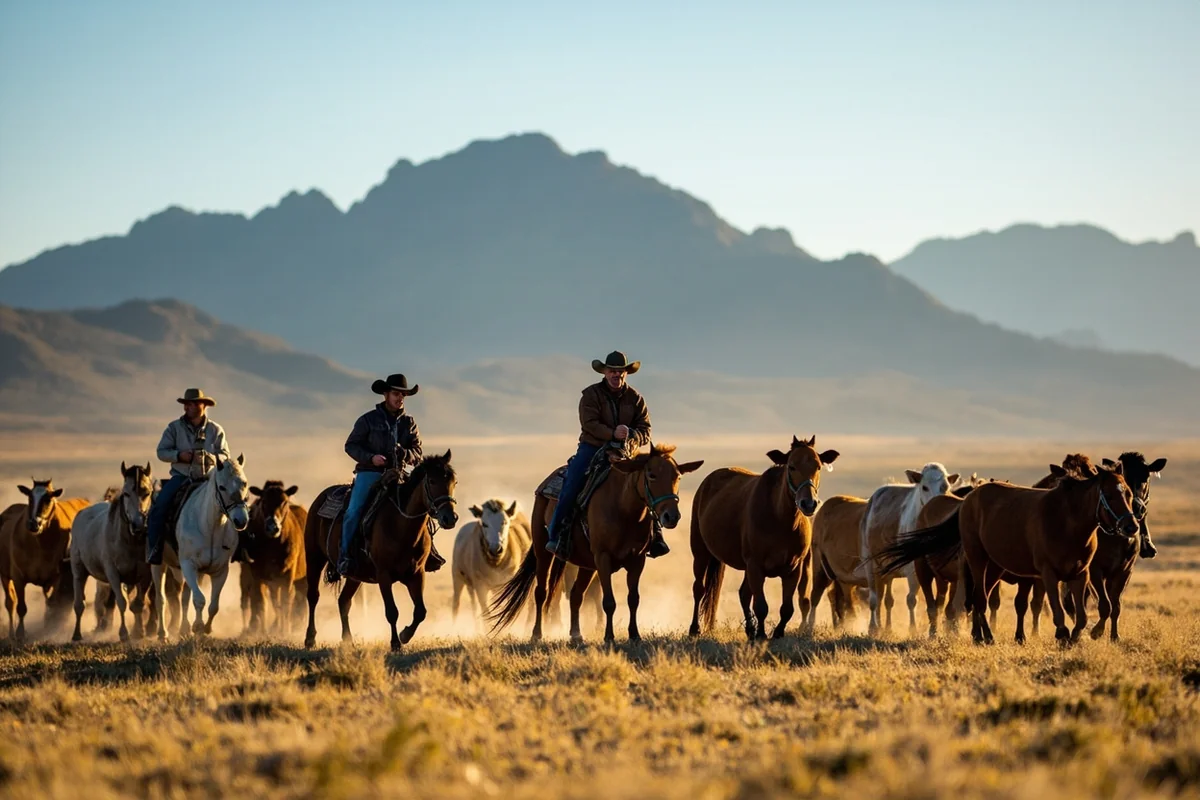
The main compound includes the original historic ranch house, extensively renovated while maintaining its pioneer character. Additional structures include manager’s quarters, bunkhouses, and equipment facilities that support 3,000+ head of cattle and substantial hay operations.
What sets the N Bar apart is its water portfolio. Multiple creeks, springs, and reservoirs provide the kind of water security that’s becoming priceless in the modern West.
Climate change and drought concerns have made properties with robust water rights significantly more valuable. This isn’t just about lifestyle—it’s about resource security.
Property #6: West Boulder River Estate – $39.5 Million
Sometimes the most expensive properties aren’t the largest. This 580-acre estate along the West Boulder River represents the pinnacle of refined Montana living—every detail considered, every view choreographed.
When I visited the property during a broker’s open, I spent nearly an hour just walking the banks of the river, watching cutthroat trout patrol the deep pools. The owners had invested in extensive habitat restoration, creating conditions that any serious angler would envy.
The main residence, while substantial at 8,500 square feet, feels almost modest by ultra-luxury standards. But the quality of construction and materials is extraordinary—hand-selected reclaimed timbers, imported stone, and craftsmanship that takes years rather than months.
The property also includes staff quarters, a guest house, and equestrian facilities, all designed in the same cohesive aesthetic. It’s the kind of place where you could genuinely live full-time, not just vacation.
Property #7: The Stock Farm Club Estate – $42 Million
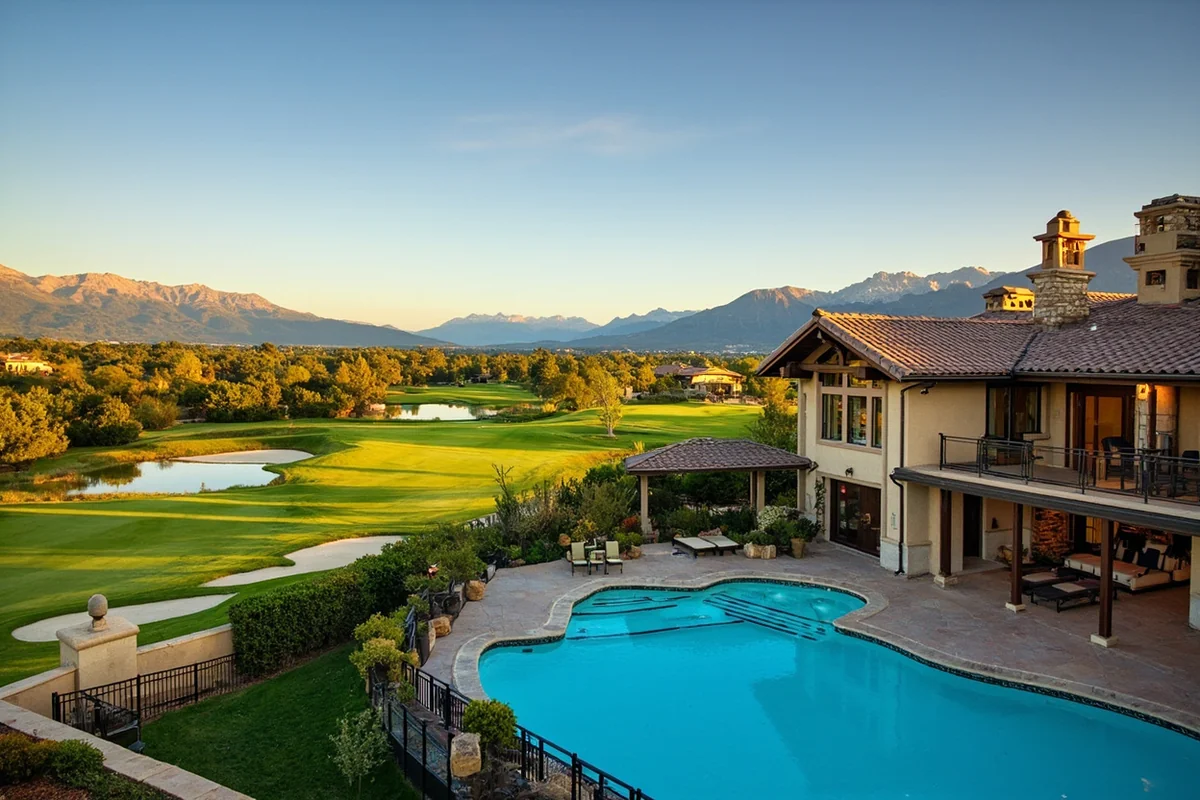
The Stock Farm is Yellowstone Club’s slightly more accessible cousin—a private golf community in the Bitterroot Valley that attracts a similarly elite clientele but with a different character entirely.
I played a round there as a guest last summer (a story for another time), and the experience was revelatory. The Tom Fazio-designed course winds through meadows with the Bitterroot Mountains providing a constant backdrop.
But it was the community’s atmosphere that surprised me—less flashy than Big Sky, more rooted in Montana traditions.
The most expensive home in the community recently traded at around $42 million. It features 12,000+ square feet of living space, direct golf course frontage, and a guest house that could function as a standalone luxury home.
Many Stock Farm residents split time between here and other properties, but increasingly, members are making this their primary residence. The best places to live in Montana often include communities like this, where wealth coexists with genuine community spirit.
Property #8: Crazy Mountain Ranch – $47 Million
This 8,100-acre property sits in the shadow of the Crazy Mountains, a range I’ve always found more dramatic and less crowded than its more famous neighbors.
Driving through the property’s lower pastures during a preliminary visit, I was struck by its isolation. Despite being relatively close to Bozeman—perhaps 90 minutes—the ranch feels genuinely remote. Cell service is spotty. The nearest significant town is 45 minutes away. You’re truly off the grid here.
The main lodge complex includes multiple structures totaling over 20,000 square feet, though they’re spread across the compound in a way that never feels overwhelming. There’s an indoor riding arena, extensive equestrian facilities, and staff housing that supports year-round operations.
What the property offers that money can’t easily replicate: direct access to wilderness, hunting opportunities that rival anywhere in North America, and the kind of silence that’s becoming increasingly rare.
Property #9: Madison River Compound – $35 Million
I’ve fished the Madison River dozens of times, and I’ve often gazed enviously at certain properties along its banks, wondering who could afford such perfectly positioned paradise.
This particular compound sits on 1,200 acres with nearly three miles of private river frontage—prime water that sees minimal fishing pressure and holds populations of brown and rainbow trout that would make any angler weep with joy.
The main residence is deliberately understated: around 6,000 square feet, designed to blend into the landscape rather than dominate it. But the details reveal significant investment—geothermal heating, solar arrays, and sustainable systems that minimize environmental impact while maximizing comfort.
The compound also includes two substantial guest houses and a dedicated guide shack for storing gear and hosting visiting anglers. It’s designed for someone whose primary passion is fly fishing, not just someone who wants to add “Montana ranch” to their portfolio.
Property #10: Gallatin Gateway Estate – $28.5 Million
Not all ultra-luxury properties sprawl across thousands of acres. This 45-acre estate near Gallatin Gateway proves that exceptional design and perfect positioning can command premium prices regardless of size.
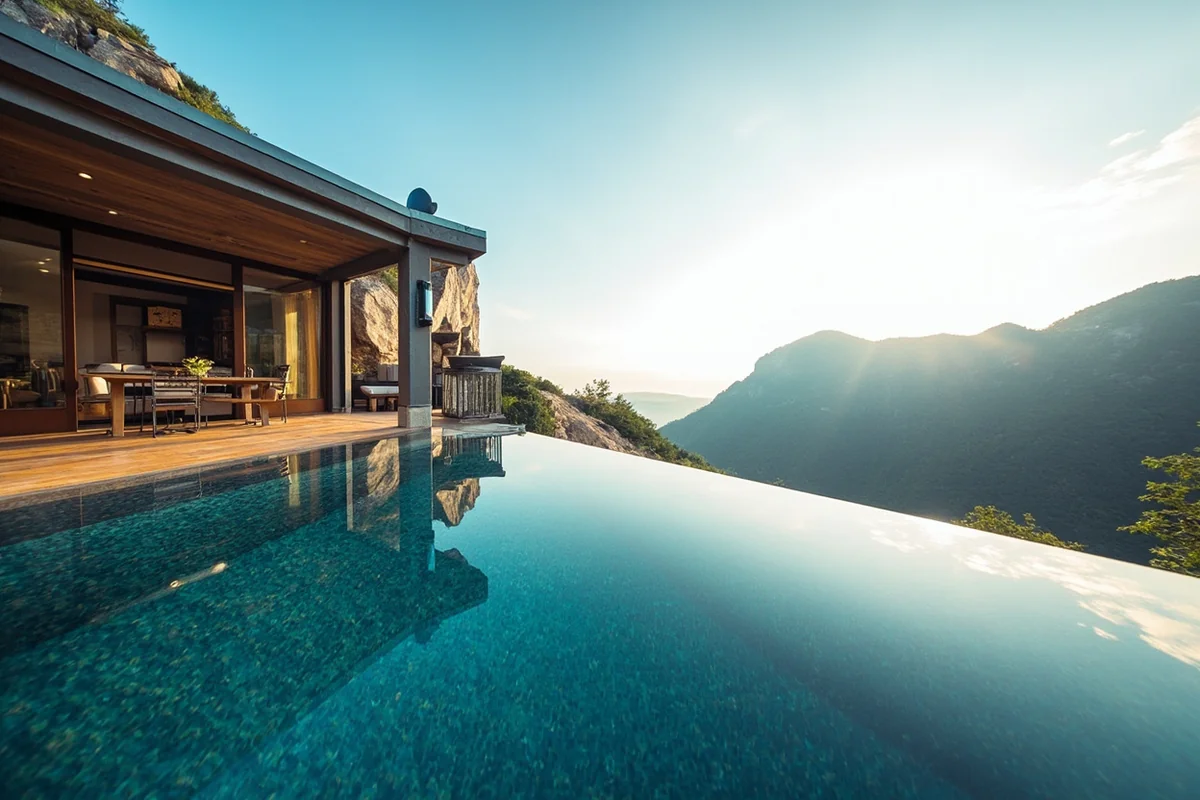
I toured this property during a charity event last year, and it represents a different approach to Montana luxury—contemporary architecture rather than rustic, sustainable systems rather than working ranch operations, and a location that offers both privacy and accessibility.
The main residence spans 14,000 square feet with walls of glass framing Gallatin Valley views. An infinity pool seems to merge with the distant mountains. The wine cellar holds 8,000+ bottles at optimal temperatures. A dedicated wellness suite includes a full spa, sauna, and cold plunge pool.
This is the type of property that appeals to buyers from architectural hubs—people who appreciate design innovation and want Montana’s landscape but not necessarily its traditional aesthetic.
Property #11: Whitefish Lakefront Estate – $32 Million
Montana’s luxury market isn’t confined to the greater Yellowstone ecosystem. Whitefish, in the northwestern corner of the state, has developed its own elite market driven by Whitefish Mountain Resort and proximity to Glacier National Park.
This lakefront estate represents the pinnacle of that market—1,500+ feet of private shoreline on Whitefish Lake, with a main residence, guest house, and boat facilities that rival any coastal property.
I spent a summer afternoon exploring Whitefish Lake by kayak a few years back, and I remember passing this property and marveling at its perfect positioning. The views across the lake to the mountains are stunning at any time of day, but sunset transforms the water into a mirror of color that’s almost impossible to describe.
The property includes a private dock that can accommodate multiple watercraft, a tennis court, and grounds designed by a nationally recognized landscape architect. For buyers who prefer lakes to rivers and skiing to ranching, Whitefish represents Montana’s other luxury frontier.
Property #12: Stillwater River Ranch – $25 Million
This 3,800-acre property along the Stillwater River near Absarokee offered something I rarely encounter in Montana’s luxury market: legitimate working agricultural value combined with recreational amenities.
The ranch supports substantial cattle operations that actually generate meaningful income—a rarity among trophy properties where “working ranch” often means a few photogenic horses. The current owners have invested in sustainable grazing practices that have improved the land’s ecological condition while maintaining productivity.
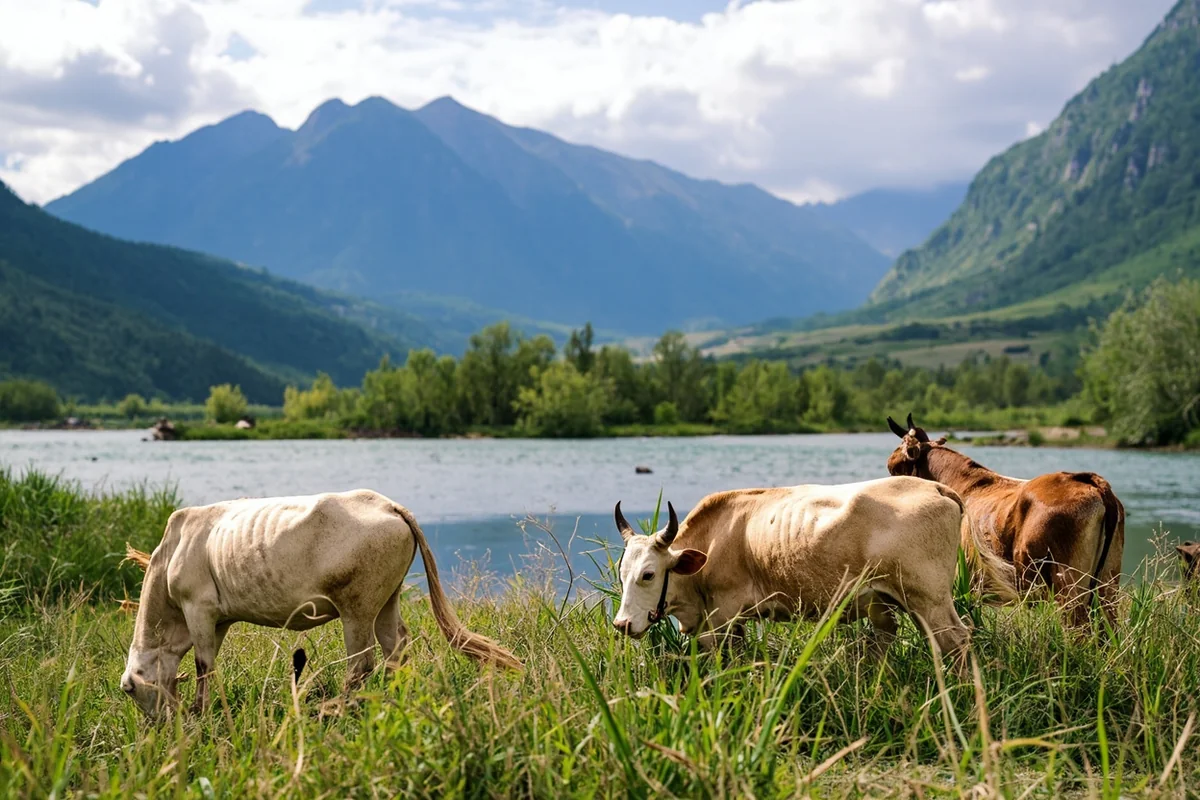
The main residence is surprisingly modest by ultra-luxury standards: around 5,500 square feet of comfortable but not ostentatious living space. Guest accommodations, manager’s quarters, and agricultural facilities round out the compound.
What commands the premium here? River access and hunting opportunities. The Stillwater offers excellent fishing, and the property’s diverse terrain supports deer, elk, antelope, and upland bird populations that draw serious sportsmen.
Property #13: Paradise Valley Retreat – $22 Million
I’ve saved one of my personal favorites for last—not the most expensive property on this list, but perhaps the most quintessentially Montana.
This 800-acre estate in Paradise Valley sits between Yellowstone National Park and Livingston, with views of Emigrant Peak that I’ve photographed from public viewpoints dozens of times.
The main residence was designed by a prominent regional architect who managed to create something both contemporary and completely appropriate to its setting.
What makes this property special is its connection to the broader landscape. Wildlife corridors cross the property—I’ve heard firsthand accounts of grizzly bears, wolves, and mountain lions passing through. The Yellowstone River forms one boundary, offering world-class fishing literally steps from the main house.
The compound includes a creative studio that previous owners—musicians, if local rumor is accurate—used for recording and rehearsal. An attached greenhouse provides year-round growing capacity. Staff quarters and guest accommodations support extended visits without compromising privacy.
What These Properties Tell Us About Montana’s Future
After spending years exploring Montana’s luxury real estate market, I’ve developed some thoughts about what these properties represent for the state’s future.
The wealth flowing into Montana is reshaping communities in complex ways. On one hand, conservation easements on many of these properties have permanently protected hundreds of thousands of acres.
Trophy ranch owners often become passionate advocates for wildlife and wildlands, funding research and restoration efforts that benefit everyone.
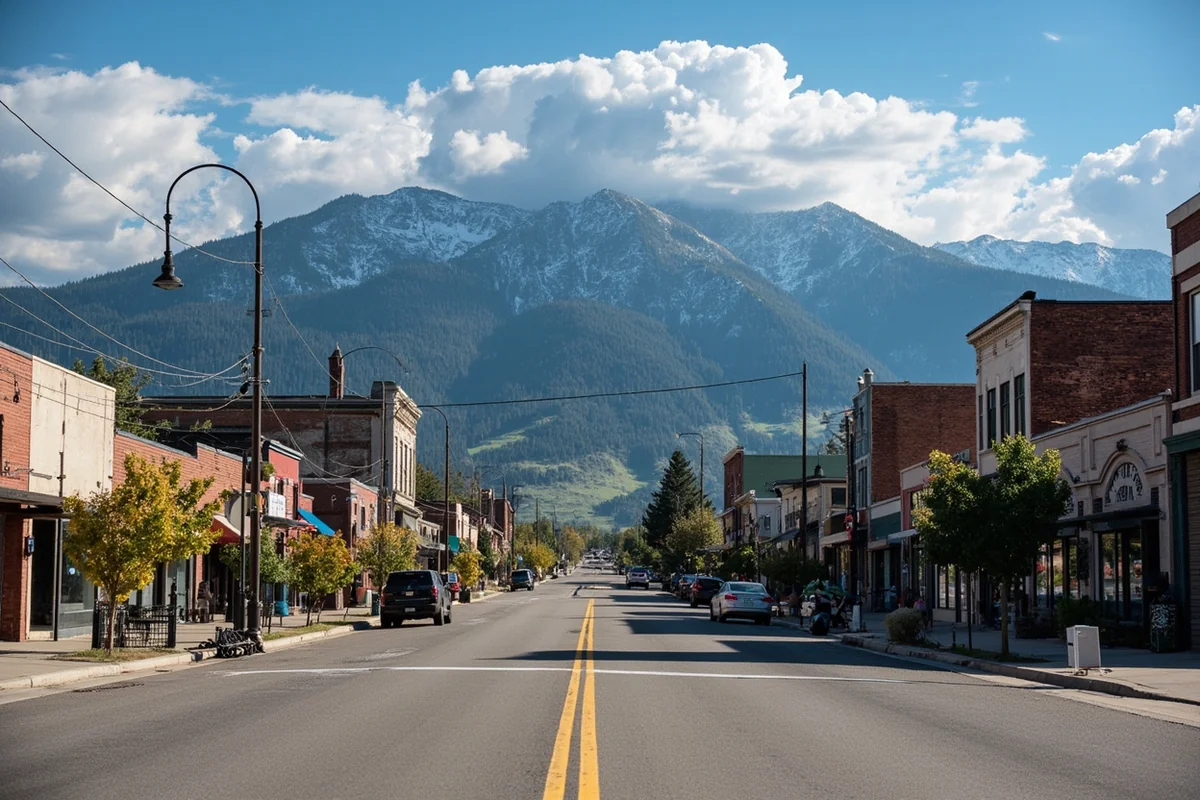
On the other hand, the Montana cost of living has skyrocketed in communities near these properties. Young families seeking to establish themselves in places like Bozeman or Whitefish face housing costs that rival coastal cities. Even Montana’s cheapest places to live have seen significant price increases driven by spillover demand.
Montana’s fastest growing cities and counties are predominantly those with proximity to luxury real estate markets. While growth brings economic opportunity, it also strains infrastructure, schools, and community character. The state’s best school districts face pressure from rapid enrollment growth, while small towns struggle to maintain services.
Practical Information for Property Hunters
If you’re genuinely interested in Montana’s luxury market, here’s what I’ve learned from observing countless transactions:
| Price Range | Typical Property | Location |
|---|---|---|
| $10-25 million | Entry-level trophy ranch, 500-2,000 acres | Secondary valleys, distance from airports |
| $25-50 million | Premium river frontage, 1,000-5,000 acres | Madison, Gallatin, Yellowstone corridors |
| $50-100 million | Exceptional properties, 5,000-20,000 acres | Prime locations with multiple features |
| $100+ million | Legacy ranches, 20,000+ acres | Generational properties, rarely available |
Most ultra-luxury transactions in Montana happen off-market. Properties this expensive rarely appear on public listing services. Instead, they trade through networks of wealth advisors, family offices, and specialized brokers who maintain relationships with both buyers and sellers.
Timing matters enormously. Many properties hit the market during estate transitions or family circumstances that force sales. Patient buyers who’ve built relationships with key brokers often get first access to opportunities before any public marketing begins.
The Visitor’s Perspective
You don’t need tens of millions to experience what makes these properties valuable. Many of the features that command premium prices—mountain views, blue-ribbon rivers, wildlife encounters—are available to anyone visiting Montana.
The Madison River, for instance, offers miles of public access water that’s every bit as productive as the private sections. Glacier and Yellowstone National Parks provide landscape experiences that rival any private ranch. Big Sky Country will capture your heart whether you’re viewing it from a $100 million ranch or a $100 campsite.
If you’re considering whether Montana might be right for a longer visit or even relocation, I’d encourage you to explore beyond the luxury market.
There are many reasons to move to Montana that have nothing to do with property prices. Understanding the full picture—including the pros and cons of living in Montana—will help you make an informed decision.
Some visitors wonder whether Montana is boring, and I can definitively say: not if you appreciate the outdoors. The state offers four distinct seasons of recreation, from world-class skiing to blue-ribbon fishing to hunting opportunities that draw sportsmen from around the globe.
For those interested in a more affordable Montana experience, the state offers options across the economic spectrum. Understanding Montana’s sales tax situation (spoiler: there is none) helps with budgeting, and communities across the state offer welcoming environments for various lifestyles and budgets.
Final Thoughts on Montana’s Ultra-Luxury Market
Standing in the shadow of the Absaroka Range during my most recent Montana visit, I reflected on everything I’d learned about the state’s most expensive properties. Yes, the prices are staggering. Yes, the wealth involved is almost incomprehensible.
But what strikes me most about Montana’s ultra-luxury market is what buyers are seeking. They’re not just purchasing square footage or amenities—they’re buying access to something increasingly rare in modern America: genuine wilderness, authentic community, and landscape that hasn’t been tamed or commodified.
The Montana population remains small, and the state remains unpopulated compared to most of America. That emptiness, paradoxically, is what makes it so valuable. Despite concerns about growth, Montana isn’t heavily populated by any measure, and even ranks among America’s least populated states.
Whether you’re a serious buyer, a curious observer, or simply someone who loves Montana and wants to understand its changing character, these properties tell an important story.
They represent both the best and most challenging aspects of Montana’s evolution: extraordinary wealth creating conservation opportunities alongside affordability challenges; global attention spotlighting local communities; and natural beauty so profound that people will pay almost anything to call it home.
For more perspectives on Montana living, including resources for the best colleges in Montana, information about Montana’s African American community, and insights into whether Montana is LGBTQ friendly, explore our comprehensive coverage. We’ve also detailed Montana’s LGBTQ organizations, retirement communities, and reasons for retiring in Montana.
Safety-conscious readers might appreciate our guides to Montana’s safest cities and towns and most dangerous cities. For those interested in practical matters, we cover whether Montana grocery stores sell liquor, Montana recycling, and homesteading in Montana.
Environmental considerations—including Montana natural disasters, wildfire risks, and places with the most snow—are essential reading for anyone considering property investment here.
And for those wondering about the state’s overall appeal? Some critics ask is Montana the worst state, while longtime residents know the answer lies somewhere in the middle—beautiful, challenging, expensive, and utterly worth it for those who belong here. Even the worst places to live in Montana offer something most states can’t match: access to authentic wilderness and genuine community.
What are Montana residents called? Montanans—and they include everyone from fourth-generation ranchers to newly arrived billionaires, all sharing this remarkable landscape. The Montana sports teams unite communities across economic divides, and the state’s character—independent, resilient, deeply connected to the land—transcends income brackets.
Montana’s most expensive properties tell a story of extraordinary wealth and natural beauty, but they’re just one chapter in the state’s ongoing narrative. Whether you’re window shopping from afar or genuinely considering a purchase, understanding this market provides insight into what makes Montana so special—and why preserving its character matters more than ever.
Frequently Asked Questions
Can you actually visit or tour Montana’s most expensive properties?
Most of Montana’s ultra-luxury properties are private estates and ranches not open to the public, but some high-end guest ranches like The Resort at Paws Up offer overnight stays where you can experience similar luxury living. I’d recommend booking luxury ranch experiences if you want a taste of Montana’s elite real estate lifestyle without trespassing on private land.
Where are Montana’s most expensive homes and ranches located?
The priciest Montana properties cluster around Big Sky, the Yellowstone Club, Paradise Valley near Livingston, and the Flathead Lake region near Whitefish. These areas attract wealthy buyers due to their proximity to world-class skiing, fly fishing, and stunning mountain views within a few hours’ drive of major airports.
How much do Montana’s most expensive properties cost compared to other Western states?
Montana’s top luxury properties range from $20 million to over $100 million, which is comparable to premium ranches in Wyoming and Colorado but often includes significantly more acreage. A 5,000-acre Montana cattle ranch might cost $50-80 million, offering better value per acre than similar properties in Jackson Hole or Aspen.
What’s the best time of year to explore Montana’s luxury real estate regions?
I recommend visiting between June and September for the best weather to explore areas like Big Sky and Paradise Valley, with daytime temperatures around 70-85°F perfect for property tours and outdoor activities. Winter visits from December to March let you experience the ski-in/ski-out lifestyle that makes Yellowstone Club properties so valuable.
Why are celebrities and billionaires buying expensive Montana ranches?
Montana offers privacy, no state sales tax, and vast landscapes that other Western states can’t match, attracting buyers like Justin Timberlake and Jeff Bezos. The combination of world-class fly fishing, big game hunting, and proximity to Yellowstone National Park makes these multi-million dollar properties appealing as both retreats and investment assets.
What should I budget for a luxury Montana travel experience similar to these high-end properties?
To experience Montana’s luxury lifestyle as a visitor, budget $1,500-$5,000 per night at exclusive guest ranches like Triple Creek Ranch or The Resort at Paws Up. All-inclusive packages typically cover gourmet dining, horseback riding, and fly fishing guides, giving you a genuine taste of how owners of these expensive properties live.
How far are Montana’s most expensive properties from major airports?
Most luxury Montana estates sit within 30-60 miles of regional airports like Bozeman Yellowstone International (BZN) or Glacier Park International (FCA), both offering direct flights from major US cities. The Yellowstone Club and Big Sky properties are about 45 miles south of Bozeman, while Flathead Lake mansions are roughly 15 miles from Kalispell’s airport.
Sources
- https://lmi.mt.gov/home/Home-Prices
- https://www.census.gov/quickfacts/fact/table/MT/PST045222
- https://www.nass.usda.gov/Publications/AgCensus/2017/Online_Resources/County_Profiles/Montana/cp30001.pdf
- https://www.usbr.gov/gp/agrimet/station_bomt_brokeno.html
- https://myfwp.mt.gov/fishMT/waterbody/searchByID?waterBodyID=41925
- https://www.umt.edu/news/2021/02/020121flbs.php
- https://fwp.mt.gov/stateparks/flathead-lake