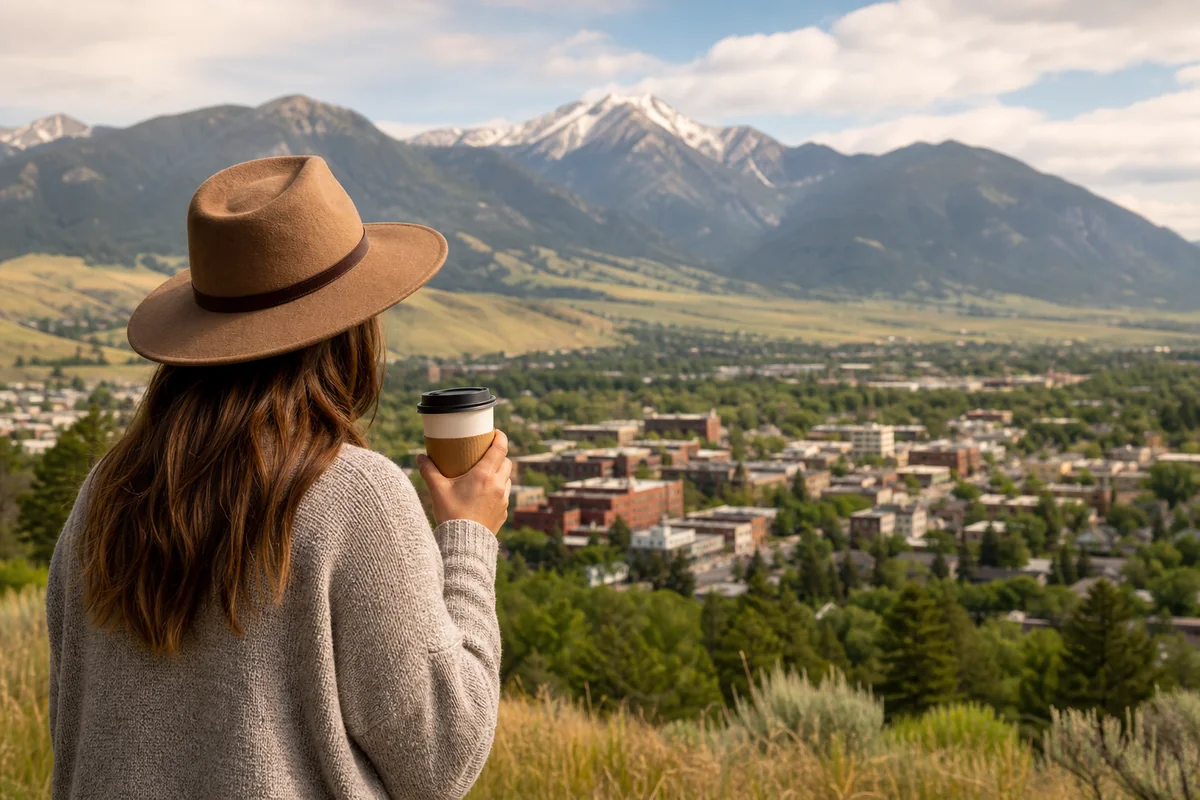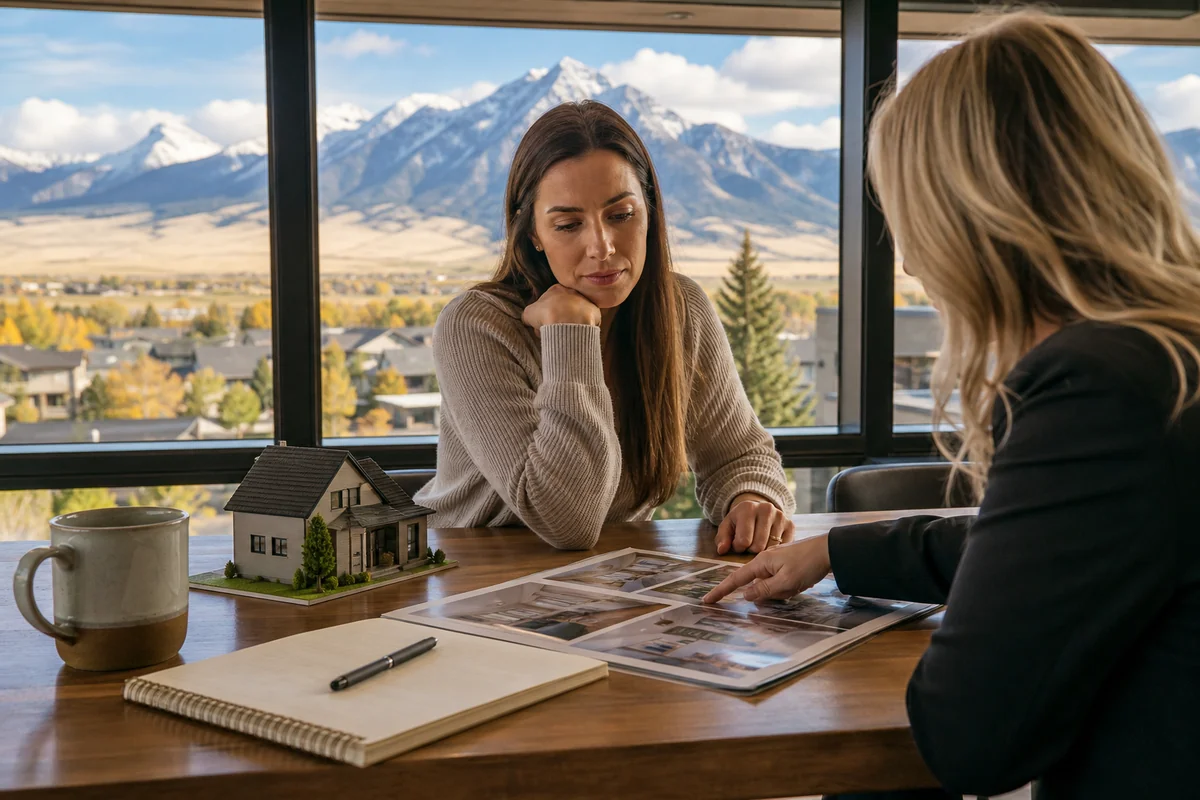
When I sat down with a real estate agent in Bozeman last fall, she laughed when I mentioned my budget. “That would have bought you a nice three-bedroom five years ago,” she said, sliding a listing across the table for a modest condo at nearly double what I’d expected.
That moment crystallized something I’d been sensing throughout my travels across Montana—the cost of living here has transformed dramatically, and the reality on the ground often surprises newcomers.
If you’re exploring Montana Living as a possibility, understanding what you’ll actually pay is essential before making any decisions.
I’ve spent considerable time in both the tourism hotspots and the quieter corners of Big Sky Country, and I can tell you the financial picture varies wildly depending on where you land.
- Montana’s overall cost of living runs about 3-5% above the national average, but housing in popular areas can be 20-40% higher
- No state sales tax saves residents $1,500-2,500 annually on purchases
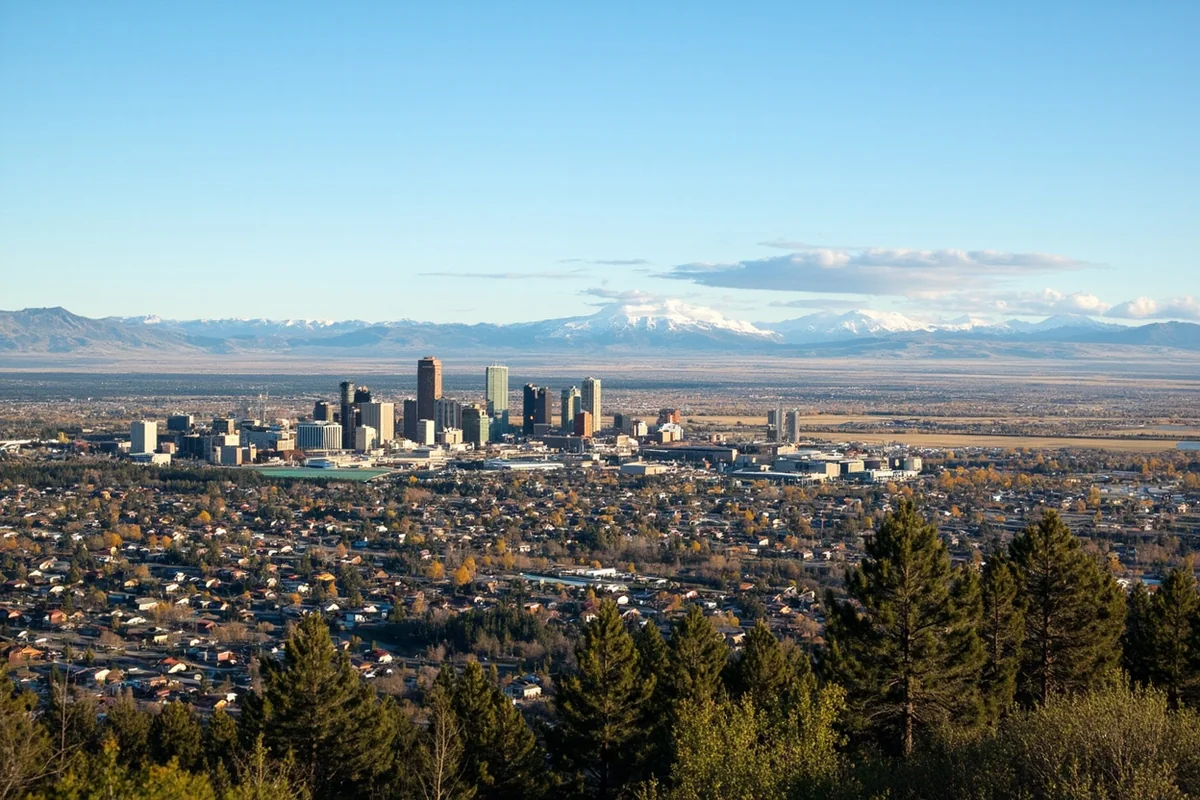
- Rural areas like Miles City and Havre remain genuinely affordable, while Bozeman and Whitefish command premium prices
- Utilities, especially heating, run significantly higher than national averages due to harsh winters
- Groceries cost 5-10% more than the U.S. average because of transportation logistics
- Healthcare access is limited and often requires travel to larger cities
Liked this article?
Add Roaming Montana as a preferred source so you see more of our articles and guides on Google.
The Real Story Behind Montana’s Rising Costs
I remember my first extended stay in Montana back in 2018. During that trip, I rented a charming apartment in Missoula for what seemed like a steal. Fast forward to my visit last summer, and that same building now commands nearly twice the monthly rent.
What happened? A perfect storm of remote work migration, limited housing inventory, and Montana’s undeniable natural appeal. During the pandemic years, people discovered they could work from anywhere—and many chose Big Sky Country.
This shift has fundamentally altered the economics of living here. When I interviewed longtime residents in Helena during my recent trip, the frustration was palpable. “I’ve lived here my whole life, and I’m being priced out of my own hometown,” one small business owner told me.
Housing: The Biggest Variable in Your Budget
Let’s address the elephant in the room first. Housing will likely be your largest expense, and it’s where Montana’s cost of living story gets complicated.
Rental Market Reality
When I was apartment hunting in Bozeman last spring for an extended research stay, I discovered that finding anything decent under $1,800 per month required either incredible luck or significant compromises. A one-bedroom in a desirable Bozeman neighborhood now averages $1,700-2,200 monthly.
Missoula runs slightly cheaper—I found comparable units ranging from $1,400-1,800. However, inventory remains tight in both cities, and I watched several listings disappear within hours of posting.
Helena and Great Falls offer some relief. During my time in Helena, I saw decent two-bedroom apartments listed between $1,100-1,500, which feels almost reasonable by current Montana standards.
If you’re wondering about the cheapest places to live in Montana, eastern communities like Miles City and Glendive still offer rentals under $800 for basic apartments—though amenities and job opportunities are correspondingly limited.

Home Buying: Sticker Shock Territory
The median home price in Montana now hovers around $450,000 statewide, but that number masks enormous regional variation.
In Bozeman, I watched properties routinely sell for $700,000-900,000 for modest single-family homes. Whitefish, with its proximity to Glacier National Park and ski resort, often exceeds these figures. One local told me about bidding wars where homes sold for $100,000 over asking price—paid in cash.
Meanwhile, in Butte—a town I genuinely enjoy for its gritty authenticity and fascinating mining history—I saw livable homes listed under $200,000. The catch? Butte’s economy remains challenging, and some of these properties need significant work.
Understanding why Montana has become so expensive helps contextualize these numbers. Limited buildable land, strict zoning in some areas, and sustained demand from out-of-state buyers have all contributed.
Property Taxes: A Silver Lining
Here’s some good news. Montana’s property tax rates are relatively modest compared to many states. During my research, I found that a $400,000 home typically generates annual property taxes between $2,500-3,500, depending on the county and any applicable exemptions.
The state also offers property tax assistance programs for seniors and disabled residents, which I learned about while visiting a Montana retirement community near Billings.
| City | Median Rent (1BR) | Median Home Price | Affordability Rating |
|---|---|---|---|
| Bozeman | $1,900 | $750,000 | Low |
| Whitefish | $1,800 | $800,000+ | Very Low |
| Missoula | $1,600 | $550,000 | Low-Moderate |
| Helena | $1,300 | $425,000 | Moderate |
| Great Falls | $1,100 | $320,000 | Moderate-High |
| Billings | $1,200 | $375,000 | Moderate |
| Butte | $850 | $225,000 | High |
| Miles City | $700 | $195,000 | High |
The No Sales Tax Advantage
One of my favorite discoveries about Montana’s tax situation is the complete absence of state sales tax. Every purchase, from groceries to furniture to that expensive outdoor gear you’ll inevitably buy, costs exactly the listed price.
Coming from states with 8-10% sales tax, this felt almost surreal during my first shopping trips. I bought a new pair of hiking boots in Missoula, and when the total matched the price tag exactly, I had to remind myself this was normal here.
The savings add up meaningfully over time. I calculated that for a household spending $25,000-35,000 annually on taxable goods, the no-sales-tax policy saves roughly $1,500-2,500 per year.
Some Montanans I spoke with strategically make large purchases—vehicles, appliances, electronics—while residing in the state specifically to avoid sales tax. The DMV in Bozeman even sees out-of-state buyers registering vehicles to take advantage of this.

Groceries and Everyday Expenses
Food Costs: Higher Than You Might Expect
Montana’s geographic isolation drives grocery prices noticeably higher than national averages. During my various stays, I consistently found prices running 5-10% above what I paid in more populated states.
A gallon of milk typically costs $4.50-5.00. A pound of ground beef runs $6-8 depending on quality and location. Fresh produce, especially out of season, can be shockingly expensive in rural areas.
I’ve learned to shop strategically. Costco in Missoula or Billings offers significant savings if you’re willing to buy in bulk. Local farmers markets during summer months provide excellent value for seasonal produce—the Saturday market in Bozeman became one of my favorite weekly rituals.
One quirk that surprised me: Montana grocery stores don’t sell liquor. Beer and wine, yes, but for spirits, you’ll need to visit state-run liquor stores. Prices there run higher than in neighboring states with privatized systems.
Dining Out: A Mixed Bag
Restaurant prices vary enormously depending on where you are. In Bozeman’s trendy downtown, I regularly paid $18-25 for entrees at mid-range restaurants. A craft beer rarely cost less than $7.
But in smaller towns like Lewistown or Dillon, I found excellent home-style meals for $12-15. The cafe culture in these communities often delivers better value and equally satisfying food.
Utilities: Brace Yourself for Winter
This category caught me off-guard during my first Montana winter stay. Heating costs in Big Sky Country can be brutal.
Heating Bills That Hurt
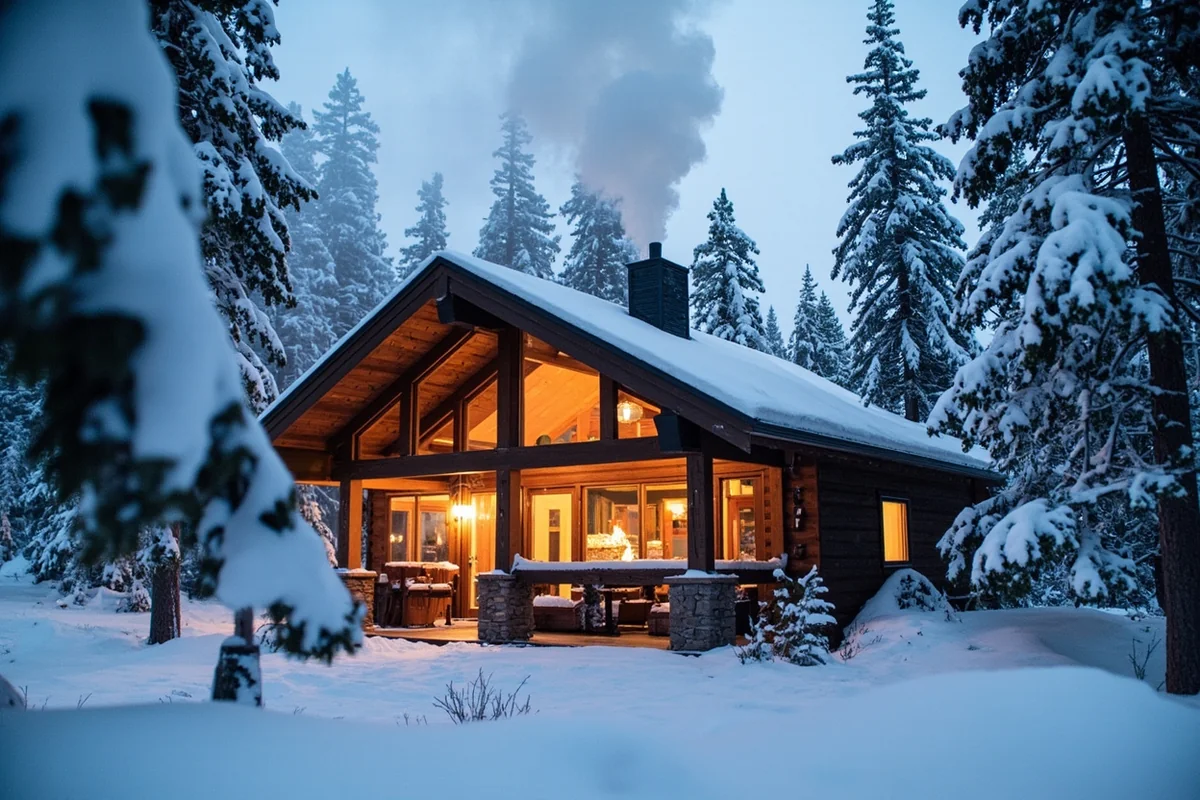
Natural gas remains the most economical heating option, but even so, I met families paying $300-400 monthly during peak winter months. Propane users in rural areas often face bills exceeding $500 monthly when temperatures drop below zero for extended periods.
Electric heating, the least efficient option here, can push bills even higher. One cabin owner near Whitefish told me her January electric bill topped $600—and she kept the thermostat at a modest 65 degrees.
The key factors affecting your heating costs include:
- Home insulation quality (older homes often lack adequate insulation)
- Square footage and ceiling height
- Heating system efficiency
- Your personal temperature preferences
- How many snowy, cold months your area experiences
Water and Electricity
Summer utility bills provide welcome relief. My electricity costs during warm months rarely exceeded $100, even running air conditioning occasionally.
Water bills throughout Montana struck me as reasonable—typically $40-70 monthly for a household. Many rural properties rely on wells, eliminating this expense but adding maintenance considerations.
Transportation: The Hidden Budget Buster
If there’s one thing I underestimated about Montana living costs, it’s transportation. This state is massive, and you’ll drive—a lot.
Vehicle Ownership Is Essentially Mandatory
Public transportation barely exists outside Missoula and Bozeman, and even there, it’s limited. During my attempts to explore Montana without a car, I quickly realized the impossibility of the endeavor.
You’ll need a reliable vehicle, preferably something with four-wheel drive for winter conditions. Factor in:
- Higher gas prices than national average ($0.20-0.40 more per gallon)
- Increased wear and tear from long distances and rough roads
- Winter tires (essential, not optional)
- More frequent oil changes due to mileage
I tracked my driving during a three-month stay in the Flathead Valley and logged over 4,000 miles—just for basic errands, occasional trips to Kalispell, and moderate exploration. At $3.80 per gallon and 25 miles per gallon, that’s $608 in fuel alone.
Insurance Considerations
Auto insurance rates in Montana run slightly below national averages, which provides some relief. I quoted policies around $1,200-1,800 annually for full coverage, depending on driving history and location.
However, comprehensive coverage becomes more important here due to wildlife collision risks. I personally witnessed three deer-related accidents during one autumn month near Missoula.
Healthcare: Limited Options, Variable Costs
Healthcare access represents one of Montana’s most significant challenges, particularly for those considering rural locations.
Provider Scarcity
During my travels through eastern Montana, I learned that some communities have no resident physicians at all. One woman in Jordan described driving two hours each way for routine appointments.
Major hospitals concentrate in Billings, Missoula, Great Falls, and Bozeman. Specialized care often requires travel to these hubs or even out of state.
Insurance and Costs
Health insurance premiums through the ACA marketplace run moderate compared to other states—I researched plans ranging from $350-600 monthly for individual coverage depending on age and chosen tier.
However, out-of-pocket costs can spike if you need care while far from your insurance network’s providers. I recommend anyone considering rural Montana ensure their plan includes reasonable out-of-network coverage.
Education Expenses
K-12 Public Schools
Public education comes at no direct cost, obviously, but school quality varies significantly across districts. If you’re moving with children, researching the best school districts in Montana should be a priority.
Some districts struggle with funding and teacher retention, particularly in isolated areas. Others, especially in wealthier communities like Bozeman, offer excellent facilities and programming.
Higher Education
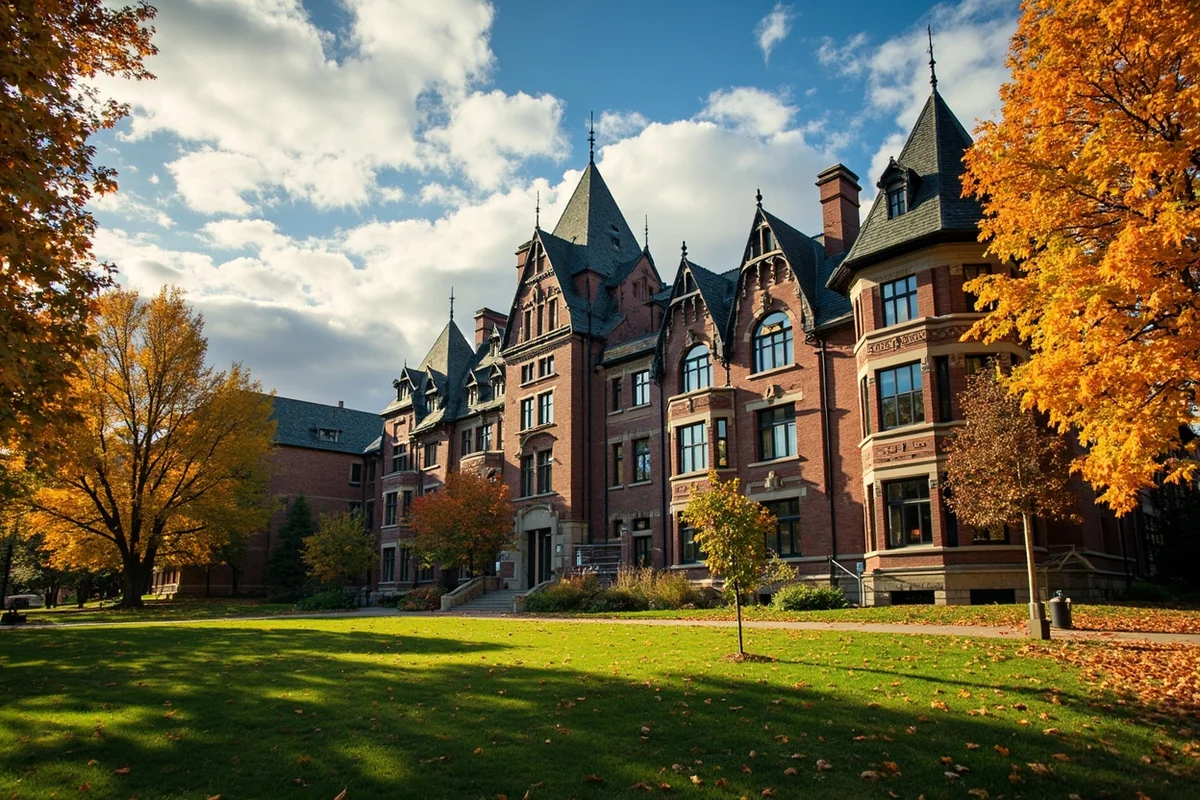
Montana’s public university system offers relatively affordable tuition for residents. Montana State University in Bozeman and University of Montana in Missoula both charge approximately $7,500-8,000 annually for in-state undergraduate tuition.
If you’re considering pursuing education here, check out information on the best colleges in Montana to understand your options beyond the flagship universities.
Childcare: A Significant Expense
During conversations with young families across Montana, childcare costs emerged as a major concern. Quality childcare runs $800-1,400 monthly per child depending on age and location.
The supply problem compounds the cost issue. Waitlists at reputable facilities often stretch months or even years. One mother in Helena told me she put her name on childcare lists before she even conceived.
Recreation and Entertainment
The Great Outdoors: Often Free
Here’s where Montana’s cost of living becomes genuinely appealing. The state offers virtually unlimited free outdoor recreation.
Public lands—national forests, BLM land, state parks—provide endless opportunities for hiking, fishing, camping, and wildlife watching at little or no cost. During my summer stays, I spent weeks exploring without spending a dime on entertainment beyond gas money.
Annual state park passes cost around $40 and provide access to over 50 state parks. National park passes run $80 annually but cover both Glacier and Yellowstone (Montana’s portion) plus all other federal sites.
Indoor Entertainment: Limited and Pricier
If you’re wondering whether Montana might feel boring, the answer depends entirely on your interests. Outdoor enthusiasts find paradise here. Those seeking urban entertainment options may feel constrained.
Movie tickets run $12-15 in most towns. Live music venues concentrate in Missoula and Bozeman. Professional sports don’t exist here—there are no major league teams, though Montana sports teams at the college level generate passionate followings.
Income Considerations
Wages: Generally Lower
Montana’s median household income hovers around $60,000-65,000, below the national median. Service industry wages, in particular, lag behind many other states.
During my conversations with workers across various sectors, I heard consistent frustrations about the gap between local wages and rising living costs. “We’re becoming a place where only the wealthy or remote workers can afford to live,” one restaurant manager in Whitefish observed.
Remote Work: The Game Changer
If you can bring a coastal salary to Montana, you’ll find the cost of living quite manageable outside the premium destinations. This dynamic partly explains why Montana prices have been booming—high-earning remote workers have reshaped local economics.
Income Tax: Moderate Rates
Montana levies a state income tax with rates ranging from 1% to 6.75% depending on income level. While not the lowest in the region (Wyoming and South Dakota have no income tax), it’s not punitive either.
For a household earning $80,000 annually, expect state income tax liability around $3,500-4,500.
Regional Cost Variations: Where You Land Matters
Premium Markets
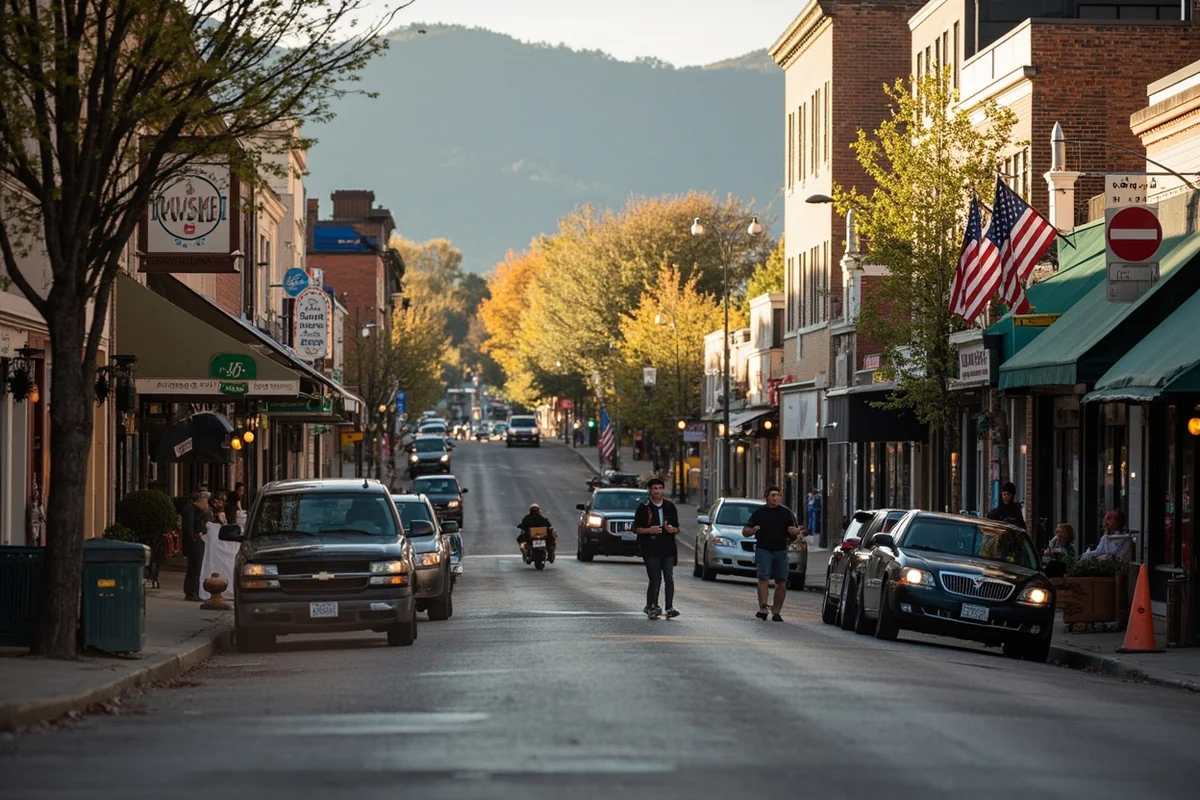
Bozeman, Whitefish, and Big Sky command the highest prices for everything. These areas attract wealthy transplants and second-home buyers, driving costs that rival expensive markets elsewhere in the country.
Moderate Markets
Missoula, Helena, Kalispell, and Billings offer more reasonable costs while still providing amenities, job opportunities, and healthcare access. These represent solid choices for those seeking balance.
If you’re evaluating where to settle, explore the best places to live in Montana for detailed community profiles.
Affordable Markets
Eastern Montana communities—Miles City, Glendive, Sidney, Havre—remain genuinely affordable. Trade-offs include limited amenities, harsh winters, and reduced job markets.
Some people find these communities perfect, especially retirees or remote workers. Others find them isolating. I’ve personally enjoyed extended stays in these areas but recognize they’re not for everyone.
Understanding why Montana remains so unpopulated helps explain the character of these regions.
Special Considerations
Retirement in Montana
Retirees face mixed circumstances here. The no-sales-tax benefit helps fixed incomes stretch further. However, heating costs and healthcare access present genuine challenges.
Social Security benefits aren’t taxed in Montana, which helps retirees considerably. Learn more about reasons for retiring in Montana if this life stage applies to you.
Starting a Business
Business costs reflect the general pattern—lower than coastal cities, higher than you might expect for a rural state. Commercial rents in Bozeman approach levels I’ve seen in mid-sized cities elsewhere.
The state’s business-friendly regulatory environment and no sales tax on business purchases provide some advantages.
Homesteading and Rural Living
If you’re drawn to self-sufficient living, Montana offers opportunities. Land prices in remote areas remain accessible, and homesteading in Montana attracts a dedicated community.
However, factor in significant infrastructure costs for well drilling, septic systems, and potentially off-grid power if the property lacks utilities.
Safety and Quality of Life
Crime Rates
Overall crime rates run below national averages, though some communities face challenges. The safest cities and towns in Montana offer genuinely peaceful living.
Conversely, certain areas struggle with property crime and drug-related issues. Research the most dangerous cities in Montana if safety concerns factor into your decision.
Natural Disaster Risks
Montana faces several natural disaster risks worth understanding. Wildfires represent the most significant threat—Montana does get wildfires, and some summers bring severe smoke that impacts air quality and health.
Flooding, particularly in mountain communities, presents periodic risks. Winter storms can strand residents for days in rural areas.
The Population Factor
Montana’s sparse population—around 1.1 million residents spread across the fourth-largest state—directly impacts costs and lifestyle. Understanding Montana’s population dynamics helps contextualize the economic picture.
The fastest-growing cities and counties face the most intense cost pressures, while stable or declining population areas maintain affordability.
Some wonder whether Montana is heavily populated—the answer is definitively no. This is one of America’s least populated states, which creates both benefits and challenges.
Community and Culture
Cost of living extends beyond dollars. The cultural fit matters too.
I’ve found Montanans generally welcoming but sometimes reserved toward newcomers. The state has a strong identity, and longtime residents can feel protective of it.
Diverse communities exist but remain small. Montana’s African American community has a fascinating history worth exploring. For LGBTQ individuals wondering whether Montana is LGBTQ friendly, the answer varies significantly by location—check out Montana LGBTQ organizations for resources and community connections.
Even celebrities have discovered Montana’s appeal—learn about celebrities who chose Montana living and what drew them here.
Weighing the Pros and Cons
For a comprehensive view, explore the detailed pros and cons of living in Montana. And if you need convincing about Montana’s appeal, the reasons Montana will capture your heart might resonate.
There are legitimate reasons to move to Montana that go beyond cost calculations—quality of life, natural beauty, outdoor access, and community character all factor in.
Conversely, some areas present genuine challenges. Research the worst places to live in Montana to understand what to avoid. And for those wondering whether Montana ranks as the worst state—it certainly doesn’t for the right person, but it’s not universally ideal either.
Practical Environmental Notes
If environmental responsibility matters to you, know that Montana recycling infrastructure varies dramatically by location. Urban areas offer reasonable programs while rural communities often lack curbside service entirely.
And yes, those most expensive Montana properties you’ve seen in magazines? They represent a tiny fraction of the market—impressive to admire but irrelevant to most actual residents’ experiences.
Final Thoughts: Is Montana Affordable?
After all my time exploring this state, my honest assessment is this: Montana’s cost of living can work for you or against you depending on your circumstances.
If you’re bringing remote income, willing to consider locations beyond Bozeman and Whitefish, and prepared for utility costs and transportation realities, Montana can offer a reasonable value for the lifestyle it provides.
If you’re dependent on local wages, require urban amenities, or have health conditions requiring frequent specialist care, the financial picture becomes more challenging.
What I’ve consistently found is that people who thrive here have realistic expectations, some financial flexibility, and genuine appreciation for what Montana uniquely offers. The natural beauty, outdoor access, and community character can justify costs that might seem unreasonable in a purely numerical analysis.
But go in with open eyes. Visit during winter before committing. Spend time in your prospective community beyond tourist season. Talk to actual residents about their experiences.
Montana rewards those who understand what they’re getting into. The cost of living is just one piece of that puzzle—but it’s a piece you can’t afford to ignore.
Frequently Asked Questions
How much does it cost to live in Montana compared to other US states?
Montana’s cost of living runs about 5-8% above the national average, though it varies dramatically by location. Cities like Bozeman and Whitefish are significantly pricier due to tourism and remote worker demand, while smaller towns like Miles City or Havre remain quite affordable. I’ve found housing is the biggest factor, with median home prices around $450,000 statewide.
What is the average rent for an apartment in Montana in 2024?
Average monthly rent in Montana ranges from $900-$1,400 for a one-bedroom apartment, depending on location. In Bozeman or Missoula, expect to pay $1,500-$2,000 for a decent one-bedroom, while smaller towns like Great Falls or Billings offer rentals closer to $900-$1,100. Rental availability is tight in resort towns, so searching 2-3 months ahead is essential.
Is Montana expensive for groceries and everyday essentials?
Groceries in Montana typically cost 3-5% more than the national average due to transportation costs in this rural state. A typical weekly grocery bill for one person runs about $75-$100 depending on your shopping habits. I recommend shopping at WinCo, Costco, or local co-ops in larger cities for the best deals on everyday essentials.
How much should I budget for utilities and heating in Montana?
Monthly utilities in Montana average $150-$250, but winter heating costs can spike significantly due to harsh temperatures dropping well below zero. Natural gas and propane are common heating sources, and I’ve seen winter heating bills alone reach $200-$400 in older homes. Factoring in high heating costs from November through March is crucial when budgeting for Montana living.
What salary do you need to live comfortably in Montana?
To live comfortably in Montana, a single person typically needs $50,000-$65,000 annually, while families should aim for $85,000-$110,000 depending on location. In expensive areas like Bozeman or Big Sky, add another $15,000-$25,000 to those figures. Montana has no sales tax, which helps offset costs, but the lack of high-paying jobs outside healthcare and tech can make earning that salary challenging.
Are Montana property taxes high compared to neighboring states?
Montana property taxes are moderate, averaging around 0.74% of assessed home value, which is lower than many neighboring states like Nebraska or Wyoming. On a $400,000 home, you’d pay roughly $2,960 annually in property taxes. However, rapidly increasing home values in popular areas mean tax bills are climbing, something I’ve noticed hitting longtime residents particularly hard.
What are the hidden costs of living in Montana that newcomers overlook?
The biggest hidden costs include vehicle maintenance from rough rural roads, higher car insurance rates due to wildlife collisions, and travel expenses since major airports are often 100+ miles away. Many newcomers underestimate winter costs like snow tires, emergency supplies, and higher fuel consumption during cold months. I also recommend budgeting for occasional trips to larger cities for specialty shopping or medical care unavailable locally.
Sources