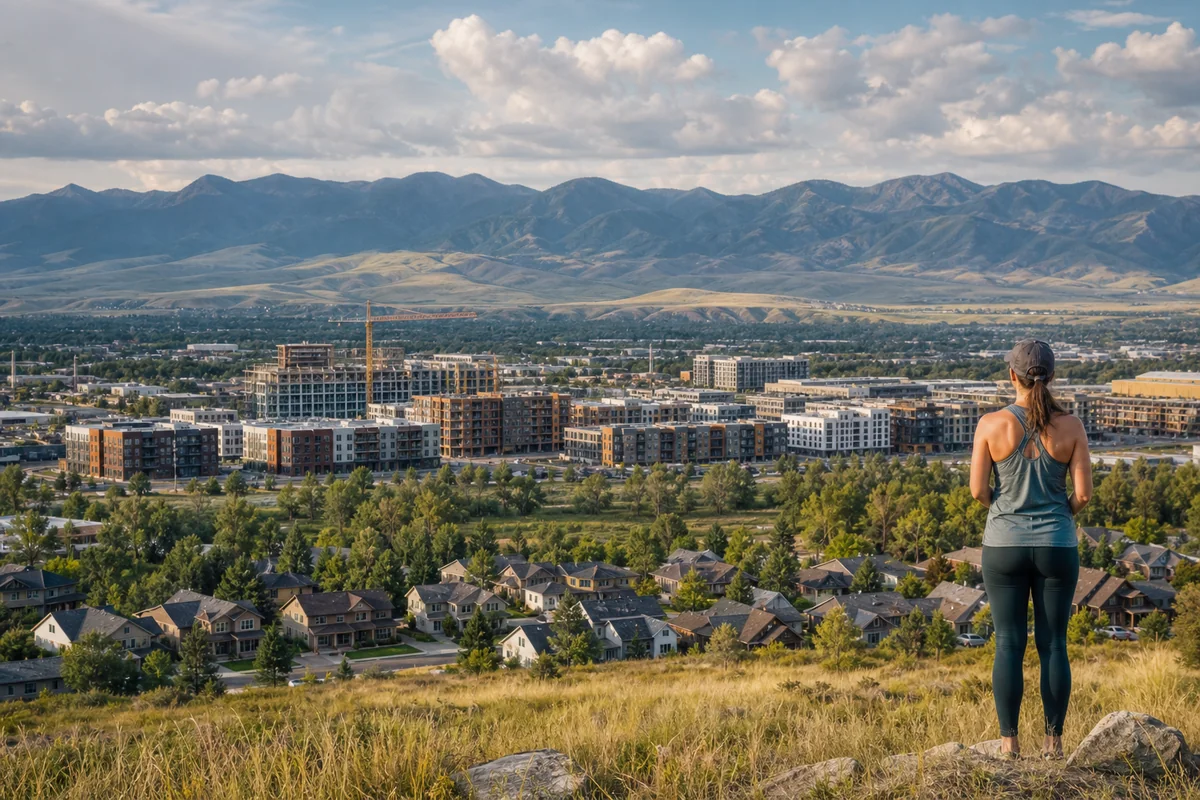
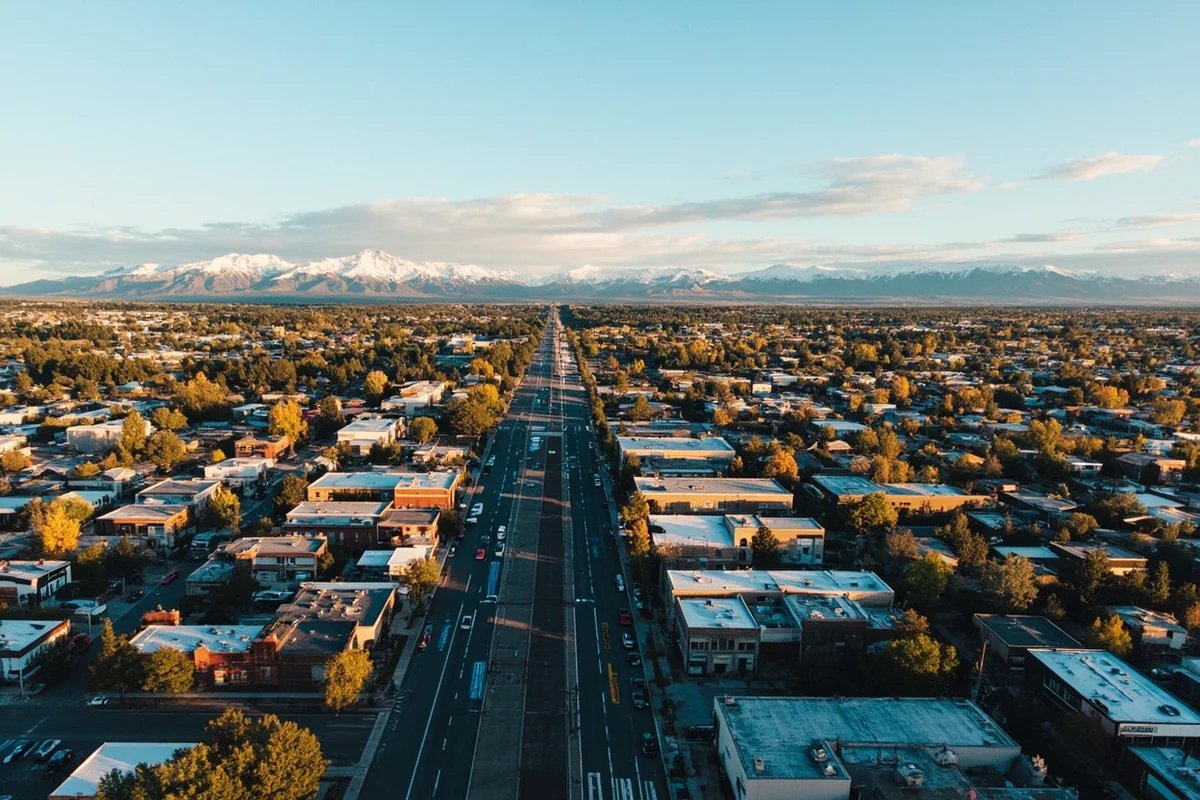
When I pulled into Bozeman last summer after a three-year absence, I genuinely didn’t recognize the stretch of North 19th Avenue—what used to be open fields now bristled with apartment complexes, breweries, and a Costco that seemed to materialize overnight.
Montana’s growth isn’t just statistics on a census report; it’s a lived reality that’s reshaping communities, hiking trail parking lots, and even the character of small-town diners I once knew by heart.
If you’re exploring Montana Living as a potential new chapter in your life, understanding which cities are booming—and why—can help you make smarter decisions about where to visit, invest, or eventually call home.
- Bozeman leads Montana’s growth with 30%+ population increase since 2010, driven by tech jobs and outdoor lifestyle
- Kalispell and the Flathead Valley are exploding due to Glacier National Park proximity and remote work migration
- Belgrade, Livingston, and Whitefish show double-digit growth rates with distinct personalities
- Housing costs have skyrocketed—expect median home prices $500K+ in popular areas
- Infrastructure struggles in most growing cities (traffic, healthcare access, school capacity)
- Smaller boomtowns like Three Forks and Manhattan offer alternatives to major hubs
Liked this article?
Add Roaming Montana as a preferred source so you see more of our articles and guides on Google.
Why Montana Is Growing So Fast Right Now
I remember when people used to ask me “Where is Montana?” at parties. Now everyone seems to have a cousin who moved to Bozeman or a college friend who bought land near Whitefish.
The Montana population has surged dramatically, especially since 2020. Remote work possibilities, pandemic-era lifestyle reassessments, and social media showcasing Big Sky Country’s beauty have all contributed to unprecedented in-migration.
During my conversations with locals from Missoula to Miles City, I’ve heard both excitement and concern about these changes. Growth brings economic opportunity but also challenges the “last best place” identity many Montanans hold dear.
The state added roughly 100,000 residents between 2010 and 2023, which might sound modest compared to Texas or Florida. But for a state with just over one million people total, that represents nearly a 10% increase—and it’s concentrated in specific corridors.
Bozeman: The Undisputed Growth Champion
No conversation about Montana’s fastest-growing cities can begin anywhere but Bozeman. When I first visited in 2008, it felt like a slightly larger college town with a ski hill attached. Today, it’s practically unrecognizable in certain neighborhoods.
The Numbers Tell a Staggering Story
Bozeman’s population has grown from roughly 37,000 in 2010 to over 56,000 today—a growth rate exceeding 50%. The greater Bozeman area (Gallatin County) has seen even more dramatic expansion, with the county population now approaching 130,000.
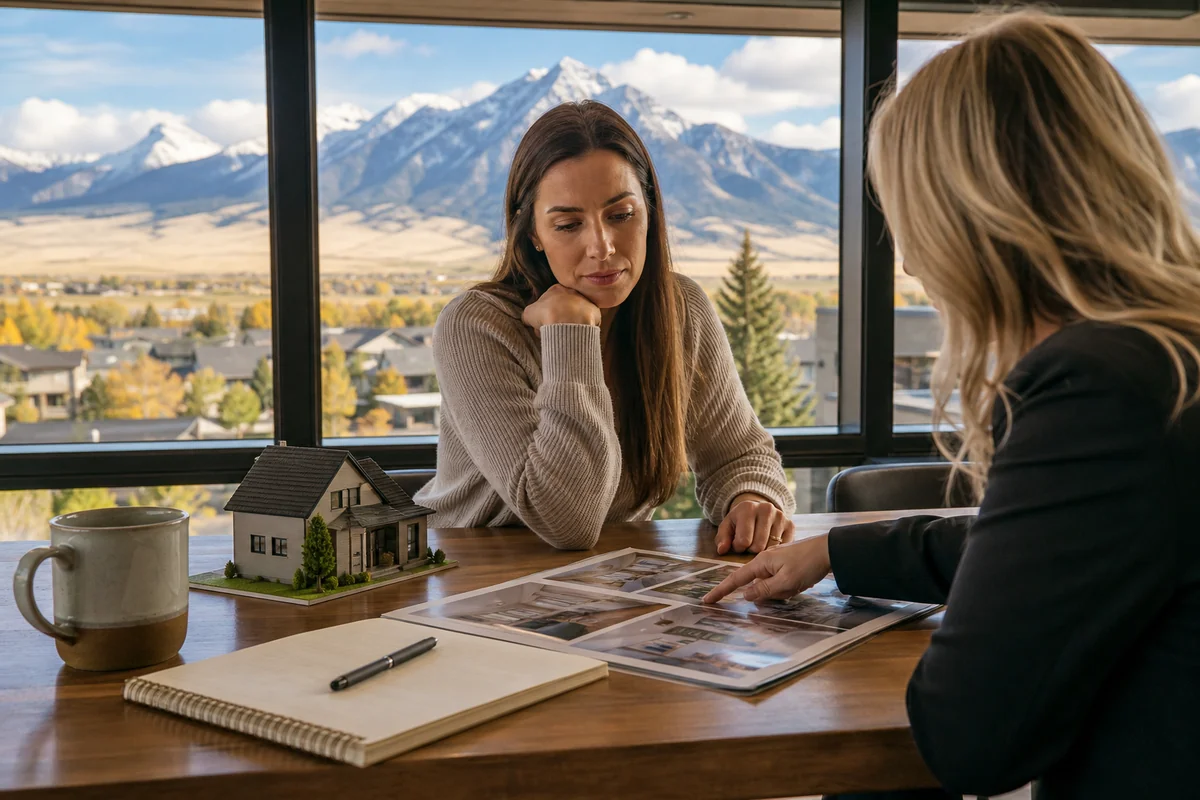
I spoke with a realtor friend last fall who told me she’s closed deals for clients who never physically visited the property. Out-of-state buyers, flush with equity from California or Seattle home sales, have been snatching up houses sight-unseen.
This frenzy explains why Montana prices are booming beyond what longtime residents can afford.
What’s Driving Bozeman’s Explosion
Several factors make Bozeman irresistible to newcomers:
- Tech corridor emergence: Companies like Oracle, Workiva, and numerous startups have established offices here
- Montana State University: The growing student body of 16,000+ supports a vibrant economy and educated workforce
- World-class skiing: Bridger Bowl and Big Sky Resort attract winter sports enthusiasts who eventually stay
- Yellowstone proximity: The north entrance is just 90 minutes away
- Airport expansion: Bozeman Yellowstone International now offers direct flights to 25+ destinations
During my most recent visit, I grabbed coffee at Treeline Coffee Roasters downtown and overheard three separate conversations about real estate prices. It’s become the unofficial local sport.
The Reality Check on Living in Bozeman
Here’s what promotional materials won’t tell you: Bozeman has become extraordinarily expensive. The median home price hovers around $700,000, and rentals for a basic two-bedroom apartment run $2,000+ monthly.
Traffic on North 7th and North 19th can rival small city congestion during peak hours. I sat through four light cycles at the Huffine Lane intersection last August—something that would have been unthinkable a decade ago.
If you’re researching Montana cost of living, Bozeman will likely exceed your expectations in the wrong direction.
That said, the city retains genuine charm. The downtown remains walkable and packed with independent businesses. The Emerson Cultural Center hosts fantastic events. And once you escape the main corridors, the surrounding landscape remains breathtakingly pristine.
Kalispell and the Flathead Valley: Gateway to Paradise
The Flathead Valley’s growth has mirrored Bozeman’s trajectory, just with different scenery as the backdrop. Kalispell, the valley’s largest city, has transformed from a timber-industry town into a recreation and retirement mecca.

Growth Fueled by Glacier’s Magnetism
When I spent a week in Kalispell two summers ago, I noticed something striking: the demographics had visibly shifted. New restaurants with craft cocktail menus had replaced old-school diners, and the downtown core hummed with energy on weekday evenings.
Kalispell’s population has grown roughly 25% since 2010, pushing past 28,000. But the broader Flathead County tells an even more dramatic story, with growth rates approaching 30%.
Glacier National Park’s increasing fame (thanks partially to social media) has supercharged the entire region. Many visitors come for a week, fall in love, and begin scheming their permanent relocation.
The Whitefish Effect
Just up the road, Whitefish has become Montana’s most desirable small-town address. The ski resort, charming downtown, and Glacier access have attracted everyone from young professionals to celebrities who chose Montana living for privacy and beauty.
During my last visit to Whitefish, I couldn’t get a table at Loula’s for breakfast without a 45-minute wait—in September. The crowds have fundamentally changed the vibe.
Whitefish home prices now routinely exceed $1 million for anything with character or views. The town has implemented short-term rental restrictions to preserve housing for locals, but the pressure continues.
Columbia Falls: The Affordable Alternative
I’ve been recommending Columbia Falls to friends priced out of Whitefish. Just 15 minutes from Glacier’s west entrance, this former aluminum-smelting town offers significantly lower prices while maintaining easy access to everything the valley offers.
The downtown has developed a scrappy arts scene, and new restaurants keep opening. It’s growing rapidly but retains a more working-class authenticity that Whitefish has largely lost.
Missoula: University Town Growing Up
Missoula holds a special place in my heart—I spent several months there during a work project, and the city’s progressive, literary character won me over completely.
Controlled Chaos of Growth
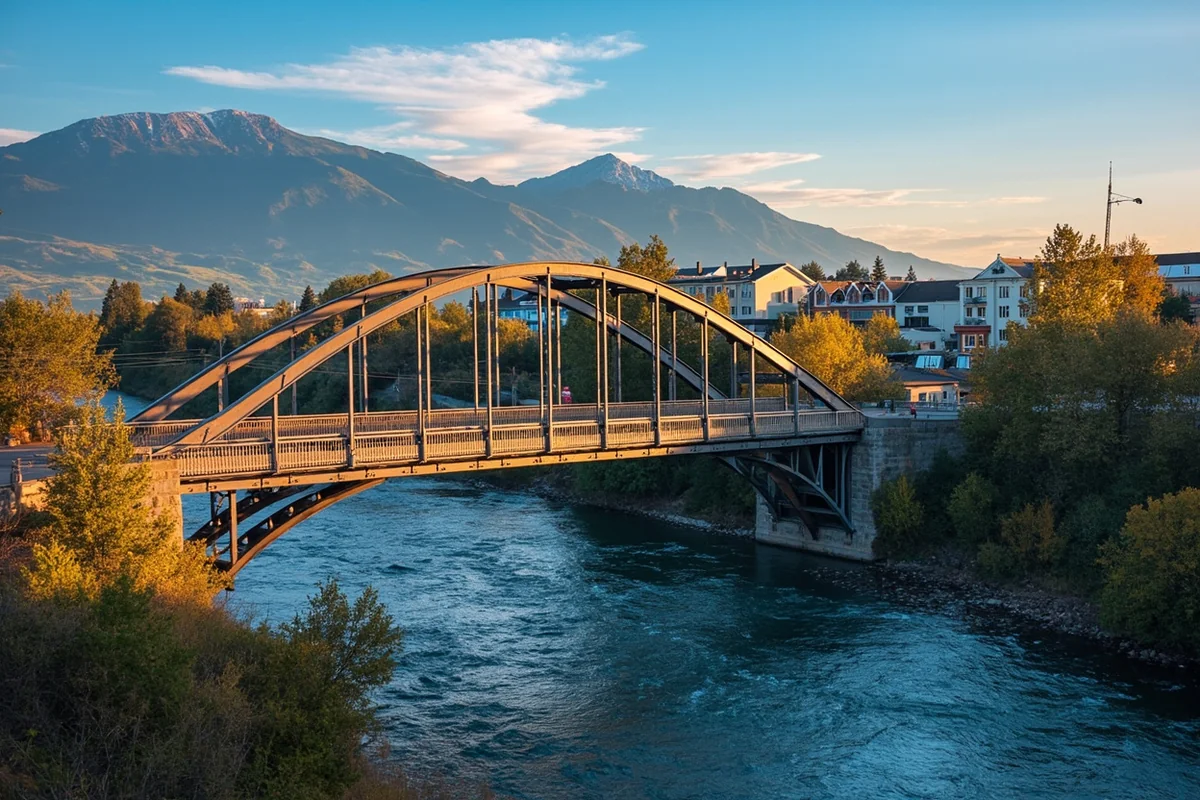
Unlike Bozeman’s anything-goes development patterns, Missoula has attempted more aggressive growth management. The results are mixed: housing remains expensive (though slightly less than Bozeman), and new development has concentrated in specific corridors.
The city’s population has grown roughly 20% since 2010, now exceeding 75,000. The University of Montana’s presence creates a more stable economic foundation than purely tourism-dependent communities.
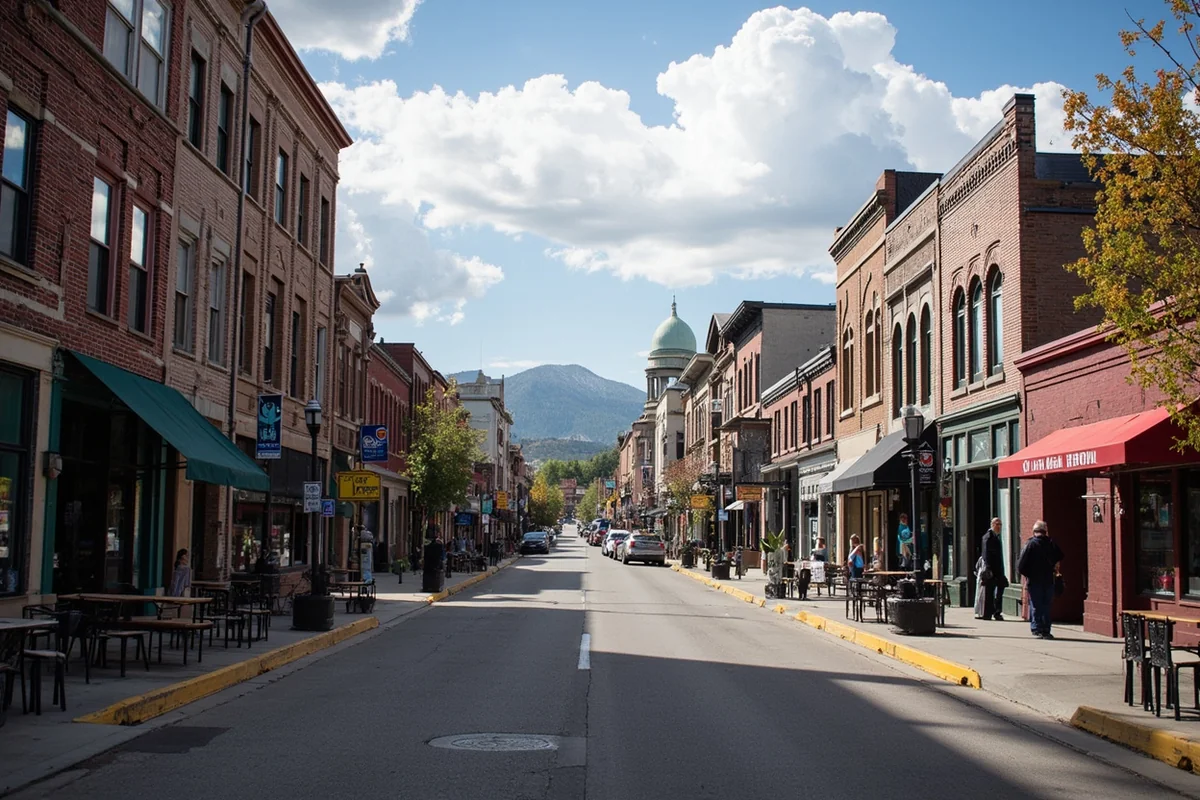
When I explored the Northside neighborhood last spring, I found a fascinating mix of longtime residents and newcomers. The neighborhood farmers market captured this tension perfectly—old-timers selling canned goods next to food trucks serving Korean fusion.
Why People Choose Missoula Over Bozeman
During my time in both cities, I noticed distinct personality differences. Missoula attracts writers, activists, outdoor educators, and those who prioritize community over career climbing. Bozeman draws entrepreneurs, tech workers, and those seeking a more polished mountain-town experience.
Missoula also offers easier access to best colleges in Montana beyond the flagship university, with several community college campuses nearby.
The city’s restaurant scene has exploded—I had one of my best meals in Montana at Scotty’s Table last visit, a farm-to-table spot that wouldn’t feel out of place in Portland.
Belgrade: Bozeman’s Spillover Success Story
Here’s a city that most out-of-state visitors have never heard of but represents Montana’s growth story perfectly. Belgrade sits just 10 miles west of Bozeman and has experienced percentage growth even higher than its famous neighbor.
From Farm Town to Bedroom Community
When I drove through Belgrade in 2015, it was essentially a main street with a few gas stations and a lot of surrounding farmland. Today, subdivisions stretch toward the horizon, and the population has roughly doubled to over 12,000.
The appeal is straightforward: Belgrade offers Bozeman-adjacent living at 20-30% lower housing costs. Young families priced out of Bozeman have flooded in, straining schools and infrastructure.
I spoke with a teacher at the local elementary school who described adding portable classrooms yearly just to keep pace. The best school districts are under enormous pressure throughout the growth corridors.
What Belgrade Actually Offers
Beyond affordability, Belgrade has developed its own identity:
- A surprisingly good restaurant scene (Madison River Brewing is worth a stop)
- Easier airport access than Bozeman proper
- Less traffic for daily commutes westward
- Genuine small-town community feel that Bozeman has largely lost
If you’re considering Montana relocation and can’t stomach Bozeman prices, Belgrade deserves serious investigation.
Helena: The Capital’s Quiet Resurgence
Montana’s capital city often gets overlooked in growth discussions, but Helena has experienced steady expansion that’s changing its character in subtle ways.

Government Stability Meets New Arrivals
Helena’s economy has historically depended on state government employment, providing recession-resistant stability but limiting explosive growth. That equation is shifting.
The city and surrounding Lewis and Clark County have grown roughly 15% since 2010, with population now exceeding 85,000 countywide. More significantly, the demographics are diversifying beyond government workers.
When I explored Helena’s Gulch neighborhood last fall, I found a mix of longtime residents, state employees, and newer arrivals who’d discovered the city’s underrated appeal.
The Helena Advantage
What I appreciated about Helena was the authentic Montana character that more famous cities have diluted. The Last Chance Gulch pedestrian mall hosts locally owned shops without the boutique-ification of Bozeman’s Main Street.
Housing costs remain significantly lower—median prices hover around $400,000, making it one of the more accessible Montana cities for middle-class buyers. For those researching cheapest places to live in Montana, Helena offers urban amenities at relatively reasonable costs.
The outdoor access rivals anywhere: the Mount Helena trail system starts blocks from downtown, and the Missouri River provides world-class fishing minutes away.
Livingston: Arts, Wind, and Yellowstone Gateway
I have a complicated relationship with Livingston. Every time I visit, I’m charmed by the downtown and frustrated by the relentless wind. But the city’s growth trajectory can’t be ignored.
From Railroad Town to Creative Hub
Livingston reinvented itself over the past two decades, transforming from a fading railroad junction into an artists’ colony with Yellowstone on its doorstep. The population has grown roughly 20% since 2010, now approaching 9,000.
What makes Livingston special is the creative community that’s taken root. Writers, painters, fly-fishing guides, and outdoor photographers have created a cultural density unusual for a town this size.
During my last extended stay, I caught a gallery opening, a poetry reading, and a live music performance—all within walking distance on a single weekend.
The Wind Factor and Other Realities
I need to be honest: the wind in Livingston can be brutal. I’ve experienced gusts that literally pushed my truck across lane markers. If wind sensitivity is an issue, research carefully before committing.
The town also struggles with housing affordability despite its small size. Proximity to Yellowstone and Bozeman has driven prices beyond what local wages support. I’ve talked with restaurant workers who commute from Bozeman because Livingston’s become too expensive—an ironic reversal.
Great Falls: The Unexpected Comeback Kid
I’ll admit I initially dismissed Great Falls as a growth story—the city spent decades losing population while the western Montana cities boomed. But recent trends have reversed that narrative.
Military and Medical Stabilization
Malmstrom Air Force Base provides Great Falls with economic stability that purely tourism-dependent cities lack. The military presence, combined with a regional medical hub, has created a foundation for renewed growth.
The city’s population has stabilized and begun slowly climbing after years of decline. More interesting are the quality-of-life improvements I noticed on my most recent visit.
The downtown riverfront has been revitalized with walking paths and parks. New restaurants have opened along Central Avenue. The city feels more optimistic than during my first visit a decade ago.
The Affordability Argument
Great Falls offers something increasingly rare in Montana: genuine affordability. Median home prices hover around $300,000, and rentals remain accessible to working-class budgets.
If you’re researching best places to live and can’t stomach Bozeman or Missoula prices, Great Falls deserves consideration. You’ll sacrifice mountain town aesthetics but gain financial breathing room.
The city also provides easier access to Montana’s Hi-Line and northern tier—regions that remain why Montana is so unpopulated in ways that western mountain valleys no longer are.
Smaller Boomtowns Worth Watching
Beyond the major cities, several smaller Montana communities have experienced percentage growth rivaling or exceeding the famous names.
Three Forks and Manhattan
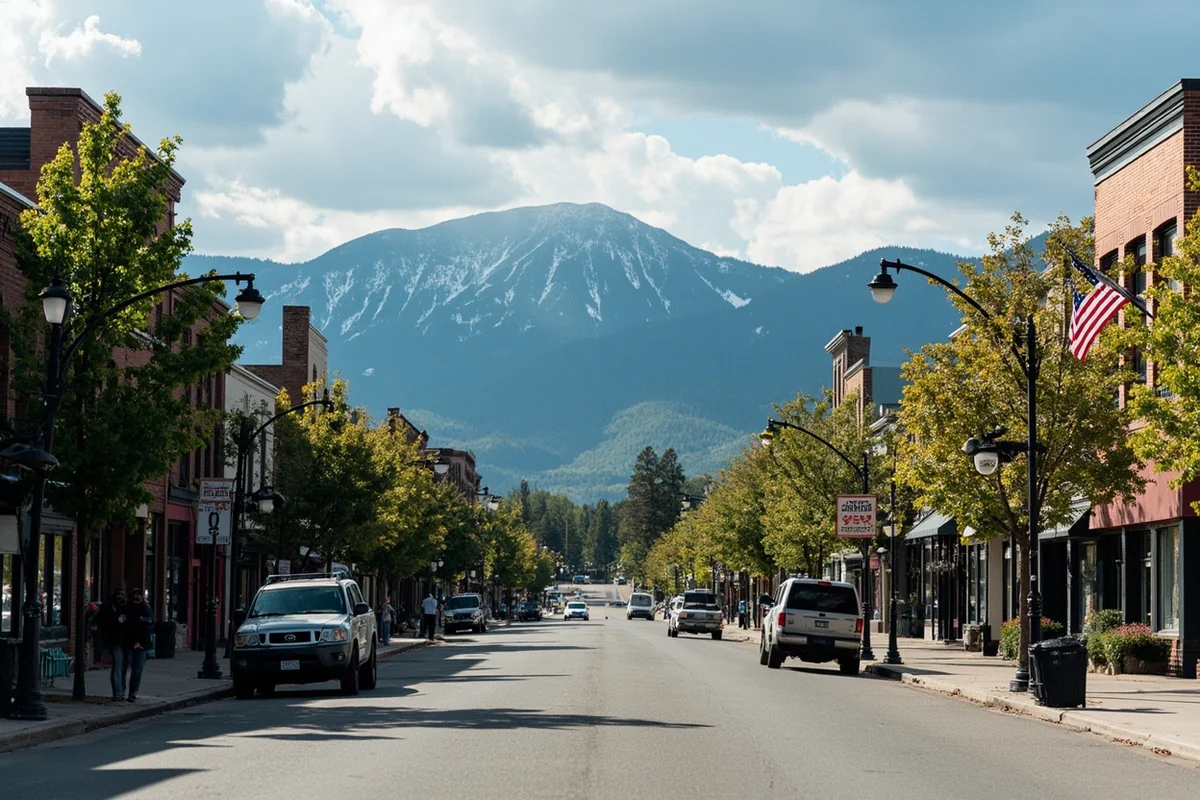
These Gallatin Valley communities have exploded as Bozeman spillover. Three Forks, where the Missouri River forms from its three source rivers, has grown over 30% in recent years. Manhattan, despite its unlikely name, has experienced similar trajectory.
I stopped for lunch in Three Forks last summer and was surprised by the new development surrounding the historic downtown. The Sacajawea Hotel still anchors the community, but the surrounding landscape bristles with new construction.
Stevensville and Victor in the Bitterroot Valley
South of Missoula, the Bitterroot Valley has absorbed growth pressure flowing downriver. Stevensville and Victor have grown 25%+ as Missoula workers seek affordable housing with reasonable commutes.
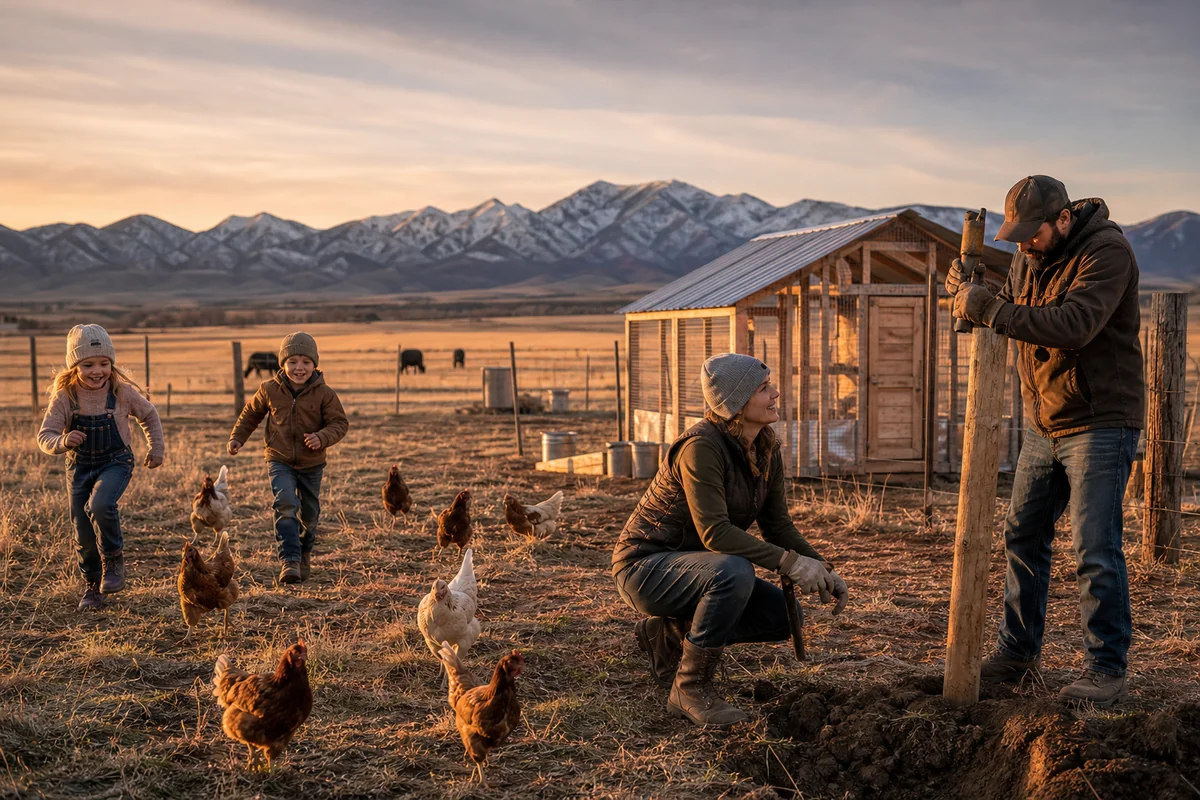
The valley maintains a more rural character than the Gallatin corridor, with working ranches still visible between subdivisions. Whether that balance lasts remains uncertain.
Laurel and Billings Heights
Eastern Montana’s largest city, Billings, has grown more modestly than western counterparts. But surrounding communities like Laurel have experienced double-digit growth as the metro area expands.
Billings offers advantages growing western cities lack: lower housing costs, better healthcare infrastructure, and less extreme seasonality in population. It’s worth investigating if western Montana prices seem prohibitive.
Practical Considerations for Relocating to Growing Montana Cities
After years of visiting, researching, and speaking with residents throughout Montana, I’ve compiled practical insights that promotional materials won’t tell you.
| City | Median Home Price | Growth Rate (2010-2023) | Key Challenge |
|---|---|---|---|
| Bozeman | $700,000+ | 50%+ | Housing affordability |
| Kalispell | $550,000 | 25-30% | Infrastructure strain |
| Missoula | $550,000 | 20% | Limited inventory |
| Helena | $400,000 | 15% | Limited job diversity |
| Great Falls | $300,000 | 5% | Economic volatility |
| Belgrade | $500,000 | 60%+ | School overcrowding |
Healthcare Access Is a Real Concern
Montana’s rapid growth has outpaced healthcare infrastructure in most communities. Finding a primary care doctor accepting new patients can require months of waiting. Specialist care often requires travel to Billings, Missoula, or out of state.
I’ve heard this complaint consistently from recent transplants. If you have ongoing medical needs, research thoroughly before committing to a specific community.
The Montana Sales Tax Question and Tax Implications
Montana famously has no sales tax, which sounds great until you understand the property tax implications. The state compensates through higher property taxes and income taxes that can surprise newcomers from no-income-tax states.
I’d strongly recommend consulting with a Montana-based tax professional before relocating, especially if you’re coming from Washington, Texas, or Florida where the tax structure differs dramatically.
Winter Reality Checks
If you’re visiting Montana in summer and imagining year-round life, schedule a February reconnaissance trip. The Montana places with most snow include many of the fastest-growing cities.
I’ve met too many transplants who moved based on July impressions and struggled through their first Montana winter. It’s not insurmountable, but requires honest self-assessment about cold tolerance and winter driving comfort.
Employment Considerations
Unless you’re bringing remote work, researching job markets carefully is essential. Montana wages typically run 15-25% below national averages while housing costs (in growing cities) have reached national levels.
This mismatch creates real financial stress for those who move without secured employment. I’ve watched friends return to their home states after discovering that Montana salaries couldn’t support Montana mortgages.
The Cultural Implications of Rapid Growth
Beyond economics, Montana’s growth has sparked genuine cultural tension worth understanding before you visit or relocate.
The “Last Best Place” Identity Crisis
Montana has long marketed itself as America’s last unspoiled frontier—and many residents deeply believe that identity. Rapid in-migration threatens that self-image in ways that generate real resentment.
I’ve experienced this tension firsthand. At a Bozeman bar last year, a longtime local made pointed comments about “Zoom-town” transplants ruining the community. It wasn’t hostile, but it wasn’t welcoming either.
New arrivals should approach Montana communities with humility and genuine interest in existing culture rather than assumptions about improvement.
Political and Social Dynamics
Montana’s growing cities have become increasingly politically divided from rural areas. Bozeman and Missoula vote dramatically different from the state’s overall patterns, creating tension in state politics.
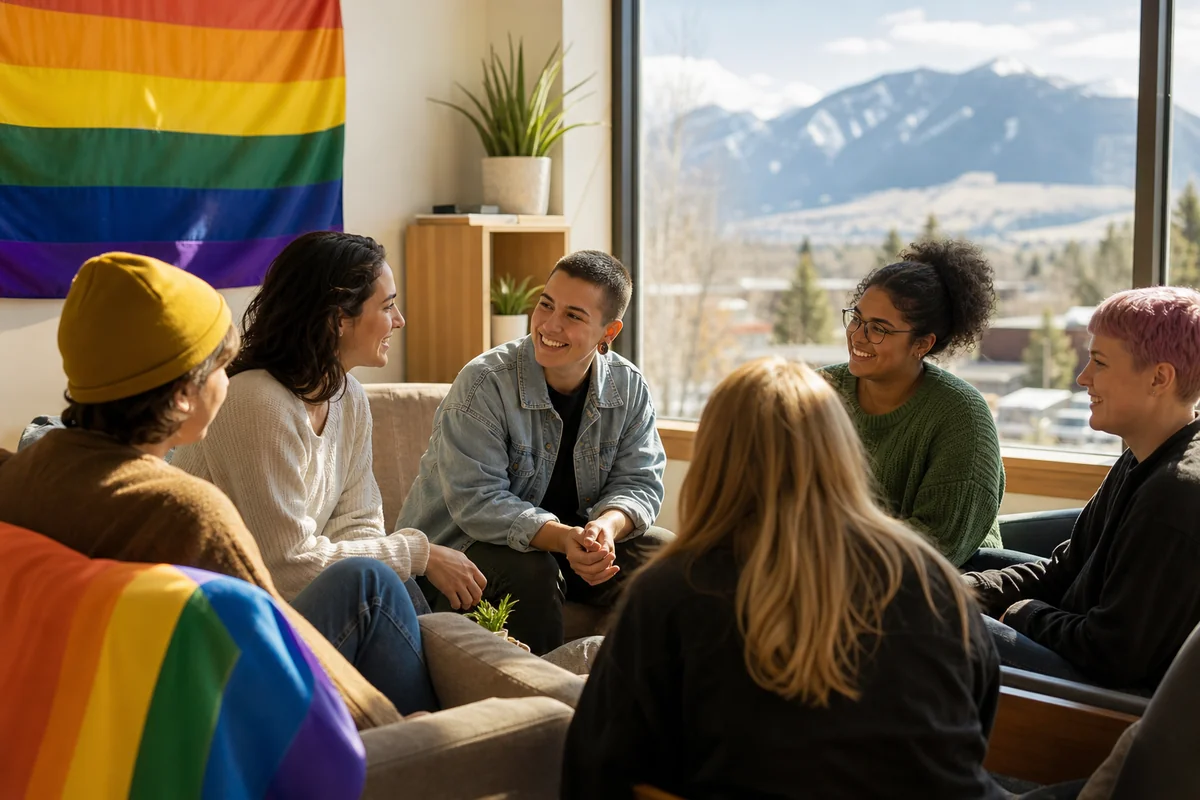
Those researching is Montana LGBTQ friendly will find vastly different experiences depending on specific community. The major cities are increasingly progressive; rural areas often remain culturally conservative.
This diversity of experience extends to racial and ethnic considerations as well. Those interested in Montana’s African American community should research specific cities carefully.
Outdoor Access Pressure
The trails, rivers, and ski slopes that attract newcomers are increasingly crowded. Trailhead parking lots fill by 7 AM on summer weekends. Float permits on popular rivers book months ahead. Ski lift lines have grown substantially.
This isn’t reason to avoid Montana, but it’s reality worth acknowledging. The uncrowded wilderness experience that drew earlier transplants has become harder to find without serious effort.
Making Your Decision: Visit First, Then Visit Again
After years of Montana exploration, my strongest advice for anyone considering relocation is simple: visit during different seasons before committing.
Summer Montana and January Montana are different worlds. The city that enchants you in July might feel oppressive in February. The town that seems sleepy in winter might overwhelm you during tourist season.
I’d also recommend extended stays rather than quick visits. Rent an Airbnb for a week or two and simulate actual living—shop at local grocery stores, drive commute routes, visit during weekday normalcy rather than weekend adventure mode.
Reading about pros and cons of living in Montana helps, but experiencing those tradeoffs firsthand reveals much more.
Questions Worth Asking Yourself
Before choosing among Montana’s fastest-growing cities, honestly consider:
- Can I afford the housing market without overextending financially?
- How will I handle 5+ months of genuine winter?
- Do I have employment secured or reliable remote work?
- Am I prepared for limited urban amenities (dining, entertainment, healthcare)?
- Can I drive confidently in winter conditions?
- How important is ethnic, cultural, and political diversity to my daily life?
There’s no shame in answering some questions negatively. Montana isn’t for everyone, and that’s okay—is Montana boring or not depends entirely on individual expectations and values.
Looking Forward: What Growth Means for Montana’s Future
The growth patterns I’ve described aren’t slowing. Barring major economic disruption, Montana’s desirable cities will continue attracting newcomers who prioritize outdoor lifestyle over urban convenience.
Infrastructure Investment Incoming
State and local governments have begun responding to growth pressures. Major road projects are underway throughout the Gallatin Valley. School bonds are passing in growing communities. Healthcare systems are expanding capacity.
These investments will eventually catch up—but the next five years will likely remain challenging for infrastructure in the fastest-growing corridors.
Housing Market Uncertainties
Whether Montana housing prices will continue climbing, plateau, or correct remains genuinely uncertain. Interest rate increases have slowed sales but haven’t crashed prices. The underlying demand from lifestyle migrants appears durable.
Those interested in understanding why Montana is so expensive should factor these uncertainties into planning.
Community Character Evolution
The Montana I first visited fifteen years ago differs substantially from today’s reality, and the Montana of 2035 will differ again. Whether that evolution represents improvement or loss depends on perspective.
I’ve found beauty in both the preserved traditions and the new energy growth has brought. The key is approaching Montana with realistic expectations rather than fantasies of a frontier that exists mainly in imagination.
Some newcomers thrive and become valued community members. Others discover the reasons to move to Montana don’t outweigh the challenges and return home wiser. Both outcomes are valid.
What I can promise is that Montana’s fastest-growing cities offer genuine beauty, outdoor access, and community possibility—alongside genuine challenges, expensive housing, and cultural complexity. The decision to join them requires honest self-assessment and careful research.
If you’ve read this far and still feel the pull, perhaps Montana is calling you home. Just come with open eyes, realistic budgets, and respect for those who arrived before you.
And whatever you do, visit in February before signing any paperwork.
Frequently Asked Questions
What are the fastest growing cities in Montana worth visiting in 2024?
Bozeman, Missoula, Kalispell, and Belgrade are among Montana’s fastest growing cities and each offers unique experiences for travelers. Bozeman serves as a gateway to Yellowstone National Park, while Kalispell provides easy access to Glacier National Park. I’ve found these booming cities have developed excellent dining scenes, craft breweries, and outdoor recreation options that make them destinations in their own right.
Is Bozeman Montana expensive to visit compared to other Montana cities?
Yes, Bozeman is one of the priciest destinations in Montana due to its rapid growth and popularity. Expect to pay $150-$300 per night for hotels during peak summer season, and restaurant meals averaging $15-$25 per person. I recommend booking accommodations at least 2-3 months in advance and considering nearby towns like Belgrade or Livingston for more affordable lodging options just 10-25 miles away.
What is the best time to visit Montana’s growing cities like Kalispell and Missoula?
The best time to visit is June through September when temperatures range from 70-85°F and all outdoor attractions are fully accessible. I prefer early September when summer crowds thin out but the weather remains pleasant and fall colors begin appearing. Winter visits (December-March) appeal to skiers, with Big Sky near Bozeman and Whitefish Mountain near Kalispell offering world-class slopes.
How far apart are Montana’s fastest growing cities from each other?
Montana’s growing cities are spread across the western half of the state, so plan accordingly. Bozeman to Missoula is about 200 miles (3 hours), while Missoula to Kalispell runs approximately 120 miles (2 hours). I always recommend renting a car since public transportation between cities is extremely limited, and the scenic drives along I-90 and Highway 93 are part of the Montana experience.
What should I pack when visiting Montana’s mountain towns like Bozeman or Whitefish?
Pack layers regardless of season since Montana mountain towns can experience 30-degree temperature swings in a single day. I never travel without a rain jacket, sunscreen, and sturdy walking shoes for exploring downtown areas and nearby trails. In summer, bring a reusable water bottle and insect repellent; in winter, pack serious cold-weather gear including insulated boots and hand warmers.
Are Montana’s fast-growing cities good base camps for national park visits?
Absolutely, these cities make excellent base camps with modern amenities you won’t find near park entrances. Bozeman sits just 90 miles north of Yellowstone’s Mammoth entrance, and Kalispell is only 35 miles from Glacier National Park’s west entrance. I prefer staying in these cities for their restaurant variety, reliable WiFi, and shopping options, then making day trips into the parks.
What local experiences should I try in Montana’s booming small cities?
Don’t miss the thriving craft brewery scenes in Bozeman and Missoula, where you can find 15+ local breweries in each city. I always recommend visiting weekly farmers markets (typically Saturday mornings from June-October) and catching a free outdoor concert in downtown Missoula’s Caras Park. The farm-to-table restaurant movement has exploded in these growing cities, so make dinner reservations at locally-owned spots like Blackbird Kitchen in Bozeman or Scotty’s Table in Missoula.
Sources
- https://www.census.gov/quickfacts/fact/table/gallatincountymontana/PST045222
- https://www.census.gov/quickfacts/fact/table/flatheadcountymontana/PST045222
- https://www.census.gov/quickfacts/fact/table/yellowstonecountymontana/PST045222
- https://www.census.gov/quickfacts/ravallicountymontana
- https://www.census.gov/quickfacts/fact/table/missoulacitymontana/PST045222
- https://www.census.gov/quickfacts/fact/table/greatfallscitymontana/PST045222
- https://www.census.gov/quickfacts/fact/table/kalispellcitymontana/INC110221
- https://resilience.earth.lsa.umich.edu/units/population/index.html