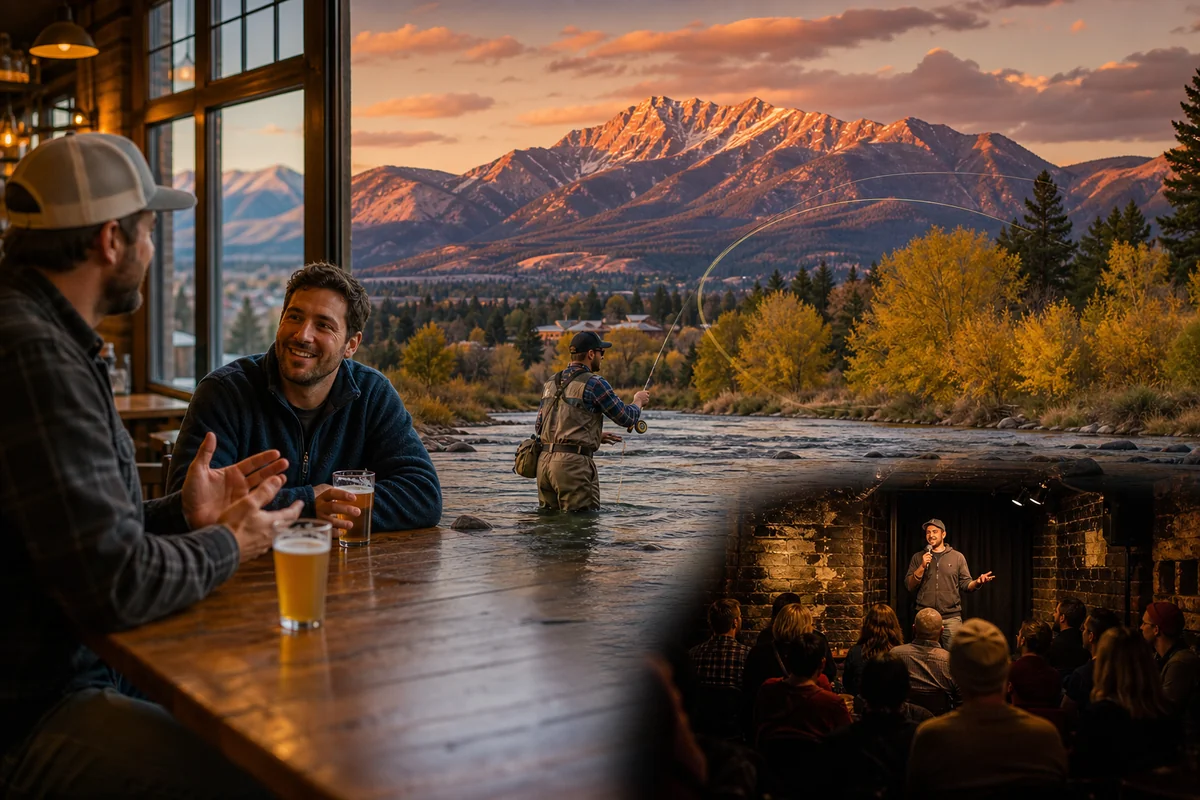
I was sitting at a brewpub in Bozeman last October when a guy from New Jersey asked me the question I’ve heard a hundred times: “But what do you actually do here?” He gestured vaguely at the mountains framed in the window, genuinely puzzled.
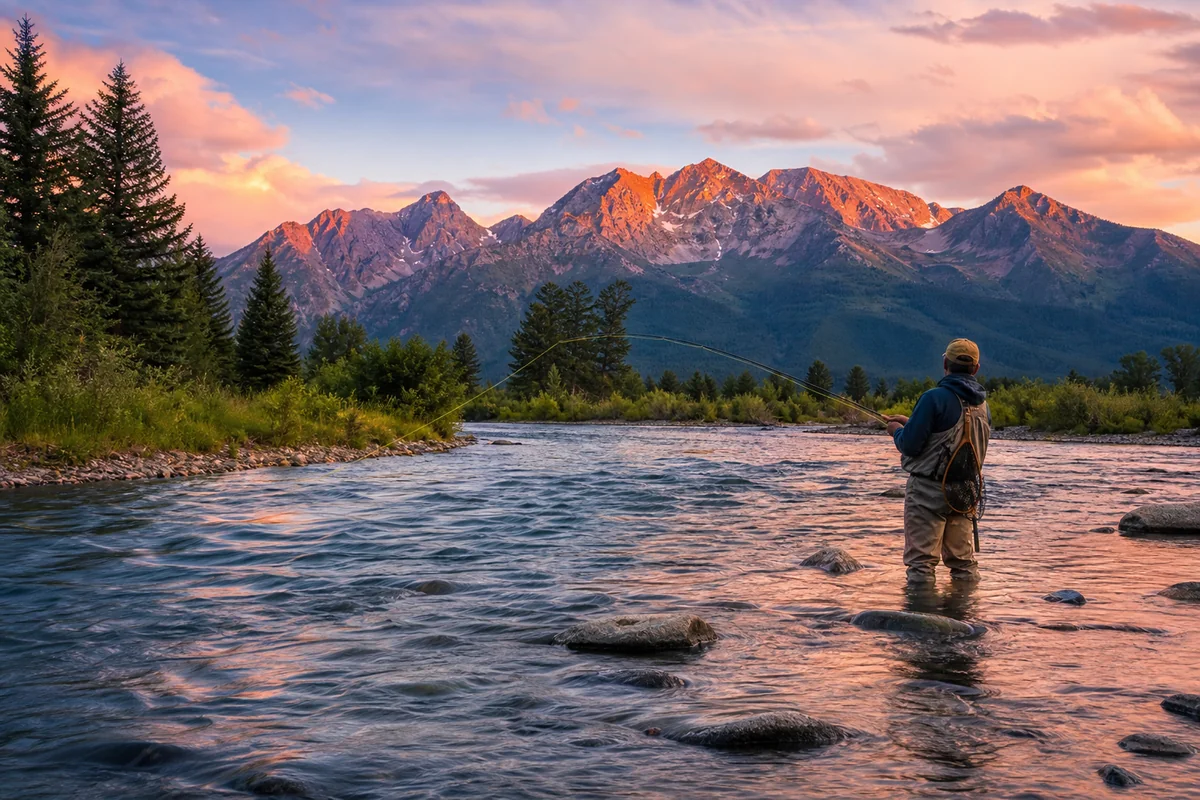
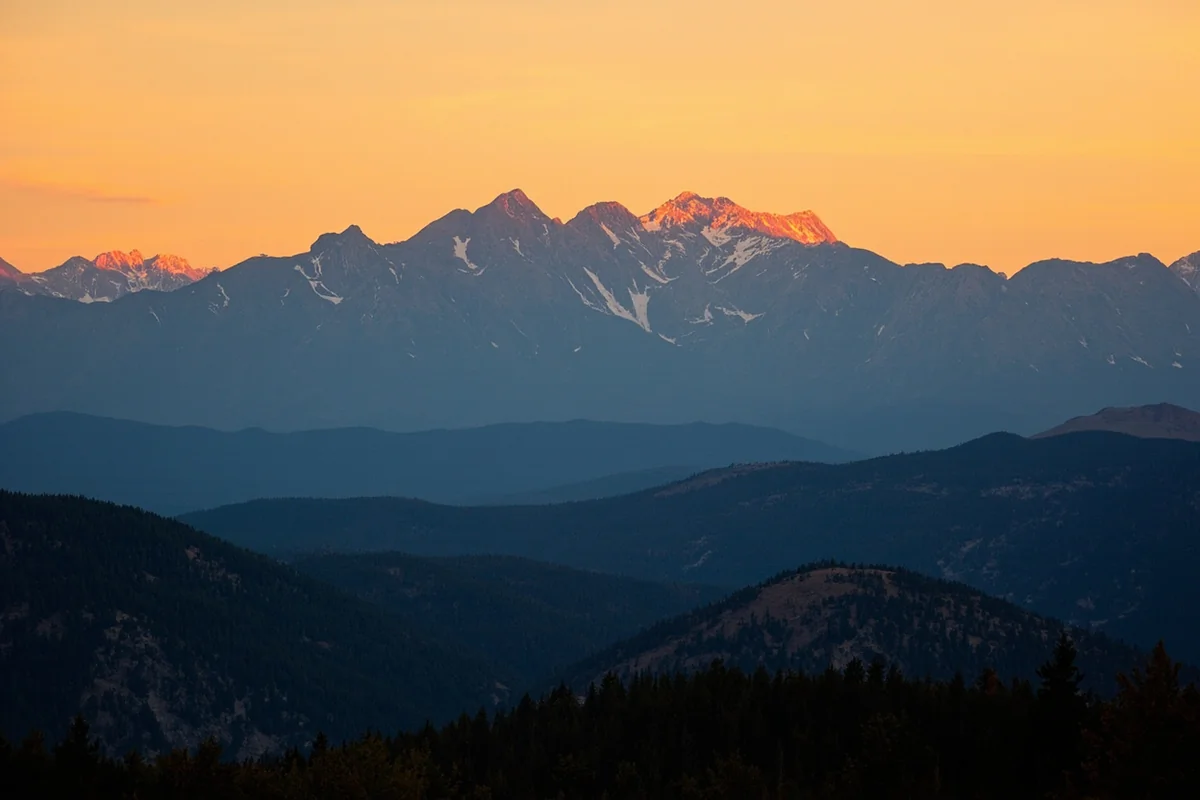
Six hours later, after we’d gone fly fishing on the Gallatin, watched the sunset paint the Bridger Range pink, and stumbled into an underground comedy show I’d heard about from a bartender, he admitted he’d completely misjudged this place.
That conversation stuck with me because it captures everything people get wrong about Montana living—and why I’m still discovering new things after three years of calling Big Sky Country home.
- Montana is only “boring” if you need constant urban stimulation—the state offers world-class outdoor recreation, surprising cultural depth, and authentic community experiences
- Missoula, Bozeman, and Whitefish have vibrant arts scenes, live music, and nightlife that rivals many larger cities
- The “boring” myth comes from Montana’s low population density, but that spaciousness is precisely what creates unique adventures
- Seasonal activities mean there’s always something new: skiing, hiking, floating rivers, rodeos, festivals, and wildlife viewing
- The real question isn’t whether Montana is boring—it’s whether you’re willing to engage with a different pace of life
Liked this article?
Add Roaming Montana as a preferred source so you see more of our articles and guides on Google.
Where the “Boring” Myth Comes From
Let me be straight with you: if your definition of “not boring” requires a Target within five minutes, 24-hour takeout options, and professional sports stadiums, Montana will challenge you. The state has a population of just over 1.1 million spread across 147,000 square miles—that’s larger than Germany with fewer people than Austin, Texas.
During my first month here, I drove two hours to buy a specific brand of running shoes. I sat in towns where the only restaurant closed at 7 PM. I experienced the particular loneliness of wanting Thai food at 10 PM and realizing that simply wasn’t going to happen.
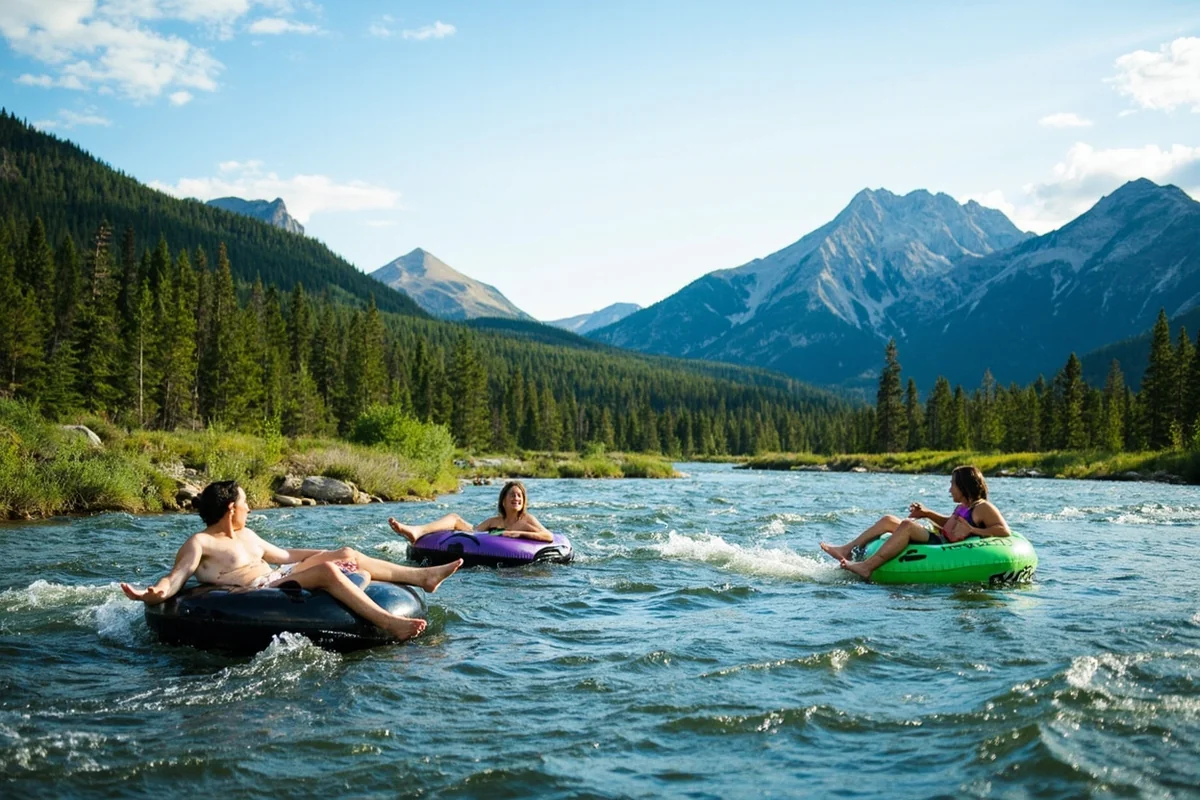
But here’s what I’ve learned: those same conditions that create inconvenience also create something else entirely. Space. Silence. The ability to float a river for four hours without seeing another person. Stars so bright they cast shadows. The understanding, as one Montanan told me, that “boredom is just a failure of imagination.”
The Population Density Factor
Montana ranks fourth-lowest in population density among US states. Only Alaska, Wyoming, and the Dakotas beat it for emptiness. When people ask why Montana is so unpopulated, the answers are practical: harsh winters, distance from major metros, historically limited job markets.
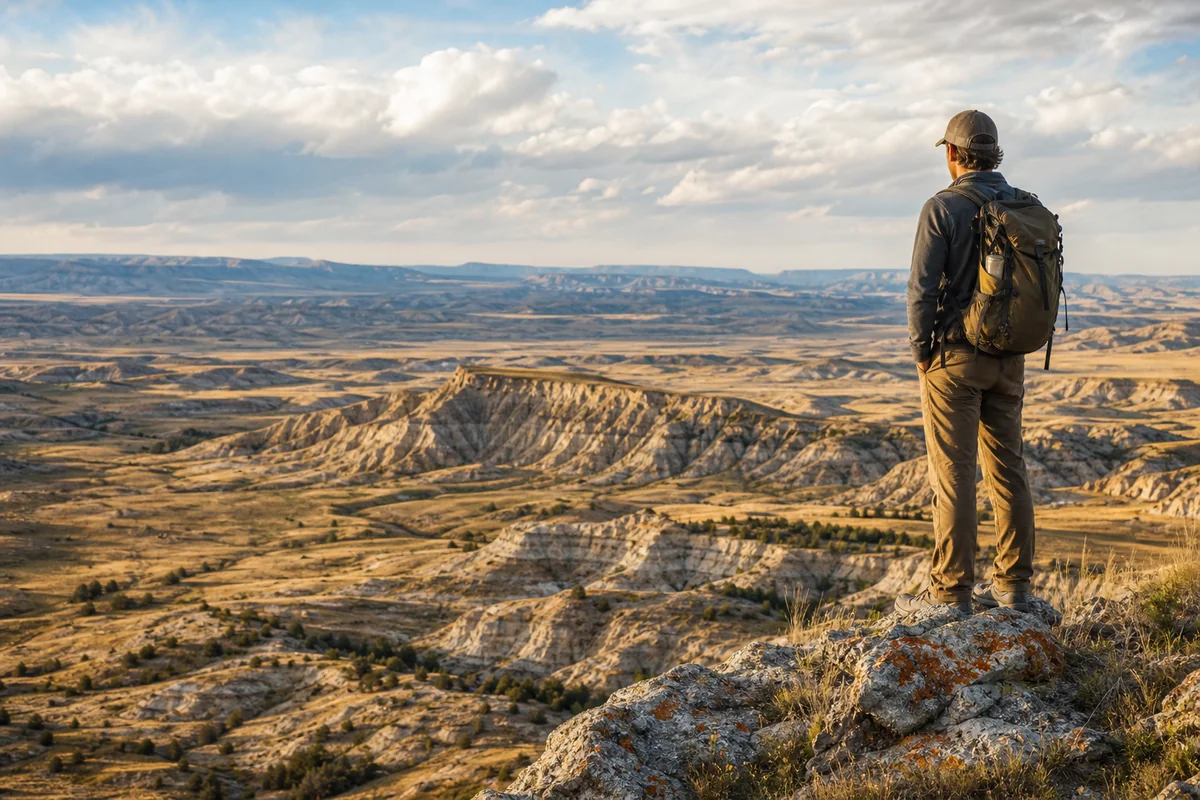
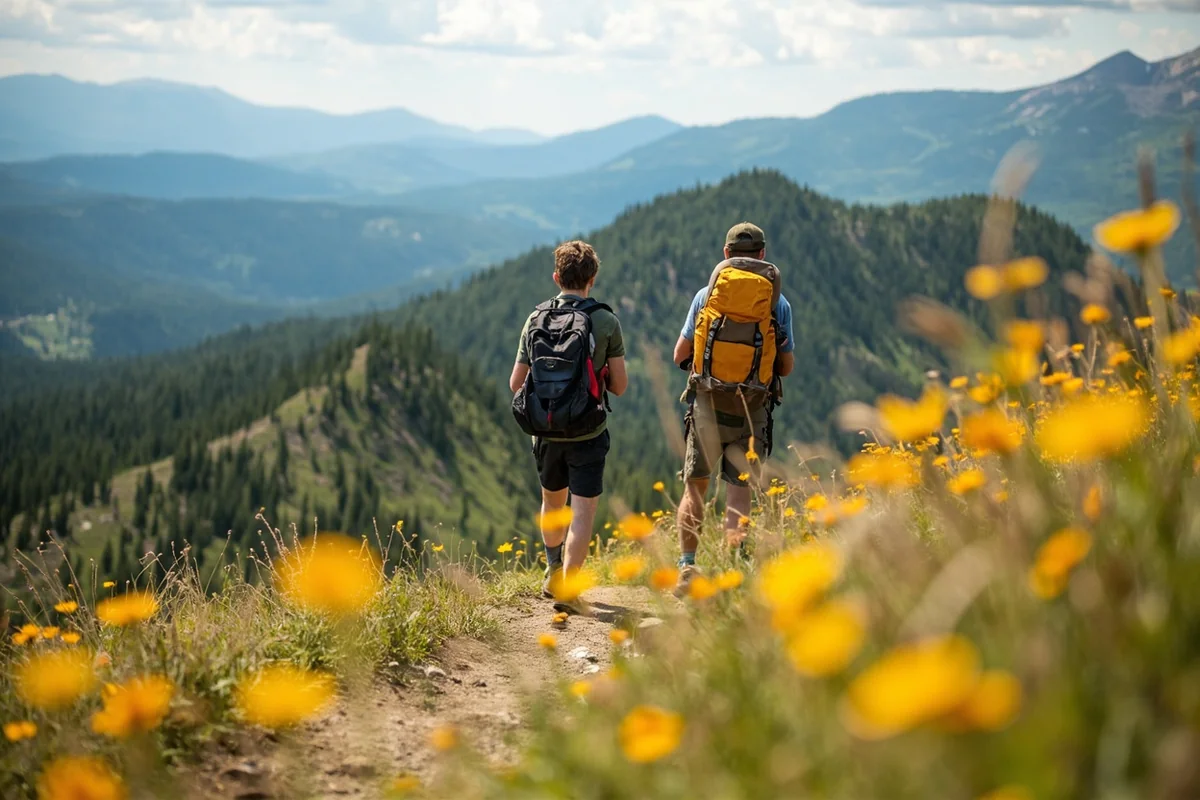
But that emptiness isn’t a bug—it’s the feature. I’ve backpacked in Glacier National Park’s backcountry and gone three days without crossing another trail. I’ve soaked in natural hot springs at 2 AM with only moose for company. I’ve driven Highway 200 through the Rocky Mountain Front and felt like I was the last person on Earth.
That kind of solitude is increasingly rare, and people pay a premium for it. There’s a reason celebrities keep buying ranches here—they’re seeking the same escape from overstimulation that I found by accident.
What I Actually Do Here (Spoiler: It’s Not Nothing)
Let me walk you through a typical month during summer, because I think specifics matter more than generalizations.
Last July, I spent a Saturday floating the Madison River from Cameron to Ennis. Sunday was a farmers’ market morning in Livingston followed by an afternoon hike in the Crazy Mountains. Wednesday night, I caught a free outdoor concert at Sweet Pea Festival in Bozeman. The following weekend, I drove to Whitefish for a friend’s birthday, where we paddleboarded Whitefish Lake and ended up at a packed bar watching a surprisingly good bluegrass band.
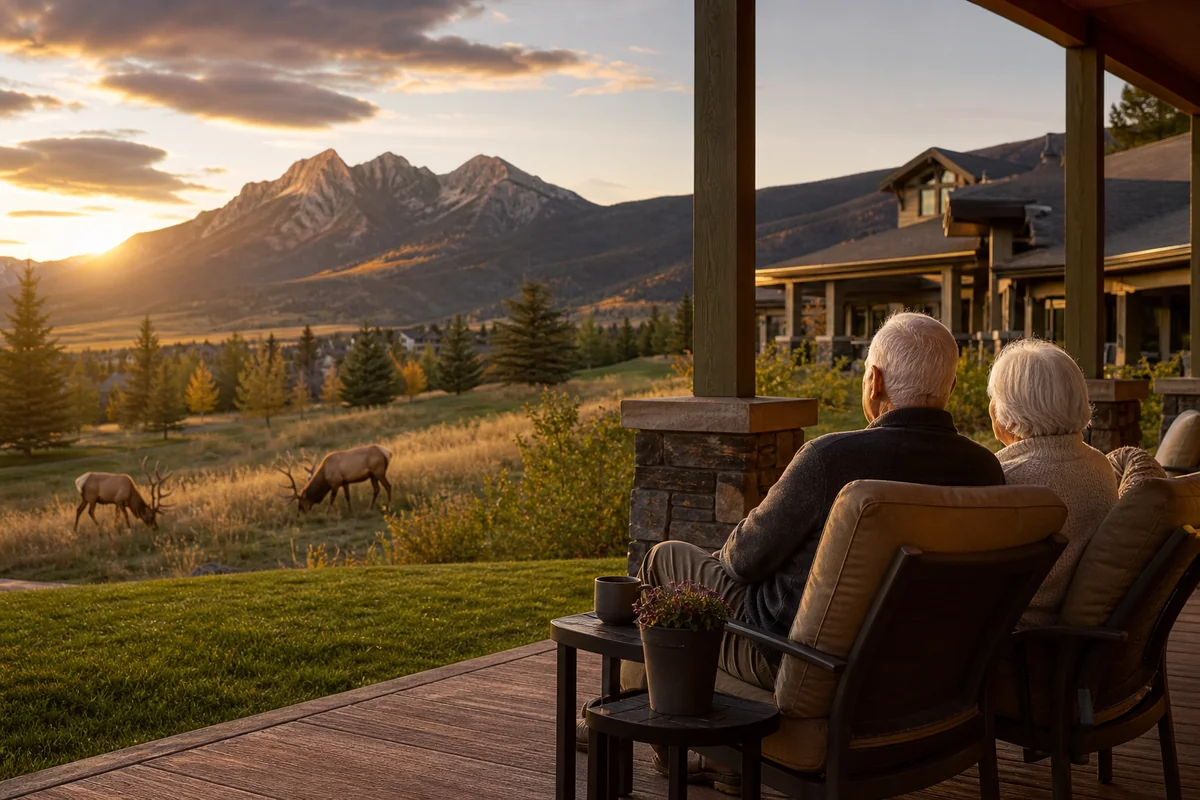
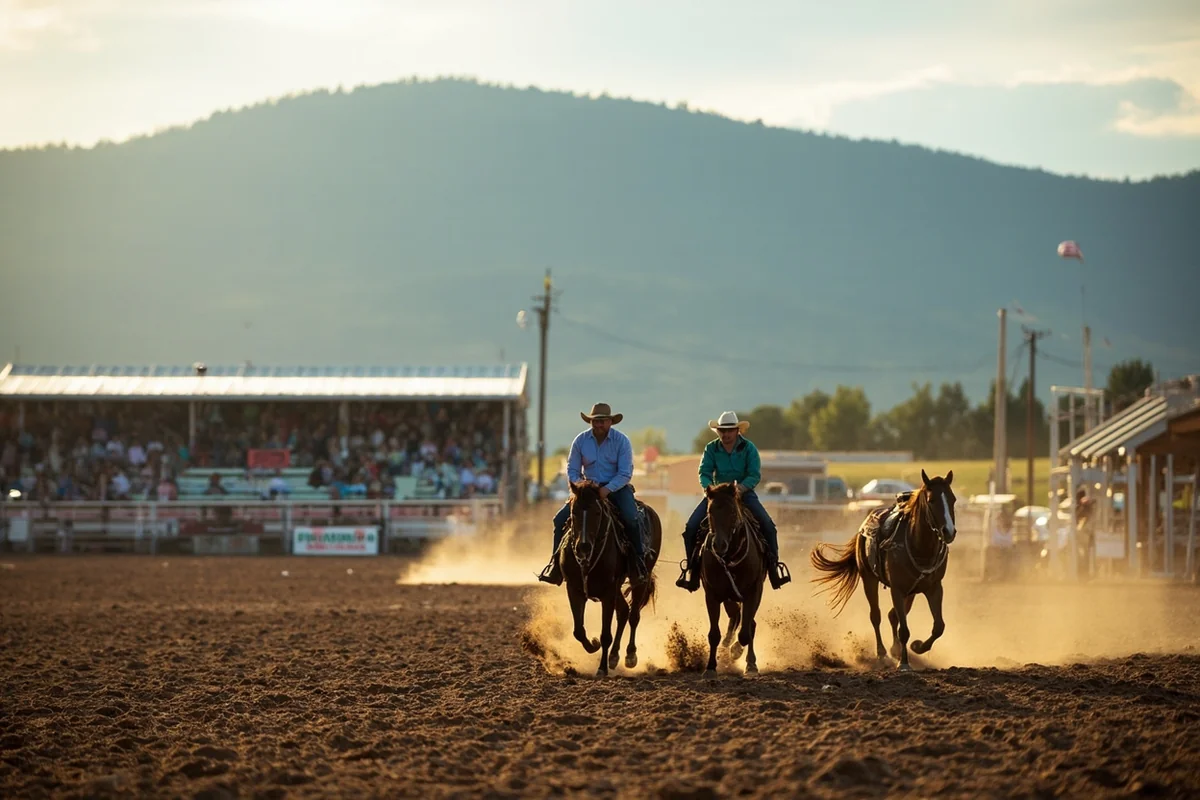
That same month, I attended a rodeo in Livingston (the annual event there is legitimately world-class), saw live theater at Missoula’s Shakespeare in the Parks, and had dinner at a James Beard-nominated restaurant in Bozeman. I also spent one glorious Tuesday doing absolutely nothing, sitting on my porch watching thunderstorms roll over the Gallatin Valley.
The Outdoor Recreation Reality
Montana contains eleven national forests, portions of Yellowstone and Glacier National Parks, and over 30 state parks. I’ve skied at Big Sky Resort (which has the largest skiable terrain in the US), Whitefish Mountain, and Bridger Bowl. I’ve ice-fished on Fort Peck Reservoir, hunted elk in the Bitterroot Valley, and caught wild trout in more rivers than I can count.
Here’s a practical breakdown of seasonal activities that fill my calendar:
| Season | Activities | Best Locations |
|---|---|---|
| Winter (Dec-Mar) | Downhill skiing, cross-country skiing, snowshoeing, ice fishing, hot springs | Big Sky, Whitefish, Bozeman, Chico Hot Springs |
| Spring (Apr-May) | Fishing (runoff season), wildlife viewing, early hiking, birding | Paradise Valley, National Bison Range, Rocky Mountain Front |
| Summer (Jun-Aug) | Hiking, camping, river floating, mountain biking, festivals, paddleboarding | Glacier NP, Flathead Lake, Gallatin Valley, Missoula |
| Fall (Sep-Nov) | Hunting, fishing, fall foliage drives, fewer crowds at parks | Beartooth Highway, Swan Valley, Yellowstone north entrance |
If outdoor recreation isn’t your thing, I understand the appeal of Montana dims. But the sheer variety and accessibility of these activities means I’ve never once thought “there’s nothing to do.” The opposite problem is more common: too many options, not enough weekend days.
Montana’s Surprising Cultural Scene
Here’s where I think Montana gets unfairly dismissed. Yes, we don’t have a symphony orchestra or major art museums. But the cultural offerings here have a scrappy authenticity that I’ve come to prefer over polished metropolitan alternatives.
Missoula has been called “the cultural capital of Montana,” and during my visits there, I’ve understood why. The city supports multiple live music venues, including the historic Wilma Theatre and Top Hat Lounge. The University of Montana brings in touring acts, guest lecturers, and maintains one of the best creative writing programs in the country—which means the literary scene punches way above the city’s weight class.
Last spring, I caught a reading at Shakespeare and Company bookstore where a National Book Award finalist shared new work to maybe 40 people. That level of access simply doesn’t happen in bigger cities.
Bozeman’s Evolution
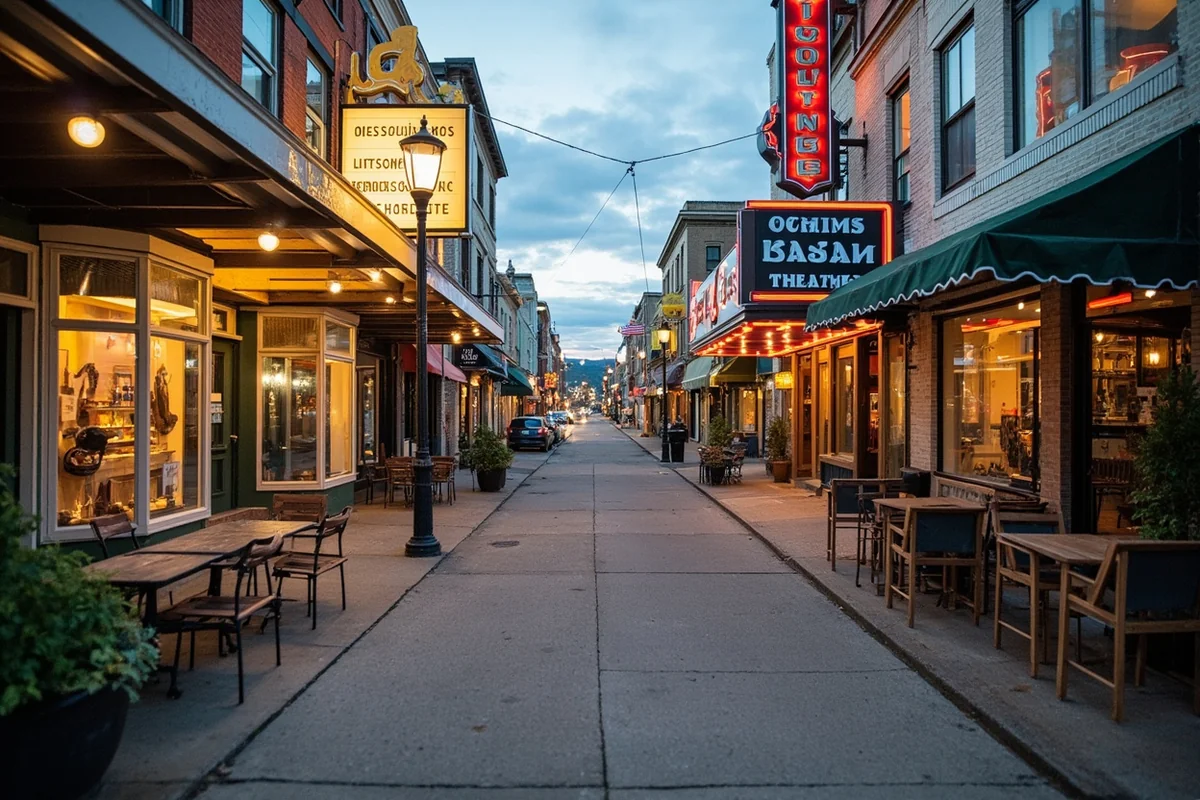
Bozeman has transformed dramatically, partly due to its status as one of Montana’s fastest-growing cities. When I first visited in 2018, it felt like a pleasant ski town. Now it’s something more—a genuinely vibrant small city with excellent restaurants, a burgeoning craft beverage scene, and a downtown that stays busy past 10 PM.
The Museum of the Rockies houses one of the world’s largest dinosaur fossil collections. The Emerson Cultural Center offers rotating art exhibits. Montana State University’s campus brings speakers, performances, and sporting events.
And yes, there are sports teams to follow. MSU Bobcat football games in fall are genuine community events with tailgating, tradition, and surprisingly good competition. The atmosphere rivals many larger university programs.
The Underground Scene You Won’t Find on Google
Some of my favorite Montana experiences have been things no travel guide would list. A house show in Helena where local bands played in someone’s basement. A pop-up dinner on a working ranch outside Livingston. A secret swimming hole near Bigfork that locals guard jealously.
Montana rewards curiosity and conversation. When I tell people I’m new to the area, they light up with recommendations. The guy at the fly shop wants me to try his favorite stretch of river. The barista knows about a gallery opening that weekend. The stranger at the bar insists I drive the backroad to their hometown.
This organic discovery process has become one of my favorite parts of living here. Nothing is overrun, over-hyped, or over-Instagrammed (yet). The experiences feel earned rather than consumed.
Nightlife and Social Life: An Honest Assessment
Okay, let’s address this directly: Montana nightlife is limited compared to major cities. If you’re imagining clubs, late-night restaurant scenes, or after-hours options, you’ll be disappointed.
But “limited” doesn’t mean “nonexistent.”
Missoula’s downtown has dive bars, cocktail lounges, and venues with live music most nights. Bozeman’s Main Street hosts everything from rowdy college bars to sophisticated wine bars. Even smaller towns like Red Lodge and Whitefish have surprising nightlife energy during tourist season.
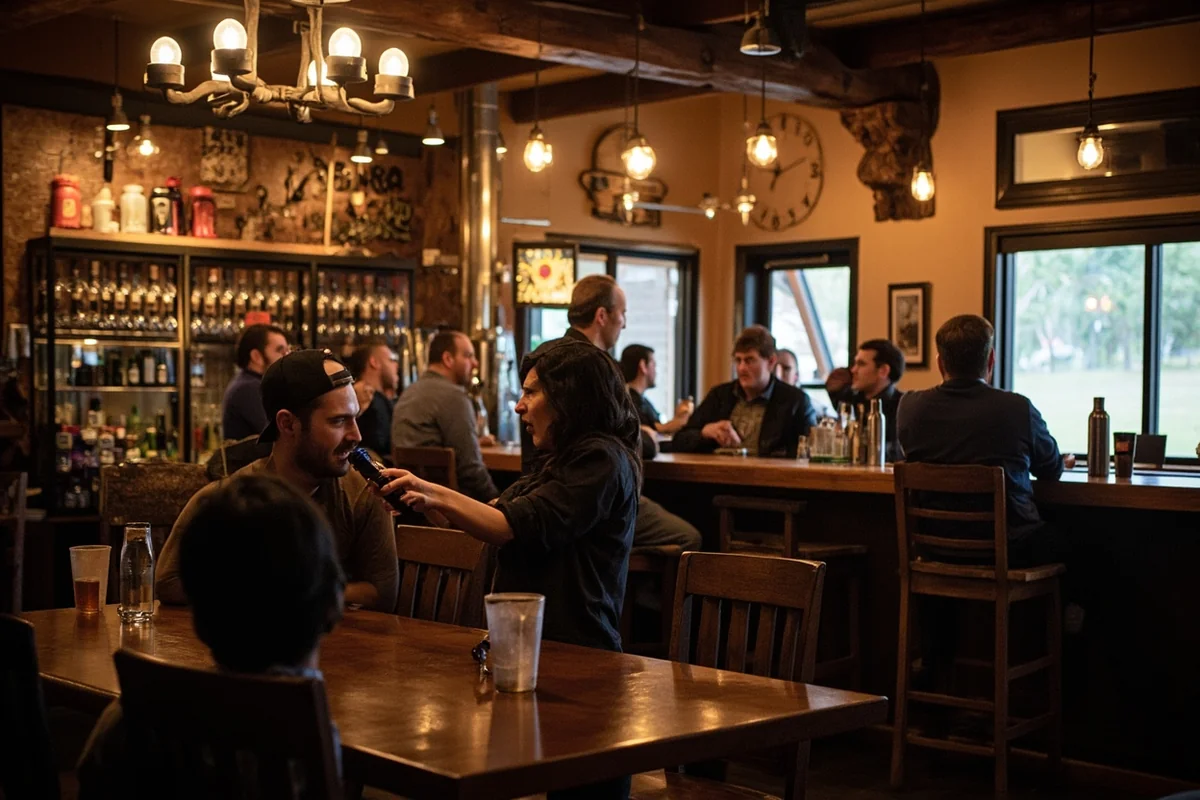
What Montana lacks in quantity, it offers in quality of interaction. Bar culture here is conversational. I’ve had more meaningful conversations with strangers in Montana bars than I had in a decade of living in larger cities. There’s no VIP section, no velvet rope, no pretense. People talk to each other.
During my recent trip to Helena, I ended up at a brewery talking to a state legislator, a rancher, and a guy who builds custom fishing rods. By closing time, we’d solved Montana’s problems (in theory) and I had three new friends. That’s not boring—that’s the kind of human connection urban anonymity can’t replicate.
The Liquor Situation
Speaking of bars: Montana has unique liquor laws that visitors find confusing. Grocery stores can sell beer and wine but not liquor—you’ll need a state liquor store for that. Casinos are everywhere and legally allowed to have video gambling machines, which explains why small-town bars often have a gambling corner.
This takes adjustment. I’ve arrived at a grocery store on a Sunday evening expecting to grab bourbon and learned the hard way about state store hours. Plan accordingly.
What About Winter? The Real Test
If Montana gets “boring,” it’s during the long winters. I won’t sugarcoat this: December through March tests your commitment to this place.
Certain areas get absolutely buried in snow. My first winter in the Gallatin Valley, I experienced -30°F temperatures. The sun sets early. Driving becomes an exercise in caution and patience.
But here’s the thing: winter is also when Montana reveals its most dedicated character. The people who stick around genuinely love it. Skiing becomes a regular activity rather than a vacation splurge. Hot springs feel especially magical in frigid air. The Northern Lights become visible on clear nights.
I took up cross-country skiing my first winter purely as a survival mechanism. Now it’s one of my favorite activities. I ice fish—something I never imagined doing—and find meditative peace sitting on frozen lakes. I’ve learned to appreciate hygge (the Danish concept of cozy contentment) through Montana winters.
The Honest Pros and Cons
When people ask me about the pros and cons of living in Montana, winter dominates the “cons” conversation. But it’s manageable if you:
- Actually enjoy winter sports or are willing to try them
- Don’t mind a quieter social calendar from November through April
- Can afford proper winter gear (this isn’t optional)
- Have indoor hobbies that sustain you through dark months
The people who hate Montana winters are usually those who resist adapting. If you fight it, you’ll lose. If you embrace it, you’ll discover a whole season of possibilities.
Living Here vs. Visiting: Two Different Questions
I should distinguish between “Is Montana boring to visit?” and “Is Montana boring to live in?” These are genuinely different questions with different answers.
For visitors, Montana is almost impossible to find boring. You’re seeing Glacier National Park for the first time. You’re driving the Going-to-the-Sun Road with your jaw on the floor. You’re watching geysers erupt in Yellowstone. Everything is novel, dramatic, and awe-inspiring.
Living here is different. The grandeur becomes your backdrop rather than your focus. Mountains stop stopping you in your tracks. Wildlife sightings become routine (though I still get excited about moose).
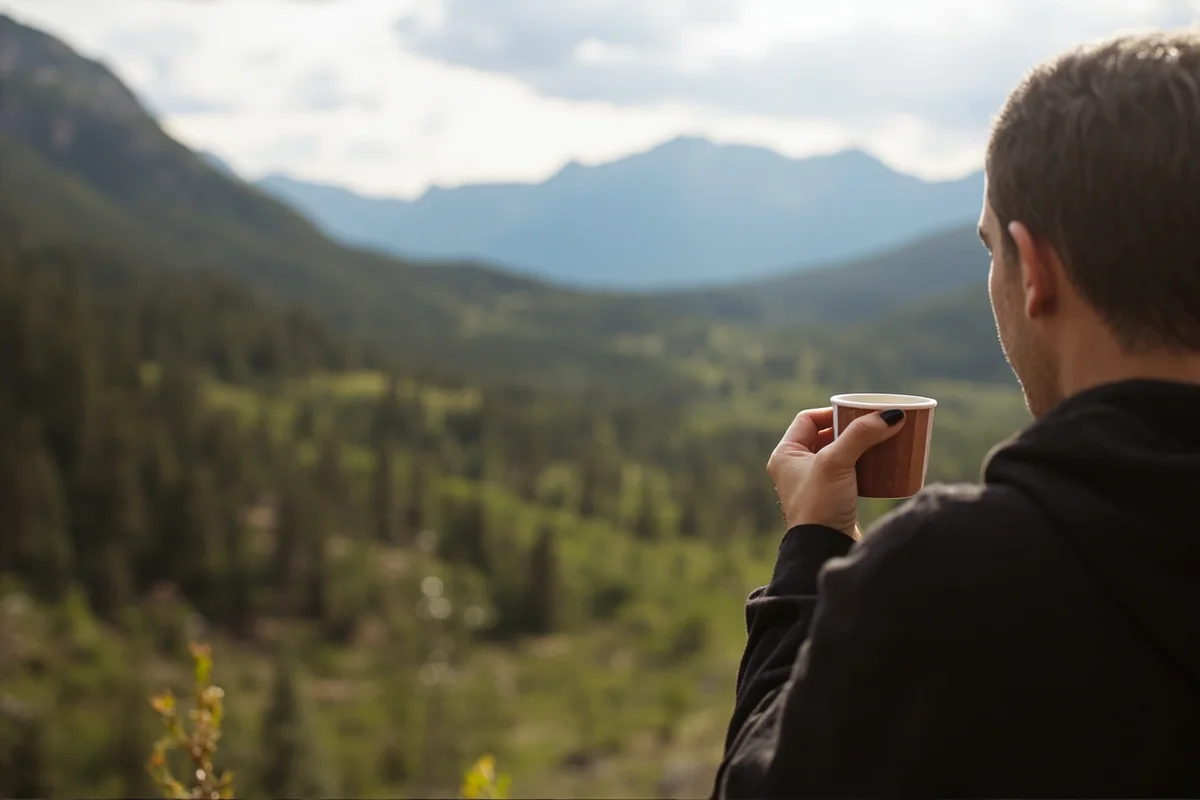
What sustains long-term residents isn’t the spectacular but the everyday pleasures. The quality of light in September. The particular silence after a heavy snowfall. The community connections that deepen over years.
The Cost Reality
I also need to mention: Montana has become expensive. Understanding Montana’s cost of living is essential before considering a move. Prices have boomed in recent years, particularly in gateway communities like Bozeman, Whitefish, and Kalispell.
If you’re considering a move for financial reasons, investigate the cheapest places to live in Montana. Great Falls, Butte, and Billings offer more affordable options while still providing access to outdoor recreation. The best places to live depend heavily on your priorities and budget.
For what it’s worth, Montana has no state sales tax, which provides some relief. But housing costs have become genuinely prohibitive in popular areas.
The Social Fabric: Who Lives Here and Why It Matters
Montana’s demographics shape its culture in ways visitors might not immediately notice. The state is predominantly white and rural, though communities like Montana’s African American community have deep historical roots worth learning about.
The state is working to become more welcoming across all dimensions. LGBTQ visitors and residents will find that major cities like Bozeman and Missoula are notably progressive, while rural areas can be more conservative. Several LGBTQ organizations provide community and resources.
I’ve found Montanans generally operate on a “live and let live” principle. Political diversity exists, and conversations across difference happen more naturally than in politically sorted urban environments. Your neighbor might have opposite beliefs but will still help you dig out your car after a blizzard.
Community and Connection
One underrated aspect of Montana life: you actually know your neighbors. The woman at the post office learns your name. The butcher remembers your order. This can feel intrusive if you’re used to urban anonymity, but it creates a safety net of community that I’ve come to value.
Montana’s safest towns benefit from this social cohesion. Crime exists—check information about Montana’s cities with higher crime rates before choosing where to settle—but the overall sense of community creates natural security.
Specific Experiences That Changed My Mind
Let me share some concrete moments that taught me Montana isn’t boring:
The night I saw wolves in Yellowstone’s Lamar Valley. I’d joined a wildlife watching group at 5 AM (not my usual hour). Through spotting scopes, we watched a pack hunt elk across the valley as sunrise lit the snow pink. I cried. Actually cried. Nothing about that experience could be called boring.
A random Tuesday in Missoula. I was there for a work trip and had free time. I wandered into the Zootown Arts Community Center, found a ceramics class starting in 20 minutes, and decided to join. For three hours, I made a (terrible) bowl while a retired teacher and a college freshman kept me company. I left with clay-covered jeans and a phone full of new contacts.
The county fair in Choteau. I drove there on a whim during my second summer. It was demolition derby night, and I sat on aluminum bleachers eating elephant ears while locals cheered cars crashing into each other. It was ridiculous and perfect and utterly Montana.
Ice fishing on Canyon Ferry Lake. A colleague invited me, and I expected misery. Instead, I spent six peaceful hours in a heated ice shack, catching trout, drinking coffee, and talking about everything from philosophy to his daughter’s college search (he asked about Montana school districts since she was considering staying in-state). We caught dinner and built a friendship.
The Infrastructure Question
Real talk: Montana’s infrastructure can feel limited. Healthcare access requires planning—specialists often mean driving to Billings or even out of state. Amazon deliveries take longer. Cell service disappears in vast swaths of the state.
These aren’t small concerns. For families with children, researching school districts matters significantly. For retirees, proximity to healthcare makes certain areas more practical; check out Montana retirement communities for options that address these concerns.
I’ve learned to plan shopping trips, stockpile essentials, and accept that convenience isn’t Montana’s strength. The tradeoff—space, beauty, community—has been worth it for me. It isn’t for everyone.
Natural Hazards
Montana also presents real risks. Wildfires have become annual concerns, with smoke affecting air quality for weeks during bad years. Other natural disasters include flooding, severe winter storms, and the occasional earthquake.
The 2022 Yellowstone flooding that destroyed roads and displaced communities reminded everyone that nature here isn’t just pretty—it’s powerful and unpredictable. Living in Montana means respecting that power.
The Boredom-Busting Mindset Shift
After three years, I’ve realized “boring” is really a question of expectation and mindset.
If you expect entertainment to be delivered to you—through streaming services, restaurant scenes, nightlife options—Montana will disappoint. If you’re willing to actively seek experiences, create your own adventures, and find pleasure in simpler rhythms, Montana will endlessly reward you.
I’ve become someone who finds deep satisfaction in watching weather cross a valley. Someone who drives an hour for a specific trail and considers it well worth the effort. Someone who values quality of experience over quantity of options.
This isn’t for everyone, and that’s fine. Some Montana towns genuinely have fewer options than others, and certain personalities will never adapt. There’s no shame in admitting Montana isn’t your place.
But for those who resonate with this state’s particular gifts—space, wilderness, community, authenticity—the word “boring” stops making sense. It’s like calling the ocean boring because it doesn’t have roller coasters.
Practical Advice for Testing the Waters
If you’re genuinely uncertain whether Montana will bore you, here’s my recommendation:
Visit for at least a week, including one winter trip if you’re considering living here. Don’t just hit the national parks—spend time in actual towns where you’d potentially live. Talk to residents honestly about daily life.
The reasons to move here are compelling, and Big Sky Country can genuinely capture your heart. But romantic notions need to meet practical reality.
Some people thrive here and never look back. Others try for a year and retreat to urban life. Neither outcome is wrong—they’re just honest reckonings with what you need.
For what it’s worth, plenty of people considering retirement in Montana have found exactly the peaceful yet engaging lifestyle they sought. It works especially well when you’re not tied to commuting and can enjoy each season fully.
My Verdict: Not Boring, But Different
Is Montana boring? After three years, my answer is an emphatic no—with an important caveat.
Montana isn’t boring, but it is different. The excitement here is quieter. The stimulation is natural rather than manufactured. The pace is deliberate rather than frenetic.
I still miss certain urban conveniences. Late-night food options. Easy access to concerts. The anonymity of being a stranger. But I’ve gained things I didn’t know I needed: daily encounters with beauty, a genuine community, physical adventure as a lifestyle rather than a vacation highlight.
Some visitors to Montana will find exactly what they’re seeking: an escape from overstimulation, a return to nature, a slower rhythm that allows for deeper living. Others will spend a week here and realize they need more options, more energy, more stuff than Montana provides.
Both reactions are valid. The question isn’t really “Is Montana boring?” The question is: “What do you need from a place, and can Montana provide it?”
For me, it can and does—beyond anything I imagined when I first watched that Newark guy transform his opinion over a single afternoon. Montana rewarded his curiosity that day, and it’s been rewarding mine ever since.
Montana certainly isn’t the worst state, though it’s not for everyone. Its sparse population is either a drawback or a feature depending on your perspective. The most expensive properties here sell to people who understand what they’re buying: not just land, but space, privacy, and a certain quality of life.
If that resonates with you, Montana will never be boring. If it doesn’t, save yourself the trip. There’s no wrong answer—just the honest one.
Frequently Asked Questions
Is Montana boring for tourists or is there actually stuff to do?
Montana is far from boring if you love outdoor adventures and wide-open spaces. I’ve found endless activities here including hiking in Glacier National Park, fly fishing on the Yellowstone River, skiing at Big Sky Resort, and exploring charming small towns like Whitefish and Bozeman. The ‘boring’ reputation usually comes from people expecting big-city nightlife, but if you’re into nature and authentic Western experiences, Montana delivers.
What is the best time of year to visit Montana for first-time travelers?
The best time to visit Montana is late June through early September when roads are fully open, including the famous Going-to-the-Sun Road in Glacier. Summer highs average 70-85°F, perfect for hiking and camping. If you’re into skiing or want to avoid crowds, December through March offers world-class powder at resorts like Big Sky, about 45 miles south of Bozeman.
How much does a week-long trip to Montana typically cost?
A week in Montana typically costs $1,500-$3,000 per person depending on your travel style. Budget travelers can find campgrounds for $20-35/night and motels around $80-120, while mid-range hotels run $150-250/night in summer. Factor in a rental car at $50-80/day since you’ll be driving significant distances—Glacier to Yellowstone alone is about 340 miles.
What should I pack for a Montana vacation in summer?
Pack layers even in summer because Montana temperatures can swing 30-40 degrees in a single day. I always bring a lightweight rain jacket, sturdy hiking boots, sunscreen, and bear spray if you’re planning backcountry hikes. Don’t forget a good pair of binoculars for wildlife spotting—you’ll likely see elk, bison, and possibly bears or wolves in Yellowstone country.
Is Montana worth visiting if I’m not into hiking or camping?
Absolutely—Montana offers plenty beyond hardcore outdoor activities. You can enjoy scenic drives like the Beartooth Highway, visit historic mining towns like Butte and Virginia City, explore excellent local breweries in Missoula, or attend summer rodeos throughout the state. Many visitors also love the hot springs scattered across Montana, with day passes typically running $8-15 per person.
How many days do you need to explore Montana properly?
I recommend at least 7-10 days to experience Montana without feeling rushed, especially if you want to visit both Glacier and Yellowstone national parks. The state is massive—about 550 miles across—so driving between major attractions takes time. If you only have 4-5 days, pick one region and explore it thoroughly rather than spending your entire trip in the car.
Is Montana safe for solo travelers and families?
Montana is one of the safest states for both solo travelers and families, with very low violent crime rates in most areas. Your main safety concerns are wildlife encounters and weather—always carry bear spray in bear country and check road conditions in winter. Cell service can be spotty in remote areas, so download offline maps and let someone know your itinerary before backcountry adventures.
Sources
- https://www.nps.gov/glac/index.htm
- https://fwp.mt.gov/stateparks/flathead-lake
- https://fieldguide.mt.gov/speciesDetail.aspx?elcode=PDERI180K0
- https://www.census.gov/quickfacts/fact/table/MT/PST045222
- https://www.nps.gov/people/jeannette-rankin.htm
- https://www.gia.edu/gia-news-research/montana-yogo-sapphires-unique-gemology
- https://www.nrcs.usda.gov/sites/default/files/2022-09/FlatheadCounty-Montana-LongRangePlan.pdf
- https://commons.wikimedia.org/wiki/File:On_the_Lift_at_Big_Sky_Resort