- Montana has no state sales tax, saving residents 5-10% compared to neighboring states
- The state offers unmatched outdoor access with 30 million acres of public land
- Housing costs vary dramatically—from $150k in eastern towns to $1M+ near Bozeman
- The tight-knit community culture is real but takes time to break into
- Job market is growing, especially in tech, healthcare, and remote work
- Winter is serious (6+ months in many areas) but manageable with preparation
- Quality of life improvements are tangible: less stress, cleaner air, more nature
Liked this article?
Add Roaming Montana as a preferred source so you see more of our articles and guides on Google.
The Financial Advantages That Surprised Me
1. Zero State Sales Tax Saves Real Money
When I bought my first couch in Missoula, the price tag said $899—and that’s exactly what I paid. No additional 8-10% tacked on like I’d grown accustomed to in Washington. This adds up fast. I estimate I save between $2,000 and $3,000 annually just on everyday purchases. Big-ticket items like vehicles, appliances, and furniture show even more dramatic savings. For a deeper dive into the tax situation, check out this explanation of whether Montana has sales tax. The short answer: nope, and it’s been that way since statehood.2. Property Taxes Stay Relatively Reasonable
Despite what you might assume given recent real estate headlines, Montana’s property tax rate sits around 0.74%—well below the national average of 1.07%. My property tax bill on a modest three-bedroom house outside Helena runs about $2,400 annually. Friends in comparable homes in Texas and New Jersey pay double or triple that amount. The catch? Rising property values have pushed some longtime residents into difficult situations, which partly explains why Montana prices are booming.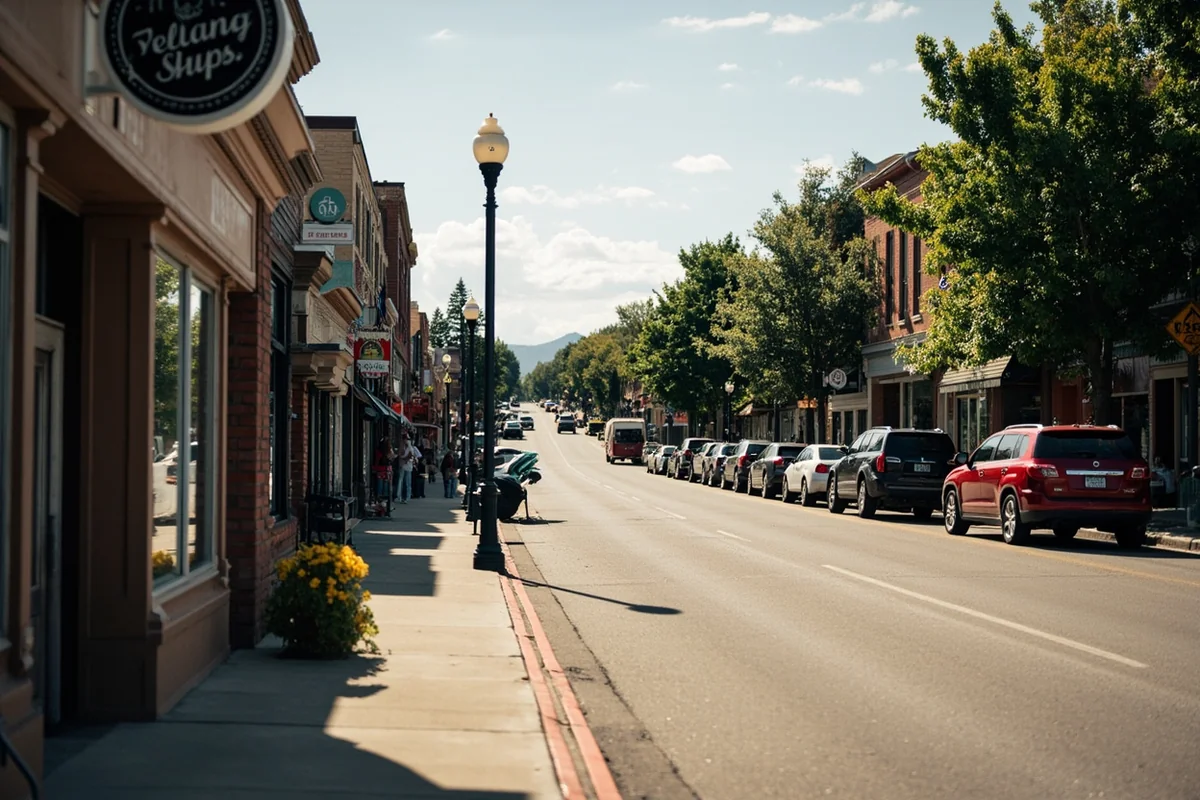
3. Lower Cost of Living in Unexpected Areas
Not all of Montana carries Bozeman or Big Sky price tags. I’ve met plenty of transplants who’ve found affordable living in towns most outsiders have never heard of. Places like Miles City, Havre, and Lewistown offer housing prices that seem almost fictional to coastal refugees. A decent three-bedroom home might run $180,000-$250,000 in these communities. I put together a guide to the cheapest places to live in Montana for anyone serious about budget-conscious relocation. The trade-off is fewer amenities and longer drives to major services.4. Incredible Income Potential for Remote Workers
Here’s what nobody told me before I moved: earning a coastal salary while paying Montana prices creates remarkable financial flexibility. The tech boom and pandemic-driven remote work revolution have transformed Montana’s economic landscape. I know software engineers, marketing directors, and consultants who’ve doubled their effective income simply by relocating. This arbitrage won’t last forever as more people catch on, but right now, it’s a genuine advantage for location-independent professionals.| Expense Category | Montana Average | National Average |
|---|---|---|
| Housing (median home) | $450,000 | $416,000 |
| Utilities (monthly) | $180 | $200 |
| Groceries | 5% above average | Baseline |
| Healthcare | 8% below average | Baseline |
| Sales Tax | 0% | 7.12% |
The Natural Beauty Is Even Better Than Photos Suggest
5. 30 Million Acres of Public Land to Explore
This single fact might matter more than any other for outdoor enthusiasts. Nearly 30% of Montana is public land—national forests, BLM land, state trust lands, and wilderness areas. During my first summer here, I hiked a different trail every weekend for four months straight without repeating one. I’ve since explored maybe 2% of what’s available. The access is incredible. Pull off almost any rural highway, and you can legally walk, hunt, fish, or camp on public ground. Coming from states where “no trespassing” signs dominate the landscape, this felt revolutionary.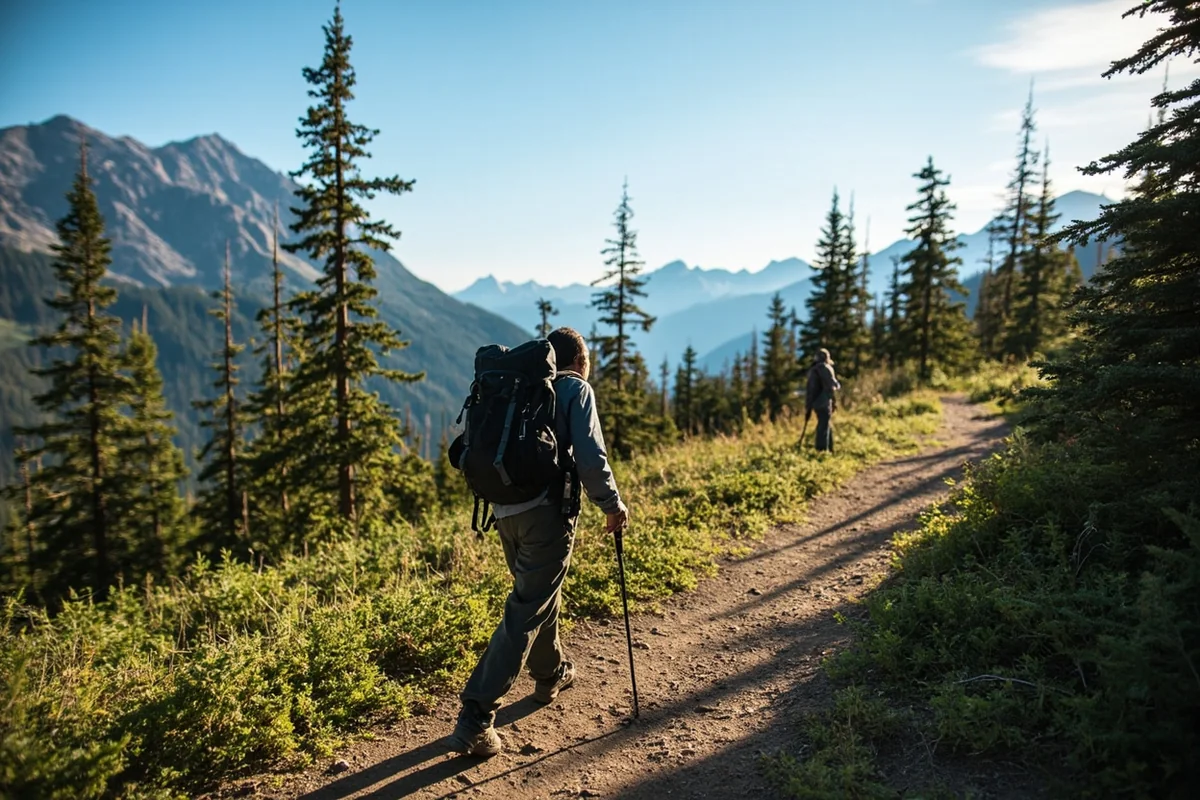
6. World-Class Fishing at Your Doorstep
Last spring, I caught three rainbow trout before work on a Tuesday morning. My fishing spot sits twelve minutes from my front door. Montana’s rivers—the Madison, Yellowstone, Blackfoot, Bighorn, and countless smaller streams—offer fly fishing that people travel thousands of miles to experience. Locals just drive twenty minutes. I’ve heard visitors describe the Bighorn as the best trout fishing they’ve experienced anywhere on Earth. Living here means that’s not a once-in-a-lifetime trip; it’s a regular Saturday.7. Glacier National Park Access
Before moving, I’d visited Glacier once as a tourist, fighting crowds on the Going-to-the-Sun Road in late July. Now I time my visits for late September or early June, when the park feels almost empty. Residents develop an intimate relationship with places like this. I know which pullouts offer the best sunrise views, which trails stay snow-free earliest, and which campgrounds to target for last-minute permits. Living within a few hours of what many call America’s most spectacular national park transforms it from a bucket-list destination into a recurring weekend option.8. Night Skies That Actually Inspire Awe
During a camping trip near Wisdom last August, I watched the Milky Way arc overhead so clearly that my friend—a 40-year city dweller—literally cried. Light pollution barely exists outside Montana’s handful of larger towns. Bozeman and Missoula have some glow, but drive thirty minutes in any direction, and the darkness is complete. I’ve seen meteor showers, satellite trails, and celestial events I never knew existed while living under urban skies. The stars alone justify the move for some people I know.9. Wildlife Encounters Become Normal
Last week, a moose blocked my driveway for forty-five minutes. The week before, I counted seventeen elk grazing in the field behind my neighbor’s barn. Bears, mountain lions, wolves, eagles, and countless other species live here in healthy populations. Coming across wildlife isn’t a special event—it’s Tuesday. This does require adjustment. I keep bear spray in my car and on my hiking belt. I’ve learned what to do when encountering different animals. But the trade-off—living in a functioning ecosystem—feels worth the extra awareness.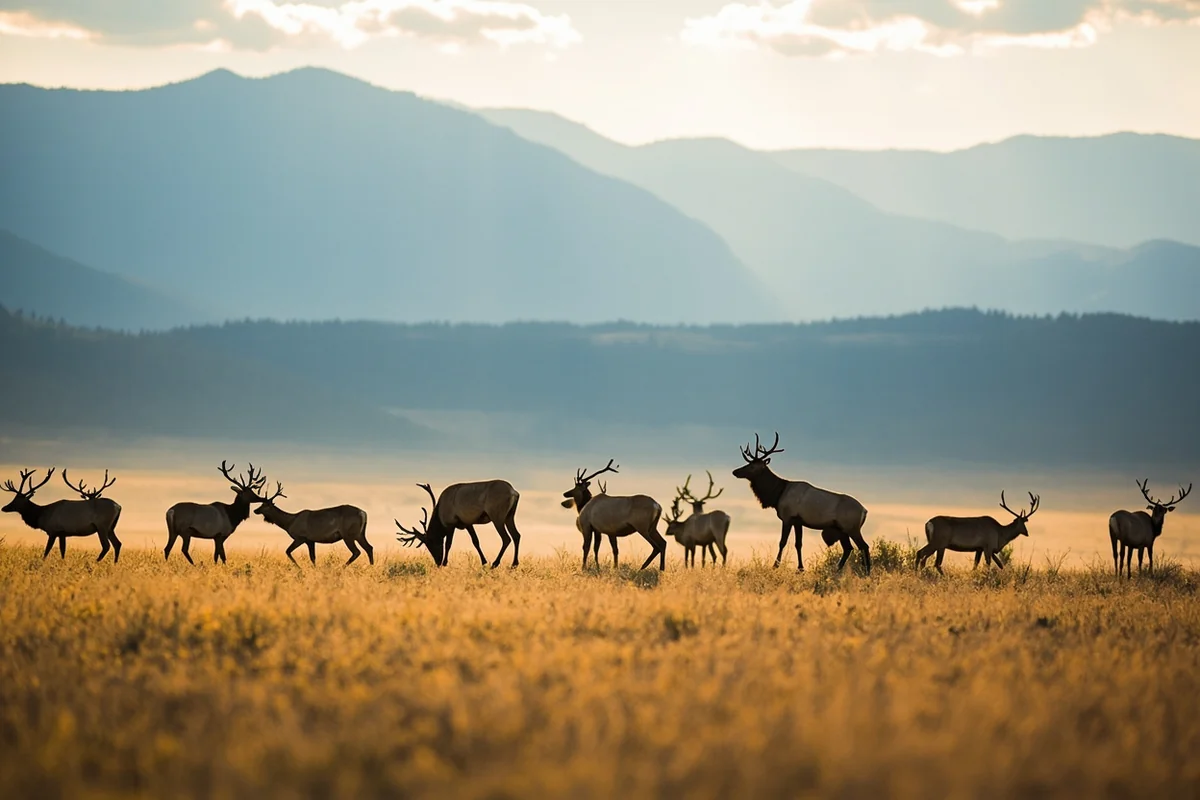
The Community and Culture Differences
10. People Actually Know Their Neighbors
Within a month of moving into my current house, I knew every family on my road by name. They showed up with casseroles, offers to help unload boxes, and warnings about the guy three properties down who plays drums late at night. This community fabric takes getting used to. Privacy exists differently here. People notice if your car isn’t in the driveway, and they’ll check on you if you seem off. For anyone coming from anonymous urban living, this shift feels profound. It requires reciprocity—you’ll be expected to shovel elderly neighbors’ walks, notice when someone’s struggling, and show up when needed.11. The “Montana Wave” Is Real
Drivers on rural roads lift one finger off the steering wheel in acknowledgment of every passing vehicle. I thought this was a joke until I noticed locals doing it reflexively. Now I do it too. It’s a small thing, but it represents something larger about the culture—an assumption of goodwill, a baseline friendliness that permeates daily interactions. Store clerks chat. Strangers hold doors. People let you merge in traffic. These micro-courtesies accumulate into a noticeably different social atmosphere.12. The Local Food and Drink Scene Surprises People
Montana has more craft breweries per capita than almost any other state. I’ve lost count of how many excellent small breweries I’ve visited from Billings to Kalispell. The local food movement thrives here too. Farmers markets overflow with grass-fed beef, heritage vegetables, and artisan products. Bison, elk, and venison appear on restaurant menus and home tables. One quirk newcomers appreciate: Montana grocery stores do sell liquor, unlike many states that restrict hard alcohol to specialized shops. Convenient for adult beverage shoppers.13. A Growing Creative and Cultural Community
The assumption that Montana is culturally barren couldn’t be more wrong. Missoula alone hosts a symphony orchestra, multiple theater companies, and one of the country’s best independent bookstores. Film festivals, art walks, live music venues, and literary events happen year-round across the state. The creative community punches well above its population weight. Some people wonder whether Montana is boring, and I understand the concern. But my experience suggests anyone willing to engage finds plenty of intellectual and cultural stimulation.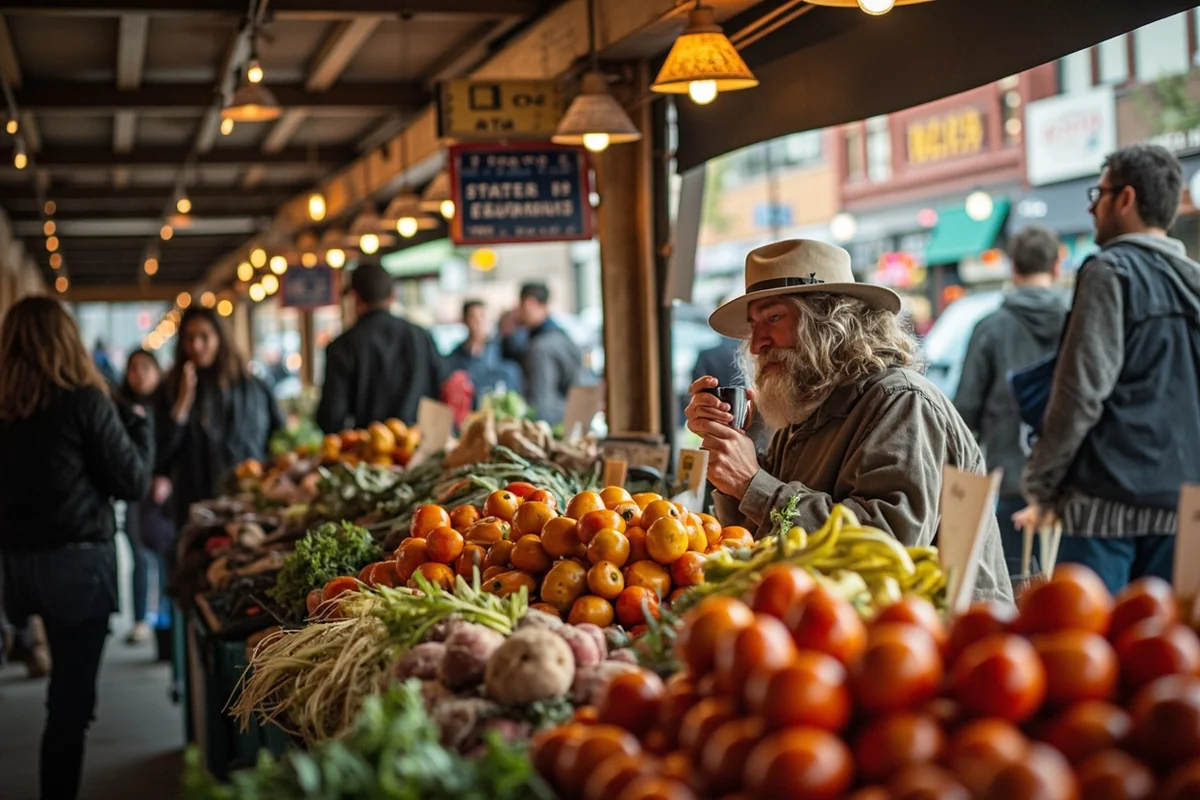
14. Diverse Communities You Might Not Expect
Montana’s demographics are changing, slowly but measurably. I’ve been impressed by growing efforts to build inclusive communities across the state. Those interested in specific communities should explore resources about Montana’s African American community and the Montana LGBTQ organizations working to create welcoming spaces. Is Montana as diverse as major metropolitan areas? No. But the assumption that rural states lack any diversity or inclusion efforts is outdated and incomplete. For an honest assessment, read about whether Montana is LGBTQ friendly.The Practical Quality of Life Improvements
15. My Commute Disappeared
In Seattle, I spent 90 minutes daily sitting in traffic. In Montana, my longest regular drive takes twelve minutes with zero red lights. Even residents of Bozeman and Missoula—the most “congested” areas—describe commutes that would make urban dwellers weep with envy. Twenty minutes across town during rush hour feels like a worst-case scenario here. This time savings compounds into hundreds of extra hours annually. I’ve reclaimed entire days of my life that previously evaporated on freeways.16. Air Quality That’s Measurably Better
Except during late-summer wildfire season, Montana’s air quality consistently ranks among the nation’s best. I stopped using my asthma inhaler within six months of moving. The difference is visceral. Air smells different here—like pine, like grass, like nothing at all. Coming from cities where air has a taste, this took adjustment. Wildfire season (roughly August through mid-September) does bring smoky stretches that can be severe. It’s a real consideration I discuss in my piece on Montana’s wildfire situation. But the other ten months make up for it.17. Space and Elbow Room
Montana averages about seven people per square mile. Seven. That’s nothing, practically speaking. This translates into tangible daily life benefits. Campgrounds have sites available. Trailheads have parking spots. Restaurants have tables. The constant crush of humanity that defines urban existence simply doesn’t exist here. For perspective on just how uncrowded it is, explore whether Montana is the least populated state and why Montana remains so unpopulated. The answers might surprise you.18. Excellent Schools in Many Communities
Parents frequently ask me about education quality, and I have genuinely good news. Many Montana school districts perform excellently despite modest budgets. Class sizes stay small. Teacher-to-student ratios beat national averages. Outdoor education programs take advantage of the natural setting in ways impossible elsewhere. I’ve compiled research on the best school districts in Montana for families making this decision. Higher education options also deserve attention—the best colleges in Montana include several hidden gems.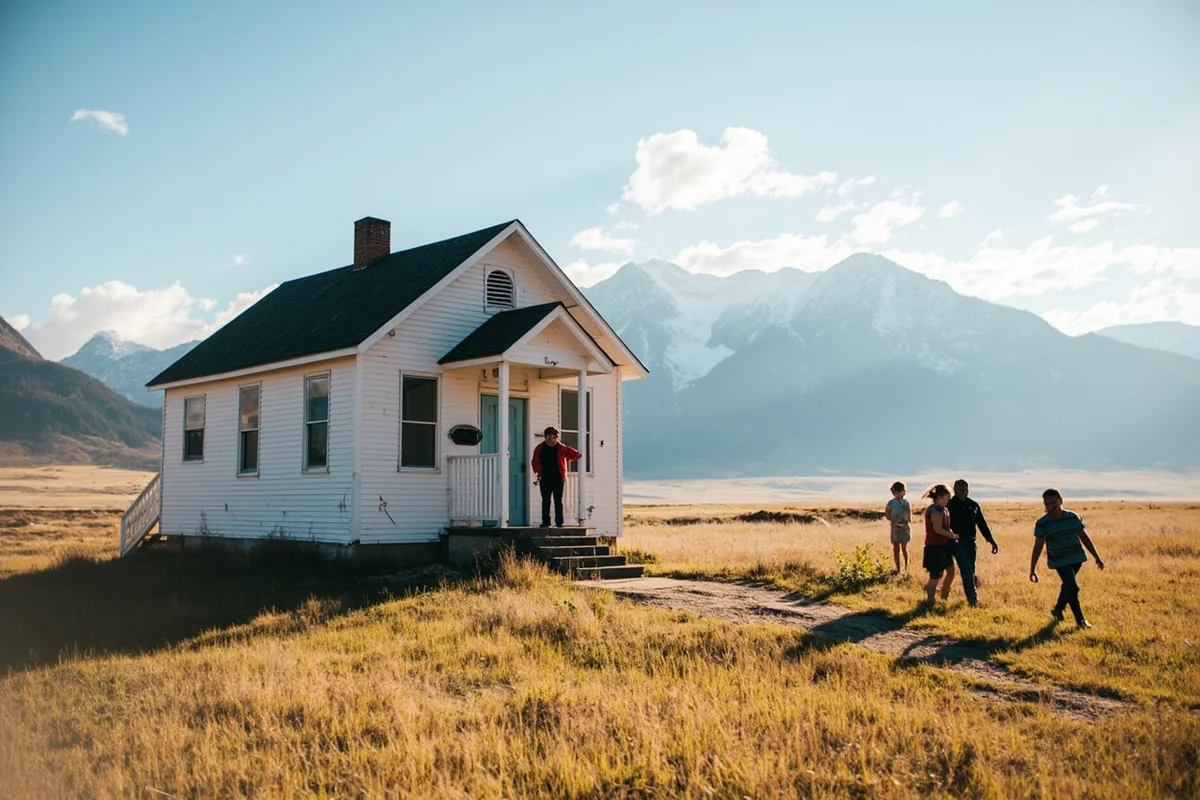
19. Healthcare Access Has Improved Dramatically
This used to be Montana’s Achilles heel. Rural healthcare gaps made living here genuinely risky for people with serious medical needs. Things have changed. Telehealth options exploded during the pandemic. Regional hospitals in Billings, Missoula, Great Falls, and Bozeman have expanded services. Specialty care still sometimes requires travel, but the gaps have narrowed considerably. I know several retirees who’ve moved here specifically because healthcare access improved enough to make it viable. For those considering retirement, I’ve written about reasons for retiring in Montana and available Montana retirement communities.20. Safety and Low Crime Rates
The first time I left my car unlocked overnight by accident, I panicked the next morning—then realized nothing had been touched. This happens regularly now. Montana’s crime rates sit well below national averages across most categories. Many communities feel safe in ways that seem almost anachronistic. That said, no place is perfect. Some areas face challenges, which I address honestly in my guide to Montana’s most dangerous cities. For the opposite end, see the safest cities and towns in Montana.The Long-Term Investment Potential
21. Growing Population Means Growing Opportunity
Montana’s population has increased significantly over the past decade, and that trend continues. People are moving here for the same reasons you’re considering it. This growth creates economic opportunity. New businesses open. Job markets expand. Services improve. The fastest growing cities and counties offer particular potential for entrepreneurs and job seekers. Understanding Montana’s current population helps contextualize where growth is happening and why. The state remains remarkably uncrowded despite recent influx, as discussed in whether Montana is heavily populated.22. Real Estate Appreciation Potential
I bought my house in 2021. It’s already worth 40% more than I paid. That appreciation hasn’t been universal—eastern Montana moves slower—but the western half has seen remarkable gains. For those with capital, Montana real estate offers both lifestyle and investment value. Some of Montana’s most expensive properties now rival Beverly Hills for price tags. This cuts both ways. Understanding why Montana is so expensive helps inform smart purchasing decisions. Not every area makes financial sense for every buyer.23. The Celebrity Neighbor Effect
Montana has quietly become a refuge for the wealthy and famous. You might end up at the same coffee shop as Oscar winners or tech billionaires. I’ve encountered several surprisingly famous people in mundane settings—hardware stores, hiking trails, the DMV. They come here specifically because locals generally leave them alone. The list of celebrities who’ve chosen Montana living is longer than most people realize. Their presence has influenced local real estate and culture in complex ways.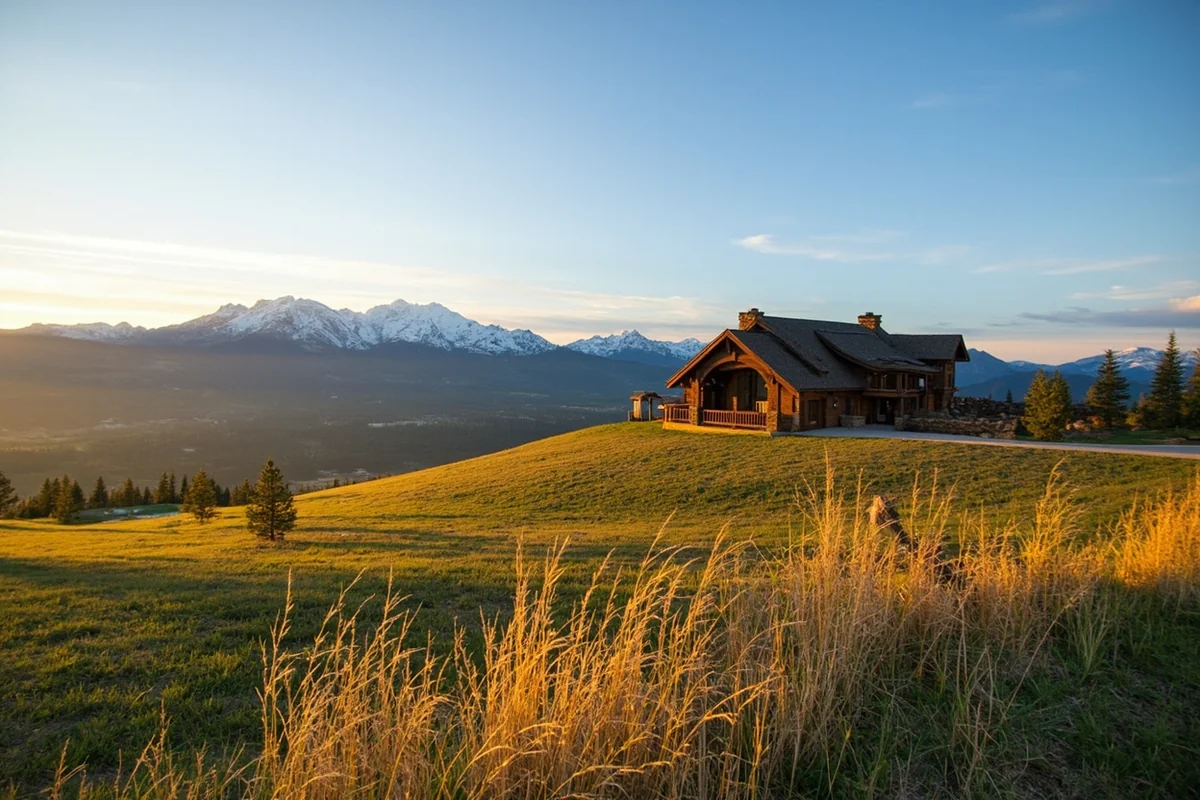
Honest Considerations Before You Move
Winter Is Serious Business
I need to be direct: Montana winters test people. My first February, I experienced thirty consecutive days below freezing. The snow piled up for months. Daylight shrank to eight hours. Some newcomers don’t make it through their first winter. They underestimate the cold, the isolation, the unrelenting gray. This isn’t hyperbole—I’ve watched it happen. For those wondering about snow specifically, check out Montana’s snowiest places. Some areas average 300+ inches annually. Understanding natural conditions, including Montana’s natural disaster risks, is essential.Job Markets Vary Wildly
Unless you work remotely, finding good employment in Montana requires research and often compromise. Wages generally run lower than coastal equivalents. Certain industries barely exist here. Healthcare, education, tourism, and increasingly tech offer the strongest opportunities. But if you’re in a specialized field, verify demand before assuming you’ll find work.Not Every Town Is Right for Everyone
Montana contains multitudes. Hip Missoula feels nothing like conservative Billings. Bozeman’s outdoor-culture vibe differs sharply from working-class Butte. Identifying the best places to live in Montana depends entirely on your priorities, politics, and personality. What works beautifully for one family might feel isolating or wrong for another. Similarly, some places genuinely struggle with economic decline, drug problems, or lack of services. My honest assessment of towns to potentially avoid might save you from a bad fit.Sustainability Matters Here
Living in Montana has made me more aware of environmental stewardship. The natural beauty that draws people here requires active protection. The state’s recycling infrastructure varies by location but continues improving. Many residents take seriously the responsibility of preserving what makes this place special.The Homesteading Dream Is Achievable
For those harboring back-to-the-land fantasies, Montana actually makes this possible. I know multiple families who’ve created successful small farms and homesteads. The guide to starting a homestead in Montana covers practical realities. It’s hard work, but the land and regulations here support this lifestyle better than most states.My Final Take After Five Years
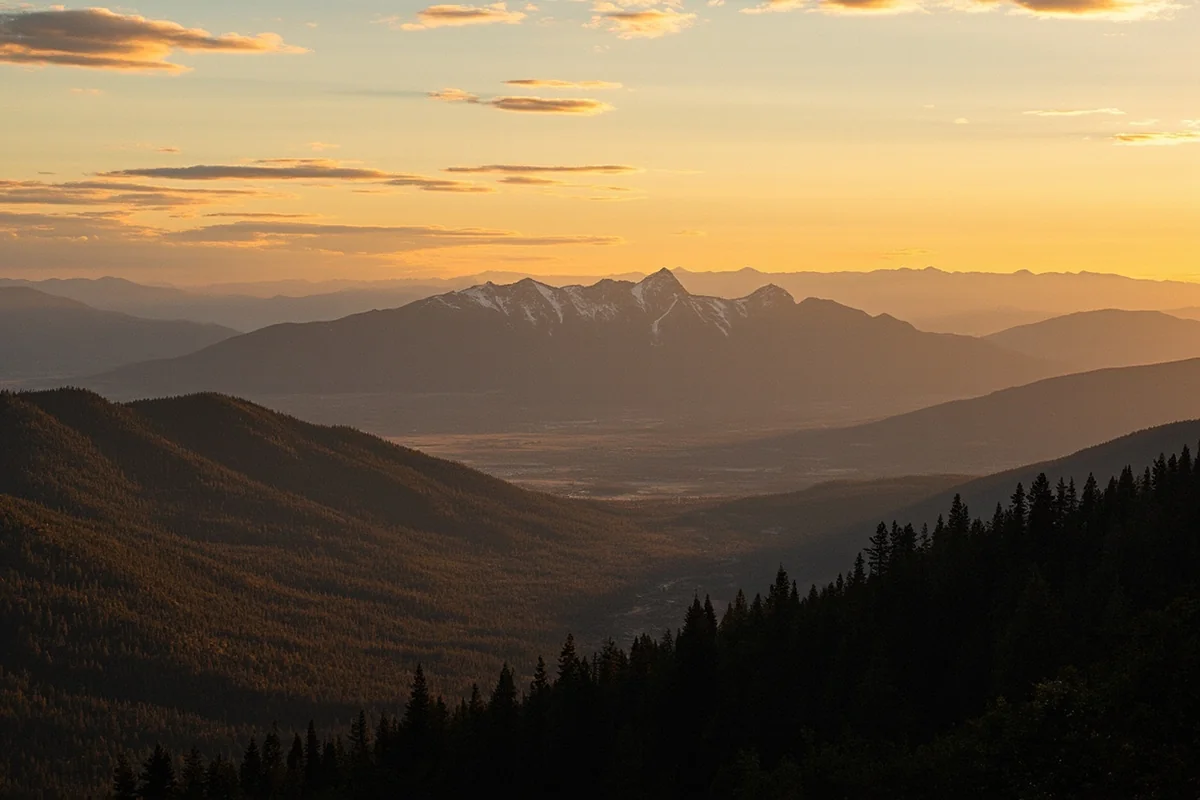
Moving to Montana was the best decision I’ve ever made. That’s my honest assessment after 1,800+ days of living here. The things I loved during visits—the mountains, the space, the outdoor access—have only deepened with residency. But the unexpected benefits matter more: the community connections, the slower pace, the feeling of living somewhere that still works the way places are supposed to work. Is it perfect? No. Anyone telling you that hasn’t experienced a January cold snap or a summer of wildfire smoke. Some newcomers genuinely struggle, and others eventually leave. This life isn’t for everyone. But for the right person? Montana offers something increasingly rare in America: space to breathe, community that matters, and daily contact with wild beauty that rewires your nervous system over time. If you’re reading this far, you’re probably that person. I recognize the longing—I felt it too, looking at that sunset over the Swan Range. The difference between visiting and living is everything. Take the leap. I’ll see you out here.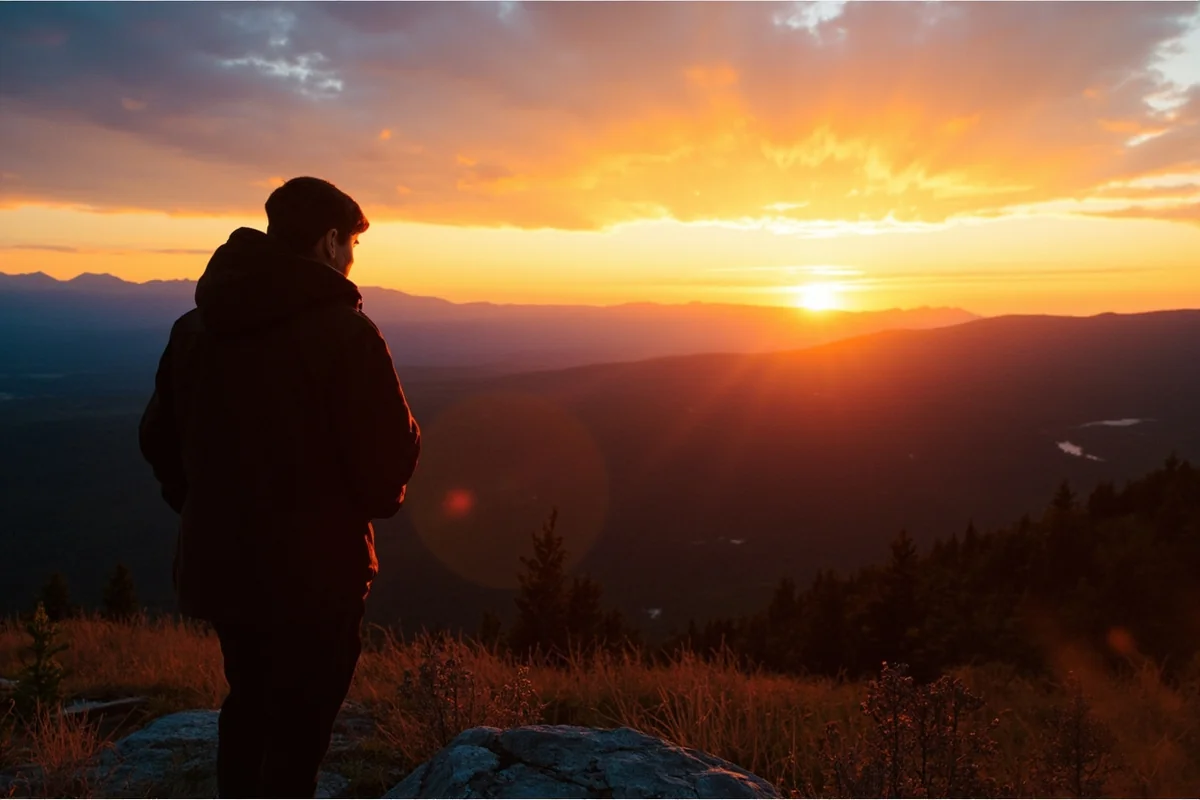
Frequently Asked Questions
What is the cost of living in Montana compared to other US states?
Montana’s cost of living runs about 5-8% above the national average, with housing being the biggest factor—median home prices hover around $450,000-$500,000 depending on the area. However, Montana has no sales tax, which saves residents money on everyday purchases. I’ve found that smaller towns like Bozeman’s surrounding areas or Great Falls offer more affordable options than resort communities like Whitefish or Big Sky.
What are the best cities to move to in Montana for outdoor enthusiasts?
Bozeman and Missoula consistently rank as top choices for outdoor lovers, offering immediate access to world-class skiing, hiking, and fly fishing within 30 miles of downtown. Whitefish is ideal if you prioritize skiing at Whitefish Mountain Resort and proximity to Glacier National Park. For a quieter lifestyle with excellent fishing, I’d recommend checking out Livingston or Helena, which offer lower housing costs while still providing easy access to Montana’s wilderness.
How harsh are Montana winters and what should new residents expect?
Montana winters are genuinely cold, with temperatures regularly dropping below 0°F in January and February, and annual snowfall averaging 40-60 inches in valley towns and much more in mountain areas. You’ll need a reliable 4WD vehicle, quality winter tires, and proper cold-weather gear including layers rated for subzero temperatures. The tradeoff is stunning snow-covered landscapes, uncrowded ski slopes, and the famous Montana ‘bluebird days’ with crisp sunshine.
Is Montana a good place to raise a family and what are the schools like?
Montana offers an exceptional environment for families who value outdoor education, small class sizes, and tight-knit communities—many schools incorporate outdoor programs like skiing and nature studies into their curriculum. The state’s public schools vary by district, with Bozeman, Helena, and Missoula generally offering the strongest academic programs. Crime rates are low in most Montana communities, and kids grow up with unparalleled access to hiking, fishing, and skiing right in their backyard.
What job opportunities are available in Montana for remote workers and professionals?
Montana has become a hotspot for remote workers since 2020, with cities like Bozeman and Missoula offering coworking spaces, reliable high-speed internet, and a growing tech scene. Healthcare, education, tourism, and agriculture remain the largest employment sectors for in-person work. I’d strongly recommend securing remote work or a job offer before relocating, as local wages typically run 10-15% below national averages while housing costs have surged in popular areas.
How far is Montana from major cities and airports for travel convenience?
Montana’s largest airports in Bozeman, Missoula, and Billings offer direct flights to major hubs like Denver, Seattle, Salt Lake City, and Minneapolis, making travel fairly convenient despite the state’s remote feel. Bozeman is roughly 1,500 miles from Los Angeles and 2,000 miles from Chicago by car. The nearest major metropolitan areas are Salt Lake City (about 500 miles south) and Seattle (550 miles west), so expect longer drives or connecting flights for big-city amenities.
What is the best time of year to visit Montana before deciding to move there?
I recommend visiting Montana in both winter and summer before committing to a move—summer (June through August) showcases the spectacular hiking, long daylight hours, and festival scene, while a January visit reveals the reality of subzero temperatures and shorter days. September and early October offer stunning fall colors, smaller crowds, and a realistic glimpse of shoulder-season life. Spending at least a week during your visit allows you to explore different towns, talk to locals, and truly feel whether Montana’s pace matches your lifestyle.
Sources
- https://www.bber.umt.edu/pubs/econ/MTBrewers.pdf
- https://fieldguide.mt.gov/speciesDetail.aspx?elcode=AMAJA01030
- https://mt.gov/discover/brief_history.aspx
- https://www.census.gov/quickfacts/fact/table/MT/PST045222
- https://www.nps.gov/glac/index.htm
- https://www.nps.gov/yell/index.htm
- https://fieldguide.mt.gov/speciesDetail.aspx?elcode=AMAJB01020
- https://www.montana.edu/news/21479/montana-state-recognized-in-recent-u-s-news-world-report-and-college-factual-rankings
- https://news.mt.gov/Office-of-Public-Instruction/Native-American-Heritage-Month-A-Constitutional-Promise