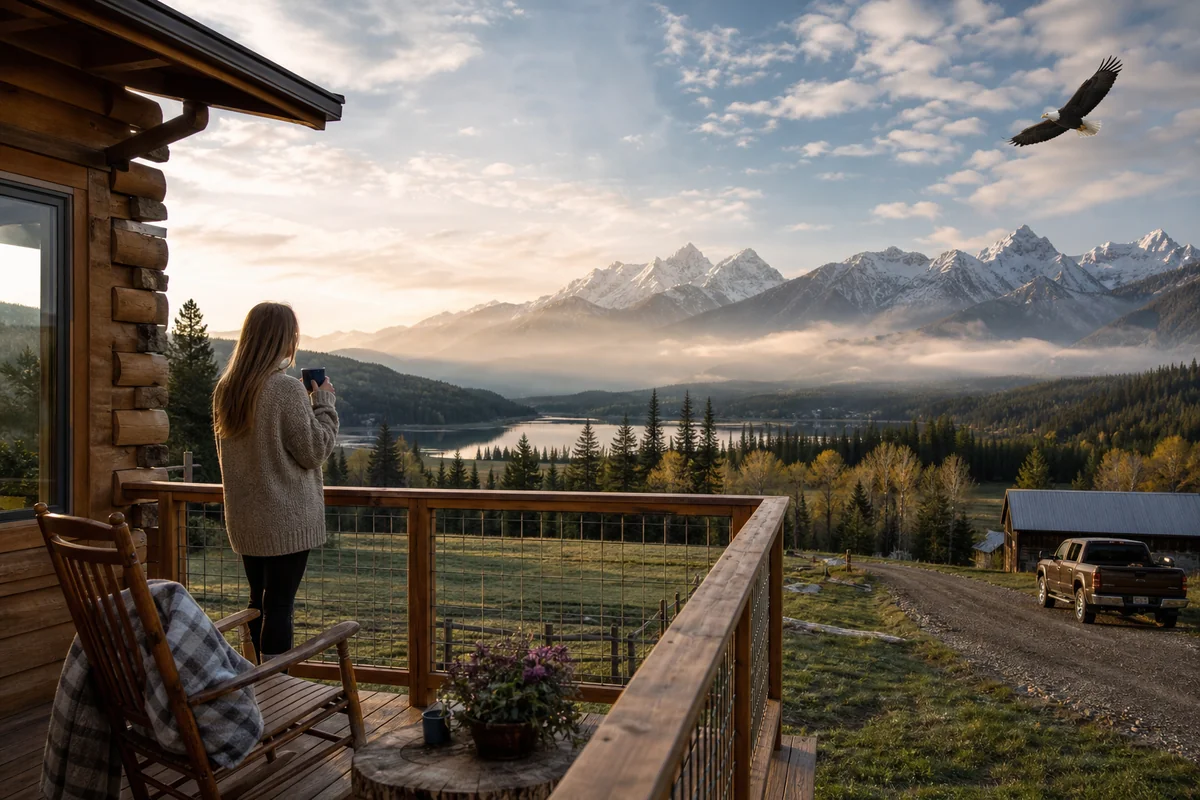
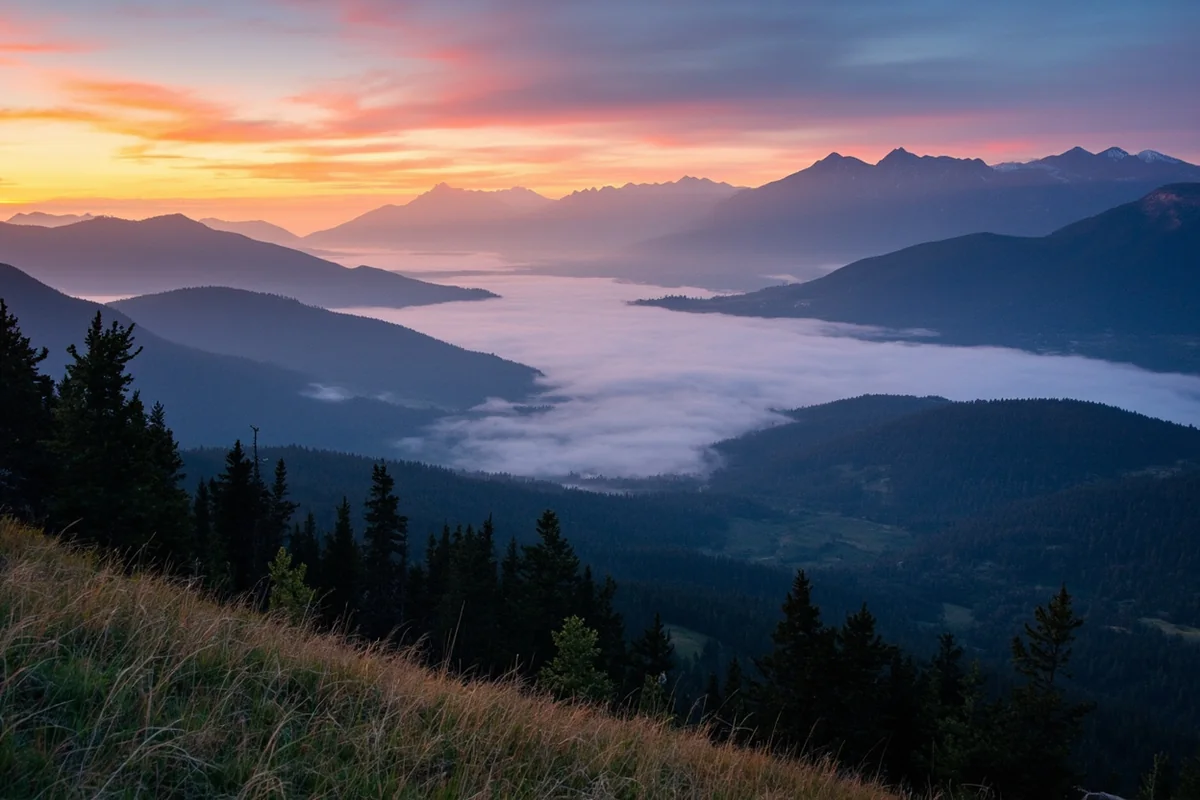
I’ll never forget the moment I stood on my new deck in the Flathead Valley, coffee in hand, watching the morning mist rise off the mountains while a bald eagle circled overhead—and then realizing I had no cell service and the nearest grocery store was 45 minutes away.
That single morning captured everything about Montana living: the breathtaking beauty and the very real trade-offs that come with calling Big Sky Country home.
After three years of living in Montana and countless conversations with locals, transplants, and folks still deciding whether to make the leap, I’ve gathered insights you won’t find in glossy travel brochures.
This is the honest truth about what it’s really like to live here—the good, the challenging, and everything in between.
- Montana offers unparalleled natural beauty, outdoor recreation, and a genuine sense of community
- No state sales tax saves money, but housing costs have skyrocketed in recent years
- Winters are long and harsh—isolation can be real, especially in rural areas
- Job opportunities are limited outside specific industries like healthcare, education, and trades
- The quality of life is exceptional if you prioritize nature, space, and slower living over convenience
- Best for: outdoor enthusiasts, remote workers, retirees, and anyone craving authentic small-town life
Liked this article?
Add Roaming Montana as a preferred source so you see more of our articles and guides on Google.
Why People Fall in Love With Montana
Before I dive into the nitty-gritty pros and cons, let me paint you a picture of why Montana captures hearts. There are plenty of reasons to love Big Sky Country, and they become obvious within hours of crossing the state line.
Last summer, I drove from Missoula to Glacier National Park, and within that four-hour stretch, I passed turquoise rivers, elk grazing in meadows, and mountain ranges that made me pull over three times just to stare. This wasn’t a vacation moment—this was my commute to meet a friend.
Montana is the fourth-largest state by area but ranks 44th in population. That ratio means space—real, breathing room that’s increasingly rare in America. If you’ve ever wondered why Montana is so unpopulated, it’s a combination of climate, geography, and deliberate choice by residents who like it that way.
The Major Pros of Living in Montana
Unmatched Natural Beauty and Outdoor Recreation
I’m not exaggerating when I say Montana ruined other places for me. Once you’ve kayaked on Flathead Lake with the Mission Mountains reflecting on the water, or hiked Hyalite Canyon outside Bozeman in October when the larches turn gold, everywhere else feels a little less magical.
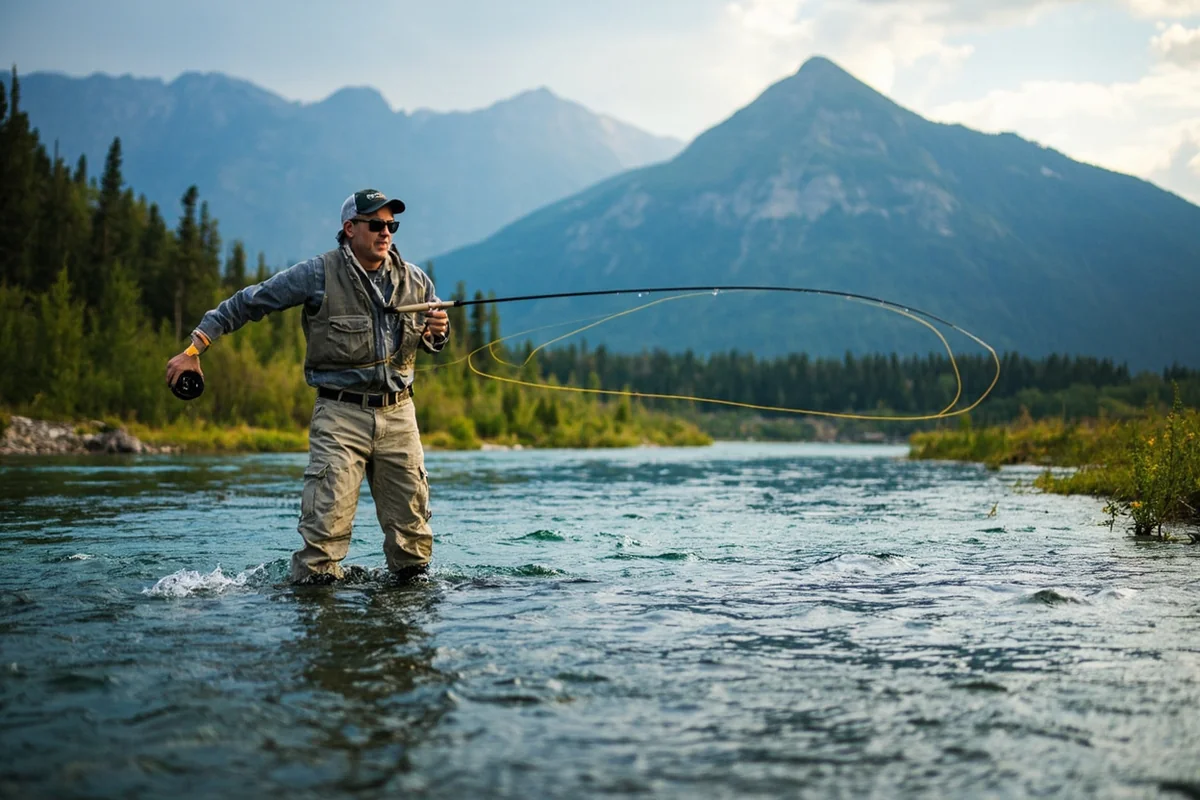
The outdoor recreation access is genuinely world-class. Within 30 minutes of my home, I can fly fish blue-ribbon trout streams, hike trails with zero crowds, mountain bike singletrack, and ski powder that rivals anywhere in the Rockies. During my first winter here, I discovered that “powder days” are a legitimate reason to call in sick—and many employers understand this.
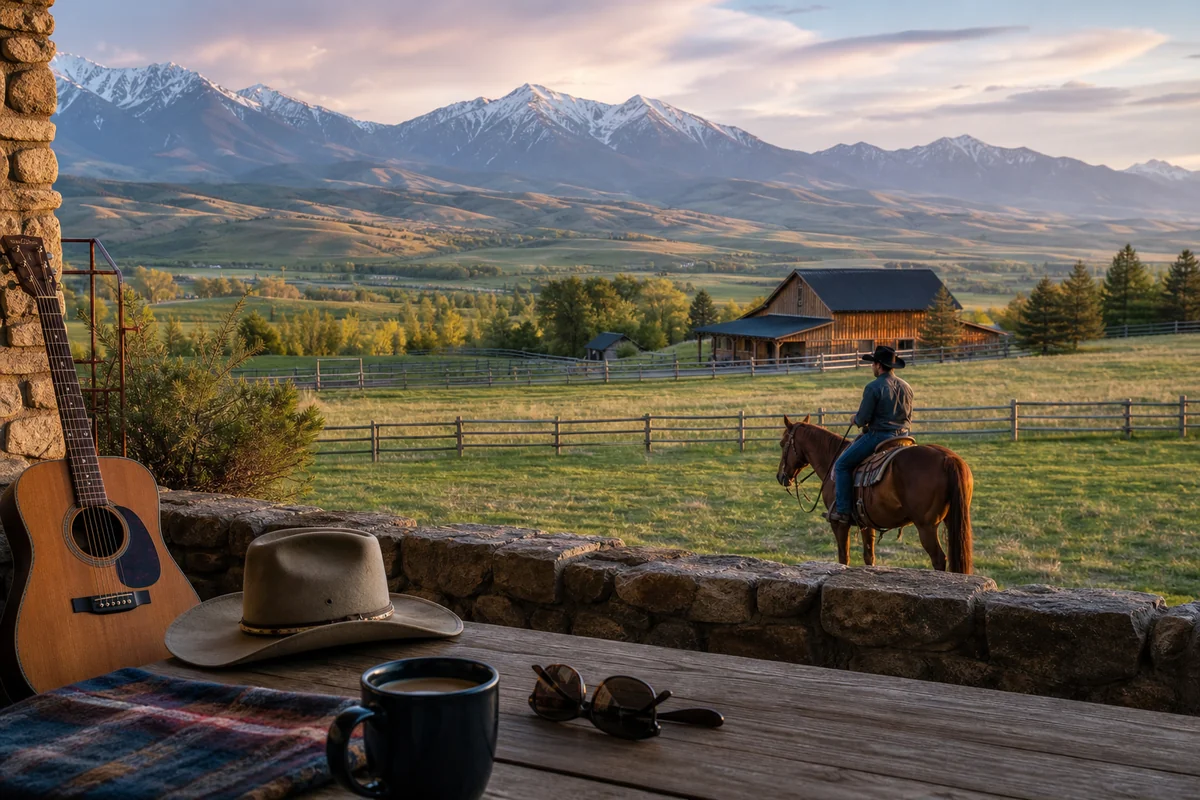
Hunting and fishing culture runs deep here, even for those who never grew up with it. I learned to fly fish from a neighbor who’s been tying his own flies for 40 years. These traditions create community bonds that are hard to replicate elsewhere.
No State Sales Tax
When I first moved here, the question of whether Montana has sales tax seemed minor. Then I bought a used truck and saved over $2,000 compared to what I would have paid in my previous state.
Montana is one of only five states with no sales tax. This adds up significantly on big purchases—vehicles, appliances, furniture, and expensive gear. Many residents also register RVs and boats here specifically for this benefit.
The tax structure overall tends to favor certain residents. While property taxes exist, they’re relatively moderate compared to some states. This makes understanding the full Montana cost of living important before making decisions.
Genuine Community and Friendly People
The wave. Every local does it—that two-finger lift off the steering wheel when passing someone on a rural road. At first, I thought people were being weirdly friendly. Now I do it automatically, and I notice when someone doesn’t wave back.
Montanans—that’s what Montana residents are called—tend to be genuinely helpful. When my pipes froze during my first brutal winter, a neighbor I barely knew showed up with a space heater and stayed until we thawed them together. When wildfires threatened our area, the community organized evacuation help within hours.
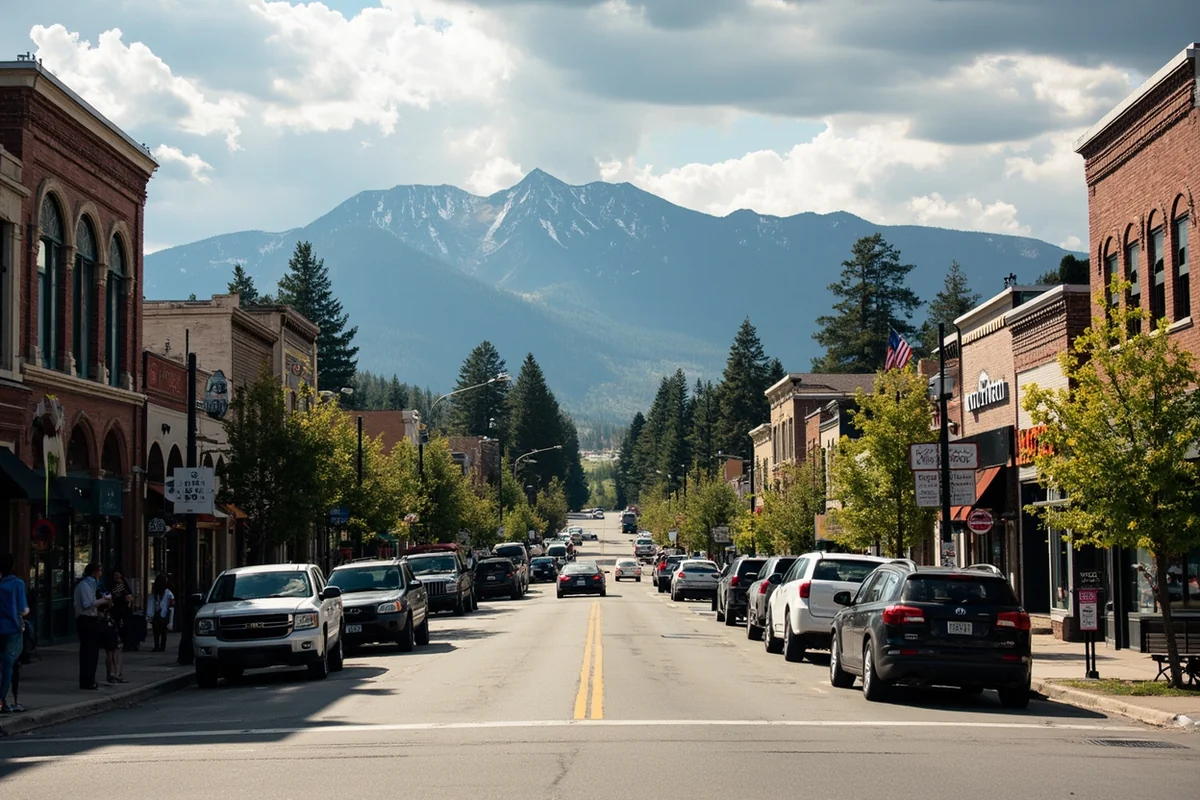
Small-town life means people know each other. This cuts both ways (more on that later), but the upside is real accountability and connection. My local coffee shop in Whitefish knows my order before I reach the counter.
Lower Crime Rates in Most Areas
Montana consistently ranks as one of the safer states, particularly in smaller communities. I’ve lived in places where I wouldn’t leave my car unlocked for five minutes. Here, many people leave keys in the ignition.
That said, this varies significantly by location. While many communities are remarkably safe, you should research Montana’s most dangerous cities and Montana’s safest cities and towns before choosing where to settle.
Property crime does exist, especially as housing pressures increase. But violent crime remains relatively low in most areas, and the overall sense of safety is palpable.
Clean Air and Environmental Quality
Coming from a metropolitan area, the air quality difference hit me immediately. That first deep breath of crisp mountain air wasn’t just refreshing—it felt medicinal. Montana has some of the cleanest air in the nation for most of the year.
Water quality is exceptional. I drink straight from mountain streams on backcountry hikes (use good judgment, obviously) and my tap water at home is better than any bottled water I’ve purchased.
The state takes environmental stewardship seriously, with Montana recycling programs and conservation efforts embedded in local culture. Many residents are passionate about protecting the landscapes that drew them here.
Space and Privacy
My nearest neighbor is a quarter-mile away. I can see their porch light at night, but I can also play music on my deck without worrying about complaints. This level of space simply doesn’t exist in most of America anymore.
If privacy matters to you, Montana delivers. This appeals to everyone from writers seeking solitude to celebrities who chose Montana living specifically for the ability to live normally without constant attention.
The space also allows for genuine self-sufficiency. Many residents maintain gardens, raise chickens, and embrace aspects of country living. If you’ve considered homesteading in Montana, the state offers exceptional opportunities.
Strong Retirement Appeal
I’ve met numerous retirees who moved here specifically for the combination of natural beauty, lower costs than coastal areas, and access to outdoor activities. The reasons for retiring in Montana are compelling for the right person.
Several Montana retirement communities have developed in areas like Bozeman, Missoula, and the Flathead Valley, offering the benefits of Montana living with built-in social connections.
The Major Cons of Living in Montana
Harsh, Long Winters
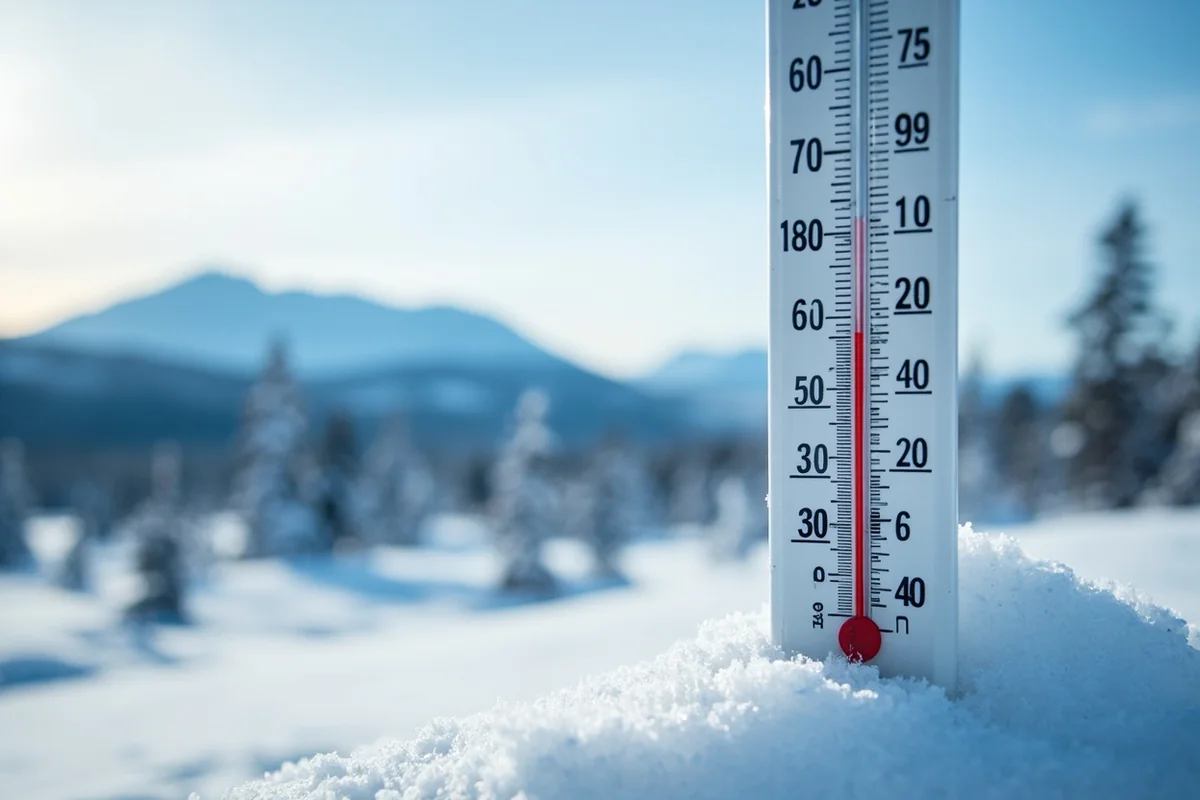
Let me be direct: Montana winters are no joke, and they last far longer than most newcomers expect. From roughly November through April, cold dominates daily life. During my first January here, we had a stretch of two weeks where temperatures never climbed above zero degrees Fahrenheit.
The Montana places with the most snow can receive over 300 inches annually in mountain areas. Even valley towns get buried regularly. Last winter, I shoveled my driveway 47 times—yes, I counted.
This affects everything: your vehicle needs to handle winter conditions, your home needs serious insulation and heating, and your mental health needs strategies for dark, cold months. Seasonal Affective Disorder is real here, and many residents use light therapy lamps and vitamin D supplements.
Housing Costs Have Skyrocketed
This is perhaps the most significant change in Montana over the past decade. When I arrived, housing was expensive but manageable. Now, understanding why Montana is so expensive requires examining a perfect storm of factors.
Remote work enabled high-income earners from expensive coastal cities to relocate while keeping their salaries. COVID-19 accelerated this migration dramatically. Montana prices are booming in ways that have priced out many longtime residents.
In Bozeman, the median home price now exceeds $700,000. Even in smaller communities, finding anything under $400,000 is challenging. Rent has increased 40-60% in many areas over just five years.
If budget is a concern, research the cheapest places to live in Montana carefully. Eastern Montana towns offer much lower costs, but with different trade-offs.
| City/Region | Median Home Price (2025) | Cost of Living Index |
|---|---|---|
| Bozeman | $715,000+ | Above national average |
| Missoula | $525,000+ | Above national average |
| Kalispell/Whitefish | $575,000+ | Above national average |
| Helena | $425,000+ | Near national average |
| Great Falls | $320,000+ | Below national average |
| Eastern Montana | $180,000-$280,000 | Below national average |
Limited Job Market
Unless you work remotely, finding well-paying employment in Montana can be genuinely challenging. The state’s economy centers on agriculture, tourism, healthcare, education, and trades. High-paying corporate jobs are rare.
A friend of mine with a marketing degree spent eight months job hunting before finally landing a position paying $15,000 less than her previous role in Denver. She stayed because she loves the lifestyle, but the financial adjustment was real.
The best colleges in Montana—University of Montana, Montana State University—provide educational opportunities, but many graduates leave for better job markets elsewhere.
If you have children and employment flexibility, researching the best school districts in Montana can help you choose locations that maximize both education and career opportunities.
Isolation and Distance
Montana’s vast size means significant distances between everything. I drive an hour each way for certain medical specialists. The nearest major airport with reliable connections is a three-hour drive from my home.
This isolation compounds in winter when mountain passes close and road conditions deteriorate. I’ve been genuinely snowed in—unable to leave my property—multiple times.
Some people wonder if Montana is boring or not. The honest answer: it depends entirely on what you need. If you require urban amenities, diverse dining, major concerts, and abundant social options, Montana will feel limiting. If you create your own entertainment and find joy in nature, it’s endlessly engaging.
Wildlife and Natural Hazards
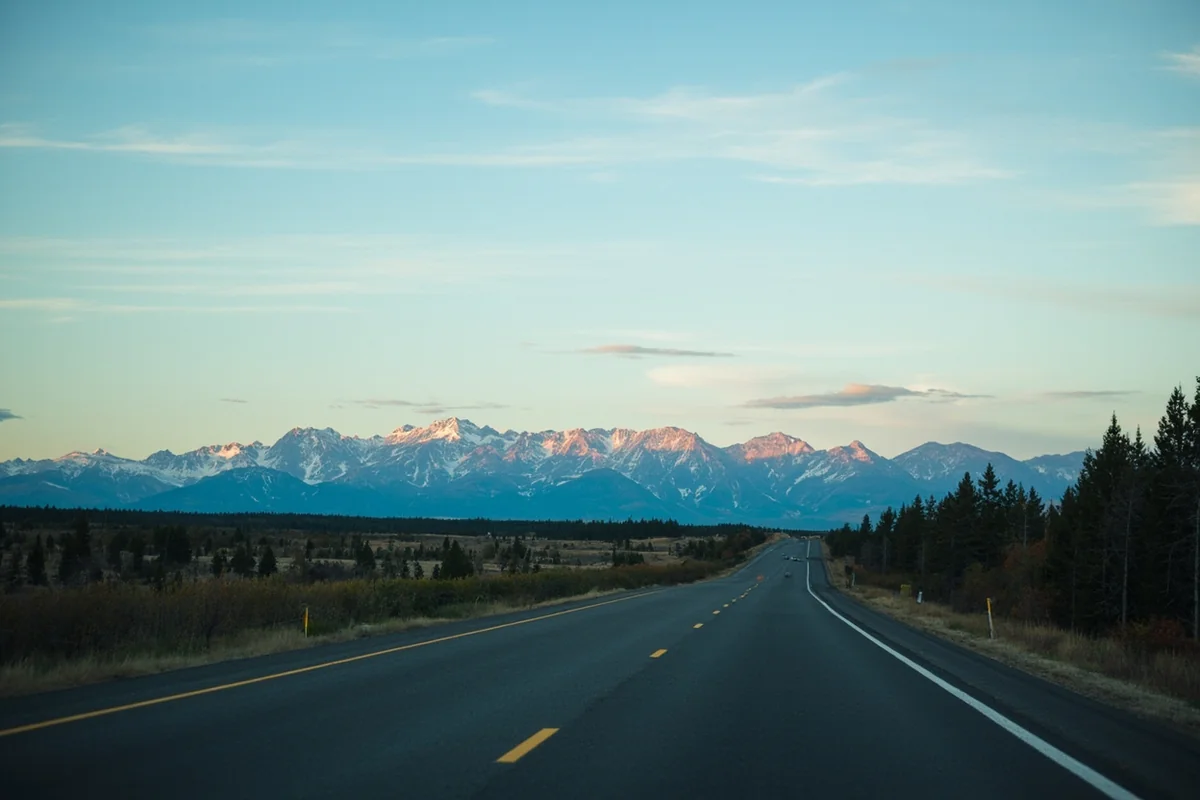
Living close to nature means living with nature’s dangers. Bears are real—I’ve had grizzlies on my property, and every resident learns bear safety protocols. Mountain lions, moose, and even bison (near Yellowstone) demand respect and awareness.
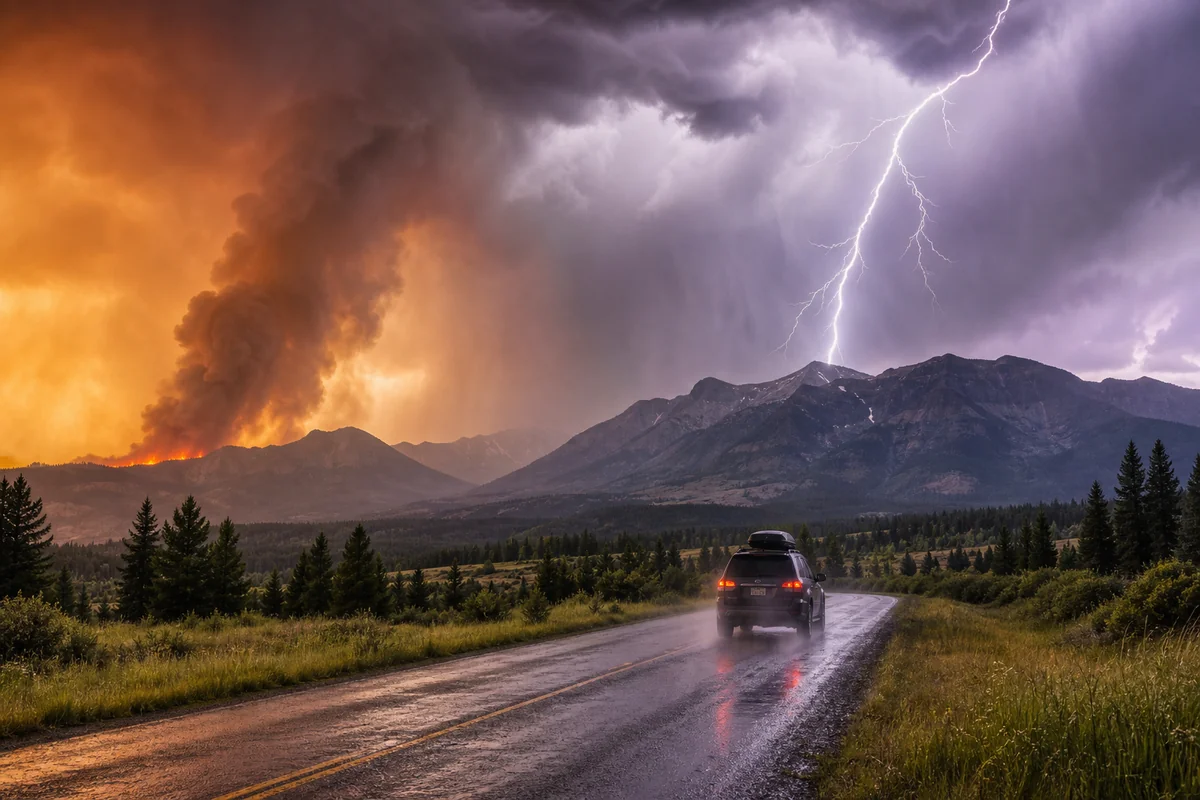
Montana natural disasters include wildfires, flooding, and severe winter storms. Montana does get wildfires—significant ones. During a particularly bad fire season, smoke choked our valley for three weeks. The pristine air I praised earlier? It can turn hazardous for extended periods in August and September.
These aren’t reasons to avoid Montana, but they require preparation, awareness, and acceptance of risk that doesn’t exist in more controlled environments.
Limited Diversity and Cultural Amenities
Montana is approximately 89% white, making it one of the least diverse states in the nation. For people of color, this homogeneity affects daily life in tangible ways.
The Montana African American community, while vibrant and present, is small. Resources, cultural connections, and representation that exist abundantly in diverse cities simply aren’t available here.
Similarly, Montana’s LGBTQ friendliness varies dramatically by location. Cities like Missoula and Bozeman have active queer communities, and Montana LGBTQ organizations provide support and advocacy. But rural areas can be far less welcoming.
Cultural amenities are limited. While Missoula has excellent theater and music scenes, and Bozeman offers surprising culinary options, you won’t find the museums, diverse restaurants, or entertainment variety of larger cities.
Healthcare Limitations
Access to specialized medical care requires significant travel for many Montana residents. I know people who drive to Seattle or Denver for certain treatments because specialists simply don’t exist here.
Mental health resources are stretched thin, particularly in rural areas. Wait times for therapists and psychiatrists can extend months.
This improves in larger towns, but anyone with complex medical needs should seriously evaluate healthcare access before relocating.
Who Thrives in Montana (And Who Doesn’t)
Montana Is Ideal For:
- Remote workers with stable income: If you can keep your coastal salary while enjoying Montana costs (outside Bozeman), you’ll live exceptionally well
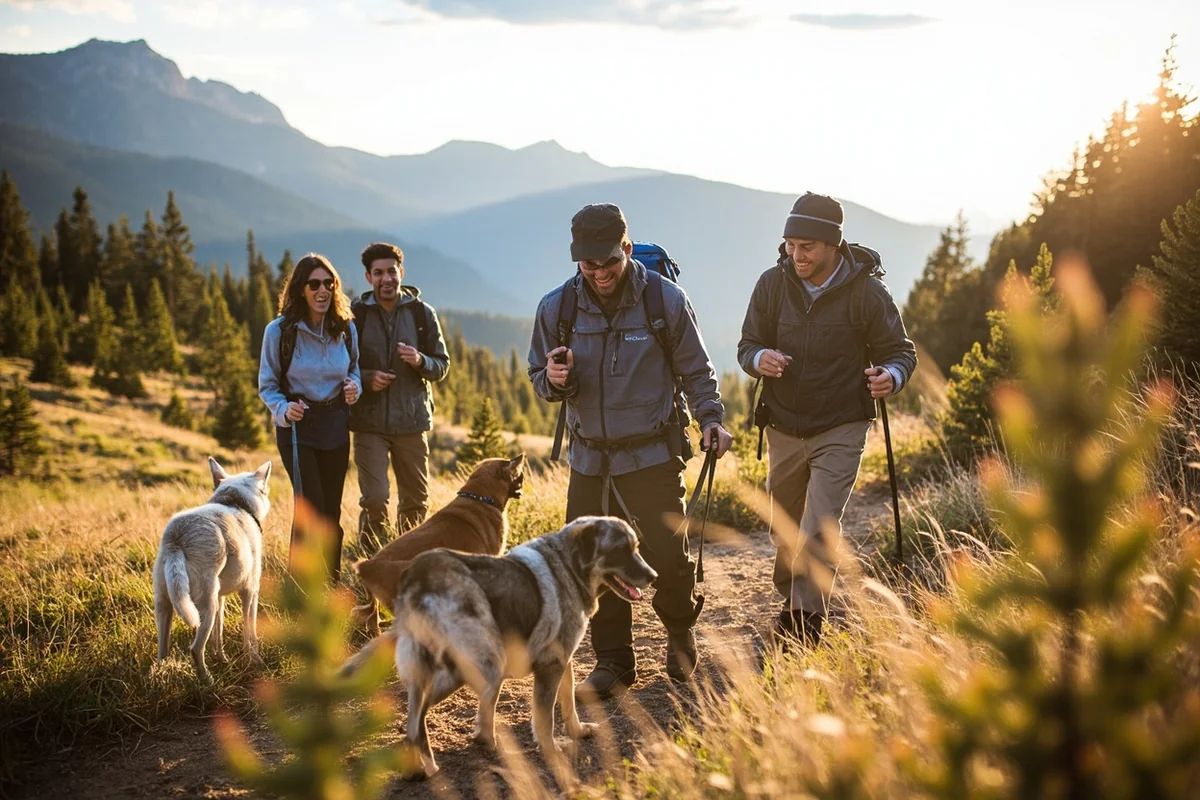
- Outdoor enthusiasts: Skiers, hunters, anglers, hikers, climbers—Montana delivers world-class access daily
- Retirees seeking quality of life: If you’ve saved adequately and prioritize nature and peace over nightlife and convenience
- Families seeking slower pace: Kids can still ride bikes to friends’ houses and play outside unsupervised here
- Entrepreneurs in tourism, trades, or agriculture: These industries thrive here
- Writers, artists, and creatives seeking inspiration: The landscape alone provides endless material
Montana May Not Suit:
- Career-focused professionals in specialized fields: Limited job market will frustrate advancement
- People who need urban amenities and diversity: These simply don’t exist at scale here
- Those sensitive to cold and darkness: Winters are physically and mentally demanding
- Anyone requiring specialized medical care: Access limitations are real
- Social butterflies who need constant activity: You’ll create your own social life or feel isolated
Finding the Right Montana Community
Not all Montana is created equal. The best places to live in Montana depend entirely on your priorities.
Western Montana
Missoula and the Flathead Valley offer the most amenities, diversity, and cultural activity. They’re also among the most expensive areas. Montana’s fastest growing cities cluster here, which brings both energy and growing pains.
Southwest Montana
Bozeman has transformed into an expensive, trendy destination with excellent restaurants, outdoor access, and a younger demographic. It feels least like “traditional” Montana but offers the most convenience.
Central Montana
Helena and Great Falls provide more affordable options with decent amenities. They’re not as scenic as western Montana but offer practical advantages.
Eastern Montana
This is agricultural Montana—vast, sparse, and dramatically cheaper. If you truly want space and don’t need mountains outside your window, communities like Miles City or Glendive offer authentic small-town life at affordable prices. But amenities and job options are extremely limited.
Research carefully before choosing. Some communities that look appealing on paper have significant challenges. Reading about the worst places to live in Montana can help you avoid common mistakes newcomers make.
Practical Considerations Before Moving
Understanding Population Dynamics
Despite recent growth, Montana’s population remains small—around 1.1 million people in a state larger than many countries. Questioning whether Montana is heavily populated or if Montana is the least populated state reveals the extreme low-density reality.
This sparseness creates the peace many seek but also the isolation that challenges others.
Explore Before Committing
I cannot stress this enough: visit Montana during winter before moving. Come in February when it’s been cold and dark for months. If you still want to live here after experiencing that, you’ll likely thrive.
Many newcomers fall in love during summer visits, then struggle through their first winter. The beauty is always here, but your ability to enjoy it during challenging months matters enormously.
Financial Preparation
Beyond housing costs, prepare for:
- Higher heating bills (natural gas or propane costs add up)
- Vehicle maintenance (winter driving destroys cars)
- Travel expenses (getting anywhere requires planning and fuel)
- Outdoor gear investments (quality cold-weather equipment isn’t optional)
Interestingly, Montana grocery stores selling liquor is a unique perk—you can grab wine and spirits during regular shopping, which adds convenience.
Community Integration
Montanans are friendly but can be slow to fully accept newcomers. The “locals vs. transplants” dynamic exists, especially in communities experiencing rapid growth and change.
My advice: show genuine interest in Montana’s culture rather than trying to change it. Learn about the history, respect local traditions, and contribute to your community. Integration happens faster when you approach it with humility.
Following Montana sports teams—particularly Grizzlies and Bobcats football—provides instant connection points with locals.
Addressing the “Worst State” Question
Some people ask if Montana is the worst state. This usually comes from those who’ve had difficult experiences with the challenges I’ve described—isolation, harsh weather, limited opportunities.
Montana isn’t the worst or best state. It’s a specific kind of place that demands a specific kind of person. If you align with what Montana offers and accept its limitations, it can be paradise. If you fight against its nature, expecting it to change for you, you’ll be miserable.
The reasons to move to Montana are powerful and legitimate. But so are the reasons to stay away.
The Honest Verdict After Three Years
Would I move to Montana again, knowing everything I know now? Absolutely.
But I understand myself: I’m an introvert who prefers nature to nightclubs, finds joy in solitude, works remotely, and has the financial cushion to weather the housing market and seasonal slowdowns. Montana fits me like a well-worn pair of hiking boots.
For the right person, Montana offers something increasingly rare in America: genuine freedom, authentic community, and daily access to wild beauty that feeds the soul. The trade-offs—isolation, weather, limited options—are real but manageable if you’ve chosen consciously.
For the wrong person, Montana will feel like a beautiful prison. The same mountains that inspire me would feel suffocating without the urban amenities, career opportunities, and social connections others need.
Making Your Decision
My strongest recommendation: visit extensively before deciding. Rent a place for a month during winter. Talk to residents—both longtime Montanans and recent transplants. Ask honest questions about what they love and what challenges them.
Explore Montana’s most expensive properties to dream, then look at what’s realistically available. Consider all the factors I’ve shared here.
Montana doesn’t need more people who move here on a whim and leave disillusioned within two years. It needs people who understand what they’re choosing and commit to becoming part of the community.
If that’s you—if Montana calls to something deep in your soul and you’re ready for both the magic and the challenge—welcome home. Big Sky Country rewards those who come with open eyes and full hearts.
If you’re still uncertain, that’s okay too. Montana will still be here when you’re ready to decide.
Frequently Asked Questions
What is the cost of living in Montana compared to other US states?
Montana’s cost of living runs about 5-10% above the national average, with housing being the biggest factor—median home prices hover around $450,000-$500,000 in popular areas like Bozeman and Missoula. However, Montana has no sales tax, which helps offset costs for everyday purchases. I’ve found groceries and utilities are comparable to most Western states, though rural areas often have higher prices due to limited access.
What are the biggest drawbacks of moving to Montana full-time?
The harsh winters are the reality check most newcomers face—temperatures regularly drop below zero, and some areas see 100+ inches of snow annually. Job opportunities are limited outside healthcare, tourism, and trades, with wages often 15-20% lower than the national average. The remoteness also means you’ll drive 50-100 miles for basic shopping or medical specialists in many areas.
Is Montana a good place to live if you work remotely?
Montana has become a remote worker hotspot, especially in towns like Bozeman, Missoula, and Whitefish that offer reliable high-speed internet and coworking spaces. The lack of sales tax and access to world-class outdoor recreation make it appealing, though you’ll want to verify internet speeds before committing to rural properties. I’d recommend visiting for a month during winter before making the leap to ensure the isolation works for your lifestyle.
How long are Montana winters and what should I expect?
Montana winters typically last from November through April, with the coldest months being December through February when temperatures average 10-25°F. Snow can fall as early as September in mountain towns and linger into May at higher elevations. You’ll need a reliable 4WD vehicle, quality winter tires, and should budget $200-$400 monthly for heating costs during peak winter.
What are the best Montana towns for retirees or semi-retirement?
Helena and Kalispell offer the best balance of amenities, healthcare access, and lower housing costs compared to pricier Bozeman. Livingston attracts retirees who want proximity to Yellowstone without the tourist crowds, while Billings provides the most robust medical facilities as Montana’s largest city. Montana doesn’t tax Social Security benefits, which is a significant advantage for retirees on fixed incomes.
Can I visit Montana before deciding to move there and what’s the best approach?
I strongly recommend an extended visit of 2-4 weeks during both summer and winter to experience the dramatic seasonal differences before relocating. Rent an Airbnb in your target town, shop at local stores, and drive the commutes you’d actually make—distances are deceptive here, and a 30-mile drive in January is very different from July. Budget around $150-$200 per day for lodging, food, and exploration during peak summer season.
What surprised people most after moving to Montana from other states?
The biggest surprise is how far apart everything is—your nearest neighbor might be 5 miles away, and the closest Costco could be a 2-hour drive. Wildlife encounters are genuinely common; I’ve had elk in my yard and needed bear spray for evening walks. The tight-knit communities are welcoming but take time to break into, and many services city-dwellers take for granted (food delivery, ride-sharing, same-day Amazon) simply don’t exist in most of the state.
Sources
- https://www.census.gov/quickfacts/fact/table/MT/PST045222
- https://www.umt.edu/this-is-montana/columns/stories/montana-70below.php
- https://www.nps.gov/glac/learn/nature/glaciersoverview.htm
- https://www.nps.gov/yell/learn/nature/grizzlybear.htm
- https://www.nps.gov/yell/learn/nature/wolves.htm
- https://mbcc.mt.gov/Data/Montana-Reports/
- https://des.mt.gov/Preparedness/Extreme-Heat
- https://brand.mt.gov/_shared/Office-of-Tourism/docs/Fast-Facts-Funding-20B.pdf