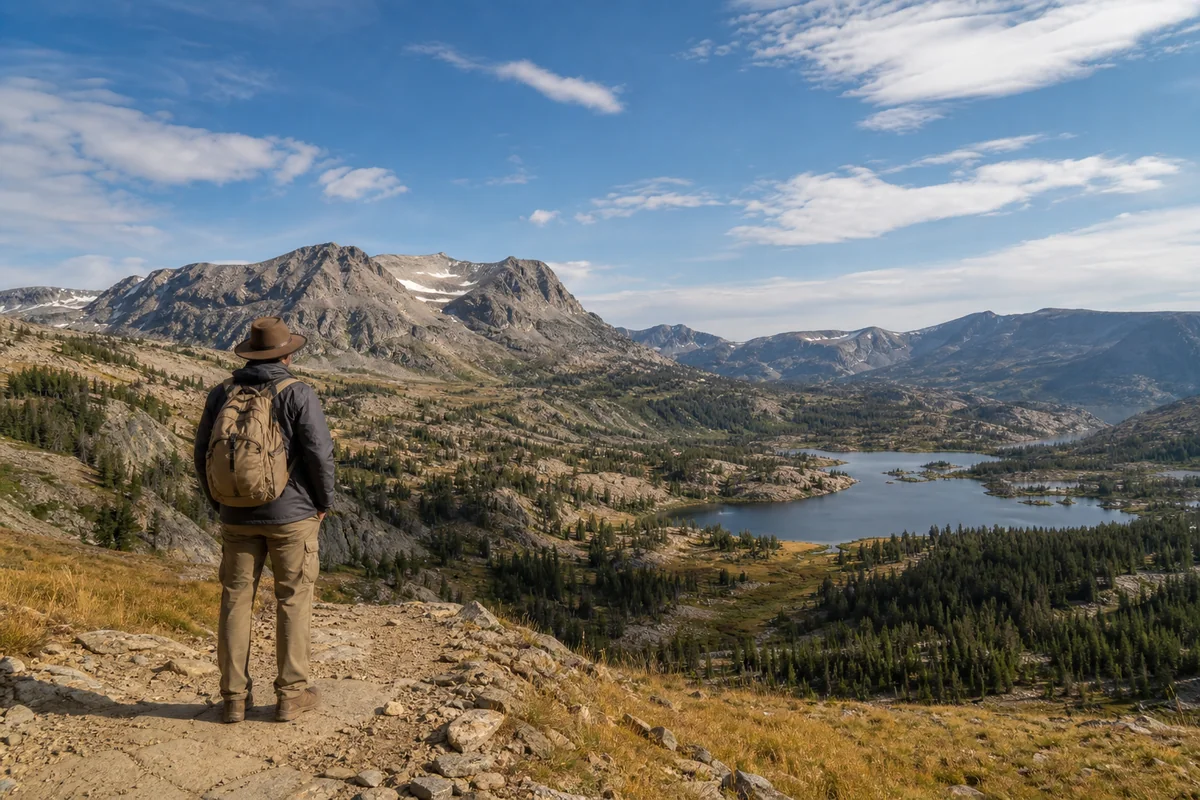
Standing alone on a trail in the Beartooth Mountains last August, I realized I hadn’t seen another human being in over four hours. The silence was so complete that I could hear my own heartbeat. This is what traveling in America’s fourth-largest state—with fewer than 1.2 million residents—actually feels like.
If you’re considering Montana Living or simply planning a visit, understanding the population dynamics here will fundamentally change how you approach your trip.
Montana isn’t just less crowded than other destinations—it operates on an entirely different scale of human density that affects everything from where you’ll eat dinner to whether you’ll have cell service.
- Montana has approximately 1.13 million residents spread across 147,040 square miles—roughly 7.5 people per square mile
- The two largest cities (Billings and Missoula) hold about 20% of the entire state population
- Eastern Montana is dramatically emptier than the western mountain regions
- Low population means fewer services, longer drives between amenities, and more authentic local interactions
- Peak tourist seasons can temporarily double or triple populations in gateway communities like Whitefish and West Yellowstone
- Understanding population distribution helps you choose between solitude-focused and service-rich travel experiences
Liked this article?
Add Roaming Montana as a preferred source so you see more of our articles and guides on Google.
The Numbers Behind Big Sky Country
Let me break down what Montana’s population actually means in practical terms. The state currently has around 1,132,000 residents according to recent Census estimates, making it the 44th most populous state in the nation.
But here’s the statistic that matters most for travelers: population density. Montana averages just 7.5 people per square mile. Compare that to New Jersey at 1,263 people per square mile, and you begin to understand the fundamental difference.
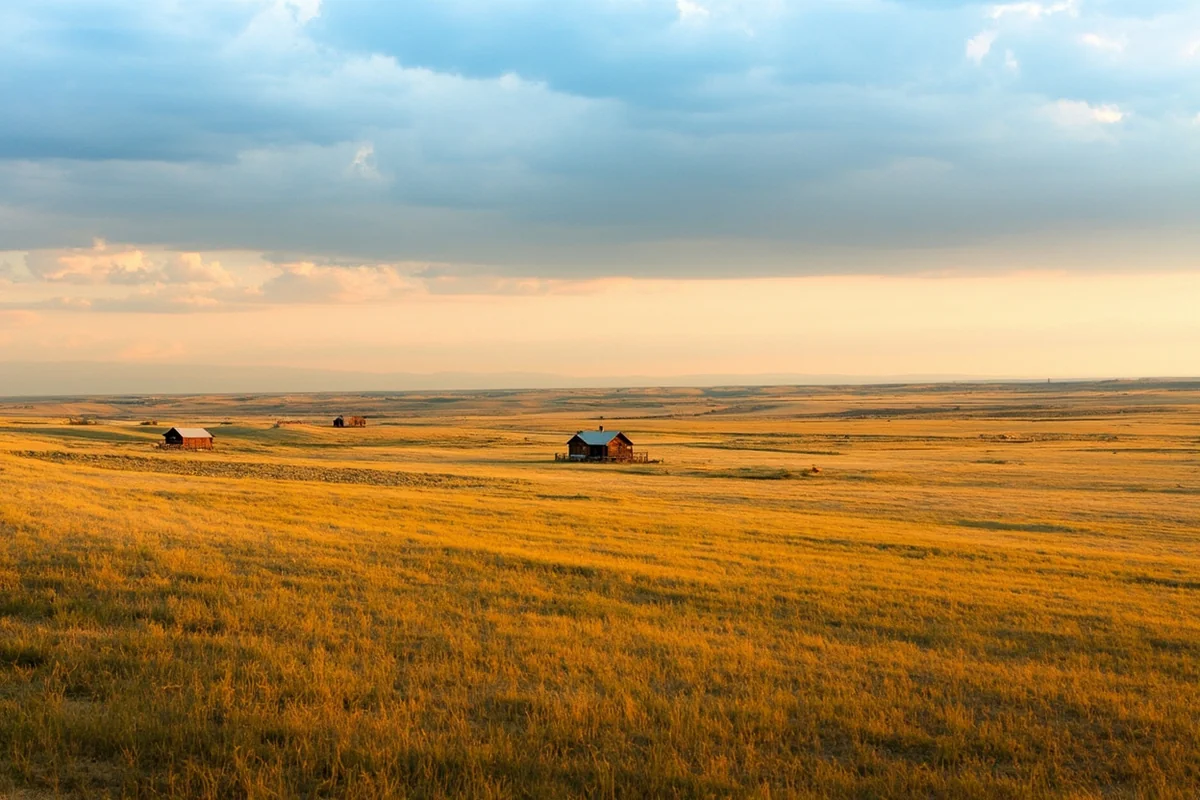
During my first road trip through Montana five years ago, I drove 127 miles between Lewistown and Jordan without passing a single gas station. That’s not an exaggeration—it’s simply what traveling through a sparsely populated state looks like.
How Montana Compares to Your Home State
I often tell friends from California or Texas that Montana has roughly the same population as San Jose or Austin—except spread across an area larger than Germany. That comparison usually helps the reality sink in.
| State/Area | Population | Square Miles | People/Sq Mile |
|---|---|---|---|
| Montana | 1.13 million | 147,040 | 7.5 |
| Wyoming | 580,000 | 97,813 | 5.8 |
| Colorado | 5.8 million | 104,094 | 55.7 |
| California | 39 million | 163,695 | 238 |
When I visited Garfield County last summer—home to about 1,100 residents across 4,668 square miles—I genuinely wondered why Montana remains so unpopulated. The answer involves history, climate, economics, and deliberate choice by those who call it home.
Where Montanans Actually Live
Understanding population distribution completely changed how I plan Montana trips. The state isn’t uniformly empty—it has genuine population centers surrounded by vast stretches of near-wilderness.
The Urban Centers
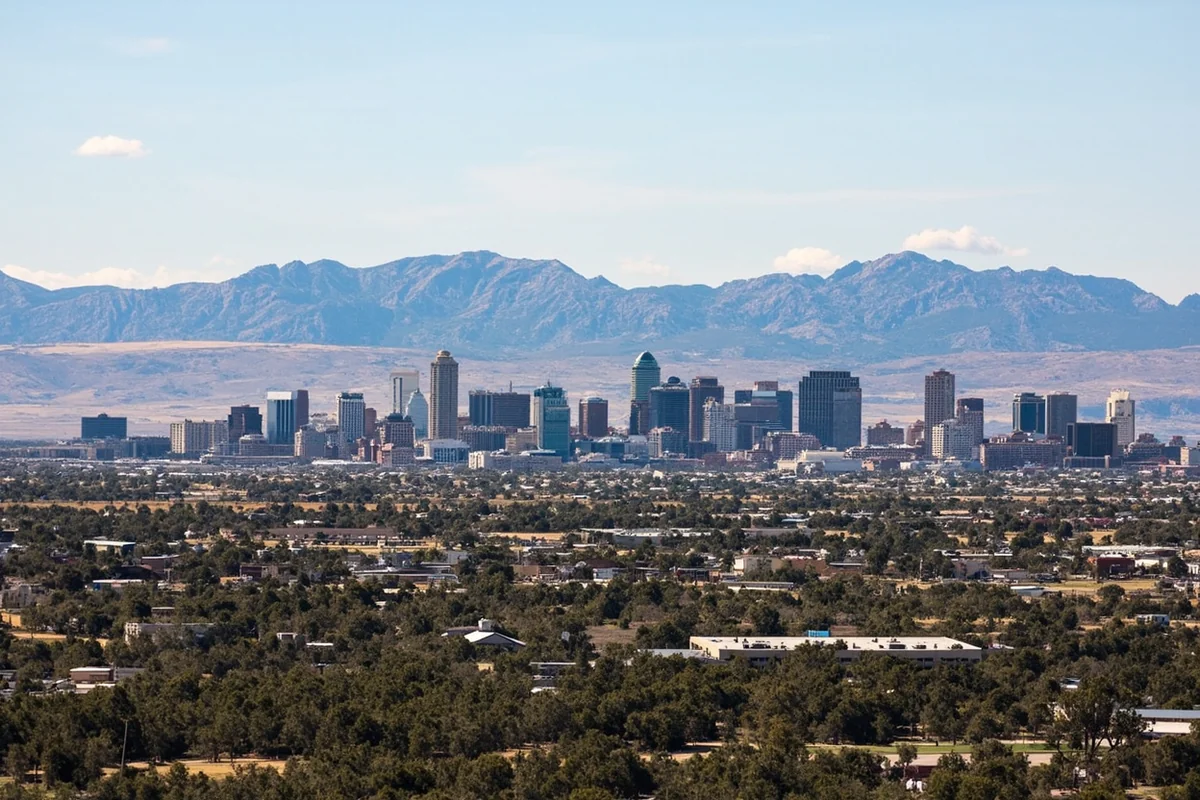
Billings leads with approximately 119,000 residents, making it the only city in Montana that remotely resembles a “city” by lower-48 standards. During my recent trip there, I found big-box stores, chain restaurants, and rush hour traffic—things that feel almost exotic after spending time in rural Montana.
Missoula comes second at around 75,000 people, though it punches above its weight culturally. The University of Montana brings energy and diversity that I noticed immediately when I walked through the downtown area last fall.
The coffee shops were packed, the brewery scene rivals Portland, and there’s a sophistication you won’t find elsewhere in the state. It makes sense that Montana’s best colleges draw young people here from across the region.
Great Falls (around 60,000) and Bozeman (roughly 56,000) round out the major population centers. I’ve watched Bozeman transform over the past decade from a quiet college town into one of Montana’s fastest-growing cities, driven by remote workers and outdoor enthusiasts willing to pay premium prices.
Helena, the state capital, has just 34,000 residents—making it one of the smallest state capitals in America. When I visited the capitol building on a Wednesday afternoon, I practically had the place to myself.
The Small Towns That Define Montana
Here’s what travelers often miss: most Montanans don’t live in cities at all. Towns like Livingston (8,000), Red Lodge (2,500), and Ennis (1,000) represent the authentic Montana experience for many residents.
I spent a week in Choteau (population 1,700) last spring, and the entire social rhythm of the town became apparent within days. Everyone knows everyone. The same pickup trucks circled past the same coffee shop every morning.
When I asked for restaurant recommendations, three different people suggested the same place—because there were only three options.
This is what choosing where to live in Montana actually involves: deciding how much solitude you can handle versus how far you’re willing to drive for a grocery store.
The East-West Population Divide
If you draw a line roughly along the Rocky Mountain Front, you’ll notice something striking: western Montana holds the vast majority of the state’s population despite being geographically smaller.
Western Montana: Mountains and People
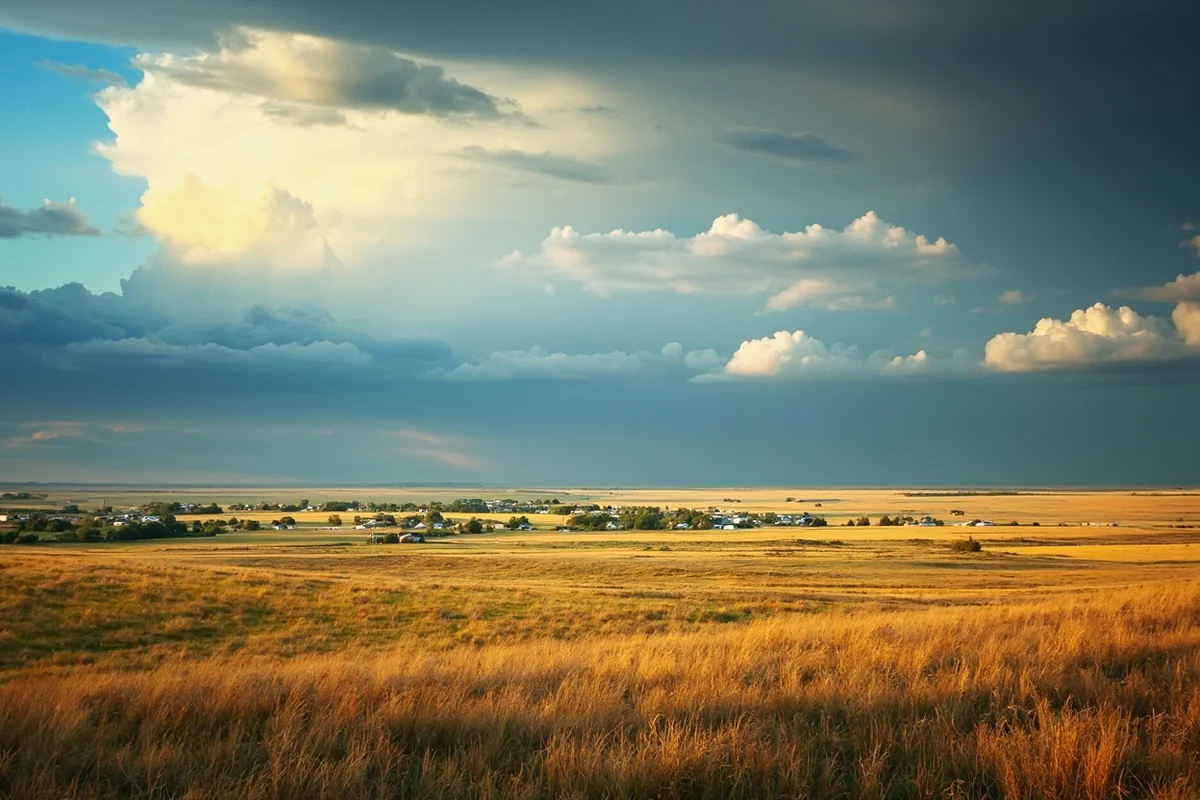
The western third of Montana—home to Missoula, Kalispell, Bozeman, Butte, and Helena—contains about 60% of the state’s residents. The mountains, milder climate, and economic opportunities cluster here.
When I drive from Missoula to Kalispell, I pass through actual traffic. There are stoplights, shopping centers, and the occasional traffic backup. By Montana standards, this qualifies as “busy.”
The heavy snowfall in certain western valleys doesn’t deter residents—ski areas and winter recreation actually draw people in. Whitefish has grown so popular that some longtime residents feel priced out, a concern I heard repeatedly during my last visit.
Eastern Montana: America’s Empty Quarter
Eastern Montana is where population density drops to nearly incomprehensible levels. Counties like Petroleum (population 487), Garfield (1,100), and Carter (1,200) make western Montana seem positively urban.
I drove through Petroleum County on a solo trip two summers ago. The entire county has fewer residents than my apartment building back home. The county seat, Winnett, has about 180 people. There’s one restaurant, one gas station, and one small grocery store.
This emptiness isn’t a bug—it’s a feature for many travelers and residents alike. I’ve met ranchers whose nearest neighbors live 20 miles away, and they wouldn’t have it any other way.
If you’re wondering whether Montana is the least populated state, it’s actually fourth from the bottom, ahead of only Wyoming, Vermont, and Alaska.
How Population Affects Your Travel Experience
Let me be direct: Montana’s low population will affect almost every aspect of your trip. Here’s what I’ve learned through years of exploring the state.
Services and Amenities
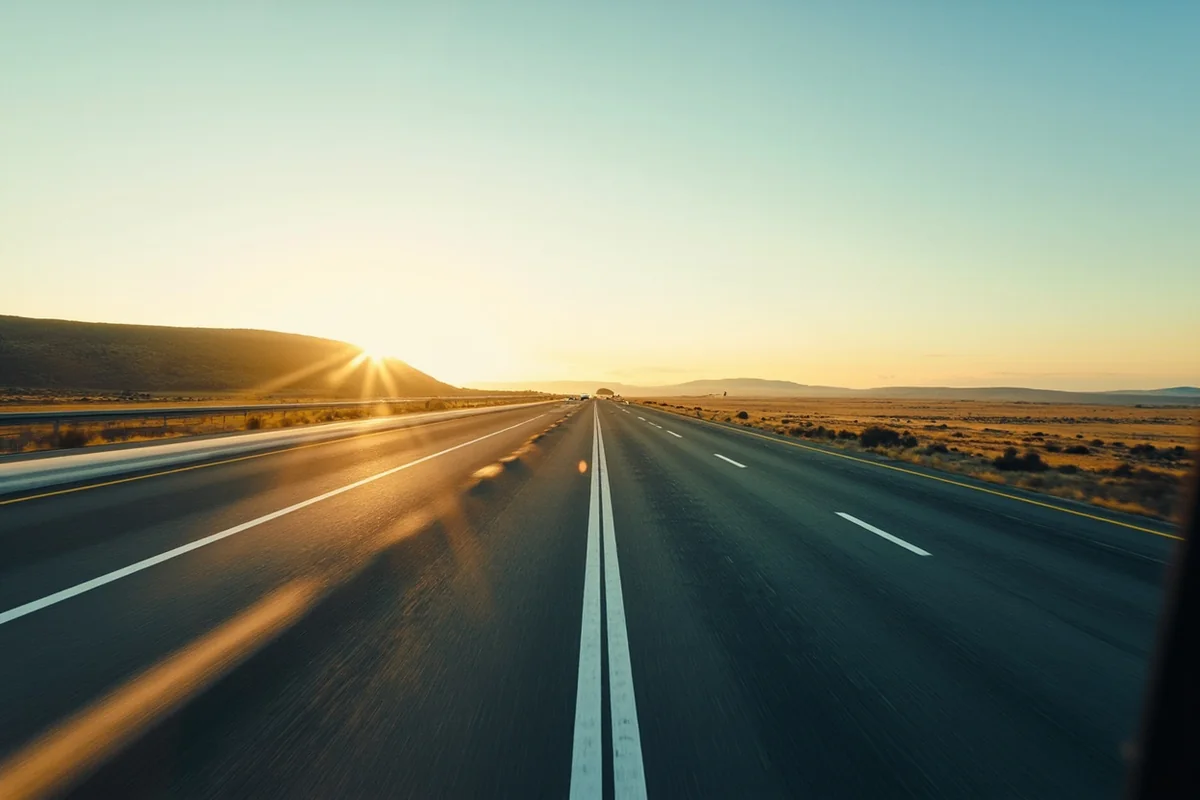
Gas stations become strategic waypoints rather than afterthoughts. On my drives through central Montana, I never let my tank drop below half, and I recommend the same to everyone.
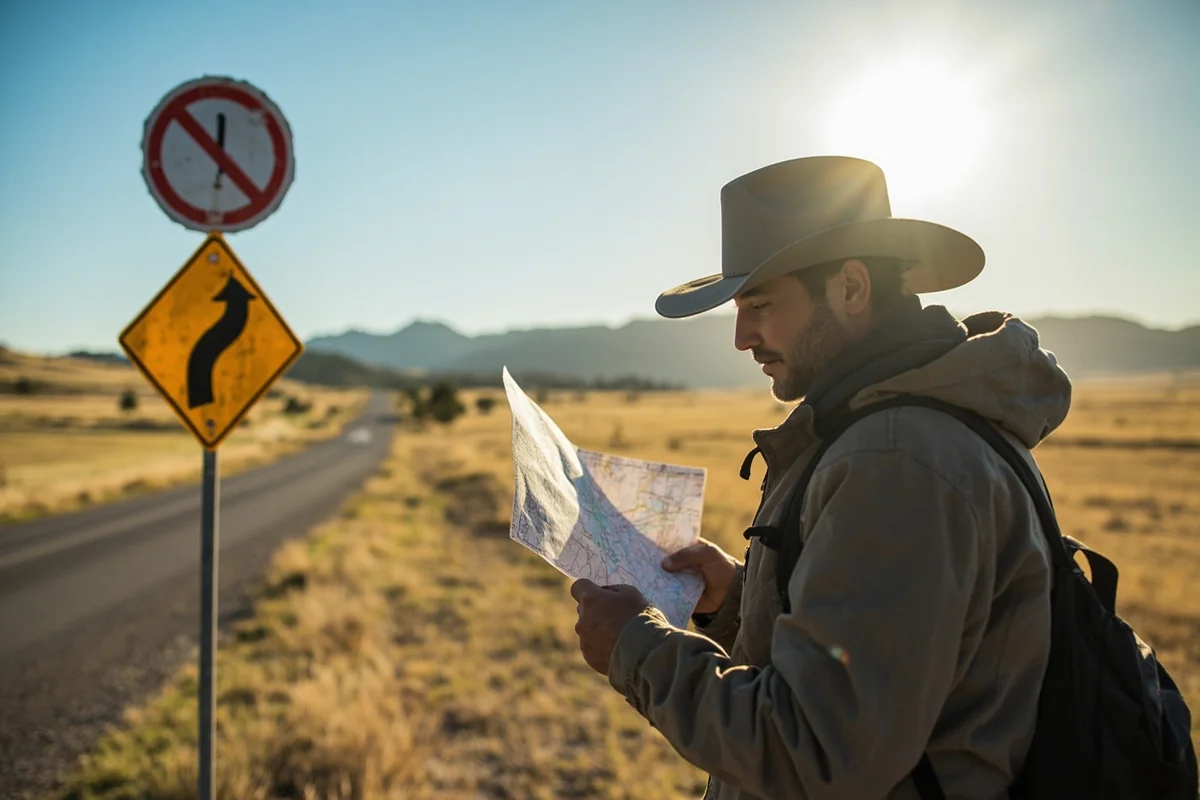
Cell service disappears regularly. Entire counties have no coverage from any carrier. I’ve learned to download offline maps, tell someone my itinerary, and accept that I’ll be unreachable for hours at a time.
Medical care requires planning. When I developed a toothache in Roundup, the nearest dentist was 46 miles away in Billings. In true emergencies, helicopter transport is sometimes the only option in remote areas.
Restaurants close early or not operate at all. I’ve arrived in small towns at 7:30 PM to find everything shuttered. Keeping snacks in the car isn’t optional—it’s survival strategy.
The Upside of Emptiness
The flip side of limited services? Genuine solitude that’s increasingly rare in America.
I hiked to Grinnell Glacier in Glacier National Park on a Tuesday in late September. I encountered exactly eleven other people over six hours. Try finding that level of solitude on any popular trail in Colorado or California.
Campgrounds that require reservations six months in advance elsewhere often have first-come, first-served availability in Montana. I’ve pulled into state park campgrounds at 6 PM on summer Saturdays and found empty sites.
Wildlife viewing improves dramatically with fewer people around. The elk I watched grazing outside Gardiner last October weren’t habituated to crowds—they were genuinely wild, and the experience felt more authentic because of it.
Population Growth and What It Means for Visitors
Montana isn’t as static as outsiders assume. The state has grown by roughly 10% since 2010, with most growth concentrated in specific areas.
The Bozeman Boom
Gallatin County, home to Bozeman, has exploded. Growth rates exceeding 30% over the past decade have transformed the area. Housing prices have skyrocketed, leading many to ask why Montana has become so expensive.
During my last visit to Bozeman, I noticed traffic patterns that would have been unthinkable a decade ago. The downtown parking situation rivals some urban cores. Restaurant reservations—once unheard of in Montana—have become necessary at popular spots.
This growth has real implications for travelers: more services, but also more crowds at previously quiet trailheads and campgrounds. The Hyalite Canyon area south of Bozeman, once a locals’ secret, now sees visitor numbers that strain its infrastructure.
Remote Work Migration
COVID-19 accelerated a trend that was already building. Remote workers discovered they could earn San Francisco salaries while living in Whitefish or Livingston. This has contributed to booming housing prices across western Montana.
I’ve met transplants from both coasts who made the move during 2020 and 2021. They’re generally respectful of Montana’s character, but their presence has fundamentally altered certain communities. Whitefish, in particular, feels different than it did five years ago.
For travelers, this means gateway communities to Glacier and Yellowstone now have better restaurants, more accommodation options, and higher prices than before. The overall cost of living has shifted considerably.
Seasonal Population Swings
Montana’s official population tells only part of the story. Seasonal residents and tourists dramatically alter the human landscape at different times of year.
Summer Tourist Season
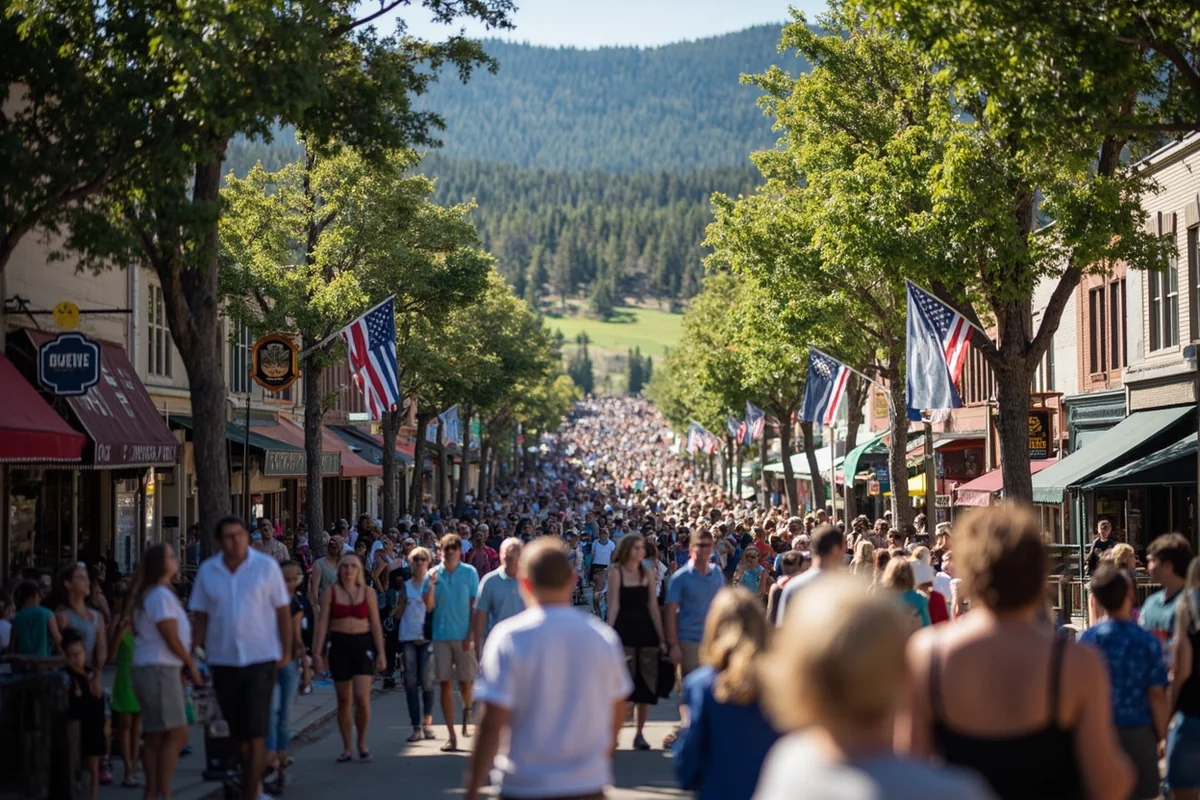
From Memorial Day through Labor Day, gateway communities transform. West Yellowstone, with a permanent population around 1,400, sees that number multiply several times over during peak summer weeks.
I visited Whitefish during the Fourth of July weekend two years ago, and the contrast with my off-season visit was jarring. The same downtown that felt quiet in November was packed shoulder-to-shoulder. Parking required strategy. Restaurant waits exceeded an hour.
This seasonal surge affects everything from traffic patterns to service quality. Local businesses staff up for summer, but the influx still strains resources. If you’re considering reasons to move to Montana, understanding these seasonal rhythms matters enormously.
Ski Season Dynamics
Winter brings a different crowd. Big Sky, Whitefish Mountain, and smaller resorts draw skiers who double or triple local populations on holiday weekends.
The atmosphere shifts completely. Summer’s hiking-boot crowd gives way to Gore-Tex and après-ski culture. I actually prefer some Montana towns in winter—the visitors tend to be more experienced with outdoor conditions, and the pace feels less hectic despite the crowds.
The Quiet Seasons
My favorite Montana experiences have come during the shoulder seasons: late September through October, and April through early May.
These weeks bring dramatically reduced populations. Glacier National Park’s Going-to-the-Sun Road might be partially closed, but the sections that remain open feel almost private. Yellowstone empties enough that wildlife emerges more confidently.
The trade-off involves limited services—some restaurants and shops close entirely—but the experience of Montana without crowds makes it worthwhile. You’ll understand why some celebrities have chosen Montana precisely for this kind of privacy.
Demographic Realities for Travelers
Understanding who lives in Montana provides helpful context for your visit.
Age Distribution
Montana skews slightly older than the national average, with a median age around 40. Many retirees have discovered that retiring in Montana offers advantages including no sales tax and plenty of space.
During my time in communities like Polson and Hamilton, I noticed active retirement populations who contribute to local culture and volunteer efforts. Montana’s retirement communities have grown considerably over the past decade.
For younger travelers, cities like Missoula and Bozeman offer more peer interaction. The university populations create nightlife and social scenes that don’t exist in smaller towns.
Racial and Ethnic Composition
Montana remains one of the least diverse states demographically. About 86% of residents identify as white, with Native American populations representing the largest minority group at roughly 6.5%.
The state’s seven tribal reservations—Blackfeet, Crow, Fort Belknap, Fort Peck, Northern Cheyenne, Flathead, and Rocky Boy’s—hold significant cultural and historical importance.
I’ve visited several reservations and found the experiences educational and moving, though travelers should approach with respect and awareness.
Montana’s African American community, though small, has deep historical roots that many visitors don’t know about. Learning this history added depth to my understanding of the state.
For LGBTQ+ travelers wondering about their experience here, I recommend reading about Montana’s LGBTQ friendliness. Cities like Missoula have active LGBTQ organizations and welcoming atmospheres, though rural areas may feel less comfortable.
Practical Implications for Trip Planning
Let me share specific strategies I’ve developed for navigating Montana’s population realities.
Accommodation Planning
Book ahead in small towns during peak season. That single bed-and-breakfast in Philipsburg might have only four rooms—and they’ll fill up.
In cities, more options exist, but prices have risen significantly. Bozeman hotel rates now rival major urban centers during summer months. Consider the cheaper areas of Montana for better value on accommodations.
Camping provides an excellent alternative. Montana has abundant public land where dispersed camping is permitted, and even developed campgrounds are less competitive than in states like Colorado.
Provisioning Strategy
I stock up on essentials whenever I pass through larger towns. This means buying groceries in Billings before heading into the eastern prairies, or filling up on everything in Missoula before venturing into the Bitterroot.
If you’re wondering whether Montana grocery stores sell liquor, the answer affects your provisioning plans—state-run liquor stores are separate from grocers.
Emergency Preparedness
Montana’s low population density means help may be far away. I always carry a basic first-aid kit, extra water, emergency food, and warm layers regardless of season.
Cell service gaps require offline solutions. Download maps, save important phone numbers, and tell someone your plans before venturing into remote areas.
Understanding potential natural disasters like wildfires—yes, Montana does get wildfires—helps you prepare appropriately and make good decisions.
The Social Experience of Low Population
What surprised me most about Montana wasn’t the landscapes—I’d expected those. It was how the low population changed my interactions with people.
Genuine Connections
In towns where everyone knows everyone, you stand out as a visitor. But rather than feeling unwelcome, I’ve found Montanans remarkably curious and friendly toward outsiders.
Conversations at diners last longer. People ask where you’re from, what brought you here, what you’ve seen so far. The Montanans I’ve met—yes, that’s what residents call themselves—seem genuinely interested in sharing their home.
This hospitality has limits. Locals can spot disrespectful tourists immediately, and word travels fast in small communities. Treating the land and people with respect opens doors that stay closed to careless visitors.
Local Knowledge
The best travel advice I’ve received in Montana came from chance encounters. A rancher outside Stanford told me about a hidden hot spring. A bartender in Livingston recommended a hiking trail I’d never have found otherwise.
These interactions happen because small populations create accessibility. The person selling you gas might be the mayor. The waitress might own the restaurant. Everyone wears multiple hats, and that creates opportunities for genuine exchange.
Boredom Concerns and Reality
Some travelers worry that Montana’s sparse population means limited entertainment. Having spent considerable time there, I can address this directly.
If your entertainment preferences lean toward nightclubs, professional sports, or constant activity, yes—Montana might challenge you. The state has no major professional sports teams, though college and minor league teams generate passionate followings.
But calling Montana boring misses the point entirely. The “entertainment” is the landscape itself—hiking, fishing, skiing, wildlife watching, stargazing. If those activities appeal to you, Montana offers unlimited options.
I’ve never been bored in Montana. Overwhelmed by options, occasionally. Frustrated by logistics, sometimes. But bored? Never. There are countless reasons why Montana captures hearts, and most of them relate to the space and solitude that sparse population provides.
Safety Considerations
Low population affects safety dynamics in ways worth understanding.
Crime Rates
Montana’s overall crime rates remain below national averages, though this varies by location. Some travelers are surprised to learn about Montana’s most dangerous cities, but context matters—even “high crime” areas here remain safer than typical urban cores elsewhere.
Conversely, Montana’s safest communities are remarkably secure. I’ve stayed in towns where residents leave cars unlocked and doors open—though I don’t recommend visitors adopt the same habits.
Wildlife and Environment
The more significant safety concerns in Montana relate to environment rather than people. Bear encounters, severe weather, and remoteness itself pose real risks that few people actually represent.
I carry bear spray everywhere during summer. I check weather forecasts obsessively. I understand that rescue services might take hours to arrive in remote areas. These precautions aren’t paranoia—they’re respect for the realities of low-population travel.
Economic Factors Travelers Should Understand
Montana’s population dynamics connect directly to economic realities that affect your trip.
The Tourism Economy
Tourism represents one of Montana’s largest industries, and local economies depend heavily on visitor spending. This creates both opportunity and tension.
Communities welcome tourist dollars but struggle with the disruption tourism brings. Housing costs in tourism-heavy areas have pushed out longtime residents. Wages in service industries often can’t keep pace with cost-of-living increases.
As a traveler, supporting local businesses matters. The independent restaurant survives on visitors like you. The family-owned outfitter depends on clients who choose them over national chains.
Why Things Cost What They Cost
Montana prices sometimes surprise visitors. Groceries cost more than in metropolitan areas. Gas prices fluctuate but often run higher than neighboring states.
The explanation connects directly to population: lower customer bases mean businesses must charge more to survive. Transportation costs to remote areas add up. Limited competition in many markets reduces downward pressure on prices.
Understanding the pros and cons of Montana living helps contextualize these costs. You’re not being overcharged—you’re paying for the privilege of operating in challenging conditions.
The lack of sales tax in Montana offsets some costs, particularly for larger purchases. This makes the state attractive for certain types of shopping.
Choosing Your Montana Experience
Montana’s population realities mean you can essentially choose your level of solitude.
Maximum Solitude Options
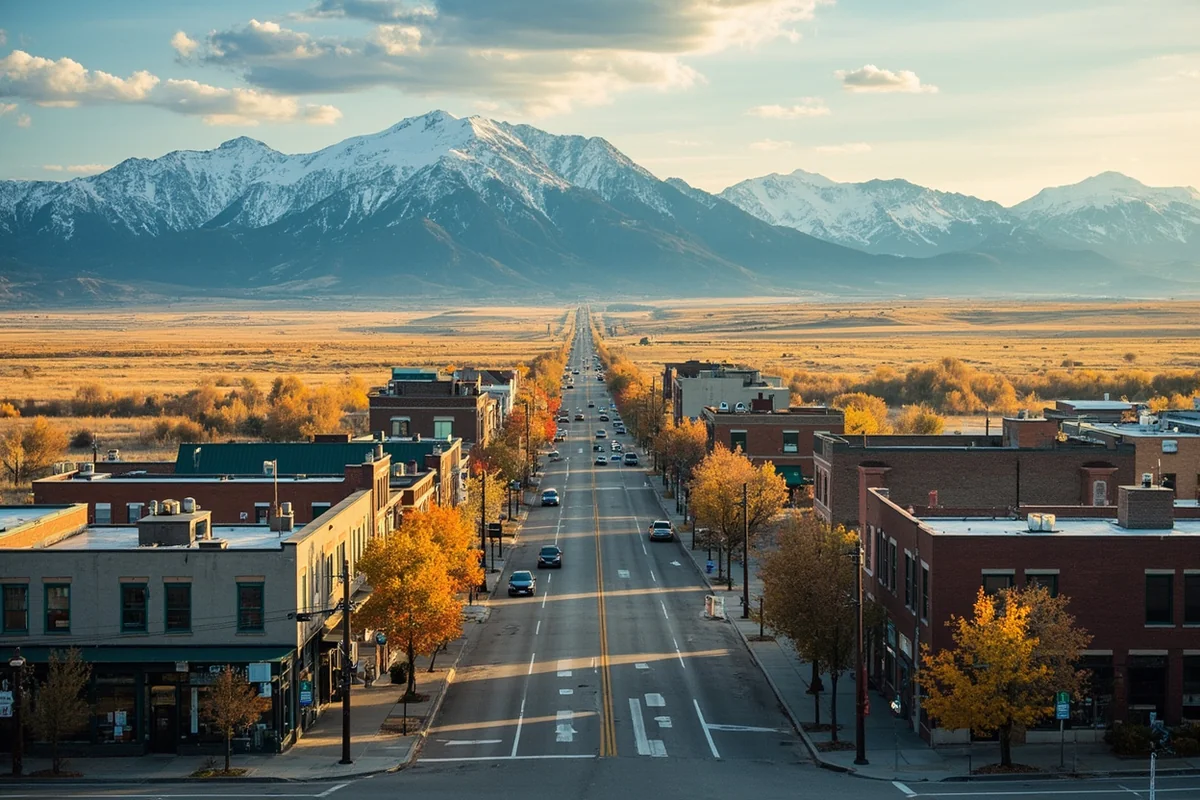
For travelers seeking genuine emptiness, eastern Montana delivers. The Missouri Breaks, the prairie surrounding Malta, the badlands near Jordan—these areas see few visitors even during peak season.
I recommend at least three days of provisions and genuine comfort with isolation. The experience of absolute silence, no light pollution, and hour after hour without seeing another person changes something fundamental about your perspective.
Balanced Experiences
Most visitors prefer some solitude balanced with available services. The Paradise Valley south of Livingston offers this beautifully—wilderness access with restaurants and shops nearby.
Similarly, the Bitterroot Valley combines outdoor opportunities with the amenities of Hamilton and Missoula within reach. You can hike all day and still find a good meal and comfortable bed.
Service-Rich Options
If you prefer reliable cell service, multiple restaurant options, and medical facilities nearby, stick to the Highway 90 corridor through Billings, Bozeman, and Missoula. You’ll sacrifice some authenticity but gain considerable convenience.
For families with children, considering Montana’s school districts might not seem relevant for a trip—but it indicates where family-friendly services and activities cluster.
When to Visit Based on Population Dynamics
Timing your visit strategically can dramatically improve your experience.
Peak Season Trade-offs
June through August brings the best weather, all facilities operating, and the largest crowds. If you must visit during this period, consider weekday travel and early-morning starts at popular destinations.
Shoulder Season Sweet Spots
Late September offers my favorite conditions: fall colors, reduced crowds, wildlife actively preparing for winter, and most services still operating. May brings similar benefits with spring awakening energy.
Winter Adventures
Winter travel requires more preparation but rewards visitors with genuine solitude outside ski areas. Yellowstone in winter, accessible only through specific entries, provides an almost spiritual experience of emptiness and wildlife.
Looking Forward
Montana’s population will continue evolving. Growth pressures show no signs of stopping, particularly in western communities. The state you visit today won’t be identical to the state you revisit in five or ten years.
Some residents fear losing Montana’s essential character to growth. Others welcome new residents and the opportunities they bring. This tension defines contemporary Montana as much as any landscape feature.
For travelers, the message is clear: visit now. The solitude, the authentic small-town experiences, the vast empty spaces—these qualities already face pressure in gateway communities. They’ll endure in remote areas, but the overall experience is changing.
And honestly? Even with growth, Montana offers something increasingly rare. The chance to breathe. To think. To experience landscape and community at a human scale. To remember what silence sounds like.
Whether you’re considering a week-long vacation, researching homesteading possibilities, or just curious about what “Big Sky Country” actually means—understanding population dynamics helps you plan appropriately.
Some people arrive unprepared for Montana’s realities and struggle. Others arrive informed and discover exactly what they hoped to find. I’ve watched both scenarios play out many times.
With the information in this guide, you can be the second type of visitor. The kind who appreciates what Montana offers precisely because you understand what makes it different from anywhere else in America.
The emptiness isn’t accidental. It’s the point.
Frequently Asked Questions
What is Montana’s current population and why does it matter for travelers?
Montana’s population is approximately 1.1 million people spread across 147,000 square miles, making it the 4th largest state by area but 44th in population. For travelers, this means you’ll experience uncrowded national parks, empty highways, and authentic small-town experiences that are increasingly rare in the US.
Which Montana cities have the largest populations for travelers to use as base camps?
Billings is Montana’s largest city with around 120,000 residents, followed by Missoula (75,000) and Great Falls (60,000). I recommend using these cities as base camps since they offer the best hotel options, restaurants, and amenities before venturing into Montana’s remote wilderness areas.
How does Montana’s low population density affect road trip planning and driving distances?
With only about 7 people per square mile, you’ll drive 50-100+ miles between towns with limited gas stations and cell service. I always fill up my tank when it hits half-full and download offline maps, as some stretches like Highway 200 can go 80 miles without services.
What is the best time to visit Montana to avoid crowds given its small population?
Even with low population, Glacier and Yellowstone get packed June through August with out-of-state visitors. I prefer visiting in September or early October when crowds thin dramatically, fall colors peak, and locals say you’ll ‘have Montana to yourself’ again.
Are there enough hotels and accommodations in Montana’s small population towns?
Accommodations fill up fast in gateway towns like Whitefish, West Yellowstone, and Bozeman during peak season despite their small populations of 5,000-50,000 residents. Book 3-6 months ahead for summer trips, or expect to stay 30-60 miles from popular attractions and pay $150-300+ per night.
How does Montana’s population growth affect travel costs and availability?
Montana’s population has grown nearly 10% since 2020, driving up costs significantly in popular areas like Bozeman and Kalispell. Expect to pay $4-6 for coffee, $15-25 for casual meals, and premium prices for lodging that rival Colorado resort towns.
What should travelers know about Montana’s rural population and small-town etiquette?
Many Montana towns have fewer than 1,000 residents where everyone knows each other and genuine friendliness is expected. Wave to oncoming drivers on rural roads, strike up conversations at local diners, and respect private ranch land—locals appreciate visitors who embrace the unhurried pace rather than rushing through.
Sources
- https://opi.mt.gov/
- https://mtcf.org/womens-foundation/
- https://www.census.gov/quickfacts/fact/table/MT/PST045222
- https://dphhs.mt.gov/sltc/aging
- https://commerce.mt.gov/Research-Publications
- https://www.umt.edu/this-is-montana/columns/stories/montana_regions_2of3.php
- https://www.acf.hhs.gov/ana/fact-sheet/american-indians-and-alaska-natives-numbers
- https://www.cdc.gov/nchs/pressroom/states/montana/mt.htm
- https://mt.gov/discover/brief_history.aspx
- https://mhs.mt.gov/education/IEFA/1stPeoples.pdf
- https://leg.mt.gov/content/Publications/fiscal/2021-Interim/Jan-2020/Demographic-Report-FINAL.pdf