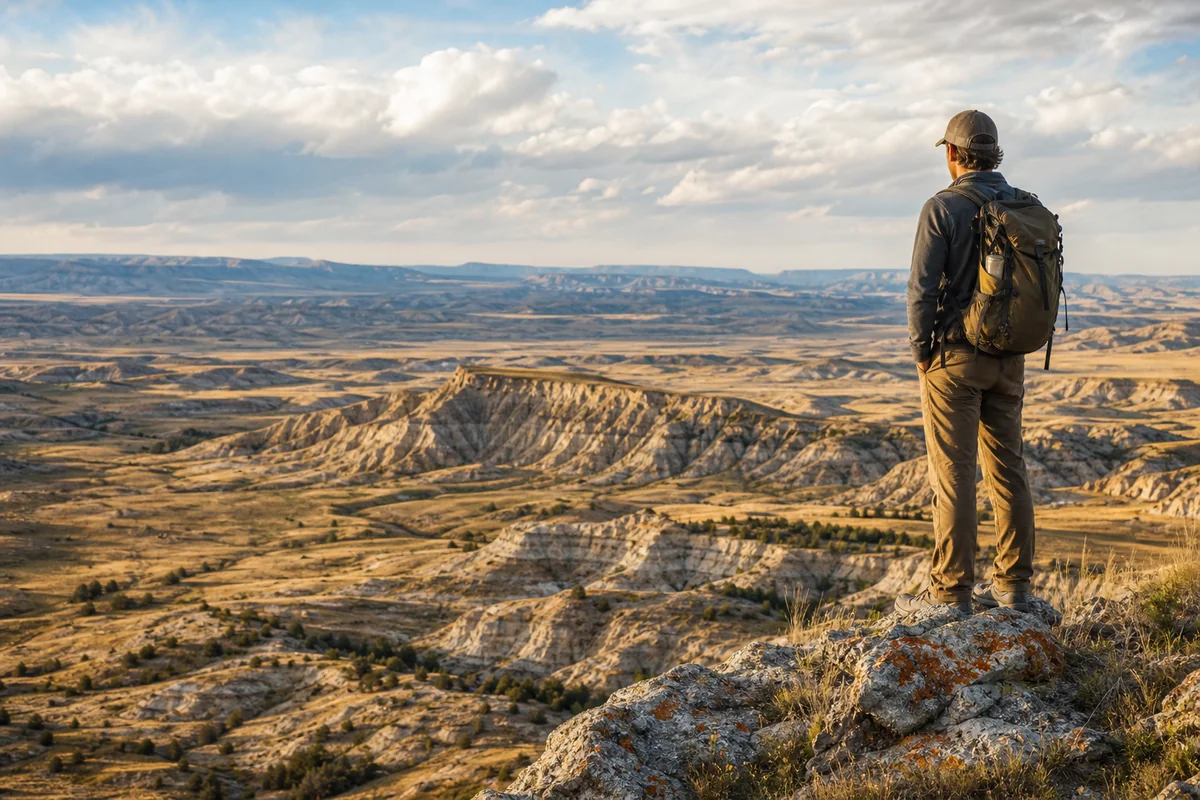
I was standing alone on a ridge in the Missouri Breaks last September, watching the sun paint the badlands gold, when it hit me: I hadn’t seen another human being in six hours.
My phone showed zero bars—not even a flicker of signal—and the nearest town was over 70 miles away. This wasn’t some remote corner of Alaska; this was Montana, the fourth-largest state in America, where more pronghorn antelope roam than people occupy entire counties.
If you’re curious about Montana Living, understanding why this magnificent state remains so empty is essential to grasping its unique character.
- Montana’s population density is just 7.5 people per square mile—one of the lowest in the nation
- Brutal winters, geographic isolation, and limited job markets historically kept settlers away
- The state’s economy relied on extractive industries that never created dense urban centers
- Federal land ownership (30%) and tribal reservations limit developable private land
- Despite recent growth, infrastructure and climate challenges continue limiting population expansion
- The emptiness is actually a major draw for visitors seeking authentic wilderness experiences
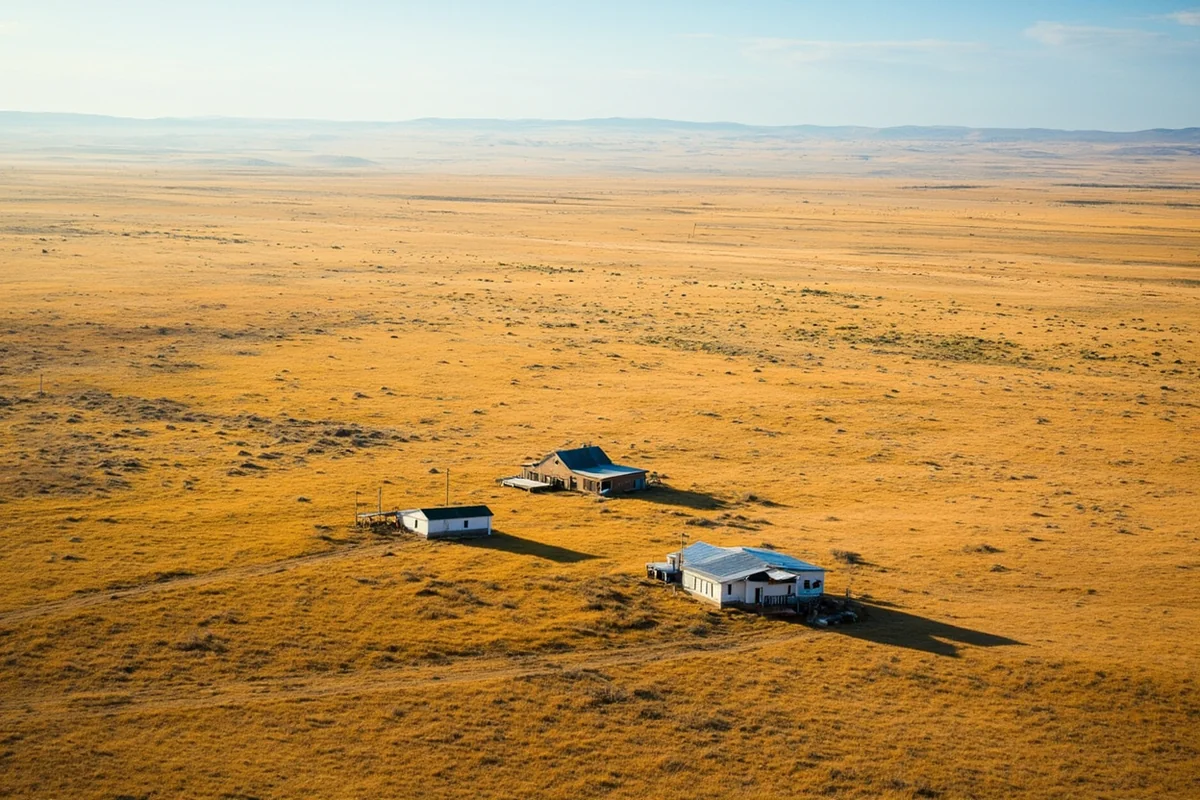
When I first moved to Montana eight years ago, I thought I understood “rural.” I grew up in a small Midwestern town and had spent time in Wyoming and Idaho. But nothing prepared me for driving three hours to reach a proper grocery store or realizing that the county I was living in had fewer residents than my college dormitory. The sheer scale of emptiness here isn’t accidental—it’s the result of geography, history, economics, and climate converging to create one of America’s last truly wild frontiers.
Understanding Montana’s population patterns helps explain everything from why gas stations close at 7 PM to why you might drive 100 miles without seeing a traffic light. And trust me, if you’re planning a trip here, this knowledge will fundamentally change how you prepare and what you expect.
Liked this article?
Add Roaming Montana as a preferred source so you see more of our articles and guides on Google.
The Numbers Don’t Lie: Just How Empty Is Montana?
Let me put Montana’s emptiness into perspective with some figures that still astonish me after years of living here.
Montana spans 147,040 square miles—making it larger than Germany, yet Germany has 84 million people compared to Montana’s roughly 1.1 million. That works out to about 7.5 people per square mile across the state, but even that number is misleading.
During a research trip I took last spring through the state’s eastern counties, I discovered that places like Garfield County have a population density of 0.3 people per square mile. That’s one person for every three square miles. The county seat, Jordan, has about 330 residents and serves as the commercial hub for an area larger than Rhode Island.
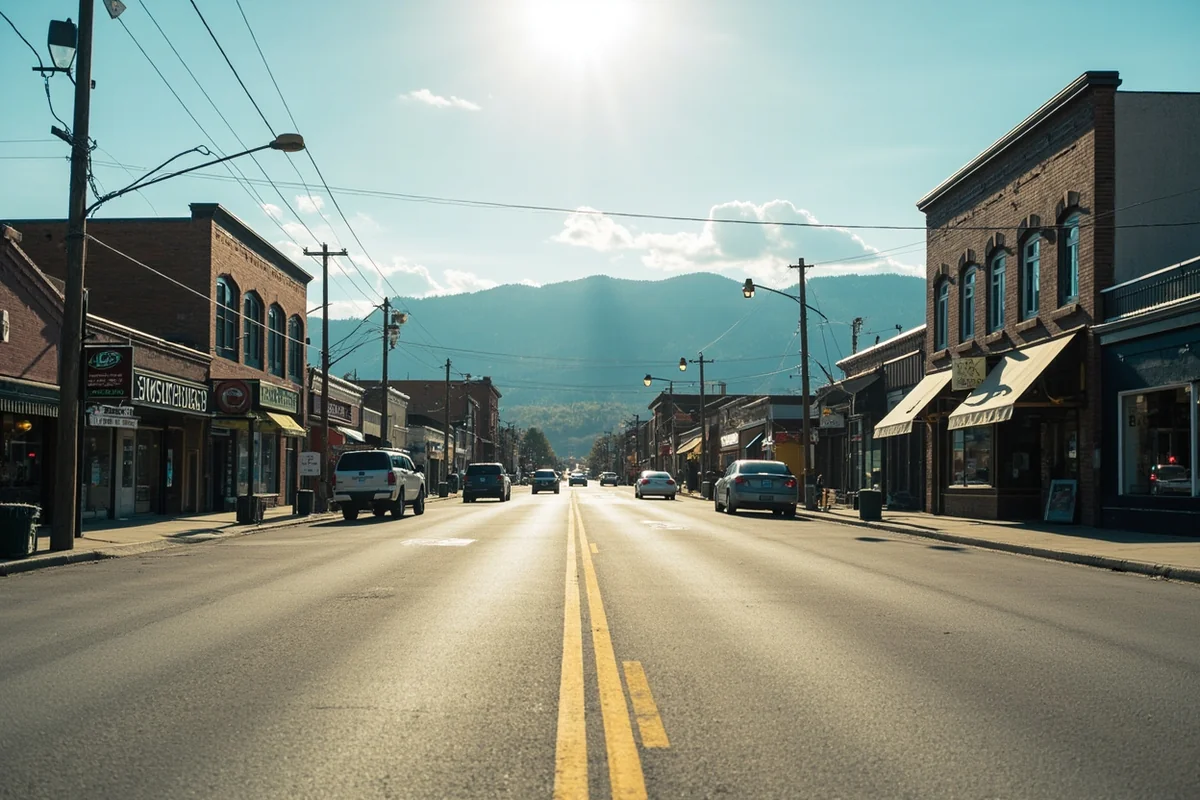
If you’re wondering whether Montana is heavily populated, the answer is a resounding no—though the reasons why reveal fascinating truths about American settlement patterns. Even our “big” cities would be considered modest elsewhere; Billings, our largest, has around 120,000 people, which would barely qualify as a mid-sized suburb in most states.
Geography: The Land Itself Resists Settlement
I’ve hiked, driven, and camped in every corner of this state, and the geography consistently reminds me why permanent settlement here has always been challenging.
The Rocky Mountain Barrier
The western third of Montana is dominated by the Rocky Mountains—magnificent for visitors, brutal for settlers. When I drove through Lolo Pass during a May trip two years ago, snow walls still lined the highway at 15 feet high. These mountains create not just physical barriers but economic ones.
Building roads through this terrain costs exponentially more than anywhere else. Maintaining them through freeze-thaw cycles and avalanche zones requires constant investment. The Going-to-the-Sun Road in Glacier National Park, which I drive every summer, closes for roughly eight months each year because keeping it open simply isn’t possible.
Historically, these mountains meant that establishing supply chains, connecting communities, and moving goods was extraordinarily expensive. Unlike the agricultural heartland where rivers and flat terrain encouraged dense settlement, Montana’s mountains isolated communities from each other and from markets.
The Vast Eastern Plains
If the mountains are dramatic, the eastern plains are deceptive. They look like they should support agriculture, and indeed they do—but not the kind that creates population centers.
During my drives across the Hi-Line (Highway 2) last summer, I passed through towns like Malta and Glasgow that exist primarily because the railroad needed water stops. The landscape here receives only 10-14 inches of precipitation annually, placing it firmly in semi-arid territory. Compare that to Iowa’s 35 inches or Illinois’s 40 inches, and you understand why farms here measure in sections (640-acre squares) rather than small family plots.
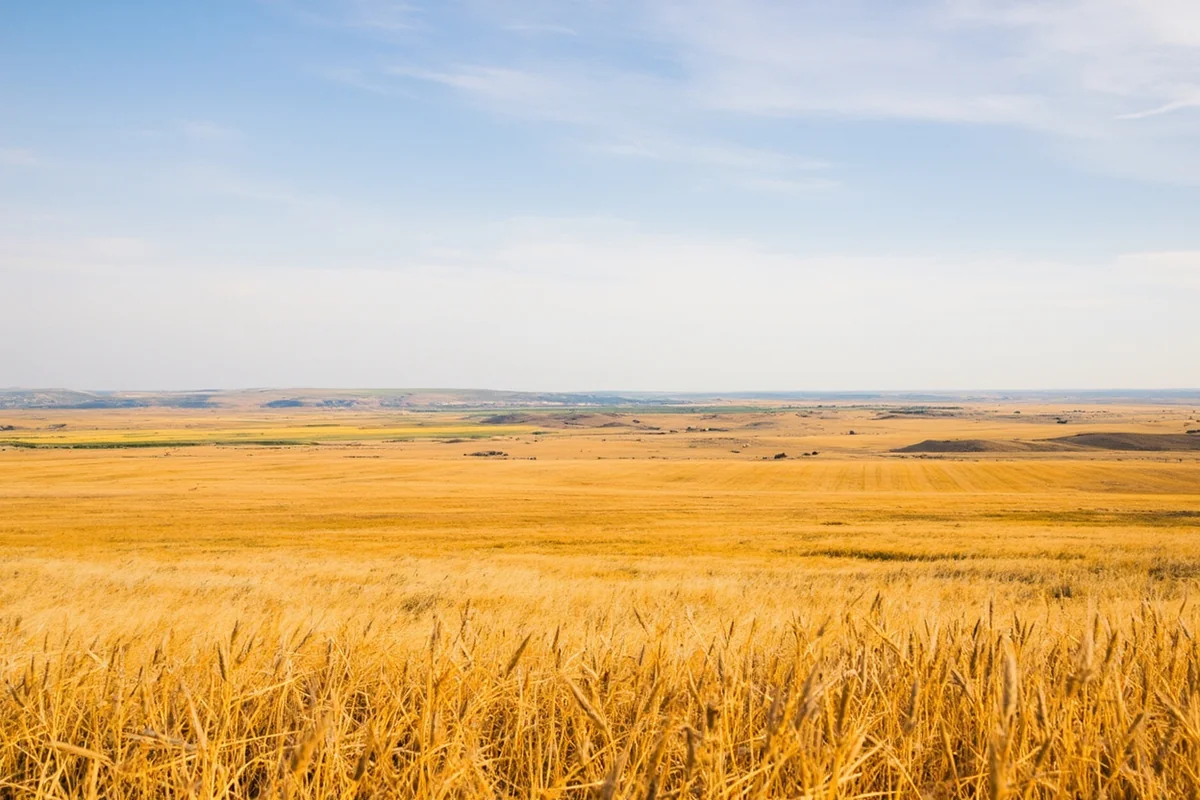
One rancher I met near Miles City explained it simply: “In Iowa, 160 acres made a family rich. Here, you need 5,000 acres just to make a living.” Large-scale ranching and dryland farming require vast acreage but minimal labor—the exact opposite of what creates population density.
Climate: Winter Is No Joke
I’ll be honest: Montana’s winters are the primary reason most people don’t live here, and they’re the primary reason some of my friends have left.
The Reality of a Montana Winter
Last January, I experienced a stretch where temperatures in Havre didn’t rise above -20°F for nine consecutive days. Schools closed not because of snow but because exposed skin could suffer frostbite in under five minutes.
If you’re researching Montana places with the most snow, you’ll find that some areas receive over 300 inches annually. But snow isn’t even the biggest challenge—it’s the combination of cold, wind, and duration.
Montana holds the record for the coldest temperature ever recorded in the lower 48 states: -70°F at Rogers Pass in 1954. While that’s extreme, temperatures of -30°F are routine in many areas from December through February.
The Short Growing Season
Agriculture throughout history has been the primary driver of population settlement, and Montana’s growing season severely limits agricultural potential.
In many Montana locations, the frost-free period lasts only 70-90 days. I’ve personally experienced frost in every month of the year in parts of the state. This short window eliminates most high-value crops and limits farming to hardy grains and livestock.
During a visit to a fourth-generation farmer near Conrad, I learned that his family had tried dozens of crops over 120 years. “We always come back to wheat and barley,” he told me. “The land won’t let us grow anything else reliably.”
Historical Settlement Patterns: Why People Never Came
Understanding why Montana is so unpopulated requires looking at how the American West was settled—and why Montana was largely bypassed.
The Oregon Trail Effect
When westward expansion began in earnest during the 1840s and 1850s, emigrants on the Oregon Trail viewed Montana territory as something to cross, not somewhere to settle. The fertile Willamette Valley and California’s gold beckoned beyond, while Montana offered mountains, harsh winters, and hostile conditions.
I visited the interpretive center at Pompeys Pillar last fall, where William Clark carved his name during the Lewis and Clark expedition. The exhibits there explain how early explorers’ reports described Montana as “severe” and “inhospitable”—assessments that discouraged settlement for decades.
The Mining Boom and Bust
Montana did experience population surges during gold and silver rushes of the 1860s and copper mining booms in the late 1800s. But these industries are inherently unstable.
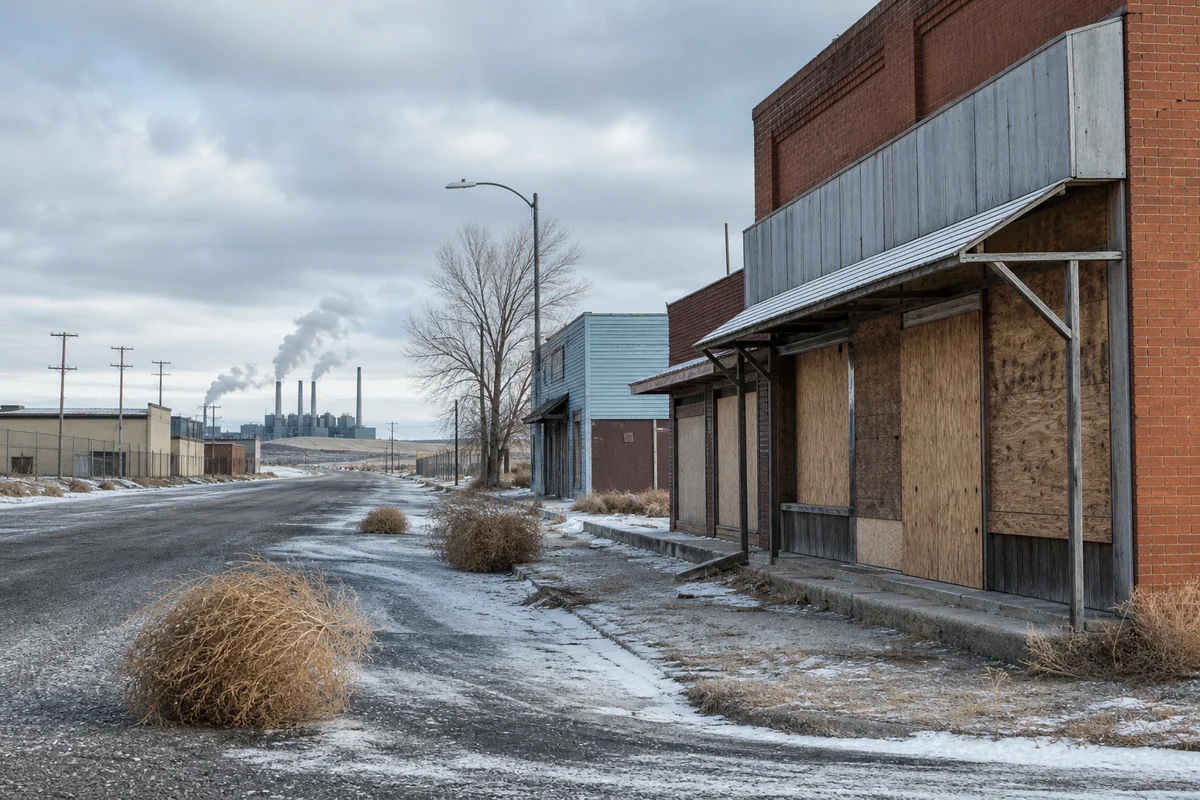
Walking through Butte’s historic district during a trip two years ago, I saw the remnants of a city that once rivaled Denver in importance. At its peak, Butte had over 100,000 residents. Today, it has around 35,000. The story repeated across dozens of Montana mining towns—rapid growth followed by complete collapse when ores depleted.
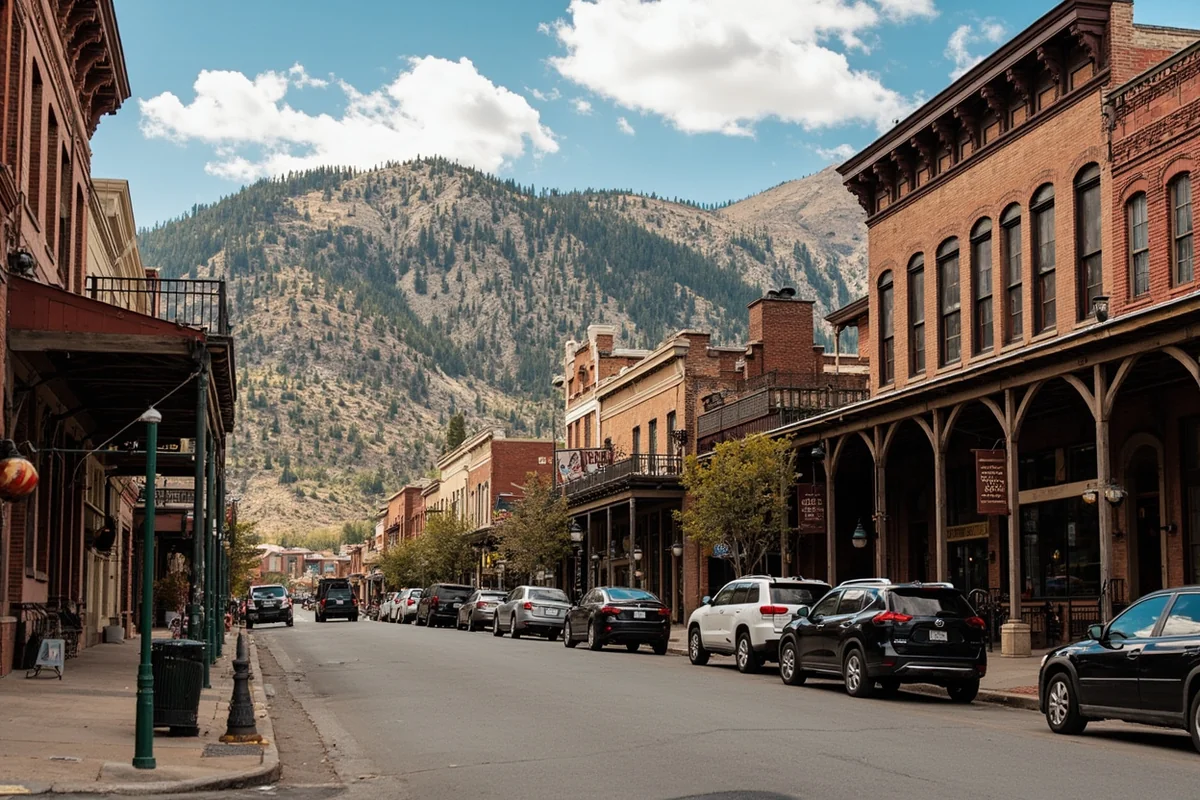
This boom-bust cycle prevented stable, multigenerational population growth. Families that came for mining often left when mines closed, taking their labor and community networks with them.
The Homestead Era’s Failure
Perhaps the most significant population experiment in Montana history was the homestead boom of the 1910s. Railroads and government propaganda advertised Montana’s plains as an agricultural paradise, bringing tens of thousands of hopeful farmers.
I’ve visited abandoned homestead cabins throughout eastern Montana, their collapsed roofs and weathered lumber standing as monuments to broken dreams. The 320-acre plots granted by the Enlarged Homestead Act of 1909 simply weren’t large enough for the arid climate.
When drought struck in the 1920s and 1930s, over 60,000 Montanans left. Eleven thousand farms were abandoned. Some counties lost half their population within a decade. The trauma of this failure persists in local memory and contributed to the cautious approach many Montana communities take toward growth promotion.
Federal Land and Tribal Holdings: Limits on Development
One factor that often surprises visitors is how much of Montana simply isn’t available for private ownership or development.
Federal Land Ownership
Approximately 30% of Montana is federally owned—managed by the Forest Service, Bureau of Land Management, National Park Service, and other agencies. These lands include Glacier National Park, portions of Yellowstone, multiple national forests, and vast BLM holdings.
While exploring the Charles M. Russell National Wildlife Refuge last October—a refuge larger than Rhode Island—I didn’t see another vehicle for an entire day. This land will never be developed, never support residential communities, and never contribute to population density.
Tribal Reservations
Montana is home to seven federally recognized tribal reservations covering over 5 million acres. These sovereign nations have their own governance, and their lands aren’t subject to state development pressures.
During visits to the Flathead Reservation and Blackfeet Reservation over the past few years, I’ve learned how treaty obligations and cultural preservation priorities shape land use differently than private property markets would. If you’re interested in the diverse communities that call Montana home, exploring Montana’s African American community offers another perspective on the state’s demographic complexity.
Economic Realities: Jobs That Don’t Build Cities
Population follows employment, and Montana’s economy has historically centered on industries that don’t concentrate workers.
Agriculture and Ranching
Modern agricultural technology means fewer people work more land than ever before. A ranch I visited near Roundup operates 15,000 acres with just three full-time employees and seasonal help during calving and haying.
This efficiency is economically necessary but population-limiting. As farming and ranching become more mechanized and consolidated, rural populations continue declining even when production increases.
Extraction Industries
Oil, gas, coal, and mining still contribute significantly to Montana’s economy but employ relatively few people relative to revenue generated. The Bakken oil boom brought workers to eastern Montana towns like Sidney, but much of that workforce was transient—living in man camps during production peaks and leaving when prices dropped.
Limited Corporate Presence
Major corporate headquarters and their associated employment networks largely bypass Montana. The state’s largest private employers are healthcare systems and retail operations—necessary services but not economic engines that attract relocating workers.
This limited job market affects everything from why Montana can be so expensive (limited competition) to why young graduates often leave for opportunities elsewhere.
Infrastructure Challenges: The Chicken-and-Egg Problem
Sparse population creates infrastructure challenges that further discourage growth—a self-reinforcing cycle I’ve observed throughout my time here.
Transportation Limitations
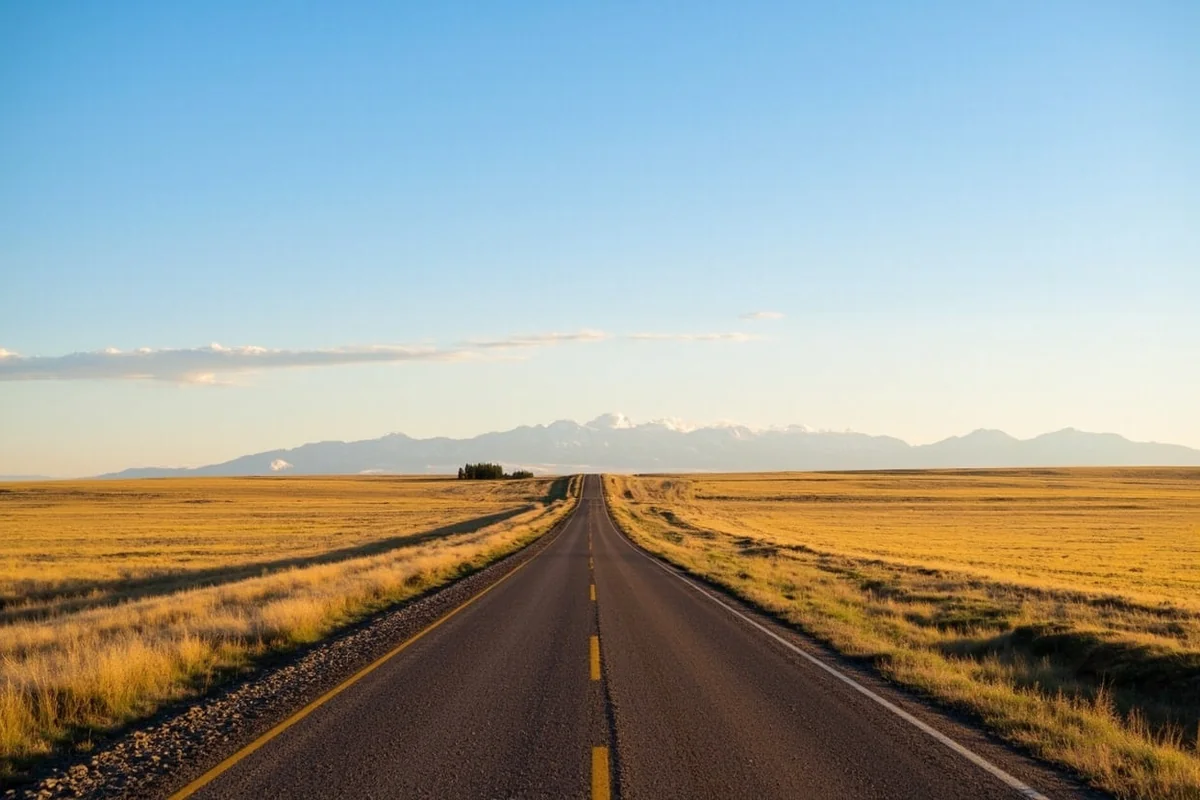
Montana has only three interstate highways, and long stretches have no services whatsoever. Last summer, I drove 137 miles on Highway 200 between Lewistown and Great Falls without passing a single gas station. If you’re not comfortable with these distances, planning becomes essential.
Air travel is equally challenging. Many Montana communities are 200+ miles from the nearest commercial airport. Even our larger airports have limited direct flight options, making connections through Denver, Salt Lake City, or Seattle necessary for most destinations.
Healthcare Access
Rural healthcare shortages are critical in Montana. During a conversation with a nurse in Glasgow, I learned that some residents drive four hours each way for specialist appointments. This reality influences where people choose to live, particularly retirees and families with health concerns.
That said, communities are working to address these challenges. If you’re considering relocation, researching Montana retirement communities can help identify areas with better healthcare access.
Internet and Communications
High-speed internet remains unavailable in much of rural Montana. This limitation has traditionally prevented remote work opportunities, though recent infrastructure investments are slowly improving connectivity in some areas.
During my reporting on Montana’s fastest-growing cities and counties, I found that communities with reliable broadband are experiencing disproportionate growth as remote workers seek Montana’s quality of life.
The Recent Growth Phenomenon: Change Is Coming
While Montana remains sparsely populated, recent years have brought noticeable change—something longtime residents discuss with mixed feelings.
The Pandemic Migration
COVID-19 accelerated existing trends toward Montana migration. Bozeman, Missoula, Kalispell, and even smaller communities like Livingston and Whitefish experienced population influxes that strained housing markets and services.
If you’ve researched why Montana prices are booming, the connection becomes clear: increased demand meeting limited supply in communities with restricted development capacity.
The Celebrity Effect
High-profile individuals discovering Montana has brought attention and investment. Learning about celebrities who chose Montana living reveals a pattern of wealthy individuals seeking privacy and natural beauty—factors that also attract affluent retirees and entrepreneurs.
Growth Limitations Remain
Despite recent increases, fundamental constraints persist. Water rights limit development in many areas. Building costs are elevated due to distance from supply chains. And honestly, many current residents actively resist growth, viewing population increase as threatening the qualities that make Montana special.
What Montana’s Emptiness Means for Visitors
Understanding why Montana is so unpopulated transforms how you should approach visiting here.
Practical Planning Implications
| Factor | What It Means For You |
|---|---|
| Limited Services | Fill your gas tank whenever possible; don’t assume the next town has fuel |
| Cell Coverage Gaps | Download offline maps; tell someone your itinerary; consider a satellite communicator |
| Weather Variability | Pack for all seasons regardless of calendar date; conditions change rapidly |
| Limited Dining Options | Carry snacks and water; restaurant hours may be limited outside peak times |
| Accommodation Scarcity | Book ahead, especially during summer; entire regions may have only one or two lodging options |
| Emergency Services | Response times can exceed an hour in remote areas; exercise appropriate caution |
If you’re weighing whether Montana is right for you, understanding the pros and cons of living in Montana provides balanced perspective on these realities.
The Emptiness as Asset
Here’s what I’ve come to appreciate after years in Montana: the emptiness is the point.
When I backpack in the Bob Marshall Wilderness, I routinely go five days without seeing another person. When I fish the Missouri River in October, I have miles of blue-ribbon water to myself. When I watch elk migrate through the Paradise Valley each November, the herds number in the thousands while human observers number in the dozens.
Some people ask whether Montana is boring, and I understand the question coming from those accustomed to urban entertainment options. But if your soul requires wild spaces, genuine silence, and the humbling experience of insignificance within vast landscapes, Montana offers something increasingly rare in our crowded world.
Will Montana Stay Empty?
The honest answer is: probably relatively so, but change is accelerating.
Growth Pressures
Population growth in the Bozeman-Livingston corridor, the Flathead Valley, and the Missoula area shows no signs of abating. These areas are becoming more expensive, more crowded, and more different from the Montana that attracted newcomers in the first place.
Understanding Montana’s cost of living helps explain why this growth concentrates in specific areas while leaving vast regions untouched.
Persistent Barriers
The fundamental challenges that have always limited Montana’s population remain. Climate change may moderate winters slightly but is increasing wildfire risk—something worth understanding if you’re planning visits or considering relocation. Our comprehensive look at whether Montana gets wildfires explores this growing concern.
Water availability, which I haven’t discussed in detail, represents perhaps the most significant long-term constraint on Montana development. Many aquifers are oversubscribed, and surface water rights have been fully allocated in most basins for over a century.
The Eastern Two-Thirds
While western Montana population centers experience growth pressure, the vast eastern plains show little change. Towns continue shrinking, schools consolidate, and services become harder to access.
If you’re seeking cheapest places to live in Montana, many eastern communities offer remarkably affordable housing—but the trade-offs in services, isolation, and winter severity are substantial.
What Montana’s Story Tells Us About America
Montana’s emptiness isn’t an accident or a failure—it’s a result of geography, history, and human choices. The land here doesn’t naturally support dense population, and attempts to force that outcome have consistently failed.
For visitors, this context enriches your experience. When you drive through the seeming emptiness, you’re not seeing neglected space—you’re seeing land that has resisted human dominion, communities that persisted despite tremendous challenges, and landscapes that remain wild precisely because they couldn’t be conquered by settlement.
When I consider reasons Montana will capture your heart, the emptiness ranks near the top. In an increasingly crowded, connected, commodified world, Montana offers something genuinely different: space to breathe, silence to hear your thoughts, and landscapes that remind you how small human concerns really are.
Planning Your Visit with Emptiness in Mind
If you’re preparing to visit Montana, embrace the emptiness rather than fighting against it.
Build buffer time into your itinerary for unexpected delays, road construction, or weather events. Research your route in advance—knowing where services exist prevents unpleasant surprises. And most importantly, adjust your expectations: Montana doesn’t offer the convenience of more populated regions, but that’s part of what makes it special.
For those considering more than a visit—perhaps exploring how to start homesteading in Montana or researching best places to live—understanding why Montana is unpopulated provides essential context for that decision.
The same factors that kept settlers away historically still shape daily life: isolation, weather, limited services, and the fundamental reality that this land has never easily supported human presence. Those who thrive here are those who accept these conditions rather than fighting them.
Montana’s emptiness isn’t a problem to solve—it’s a characteristic to appreciate. For travelers seeking authentic wilderness, genuine solitude, and landscapes unchanged by development, this beautiful emptiness is exactly the point.
If you’re considering a move, you might also want to research best school districts in Montana for families, understand whether Montana is LGBTQ friendly, review Montana’s safest cities and towns, or even learn about the best colleges in Montana for educational opportunities. Every decision about living here connects back to the fundamental reality I’ve explored throughout this article: Montana is empty for real reasons, and that emptiness shapes everything about life in Big Sky Country.
Whether you’re here for a week or considering making it home, understanding why Montana remains so unpopulated helps you appreciate what makes this place extraordinary—and prepares you for the unique challenges and rewards that come with experiencing one of America’s last wild frontiers.
Frequently Asked Questions
Why is Montana so unpopulated compared to other US states?
Montana’s low population density of just 7 people per square mile stems from its harsh winters, remote location, and historically agriculture-based economy that couldn’t support large urban centers. The state’s rugged mountainous terrain and vast prairies make much of the land difficult to develop. For travelers, this means you’ll experience uncrowded national parks, empty scenic highways, and a genuine sense of wilderness that’s increasingly rare in America.
Is Montana’s low population a good thing for tourists visiting the state?
Absolutely—Montana’s sparse population is one of its greatest assets for travelers seeking authentic wilderness experiences. I’ve driven hours on scenic routes like the Beartooth Highway without seeing another car, and popular trails in Glacier National Park feel manageable compared to overcrowded parks elsewhere. You’ll find genuine small-town hospitality and wide-open spaces that make the long drive worth every mile.
What is the best time to visit Montana to avoid crowds and enjoy the scenery?
September through early October offers the sweet spot of mild weather, golden larch trees, and significantly fewer tourists after summer rush ends. Spring (late May to June) is excellent for wildlife viewing and wildflowers, though some high-elevation roads may still be closed. I recommend avoiding July and August if you want to experience Montana’s famous solitude, as that’s when most visitors arrive.
How far apart are towns in rural Montana and should I plan for long drives?
Towns in eastern Montana can be 50-100 miles apart with absolutely nothing in between—no gas stations, no cell service, no services whatsoever. I always fill up my tank when it hits half-full and carry extra water, snacks, and a paper map as backup. Budget 6-8 hours to cross the state east to west (about 550 miles), and don’t expect to find roadside amenities like you would on Interstate corridors in more populated states.
What should I pack for traveling through Montana’s remote unpopulated areas?
Pack layers regardless of season, as temperatures can swing 40 degrees in a single day, especially in mountain regions. Essential items include a portable phone charger, emergency car kit, bear spray if hiking, and cash since many small-town businesses don’t accept cards. I never travel Montana’s backcountry without a physical road atlas, extra fuel container, and enough food and water to sustain an unexpected overnight situation.
How much does it cost to travel through Montana’s rural regions?
Budget $150-250 per day for a comfortable Montana road trip, covering gas (expect $3.50-4.00 per gallon), lodging ($80-150 for modest hotels or cabins), and meals. Gas costs add up quickly when you’re covering 200-300 miles daily through empty stretches, and prices in remote towns run 15-20% higher than urban areas. Camping drops costs significantly to $60-100 daily, with many free dispersed camping options on public lands.
Is it safe to travel alone through Montana’s unpopulated areas?
Solo travel through Montana is generally safe, but the remoteness requires extra preparation that you wouldn’t need in densely populated states. Cell service is nonexistent across large portions of the state, so download offline maps and tell someone your itinerary before heading into backcountry areas. Wildlife encounters with bears, moose, and mountain lions are possible on trails, so carry bear spray and make noise while hiking—the isolation means help could be hours away in an emergency.
Sources
- https://www.umt.edu/this-is-montana/columns/stories/montana_regions_2of3.php
- https://www.acf.hhs.gov/ana/fact-sheet/american-indians-and-alaska-natives-numbers
- https://www.cdc.gov/nchs/pressroom/states/montana/mt.htm
- https://mt.gov/discover/brief_history.aspx
- https://mhs.mt.gov/education/IEFA/1stPeoples.pdf
- https://leg.mt.gov/content/Publications/fiscal/2021-Interim/Jan-2020/Demographic-Report-FINAL.pdf
- https://opi.mt.gov/
- https://mtcf.org/womens-foundation/
- https://data.census.gov/cedsci/
- https://dphhs.mt.gov/sltc/aging
- https://commerce.mt.gov/Research-Publications
- https://commons.wikimedia.org/wiki/File:A_Village_by_a_Lake_in_Glacier