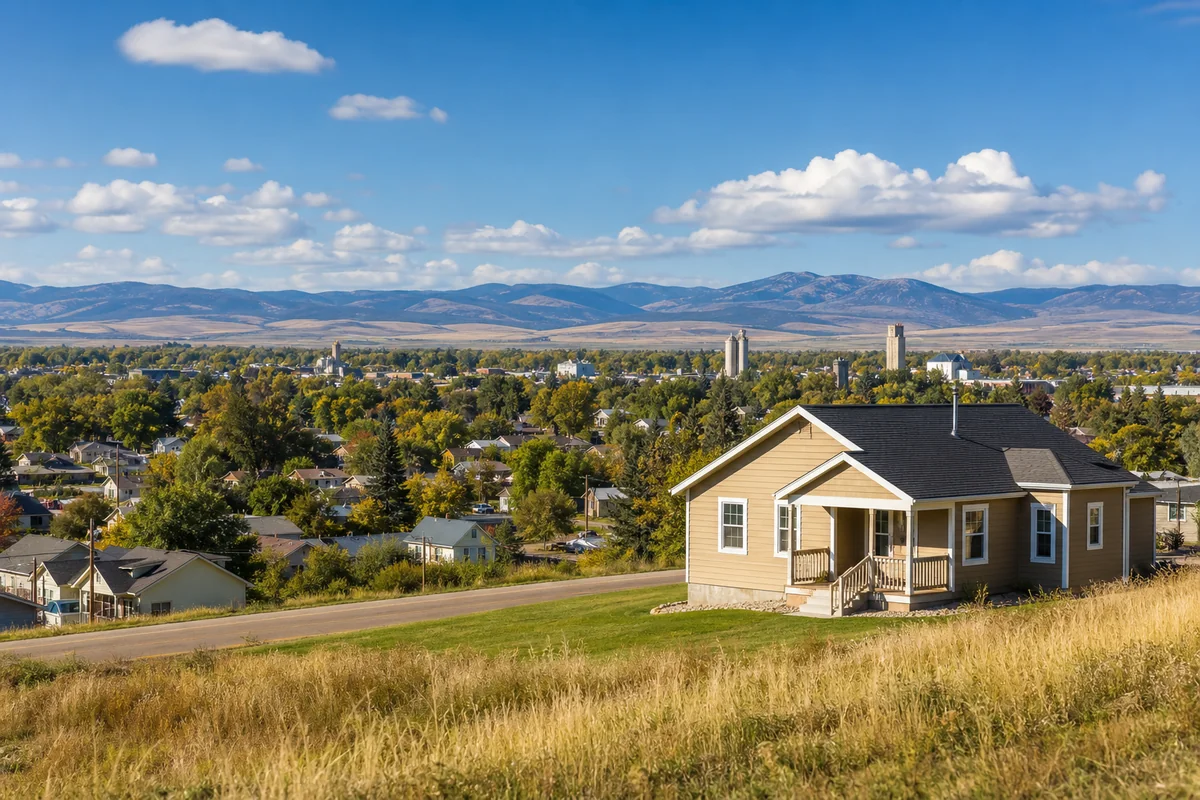
When I pulled into Havre last October and saw a decent three-bedroom house listed for $165,000, I genuinely thought the real estate sign was a typo.
Coming from spending time in Bozeman where similar homes fetch $600,000 or more, I had to do a double-take—and then another one when the local café charged me $4.50 for a massive breakfast burrito.
If you’ve been researching Montana Living and feeling discouraged by the eye-watering prices in places like Whitefish or Big Sky, take a deep breath.
The affordable Montana still exists—you just need to know where to look. While headlines focus on why Montana prices are booming, I’ve spent the past two years exploring the corners of Big Sky Country where your dollar actually stretches.
- Montana’s cheapest towns are primarily in the eastern plains and Hi-Line region, with median home prices ranging from $120,000 to $220,000
- Havre, Miles City, Glendive, and Lewistown offer the best balance of affordability and amenities
- Eastern Montana towns average 40-60% lower housing costs than western Montana
- No state sales tax means your everyday purchases go further
- Trade-offs include longer drives to major airports, limited job markets, and harsh winters
- Remote workers can live comfortably on $40,000-$50,000 annually in these communities
Liked this article?
Add Roaming Montana as a preferred source so you see more of our articles and guides on Google.
Why Montana’s Affordable Towns Remain Under the Radar
Here’s something most travel writers won’t tell you: the Montana that appears on Instagram and in magazine spreads represents maybe 15% of the actual state. The western mountain towns—Bozeman, Missoula, Whitefish, Kalispell—get all the attention while the vast eastern two-thirds remains largely ignored.
During my travels across the state, I’ve noticed a clear pattern. Visitors fly into Bozeman or Missoula, stick to the western corridor, and leave thinking Montana is uniformly expensive. They miss the working-class communities, the agricultural hubs, and the small railroad towns where life moves at a different pace.
This oversight works in favor of budget-conscious relocators. While Montana’s fastest growing cities continue absorbing out-of-state transplants and driving up prices, these quieter communities maintain their affordability.
Understanding Montana’s Cost Geography
Before diving into specific towns, you need to understand how Montana’s costs break down regionally. I’ve found the state essentially divides into three economic zones.
The Expensive West
The Rocky Mountain corridor from Whitefish down through Missoula to Bozeman commands premium prices. Last summer, I watched a modest 1,400-square-foot home in Bozeman sell for $725,000 within 48 hours of listing. Missoula isn’t far behind, and Whitefish has become essentially unattainable for average earners.
Understanding Montana’s cost of living requires recognizing this western corridor as an outlier, not the norm.
The Moderate Middle
The central corridor—Great Falls, Helena, Butte—offers middle-ground pricing. Homes typically range from $280,000 to $400,000, and these cities provide more job opportunities than smaller towns.
The Affordable East
Eastern Montana and the Hi-Line (Highway 2 corridor) represent genuine affordability. Here’s where median home prices drop below $200,000 and sometimes below $150,000.
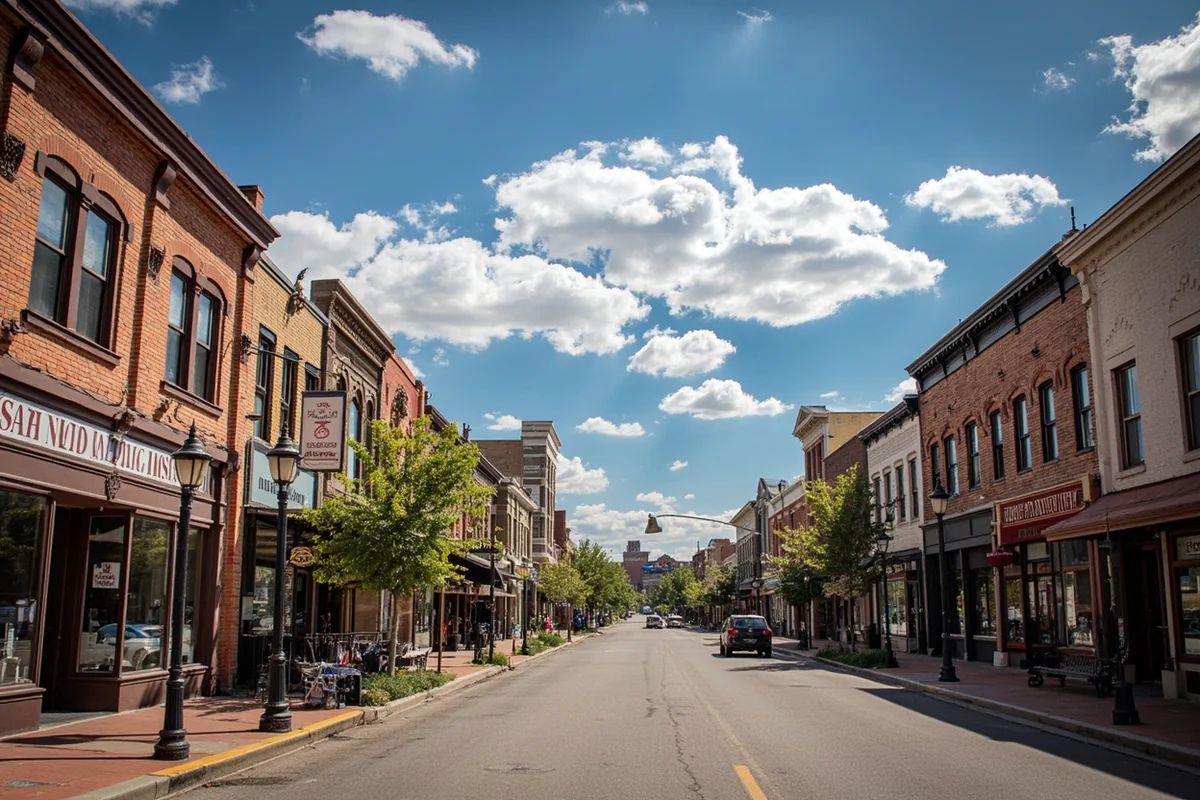
The 12 Cheapest Places to Live in Montana
I’ve visited each of these towns personally, some multiple times across different seasons. These rankings consider not just housing costs but overall affordability, available amenities, and livability factors.
1. Havre: The Hi-Line’s Hidden Gem
Havre surprised me more than any other Montana town. When I visited last October, I expected a struggling railroad town clinging to its past. Instead, I found a vibrant community of about 10,000 people with amenities that punch well above its weight class.
Montana State University-Northern anchors the local economy and brings youthful energy to downtown. The median home price hovers around $175,000, and I saw several move-in ready homes under $150,000 during my visit.
What struck me most was the genuine sense of community. At Murphy’s Pub downtown, I got pulled into a conversation with three locals who spent an hour explaining why they’d never leave. One woman, a teacher, bought her three-bedroom house for $142,000 in 2021—try finding that anywhere in western Montana.
My honest take: Havre works best for those who don’t need a major airport nearby. The nearest significant airports are in Great Falls (2 hours) or Billings (4 hours). But if remote work flexibility is your reality, this town deserves serious consideration.
2. Miles City: Cowboy Culture Meets Affordability
Miles City wears its cowboy heritage proudly, and during my visit for the famous Bucking Horse Sale last May, I fell for this town’s authentic character. With a population around 8,500, it’s large enough to have essential services but small enough that the Walmart greeter remembers your name.
The median home price sits around $180,000. During my most recent visit, I toured a fully renovated four-bedroom Victorian listed at $195,000—the kind of house that would fetch $800,000 in Bozeman.
The town has a community college, a regional hospital, and surprisingly good dining options. The Hole in the Wall bar serves some of the best prime rib I’ve had in Montana, and the Black Iron Grill downtown makes a ribeye that rivals anything in Billings.
Reality check: Summers get brutally hot (I experienced a 102°F day during my May visit), and winters are equally harsh. The isolation is real—Billings is two hours away. But for the right person, Miles City offers exceptional value.

3. Glendive: Eastern Gateway Living
Glendive sits along I-94 near the North Dakota border, and its median home price of around $165,000 makes it one of Montana’s most affordable options. The town of roughly 5,000 residents benefits from Yellowstone River access and surprising outdoor recreation opportunities.
When I passed through last summer, I discovered Makoshika State Park just outside town—Montana’s largest state park featuring badlands terrain and dinosaur fossils. The landscape looks like someone transplanted a piece of Utah into eastern Montana.
The local economy mixes agriculture, energy (the Bakken oil fields aren’t far), and small-scale manufacturing. A Dawson Community College campus provides educational opportunities, and the town supports a decent selection of locally-owned businesses.
What I noticed: Glendive has worked hard to revitalize its downtown. Several storefronts that sat empty five years ago now house boutiques, a coffee roaster, and a surprisingly good Thai restaurant called the Bloom Coffee House & Eatery.
4. Lewistown: Geographic Heart of Montana
Lewistown claims the title of Montana’s geographic center, and during my spring visit, I understood why longtime residents seem unusually devoted to this town. The Judith Mountains backdrop creates scenery that rivals western Montana without the western Montana prices.
The median home price runs around $195,000, higher than the previous three but still dramatically below state averages. Lewistown has approximately 6,000 residents and serves as a regional hub for the surrounding agricultural community.
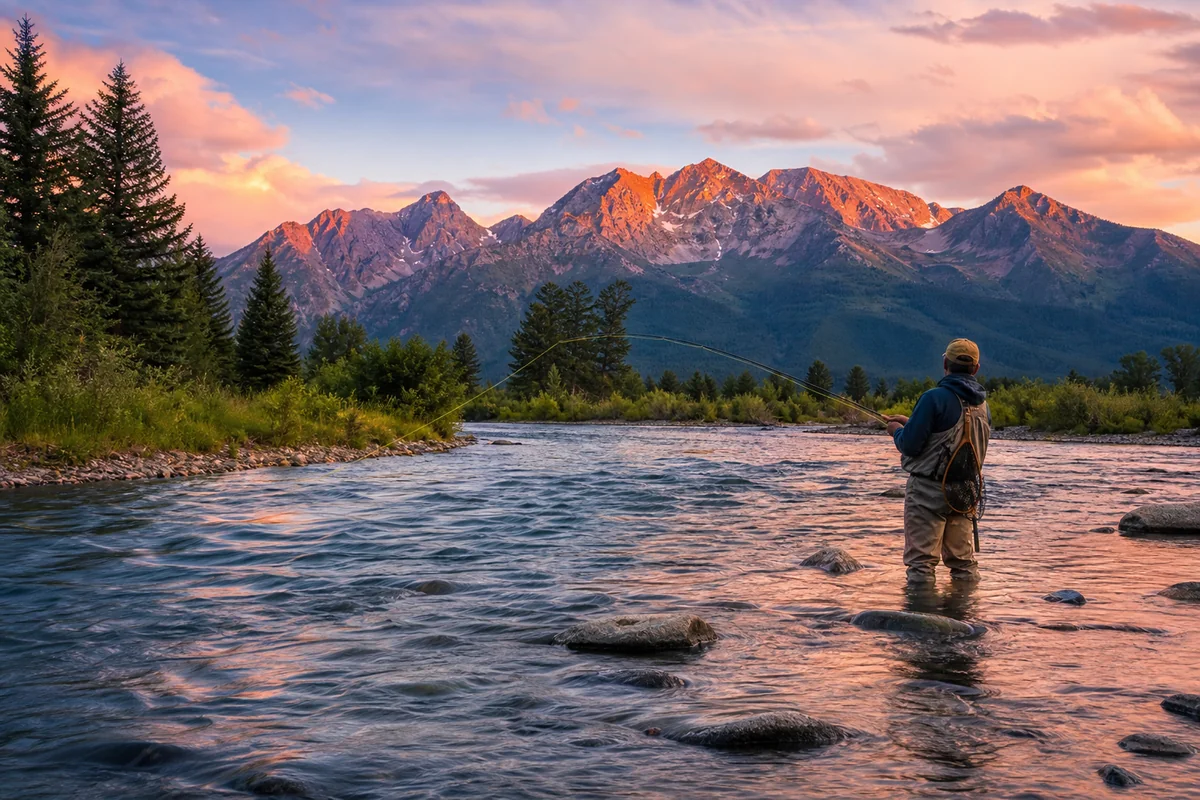
What sets Lewistown apart is its access to outdoor recreation. Big Spring Creek flows through town offering world-class spring creek fishing—I watched fly fishers working rises within the city limits. The surrounding area includes multiple wilderness study areas and excellent hunting access.
Personal observation: Lewistown feels more “Montana” than many western towns that cater heavily to tourism. The Main Street businesses serve locals rather than visitors, and that authenticity translates to lower prices at restaurants and shops.
5. Sidney: Oil Country Opportunity
Sidney’s economy rides the waves of the energy industry, and that volatility creates opportunities for savvy buyers. When oil prices dropped in 2020, I watched home prices in Sidney follow suit. The median now sits around $210,000, though deals exist for those willing to look.
The town of roughly 6,500 people has better amenities than you’d expect, including a modern hospital, multiple grocery options, and recreational facilities that would impress a town twice its size. The MonDak Heritage Center houses a legitimate regional museum.
Timing tip: When energy prices soften, Sidney’s housing market responds. If you’re flexible on timing, watching the oil market can help you score a better deal.
6. Cut Bank: The Coldest Corner
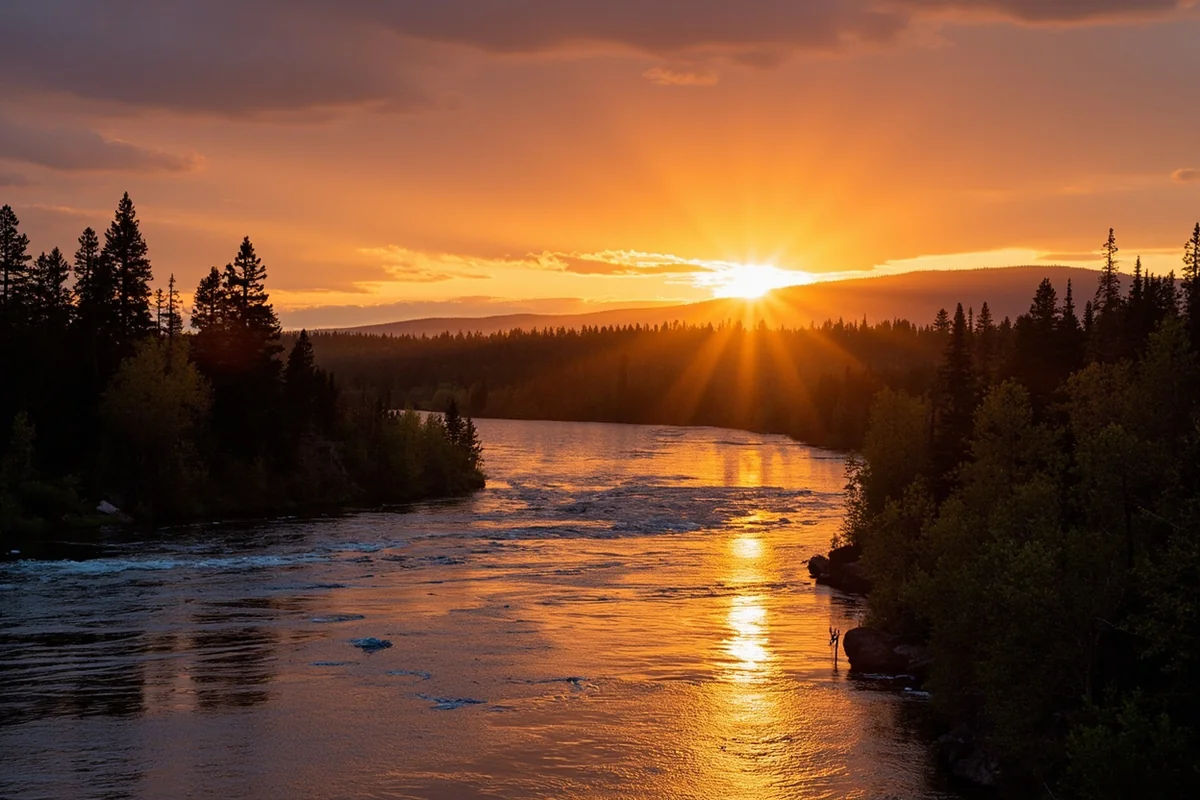
I’ll be honest—Cut Bank’s designation as one of the coldest places in the continental United States gives many people pause. But that reputation keeps prices low, with median home values around $145,000, making it one of Montana’s absolute cheapest options.
During my January visit (yes, I’m slightly masochistic), temperatures dipped to -25°F. The locals barely blinked. One coffee shop regular explained that you just adapt—plug in your block heater, layer up, and get on with life.
Cut Bank’s location along Highway 2 provides access to Glacier National Park, just 40 minutes away. For those who don’t mind genuine Montana winters, the combination of affordability and Glacier proximity presents unusual value.
7. Wolf Point: Fort Peck Region Value
Wolf Point sits along the Missouri River in northeastern Montana, serving as the seat of Roosevelt County. The town of about 2,600 people offers median home prices around $130,000—among the lowest in the state.
The Fort Peck Reservation surrounds the area, and the Fort Peck Dam and Lake provide recreational opportunities ranging from walleye fishing to camping. When I visited last summer, the lake was less crowded than any Montana waterway I’ve experienced.
Important context: Wolf Point faces challenges common to isolated rural communities, including limited services and economic opportunities. But for retirees, remote workers, or those seeking true solitude, the value proposition is significant. If you’re considering retirement, you might explore Montana retirement communities for more options.
8. Glasgow: Northeast Montana Hub
Glasgow functions as the commercial center for a vast swath of northeast Montana, and its population of roughly 3,400 supports amenities that serve the surrounding agricultural region. The median home price runs around $155,000.
The town has a community college campus, regional airport, and better shopping options than similarly sized Montana towns. Fort Peck Lake sits about 20 miles south, providing water recreation during Montana’s brief but glorious summer.
What I appreciated: Glasgow has invested in its downtown core. The historic Cottonwood Inn operates year-round, local cafés maintain consistent quality, and the community pool provides relief during hot summers.
9. Shelby: I-15 Corridor Affordability
Shelby’s location along I-15 near the Canadian border makes it more accessible than many affordable Montana towns. The town of about 3,200 people sees traffic from the Glacier Park corridor without capturing the corresponding price increases.
Median home prices hover around $160,000, and the town serves as a service center for the surrounding agricultural area. The Marias River country offers hunting and fishing opportunities, and the Canadian border crossing sits just 30 miles north.
Strategic advantage: Shelby’s position along a major interstate means better access to goods and services than more isolated Hi-Line towns. Great Falls is just 90 minutes south.
10. Chinook: Bearspaw Mountain Backdrop
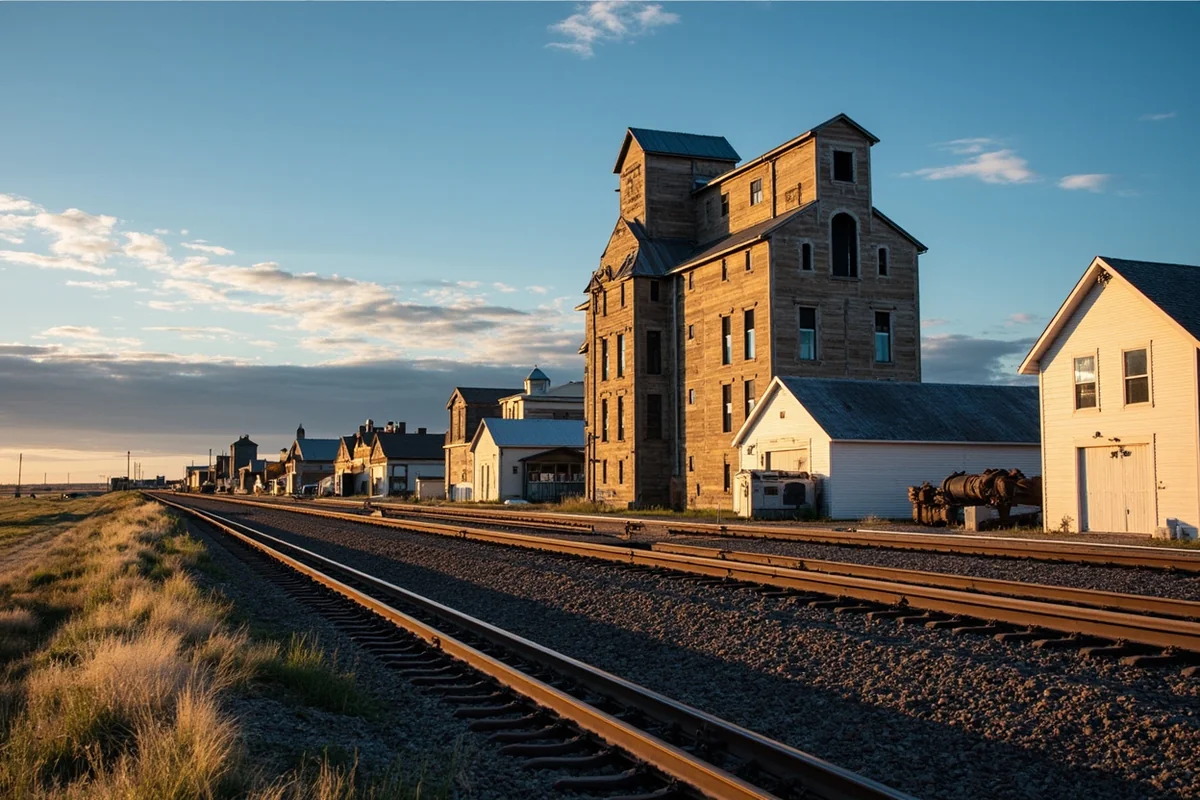
Chinook, population roughly 1,200, offers stunning Bearspaw Mountain views and median home prices around $125,000. The town served as a crucial point in Chief Joseph’s historic flight and maintains that connection through the Bear Paw Battlefield site nearby.
During my autumn visit, the mountain backdrop displayed peak fall colors, and I understood why some people prefer these smaller communities. The pace of life differs fundamentally from anything in western Montana.
Honest assessment: Chinook is small—really small. Services are limited, the nearest hospital is in Havre (20 miles), and winters are uncompromising. This town suits those seeking genuine rural Montana life, not those hoping for small-town charm with urban conveniences.
11. Malta: Dinosaurs and Value
Malta has leveraged its paleontological heritage into modest tourism, but the town of about 1,800 remains affordable with median home prices around $140,000. The Great Plains Dinosaur Museum downtown houses legitimate fossil discoveries from the surrounding badlands.
Bowdoin National Wildlife Refuge sits nearby, offering birding and wildlife observation. During my spring visit, I counted 23 different waterfowl species in a single morning.
Unique factor: Malta attracts an unusual mix of paleontology enthusiasts, birders, and people seeking affordable Montana living. This creates a community more diverse than you’d expect from the demographics alone.
12. Colstrip: Energy Town Evolution
Colstrip presents a complicated picture. This purpose-built energy town of about 2,000 people offers median home prices around $90,000—yes, you read that correctly—but its future remains uncertain as coal power faces headwinds.
When I visited last year, I found a community grappling with transition but refusing to accept decline. The infrastructure—schools, parks, recreational facilities—reflects Colstrip’s planned origins and corporate investment.
Calculated risk: Buying in Colstrip represents a gamble on the town’s reinvention. Some see opportunity in rock-bottom prices; others see too much uncertainty. Do your research on energy transition plans before committing.
Practical Cost Comparison Table
| Town | Median Home Price | Population | Nearest Major City | Hospital? |
|---|---|---|---|---|
| Havre | $175,000 | 10,000 | Great Falls (2 hrs) | Yes |
| Miles City | $180,000 | 8,500 | Billings (2 hrs) | Yes |
| Glendive | $165,000 | 5,000 | Billings (2.5 hrs) | Yes |
| Lewistown | $195,000 | 6,000 | Great Falls (1.5 hrs) | Yes |
| Sidney | $210,000 | 6,500 | Billings (3 hrs) | Yes |
| Cut Bank | $145,000 | 3,000 | Great Falls (1.5 hrs) | Yes |
| Wolf Point | $130,000 | 2,600 | Billings (4 hrs) | Yes |
| Glasgow | $155,000 | 3,400 | Billings (4 hrs) | Yes |
| Colstrip | $90,000 | 2,000 | Billings (2 hrs) | Clinic only |
The Real Trade-Offs of Affordable Montana Living
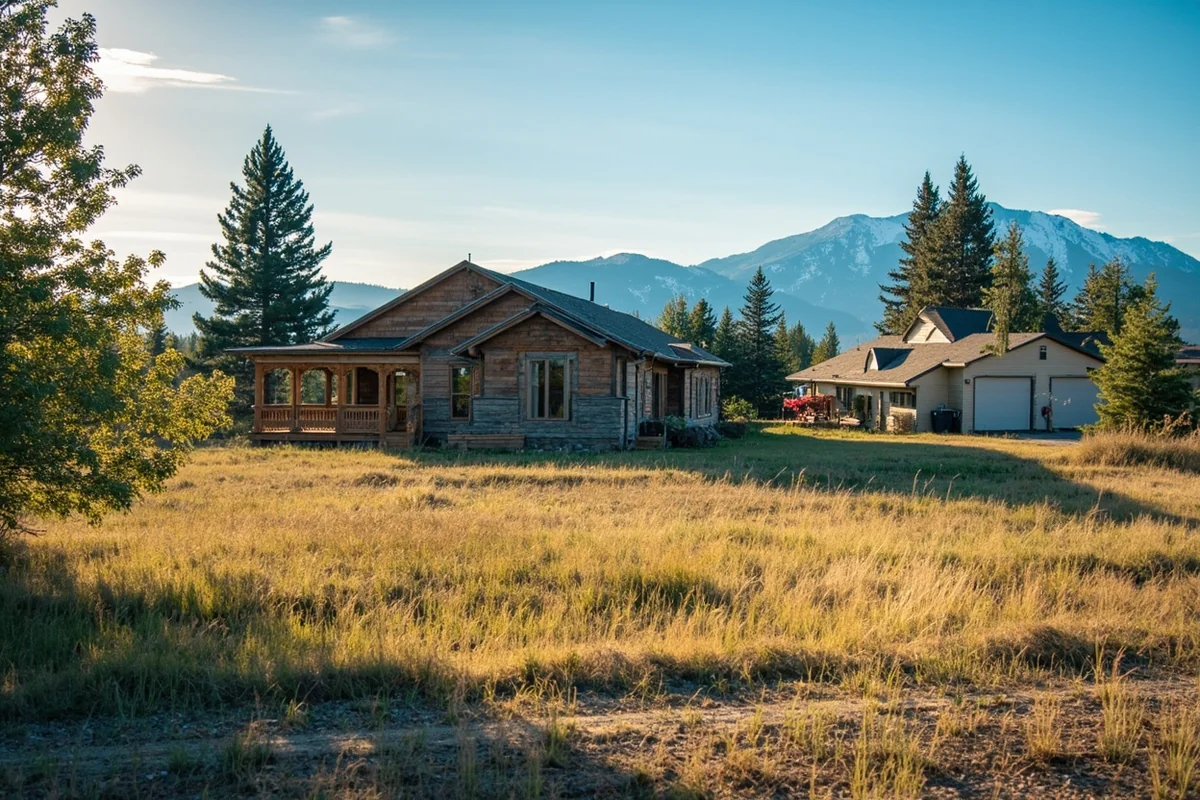
I’d be doing you a disservice if I painted an entirely rosy picture. Every affordable Montana town requires accepting certain trade-offs, and you need to evaluate these honestly.
Distance From Major Airports
Every town on this list sits at least 90 minutes from a commercial airport, and most are 2-4 hours away. If your work or family situation requires frequent flying, factor in significant travel time—and winter driving conditions that can make airport runs genuinely treacherous.
When I drive to Billings from Miles City in January, I budget an extra hour beyond the normal two-hour drive time. Black ice and ground blizzards are real hazards, not abstract concerns.
Limited Job Markets
Unless you work remotely, finding employment in these towns presents challenges. The economies revolve around agriculture, energy, healthcare, education, and small-scale retail. Professional positions are scarce, and salaries typically run below national averages.
This reality explains why so many younger Montanans relocate to Billings, Missoula, or out of state entirely, which contributes to why Montana remains so unpopulated in many areas.
Harsh Winters
I cannot overstate this: eastern and northern Montana winters are genuinely harsh. Extended periods below zero, fierce winds, and significant snowfall characterize the season from November through March—sometimes longer.
The areas with Montana’s heaviest snowfall are typically in the mountains, but the Hi-Line and eastern plains face brutal wind chill that makes modest snowfall feel worse.
Limited Cultural Amenities
If you need regular access to concerts, museums, diverse restaurants, or urban entertainment, these towns will disappoint. The trade-off for affordability is accepting that your cultural options are more limited.
That said, I’ve found that smaller Montana communities create their own entertainment. Community theater, local rodeos, volunteer fire department fundraisers, and high school sports become the social calendar. It’s different, not necessarily worse.
Some newcomers ask whether Montana is boring—the honest answer depends entirely on what you find fulfilling.
What You Actually Save
Let’s talk concrete numbers. Here’s what living in an affordable Montana town means financially:
Housing Costs
A $175,000 house in Havre versus a $600,000 comparable house in Bozeman saves you roughly $2,500 per month in mortgage payments (assuming similar down payments and interest rates). That’s $30,000 annually.
No State Sales Tax
Montana’s lack of state sales tax saves residents an average of $1,500-$2,500 annually compared to neighboring states. This adds up quickly for larger purchases. You can learn more about Montana’s sales tax policy and how it benefits residents.
And yes, Montana grocery stores do sell liquor, so that’s one less errand—and the prices are state-controlled at a single markup.
Lower Property Taxes
Eastern Montana property taxes typically run lower than western Montana, both in rates and assessed values. A $175,000 home in Havre might generate annual property taxes of $1,500-$2,000, while a $600,000 Bozeman home could approach $6,000-$8,000.
Lower Daily Costs
Gas, groceries, and services cost less in these communities. When I filled my truck in Miles City last spring, I paid 30 cents less per gallon than I’d paid in Billings the day before. Restaurant meals run 20-30% cheaper than western Montana.
Who Thrives in Affordable Montana Towns
Based on my conversations with transplants and long-term residents, certain profiles fit these communities particularly well.
Remote Workers
If your income isn’t tied to local employment, affordable Montana offers exceptional value. A remote worker earning $60,000 lives far more comfortably in Havre than in Bozeman or Missoula.
Internet connectivity has improved dramatically in these towns. Havre, Miles City, and Lewistown all have reliable broadband options. Smaller towns may require satellite internet, but services like Starlink have made remote work feasible nearly anywhere.
Retirees
Fixed-income retirees stretch Social Security and pension income significantly further in these communities. A retired couple living on $40,000 annually can own a comfortable home outright and still have money for travel and hobbies. For more details, check out reasons for retiring in Montana.
Outdoor Enthusiasts
Hunters, anglers, and wildlife watchers find eastern Montana particularly appealing. Access to public land is plentiful, hunting pressure is lower than western Montana, and the solitude is genuine.
Those Seeking Simplicity
If the frenetic pace of modern American life exhausts you, these communities offer a genuine alternative. Life moves slower, relationships run deeper, and material expectations are lower.
Some people discover that Montana captures their heart once they give it a chance—there are compelling reasons to love Big Sky Country beyond the postcard-perfect western scenes.
Tips for Relocating to Affordable Montana
If you’re seriously considering a move, these suggestions come from my conversations with successful transplants.
Visit in Winter First
I know February in Havre sounds unpleasant, but you need to experience the worst before committing. Spend a week in the coldest month, observe daily life, and see if you can imagine yourself thriving there.
This isn’t just about tolerating cold—it’s about the isolation, the limited daylight, and the cabin fever that accompanies Montana winters.
Rent Before Buying
Housing may be cheap, but buying a home in a town that doesn’t fit you creates headaches. Rental markets are tight in small Montana towns, but spending 6-12 months renting lets you confirm the community works before making a larger commitment.
Secure Income First
Don’t relocate hoping to find work. Either have remote employment lined up, have significant savings, or have a confirmed local job offer. The local economies don’t absorb unemployed newcomers easily.
Join Community Organizations
Churches, service clubs (Rotary, Lions, Elks), volunteer fire departments, and hobby groups are how small-town Montana builds social connections. Newcomers who engage with these organizations integrate faster than those who keep to themselves.
Understand Healthcare Limitations
While the towns I’ve listed all have hospitals or clinics, complex medical needs may require travel to Billings or beyond. If you or family members have chronic conditions requiring specialist care, factor in that travel.
Comparing Safety Across Montana Towns
Many of Montana’s affordable towns rank among Montana’s safest cities and towns. Lower population density, strong community bonds, and everyone-knows-everyone dynamics contribute to low crime rates.
However, some communities face challenges. Research Montana’s most dangerous cities to understand the full picture, though you’ll find that most of the towns on this list don’t appear on those warnings.
Education Considerations
If you’re moving with children, school quality matters. Many small Montana schools provide excellent student-teacher ratios and dedicated educators, though advanced courses may be limited.
Research Montana’s best school districts to understand how specific communities compare. Havre and Miles City, as larger towns, offer more extracurricular options than smaller communities.
For higher education, you’ll find options through the Montana university system, with the best colleges in Montana located in larger cities that may require relocation after high school.
The Bigger Picture on Montana Affordability
The affordability question ties into broader Montana realities. Understanding why Montana has become expensive in certain areas helps explain why these affordable pockets persist.
Western Montana prices are driven by tourism, out-of-state transplants, and the concentration of amenities and mountain scenery. Eastern Montana remains affordable because it offers different—not lesser—values: space, solitude, authentic rural culture, and communities built on ranching and farming rather than recreation and tourism.
If you want the best places to live in Montana at premium prices, the western corridor delivers. If you want genuine Montana living at a fraction of the cost, look east.
Understanding the Full Picture
Before making any relocation decision, I always recommend understanding the pros and cons of living in Montana in detail. The affordable towns offer tremendous value, but they require embracing a lifestyle that differs significantly from urban or suburban America.
Additionally, consider climate risks. Montana faces natural disasters including severe winter storms, and eastern Montana specifically experiences drought, hail, and occasional wildfires, though fire risk is generally lower than in the mountainous west.
Final Thoughts From Someone Who’s Been There
I’ve visited expensive Montana and affordable Montana, trendy Montana and forgotten Montana. What I’ve learned is that the version that fits you depends entirely on your priorities, not your Instagram aesthetic preferences.
The towns in this guide won’t appear in travel magazines. Celebrities choosing Montana opt for ranches near Bozeman or Whitefish, not houses in Havre. But for those seeking affordable Montana living without pretense, these communities offer genuine value.
Whether you’re looking for reasons to move to Montana, exploring homesteading opportunities, or simply trying to understand Montana’s population dynamics, affordable eastern Montana deserves consideration.
Just make sure you visit in winter first. I mean it.
Frequently Asked Questions
What is the cheapest town to live in Montana in 2024?
Havre consistently ranks as one of the cheapest places to live in Montana, with median home prices around $180,000 and rental costs averaging $700-900 per month. I’ve found that smaller eastern Montana towns like Miles City and Glendive also offer significantly lower costs of living compared to popular destinations like Bozeman or Missoula.
Can you afford to live in Montana on $50,000 a year?
Yes, you can live comfortably in Montana on $50,000 annually if you choose affordable towns like Havre, Lewistown, or Great Falls rather than expensive areas like Big Sky or Whitefish. Your dollar stretches much further in central and eastern Montana, where housing costs can be 40-50% lower than the western mountain towns.
Which Montana cities have the lowest rent prices?
Miles City, Havre, and Glasgow offer some of the lowest rent prices in Montana, with one-bedroom apartments averaging $550-750 per month. These eastern Montana communities are ideal if you’re relocating on a budget, though they’re located 200-400 miles from major airports and mountain recreation areas.
Is it cheaper to live in Montana or Wyoming?
Montana and Wyoming have similar overall costs of living, but Wyoming has no state income tax while Montana does, which can save you thousands annually. However, Montana’s cheaper towns like Butte and Great Falls often have lower housing costs than comparable Wyoming cities, so your total savings depends heavily on your income level and chosen location.
What should I know before moving to a small Montana town?
Before relocating to an affordable small Montana town, understand that you may be 60-100 miles from the nearest major grocery store, hospital, or airport. Winters are harsh with temperatures dropping to -20°F or colder, so budget for higher heating costs and a reliable 4WD vehicle for snow-covered roads.
Are Montana’s cheapest towns safe places to live?
Most of Montana’s affordable small towns like Lewistown, Sidney, and Conrad have low crime rates and tight-knit communities where neighbors look out for each other. I’ve noticed these rural areas often feel safer than larger cities, though you should research specific neighborhoods and check local crime statistics before committing to a move.
How much money should I save before moving to Montana?
I recommend saving at least $8,000-15,000 before relocating to Montana, covering first and last month’s rent, a security deposit, moving expenses, and a financial cushion for unexpected costs. If you’re moving to a remote affordable town, factor in additional costs for a reliable vehicle and emergency supplies, since services and stores may be limited.
Sources
- https://www.census.gov/quickfacts/fact/table/milescitycitymontana/PST045222
- https://www.census.gov/quickfacts/fact/table/anacondadeerlodgecountymontana/PST045222
- https://www.census.gov/quickfacts/fact/table/buttesilverbowbalancemontana/PST045222
- https://www.census.gov/quickfacts/fact/table/greatfallscitymontana/PST045222
- https://www.census.gov/quickfacts/fact/table/havrecitymontana/PST045222
- https://www.census.gov/quickfacts/fact/table/sidneycitymontana/PST045222
- https://www.census.gov/quickfacts/fact/table/helenacitymontana/PST045222