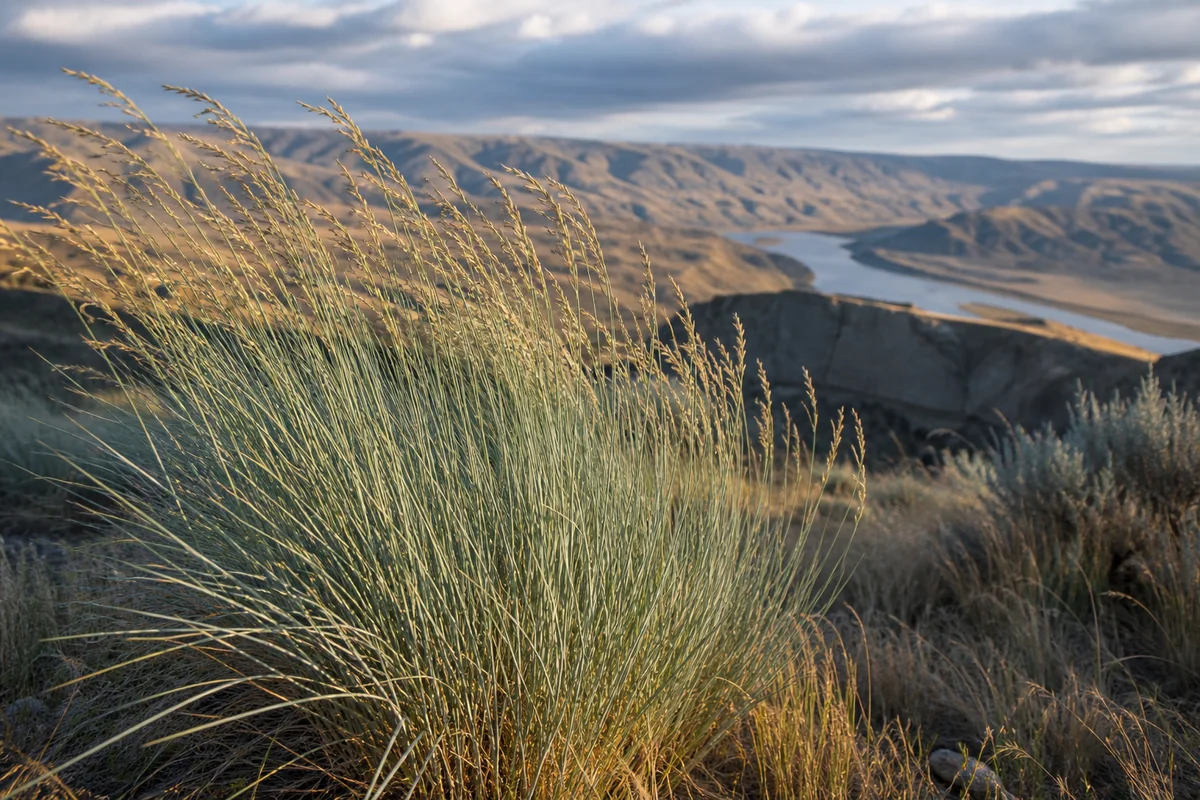
I was crouched on a windswept ridge above the Missouri River breaks last October when I first truly noticed bluebunch wheatgrass—Montana’s official state grass since 1973.
The late afternoon light caught the distinctive blue-green blades swaying in perfect unison, creating waves across the hillside that rivaled anything I’d seen on the ocean.
It was one of those moments that made me realize how much of Montana’s beauty hides in plain sight, waiting for travelers who know where—and how—to look.
Most visitors come to Montana for the mountains, the wildlife, and the legendary fly-fishing, but I’d argue that understanding the state’s grasslands offers an entirely different appreciation of this magnificent place.
Bluebunch wheatgrass (*Pseudoroegneria spicata*) isn’t just a botanical curiosity—it’s the foundation of Montana’s ranching heritage, a crucial wildlife habitat, and a living connection to landscapes that Lewis and Clark documented over two centuries ago.
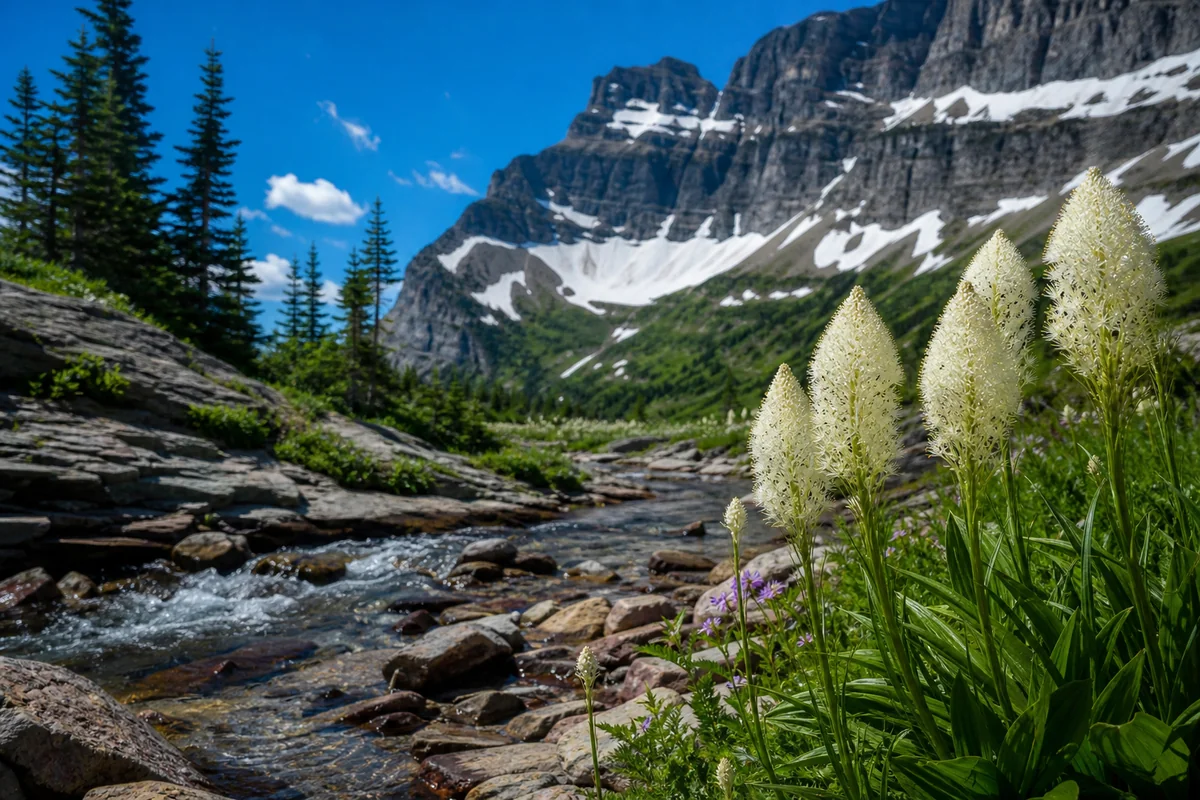
When you explore Montana State Symbols, this humble grass tells a story as compelling as the Montana State Animal, the grizzly bear, or the beloved bitterroot flower.
- Bluebunch wheatgrass became Montana’s official state grass in 1973, chosen for its ecological importance and ranching heritage
- Best viewing locations include the National Bison Range, Charles M. Russell National Wildlife Refuge, and Missouri River breaks
- Peak visibility occurs from late May through early July when seed heads form, and again in fall when the grass turns golden
- This native bunchgrass covers approximately 50% of Montana’s rangeland and supports wildlife from pronghorn to sage grouse
- Travelers can combine grassland exploration with visits to historic ranches, wildlife refuges, and prairie-focused interpretive centers
Liked this article?
Add Roaming Montana as a preferred source so you see more of our articles and guides on Google.
Understanding Montana’s State Grass: More Than Just a Plant
When the Montana legislature designated bluebunch wheatgrass as the official state grass on March 15, 1973, they recognized something that ranchers had known for generations. This wasn’t a symbolic gesture—it was an acknowledgment of the grass that literally sustains Montana’s agricultural economy and ecological health.
I remember talking with a third-generation rancher near Lewistown during my travels through central Montana. He pointed to a hillside covered in bluebunch wheatgrass and said something that stuck with me: “My grandfather’s cattle grazed this same grass, and my grandchildren’s cattle will too—if we take care of it.”
That sentiment captures why this grass matters so deeply to Montanans.
What Makes Bluebunch Wheatgrass Unique
Bluebunch wheatgrass is what botanists call a “cool-season perennial bunchgrass.” Unlike sod-forming grasses that create continuous carpets, bluebunch grows in distinctive clumps or bunches that give it its name.
When I first learned to identify it during a rangeland ecology workshop in Bozeman, our instructor taught us to look for the characteristic blue-green color that’s most pronounced in spring and early summer. The leaves are narrow—typically about 2-4 millimeters wide—and roll inward during dry conditions to conserve moisture.
The seed heads are where identification gets interesting. They form a slender spike that can reach 3-6 inches long, with individual spikelets that angle away from the stem. I’ve found that once you learn to spot these distinctive seed heads in late June, you’ll start noticing bluebunch wheatgrass everywhere across Montana’s prairies.
The Deep Roots—Literally and Figuratively
What truly sets bluebunch wheatgrass apart from many other grasses is its root system. During a visit to the Montana State University Extension office in Great Falls, I saw a display showing a bluebunch wheatgrass root that extended over six feet deep.
This extensive root system is why the grass survives Montana’s harsh conditions. It can access moisture that shallow-rooted plants can’t reach, making it remarkably drought-tolerant. It also means that healthy bluebunch stands resist erosion and actually improve soil structure over time.
For travelers, this translates to something visually striking: you’ll see bluebunch wheatgrass thriving on rocky slopes and dry ridges where other plants struggle. Those are often the best spots for photography and wildlife viewing.
Where to Experience Bluebunch Wheatgrass in Montana
Over my years of exploring Montana, I’ve identified several locations where travelers can best appreciate the state grass in its natural habitat. These aren’t just random prairies—they’re places where interpretation, accessibility, and pristine grasslands converge.
National Bison Range: My Top Recommendation
The National Bison Range near Moiese became my favorite grassland destination after I spent three days there last spring. Located in the Mission Valley between the Mission and Flathead mountain ranges, this 18,800-acre refuge showcases Montana’s prairie ecosystem beautifully.
The 19-mile Red Sleep Mountain Drive winds through exceptional bluebunch wheatgrass habitat. I recommend taking it slowly—not just for wildlife spotting, but to appreciate how the grass dominates the slopes at different elevations.
What I love about this location is the contrast. You’re surrounded by snow-capped peaks while standing in classic Montana grassland. The bison themselves evolved alongside bluebunch wheatgrass, and watching them graze these native prairies feels like witnessing something timeless.
During my visit, I stopped at multiple pullouts to photograph the grass against the Mission Mountains backdrop. Early morning light creates the best conditions, when dew highlights the blue tones in the foliage.
Charles M. Russell National Wildlife Refuge
The CMR, as locals call it, is the second-largest wildlife refuge in the lower 48 states, covering over 1.1 million acres of Missouri River breaks country. This is bluebunch wheatgrass territory on an epic scale.
I drove the 20-mile auto tour route on a September afternoon and was struck by how the golden-brown grass transformed the landscape. The broken terrain creates endless variations—shaded coulees where grass stays green longer, sun-baked south-facing slopes where it cures early.
The refuge is also excellent for understanding how bluebunch wheatgrass supports wildlife. I spotted pronghorn, mule deer, and sage grouse all within a single hour, all species that depend on healthy native grasslands.
For visitors planning a trip, the road can be rough in places. I recommend a high-clearance vehicle and checking conditions at the refuge office in Lewistown before heading out.
Missouri River Breaks: Where Lewis and Clark Walked
The Upper Missouri River Breaks National Monument preserves some of the most pristine grasslands in North America. When I floated a section of the river by canoe last summer, the surrounding bluffs were covered in bluebunch wheatgrass that hasn’t changed much since the Corps of Discovery passed through in 1805.
Lewis actually documented the grass in his journals, noting its abundance and palatability to their horses. Standing on those same bluffs, looking at the same grass species, creates a powerful connection to Montana’s exploration history.
The best land-based access is via the Stafford Ferry, which provides passage across the Missouri and leads to several overlooks with interpretive signs. The road gets minimal traffic, making it perfect for quiet contemplation of the prairie landscape.
Additional Viewing Locations
| Location | Region | Best Season | Access Notes |
|---|---|---|---|
| First Peoples Buffalo Jump State Park | North-Central | May-October | Excellent interpretive trails, paved roads |
| Pine Butte Swamp Preserve | Rocky Mountain Front | June-August | Guided tours recommended |
| Ulm Pishkun State Park | Central | May-September | Short drive from Great Falls |
| Battle of the Big Hole National Battlefield | Southwest | June-September | Combines history with grassland ecology |
| Blackfoot-Clearwater Wildlife Management Area | Western | May-October | Less crowded, excellent elk habitat |
The Ecological Importance of Bluebunch Wheatgrass
Understanding why Montana chose this particular grass—rather than any other species—requires exploring its ecological role. During my conversations with range scientists and land managers across the state, I’ve developed a deep appreciation for how bluebunch wheatgrass functions as a keystone species.
Supporting Montana’s Wildlife
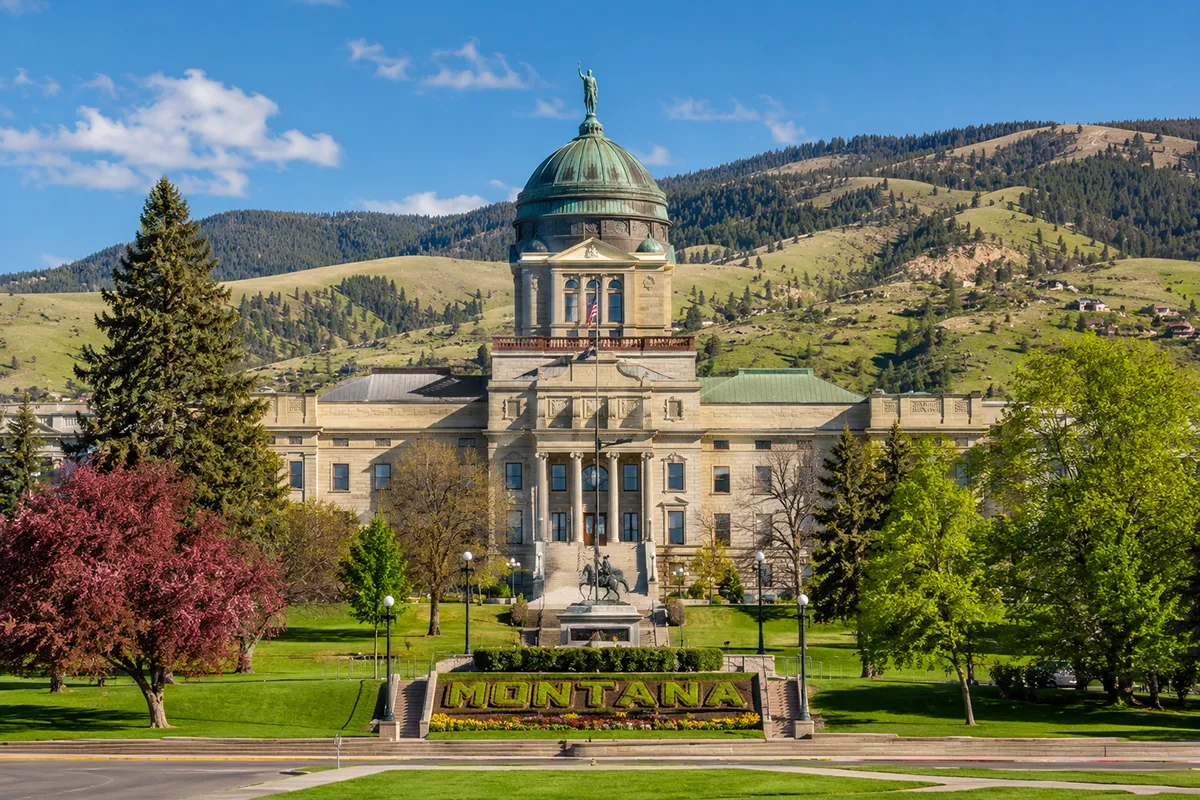
When I visited the Montana State Capitol in Helena, I noticed wildlife displays that prominently featured prairie species. That’s no accident—Montana’s grasslands support an incredible diversity of life.
Pronghorn, North America’s fastest land mammal, depend heavily on bluebunch wheatgrass habitats. The open structure of bunchgrass prairies provides the visibility these animals need to spot predators, while the grass itself offers nutritious forage.
Sage grouse, one of Montana’s most imperiled birds, use bluebunch grasslands for nesting and brood-rearing. The spaces between bunches allow chicks to move easily while foraging for insects. I’ve had the privilege of observing sage grouse leks in central Montana, and the surrounding habitat is invariably dominated by bluebunch wheatgrass mixed with sagebrush.
Even the Montana State Bird, the Western Meadowlark, favors these grasslands. Their distinctive songs echo across bluebunch prairies throughout the state, and I’ve learned to associate one with the other during my travels.
Soil Health and Water Quality
The six-foot root systems I mentioned earlier do more than just help the plant survive drought. They actively improve soil health by adding organic matter, creating channels for water infiltration, and stabilizing slopes against erosion.
During a rangeland health workshop I attended near Roundup, an NRCS conservationist demonstrated how water infiltrates differently in healthy bluebunch stands versus degraded grasslands. The difference was dramatic—water that would have run off carrying sediment instead soaked into the soil.
For travelers, this means that healthy bluebunch grasslands also mean cleaner rivers and streams. Montana’s legendary fishing—including waters where the Montana State Fish, the cutthroat trout, thrives—depends partly on the grass-covered hillsides above.
Fire and Grassland Ecology
Fire and bluebunch wheatgrass have evolved together for millennia. Unlike many invasive grasses, bluebunch is adapted to periodic burning and actually benefits from it.
I witnessed a prescribed burn on a ranch near White Sulphur Springs a few years ago. The rancher explained that burning removes dead plant material, stimulates new growth, and helps control invasive species. Within weeks, fresh green shoots were emerging from the charred bunches.
Understanding this relationship adds another dimension to Montana travel. When you see blackened prairies in spring, you’re often looking at grassland management in action rather than destruction.
Bluebunch Wheatgrass and Montana’s Ranching Heritage
Montana’s identity is inseparable from ranching, and bluebunch wheatgrass is inseparable from sustainable ranching. Exploring this connection has taken me to historic ranches, small-town livestock auctions, and conversations with people whose families have worked the land for over a century.
The Foundation of the Cattle Industry
When cattle arrived in Montana in the 1860s, ranchers quickly learned that native grasslands—dominated by bluebunch wheatgrass—could sustain large herds without the need for supplemental feeding during much of the year.
The grass’s nutritional profile is exceptional. It maintains decent protein content even after curing in the fall, making it valuable winter forage when cattle are left on pasture. Ranchers call this “standing hay,” and it’s one reason Montana’s ranching economy developed the way it did.
I spent time on a working ranch outside of Billings where the family tracks which pastures they graze and when. Their rotational system, developed over generations, allows bluebunch wheatgrass to recover between grazing periods. Watching their attention to grass health taught me that successful ranching and conservation aren’t opposites—they’re interconnected.
Challenges Facing Native Grasslands
Not all the news is positive. Throughout my Montana travels, I’ve also seen degraded grasslands where bluebunch wheatgrass has been replaced by less desirable species.
Cheatgrass (downy brome) is the primary culprit. This invasive annual from Eurasia outcompetes native bunchgrasses and creates a fire cycle that favors its own spread. Recognizing the difference between healthy native prairie and invaded grassland has become part of how I observe Montana’s landscapes.
When visiting places like the 21 Montana State Native Plants guide locations, pay attention to what else is growing alongside the featured species. Healthy ecosystems include bluebunch wheatgrass as a major component.
The good news is that restoration efforts are underway across the state. Organizations like the Montana Native Plant Society and various land trusts are working to preserve and restore native grasslands. Some ranches now market “grass-fed” beef specifically from native prairie, creating economic incentives for conservation.
Seasonal Guide: When to Experience Montana’s Grasslands
Timing matters tremendously when planning grassland-focused travel in Montana. I’ve visited the same locations in different seasons and come away with completely different experiences.
Spring: The Green-Up (April-May)
Spring is when bluebunch wheatgrass first shows its characteristic blue-green color. New growth emerges while last year’s dried stems still stand, creating a two-toned effect that photographers love.
This is also the season when many prairie wildflowers bloom among the bunchgrass. I’ve found pasqueflowers, shooting stars, and blanketflower adding splashes of color to the grasslands during May trips.
Wildlife is particularly active in spring. Pronghorn does begin fawning, birds are nesting, and the landscape feels alive in ways that summer’s heat subdues.
Early Summer: Seed Head Development (June-July)
If you want to really study and appreciate bluebunch wheatgrass structure, early summer is the time. The distinctive seed heads are fully developed, making identification easy even from a moving vehicle.
I find this the best season for educational visits to interpretive sites. The grass is mature but still green, providing the clearest picture of what healthy native prairie looks like.
The downside? June and early July can bring significant mosquito populations to some areas. Bring repellent and plan outdoor time for breezy locations where insects are less bothersome.
Late Summer and Fall: The Golden Season (August-October)
As bluebunch wheatgrass cures in late summer, the prairie transforms. The blue-green fades to gold and tan, creating the classic Montana prairie aesthetic that appears in countless Western films.
I personally prefer fall for grassland photography. The low-angle light, golden grass, and often-clear skies create images that capture Montana’s essence. The grass against autumn’s golden cottonwoods along prairie rivers is particularly striking.
Wildlife viewing also improves in fall. Elk begin their rut, pronghorn gather in larger groups, and migrating birds pass through the grasslands. On my October trip to the Missouri River breaks, I saw more wildlife diversity than during any summer visit.
Winter: Subtle Beauty (November-March)
Most travelers skip Montana’s grasslands in winter, but there’s a stark beauty to snow-dusted prairie that I find compelling. Bluebunch wheatgrass standing above light snow creates graphic patterns across the landscape.
This is also when you can observe how wildlife uses grasslands for winter survival. Pronghorn paw through snow to reach cured grass, and birds of prey hunt from fence posts above the prairie.
Practically speaking, winter access is limited. Many refuge roads close, and remote areas may be impassable. But portions of the National Bison Range remain open year-round, offering winter grassland experiences without extreme adventure.
Combining Grassland Exploration with Other Montana Experiences
Few travelers will plan an entire Montana trip around state grass, but incorporating grassland appreciation into a broader itinerary enriches any visit. Here’s how I typically blend these experiences.
Rocky Mountain Front Loop
One of my favorite Montana drives follows Highway 89 along the Rocky Mountain Front from Browning to Choteau. The transition from mountain to prairie is dramatic, and bluebunch wheatgrass dominates the foothills grasslands.
I combine this drive with visits to Pine Butte Swamp Preserve, the Old Trail Museum in Choteau (which has excellent natural history exhibits), and the Egg Mountain dinosaur sites. The Montana State Fossil, the Maiasaura, was discovered not far from these grasslands.
Plan for a full day, more if you want to hike. The wildlife viewing along this route rivals anywhere in the state.
Central Montana Heritage Route
Central Montana combines exceptional grasslands with rich history. I’ve built itineraries connecting First Peoples Buffalo Jump State Park, the Charles M. Russell National Wildlife Refuge, and the historic towns of Lewistown and Stanford.
This region also showcases ranching culture authentically. Stop at small-town cafes where working ranchers eat breakfast, and you’ll gain perspective on how bluebunch wheatgrass supports human communities, not just wildlife.
The Montana State Motto, “Oro y Plata” (Gold and Silver), reflects mining heritage, but in central Montana, the real wealth has always been grass.
Missouri River Corridor
Following the Missouri River from Great Falls to Fort Benton to the wild country upstream combines Lewis and Clark history, spectacular scenery, and pristine grasslands.
I recommend spending at least one night in Fort Benton, which bills itself as the “Birthplace of Montana.” The town’s museums provide historical context, and the surrounding area offers excellent grassland access.
Adventurous travelers can float sections of the Missouri through the breaks country. Multi-day canoe trips pass through some of the most undeveloped grasslands in the lower 48 states.
Practical Tips for Grassland-Focused Travel
After years of exploring Montana’s prairies, I’ve accumulated practical knowledge that can make your experience more rewarding.
What to Bring
Binoculars are essential. Much of grassland wildlife is seen at distance, and being able to observe pronghorn behavior or identify birds dramatically improves the experience.
I carry a small plant identification guide specifically for Great Plains grasses. While smartphone apps help, having a physical reference with quality illustrations makes learning easier when cell service is spotty.
Sun protection matters more than many visitors expect. Prairie landscapes offer little shade, and the combination of high elevation and dry air can cause sunburn quickly. Bring a wide-brimmed hat, quality sunglasses, and sunscreen.
Water is critical. I carry more than I think I’ll need whenever I’m exploring grasslands. Visitor services can be distant, and dehydration sneaks up on people in Montana’s dry climate.
Safety Considerations
Rattlesnakes inhabit Montana’s grasslands. I’ve encountered them several times, always when walking through rocks or tall grass. Watch where you step, don’t reach into places you can’t see, and give any snake you encounter plenty of space.
Weather changes rapidly on the prairie. I’ve been caught in sudden thunderstorms, experienced temperature drops of 30 degrees in an hour, and seen clear mornings turn to whiteout conditions. Check forecasts, but be prepared for anything.
Cell service is unreliable in many prime grassland locations. Carry paper maps, let someone know your plans, and don’t rely entirely on GPS navigation.
Leave No Trace
Montana’s grasslands may look resilient, but they’re sensitive ecosystems. Stay on established roads and trails. Pack out all garbage. Don’t collect plants—including seeds—without permission.
When I photograph flowers or grasses, I’m careful not to trample surrounding vegetation to get the shot. One careless step can damage a bunchgrass plant that took decades to reach maturity.
Connecting State Symbols to Landscape
Montana’s official symbols tell a coherent story about the state’s identity, and bluebunch wheatgrass fits perfectly into that narrative.
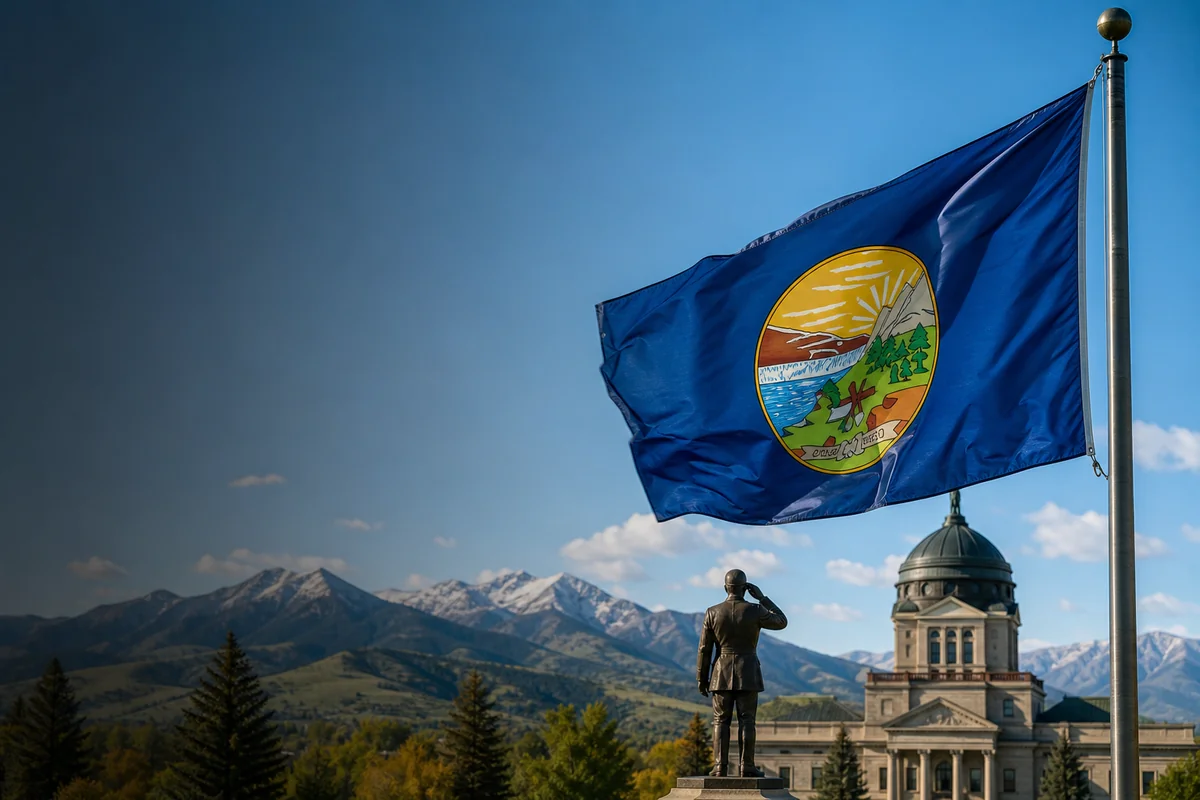
The Montana State Flag depicts the Great Seal against a blue background—fitting for a state where the blue of sky and bluebunch grass dominate much of the landscape. The Montana State Seal itself shows mountains and plains, the two landscapes where this grass thrives.
Even the Montana State Tree, the Ponderosa Pine, often marks the transition zone where mountains meet grasslands. I’ve stood in places where pine-covered slopes give way to bluebunch prairie, embodying Montana’s ecological diversity in a single view.
The Montana’s State Colors, blue and gold, might as well describe bluebunch wheatgrass through the seasons—blue-green in spring, golden by fall.
When you understand how these symbols connect, Montana reveals itself differently. A Montana State Quarter in your pocket carries the same landscape story that unfolds outside your car window.
The Future of Montana’s Grasslands
As climate patterns shift and land use evolves, Montana’s grasslands face both challenges and opportunities. Conservation-minded travelers can support efforts to maintain these ecosystems.
Supporting Grassland Conservation
Several organizations focus specifically on Montana prairie conservation. The Montana Stockgrowers Association works with ranchers on sustainable grazing practices. The Nature Conservancy manages properties showcasing native grasslands. Rocky Mountain Elk Foundation projects often benefit prairie ecosystems alongside forest habitats.
Visiting these managed lands—and supporting them through donations or memberships—helps ensure future travelers can experience what you experience today.
Choosing Grassland-Friendly Experiences
Some Montana outfitters specifically emphasize native prairie. Prairie-focused wildlife tours, ranch stays on working operations using sustainable practices, and educational programs through university extension offices all support grassland stewardship.
When I book accommodations in grassland country, I ask about their relationship to the surrounding land. Many rural lodges and ranches are deeply invested in maintaining healthy ecosystems because their livelihoods depend on it.
Even simple choices matter. Eating at restaurants that serve grass-fed beef from Montana ranches creates market demand for operations that maintain native pastures.
Making the Most of Your Grassland Experience
After all my time exploring Montana’s prairies, I’ve come to believe that appreciating grasslands requires a shift in mindset more than anything else.
We’re culturally conditioned to value dramatic scenery—mountains, waterfalls, ocean coastlines. Grasslands ask for subtler attention. The beauty reveals itself gradually, in the way light plays across undulating hills, in the intricate structure of a single grass seed head, in the sudden explosion of a covey of sharptails from cover.
Give yourself time. Don’t rush through prairie country on your way to somewhere “more impressive.” Stop, walk a short distance from your vehicle, sit quietly, and let the landscape speak.
Bring curiosity about the interconnections between grass, soil, water, wildlife, and human communities. Ask questions when you meet ranchers or land managers. Read interpretive signs carefully. Let bluebunch wheatgrass become a lens through which you see Montana differently.
I guarantee that once you develop an eye for healthy native grassland, you’ll notice things you’ve driven past a hundred times without seeing. Montana will become bigger and more interesting than you imagined.
The Montana State Nickname, “Big Sky Country,” refers to the horizon-to-horizon views that grasslands enable. The Montana State Slogans emphasize the untamed quality of the landscape. These aren’t marketing abstractions—they describe real places where bluebunch wheatgrass has anchored ecological communities for thousands of years.
Whether you’re sipping Montana’s huckleberries in a mountain café, watching the mourning cloak butterfly flutter across a meadow, or simply driving through central Montana on your way to somewhere else, the grasslands deserve your attention.
They’re where Montana’s story truly unfolds—one blue-green bunch at a time.
Frequently Asked Questions
What is the official state grass of Montana and why was it chosen?
Montana’s official state grass is Bluebunch Wheatgrass (Pseudoroegneria spicata), designated in 1973. I find it fascinating that this native perennial grass was chosen because it’s drought-resistant and covers much of Montana’s rangelands, making it essential for livestock grazing and wildlife habitat across the state.
Where is the best place in Montana to actually see bluebunch wheatgrass?
My top pick is the National Bison Range near Moiese — the 19-mile Red Sleep Mountain Drive winds through some of the most pristine native bunchgrass prairie in the state, with the Mission Mountains as a backdrop. For a more remote experience, the Charles M. Russell National Wildlife Refuge covers over a million acres of Missouri River breaks country where bluebunch wheatgrass dominates the landscape. If you’re in central Montana, First Peoples Buffalo Jump State Park near Ulm has excellent interpretive trails that walk you right through healthy native grassland, with signage explaining what you’re looking at. Any of these three will give you a genuine feel for why this grass was designated Montana’s state symbol.
What wildlife can I expect to see in Montana’s bluebunch wheatgrass prairies?
Quite a bit, honestly. Pronghorn are almost guaranteed in the open grassland country — they love the wide sight lines that bunchgrass prairies provide. Mule deer move through regularly, especially at dawn and dusk. If you’re in the right habitat, sage grouse are incredible to spot — they use the spaces between grass bunches to move their chicks around while foraging for insects. Western meadowlarks are everywhere and will announce themselves before you see them. On the predator side, ferruginous hawks and prairie falcons hunt these grasslands, and I’ve spotted short-eared owls hunting low over the prairie in the evening. Fall brings additional migrating raptors through the open country. Binoculars are non-negotiable — prairie wildlife is often spotted at distance.
What are the best scenic drives through Montana’s grassland regions?
Three routes stand out for showcasing bluebunch wheatgrass country at its best. Highway 89 along the Rocky Mountain Front between Browning and Choteau is dramatic — you watch the mountains give way to foothills and then open prairie, and the grass takes over. The Missouri River Breaks auto tour at the Charles M. Russell Refuge is 20 miles of broken terrain and native prairie with almost no traffic; budget half a day and check road conditions at the Lewistown refuge office first. And Highway 191 through the Judith Basin between Lewistown and Great Falls passes through classic central Montana ranch country where bluebunch has been grazed sustainably for generations. Each of these routes is best driven in late afternoon when the low-angle light brings out the blue-green color in the grass.
When is the best time of year to visit Montana’s grasslands?
It genuinely depends on what experience you’re after. Late May through June is peak for color — the grass is actively growing, wildflowers are blooming among the bunches, and wildlife is nesting and fawning. Early July is when the seed heads fully develop, making identification easy and photography rewarding. September and October are my personal favorite months — the grass cures to gold and tan, the crowds thin out dramatically, elk rut adds an extra layer of wildlife drama, and the light is spectacular. Winter is worth considering if you’re after solitude and stark beauty; portions of the National Bison Range stay open year-round, and the contrast of grass against snow makes for strong photography. Avoid late August if you can — it’s peak tourist season and the grass looks its dullest right before fall color sets in.
Can I visit Montana’s grasslands with kids, and what should I know?
Absolutely — and kids often respond to grasslands more enthusiastically than adults expect, especially when wildlife is involved. First Peoples Buffalo Jump State Park is one of my top family picks — it tells a real story, the trails are manageable, and rangers do a great job of making the history vivid. The National Bison Range is essentially a slow drive-through safari; kids love spotting bison and pronghorn without having to hike anywhere. A few practical notes: bring more water than you think you need since prairie has almost no shade, apply sunscreen before you leave the car, and brief kids on rattlesnakes — tell them to watch where they step and never reach into rocks or brush. If anyone in your group has a fear of snakes, stick to the interpretive center areas rather than off-trail walking. Early morning visits in summer keep temperatures manageable and wildlife most active.
Is there anything to do near Montana’s grasslands besides wildlife watching?
More than most people realize. The Missouri River Breaks country pairs spectacularly with Lewis and Clark history — the Corps of Discovery traveled through this exact grassland in 1805, and floating a section by canoe puts you on the same water surrounded by essentially unchanged landscape. First Peoples Buffalo Jump and Ulm Pishkun State Park connect the grasslands to thousands of years of Indigenous hunting history. Central Montana’s small towns — Lewistown, Stanford, White Sulphur Springs — offer authentic ranch-country culture: local diners, livestock auctions, small museums, and conversations with people whose families have worked this land for generations. The Old Trail Museum in Choteau has excellent natural history and paleontology exhibits that put the grassland ecosystem in geological context. And for anglers, prairie rivers like the Judith and Mussellshell run through this country, offering fishing with almost no other people around.
Sources
- https://plants.usda.gov/DocumentLibrary/plantguide/pdf/pg_pssps.pdf
- https://fieldguide.mt.gov/speciesDetail.aspx?elcode=PMPOA82010
- https://www.fs.usda.gov/rm/pubs_other/rmrs_2010_ogle_d001.pdf
- https://extension.usu.edu/rangeplants/grasses-and-grasslikes/bluebunch-wheatgrass
- https://blogs.oregonstate.edu/geo599spatialstatistics/2016/03/28/1587/
- https://commons.wikimedia.org/wiki/File:Pseudoroegneria_spicata
- https://commons.wikimedia.org/wiki/File:Agropyron_spicatum_-bluebunch_wheatgrass
- https://commons.wikimedia.org/wiki/File:Pseudoroegneria_spicata
- https://commons.wikimedia.org/wiki/File:Elymus_albicans