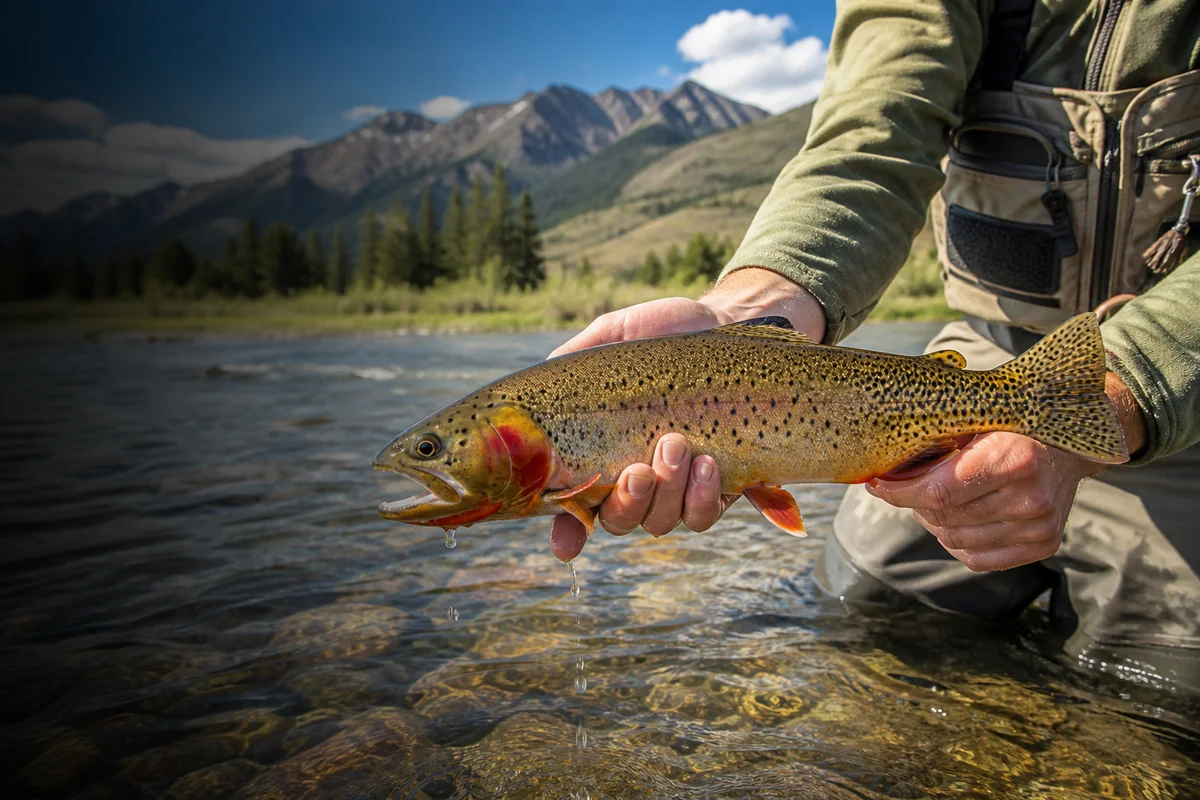
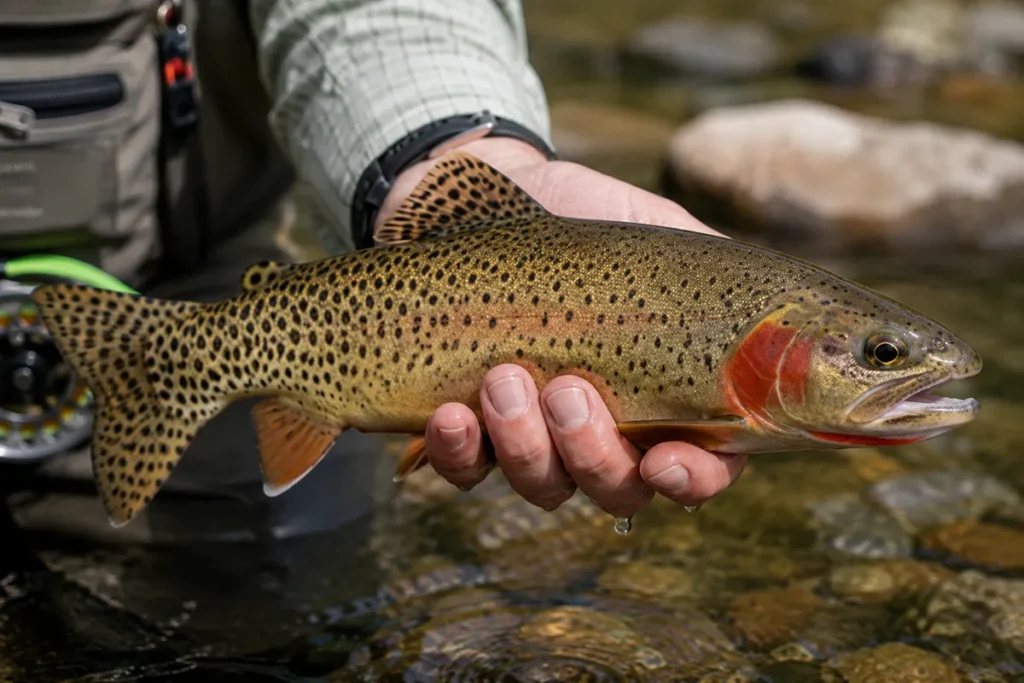
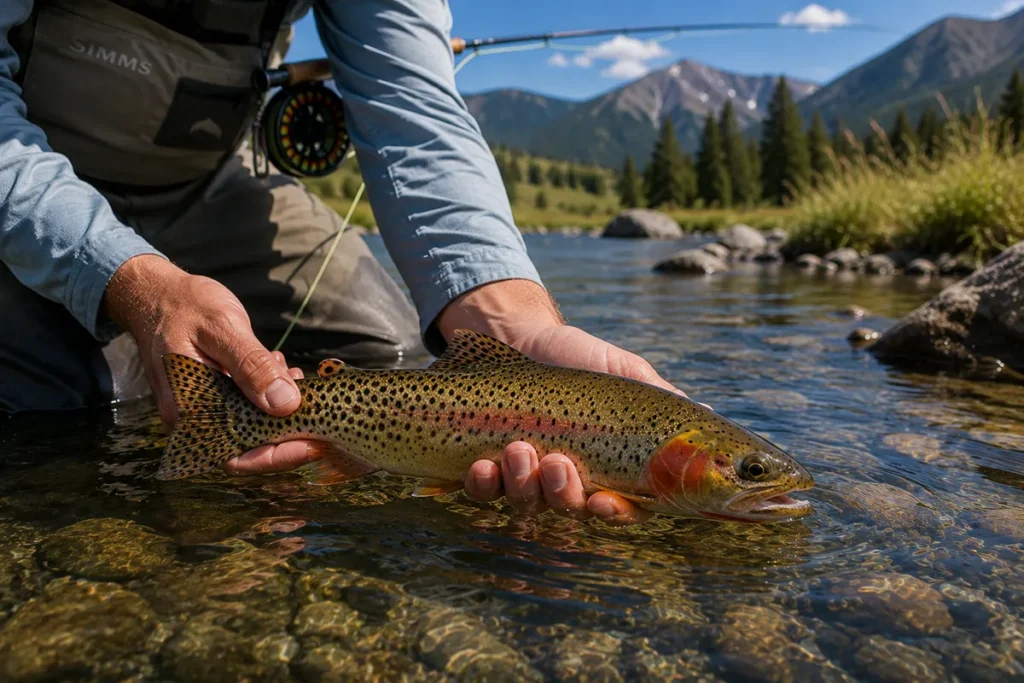
I’ll never forget the moment I lifted my first Montana cutthroat trout from the crystalline waters of the Yellowstone River—that flash of golden-olive scales, those distinctive red slashes beneath the jaw, and the unmistakable black spots scattered across its tail.
Standing waist-deep in water so clear I could count the pebbles beneath my wading boots, I understood immediately why Montana chose this magnificent fish as its official state symbol.
The blackspot cutthroat trout, officially designated as Montana’s state fish in 1977, represents far more than a legislative decision—it embodies the wild, untamed character of Big Sky Country itself.
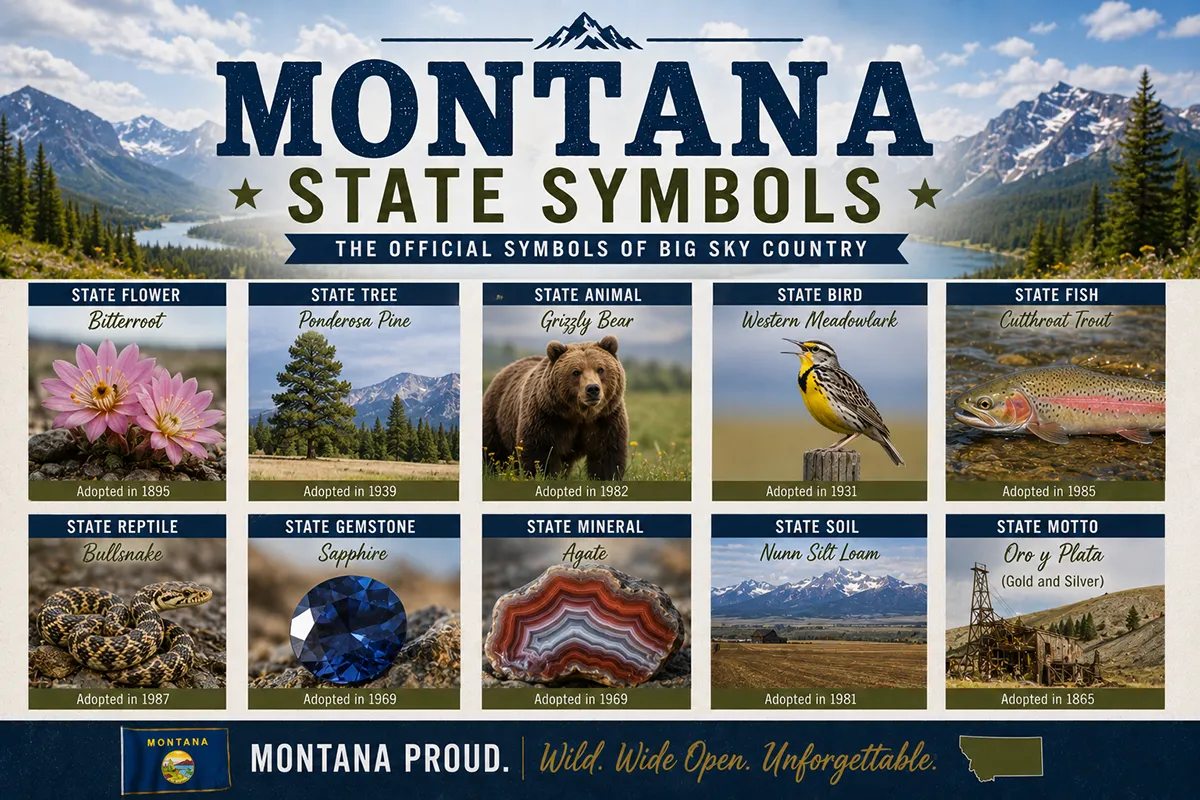
As you explore other Montana State Symbols, you’ll notice a pattern: each one reflects the state’s deep connection to its natural landscape, from the bitterroot flower to the grizzly bear.
- Montana’s state fish is the blackspot cutthroat trout (Oncorhynchus clarkii), designated in 1977
- Best fishing spots include the Yellowstone River, Madison River, Big Hole River, and countless high-mountain lakes
- Prime fishing season runs from late June through September, with early morning and evening being optimal
- You’ll need a Montana fishing license ($15/day for non-residents or $86 for a season pass)
- Catch-and-release is required in many native cutthroat waters to protect wild populations
- The fish gets its name from the distinctive red-orange “cut” marks under its lower jaw
Liked this article?
Add Roaming Montana as a preferred source so you see more of our articles and guides on Google.
What Exactly Is a Blackspot Cutthroat Trout?
When I first started fishing Montana’s rivers and streams, I made the embarrassing mistake of calling every trout I caught a “rainbow.” A weathered guide near Ennis set me straight pretty quickly, and I’m grateful he did.
The blackspot cutthroat trout (Oncorhynchus clarkii) is actually a subspecies of the broader cutthroat trout family. What makes it distinctly “Montana” is its evolutionary history—these fish have swum these waters for over 10,000 years, since the last ice age retreated and carved out the landscape we see today.
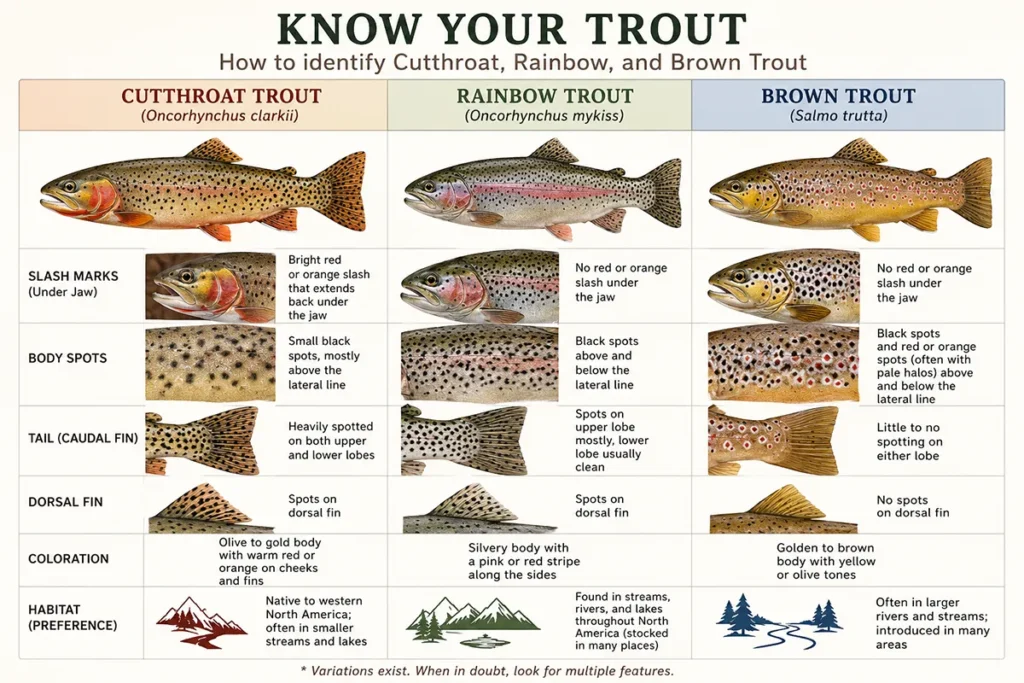
The name “cutthroat” comes from those vivid red or orange markings beneath the lower jaw, which look remarkably like the fish has been cut. It’s a dramatic feature that’s impossible to miss once you know what you’re looking for.
Identifying Features I’ve Learned to Spot
After years of fishing Montana waters, I can now identify a cutthroat at a glance, and you will too after a day or two on the water.
Look for a golden-olive body color that can range from silvery in larger rivers to deeply bronze in high-altitude lakes. The black spots are concentrated toward the tail, which is a key distinguishing feature from rainbow trout where spots appear throughout the body.
The red slash marks vary in intensity. During my trip to the Yellowstone backcountry last August, I caught cutthroats with slashes so bright they looked painted on, while others were more subtle, almost pink.
Their fins often have an orange or yellow tint, and the leading edge of the lower fins may show a white streak. This is something I never noticed until a fisheries biologist pointed it out during a conservation talk in Bozeman.
The History Behind Montana’s State Fish Designation
The story of how the cutthroat became Montana’s official state fish is actually a tale of conservation triumph—one that continues to shape fishing regulations today.
In 1977, the Montana Legislature formally adopted the blackspot cutthroat trout as the state fish. But the decision wasn’t just ceremonial. By that time, native cutthroat populations had declined dramatically due to habitat loss, overfishing, and competition from introduced species.
A Conservation Wake-Up Call
What many visitors don’t realize is that the cutthroat designation was partly an awareness campaign. Making it the official state fish drew attention to a species that was struggling in its own native waters.
I’ve spoken with fisheries managers at Montana Fish, Wildlife & Parks who explain that the designation created a cultural investment in the fish’s survival. Montanans don’t just want to catch cutthroat trout—they want their grandchildren to catch them too.
This conservation mindset explains why so many of Montana’s best cutthroat waters are now catch-and-release only. When I fish the Yellowstone’s native cutthroat sections, I use barbless hooks and keep the fish in the water while removing them. It’s not just the law in many areas—it’s become part of Montana’s fishing culture.
Where to Find Montana’s State Fish: My Favorite Destinations
After fishing Montana for over a decade, I’ve developed strong opinions about where to find the best cutthroat fishing. Here are my honest recommendations based on countless trips.
The Yellowstone River: The Crown Jewel
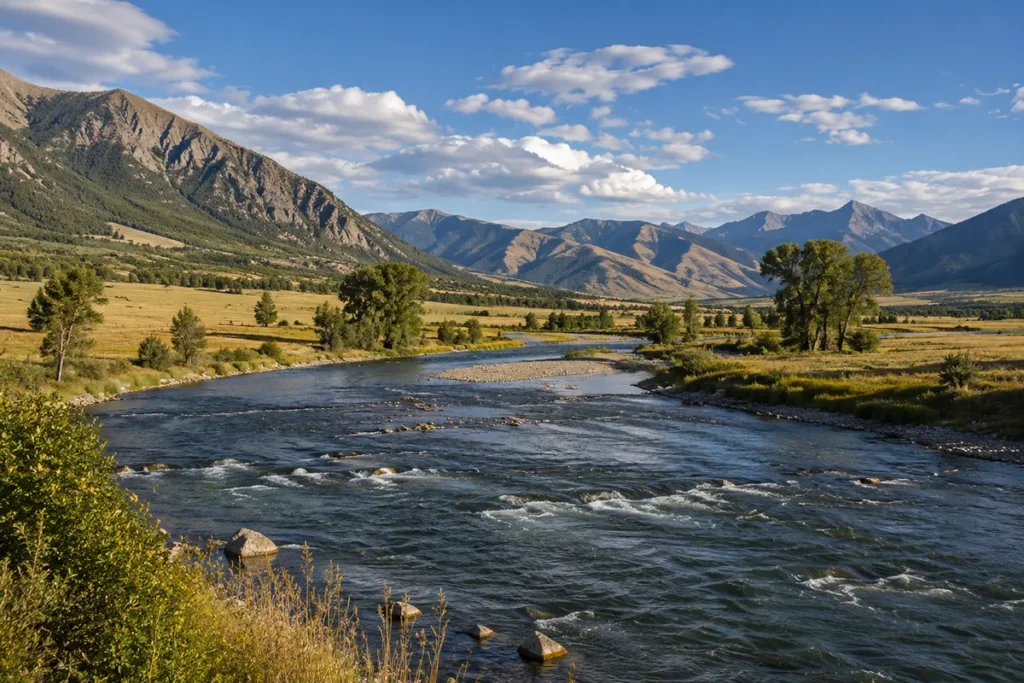
If you only fish one river for Montana cutthroat, make it the Yellowstone. This is the longest undammed river in the lower 48 states, and its upper sections hold genetically pure Yellowstone cutthroat populations.
During my most recent trip last summer, I floated a section from Gardiner to Emigrant with a guide named Jim who’s been working these waters for 30 years. We landed 14 cutthroats between us, with the largest measuring about 18 inches.
The stretch through Paradise Valley is particularly productive from late June through September. I’ve found that overcast days fish better than bluebird conditions, and the afternoon hopper fishing in August is absolutely legendary.
The Madison River: Technical but Rewarding
The Madison is famous for its brown and rainbow trout, but don’t overlook the cutthroat. The river below Quake Lake holds some beautiful fish, though they’re less common than in the Yellowstone.
What I love about the Madison for cutthroat is the challenge. These fish see a lot of pressure and have become highly selective. When you fool one here, you’ve earned it.
During a September trip two years ago, I discovered that small olive mayfly patterns worked when nothing else would. The cutthroats were keyed in on tiny insects, and standard attractor patterns got ignored completely.
The Big Hole River: Remote and Pristine
The Big Hole is where I go when I want solitude with my cutthroat fishing. This southwestern Montana gem flows through ranch country and offers excellent populations of westslope cutthroat—a closely related subspecies to the blackspot.
The upper Big Hole above Wisdom is particularly special. I’ve had entire afternoon sessions without seeing another angler, and the fish are wild, beautiful, and surprisingly eager to take dry flies.
Be prepared for challenging wading conditions and bring proper footwear. I learned this the hard way when I took an unexpected swim near Dewey during my first Big Hole trip.
High Mountain Lakes: The Ultimate Experience
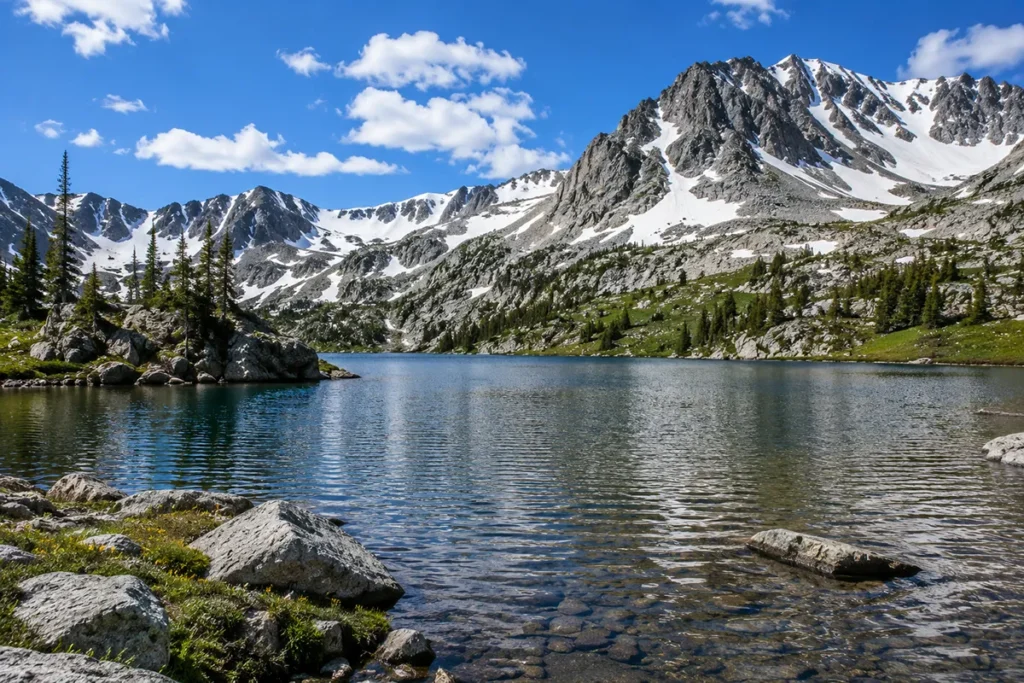
For pure, untouched cutthroat fishing, nothing beats Montana’s alpine lakes. The fish in these high-elevation jewels often see only a handful of anglers per year.
Last July, I hiked into a unnamed lake in the Absaroka-Beartooth Wilderness. The 8-mile trek was brutal with a loaded pack, but the reward was cutthroat trout that had never seen artificial flies. They attacked anything that landed on the water.
The western larch and lodgepole pine forests you’ll hike through to reach these lakes are stunning in their own right. I always remind myself to stop and appreciate the journey, not just the destination.
Practical Fishing Information: What You Need to Know
Planning a trip to catch Montana’s state fish requires some preparation. Here’s everything I wish someone had told me before my first Montana fishing adventure.
| Item | Details |
|---|---|
| Non-Resident Daily License | $15 (2024 rate) |
| Non-Resident Season License | $86 (2024 rate) |
| Conservation License (required) | $10 for non-residents |
| Best Months | Late June through September |
| Peak Hours | Early morning (6-10am) and evening (5-8pm) |
| Water Temperature Sweet Spot | 55-65°F (cutthroat become stressed above 68°F) |
Licensing and Regulations
You can purchase your Montana fishing license online through the Montana Fish, Wildlife & Parks website. I always buy mine the night before I leave, and the digital license works perfectly on your phone.
Here’s a critical point many visitors miss: different waters have different regulations. Some sections are catch-and-release only for cutthroat, others have slot limits, and some allow harvest.
Always check the current regulations for your specific water. The FWP website has a searchable database, or you can pick up the printed regulations booklet at any fly shop in Montana—they’re free and essential reading.
Gear Recommendations
For most Montana cutthroat fishing, I use a 9-foot, 5-weight fly rod. This setup handles everything from small mountain streams to bigger water like the Yellowstone.
If you’re primarily targeting high-mountain lakes, consider bringing a lighter 4-weight. The fish are typically smaller, and the delicate presentations required are easier with a lighter rod.
For conventional anglers, spinning gear works fine, though fly fishing is the dominant method in Montana. Small spinners and spoons in sizes 0-2 produce well, and I’ve seen plenty of cutthroat caught on Panther Martins and Mepps spinners.
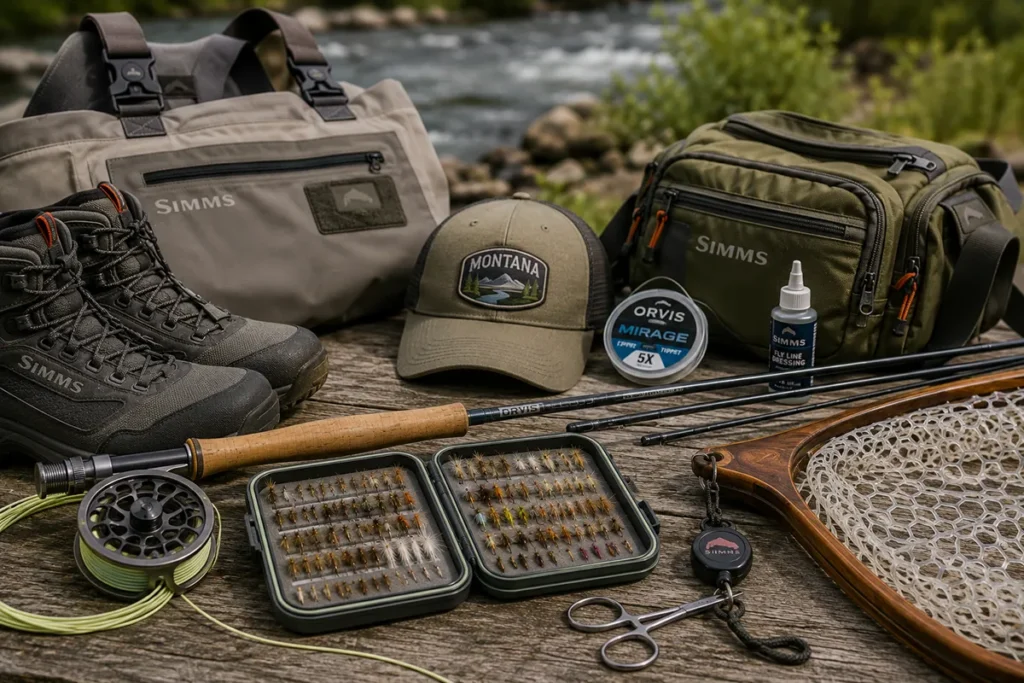
The Best Flies for Montana Cutthroat
My fly boxes have evolved significantly over years of chasing Montana’s state fish. Here’s what actually works, not just what the catalogs tell you to buy.
Dry Flies That Produce
Cutthroat trout are generally more willing to eat dry flies than their rainbow and brown trout cousins. This makes them a joy to catch on the surface.
Parachute Adams in sizes 14-18 is my number one confidence pattern. I’ve caught more cutthroat on this fly than all others combined. The white post makes it visible in broken water, and the neutral gray color imitates a range of mayflies.
During summer months, foam terrestrial patterns are deadly. Hopper patterns like the Chubby Chernobyl and smaller ant and beetle imitations regularly outfish traditional mayfly patterns from July through September.
Elk Hair Caddis in tan and olive colors round out my must-have list. Caddis hatches on Montana rivers can be intense, and when they’re happening, nothing else works as well.
Nymphs for Deeper Fish
When cutthroat aren’t looking up, nymph fishing under an indicator is extremely effective.
Pheasant Tail Nymphs and Hare’s Ear Nymphs in sizes 14-18 cover most situations. I weight them with small split shot about 8 inches above the fly for most conditions.
Prince Nymphs with their peacock herl bodies seem to trigger cutthroat aggression even when they’re not actively feeding. It’s become my go-to searching pattern when I’m not sure what the fish want.
Understanding Cutthroat Behavior: What I’ve Observed
One thing I’ve noticed about cutthroat trout is their personality differs from other trout species. Understanding these behavioral patterns has made me a much more effective angler.
Cutthroat are often described as “naive” or “dumb” compared to brown trout, but I think that’s unfair. They’re simply more opportunistic feeders, which makes sense given the harsh, food-scarce environments where many populations evolved.
In high-mountain lakes especially, the short growing season means cutthroat can’t afford to be picky. They have to eat when food is available, which translates to aggressive strikes and less selectivity.
Temperature and Timing
I’ve learned that water temperature dramatically affects cutthroat activity. These fish are cold-water specialists that struggle when temperatures exceed 68°F.
During the heat of summer, I focus my efforts on early mornings and evenings when water is coolest. On the hottest days in August, I’ve arrived at the river by 5:30am and been back at the cabin by noon.
This isn’t just about catching more fish—it’s about fish welfare. Playing a trout in warm water stresses them significantly, and mortality rates increase even for released fish.
Seasonal Patterns
Spring runoff in Montana typically peaks between mid-May and early June, depending on snowpack. During this period, rivers run high and muddy, making fishing challenging.
Late June through early July is my favorite time for cutthroat. The rivers have dropped and cleared, hatches are strong, and the fish are actively feeding after a lean winter.
By August, terrestrial patterns become essential. I’ve had some of my best days ever during August hopper fishing, when cutthroat slam big foam grasshopper patterns with reckless abandon.
September brings cooling temperatures and pre-spawn feeding activity. The fish are often at their healthiest and most beautiful during this month.
Conservation Efforts and Why They Matter
The story of Montana’s cutthroat trout is increasingly a story of conservation and restoration. What I’ve learned about these efforts has changed how I fish and talk about these fish.
Native cutthroat populations face several ongoing threats. Hybridization with introduced rainbow trout has contaminated many historically pure populations. Habitat degradation from development, agriculture, and climate change continues to reduce suitable spawning areas.
What Montana Is Doing Right
Montana Fish, Wildlife & Parks has implemented aggressive programs to protect remaining pure cutthroat populations. This includes removing non-native fish from certain waters and creating genetic refuges.
One program I’ve followed closely involves the removal of rainbow trout above natural barriers like waterfalls, then stocking those waters with pure-strain cutthroat. It’s painstaking, expensive work that will take decades to fully evaluate.
The “Oro y Plata” (Gold and Silver) state motto might reference Montana’s mining heritage, but today’s treasure is increasingly these wild fish populations.
How Anglers Can Help
Every time I fish for cutthroat, I follow certain practices to minimize my impact.
I use barbless hooks exclusively when targeting native cutthroat. Removing a barbless hook takes seconds and causes far less damage to the fish’s mouth.
I never keep native cutthroat out of the water for photos. The “grip and grin” shot looks nice on Instagram, but it stresses fish and reduces survival rates.
I report any suspected violations of fishing regulations to the FWP tip line. Poaching remains a real problem in some areas, and enforcement depends partly on anglers being willing to speak up.
Experiencing Montana’s State Fish Beyond Fishing
Not everyone who visits Montana wants to fish, but the cutthroat trout is still worth learning about and appreciating.
Wildlife Viewing Opportunities
During spawning season (typically May and June), cutthroat trout become visible in shallow tributary streams. I’ve spent hours watching fish complete their ancient spawning rituals in small creeks near Yellowstone National Park.
The LeHardy Rapids area of the Yellowstone River in the park offers excellent viewing of Yellowstone cutthroat during their spawning run. It’s a remarkable sight that connects you to processes older than human civilization.
Museums and Educational Displays
The Montana WILD Education Center in Helena features native fish exhibits, including information about the state fish. I visited during a rainy day last fall and found it surprisingly engaging.
Grizzly and Wolf Discovery Center in West Yellowstone also touches on the ecological importance of cutthroat trout, particularly their role as food for other wildlife. Seeing how these fish connect to bears, eagles, and other species provides valuable context. The center is located near where you might spot the western meadowlark, Montana’s state bird, singing in nearby meadows.
Guided Experiences
If you’re new to fishing or Montana, I strongly recommend hiring a guide for at least one day. The education you’ll receive about cutthroat behavior, habitat, and conservation is invaluable.
Expect to pay $450-$600 for a full-day guided float trip, including lunch. That might seem expensive, but it includes the guide’s knowledge, a drift boat, all tackle, and access to waters you couldn’t reach on your own.
Half-day wade trips run $300-$400 and work well if you have limited time or want to learn specific techniques.
The Cultural Significance of Montana’s State Fish
The cutthroat trout occupies a special place in Montana’s cultural identity, something I’ve come to appreciate through conversations with longtime residents and indigenous community members.
Before European settlement, Native American tribes including the Blackfeet, Salish, and Crow relied on cutthroat trout as an important food source. Archaeological evidence suggests people have been fishing Montana’s waters for at least 11,000 years.
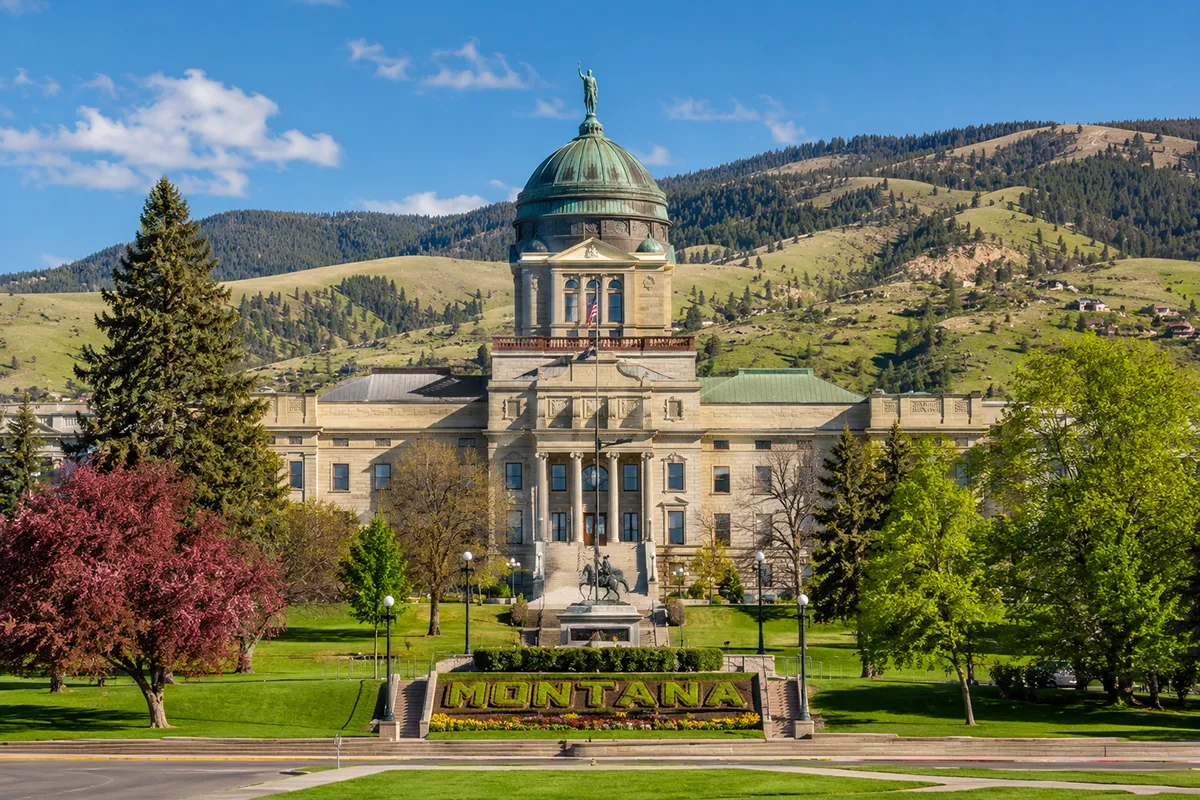
The Lewis and Clark expedition documented cutthroat trout in their journals, providing some of the first written descriptions of the species. Meriwether Lewis famously noted the distinctive “red streak” beneath the jaw. If you visit the Montana State Capitol in Helena, you’ll find artwork commemorating this expedition and its natural history discoveries.
The Fly Fishing Connection
Montana’s reputation as a world-class fly fishing destination is built largely on its trout populations, with the cutthroat playing a starring role.
Iconic fly fishing movies like “A River Runs Through It” were filmed in Montana and showcase the intimate relationship between Montanans and their trout. The Blackfoot River scenes from that film remain pilgrimage sites for anglers.
This cultural connection means that threats to cutthroat populations generate strong public response. When mining proposals or development projects threaten trout habitat, opposition mobilizes quickly. The fish have powerful advocates.
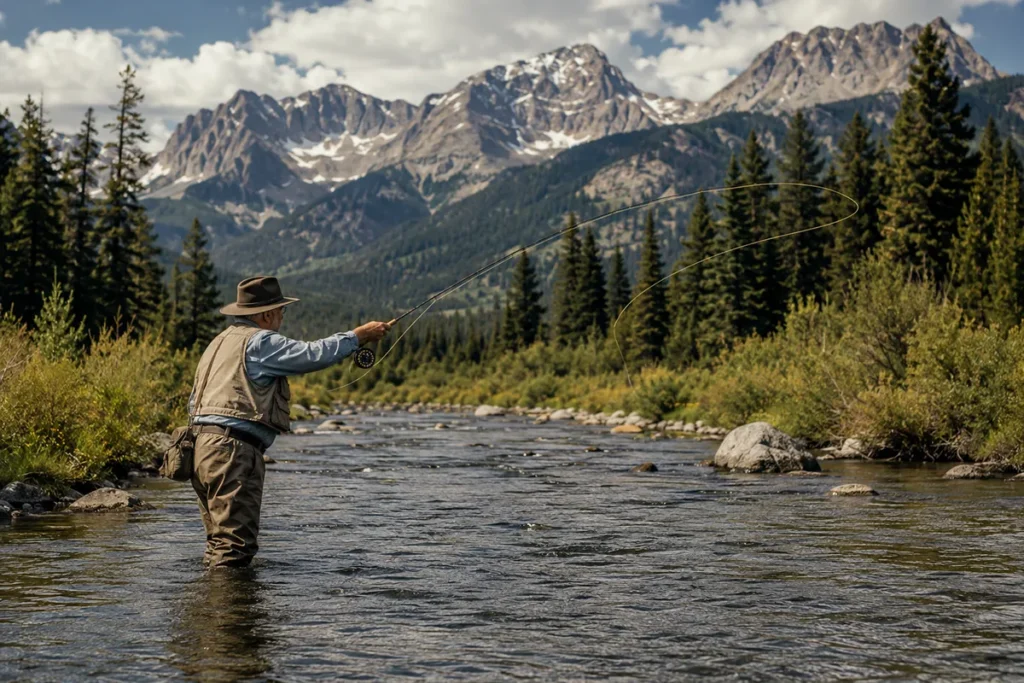
Planning Your Trip: Practical Advice
Let me share some honest advice for planning a trip focused on Montana’s state fish.
Best Time to Visit
If your primary goal is catching cutthroat trout, plan your trip between July 1 and September 30. This window offers the best combination of accessible water conditions, pleasant weather, and active fish.
July provides excellent mayfly hatches and the first good hopper fishing. August delivers prime terrestrial action but can be hot during midday. September offers beautiful fall colors and hungry pre-winter fish.
Where to Base Yourself
For Yellowstone River fishing, Livingston is my favorite base. This small town has excellent fly shops, good restaurants, and easy river access. It’s also less crowded than Bozeman while being only 30 minutes away.
For the Madison River, Ennis is the obvious choice. The town essentially exists because of the fishing, and you’ll find guide services, gear shops, and lodging all oriented toward anglers.
For exploring multiple destinations, Bozeman offers the best airport connections and serves as a central hub for reaching various fisheries.
Booking Guides and Accommodations
The secret that isn’t really a secret: book early. Prime guide dates for July and August often fill by March, sometimes earlier for well-known outfitters.
I’ve learned to book guides at least four months in advance and accommodations even earlier. August weekends near popular fishing destinations can be challenging to find rooms without advance planning.
Many guides now operate through online booking systems, but I still prefer calling directly. A phone conversation lets you discuss your experience level, preferences, and goals in a way that online forms can’t capture.
My Final Thoughts on Montana’s State Fish
After more than a decade of pursuing cutthroat trout across Montana, these fish have become something of an obsession for me. But it’s more than just catching them—it’s what they represent.
The blackspot cutthroat is a reminder that some things in Montana remain wild and pristine. In an age of increasing development and environmental degradation, these fish persist in waters their ancestors colonized millennia ago.
When I hold a cutthroat trout in my hands, I’m touching a direct link to Montana’s prehistoric past. That red slash under its jaw marks it as a native, a survivor, a creature perfectly adapted to this specific landscape.
The Treasure State nickname often refers to mining wealth, but Montana’s true treasures swim in its rivers and lakes. The Montana state quarter features a skull of the state fossil alongside the phrase “Big Sky Country”—but for many visitors, the living wildlife, including the cutthroat, creates the most lasting memories.
Whether you’re a dedicated angler or simply a curious traveler, I encourage you to seek out Montana’s state fish. Watch them rising to mayflies at dusk. Learn about the conservation challenges they face. Understand why Montanans fight so hard to protect them.
These remarkable trout have something to teach us about resilience, adaptation, and the value of wild places. And catching one—feeling that tug, that flash of gold, those distinctive red slashes—is an experience you won’t soon forget.
While you’re exploring Montana’s natural heritage, don’t miss the chance to search for wild huckleberries or learn about native Montana plants. The state’s natural symbols—from the bluebunch wheatgrass to the Maiasaura fossil—tell the story of a place that remains wonderfully, beautifully wild.
Frequently Asked Questions
What is the official Montana state fish and why was it chosen?
The official Montana state fish is the Blackspotted Cutthroat Trout, designated in 1977 to represent the state’s pristine waters and rich fishing heritage. This native trout species thrives in Montana’s cold mountain streams and lakes, making it a symbol of the state’s wild character that draws anglers from across the US.
Where can I go fishing for Montana’s state fish while on a road trip?
I recommend visiting Glacier National Park, the Yellowstone River, or the Missouri River headwaters to catch Blackspotted Cutthroat Trout in their natural habitat. Access to these rivers is straightforward — the Yellowstone and Madison both have highway pullouts and public fishing access sites clearly marked by Montana FWP signage.
What gear do I need for my first cutthroat trout fishing trip in Montana?
For fly fishing, a 9-foot, 5-weight rod covers most situations on Montana’s larger rivers. Bring a 4-weight if you plan to hike into high-mountain lakes where fish are smaller and presentations more delicate. Essential flies include Parachute Adams (sizes 14–18), Elk Hair Caddis, foam hopper patterns for July–September, and Pheasant Tail Nymphs for when fish aren’t rising. Wading boots with felt or rubber soles, polarized sunglasses, and a landing net with a rubber mesh bag round out the basics. Most fly shops in Livingston, Ennis, and Bozeman rent gear if you don’t want to travel with rods.
When is the best season to fish for cutthroat trout in Montana?
The prime fishing season for Montana’s state fish runs from late spring through early fall, with June and September being particularly productive months. Dawn and dusk are the most productive windows regardless of season — cutthroat are most active when water temperatures are coolest, typically below 65°F.
Is the Blackspotted Cutthroat Trout the same as a regular cutthroat trout?
The Blackspotted Cutthroat Trout is actually a subspecies of cutthroat trout native specifically to Montana’s western waters, distinguished by its prominent black spots and the iconic red slash under its jaw. Montana chose this particular subspecies as its state fish because it’s indigenous to the region and represents the state’s commitment to preserving native wildlife.
What should I pack in my vehicle for a Montana fishing trip besides gear?
The most important non-fishing items are a printed copy of the current Montana FWP fishing regulations (free at any fly shop), a paper map of the specific drainage you’re fishing, sunscreen, and layers — temperatures can swing 30°F between morning and afternoon on mountain rivers. A dry bag for valuables when wading, a basic first aid kit, and plenty of water are essential for backcountry access. If you’re hiking into alpine lakes, add blister care supplies and trekking poles. Cell service is unreliable in most prime cutthroat habitat, so download offline maps before leaving town.
Do I need a guide for my first Montana cutthroat fishing trip?
Not strictly necessary, but highly recommended for first-timers. A guide provides the right boat, river access, local fly selection knowledge, and instruction that would take years to acquire independently. Full-day float trips run $450–$600 including lunch; half-day wade trips are $300–$400. Book at least four months ahead for July and August — prime dates fill by March with well-known outfitters. If budget is a concern, consider a half-day trip on your first morning to learn the basics, then fish independently the rest of your trip using what you’ve absorbed.
Sources: