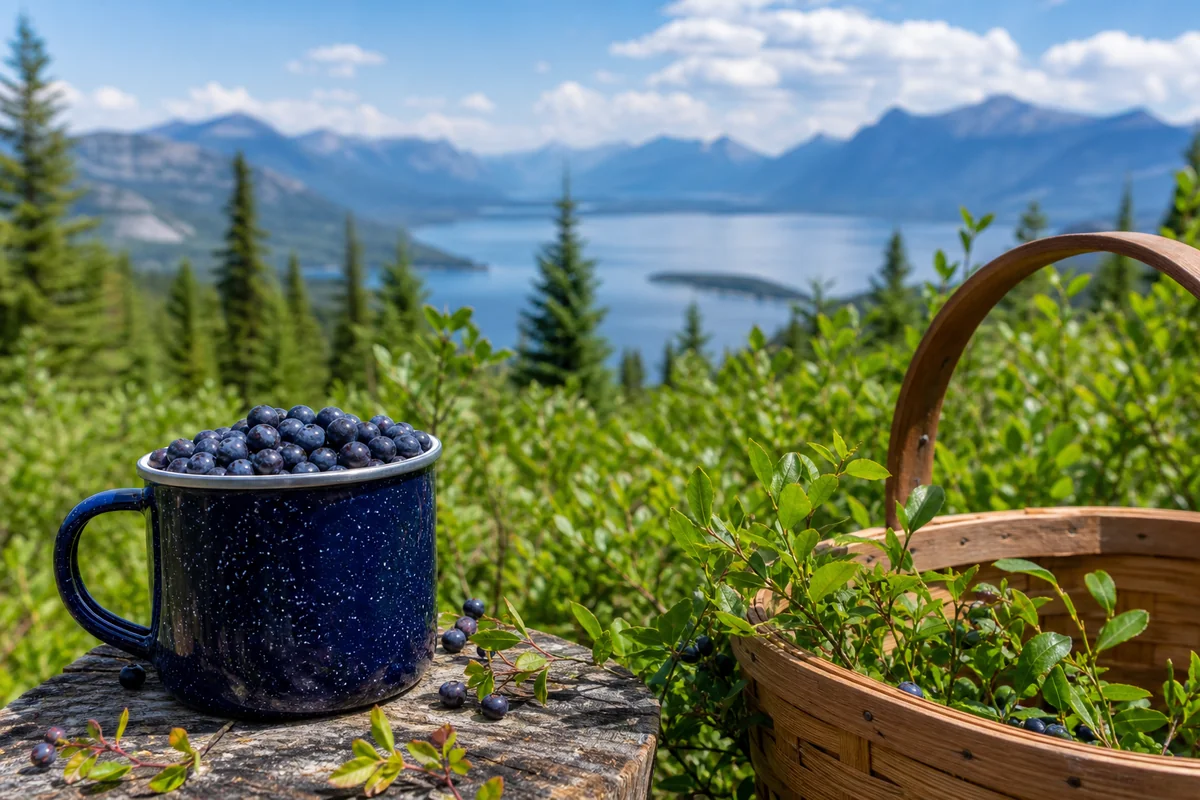
I’ll never forget standing knee-deep in mountain brush near Flathead Lake last August, my fingers stained purple and my bucket barely a quarter full after two hours of picking.
That’s when I truly understood why Montana designated the huckleberry as its official state fruit—this tiny berry doesn’t give itself up easily, and that’s precisely what makes it so treasured.
The huckleberry represents everything wild and untamed about Big Sky Country, connecting visitors to the same foraging traditions that have existed here for thousands of years and earning its place among the beloved Montana State Symbols that define this remarkable state.
- Montana’s official state fruit is the huckleberry, designated in 2001
- Peak picking season runs mid-July through early September, depending on elevation
- Best huckleberry regions: Flathead Valley, Glacier National Park, and the Bitterroot Mountains
- You cannot commercially cultivate huckleberries—they only grow wild
- Expect to pay $40-60 per gallon at roadside stands and farmers markets
- Bears love huckleberries too, so carry bear spray and make noise while picking
- The Huckleberry Festival in Trout Creek happens every August
Liked this article?
Add Roaming Montana as a preferred source so you see more of our articles and guides on Google.
Why Montana Chose the Huckleberry as Its State Fruit
When Montana’s legislature officially designated the huckleberry as the state fruit in 2001, they weren’t just picking a random berry. This decision reflected decades of cultural significance and the huckleberry’s deep roots in Montana identity.
I spoke with a ranger at Glacier National Park during my visit who explained that the huckleberry is “the one fruit that truly belongs to Montana.” Unlike apples or cherries that grow in orchards across many states, wild huckleberries thrive specifically in the acidic mountain soils and cool climates of the Northern Rockies.
The push to designate the huckleberry came largely from a fifth-grade class at Chief Joseph Middle School in Bozeman. These students researched Montana’s agricultural heritage and presented their case to the legislature, demonstrating how the berry connected indigenous traditions with modern Montana culture.
What strikes me most is that unlike the Montana State Flower, the Bitterroot, which grows in specific regions, huckleberries can be found across the western two-thirds of the entire state. This ubiquity makes them accessible to virtually every Montanan—and every visitor willing to search for them.
What Exactly Is a Huckleberry?
Before I started exploring Montana’s backcountry, I thought huckleberries were just wild blueberries. After picking both, I can tell you they’re distinctly different fruits, though they are botanical cousins.
Montana’s wild huckleberries belong to the genus Vaccinium, the same family as blueberries and cranberries. However, the species that grows most abundantly here is Vaccinium membranaceum, commonly called the mountain huckleberry or black huckleberry.
The berries are smaller than commercial blueberries—about the size of a pea or small marble. When I held them in my palm, I noticed their skin was more delicate, almost translucent in some light.
The color ranges from deep purple to almost black when fully ripe. Some varieties appear more blue or even red, depending on the specific species and growing conditions.
What sets huckleberries apart flavor-wise is their perfect balance of sweet and tart. When I bit into my first wild huckleberry on a trail near Whitefish, the taste was more intense and complex than any cultivated berry I’d ever eaten.
Unlike blueberries, huckleberries have noticeable seeds inside. They’re small and crunchy—not unpleasant, but definitely present when you’re eating them fresh.
Why Can’t We Just Farm Huckleberries?
This is the question I asked at every farm stand and visitors center across Montana. The answer reveals something almost magical about this fruit.
Huckleberries refuse to be domesticated. Seriously—scientists and agricultural researchers have tried for over a century to cultivate them commercially, and every attempt has failed.
The plants require a symbiotic relationship with specific fungi found only in undisturbed forest soils. They also need particular elevations, precise amounts of shade, and growing conditions that simply can’t be replicated in agricultural settings.
This means every single huckleberry you’ll ever eat was picked by hand from a wild plant. Every jam, every pie, every chocolate-covered huckleberry came from someone hiking into the mountains and harvesting them one by one.
That’s why huckleberries command premium prices. It’s also why Montanans guard their secret picking spots more closely than they guard their fishing holes—and if you’ve met Montana anglers pursuing the Montana State Fish, you know that’s saying something.
The Best Places to Find Huckleberries in Montana
Over three summers of exploring Montana’s huckleberry terrain, I’ve identified the regions that consistently produce the best berries. Here’s what I’ve learned firsthand.
Flathead Valley and Glacier National Park Region
This is Montana’s huckleberry heartland. During my visits to the Flathead area, I’ve found berries at virtually every elevation and in every forest type.
The best picking in this region happens between 4,000 and 6,500 feet elevation. I’ve had particularly good luck along the trails near Hungry Horse Reservoir and in the areas surrounding Whitefish Lake.
Inside Glacier National Park, huckleberries grow prolifically along most trails. However, the Park Service asks that visitors pick only for personal consumption and not for commercial sale or large-scale harvesting.
Last summer, I hiked the Huckleberry Mountain Trail (yes, that’s its actual name) near Hungry Horse. The trail earned its name—I found berries every hundred feet or so once I reached the appropriate elevation.
The Bitterroot Mountains
The Bitterroot Range along Montana’s western border with Idaho offers some of the most productive huckleberry picking I’ve experienced.
The forest service roads branching off Highway 93 between Missoula and the Idaho border lead to excellent picking areas. During my visit in late July, I found berries that were particularly large and sweet at elevations around 5,500 feet.
The Bitterroot National Forest allows huckleberry picking for personal use without a permit. Just be aware that you’re sharing this terrain with significant bear populations.
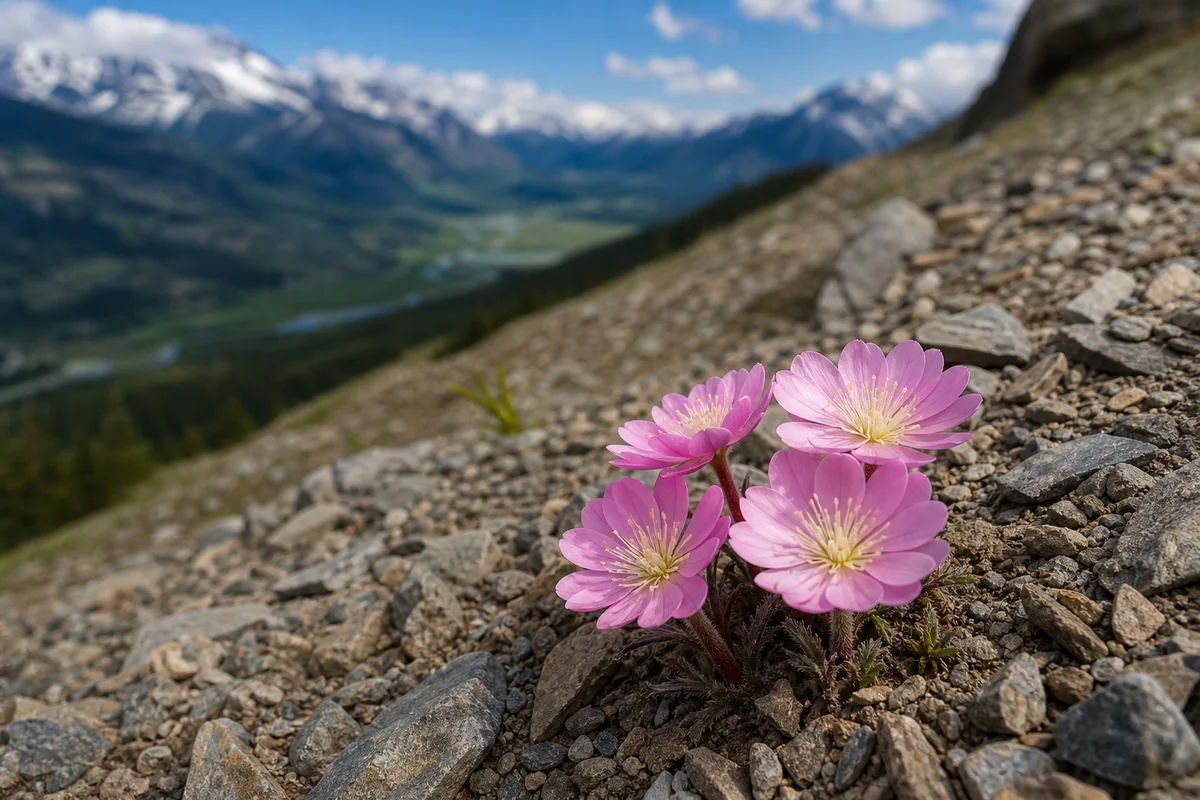
This region also happens to be where you’ll find the Montana native plants that give the area its distinctive character, including the bitterroot flower that gave the mountains their name.
The Cabinet Mountains
Less crowded than the Flathead region, the Cabinet Mountains in northwest Montana offer excellent huckleberry picking for those willing to drive the backroads.
I spent a weekend near Libby and found productive bushes along Forest Road 278. The elevation here tends to be slightly lower than ideal, so the picking season starts a bit earlier—usually mid-July.
The Swan Valley
Between the Swan and Mission Mountain ranges, the Swan Valley provides a stunning backdrop for huckleberry hunting.
I picked here during a camping trip along Highway 83, finding berries in clearings created by past logging operations. These disturbed areas often produce more abundantly than dense old-growth forest.
| Region | Best Elevation | Peak Season | Crowd Level |
|---|---|---|---|
| Flathead/Glacier | 4,000-6,500 ft | Late July – Mid August | High |
| Bitterroot Mountains | 5,000-6,000 ft | Early August – Early September | Moderate |
| Cabinet Mountains | 4,000-5,500 ft | Mid July – Late August | Low |
| Swan Valley | 4,500-6,000 ft | Late July – Mid August | Moderate |
When to Go Huckleberry Picking
Timing your Montana huckleberry adventure requires understanding how elevation and weather affect the harvest. I’ve made the mistake of arriving too early, only to find green, unripe berries—and I’ve also shown up too late when the bears had already cleaned out the best spots.
The general huckleberry season runs from mid-July through early September, but the “perfect” window varies dramatically based on where you’re picking.
At lower elevations (around 4,000 feet), berries typically ripen first, often by the second or third week of July. By late August, lower elevation berries are usually picked over or past their prime.
Higher elevation picking (above 5,500 feet) doesn’t really get going until late July or early August. However, these higher spots often produce into September, giving you a longer window if you’re planning a late-summer trip.
Weather plays a huge role in any given year’s harvest. The locals I’ve talked to say a wet spring followed by a warm, dry summer produces the best crops. Drought years tend to yield smaller berries that ripen and disappear quickly.
During my recent trip in early August, the berries at 5,000 feet near Whitefish were at perfect ripeness—plump, dark purple, and practically falling into my hand.
I recommend calling the local ranger station before your trip. Rangers track berry conditions throughout the season and can point you toward areas that are currently producing well.
How to Pick Huckleberries: Practical Tips from the Field
After spending countless hours in Montana’s huckleberry patches, I’ve developed a system that maximizes both efficiency and enjoyment.
Essential Gear for Huckleberry Picking
Forget fancy equipment—I pick into a simple plastic bucket or gallon milk jug with the top cut off. The wide opening makes it easy to dump handfuls of berries quickly.
Wear long pants and long sleeves, even in August. The bushes grow among other underbrush that can scratch exposed skin, and you’ll be grateful for the protection from sun and insects.
Sturdy hiking boots or trail shoes are essential. I’ve picked on slopes steep enough that flip-flops would be genuinely dangerous.
A hat and sunscreen matter more than you might think. When you’re focused on finding berries, you don’t notice the sun until you’re already burned.
Finding Productive Bushes
Huckleberries grow on low shrubs, typically between one and four feet tall. The leaves are oval-shaped with finely serrated edges, turning bright red in autumn.
I look for bushes at the edges of clearings or along the margins of old logging roads. These spots receive the partial sun that huckleberry plants prefer.
Once you find one productive bush, slow down. In my experience, good huckleberry spots cluster together. I’ve often found that a 20-foot radius around one loaded bush contains three or four more.
Don’t just look at eye level. Some of the most heavily laden branches hang low to the ground or are hidden on the backside of the shrub.
Picking Technique
I use a gentle rolling motion between my thumb and forefinger to pop ripe berries free. If a berry doesn’t release easily, it’s not ready—leave it for another day or another picker.
Work systematically around each bush before moving on. It’s tempting to dash from plant to plant, but patient picking yields far more berries in the long run.
Avoid crushing berries in your bucket by not filling it too full. Huckleberries are delicate, and crushed berries at the bottom will start to ferment on a hot day.
I typically pick until my hands are stained purple and the bucket weight starts to feel substantial—usually about two to three hours for a good haul.
Bear Safety While Huckleberry Picking
I can’t stress this enough: bears and humans both love huckleberries, and August is peak season for both species.
During my years of picking in Montana, I’ve had three close encounters with black bears and one unforgettable moment when I spotted a grizzly about 200 yards uphill from my picking spot. In each case, the bear was doing exactly what I was doing—eating huckleberries.
Carry bear spray and know how to use it. This isn’t optional in western Montana during berry season. I keep mine in a hip holster where I can access it in seconds.
Make noise while you pick. I talk to myself, sing badly, and occasionally clap my hands. Bears don’t want to encounter you any more than you want to encounter them—give them warning that you’re in the area.
Pick with a partner when possible. Two sets of eyes spot bears faster than one, and the noise of conversation keeps wildlife at a distance.
Be especially cautious in areas with dense brush where visibility is limited. I avoid picking in spots where I can’t see at least 50 feet in most directions.
If you encounter a bear, stay calm, speak in low tones, and back away slowly. Do not run. In my experience, bears encountered during berry season are usually focused on eating and will move away if given the opportunity.
Understanding the Montana State Animal—the grizzly bear—and its behavior is essential for anyone venturing into berry country during summer and early fall.
Where to Buy Huckleberries If You Don’t Pick Your Own
Not everyone wants to (or can) spend hours hiking through bear country. Fortunately, Montana offers numerous places to purchase huckleberries and huckleberry products.
Roadside Stands and Farmers Markets
From mid-July through August, roadside stands appear along highways throughout western Montana. I’ve purchased berries from stands near Polson, Whitefish, and along Highway 2 near West Glacier.
Expect to pay between $40 and $60 per gallon for fresh-picked berries, depending on the year’s harvest quality and how far into the season you’re buying. Early season prices tend to be higher.
Farmers markets in Missoula, Kalispell, Whitefish, and Helena regularly feature huckleberry vendors during peak season. The Saturday market in Missoula has been my most reliable source for reasonably priced fresh berries.
Specialty Shops and Gift Stores
Throughout Montana, you’ll find shops dedicated entirely to huckleberry products. The Huckleberry Patch in Hungry Horse has been operating for decades and offers everything from fresh berries (when available) to jams, syrups, candies, and baked goods.
In Whitefish, I’m partial to the huckleberry honey I picked up at a local gift shop. The combination of wild huckleberry flavor with Montana honey creates something truly special.
If you’re visiting the Montana State Capitol in Helena, you’ll find huckleberry products in the gift shop there as well—a perfect souvenir that captures the taste of Big Sky Country.
What to Look For When Buying
Fresh berries should be plump and uniformly dark purple without signs of crushing or mold. Ask when they were picked—berries more than two or three days old start to lose their peak flavor.
For processed products like jams and syrups, check the ingredient list. The best products list huckleberries as the primary ingredient, not filler fruits like blueberries or grapes.
I’ve been disappointed by products that use “huckleberry flavoring” instead of real berries. Read labels carefully if you want the authentic experience.
The Cultural Significance of Huckleberries in Montana
Huckleberries connect modern Montana to traditions that predate European settlement by thousands of years. Understanding this heritage deepens your appreciation for the fruit and the land that produces it.
Indigenous History
For the Salish, Kootenai, Blackfeet, and other tribes whose homelands include Montana, huckleberries have always been a crucial food source and cultural touchstone.
Tribal members traditionally harvested berries in late summer, drying them for winter use. The berries provided essential nutrition during months when fresh food was scarce.
Beyond sustenance, huckleberries held spiritual significance. Harvest celebrations marked the berry season, with ceremonies giving thanks for the abundance provided by the land.
Today, tribal members continue these traditions. The Confederated Salish and Kootenai Tribes maintain reserved picking areas on the Flathead Reservation, preserving both the cultural practices and the berry populations themselves.
I spoke with a tribal elder at a cultural center near Ronan who emphasized that huckleberry picking isn’t just about gathering food—it’s about maintaining a relationship with the land that sustains both the berries and the people who depend on them.
Modern Montana Huckleberry Culture
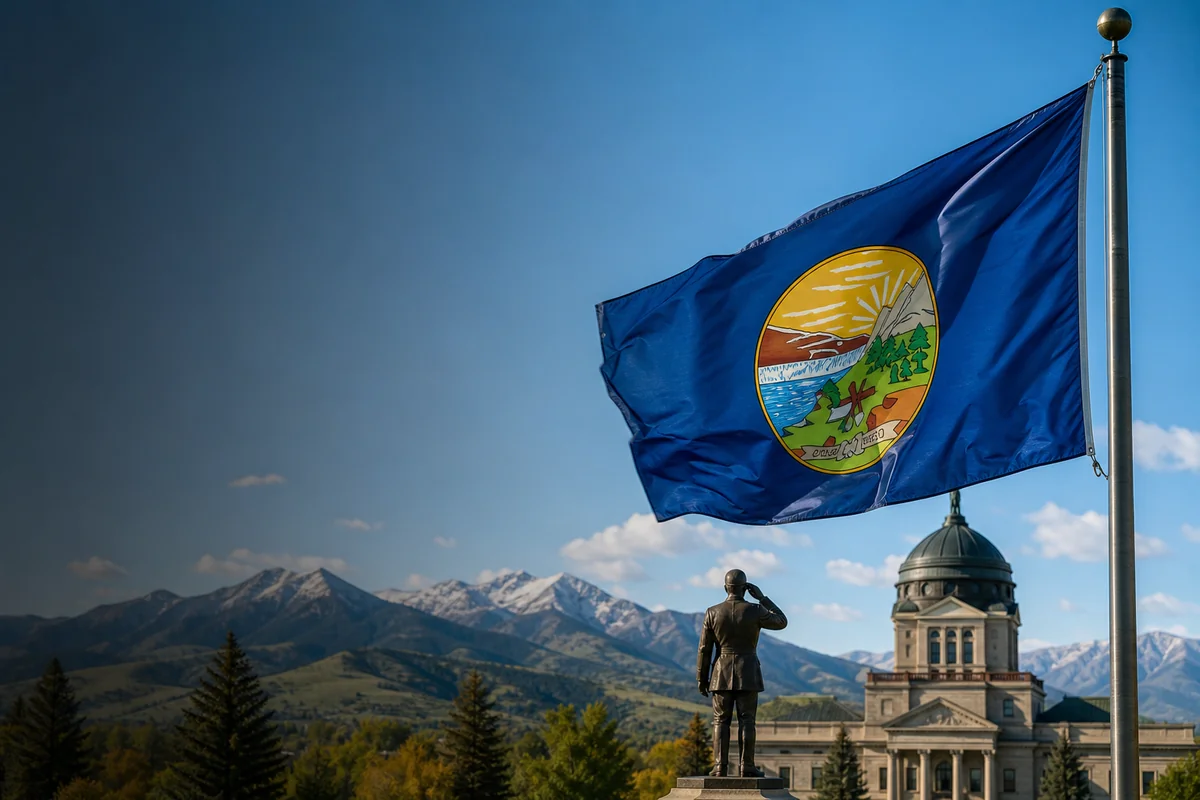
For contemporary Montanans, huckleberries represent wildness, tradition, and connection to place. The berries appear on everything from business logos to license plate designs, similar to how the Montana State Flag and other symbols represent state identity.
Every August, the small town of Trout Creek in Sanders County hosts the Huckleberry Festival. I attended two years ago and was charmed by the small-town atmosphere—huckleberry pancakes, pie-eating contests, and vendors selling everything berry-related you can imagine.
The festival draws visitors from across the region and provides a genuine glimpse into how Montana communities celebrate their unique agricultural heritage.
Similar celebrations happen in other communities. Whitefish, Big Fork, and Hamilton all host huckleberry-themed events during peak season.
How to Use Your Huckleberry Harvest
After picking or purchasing your berries, the real fun begins. Huckleberries are versatile enough for everything from simple fresh eating to elaborate culinary creations.
Freezing for Later
Fresh huckleberries last only a few days in the refrigerator, but they freeze beautifully for year-round enjoyment.
I spread berries in a single layer on a baking sheet and freeze them solid before transferring to freezer bags. This prevents the berries from clumping into an unusable mass.
Properly frozen berries maintain their flavor for up to a year. I’ve been cooking with berries picked in August well into the following spring.
Classic Huckleberry Recipes
Huckleberry pie remains the gold standard of Montana berry desserts. The filling is simple—berries, sugar, a touch of lemon juice, and cornstarch for thickening—but the flavor is transcendent.
During my recent trip, I ordered huckleberry pie at a diner in Columbia Falls that might have been the best dessert I’ve ever eaten. The concentrated berry flavor paired perfectly with a scoop of vanilla ice cream.
Huckleberry jam is another Montana staple. The berries contain enough natural pectin that you don’t need to add much to achieve a good set.
For breakfast, huckleberry pancakes or waffles showcase the berries beautifully. I fold fresh or frozen berries directly into the batter just before cooking.
Savory Applications
Huckleberries work surprisingly well in savory dishes, particularly with game meats that can handle bold flavors.
A huckleberry reduction makes an excellent glaze for grilled venison or elk. I’ve also seen Montana restaurants pairing huckleberry sauces with duck and pork.
Huckleberry barbecue sauce appears on menus throughout western Montana. The berries add sweetness and acidity that complement smoked meats perfectly.
Huckleberry Beverages
Local breweries have embraced huckleberry beers, which range from subtle wheat beers with a hint of berry to intensely purple fruit ales.
Huckleberry lemonade appears at restaurants and farmers markets throughout the summer. It’s refreshing after a day on the trails.
Several Montana distilleries produce huckleberry vodka and huckleberry liqueurs. These make excellent souvenirs—if you can legally transport them home.
Supporting Huckleberry Conservation
As huckleberry popularity grows, so do concerns about overharvesting and habitat degradation. Responsible visitors can help ensure future generations enjoy Montana’s state fruit.
Pick only what you’ll use. I know the temptation to fill bucket after bucket, but restraint helps maintain healthy berry populations for both humans and wildlife.
Stay on established trails when possible. Huckleberry habitat is fragile, and trampling surrounding vegetation can damage the mycorrhizal networks that the plants depend on.
Don’t pull branches or damage plants while picking. With gentle technique, a single bush can produce for decades.
The Montana State Grass and other native vegetation grow alongside huckleberry bushes—protecting the entire ecosystem benefits all species, including the huckleberry plants themselves.
Report any commercial harvesting operations you observe on public lands. Large-scale picking depletes resources that belong to all visitors and to wildlife.
Planning Your Montana Huckleberry Trip
If you’re visiting Montana specifically for huckleberry season, careful planning maximizes your chances of a successful harvest.
Best Time to Visit
I recommend planning your trip for early to mid-August. This timing hits peak season for most elevations and allows flexibility if you need to adjust your picking locations based on conditions.
The window between August 1 and August 20 has been reliably productive in my experience, though yearly variations occur based on weather patterns.
Where to Base Yourself
Whitefish makes an excellent base camp, with easy access to Glacier National Park picking areas and numerous local businesses focused on huckleberry products.
Missoula offers a good compromise between urban amenities and access to the Bitterroot and other productive regions.
For a more remote experience, consider staying in smaller communities like Bigfork, Libby, or Thompson Falls.
What Else to Do
Build huckleberry picking into a broader Montana adventure. The same regions that produce the best berries also offer outstanding hiking, fishing, and wildlife viewing.
While you’re exploring Montana’s symbols and traditions, consider visiting sites related to the Montana State Tree, the Ponderosa Pine, which often grows in the same forests as huckleberry bushes.
The Montana State Bird, the Western Meadowlark, sings in mountain meadows throughout berry season, adding a musical soundtrack to your picking adventures.
Learning about the Montana State Fossil and the Montana State Rock can add geological context to your understanding of the landscapes where huckleberries thrive.
The Montana State Motto “Oro y Plata” (Gold and Silver) reflects the state’s mining heritage, but purple huckleberries might be Montana’s most treasured natural resource today.
Practical Considerations
Book accommodations early if visiting in August. Huckleberry season coincides with peak tourist season in western Montana.
Check fire conditions before your trip. August can bring fire closures to national forests, potentially restricting access to prime picking areas.
Bring layers—mountain weather changes quickly, and morning picking sessions can start cool before warming considerably by afternoon.
Finally, adjust your expectations. Huckleberry picking is not about maximum efficiency. It’s about slowing down, connecting with the landscape, and earning your berries one by one.
The Montana State Nickname—”Big Sky Country”—becomes vividly real when you’re picking berries on a mountainside with endless views stretching toward the horizon.
Final Thoughts on Montana’s State Fruit
After years of chasing huckleberries across western Montana, I’ve come to see this tiny purple berry as a perfect symbol for the state itself. Both are wild, resilient, and impossible to fully domesticate.
The huckleberry’s refusal to be cultivated reminds us that some things remain beyond human control. In an era of industrial agriculture, that wildness feels increasingly precious.
When you pick your own huckleberries in Montana, you’re participating in a tradition that connects indigenous peoples, homesteaders, and modern-day visitors across thousands of years. You’re eating something that no factory can produce, no farm can replicate.
Just as the Montana State Seal, Montana State Quarter, and Montana State Colors represent the state’s identity through imagery and symbolism, the huckleberry represents Montana through taste and experience.
The Montana State Lullaby, the Montana State Song, and other Montana songs celebrate the state’s beauty in melody, but the huckleberry celebrates it on the tongue.
Even the Montana State Insect—the Mourning Cloak butterfly—plays a role in the ecosystem that produces these remarkable berries.
Whether you spend hours picking your own berries on a mountainside, or simply enjoy a slice of huckleberry pie at a roadside diner, you’ll taste something uniquely Montanan. You’ll understand why this little fruit earned its place among the state’s official symbols.
The Montana State Slogans and Montana’s thistles tell their own stories about this remarkable state, but the huckleberry offers something those symbols can’t—a flavor that captures the essence of Big Sky Country in every bite.
And that, more than any legislative designation, is why the huckleberry truly deserves to be Montana’s state fruit.
Frequently Asked Questions
What is Montana’s official state fruit?
Montana’s official state fruit is the huckleberry, designated in 2001 by the state legislature. The push came from a fifth-grade class in Bozeman who made the case that huckleberries — wild, uncultivable, and deeply tied to Indigenous traditions — represented Montana’s natural heritage better than any other fruit. They were right.
When is huckleberry season in Montana?
Peak huckleberry season runs from mid-July through early September, though the exact window shifts depending on elevation. Lower spots around 4,000 feet ripen first — often by the second or third week of July. Higher elevations above 5,500 feet don’t hit their stride until early August but can produce well into September. Before you head out, call your local ranger station — they track berry conditions throughout the season and can point you to what’s producing right now.
Do I need a permit to pick huckleberries in Montana?
For personal use on National Forest land, no permit is required — you’re free to pick reasonable amounts for yourself and your family. Inside Glacier National Park, the Park Service asks that you pick only for personal consumption and not commercial quantities. On tribal lands like the Flathead Reservation, picking is reserved for tribal members, so always check land boundaries before you start. A quick check of the land status on onX Maps before your trip saves a lot of guesswork.
Why did Montana choose the huckleberry as its state fruit?
Montana designated the huckleberry as its state fruit because these berries grow abundantly in the state’s wild mountainous terrain and hold significant cultural importance to Native American tribes and local communities. The fruit represents Montana’s wilderness heritage and supports a thriving tourism industry that brings visitors to remote areas across the state.
Can I find huckleberries along Montana highways while on a road trip?
Absolutely — huckleberry products are everywhere along Montana’s highways in summer. Roadside stands pop up along Highway 2 near West Glacier, Highway 93 through the Bitterroot Valley, and near Polson along Flathead Lake from mid-July through August. If you want to pick wild berries rather than buy them, look for pull-offs near trailheads and forest service roads — the berries often grow right at the edge of clearings visible from the road. Just make sure any roadside stop is safe and legal before you pull over.
What should I bring for a huckleberry picking trip in Montana?
The essentials are simpler than you might think. Bring a wide-mouthed bucket or gallon jug (a milk jug with the top cut off works perfectly), bear spray in a hip holster you can reach in seconds, long pants and long sleeves to protect against scratches and sun, and sturdy hiking shoes — the best patches are often on uneven slopes. A hat, sunscreen, and plenty of water matter more than you’d expect when you’re focused on picking and lose track of time. Oh, and bring more snacks than you think you need — fresh air and mountain elevation make you hungrier than usual.
Is it safe to pick huckleberries in grizzly bear country?
Yes — but you need to take it seriously. Both black bears and grizzlies love huckleberries just as much as you do, and August puts you in the same patches at the same time. Always carry bear spray and keep it accessible, not buried in your pack. Make noise constantly — talk, clap, sing badly. Pick with a partner when possible. Avoid dense brush where you can’t see at least 50 feet around you. If you spot a bear, stay calm, speak in a low voice, and back away slowly — don’t run. In my years of picking across western Montana, bears encountered during berry season are almost always focused on eating and will move off if given space and warning.
Sources