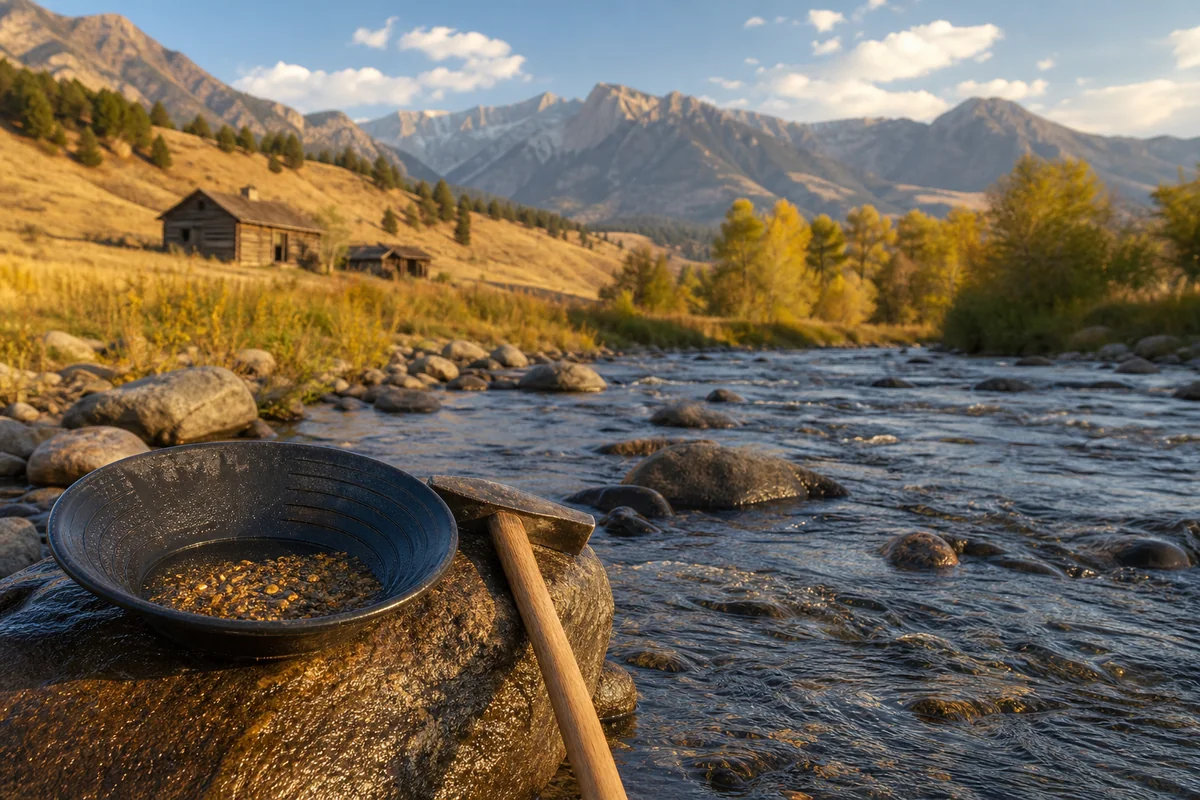
I was standing knee-deep in Grasshopper Creek near Bannack last September, a gold pan in my hands and the afternoon sun warming my shoulders, when a local prospector named Dave turned to me and said, “You know, people think the treasure’s all been found.
But they’re standing on it every single day.” That moment crystallized everything I’d come to understand about Montana’s famous nickname—and why it matters so much more than most visitors realize.
If you’re exploring Montana State Symbols, understanding why this state is called “The Treasure State” unlocks a deeper appreciation for everything you’ll experience here.
- Montana’s official nickname is “The Treasure State,” adopted due to its incredible mineral wealth discovered during the 1800s gold rush era
- The nickname refers to gold, silver, copper, sapphires, and other precious minerals found throughout the state
- Today, the “treasure” has expanded to include Montana’s natural landscapes, wildlife, and recreational opportunities
- Visitors can still pan for gold and sapphires at multiple locations across the state
- Historic mining towns like Butte, Helena, Virginia City, and Bannack offer immersive experiences into the treasure-hunting history
- The nickname appears on license plates, state marketing, and has shaped Montana’s identity for over 150 years
Liked this article?
Add Roaming Montana as a preferred source so you see more of our articles and guides on Google.
The Origin Story: How Montana Became The Treasure State
The story starts with a discovery that changed everything. In 1862, a group of prospectors struck gold at Grasshopper Creek, triggering one of the most significant gold rushes in American history.
Within months, thousands of fortune seekers flooded into the territory. Towns appeared almost overnight, and Montana’s destiny as a treasure trove was sealed.
But here’s what most travel articles won’t tell you—the gold at Grasshopper Creek wasn’t actually the first discovery. Small gold deposits had been found earlier, but it was this particular strike that captured the nation’s attention during the Civil War years.
I spent three days in Bannack State Park during my visit last summer, and walking through those preserved streets gave me chills. The buildings still stand exactly where miners left them, their dreams literally embedded in the wooden walls.
What “Treasure” Really Meant in 1800s Montana
When legislators were debating what to call their new state, the mineral wealth was impossible to ignore. Montana wasn’t just producing gold—it was producing an embarrassment of riches.
Gold: The Original Montana Treasure
Between 1862 and 1876, Montana produced over $144 million in gold. That’s roughly $4 billion in today’s dollars, and that’s a conservative estimate.
The placer deposits in streams and rivers were just the beginning. Lode mining—extracting gold from hard rock—followed quickly and proved even more lucrative.
I’ve visited the gold-bearing regions around Helena, Virginia City, and Philipsburg. Each area has its own character, its own stories, and remarkably, you can still find traces of gold in many of these streams today.
Silver: The Glittering Runner-Up
Montana’s silver production rivaled Nevada’s famous Comstock Lode. The Granite Mine near Philipsburg became one of the world’s richest silver mines during its peak operation.
During my trip to Philipsburg last October, I toured the Granite Ghost Town just outside the city. The ruins of what was once a thriving community of 3,000 people sit quietly on the mountainside, a haunting reminder of boom-and-bust cycles.
The Montana State Motto, “Oro y Plata” (Gold and Silver), directly references these two precious metals that built the state’s early economy.
Copper: The Metal That Built a City
If gold started Montana’s treasure story, copper wrote its most dramatic chapters. Butte, Montana became “The Richest Hill on Earth”—and that’s not local boasting, that’s historical fact.
By 1917, Butte was producing nearly 30% of the nation’s copper. The city’s population swelled to 100,000, making it the largest city between Chicago and San Francisco.
I’ve walked the underground mine tours in Butte multiple times. The World Museum of Mining offers an experience unlike anything else—you descend into actual mine tunnels where fortunes were made and lives were lost.
The Berkeley Pit, a former open-pit copper mine now filled with toxic water, stands as a sobering reminder of the environmental costs of treasure extraction. Visiting it during my recent trip, I found it strangely beautiful in a way that made me uncomfortable.
Sapphires: Montana’s Sparkling Secret
Here’s something that surprises most visitors: Montana produces some of the finest sapphires in the world. The Yogo Gulch sapphires, discovered in 1895, are considered among the most valuable colored gemstones on Earth.
Unlike sapphires from other locations, Yogo sapphires don’t require heat treatment to achieve their brilliant cornflower blue color. They’re naturally perfect.
I spent an afternoon at a sapphire mining operation near Philipsburg where visitors can screen through gravel and keep what they find. After three hours, I had a small vial of raw sapphires—nothing valuable, but the experience was priceless.
The Montana State Rock designation actually goes to agate, but sapphires hold a special place in the state’s treasure legacy.
The Evolution of Montana’s Treasure Identity
What fascinated me during my research and travels is how the meaning of “treasure” has expanded over the past century. Montanans today interpret the nickname far more broadly than their mining ancestors did.
Natural Treasures: The Real Gold
I remember sitting on a ridge in Glacier National Park during a backpacking trip two summers ago, watching the sun set behind the peaks. The ranger who’d hiked up beside me gestured at the view and said, “This is the treasure now. The gold and silver are nearly gone, but this? This is forever.”
She wasn’t being poetic. She was being practical.
Montana’s wild spaces generate billions in tourism revenue annually. Yellowstone’s northern gateway brings millions of visitors through Paradise Valley each year. Glacier National Park hosts over 3 million visitors annually.
The Montana State Animal—the grizzly bear—represents this shift perfectly. These magnificent creatures draw wildlife enthusiasts from around the globe, their presence a treasure that required no mining.
Agricultural Treasures
Montana’s nickname also connects to its agricultural wealth. The state produces more wheat than most countries, and its cattle ranches continue traditions that started when miners needed food.
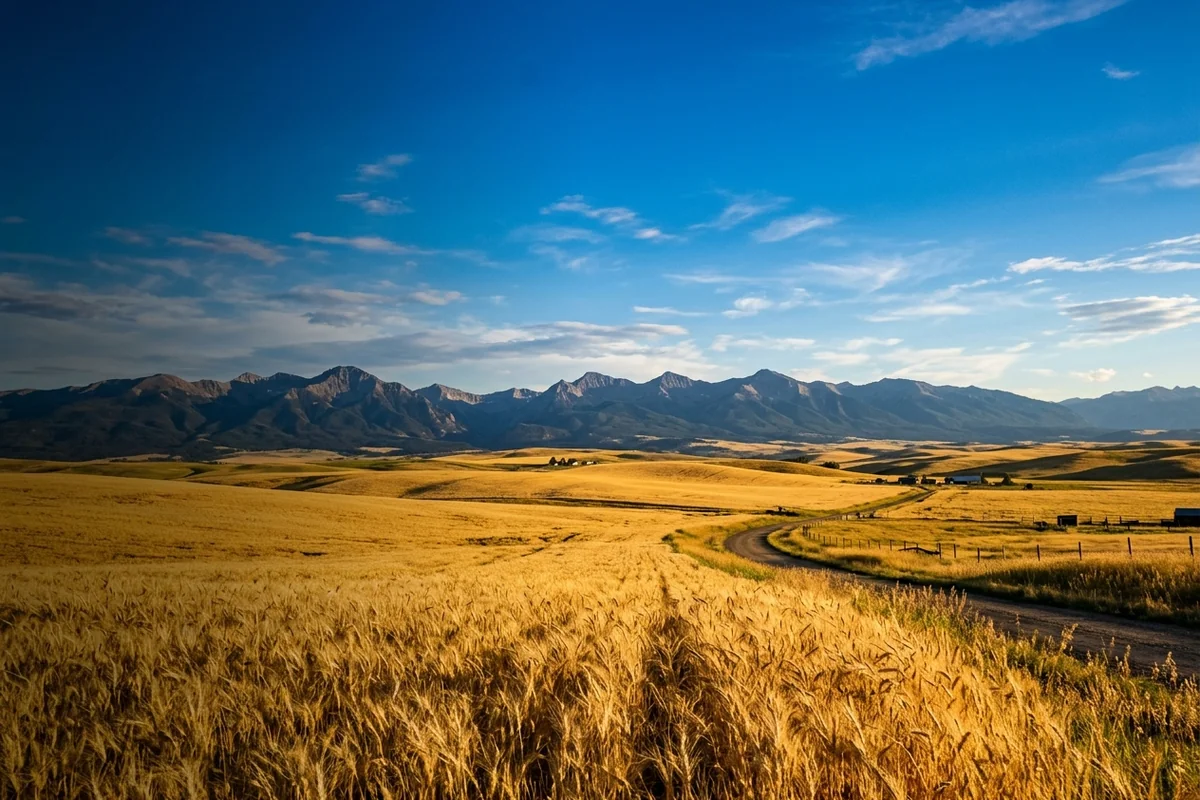
I drove through the Golden Triangle wheat-growing region north of Great Falls last August. The fields stretched to the horizon in every direction, waves of grain moving in the wind like a golden ocean.
It’s not dramatic like finding gold, but it’s treasure nonetheless—and far more sustainable.
The Montana State Grass, bluebunch wheatgrass, feeds the cattle that helped build Montana’s agricultural economy alongside its mining industry.
Where to Experience Treasure State History Today
If you’re planning a trip to Montana and want to connect with the nickname’s origins, I’ve compiled the essential stops based on my own explorations.
Bannack State Park: Where It All Started
This is Montana’s best-preserved ghost town and my personal favorite historic site in the state. The town looks almost exactly as it did when the last residents left.
I recommend visiting in late September when the crowds thin out and the cottonwoods turn gold. The self-guided walking tour takes about two hours, but I spent an entire day photographing the buildings and reading the interpretive signs.
The annual Bannack Days celebration in July recreates 1860s life with period demonstrations, music, and crafts. I attended in 2022 and watched a blacksmith forge mining tools using authentic techniques.
| Historic Mining Site | Best For | Hands-On Activities | Best Season |
|---|---|---|---|
| Bannack State Park | Ghost town exploration, photography | Gold panning available nearby | May-October |
| Virginia City/Nevada City | Living history, family activities | Gold panning, train rides, period shops | May-September |
| Butte | Industrial mining history | Underground mine tours | Year-round |
| Philipsburg | Sapphire mining, charming downtown | Sapphire screening, ghost town hikes | June-September |
| Helena | State capital, gold rush legacy | Walking tours, museum visits | Year-round |
Virginia City and Nevada City: Living History
Unlike Bannack, Virginia City never fully died. Today it functions as a living museum where you can walk wooden boardwalks, visit operating businesses in historic buildings, and even catch a vaudeville show.
The Montana State Capitol Building in Helena contains a fascinating collection of Charlie Russell artwork that depicts this mining era, but Virginia City lets you walk through it.
I brought my kids here last summer, and they loved panning for gold in Alder Gulch. We found tiny flakes—nothing valuable, but watching their faces light up helped me understand why thousands risked everything to come here.
Nevada City, just down the road, offers a more museum-like experience with over 100 historic buildings that have been moved here from across Montana.
Butte: America’s Story Told Through One City
I’ll be honest—Butte intimidated me on my first visit. The scale of the Berkeley Pit, the industrial landscape, the complexity of its labor and immigration history—it’s a lot to process.
But on my second visit, I fell in love with the place. The World Museum of Mining offers the best underground mine tour I’ve experienced anywhere. The guides are often descendants of miners, and their personal connections to the stories make everything more meaningful.
Uptown Butte has undergone a renaissance in recent years. Craft breweries, restaurants, and art galleries now occupy buildings that once housed company stores and union halls.
The Our Lady of the Rockies statue watches over the city from the Continental Divide—a 90-foot figure that local volunteers built over seven years. Taking the shuttle bus up to visit remains one of my most memorable Montana experiences.
Helena: A Capital Born from Gold
Montana’s state capital exists because of treasure. In 1864, a group of discouraged prospectors made one last desperate attempt in a gulch they named “Last Chance”—and struck one of the richest gold deposits in Montana history.
The town that grew from that discovery became Helena, and by 1888, it had more millionaires per capita than any city in America.
I spent a day walking Helena’s historic downtown last fall. The architecture tells the story—ornate Victorian mansions built by mining magnates line the hills above downtown. The Cathedral of St. Helena, modeled after the Votivkirche in Vienna, showcases the wealth that flowed through this community.
The Montana State Seal and Montana State Flag both incorporate mining imagery, acknowledging the industry that made the state’s existence possible.
Philipsburg: Montana’s Gem of a Town
If I had to recommend just one destination for experiencing Montana’s treasure heritage, it would be Philipsburg. This tiny town of about 800 people punches far above its weight.
The main street looks like a movie set—perfectly preserved Victorian buildings painted in bright colors, housing an eclectic mix of shops and restaurants. The Sweet Palace candy store is an institution, and Philipsburg Brewing Company serves excellent craft beer in a historic bank building.
But the real attraction is sapphire mining. Several operations let visitors screen for sapphires, and unlike many tourist-trap gem mines in other states, these are legitimate operations where you’re sifting through actual Montana sapphire-bearing gravel.
I struck up a conversation with the owner of one operation who explained that commercial sapphire mining in Montana has become economically challenging, but visitor experiences help keep the tradition alive.
The Treasure State Name in Context: How Montana’s Nickname Compares
Understanding Montana’s nickname becomes richer when you consider the alternatives that were discussed and rejected.
“Big Sky Country” is probably the phrase most visitors associate with Montana today, but that’s actually an informal slogan that didn’t emerge until the 1960s—check out the history of Montana State Slogans for the full story.
“The Land of Shining Mountains” was another early contender, translating the original Native American words that gave the state its name. Montana derives from the Spanish word “montaña” meaning mountain.
The Montana State Colors—blue and gold—reflect both the natural beauty and the mineral wealth that defined the territory.
Some have suggested “The Bonanza State” or “The Stubborn State” (referencing the independent spirit of its residents), but “The Treasure State” stuck because it told the most complete story.
How the Nickname Shapes Your Visit Today
When you travel through Montana, the treasure heritage appears everywhere once you know to look for it.
Place Names That Tell Stories
Montana’s map reads like a miner’s diary. Diamond City, Sapphire, Silver Star, Gold Creek, Treasure County—these names mark the locations where prospectors believed they’d found their fortunes.
I’ve made a game of collecting these place names during my road trips. Driving from Missoula to Butte, you’ll pass through Gold Creek (site of Montana’s first gold discovery) and skirt the Sapphire Mountains.
Even mundane names often hide treasure connections. The town of Anaconda was named after the famous copper mining company that dominated Butte’s production.
Cuisine Connected to Mining Heritage
Here’s something unexpected: Montana’s food culture connects to its mining heritage in ways most visitors miss.
The pasty (pronounced “PASS-tee”)—a meat-and-vegetable filled pastry—came to Butte with Cornish miners and remains a local specialty. I recommend trying one at Joe’s Pasty Shop in Butte, where they’ve been making them since 1947.
The Montana State Fruit, the huckleberry, was gathered by miners’ families to supplement their diets. Today it flavors everything from jam to beer to ice cream across the state.
Wildlife Viewing: Modern Treasure Hunting
The Montana State Bird—the western meadowlark—and the Montana State Fish—the blackspotted cutthroat trout—represent the living treasures that draw millions of visitors annually.
I’ve spent countless hours fly fishing Montana’s rivers, and there’s something about pursuing native trout that feels connected to the treasure-hunting spirit. Both activities require patience, skill, local knowledge, and a bit of luck.
Wildlife photographers treating grizzly bear sightings like modern prospectors striking gold isn’t far from the truth—both experiences create lasting value from Montana’s natural resources.
Practical Tips for Treasure-Themed Montana Travel
If you want to build a trip around Montana’s Treasure State identity, here’s what I’ve learned from multiple visits:
Best Time to Visit Mining Heritage Sites
Most historic sites operate seasonally, typically May through September. Bannack and Virginia City are best in late summer when crowds thin but weather remains pleasant.
Butte’s indoor attractions operate year-round, making it an excellent destination for winter visits when mountain towns become less accessible.
Combining Modern and Historic Experiences
I recommend pairing historic sites with modern treasure hunting. Spend a morning exploring Bannack’s ghost town, then spend the afternoon panning for gold nearby.
In Philipsburg, tour the Granite Ghost Town in the morning, then screen for sapphires in the afternoon. The contrast between past and present adds depth to both experiences.
The Montana State Fossil—duck-billed dinosaur remains—offers another form of treasure hunting for visitors interested in paleontology.
Respect and Responsibility
Mining history includes complicated stories about environmental damage, labor exploitation, and displacement of Native peoples. The best historic sites address these complexities honestly.
The Montana native plants you’ll see throughout the state are slowly reclaiming some former mining areas, but healing takes generations.
When panning for gold or screening for sapphires, only use designated recreational areas. Never trespass on private claims or disturb historic sites.
The Living Nickname: How Montanans Interpret “Treasure State” Today
In conversations with Montanans across the state, I’ve heard fascinating interpretations of what the nickname means in contemporary context.
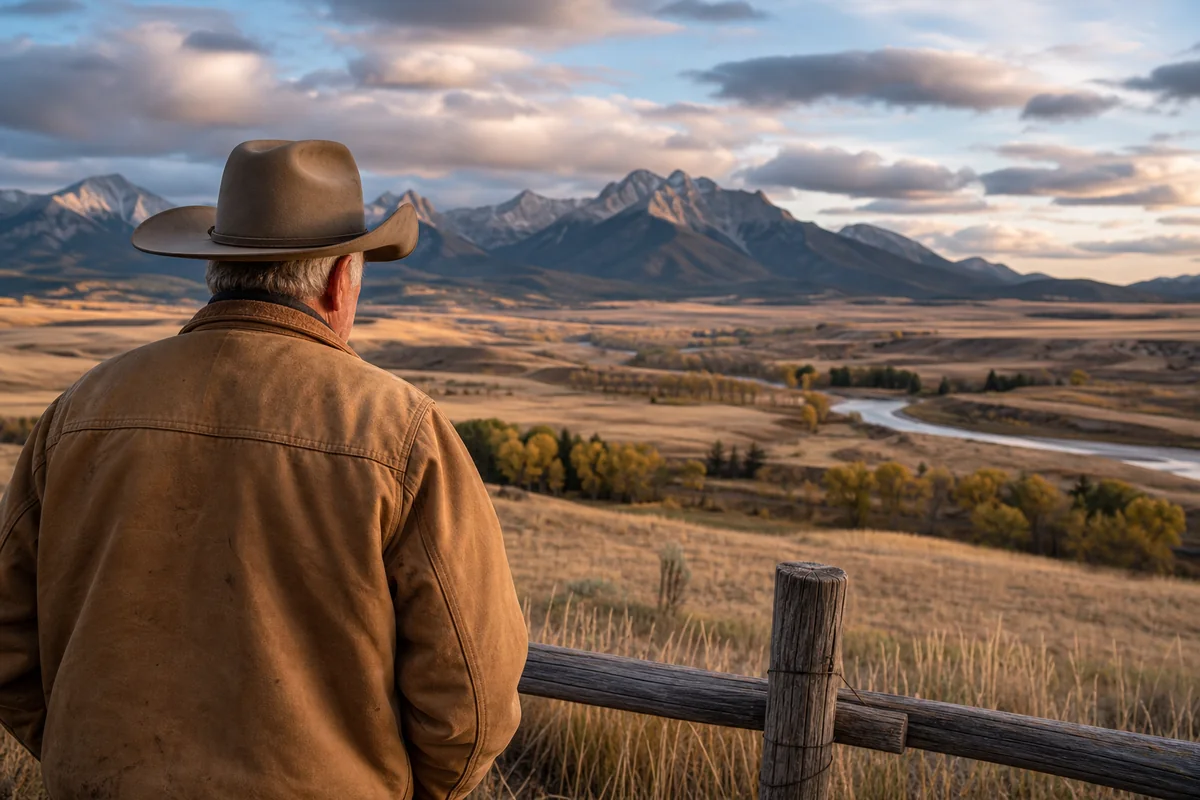
A rancher near Bozeman told me, “The treasure is the space. You can drive for an hour and barely see another person. That’s worth more than gold to people coming from crowded places.”
A fishing guide on the Yellowstone River said, “Every native trout is a treasure. Once they’re gone, they’re gone forever. That’s why we release most of them.”
A bartender in Missoula joked, “The real treasure is the cost of living before everyone discovered us. That’s definitely gone.”
The Montana State Flower—the bitterroot—symbolizes this complexity. It’s beautiful but modest, valuable but not flashy, rooted in harsh terrain that tests everything trying to survive.
The Nickname’s Future
As I talked with younger Montanans, I noticed a shift in how they interpret the treasure concept. Many see their state’s relatively undeveloped landscapes as the true treasure—one that must be protected from extraction rather than exploited.
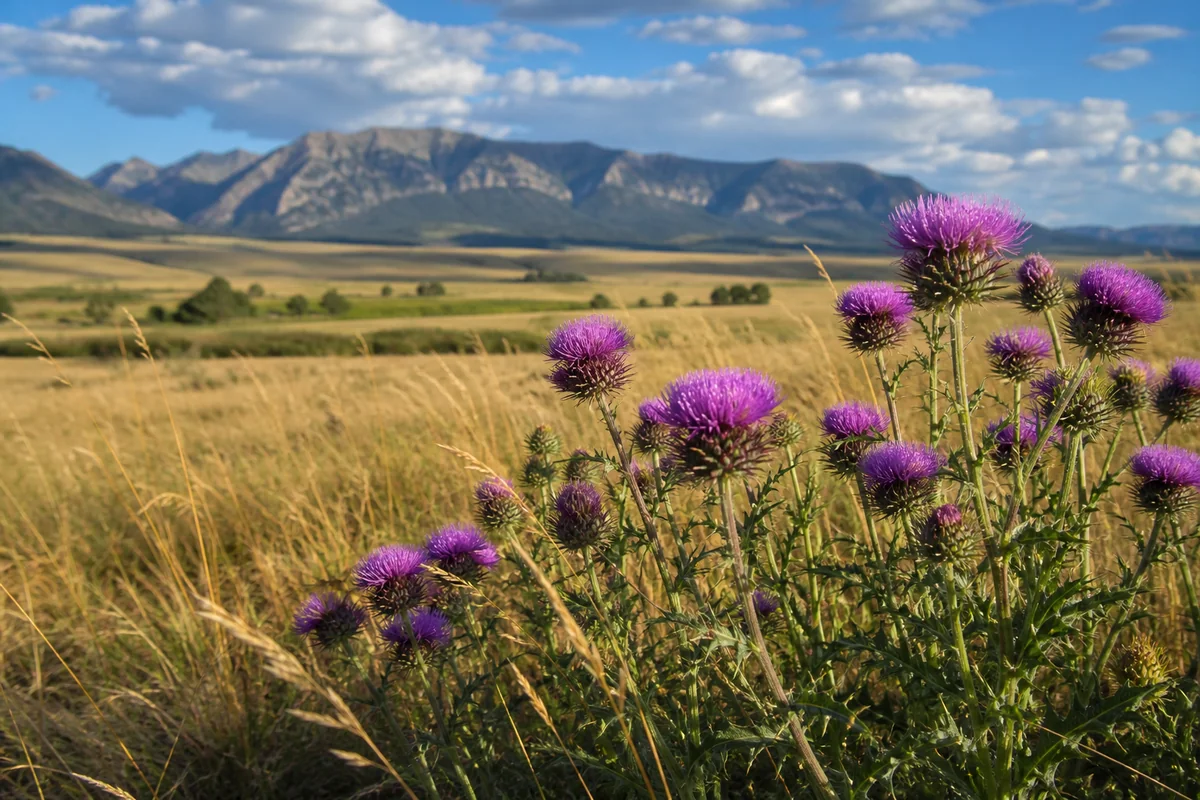
The Montana State Tree—the ponderosa pine—and the native thistles that grow throughout the state represent this natural heritage.
The Montana State Quarter, minted in 2007, features a bison skull with mountains—imagery that connects mineral wealth with natural heritage.
Even the Montana State Insect—the mourning cloak butterfly—represents the kind of small, overlooked treasure that makes the state special.
Songs and Stories: The Treasure State in Culture
Montana’s treasure identity has inspired artists and musicians for generations. The Montana State Song and the various Montana songs that have emerged over the years often reference the state’s wealth—both mineral and natural.
Even the Montana State Lullaby connects to the state’s identity, promising children a legacy of beauty and abundance.
Final Thoughts: What The Treasure State Really Means
After years of exploring Montana and researching its history, I’ve come to see the nickname as perfectly chosen—not just for what it described in 1889 when Montana achieved statehood, but for what it continues to mean today.
The gold and silver are mostly gone. The copper mining has scaled back dramatically. But Montana remains a place where people come seeking something valuable.
For some, it’s the fishing. For others, the skiing, the hiking, the wildlife, or simply the space to breathe. All of these are treasures, and all of them require the same qualities the original prospectors needed: patience, persistence, and willingness to venture into unfamiliar territory.
When I dipped that gold pan into Grasshopper Creek last September, I wasn’t really looking for gold. I was looking for connection—to the thousands who came before me, to the land that drew them, to the ongoing story of people seeking something precious in Montana’s mountains and valleys.
That’s the real treasure, and unlike the gold, it’s inexhaustible.
Frequently Asked Questions
What is Montana’s state nickname and why is it called that?
Montana’s official nickname is “The Treasure State,” earned from the extraordinary mineral wealth discovered during the 1860s gold rush — gold, silver, copper, and sapphires that triggered the territory’s creation and eventual statehood. Today the nickname has expanded to include Montana’s natural treasures: its wild landscapes, wildlife, and open spaces that draw millions of visitors every year.
What other nicknames does Montana go by besides “The Treasure State”?
“Big Sky Country” is the one most visitors know — it appears on license plates and has dominated tourism marketing since the 1960s. “Land of the Shining Mountains” is an older informal nickname translating the Native American description of the region. Some locals jokingly use “The Last Best Place,” a phrase popularized by a literary anthology that captured Montana’s wild, unhurried character. Of these, only “The Treasure State” is the official, legislatively recognized nickname.
Which Montana mining towns are most worth visiting today?
Bannack State Park is my top pick — over 60 preserved ghost town structures, almost no crowds outside summer weekends, and a genuine atmosphere that hasn’t been sanitized for tourists. Virginia City is the best for families — it’s a living town with operating businesses, gold panning in Alder Gulch, and a summer melodrama theater. Butte is essential for understanding the industrial scale of Montana’s copper era — the World Museum of Mining underground tour is unlike anything else in the state. Philipsburg is the most charming — tiny, colorful, and you can actually screen for real Montana sapphires there.
Can visitors still pan for gold or mine for sapphires in Montana?
Yes on both counts. Libby Creek on the Kootenai National Forest is a designated free gold panning area — no permit needed. Several creeks around Virginia City and Bannack also allow recreational panning on public land. For sapphires, operations near Philipsburg let you screen through authentic sapphire-bearing gravel and keep what you find — I walked away with a small vial of raw stones after a few hours. These aren’t staged tourist traps; the geology is real, though don’t expect to strike it rich.
When is the best time of year to visit Montana’s mining heritage sites?
Late May through September for most outdoor sites. Bannack and Virginia City are best in late August and September when summer crowds thin but weather stays pleasant. Butte’s indoor attractions — the World Museum of Mining, the Berkeley Pit viewing stand, uptown’s historic district — are worth visiting year-round. Bannack Days in July is the standout annual event if you want to see the ghost town come alive with living history demonstrations.
Is the Berkeley Pit in Butte worth visiting?
Yes, but go in knowing what it is. The Berkeley Pit is a former open-pit copper mine now filled with billions of gallons of toxic water — one of the largest Superfund sites in the country. The viewing stand gives you an overlook of the pit, and the interpretive signage explains both the mining history and the ongoing environmental remediation. It’s genuinely awe-inspiring in scale, and the water has an almost surreal blue-green color. It’s a sobering counterpoint to the treasure mythology, and honestly that complexity makes it more interesting, not less.
How does “The Treasure State” nickname connect to Montana’s other state symbols?
More directly than most people realize. The state motto “Oro y Plata” (Gold and Silver) is essentially the motto version of the same story. The state seal and flag both feature mining imagery — a pick, shovel, and plow. The state colors of blue and gold reference sky and mineral wealth. The state gemstones (sapphire and agate) are literally products of the geological forces that made Montana “the treasure state.” Even the state quarter features a bison skull against mountains — bridging the mineral heritage with the natural one that defines modern Montana’s identity.
Sources