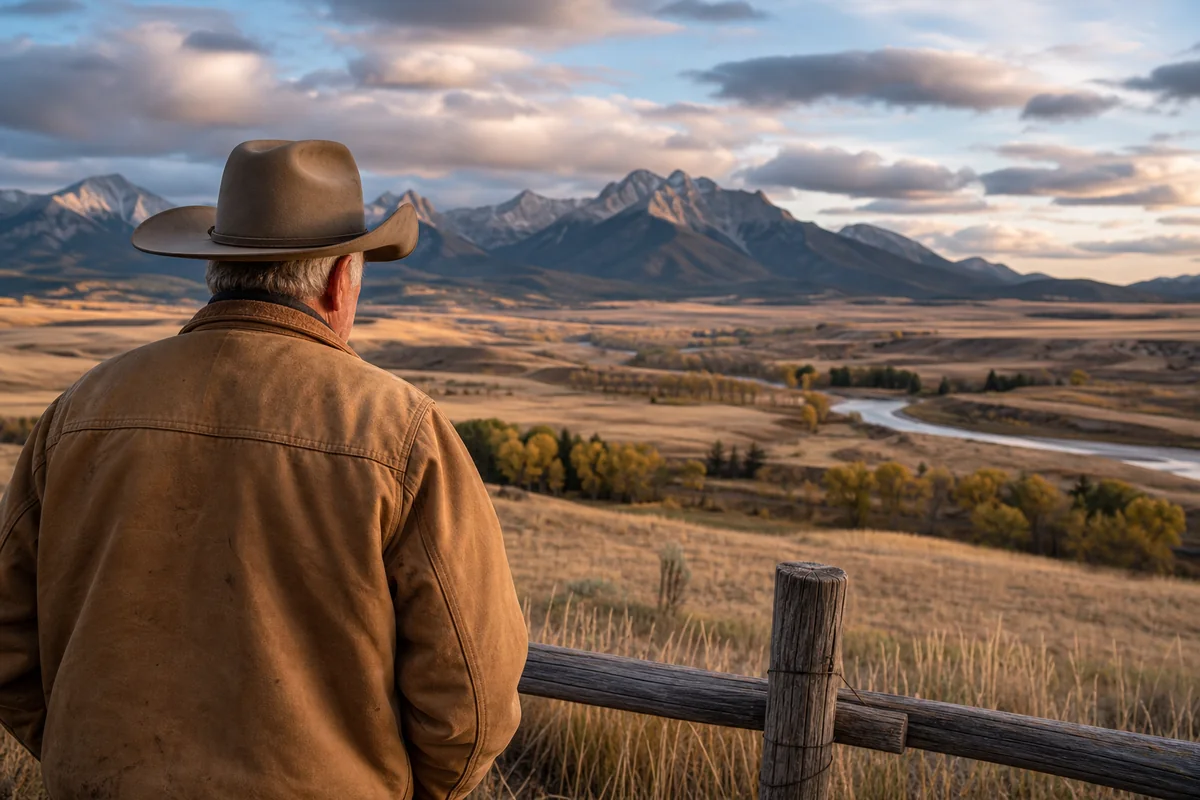
I was pumping gas at a lonely station outside of Browning last fall when an elderly man in a faded Carhartt jacket nodded at my out-of-state plates and said, “Welcome to the last best place—try not to tell too many people about it.”
That single sentence captured something I’ve spent years trying to articulate about Montana: this state’s slogans aren’t just marketing taglines, they’re fierce declarations of identity that locals actually live by.
As someone who has explored nearly every corner of this state while researching Montana State Symbols, I’ve come to understand that these phrases carry weight here in ways that might surprise first-time visitors.
- “Big Sky Country” became Montana’s official slogan in 1962 and references the unobstructed horizons that dominate the eastern plains
- “The Last Best Place” comes from a 1988 literary anthology and resonates deeply with both residents and visitors
- License plates have featured various slogans since 1950, each reflecting different eras of Montana identity
- Unofficial slogans like “The Treasure State” reference Montana’s rich mining history
- Understanding these phrases will deepen your appreciation for local culture and history during your visit
- You’ll encounter these slogans everywhere—from welcome signs to local merchandise to casual conversation
Liked this article?
Add Roaming Montana as a preferred source so you see more of our articles and guides on Google.
Why Montana’s Slogans Matter to Visitors
Before you dismiss state slogans as bureaucratic fluff or tourism board inventions, let me share something I’ve noticed over dozens of trips to Montana. These phrases show up constantly—in conversations with locals, on handmade signs outside small-town diners, and tattooed on actual human beings.
During my visit to Missoula two summers ago, I counted no fewer than eight “Last Best Place” references within a single afternoon. A coffee shop had it stenciled on their window. A used bookstore printed it on their receipt. A guy walking his dog wore it on his t-shirt.
Understanding what these slogans mean—and where they came from—gives you a vocabulary for connecting with the people you’ll meet. It’s also a window into how Montanans see themselves, which is genuinely different from how other states view their own identity.
Big Sky Country: Montana’s Official Slogan
“Big Sky Country” is the phrase most Americans associate with Montana, and it’s been the official state slogan since 1962. But the origin story is more interesting than most people realize.
The A.B. Guthrie Jr. Connection
The phrase traces back to Alfred Bertram Guthrie Jr., a Montana novelist who won the Pulitzer Prize for his 1950 book “The Way West.” In 1947, Guthrie published “The Big Sky,” a novel about mountain men in the 1830s that became a landmark of Western American literature.
I visited Guthrie’s former home area near Choteau last spring, and locals still speak of him with genuine reverence. The Teton County Museum has first editions of his work, and the librarian spent twenty minutes telling me about the time she met him as a child.
How It Became Official
The Montana State Highway Department adopted “Big Sky Country” for license plates in 1967, but the phrase had already been circulating through tourism promotion since the early 1960s. What made it stick wasn’t marketing genius—it was accuracy.
When I drive across the Hi-Line in northeastern Montana, the sky genuinely does seem bigger than anywhere else I’ve traveled. There’s a mathematical reason for this: the combination of high elevation, minimal light pollution, flat terrain, and dry air creates visibility conditions that can extend over 100 miles on clear days.
On a recent trip through the Charles M. Russell National Wildlife Refuge, I pulled over near the Fred Robinson Bridge just to stare upward. The horizon curved visibly in every direction. I felt like I was standing on a planet instead of a continent.
What “Big Sky” Means in Practice
For visitors, “Big Sky Country” translates into practical considerations:
- Weather visibility: You can often see storms approaching from 50+ miles away, giving you time to prepare or seek shelter
- Sunset/sunrise photography: The unobstructed horizons create spectacular golden hour conditions that last longer than in mountainous or forested areas
- Navigation: In eastern Montana, you can sometimes see your destination an hour before you arrive
- Stargazing: The same clear skies make Montana one of the best astronomy destinations in the lower 48
I’ve found that the “big sky” experience is most pronounced on the eastern plains and in the Missouri River Breaks region. Glacier National Park and western Montana, while stunning, actually have narrower sky views due to the mountains—something first-time visitors don’t always expect.
The Last Best Place: Montana’s Unofficial Heart
If “Big Sky Country” is Montana’s official slogan, “The Last Best Place” is its spiritual one. I’ve met Montanans who are ambivalent about “Big Sky Country” but will defend “The Last Best Place” with genuine passion.
Origins in Literature
This phrase comes from a 1988 anthology of Montana writing edited by William Kittredge and Annick Smith. The book collected works from 80+ Montana writers and became a regional bestseller that’s still in print today.
I bought my copy at the famous Fact & Fiction bookstore in Missoula during a visit three years ago. The clerk told me they’ve sold thousands of copies over the decades, and it remains one of their most requested titles.
What made the phrase resonate so deeply? Kittredge himself was playing with an older concept—the idea of Montana as a final frontier, a place where the old West persisted after it had been paved over elsewhere.
Why Locals Love It (and Some Resent It)
Here’s something most travel articles won’t tell you: “The Last Best Place” is contentious among some longtime Montanans.
When I was chatting with a rancher near Big Timber last summer, he expressed frustration with the slogan. “Every time someone writes about the ‘last best place,’ more people show up wanting to live here,” he said. “Housing prices in Bozeman have gone completely insane.”
He’s not wrong. The median home price in Bozeman exceeded $700,000 during my last research visit, pricing out many people who grew up there. Some locals have started wearing t-shirts that say “Montana is Full” or the even blunter “Don’t California My Montana.”
Yet the phrase persists because it captures something true. Montana really does feel like a holdout against homogenization. The state has no sales tax. You can buy beer at gas stations until 2 AM. Neighbors still drop off venison during hunting season without calling first. The place genuinely operates differently than most of America.
Where You’ll Encounter It
“The Last Best Place” appears on:
- Bookstore windows and literary events throughout Missoula
- Local craft beer labels (Philipsburg Brewing has used variations)
- Real estate marketing (ironically, given local concerns about growth)
- Wedding invitations and event announcements
- Casual conversation—I’ve heard “last best place” used as both sincere praise and ironic commentary
The Treasure State: Montana’s Historic Nickname
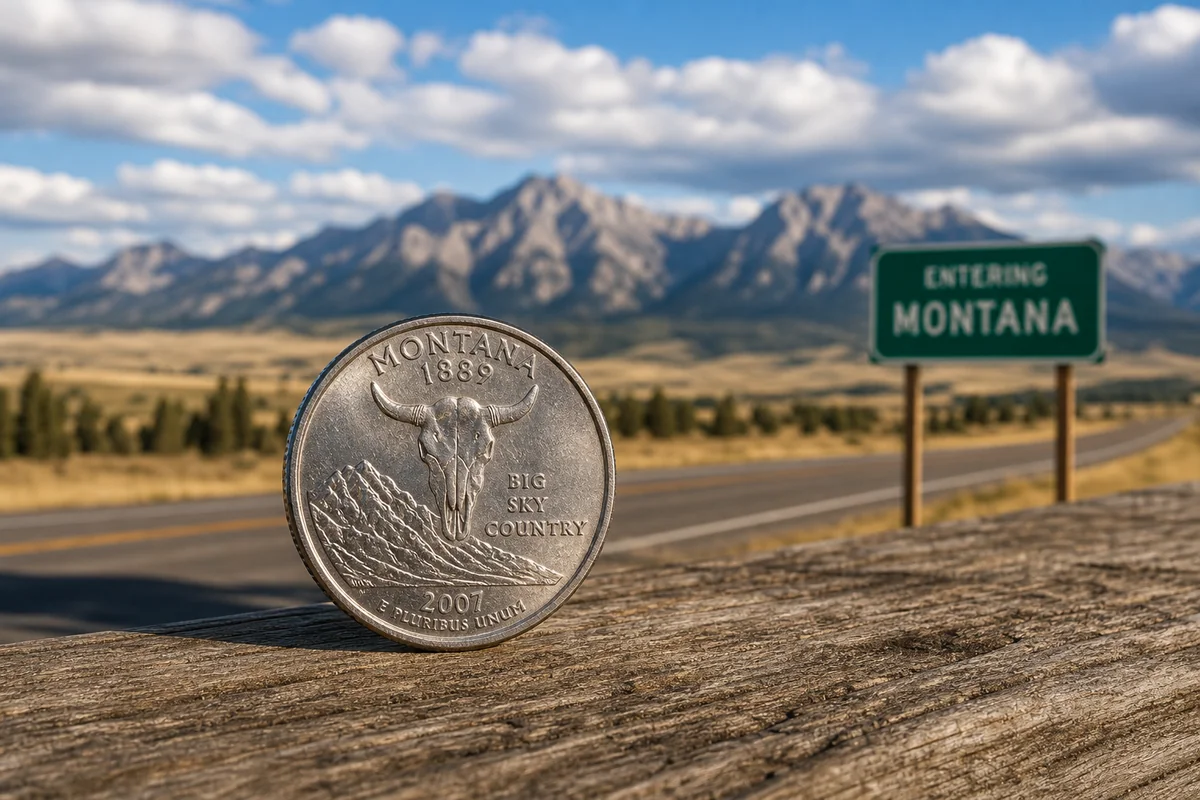
While exploring Montana’s identity through its slogans, you’ll inevitably encounter “The Treasure State,” which relates closely to the Montana State Nickname. This designation appears on welcome signs, state publications, and the Montana State Quarter.
Mining History Runs Deep
Montana’s “treasure” originally referred to mineral wealth. The state produced staggering quantities of copper, silver, and gold during the late 19th and early 20th centuries, with Butte becoming one of the wealthiest cities per capita in the world.
I spent three days in Butte during a research trip two winters ago, and the mining history is inescapable. The Berkeley Pit—a former open-pit copper mine now filled with toxic water—sits right in the middle of town. You can pay a few dollars to view it from an observation platform.
What struck me most was how Butte residents speak about mining with complicated pride. They know the environmental damage was severe (the city sits within the largest Superfund site in America), but they also know their ancestors built fortunes and raised families in those dangerous tunnels.
Modern Interpretations
Today, “treasure” in Montana extends beyond minerals. The state’s natural beauty, wildlife, and quality of life are now considered its primary treasures.
Fishing guides I’ve spoken with along the Missouri and Yellowstone Rivers often reference this evolution. “The treasure now is what’s still here—wild trout, public land, clean air,” one guide told me near Craig last May.
This connects to Montana’s abundant wildlife, including the Montana State Animal (the grizzly bear) and the Montana State Bird (the western meadowlark), which visitors come specifically to see.
License Plate Slogans Through the Years
Montana’s license plates provide a fascinating visual history of how the state has presented itself to visitors over the decades.
| Years | Slogan/Design | Notes |
|---|---|---|
| 1950-1966 | “The Treasure State” | First slogan to appear on Montana plates |
| 1967-1975 | “Big Sky Country” | Introduction of the now-iconic phrase |
| 1976 | Bicentennial Edition | Special commemorative design |
| 1977-1990 | “Big Sky Country” | Return to established branding |
| 1991-2000 | “Big Sky Country” with mountains | Added visual mountain graphic |
| 2000-2010 | “Big Sky Country” with skull/Montana outline | Multiple design options introduced |
| 2010-Present | Various specialty plates available | Over 30 specialty designs now exist |
During a conversation at the Montana Historical Society in Helena last fall, a curator showed me original plates from each era. The evolution from simple text to elaborate graphics reflects broader changes in how states market themselves.
If you’re visiting the capital, the Montana State Capitol Building is worth a tour, and the nearby historical society has excellent exhibits on state symbols including the Montana State Seal.
Unofficial Slogans You’ll Hear
Beyond the official and semi-official phrases, Montana has accumulated numerous unofficial slogans that visitors encounter regularly.
“Land of the Shining Mountains”
This poetic phrase references how Montana’s peaks catch morning and evening light. I’ve watched sunrise from the Going-to-the-Sun Road in Glacier National Park multiple times, and “shining mountains” is genuinely accurate—the snow-covered summits glow pink, then orange, then gold.
The phrase appears occasionally in tourism materials and on locally-produced crafts. It connects to the state’s dramatic topography, which includes over 300 named mountain ranges.
“High, Wide, and Handsome”
This slogan comes from Joseph Kinsey Howard’s 1943 book of the same name, a historical narrative of Montana’s development. Howard was a journalist and historian who wrote critically about corporate exploitation of Montana’s resources.
I found a first edition of his book at a used bookstore in Helena and spent several evenings reading it in my hotel room. Howard’s observations about Montana’s boom-and-bust economy remain relevant 80 years later.
Locals sometimes use “high, wide, and handsome” to describe a particularly beautiful day or a successful outing. It’s a phrase you might hear a fishing guide use after landing a big brown trout.
“Montana: Where Dreams Come True” and Other Variations
Over the years, various marketing campaigns have tried different approaches:
- “Montana: Lots of Land, Very Few People” (humorously accurate—the state averages 7 people per square mile)
- “Montana: The Place to Be” (used briefly in tourism campaigns)
- “Unspoiled, Unforgettable” (appeared in mid-2000s marketing)
- “Come Stay with Us” (recent tourism board messaging)
None of these stuck the way “Big Sky Country” and “The Last Best Place” have. There’s a lesson there about authenticity in marketing—the phrases that emerged organically from literature and culture proved more durable than focus-group-tested slogans.
The State Motto Connection
Montana’s official state motto, “Oro y Plata” (Spanish for “Gold and Silver”), connects directly to the Treasure State identity. You can read more about its history and meaning in our guide to the Montana State Motto.
The motto appears on the Montana State Flag, which you’ll see flying at every government building, school, and many private businesses during your visit.
What I find interesting is how the Spanish motto acknowledges Montana’s multicultural history, even in a state that today is predominantly white. During the mining era, immigrants from Cornwall, Ireland, China, and various Slavic countries all contributed to Montana’s development.
How to Experience These Slogans During Your Visit
If you want to understand Montana’s slogans beyond surface level, here are specific recommendations from my travels:
For “Big Sky Country”
Drive Highway 200 from Great Falls to Sidney. This 300+ mile route crosses the true Big Sky heartland—the agricultural plains of central and eastern Montana. I made this drive on a September afternoon, and the sky was so vast it felt disorienting.
Visit the CM Russell Museum in Great Falls. Charles Russell’s paintings capture the Big Sky aesthetic better than any photograph. During my visit, I stood in front of his work “Waiting for a Chinook” and finally understood what 19th-century homesteaders experienced on these plains.
Camp at Makoshika State Park near Glendive. The badlands terrain creates incredible stargazing conditions, and you’ll see why “Big Sky” isn’t hyperbole when the Milky Way stretches overhead.
For “The Last Best Place”
Spend time in Missoula. This is the literary heart of Montana, home to the University of Montana’s creative writing program that produced many contributors to the original anthology. Browse Fact & Fiction Books and Shakespeare & Company, then grab dinner at The Pearl or Scotty’s Table.
Float a wild river. The Smith River and the Missouri River Breaks offer multi-day floats through essentially unchanged wilderness. When you’re camped on a gravel bar watching elk cross the river at dusk, “last best place” feels like understatement.
Visit small towns that time forgot. Philipsburg, Virginia City, and Wisdom maintain an atmosphere that feels genuinely different from modern America. These places didn’t resist change through nostalgia marketing—they simply exist the way they always have.
For “The Treasure State”
Tour Butte. The World Museum of Mining offers underground tours of actual mine tunnels. The Mai Wah Museum documents Chinese immigrant history. The entire uptown district is a National Historic Landmark.
Pan for gold. Several locations near Helena and Virginia City offer recreational gold panning. I spent an afternoon at Libby Creek Gold Panning Area near Libby and found actual gold flakes—tiny, but thrilling.
Visit sapphire mines. Montana is the only state where you can dig for gem-quality sapphires. The Gem Mountain mine near Philipsburg lets visitors wash buckets of gravel for a reasonable fee. I found a 1-carat blue sapphire during my visit that I later had set in a ring.
The Cultural Weight of Words
Something I’ve come to appreciate through years of Montana travel is how seriously residents take language about their state.
A bartender in Livingston once corrected me when I called Montana “beautiful.” “It’s not just beautiful,” she said. “Beautiful is everywhere. Montana is something else.”
I asked what that something else was. She thought for a moment and said, “Essential. This place is essential.”
That interaction stuck with me. Montana’s slogans—whether official or grassroots—attempt to capture that essential quality. They’re trying to put words to a landscape and lifestyle that genuinely resist easy description.
Practical Information for Visitors
Here’s where you’ll encounter Montana’s slogans during your visit:
- State border signs: “Welcome to Montana—Big Sky Country” greets you at every entry point
- Airport terminals: Bozeman, Missoula, and Billings airports feature slogan-related displays
- Visitor centers: Stop at any official visitor center for free maps and brochures featuring state slogans
- Souvenir shops: Expect to find “Big Sky Country” and “Last Best Place” on everything from t-shirts to shot glasses
- Local businesses: Many Montana-owned businesses incorporate slogans into their branding
The Montana State Colors (blue and gold) often appear alongside these slogans in official materials and local merchandise.
What These Slogans Reveal About Montana Identity
Having spent considerable time thinking about Montana’s self-presentation, I’ve noticed patterns that might help visitors understand local culture.
Space Matters Deeply
Both “Big Sky Country” and the implied vastness of “The Last Best Place” emphasize space. Montanans value elbow room in ways that can feel foreign to visitors from crowded states. Don’t take it personally if people stand farther away during conversations or seem uncomfortable in cramped spaces—it’s cultural.
History Is Present Tense
“The Treasure State” references 19th-century mining, but Montanans speak about that era as if it happened last week. The past feels close here. Understanding the historical context of these slogans helps you engage more meaningfully with locals.
Outside Validation Is Complicated
Montanans simultaneously want visitors to appreciate their home and fear that appreciation will bring changes they don’t want. The slogans invite outsiders while the subtext sometimes warns them away.
Beyond Slogans: Experiencing the Real Montana
Ultimately, slogans are words, and Montana is a place. The best way to understand what “Big Sky Country” or “The Last Best Place” really means is to experience it directly.
Watch the Montana State Flower Bitterroot bloom on a mountainside in June. Fish for the Montana State Fish, the blackspotted cutthroat trout, in a cold mountain stream. See if you can spot the Montana State Insect, the mourning cloak butterfly, in a sunny meadow.
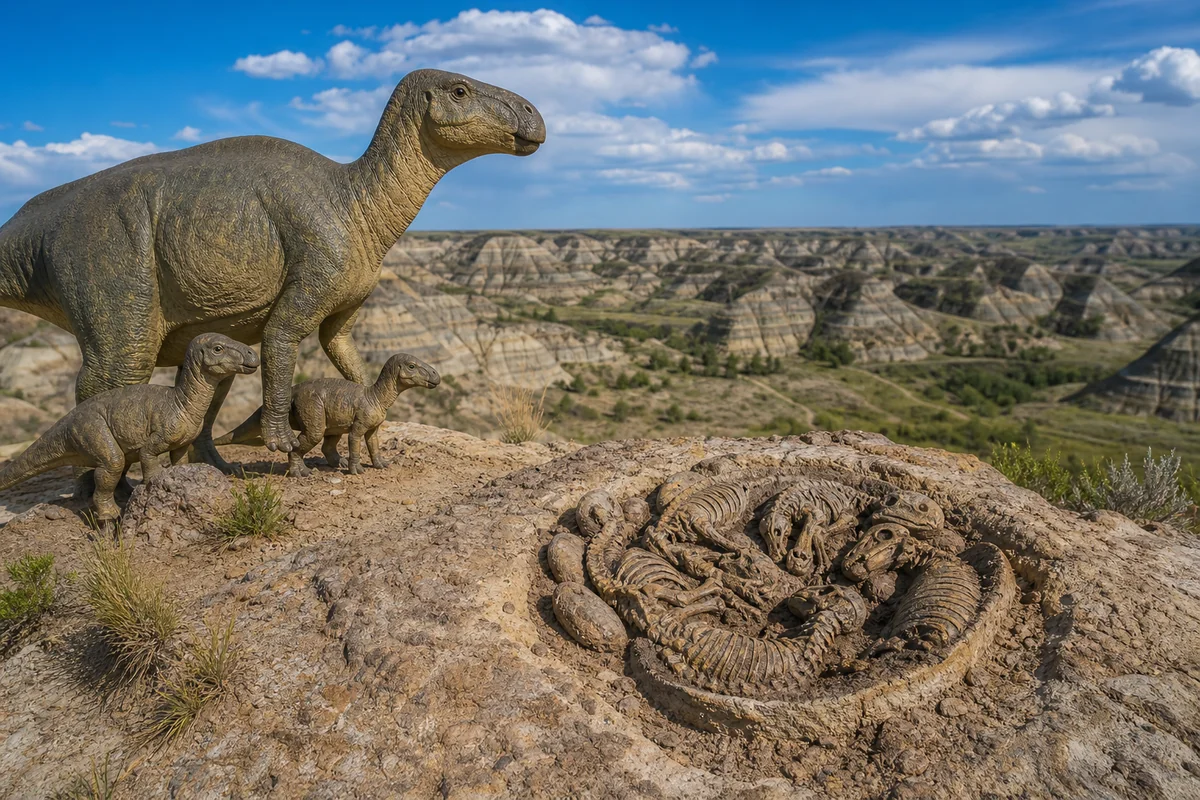
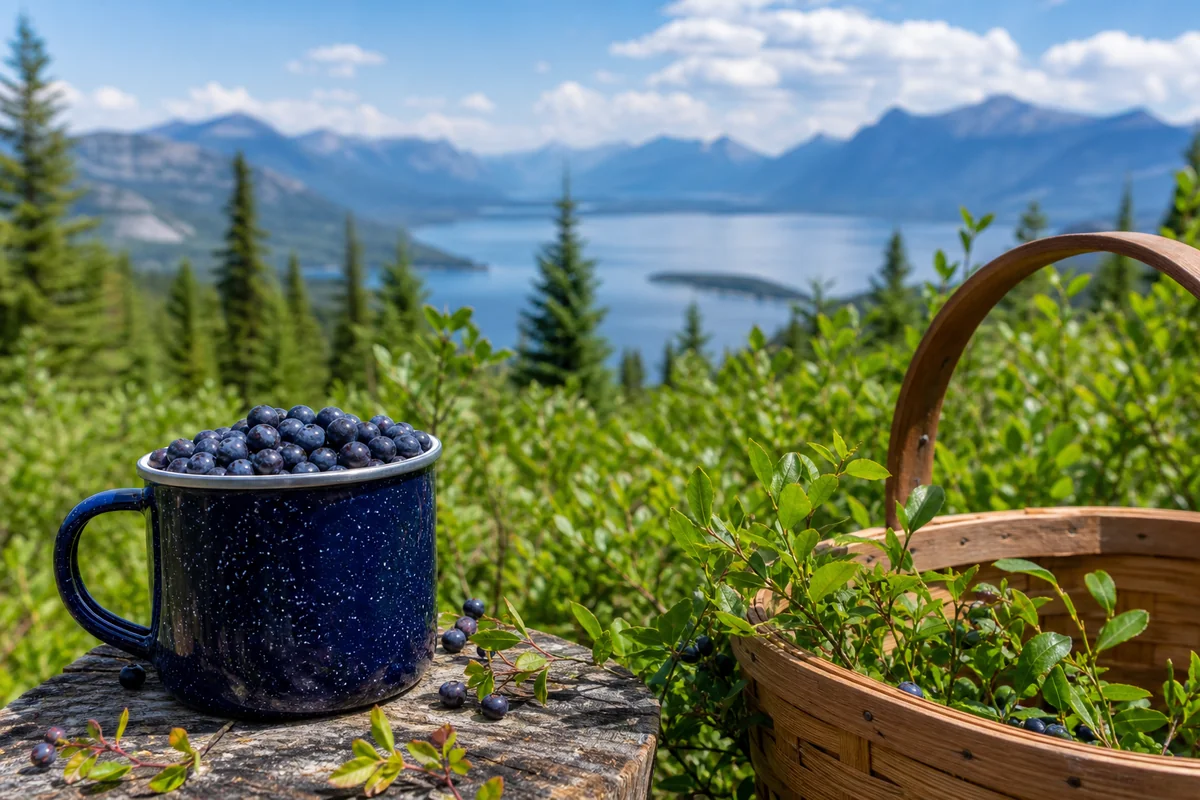
Walk among the 21 Montana State Native Plants on a prairie hike. Learn about the Montana State Fossil, the Maiasaura dinosaur, at the Museum of the Rockies. Pick wild Montana State Fruit Huckleberries in August if you can find them.
Look up at a Montana State Tree, the Ponderosa Pine, and breathe in that distinctive vanilla-butterscotch bark smell. Walk through Montana State Grass, the bluebunch wheatgrass, on an open range. Learn to identify thistles using our Montana State Thistle Guide and the Montana State Rock.
Listen to the Montana State Song played live at a local event. Explore the broader musical heritage through Montana State Songs, and if you have children, the Montana State Lullaby makes for a sweet bedtime connection to your trip.
These direct experiences will teach you more than any slogan ever could. But knowing the slogans—understanding their origins and what they mean to locals—adds depth to everything you see and do.
Final Thoughts from the Road
On my most recent trip to Montana, I was driving through the Blackfoot Valley northeast of Missoula on a late October afternoon. The light was fading, the cottonwoods had turned gold, and the river was running low and clear.
I pulled over to stretch my legs and watch a bald eagle work the river for trout. Standing there in the cooling air, I thought about all the words people use to describe this place. Big sky. Last best place. Treasure state.
None of them are wrong, exactly. But none of them are quite right either. Montana exceeds its slogans the way a person exceeds their resume.
That’s what I’d encourage you to remember as you plan your visit. Come expecting big skies and last best places, but stay open to discovering that the reality is bigger, better, and stranger than any marketing phrase could capture.
The man at that gas station in Browning wasn’t wrong when he called it the last best place. He also wasn’t entirely joking when he suggested keeping it quiet. Montana’s slogans carry both pride and protectiveness—an invitation that’s also a plea for respect.
Honor that, and you’ll have the kind of trip these phrases were trying to describe all along.
Frequently Asked Questions
What is Montana’s official state slogan?
“Big Sky Country” — officially adopted in 1962 and appearing on license plates since 1967. It references the unobstructed horizons of Montana’s eastern plains, where clear air and flat terrain can extend visibility over 100 miles on a good day. The phrase originated from A.B. Guthrie Jr.’s 1947 novel The Big Sky, which became a landmark of Western American literature.
What’s the difference between “Big Sky Country” and “The Last Best Place”?
“Big Sky Country” is the official, legislatively adopted slogan — you’ll see it on welcome signs and license plates. “The Last Best Place” is unofficial but arguably more emotionally resonant — it comes from a 1988 literary anthology and is the phrase locals are more likely to use sincerely. One is marketing; the other is identity. Both are real, but they operate differently in conversation.
Do Montanans actually use these slogans in everyday life?
More than you’d expect. During one afternoon in Missoula I counted eight “Last Best Place” references — on a coffee shop window, a bookstore receipt, a stranger’s t-shirt. “Big Sky Country” appears on everything from craft beer labels to real estate listings. The phrases have genuinely embedded themselves in local culture, though some longtime residents use them with a layer of irony, especially as housing prices and tourism have surged.
Where is the best place in Montana to actually experience the “Big Sky”?
The eastern plains, not the mountains. Drive Highway 200 from Great Falls to Sidney or spend time in the Missouri River Breaks — that’s where the sky truly dominates. Ironically, Glacier National Park, which most visitors associate with Montana, actually has a narrower sky view because the mountains close in. For the full effect, head east. Makoshika State Park near Glendive at night is one of the best stargazing spots in the lower 48.
What does “The Last Best Place” mean to locals today?
It’s complicated. Many Montanans love it as a genuine description of what makes the state special — the public land, the wild rivers, the pace of life. But others have grown ambivalent as it’s become a marketing phrase that attracts exactly the growth they were trying to preserve. Bozeman’s median home price has crossed $700,000, and you’ll spot bumper stickers reading “Montana is Full” in many towns. The slogan now carries both pride and protectiveness in equal measure.
Where did the phrase “The Last Best Place” come from?
A 1988 literary anthology edited by William Kittredge and Annick Smith, collecting works from over 80 Montana writers. The book became a regional bestseller that’s still in print and still one of the most requested titles at Montana bookstores. Kittredge was riffing on the idea of Montana as a final frontier — a place where the old West persisted after it had been paved over elsewhere. The phrase resonated because it was true, not because anyone focus-grouped it.
What’s the most authentic way to experience Montana’s slogan culture as a visitor?
Skip the souvenir shops and spend time with the landscape and the people instead. Float a section of the Smith River or the Missouri Breaks and you’ll understand “last best place” firsthand. Drive the Hi-Line across the northern plains and you’ll understand “big sky” in a way no welcome sign can convey. Stop at small-town diners in places like Wisdom, Harlem, or Jordan and talk to people. The slogans are shorthand for something real — your job as a visitor is to find the real thing behind the words.
Sources