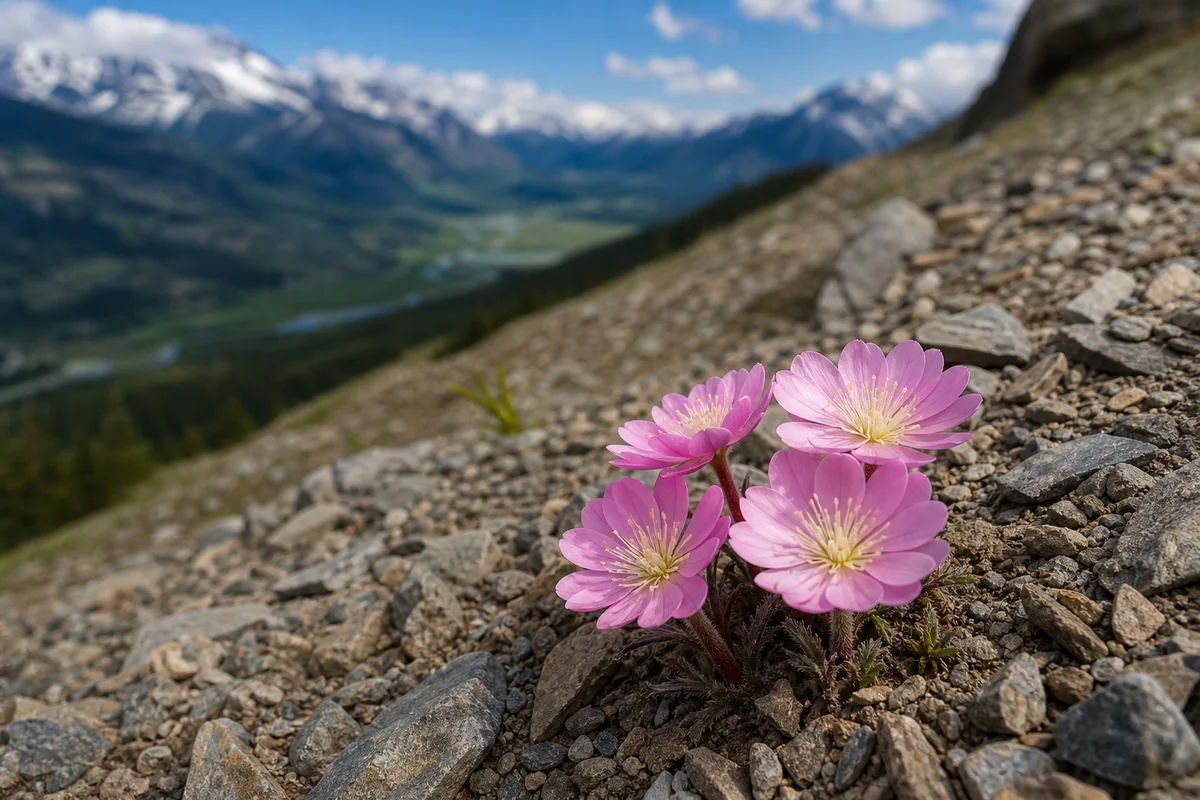
I’ll never forget the first time I spotted a bitterroot flower clinging to the rocky slopes above the Bitterroot Valley—its impossibly delicate pink petals seemed to glow against the harsh gravel, and I understood immediately why Montana chose this resilient beauty as its state flower.
As someone who has spent years exploring Montana State Symbols firsthand, I can tell you that the bitterroot is perhaps the most meaningful of them all, embodying the rugged determination that defines this state.
- Montana’s state flower is the bitterroot (Lewisia rediviva), adopted in 1895
- Peak blooming season runs from late May through early July, depending on elevation
- Best viewing locations include the Bitterroot Valley, National Bison Range, and Glacier National Park
- The flower holds deep significance to Native American tribes as a food source and ceremonial plant
- Bitterroot grows in harsh, rocky conditions where few other plants survive
- The entire Bitterroot Mountain Range is named after this small but mighty flower
Liked this article?
Add Roaming Montana as a preferred source so you see more of our articles and guides on Google.
What Exactly Is the Bitterroot Flower?
The bitterroot, scientifically known as Lewisia rediviva, is a low-growing perennial that produces stunning pink to white flowers typically measuring one to three inches across. When I first started photographing Montana wildflowers, I was amazed at how this plant could produce such spectacular blooms from what looks like a pile of dead sticks.
The plant’s rosette of fleshy, succulent-like leaves appears in early spring, then withers away completely before the flowers emerge. This means you’ll often find these gorgeous blooms rising directly from bare, rocky soil—a sight that still catches me off guard every time.
During my visit to the Lee Metcalf National Wildlife Refuge last June, a ranger explained that this unusual growth pattern helps the plant conserve water during Montana’s hot, dry summers. The bitterroot has essentially adapted to look dead when conditions get tough.
The Fascinating History Behind Montana’s State Flower
Montana officially adopted the bitterroot as its state flower in 1895, making it one of the earliest states to designate a floral emblem. The choice wasn’t arbitrary—it reflected the flower’s deep cultural significance and its connection to the land.
The plant’s scientific name honors Meriwether Lewis of the famous Lewis and Clark Expedition. During their journey through Montana in 1806, Lewis collected specimens near today’s Lolo, and the dried roots he preserved later sprouted and grew—earning the species its name “rediviva,” meaning “brought back to life.”
I visited the Lewis and Clark Interpretive Center in Great Falls on a rainy afternoon last fall, and the exhibits there really brought this history alive. Seeing preserved journals describing their encounters with this flower added a whole new dimension to my understanding.
Native American Connections
Long before European explorers arrived, the Salish, Kootenai, and other tribes had been harvesting bitterroot for thousands of years. The root was a crucial food source and trade item, despite its intensely bitter taste (which mellows considerably when cooked).
When I spoke with a cultural interpreter at the People’s Center in Pablo during a 2022 visit, she shared that bitterroot harvesting was traditionally women’s work, and the first roots of the season were gathered during special ceremonies. The timing coincided with the blooming of the serviceberry—a natural calendar that indigenous people had followed for generations.
The Bitterroot Valley itself takes its name from the flower, as does the entire Bitterroot Mountain Range. Few state flowers can claim to have shaped the geography’s very identity like Montana’s. This deep connection to place is similar to how the Montana State Tree represents the vast forests that define so much of the landscape.
Where to See Bitterroot Flowers in Montana
Finding bitterroot in bloom requires timing, patience, and knowing where to look. I’ve spent countless hours on Montana trails tracking down the best displays, and I’m happy to share my favorite spots.
The Bitterroot Valley (Obviously)
If you want to see bitterroot in its namesake region, head to the Bitterroot National Forest. The rocky outcrops along the valley’s western slopes provide ideal habitat.
The Kootenai Creek Trail near Stevensville offers reliable viewing most years. When I hiked this trail during the last week of May, the south-facing slopes were absolutely covered in pink blooms. The contrast against the gray granite was incredible.
Another spot I return to regularly is the Bass Creek Recreation Area. The lower trail sections pass through perfect bitterroot habitat, and you can combine wildflower viewing with a longer hike to the falls.
National Bison Range
The National Bison Range near Moiese has become one of my go-to recommendations for bitterroot viewing. The Red Sleep Mountain Drive offers multiple pullouts where you can spot blooms—and maybe some bison too.
During my most recent visit in early June, the combination of wildlife and wildflowers made for an unforgettable morning. I saw bitterroot growing alongside prairie smoke, arrowleaf balsamroot, and shooting stars.
The visitor center staff are incredibly knowledgeable about bloom timing. I always call ahead to check conditions before making the drive.
Glacier National Park
Glacier might not be the first place you think of for bitterroot, but the rocky areas along Going-to-the-Sun Road support healthy populations. The elevation means blooms happen later here—typically late June through July.
The Logan Pass area has some accessible viewing, though you’ll be competing with crowds during peak season. I prefer the less-traveled trails along the park’s eastern edge, like the area around Two Medicine.
Pro tip: the bitterroot blooms at Glacier often coincide with peak wildflower season for dozens of other species. Planning your visit around this timing means you’ll see extraordinary floral diversity.
Mount Helena City Park
If you’re visiting the capital city, Mount Helena offers surprising bitterroot habitat right on the edge of town. The rocky ridge trail climbs through several excellent patches.
Last spring, I combined a morning hike at Mount Helena with an afternoon touring the Montana State Capitol Building downtown. The capitol grounds don’t have bitterroot (the soil’s too rich), but you’ll find the flower featured in artwork and displays inside.
When Do Bitterroot Flowers Bloom?
Timing your visit correctly is crucial—bitterroot has a relatively short bloom window, and missing it by a week can mean finding only dried seed heads.
| Location | Typical Bloom Start | Peak Bloom | Bloom End |
|---|---|---|---|
| Bitterroot Valley (low elevation) | Mid-May | Late May – Early June | Mid-June |
| National Bison Range | Late May | First two weeks of June | Late June |
| Helena area | Late May | First week of June | Mid-June |
| Glacier National Park (lower) | Early June | Mid-June | Early July |
| Glacier National Park (alpine) | Late June | Early July | Mid-July |
These dates shift based on snow pack and spring temperatures. During my experience, warm springs can push everything two weeks earlier, while heavy snow years delay blooms significantly.
I recommend checking with local Forest Service offices or the Montana Native Plant Society for current conditions. Social media can help too—searching hashtags like #montanawildflowers often reveals what’s blooming where.
Identifying Bitterroot: What to Look For
Montana has several native plants with pink flowers, so knowing how to positively identify bitterroot will enhance your wildflower adventures.
Key Identifying Features
The bitterroot has very distinctive characteristics once you know what to look for. The flowers have 12 to 18 narrow petals arranged in a wheel pattern, creating a starburst effect that’s unlike most other wildflowers.
Each bloom sits on a very short stem, typically only one to two inches tall. This low-growing habit, combined with the preference for rocky or gravelly soil, makes bitterroot easy to identify.
The leaves are another giveaway—they’re thick, fleshy, and appear in early spring, usually withering completely by the time flowers appear. If you see delicate pink flowers apparently growing from bare rock with no visible leaves, you’ve probably found bitterroot.
Similar Species to Watch For
Spring beauty (Claytonia lanceolata) sometimes confuses beginners, but it has only five petals and grows in moister, shadier conditions. I’ve seen well-meaning visitors on trail apps misidentify spring beauty as bitterroot.
Pink lewisia (Lewisia nevadensis) is a close relative that occasionally grows in Montana, but it prefers wetter alpine conditions and has smaller, less showy flowers.
When photographing bitterroot, I’ve learned to capture the entire habitat—the rocky surroundings, the absent leaves, and the distinctive petal arrangement all help confirm identification later.
The Cultural Significance of Bitterroot Today
Understanding bitterroot’s importance goes beyond botany—it connects you to Montana’s cultural heritage in profound ways.
The Bitterroot Ceremony
The Salish people continue to honor their connection to this plant through annual ceremonies. The first bitterroot of the season is traditionally dug by an elder woman and prepared according to customs passed down through generations.
I had the privilege of attending a public portion of a cultural celebration near Arlee a few years back. The reverence with which community members spoke about this small flower was deeply moving. It reminded me that Montana’s state symbols aren’t just bureaucratic designations—they carry living meaning.
Modern Conservation Efforts
Bitterroot faces some challenges from habitat loss, invasive species, and climate change. Several organizations work to protect the plant and its ecosystem, including the Montana Native Plant Society and various tribal conservation programs.
During a volunteer day with a local land trust, I helped remove spotted knapweed from a bitterroot meadow near Hamilton. The work was hot and tedious, but knowing we were protecting this iconic species made it worthwhile.
If you’re interested in Montana’s native plants, I highly recommend reading our guide to 21 Montana State Native Plants for a broader understanding of the state’s botanical heritage.
Growing Bitterroot in Your Garden
After falling in love with bitterroot in the wild, many visitors ask about growing it at home. I’ve experimented with this myself, and I’ll share what I’ve learned.
Is It Possible?
Yes, but it’s challenging. Bitterroot has very specific requirements that are difficult to replicate outside its native range.
The plant requires extremely well-drained soil—think more rock than dirt. It also needs a cold winter dormancy period and summer drought conditions. For gardeners in the Pacific Northwest or Mountain West, success is more likely than for those in humid climates.
Ethical Considerations
Never dig wild bitterroot plants. This harms wild populations and is often illegal on public lands. Instead, purchase nursery-propagated plants from reputable native plant nurseries.
A nursery owner in Missoula told me that demand for bitterroot has increased significantly as gardeners embrace native plants. She recommends starting with nursery stock that’s already acclimated to cultivation.
Basic Growing Requirements
If you decide to try growing bitterroot, here’s what I’ve gathered works best:
Use a gritty, fast-draining soil mix—I’ve had luck with a combination of coarse sand, pea gravel, and just a touch of potting soil. The plant should never sit in moisture.
Full sun is essential, but afternoon shade helps in areas with intense summer heat. A rock garden or raised bed with excellent drainage offers ideal conditions.
Water sparingly during the growing season and not at all during summer dormancy. Overwatering is the fastest way to kill bitterroot.
Planning Your Bitterroot-Viewing Trip to Montana
Ready to see Montana’s state flower in person? Here’s how I recommend structuring a trip focused on bitterroot and related experiences.
A Three-Day Bitterroot Itinerary
**Day 1: Arrive in Missoula**
Fly into Missoula International Airport and settle into your accommodation. I recommend staying in town for easy access to restaurants and the vibrant downtown area.
Spend the afternoon at the Missoula Art Museum or explore the trails at the “M” trailhead for a preview of the landscape. Have dinner at one of the excellent local restaurants—the Silk Road or Scotty’s Table are favorites.
**Day 2: Bitterroot Valley Exploration**
Head south on Highway 93 into the Bitterroot Valley. Stop at the Lee Metcalf National Wildlife Refuge for early morning wildlife and wildflowers.
Continue to Stevensville for lunch and a visit to the historic St. Mary’s Mission—one of the oldest settlements in Montana. In the afternoon, hike the Kootenai Creek Trail for prime bitterroot viewing.
End the day in Hamilton, where you can explore the Daly Mansion or simply enjoy the small-town atmosphere.
**Day 3: National Bison Range and Cultural Sites**
Drive north to the National Bison Range. The Red Sleep Mountain Drive takes about two hours and offers incredible wildlife and wildflower opportunities.
Stop at the People’s Center in Pablo to learn about Salish and Kootenai history, including the cultural significance of bitterroot. This adds essential context to what you’ve seen in the wild.
Return to Missoula via Highway 93, stopping at any viewpoints that catch your eye.
What Else to See While You’re Here
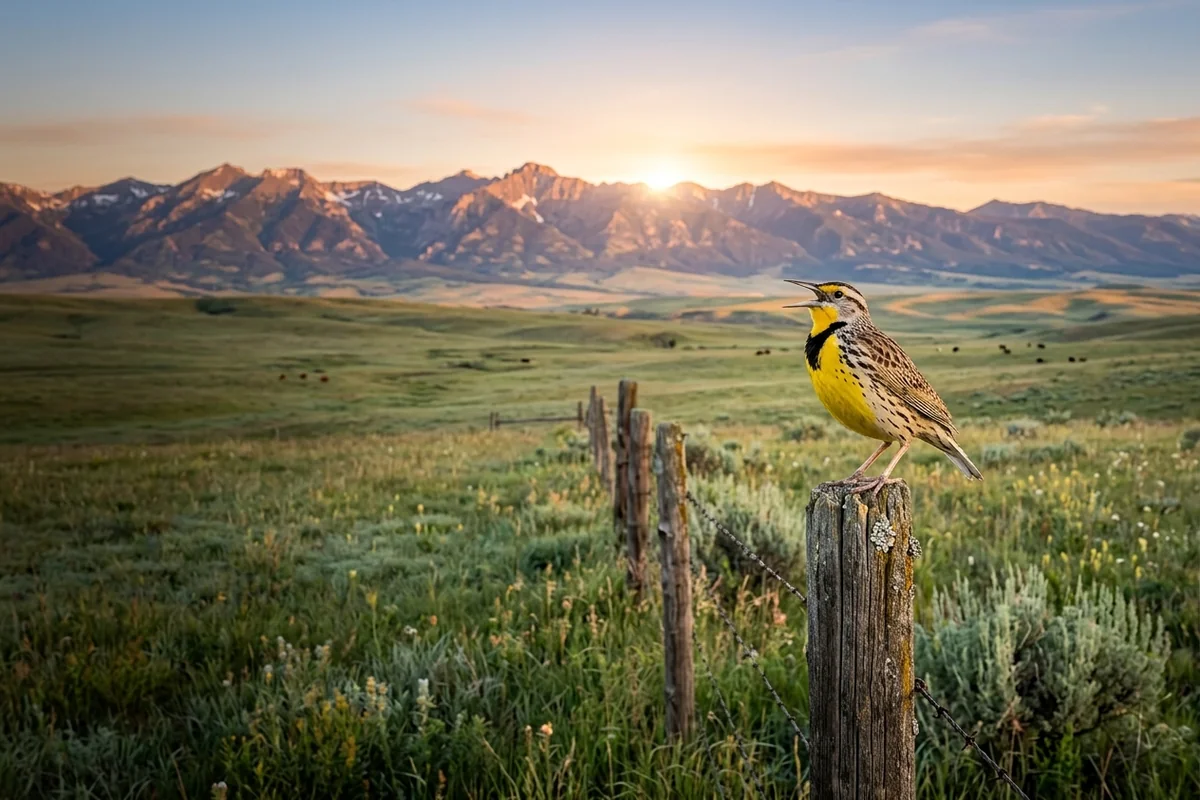
Montana’s other state symbols make excellent additions to a bitterroot trip. The Montana State Bird, the Western Meadowlark, shares habitat with bitterroot and you’ll likely hear its distinctive song during spring hikes.
If you’re visiting in summer when bitterroot has finished blooming, consider shifting your focus to finding the Montana State Fruit—huckleberries. The berry season picks up just as flower season winds down.
Wildlife enthusiasts should know that the Montana State Animal, the grizzly bear, is active during bitterroot season. Practice bear awareness on all hikes, especially in Glacier National Park.
Photography Tips for Bitterroot Flowers
Capturing beautiful images of bitterroot requires some specific techniques, which I’ve developed through plenty of trial and error.
Best Time of Day
Bitterroot flowers open fully in direct sunlight, usually by mid-morning. I’ve found the sweet spot to be between 9 AM and 11 AM—the flowers are fully open, the light is warm but not harsh, and you avoid the midday shadows.
Evening photography can work too, but the flowers start closing as light fades. You’ll need to work quickly in that golden hour window.
Getting Low
Because bitterroot grows so close to the ground, you’ll need to get down to its level. Bring a small foam pad or groundsheet to protect yourself from the rocky terrain.
I use a flip-screen camera so I can compose shots without pressing my face into the gravel. A smartphone held at ground level can also produce excellent results.
Including Habitat
While close-ups are gorgeous, my favorite bitterroot images show the flowers in their rocky habitat context. Wide-angle shots that include the surrounding mountains tell a more complete story.
Try positioning yourself so a cluster of blooms fills the foreground with the Bitterroot Mountains rising behind. These compositions communicate the flower’s connection to place.
Bitterroot in Art, Literature, and Montana Culture
The bitterroot’s cultural footprint extends far beyond biology. It appears throughout Montana’s artistic and literary traditions.
Visual Arts
Many Montana artists have depicted bitterroot in their work. The Holter Museum of Art in Helena often features botanical art, and I’ve seen beautiful bitterroot paintings there during past visits.
Traditional Native American beadwork frequently incorporates bitterroot motifs, with the flower’s distinctive petal pattern translating beautifully into this medium.
Literary References
Montana writers regularly invoke bitterroot as a symbol of resilience and beauty in harsh conditions. The flower appears in works by James Welch, who drew deeply on his Blackfeet heritage in his novels and poetry.
The name itself has become shorthand for the Montana spirit—tough, beautiful, and deeply rooted.
The Bitterroot on the Montana State Flag
While bitterroot doesn’t appear directly on the Montana State Flag, the flower is closely associated with state identity. You’ll find bitterroot imagery on the Montana State Quarter, where it appears alongside a bison skull.
The Montana State Seal features different symbols, but displays at the capitol building often incorporate bitterroot in decorative elements, reflecting the Montana State Colors of blue and gold.
Ecological Role of Bitterroot
Beyond its beauty and cultural significance, bitterroot plays important ecological roles in Montana’s ecosystems.
Pollinator Support
Bitterroot flowers provide nectar and pollen for native bees, butterflies, and other insects during the critical early summer period. I’ve photographed several bee species working bitterroot blooms, including some that appeared to specialize in these flowers.
The Montana State Insect, the Mourning Cloak butterfly, is active during bitterroot season, though it typically feeds on tree sap rather than flower nectar.
Indicator Species
Ecologists consider bitterroot an indicator of relatively undisturbed, dry grassland and rocky outcrop habitats. Finding healthy bitterroot populations suggests the surrounding ecosystem is functioning well.
During my conversations with botanists at the University of Montana, I learned that bitterroot presence often correlates with other rare native plants. Where bitterroot thrives, you’re likely to find additional botanical treasures.
Relationship with Other Plants
Bitterroot grows alongside interesting companion plants, many of which are also native Montana species. The Montana State Grass, bluebunch wheatgrass, often shares habitat with bitterroot in rocky grassland ecosystems.
Understanding these plant communities helps visitors appreciate Montana’s ecological complexity. It’s not just about finding one iconic flower—it’s about recognizing the web of relationships that sustains it.
Common Questions About Montana’s State Flower
Through my years of leading informal wildflower walks and answering questions from fellow hikers, I’ve noticed certain topics come up repeatedly.
Why Does It Taste Bitter?
The name “bitterroot” comes from the intensely bitter taste of the raw root. This bitterness results from high concentrations of glycosides—plant chemicals that can affect animals that eat them.
Native peoples learned to remove the outer bark and cook the root in specific ways to make it palatable. The prepared roots have a starchy, somewhat bland flavor.
Is Bitterroot Endangered?
Bitterroot isn’t currently listed as endangered at the federal level, though it faces localized threats from development, invasive species, and habitat degradation.
Some populations have declined significantly over the past century. Conservation efforts focus on protecting remaining habitat and controlling invasive plants that outcompete native species.
Can You Eat Bitterroot Today?
While bitterroot is technically edible, harvesting wild plants isn’t recommended for several reasons. Many populations are small and vulnerable, collection may be illegal depending on land ownership, and traditional preparation methods require considerable knowledge to ensure safety.
If you’re curious about traditional foods, the People’s Center in Pablo and some cultural events offer opportunities to learn about historical uses from knowledgeable guides.
Supporting Bitterroot Conservation
If this flower captures your heart like it has mine, here are ways to support its continued presence on Montana’s landscape.
Visit Responsibly
Stay on established trails when viewing bitterroot. The rocky habitats where it grows are fragile, and off-trail travel can damage plants and compact soil.
Never pick wild bitterroot flowers or dig roots. One picked flower might not seem significant, but multiplied by thousands of visitors, the impact adds up.
Support Conservation Organizations
The Montana Native Plant Society, Montana Land Trust, and tribal conservation programs all work to protect bitterroot habitat. Membership fees and donations support on-the-ground conservation work.
I’ve found volunteering with these organizations incredibly rewarding. Even a single day pulling invasive weeds makes a tangible difference.
Spread Awareness
Share what you’ve learned about bitterroot with other travelers and Montana visitors. When people understand the significance of this small flower, they’re more likely to protect it.
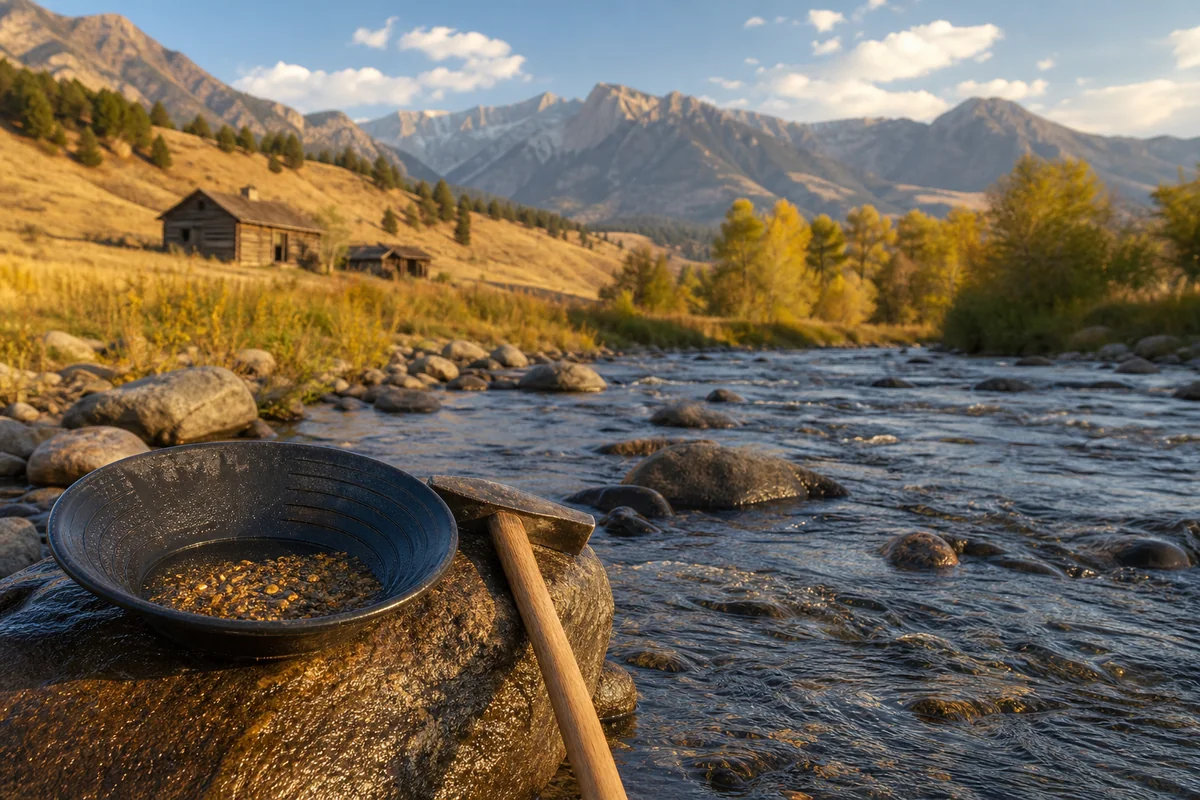
The Montana State Motto, “Oro y Plata” (Gold and Silver), speaks to the state’s mining heritage. But Montana’s true treasures—like the bitterroot—are the natural wonders that no amount of gold could replace.
Final Thoughts on Montana’s State Flower
After years of exploring Montana’s wild places, the bitterroot remains one of my favorite discoveries. This small flower embodies everything I love about the state—toughness masked by delicate beauty, deep cultural roots, and an ability to thrive where others cannot.
If you visit Montana during late spring or early summer, make time to seek out the bitterroot. Get down on your knees in the rocky soil, study those intricate pink petals, and think about the generations of people who have treasured this plant before you.
The experience connects you to Montana in ways that tourist attractions simply cannot match. You’ll understand why this humble flower beat out showier candidates to become the official state symbol, and you’ll carry that appreciation with you long after you leave.
For more insights into Montana’s official symbols and what makes this state unique, explore our guides to the Montana State Nickname, the Montana State Fish, and even the Montana State Fossil. From the Montana State Lullaby to the Montana State Song and other Montana songs, every symbol tells part of the story. There’s also fascinating reading about the Montana State Rock, Montana State Slogans, and even our Montana Thistle Guide for understanding which plants to appreciate and which to avoid. Each one reveals something new about Big Sky Country.
Happy trails, and may you find bitterroot blooming in abundance.
Frequently Asked Questions
What is the official Montana state flower and when does it bloom?
The official Montana state flower is the Bitterroot (Lewisia rediviva), which typically blooms from late April through July in rocky, mountainous terrain. The bloom window is short — typically four to six weeks depending on elevation — so timing your visit carefully is essential.
Where can I drive in Montana to see Bitterroot flowers in their natural habitat?
The best places to spot Montana’s Bitterroot flowers include the Bitterroot Valley, Glacier National Park, and various trails along the Rocky Mountain Front. The Kootenai Creek Trail near Stevensville and the Red Sleep Mountain Drive at the National Bison Range are my top picks — both have clear signage and reliable blooms most years from late May through mid-June. Call the local ranger station ahead of your visit to confirm current bloom conditions.
How do I time my visit to catch bitterroot in peak bloom?
Bitterroot’s bloom window is tight — typically four to six weeks total, staggered by elevation. In the Bitterroot Valley at lower elevations, peak bloom usually falls between late May and early June. The National Bison Range follows in the first two weeks of June. Glacier National Park’s lower trails bloom in mid-June, with alpine areas peaking in early July. Warm springs push everything two weeks earlier; heavy snow years delay it. The most reliable real-time sources are the Montana Native Plant Society, local Forest Service ranger stations, and Instagram searches for #montanawildflowers, where local hikers post current conditions daily during the season.
Why was the Bitterroot chosen as Montana’s state flower?
Montana adopted the Bitterroot as its state flower in 1895 because the plant was historically significant to Native American tribes and Lewis and Clark’s expedition, plus it thrives in the state’s harsh, rocky conditions. The designation also drew attention to a plant that was historically crucial to Native American tribes — particularly the Salish, who conducted annual bitterroot harvesting ceremonies that continue today.
Do I need a 4WD vehicle to reach the best bitterroot viewing spots?
No — most of the best bitterroot viewing in Montana is accessible with a standard passenger car. Highway 93 through the Bitterroot Valley, the National Bison Range’s paved Red Sleep Mountain Drive, and the Mount Helena City Park trails all require nothing beyond a regular vehicle. The Kootenai Creek Trailhead near Stevensville is reached via a short gravel access road that any car handles easily. The exception is deep backcountry forest service routes in the Bitterroot National Forest, which can require higher clearance after wet weather — but those spots aren’t necessary for excellent bitterroot viewing. Stick to the locations in this guide and a standard car is perfectly fine.
What road conditions should I expect on a Montana wildflower road trip in spring?
Spring road trips in Montana to see the Bitterroot and other wildflowers often mean encountering wet roads, mud, lingering snow patches at higher elevations, and frost heaves from winter damage. Checking the Montana DOT road conditions website (511mt.net) the morning of your drive is the most useful pre-trip step for spring wildflower road trips.
What’s the best single-day scenic drive for seeing bitterroot in the Bitterroot Valley?
Highway 93 south from Missoula through the Bitterroot Valley is the backbone route, but the real bitterroot viewing happens when you leave the highway. From Stevensville, turn toward the mountains and take the Bass Creek Recreation Area road — the lower trailhead area has excellent rocky habitat. Then continue south to the Kootenai Creek Trailhead for the most reliable displays. Round trip from Missoula including hiking time is comfortably done in a day. The drive back north on Highway 93 in late afternoon light, with the Bitterroot Mountains lit gold to the west, is worth planning for.
Sources: