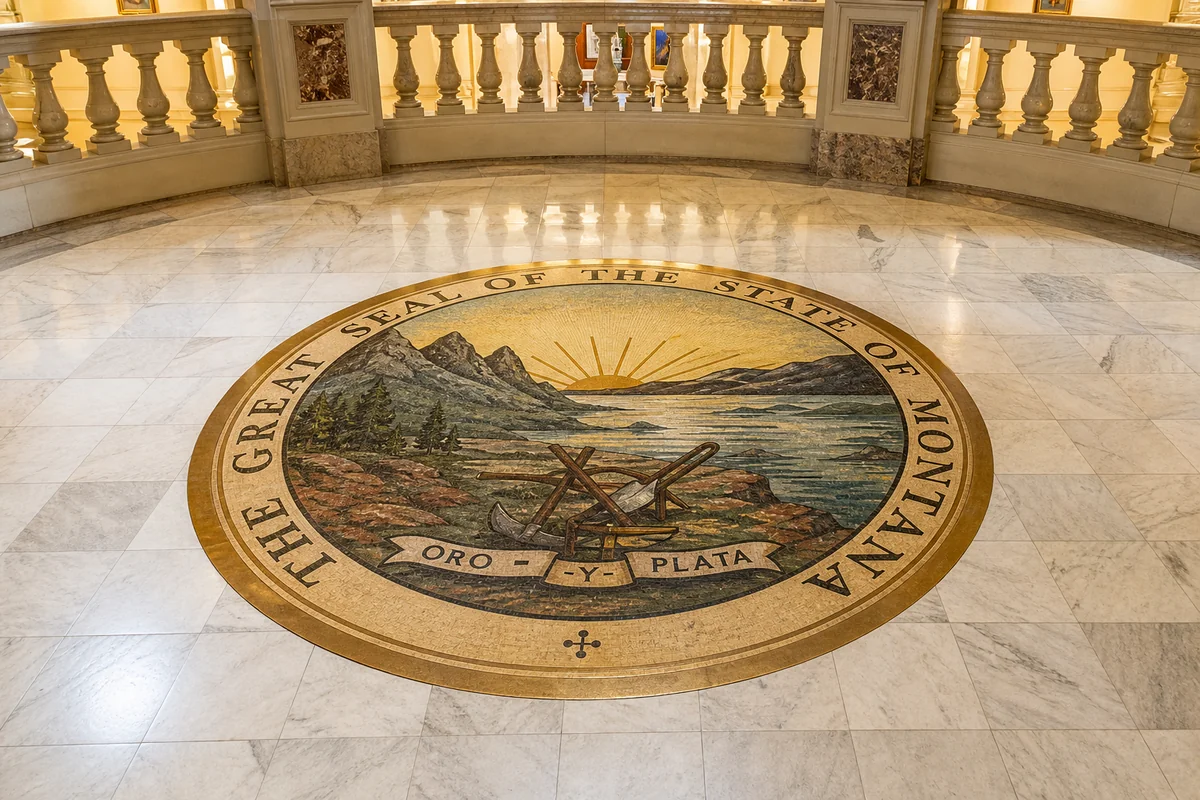
I was standing in the rotunda of the Montana State Capitol in Helena last September when sunlight streamed through the dome and illuminated the state seal embedded in the marble floor beneath my feet.
That moment—watching other visitors walk right past without noticing—made me realize how many people miss one of Montana’s most meaningful symbols, one that tells the entire story of this magnificent state in a single circular design.
If you’re exploring Montana State Symbols, the state seal deserves your attention because it’s essentially the origin story of Big Sky Country compressed into one powerful image.
- Montana’s state seal was adopted in 1893 and features mountains, the Great Falls of the Missouri River, forests, and mining tools
- The motto “Oro y Plata” (Gold and Silver) honors Montana’s mining heritage
- Best places to see the seal: State Capitol in Helena, historical museums, and county courthouses statewide
- The seal differs from the state flag—the seal is the official government emblem while the flag displays the seal on a blue background
- Free viewing at the Capitol building year-round, with guided tours available Monday through Saturday
Liked this article?
Add Roaming Montana as a preferred source so you see more of our articles and guides on Google.
What Exactly Is the Montana State Seal?
Before I dive into where you can see it and why it matters for your Montana trip, let me explain what the state seal actually represents. I’ve spent considerable time researching Montana’s history, and I can tell you that every element on this seal was chosen deliberately.
The Montana State Seal is the official emblem of the state government, used to authenticate official documents, legislation, and governmental communications. It’s not just decorative—it’s a legal symbol with real authority.
When I first examined the seal up close at the Montana Historical Society museum in Helena, I was struck by how much detail is packed into this circular design. The central scene depicts a landscape that any Montana visitor will immediately recognize.
Breaking Down the Seal’s Design Element by Element
The Mountain Landscape
The mountains rising in the background represent the Rocky Mountains that dominate western Montana. During my drives through places like Glacier National Park and the Mission Valley, I’ve seen these exact silhouettes countless times.
The seal’s mountains aren’t just generic peaks—they capture the rugged, snow-capped character that makes Montana’s landscape so distinctive. If you’ve ever driven Highway 200 west of Great Falls or taken the Going-to-the-Sun Road, you’ve seen this view in real life.
The Great Falls of the Missouri River
This is the detail that fascinates me most. The waterfall in the seal represents the Great Falls of the Missouri River, which Lewis and Clark encountered during their famous expedition in 1805.
I visited Great Falls last summer specifically to see what remains of these historic falls. While dams have significantly altered the original cascades, you can still experience the river’s power at Giant Springs State Park and the Lewis and Clark Interpretive Center.
The inclusion of this waterfall connects the seal directly to Montana’s exploration history and the pivotal role the Missouri River played in opening the American West.
Forests and Plains
The trees depicted in the seal represent Montana’s extensive forests, while the plains in the foreground honor the eastern two-thirds of the state. This balance is intentional—Montana isn’t just mountains.
When I drove across the state from Billings to Missoula, I gained a new appreciation for this duality. The Montana State Tree, the Ponderosa Pine, dominates the western forests, while endless grasslands characterize the east.
The seal captures both landscapes in one image, just as any cross-state road trip will show you both worlds.
Mining Tools: Pick, Shovel, and Plow
Here’s where the seal gets really interesting from a historical perspective. The pick and shovel in the foreground represent mining, while the plow symbolizes agriculture.
I spent an afternoon in Butte last fall exploring the World Museum of Mining, and afterward, the seal’s mining tools made perfect sense. Montana’s mining history—particularly in Butte, Helena, and Virginia City—shaped the state’s economy, politics, and culture in ways that still resonate today.
The plow represents the agricultural foundation that sustains Montana, from wheat farming in the Golden Triangle to cattle ranching across the eastern plains.
The Ribbon and State Motto
A ribbon bearing the words “Oro y Plata” wraps around the design. This Spanish phrase translates to “Gold and Silver,” directly referencing the precious metals that drove Montana’s territorial development.
I find it fascinating that Montana chose a Spanish motto. This decision honored the mining industry’s multicultural workforce and connected Montana to the broader history of precious metal mining in the Americas.
The History Behind the Seal
Understanding when and why Montana adopted its seal adds depth to every encounter you’ll have with this symbol during your travels.
Territorial Origins
Montana Territory was established in 1864, and the territorial seal was designed that same year. The basic elements—mountains, rivers, mining tools—were present from the beginning.
When I toured the Original Governor’s Mansion in Helena, I learned that the territorial government operated from a very different Montana. Helena itself was a booming gold camp called Last Chance Gulch.
The seal reflected the hopes and ambitions of those early territorial leaders who believed Montana’s mineral wealth would build a great state.
Statehood and Official Adoption
Montana became a state on November 8, 1889, but the current state seal wasn’t officially adopted until February 9, 1893. The four-year gap allowed the new state legislature to refine and formalize the design.
During my research at the Montana Historical Society, I discovered that the 1893 adoption essentially confirmed the territorial seal with minor modifications. The continuity shows how strongly early Montanans identified with the symbols their predecessors had chosen.
The “State of Montana” Text
The words “The Great Seal of the State of Montana” circle the outer edge of the seal. This formal language distinguishes it from the earlier territorial version and establishes its legal authority.
State Seal vs. State Flag: What’s the Difference?
This is a question I hear from travelers constantly, and it’s worth clarifying before you start spotting these symbols around the state.
The Montana State Flag features the state seal centered on a blue background, with “MONTANA” written in gold letters above it. The flag is what you’ll see flying at government buildings, schools, and many businesses.
The seal itself is the complete circular emblem—the detailed image with all the elements I’ve described. You’ll find the seal displayed independently on documents, buildings, monuments, and historical markers.
When I visited the Capitol building, I noticed both versions prominently displayed. The flag hangs in the chambers, while the seal appears on the floor, walls, and various official installations.
Where to See the Montana State Seal During Your Travels
Now let’s get practical. If you want to see the state seal up close, here are the locations I recommend based on my own Montana travels.
Montana State Capitol in Helena
This is the definitive location. The Montana State Capitol Building displays the seal in multiple locations, and free tours are available.
When I visited last September, I started in the rotunda where the seal is inlaid in the marble floor. The craftsmanship is stunning—you can see every detail of the mountains, waterfall, and tools.
The seal also appears above doorways, on official documents displayed in cases, and throughout the building’s artwork. Plan at least 90 minutes for a thorough exploration.
| Capitol Visit Information | Details |
|---|---|
| Address | 1301 E 6th Ave, Helena, MT 59601 |
| Tour Hours | Monday-Saturday, hourly tours from 10 AM to 2 PM |
| Admission | Free |
| Best Time to Visit | Weekday mornings for smaller crowds |
| Photography | Allowed in most areas |
| Parking | Free street parking and nearby lots |
Montana Historical Society Museum
Located directly across from the Capitol, this museum offers context that makes the seal more meaningful. I spent two hours here learning about territorial Montana, and everything clicked.
The museum displays historical documents bearing early versions of the seal, territorial artifacts, and exhibits on mining and agriculture that illuminate the seal’s imagery. Admission is just $5 for adults.
County Courthouses Across Montana
Every county courthouse in Montana displays the state seal, making this symbol accessible no matter where your travels take you.
I’ve photographed the seal at courthouses in Missoula, Bozeman, and Great Falls. Each building offers a slightly different presentation—some have elaborate carved versions, others feature painted murals.
The Lewis and Clark County Courthouse in Helena is particularly impressive, given its proximity to the Capitol and the historical significance of the area.
State Parks and Recreation Areas
Many Montana state parks display the seal on entrance signs, visitor center buildings, and interpretive displays. I’ve noticed it at Makoshika State Park near Glendive and at Lewis and Clark Caverns.
If you’re visiting parks to learn about the Montana State Fossil or the Montana State Flower, keep an eye out for the seal on official signage.
Welcome Signs at State Borders
Montana’s border welcome signs often incorporate the state seal alongside the Montana State Nickname “Big Sky Country” and other state imagery.
I’ve crossed into Montana from Wyoming, North Dakota, and Idaho, and each border station offers photo opportunities with state symbols. The seal appears on various signs and monuments marking these entry points.
Connecting the Seal to Your Montana Experience
Here’s what I tell every traveler who asks about the state seal: use it as a roadmap for understanding Montana.
Visit the Great Falls
The waterfall on the seal represents a real place you can visit. The city of Great Falls offers multiple ways to experience this historic site.
At Giant Springs State Park, I walked along the Missouri River and imagined Lewis and Clark’s amazement when they first saw the falls. The Lewis and Clark National Historic Trail Interpretive Center provides excellent context.
Ryan Dam and Rainbow Falls offer viewing areas where you can see remaining cascades. While hydroelectric development has changed the river significantly, the power and beauty remain evident.
Explore Mining History
The pick and shovel on the seal lead directly to Montana’s incredible mining heritage. I’ve explored several historic mining towns, and each one brings the seal’s imagery to life.
Butte’s “Richest Hill on Earth” produced billions in copper, gold, and silver. The Berkeley Pit and World Museum of Mining are must-see stops for understanding this history.
Virginia City and Nevada City preserve the gold rush era in remarkably intact historic buildings. Walking these boardwalks, I felt transported to the 1860s when the seal’s symbols represented daily reality.
Helena’s Last Chance Gulch downtown walking mall follows the original gold strike that founded the city. Historical markers throughout downtown explain the mining origins.
Experience Both Landscapes
The seal shows mountains and plains together, and your Montana trip should include both.
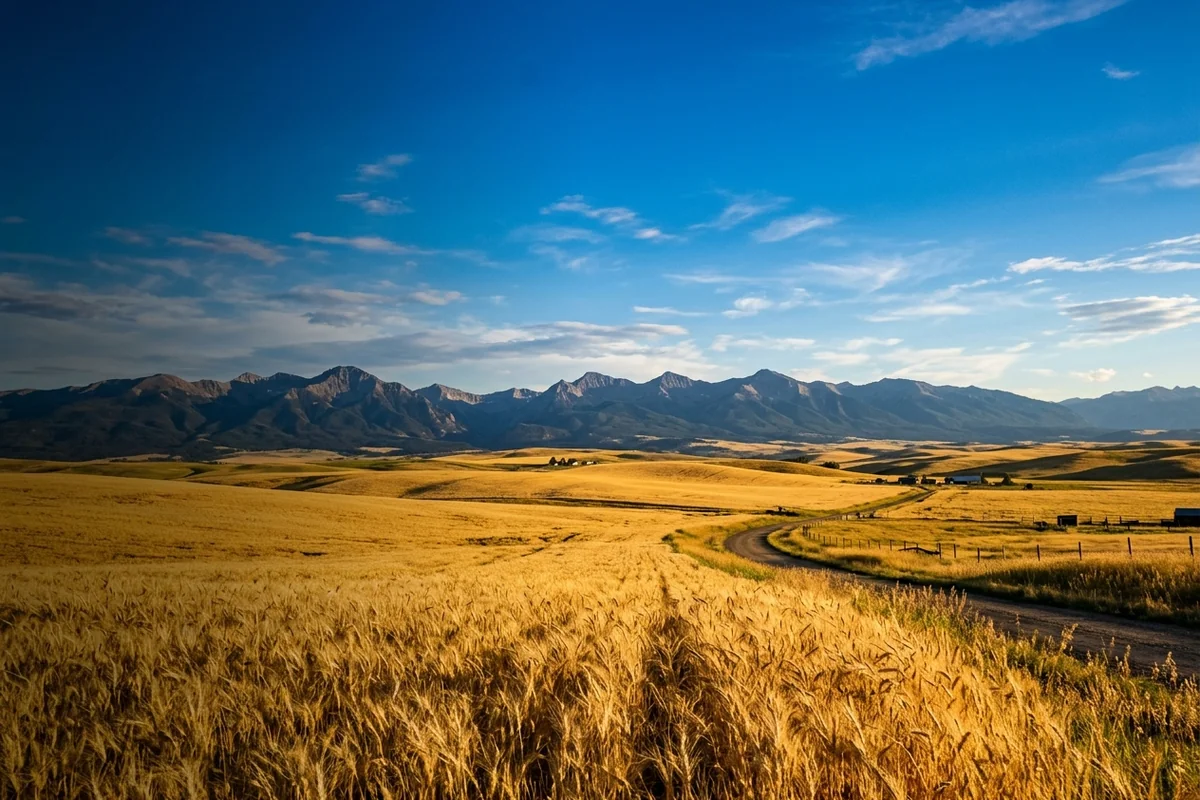
I recommend driving at least part of Highway 200 or Highway 2 across the state. You’ll see the transition from western mountains to eastern plains unfold exactly as the seal depicts.
This geographic diversity explains so much about Montana—why ranching and farming are as central to the economy as tourism, why communities in different regions have distinct characters.
The State Seal in Montana Culture
Beyond government buildings, the state seal appears throughout Montana culture in ways that might surprise you.
Local Products and Businesses
Many Montana businesses incorporate seal elements into their branding. I’ve seen seal-inspired logos on everything from microbreweries to cattle ranches.
The Montana State Motto “Oro y Plata” appears frequently, connecting businesses to the state’s heritage. Some craft breweries have even named beers after the motto.
Art and Souvenirs
Gift shops at the Capitol, Montana Historical Society, and museums across the state sell seal-themed merchandise. I picked up a detailed replica coin at the Capitol gift shop.
Local artists also incorporate seal imagery into paintings, woodwork, and metalwork. I found a beautiful carved wooden seal at a gallery in Bigfork that now hangs in my office.
Official Documents
If you conduct any official business in Montana—registering a vehicle, filing documents, or other governmental interactions—you’ll likely encounter the seal. It’s a reminder that this symbol isn’t just historical; it’s actively functioning in Montana’s governance.
Lesser-Known Facts About the Montana State Seal
During my research, I uncovered several details that most visitors never learn.
The Designer’s Identity
The original territorial seal was designed by a committee, but the specific artist remains unknown. Unlike some state symbols that have clear individual creators, Montana’s seal emerged from collective effort.
Legal Protections
Montana law protects the state seal from unauthorized commercial use. The state is particular about how the seal can be displayed, though educational and historical uses are generally permitted.
Variations Over Time
While the basic design has remained consistent since 1893, minor variations exist in different official renditions. The Capitol floor version, historical documents, and modern digital versions show subtle differences in artistic interpretation.
Connection to Other State Symbols
The seal influenced several other state symbols. The Montana State Colors of blue and gold echo the seal’s color scheme, and the Montana State Quarter draws on similar imagery.
Planning Your State Seal Experience
Let me give you practical advice for incorporating the state seal into your Montana travels.
Best Time to Visit Helena
Helena is accessible year-round, but I prefer visiting in September or early October. The weather is pleasant, summer crowds have diminished, and fall colors enhance the Capitol grounds.
Summer visits work well too—just expect more tour groups. Winter visits are possible but weather can be challenging, and some tours may have reduced schedules.
Combining Attractions
When I visit Helena, I combine the Capitol, Montana Historical Society, Original Governor’s Mansion, and Cathedral of St. Helena into one full day. The Reeder’s Alley historic district and Last Chance Gulch round out the experience.
This combination gives you comprehensive exposure to the state seal and the history that created it.
Photography Tips
The Capitol rotunda seal photographs best in morning light when sun streams through the dome. Bring a wide-angle lens or step back to capture the entire floor design.
For the seal on official buildings, overcast days actually work better—you avoid harsh shadows on carved details.
How the State Seal Connects to Other Montana Symbols
Montana has an extensive collection of official state symbols, and the seal connects to many of them thematically.
The mountains on the seal relate to the habitat of the Montana State Animal, the grizzly bear. The forests depicted provide homes for the Montana State Bird, the Western Meadowlark, though this bird actually prefers open areas.
The Missouri River on the seal connects to the Montana State Fish, the blackspotted cutthroat trout, which swims in Montana’s waterways.
The agricultural imagery relates to Montana Native Plants and the Montana State Grass, bluebunch wheatgrass, that sustains the state’s ranching tradition.
Even the Montana State Fruit, the huckleberry, grows in the mountain forests depicted on the seal.
The Emotional Impact of the State Seal
I want to share something personal. When I stood on the state seal in the Capitol rotunda, watching families pass through and legislative staff hurry to meetings, I felt connected to Montana’s story in a way that surprised me.
The seal isn’t just historical decoration. It’s a promise made by Montana’s founders about what this state represents—natural beauty, resource abundance, hard work, and opportunity.
Every traveler who pauses to really see the seal participates in that ongoing story. You become part of the long line of people who have marveled at Montana’s mountains, rivers, and possibilities.
Practical Information Summary
| Topic | Key Information |
|---|---|
| Seal Adoption | February 9, 1893 |
| State Motto | Oro y Plata (Gold and Silver) |
| Primary Viewing Location | Montana State Capitol, Helena |
| Best Alternative Sites | Montana Historical Society, County Courthouses |
| Related Symbols | State Flag (incorporates seal), State Quarter, State Colors |
| Photography | Permitted at most locations |
| Admission | Free at Capitol; $5 at Historical Society |
Making the State Seal Part of Your Montana Story
As you plan your Montana adventure, I encourage you to seek out the state seal intentionally. Don’t just walk past it in the Capitol—stop and study the details. Think about the mountains you’ll climb, the rivers you’ll fish, the history you’ll discover.
The Montana State Song and other Montana songs celebrate the same landscapes depicted on the seal. The Montana State Slogans echo its themes.
Even the Montana State Lullaby connects to this heritage, while the Montana State Insect and Montana State Rock represent different aspects of the same remarkable place.
The state seal tells you what Montana values: its natural beauty, its working heritage, its mineral wealth, its agricultural foundation. Every element points toward experiences you can have during your visit.
Final Thoughts on Montana’s Enduring Symbol
After years of traveling Montana and countless hours researching its history, I believe the state seal is one of the most honest and beautiful state symbols in America. It doesn’t exaggerate or romanticize—it simply shows Montana as it was and still is.
The mountains still rise. The rivers still flow. Mining and agriculture still shape the economy. The promise of “Gold and Silver” has evolved into the treasure of wild landscapes and authentic communities.
When you see the state seal during your Montana travels, you’re looking at a 130-year-old mission statement that remains true. That’s rare, and that’s worth your attention.
Consider also exploring the Montana Thistle Guide for information about native plants you’ll encounter, many of which grow in the landscapes the seal depicts.
Your Montana journey will be richer for understanding this symbol. Take the time to find it, study it, and let it guide you toward the experiences that make Big Sky Country unforgettable.
Frequently Asked Questions
Where can I see the official Montana State Seal in person while visiting Montana?
You can view the Montana State Seal at the State Capitol Building in Helena, where it’s prominently displayed in the rotunda and on official documents throughout the building. The Capitol offers free self-guided tours year-round, and I’d recommend spending about an hour exploring the architecture and historical displays featuring the seal.
What does the Montana State Seal symbolize and why should travelers care?
The Montana State Seal features the Great Falls of the Missouri River, a plow, pick, and shovel representing mining and agriculture, with the Spanish motto ‘Oro y Plata’ meaning ‘Gold and Silver.’ Understanding the seal gives you context for Montana’s gold rush history, which you can explore firsthand at historic mining towns like Virginia City and Bannack State Park.
Can I visit the Great Falls depicted on the Montana State Seal?
Yes, you can visit the actual Great Falls of the Missouri River in Great Falls, Montana, located about 90 miles north of Helena. Giant Springs State Park and the Lewis and Clark National Historic Trail Interpretive Center offer the best viewpoints, though modern dams have altered the falls from their original appearance shown on the seal.
What is the best time of year to visit Montana’s historic sites featuring the State Seal?
The best time to visit Montana’s Capitol and historic sites is May through September when all attractions maintain full hours and the weather averages 70-85°F. I’d avoid visiting the Capitol during state holidays when it’s closed, and note that some historic mining towns like Bannack operate with limited winter hours from October through April.
How much does it cost to tour the Montana State Capitol and see the State Seal?
Touring the Montana State Capitol in Helena is completely free, including access to view the State Seal, historical exhibits, and the beautiful rotunda. Guided tours are also free but require advance booking through the Montana Historical Society, making this one of the most budget-friendly attractions in the state.
What other Montana state symbols can I experience during my trip?
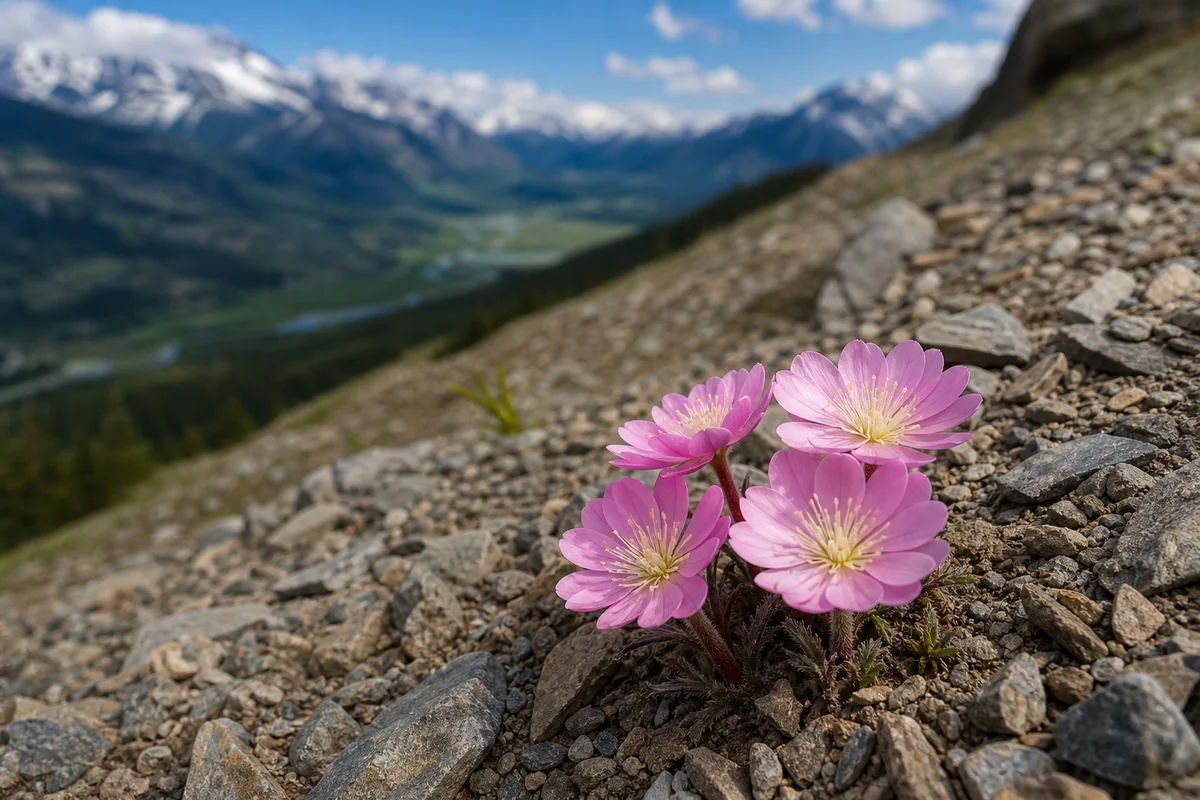
Beyond the State Seal, you can experience Montana’s state symbols firsthand: spot the Western Meadowlark (state bird) in grasslands, see Bitterroot flowers (state flower) blooming in June along mountain trails, and photograph the Grizzly Bear (state animal) in Glacier National Park. Many visitors combine a Capitol tour in Helena with a day trip to nearby Bitterroot Valley, about 120 miles south.
Is the Montana State Capitol in Helena worth a stop on a road trip through Montana?
Absolutely—the Montana State Capitol is worth a 1-2 hour stop, especially if you’re driving between Glacier National Park and Yellowstone along Highway 15. The building features impressive murals by Charles M. Russell, Greek Renaissance architecture, and the State Seal integrated into the marble floors, all providing great photo opportunities and a meaningful break from driving.
Sources
- https://mhs.mt.gov/education/Textbook/Chapter1/MontanaFlagLesson.pdf?ver=2020-06-30-144230-077
- https://leg.mt.gov/bills/mca/title_0010/chapter_0010/part_0050/section_0010/0010-0010-0050-0010.html
- https://fwp.mt.gov/binaries/content/assets/fwp/montana-outdoors/2011/statesymbols.pdf
- https://sosmt.gov/state-seal/
- https://commons.wikimedia.org/wiki/File:State_seal_of_Montana