

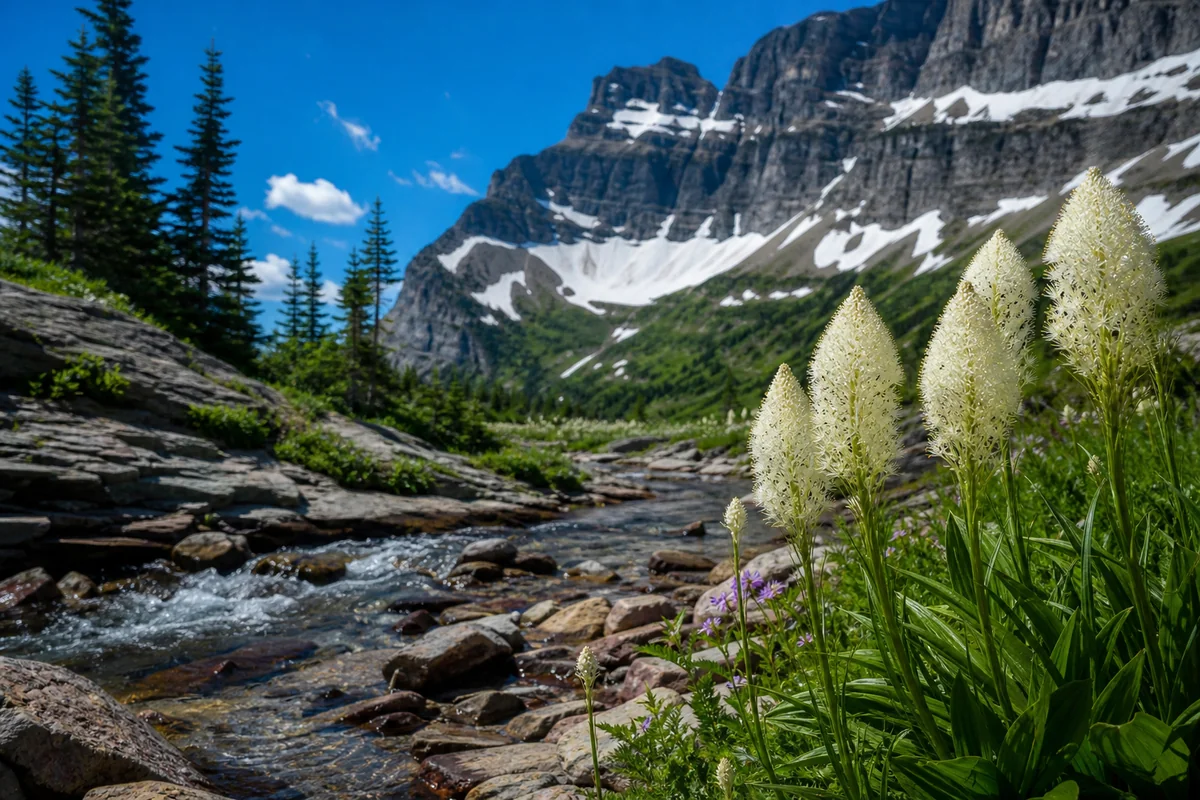
I was crouched beside a crystal-clear stream in Glacier National Park last July, completely mesmerized by a patch of beargrass that seemed to glow against the granite backdrop, when I realized something profound—Montana’s native plants tell the story of this landscape better than any guidebook ever could.
These aren’t just pretty flowers and grasses; they’re living connections to the indigenous cultures, wildlife, and geological history that make the Treasure State utterly unique among all the Montana State Symbols you’ll encounter during your visit.
- Montana hosts over 2,500 native plant species across diverse ecosystems from alpine tundra to prairie grasslands
- Best viewing seasons: late May through early August for wildflowers, September for fall foliage
- Top locations: Glacier National Park, National Bison Range, Beartooth Highway, and Pine Butte Swamp Preserve
- The official state flower, Bitterroot, blooms in May-June and is found primarily in western valleys
- Many native plants have deep cultural significance to Montana’s indigenous tribes
- Always stay on trails and never pick or transplant native plants from public lands
Liked this article?
Add Roaming Montana as a preferred source so you see more of our articles and guides on Google.
Why Montana’s Native Plants Matter to Travelers
When I first started exploring Montana seriously about eight years ago, I’ll admit I was laser-focused on wildlife—watching for grizzlies, photographing elk, hoping to spot the elusive Montana State Animal. But a conversation with a botanist near Many Glacier changed my perspective entirely.
She pointed out that every animal I wanted to see depended on the plants beneath our feet. The grizzlies fattening up for winter? They’re gorging on huckleberries and glacier lilies. Those bighorn sheep? They survive on bluebunch wheatgrass through brutal winters.
Understanding native plants transformed my Montana experiences from surface-level sightseeing to genuine ecological immersion. Now when I visit, I see the landscape in layers—each plant community tells me about soil conditions, elevation, moisture, and what wildlife might be nearby.
The Official State Flower: Bitterroot (Lewisia rediviva)
No discussion of Montana native plants can begin without the Montana State Flower, the Bitterroot. I remember my first encounter with this remarkable plant during a late May hike in the Bitterroot Valley—appropriately enough, since the entire mountain range and valley are named for this small but mighty flower.
The bitterroot looks almost impossibly delicate, with papery pink petals radiating from a tight cluster of narrow leaves. What’s remarkable is that this plant can survive complete desiccation and still bloom the following season.
Where I’ve Found the Best Bitterroot Displays
The National Bison Range near Moiese has never disappointed me for bitterroot viewing. During my visit last spring, the hillsides above the auto tour route were absolutely carpeted with blooms in the third week of May.
The Lolo Pass area between Montana and Idaho also offers reliable sightings. I hiked the Wagon Mountain Trail on a recent trip and counted hundreds of individual plants along the first two miles.
Cultural Significance
The Salish people have harvested bitterroot roots for thousands of years, traditionally gathered in spring before flowering when the roots are most nutritious. This isn’t just historical trivia—understanding this cultural connection helps you appreciate why certain areas are protected and why ethical observation matters.
Mountain Wildflowers That Will Stop You in Your Tracks
1. Beargrass (Xerophyllum tenax)
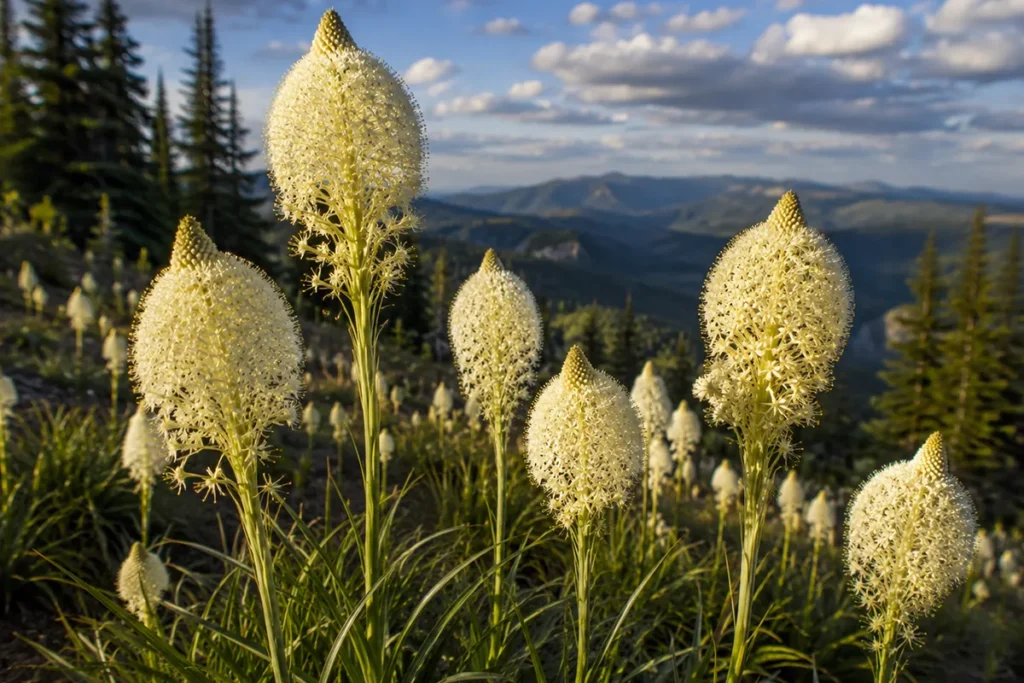
Beargrass is the show-stopper that grace countless Montana postcards, and for good reason. During a backpacking trip through the Highline Trail in Glacier National Park two summers ago, I walked through what felt like an endless field of these cream-colored torches.
Here’s something most visitors don’t realize: beargrass doesn’t bloom every year. Individual plants bloom on cycles of five to seven years, so some summers produce spectacular displays while others are relatively sparse. I lucked out in 2022, which was a banner year throughout northwestern Montana.
Best viewing spots I’ve personally confirmed: Logan Pass, Going-to-the-Sun Road pullouts, and the Jewel Basin Hiking Area near Kalispell.
2. Glacier Lily (Erythronium grandiflorum)
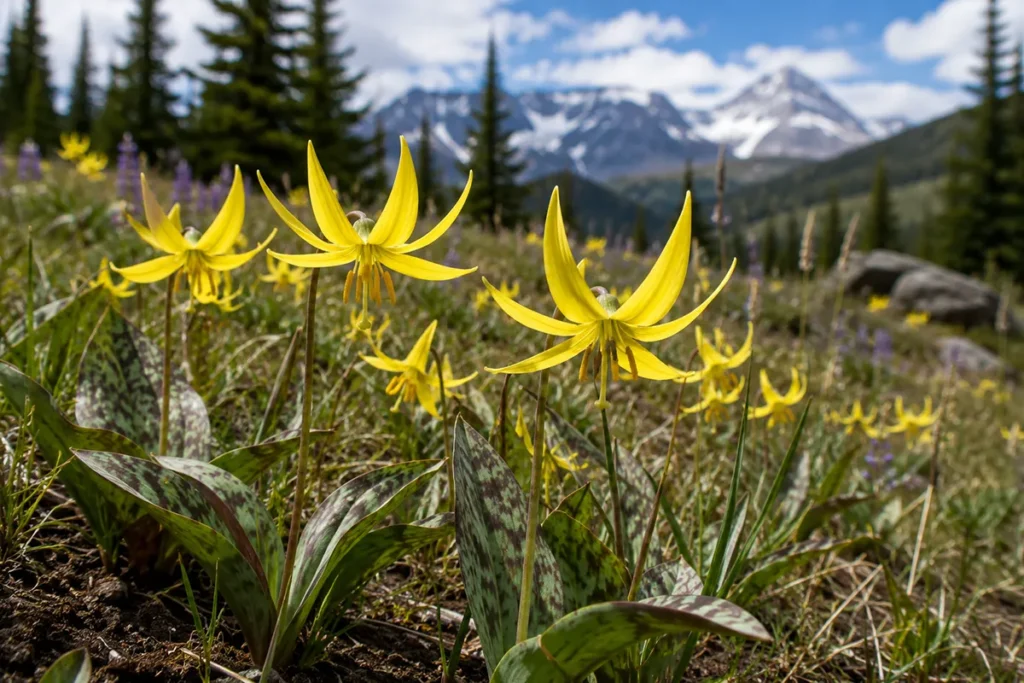
These cheerful yellow flowers are among the first to push through snowmelt, often blooming while surrounded by lingering snow patches. I’ve photographed glacier lilies at the base of Clements Mountain in late June, literally growing through ice crystals.
Grizzly bears specifically seek out glacier lily bulbs in spring—they’re high in carbohydrates after a long hibernation. If you spot disturbed soil with scattered yellow petals in bear country, you’re looking at evidence of a recent ursine meal.
3. Indian Paintbrush (Castilleja species)
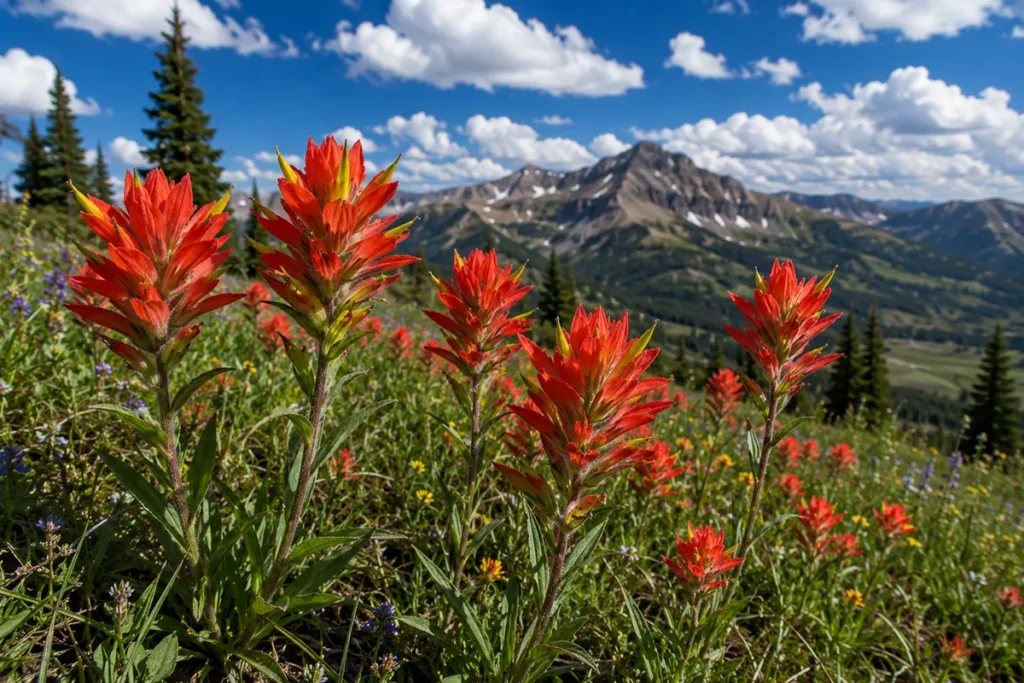
Montana hosts numerous species of paintbrush in colors ranging from scarlet to orange to pale yellow. What fascinated me when I learned this on a ranger-led walk near Two Medicine Lake is that paintbrush is partially parasitic—it taps into the roots of neighboring plants for nutrients.
The crimson variety is most common along mountain trails from June through August. I find the best concentrations along subalpine meadow edges where forest meets grassland.
4. Shooting Star (Dodecatheon pulchellum)
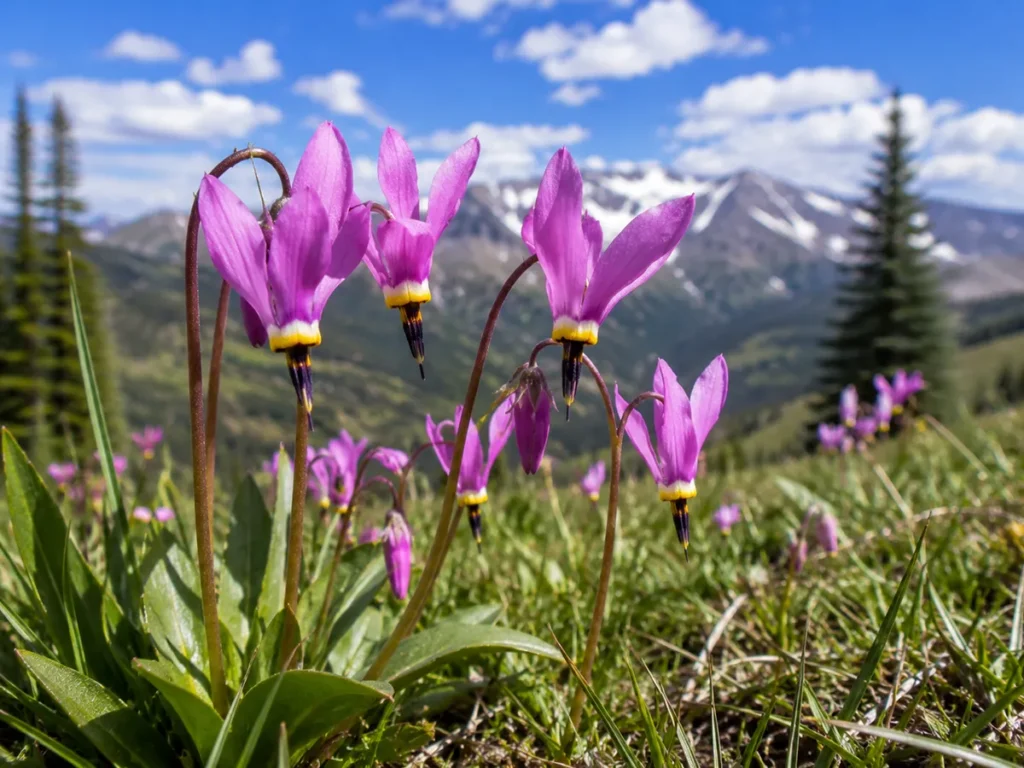
With their swept-back petals and downward-pointing stamens, shooting stars look exactly like their name suggests—cosmic visitors frozen mid-descent. Last spring I found a particularly stunning colony near a seep on the Rocky Mountain Front where the water kept the soil consistently moist.
They prefer wet meadows and stream banks, blooming from May to July depending on elevation. The Wild Horse Island State Park on Flathead Lake has excellent populations.
5. Lupine (Lupinus species)
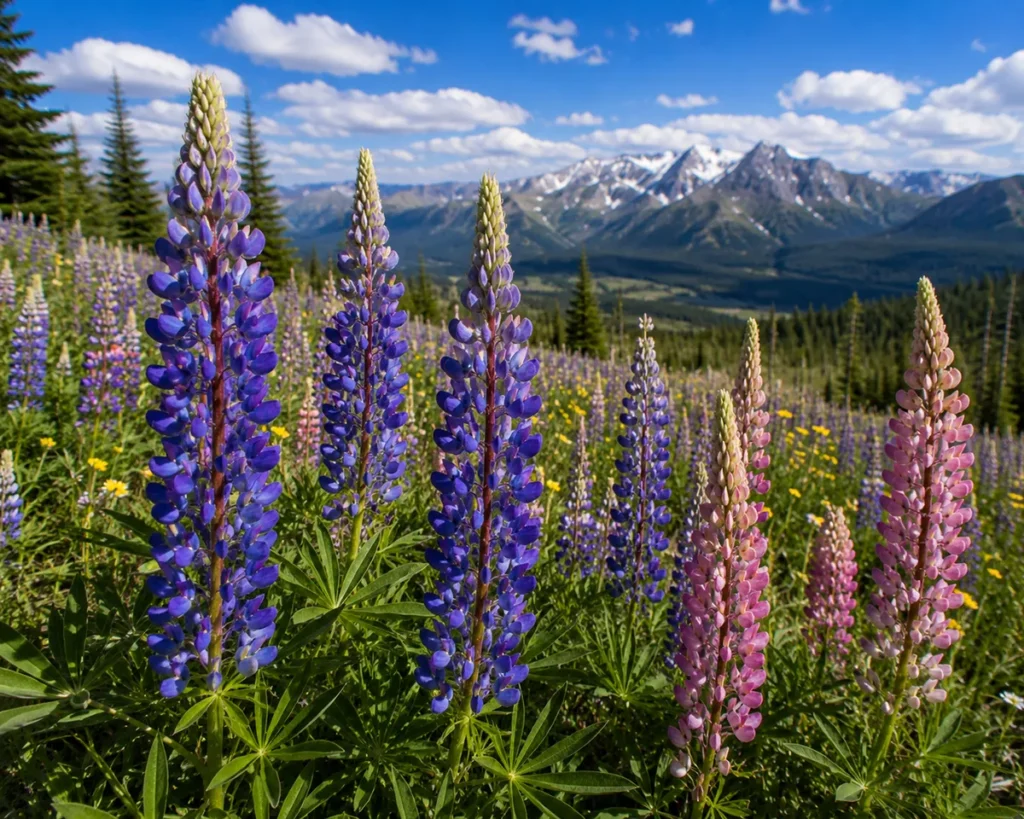
Montana’s lupines range from the tiny dwarf lupine of alpine areas to the robust silvery lupine of lower elevations. The blue-purple flower spikes are unmistakable, and they often grow in massive colonies that turn entire hillsides purple.
On a drive along the Beartooth Highway during my visit last July, I pulled over at least a dozen times to photograph lupine meadows. The area between Cooke City and the summit offers some of the most accessible displays I’ve encountered anywhere in the state.
Grassland Species: The Unsung Heroes
6. Bluebunch Wheatgrass (Pseudoroegneria spicata)
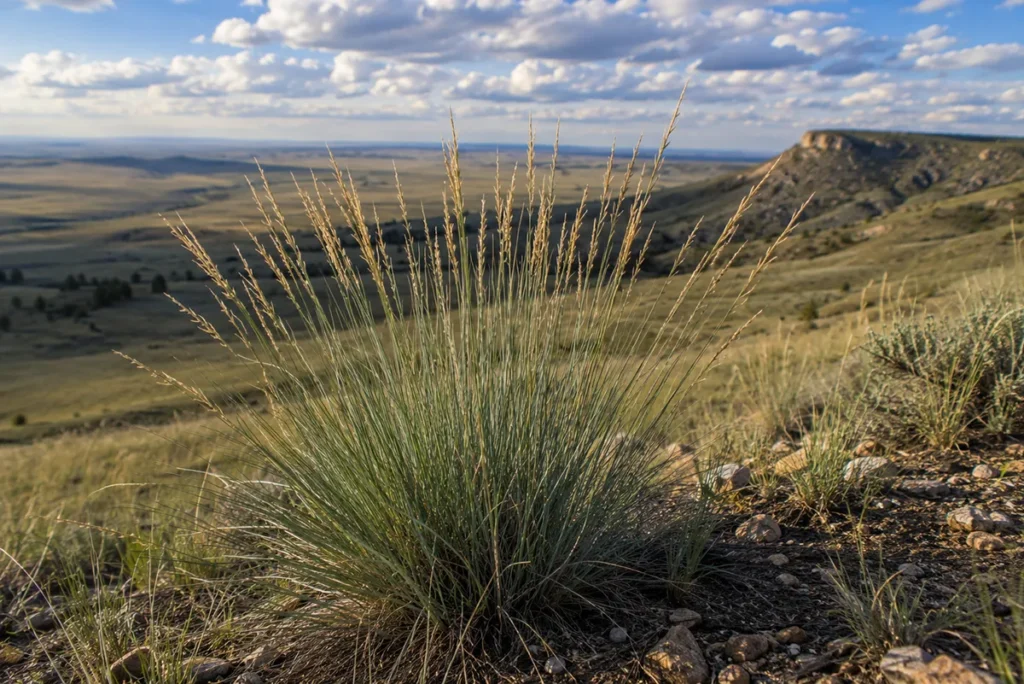
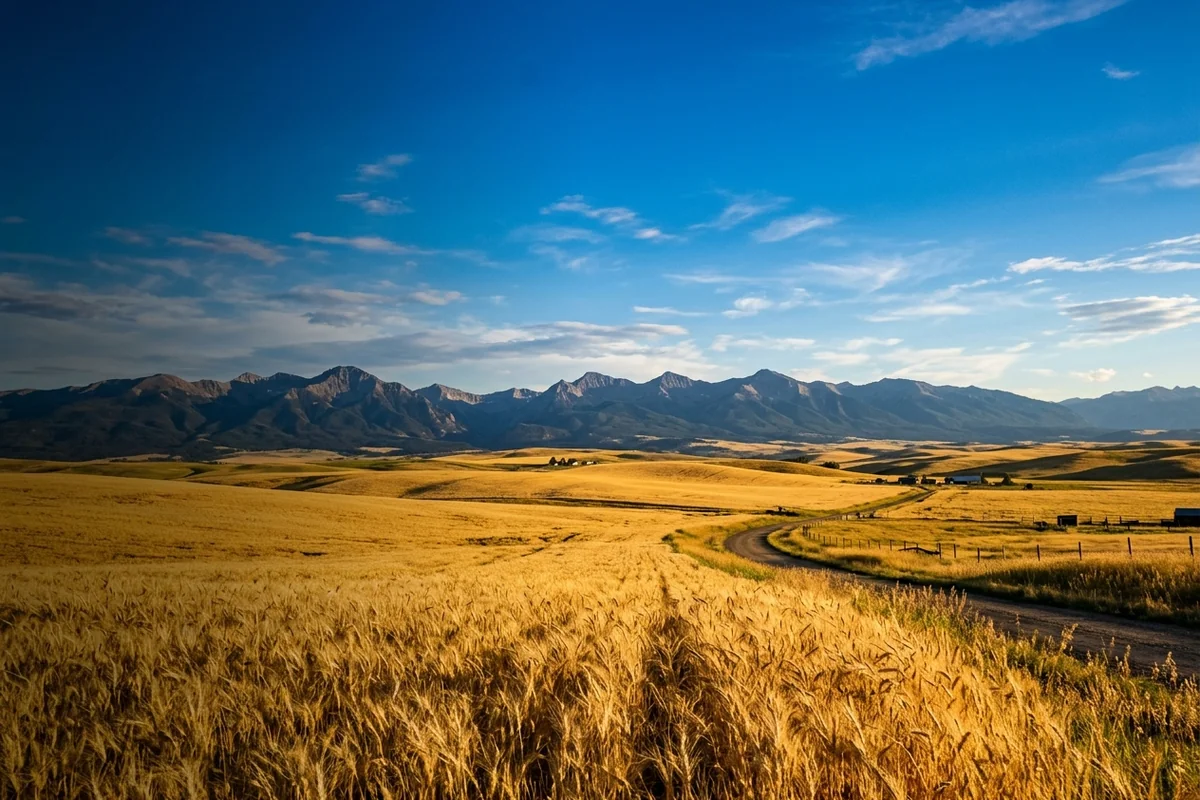
When you think of Montana, you might picture mountains—but the eastern two-thirds of the state is actually prairie, and bluebunch wheatgrass is its backbone. This bunch grass once dominated the landscape from the foothills to the breaks of the Missouri River.
I spent a memorable October afternoon at the American Prairie Reserve near Malta watching pronghorn graze through wheatgrass that had turned from green to copper-gold. Understanding the Montana State Grass helps you appreciate why grassland conservation matters so deeply here.
7. Idaho Fescue (Festuca idahoensis)
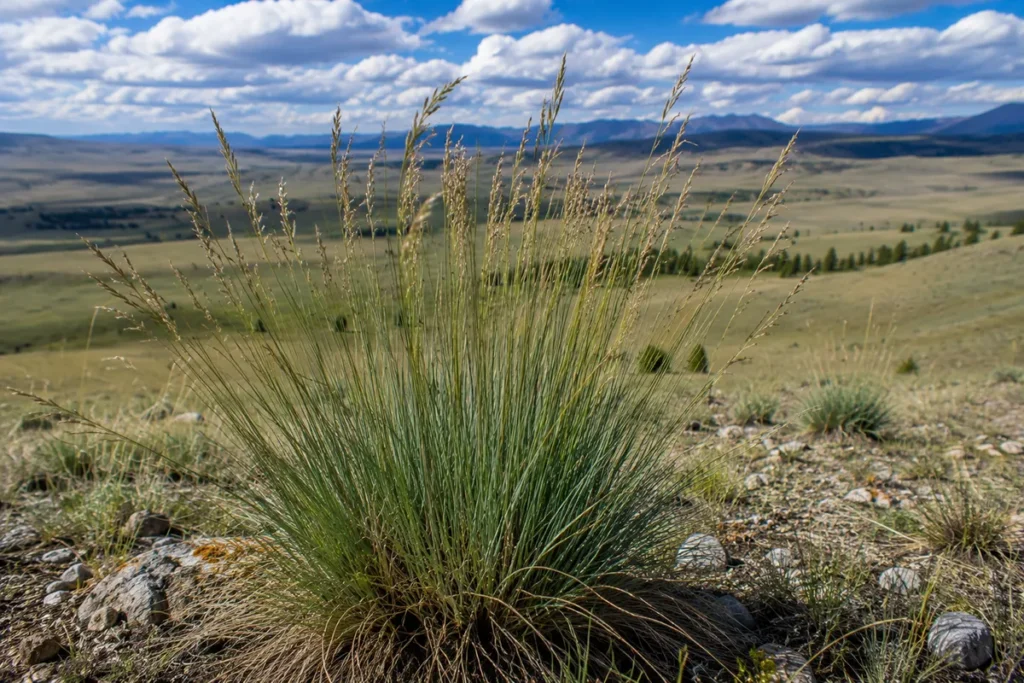
Despite its name, Idaho fescue is incredibly common throughout Montana’s mountain valleys and foothills. It’s a cool-season grass that turns green before most other species and provides crucial early forage for wildlife.
On the National Bison Range auto tour, interpretive signs help you identify this fine-leaved grass growing among the sagebrush. It’s easy to overlook, but once you recognize its distinctive blue-green color, you’ll see it everywhere.
8. Blue Grama (Bouteloua gracilis)
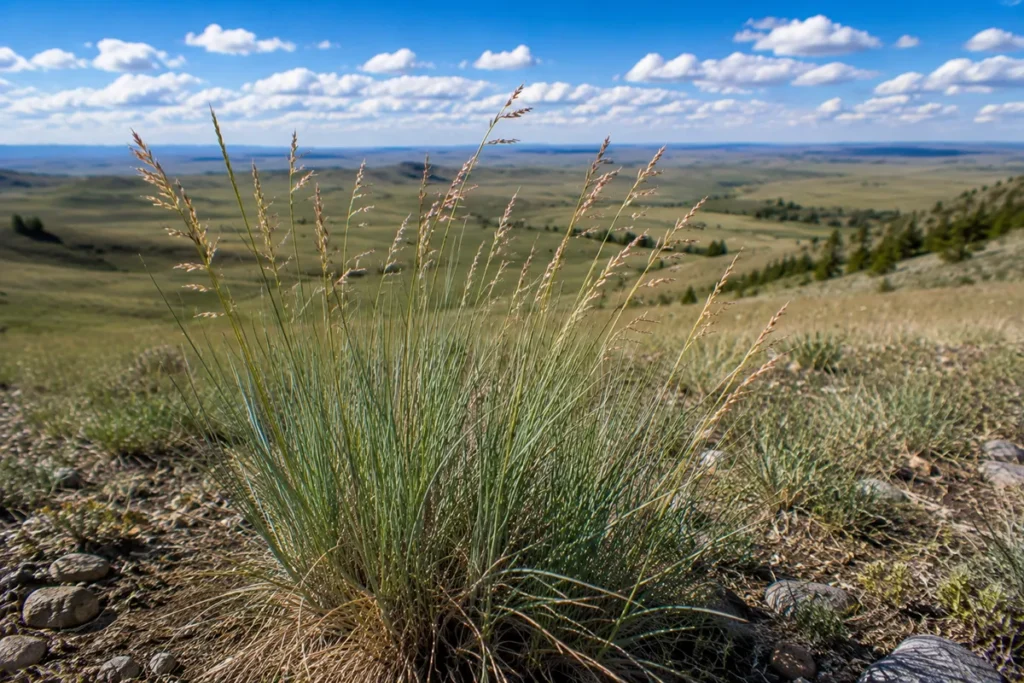
The iconic “eyelash grass” of the Great Plains extends into Montana’s eastern prairies. Its distinctive seed heads look like tiny flags or, yes, eyelashes catching the wind.
During a recent trip to Makoshika State Park near Glendive—where you can also learn about the Montana State Fossil—I found blue grama growing on exposed hillsides between the badlands formations. It’s drought-tolerant and perfectly adapted to Montana’s semi-arid eastern climate.
Shrubs and Woody Plants Worth Knowing
9. Huckleberry (Vaccinium species)
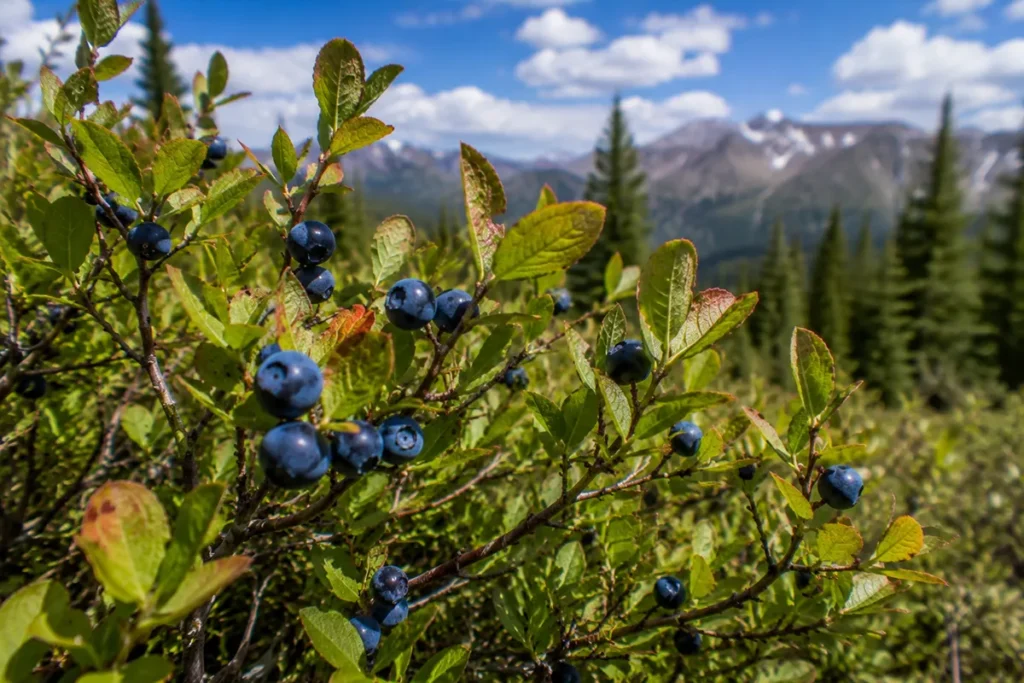
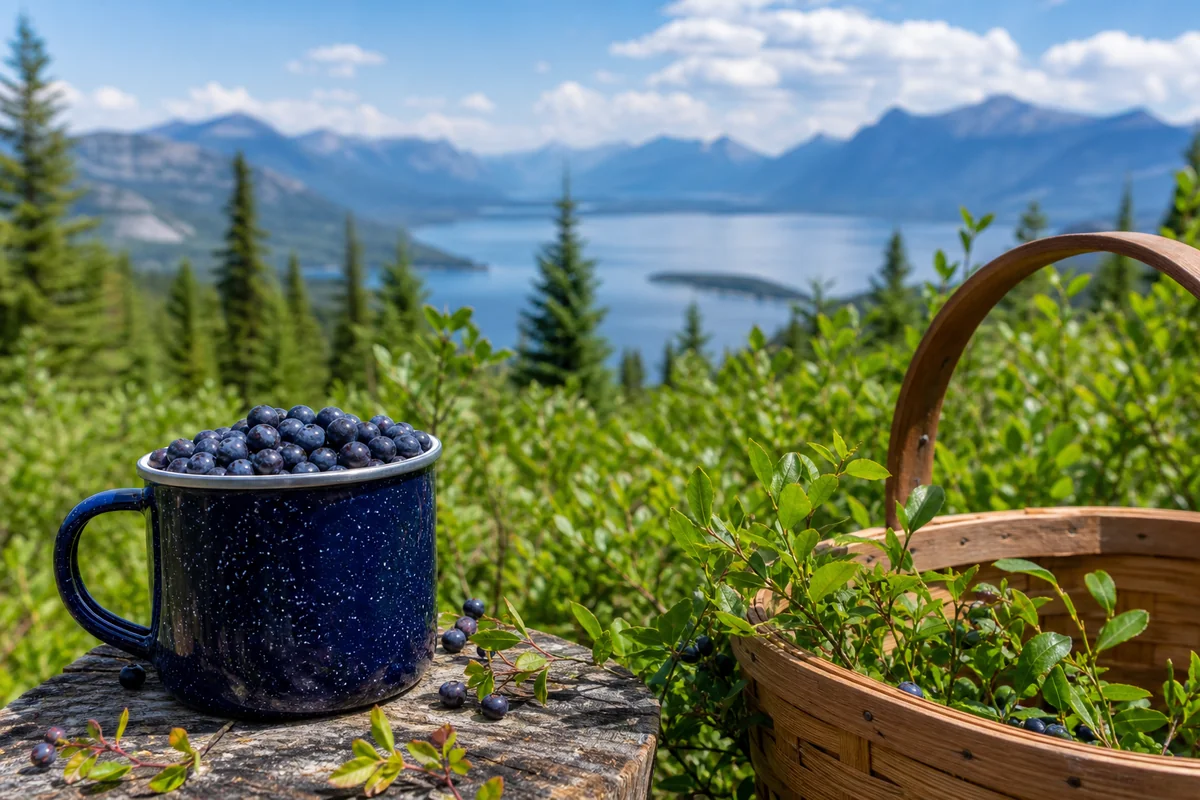
No plant connects more deeply to Montana culture than the huckleberry, designated as the Montana State Fruit. I’ve picked huckleberries in the Swan Valley, along the trails near Whitefish, and in the Bitterroot Mountains, and the flavor never disappoints.
Wild huckleberries cannot be commercially cultivated, which makes them truly special—every huckleberry product you buy in Montana was hand-picked from wild plants. The berry picking season runs from late July through early September, depending on elevation and weather.
Fair warning: bears love huckleberries as much as humans do. I always carry bear spray and make noise when picking in dense huckleberry patches.
10. Big Sagebrush (Artemisia tridentata)
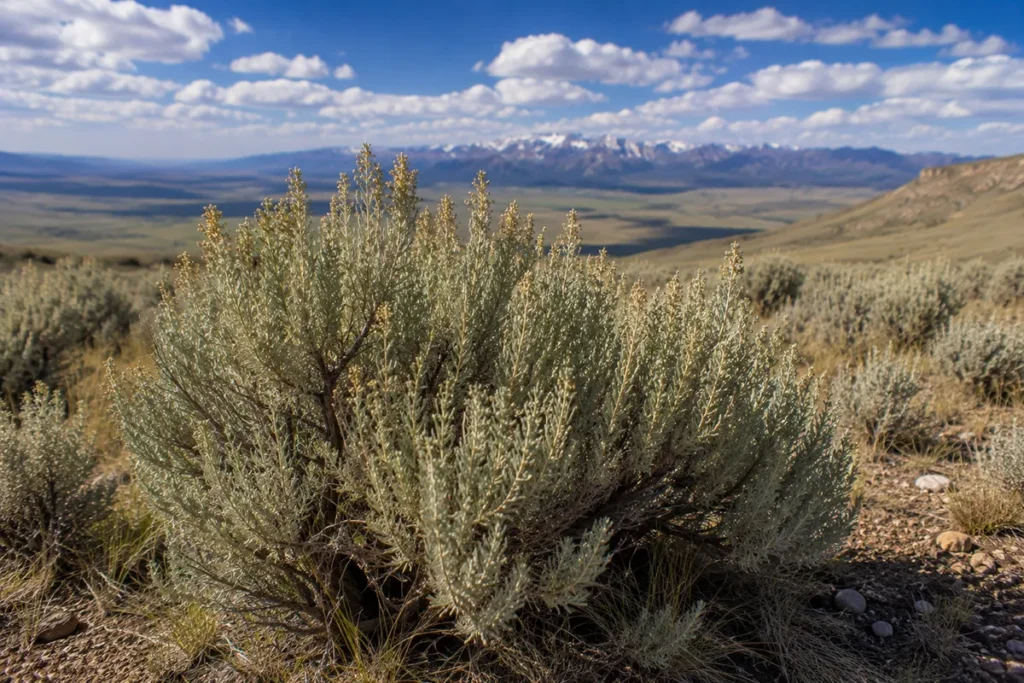
That distinctive scent that hits you when you pull off Interstate 90 near Butte? That’s big sagebrush, and it’s as Montana as it gets. This silvery-gray shrub dominates valleys and dry slopes throughout the western and central parts of the state.
Indigenous peoples used sagebrush medicinally and ceremonially for millennia. When crushed, the leaves release aromatic oils that I find utterly intoxicating after a rainstorm. It’s a smell I associate with arriving in Montana.
11. Chokecherry (Prunus virginiana)
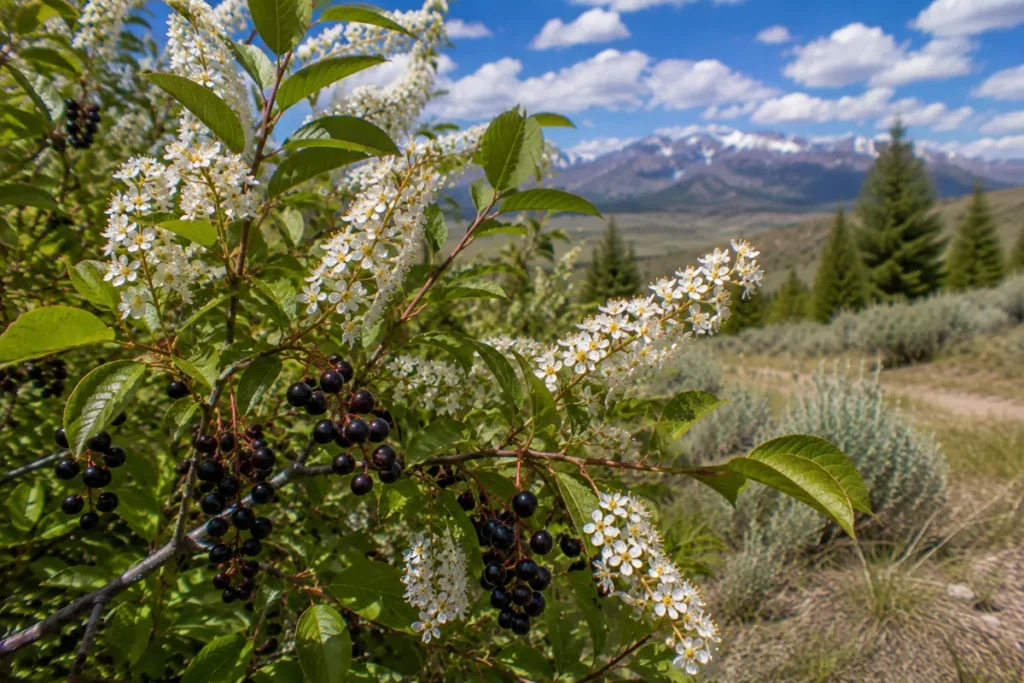
Chokecherry bushes line streams and moist draws throughout Montana, producing white flower clusters in spring and dark purple fruits in late summer. The berries are astringent when raw (hence the name) but make excellent syrups and jellies when cooked with sugar.
Lewis and Clark noted chokecherries extensively in their journals as they passed through what would become Montana. Today you’ll find them along nearly every riparian corridor in the state.
12. Serviceberry (Amelanchier alnifolia)
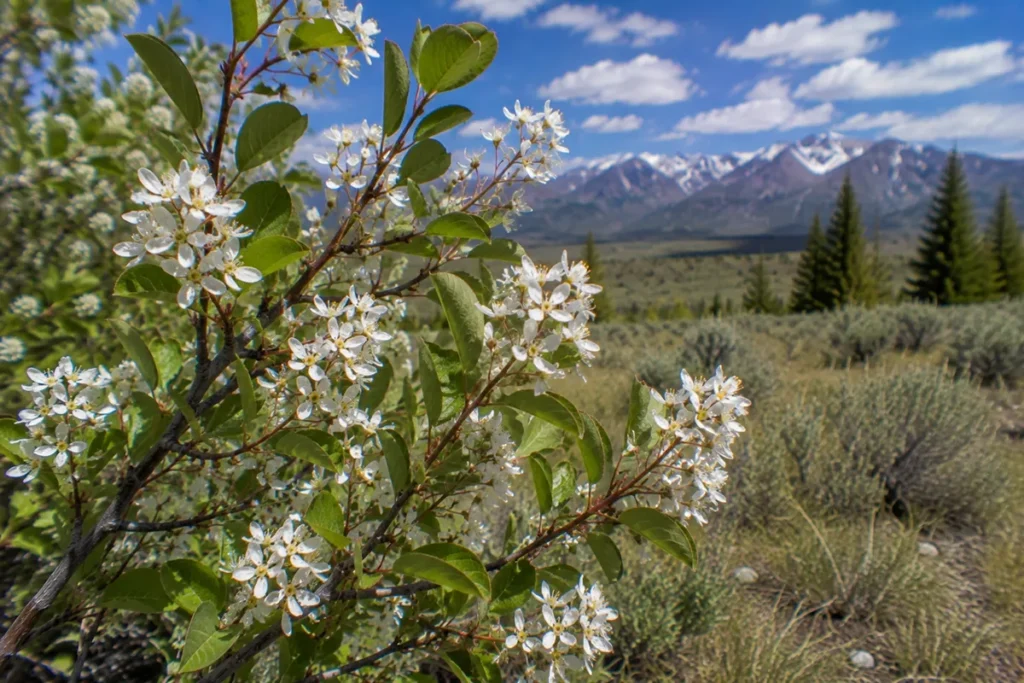
Also called Saskatoon berry, this shrub produces sweet, blueberry-like fruits that were a staple food for Montana’s indigenous peoples. I’ve snacked on serviceberries while hiking in the Bitterroot Valley and found them surprisingly sweet and pleasant.
The white spring flowers appear before most other shrubs leaf out, making serviceberry easy to identify in April and May. By July, the berries are ripe and the wildlife competition—birds, bears, and small mammals—is intense.
13. Western Red Cedar (Thuja plicata)
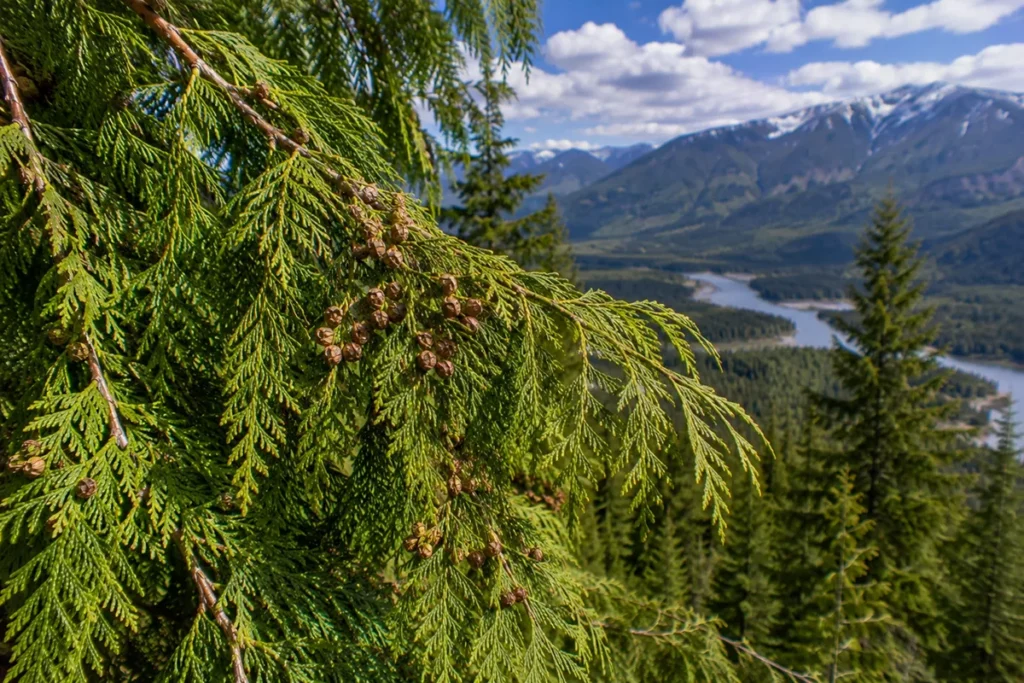
In the far northwestern corner of Montana, particularly around the Bull River and the Troy area, you’ll find western red cedar groves that feel transplanted from the Pacific Northwest. These massive trees create a cathedral-like atmosphere that’s utterly unique in Montana.
During a fall trip to the Ross Creek Cedar Grove, I wandered among trees over 500 years old with trunks eight feet in diameter. The grove has a short interpretive trail that’s accessible for most visitors.
Alpine and Subalpine Specialists
14. Alpine Forget-Me-Not (Eritrichium nanum)
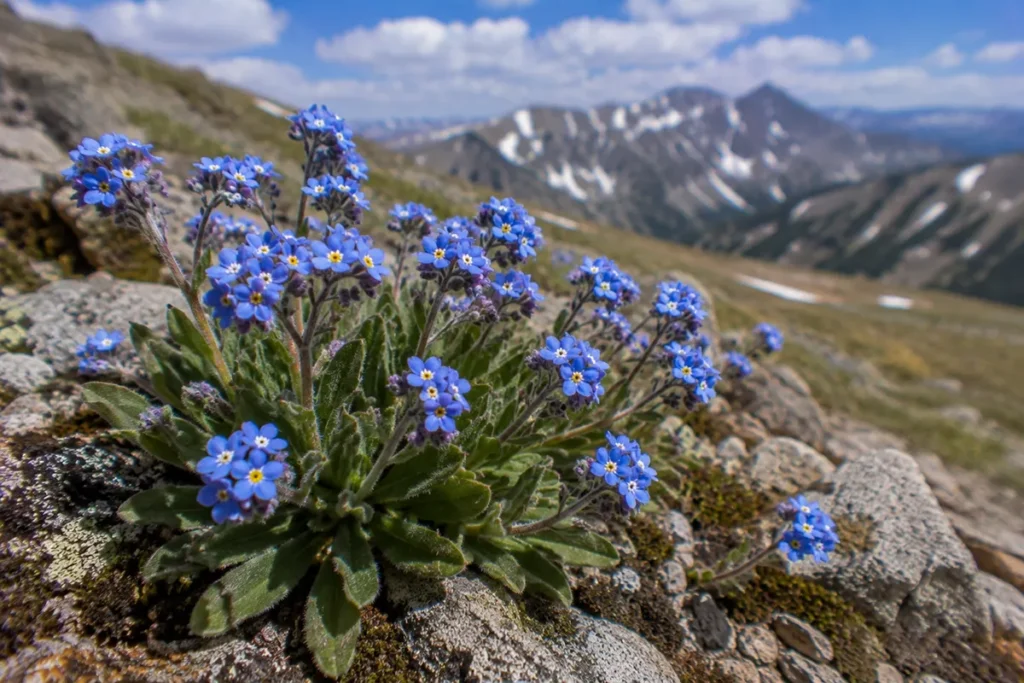
This tiny cushion plant produces impossibly blue flowers that seem too vibrant for the harsh alpine environment. I first encountered them near the summit of Mount Siyeh in Glacier National Park, growing from rock crevices where nothing else could survive.
Alpine forget-me-nots bloom in July and August, but reaching them requires serious hiking to elevations above 7,000 feet. They’re worth the effort—those flowers are one of the most intensely blue things in nature.
15. Moss Campion (Silene acaulis)
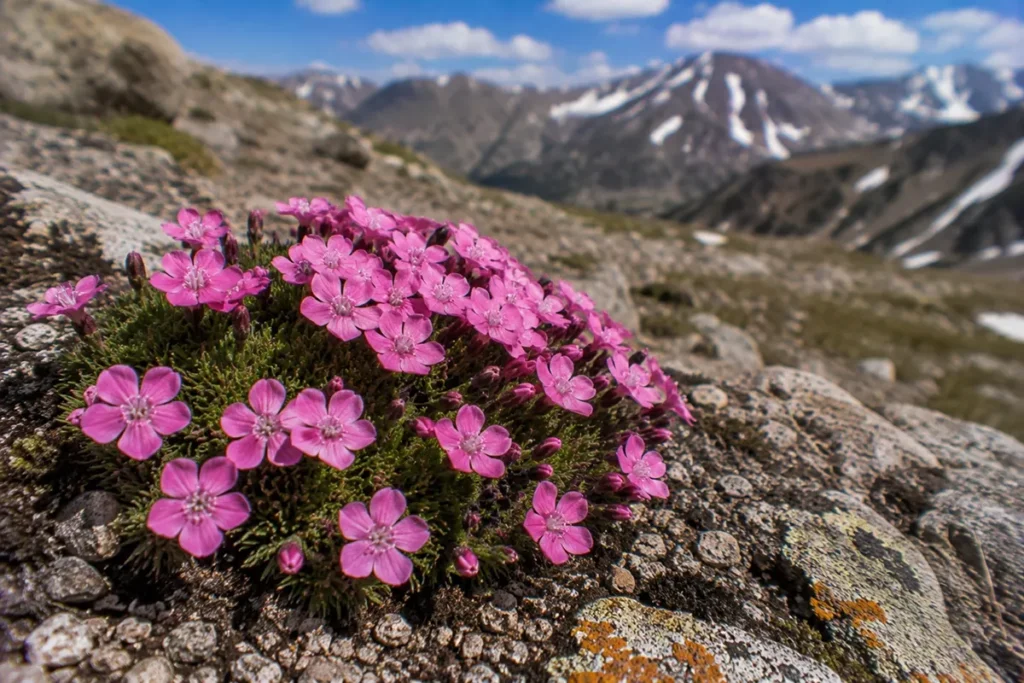
Another cushion plant, moss campion forms dense mats studded with tiny pink flowers. These slow-growing plants can live for decades, with some colonies estimated at over 300 years old.
I’ve photographed moss campion on Highline Trail, along the Continental Divide, and on the Beartooth Plateau. It’s amazing that something so delicate-looking thrives in such an extreme environment—wind-blasted, frozen for months, and exposed to intense UV radiation.
16. Whitebark Pine (Pinus albicaulis)
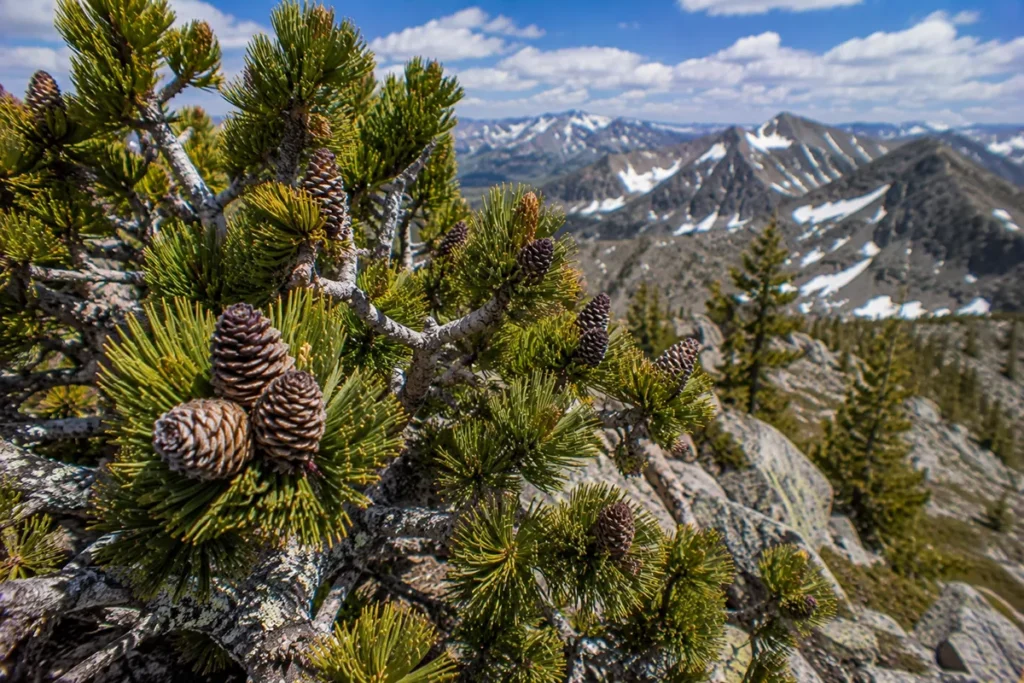
While the Montana State Tree is the Ponderosa Pine, whitebark pine holds a special ecological place in high-elevation forests. These wind-twisted trees produce large seeds that grizzly bears depend on for pre-hibernation calories.
Sadly, whitebark pine is in serious decline due to blister rust and mountain pine beetles. On my hikes through Glacier National Park, I’ve seen too many dead whitebark pines—their ghostly gray trunks standing as reminders of climate change impacts already underway.
Wetland and Riparian Plants
17. Yellow Pond Lily (Nuphar lutea)
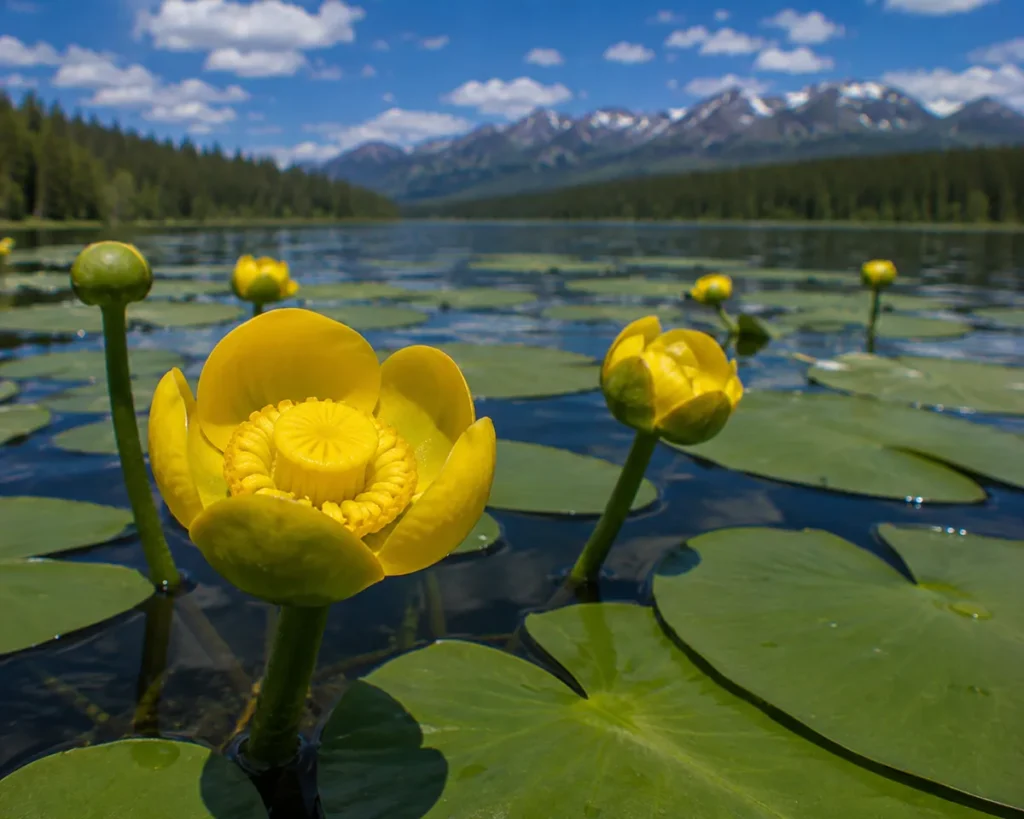
Montana’s mountain lakes and slow streams often host yellow pond lilies, their waxy leaves and globe-shaped flowers creating classic water garden scenes. I paddled a canoe through extensive lily pads on Seeley Lake during a quiet morning last August, watching ospreys fish overhead.
The roots are edible and were traditionally gathered by indigenous peoples. Today, they provide habitat for fish and aquatic insects while the floating leaves offer resting spots for frogs and dragonflies.
18. Cattail (Typha latifolia)
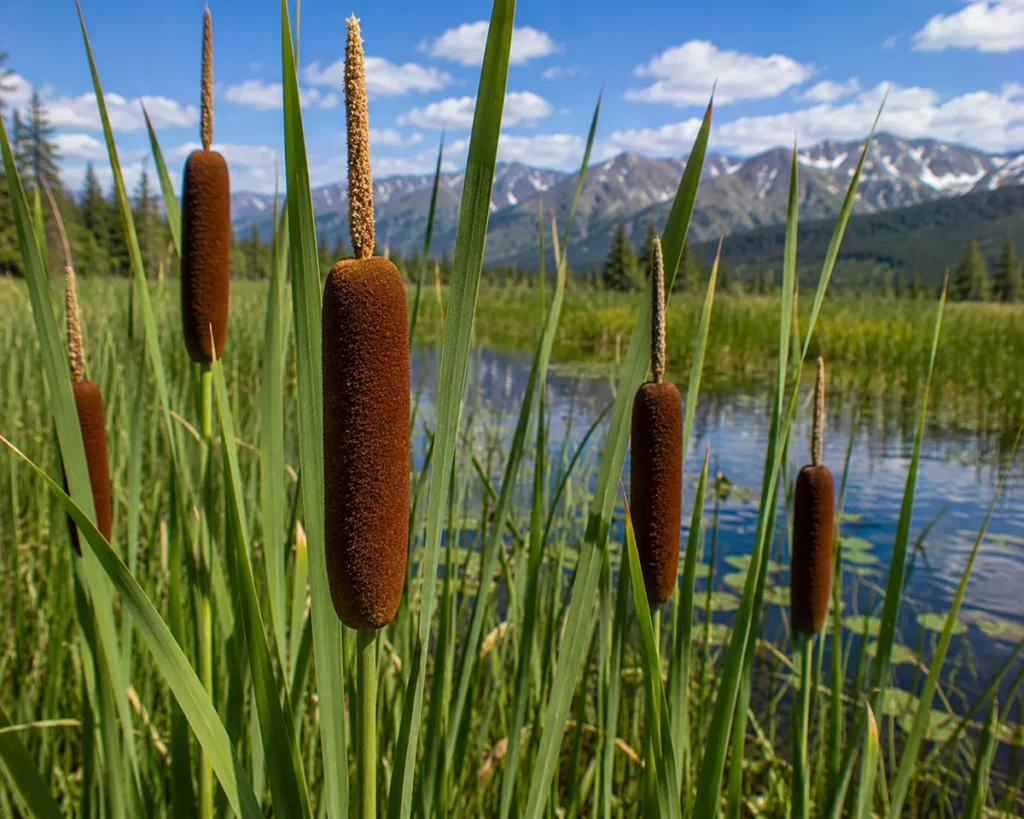
Found throughout Montana’s marshes, potholes, and wetland edges, cattails are among the most recognizable native plants. Every part of this plant was used by indigenous peoples—the roots for food, the leaves for weaving, the fluffy seed heads for insulation and wound dressings.
The prairie pothole wetlands of northeastern Montana are full of cattails, and these areas provide critical habitat for the Montana State Bird, the Western Meadowlark, along with countless ducks and shorebirds.
19. Rocky Mountain Iris (Iris missouriensis)
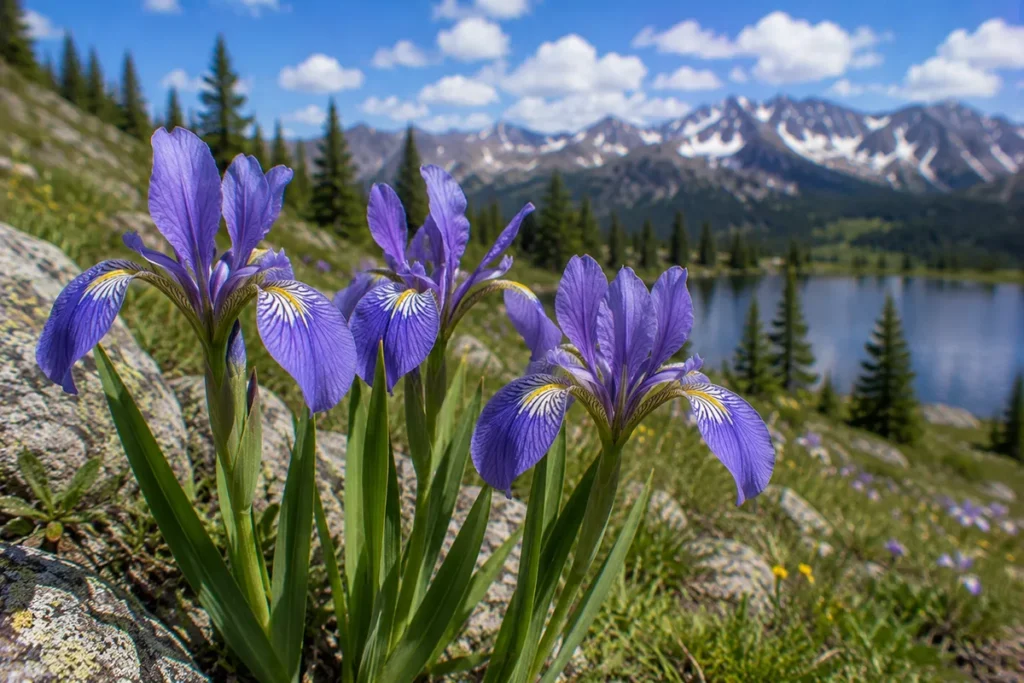
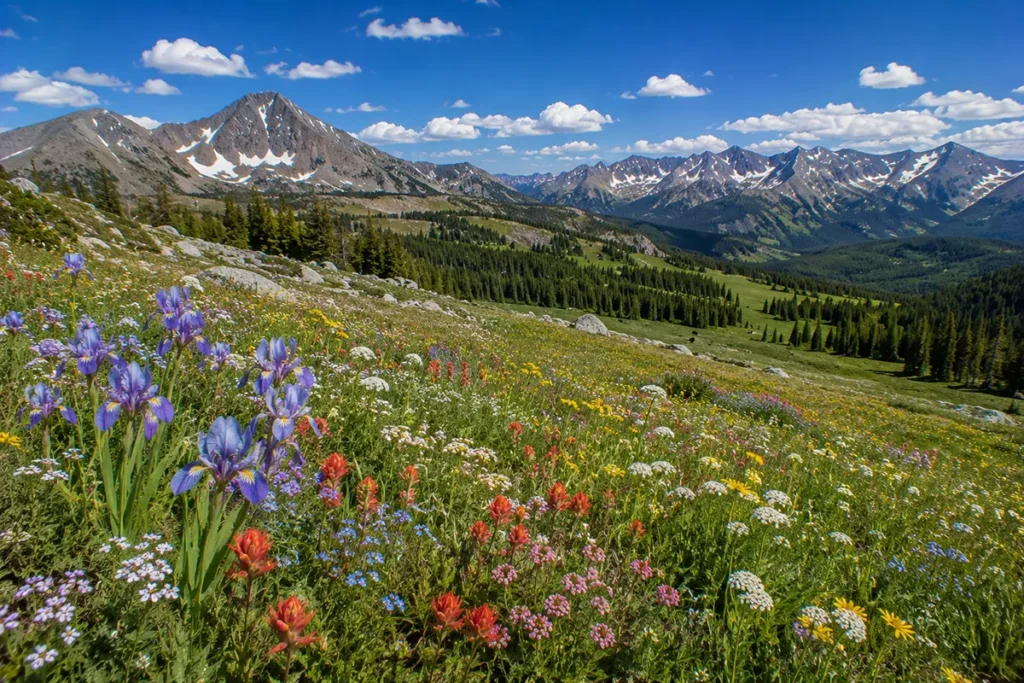
Blue flags of Rocky Mountain iris brighten wet meadows and streambanks throughout Montana from late May through June. I came across a particularly stunning display in a roadside meadow near Ennis last spring—hundreds of blue flowers nodding above lance-shaped leaves.
Unlike many garden irises, the wild species is more modest in size, but what it lacks in stature it makes up for in elegant simplicity. Look for them in any moist area below 8,000 feet elevation.
Iconic but Often Overlooked Native Plants
20. Prickly Pear Cactus (Opuntia polyacantha)
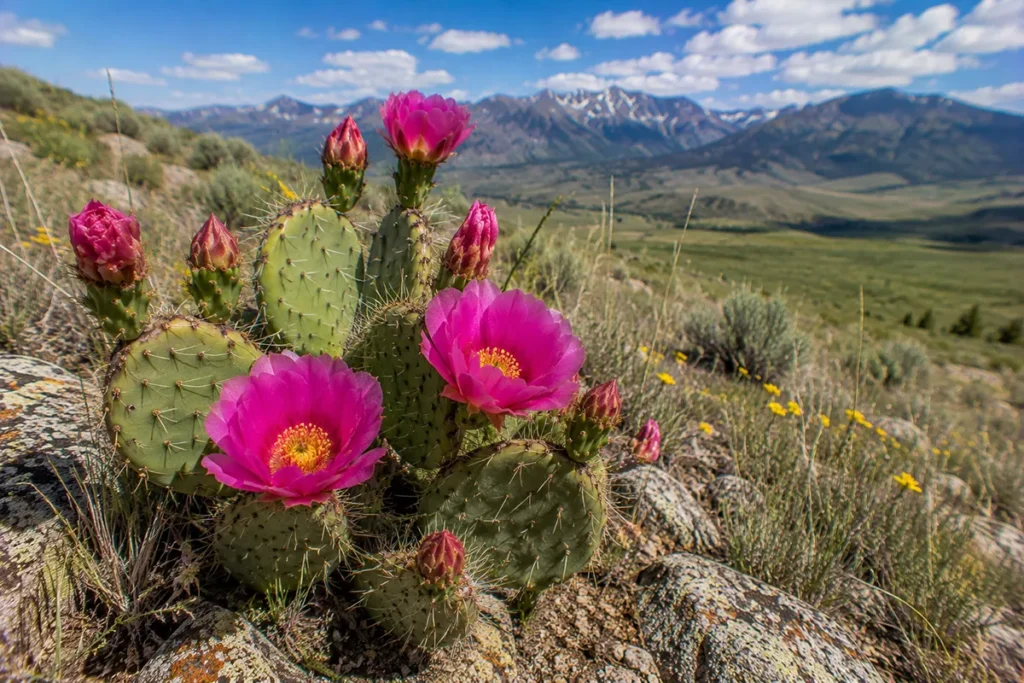
Many visitors are surprised to find cacti in Montana, but prickly pear thrives on dry, rocky slopes throughout the central and eastern parts of the state. Near Helena, along the slopes above the Montana State Capitol Building, I’ve found several species growing alongside sagebrush.
The bright yellow flowers appear in June, followed by reddish fruits that are edible (carefully!) and were traditionally gathered by indigenous peoples. Watch your ankles on prairie trails—these cacti blend surprisingly well with dried grass.
21. Yarrow (Achillea millefolium)
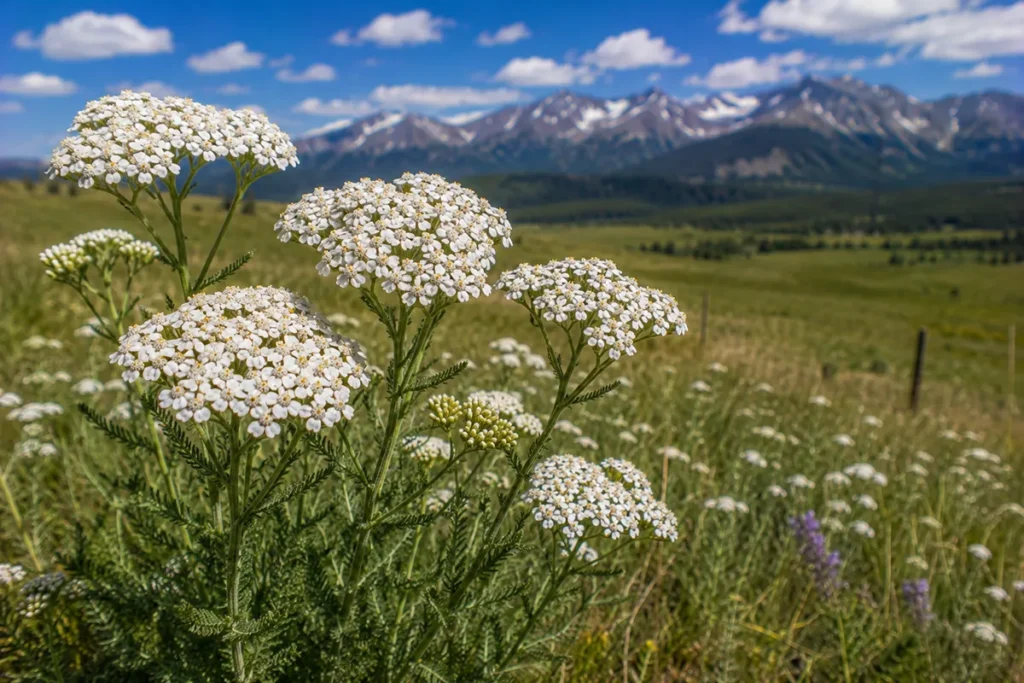
Yarrow’s flat-topped white flower clusters and feathery leaves appear throughout Montana from valley floors to alpine meadows. It’s one of the most adaptable native plants, growing in conditions from dry prairies to moist mountain slopes.
Indigenous peoples and early settlers used yarrow medicinally—it’s sometimes called “soldier’s woundwort” for its traditional use in treating injuries. The finely divided leaves, which give the plant its scientific name “millefolium” (thousand-leaf), are distinctive once you learn to recognize them.
Practical Information for Plant-Seeking Travelers
| Season | What’s Blooming | Best Locations |
|---|---|---|
| May – Early June | Bitterroot, shooting stars, glacier lilies (lower elevations), serviceberry flowers | Bitterroot Valley, National Bison Range, low-elevation trails |
| Mid-June – July | Beargrass, lupine, paintbrush, glacier lilies (high elevation), Rocky Mountain iris | Glacier National Park, Beartooth Highway, Jewel Basin |
| Late July – August | Alpine flowers, huckleberries, yarrow, late-season paintbrush | High alpine areas, subalpine meadows, mountain passes |
| September – October | Grass seed heads, fall foliage, late berries | Prairies, aspen groves, cottonwood river bottoms |
Ethics and Responsible Plant Viewing
I feel strongly about this topic because I’ve watched visitors trample wildflower meadows for photos and pick bouquets of protected species. Here’s what responsible plant enthusiasts need to know:
Never pick or transplant native plants from public lands. It’s illegal in national parks and often on other public lands as well. Even on private land, collection can harm populations of slow-growing species.
Stay on established trails in sensitive areas. Alpine and subalpine plants are especially vulnerable—they grow slowly, and foot traffic compacts soil and damages root systems that took decades to develop.
Be careful about where you photograph. I’ve seen photographers create “social trails” by repeatedly walking off-path to get shots of the same photogenic flower patch.
Learn to identify invasive species too. When I spot spotted knapweed or leafy spurge on public lands, I report it to land managers. Understanding the difference between native and invasive plants helps protect Montana’s botanical heritage.
Speaking of thistles, not all thistles in Montana are invasive—some are native and important for pollinators. Check out the Montana Thistle Guide if you want to learn the difference.
Resources for Deeper Learning
The Montana Natural Heritage Program maintains excellent online resources for identifying native plants. I’ve used their field guides on many trips.
Local native plant societies offer guided walks and workshops—I attended one through the Montana Native Plant Society in Missoula that dramatically improved my identification skills.
Several botanical gardens feature native plant collections, including the Montana Arboretum near Helena. These are great places to learn identification in a controlled setting before heading into the field.
For serious enthusiasts, the Flora of Montana is the definitive technical reference, though it’s hefty and expensive. Most visitors will do fine with one of the many excellent regional wildflower guides available at Montana bookstores.
Connecting Plants to Montana’s Broader Story
What I love most about exploring Montana’s native plants is how they connect to every other aspect of what makes this state remarkable. The Montana State Fish, the cutthroat trout, depends on intact riparian plant communities that shade and cool mountain streams.
The Montana State Insect, the mourning cloak butterfly, needs specific host plants for its caterpillars. The very landscapes celebrated in Montana songs and represented on the Montana State Quarter are defined by their plant communities.
Even the symbolic elements like the Montana State Flag, the Montana State Seal, and Montana’s State Colors all speak to a landscape shaped by native vegetation—the gold of autumn grasses, the blue of mountain skies, the green of conifer forests.
The Montana State Motto, “Oro y Plata” (Gold and Silver), references mining history, but the state’s true wealth lies in its ecological heritage. Even the various Montana Slogans and the Montana State Nicknames allude to the wild landscapes that native plants make possible.
Understanding Montana’s native plants transformed how I experience this state. Where I once saw generic “nature,” I now see intricate ecological relationships, indigenous cultural connections, and conservation challenges.
When you visit Montana, I hope you’ll take time to look closely at the plants beneath your feet and along the trails you hike. Whether you’re watching the Montana State Lullaby being sung to children at a cultural event or listening to the Montana State Song at a public gathering, remember that the landscapes those songs celebrate start with these remarkable native plants.
They’re not just pretty scenery—they’re the foundation of everything that makes Montana worth visiting.
Frequently Asked Questions
What are Montana’s official state native plants, and which ones will I most likely encounter on a trip?
Montana’s official botanical symbols are the Bitterroot (state flower) and Ponderosa Pine (state tree). In practice, what you’ll see depends on where you go — beargrass and glacier lily in Glacier National Park, sagebrush and prickly pear on the eastern prairie, western red cedar in the far northwest. The seasonal table earlier in this post maps out exactly what blooms when and where.
Do I need permits or passes to access Montana’s best native plant viewing areas?
Glacier National Park requires an entry fee and timed road reservations in peak season — book early, they sell out. The National Bison Range has its own entry fee. National Forest and BLM land is generally free and open. State parks charge a small day-use fee. Always check current road and fire conditions before heading somewhere remote.
What’s the best app or field guide for identifying Montana native plants?
iNaturalist is the most useful tool in the field — photograph, submit, get a community ID fast. For a physical guide, “Plants of the Rocky Mountains” by Linda Kershaw is what I carry. The Montana Natural Heritage Program (mtnhp.org) has free, detailed species accounts online. For grasses specifically, “Grasses of the Northern Rocky Mountains” by Peter Lesica is the one to have.
When exactly is peak wildflower season in Montana?
It cascades by elevation — bitterroot and shooting stars peak in mid-to-late May in the valleys, Glacier’s mid-elevation trails are best late June through mid-July, and true alpine areas above 7,000 feet don’t peak until late July into August. If you can only visit once, the second and third weeks of July capture the most species across the most elevations simultaneously.
Are any Montana native plants dangerous to touch or eat?
A few to know: prickly pear cactus spines go through thin shoes — watch your ankles in eastern Montana. Water hemlock, found in wet areas, is extremely toxic — don’t handle or forage it. Stinging nettle along moist trails delivers a temporary but unpleasant sting. Everything else is generally safe to observe. Universal rule: if you’re not certain what it is, don’t eat it.
Can I pick or collect native plants, seeds, or berries on public land?
In national parks, collecting anything is prohibited — you can eat berries as you hike, but can’t take them home. On National Forest and BLM land, personal-use berry picking is generally allowed. Never dig up or transplant native plants regardless of land type — it’s usually illegal and the plants almost never survive anyway. When in doubt, leave it where it’s growing.
What are the best native plant viewing spots for visitors with limited mobility?
The National Bison Range auto tour is entirely drive-through. Going-to-the-Sun Road pullouts put you next to mountain wildflowers without hiking. Ross Creek Cedar Grove near Troy has a short, mostly flat loop. The Blackfoot-Clearwater Wildlife Management Area along Highway 83 has roadside meadows that come right to the pullout — excellent for June and July wildflowers with zero trail required.

I am not finding much information on native plants is south east Montana. Do you know of any sources where I can obtain information? The Native Plant Society has not been able tl give me help.
Hey Kathy, I would love to help you. Can you please let me know in detail exactly what kind of help you need. What information you looking for on native plants.