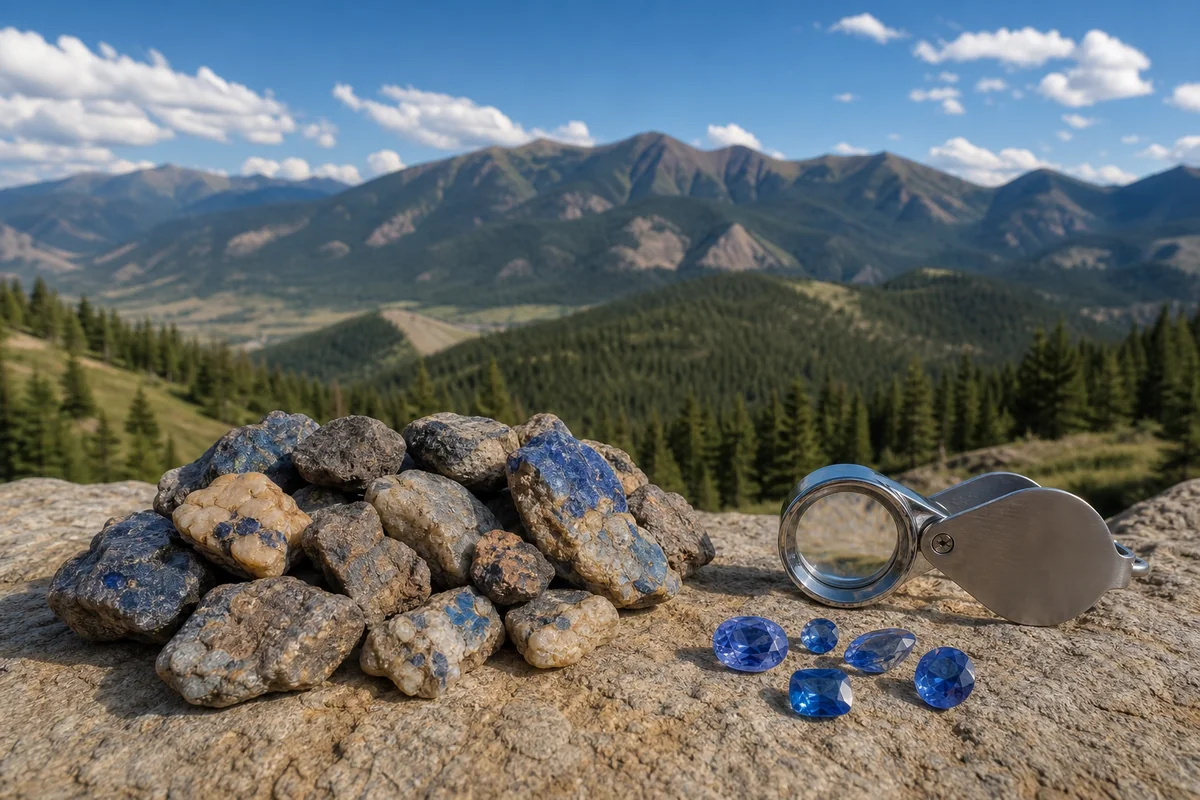
I’ll never forget the moment I held up a small, muddy stone to the sunlight at Gem Mountain near Philipsburg and watched it transform into a brilliant cornflower blue sapphire—my first Montana gem, pulled from the earth with my own hands.
That single afternoon changed how I understood Montana’s geology and why the state chose the sapphire as its official rock back in 1969.
As part of Montana’s rich collection of Montana State Symbols, the state rock tells a story millions of years in the making, and it’s one you can experience firsthand during your visit.
- Montana’s state rock is the sapphire, officially designated in 1969
- Montana produces some of the world’s finest sapphires, known for their unique “Montana blue” color
- You can dig for your own sapphires at several locations, including Gem Mountain and Spokane Bar
- The state has four major sapphire deposit areas: Rock Creek, Missouri River, Dry Cottonwood Creek, and Yogo Gulch
- Best time to visit sapphire mines: May through October
- No experience needed—most commercial operations provide all equipment and instruction
Liked this article?
Add Roaming Montana as a preferred source so you see more of our articles and guides on Google.
Why Montana Chose the Sapphire as Its State Rock
When Montana legislators selected the sapphire as the state rock in 1969, they weren’t just picking a pretty gemstone. They were honoring a mineral that had shaped the state’s history, economy, and identity for over a century.
The discovery of sapphires in Montana dates back to 1865 when gold prospectors along the Missouri River noticed unusual blue and green pebbles in their gold pans. Initially dismissed as worthless, these stones would eventually put Montana on the world map of precious gemstones.
I spent several hours at the Montana Historical Society in Helena last fall researching this history, and what struck me most was how the sapphire story intertwined with Montana’s gold rush era. Miners literally threw away fortunes in sapphires while chasing gold—a detail that still makes me shake my head.
What Makes Montana Sapphires Unique
Having examined sapphires from several countries during my travels, I can tell you that Montana sapphires have a character all their own. They’re not the deep royal blue you might associate with sapphires from Sri Lanka or Kashmir.
Montana sapphires tend toward a distinctive pastel palette—steely blues, seafoam greens, peachy pinks, and stunning color-change varieties that shift hue depending on the light. Gemologists call the classic Montana shade “cornflower blue,” and once you’ve seen it, you’ll recognize it anywhere.
The scientific explanation involves trace elements. Montana sapphires typically contain iron and titanium in different ratios than sapphires from other locations, creating their signature lighter, more silvery blue tones.
During my visit to the Mineral Museum at Montana Tech in Butte, a geologist explained that Montana sapphires also tend to have fewer inclusions than many foreign sapphires, making them highly prized for jewelry.
The Four Major Sapphire Deposits in Montana
Montana’s sapphire deposits aren’t scattered randomly across the state. They concentrate in four primary areas, each with its own geological story and gem characteristics.
Rock Creek Deposit
Located about 16 miles west of Philipsburg in Granite County, the Rock Creek deposit is where I’ve had my best luck finding sapphires. This area produces the widest variety of colors—blues, greens, pinks, yellows, and the rare padparadscha (a pink-orange variety).
The sapphires here formed in ancient volcanic vents and were later distributed through stream erosion. When I was there last summer, I found eight sapphires in a single bucket of gravel, including a gorgeous pale green stone I later had faceted.
Missouri River Deposit
The Missouri River bars near Helena represent the largest sapphire deposit in North America. These alluvial deposits stretch for about 20 miles along the river, and the sapphires here tend toward pale blue and green colors.
Historically, this was the most commercially significant deposit, producing millions of carats in the late 1800s and early 1900s.
Dry Cottonwood Creek Deposit
Located near Deer Lodge, this smaller deposit produces sapphires similar in quality to the Rock Creek stones. It’s less developed for tourism but worth knowing about if you’re a serious rockhound.
Yogo Gulch Deposit
This is Montana’s crown jewel—literally. Yogo sapphires, found only in a small area of Judith Basin County, are considered among the finest sapphires on Earth.
Unlike other Montana sapphires, Yogos are a consistent, vivid cornflower blue that doesn’t require heat treatment. They’re found in a hard ignite rock formation rather than loose gravel, making extraction challenging and expensive.
I visited the Yogo Inn near the deposit during a recent trip, and the owner showed me a collection of Yogo sapphires that took my breath away. The blue is unlike anything else—intense yet not dark, with an almost electric quality.
Where to Dig for Your Own Montana Sapphires
Here’s what most travel guides won’t tell you: not all sapphire-digging experiences are created equal. I’ve tried several operations across Montana, and the quality varies dramatically.
Gem Mountain Sapphire Mine (Philipsburg)
This is my top recommendation for first-time sapphire hunters. Located about 15 miles west of Philipsburg on Rock Creek, Gem Mountain offers a well-organized operation with excellent instruction.
When I visited last summer, the staff spent 20 minutes teaching our group how to identify sapphires in gravel before we started washing. That education made all the difference.
You can buy pre-processed gravel buckets ($25-$250) or pay for “super concentrate” that guarantees sapphires. During my visit, I opted for the $50 bucket and found 12 sapphires, including a 1.2-carat blue stone that would later become a pendant for my wife.
The facility includes covered washing areas (crucial for Montana’s unpredictable weather), clean restrooms, and a gem shop that can heat-treat, cut, and set your finds.
Spokane Bar Sapphire Mine (Helena)
For a more rustic experience, Spokane Bar on the Missouri River offers authentic placer mining. You’ll actually work the riverbank gravels where sapphires were first discovered in Montana.
I spent a full day here during a trip two years ago, and while I found fewer sapphires than at Gem Mountain, the experience felt more connected to Montana’s mining heritage. The owners are third-generation miners with incredible stories.
The sapphires here tend toward smaller sizes but often have excellent clarity. Bring your own lunch, sunscreen, and plenty of water—amenities are basic.
Sapphire Gallery (Philipsburg)
If digging isn’t your thing but you still want the thrill of discovery, the Sapphire Gallery in downtown Philipsburg offers gravel bags you can wash at their indoor facility.
I’ve stopped here during winter trips when the outdoor mines are closed. It’s a climate-controlled way to hunt sapphires year-round, and the staff includes certified gemologists who can evaluate your finds on the spot.
Practical Information for Sapphire Hunting
| Location | Season | Cost Range | Best For |
|---|---|---|---|
| Gem Mountain | May-Oct | $25-$250/bucket | Families, beginners |
| Spokane Bar | May-Sept | $30-$100/bucket | Experienced rockhounds |
| Sapphire Gallery | Year-round | $20-$500/bag | Winter visitors, quick experiences |
What to Wear and Bring
Based on my multiple trips, here’s my packing list for sapphire hunting:
- Waterproof shoes or boots you don’t mind getting muddy
- Layers—Montana weather changes fast, even in summer
- Sunscreen and a hat (you’ll be outside for hours)
- Small containers for your finds (pill bottles work great)
- A good pair of tweezers for picking small stones
- Patience—lots of it
Best Time to Visit
I’ve hunted sapphires in June, August, and September, and each month had advantages. June tends to have higher water in the sluices, which makes washing easier but can also mean more competition from early-season visitors.
August and September bring lower crowds and often clearer weather, but some operations reduce their hours. My personal favorite is the last two weeks of September—the fall colors in the Philipsburg area are spectacular, and you’ll often have the sluice troughs nearly to yourself.
Understanding Montana Sapphire Value
Not every sapphire you find will be worth mounting in jewelry. During my trips, I’ve found everything from tiny, clouded stones worth pennies to cut-quality gems worth several hundred dollars.
Factors That Determine Value
Color is king in the sapphire world. The most valuable Montana sapphires show a medium-toned, saturated blue without being too dark. Yogo sapphires command the highest prices, often $1,000-$3,000 per carat for fine specimens.
Size matters, but bigger isn’t always better. A small, clean, well-colored stone will outvalue a large cloudy one every time.
Clarity affects value significantly. Montana sapphires are known for relatively high clarity, but inclusions (internal flaws) can lower value or, in some cases, create interesting effects like asterism (star sapphires).
Heat Treatment: The Industry Standard
Here’s something many visitors don’t realize: most sapphires worldwide are heat-treated to improve their color. Montana sapphires are no exception.
Heat treatment is a permanent, accepted practice that’s been used for centuries. When I had my Rock Creek sapphires treated at Gem Mountain, the transformation was remarkable—pale, washed-out stones became vibrant blues and pinks.
The exception is Yogo sapphires, which are famous for needing no treatment. Their natural color is so fine that heating actually doesn’t improve them—a rarity in the sapphire world.
Museums and Collections to Visit
If you want to see exceptional Montana sapphires without getting your hands dirty, several museums showcase stunning specimens.
Montana Tech Mineral Museum (Butte)
This free museum blew me away during my visit last fall. Their Montana sapphire collection includes raw crystals, heat-treated specimens, and cut gems that demonstrate the full range of what the state produces.
The museum also puts sapphires in geological context, explaining how Montana’s volcanic history created conditions for sapphire formation. I spent two hours here and could have stayed longer.
Montana Historical Society (Helena)
While primarily focused on history rather than geology, the Montana State Capitol Building area includes several cultural institutions worth visiting. The Historical Society has displays about the sapphire mining industry’s impact on Montana’s development.
Their collection of historical photographs showing early sapphire operations along the Missouri River was fascinating—I’d never seen horse-drawn mining equipment quite like it.
Gem Mountain Gallery
At the mining operation near Philipsburg, Gem Mountain maintains a small gallery of exceptional Montana sapphires, including some remarkable large specimens from their deposit.
The display helped me understand what top-quality Montana sapphires look like, which improved my ability to spot promising rough stones in my own gravel bucket.
Buying Montana Sapphires
If digging your own seems too uncertain, or you want a guaranteed quality stone, Montana offers numerous reputable dealers.
Where to Buy
Philipsburg has become the sapphire capital of Montana, with several jewelry shops selling certified Montana stones. During my visits, I’ve developed relationships with a few dealers I trust.
The Sapphire Gallery offers an extensive selection with certificates of origin. Gem Mountain’s retail operation sells both raw and cut stones from their deposit.
In Helena, you’ll find dealers specializing in Yogo sapphires, which are harder to find elsewhere.
What to Ask
When buying Montana sapphires, always ask:
- Is this stone heat-treated? (Most are; that’s fine, but you should know)
- Where in Montana did this stone originate?
- Can you provide documentation of Montana origin?
- What’s your return policy?
I’ve seen tourists pay Montana prices for imported sapphires mislabeled as local stones. Buy from established dealers who can verify their supply chain.
The Sapphire Connection to Montana’s Other State Symbols
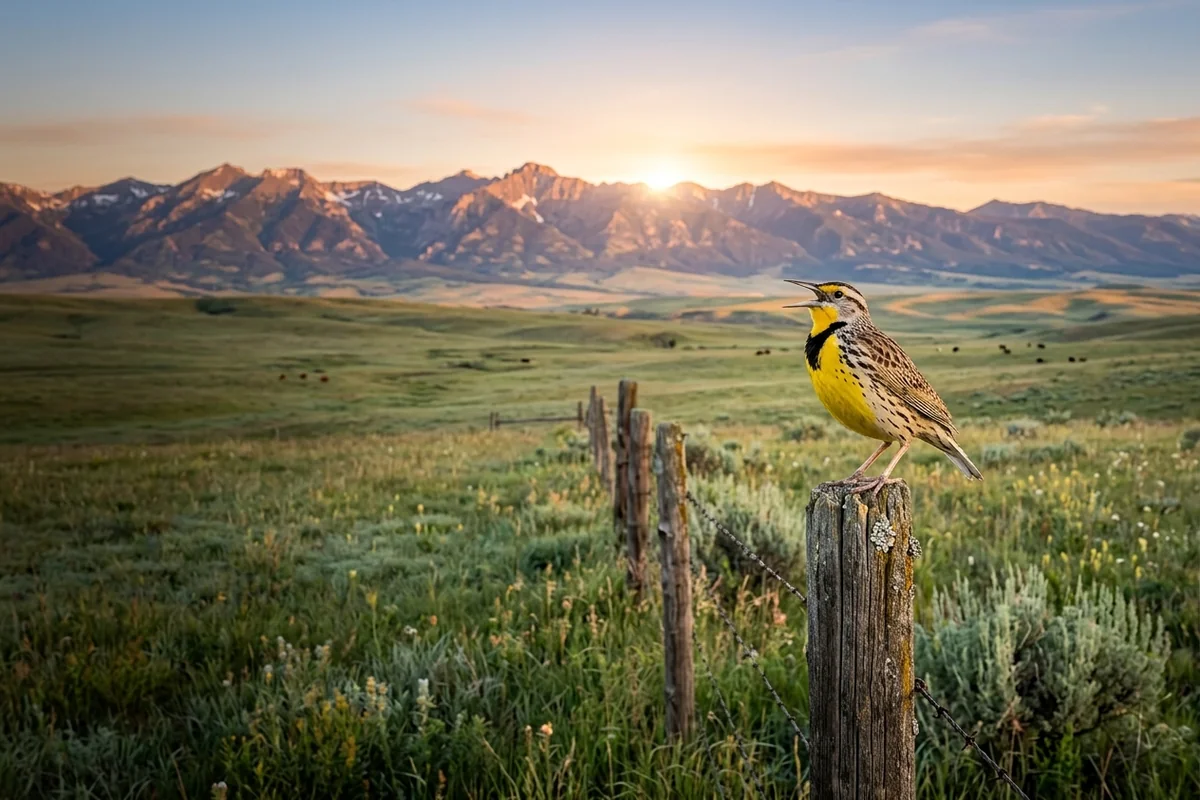
Montana’s state rock doesn’t exist in isolation. Like the Montana State Animal (the grizzly bear) and the Montana State Bird (the western meadowlark), the sapphire reflects something essential about the state’s character.
The connection to geology links the sapphire to the Montana State Fossil (duck-billed dinosaur Maiasaura), both representing Montana’s incredible geological heritage spanning millions of years.
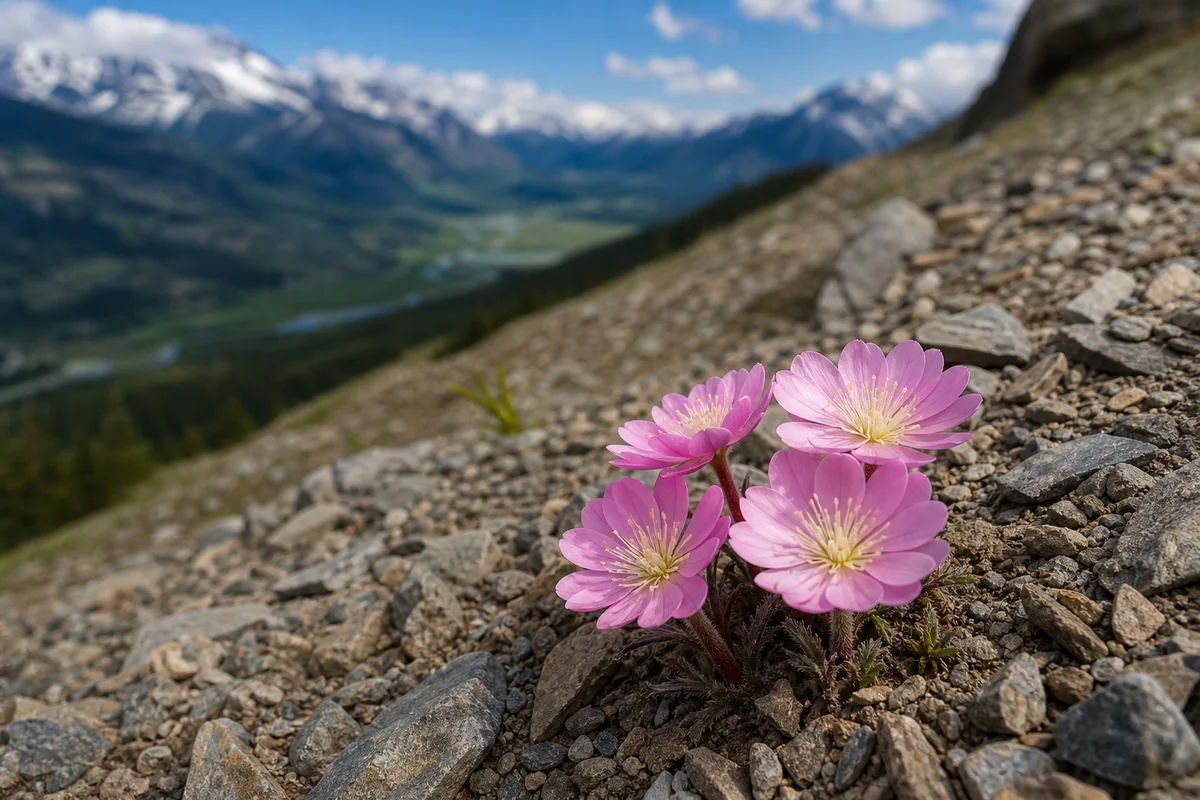
And just as the Montana State Flower symbolizes the state’s botanical beauty, the sapphire represents its mineral wealth.
Planning Your Sapphire-Hunting Trip
Based on my experience, here’s how I’d structure the perfect Montana sapphire adventure:
Day 1: Philipsburg Area
Drive to Philipsburg and check into one of the charming B&Bs or the Ranch at Rock Creek if your budget allows. Spend the afternoon exploring downtown Philipsburg—it’s a wonderfully preserved Victorian mining town with several rock shops worth browsing.
The Montana State Colors (blue and gold) seem particularly appropriate when you’re hunting blue sapphires under golden Montana sunshine.
Day 2: Gem Mountain
Arrive at Gem Mountain when they open (usually 9 AM) for the best selection of gravel buckets. Plan to spend 4-6 hours working your material—rushing defeats the purpose.
Have lunch at their snack bar or pack a picnic. After washing, review your finds with their gemologists and decide which stones are worth cutting.
Day 3: Helena and the Missouri River
Drive to Helena (about 1.5 hours) and spend the morning at Spokane Bar Sapphire Mine for a different experience. The Missouri River setting is beautiful, and the historical connection is powerful.
In the afternoon, visit the Montana Historical Society and explore downtown Helena. The Montana State Seal and Montana State Flag are displayed throughout the capital city.
Optional: Yogo Country
If you have extra time and a genuine passion for sapphires, consider the drive to Utica and the Yogo sapphire area. Commercial mining here isn’t set up for tourists, but the landscape is stunning, and you might arrange a private tour with local contacts.
Sapphire Hunting with Kids
I’ve brought both of my children sapphire hunting, and it’s become one of our favorite Montana traditions. Here’s what I’ve learned about making it work with younger travelers.
Gem Mountain is the most kid-friendly operation. Their covered washing stations, nearby restrooms, and patient staff make it manageable even with antsy children.
Start with a smaller bucket. Kids get bored before adults, and it’s better to finish one bucket successfully than abandon a larger one halfway through.
The thrill of finding their first sapphire will stay with kids forever. My daughter found a pink sapphire when she was seven, and four years later, she still shows it to everyone who visits our house.
Pack snacks and entertainment for breaks. The washing process is repetitive, and kids need variety.
Conservation and Responsible Rockhounding
Montana’s sapphire resources aren’t infinite, and responsible visitors help preserve these experiences for future generations.
Always use designated commercial operations rather than trespassing on private land. Much of Montana’s sapphire-bearing ground is privately owned, and unauthorized collecting is illegal and damages landowner relationships with the rockhounding community.
The Montana State Motto, “Oro y Plata” (Gold and Silver), speaks to the state’s mineral heritage—a heritage we should protect through ethical collecting practices.
Practice leave-no-trace principles. Pack out everything you bring, don’t disturb vegetation beyond washing areas, and follow all operator guidelines.
Beyond Sapphires: Montana’s Mineral Diversity
While sapphires deserve their state rock status, Montana offers incredible mineral diversity for geology enthusiasts.
The 21 Montana State Native Plants grow from soils enriched by the state’s varied geology. Copper, gold, silver, and numerous gemstones have all been extracted from Montana ground.
If you’re combining sapphire hunting with other Montana experiences, consider that the Montana State Tree (Ponderosa Pine) often grows in the same mountain regions where sapphires are found.
The Montana State Fish (Blackspotted Cutthroat Trout) swims in some of the same streams that once yielded sapphires—a reminder of how interconnected Montana’s natural treasures are.
Seasonal Considerations
Montana’s climate significantly affects sapphire hunting. Here’s what I’ve learned through trial and error:
**Late Spring (May-June):** Mines are opening, snow is melting, and gravel supplies are fresh. But expect cool temperatures and possible rain. The Montana State Grass (Bluebunch Wheatgrass) is greening up, and the landscapes are particularly beautiful.
**Summer (July-August):** Peak season with the longest operating hours and best weather. But also the biggest crowds. Book lodging in Philipsburg well in advance.
**Fall (September-October):** My favorite time. Fewer visitors, excellent weather, and fall colors that make the drive to the mines spectacular. Some operations reduce hours or close by mid-October.
**Winter (November-April):** Most outdoor mines are closed. The Sapphire Gallery in Philipsburg operates year-round for indoor washing.
Local Culture and Communities
Sapphire mining isn’t just geology—it’s deeply woven into Montana’s cultural fabric. The communities near sapphire deposits have stories worth hearing.
Philipsburg embraces its gem heritage with annual events, including a Christmas stroll that features local jewelry artisans. The town’s revival from near-ghost-town status to thriving tourist destination parallels renewed interest in Montana sapphires.
The Montana State Nickname “The Treasure State” originally referred to gold and silver, but sapphires have certainly earned their place in that treasury.
Even Montana’s cultural symbols connect to its mineral wealth. The Montana State Song and various Montana Songs celebrate the state’s natural beauty, which includes its gem-producing mountains.
Making the Most of Your Montana Sapphire Experience
After multiple sapphire-hunting trips, here’s my honest advice for maximizing your experience:
Set realistic expectations. Most visitors find sapphires, but finding a large, facet-grade stone on your first trip is lucky, not guaranteed. Enjoy the process itself, not just the potential prizes.
Ask questions constantly. Mine operators and gemologists love sharing knowledge. Every question I’ve asked has taught me something that improved my later hunting.
Consider the full experience. Sapphire hunting pairs beautifully with other Montana activities. The Montana State Insect (Mourning Cloak Butterfly) might flutter past your sluice, and the Montana State Fruit (Huckleberry) grows wild in the same mountains.
Document your adventure. Photograph your finds at different stages—rough, cleaned, and eventually cut if you choose that route. These images become treasured memories.
The Montana State Slogans promise authentic experiences, and sapphire hunting delivers exactly that.
Caring for Your Montana Sapphires
Once you’ve found or purchased Montana sapphires, proper care ensures they remain beautiful for generations.
Sapphires are extremely durable—they’re the second hardest natural mineral after diamonds. They won’t scratch easily and can withstand daily wear.
Clean sapphires with warm soapy water and a soft brush. Ultrasonic cleaners are safe for most sapphires but avoid them if your stone has significant fractures.
Store sapphires separately from other gemstones to prevent harder materials (like diamonds) from scratching softer ones.
If you have your Montana sapphires set in jewelry, choose settings appropriate for the stone’s intended use. A pendant or earrings face less wear than a ring worn daily.
The Deeper Meaning
Standing at a sluice at Gem Mountain, washing away mud to reveal blue gleams of sapphire, I often think about what this experience represents.
Montana’s state rock isn’t just a pretty gemstone. It’s a connection to geological forces millions of years old. It’s a link to gold rush history when fortune seekers unwittingly discarded treasures. It’s a tangible piece of Montana you can literally hold in your hand.
Like the Montana State Lullaby that soothes children to sleep, sapphire hunting offers a peaceful, meditative quality once you settle into the rhythm of washing.
The Montana State Quarter features a bison skull—another symbol of Montana’s distinctive heritage. The sapphire deserves similar recognition as an emblem of what makes this state unique.
Planning Resources
Before your trip, I recommend these planning steps:
- Check operating schedules for your target mines—they change seasonally
- Book lodging in Philipsburg early if visiting peak season (it’s a small town)
- Review the Montana State Thistle Guide if you’re combining rockhounding with botany exploration
- Download offline maps—cell service near some mines is unreliable
- Call ahead to confirm gravel availability during shoulder seasons
The Montana sapphire experience combines natural history, hands-on adventure, and the genuine thrill of discovery. Whether you’re a serious gem collector or a curious tourist, hunting for Montana’s state rock offers something few other travel experiences can match: the chance to find something precious, something millions of years old, something that’s uniquely yours.
I’ll be back at Gem Mountain again next summer, muddy boots and all, hoping to add to my collection. There’s always another sapphire waiting in the gravel—and that possibility keeps me coming back to Montana, year after year.
Frequently Asked Questions
What is the official state rock of Montana?
Montana’s official state rock is the Yogo Sapphire, designated in 1969. These stunning cornflower blue sapphires are found exclusively in the Yogo Gulch area near Utica, Montana, and are considered among the finest sapphires in the world due to their natural color that requires no heat treatment.
Where can I mine for Yogo Sapphires in Montana?
Unfortunately, the primary Yogo Sapphire deposit at Yogo Gulch is privately owned and not open to public mining. However, you can dig for other Montana sapphires at public fee-dig sites near Philipsburg and Helena, where I’ve personally found beautiful gems for around $25-75 per day depending on the operation.
What is the best time of year to go sapphire mining in Montana?
The best time for sapphire mining in Montana is late May through early October when most fee-dig operations are open and weather conditions are favorable. I recommend visiting in July or August for the warmest weather, though these months can get crowded with summer tourists.
How much do Yogo Sapphires cost compared to other Montana sapphires?
Yogo Sapphires command premium prices, typically ranging from $500 to $2,000+ per carat for quality stones due to their rarity and exceptional color. Other Montana sapphires from the Missouri River or Rock Creek deposits are more affordable, ranging from $100-800 per carat, making them popular alternatives for jewelry.
What should I bring for a sapphire mining trip in Montana?
Pack comfortable clothes you don’t mind getting dirty, sturdy closed-toe shoes, sunscreen, a wide-brimmed hat, and plenty of water. Most fee-dig operations provide mining equipment and screens, but I always bring my own tweezers, a small container for finds, and a magnifying glass to inspect potential gems on-site.
Can I visit a Yogo Sapphire museum or exhibit while traveling through Montana?
Yes, the Mineral Museum at Montana Tech in Butte features an impressive Yogo Sapphire collection and is free to visit. The Sapphire Gallery in Philipsburg also displays beautiful specimens and offers sapphire gravel you can sift through, combining education with hands-on rockhounding about 90 miles southeast of Missoula.
How far is Yogo Gulch from major Montana cities and airports?
Yogo Gulch is located approximately 110 miles from Great Falls and about 85 miles from Helena, Montana’s capital. If you’re flying in, Great Falls International Airport is your closest option, and the scenic drive through the Little Belt Mountains to the Utica area takes roughly 2 hours on mostly paved roads.
Sources
- https://leg.mt.gov/bills/mca/title_0010/chapter_0010/part_0050/section_0050/0010-0010-0050-0050.html
- https://www.usgs.gov/centers/national-minerals-information-center/mineral-industry-montana
- https://www.mtech.edu/mwtp/presentations/docs/michael-gobla.pdf
- https://mrdata.usgs.gov/mrds/show-mrds.php?dep_id=10281414
- https://www.psu.edu/news/research/story/how-do-agates-form/
- https://www.usgs.gov/centers/national-minerals-information-center/mineral-industry-montana