I was standing knee-deep in the Blackfoot River last September when my guide suddenly grabbed my arm and pointed toward the bank—a massive bull trout, easily 28 inches, was holding in the shadows beneath an overhanging willow.
That single sighting reminded me why I keep coming back to Montana: this state harbors some of North America’s most magnificent and vulnerable wildlife, species that teeter on the edge of existence while most visitors pass by completely unaware.
Understanding Montana wildlife means confronting an uncomfortable truth—many of the creatures that define Big Sky Country are fighting for survival.
From ancient fish that predate the dinosaurs to majestic mammals that once roamed in vast numbers, Montana’s endangered and threatened species tell the story of what we’ve lost, what we’re protecting, and what travelers can do to help.
- Montana hosts 10 major endangered and threatened species including grizzly bears, Canada lynx, bull trout, and pallid sturgeon
- Best viewing opportunities: Glacier National Park, the Flathead River system, and the Charles M. Russell National Wildlife Refuge
- Many species have made remarkable recoveries—grizzly populations have quadrupled since the 1970s
- Responsible wildlife watching includes maintaining distance, never feeding animals, and staying on designated trails
- Spring and fall migrations offer the best chances for spotting rare bird species
Liked this article?
Add Roaming Montana as a preferred source so you see more of our articles and guides on Google.
Why Montana’s Endangered Species Matter to Travelers
When I first started traveling to Montana over fifteen years ago, I came for the hiking and fly fishing. I had no idea that the rivers I waded held fish species that had survived ice ages, or that the forests I hiked through were home to cats so elusive that even researchers rarely see them.
Today, I plan entire trips around the possibility of glimpsing these rare creatures. Not because checking species off a list matters, but because understanding what’s at stake transforms how you experience this landscape.
Montana sits at a biological crossroads. The Northern Rockies meet the Great Plains here, creating habitat diversity found almost nowhere else in the lower 48 states. This means species from dramatically different ecosystems coexist—sometimes precariously.
The state currently has species listed under the federal Endangered Species Act across every major animal group: mammals, birds, fish, and even invertebrates. Some are making comebacks that seemed impossible a generation ago. Others continue to decline despite decades of protection.
1. Grizzly Bear: The Icon of the Northern Rockies
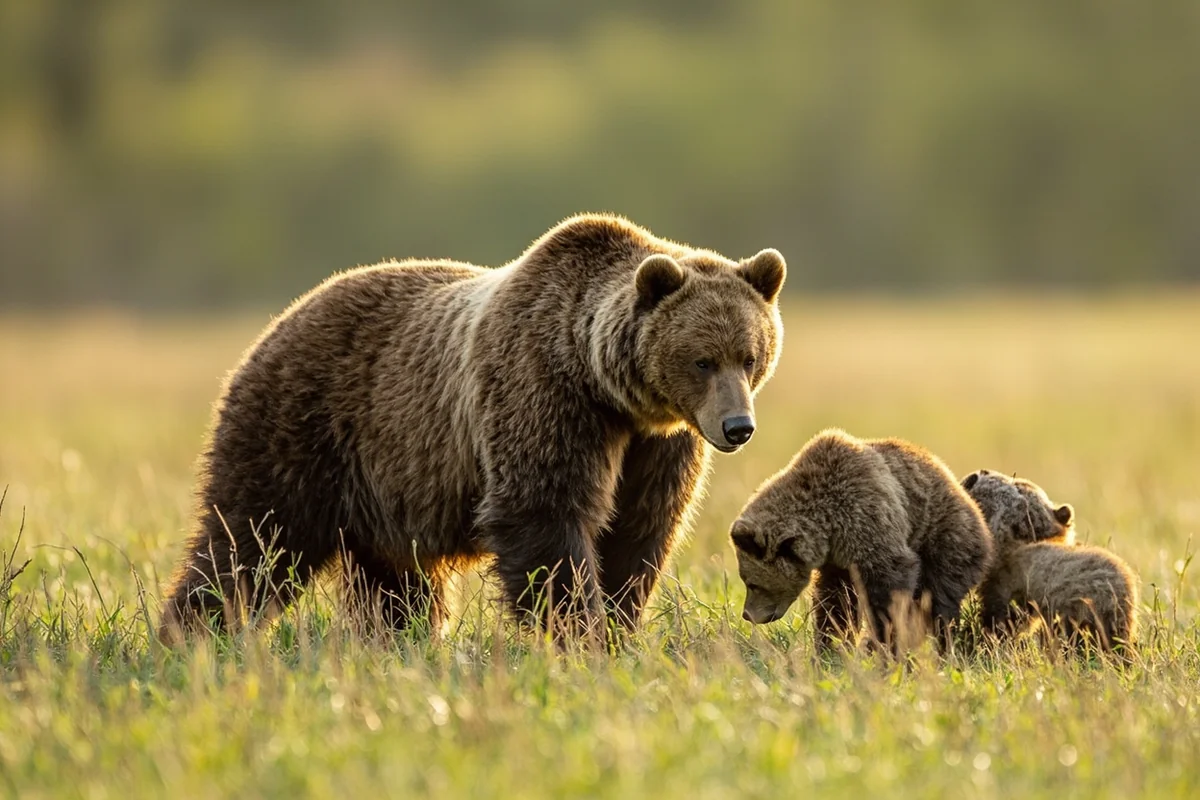
I’ll never forget the first time I saw a wild grizzly. It was June 2019, and I was hiking the Highline Trail in Glacier National Park when a sow and two cubs emerged from a snowfield about 400 yards below me.
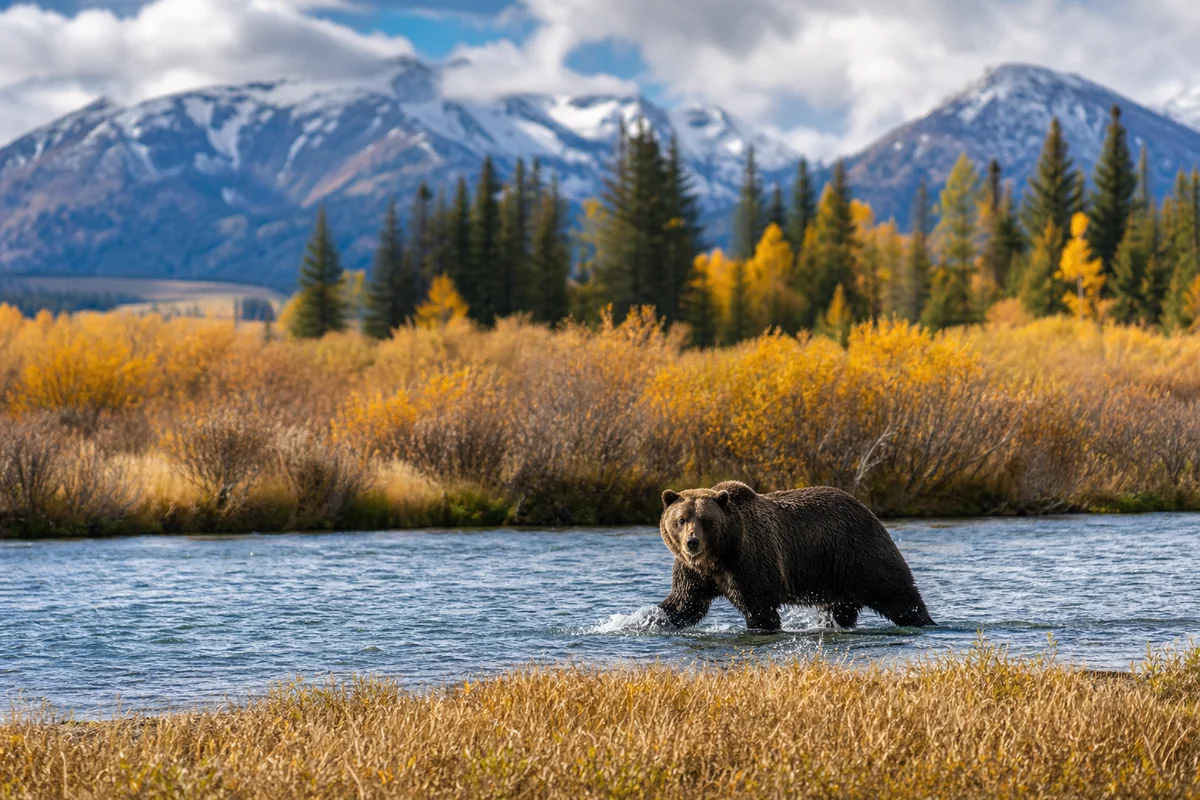
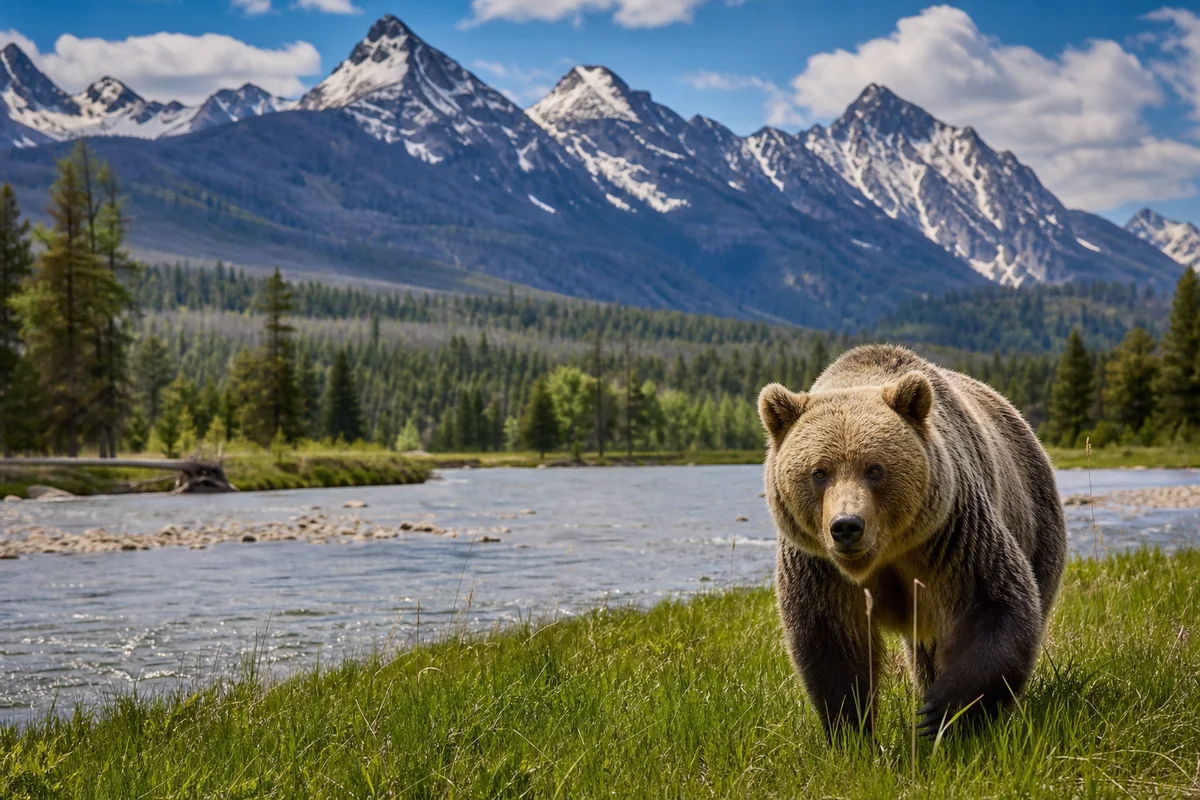
The grizzly bear (*Ursus arctos horribilis*) was listed as threatened in 1975 when fewer than 800 individuals remained in the lower 48 states. Montana held the largest population, but even here, numbers had crashed to dangerous lows.
Today, the Northern Continental Divide Ecosystem—centered on Glacier National Park—supports over 1,100 grizzlies. The Greater Yellowstone population adds another 700-plus bears. This is one of conservation’s genuine success stories.
Where to See Grizzlies Responsibly
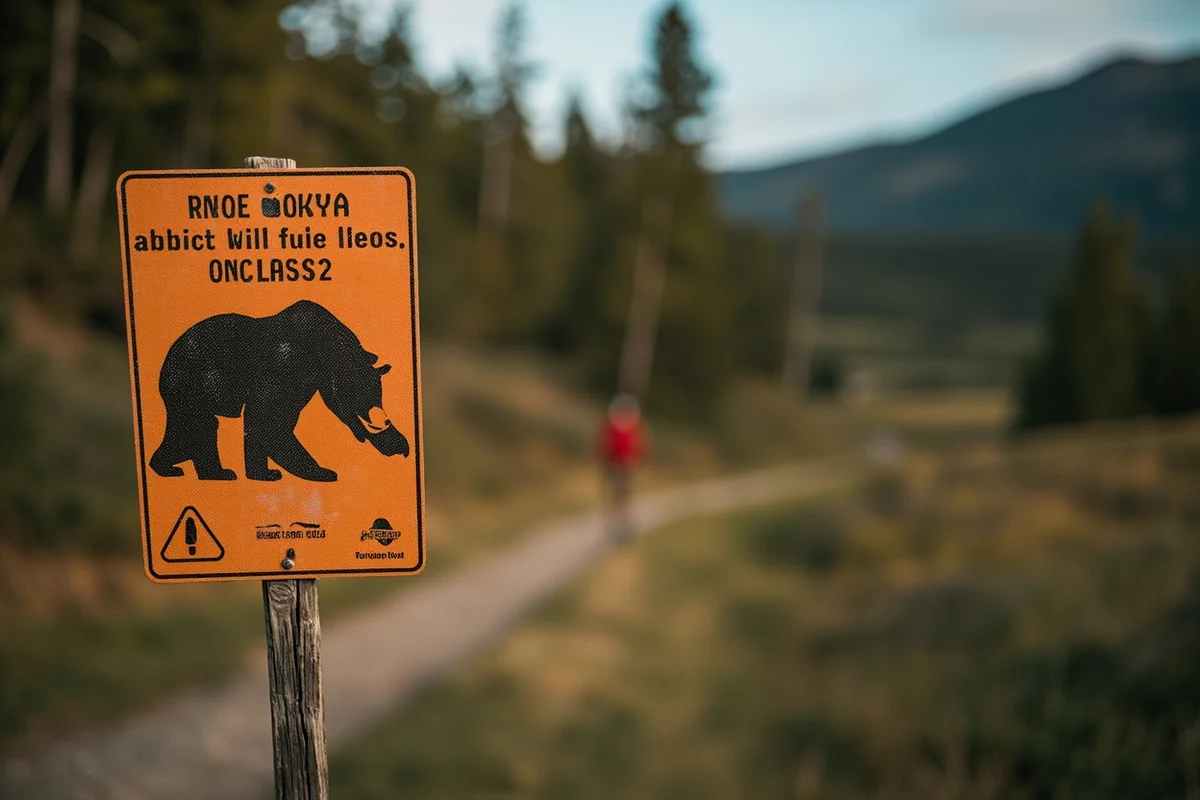
Glacier National Park remains your best bet for grizzly sightings. The Many Glacier area, particularly around Swiftcurrent Lake and up toward Iceberg Lake, consistently produces bear activity during summer months.
During my most recent trip last August, I counted seven different grizzlies over four days of hiking—all from safe distances using binoculars. The key is timing: early morning and evening hours when bears are most active feeding in avalanche chutes and berry patches.
The Montana bear guide I put together covers viewing etiquette in detail, but the critical rules are simple—maintain at least 100 yards of distance, never approach a bear for a photo, and carry bear spray (I use Counter Assault and have it accessible on my chest strap, not buried in my pack).
Current Conservation Status
Here’s where things get complicated. The U.S. Fish and Wildlife Service has attempted to delist grizzlies multiple times, arguing that recovery goals have been met. Environmental groups and tribal nations have successfully challenged these efforts in court.
The debate isn’t academic for Montana residents or visitors. Delisting would transfer management authority to state wildlife agencies, potentially allowing limited hunting in some areas.
I’ve spoken with wildlife biologists on both sides of this issue. The truth is nuanced: grizzly populations are healthier than they’ve been in a century, but habitat connectivity between isolated populations remains a serious concern.
2. Canada Lynx: The Ghost of the Subalpine Forest
In twelve years of dedicated effort, I’ve seen exactly one wild Canada lynx in Montana. It was February 2021, near the Seeley Lake area, and the encounter lasted maybe eight seconds before the cat vanished into the timber.
The Montana lynx is listed as threatened, and understanding why requires understanding its almost complete dependence on a single prey species: the snowshoe hare.
Canada lynx populations rise and fall in direct correlation with hare populations, which cycle predictably every 8-11 years. When hares crash, lynx numbers follow within a year or two.
Habitat Requirements and Threats
Lynx need dense, high-elevation forests with deep winter snow. This specialized habitat exists in Montana primarily in the northwest mountains, from the Cabinet-Yaak region north through Glacier National Park and the Flathead National Forest.
Climate change poses the greatest long-term threat. As winter snowpack decreases and forests shift upslope, suitable lynx habitat shrinks. I’ve noticed the changes even in my own time visiting Montana—snow levels at mid-elevations simply aren’t what they were fifteen years ago.
Viewing Tips from Someone Who’s Tried
Honestly? Don’t plan a trip specifically to see a lynx. You’ll almost certainly be disappointed.
Instead, appreciate the lynx as a symbol of wild Montana and enjoy the landscapes it calls home. The best “lynx habitat” also happens to be spectacular country for snowshoeing, cross-country skiing, and winter photography.
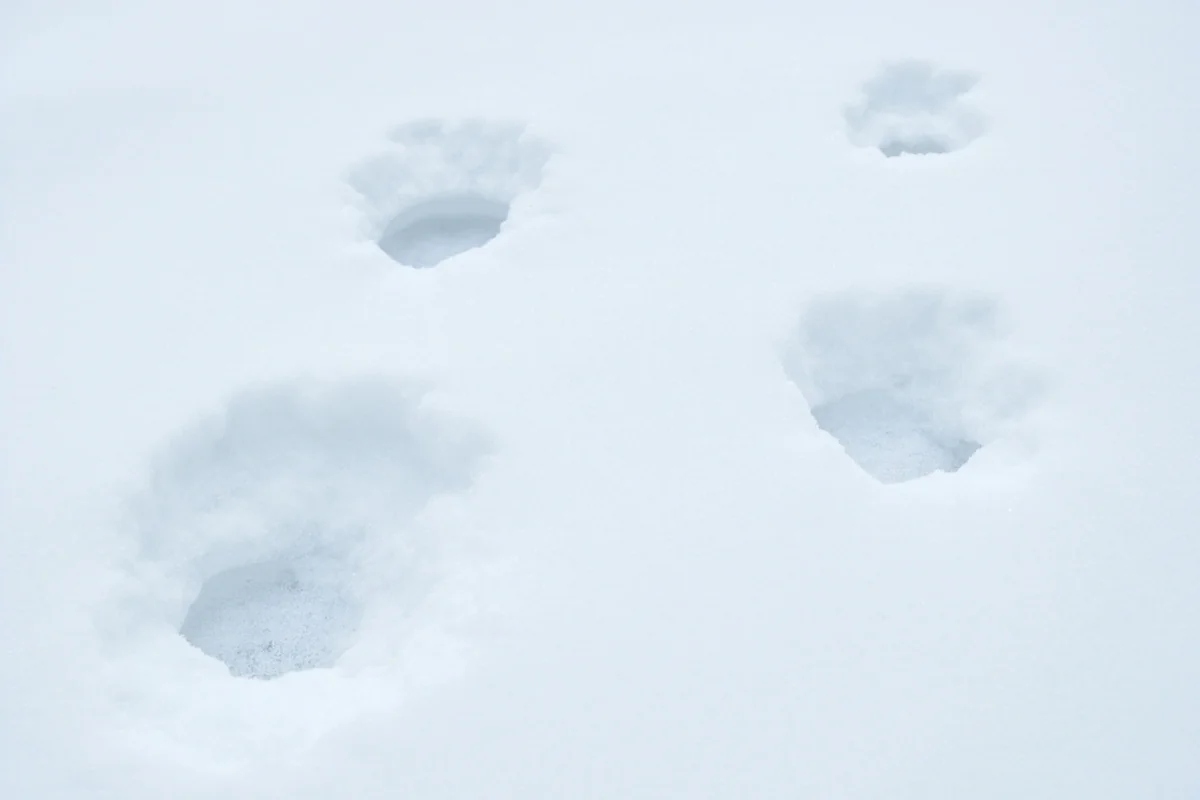
If you’re determined to try, focus on areas with recent snowshoe hare sign—their distinctive tracks are abundant and easy to identify. The Swan Valley and upper Flathead drainage have historically supported good lynx densities.
3. Bull Trout: Montana’s Native Char
When I’m fishing in Montana, bull trout are simultaneously the species I most want to catch and the one I handle most carefully when I do. These native char (technically not a trout at all, despite the name) were listed as threatened in 1999.
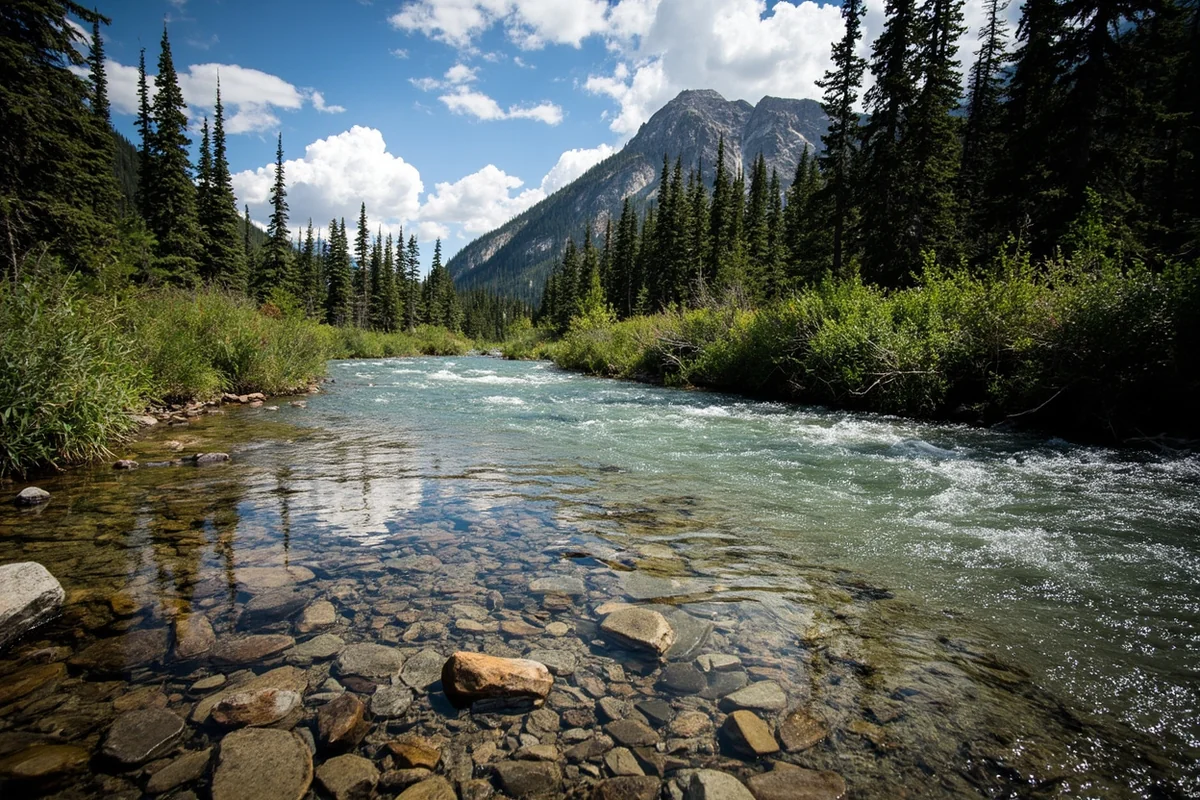
Bull trout require cold, clean water—temperatures above 59°F become lethal. They need connected river systems for migration, gravel beds for spawning, and abundant prey fish to reach their impressive adult sizes.
Meeting all these requirements has become increasingly difficult as Montana’s waters warm, sediment from logging roads degrades spawning habitat, and dams block migration routes.
My Experience Fishing Bull Trout Waters
Last September, I spent a week fishing the Flathead River system specifically targeting bull trout. I was working with a licensed guide (required in many areas) and practicing proper catch-and-release techniques.
We landed three bulls over the week, including that 28-incher I mentioned earlier. Each fish was photographed quickly in the water, revived carefully, and released without ever leaving the river.
What struck me most was the complexity of their habitat needs. Our guide explained how bull trout in this system might migrate over 100 miles between spawning grounds and wintering pools. A single poorly placed culvert or warming tributary can disrupt the entire life cycle.
Regulations Travelers Should Know
Bull trout fishing regulations in Montana are strict and vary by water body. Many streams are completely closed to bull trout fishing. Where fishing is allowed, it’s often catch-and-release only with single, barbless hooks.
Before fishing any Montana water, check the current regulations carefully. Fines for illegal bull trout harvest are substantial, and more importantly, every fish matters for this struggling population.
4. Pallid Sturgeon: Living Fossils of the Missouri
Few Montana visitors know that the Missouri River harbors a fish species that has remained essentially unchanged for 70 million years. The pallid sturgeon (*Scaphirhynchus albus*) is one of the rarest fish in North America, and Montana’s population represents a critical stronghold.
Listed as endangered in 1990, pallid sturgeon have declined by over 90% from historical numbers. The culprits are familiar: dams that alter natural flow patterns, channelization that destroys sandbars essential for spawning, and cold, clear water releases from dams that disrupt reproduction.
The Fight to Save a Prehistoric Fish
I visited the Fort Peck Fish Hatchery two summers ago specifically to learn about pallid sturgeon recovery efforts. What I witnessed was both inspiring and sobering.
Biologists there collect wild pallid sturgeon, spawn them in captivity, and raise juvenile fish to sizes that improve survival odds before release. Without this intervention, wild reproduction success is essentially zero in most of the Missouri River.
The problem? Many “wild” pallid sturgeon are now hybrids with the more common shovelnose sturgeon. Finding genetically pure individuals for breeding programs becomes harder each year.
Viewing Opportunities
You won’t see pallid sturgeon on a casual Montana visit—they’re bottom-dwelling fish in murky rivers, active primarily at night.
However, the Fort Peck Interpretive Center and Hatchery offers an excellent opportunity to learn about these remarkable creatures and see both pallid and shovelnose sturgeon in display tanks. The facility is free and open to visitors year-round.
5. Piping Plover: Tiny Shorebirds of Prairie Lakes
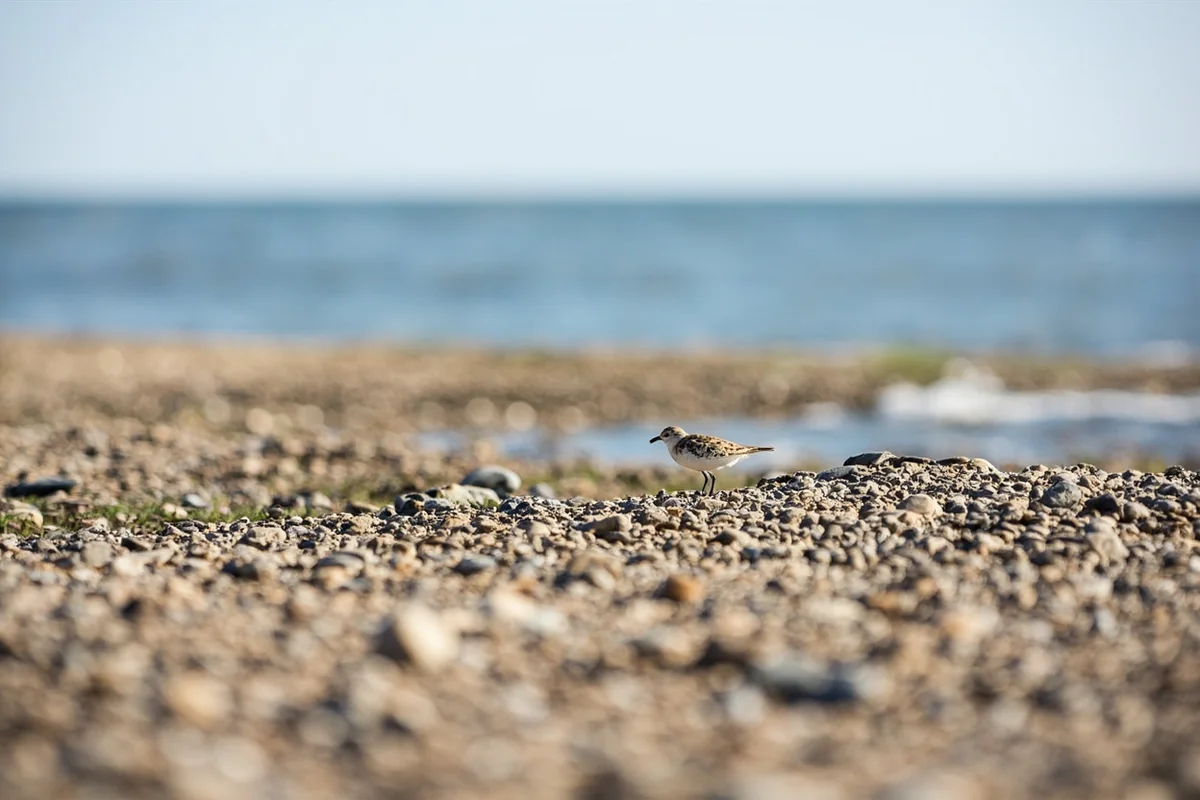
The piping plover weighs about two ounces and could fit comfortably in your palm. This unremarkable-looking shorebird is one of Montana’s most endangered breeding birds, with perhaps 150-200 pairs nesting in the state during good years.
I spent two days in June 2022 at Medicine Lake National Wildlife Refuge searching for piping plovers. The experience changed how I think about Montana’s grassland ecosystems—they’re as endangered as any species.
Why Prairie Birds Are Declining
Piping plovers nest on bare gravel and sand beaches along prairie lakes and reservoirs. They depend on fluctuating water levels that create and maintain these beaches—too much vegetation, and plovers won’t nest; too much flooding, and nests wash away.
Dam operations have disrupted natural water level cycles throughout Montana’s prairie region. Cattle trampling, human recreation, and predation from animals that thrive near human activity (crows, gulls, foxes) further reduce nest success.
The grassland bird species I’ve documented in Montana face similar challenges. Habitat loss on the Great Plains has been catastrophic for ground-nesting birds.
Best Viewing Locations
Medicine Lake NWR in northeastern Montana is your best bet for piping plovers. The refuge actively manages plover habitat and conducts annual nest monitoring.
Arrive in late May or early June during nesting season. The birds are territorial and relatively approachable for photography if you’re patient and use appropriate fieldcraft.
6. Interior Least Tern: A River Beach Specialist
The interior least tern shares many of piping plover’s challenges—both species nest on bare sand and gravel along rivers and lakeshores, and both have suffered from the same habitat alterations.
Montana’s least tern population is tiny, concentrated along the Missouri and Yellowstone rivers in the eastern part of the state. These birds fly from the Gulf Coast to nest here each summer, a remarkable journey for a bird that weighs under an ounce.
Conservation Efforts I’ve Witnessed
During a float trip on the lower Yellowstone River three years ago, our guide pointed out a sandbar that had been fenced and posted to protect nesting terns and plovers. The birds were clearly visible through binoculars, diving for minnows and defending their scrape nests.
This kind of site-specific protection can work, but it requires constant monitoring and cooperation from anglers, boaters, and landowners who share the river.
The good news is that interior least tern populations have increased rangewide since listing in 1985, and the species is being considered for downlisting. Montana’s population remains small but appears stable.
7. Whooping Crane: Rare Migrants Passing Through
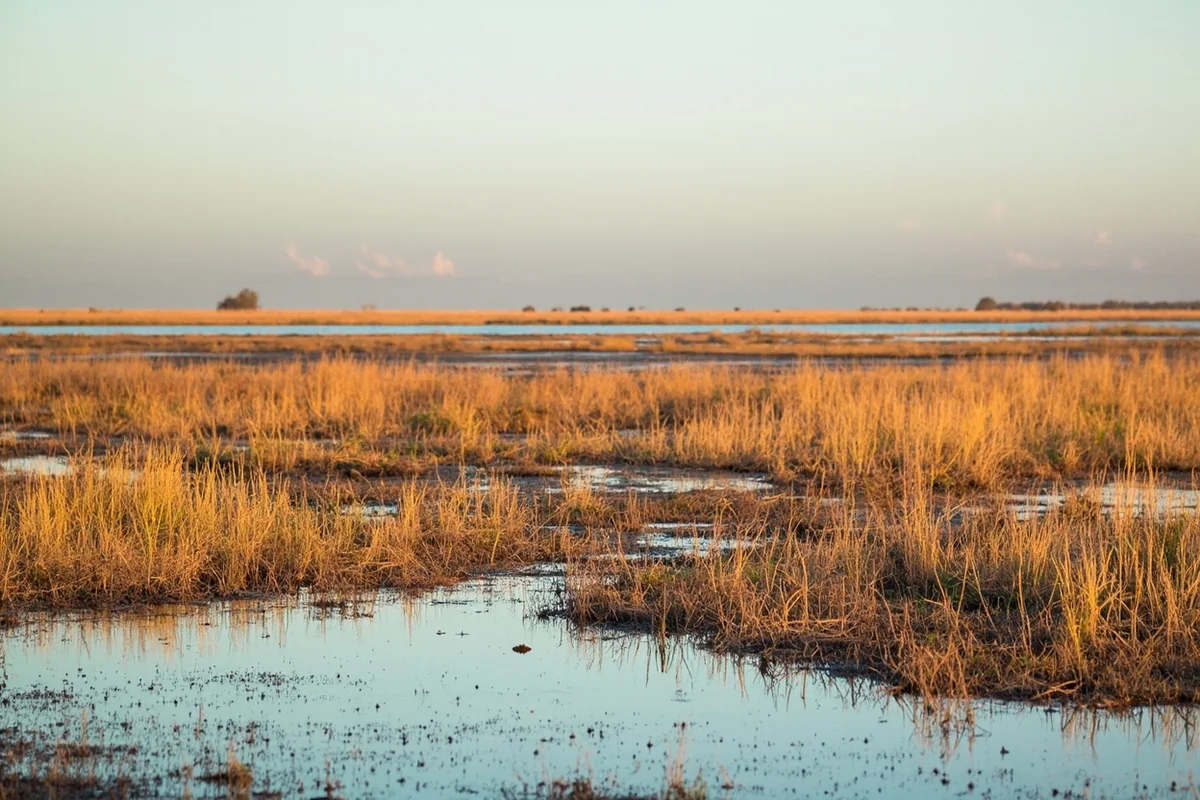
Whooping cranes don’t breed in Montana, but the state sits along important migration corridors for North America’s rarest crane species. Each spring and fall, small numbers of whoopers pass through Montana’s prairie wetlands, offering extremely rare viewing opportunities.
I’ve never seen a whooping crane in Montana despite years of trying. I’ve come close—twice in the Charles M. Russell National Wildlife Refuge during fall migration, I’ve watched flocks of sandhill cranes that reportedly had whoopers mixed in, but I couldn’t confirm identification before the birds moved on.
What to Look For
Whooping cranes are tall—five feet standing—with pure white plumage except for black wingtips and a red crown patch. They’re usually seen with sandhill cranes during migration, making them easier to spot by contrast.
If you think you’ve seen a whooping crane in Montana, report it to Montana Fish, Wildlife & Parks. Confirmed sightings are rare enough to be news.
8. Black-Footed Ferret: Back from the Brink
The black-footed ferret holds the distinction of being North America’s most endangered mammal—and one of its most dramatic recovery stories.
Declared extinct in the wild in 1979, then rediscovered in Wyoming in 1981, black-footed ferrets have been reintroduced to several Montana prairie dog colonies. The Fort Belknap Reservation hosts one of the more successful reintroduction sites.
The Prairie Dog Connection
Black-footed ferrets depend almost entirely on prairie dogs for food and shelter—they eat prairie dogs and live in prairie dog burrows. This specialized diet meant that when prairie dog populations crashed (from poisoning campaigns, plague, and habitat conversion), ferrets crashed with them.
Understanding ferrets means understanding prairie ecosystems, which are among the most endangered in North America. The same forces that threaten ferrets also impact burrowing owls, swift foxes, mountain plovers, and dozens of other species.
Viewing Reality Check
Seeing a wild black-footed ferret is extraordinarily difficult. They’re nocturnal, rare, and live in remote prairie dog towns.
Your best chance is joining a spotlight survey with wildlife managers during summer months. These surveys use vehicle-mounted spotlights to detect ferret eyeshine in prairie dog colonies at night. Contact the Charles M. Russell NWR or Fort Belknap Fish & Game for potential opportunities.
9. White Sturgeon: Giants of the Kootenai
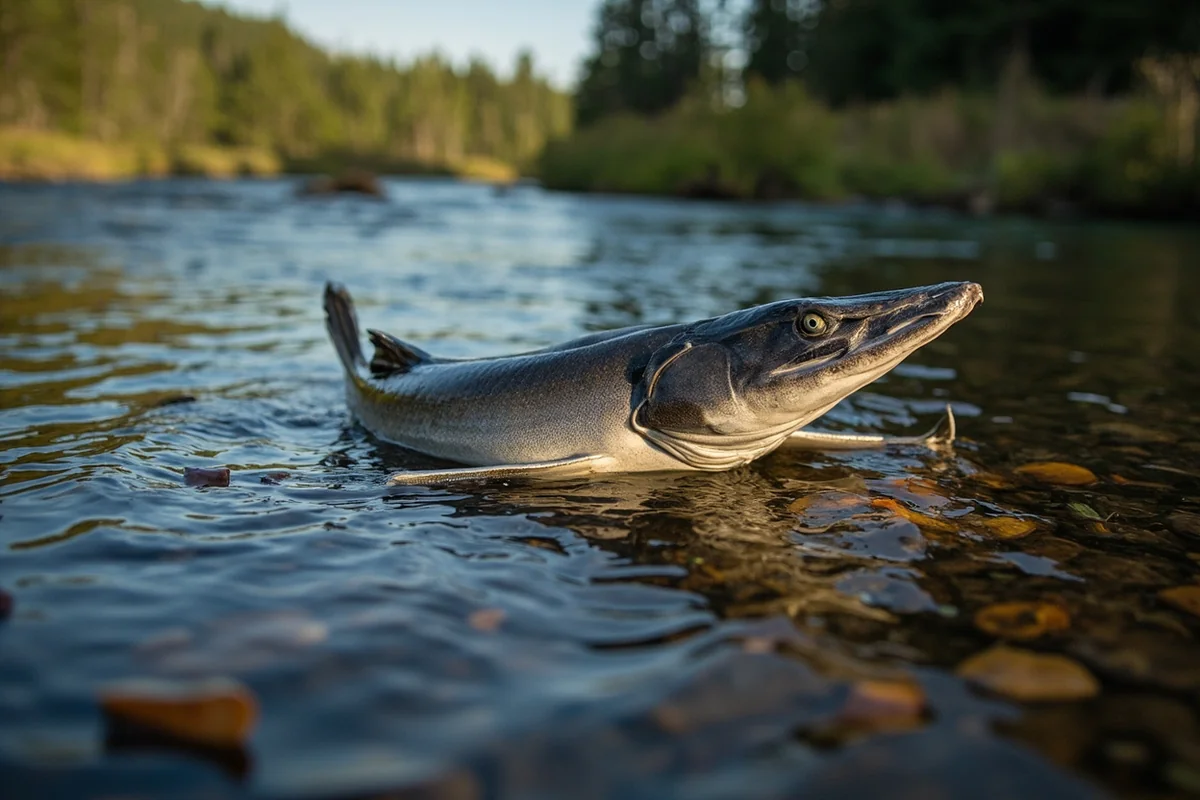
Montana’s Kootenai River harbors a distinct population of white sturgeon that has been isolated above Kootenai Falls for approximately 10,000 years. This population was listed as endangered in 1994 after surveys revealed only about 500 adults remained.
White sturgeon are the largest freshwater fish in North America, capable of exceeding 1,000 pounds and living over a century. The Kootenai population has been stunted in recent decades, with most fish failing to reach sizes and ages seen historically.
Dam Impacts and Recovery
Libby Dam, completed in 1972, fundamentally altered the Kootenai River below it. Flow patterns, water temperatures, and sediment transport all changed, disrupting the environmental cues white sturgeon need for successful reproduction.
I fished the Kootenai with a local guide last summer who explained the recovery program in detail. Biologists now time dam releases to simulate natural spring freshets, hoping to trigger spawning behavior. Artificial propagation supplements natural reproduction.
Progress has been slow but measurable. Recent years have seen improved spawning success, though the population remains critically low.
10. Greater Sage-Grouse: The Sagebrush Sea Icon
The greater sage-grouse isn’t federally listed—yet—but it’s been a candidate species for years and is listed as a Species of Concern in Montana. I’m including it because this bird symbolizes perhaps Montana’s most threatened ecosystem: the sagebrush steppe.
I’ve attended sage-grouse lek viewing in both March and April over multiple years, and these experiences rank among my most memorable Montana wildlife encounters.
The Lek Experience
Male sage-grouse gather on traditional display grounds (leks) each spring to perform elaborate courtship displays. They puff their chests, fan their tail feathers, and produce bizarre bubbling sounds by inflating and deflating yellow air sacs.
The best public lek viewing in Montana is near Dillon, where BLM manages a viewing blind on a active lek. Reservations fill quickly—book by February for prime March viewing dates.
Arrive in complete darkness (typically 5:30 AM), remain silent and still until full light, and you’ll witness a scene unchanged since before Europeans reached Montana.
Conservation Challenges
Sage-grouse have declined by over 80% from historical numbers across their range. Montana still holds significant populations, but losses continue.
Energy development, livestock grazing, wildfire, and invasive species (particularly cheatgrass) have fragmented and degraded sagebrush habitat. Climate change promises further stress.
The political battles over sage-grouse conservation have been intense, with ranchers, energy companies, conservationists, and government agencies often at odds. Finding solutions that work for wildlife and rural economies remains an ongoing challenge.
Practical Information for Wildlife Travelers
| Species | Best Viewing Location | Best Season | Difficulty |
|---|---|---|---|
| Grizzly Bear | Glacier National Park | June-September | Moderate |
| Canada Lynx | Northwest Montana Forests | Winter | Very Difficult |
| Bull Trout | Flathead River System | Fall | Moderate (guided) |
| Pallid Sturgeon | Fort Peck Fish Hatchery | Year-round | Easy (captive display) |
| Piping Plover | Medicine Lake NWR | May-June | Moderate |
| Interior Least Tern | Lower Yellowstone River | June-July | Moderate |
| Whooping Crane | CMR National Wildlife Refuge | Spring/Fall Migration | Very Difficult |
| Black-Footed Ferret | Fort Belknap Reservation | Summer (night surveys) | Very Difficult |
| White Sturgeon | Kootenai River | Year-round | Very Difficult |
| Greater Sage-Grouse | Dillon Area Leks | March-April | Easy (with reservation) |
How Travelers Can Help Montana’s Endangered Species
Every time I visit Montana, I try to contribute positively to conservation efforts. Here’s what I’ve learned actually makes a difference.
Choose Responsible Operators
When booking guided fishing, wildlife watching, or backcountry trips, ask about operators’ conservation practices. Do they contribute to habitat restoration? Train guides in wildlife viewing ethics? Follow best practices for sensitive species?
The best guides I’ve worked with are also the most conservation-minded. They understand that their livelihoods depend on healthy wildlife populations.
Stay on Trails and Respect Closures
Seasonal closures protect denning bears, nesting birds, and sensitive habitats. I’ve occasionally been frustrated by closures affecting trails I wanted to hike, but those closures exist for good reason.
Off-trail travel in sensitive areas compresses soil, damages vegetation, and disturbs wildlife. Montana’s backcountry seems endless, but impacts accumulate.
Support Conservation Organizations
Several organizations do excellent work protecting Montana’s endangered species:
- Montana Wildlife Federation
- Montana Audubon
- The Nature Conservancy’s Montana chapter
- Wild Fish Conservancy (for bull trout and other native fish)
Even small donations support habitat acquisition, research, and advocacy.
Report Sightings
If you observe rare species, report your sightings to Montana Fish, Wildlife & Parks or the appropriate land management agency. Citizen science data helps biologists track populations and identify important habitats.
The Montana Natural Heritage Program maintains databases of species observations and welcomes reports from trained observers.
Beyond the Big Ten: Other Species of Concern
Montana’s endangered and threatened species list extends beyond these ten flagship animals. While exploring the state, you might encounter other struggling species worth knowing about.
The wolverine, while not federally listed, survives in small numbers in Montana’s high mountains. These solitary predators range over enormous territories and require connected wilderness habitat.
Several bat species face threats from white-nose syndrome, a devastating fungal disease spreading westward across North America. If you encounter bats in Montana caves, take precautions against disease transmission.
The owls of Montana include several species with declining populations, particularly those dependent on mature forests. Northern spotted owls don’t reach Montana, but great gray owls and boreal owls face habitat pressures from logging and climate change.
Osprey have recovered remarkably since DDT was banned, but serve as indicators of aquatic ecosystem health. Their presence along Montana rivers suggests healthy fish populations and clean water.
Among mammals, the mountain lion and bighorn sheep aren’t endangered but face management challenges that travelers should understand. Disease transmission from domestic sheep devastates bighorn populations, while mountain lion management remains controversial.
Even common species like deer and elk face new threats from chronic wasting disease. The mountain goats that many travelers seek in Glacier National Park have their own management complexities.
Planning Your Conservation-Focused Montana Trip
If seeing endangered species is a priority for your Montana visit, here’s how I’d structure an itinerary:
Northwest Montana Focus (5-7 days)
Base yourself near Glacier National Park for grizzly bears and bull trout. Add day trips to the Flathead Valley for additional bear habitat and river fishing opportunities.
This region also offers the best (though still slim) chances for lynx sign in winter months. Winter wildlife watching requires different preparation but rewards with fewer crowds and unique opportunities.
Eastern Montana Focus (4-5 days)
The Charles M. Russell National Wildlife Refuge and surrounding prairie offer piping plover, potential migrating whooping cranes, and sage-grouse lek viewing in spring. Fort Peck provides sturgeon education and excellent waterfowl viewing.
This region is overlooked by most visitors, which means you’ll often have wildlife to yourself. The landscapes are spare but hauntingly beautiful.
Combination Trip (10-14 days)
Connect northwest and eastern Montana through the Missouri River corridor. You’ll sample multiple ecosystems and maximize species diversity.
Don’t neglect the common species while searching for rarities. The river otters I’ve watched on the Missouri are just as entertaining as any endangered species, and ground squirrels provide reliable entertainment throughout the state.
The Bigger Picture
After all these years visiting Montana, I’ve come to see endangered species as indicators—canaries in the coal mine that reveal the health of entire ecosystems.
When grizzlies thrive, it means we’ve protected enough wild country for them to roam. When bull trout persist, it means we’ve kept rivers cold and clean. When sage-grouse still strut on ancient leks, it means some sagebrush sea remains intact.
These species don’t exist in isolation. Protecting them means protecting the landscapes, waters, and wild character that draw travelers to Montana in the first place.
The challenges are real. Climate change, habitat fragmentation, and development pressure aren’t going away. But Montana’s conservation successes prove that species can recover when given the chance.
Every traveler who visits Montana thoughtfully—who keeps their distance from grizzlies, releases bull trout carefully, and supports conservation through their dollars and attention—contributes to that chance.
The rare species I’ve described may never be common again. But with continued effort and awareness, they’ll still be here for future generations to seek out, wonder at, and protect.
And maybe, if you’re patient and lucky, you’ll have your own eight-second glimpse of a lynx dissolving into the timber—a reminder that wildness persists in Montana, fragile but enduring.
Frequently Asked Questions
Where can I see endangered grizzly bears in Montana?
I’ve had my best grizzly bear sightings in Glacier National Park, particularly along the Many Glacier Valley and Going-to-the-Sun Road corridors. The Greater Yellowstone Ecosystem in southern Montana near Yellowstone National Park is another prime viewing area. Always carry bear spray ($40-$55) and maintain at least 100 yards distance from these threatened animals.
What is the best time of year to spot endangered wildlife in Montana?
Late spring through early fall (May through September) offers the best wildlife viewing opportunities, as animals are most active and accessible roads are open. I recommend early morning or dusk for spotting species like lynx, grizzly bears, and wolves. Winter visits can be rewarding for seeing wolverines and lynx tracks, but many backcountry areas become inaccessible.
Can I see wild wolves in Montana and are they still endangered?
Gray wolves were delisted from the Endangered Species Act in Montana but remain a conservation success story worth witnessing. Your best chances are in the Paradise Valley near Yellowstone’s northern entrance or the North Fork of the Flathead River area. Guided wildlife tours from towns like Gardiner run $150-$300 per person and significantly increase your odds of a sighting.
What endangered fish species should I know about when fishing in Montana?
Bull trout and pallid sturgeon are federally threatened species you might encounter in Montana waters. If you catch a bull trout while fishing, you must release it immediately as keeping them is illegal. The Flathead River system and Glacier National Park contain critical bull trout habitat, so always check current fishing regulations before casting.
How far do I need to drive to reach Montana’s endangered species habitats from major cities?
From Missoula, Glacier National Park’s endangered species habitat is about 150 miles north (roughly 3 hours). If you’re flying into Bozeman, the Greater Yellowstone Ecosystem is just 90 miles south. I suggest renting a car since public transportation to these remote wildlife areas is extremely limited, and budget around $50-$80 daily for a reliable SUV rental.
Are there guided tours specifically for viewing threatened wildlife in Montana?
Several outfitters specialize in endangered species tours, including Glacier Guides in West Glacier and Yellowstone Safari Company near Gardiner. These expert-led tours typically cost $175-$400 per person and include spotting scopes, binoculars, and knowledgeable guides who know exactly where animals like Canada lynx and grizzlies frequent. I’ve found guided tours triple my wildlife sighting success compared to going solo.
What should I pack for a Montana wildlife watching trip focused on endangered species?
Essential gear includes binoculars (10×42 recommended), bear spray, layers for unpredictable mountain weather, and a telephoto lens if you’re into photography. I always pack a field guide to Montana wildlife, plenty of water, and snacks since you may spend hours waiting in remote areas. Don’t forget sunscreen and insect repellent—Montana mosquitoes near wetland habitats can be relentless from June through August.
Sources
- https://fwp.mt.gov/conservation/species-of-interest
- https://fieldguide.mt.gov/statusCodes.aspx#soc
- https://www.flickr.com/photos/toddwashere/110004040
- https://www.flickr.com/photos/111053253@N04/46347025115
- https://www.flickr.com/photos/k8dti/52141123082
- https://www.flickr.com/photos/sspike/48783726853
- https://www.flickr.com/photos/peterstahl/53773749889
- https://www.flickr.com/photos/lmreid71/21728875940/
- https://www.flickr.com/photos/usfwsmtnprairie/53029662826/
- https://www.flickr.com/photos/bryceyamashita/50654342278/
- https://www.flickr.com/photos/93294179@N03/27737391585/
- https://www.flickr.com/photos/88708273@N03/13481571794/