I was crouched behind a willow thicket along the Blackfoot River last October when I heard the unmistakable chirping—almost bird-like, but somehow more urgent.
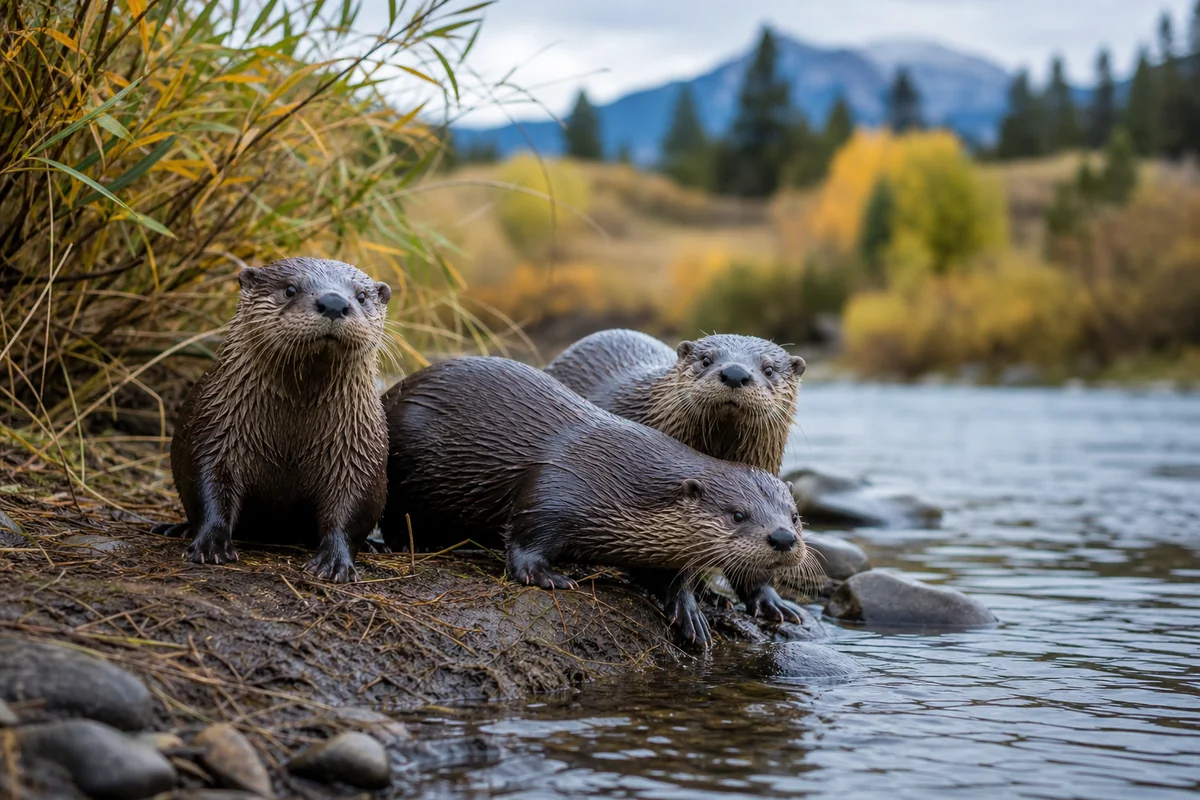
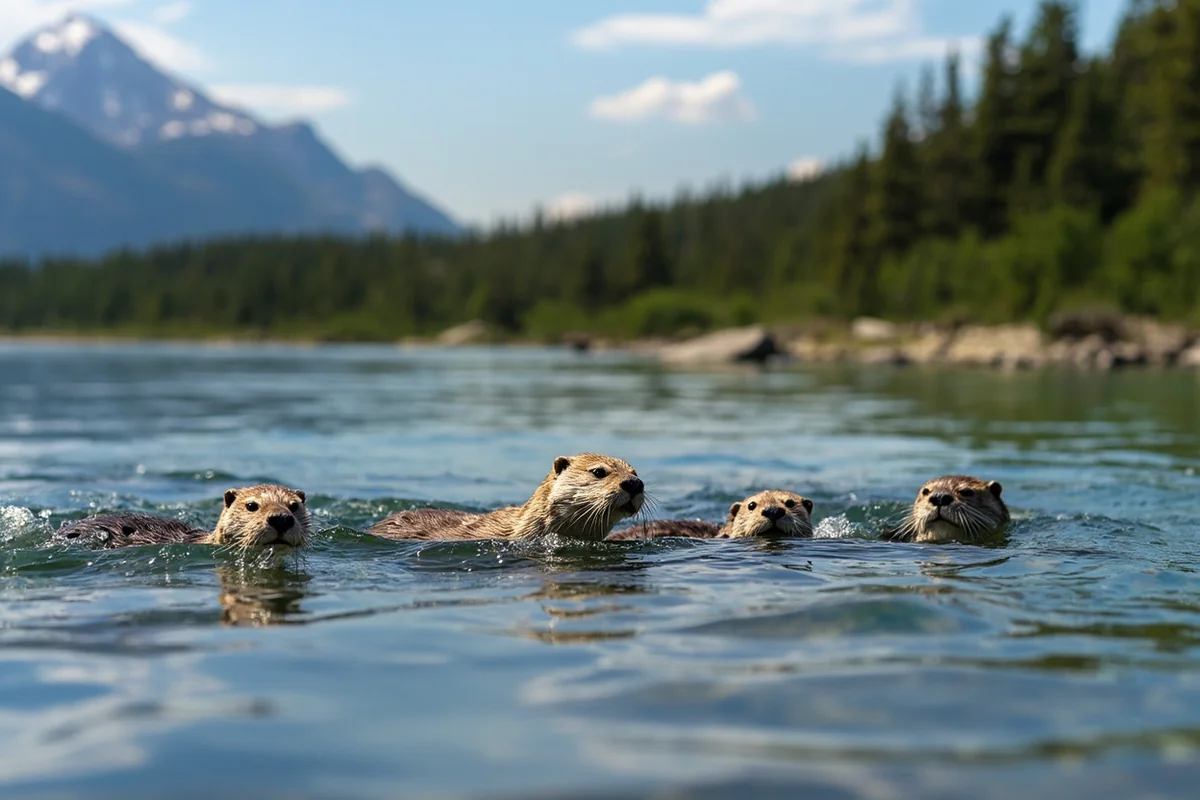
Seconds later, three sleek brown bodies burst from the water, tumbling over each other on a muddy bank no more than thirty feet away. In over a decade of exploring Montana wildlife, few encounters have matched the pure joy of watching river otters at play.
- North American river otters thrive in Montana’s rivers, lakes, and mountain streams
- Best viewing spots include Glacier National Park, the Blackfoot River corridor, and the Yellowstone River
- Dawn and dusk during spring and fall offer the highest chance of sightings
- Otters are year-round residents but most active in open water near beaver ponds
- Bring binoculars, dress in muted colors, and stay quiet—they’ll hear you before you see them
- Unlike sea otters, Montana’s river otters spend significant time on land
Liked this article?
Add Roaming Montana as a preferred source so you see more of our articles and guides on Google.
Understanding Montana’s River Otters
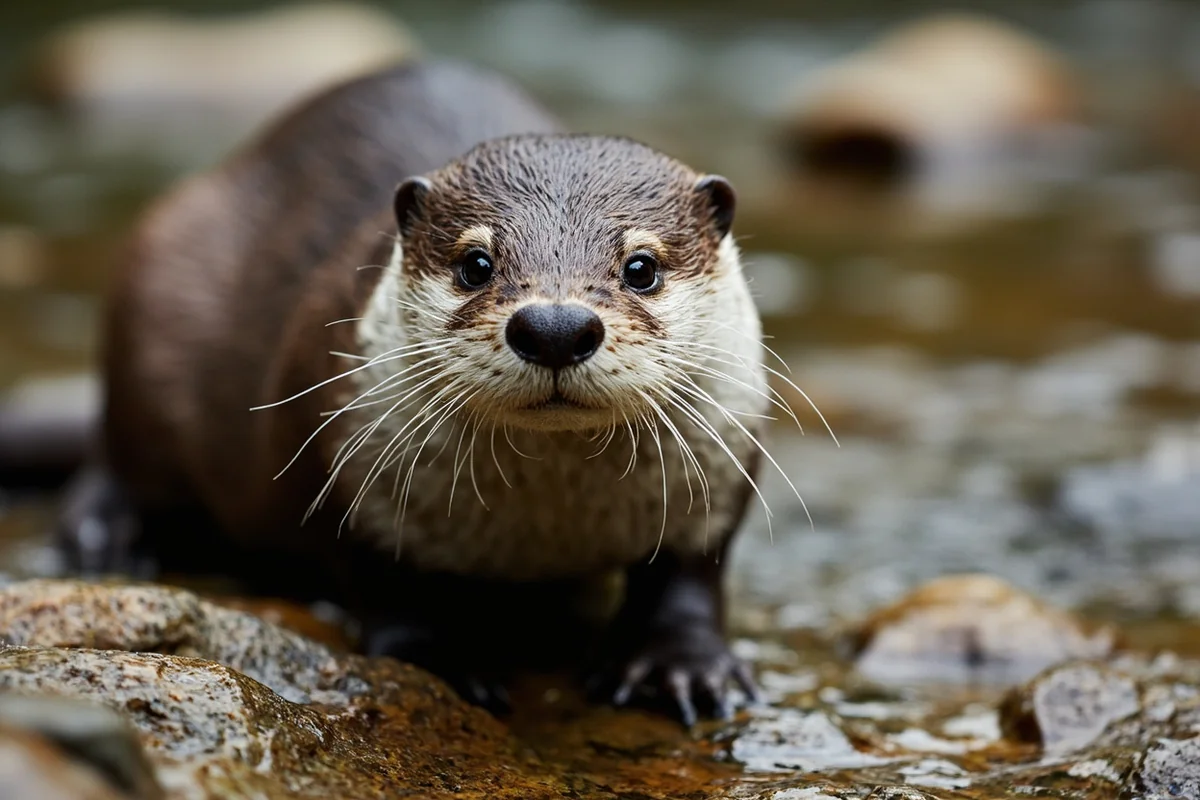
Let me clear up something that confuses a lot of visitors right away. Montana has river otters, not sea otters. The North American river otter (Lontra canadensis) is our resident species, and they’re remarkably different from their coastal cousins.
During my first otter encounter years ago near Seeley Lake, I was surprised by how much time they spent out of the water. River otters are semi-aquatic, meaning they hunt in water but den, travel, and socialize on land far more than most people expect.
These animals typically measure three to four feet long, including their muscular tails. Adults weigh between 10 and 30 pounds, with males running larger than females.
What Makes River Otters Special
What struck me most during my observations is their intelligence. I’ve watched otters work together to herd fish into shallow water, taking turns diving while others blocked escape routes. This isn’t random behavior—it’s coordinated hunting.
Their fur is incredibly dense, with about 57,000 hairs per square centimeter. When I saw one emerge from icy water during a November trip near Missoula, its outer coat shed water instantly while the animal appeared completely unfazed by temperatures that had me shivering in multiple layers.
River otters can hold their breath for up to eight minutes and dive to depths of 60 feet. I’ve never personally witnessed a deep dive, but I’ve watched them disappear for several minutes while fishing in the deeper pools of the Clark Fork River.
Where to Find Otters in Montana
After countless hours of otter watching across the state, I’ve identified several regions that consistently deliver sightings. But here’s what many guides won’t tell you: otters are wanderers with home ranges spanning 10 to 25 miles of waterway.
This means you could stake out a “guaranteed” spot and see nothing, while someone else stumbles upon a family group at an unremarkable pond. That said, some areas dramatically improve your odds.
Glacier National Park
My most reliable Glacier spots are Lake McDonald’s western shore and the Middle Fork of the Flathead River. Last summer, I spent three mornings along the McDonald Creek outlet before sunrise and was rewarded on two of them.
The key at Glacier is understanding that otters here follow the kokanee salmon and trout populations. When fish concentrate during spawning runs (late September through October), otters become more predictable.
I typically park at the Apgar campground area and walk downstream along McDonald Creek. The section between the bridge and the lake has exposed banks where otters haul out to eat their catch.
Blackfoot River Corridor
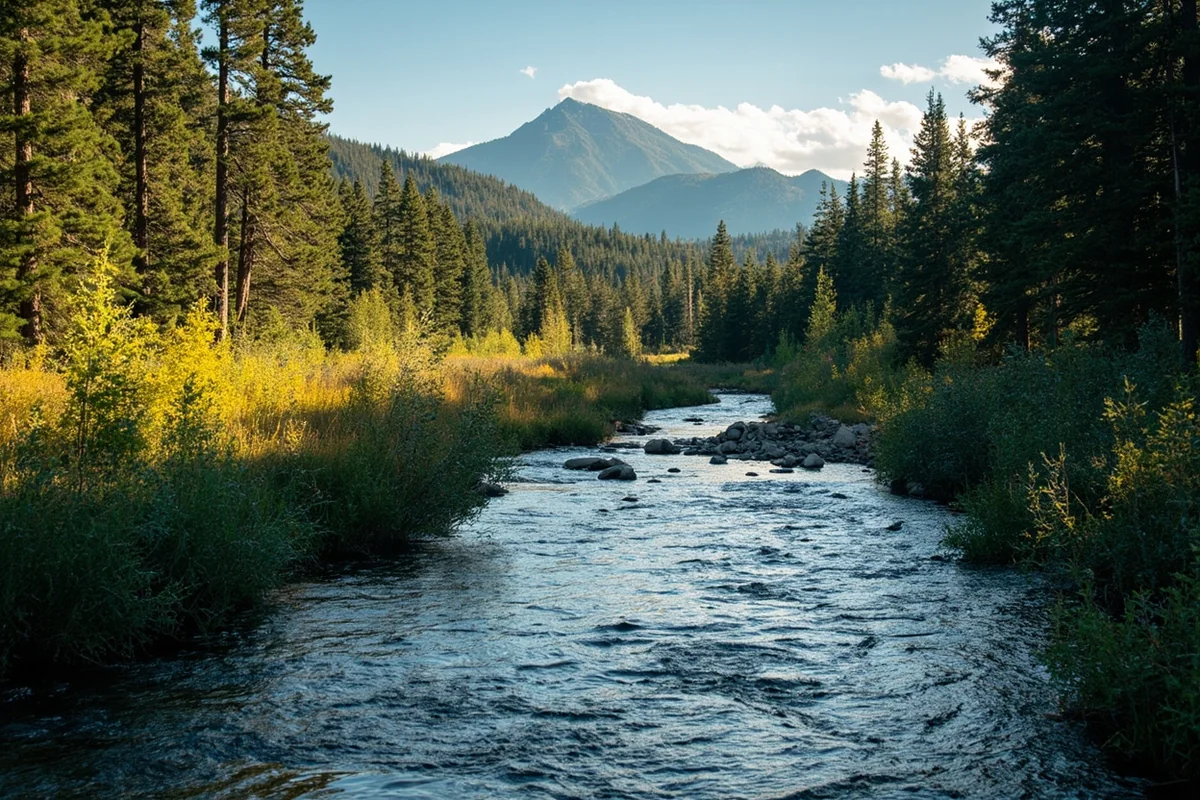
This is my personal favorite otter-watching territory. The Blackfoot River from Lincoln to its confluence with the Clark Fork supports a healthy otter population that I’ve tracked across multiple seasons.
The Johnsrud Park area offers excellent access and relatively undisturbed habitat. During my most recent trip last fall, I spotted fresh otter scat (called “spraint”) on nearly every prominent rock along a two-mile stretch.
One advantage of the Blackfoot: it’s less crowded than Glacier but just as productive. On weekday mornings, I’ve had miles of riverbank entirely to myself.
Yellowstone River and Paradise Valley
The Yellowstone River between Livingston and Gardiner provides fantastic otter habitat. I’ve had particularly good luck near the confluence of the Boulder River and in the stillwater areas near Emigrant.
This region also gives you opportunities to combine otter watching with sightings of Montana elk and deer species that frequent the valley floor. I’ve photographed otters and elk in the same frame more than once.
Northwestern Montana Lakes
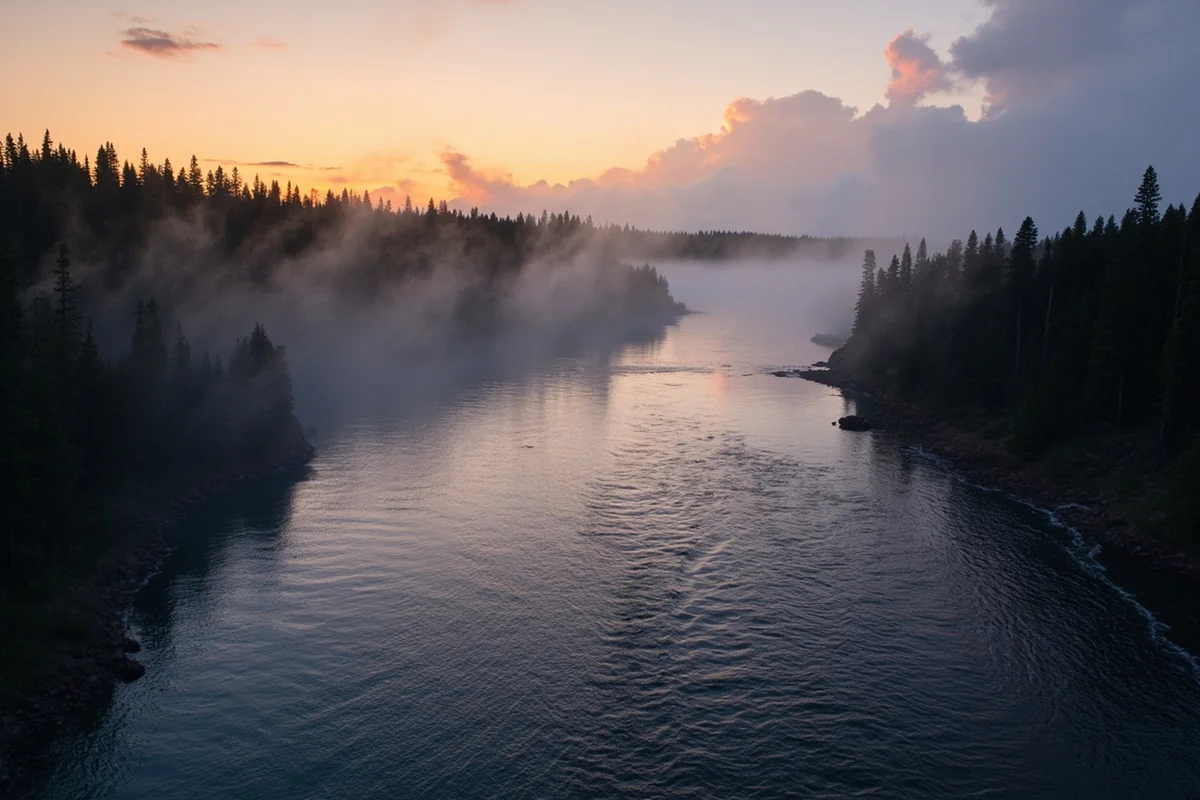
The Seeley-Swan valley contains a chain of lakes that otters travel between regularly. Seeley Lake, Salmon Lake, and Placid Lake all harbor resident or transient otter populations.
What I appreciate about this area is the network of beaver ponds in connecting streams. Otters and beavers have a complicated relationship—otters sometimes use abandoned beaver lodges—and these transition zones between lakes often concentrate wildlife activity.
During a September kayaking trip on Placid Lake, I encountered a lone male otter who seemed completely unbothered by my presence. He floated on his back about fifty yards away, crunching through what appeared to be a crayfish, for nearly ten minutes.
Missouri River and Its Tributaries
Don’t overlook the prairie rivers of central and eastern Montana. The Missouri River below Great Falls, the Smith River, and even smaller tributaries like the Judith hold otter populations.
I’ll admit I’ve had fewer sightings in these areas compared to western Montana, but the otters I have encountered here tend to be less wary—possibly because they see fewer humans overall.
Best Times and Seasons for Otter Watching
Timing matters enormously when searching for otters. I’ve refined my approach over years of trial and error, and I can share exactly what works.
Time of Day
Otters are crepuscular, meaning they’re most active during dawn and dusk. However, I’ve found that Montana otters are more flexible than the textbooks suggest.
My best sightings have occurred between 6:00 AM and 9:00 AM and again from 4:00 PM until dark. On overcast days, I’ve seen active otters at midday—possibly because the reduced light mimics dawn and dusk conditions.
If I only had one window to search, I’d choose the hour immediately after sunrise. Otters often hunt throughout the night and return to favored resting spots at first light.
Seasonal Considerations
Spring (April through June) brings increased otter activity as adults hunt intensively to feed growing pups. This is also when family groups are most visible because juveniles haven’t yet dispersed.
I visited the Clearwater River near Seeley Lake last May and observed a mother with three pups teaching them to fish in the shallows. The pups were comically bad at catching anything, but they practiced relentlessly.
Fall (September through November) is my preferred season for otter watching. Adults are preparing for winter, fish are spawning, and otters spend more time in predictable locations. The added bonus: fall foliage makes for spectacular photography backdrops.
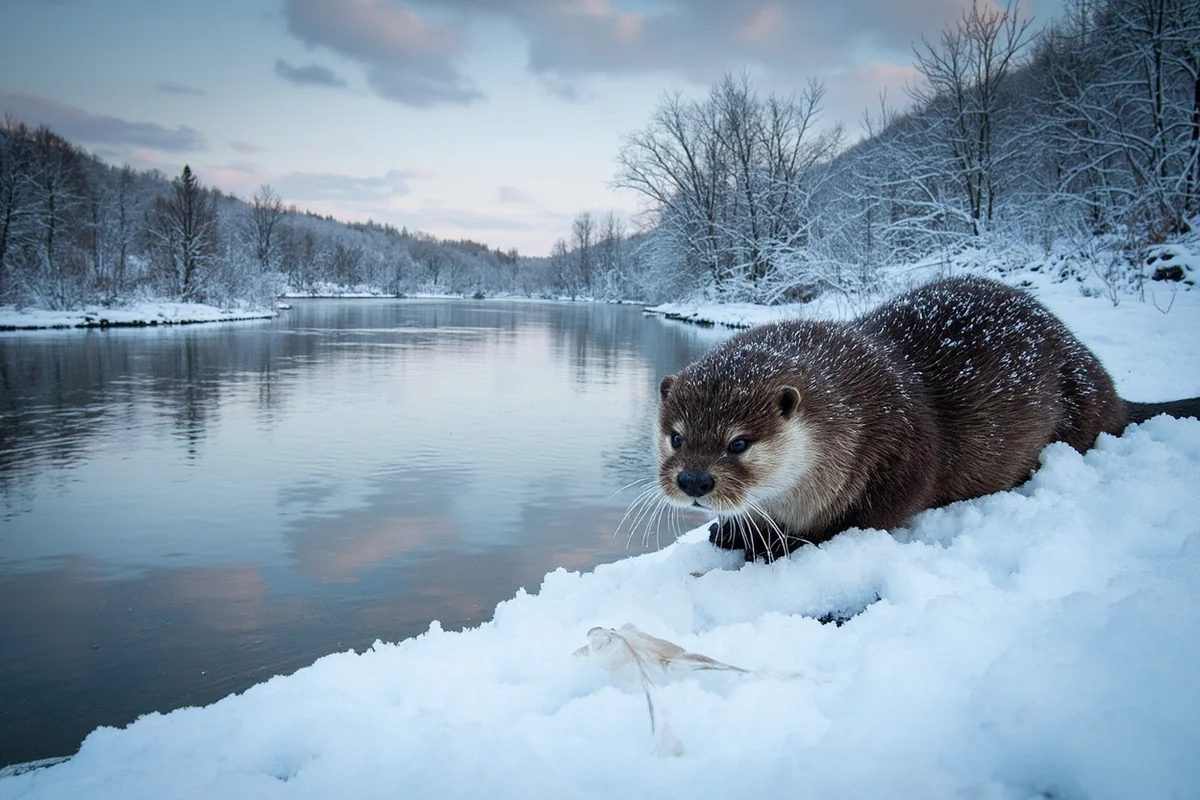
Winter otter watching is challenging but rewarding. River otters remain active year-round and must find open water to hunt. Areas with natural springs, dam tailwaters, and fast-moving rapids concentrate otters when everything else freezes. If you’re interested in winter wildlife generally, check out our guide to Montana winter animals.
Summer brings unpredictable patterns as otters spread out across abundant waterways. Sightings happen, but finding otters during July and August requires more patience and luck.
How to Spot Otters: Practical Field Techniques
I’ve developed specific habits that maximize my otter encounters. Here’s what actually works in the field.
Reading the Signs
Before you ever see an otter, learn to recognize their evidence. Otter spraint has a distinctive appearance—oily, fish-scented scat often deposited on prominent rocks, logs, or root wads along riverbanks.
I always check “haul-out” sites where muddy banks meet water. Look for slide marks, worn paths, and flattened vegetation. Otters repeatedly use the same entry and exit points, creating trails that become obvious once you know what to find.
Listen for vocalizations. Otters communicate through chirps, whistles, growls, and screams. The chirping sound that led to my Blackfoot River encounter is common when family groups reunite after separation.
Positioning and Approach
Otters have excellent hearing and decent eyesight. They’ll detect your approach long before you spot them unless you’re careful.
I wear muted colors (greens, browns, grays) and move slowly along riverbanks. When I find a promising spot, I settle in and wait rather than continuously walking. Patience is your greatest tool.
Position yourself downwind when possible, though otters rely on hearing more than smell. Avoid silhouetting yourself against the sky—stay below ridgelines and use vegetation for concealment.
Equipment Recommendations
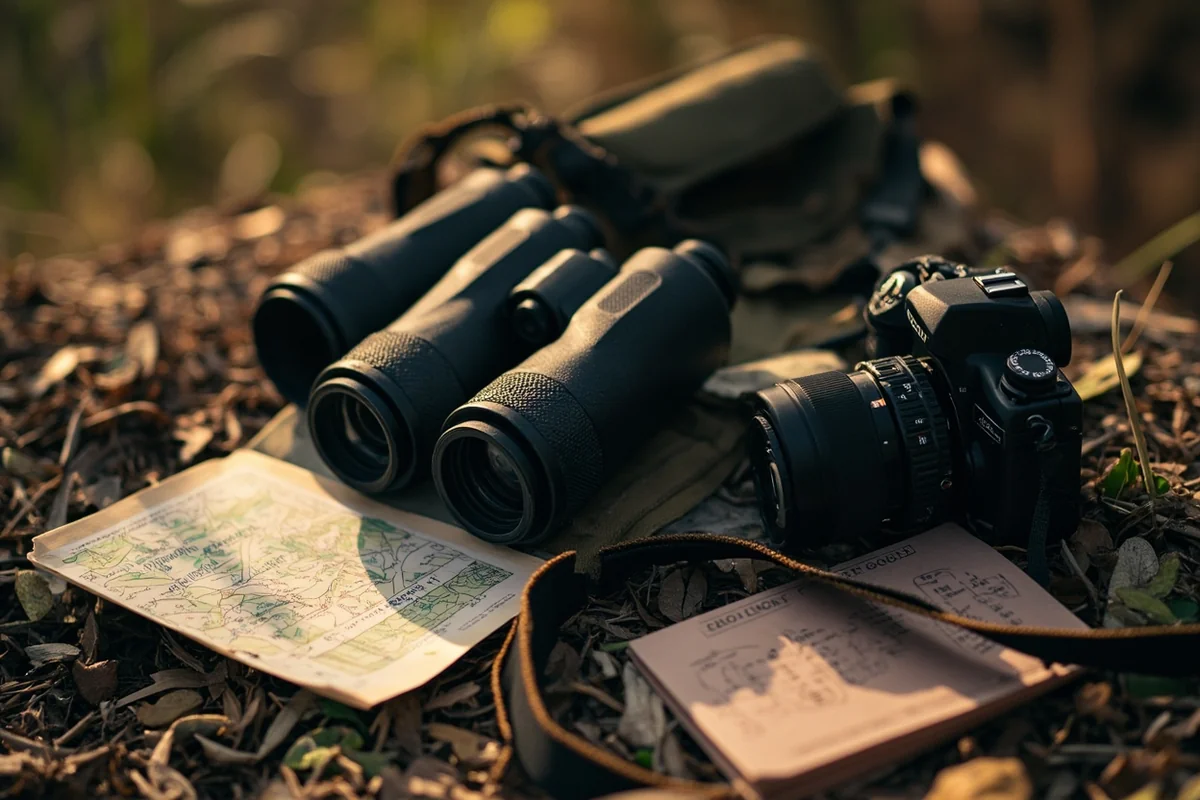
Binoculars are essential. I use 10×42 models that balance magnification with light-gathering for dawn and dusk viewing. You’ll spot otters at distances where naked eyes only see ripples.
A spotting scope helps for surveying large lakes and wide rivers. I’ve identified otters from half a mile away by watching for their distinctive rolling swim pattern through my scope.
For photography, a 400mm lens is my minimum recommendation. Otters rarely tolerate close approaches, and even “cooperative” animals usually stay 30-50 yards away.
| Equipment | Recommended Specs | Why It Matters |
|---|---|---|
| Binoculars | 10×42 or 8×42 | Good low-light performance for dawn/dusk |
| Spotting Scope | 20-60x zoom | Distance viewing on large water bodies |
| Camera Lens | 400mm minimum | Otters maintain distance from observers |
| Waders or Waterproof Boots | Hip or chest waders | Access riverbanks without getting soaked |
| Portable Seat | Lightweight, foldable | Extended waiting periods are common |
Otter Behavior: What You’ll Actually See
Understanding otter behavior enriches every encounter. Here’s what I’ve observed across hundreds of hours in the field.
Feeding and Hunting
Fish make up about 80% of Montana river otter diets. I’ve watched them catch trout, whitefish, suckers, and sculpin. They also eat crayfish, frogs, and occasionally small mammals or birds.
The hunting technique I see most often involves surface swimming with the head submerged, scanning for prey below. When they dive, the splash is minimal—more of a smooth roll than a dramatic plunge.
Otters typically surface to eat, floating on their backs while handling food with their front paws. Small fish get swallowed headfirst; larger prey requires tearing and multiple bites.
Play and Social Behavior
The playfulness of otters isn’t anthropomorphic exaggeration—it’s real and obvious when you witness it. I’ve watched adults chase each other, wrestle in the shallows, and repeatedly slide down muddy banks for no apparent purpose other than entertainment.
During one memorable observation on the Swan River, I watched three otters take turns dropping into a deep pool from an overhanging log. They climbed out, walked back upstream, and did it again. Over and over for nearly twenty minutes.
This play serves developmental purposes for juveniles, building the skills they’ll need to survive. But adult otters continue playing throughout their lives, which scientists believe reinforces social bonds.
Family Groups and Territories
Female otters (sows) raise their young with little to no help from males. Pups typically stay with their mothers for about a year before dispersing to establish their own territories.
Family groups of four to six individuals are common sightings. When you find multiple otters together outside of breeding season, you’re almost certainly looking at a mother with her offspring.
Males are more solitary and hold larger territories that overlap with several females. During breeding season (typically late winter to early spring), males become more visible as they travel in search of receptive females.
Otter Conservation in Montana
The presence of healthy otter populations tells us something important about Montana’s waterways. As apex aquatic predators, otters require clean water, abundant fish, and connected habitat to thrive.
Historical Context
Montana’s otter population declined significantly during the fur trade era. By the early 1900s, unregulated trapping had reduced numbers to concerning levels.
Recovery began with trapping regulations in the mid-20th century. Today, Montana Fish, Wildlife & Parks manages otter populations through limited trapping seasons and careful monitoring.
I spoke with a FWP biologist during a Missoula wildlife event who estimated Montana’s otter population at several thousand animals—not abundant, but stable and slowly expanding into historically occupied habitat.
Current Threats
Water quality remains the primary concern for otter conservation. Mercury bioaccumulation, agricultural runoff, and habitat fragmentation all impact otter populations.
Climate change presents emerging challenges. As snowpack decreases and summer stream temperatures rise, fish populations shift—and otters follow their food sources or decline where prey becomes scarce.
Invasive species in Montana also affect otter habitat indirectly. Changes to aquatic ecosystems ripple through food webs in ways that eventually impact top predators.
How Visitors Can Help
Responsible wildlife watching starts with minimizing your impact. Keep your distance—at least 100 yards—and never pursue or attempt to feed wild otters.
Practice Leave No Trace principles along waterways. Pack out all garbage, stay on established trails where they exist, and respect private property boundaries.
Consider supporting organizations that protect Montana’s aquatic habitats. Groups like the Montana Wildlife Federation and local land trusts do important conservation work that directly benefits otters.
Combining Otter Watching with Other Montana Wildlife
One of the joys of searching for otters is encountering other species along the way. Riparian areas teem with wildlife, and your otter-watching patience often pays unexpected dividends.
Birds Along the Water
While waiting for otters along the Blackfoot River, I’ve spotted belted kingfishers, great blue herons, and various duck species without even trying. The Montana osprey is particularly common around otter habitat—both predators follow the same fish populations.
Dawn otter outings overlap with prime birding hours. Bring a field guide to Montana bird species, and you’ll never be bored during slow otter periods. Winter birds along ice-free waters can be especially rewarding.
Mammals Sharing Otter Habitat
Beavers occupy the same waterways as otters, and I’ve frequently seen both species within the same hour. Beaver activity peaks at dawn and dusk—exactly when you’re looking for otters.
Mink, the otter’s smaller cousin, also hunt along Montana rivers. They’re more secretive than otters but not uncommon. I mistook a mink for a juvenile otter during my early wildlife-watching days before learning to distinguish the much smaller body size and darker coloration.
Moose occasionally appear in riparian willows. Along the North Fork of the Flathead, I’ve shared otter-watching mornings with feeding moose who seemed as oblivious to my presence as the otters were.
Larger predators like Montana bears and mountain lions occasionally visit waterways. Stay alert, make noise when traveling, and carry bear spray in appropriate areas.
Planning Your Montana Otter Trip
Let me share how I’d structure a dedicated otter-watching trip if I were starting from scratch.
Itinerary Suggestions
For a long weekend focused on western Montana, I’d base myself in Missoula. From there, you can reach the Blackfoot River (30 minutes), the Clark Fork (immediate access), and the Seeley-Swan valley (1 hour) easily.
Spend your first evening scouting locations and looking for otter sign. The following two mornings, position yourself at promising sites before dawn. Use afternoons to explore other wildlife opportunities—bighorn sheep in the Kootenai country, mountain goats near Glacier, or even alpaca farms for something different.
If Glacier National Park is your destination, add otter watching to your larger itinerary. Morning sessions at McDonald Creek pair perfectly with midday hikes and afternoon wildlife drives.
Lodging Near Prime Spots
Seeley Lake offers multiple cabins and lodges within minutes of excellent otter habitat. The Double Arrow Lodge provides upscale accommodations, while Forest Service cabins offer budget-friendly options.
In the Glacier area, West Glacier and Hungry Horse have lodging convenient to the Middle Fork drainage. I prefer staying on the west side for dawn access to Lake McDonald.
For Paradise Valley, Livingston and Emigrant both have lodging ranging from historic hotels to modern vacation rentals. The Murray Hotel in Livingston is my personal favorite for comfort after early morning wildlife outings.
What to Pack
Beyond optical equipment, pack layers appropriate for Montana’s variable weather. Mornings along rivers are cold even in summer—I’ve worn fleece in July at certain elevations.
Waterproof boots are non-negotiable. You’ll inevitably want to investigate muddy banks, wade shallow crossings, or approach waterside vegetation.
Bring snacks and water for extended waits. Hot coffee or tea in an insulated bottle makes dawn sessions much more pleasant during cool seasons.
Ethical Wildlife Watching Guidelines
I take responsible wildlife observation seriously, and I hope you will too. Montana’s otters deserve our respect.
Distance and Disturbance
If an otter changes its behavior because of your presence—stops feeding, becomes alert, moves away—you’re too close. Back off immediately and accept that the encounter has ended.
Never chase or follow otters along riverbanks. I’ve seen well-meaning wildlife watchers pursue moving otters, destroying any chance of natural behavior observation.
Kayaking and canoeing near otters requires extra caution. While human-powered boats can provide excellent viewing platforms, approaching too closely from water can trigger stronger alarm responses than shoreline observation.
Photography Ethics
The best otter photographs come from patience, not pursuit. Getting a mediocre shot of a fleeing otter isn’t worth disturbing the animal or compromising future sightings for other observers.
Never bait or call to attract otters. Unlike some bird species, otters don’t respond well to recorded vocalizations, and food baiting creates dangerous habituation.
Be mindful of denning sites and nursery areas. If you discover an otter den, observe only from a significant distance and never reveal the location publicly.
Common Questions About Montana Otters
Based on conversations with other wildlife enthusiasts and questions I receive after posting otter photographs, here are honest answers to what people most want to know.
Are Otters Dangerous?
River otters are not inherently dangerous to humans, but they are wild predators with sharp teeth. Attacks are extremely rare and almost always result from cornered animals, rabid individuals, or misguided feeding attempts.
I’ve never felt threatened by an otter in Montana. They typically flee at the first sign of human approach. Maintain respectful distance, and you’ll have nothing to worry about.
Can I See Otters from the Road?
Occasionally, but most sightings require getting out of your vehicle and walking along waterways. I’ve seen otters from roadside pullouts maybe five times in my entire Montana career—not odds I’d bet on.
That said, driving along rivers during early morning can reveal otter activity. Slow down and scan the water’s surface for swimming animals or movement on banks.
What If I Don’t See Otters?
Realistic expectations matter. I’ve had many unsuccessful otter outings despite visiting prime habitat at optimal times. Wildlife watching always involves uncertainty—that’s part of what makes successful sightings so thrilling.
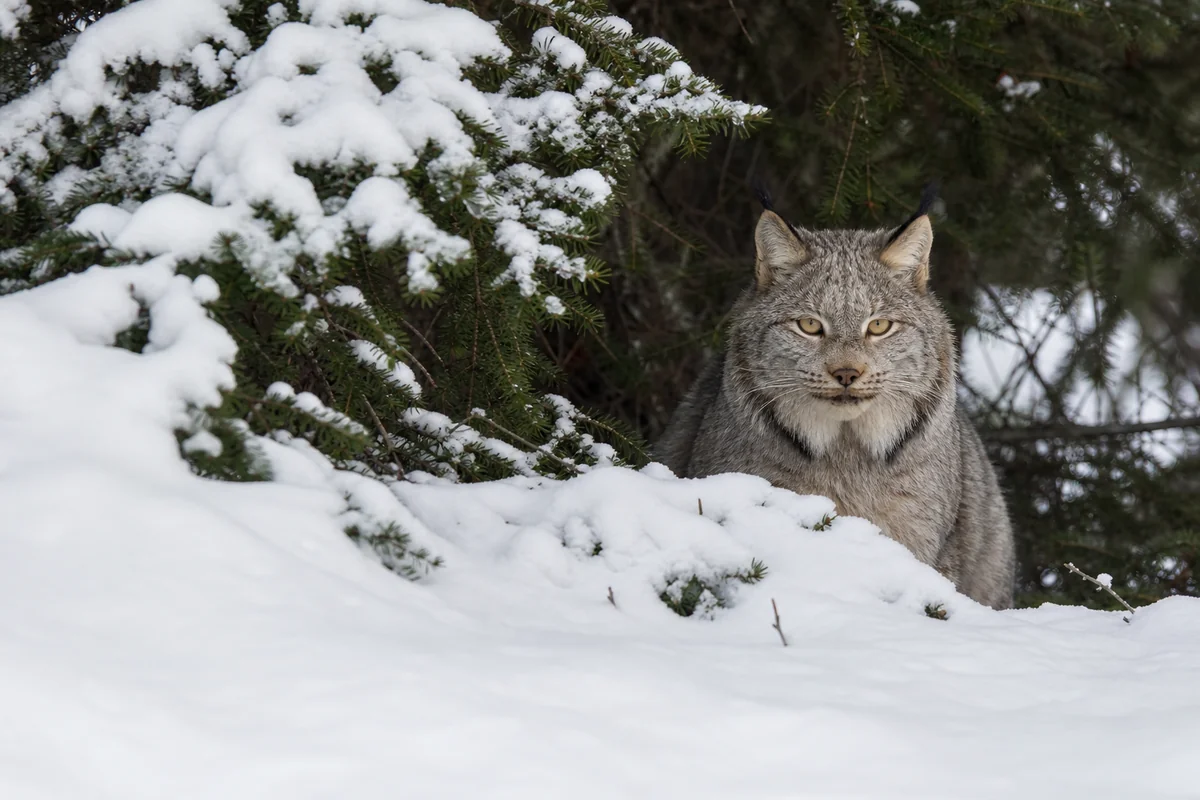
If otters prove elusive, remember that you’re spending time in beautiful places rich with other wildlife. I’ve “failed” to find otters but photographed lynx tracks in snow, watched owls hunting at dusk, and encountered squirrels and other small mammals that made the trip worthwhile.
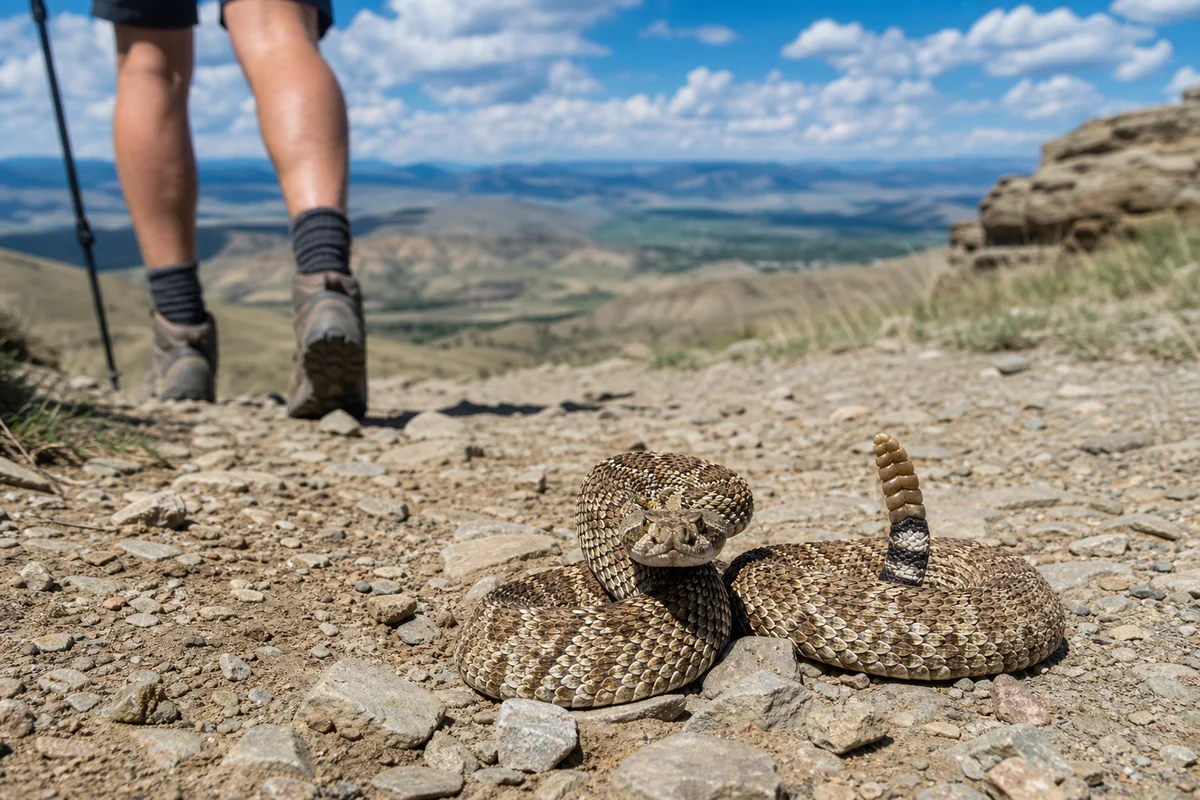
Even rattlesnakes and spiders become interesting when you’re tuned into the natural world. Keep your eyes open, and Montana never disappoints.
Are Otters Endangered in Montana?
No. River otters in Montana are not listed as endangered or threatened at state or federal levels. Populations have recovered substantially from historical lows and are considered stable.
For information about species that do face conservation challenges, our guide to endangered and threatened species in Montana covers current concerns.
My Personal Favorite Otter Memory
I want to close by sharing an experience that captures why I keep returning to Montana’s rivers hoping to find these animals.
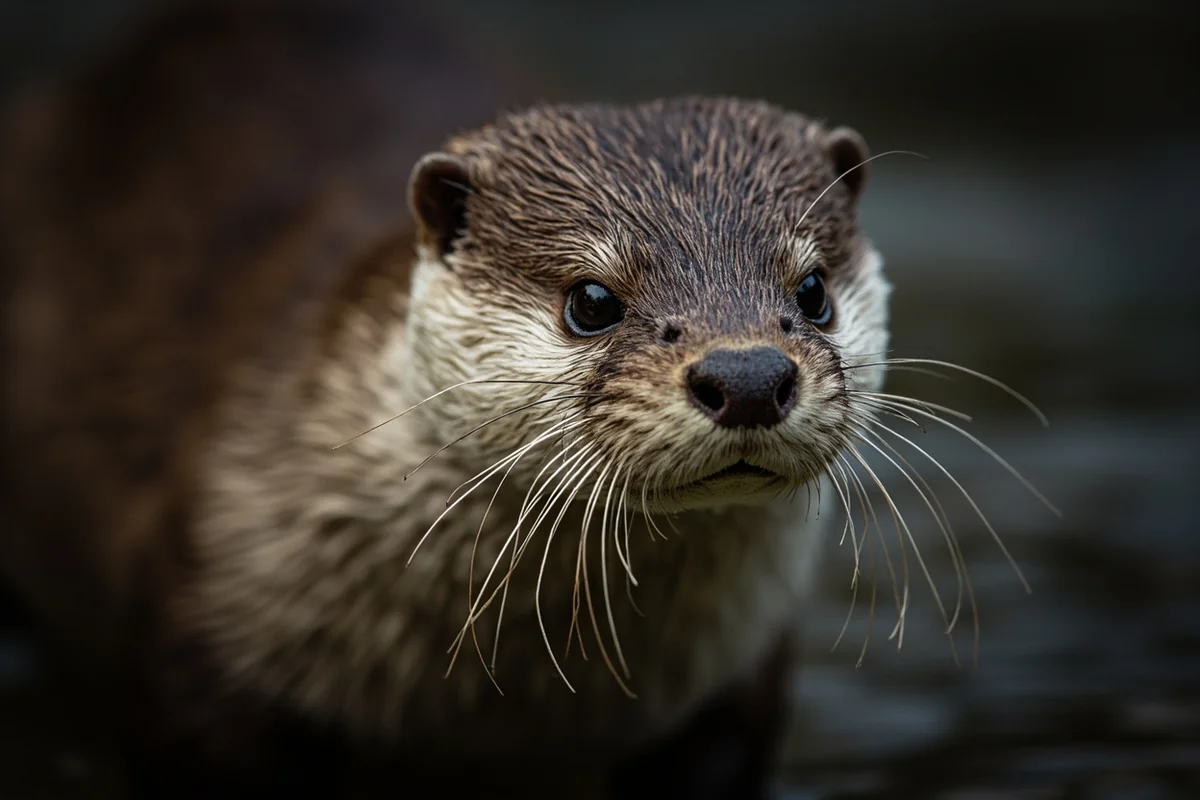
Three years ago, I was photographing fall colors along a nameless tributary of the Swan River when I heard splashing downstream. Moving slowly toward the sound, I found a single otter working a deep pool where the stream curved against a rock face.
For forty-five minutes, I watched that otter catch fish, groom its fur, investigate floating leaves, and basically live its life without ever noticing me crouched behind a fallen log. It wasn’t dramatic or Instagram-worthy—just a wild animal going about its business in wild country.
When the otter finally swam downstream and out of sight, I sat for another few minutes in the silence, listening to the stream and feeling genuinely grateful. That’s what Montana otter watching offers: not guaranteed sightings or easy photographs, but the chance to witness something real and wild in one of America’s most spectacular landscapes.
The patience required, the early mornings, the skunked trips—they all become worth it the moment a sleek brown head breaks the surface and you realize you’re sharing a river with one of nature’s most playful spirits.
I hope you find your own otter moment somewhere in Big Sky Country.
Frequently Asked Questions
Where can I see river otters in Montana?
I’ve had the best luck spotting North American river otters in Glacier National Park, particularly around Lake McDonald and the North Fork of the Flathead River. The Missouri River headwaters near Three Forks and the waterways in the National Bison Range also offer reliable otter sighting opportunities. Early morning visits to these locations dramatically increase your chances of an encounter.
What is the best time of year to see otters in Montana?
Late spring through early summer (May-June) is prime otter viewing season in Montana when they’re most active raising pups and fishing in warming waters. I recommend visiting at dawn or dusk when otters are feeding, as midday sightings are rare. Winter can also be rewarding if you catch them sliding on ice near open water sources.
Are there sea otters in Montana or only river otters?
Montana is home exclusively to North American river otters, not sea otters, since the state is landlocked and about 500 miles from the Pacific Ocean. River otters thrive in Montana’s freshwater rivers, lakes, and wetlands throughout the western and central regions. They’re smaller than sea otters, typically weighing 10-30 pounds, and are incredibly agile swimmers.
What gear should I bring to photograph Montana otters?
Pack a telephoto lens (at least 200-400mm) since otters are skittish and you’ll need to keep your distance—I typically stay 50-100 feet away. Bring waterproof boots for muddy riverbanks, polarized sunglasses to reduce water glare, and binoculars for initial spotting. A portable camping chair and patience are your best friends, as you might wait hours for otters to appear.
How much does a guided Montana wildlife tour to see otters cost?
Guided wildlife tours in Montana that include otter habitat typically range from $150-$350 per person for half-day excursions in the Glacier National Park area. Full-day private tours with experienced naturalists can run $400-$600 and often include other wildlife like bears and eagles. I recommend booking 2-3 weeks in advance during peak summer season as quality guides fill up quickly.
Are Montana river otters dangerous to approach?
While river otters look playful and cute, they can be surprisingly aggressive if they feel threatened, especially mothers protecting pups. I always maintain at least 50 feet of distance and never attempt to feed them—it’s actually illegal under Montana wildlife regulations. If an otter approaches you, back away slowly and avoid direct eye contact.
What other wildlife will I see while looking for otters in Montana?
Otter habitats in Montana overlap with beavers, muskrats, mink, and great blue herons along the same waterways. In places like Glacier National Park, I’ve spotted moose, bald eagles, and even black bears during morning otter watches. This makes otter-focused trips excellent multi-species wildlife viewing opportunities, so keep your camera ready for unexpected encounters.
Sources
- https://fieldguide.mt.gov/speciesDetail.aspx?elcode=AMAJF10010
- https://fwp.mt.gov/binaries/content/assets/fwp/montana-outdoors/outdoor-portraits/2011/riverotter.pdf
- https://scholarworks.umt.edu/cgi/viewcontent.cgi?article=8061&context=etd
- https://www.flickr.com/photos/44226689@N07/37028953694
- https://www.flickr.com/photos/eltpics/15780595306