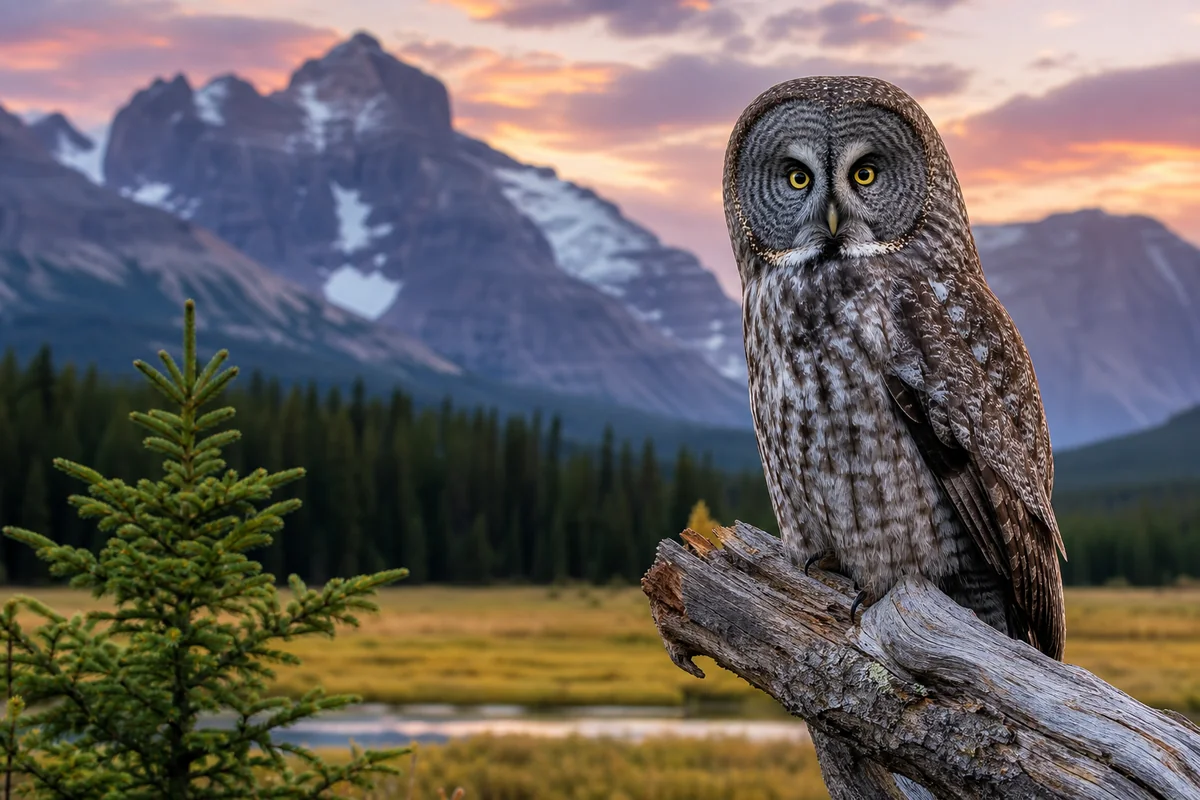
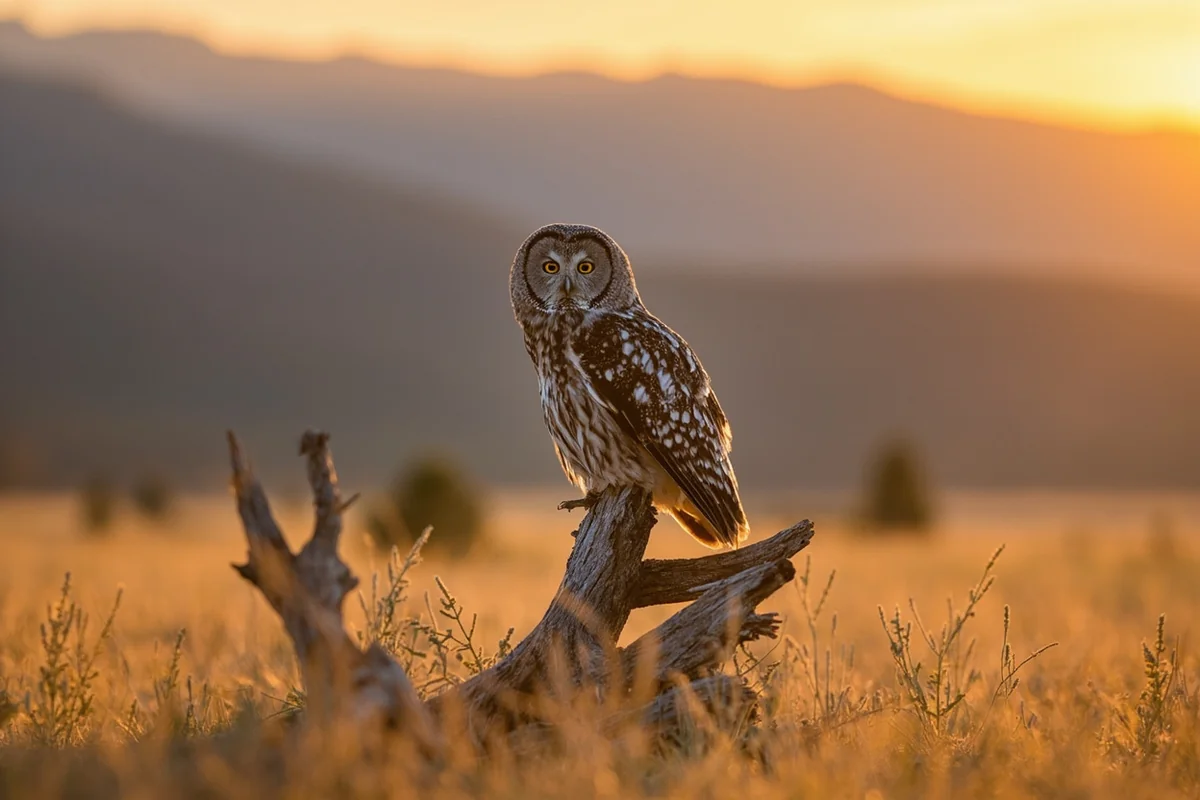
The first time I heard a Great Gray Owl call echo through a Glacier National Park meadow at dusk, I stood frozen for what felt like minutes—the sound was prehistoric, otherworldly, and completely unexpected on what I’d planned as a simple sunset hike.
That single encounter during my first Montana trip eight years ago launched an obsession that has since taken me across every corner of Big Sky Country in search of these magnificent raptors, and I’ve learned that Montana offers some of the finest owl-watching opportunities anywhere in North America.
If you’re exploring Montana wildlife, owls represent one of the most rewarding—and challenging—pursuits you can undertake.
- Montana hosts 15 owl species, from the massive Great Gray to the tiny Northern Pygmy-Owl
- Best viewing seasons are late winter (breeding calls) and summer (fledglings)
- Top locations include Glacier NP, Freezout Lake, the Bitterroot Valley, and the Rocky Mountain Front
- Dawn and dusk offer the best sighting opportunities for most species
- Ethical viewing practices are essential—owls are sensitive to disturbance
- Bring quality binoculars, dress in layers, and practice patience
Liked this article?
Add Roaming Montana as a preferred source so you see more of our articles and guides on Google.
Why Montana is an Owl-Watching Paradise
I’ve searched for owls in Arizona, Oregon, Minnesota, and a dozen other states, but Montana consistently delivers experiences that feel almost magical. The combination of vast wilderness, diverse habitats, and relatively low human population creates conditions where owls thrive largely undisturbed.
Montana’s landscape encompasses everything from prairie grasslands to alpine forests, which means drastically different owl species occupy different ecological niches. During a single week-long trip last September, I observed seven different species without driving more than 200 miles from Missoula.
The state sits at a biogeographical crossroads where northern boreal species overlap with mountain and grassland specialists. This overlap is why you might spot a Boreal Owl in the same county where Short-eared Owls hunt over hay fields.
The 15 Owl Species of Montana
Through my years of owling in Montana, I’ve encountered 13 of the 15 species that call this state home. Each has distinct habits, preferred habitats, and personality quirks that make the search for them uniquely rewarding.
Great Gray Owl
The Great Gray is Montana’s most sought-after owl, and rightfully so. Standing over two feet tall with a five-foot wingspan, this species commands attention unlike any other North American owl.
I had my most memorable Great Gray encounter in the Seeley-Swan Valley during a February trip. The owl was hunting in a meadow along Highway 83, seemingly unbothered by the handful of photographers who had gathered at a respectful distance.
What struck me most was the silence of its flight—this massive bird moved through the air without making a sound. Great Grays hunt primarily by sound, and I watched this individual plunge headfirst into snow nearly two feet deep to grab a vole it had heard tunneling beneath the surface.
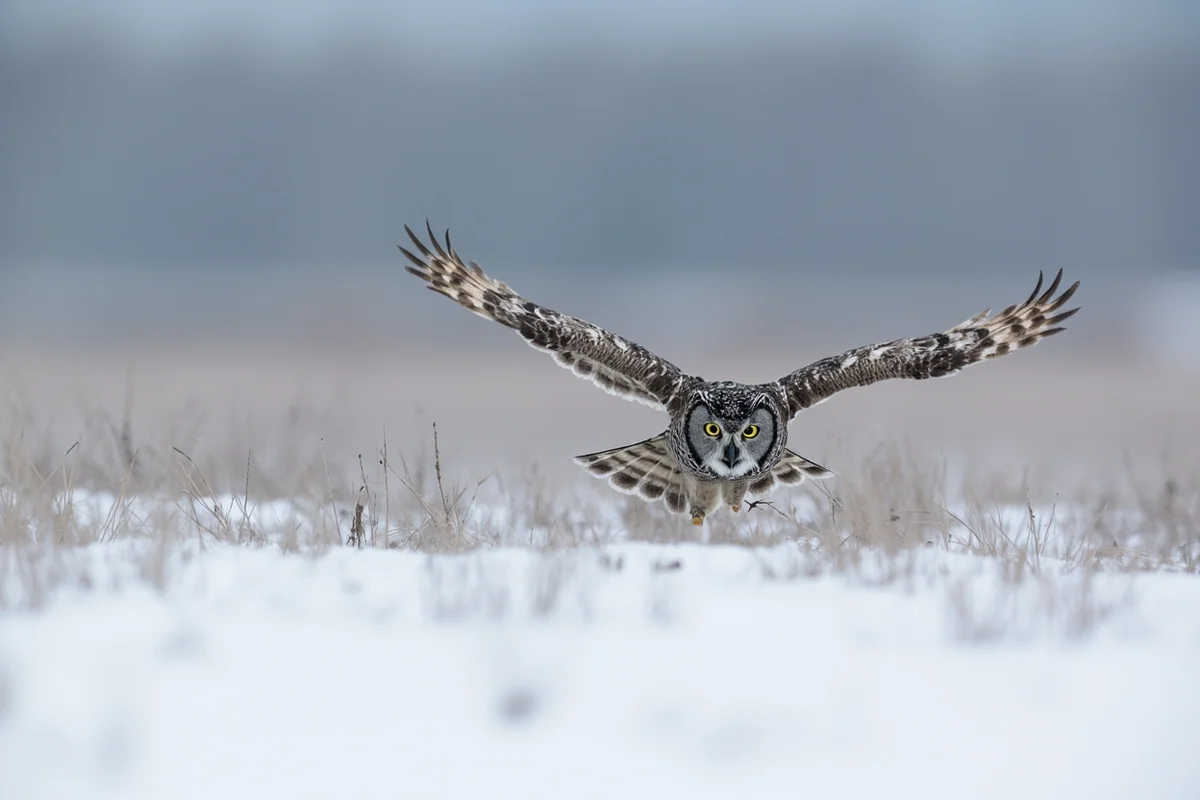
Your best chances for Great Grays are in the northwestern mountains from November through March. The Seeley-Swan corridor, areas around West Glacier, and meadows near Lincoln have all produced reliable sightings over my years of searching.
Great Horned Owl
The Great Horned Owl is Montana’s most widespread and adaptable owl species. I’ve encountered them everywhere from downtown Bozeman to remote wilderness areas in the Bob Marshall.
These owls begin nesting incredibly early—I’ve found active nests with eggs in late January when temperatures were well below zero. Their deep hooting calls become especially prominent from December through February during courtship.
Last spring, I watched a pair raising two chicks in a cottonwood snag along the Yellowstone River near Livingston. The adults hunted everything from rabbits to skunks, and yes, the nest area definitely smelled like their prey choices.
Snowy Owl
Snowy Owls are winter visitors to Montana, and their appearances are unpredictable. During “irruption” years when lemming populations crash in the Arctic, Snowies move south in greater numbers.
The winter of 2021-2022 was exceptional. I personally observed Snowy Owls at Freezout Lake, near Great Falls, and on agricultural land outside of Conrad. These striking white birds often perch on fence posts, hay bales, or directly on the ground.
Unlike the majestic perched hunters you might imagine, the Snowies I’ve watched in Montana often look bedraggled and exhausted from their long journey south. They’re survivors, not showpieces, and I find that even more impressive.
Northern Hawk Owl
Finding a Northern Hawk Owl in Montana requires dedication and often some luck. This species barely reaches into the state’s northwestern corner, preferring the boreal forests near the Canadian border.
I saw my first Montana Hawk Owl during a December trip to the Eureka area. The bird was perched at the very top of a dead spruce, scanning the landscape in broad daylight—Hawk Owls are among the most diurnal of all owl species.
Their hunting style reminded me more of a falcon than an owl, with swift, direct flights and aggressive pursuit of prey. If you’re specifically targeting this species, the forests between Whitefish and Eureka offer your best opportunities, particularly in winter.
Barred Owl
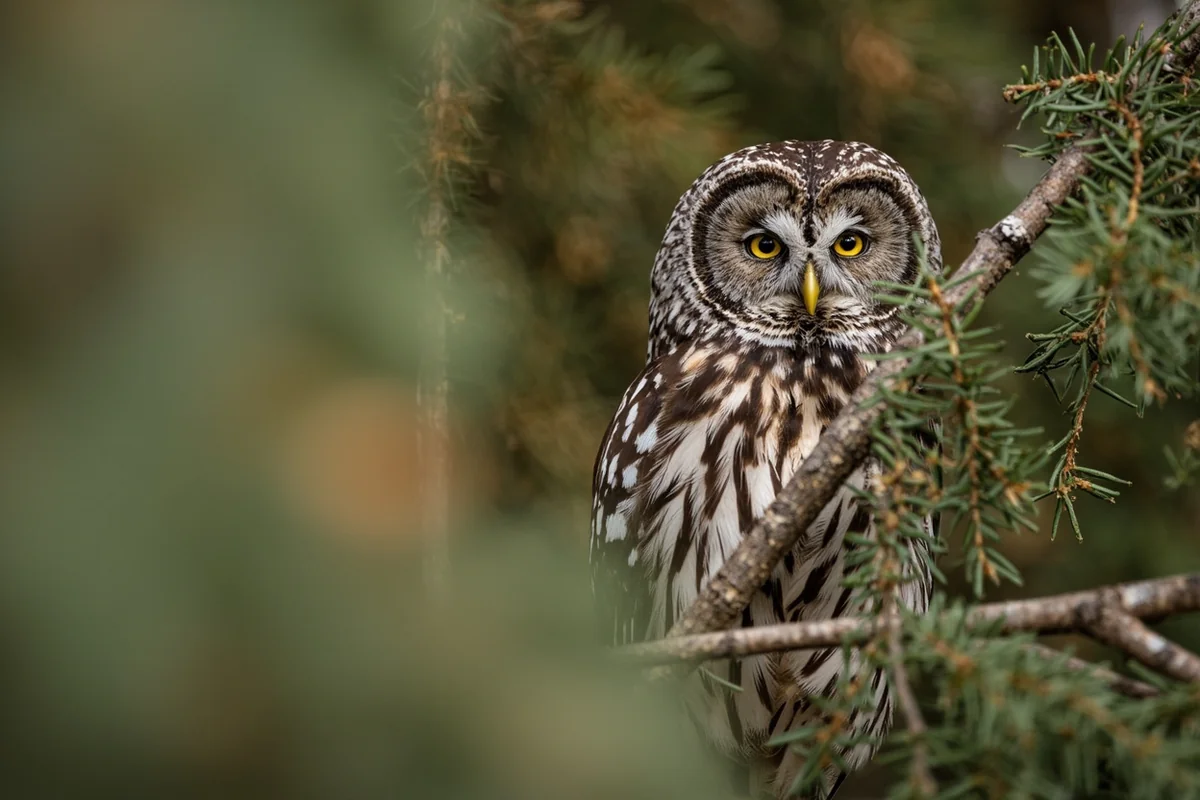
Barred Owls have expanded their range into Montana over recent decades, and I’ve noticed their presence becoming more established in the northwestern forests. Their distinctive “who cooks for you, who cooks for you all” call now echoes through valleys where it was once unheard.
My most recent Barred Owl encounter was along the Yaak River last summer. The bird was calling repeatedly at dusk, and I managed to locate it in a dense stand of cedar. Unlike many owl species, Barred Owls often seem genuinely curious about humans, sometimes approaching closer rather than fleeing.
Long-eared Owl
Long-eared Owls are among Montana’s most secretive species. Despite being relatively common, they’re incredibly difficult to find because of their cryptic roosting behavior.
I finally located my first Long-eared roost after three years of searching. A birder friend tipped me off to a dense willow thicket near Helena where up to a dozen birds wintered communally. Standing beneath those willows, it took me nearly ten minutes to spot my first owl despite knowing exactly where to look.
Their slender bodies and tightly compressed ear tufts make them virtually invisible against tree bark. Once you see one, though, you often realize others are hiding nearby. I’ve counted as many as eight Long-eareds in a single roost no larger than a basketball court.
Short-eared Owl
Short-eared Owls are the most reliably observable owl species in Montana because they hunt in open country during daylight hours. I’ve had fantastic encounters at Freezout Lake, the Mission Valley, and throughout the prairie regions east of the Rockies.
Their buoyant, moth-like flight is instantly recognizable. During a late March evening near Choteau, I watched five Short-eared Owls hunting simultaneously over a wetland complex—they would occasionally clash mid-air with Northern Harriers competing for the same vole-rich territory.
These owls are ground nesters, which makes them vulnerable to agricultural disturbance. Montana’s remaining native grasslands and CRP fields provide crucial habitat. If you’re also interested in exploring Montana’s vast bird species diversity, Short-eared Owl habitat often overlaps with prime grassland bird locations.
Boreal Owl
The Boreal Owl is my personal nemesis. In eight years of trying, I’ve only managed visual contact with this species twice in Montana, though I’ve heard their distinctive staccato calls on numerous occasions.
These small owls inhabit high-elevation spruce-fir forests and rarely descend to accessible elevations. My two sightings both came during April when males were actively calling—one near Cooke City and another in the Tally Lake area northwest of Whitefish.
If you’re determined to find a Boreal Owl, plan to spend time in dense mountain forests above 5,000 feet during late winter or early spring. Bring patience, warm clothing, and realistic expectations.
Northern Saw-whet Owl
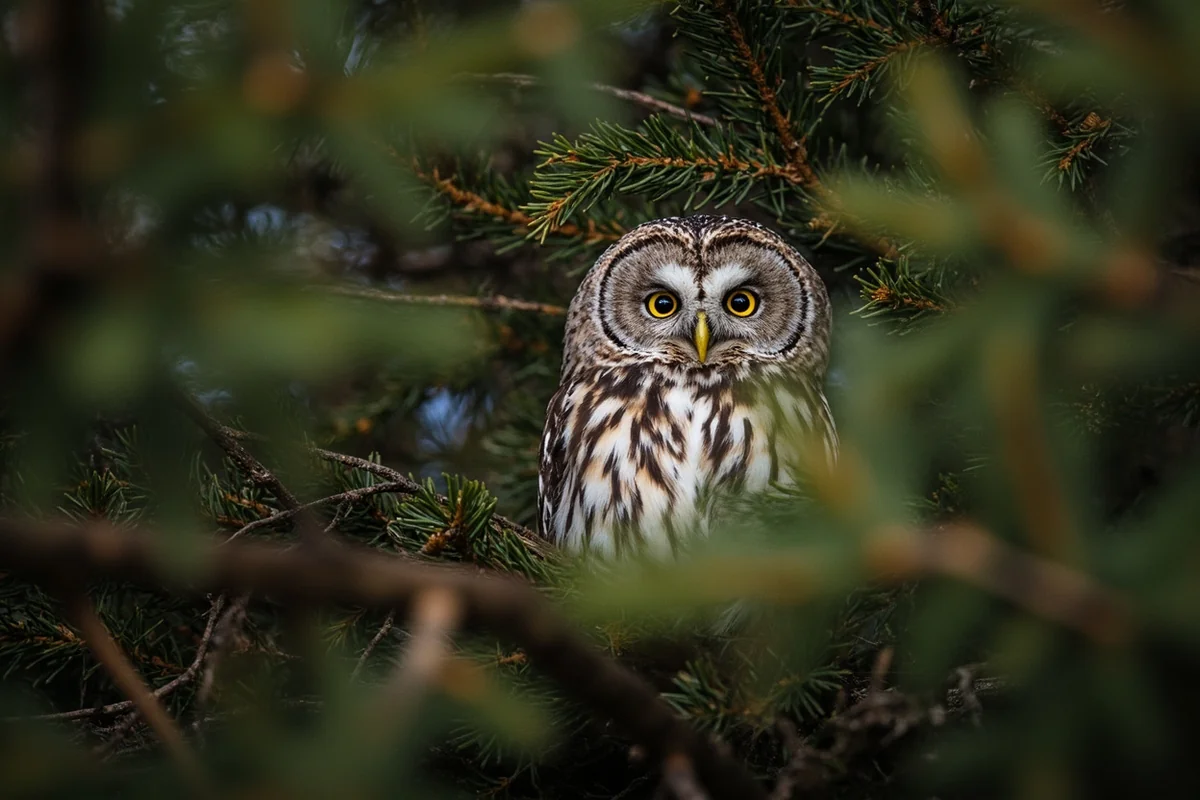
Despite being one of North America’s smallest owls, Northern Saw-whets are surprisingly common throughout Montana’s forests. Their monotonous “toot-toot-toot” calling—which can continue for hours—reveals their presence even when the birds remain hidden.
I’ve found Saw-whets roosting in dense conifers, old magpie nests, and even overgrown lilac bushes in residential areas. Their tameness is remarkable—on several occasions, I’ve approached within ten feet of a roosting bird without it showing any concern.
Last autumn, while searching for different species near Helena, I stumbled upon a Saw-whet roosting at eye level in a small Douglas fir. The owl simply watched me with its oversized yellow eyes, neither alarmed nor particularly interested.
Northern Pygmy-Owl
The Northern Pygmy-Owl might be tiny—barely larger than a sparrow—but it possesses an outsized personality. These fierce predators regularly take prey larger than themselves and will aggressively defend territory against much bigger birds.
I encounter Pygmy-Owls most often during late winter when they become more vocal. Their high-pitched tooting carries surprisingly far through mountain forests, and once you learn the sound, you’ll realize these owls are more common than most people imagine.
During a hike in the Rattlesnake Wilderness outside Missoula last March, a Pygmy-Owl followed me for nearly half a mile, calling repeatedly from nearby trees. Whether it was defending territory or simply curious, the encounter felt remarkably personal.
Western Screech-Owl
Western Screech-Owls occupy riparian corridors throughout Montana’s lower elevations. Their “bouncing ball” call—a series of accelerating hoots—is distinctive once learned.
I’ve found these owls most consistently along rivers and streams where old cottonwoods provide nesting cavities. The Bitterroot River corridor, Clark Fork River near Missoula, and the Yellowstone River valley all support healthy populations.
These small owls respond well to playback, but I urge caution with this technique. During nesting season especially, excessive playback can cause birds to abandon territories or nests.
Flammulated Owl
The Flammulated Owl is a tiny migratory species that spends summers in Montana’s ponderosa pine forests. Their low-pitched hooting seems impossibly deep for such a small bird.
Finding Flammulated Owls requires effort. I’ve had success in the Bitterroot Valley, around Seeley Lake, and in appropriate habitat near Red Lodge. They typically call most actively in the hours immediately after sunset during May and June.
Because they’re strictly insectivorous, Flammulated Owls migrate south for winter—one of the only owl species in Montana to do so. This also makes them vulnerable to invasive species that impact moth and beetle populations.
Eastern Screech-Owl
Eastern Screech-Owls barely reach into Montana along the state’s eastern river drainages. I’ve personally observed them only once in Montana—along the Yellowstone River near Miles City.
If you’re specifically searching for this species in Montana, focus on mature riparian woodlands in the eastern third of the state. Their whinnying call differs distinctly from the Western Screech-Owl’s bouncing pattern.
Burrowing Owl
Burrowing Owls are summer residents of Montana’s prairies, nesting in abandoned ground squirrel burrows. Unlike most owls, they’re active during daylight and relatively easy to observe.
I’ve found Burrowing Owls most consistently on public lands east of the Rocky Mountain Front. The country around Choteau, Great Falls, and Lewistown supports scattered populations, though they’ve declined significantly over recent decades.
These owls often bob and weave comically when alarmed, and their bright yellow eyes give them an almost cartoonish appearance. Sadly, this species faces conservation challenges from prairie dog poisoning, habitat conversion, and vehicle strikes on roads where they often hunt.
Barn Owl
Barn Owls exist in Montana but remain relatively scarce compared to many other states. I’ve encountered them only a handful of times, primarily in agricultural areas of the Yellowstone and Missouri River valleys.
Their ghostly white appearance and blood-curdling screech make any encounter memorable. If you happen upon an old barn in eastern Montana, it’s always worth checking for the distinctive whitewash of owl droppings that might indicate a Barn Owl roost.
Best Locations for Owl-Watching in Montana
After countless trips dedicated to finding owls across Montana, I’ve identified several locations that consistently produce quality encounters.
Glacier National Park and Surrounding Areas
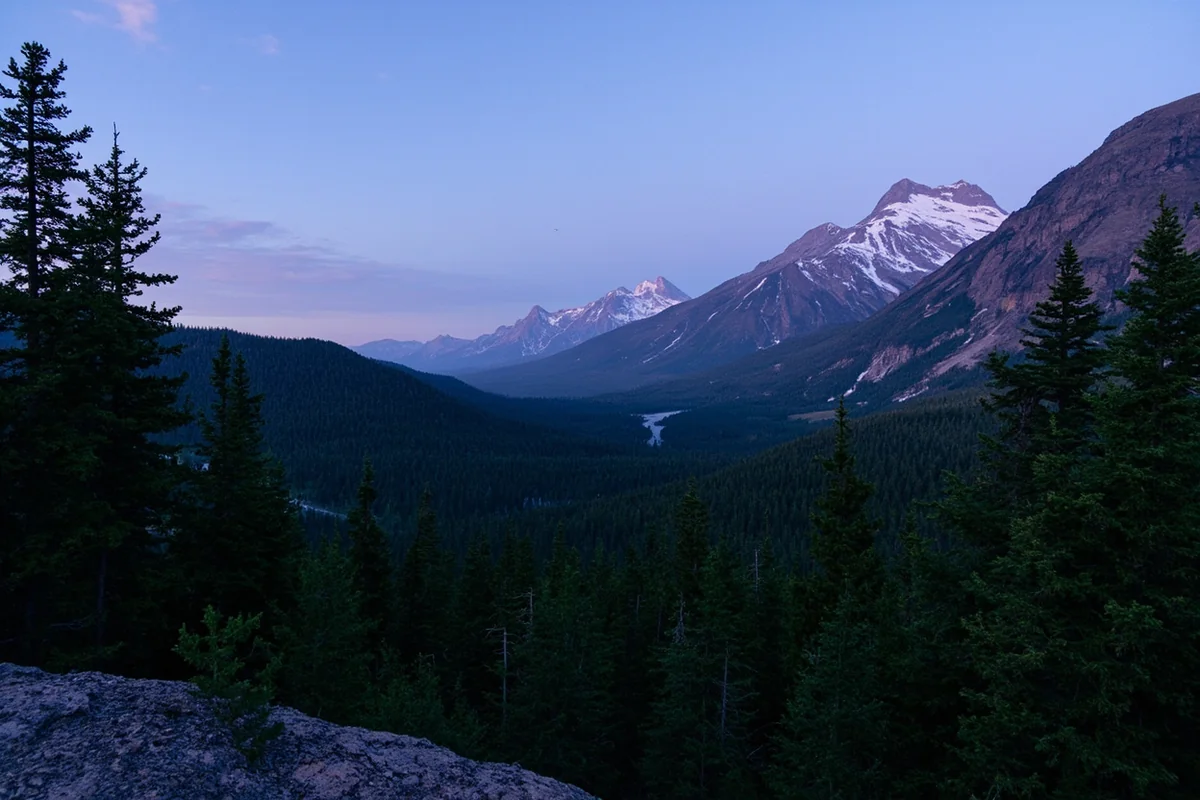
The forests in and around Glacier National Park support Great Gray Owls, Northern Pygmy-Owls, Northern Saw-whet Owls, Boreal Owls, and Barred Owls. The west side of the park tends to be more productive due to heavier forest cover.
I’ve had particularly good luck along the North Fork Road and in meadow edges near Apgar. The Seeley-Swan Valley south of the park is equally productive and often more accessible.
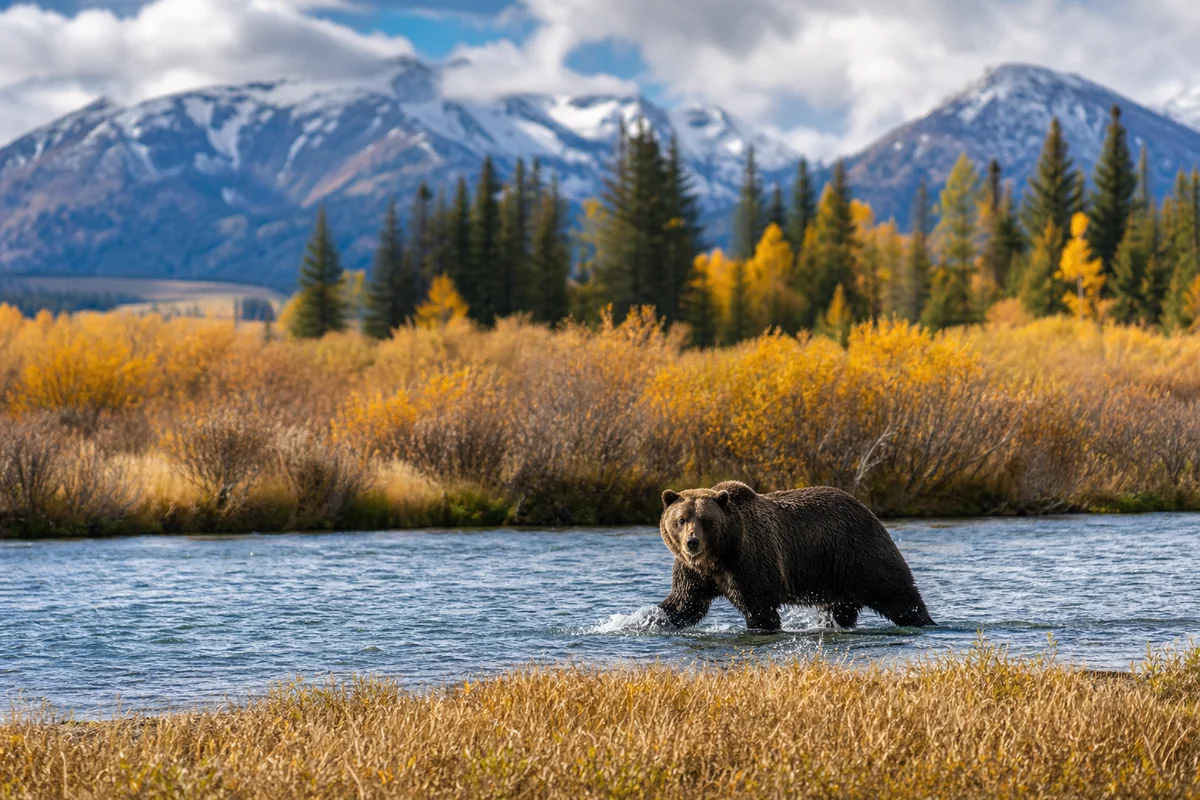
If you’re visiting Glacier, you’ll likely encounter other impressive wildlife too. The park harbors everything from Montana’s famous bears to mountain goats along the high ridges.
The Rocky Mountain Front
This dramatic landscape where the mountains meet the prairie creates habitat diversity that benefits multiple owl species. I’ve observed Great Horned, Short-eared, Long-eared, and even Snowy Owls along the Front during different seasons.
The country near Choteau and Augusta offers vast landscapes with relatively easy access. Winter brings the best owl diversity here, though summer produces reliable Burrowing Owl sightings.
The Front also offers opportunities to observe bighorn sheep, elk, and mountain lions—though the lions require considerably more luck than the owls.
Freezout Lake Wildlife Management Area
Freezout Lake near Fairfield is legendary for waterfowl migration, but I’ve found it equally productive for Short-eared Owls and winter Snowy Owls. The surrounding agricultural lands provide excellent raptor habitat.
During spring visits, I typically spend mornings watching the spectacular duck and goose concentrations, then return at dusk for owling. The combination makes for an exhausting but incredibly rewarding trip.
Bitterroot Valley
The Bitterroot Valley south of Missoula supports an impressive owl diversity. I’ve found Great Horned Owls, Western Screech-Owls, Northern Pygmy-Owls, Flammulated Owls, and Great Gray Owls here during various trips.
The mix of riparian habitat, ponderosa pine forests, and higher-elevation spruce-fir creates conditions suitable for many species. The Lee Metcalf National Wildlife Refuge and surrounding national forest lands offer accessible starting points.
The Yaak Valley
Montana’s Yaak Valley in the remote northwest corner feels genuinely wild. This area supports Barred Owls, Great Gray Owls, Northern Hawk Owls, and other species at the southern edge of their range.
Getting to the Yaak requires commitment—it’s a long drive from anywhere—but the wilderness character rewards the effort. I’ve encountered lynx tracks and signs of other rare species while searching for owls here.
Seasonal Guide to Montana Owls
Timing matters enormously when planning an owl-focused trip to Montana. Different seasons offer distinct advantages and target species.
| Season | Best Species | Advantages | Challenges |
|---|---|---|---|
| Winter (Dec-Feb) | Great Gray, Snowy, Boreal, Northern Hawk | Active calling, diurnal hunting, visible in snow | Extreme cold, limited daylight, road conditions |
| Spring (Mar-May) | Great Horned (nesting), Boreal, Saw-whet | Peak calling activity, accessible roads | Variable weather, muddy conditions |
| Summer (Jun-Aug) | Flammulated, Burrowing, fledglings of all species | Long days, pleasant weather, family groups | Less vocal activity, dense vegetation |
| Fall (Sep-Nov) | Short-eared, Great Horned, dispersing juveniles | Beautiful weather, migration activity | Owls less vocal, hunting season activity |
My personal favorite season is late winter. Yes, it’s brutally cold—I’ve searched for Great Grays when temperatures dropped below minus twenty—but owls are most active and visible during this period.
The breeding season triggers increased vocalization, and hungry owls hunting in snow-covered meadows are far easier to spot than birds hidden in summer foliage. Just prepare appropriately for the conditions.
Essential Gear and Preparation
I’ve learned through trial and (mostly) error what gear makes owl-watching more productive and comfortable in Montana’s often extreme conditions.
Optics
Quality binoculars matter more than any other piece of equipment. I use 8×42 binoculars for their combination of brightness in low light and reasonable magnification for locating perched owls.
A spotting scope proves useful for extended observation once you’ve located a bird, but it’s not essential. In my experience, most owl encounters happen at relatively close range where binoculars suffice.
For photography, a sturdy tripod and high ISO capability are essential. Most of my best owl photographs were taken in challenging light conditions.
Clothing
Montana’s weather can change dramatically within hours. I always carry more layers than I think I’ll need, particularly during winter trips.
Insulated, waterproof boots are non-negotiable. I’ve spent countless hours standing in snow while waiting for an owl to appear, and cold feet end trips faster than almost anything else.
Hand warmers, a balaclava, and heavily insulated gloves round out my winter kit. For summer owling, which typically means evening excursions, temperatures can drop quickly after sunset even in July.
Technology and Apps
I use eBird extensively to research recent sightings and identify productive locations. The app’s “Explore” feature shows species lists for specific locations and times of year.
Audio recordings for identification purposes are helpful, but I caution strongly against playing calls to attract owls. This practice can disrupt breeding behavior and may be illegal in some areas.
A headlamp with a red light setting is essential for navigating in darkness without destroying your night vision or disturbing wildlife. I made the mistake of using a white light once and immediately flushed a Great Horned Owl I’d spent an hour locating.
Ethical Owl-Watching Practices
I feel strongly that enjoying Montana’s owls comes with responsibilities to the birds themselves and to future observers.
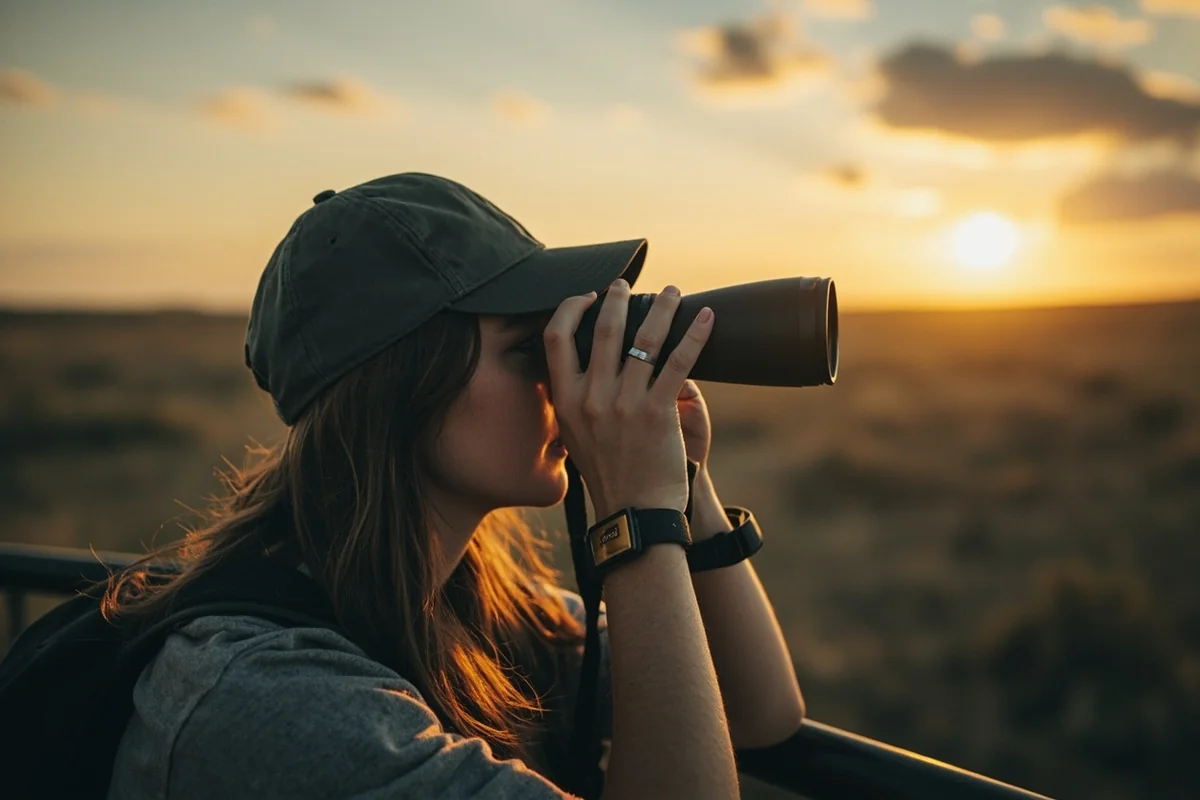
Maintain Distance
Owls need space. If a bird flushes or appears agitated, you’re too close. I generally try to stay at least 100 feet from roosting owls and further from active nests.
During my years of owl-watching, I’ve witnessed disturbing behavior from photographers who approach too closely. One particularly painful memory involves watching a Great Gray Owl abandon a hunting attempt repeatedly because observers pressed in for better shots.
Avoid Playback in Most Situations
Playing recorded calls to attract owls is controversial. While it can be effective, it also disrupts natural behavior and can cause birds to waste energy responding to a non-existent rival.
I occasionally use brief playback for survey purposes but never during nesting season or repeatedly at the same location. If an owl responds, I stop immediately—the goal is detection, not prolonged interaction.
Protect Location Information
When I find an owl nest or reliable roost site, I’m cautious about sharing the location publicly. Rare species like Great Grays can attract crowds of photographers, creating disturbance that may cause nest failure.
I share information carefully with trusted birders and always emphasize ethical practices. Some of my best owl spots remain personal secrets.
Consider Other Wildlife
Owl habitat often overlaps with sensitive areas for other species. While searching for owls in winter, I’ve encountered winter wildlife struggling to survive harsh conditions—animals that don’t need additional stress from human presence.
I’m also cautious about accidentally disturbing deer and other prey species while searching for owls. Moving slowly and quietly benefits all wildlife encounters.
Making the Most of Your Montana Owl Trip
If you’re planning a dedicated owl-watching trip to Montana, consider these suggestions based on my experience.
Timing Your Visit
I recommend arriving several days before your target dates to acclimate to the conditions and scout locations during daylight. Rushing to find owls rarely works—these birds reward patience and persistence.
Late winter (February-March) offers the best combination of owl activity and improving weather conditions. Spring can be excellent but brings unpredictable precipitation.
Planning Your Days
My typical owl-focused day starts with pre-dawn drives through likely habitat, searching for birds that may still be active from nighttime hunting. Mid-day is for rest, research, and scouting. Then I’m back out several hours before sunset, positioned near promising locations.
This schedule is exhausting but effective. I’ve logged some of my best owl sightings within fifteen minutes of sunrise or in the final moments of light before true darkness.
Combining Activities
Even dedicated owl enthusiasts need breaks. Montana offers countless other wildlife and outdoor opportunities that complement owl-watching.
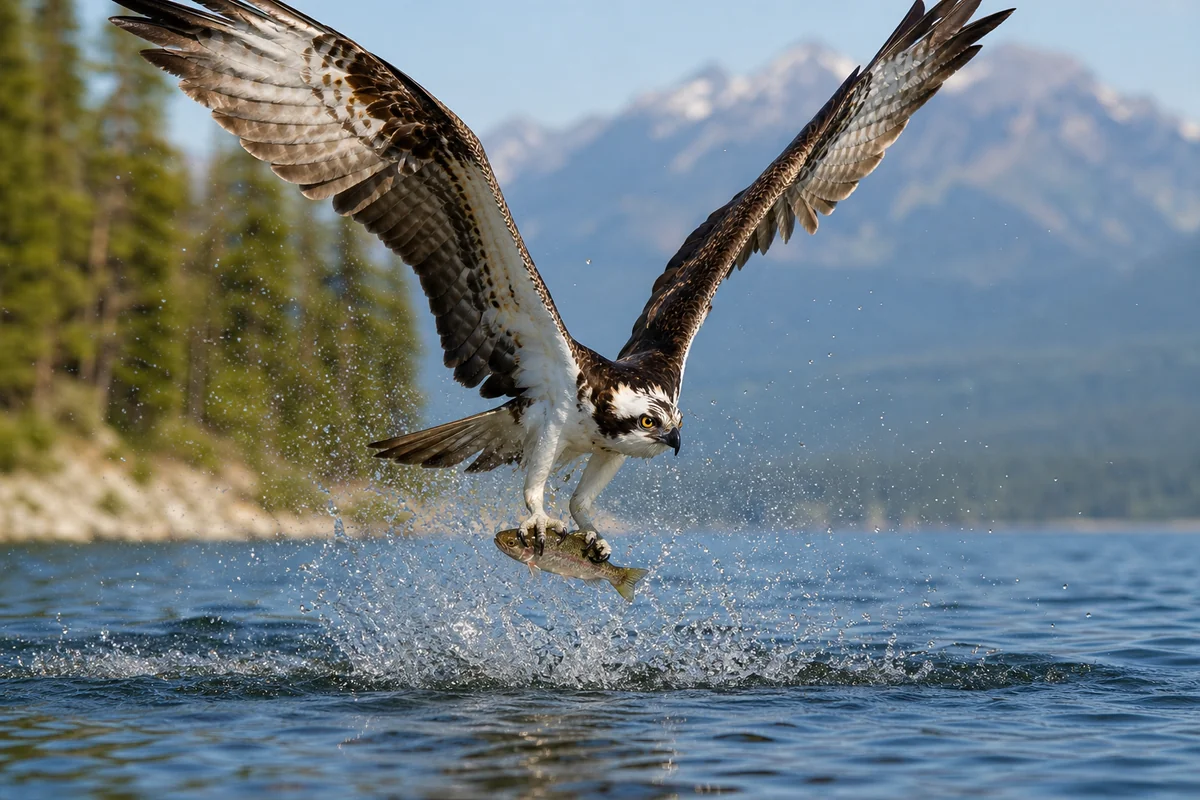
During daylight hours when owls roost, I’ve explored areas for osprey along rivers, searched for otters in waterways, and even visited alpaca farms for a complete change of pace.
The state’s winter birds offer excellent daytime viewing when owls are sleeping. I’ve also built owl trips around photography opportunities for squirrels and other small mammals.
Connecting with Local Birders
Montana’s birding community is welcoming to visitors. Local Audubon chapters organize outings, and eBird hotspots often include comments from regular observers.
I’ve learned about some of my favorite owl locations through conversations with Montana-based birders who generously shared their knowledge. Contributing your own sightings helps build the knowledge base for future visitors.
Conservation Concerns for Montana Owls
Several Montana owl species face conservation challenges that concern me as both a birder and someone who cares about these landscapes.
Burrowing Owls have declined dramatically throughout their North American range, including Montana. Prairie conversion, rodent control programs, and vehicle mortality all contribute to population losses.
Several owl species appear on or have connections to endangered and threatened species lists or conservation concern designations. Supporting habitat protection efforts helps ensure future generations can experience these remarkable birds.
Climate change may be shifting suitable habitat for some species while creating conditions that favor others. The long-term implications remain uncertain.
Being aware of rattlesnakes and spiders is also wise when exploring owl habitat in warmer months—these creatures share many of the same environments.
The Magic of Montana Owls
After nearly a decade of searching for owls across Montana, I remain captivated by these birds in a way that’s difficult to fully explain. There’s something about an owl’s silent flight, penetrating gaze, and mysterious lifestyle that connects to something primal in human consciousness.
My most meaningful owl encounters haven’t necessarily involved rare species or perfect photographs. A Great Horned Owl that watched me from a fencepost near Three Forks. A family of Short-eared Owls bounding across a prairie at sunset. The patient hours spent waiting in freezing temperatures, rewarded finally by a glimpse of phantom-gray wings.
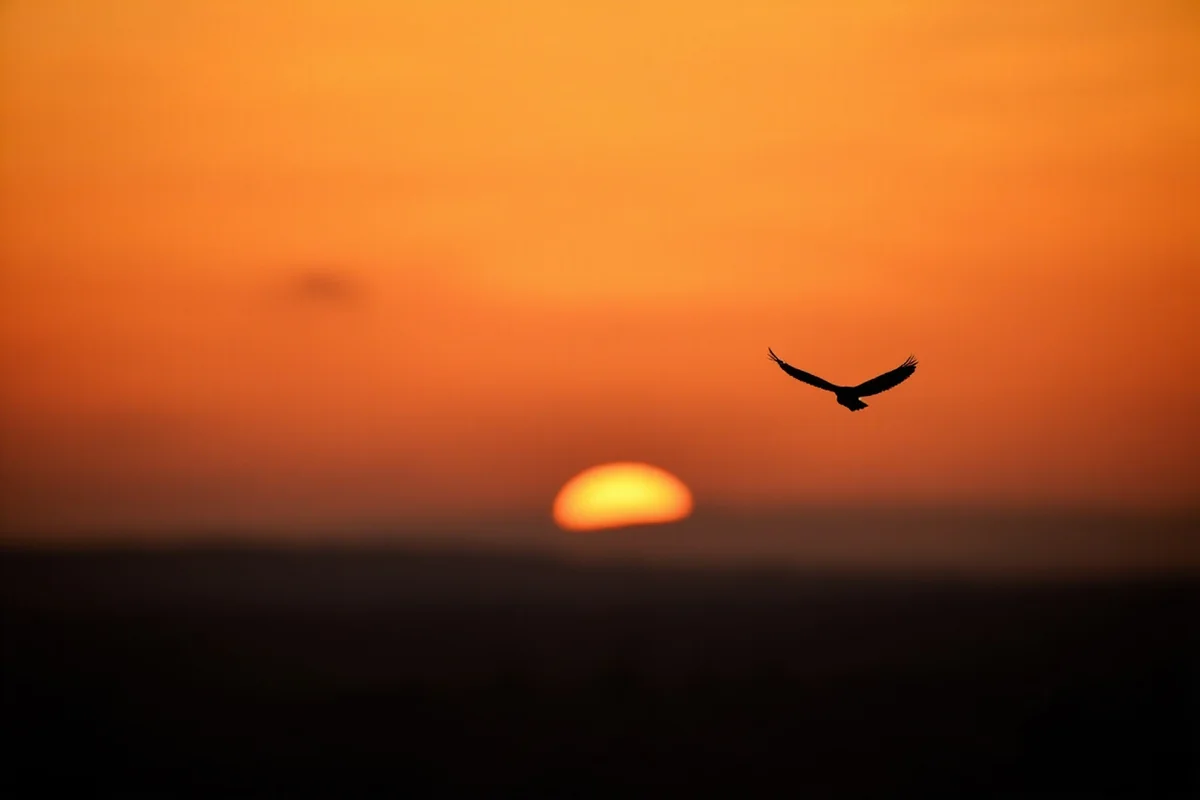
Montana offers owl-watching opportunities that rival anywhere in North America. The state’s vast public lands, diverse habitats, and relatively sparse human population create conditions where owls and owl enthusiasts alike can thrive.
Whether you’re a dedicated birder adding species to a life list or a curious traveler seeking unique wildlife experiences, Montana’s owls deserve your attention. Plan carefully, prepare thoroughly, practice patience, and approach these magnificent birds with the respect they deserve.
The owls are waiting. You just need to find them.
Frequently Asked Questions
What species of owls can I see in Montana?
Montana is home to 15 owl species, including the Great Horned Owl, Snowy Owl, Great Gray Owl, Northern Pygmy-Owl, and the elusive Boreal Owl. I’ve found the Great Gray Owl to be a bucket-list sighting for most birders, particularly in the forests around Glacier National Park and the Mission Valley. Barred Owls and Northern Saw-whet Owls are also commonly spotted throughout the state’s mixed conifer forests.
When is the best time to go owl watching in Montana?
Winter months from December through February offer the best owl watching opportunities in Montana, as many species are more active and visible against snowy landscapes. I recommend visiting during dawn or dusk when owls are hunting, and Snowy Owls migrate down from Canada during particularly harsh winters. Spring is also excellent for hearing Great Horned Owls calling during mating season.
Where are the best places to spot owls in Montana?
The Flathead Valley near Glacier National Park is legendary for Great Gray Owl sightings, especially along the North Fork Road. Freezout Lake Wildlife Management Area and the National Bison Range are reliable spots I’ve visited for multiple species. Lee Metcalf National Wildlife Refuge near Stevensville and the forests around Missoula also offer excellent owl habitat within easy driving distance of major towns.
What gear should I bring for owl watching in Montana?
Pack high-quality binoculars (8×42 or 10×42), a spotting scope for distant views, and a camera with a telephoto lens of at least 400mm if you want decent photos. Since owl watching often happens in freezing temperatures, I always bring layered clothing, insulated boots rated to -20°F, hand warmers, and a headlamp with a red light setting. A field guide specific to North American owls and a wildlife tracking app are invaluable for identification.
Do I need a guide for owl watching tours in Montana, and how much do they cost?
While you can owl watch independently, hiring a local birding guide dramatically increases your chances of spotting elusive species like the Boreal Owl or Great Gray Owl. Guided owl tours in Montana typically cost between $150-$300 per person for half-day excursions, with companies like Montana Audubon and local naturalists offering specialized trips. I’d say it’s worth the investment, especially if you’re traveling from out of state and have limited time.
Can I see owls in Glacier National Park and Yellowstone?
Absolutely—both parks offer excellent owl watching opportunities throughout the year. In Glacier, I’ve spotted Great Gray Owls along the Camas Road and Northern Pygmy-Owls near Lake McDonald, while Yellowstone’s Lamar Valley is famous for Great Horned Owl sightings. Note that winter road closures may limit access, so plan your route in advance and check current conditions with park services.
What tips help increase my chances of seeing wild owls in Montana?
Learn owl calls before your trip using apps like Merlin Bird ID, as you’ll often hear owls before you see them in dense Montana forests. Drive slowly on rural roads at dusk and scan fence posts, dead snags, and tree edges where owls perch to hunt. I always check with local Audubon chapters and birding Facebook groups for recent sighting reports, and patience is everything—sometimes I’ve waited over an hour in one spot before an owl appeared.
Sources: