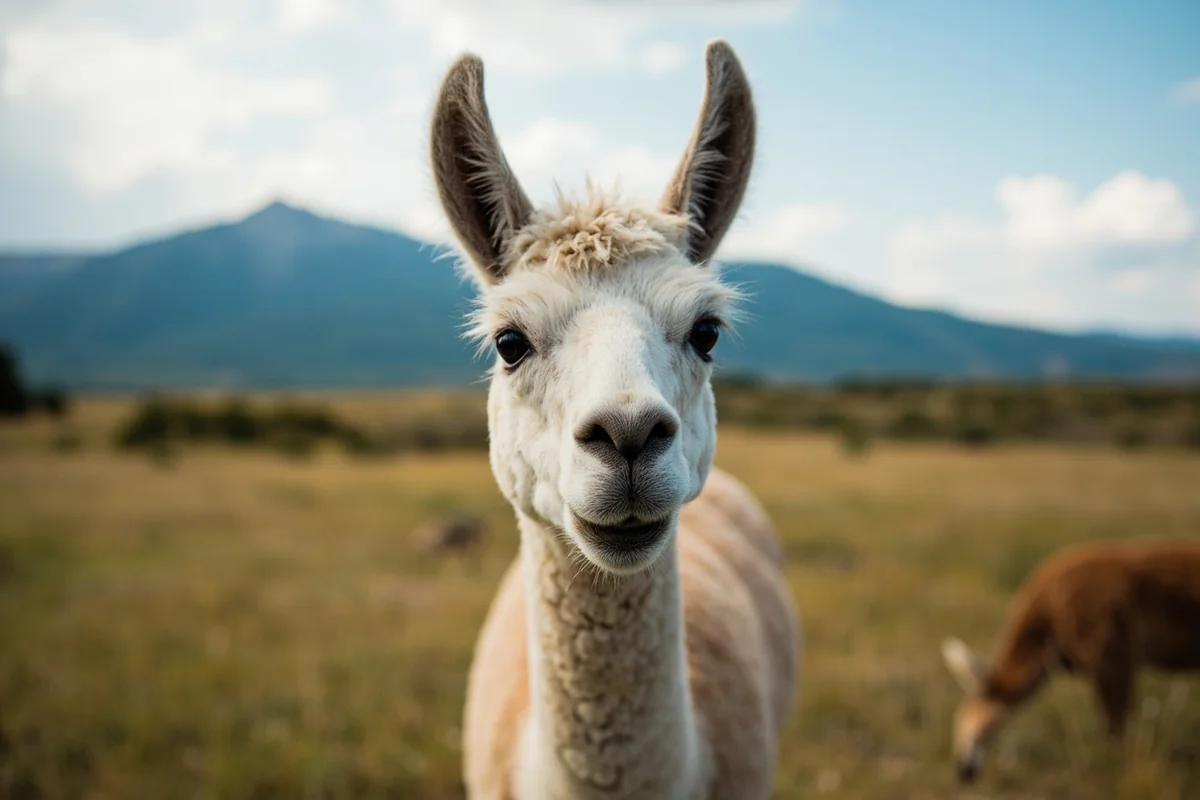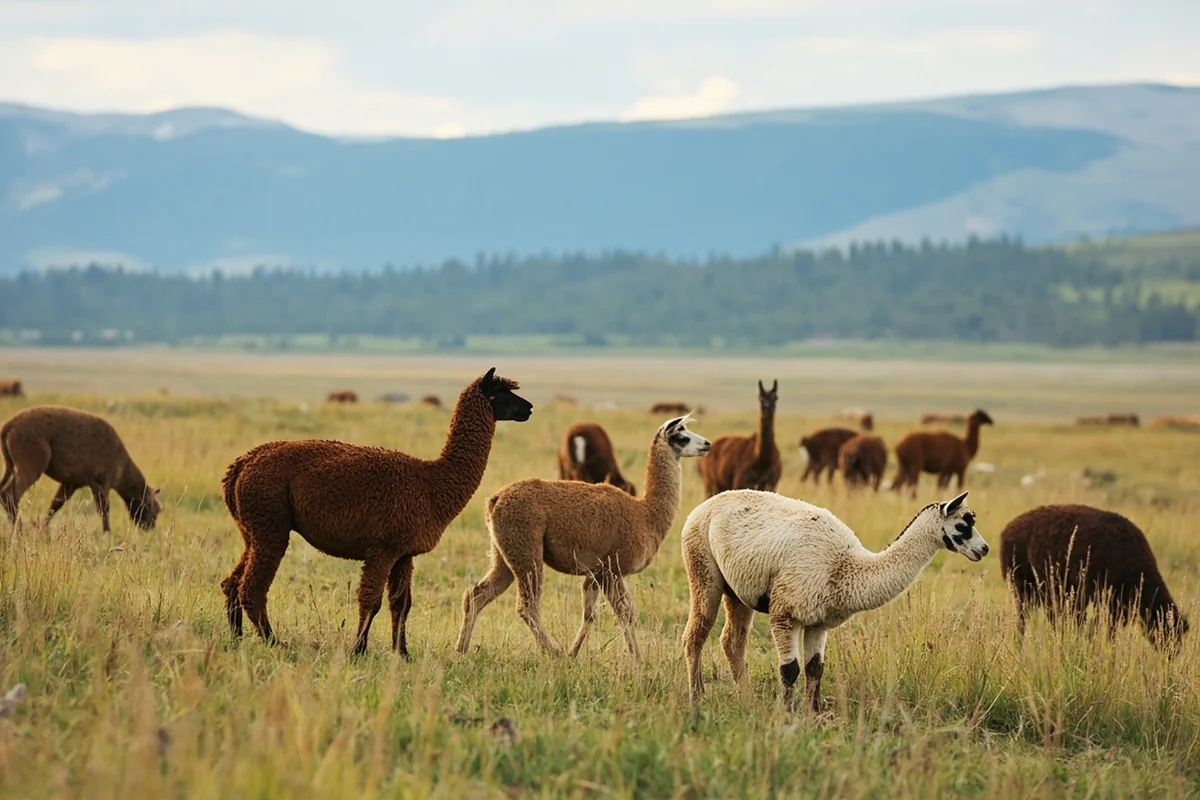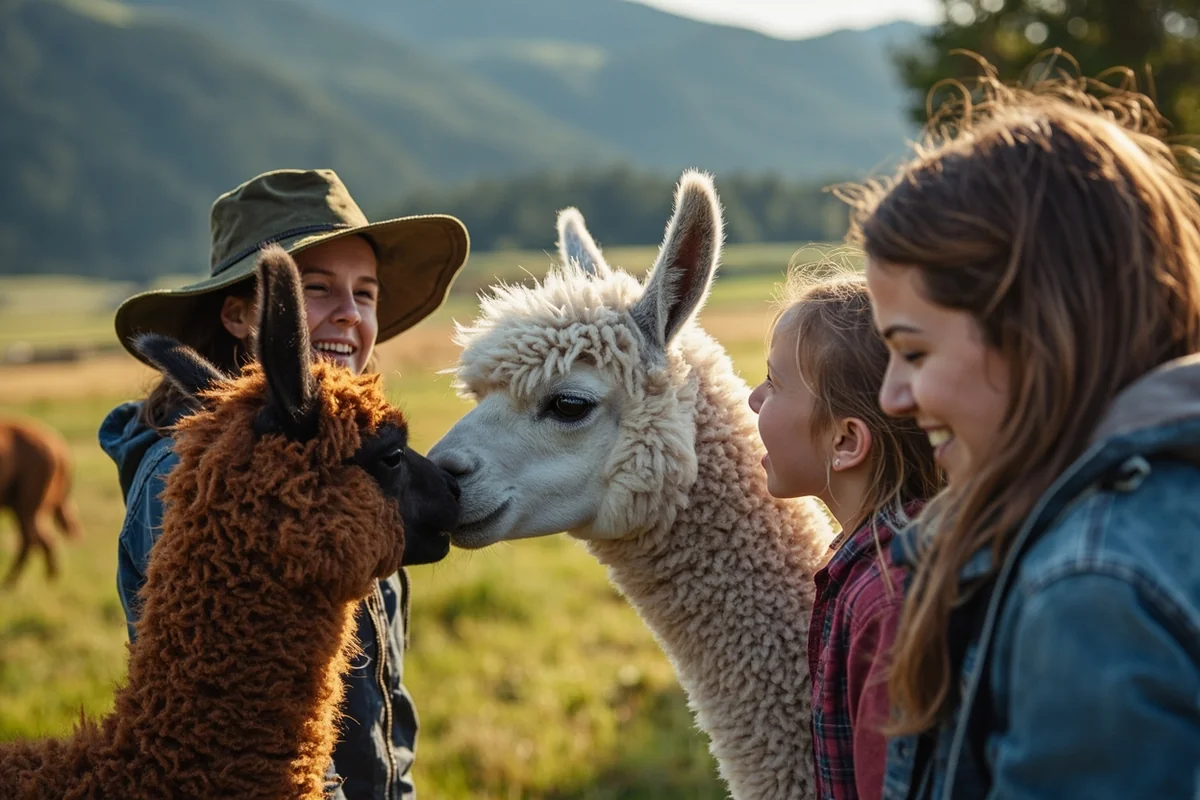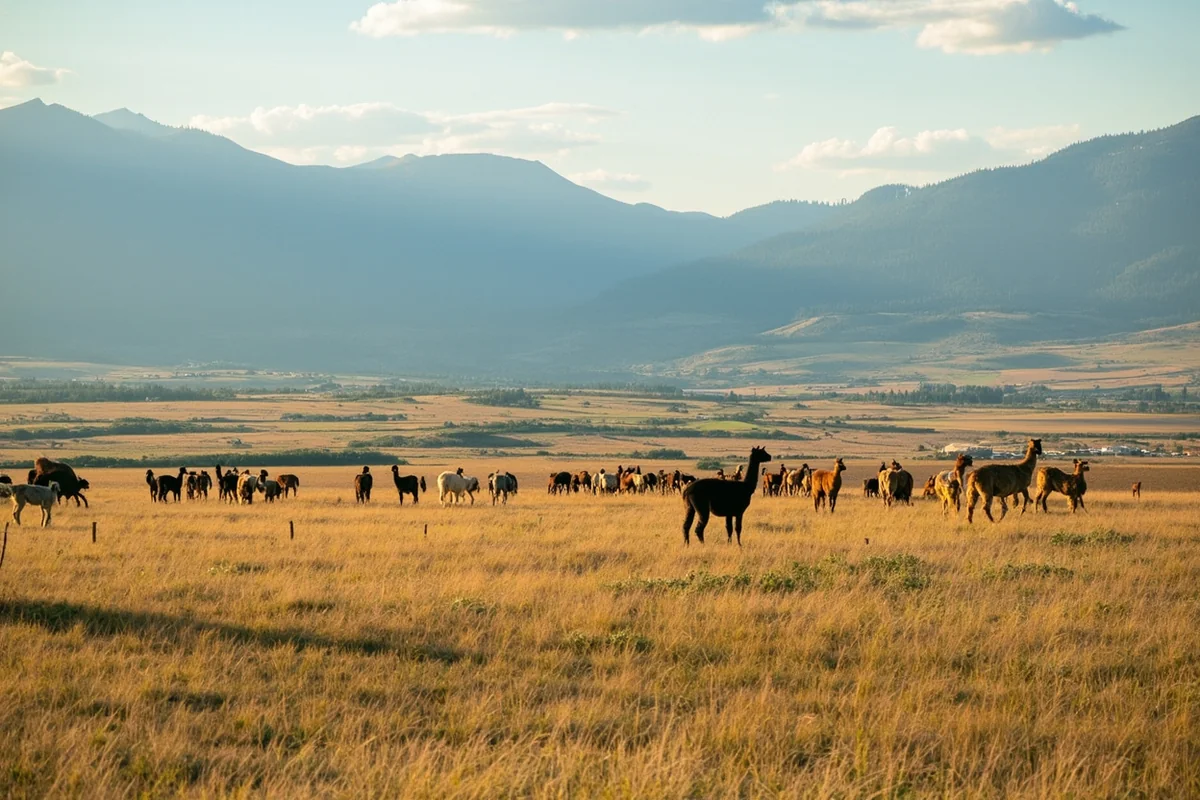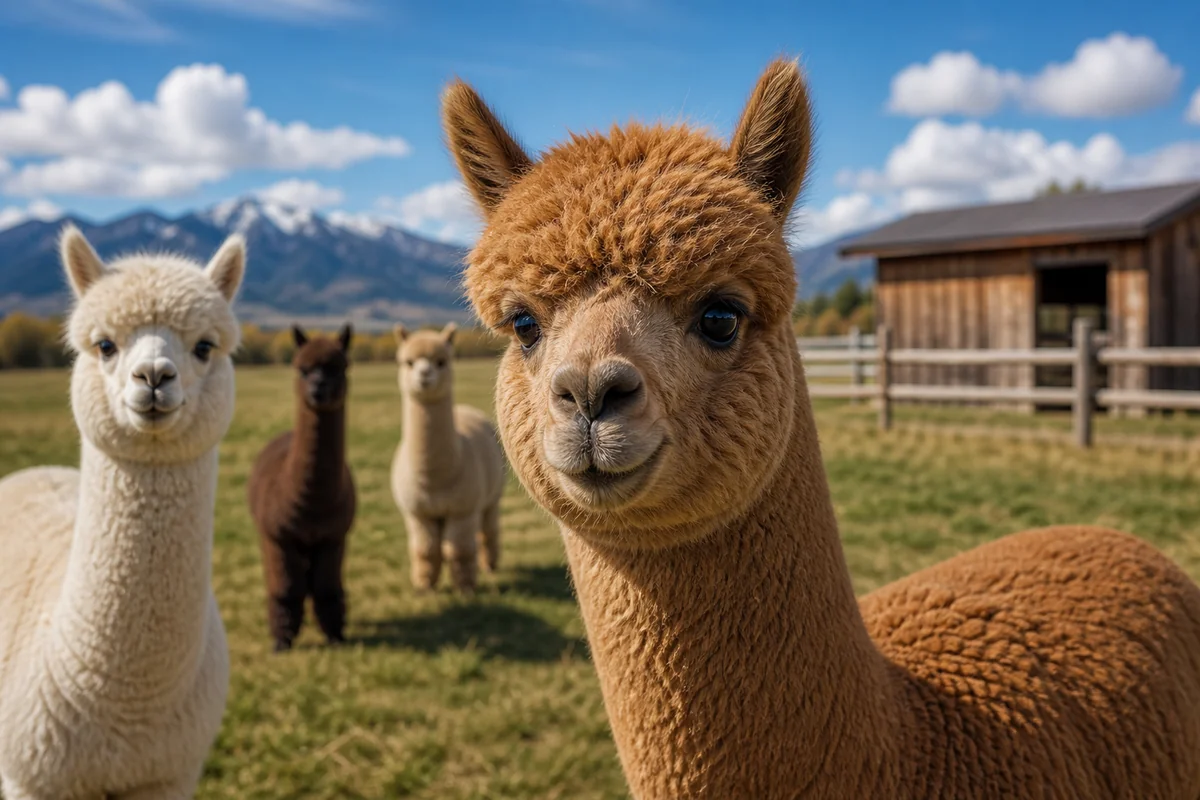
Have you ever stood in the shadow of Montana’s majestic mountains, watching a herd of alpacas grazing peacefully against a backdrop of endless sky? These gentle, curious creatures with their distinctive silhouettes represent one of Montana’s most fascinating agricultural success stories.
For wildlife enthusiasts seeking connection with unique animals and fiber artists in search of sustainable luxury materials, Montana’s alpaca industry offers an irresistible blend of both worlds.
Despite not being native to the Northern Rockies, these South American camelids have found an unexpected home in Big Sky Country, where their adaptability to Montana’s varied climate has allowed alpaca ranching to flourish from the western mountains to the eastern plains.
In this comprehensive guide, we’ll journey through every aspect of Montana’s thriving alpaca community—from the history of how these animals arrived in the Treasure State to the specialized care they require in Montana’s unique environment.
You’ll discover why alpaca fiber has become prized among artisans worldwide, how sustainable ranching practices are creating new economic opportunities across rural Montana, and what makes these remarkable animals so captivating to visitors and ranchers alike.
- Related article: Montana Wildlife Observation
Whether you’re considering starting your own alpaca ranch, looking to source exceptional fiber for your next creative project, or simply curious about these charismatic creatures that have become an integral part of Montana’s agricultural landscape, this guide provides the essential knowledge you need to appreciate the special relationship between Montana and its adopted alpaca herds.
Table of Contents
The History of Alpacas in Montana: From South America to the Treasure State
Alpacas have a rich history that begins thousands of miles away from Montana’s rolling hills and mountain valleys. These gentle creatures originated in the high Andean plateaus of South America, primarily in Peru, Bolivia, and Chile. For over 6,000 years, the indigenous peoples of the Andes domesticated and selectively bred alpacas for their remarkably soft, warm, and durable fiber. The ancient Incas considered alpaca fiber to be “the fiber of the gods,” reserving the finest textiles for royalty and nobility.
The journey of alpacas to North America is relatively recent. The first significant importation occurred in 1984 when a small group of breeders and investors recognized the potential of these animals and their luxurious fiber. This initial introduction was limited, with alpacas being rare and extremely expensive—often selling for tens of thousands of dollars per animal. The U.S. alpaca industry began primarily in Ohio, Oregon, and Washington, where early adopters established breeding programs.
Montana’s alpaca story began in the early 1990s, approximately a decade after the animals first arrived in the United States. The state’s first alpaca ranches were established by pioneering farmers who were drawn to the sustainable nature of alpaca farming and the growing market for specialty fibers. Many of these early Montana alpaca ranchers were former cattle or sheep producers looking for an alternative livestock option that would be gentler on the land.
Throughout the 1990s and early 2000s, Montana’s alpaca population grew steadily. The state’s varied landscape, from eastern plains to western mountains, proved surprisingly suitable for these Andean natives. Montana’s dry climate, cold winters, and warm summers actually mirror aspects of the alpacas’ native high-altitude environment, allowing them to adapt well to their new home in the Treasure State.
By the mid-2000s, Montana experienced what many called the “alpaca boom,” with ranches springing up across the state from Kalispell to Miles City. This growth coincided with national trends, as alpaca fiber gained recognition in textile markets and breeding stock commanded premium prices. The number of registered alpacas in Montana grew from just a few dozen in the early 1990s to several thousand by 2010.
Today, Montana boasts a thriving alpaca community with ranches of various sizes scattered throughout the state. What began as an exotic agricultural experiment has evolved into a sustainable industry that contributes to Montana’s agricultural diversity. These ranches range from small hobby farms with just a few animals to large-scale operations with hundreds of alpacas. Many Montana alpaca ranchers have developed vertically integrated businesses that include everything from breeding stock to finished fiber products, creating a uniquely Montana contribution to the national alpaca industry.
The history of alpacas in Montana represents a successful transplantation of an ancient South American tradition to the American West—a story of agricultural innovation and adaptation that continues to unfold across the Treasure State’s varied landscapes.
Montana’s Climate: Why Alpacas Thrive in Big Sky Country
Montana’s diverse climate offers a surprisingly ideal environment for alpacas, despite being thousands of miles from their Andean homeland. These resilient camelids have adapted remarkably well to Big Sky Country’s varying conditions, making Montana an increasingly popular state for alpaca ranching.
The semi-arid regions of central and eastern Montana mirror aspects of the alpacas’ native high-altitude Peruvian and Bolivian habitats. Both environments feature significant temperature fluctuations between day and night, relatively low humidity, and distinct seasonal patterns. Alpacas evolved in the Andes at elevations between 11,500-16,000 feet, where temperatures can swing dramatically within a 24-hour period—a characteristic shared with Montana’s continental climate.
Montana’s four distinct seasons provide natural alignment with alpacas’ biological cycles. The cool, dry winters stimulate the growth of their luxurious fiber, resulting in higher yields and finer quality fleece. Alpacas develop thick, insulating coats that protect them from temperatures that can plunge well below freezing. Their padded feet provide excellent traction on snow and ice, allowing them to navigate Montana’s winter landscape with surprising agility.
During spring and summer, Montana’s moderate temperatures in most regions prevent heat stress, which can be detrimental to alpacas. The state’s abundance of clean, fresh water sources addresses another critical need for these animals. Most importantly, Montana’s vast open spaces allow ranchers to provide the room alpacas need to thrive—typically one to five acres can support 5-10 alpacas, depending on the land’s carrying capacity.
The mountainous western regions of Montana offer elevations and terrain that closely resemble parts of the Andes, providing familiar environmental conditions. Here, alpacas can graze on similar types of native grasses and vegetation that meet their nutritional needs. The state’s generally low humidity also benefits alpacas, as they are susceptible to respiratory issues and fungal infections in overly damp conditions.
Montana’s geography creates numerous microclimates that allow ranchers to select optimal locations for their alpaca operations. Sheltered valleys offer protection from harsh winds, while higher elevations provide natural cooling during summer months. This geographic diversity gives Montana an edge over states with more uniform climates, allowing ranchers to find the perfect match for their alpaca herds’ specific needs.
While Montana’s environment isn’t an exact replica of the Andes, the similarities are significant enough that alpacas have thrived since their introduction to the state. Their natural adaptability, combined with Montana’s climate characteristics, has created a successful partnership that continues to grow as more ranchers discover the joys and benefits of raising these remarkable animals in Big Sky Country.
Montana Alpaca Breeds: Huacaya vs. Suri Characteristics
Montana alpaca ranchers primarily raise two distinct breeds: Huacaya and Suri. Each possesses unique characteristics that influence their care requirements, fiber production, and market value.
Huacayas represent approximately 90% of Montana’s alpaca population, making them the dominant breed across the state’s ranches. Their most distinctive feature is their fluffy, crimped fiber that grows perpendicular to the body, giving them a teddy bear-like appearance that visitors find irresistible. The Huacaya’s fiber contains a characteristic crimp that creates loft and elasticity, making it ideal for warmer garments like sweaters, hats, and mittens—perfect for Montana’s harsh winters.
Physically, Huacayas display a more robust build with a rounder appearance due to their fluffy coat. Their faces feature a more pronounced “teddy bear” look with shorter fiber on their faces. Montana ranchers appreciate their hardiness in the state’s variable climate conditions, from scorching summers to frigid winters.
Suris, while less common in Montana, are highly prized for their extraordinary fiber. Unlike the Huacaya’s crimped fleece, Suri fiber grows in long, silky locks that hang parallel to the body in a lustrous drape. This distinctive characteristic gives Suris an elegant, flowing appearance that stands out in shows and competitions. Their fiber lacks crimp but possesses exceptional luster and silkiness, making it prized for lightweight, drapey garments with a subtle sheen.
The Suri’s physical appearance is sleeker and more angular than the Huacaya, with their long locks creating a striking silhouette. Their faces tend to have a more refined, aristocratic look. While less common in Montana, Suri populations have been growing as more ranchers recognize the premium their fiber commands in specialty markets.
Temperament differences between the breeds, while subtle, are noted by experienced Montana alpaca ranchers. Huacayas generally display a more outgoing, curious nature, making them excellent choices for agritourism operations where visitor interaction is frequent. Their adaptable personalities typically make training and handling more straightforward for new alpaca owners.
Suris, by contrast, often exhibit a more reserved, observant temperament. Many Montana breeders describe them as having a “regal” quality—slightly more independent and thoughtful in their interactions. This isn’t to suggest they’re difficult; rather, they often develop deep bonds with their caretakers while maintaining a dignified demeanor.
Fiber differences extend beyond appearance to practical considerations for Montana’s climate. Huacaya fiber, with its natural crimp and loft, provides superior insulation against the state’s bitter winter temperatures. The structure of their fiber helps trap warm air close to the body, explaining why Huacayas sometimes appear more cold-tolerant in Montana’s extreme winter conditions.
Suri fiber, while luxurious, offers less natural insulation due to its straight, flowing structure. This has led some Montana ranchers to provide additional winter protection for their Suri herds, particularly during the harshest months. However, this extra care is often offset by the premium prices their fiber commands.
The popularity distribution in Montana reflects both practical considerations and market forces. Huacayas dominate the landscape not only for their cold-hardiness but also for the versatility of their fiber in producing the warm garments Montana residents prize. Their approachable appearance also makes them favorites for ranch tours and educational programs throughout the state.
Suri populations, while smaller, continue to grow as specialty fiber markets expand and more Montana ranchers develop expertise in their care. Many successful Montana alpaca operations maintain both breeds, allowing them to offer diverse fiber products and create striking visual displays that attract visitors to their ranches.
Starting Your Own Montana Alpaca Ranch: Essential Considerations
Establishing an alpaca ranch in Montana represents a unique blend of agricultural enterprise and lifestyle choice. The Big Sky Country offers ideal conditions for these gentle camelids, but success requires careful planning and consideration of several key factors.
Land Requirements
Montana’s vast landscapes provide ample opportunity for alpaca ranching, but not all land is created equal. Ideally, you’ll need at least 2-5 acres for a small starter herd of 5-10 alpacas. Each alpaca requires approximately 1/5 to 1/4 acre of grazing space, though this varies based on the quality of your pasture. Look for property with well-draining soil to prevent foot rot issues, and ensure your land includes both sunny areas and shaded retreats where alpacas can regulate their body temperature during Montana’s temperature extremes.
When selecting property, proximity to veterinary services specializing in camelids should be a consideration. While Montana’s alpaca community is growing, specialized veterinary care may be concentrated near larger communities like Bozeman, Missoula, and Kalispell.
Shelter Needs
Montana’s climate demands thoughtful shelter planning for alpaca welfare. Your facilities should protect against harsh winter winds, heavy snowfall, and summer heat. A three-sided shelter with the open side facing away from prevailing winds offers protection while providing necessary ventilation. Plan for approximately 20-25 square feet of shelter space per animal.
Your barn or shelter should include:
- Proper ventilation to prevent respiratory issues
- Protection from predators common in Montana (coyotes, mountain lions)
- Separate areas for quarantine, birthing, and fiber storage
- Watering systems that won’t freeze during Montana winters
- Storage for hay and feed supplies
Many successful Montana alpaca ranchers incorporate snow fencing around shelters to manage drifting and create more protected outdoor areas during winter months.
Initial Investment Costs
Starting an alpaca ranch in Montana requires significant capital investment. Budget considerations include:
- Land purchase or lease: $2,000-$10,000+ per acre depending on location
- Fencing: $3-8 per linear foot for quality livestock fencing
- Shelter construction: $5,000-$30,000 depending on size and features
- Initial herd acquisition: $1,500-$5,000+ per animal depending on quality, genetics, and fiber characteristics
- Equipment: $2,000-$5,000 for basic handling equipment, feeders, and water systems
- Veterinary startup costs: $500-$1,500 for initial examinations and preventative care
Many new ranchers in Montana start with bred females to accelerate herd growth, though this increases initial investment. Consider purchasing a package deal from established ranchers, who often offer mentorship along with your starter herd.
Legal Considerations and Necessary Permits
Montana classifies alpacas as livestock, which triggers specific legal requirements:
- Business registration with the Montana Secretary of State if operating as an LLC or corporation
- Farm tax ID number from the IRS
- Montana Department of Livestock registration and potential inspections
- Brand inspection if transporting alpacas across county lines
- Premises ID for disease tracking purposes
- Potential water rights considerations depending on your irrigation needs
- Zoning verification (especially important if near urban areas)
Montana’s Department of Revenue offers agricultural classification for property tax purposes if you can demonstrate legitimate agricultural use, potentially reducing your tax burden significantly.
Finding Mentors in Montana
The alpaca community in Montana is collaborative and supportive. To connect with experienced mentors:
- Attend the Montana Alpaca Owners and Breeders Association events
- Visit established ranches during Montana Alpaca Open Farm Days
- Participate in workshops at Montana State University Extension offices
- Join online forums specific to Montana alpaca ranching
- Volunteer at established ranches before starting your own
Many successful ranchers began by “alpaca sitting” for established operations, gaining hands-on experience while building relationships within the community.
Joining State Associations
Membership in state and regional organizations provides invaluable resources for new alpaca ranchers:
- Montana Alpaca Owners and Breeders Association offers networking, marketing assistance, and educational resources
- Northern Rockies Alpaca Association connects ranchers across Montana, Idaho, and Wyoming
- Montana Farm Bureau provides broader agricultural advocacy and resources
- Montana Wool Growers Association offers fiber marketing opportunities
These associations frequently host seminars covering Montana-specific topics like winter care strategies, predator management in mountain environments, and marketing to Montana’s growing tourism sector.
By thoroughly addressing these essential considerations, aspiring alpaca ranchers in Montana can build a strong foundation for a sustainable and rewarding agricultural enterprise that contributes to Montana’s diverse agricultural landscape.
Alpaca Fiber: Montana’s Sustainable Luxury Product
Montana-raised alpaca fiber stands as one of the most luxurious and sustainable textile products in the world. The unique combination of Montana’s climate, elevation, and ranching practices creates fiber with exceptional qualities that fiber enthusiasts and textile artists eagerly seek out.
Alpaca fiber possesses remarkable properties that set it apart from other natural fibers. It’s significantly warmer than wool—up to five times warmer—while remaining noticeably lighter in weight. This exceptional warmth-to-weight ratio makes it ideal for Montana’s cold winters and variable climate conditions. The fiber contains microscopic air pockets that provide outstanding insulation, keeping the wearer warm in winter and cool in summer.
Unlike wool, alpaca fiber contains no lanolin, making it hypoallergenic for most people with wool sensitivities. The absence of lanolin also means alpaca products require less processing and fewer chemicals during manufacturing. The fiber has a distinctive silky feel with minimal “prickle factor,” allowing it to be worn directly against the skin without irritation.
What makes Montana alpaca fiber particularly distinctive is the influence of the state’s unique environment. The harsh winters and dry climate actually improve fiber quality, as alpacas develop denser, more insulating coats in response to cold temperatures. Montana’s clean air and abundant natural forage contribute to healthier animals, which in turn produce superior fiber. Many Montana ranchers also implement specialized breeding programs focused on continual fiber improvement, selecting for fineness, density, and color purity.
The alpaca fiber industry uses a comprehensive grading system to classify fiber quality, primarily based on micron count (fiber diameter). The finest fiber, measuring 15-20 microns, is classified as “Royal” or “Baby” alpaca—not because it comes from young animals, but because of its exceptional softness. “Superfine” grades range from 20-25 microns, while “Adult” or “Standard” grades measure 26-30 microns. Montana’s climate tends to produce alpacas with fiber in the finer ranges, particularly when paired with selective breeding programs.
The sustainability aspects of Montana alpaca fiber cannot be overstated. Alpacas have soft padded feet that cause minimal impact on pastureland, unlike hooved livestock. They graze efficiently, consuming less food than larger livestock while producing more fiber per acre. Their efficient digestive systems extract maximum nutrition from forage, reducing waste and environmental impact. Additionally, alpacas can thrive on marginal lands unsuitable for other agricultural purposes, making them ideal for Montana’s varied terrain.
When compared to other natural fibers, Montana alpaca fiber shines in both performance and environmental impact. Unlike cashmere goats, which have contributed to desertification in some regions, alpacas cause minimal environmental damage. Compared to sheep’s wool, alpaca requires less chemical processing and has a significantly smaller carbon footprint. While merino wool offers comparable softness, it typically requires more land and resources to produce the same amount of fiber.
Montana’s alpaca industry has embraced sustainable practices throughout the fiber production chain. Many ranches operate on solar power, implement rotational grazing, and use natural fertilization methods. The entire lifecycle—from raising the animals to processing the fiber—can occur within relatively small geographic areas, reducing transportation impacts and supporting local economies.
As consumers increasingly seek out sustainable luxury products, Montana alpaca fiber represents the perfect intersection of indulgence and environmental responsibility. Its exceptional warmth, softness, durability, and minimal ecological footprint make it a truly remarkable product of Montana’s landscape and the dedicated ranchers who have made the Treasure State a rising star in the world of premium natural fibers.
Montana Alpaca Fiber Processing: From Shearing to Finished Products
The journey from an alpaca’s back to a luxurious finished product involves several meticulous steps that Montana ranchers have perfected over the years. The fiber processing pipeline represents not just an agricultural practice but an art form that preserves the exceptional qualities of alpaca fiber while transforming it into sought-after textiles.
Annual Shearing: A Springtime Ritual
In Montana, alpaca shearing typically occurs once a year in late spring—usually May or early June. This timing is crucial as it removes the heavy winter coat before summer heat arrives while allowing sufficient regrowth before Montana’s cold winters return. Professional shearing teams often travel between ranches, bringing specialized equipment and expertise.
During shearing, the alpaca is carefully restrained on a specialized table that keeps both the animal and shearer comfortable. Using electric clippers similar to those used for sheep but with modified techniques, shearers remove the fiber in one piece—called a blanket—in about 5-10 minutes per animal. The primary blanket (from the back and sides) yields the highest quality fiber, while neck, leg, and belly fiber is collected separately due to different characteristics.
Montana ranchers often coordinate regional shearing days, bringing animals to central locations to share costs and expertise. This community approach has become a hallmark of Montana’s alpaca industry, turning a necessary farm task into a social event that strengthens the local fiber community.
Fiber Sorting: The Art of Classification
Once sheared, the real skill of fiber processing begins with sorting. Montana alpaca ranchers typically sort fiber based on:
- Micron count (fiber diameter)
- Color (Montana alpacas produce 22 natural colors)
- Length (longer fibers command premium prices)
- Part of the animal (blanket vs. neck vs. legs)
Many Montana ranchers perform initial sorting themselves, separating the prime blanket fiber from seconds and thirds. The most meticulous ranchers sort each blanket into different grades, as even within a single animal, fiber quality can vary significantly. This careful sorting maximizes the value of the harvest and ensures appropriate use of each fiber type.
Cleaning Methods: Preserving Natural Properties
Unlike sheep wool that requires harsh scouring to remove lanolin, alpaca fiber contains no lanolin and requires gentler cleaning. Montana processors typically use a cold water wash with mild, biodegradable detergents to remove dust and vegetable matter while preserving the fiber’s natural properties.
Some Montana ranchers have developed specialized tumbling equipment that removes debris before washing, reducing water usage in this arid state. After washing, the fiber is carefully dried on screened tables that allow air circulation without felting or matting the precious fiber.
Processing Facilities in Montana
While large-scale commercial processing occurs out of state, Montana has developed several mid-sized processing facilities that serve the local alpaca community:
- Mountain Meadow Wool in Buffalo, Wyoming (serving many Montana ranchers)
- Bozeman Fiber Mill specializes in custom processing for smaller batches
- Several micro-mills have emerged in Missoula and the Flathead Valley
These facilities transform raw fiber into roving (cleaned, carded fiber ready for spinning), yarn, felt, and even finished products. The waiting list for processing can extend to several months during peak season, reflecting the growing demand for Montana alpaca products.
Cottage Industry Opportunities
The unique qualities of alpaca fiber have created vibrant cottage industries throughout Montana. Home-based entrepreneurs have established businesses focused on:
- Hand-dyeing using Montana-native plants for natural colors
- Specialty spinning for custom yarns
- Weaving distinctive Montana-inspired patterns
- Felting decorative and functional items
These micro-businesses often begin as hobbies and grow into sustainable income sources, particularly in rural communities. The Montana Alpaca Association maintains a directory of these artisans, creating a network that supports knowledge-sharing and marketing opportunities.
Value-Added Products: From Fiber to Finished Goods
The ultimate goal of fiber processing is creating value-added products that command premium prices. Montana alpaca ranchers have excelled at developing distinctive product lines including:
- Luxury knitwear featuring Montana landscapes and wildlife motifs
- Outdoor performance wear highlighting alpaca’s superior insulation
- Home décor items including throws, pillows, and wall hangings
- Blended yarns combining alpaca with local sheep wool or Montana-grown natural fibers
Many ranchers have established farm stores or online businesses, controlling the entire process from animal to finished product. This vertical integration maximizes profit margins while ensuring quality control throughout the processing pipeline.
The most successful Montana alpaca operations have developed signature products that tell the story of their ranch, their animals, and the Montana landscape—creating not just textiles but heirlooms that connect consumers to the source of these extraordinary fibers.
Montana Alpaca Shows and Competitions: Showcasing Excellence
Montana’s alpaca shows have evolved into premier events that draw breeders, enthusiasts, and fiber artists from across the Northwest and beyond. These competitions serve as the ultimate showcase for Montana’s alpaca excellence, combining education, competition, and community building into vibrant events that highlight the state’s growing alpaca industry.
The Montana Alpaca Owners and Breeders Association (MAOBA) hosts several major shows throughout the year, with the flagship Montana Alpaca Showcase typically held in Bozeman each spring. This two-day extravaganza features over 200 alpacas from ranches across the state competing in various categories. The Western Montana Alpaca Show in Missoula and the Yellowstone Valley Alpaca Expo in Billings round out the major state competitions, each drawing substantial crowds of both participants and curious visitors.
Judging at Montana alpaca shows follows rigorous criteria focused on conformation, fiber quality, and overall presentation. Judges evaluate animals based on breed standards, with particular attention paid to:
- Fiber characteristics (fineness, density, crimp, uniformity)
- Conformation (body structure, proportions, soundness)
- Overall health and condition
- Temperament and handling
- Breed-specific traits (especially important in distinguishing Huacaya from Suri alpacas)
Preparing alpacas for showing is both an art and a science that Montana breeders have perfected. The process begins months before competition, with specialized nutrition plans to optimize coat condition. In the weeks leading up to shows, ranchers implement meticulous grooming routines that include regular bathing, blow-drying, and careful fiber maintenance. Many Montana breeders have developed their own pre-show regimens, often incorporating natural products like Montana-grown herbs and plant-based conditioners to enhance fiber quality.
Training alpacas to handle the show environment is equally important. Montana’s top competitors spend considerable time acclimating their animals to halter walking, standing calmly for examination, and remaining composed amid crowds and unfamiliar surroundings. This preparation not only improves competition performance but also strengthens the human-animal bond.
The benefits of competition extend far beyond ribbons and trophies. For Montana alpaca ranchers, shows provide critical feedback on breeding programs, allowing them to assess their animals against the best in the region. This evaluation helps guide future breeding decisions and ultimately improves the quality of Montana’s alpaca herds. Shows also serve as marketing opportunities, with many ranchers securing sales of both animals and breeding services during these events.
Perhaps most valuable are the networking opportunities that Montana alpaca shows provide. These gatherings function as impromptu industry conventions where breeders exchange knowledge, discuss industry trends, and form collaborative relationships. For newcomers to alpaca ranching, shows offer an immersive learning environment where they can connect with mentors and establish themselves within Montana’s supportive alpaca community.
The educational components of Montana shows have expanded in recent years, with many events now featuring workshops on fiber arts, ranch management, and veterinary care. The Montana Fiber Festival, often held in conjunction with alpaca shows, has become particularly popular, drawing fiber enthusiasts eager to work with locally produced alpaca fiber.
As Montana’s alpaca industry continues to grow, these shows and competitions play an increasingly important role in establishing the state’s reputation for high-quality alpacas and exceptional fiber products. They showcase not just individual animals, but the dedication and expertise of Montana’s alpaca ranchers who are positioning the state as a leader in sustainable fiber production.
Ethical Alpaca Farming Practices in Montana
Montana alpaca ranchers have emerged as leaders in ethical livestock management, combining traditional ranching wisdom with modern sustainable practices. Ethical alpaca farming in Montana goes beyond basic care to embrace a holistic approach that benefits the animals, the environment, and the broader community.
Sustainable ranching methods form the foundation of ethical alpaca farming in Montana. Many ranchers implement rotational grazing systems that allow pastures to recover between grazing periods, preventing overgrazing and promoting healthy soil biology. This practice not only ensures alpacas have access to nutritious forage but also sequesters carbon and improves soil health. Montana’s diverse landscape provides unique opportunities for ranchers to integrate alpacas into existing agricultural systems, creating symbiotic relationships between different farming activities.
Animal welfare considerations are paramount in Montana’s alpaca industry. The state’s ethical ranchers provide spacious pastures that allow alpacas to express their natural behaviors, including dust bathing and pronking (a playful jumping behavior). Shelters are designed to protect against Montana’s sometimes harsh weather while providing proper ventilation. Many ranchers schedule regular wellness checks and maintain detailed health records for each animal. The communal nature of alpacas is respected by keeping them in appropriate herd groupings, recognizing that these social animals experience stress when isolated.
Organic practices have gained significant traction among Montana alpaca ranchers. This approach eliminates synthetic pesticides, herbicides, and fertilizers from pasture management. Instead, ranchers rely on natural soil amendments like composted alpaca manure, which creates a closed-loop system on the ranch. Organic parasite management utilizes strategic pasture rotation, botanical dewormers, and careful monitoring rather than routine chemical treatments. This reduces environmental impact while promoting alpaca health through natural immunity development.
Predator protection strategies represent a critical ethical consideration in Montana, where wildlife like coyotes, mountain lions, and bears can threaten alpaca herds. Rather than resorting to lethal control methods, ethical ranchers employ guardian animals such as livestock dogs, llamas, or donkeys that bond with the alpaca herd and deter predators. Well-designed fencing systems, night corrals, and motion-activated deterrents provide additional protection. These approaches respect Montana’s wildlife while ensuring alpaca safety.
Environmentally-friendly ranch management extends to all aspects of alpaca operations in Montana. Water conservation measures include rainwater collection systems, drought-resistant pasture species, and careful irrigation planning. Many ranchers have embraced renewable energy, installing solar panels to power ranch operations. Waste management systems transform alpaca manure into valuable compost, eliminating runoff concerns. The alpaca’s padded feet cause minimal soil compaction compared to other livestock, preserving delicate Montana grasslands.
Montana’s ethical alpaca farmers understand that sustainability encompasses economic viability alongside environmental and animal welfare concerns. By focusing on high-quality fiber production, value-added products, and agritourism opportunities, these ranchers create sustainable business models that allow them to maintain their ethical practices for generations to come. This comprehensive approach to ethical alpaca farming has positioned Montana as a model for responsible livestock management in the 21st century.
Alpaca Health in Montana’s Environment: Veterinary Care and Common Issues
Montana’s unique climate presents both advantages and challenges for alpaca health management. With cold winters and relatively dry conditions for much of the year, alpaca ranchers must develop specialized care routines to keep their herds thriving in the Treasure State.
Finding Specialized Veterinarians in Montana
One of the first challenges new alpaca ranchers face is locating veterinarians with camelid experience. While Montana’s large agricultural industry ensures access to livestock veterinarians, those with specific alpaca expertise are concentrated in certain regions:
- The Bozeman/Gallatin Valley area has several veterinary practices with camelid specialists
- Missoula and Kalispell regions have mobile veterinarians who specialize in alpaca care
- The Montana Alpaca Association maintains a referral network connecting ranchers with qualified professionals
When interviewing potential veterinarians, ask about their experience with alpacas specifically, not just livestock in general. Many alpaca ranchers develop relationships with veterinarians willing to consult with out-of-state camelid specialists when complex cases arise.
Preventative Care Schedule for Montana Alpacas
Montana’s seasonal extremes require a carefully planned preventative care schedule:
Spring (March-May)
- Annual shearing (typically May)
- Vitamin D supplementation assessment as animals transition from winter
- Parasite management as snow melts and pastures become accessible
- Toenail trimming after winter growth
Summer (June-August)
- Heat stress monitoring, especially in eastern Montana
- Continued parasite surveillance during peak grazing months
- Breeding preparation and assessments
- Dental checks for all animals
Fall (September-November)
- Pre-winter health assessments
- Body condition scoring before cold weather
- Booster vaccinations
- Final parasite treatments before winter
Winter (December-February)
- Regular body condition monitoring during cold periods
- Indoor housing assessments
- Increased vitamin and mineral supplementation
- Careful pregnancy monitoring for bred females
Common Health Issues in Montana’s Climate
Montana alpaca ranchers should be particularly vigilant about several health concerns specific to our environment:
Winter Challenges
- Frostbite on ears and testicles during extreme cold snaps
- Respiratory infections when animals are kept in enclosed barns
- Decreased water consumption leading to digestive issues
- Vitamin D deficiency from reduced sunlight exposure
Summer Concerns
- Heat stress, particularly in eastern Montana’s hotter regions
- Increased parasite loads on irrigated pastures
- Sunburn on newly shorn animals
- Fly irritation and potential for flystrike
Year-Round Issues
- Dental problems requiring regular checks and floating
- Foot issues from rocky terrain in western Montana
- Predator stress from Montana’s healthy wolf and mountain lion populations
- Nutritional imbalances from varying forage quality
Parasite Management for Montana Alpacas
Montana’s relatively dry climate offers some natural protection against parasites, but strategic management remains essential:
- Strategic Deworming Schedule
- Spring deworming after snow melt when parasite activity increases
- Summer monitoring through fecal egg counts every 6-8 weeks
- Fall pre-winter treatment to reduce parasite burden during indoor months
- Pasture Management Techniques
- Rotational grazing to interrupt parasite lifecycles
- Removal of manure from high-traffic areas
- Avoiding overgrazing, particularly in riparian areas where moisture levels support parasite development
- Montana-Specific Parasites
- Meningeal worm monitoring in areas with white-tailed deer populations
- Liver fluke awareness in irrigated valleys
- Coccidia management in young animals during wet spring conditions
Vaccination Protocols for Montana Alpacas
While alpacas require fewer vaccinations than some livestock, Montana ranchers should maintain the following protocols:
Core Vaccinations
- CD&T (Clostridium perfringens types C and D and tetanus) annually
- Rabies in areas with known wildlife exposure risks
Situational Vaccinations
- Leptospirosis in flood-prone areas or with known wildlife exposure
- West Nile virus in mosquito-heavy regions, particularly central and eastern Montana
- BVD (Bovine Viral Diarrhea) when commingling with cattle is unavoidable
Working closely with your veterinarian to develop a customized health plan based on your specific ranch location in Montana will help ensure your alpacas remain healthy and productive. The Montana climate offers many advantages for alpaca health, and with proper preventative care, most ranchers report fewer health issues than counterparts in more humid regions of the country.
Montana Alpaca Agritourism: Opening Your Ranch to Visitors
Agritourism represents one of the most promising revenue streams for Montana alpaca ranchers, combining the appeal of these charming animals with the breathtaking backdrop of Montana’s landscapes. Opening your alpaca ranch to visitors creates multiple benefits beyond simply selling fiber or breeding stock.
Benefits of Agritourism for Alpaca Ranchers
Agritourism provides alpaca ranchers with several distinct advantages:
- Diversified Income: Farm tours, educational workshops, and on-site store sales can generate revenue during non-shearing seasons, creating year-round income stability.
- Direct Marketing Opportunities: Visitors who connect with your alpacas are more likely to purchase fiber products, becoming loyal customers who understand the value of your specific animals’ fiber.
- Educational Platform: Sharing sustainable farming practices helps build public appreciation for alpaca ranching and ethical fiber production.
- Community Building: Regular visitors often become advocates for your ranch and the alpaca industry in Montana.
Creating Memorable Visitor Experiences
Successful alpaca agritourism operations in Montana offer more than just animal viewing:
- Interactive Experiences: Allow visitors to feed alpacas, learn about fiber sorting, or participate in hands-on fiber crafting workshops.
- Educational Components: Develop informative talks about alpaca behavior, fiber qualities, and sustainable ranching practices.
- Seasonal Events: Host special events like “Alpaca Shearing Day” or “Cria (Baby Alpaca) Viewing Weekends” to draw repeat visitors.
- Photography Opportunities: Create designated photo spots with your most photogenic alpacas against Montana’s scenic landscapes.
- Fiber Processing Demonstrations: Show visitors the journey from raw fiber to finished product, enhancing appreciation for your merchandise.
Legal Considerations for Montana Alpaca Agritourism
Before opening your ranch gates, address these essential legal matters:
- Liability Insurance: Secure specialized agritourism insurance that covers visitor injuries or accidents.
- Montana Agritourism Statutes: Familiarize yourself with Montana’s specific agritourism laws, which offer some liability protection when proper signage and waivers are used.
- Zoning Regulations: Ensure your property is properly zoned for commercial visitors and parking.
- Health Department Requirements: If offering food or beverages, obtain appropriate permits.
- ADA Compliance: Consider accessibility for visitors with disabilities, particularly for main viewing areas and restrooms.
Marketing Your Montana Alpaca Experience
Effective marketing strategies for alpaca agritourism include:
- Social Media Presence: Regular posts featuring your alpacas’ personalities and Montana’s stunning landscapes create a following before people even visit.
- Collaboration with Tourism Boards: Partner with Montana tourism offices to be included in state travel guides and websites.
- Targeted Advertising: Focus on fiber enthusiasts, family activity seekers, and tourists looking for authentic Montana experiences.
- Cross-Promotion: Partner with nearby attractions, restaurants, or lodging to create package deals or referral systems.
- Email Marketing: Build a subscriber list to announce special events, new cria births, or seasonal activities.
Success Stories: Montana Alpaca Ranches Embracing Visitors
Several Montana alpaca ranches have successfully integrated agritourism:
The Silky Mountain Alpaca Ranch near Bozeman transformed from a small breeding operation into a popular destination by offering “Alpaca Yoga” sessions during summer months, drawing both locals and tourists seeking unique wellness experiences.
Big Sky Alpacas outside Missoula developed an educational program for school groups that teaches sustainable agriculture, resulting in year-round bookings and a thriving gift shop selling student-made fiber crafts alongside ranch products.
Treasure State Alpacas near Helena created a “Ranch Stay” experience where visitors can book overnight accommodations and participate in morning feeding routines, commanding premium prices for this immersive experience.
By thoughtfully developing your agritourism offerings, your Montana alpaca ranch can become not just a working farm but a destination that shares the magic of these remarkable animals with visitors while creating sustainable revenue streams for your operation.
Montana Alpaca Fiber Markets: Where to Sell Your Products
Montana’s alpaca fiber industry offers numerous avenues for ranchers to market their premium products. Understanding these diverse markets can transform your alpaca hobby into a profitable enterprise while showcasing Montana’s unique fiber offerings.
Local Markets and Farm Stores
Montana’s vibrant farmers’ markets provide an excellent opportunity to connect directly with consumers. Cities like Missoula, Bozeman, and Helena host regular markets where fiber enthusiasts eagerly seek locally produced alpaca products. Setting up a booth at these events allows you to tell your ranch’s story, educate consumers about alpaca fiber benefits, and build a loyal customer base.
Farm stores represent another lucrative local option. Converting a portion of your ranch into a retail space creates a destination for tourists and locals alike. These stores can showcase everything from raw fiber to finished products like hats, scarves, and Montana-themed alpaca items. Many successful Montana alpaca ranches report that on-site sales generate 30-40% of their total fiber revenue.
Craft fairs and fiber festivals throughout the state, such as the Montana Fiber Festival in Hamilton, attract specialized audiences already familiar with fiber quality and willing to pay premium prices for exceptional Montana alpaca products.
Online Selling Platforms
The digital marketplace has revolutionized how Montana alpaca ranchers reach customers worldwide. Platforms like Etsy and Amazon Handmade offer tremendous visibility for Montana-specific alpaca products. When listing items online, emphasize Montana’s clean environment and sustainable ranching practices, which add perceived value to your fiber products.
Creating your own e-commerce website provides complete control over branding and customer relationships. Montana ranchers report that direct website sales typically yield higher profit margins than third-party platforms, though they require more marketing effort.
Social media platforms, particularly Instagram and Facebook, have become essential marketing tools for Montana alpaca products. Regular posts showcasing your animals, the fiber processing journey, and finished products help build an engaged audience of potential customers.
Montana Fiber Cooperatives
Joining forces with other Montana alpaca ranchers through cooperatives offers significant advantages for smaller producers. The Montana Fiber Collective, for instance, pools resources for processing, marketing, and distribution, allowing members to reach markets that would be inaccessible to individual ranchers.
These cooperatives often organize bulk purchasing of supplies and equipment, reducing costs for all members. They also facilitate knowledge sharing about best practices in fiber production and marketing strategies specific to Montana’s unique market position.
Many cooperatives maintain relationships with designers and manufacturers who create finished products from member-supplied fiber, expanding market opportunities beyond raw materials.
Pricing Strategies for Montana Alpaca Products
Montana alpaca products command premium prices due to their quality and the state’s positive agricultural reputation. When setting prices, consider both production costs and the unique value proposition of Montana-raised fiber. Successful ranchers typically price their products 15-25% higher than mass-produced alternatives, emphasizing quality over volume.
Different grades of fiber require different pricing approaches. Prime blanket fiber from champion alpacas can command top dollar when marketed to hand-spinners and specialty craftspeople, while secondary cuts may be better suited for blended yarns or felt products with corresponding pricing.
Implementing seasonal pricing strategies can also optimize revenue. Holiday markets and tourist season provide opportunities to adjust prices based on increased demand for Montana souvenirs and gifts.
Marketing Montana-Specific Fiber Products
Montana’s reputation for pristine landscapes and sustainable agriculture creates a powerful marketing narrative for alpaca products. Emphasizing the connection between the state’s clean environment and the quality of fiber produced resonates strongly with environmentally conscious consumers.
Story-based marketing proves particularly effective—sharing the journey from specific named alpacas to finished products creates an emotional connection that justifies premium pricing. Many successful Montana ranchers include hang tags with photos and stories of the alpacas that produced the fiber.
Collaborating with Montana artists and designers to create unique, locally-inspired products adds significant value. Items that incorporate Montana themes, landscapes, or wildlife motifs typically sell at 30-40% higher price points than generic alpaca products.
Developing Your Montana Alpaca Brand
A distinctive brand identity helps your Montana alpaca products stand out in a competitive market. Your brand should reflect both your ranch’s unique characteristics and Montana’s broader appeal. Consider incorporating elements of Montana’s landscape, wildlife, or cultural heritage into your logo and packaging.
Consistent visual elements across all products and marketing materials build recognition and customer loyalty. From your website to product labels, maintaining cohesive design elements reinforces your brand’s professionalism.
The most successful Montana alpaca brands focus on a specific niche rather than trying to serve all markets. Whether you specialize in ultra-luxury fibers, Montana-themed tourist items, or practical outdoor wear, defining your specialty helps target marketing efforts and build a reputation in your chosen segment.
By thoughtfully approaching these various market opportunities, Montana alpaca ranchers can develop thriving businesses that showcase the exceptional quality of the state’s alpaca fiber while creating sustainable revenue streams that support their ranching operations.
Alpacas as Therapy Animals: A Growing Trend in Montana
Montana’s serene landscapes provide the perfect backdrop for an emerging wellness trend: alpaca therapy. These gentle, inquisitive creatures are increasingly being recognized for their therapeutic benefits across the Treasure State. Unlike traditional therapy animals like dogs or horses, alpacas bring a unique presence to therapeutic settings with their calm demeanor and non-threatening size.
The therapeutic benefits of alpacas are numerous and compelling. Their soft, tactile fiber provides sensory stimulation that can be particularly beneficial for individuals with autism or sensory processing disorders. The rhythmic act of grooming an alpaca has been shown to reduce anxiety and lower blood pressure. Perhaps most importantly, alpacas’ naturally curious yet gentle nature encourages emotional connection without overwhelming those who might be intimidated by larger animals.
Training an alpaca for therapy work requires patience and specialized techniques. Montana alpaca owners typically begin socialization when the animals are young, exposing them gradually to different environments, sounds, and handling. A therapy alpaca must be comfortable with being touched, walking on different surfaces, and encountering wheelchairs, walkers, or other medical equipment. The most successful therapy alpacas demonstrate a natural tolerance for unpredictable situations while maintaining their calm disposition.
Several Montana facilities have pioneered alpaca therapy programs with remarkable results. The Peaceful Hearts Alpaca Ranch near Bozeman offers regular sessions for veterans with PTSD, while Mountain Sky Alpacas in Missoula has developed programs specifically for children with developmental disabilities. The Big Sky Alpaca Wellness Center has partnered with three assisted living facilities, bringing their therapy alpacas for monthly visits that residents eagerly anticipate.
Success stories abound throughout Montana’s alpaca therapy community. There’s the nonverbal child who spoke his first words while burying his hands in an alpaca’s fleece, and the stroke patient whose mobility improved dramatically after regular alpaca walking sessions. At a Helena memory care facility, staff report that alpaca visits trigger more lucid interactions from residents with dementia than any other activity they offer.
For Montana alpaca owners interested in therapy work, certification provides credibility and access to more facilities. The primary certifying organization is Alpacas as Therapy (AAT), which requires animals to pass temperament assessments, health screenings, and handling tests. Montana State University’s extension program occasionally offers workshops on animal-assisted therapy, including specialized training for alpaca owners. Certification typically involves documented training hours, liability insurance, and ongoing education about therapeutic techniques.
Montana Alpacas as therapy animals represents a perfect intersection of the state’s agricultural heritage and its forward-thinking approach to wellness. As more healthcare providers recognize the benefits of animal-assisted therapy, these remarkable camelids are finding new purpose beyond their prized fiber, enriching lives throughout the Treasure State one gentle interaction at a time.
Montana Alpaca Community: Organizations and Resources
Montana’s alpaca community offers a wealth of support, knowledge, and camaraderie for both new and experienced ranchers. The interconnected network of organizations, events, and resources creates a vibrant ecosystem that helps the industry thrive across the Treasure State.
The Montana Alpaca Association (MAA) serves as the central hub for alpaca enthusiasts throughout the state. This non-profit organization works tirelessly to promote alpaca farming, fiber arts, and sustainable agriculture practices. Membership benefits include marketing assistance, educational workshops, and representation at agricultural policy discussions that affect alpaca ranchers. The MAA’s quarterly newsletter keeps members informed about industry developments, health alerts, and upcoming events.
Regional groups like the Western Montana Alpaca Association and Eastern Montana Fiber Producers provide more localized support, addressing the specific challenges and opportunities in their respective geographic areas. These smaller organizations often host fiber processing workshops, veterinary clinics, and farm tours that allow for hands-on learning experiences.
The annual Montana Alpaca Showcase in Bozeman has become the premier event for the state’s alpaca community. This three-day gathering features alpaca judging competitions, fiber arts demonstrations, vendor marketplaces, and educational seminars covering topics from pasture management to fiber grading. The showcase attracts visitors from neighboring states and serves as both an industry trade show and public education opportunity.
Other notable events include the Big Sky Fiber Festival in Hamilton and the Montana Wool Festival in Great Falls, where alpaca fiber products share the spotlight with other natural fibers. These events provide valuable marketing opportunities for ranchers and fiber artists alike.
Online, the Montana Alpaca Ranchers Facebook Group has grown to over 500 members who share daily management tips, celebrate successes, troubleshoot challenges, and occasionally coordinate group purchases of feed or equipment. The Montana Fiber Exchange, an online marketplace, connects local fiber producers with artisans and mills throughout the region.
For those new to alpaca ranching, the MAA’s Mentor Match Program pairs beginners with experienced ranchers for personalized guidance. These mentorship relationships often develop into lasting friendships and business partnerships. The program includes ranch visits, phone consultations, and practical advice tailored to Montana’s unique conditions.
Educational resources specific to Montana alpaca ranchers include the Montana State University Extension’s Camelid Care Series, which offers research-based information on nutrition, reproduction, and disease prevention adapted for Montana’s climate and growing conditions. The Montana Alpaca Curriculum for 4-H and FFA programs has introduced hundreds of young people to alpaca husbandry and fiber arts.
The Montana Alpaca Library, housed at the state agricultural college, maintains an extensive collection of books, journals, and digital resources covering all aspects of alpaca ranching and fiber processing. Members can borrow materials through a mail-based lending system that serves even the most remote ranches.
Through these organizations and resources, Montana’s alpaca community continues to grow stronger, more knowledgeable, and more connected—ensuring that both new and established ranchers have the support they need to succeed in this rewarding agricultural pursuit.
The Future of Alpaca Ranching in Montana: Trends and Opportunities
Montana’s alpaca industry stands at the threshold of significant expansion, with promising growth trajectories extending through the next decade. Industry analysts project a 15-20% increase in the state’s alpaca population by 2030, driven by rising demand for sustainable luxury fibers and growing interest in alternative livestock investments. This growth isn’t merely numerical—it represents a fundamental shift in how Montana’s agricultural landscape is evolving.
Innovative practices are revolutionizing alpaca husbandry across the Treasure State. Forward-thinking ranchers are implementing rotational grazing systems that improve pasture health while reducing parasite loads naturally. Others are exploring silvopasture techniques—integrating trees and alpacas in the same areas—creating microclimates that benefit the animals while sequestering carbon. These regenerative approaches position Montana’s alpaca ranches as leaders in sustainable agriculture.
The emerging markets for alpaca products continue to diversify beyond traditional knitwear. Montana ranchers are finding success with specialized alpaca fiber products targeting outdoor enthusiasts seeking high-performance, natural alternatives to synthetic materials. The medical textile industry has also begun incorporating alpaca fiber into specialized bandages and therapeutic garments, leveraging the fiber’s hypoallergenic properties. Additionally, the pet product market has embraced alpaca fiber for premium bedding and toys.
Climate change considerations have become increasingly central to long-term planning for Montana alpaca ranchers. While alpacas are naturally adapted to temperature extremes, the increasingly unpredictable weather patterns require strategic adaptations. Many ranchers are investing in weather-resistant infrastructure, developing drought management plans, and selecting breeding stock with traits favorable for Montana’s evolving climate. Some forward-thinking operations are even calculating their carbon footprint and marketing their operations as carbon-neutral or carbon-negative.
Technology adoption is transforming daily operations on Montana alpaca ranches. Automated feeding systems, remote health monitoring devices, and sophisticated fiber analysis tools are becoming standard equipment. Blockchain technology is being implemented to create transparent supply chains, allowing consumers to trace alpaca products from specific animals to finished goods. Virtual reality farm tours are connecting ranchers directly with consumers worldwide, while specialized software streamlines breeding decisions through sophisticated genetic analysis.
The investment potential in Montana’s alpaca industry has attracted attention beyond traditional agricultural circles. With relatively low startup costs compared to conventional livestock operations, alpacas represent an accessible entry point into agriculture. Returns come not only from fiber production but also from breeding stock, agritourism, and value-added products. Several Montana ranches have successfully implemented cooperative business models, pooling resources for processing, marketing, and distribution while maintaining independent operations.
As Montana’s alpaca industry matures, it increasingly represents not just a viable agricultural enterprise but a model for how specialized livestock operations can thrive while embracing sustainability, technology, and changing consumer preferences. The future of alpaca ranching in Montana isn’t just about producing fiber—it’s about pioneering a resilient, ethical, and profitable approach to agriculture that resonates with modern values while honoring Montana’s rich ranching heritage.
FAQs About Montana Alpacas
What makes Montana an ideal location for raising alpacas?
Montana’s climate closely resembles the alpacas’ native Andean environment with dry air, cool temperatures, and distinct seasons. The state’s semi-arid regions mirror the high-altitude conditions alpacas evolved in, while Montana’s abundant clean water, vast open spaces, and varied terrain provide the perfect environment for these animals to thrive.
How much land do I need to start an alpaca ranch in Montana?
For a small starter herd of 5-10 alpacas, you’ll need approximately 2-5 acres of land. Each alpaca requires about 1/5 to 1/4 acre of grazing space, though this varies based on pasture quality. Look for well-draining soil and property that includes both sunny areas and shaded retreats to help alpacas regulate their body temperature.
What makes Montana alpaca fiber different from other alpaca fiber?
Montana alpaca fiber is known for exceptional quality due to the state’s unique climate. The harsh winters and dry conditions encourage alpacas to develop denser, more insulating coats. Montana’s clean air and abundant natural forage contribute to healthier animals, which produce superior fiber. Many Montana ranchers also implement specialized breeding programs focused on continual fiber improvement.
How do I get started in the Montana alpaca industry?
Begin by connecting with the Montana Alpaca Association and visiting established ranches during Montana Alpaca Open Farm Days. Consider volunteering at existing operations before investing. Start with a small herd of 3-5 quality animals, focusing on either Huacaya or Suri breeds. Secure appropriate land with proper shelter, develop relationships with veterinarians experienced with camelids, and join state associations for ongoing support.
What are the primary revenue streams for Montana alpaca ranchers?
Montana alpaca ranchers typically generate income through multiple channels: selling raw fiber and finished fiber products, breeding stock sales, agritourism activities (farm tours, alpaca yoga, educational workshops), therapy animal services, and boarding services for other alpaca owners. The most successful operations develop diverse income streams rather than relying on a single revenue source.
How do Montana alpacas handle the state’s extreme winters?
Alpacas are naturally adapted to cold conditions and typically thrive during Montana winters. Their fiber provides exceptional insulation, and their padded feet offer good traction on snow and ice. However, ranchers should provide three-sided shelters to protect against harsh winds, ensure unfrozen water sources, and monitor nutrition closely during extreme cold periods.
What’s the difference between Huacaya and Suri alpacas in Montana?
Huacayas (about 90% of Montana’s alpaca population) have fluffy, crimped fiber growing perpendicular to their bodies, giving them a teddy bear appearance. They’re generally hardier in Montana’s climate. Suris have long, silky locks that hang parallel to their bodies in a lustrous drape. While less common in Montana, Suris produce highly prized fiber that commands premium prices in specialty markets.
How can I market my Montana alpaca fiber products?
Successful marketing strategies include: establishing farm stores for direct sales, participating in farmers’ markets and fiber festivals, creating an online presence through your own website and platforms like Etsy, joining Montana fiber cooperatives, developing Montana-themed products, and emphasizing the sustainable and ethical aspects of your operation. Story-based marketing that connects customers to specific alpacas is particularly effective.
Are there veterinarians in Montana who specialize in alpaca care?
Yes, though they’re concentrated in certain regions. The Bozeman/Gallatin Valley area has several veterinary practices with camelid specialists, while the Missoula and Kalispell regions have mobile veterinarians specializing in alpaca care. The Montana Alpaca Association maintains a referral network connecting ranchers with qualified professionals throughout the state.
What support organizations exist for Montana alpaca ranchers?
The Montana Alpaca Association (MAA) serves as the central hub, offering marketing assistance, educational workshops, and policy representation. Regional groups like the Western Montana Alpaca Association provide localized support. The MAA’s Mentor Match Program pairs beginners with experienced ranchers, while Montana State University Extension offers research-based information specific to Montana conditions.
Sources