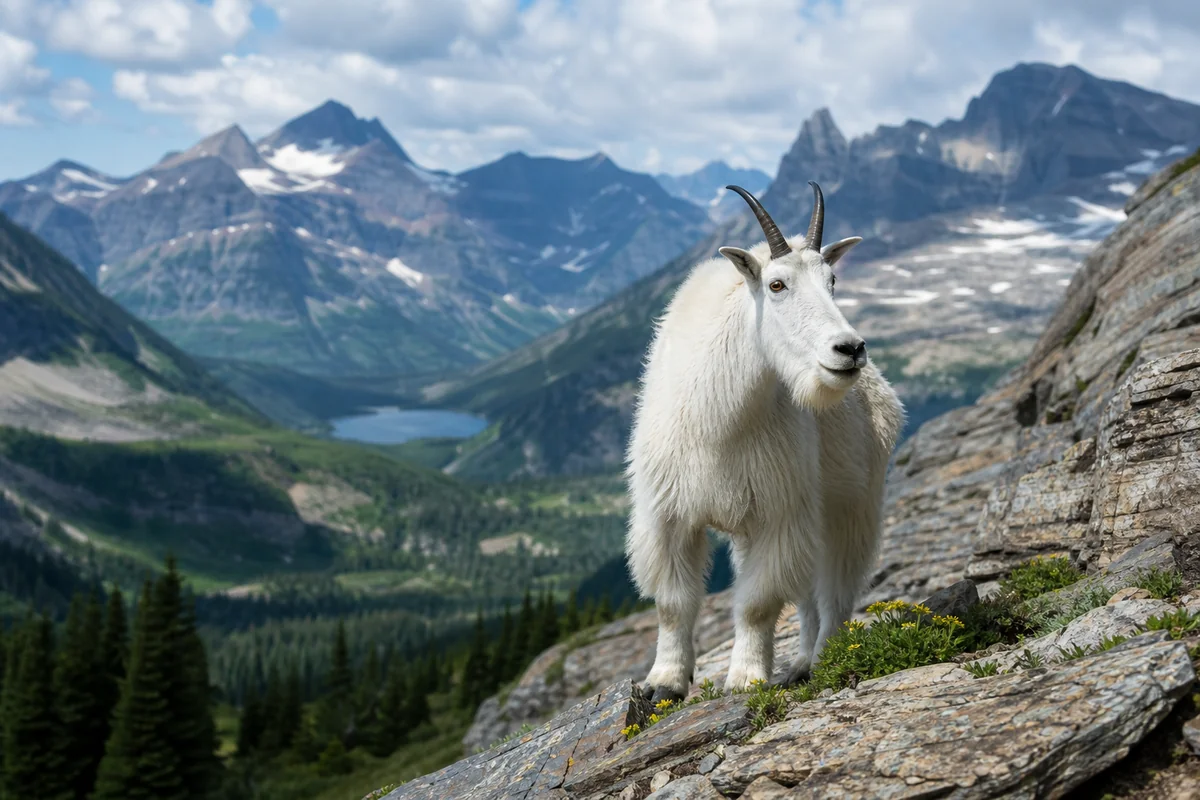
I’ll never forget the moment I rounded a switchback on the Highline Trail in Glacier National Park and came face-to-face with a massive billy goat, his amber eyes locked onto mine from just fifteen feet away.
His thick white coat rippled in the alpine wind, and those distinctive black horns curved back like polished obsidian daggers—this wasn’t a zoo encounter, this was wild Montana at its most breathtaking.
Mountain goats are arguably the most sought-after wildlife sighting in Montana, and for good reason. These remarkable climbers inhabit terrain that seems impossible for any large mammal, and watching them navigate sheer cliff faces with apparent ease is one of those experiences that reminds you why exploring Montana wildlife belongs on every traveler’s bucket list.
- Best viewing: Glacier National Park (Logan Pass, Highline Trail), Absaroka-Beartooth Wilderness, and the Mission Mountains
- Peak season: June through September, with early morning offering optimal activity
- Population: Approximately 3,000-4,000 mountain goats statewide
- Safety distance: Maintain at least 25 yards minimum (many parks require 100 feet)
- Best photography gear: 200-400mm lens minimum; goats often allow closer approach than other wildlife
- Unique behavior: They frequently visit mineral licks and may approach humans seeking salt
Liked this article?
Add Roaming Montana as a preferred source so you see more of our articles and guides on Google.
Understanding Montana’s Mountain Goat Population
Montana is home to one of the largest mountain goat populations in the lower 48 states, with estimates ranging between 3,000 and 4,000 individuals. During my years photographing wildlife across the state, I’ve learned that understanding where these animals live—and why—dramatically increases your chances of a memorable encounter.
Mountain goats in Montana occupy two distinct categories: native and introduced populations. The native herds primarily inhabit the northwestern corner of the state, particularly in and around Glacier National Park and the Cabinet Mountains. Introduced populations, established through wildlife management programs dating back to the 1940s and 1950s, now thrive in ranges like the Absaroka-Beartooth, the Crazy Mountains, and portions of the Bitterroot Range.
What surprised me during my research and field time was learning that mountain goats aren’t actually goats at all. They’re more closely related to antelopes and belong to a group called goat-antelopes. This explains some of their unique characteristics that set them apart from domestic goats or even Montana’s bighorn sheep, which occupy similar but typically lower-elevation terrain.
Physical Characteristics Worth Knowing
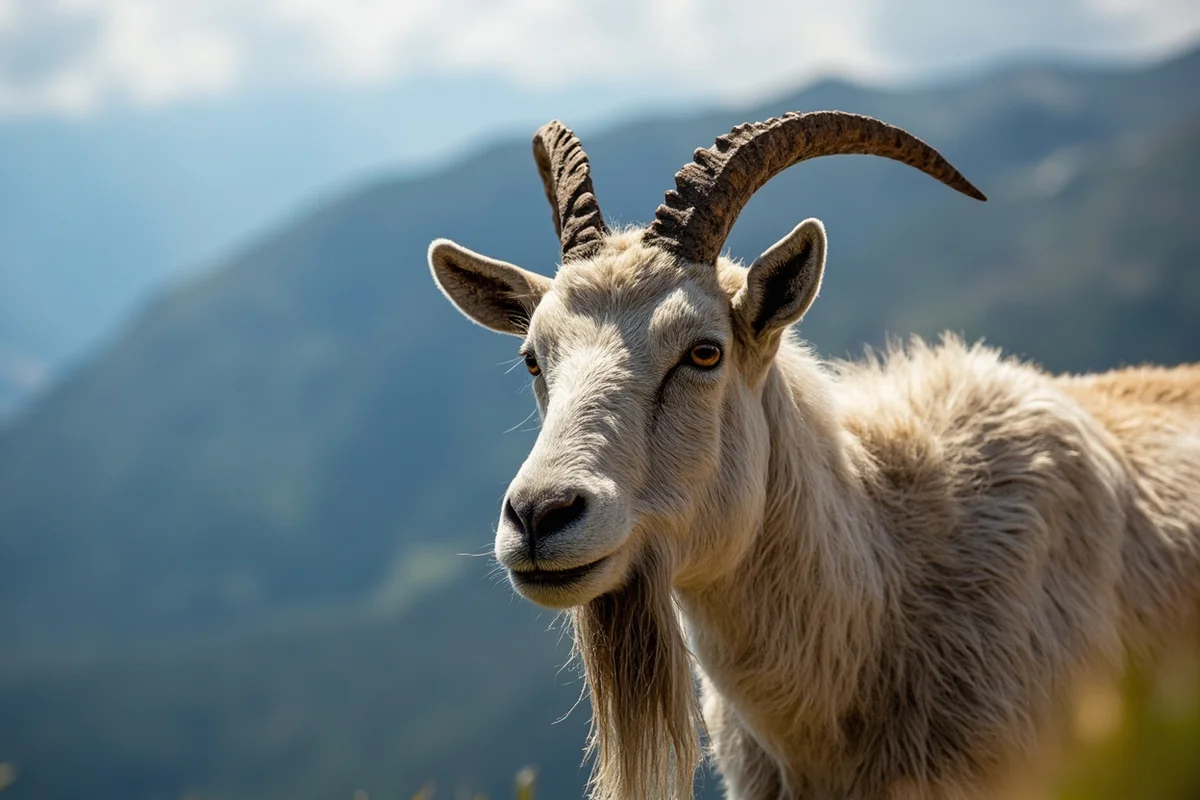
When you’re scanning alpine slopes looking for mountain goats, knowing what to look for makes a significant difference. Both males (billies) and females (nannies) sport those iconic black horns, though billies’ horns are thicker at the base and curve more dramatically.
I’ve found that many first-time visitors mistake distant mountain goats for patches of snow. Last July, I spent twenty minutes watching what I thought was a goat on the Garden Wall in Glacier, only to realize through my binoculars it was indeed just a snowfield. The trick is watching for movement—even subtle shifts that snow obviously won’t make.
Adult billies typically weigh between 150-300 pounds, while nannies are noticeably smaller at 100-180 pounds. Their woolly coats appear pure white but actually contain two layers: a dense undercoat and longer guard hairs that can reach nearly 8 inches in winter.
Where to See Mountain Goats in Montana
After countless trips across Montana’s mountain ranges, I’ve identified several locations that consistently deliver mountain goat sightings. Some require significant hiking effort, while others offer roadside viewing opportunities.
Glacier National Park: The Premier Destination
If I could only recommend one place for mountain goat viewing, Glacier National Park would be it without hesitation. The combination of accessible alpine terrain, healthy goat populations, and habituated animals creates near-perfect conditions.
Logan Pass Area
The Logan Pass parking lot and surrounding trails offer the most reliable mountain goat sightings I’ve experienced anywhere. During my visit last summer, I counted seventeen different goats within a single morning, some grazing within 30 feet of the boardwalk near the visitor center.
The Hidden Lake Overlook Trail, which begins directly at Logan Pass, provides exceptional opportunities. Goats frequently traverse the rocky slopes adjacent to the trail, and I’ve had multiple encounters where animals walked directly across the path in front of me.
Arrive before 8:00 AM if visiting between June and September. The parking lot fills completely by mid-morning on most days, and early arrival also means cooler temperatures that keep goats more active.
Highline Trail
The Highline Trail traversing the Garden Wall ranks among my favorite wildlife hikes anywhere in North America. This spectacular path contours along cliff faces at around 6,600 feet, passing through prime mountain goat habitat for its entire length.
I typically hike the first four miles to Haystack Butte and back, a moderate 8-mile round trip that maximizes goat viewing potential. The Grinnell Glacier Overlook junction area has been particularly productive during my visits.
Many Glacier Valley
The Many Glacier area offers excellent goat viewing combined with somewhat smaller crowds than Logan Pass. The Grinnell Glacier Trail passes beneath prime goat habitat, and I’ve spotted them on the cliffs above Grinnell Lake on nearly every hike.
The Iceberg Lake Trail also produces regular sightings. Last August, I watched a nanny and kid navigate what appeared to be a completely vertical rock face while I ate lunch at the lake—entertainment doesn’t get better than that.
Absaroka-Beartooth Wilderness
South-central Montana’s Absaroka-Beartooth Wilderness harbors a thriving introduced mountain goat population that receives far less visitor pressure than Glacier. The tradeoff is that viewing requires more backcountry commitment.
The Beartooth Highway (US 212), which crosses the plateau between Red Lodge and Cooke City, passes through goat country. I’ve spotted animals from pullouts along the highway, particularly near the summit area and around Beartooth Lake.
For more reliable sightings, the Beaten Path—a popular backpacking route running 26 miles through the wilderness—crosses several prime locations. I completed this trek two summers ago and encountered goats on three separate days.
Mission Mountains
The Mission Mountains rising dramatically above the Flathead Valley contain native mountain goat populations in genuinely wild settings. Access requires more effort here, but the payoff is experiencing goats in less-visited terrain.
The Mission Mountains Tribal Wilderness covers the western slopes and requires a recreation permit from the Confederated Salish and Kootenai Tribes. This permit system limits access and protects both wildlife and tribal resources—I consider it a small price for the pristine conditions.
Other Notable Locations
The Crazy Mountains, located northeast of Bozeman, support an introduced population that’s become well-established. The Cottonwood Lake Trail provides access, though sightings require luck and early starts.
Cabinet Mountains in northwestern Montana harbor small native populations, though dense vegetation and difficult terrain make viewing challenging. I’ve only spotted goats here once in several attempts.
| Location | Access Level | Reliability | Best Time |
|---|---|---|---|
| Logan Pass, Glacier NP | Easy (paved road) | Excellent | Late June-September |
| Many Glacier, Glacier NP | Moderate (hiking) | Very Good | July-September |
| Beartooth Highway | Easy (paved road) | Moderate | Late June-August |
| Mission Mountains | Difficult (backpacking) | Moderate | July-August |
| Crazy Mountains | Moderate (hiking) | Low-Moderate | July-September |
Best Seasons for Mountain Goat Viewing
Timing your Montana trip for mountain goat encounters requires understanding their seasonal movements and behaviors. Unlike some wildlife that becomes scarce during certain seasons, goats remain in Montana year-round—but accessibility varies dramatically.
Summer: Prime Viewing Season
Late June through September represents the optimal window for most visitors. During these months, high-altitude roads like Going-to-the-Sun Road in Glacier and the Beartooth Highway are typically open and snow-free.
I’ve found early July particularly rewarding because kids born in late spring are still young enough to be endearing but old enough to venture out with their mothers. Watching these youngsters practice their climbing skills on relatively easy terrain never fails to entertain.
Summer also brings goats to mineral licks, natural salt deposits they visit to supplement their diets. The parking lot areas at Logan Pass and Walton Goat Lick in Glacier are famous for this behavior—goats literally lick minerals from the soil and rock.
Fall: Rutting Season Dynamics
Late October through early December marks the breeding season, when billy goats become more active and visible as they pursue nannies. I witnessed impressive dominance displays between two large billies during a November trip—nothing like Montana elk bugling, but remarkable nonetheless.
The challenge with fall viewing is access. Most high-altitude roads close by mid-October, limiting your options to lower-elevation areas or significant hiking. However, reduced crowds mean you’ll likely have any goats you find essentially to yourself.
Winter and Spring Considerations
Mountain goats are among the most impressive Montana winter animals, surviving conditions that would seem impossible for large mammals. Their double-layered coats and specialized hooves allow them to navigate icy terrain that keeps most predators—and certainly most humans—at bay.
Winter viewing typically requires snowshoes or cross-country skis and considerable backcountry experience. I’ve done a few winter trips into goat country and found them fascinating, but I wouldn’t recommend this for casual visitors.
Spring brings birthing season, with kids typically arriving in late May or early June. Nannies seek out extremely steep, isolated terrain for birthing to protect vulnerable newborns from predators, making this period challenging for observation.
Mountain Goat Behavior: What to Expect
Understanding mountain goat behavior enhances both your viewing experience and your safety. These animals exhibit fascinating adaptations and social dynamics that become apparent with patient observation.
Their Incredible Climbing Ability
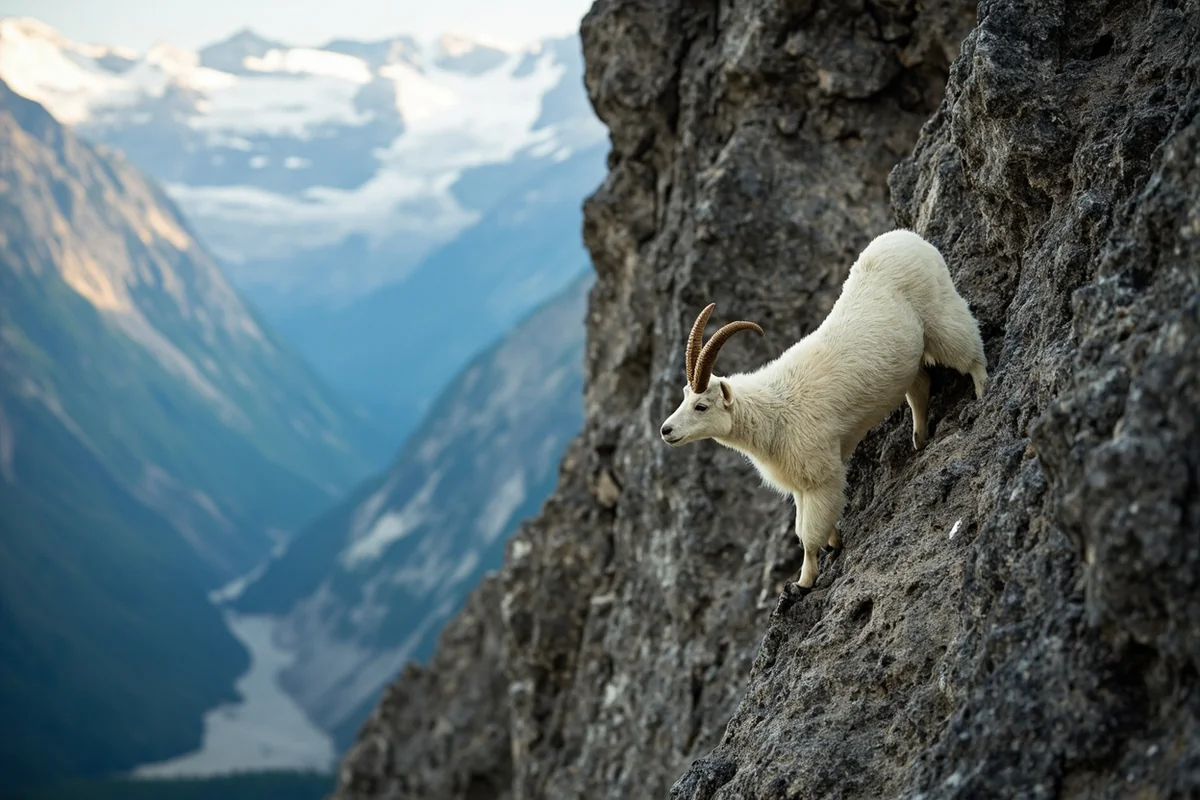
Mountain goats can navigate slopes exceeding 60 degrees—terrain that would require technical climbing equipment for humans. Their hooves feature a hard outer edge surrounding a soft, rubbery pad that provides grip on smooth rock surfaces.
During one memorable encounter on the Highline Trail, I watched a mature billy descend a face that appeared completely vertical. He moved with deliberate confidence, each hoof placement precise and unhurried. When he reached a small ledge, he turned and looked directly at me as if to acknowledge his audience before continuing.
This climbing ability serves primarily as predator defense. Montana’s mountain lions occasionally prey on goats, but the terrain mountain goats prefer makes successful attacks rare.
Social Structure and Groups
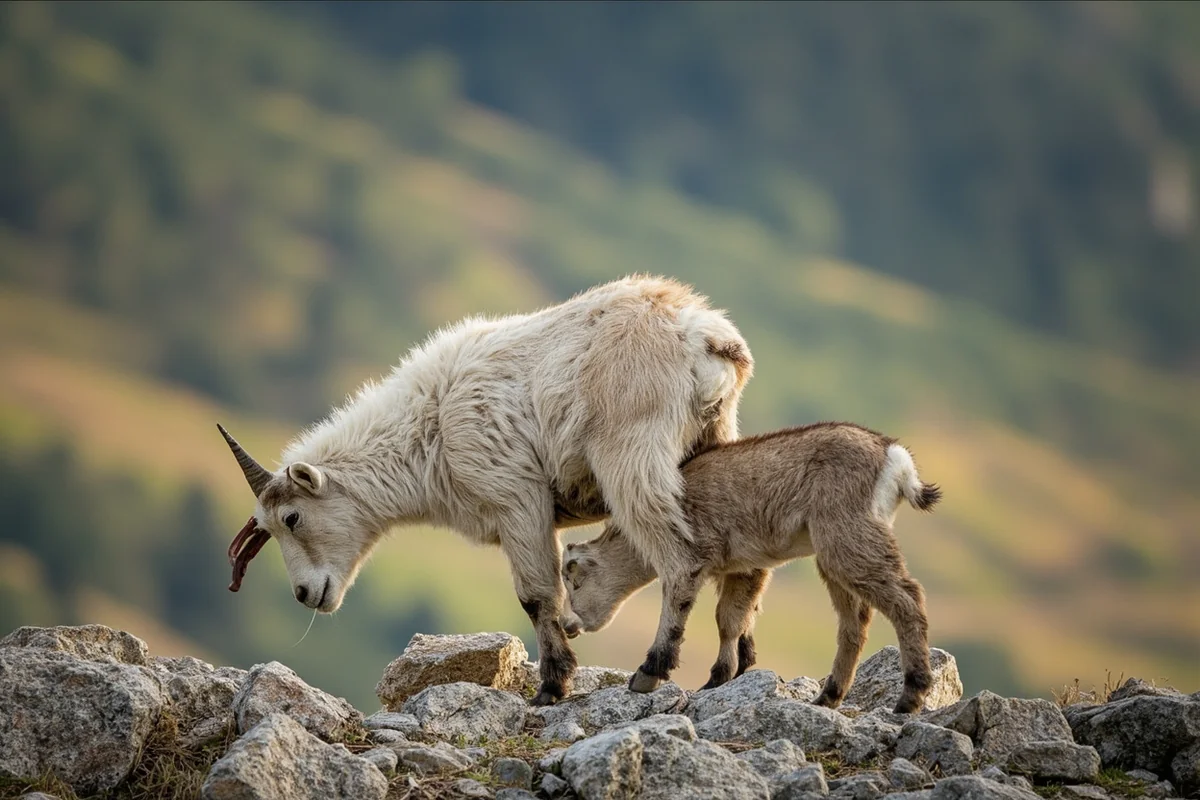
Nannies and kids form the core social units, often grouping together in nursery bands during summer. Billies remain largely solitary outside breeding season, though I’ve occasionally observed small bachelor groups, particularly younger males.
When scanning slopes for goats, look for white spots in clusters rather than singles—a group of five or six is often easier to spot than an individual. That said, lone billies can appear anywhere and often occupy the most dramatic terrain.
Daily Activity Patterns
Mountain goats are most active during early morning and late afternoon, spending midday hours bedded down ruminating (processing food through their four-chambered stomachs). On hot summer days, I’ve noticed they often seek north-facing slopes or areas near snowfields to escape heat.
This pattern means planning your viewing for the “golden hours” improves success significantly. During my trips to Logan Pass, I try to arrive by 7:00 AM and either stay through the midday lull or return for evening activity after 5:00 PM.
Photography Tips from the Field
Photographing mountain goats presents unique challenges and rewards. Their white coats against often-bright backgrounds require careful exposure management, while their alpine habitat creates stunning compositional opportunities.
Essential Gear Recommendations
Unlike photographing Montana bears, which typically require maximum telephoto reach, mountain goats often allow reasonably close approach. I typically shoot with a 100-400mm zoom, finding the 200-300mm range most useful.
That said, don’t skip the wide-angle lens. Some of my favorite goat images include dramatic alpine scenery—these animals are inseparable from their environment, and context adds tremendous impact.
A polarizing filter helps manage glare from snow and rock while deepening blue skies. I also carry a neutral density filter for those magical moments when a goat pauses against an already-bright background.
Exposure Challenges
White subjects against bright backgrounds will fool your camera’s meter every time. I typically shoot manual exposure or use exposure compensation of +1 to +2 stops when photographing goats.
Reviewing your histogram in the field is essential. You want detail in the white fur without blowing highlights—a surprisingly narrow range that requires attention. I learned this lesson the hard way on my first Glacier trip, returning home with dozens of overexposed images.
Composition Ideas
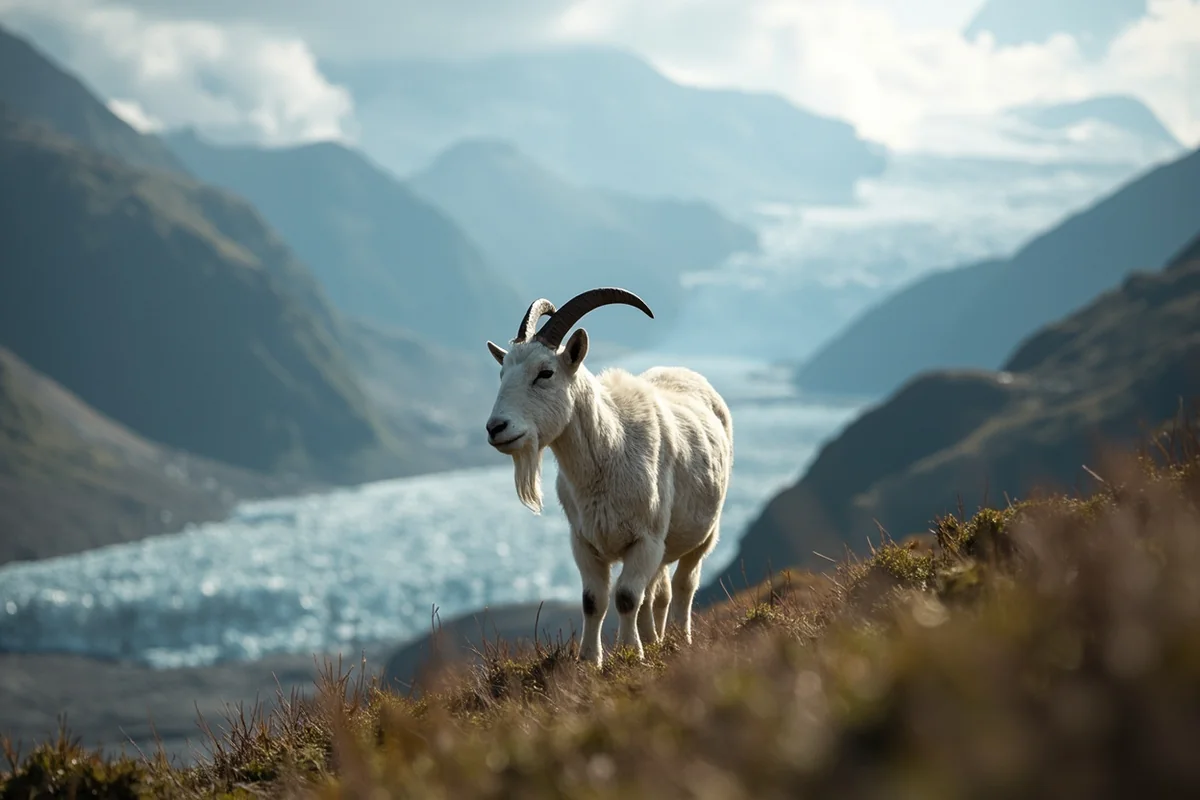
Include environmental elements that emphasize the extreme terrain these animals inhabit. A goat standing on a narrow ledge with a thousand-foot drop behind it tells a story that a tight headshot cannot.
Wait for behavioral moments: grooming, nursing kids, dust bathing, or social interactions. These images convey life and personality beyond simple documentation.
Safety and Ethical Considerations
Mountain goats present unique safety considerations that differ from other Montana wildlife. While they appear docile and may seem to tolerate close approach, respecting these animals and protecting yourself requires understanding their behavior.
Maintaining Safe Distances
Glacier National Park requires maintaining 100 feet (about 25 yards) from mountain goats. This distance protects both you and the animals, though it’s frequently violated by visitors who don’t understand the risks.
Mountain goats can inflict serious injuries with their horns—a fact often overlooked because they seem so calm. Multiple incidents have occurred in mountain goat habitat across the western United States, including a fatal goring in Olympic National Park in 2010.
The challenge at places like Logan Pass is that goats often approach humans seeking salt from sweat, urine, or food residue. If a goat approaches you, do not allow it to close distance. Move away, make noise, and assert your space.
The Salt-Seeking Behavior Problem
Mountain goats are attracted to human urine and sweat for their sodium content. This creates a problematic feedback loop at popular viewing areas: goats learn to associate humans with salt, then approach more readily, leading to potentially dangerous habituation.
When nature calls in goat country, walk at least 200 feet from trails and urinate on rocks rather than vegetation. This simple practice reduces salt concentration that attracts goats to trail corridors.
Never feed mountain goats anything, regardless of how persistent they might be. Feeding wildlife is illegal in Glacier National Park and other public lands for good reason—it harms animals and endangers future visitors.
Respecting Their Habitat
Avoid approaching or pursuing mountain goats to get better photographs or views. If an animal changes its behavior because of your presence—stops feeding, moves away, or displays agitation—you’re too close.
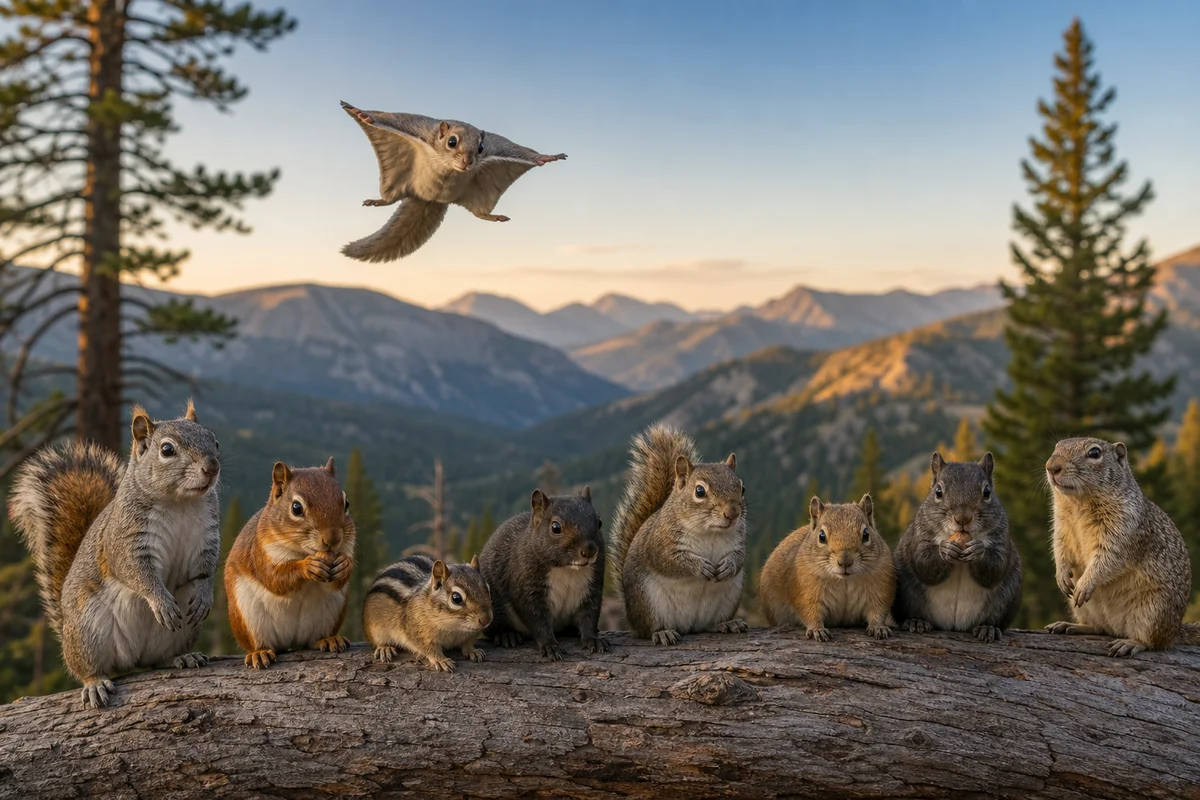
This applies equally to all Montana wildlife, from the tiny squirrels you’ll see everywhere to the rare Montana lynx few visitors ever glimpse.
Planning Your Mountain Goat Trip
A successful mountain goat viewing trip requires balancing wildlife objectives with practical logistics. Here’s what I’ve learned about planning these adventures over the years.
Glacier National Park Logistics
If targeting Glacier for goat viewing, make reservations early. The vehicle reservation system for Going-to-the-Sun Road typically opens in spring, and popular entry times sell out within hours.
I recommend basing yourself in West Glacier, St. Mary, or the Many Glacier area depending on your primary viewing targets. West Glacier offers the most lodging options, while staying at Many Glacier puts you closest to excellent trail-based viewing.
The reservation system runs from late May through early September. Outside these dates, you can enter freely but face increased weather uncertainty and potential road closures.
What to Bring
High-altitude goat viewing in Montana means preparing for rapidly changing conditions. Even in July, temperatures at Logan Pass can drop into the 40s with wind chill, and afternoon thunderstorms develop quickly.
My mountain goat packing list always includes:
- Binoculars (essential for scanning distant slopes)
- Layered clothing including wind/rain shell
- Sun protection (altitude intensifies UV exposure)
- Bear spray (you’ll be in bear country)
- Plenty of water and snacks
- Camera gear with lens protection
- Trekking poles for steep terrain
Combining with Other Wildlife
A Montana trip focused on mountain goats can easily incorporate other wildlife viewing. The same areas that harbor goats often support diverse species worth observing.
In Glacier, I’ve seen grizzly bears, black bears, bighorn sheep, marmots, pikas, and dozens of Montana bird species during trips primarily targeting goats. The St. Mary area often produces mule deer sightings at dawn and dusk.
The Beartooth region adds opportunities for osprey viewing around the plateau’s numerous lakes, and keen-eyed visitors might spot owls hunting the forest edges.
Conservation Status and Challenges
Montana’s mountain goat populations are considered stable overall, though they face ongoing challenges that wildlife managers continue to address.
Climate Change Impacts
Rising temperatures affect mountain goats both directly and indirectly. These animals evolved for cold conditions—their thick coats become a liability during heat waves, forcing them into smaller habitat refuges at higher elevations.
Reduced snowpack also impacts alpine vegetation cycles, potentially affecting goat nutrition during critical periods. During my visits over the past decade, I’ve noticed subjectively that summer snowfields seem smaller than they once were, though this observation requires scientific validation.
Disease Concerns
Respiratory disease has devastated some mountain goat populations in the western United States, raising concerns about Montana herds. Pathogens carried by domestic sheep and goats can jump to wild populations with lethal results.
Wildlife managers actively monitor Montana’s goats for disease signs, and domestic livestock grazing near mountain goat habitat remains a management concern. This is one reason why maintaining distance from wild goats matters—disease transmission goes both ways.
Habitat Protection
Most prime mountain goat habitat in Montana falls within protected areas like Glacier National Park, wilderness areas, and national forest roadless areas. This provides important baseline protection, though development pressures, recreation impacts, and climate change present ongoing challenges.
Understanding these conservation realities adds depth to wildlife viewing. The goat you photograph at Logan Pass exists because of decades of protection efforts—appreciating that context enriches the experience.
Mountain goats aren’t currently listed among Montana’s endangered species, but maintaining healthy populations requires continued vigilance.
Making the Most of Your Encounter
When you do find yourself sharing space with mountain goats, a few approaches will enhance your experience beyond basic wildlife watching.
Practice Patience
The best mountain goat observations I’ve had came from finding animals, settling into a comfortable position, and simply watching. Rushing between sightings means missing the small behavioral moments that make wildlife viewing memorable.
I once spent three hours watching a nanny and kid at Hidden Lake Overlook. The kid’s attempts to nurse while balanced on a sloped rock, the nanny’s patient grooming, their occasional play—none of this happens in the first five minutes.
Document Thoughtfully
Beyond photographs, consider keeping a field journal of your observations. What were the goats eating? How did they interact with each other? What sounds did they make?
These notes create lasting memories and deepen your understanding of the animals. I look back at journals from years past and relive experiences that photos alone couldn’t capture.
Share Responsibly
If you find goats in a lesser-known location, consider whether sharing precise coordinates serves the animals’ interests. Popular wildlife spots can become “loved to death” through social media exposure.
I’ve deliberately kept some of my favorite viewing areas vague in this guide, sharing enough information to guide you toward success without creating stampedes to specific spots.
Final Thoughts
Mountain goats represent something essential about Montana’s wild character. They inhabit places most humans can barely access, thriving in conditions we’d find impossible, embodying a rugged persistence that seems to mirror Montana itself.
During my years exploring this state—from the peaceful waters where otters play to the high ridges where goats reign supreme—few wildlife encounters have matched the magic of those alpine meetings. There’s something about sharing space with an animal so perfectly adapted to such an extreme environment that shifts your perspective on what’s possible.
Plan your trip thoughtfully, respect the animals and their habitat, and be patient. The mountain goats of Montana will reward your effort with experiences you’ll never forget.
Whether you’re also exploring farms showcasing Montana alpaca, searching for waterfowl on Montana’s lakes, or watching for winter birds at your feeder, each wildlife encounter contributes to understanding this remarkable state. But those moments in the high alpine, when a white-coated mountaineer pauses on an impossible ledge and meets your gaze—those moments feel like Montana showing you its very soul.
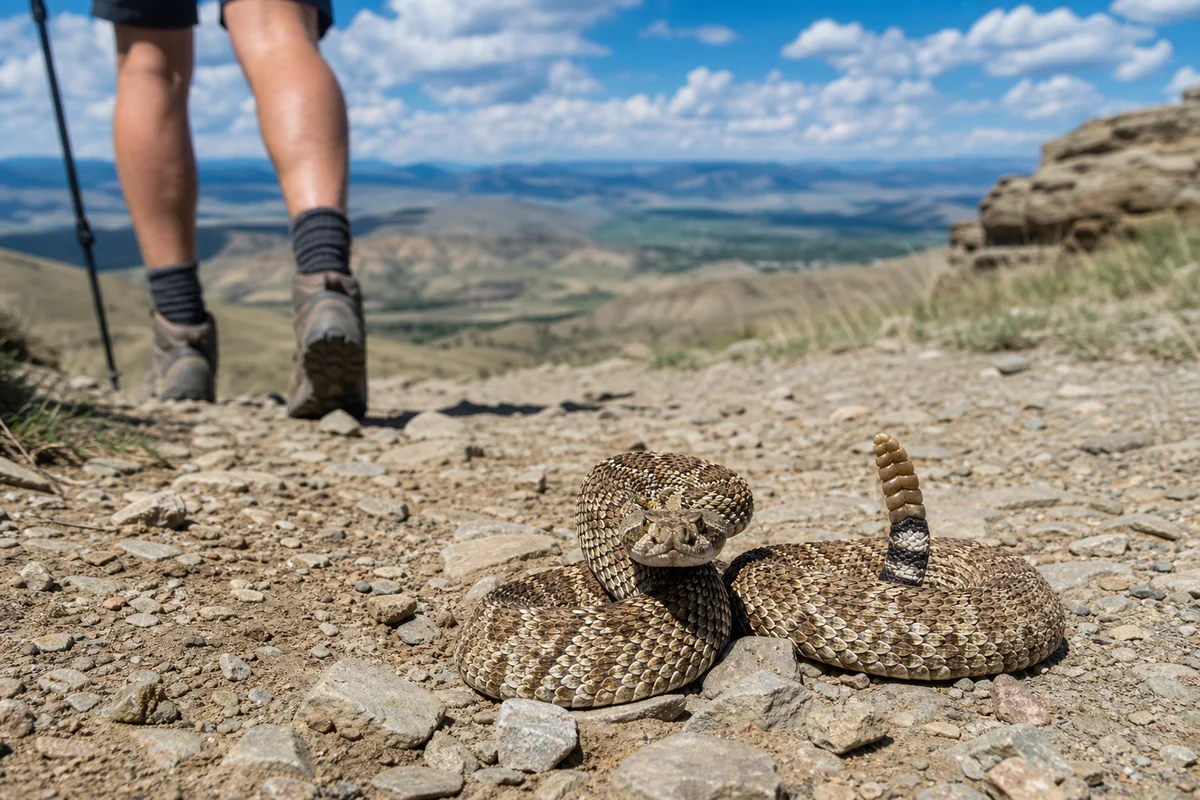
Just watch your step on the trail, stay aware of rattlesnakes at lower elevations, keep an eye out for bears, and give these magnificent climbers the space they deserve. The mountains belong to them, and we’re just visitors passing through.
Frequently Asked Questions
Where is the best place to see mountain goats in Montana?
Glacier National Park offers the best mountain goat viewing in Montana, particularly along the Hidden Lake Trail near Logan Pass and the Highline Trail. I’ve had incredible sightings at the Going-to-the-Sun Road pullouts where goats often descend to natural mineral licks. The Beartooth Highway area and parts of the Bob Marshall Wilderness also provide reliable viewing opportunities.
What is the best time of year to spot mountain goats in Montana?
Late spring through early summer (May-July) is ideal for mountain goat viewing when they descend to lower elevations seeking natural salt licks near roads and trails. During this period, you’ll often see nannies with newborn kids. Fall months also offer good sightings as goats prepare for winter, though they stay at higher elevations requiring more hiking to reach.
How close can you safely get to mountain goats in Glacier National Park?
Park regulations require maintaining at least 25 feet from mountain goats, though I recommend staying 50+ feet away for safety and to avoid stressing the animals. Mountain goats in Glacier have become habituated to humans and may approach you seeking salt from sweat or urine—slowly back away if this happens. Never feed or attempt to touch them, as they can become aggressive.
What gear should I bring for mountain goat photography in Montana?
Pack a telephoto lens (200-400mm minimum) since even approachable goats require distance for ethical wildlife photography. I always bring sturdy hiking boots with ankle support, layers for unpredictable alpine weather, and bear spray since you’re in grizzly country. A lightweight tripod helps stabilize shots in windy mountain conditions, and binoculars are essential for spotting goats on distant cliffs.
Do I need a guide to find mountain goats in Montana or can I see them on my own?
You can absolutely find mountain goats independently at popular spots like Logan Pass in Glacier National Park, where sightings are common right from the parking area and nearby trails. However, guided wildlife tours ($150-$300 per person) increase your chances in remote backcountry areas and provide spotting scopes plus expert knowledge about goat behavior. Rangers at visitor centers can share recent sighting locations for free.
How difficult are the hikes to see mountain goats near Glacier National Park?
The easiest option is the 3-mile roundtrip Hidden Lake Overlook trail from Logan Pass, rated moderate with 500 feet elevation gain—I’ve seen mountain goats within 30 minutes on this trail. The Highline Trail offers more challenging 11.8-mile point-to-point hiking with frequent goat sightings along cliff faces. Many goats can be spotted without hiking at all from Going-to-the-Sun Road pullouts, especially at the Big Bend area.
Why do mountain goats come down to the roads in Glacier National Park?
Mountain goats descend to roadsides and parking areas specifically to lick salt and minerals from the pavement, soil, and even vehicle undercarriages—they’re naturally drawn to these mineral deposits. Human urine also attracts them, which is why park service asks visitors to use restrooms rather than going trailside. This behavior peaks in late spring and early summer when their mineral needs are highest after winter.
Sources