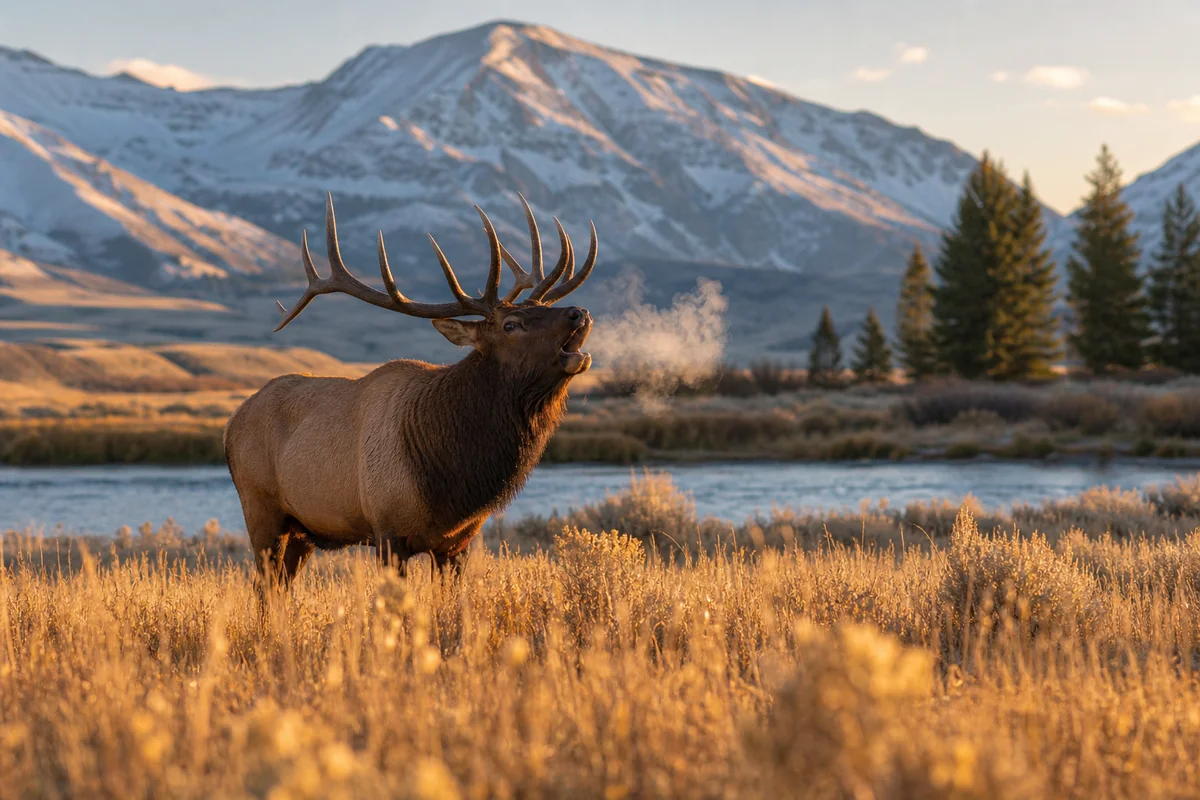
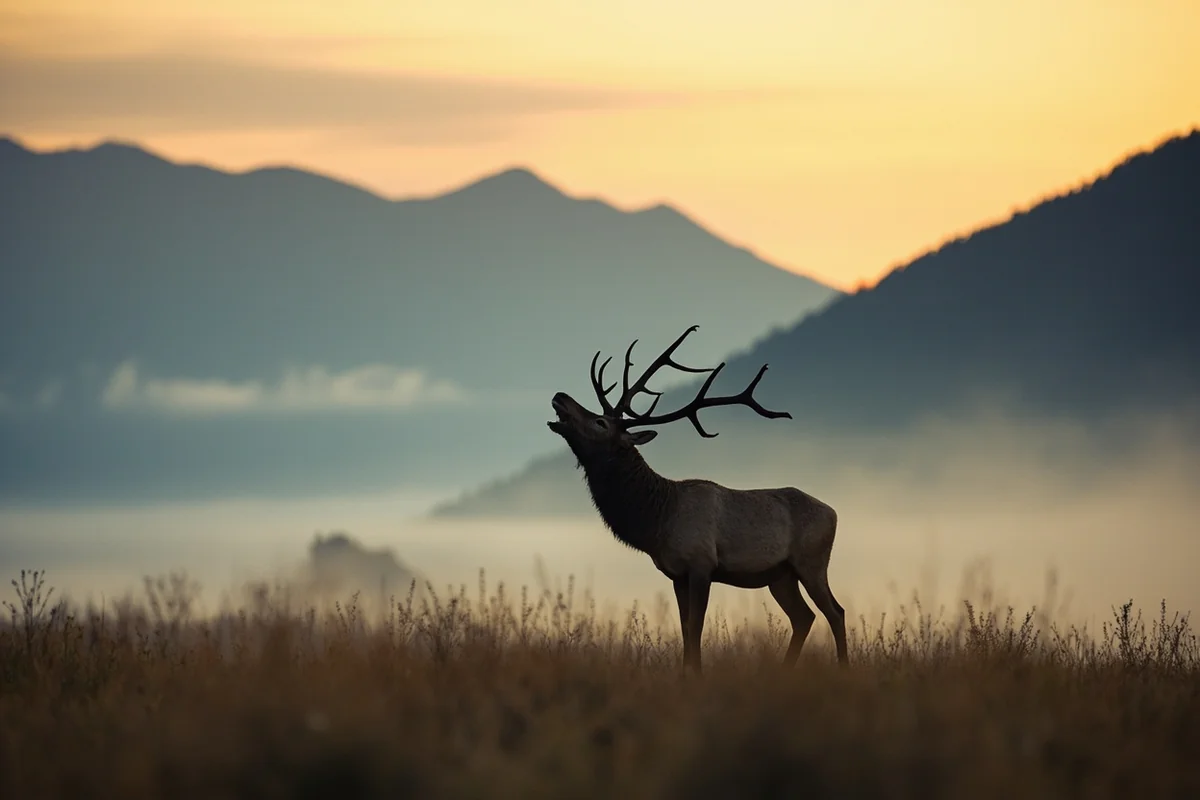
The sound hit me before I saw anything—a piercing, otherworldly bugle echoing across the Madison Valley just as dawn broke last September.
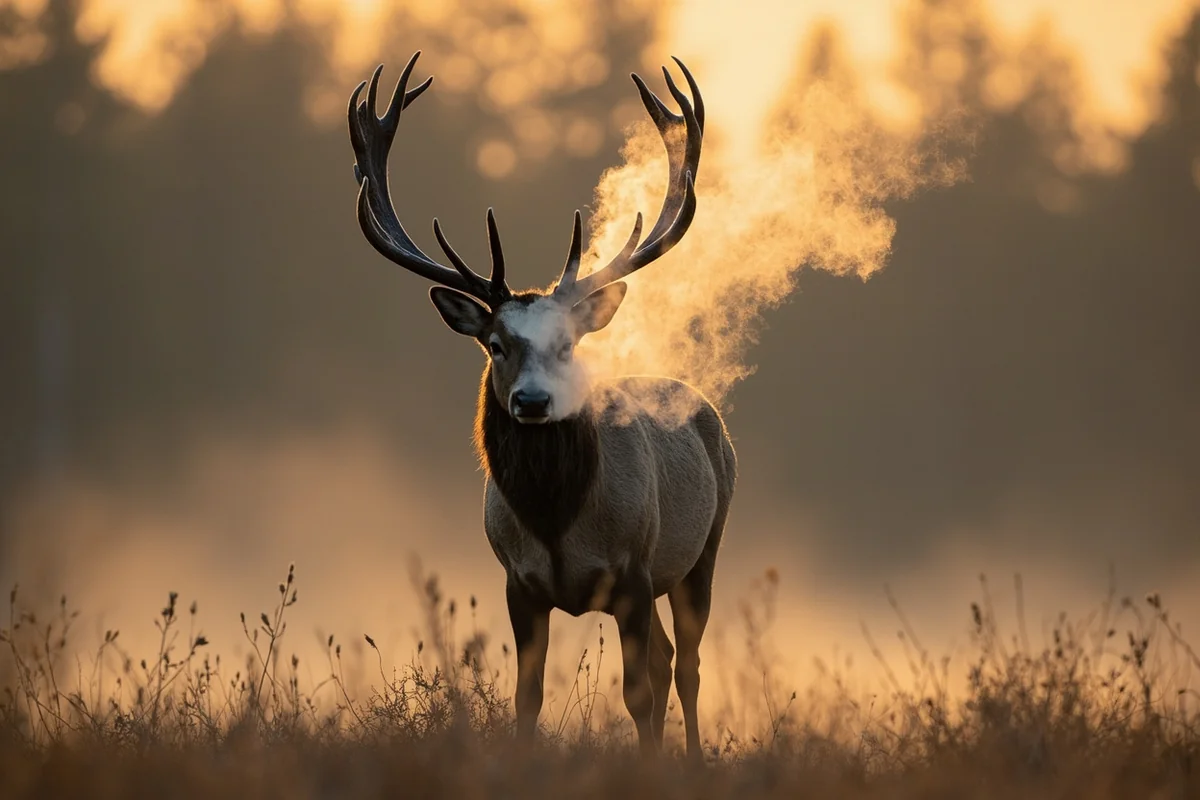
Moments later, I watched a massive bull elk emerge from the morning mist, his breath visible in the cold air, antlers catching the first golden light.
That single moment during the rut remains one of the most electrifying wildlife encounters I’ve had in over a decade of exploring Montana wildlife.
- Montana has roughly 150,000 elk — the largest population in the Lower 48
- Best viewing months: September-October (rut) and May-June (calving season)
- Top spots: National Bison Range, Yellowstone’s northern range, Sun River area, and the Gravelly Range
- Dawn and dusk offer 80% of quality sightings in my experience
- Bring binoculars (10×42 minimum), dress in layers, and maintain 25+ yards distance
- Elk are most active and vocal during the fall rut — plan trips around mid-September for peak action
Why Montana is America’s Elk Capital
Montana isn’t just a good place to see elk—it’s arguably the best in the continental United States. With an estimated 150,000 elk roaming across the state, you’re looking at one of the densest concentrations of these magnificent ungulates anywhere outside of Alaska.
I’ve traveled to Colorado, Wyoming, New Mexico, and Idaho specifically for elk viewing. While each state has its merits, Montana consistently delivers more diverse viewing opportunities across accessible public land.
What sets Montana apart is the sheer variety of habitats where elk thrive. From the alpine meadows above 9,000 feet to the river bottoms of the Yellowstone and Missouri, elk have adapted to nearly every Montana ecosystem.
Understanding Montana’s Elk: More Than Just Big Deer
Before I dive into where and when to find them, let me share what I’ve learned about elk behavior from years of observation. Understanding these animals dramatically increases your chances of a meaningful encounter.
Elk (Cervus canadensis) are the second-largest members of the deer family in North America, after moose. A mature bull can weigh between 700 and 1,100 pounds, standing five feet at the shoulder. Cows are noticeably smaller, typically 500 to 600 pounds.
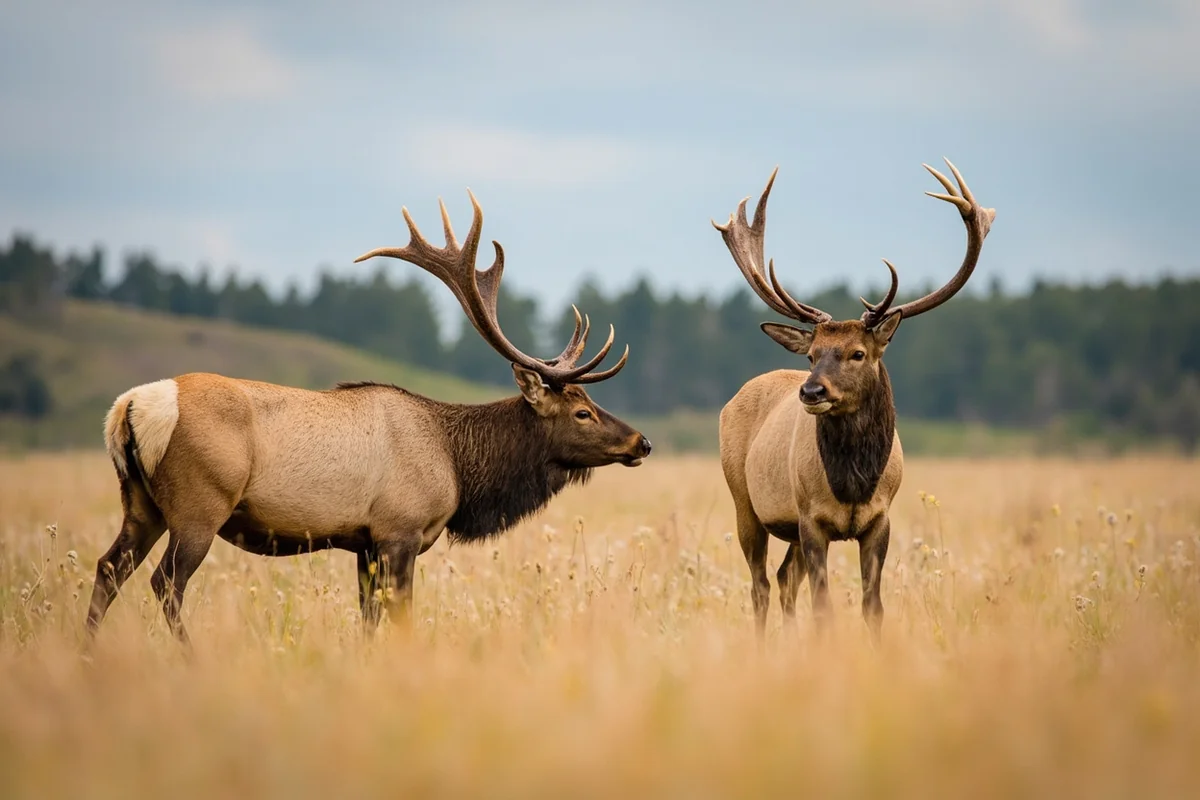
Unlike Montana’s deer species, elk are highly social animals. During my observations, I’ve rarely seen elk alone except during specific times like calving or when bulls isolate themselves post-rut.
The Herd Structure I’ve Observed
Cow-calf groups form the core social unit, led by a dominant cow (not a bull, as many assume). These groups can range from a dozen animals to several hundred during winter concentration periods.
Bulls form bachelor groups outside the rut, and I’ve spotted groups of 20+ bulls grazing together in the Centennial Valley during early summer. It’s a remarkable sight—all those antlers in one place.
During the September rut, everything changes. Bulls become territorial, gather harems, and spend most of their energy fighting and breeding rather than eating.
The Montana Elk Viewing Calendar: When to Visit
Timing your visit correctly is perhaps the single most important factor in successful elk viewing. I’ve visited Montana in every month, and the differences are dramatic.
September Through October: The Rut (Peak Season)
This is what I call the “golden window” for elk watching. Last September, I spent eight days in the Paradise Valley and observed elk activity that would take months to replicate any other time of year.
Bulls are bugling constantly during the rut, making them easy to locate by sound alone. I’ve heard bugles carry over two miles on crisp mornings in open terrain.
The visual spectacle is equally impressive. Bulls spar, thrash vegetation, wallow in mud, and herd their cows with an intensity that’s almost frantic.
November Through February: Winter Concentration
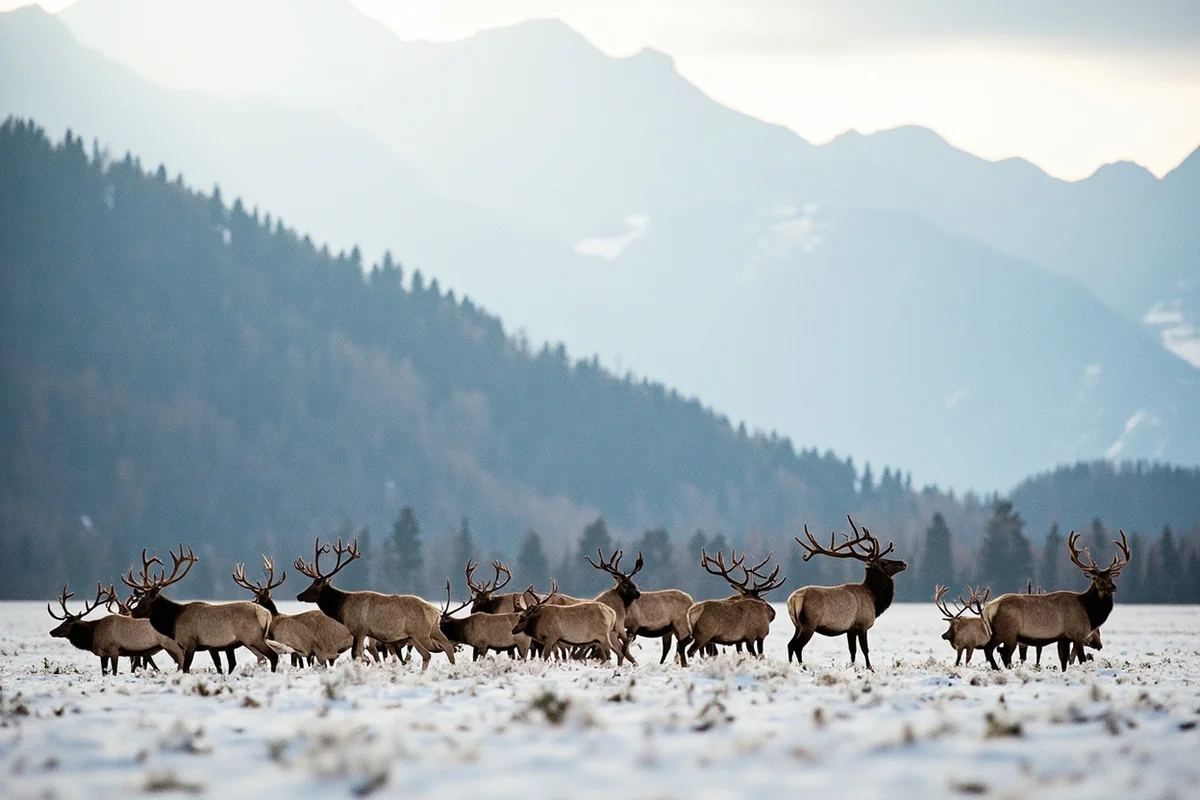
As snow pushes elk down from high country, they concentrate in valleys and winter ranges. The Montana winter animals migration is something special to witness.
I drove the Paradise Valley in late January a few years back and counted over 400 elk in a single afternoon. They were packed into the lowlands, easily visible from Highway 89.
The trade-off? Cold temperatures (often well below zero) and shorter days. But if you dress properly, winter elk viewing offers the most consistent sightings.
May Through June: Calving Season
This period offers intimate glimpses into elk family life that you simply won’t see other times. Cows become secretive, hiding newborn calves in tall grass.
During a May trip to the National Bison Range, I watched a cow elk nurse her spotted calf for nearly ten minutes from a respectful distance. These moments require patience but reward it generously.
July Through August: High Country Dispersal
Summer elk watching is challenging but rewarding for adventurous visitors. Elk retreat to high-elevation meadows to escape heat and insects.
I’ve had my best summer sightings above 8,000 feet in the Absaroka-Beartooth Wilderness. Be prepared for serious hiking to reach these animals.
My Top 10 Montana Elk Viewing Locations
After years of exploration, these are the spots where I consistently find elk. I’m listing them in order of accessibility, not quality—all of these locations have produced memorable sightings.
1. Yellowstone National Park’s Northern Range
Specifically the Lamar and Hayden Valleys. I’ve seen more elk here than anywhere else in Montana, though technically some of this area crosses into Wyoming.
The Northern Range around Mammoth Hot Springs is entirely in Montana and maintains a year-round elk herd. Last October, I counted 150+ elk grazing within sight of the Mammoth terraces.
Wildlife jams (traffic stops caused by animals near roads) are common here. Be patient, pull completely off the road, and never approach closer than 25 yards.
2. National Bison Range (Moiese)
This underutilized gem in the Mission Valley maintains a healthy elk population alongside its famous bison. The auto tour loop is perfect for less mobile visitors.
During my visit last spring, I spotted elk, bighorn sheep, and deer all within an hour. The viewing loop is well-maintained and offers excellent roadside pullouts.
Admission is free now that it’s returned to the Confederated Salish and Kootenai Tribes. Open year-round, though hours vary seasonally.
3. Sun River Game Range (Augusta)
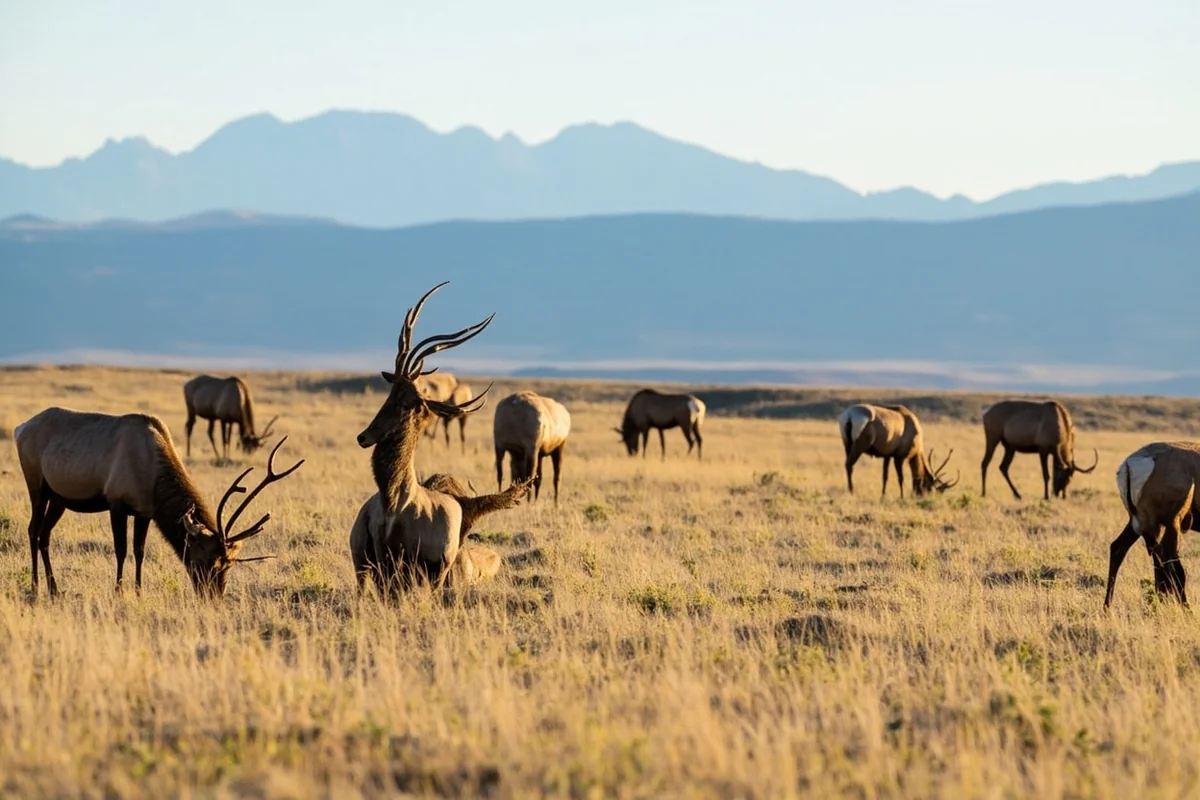
This was my favorite discovery from a 2022 winter trip. The Sun River Wildlife Management Area west of Augusta hosts thousands of wintering elk.
I witnessed the annual elk count from a distance—helicopters pushing elk for census purposes. The sheer number of animals moving across the snowfields was humbling.
Access is restricted during winter to protect the animals, but viewing from Highway 287 and adjacent roads is excellent from December through March.
4. Paradise Valley (Emigrant to Gardiner)
Highway 89 through Paradise Valley is essentially a 50-mile elk viewing corridor. I’ve never driven it without seeing at least a few animals.
The valley narrows as you approach Gardiner, concentrating wildlife. Tom Miner Basin, a side road off the main highway, is particularly productive.
Private land borders much of the valley, so respect property boundaries. Many ranches allow wildlife viewing from the road but not trespassing.
5. Gravelly Range (Ennis to Dillon)
For solitude-seeking elk watchers, the Gravelly Range delivers. I spent three days here last August and saw exactly four other vehicles.
The high-elevation grasslands are perfect summer elk habitat. Forest Service Road 290 traverses the range and offers numerous roadside viewing opportunities.
Be warned: road conditions vary dramatically. I’ve driven it in a sedan during dry weather, but a high-clearance vehicle is safer.
6. Rocky Mountain Front (Choteau to Augusta)
The dramatic landscape where the Rockies meet the plains creates a unique elk viewing experience. Animals here seem larger, though that might be my imagination influenced by the setting.
The Blackleaf Wildlife Management Area is particularly good. I’ve glassed elk from the pullout at the Blackleaf Canyon trailhead multiple times.
Spring brings excellent viewing as elk move from winter range back toward summer habitat. The timing varies by snowpack but typically peaks in April.
7. Centennial Valley (near West Yellowstone)
This remote valley along the Idaho border hosts a wild elk population with minimal human contact. The animals here behave more naturally than those habituated to crowds.
Getting there requires commitment—40 miles of gravel road from Lima. But the Red Rock Lakes National Wildlife Refuge anchors an ecosystem where elk share space with trumpeter swans and numerous duck species.
I recommend at least two days to explore properly. Camping is available at primitive sites throughout the valley.
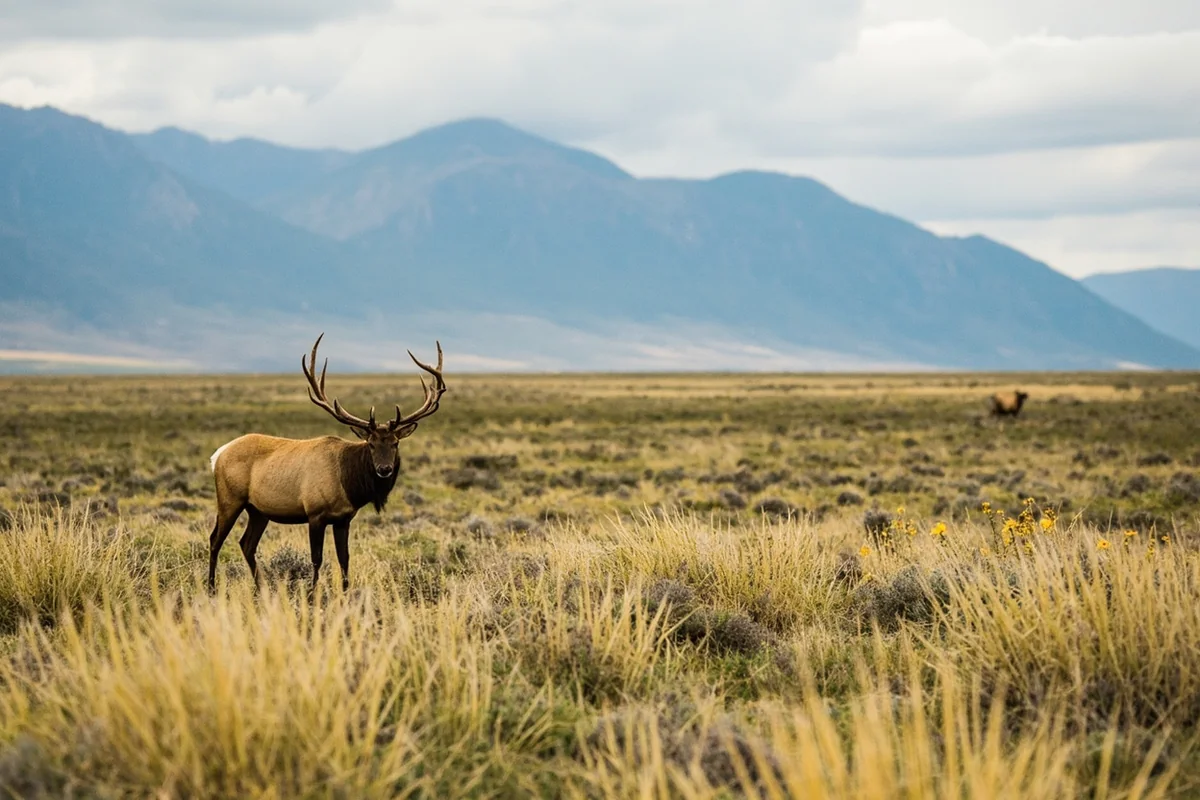
8. Lee Metcalf Wilderness Area
For backpackers, the Lee Metcalf offers multi-day immersion in elk country. I’ve packed into the Spanish Peaks unit twice, and elk were constant companions.
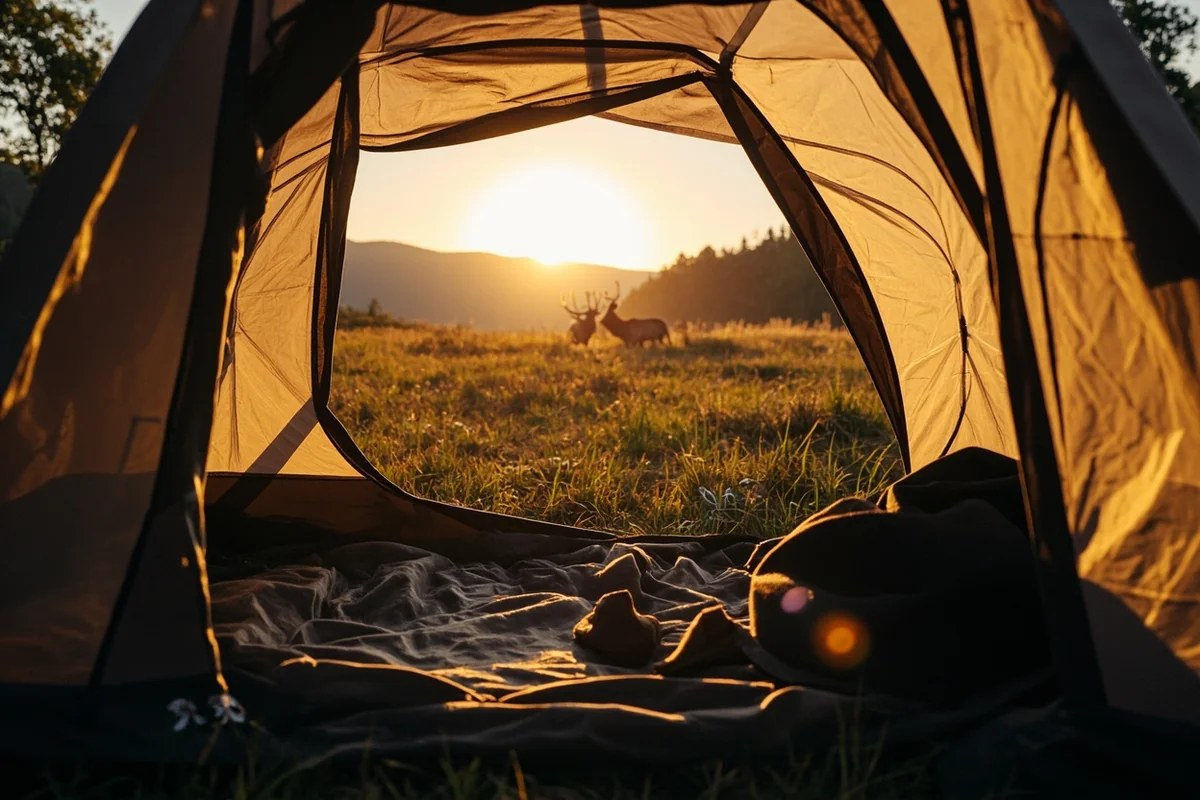
Last time, I woke to a bull grazing thirty yards from my tent. That level of intimacy with wildlife requires leaving the roads behind.
Permits aren’t required for the Lee Metcalf, but bear-resistant food storage is mandatory. Grizzlies share this habitat—check out our Montana bear guide before venturing into the backcountry.
9. Missouri Breaks (Lewistown area)
Eastern Montana doesn’t get much wildlife attention, but the Missouri Breaks harbor a substantial elk population. The Charles M. Russell National Wildlife Refuge is the primary access point.
I visited during an October photography trip and found bulls actively rutting in the pine-studded coulees. The landscape is completely different from western Montana—wilder and more remote-feeling.
Services are extremely limited. Fuel up in Lewistown or Malta before venturing into the Breaks.
10. Bitterroot Valley (Hamilton to Darby)
The Bitterroot offers reliable elk viewing close to the amenities of a populated valley. The western mountain slopes hold good numbers year-round.
I’ve had particularly good luck on the Skalkaho Road (Highway 38) east of Hamilton. The high saddle crosses prime elk summer range.
The valley also supports healthy populations of mountain lions that prey on elk, adding another dimension to the ecological story.
Practical Information for Elk Viewing
| Factor | Recommendation |
|---|---|
| Best Time of Day | First hour after sunrise, last hour before sunset |
| Minimum Distance | 25 yards (75 feet) in general, 100 yards in national parks |
| Essential Optics | Binoculars 10×42 or spotting scope 20-60x |
| Camera Lens | 400mm minimum for quality images at safe distance |
| Rut Peak | September 15-30 |
| Winter Concentration | January-February |
| Calving Season | Late May-Early June |
What to Bring for Elk Watching
After many trips where I forgot something crucial, here’s my packing list:
- Quality binoculars (I use Vortex Viper HD 10×42)
- Tripod for binoculars or spotting scope
- Layered clothing (temperatures can swing 40 degrees in a day)
- Rain gear (afternoon thunderstorms are common May-September)
- Snacks and water (you’ll be out longer than expected)
- Headlamp for pre-dawn/post-dusk hiking
- Bear spray in grizzly country
- Camera with telephoto lens if photographing
- Field guide for species identification
Vehicle Considerations
Most prime elk viewing doesn’t require a 4×4, but high clearance opens more possibilities. I rent an SUV for Montana trips specifically to access Forest Service roads.
Keep your tank at least half full in rural areas. Gas stations can be 100+ miles apart in some elk country.
Winter viewing requires serious preparation. Carry emergency supplies, chains, and notify someone of your plans before entering remote areas.
Elk Behavior: Reading the Signs
Understanding elk body language makes viewing safer and more rewarding. I’ve learned to recognize warning signs through observation and a few close calls.
Signs of Agitation to Watch For
Ears pinned back indicate stress or aggression. If an elk’s ears flatten against its head, you’re too close.
Ground pawing, especially by bulls, signals territorial behavior. Back away slowly.
A raised head with nose testing the wind means the animal has detected you. Stay still and let it assess whether you’re a threat.
Walking directly toward you is obviously concerning. This is more common during the rut when bulls are hormone-charged.
Vocalizations and Their Meanings
The bugle—that iconic high-pitched whistle ending in deep grunts—is a bull advertising his presence to cows and challenging other bulls. It’s most common in early morning and evening during the rut.
Cow chirps are contact calls, keeping herd members connected. A rapid, repeated chirp usually indicates alarm.
Barking indicates the elk has spotted a predator or threat. If you hear this, you’ve likely been detected and are too close.
The Elk-Wolf Dynamic: A Conservation Success Story
You can’t discuss Montana elk without addressing wolves. Their 1995 reintroduction fundamentally changed elk behavior, and I’ve witnessed this firsthand.
Elk no longer linger in valley bottoms as carelessly as they once did. They’re more alert, more mobile, and more interesting to watch.
During a Lamar Valley trip, I observed wolves hunting elk across open terrain for over an hour. The chase was unsuccessful, but watching the predator-prey interaction was profound.
This ecological balance makes Montana viewing richer than states without large predators. You’re watching animals that still face real survival pressures.
Photography Tips from My Experience
I’m not a professional photographer, but I’ve learned what works for elk images through trial and error.
Forget the kit lens. At safe distances, you need at least 400mm to get frame-filling shots. I use a 100-500mm zoom that covers most situations.
Shoot in aperture priority, wide open (lowest f-number your lens allows). This blurs distracting backgrounds and helps isolate your subject.
Focus on the eyes. A sharp eye makes any wildlife photo work, even if other elements are soft.
Early morning light is magic. The warm tones last about 30 minutes after sunrise, so be in position before dawn.
Ethical Photography Practices
Never bait elk for photos. It’s illegal in many areas and habituates animals to humans in dangerous ways.
Don’t chase animals for better angles. Let elk come to you or accept the shot you have.
Avoid using vehicles to herd or direct elk movement. This stresses animals and teaches them to fear cars.
Delete photos that show you were too close. Even if you got the shot, consider whether the encounter was ethical.
Combining Elk Viewing with Other Montana Wildlife
Montana’s biodiversity means elk viewing trips often yield bonus sightings. I’ve learned to watch for other species in elk habitat.
Elk and mountain goats share some high-elevation terrain, though goats prefer more rugged cliffs. The Absaroka-Beartooth offers both.
Osprey nest along rivers that elk use for water. I’ve photographed both species from the same pullout along the Yellowstone River.
Coyotes and wolves follow elk herds, cleaning up winter-killed animals or hunting calves. Where elk are abundant, predators aren’t far behind.
Even smaller creatures share elk country. Montana squirrels and numerous bird species are commonly seen while waiting for elk activity.
Be aware that elk habitat also hosts rattlesnakes in lower elevations, particularly in eastern Montana. Watch where you step when leaving established trails.
Conservation Issues Affecting Montana Elk
As someone who cares about wildlife, I feel compelled to share the challenges Montana elk face. Awareness helps visitors become advocates.
Chronic Wasting Disease (CWD)
This fatal neurological disease has spread into Montana’s elk population. It’s always fatal and there’s no cure or vaccine.
Hunters play a crucial role in monitoring through mandatory testing in affected areas. As viewers, we can help by reporting animals that appear sick or disoriented.
Habitat Fragmentation
Subdivision of agricultural land eliminates winter range. Elk that historically moved through private land increasingly face barriers.
Supporting conservation easements and land trusts helps maintain migration corridors. Organizations like the Rocky Mountain Elk Foundation work on these issues.
Brucellosis
This bacterial disease circulates between elk and bison, with potential transmission to cattle. It complicates wildlife management, particularly around Yellowstone.
The disease doesn’t affect humans viewing elk, but it influences management decisions and explains some movement restrictions.
Montana has several endangered and threatened species, and while elk aren’t among them, maintaining healthy ecosystems benefits all wildlife.
Where to Stay for Elk Viewing
Accommodation choices can make or break an elk-focused trip. Here’s what I’ve learned about positioning yourself for early mornings.
For Paradise Valley, I prefer lodging near Emigrant or Pray. You’re 30 minutes from Yellowstone’s north entrance but avoid Gardiner’s crowds.
Ennis makes an excellent base for the Madison and Gravelly Range. The small-town atmosphere is genuinely welcoming, and several motels cater to outdoors enthusiasts.
For the National Bison Range, stay in Polson or Ronan. The Mission Valley offers numerous options from basic motels to lakeside rentals.
Camping puts you closest to the action. I’ve had elk walk through camp in the Gallatin Canyon—an unforgettable way to start the day.
Consider unique Montana lodging experiences too. Some ranches raise alpaca alongside cattle and offer agritourism stays with wildlife viewing included. The mountain horse culture is also part of Montana’s heritage, and some outfitters offer horseback wildlife viewing trips.
Guided Tours vs. Independent Viewing
Both approaches have merit, and I’ve done both extensively.
Guided tours excel for first-time visitors. Local knowledge about current animal locations is invaluable, and good guides share natural history that enriches the experience.
Companies like Yellowstone Safari Company (which I’ve used twice) and Wildlife Expeditions offer quality programs. Expect to pay $200-400 per person for full-day tours.
Independent viewing allows flexibility that tours can’t match. If elk are active, you can stay all day. If they’ve moved, you can drive to another location.
For serious elk watchers, I recommend a guided tour on day one to learn the landscape, then exploring independently afterward.
Respecting the Wild: Ethics of Elk Watching
Montana’s elk are wild animals, not attractions. How we interact with them affects their behavior, health, and survival.
Never approach closer than 25 yards, regardless of how calm an animal appears. Elk can cover that distance in seconds and kick with lethal force.
Don’t block animals from food, water, or escape routes. If an elk changes direction because of you, you’ve affected its behavior inappropriately.
Stay quiet. Excessive noise stresses elk and ruins the experience for other viewers.
Leave no trace. Pack out all trash, stay on established roads and trails, and don’t trample vegetation for better photos.
The wilderness areas where elk thrive also harbor lynx, river otters, and owls—all species that benefit from visitors who minimize their impact.
What Makes Montana Elk Special
After all my travels, I still feel something distinct about Montana’s elk. They’re wilder than Colorado’s suburban herds, more accessible than Wyoming’s remote populations, and part of a more complete ecosystem than anywhere else in the Lower 48.
The landscape they inhabit is equally extraordinary. From the Absaroka peaks to the Missouri Breaks badlands, Montana’s variety means you can see elk in radically different settings within a few hours’ drive.
And the people who share this landscape—ranchers, outfitters, wildlife managers—genuinely care about elk. Conservation isn’t abstract here; it’s personal.
I’ve watched Montana elk in driving snow, blazing sun, and pouring rain. Each encounter adds to my understanding of these remarkable animals.
When that bull emerged from the mist last September, bugling his challenge to rivals I couldn’t see, I understood why people dedicate their lives to studying elk. They’re not just wildlife—they’re an essential piece of wild Montana.
Your elk encounter is waiting. Make the trip, put in the time, and let these magnificent animals show you why Montana remains America’s wildest place.
Be aware of other wildlife sharing elk country, including various spider species and winter birds that round out the ecosystem. Understanding how invasive species affect elk habitat also helps visitors appreciate conservation challenges.
Frequently Asked Questions
What is the best time of year to see elk in Montana?
The best time to see elk in Montana is during the fall rut from mid-September through October, when bulls are actively bugling and gathering harems in open meadows. I’ve had incredible luck visiting during early morning hours in late September when elk are most vocal and visible. Winter months also offer excellent viewing as herds move to lower elevations near towns like Gardiner and Missoula.
Where are the best places to watch wild elk in Montana?
The National Bison Range near Moiese and the northern entrance of Yellowstone near Gardiner are two of my favorite spots for guaranteed elk sightings. The Sun River Wildlife Management Area west of Augusta hosts one of the largest elk herds in North America with over 3,000 animals. For a unique experience, the Rocky Mountain Elk Foundation visitor center in Missoula offers free exhibits about elk conservation before you head into the field.
How much does it cost to go elk watching in Montana?
Most elk viewing in Montana is completely free since animals roam on public lands, national forests, and along roadways. If you’re entering Yellowstone National Park through Gardiner, expect to pay $35 per vehicle for a 7-day pass. Guided wildlife tours typically run $150-$400 per person for half-day excursions with experienced naturalists who know exactly where herds are congregating.
What should I bring for an elk viewing trip in Montana?
Pack quality binoculars (10×42 recommended) and a spotting scope if you have one, as elk often stay 200-500 yards from roads and trails. I always bring layered clothing since Montana mornings can drop into the 30s°F even in early fall, plus sturdy hiking boots for uneven terrain. A telephoto lens of at least 300mm is essential for photography, and don’t forget bear spray since you’re in grizzly country.
Can you hear elk bugling in Montana and when does it happen?
Yes, hearing bull elk bugle is one of the most thrilling wildlife experiences in Montana, and it happens primarily from early September through mid-October during the breeding season. The haunting, high-pitched calls echo through mountain valleys especially at dawn and dusk when temperatures are cooler. I recommend arriving at viewing areas by 6 AM to catch the peak bugling activity before bulls bed down for the day.
How close can you safely get to wild elk in Montana?
You should always maintain at least 25 yards (75 feet) from elk, though I personally stay 50+ yards back for safety and to avoid stressing the animals. Bull elk during the fall rut are particularly aggressive and have been known to charge vehicles, so never exit your car when bulls are nearby. Use your vehicle as a blind for safe viewing and photography, which often allows closer observation since elk are accustomed to traffic.
Are there guided elk watching tours available in Montana?
Several outfitters offer specialized elk viewing tours throughout Montana, particularly around Yellowstone’s northern range and the Bitterroot Valley. Companies like Yellowstone Safari Company and Montana Wildlife Expeditions provide half-day and full-day tours ranging from $175-$500 per person with binoculars, spotting scopes, and expert guides included. I recommend booking fall rut tours at least 2-3 weeks in advance since September and October dates fill up quickly with wildlife photographers and enthusiasts.
Sources