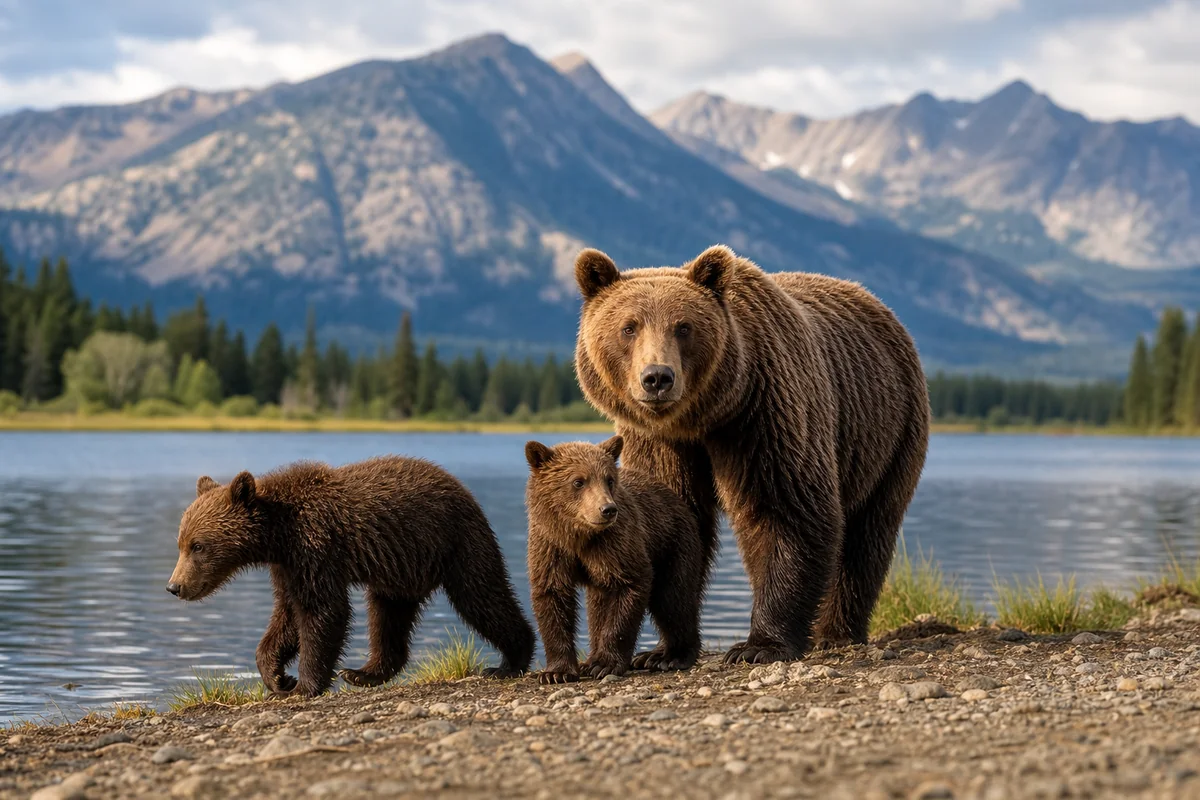
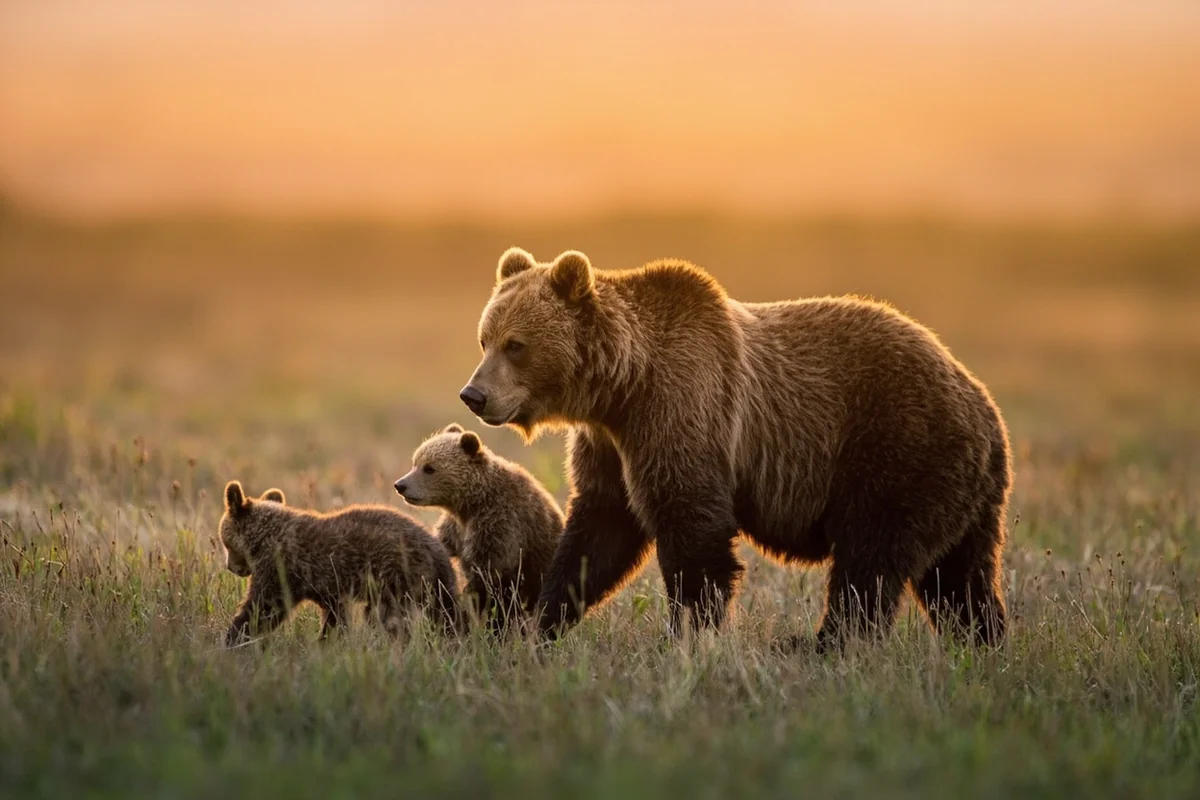
I’ll never forget the moment a grizzly sow and her two cubs emerged from a willow thicket just 80 yards from where I stood on the shores of Lower Red Rock Lake last September—my heart pounding, bear spray in hand, watching one of nature’s most powerful creatures teach her young to dig for roots in the mud.
That experience fundamentally changed how I approach Montana wildlife viewing, and it’s exactly why I wrote this guide.
- Montana hosts both grizzly bears (~2,000) and black bears (~15,000), with the best viewing in Glacier National Park, the Greater Yellowstone Ecosystem, and the Bob Marshall Wilderness
- Peak viewing seasons are late spring (May-June) when bears feed on winter-killed carcasses and fall (September-October) during hyperphagia before hibernation
- Always carry bear spray, know how to use it, and maintain minimum distances of 100 yards for grizzlies and 50 yards for black bears
- Black bears can actually be brown, cinnamon, or blonde—identify species by body shape, not color
- Dawn and dusk offer the best sighting opportunities, particularly in areas with huckleberry patches and stream corridors
Liked this article?
Add Roaming Montana as a preferred source so you see more of our articles and guides on Google.
Understanding Montana’s Two Bear Species
Before you start scanning treelines and meadows, you need to understand which bears call Montana home. This isn’t just academic knowledge—it directly impacts your safety decisions in the backcountry.
Montana supports healthy populations of both grizzly bears (Ursus arctos horribilis) and American black bears (Ursus americanus). During my years of exploring this state, I’ve encountered both species dozens of times, and learning to quickly identify them has become second nature.
Grizzly Bears: Montana’s Iconic Giant
Grizzlies are the bears that dominate Montana’s imagination and feature on our license plates. The state’s grizzly population has rebounded remarkably since their listing under the Endangered Species Act in 1975, growing from around 800 bears to approximately 2,000 today.
I’ve observed grizzlies primarily in the Northern Continental Divide Ecosystem (which includes Glacier National Park and the Bob Marshall Wilderness) and the Greater Yellowstone Ecosystem. These areas represent the core of grizzly habitat in the Lower 48.
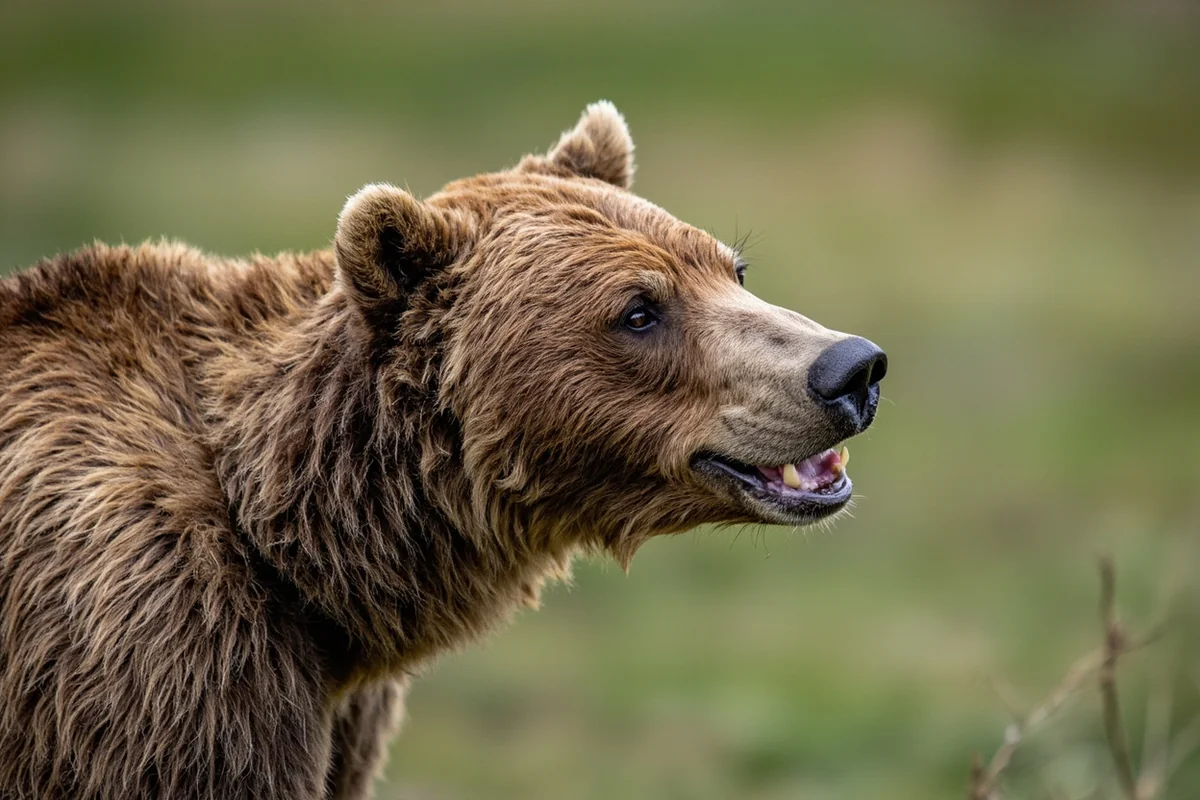
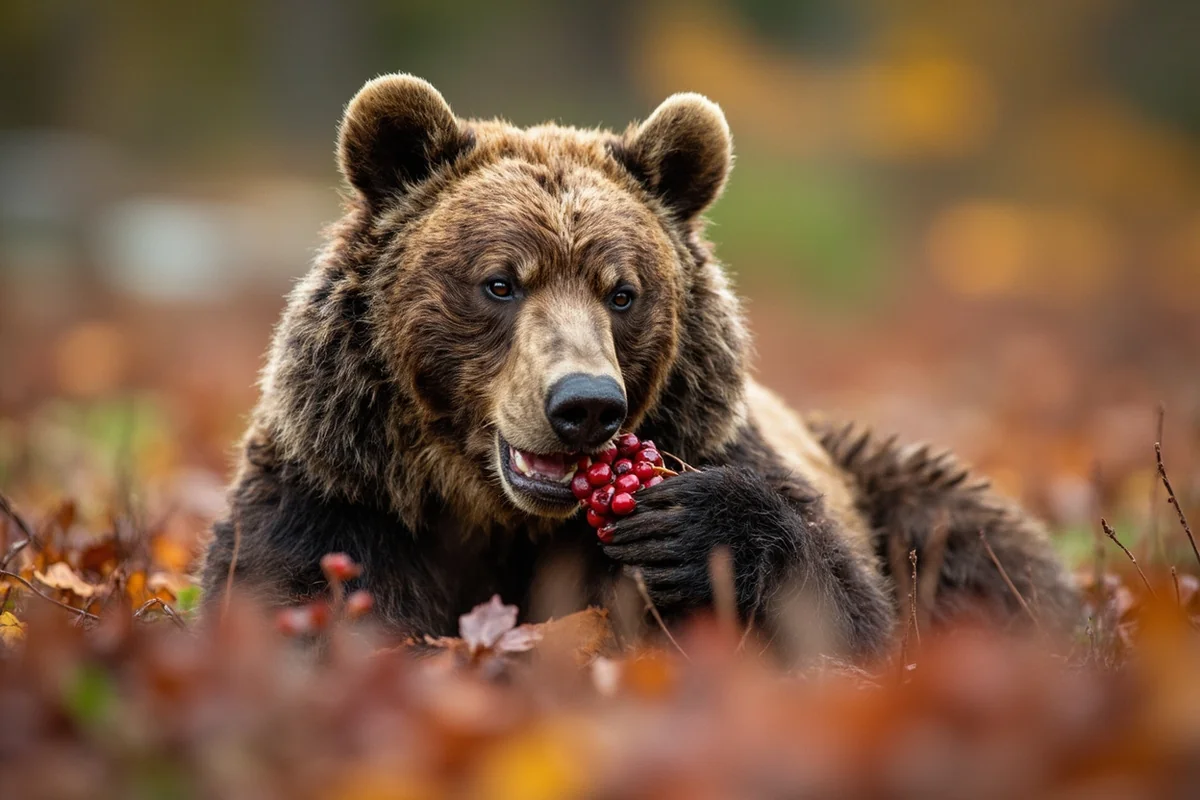
What strikes me every time I see a grizzly is the distinctive muscular hump between their shoulders—a mass of muscle that powers their incredible digging ability. Their face profile is concave, almost dish-shaped, and their ears appear small and rounded relative to their massive head.
Size varies dramatically between individuals. The largest boar I’ve ever spotted, near Many Glacier in late October, looked like a small car moving through the brush. Male grizzlies can weigh 400-700 pounds, with exceptional individuals exceeding 800 pounds before hibernation.
Black Bears: More Common Than You Think
Here’s something that confused me during my first few Montana trips: black bears aren’t always black. In Montana, I’ve photographed black bears that were cinnamon, blonde, chocolate brown, and even a pale cream color that could easily be mistaken for a grizzly at a distance.
Montana’s black bear population is estimated at 15,000 animals, making them far more numerous than grizzlies. They occupy nearly every forested region of the state, from the western mountains to the island ranges of central Montana.
The key identification features I look for are the straight facial profile (like a dog’s face), taller pointed ears, and the absence of a shoulder hump. Black bears are also generally smaller, with adults typically weighing 200-400 pounds, though I’ve seen some large males that approached grizzly size.
One reliable trick I use: watch how they move. Black bears seem more agile and willing to climb trees quickly, while grizzlies move with a characteristic rolling gait that suggests raw power rather than nimbleness.
Best Locations for Bear Viewing in Montana
Over countless trips across Montana, I’ve identified specific locations that consistently produce bear sightings. Some are famous; others are lesser-known spots that locals guard carefully.
Glacier National Park: The Crown Jewel
There’s a reason Glacier National Park tops every Montana bear guide, and my experiences there have confirmed its reputation. The park supports approximately 300 grizzlies and 600 black bears within its million-acre boundary.
My most productive viewing spots in Glacier include:
- Many Glacier Valley — The road from Babb to Many Glacier Lodge passes through prime grizzly habitat. Last July, I counted seven different grizzlies from the road in a single morning.
- Logan Pass area — The Highline Trail and Hidden Lake Overlook trail frequently close due to bear activity, which tells you something about bear density here.
- Two Medicine — Less crowded than Many Glacier, this valley offers excellent black bear viewing, particularly along the trail to Upper Two Medicine Lake.
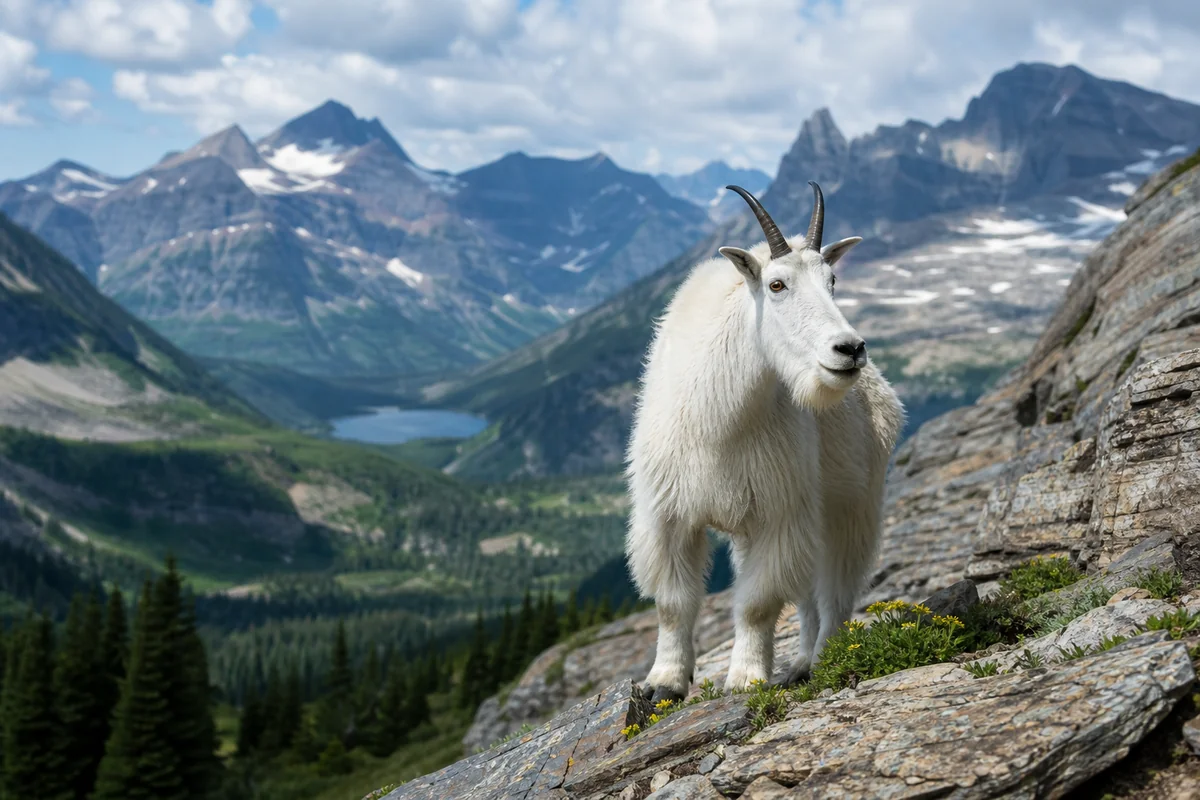
- Goat Lick Overlook — While famous for mountain goats, I’ve spotted grizzlies here multiple times, especially in early morning when they hunt for winter-killed carcasses.
When I’m in Glacier, I always check the park’s wildlife sighting boards at visitor centers and talk to rangers about recent activity. This intelligence gathering has led me to some remarkable encounters.
Greater Yellowstone Ecosystem: The Southern Frontier
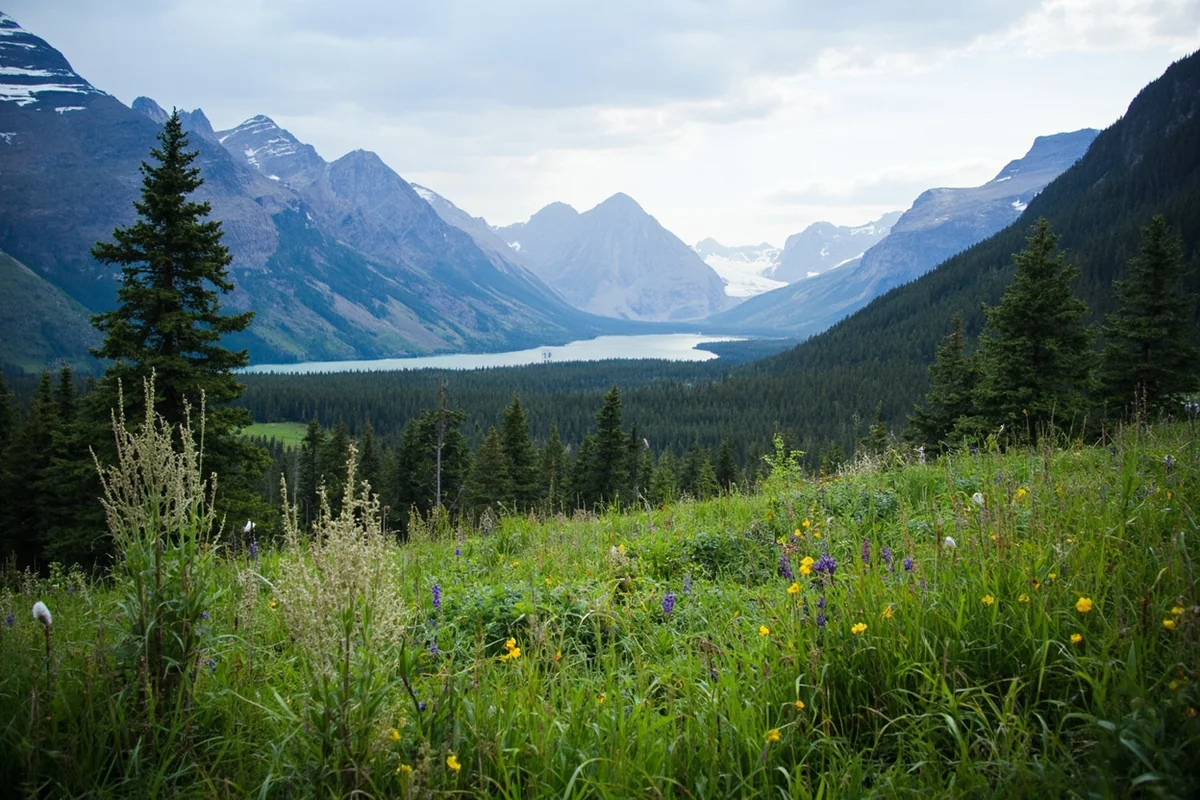
The Montana portion of the Greater Yellowstone Ecosystem offers bear viewing opportunities that rival anywhere in North America. While most visitors focus on the Wyoming side, I’ve found the Montana gateway communities to be goldmines for bear sightings.
The area around Cooke City and Silver Gate, just northeast of Yellowstone’s entrance, is where I’ve had my closest grizzly encounters. The Lamar Valley extends into Montana’s Paradise Valley, and grizzlies regularly cross into Montana during their seasonal movements.
During a recent September trip, I watched a large male grizzly gorging on whitebark pine nuts on a hillside visible from the Beartooth Highway. For three hours, he methodically worked the slope while I photographed from a safe distance.
The Madison and Gallatin River corridors also provide excellent habitat. Bears frequently move through these areas following salmon and trout runs, and the open terrain makes observation easier than in dense forest.
Bob Marshall Wilderness Complex
For those willing to venture into true wilderness, the “Bob” offers bear viewing in a setting unchanged since Lewis and Clark. This 1.5-million-acre wilderness complex has no roads, no services, and some of the highest grizzly densities outside of Alaska.
I’ve backpacked into the Bob twice, and both trips resulted in multiple grizzly sightings. The Chinese Wall area, in particular, seems to attract bears drawn to the abundant glacier lilies and ground squirrels.
The catch is obvious: you need backcountry skills, proper equipment, and genuine wilderness experience. This isn’t a drive-up viewing opportunity. But if you’re serious about seeing grizzlies in their most pristine habitat, the Bob Marshall Wilderness delivers an experience you simply cannot replicate anywhere else.
Red Rock Lakes National Wildlife Refuge
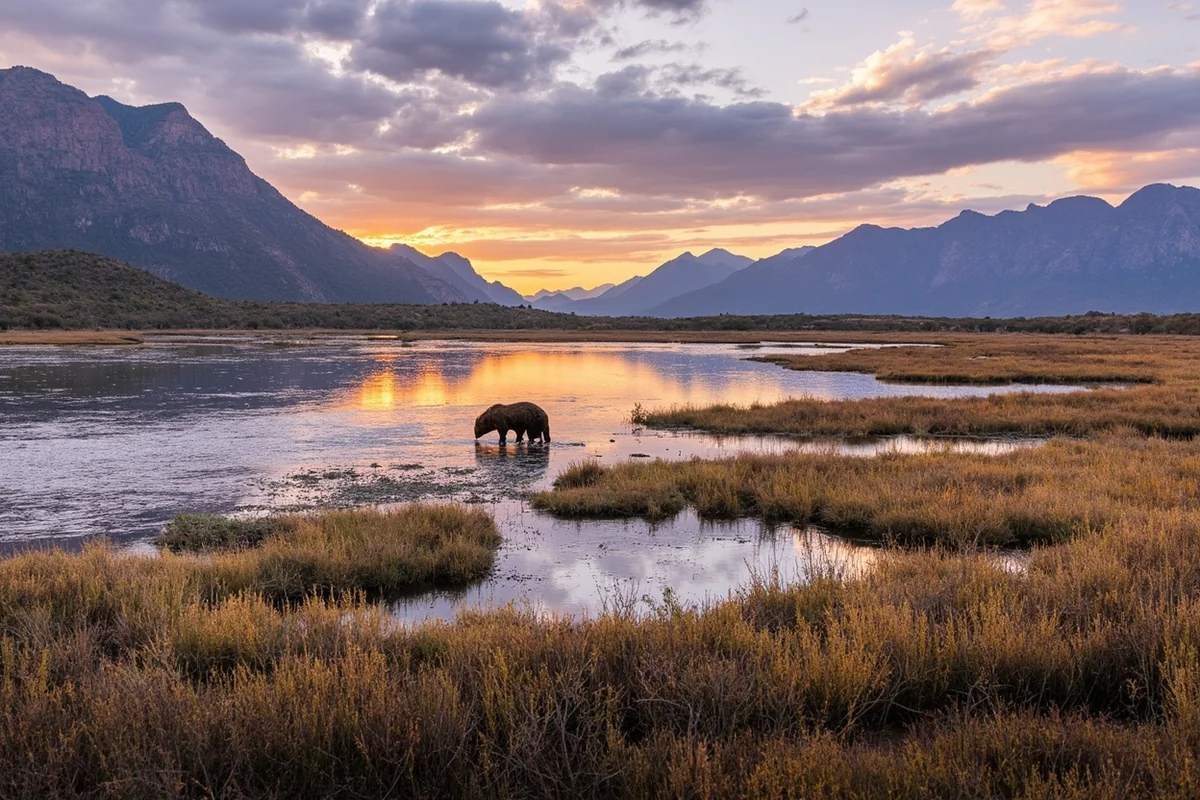
This hidden gem in southwestern Montana is where I had my encounter with the sow and cubs that opened this article. The refuge protects critical habitat in the Centennial Valley, and grizzly sightings have increased dramatically in recent years as the population expands from Yellowstone.
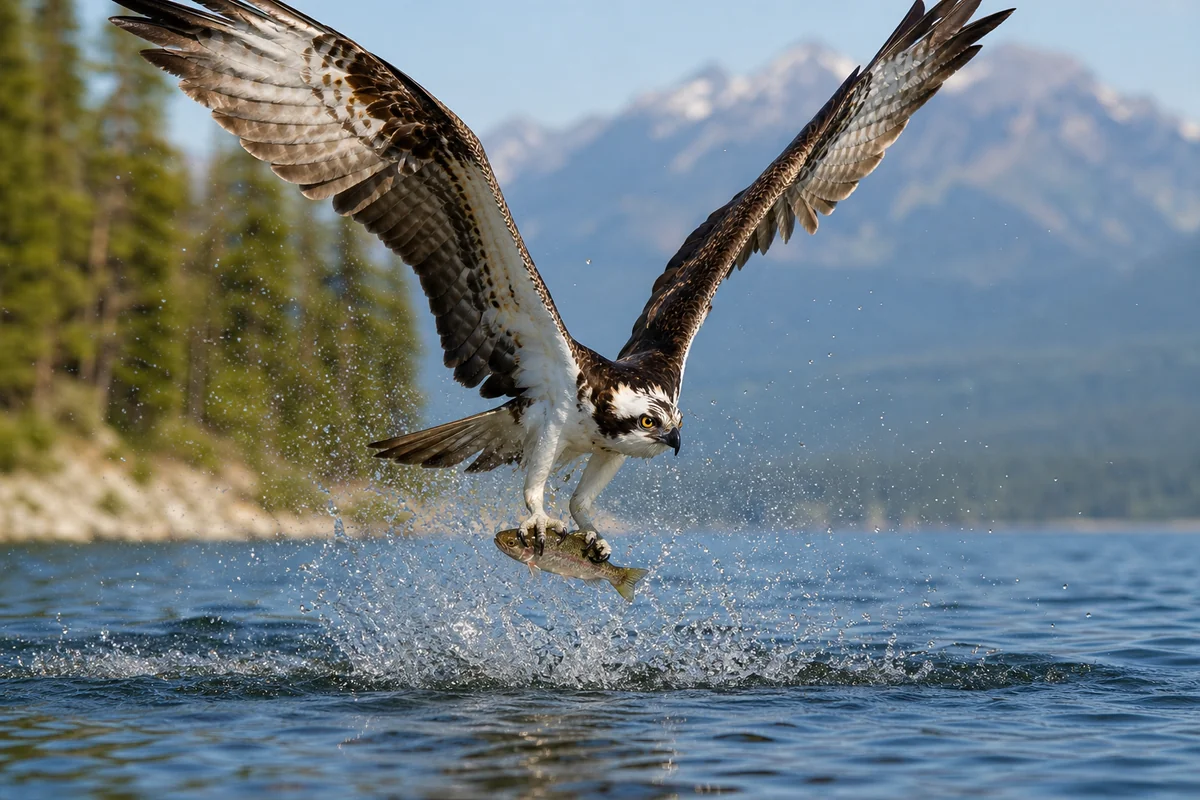
The refuge’s open terrain, abundant wetlands, and limited visitation create nearly ideal viewing conditions. During my last visit, I also spotted osprey diving for fish and was surprised by how many otters populated the lake systems here.
Seasonal Timing: When Bears Are Most Active
Timing your Montana trip correctly can be the difference between seeing a dozen bears and seeing none. Bear behavior changes dramatically throughout the year, and understanding these patterns has helped me plan successful wildlife-viewing trips.
Spring Emergence (April-May)
This is my favorite time for bear observation, though it comes with challenges. Bears emerge from their dens hungry after months of hibernation, driven to find calories immediately.
During this period, grizzlies focus on winter-killed ungulates—deer, elk, and bison that didn’t survive the winter. I’ve watched grizzlies defend carcasses aggressively, which means keeping extreme distance during spring viewing.
The best spring viewing happens in lower-elevation areas where snow has melted. Avalanche chutes are particularly productive because they accumulate carcasses and also green up earlier, providing fresh vegetation.
One April, near East Glacier, I watched a sow with yearling cubs work a hillside that had just shed its snow. She dug constantly for glacier lily bulbs while her cubs wrestled and explored around her—a scene I’ll never forget.
Summer (June-August)
Summer presents mixed viewing opportunities. Bears move to higher elevations following the green-up, which can make them harder to spot from roads and trails. However, they’re also more visible in alpine meadows once you reach elevation.
In Glacier, the Going-to-the-Sun Road opens fully in late June or early July, providing access to prime summer habitat. I plan my Glacier trips for the first two weeks after the road opens, when bears are actively using areas that were snowbound just weeks earlier.
Huckleberry season begins in late July and extends through August. When berries ripen, bears become almost single-minded in their consumption. I’ve found productive berry patches simply by looking for bear scat along trails—if the scat is purple and full of seeds, bears are nearby.
Fall Hyperphagia (September-October)
This is the most intense feeding period and arguably the best time for viewing. During hyperphagia, bears can consume 20,000+ calories daily, eating up to 20 hours per day. They become focused on food to the point where they sometimes tolerate closer observation (though you should never test this).
Late September through mid-October has produced my best sighting days. The aspens are golden, the crowds have thinned, and bears are visible throughout the day rather than just morning and evening.
The northern reaches of Yellowstone are particularly productive during fall. Bears concentrate in areas with whitebark pine and cutthroat trout spawning streams. Similarly, the North Fork of the Flathead River corridor comes alive with bears gorging on kokanee salmon.
| Season | Primary Food Sources | Best Viewing Locations | Activity Level |
|---|---|---|---|
| Spring (Apr-May) | Winter-killed carcasses, early greens, roots | Lower elevations, avalanche chutes | High |
| Early Summer (Jun-Jul) | Glacier lilies, sedges, insects | Alpine meadows, high valleys | Moderate |
| Late Summer (Aug) | Huckleberries, serviceberries, army cutworm moths | Berry patches, high talus slopes | Moderate-High |
| Fall (Sep-Oct) | Whitebark pine nuts, salmon, late berries | Pine forests, stream corridors | Very High |
Bear Safety: What I’ve Learned the Hard Way
I take bear safety seriously because I’ve been in situations that could have gone badly. Montana’s bears deserve respect, and the habits you develop could save your life.
Carrying and Using Bear Spray
Bear spray is non-negotiable. I carry it on every hike, even short ones. During a trip to Glacier last year, I encountered a grizzly on the trail just 1.5 miles from the Logan Pass visitor center—proving that “easy” trails aren’t safe from bear encounters.
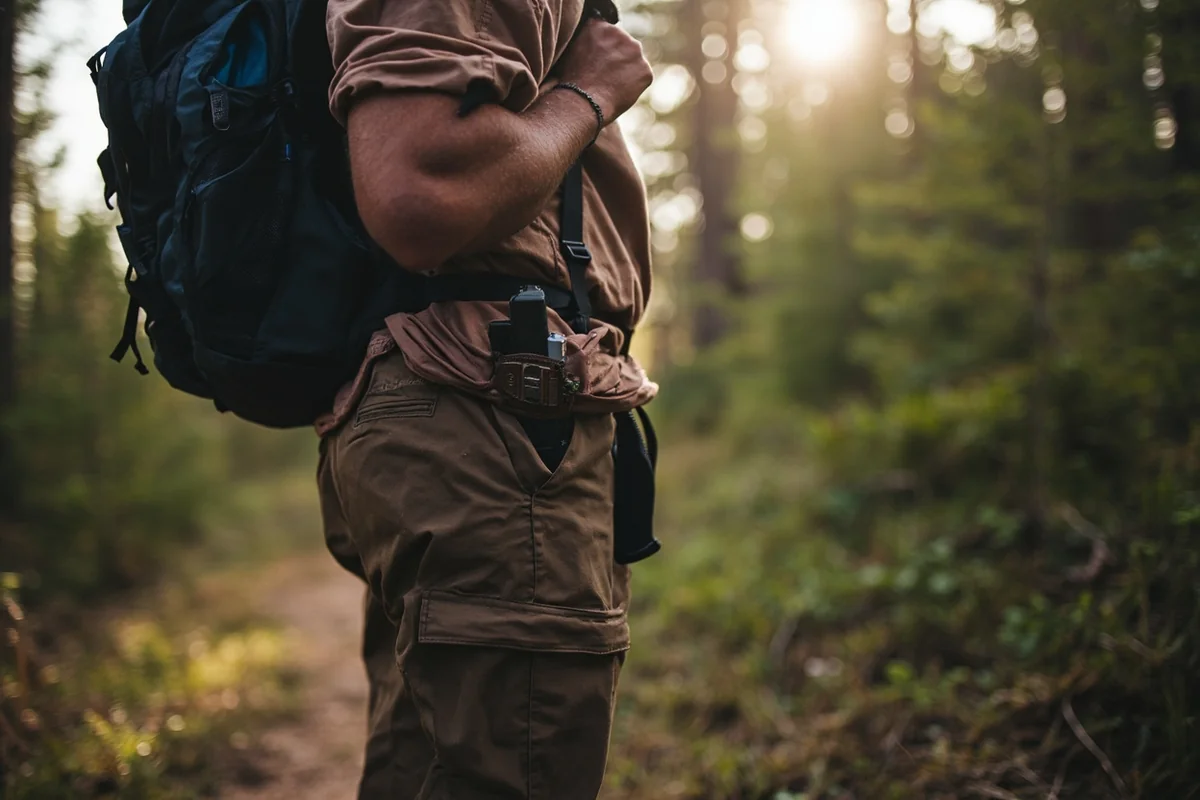
Wear your bear spray on your hip or chest, not buried in your backpack. I use a chest holster that keeps the canister accessible in seconds. Practice drawing it until the motion becomes automatic.
The spray should deploy in a fog pattern, creating a barrier between you and the bear. Aim slightly downward, accounting for the spray’s trajectory. Most defensive bear encounters happen within 25 yards, so you need to be ready immediately.
I also recommend carrying a second canister if you’re going into true wilderness. Bear spray canisters can malfunction, and having a backup provides crucial peace of mind.
Making Noise on the Trail
“Hey bear!” has become my constant refrain on Montana trails. I talk loudly, clap periodically, and use my voice to announce my presence around blind corners and in dense vegetation.
Bear bells, in my experience, are largely useless. Their sound doesn’t carry well and can be lost in wind or rushing water. Your voice is far more effective because bears recognize human voices as something to avoid.
I’m especially vocal near streams, in tall brush, and when approaching anything that might have food potential for bears—berry patches, carcasses, or fishing spots.
What To Do During an Encounter
This is where most bear guides get dangerously generic. Let me share what has actually worked for me during encounters:
Distant sightings (100+ yards): Stop, observe, and enjoy. Slowly detour if the bear is on your intended route. Never approach for a better photo—use your zoom lens instead.
Surprise encounters (close range): Stay calm, speak in low tones, and avoid direct eye contact. Slowly back away while facing the bear. Never run—bears can reach 35 mph, and running triggers their chase instinct.
Charging bears: Most charges are bluffs. Stand your ground until the bear is within 25-30 feet, then deploy your bear spray in short bursts. This has worked for thousands of people.
Contact situations: For grizzlies, play dead—lie face down with your hands protecting your neck and stay still until the bear leaves. For black bears, fight back aggressively targeting the nose and eyes.
The distinction between species matters critically in contact situations. This is why proper identification is a safety skill, not just a naturalist’s curiosity.
Photography Tips From the Field
If you’re hoping to photograph Montana’s bears, I’ve learned some techniques that consistently produce better results while maintaining safety.
Equipment That Works
A long telephoto lens is essential—I use a 100-400mm zoom for most bear photography, which allows me to fill the frame while maintaining safe distances. On recent trips, I’ve seen photographers approach dangerously close for shots they could have achieved with proper equipment from safe distances.
Bring a sturdy tripod or monopod. Morning and evening light means longer exposures, and camera shake at 400mm is unforgiving. I’ve missed countless shots due to inadequate support.
Consider renting premium glass for your Montana trip if you don’t own long telephotos. Several camera shops in Bozeman and Kalispell offer rental programs.
Composition and Behavior
The best bear photos capture behavior, not just portraits. I wait patiently for moments—a bear flipping a rock for insects, a mother nursing cubs, or the intense focus during fishing.
Early morning and late evening provide the best light, which conveniently coincides with peak bear activity. I’m typically in position an hour before sunrise, having scouted locations the previous day.
Background matters enormously. A bear against a cluttered forest backdrop creates a messy image, while the same bear in an open meadow or against water creates something gallery-worthy.
Coexisting With Bears: The Bigger Picture
Understanding bears within Montana’s broader ecosystem helps you appreciate why they behave as they do. Bears don’t exist in isolation—they’re connected to elk, deer, and countless other species in complex food webs.
Grizzly bears, in particular, have faced significant challenges as one of the endangered and threatened species in Montana. Their recovery is a conservation success story, but their future depends on continued habitat protection and responsible human behavior.
When I’m in bear country, I think about the other predators sharing this landscape. Mountain lions occupy similar terrain, and lynx hunt the forests where black bears den. These predators have coexisted for millennia, and understanding their relationships enriches any wildlife-watching experience.
The Human Factor
Montana’s bears are increasingly navigating a landscape shaped by human activity. Ranches, highways, and developments fragment historic habitat, creating challenges for bears that need to move across large territories.
I’ve supported organizations working on bear corridors—protected zones that allow bears to move safely between core habitat areas. The Yellowstone to Yukon initiative represents one such effort connecting grizzly populations across thousands of miles.
As visitors, we play a role too. Using bear-proof containers, packing out all food waste, and respecting closures directly impact bear survival. A habituated bear that loses its fear of humans typically becomes a dead bear when conflicts escalate.
Lodging and Logistics for Bear Country
Planning where to stay and how to move through Montana’s bear country requires strategic thinking. Here’s what has worked best for my trips.
Strategic Base Camps
For Glacier National Park, I prefer staying in St. Mary or Babb rather than West Glacier. The Many Glacier road starts from this side, and I’ve found the east side generally has better early-morning viewing opportunities.
For the Greater Yellowstone area, Gardiner, Montana, offers excellent access to both the park and the Paradise Valley. The drive up Highway 89 through Yankee Jim Canyon has produced unexpected bear sightings on several occasions.
If you’re exploring the Bob Marshall Wilderness, Choteau serves as my preferred gateway. The Rocky Mountain Front here is spectacular, and outfitters in town can provide information on recent bear activity.
Timing Your Days
I structure my days around bear behavior, not convenience. This means early alarms—often 4:30 AM in summer—to be in position before sunrise. Bears are most active during the first three hours of daylight and the last three hours before dark.
Midday, I use for scouting, napping, and reviewing images. Trying to find bears during the heat of the day is usually frustrating, though I’ve occasionally spotted bears bedded in shady areas.
Weather Considerations
Overcast days extend bear activity into midday hours. Some of my best sighting days have come during light rain when bears seem less concerned about timing.
Conversely, hot sunny days push bears into cover earlier. During a July heat wave in Glacier, I saw almost no bear activity except during a brief window around dawn.
Beyond Bears: Complete Your Wildlife Experience
While bears often steal the spotlight, Montana offers incredible diversity beyond its largest predators. During bear-watching trips, I’ve also enjoyed remarkable encounters with other species.
The skies above bear country teem with birds, from golden eagles riding thermals to owls hunting at dusk. The wetlands attract numerous duck species, and the forests shelter squirrels that bears sometimes pursue.
High alpine terrain where grizzlies seek army cutworm moths also hosts bighorn sheep and mountain goats. I’ve photographed all three species during single hikes in Glacier.
Be aware of other hazards while watching for bears. Rattlesnakes share some lower-elevation bear habitat, particularly in the Missouri River breaks region. And even spiders can surprise you when you’re focused on larger wildlife.
If you’re visiting during winter, bear activity obviously ceases, but Montana’s winter animals provide their own rewards. Winter birds flock to feeders and open water, creating different but equally rewarding wildlife encounters.
Some unexpected species thrive in Montana too. On ranches near bear country, I’ve encountered alpacas and mountain horses that add character to the landscape, though they’re obviously not wild. And conservation-minded visitors might also appreciate understanding the challenges posed by invasive species that can disrupt the food sources bears depend upon.
Final Thoughts: Respect the Experience
After years of seeking out Montana’s bears, I’ve come to view each encounter as a privilege, not an entitlement. These animals inhabit a landscape that was theirs long before roads and tourist destinations existed.
The best bear encounters happen when we approach with humility and preparation. Know the species, understand the seasons, carry proper safety equipment, and maintain distances that keep both you and the bears safe.
Montana’s bears reward patient, ethical observers with moments of genuine wonder. That grizzly sow teaching her cubs to dig at Red Rock Lake showed me behaviors I’d only read about, and it happened because I knew where to be, when to be there, and how to observe without interfering.
I hope this guide helps you experience similar moments. Montana’s bears are out there, living their ancient rhythms. With proper preparation and respect, you can witness these magnificent animals in one of the last truly wild places in the Lower 48.
Frequently Asked Questions
What time of year is best for seeing bears in Montana?
The best time to see bears in Montana is late spring through early fall, specifically May through October when bears are most active foraging for food. I’ve had the most consistent sightings in June and September when bears are either emerging hungry from hibernation or bulking up before winter. Glacier National Park’s Many Glacier area and Yellowstone’s Lamar Valley offer particularly good viewing during these months.
Where are the best places to see grizzly bears in Montana?
Glacier National Park is hands-down the best spot for grizzly bear sightings in Montana, especially along the Highline Trail and in the Many Glacier region. The Northern Yellowstone area near Gardiner and the Blackfeet Indian Reservation bordering Glacier also offer excellent opportunities. I recommend hiring a local wildlife guide for backcountry areas, which typically costs $200-$400 per person for a full-day tour.
How dangerous are bears in Montana and what should I carry for protection?
Both grizzly and black bears can be dangerous if surprised or provoked, but attacks are rare when you take proper precautions. Always carry bear spray (around $35-$50 at local outdoor shops), keep it accessible on your hip or chest holster, and know how to use it before hitting the trail. Make noise while hiking, travel in groups of three or more, and never approach or feed bears regardless of how calm they appear.
What’s the difference between grizzly bears and black bears in Montana?
Grizzly bears have a distinctive shoulder hump, dish-shaped face, and shorter rounded ears, while black bears have a straighter facial profile and taller pointed ears. Color isn’t reliable since black bears can be brown or cinnamon, and some grizzlies appear quite dark. Grizzlies in Montana typically weigh 300-600 pounds compared to black bears at 200-300 pounds, and knowing the difference matters because your response during an encounter varies by species.
Do I need a guide for bear watching in Montana or can I go on my own?
You can absolutely spot bears on your own in places like Glacier National Park’s roadside pullouts or Yellowstone’s Hayden Valley without a guide. However, if you’re venturing into backcountry areas or want to maximize sightings, a professional wildlife guide is worth the $150-$400 investment for their spotting scopes, local knowledge, and safety expertise. I’ve seen twice as many bears with guides who know exactly where to look based on seasonal feeding patterns.
What should I pack for a bear watching trip in Montana?
Essential gear includes bear spray, binoculars (10×42 is ideal), a telephoto lens if you’re into photography, and layers since Montana weather changes quickly even in summer. Pack a bear canister or bear-resistant food bag if you’re camping overnight, which many trailheads require and can be rented for $5-$10 per day at ranger stations. Don’t forget unscented toiletries and sealed containers for all food items to avoid attracting bears to your campsite.
How close can you safely get to bears in Montana national parks?
National Park Service regulations require you to stay at least 100 yards (300 feet) from bears in both Glacier and Yellowstone, which is roughly the length of a football field. Use binoculars or a zoom lens rather than approaching for a closer look, and if a bear changes its behavior because of your presence, you’re already too close. Rangers actively enforce these distances with fines up to $5,000, and I’ve seen visitors cited for getting too close while trying to snap photos.
Sources
- https://fwp.mt.gov/conservation/wildlife-management/bear/be-bear-aware/bear-encounters
- https://fwp.mt.gov/conservation/wildlife-management/bear/be-bear-aware/living-bear-country
- https://fwp.mt.gov/conservation/wildlife-management/bear/be-bear-aware/recreating-camping
- https://fwp.mt.gov/conservation/wildlife-management/bear/be-bear-aware/hunting-angling