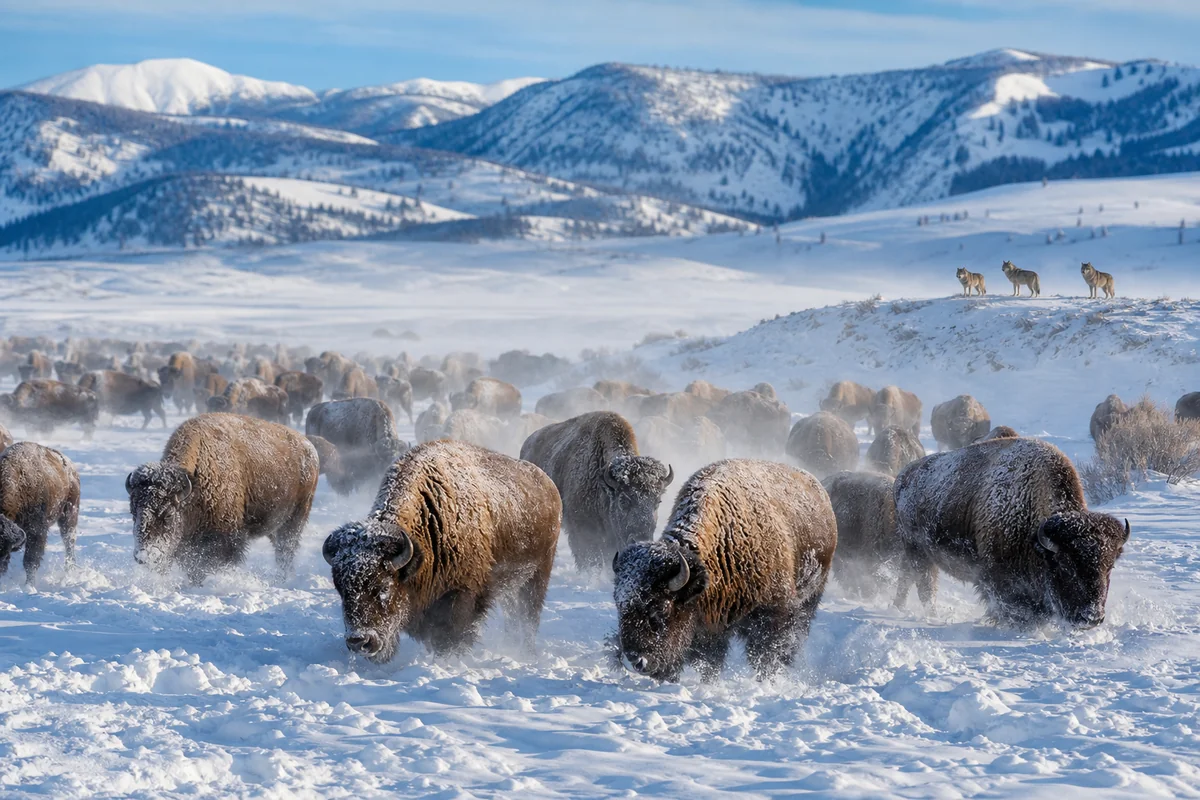
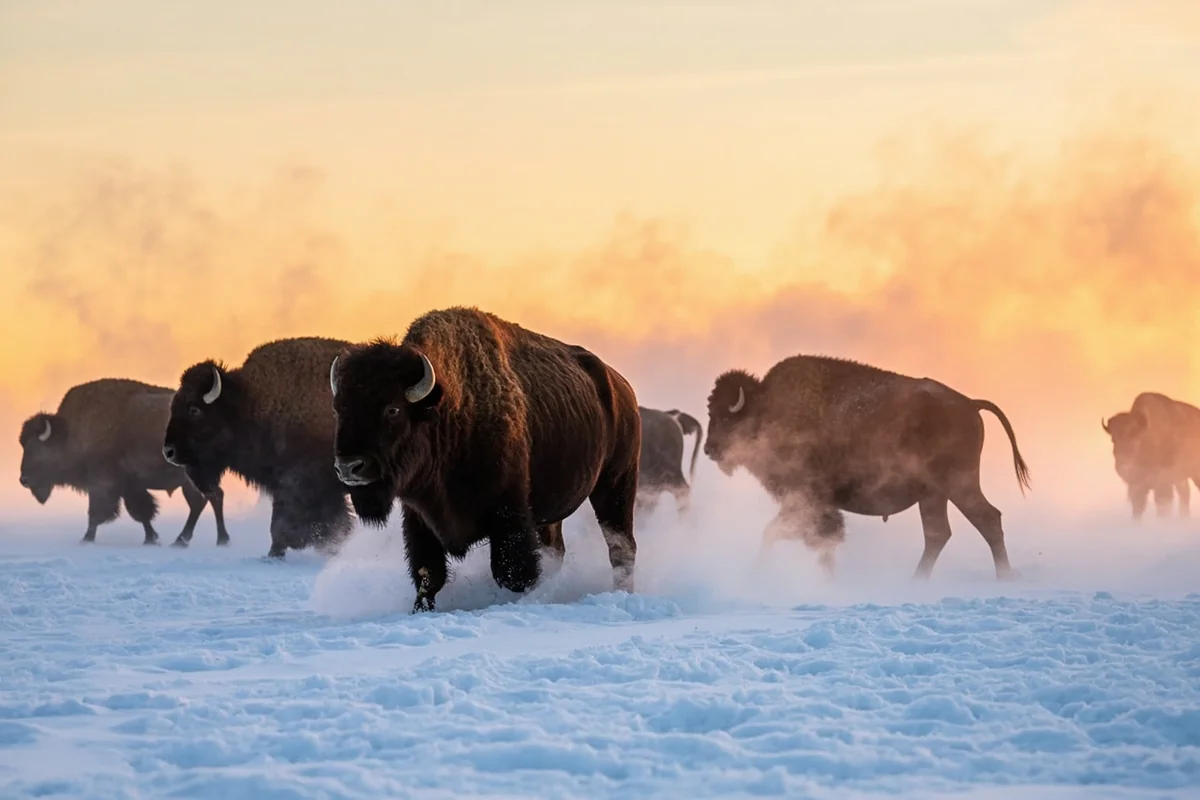
The steam rose from the bison’s nostrils in the minus-twenty-degree air, creating small clouds that drifted across the Lamar Valley as I stood shivering beside my spotting scope last January.
That single moment—watching a herd of 200 bison plow through chest-deep snow while wolves observed from a distant ridge—reminded me why Montana’s winter wildlife experiences are unlike anything else on the continent.
If you’re planning a cold-weather trip to experience Montana wildlife, you’re in for encounters that summer visitors simply never get to witness.
- Winter is actually prime time for wildlife viewing in Montana—animals are more visible against snow and congregate in valleys
- The Lamar Valley in Yellowstone offers the best wolf-watching in North America during winter months
- Dress in layers rated for -20°F and bring quality optics—you’ll need them
- Dawn and dusk provide the best viewing, but some species like wolves remain active midday in winter
- Book guided tours for remote areas; self-driving can be risky in unpredictable winter conditions
- Best months: December through February for most species, November for elk rut stragglers
Liked this article?
Add Roaming Montana as a preferred source so you see more of our articles and guides on Google.
Why Winter Is Actually the Best Time for Montana Wildlife
I’ll be honest—I used to think summer was peak season for wildlife viewing in Montana. After spending six winters exploring this state, I can tell you that’s completely wrong.
Winter concentrates animals in ways summer never does. The deep snow in high country pushes elk, deer, and bighorn sheep down to lower elevations where they’re far more accessible. Predators follow their prey, which means wolf and mountain lion sightings increase dramatically.
The lack of foliage is a game-changer. During my February trip to the National Bison Range, I spotted animals that would have been completely invisible in summer’s thick brush. A golden eagle perched on a bare cottonwood stood out like a beacon against the grey winter sky.
Fewer tourists mean less spooked wildlife. I’ve had entire valleys to myself in January, watching animals behave naturally without the constant interruption of tour buses and amateur photographers getting too close.
The Crown Jewels: Wolves of the Lamar Valley
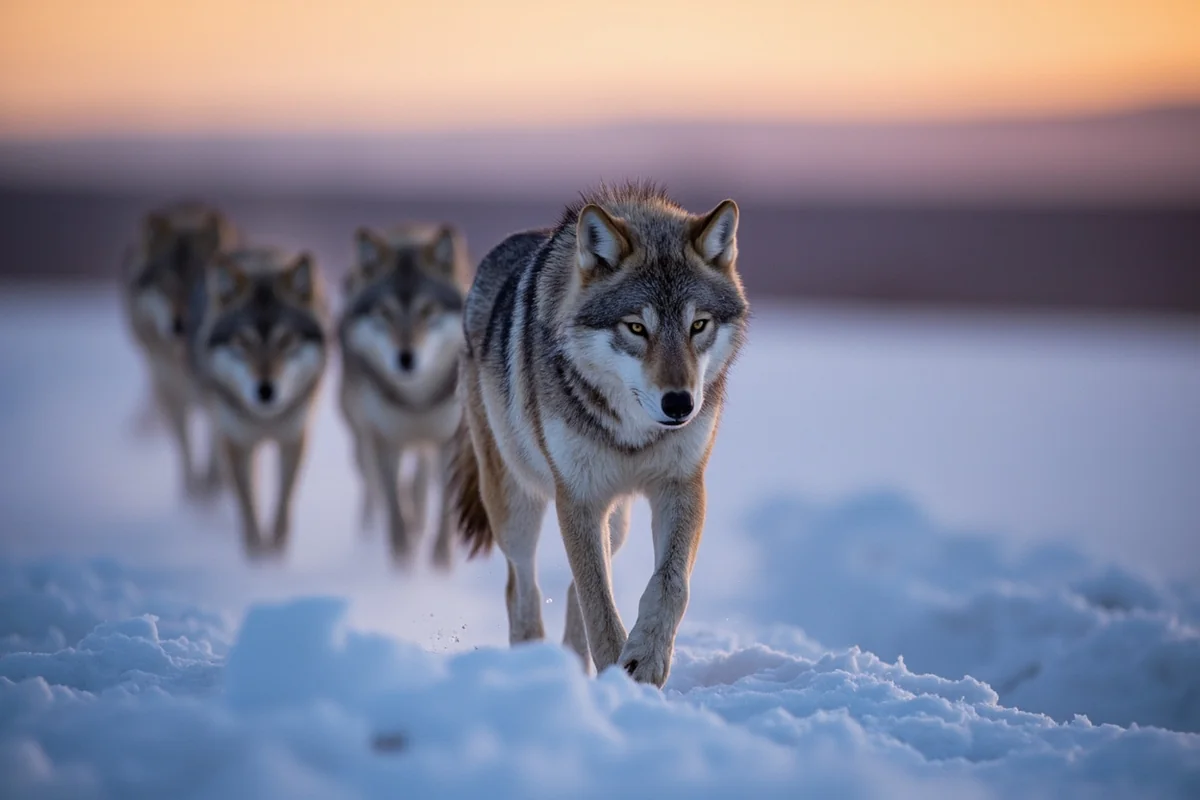
Nothing prepared me for my first winter wolf sighting. I’d arrived in the Lamar Valley at 5:30 AM, driving slowly through darkness from Mammoth Hot Springs after staying at the hotel there the night before. By 7 AM, as the first grey light illuminated the valley, I spotted them—eight wolves from the Junction Butte Pack moving across the snow-covered sagebrush flats.
Winter is absolutely the best time to see wolves in Yellowstone’s portion of Montana. The snow makes tracking easier for both wolves and wolf-watchers. Elk herds concentrate in the valley, keeping wolves close. And without summer’s crowds, you might actually get a spot at the pullouts.
Where to Position Yourself
The Lamar Valley pullouts between Slough Creek and the Northeast Entrance are your best bet. During my most recent January trip, I had consistent wolf activity around the Slough Creek area and near Dorothy’s Knoll.
Arrive before dawn—seriously. The regulars (you’ll recognize them by their massive spotting scopes and encyclopedic knowledge of pack dynamics) set up while it’s still dark. I’ve learned to simply park near them; they know where the wolves are.
Bring a spotting scope with at least 20-60x magnification. My 10×42 binoculars are fantastic for scanning, but wolves are often a mile or more away, and you’ll want to see behavior details.
Understanding Wolf Winter Behavior
Wolves are more active during daylight hours in winter. The cold temperatures and the need to hunt larger prey means they can’t afford to be purely nocturnal. I’ve watched successful elk hunts at 11 AM in January—something that rarely happens in summer.
Mating season runs from late January through February, which increases pack activity and territorial behavior. During my February 2023 visit, I witnessed incredible howling sessions between rival packs that echoed across the frozen valley.
Bison: Montana’s Winter Survivors
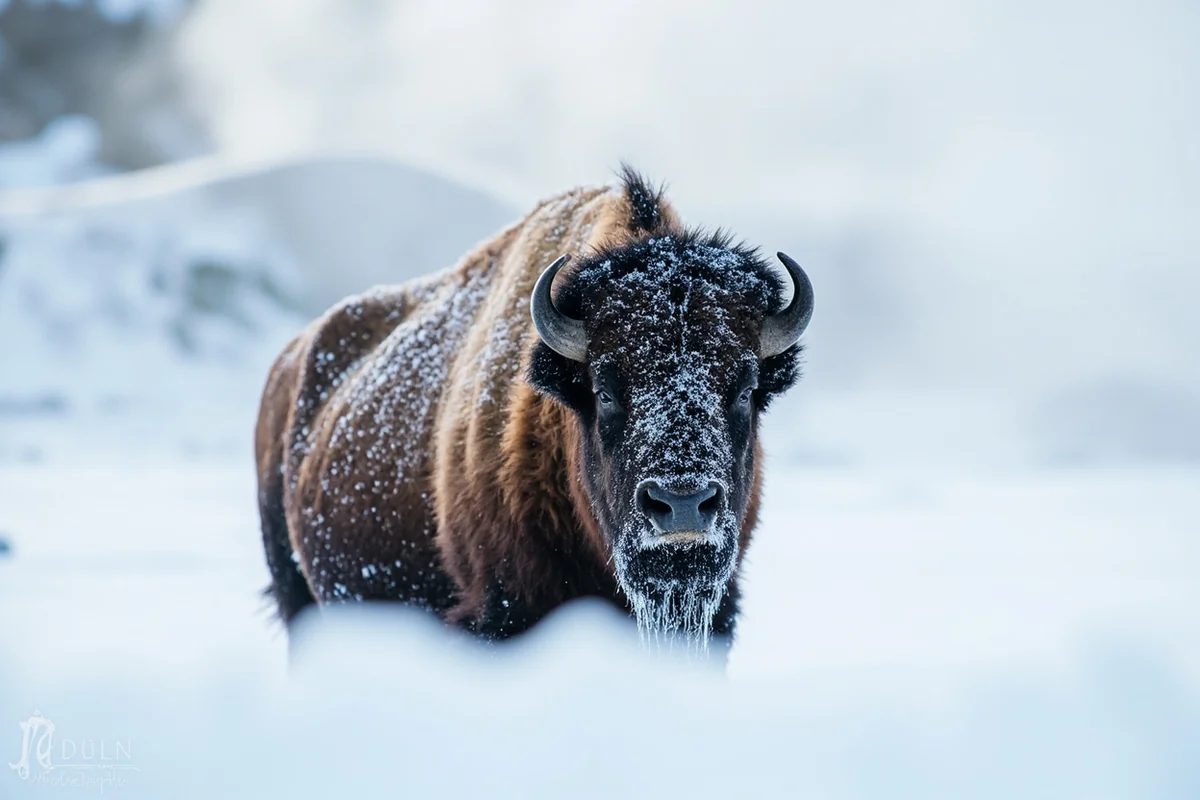
Bison are built for Montana winters in ways that seem almost impossible. Their massive heads act as snowplows, sweeping aside feet of snow to reach the grass beneath. I’ve watched them do this for hours, mesmerized by their methodical efficiency.
The Lamar Valley hosts the largest concentration of bison in winter, with herds often exceeding 500 animals. They congregate near thermal features and on wind-swept slopes where snow depth is more manageable.
The Best Bison Viewing Spots
In Yellowstone’s Montana portion, the Lamar Valley is prime territory. But I’ve also had exceptional sightings in the Madison Valley just outside the park boundary, where bison sometimes wander onto private ranch land adjacent to the highway.
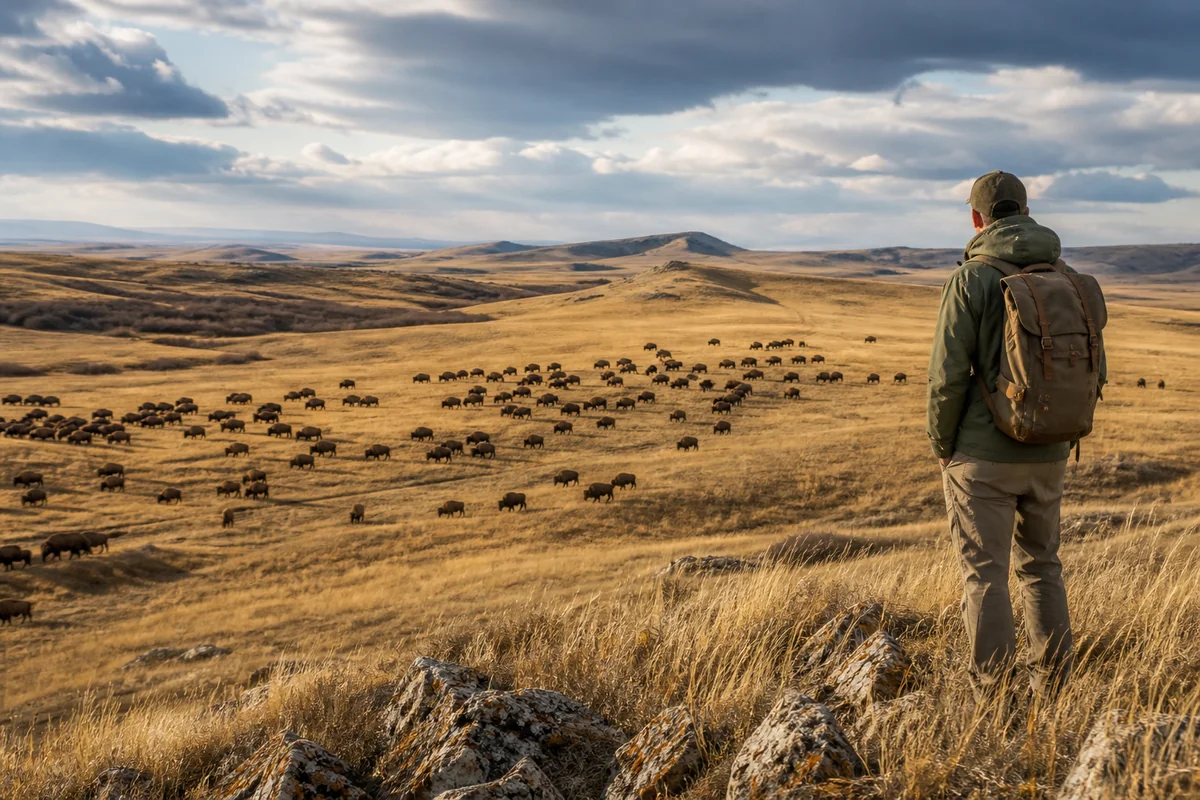
The National Bison Range near Moiese offers a different experience. The winter driving loop is shorter than summer, but the bison are more concentrated. On a clear December day, I counted over 350 bison visible from a single viewpoint near Red Sleep Mountain Drive.
Safety Around Winter Bison
Winter bison are stressed bison. They’re burning enormous calories just to survive, and they have zero patience for tourists who get too close. I maintain at least 75 yards—much more than the park’s minimum 25 yards—and I’ve still had bison charge vehicles that stopped too long near them.
Never approach bison on foot in winter. The snow might look firm, but bison can run 35 mph even in deep snow. You cannot.
Elk: Winter Herds and Feeding Grounds
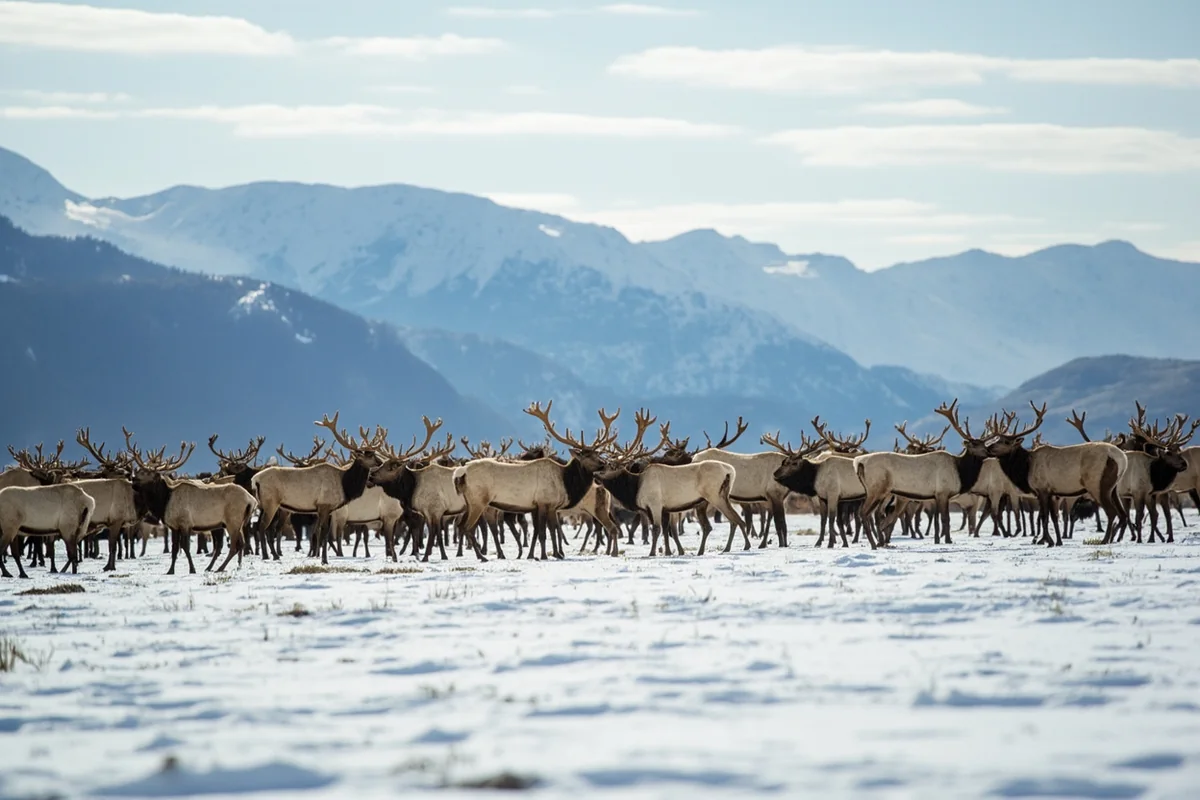
Montana elk transform completely in winter. The scattered bachelor groups and hidden cows of summer merge into massive herds that can number in the thousands. Seeing 3,000 elk in a single valley is something I’ll never forget.
The National Elk Refuge in Jackson, Wyoming gets all the attention, but Montana has its own incredible elk viewing opportunities that are far less crowded.
Top Elk Viewing Locations
The Paradise Valley between Livingston and Gardiner hosts significant elk herds in winter. I’ve had my best luck along Highway 89 near Emigrant, where elk often graze within sight of the road.
Around Gardiner, elk wander through town like they own it—because in winter, they do. I’ve photographed bulls with massive antlers standing in people’s front yards, seemingly indifferent to the houses around them.
The Sun River Game Range near Augusta is a hidden gem. The Montana Department of Fish, Wildlife & Parks operates a feeding program here that concentrates thousands of elk. The viewing road is open weekends in winter, and I’ve never encountered more than a handful of other visitors.
Bull Elk Antler Status in Winter
Bull elk begin shedding their antlers in late February through March. If you want photos of bulls with full racks, visit in December or January. By late March, most bulls are antler-less, which honestly makes them look oddly vulnerable.
I spent three days at the Sun River Game Range in early March last year specifically hunting for shed antlers. Found seven—including a matched set that now hangs in my office.
The Elusive Cats: Mountain Lions and Lynx
I’ll be straight with you—seeing a mountain lion or lynx in winter is rare even for people who spend months trying. But winter actually offers your best odds.
Mountain lions follow the deer and elk down to lower elevations, and their tracks are unmistakable in fresh snow. I’ve never had a prolonged mountain lion sighting, but I’ve found fresh tracks twice—once near Bozeman and once in the Gallatin Canyon.
Where Lynx Still Roam
The lynx is one of Montana’s threatened species, and seeing one requires serious luck and dedication. They’re most common in the northwest corner of the state, particularly in the Seeley-Swan Valley and around Glacier National Park.
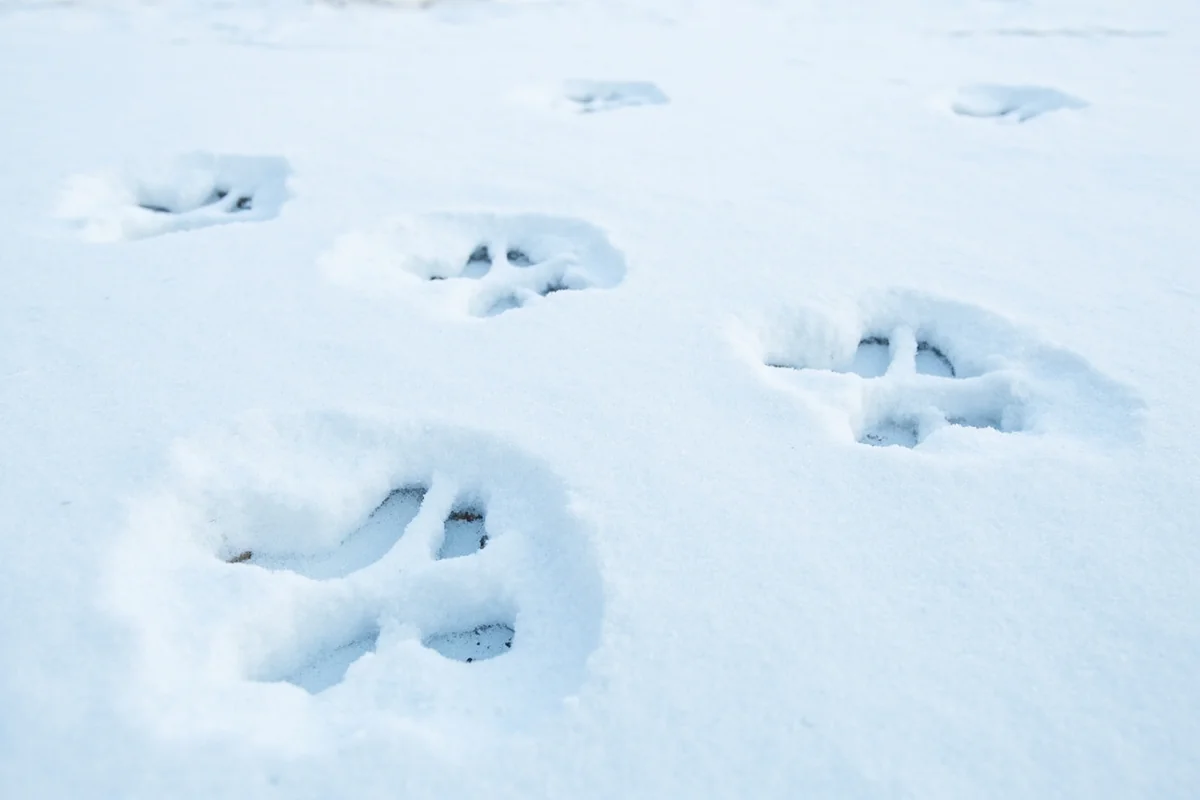
Winter gives you one advantage: lynx tracks in snow are distinctive, with their massive snowshoe-like feet leaving prints that can’t be confused with anything else. I’ve followed lynx tracks in the Seeley-Swan area, though the cat that made them remained a ghost.
A local guide in Whitefish told me the best lynx sightings he’s had were all at dawn along Forest Service roads after fresh snowfall. The cats hunt snowshoe hares, which are most active in early morning.
Bighorn Sheep and Mountain Goats
Bighorn sheep are far easier to see in winter than summer. They move to lower elevations where snow depth is manageable, and they often congregate on south-facing slopes that get more sun exposure.
The Wild Horse Island State Park on Flathead Lake has a small bighorn herd that’s remarkably accessible in winter. During a December visit, I watched a group of six rams from maybe 50 yards away as they navigated a rocky slope above the lake.
Where to Find Winter Bighorns
Highway 89 between Livingston and Gardiner is legendary for bighorn sightings. The sheep use the rocky cliffs along the Yellowstone River, and I’ve seen them from my car window more times than I can count.
The Thompson Falls area in northwestern Montana has an often-overlooked bighorn population. The sheep winter on the slopes above the Clark Fork River, and locals have told me March is particularly good as the animals move lower during heavy snow years.
Mountain Goats in Winter
Montana mountain goats are the true alpine survivors. Unlike bighorns, they often stay at high elevations year-round, using windswept ridges where snow doesn’t accumulate.
In Glacier National Park, the Logan Pass area (when accessible via Going-to-the-Sun Road in late spring) has reliable goat viewing. During winter, when the road is closed, goats can sometimes be spotted from lower elevation viewpoints around Many Glacier.
My best winter goat sighting was actually from the town of Whitefish. A herd of seven goats appeared on the slopes of Big Mountain, visible from downtown with good binoculars.
Winter Birds: More Than You’d Expect
Montana winter birds deserve their own deep dive, but I can’t write about winter wildlife without mentioning a few species that make cold-weather trips magical.
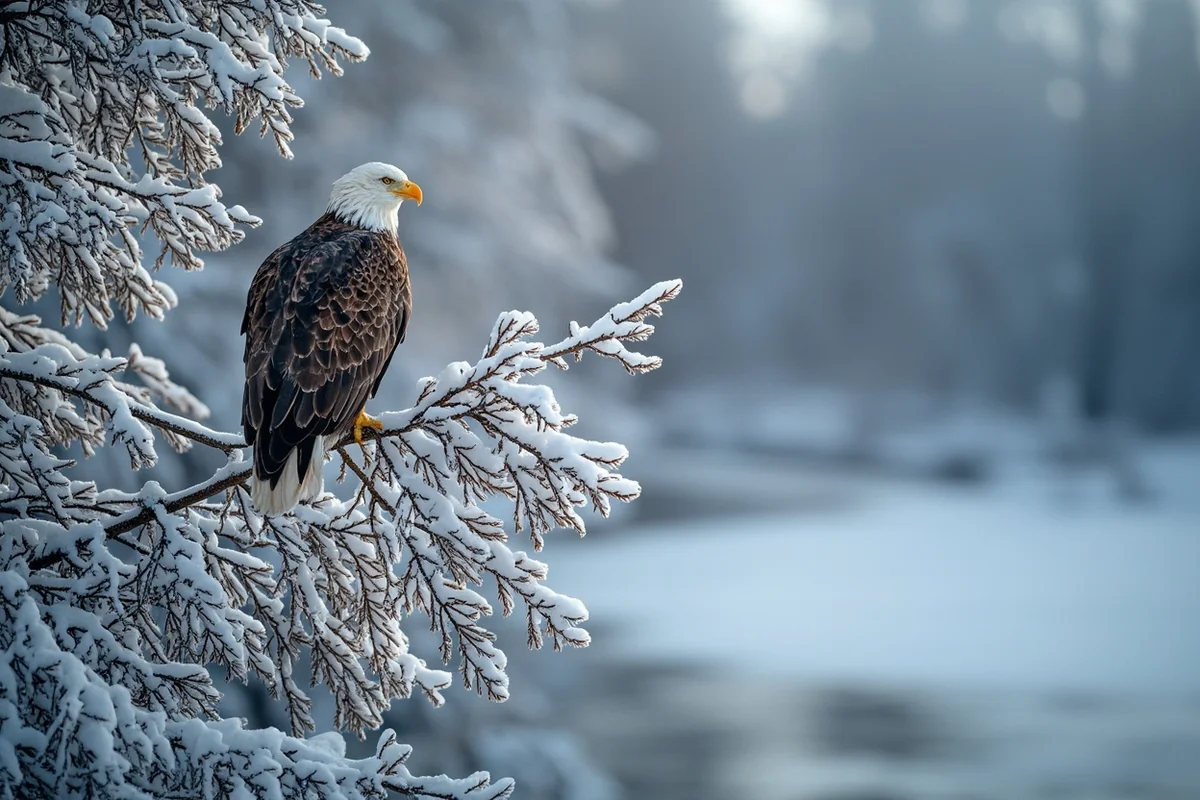
Bald eagles congregate along open water in winter. The stretch of the Missouri River between Helena and Great Falls is exceptional, with dozens of eagles fishing where the river stays ice-free. During a January float trip (yes, people do that—with dry suits), I counted 47 eagles in a single day.
Owls and Winter Raptors
Montana’s owls become more visible in winter, particularly great horned owls that begin their breeding season in January. I’ve had excellent luck finding them at dawn in rural areas around Bozeman, where they often perch in isolated trees.
Snowy owls occasionally irrupt into Montana during winters when lemming populations crash in the Arctic. The winter of 2021-2022 brought several to the Freezout Lake area, though predicting these movements is impossible.
Rough-legged hawks migrate down from the Arctic and are common along Montana’s highways in winter. Unlike red-tailed hawks, they hover while hunting—a behavior that makes them instantly identifiable.
Smaller Creatures You Shouldn’t Overlook
Not everything in Montana’s winter is large and charismatic. Some of my most memorable sightings have been smaller species.
Pine Martens and Weasels
Pine martens are active year-round, and winter provides better sighting opportunities as they move through snow-covered forests. I’ve seen them most often near old-growth stands in the Gallatin Canyon, where they hunt red squirrels.
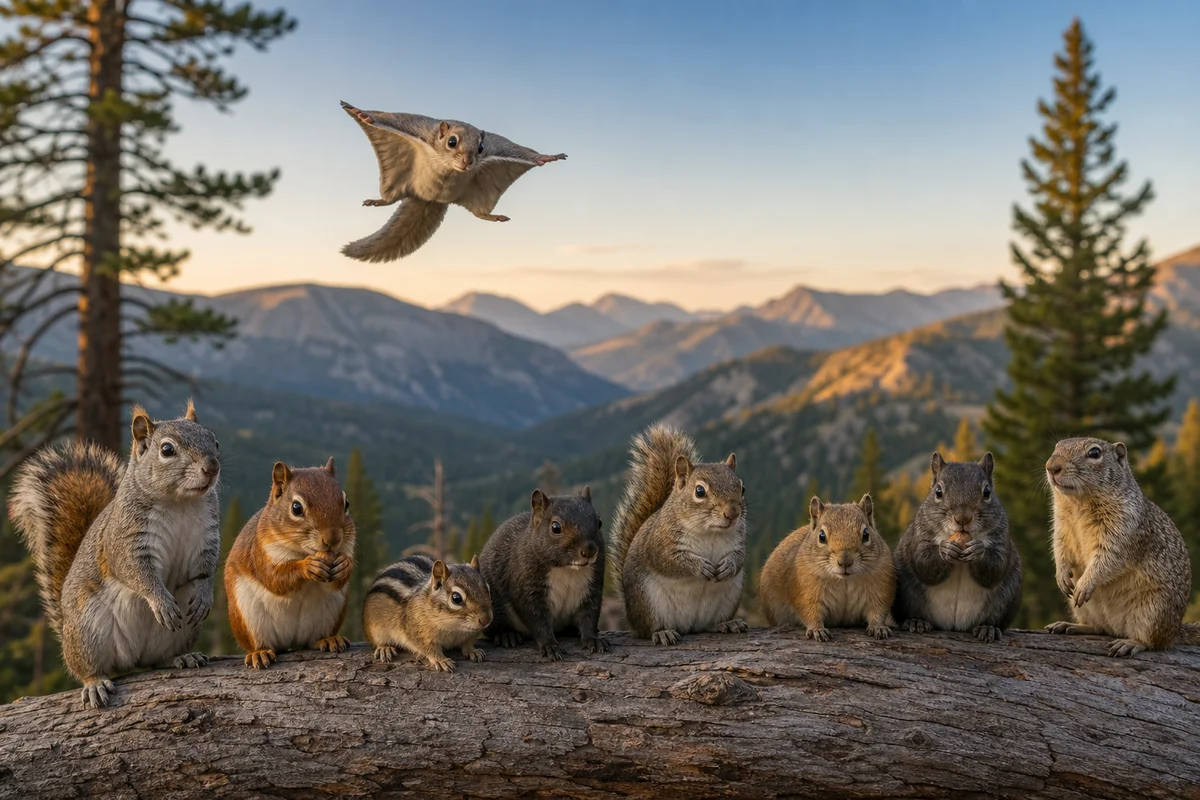
Speaking of which, Montana squirrels remain active all winter. Red squirrels are particularly vocal, and their chattering alarm calls often alert me to predators I would have otherwise missed.
Short-tailed weasels (also called ermines in their white winter coats) are incredibly common but rarely seen. Their transformation from brown to pure white is complete by December. I once watched an ermine hunting voles in the snow near Old Faithful for nearly an hour—one of the most entertaining wildlife encounters of my life.
River Otters: Year-Round Entertainers
Montana otters don’t slow down in winter. They’re actually easier to spot because they use consistent routes between fishing holes, leaving obvious slide marks in the snow.
The Yellowstone River through Paradise Valley has excellent otter populations. I’ve watched family groups sliding down snowy banks and playing in open water even when air temperatures were well below zero.
Practical Gear for Winter Wildlife Watching
After too many trips where I suffered from poor preparation, I’ve developed a gear list that keeps me comfortable during long waits in extreme cold.
| Item | My Recommendation | Notes |
|---|---|---|
| Base Layer | Merino wool, 250 weight | No cotton ever—it will kill you |
| Insulation | Down puffy or synthetic fill | 700+ fill power for down |
| Outer Shell | Windproof, not necessarily waterproof | Wind is the real enemy |
| Boots | Rated to -40°F, insulated, pac-style | Cold feet end trips early |
| Hand Protection | Mittens over gloves + liner gloves | Liners for operating cameras |
| Binoculars | 10×42, nitrogen-purged | Prevents internal fogging |
| Spotting Scope | 20-60x with angled eyepiece | Essential for wolves |
Camera Considerations
Cold kills camera batteries. I carry at least four fully charged batteries in an inside pocket, rotating them to keep them warm. My camera’s battery life drops by 50% or more in sub-zero temperatures.
Lens fog is the other major issue. When moving from a warm vehicle to cold outside air, give your gear 10-15 minutes to acclimate before shooting. And never put a cold camera directly into a warm bag—condensation will form inside the lens.
When to Visit and How Long to Stay
Different animals peak at different times throughout winter. Here’s what I’ve learned about timing:
November: Late elk rut activity continues early in the month. Montana deer rut is happening—mule deer bucks are active and somewhat careless. Weather is unpredictable but usually manageable.
December: Deep winter conditions set in. Elk herds are concentrated in valleys. Wolf packs are established in winter territories. Bison begin their slow migration to thermal areas.
January: Prime wolf-watching begins. Bald eagle concentrations peak along open rivers. Owls begin breeding activity. Coldest temperatures but often clear skies.
February: Wolf mating season increases pack activity. Days are noticeably longer. Mountain goat and bighorn sheep are at their most concentrated. Late month can bring Chinook winds and thawing.
March: Elk begin shedding antlers. Bear emergence begins late month (grizzlies can emerge anytime February-April depending on conditions). Snow conditions become unpredictable.
I recommend a minimum of four days for a winter wildlife trip, with a week being ideal. Weather can shut down travel for a day or two, and animals don’t appear on demand. My most successful trips have been those where I had flexibility to wait out storms.
Guided Tours vs. Self-Guiding
I’ve done both extensively, and each has merits.
Guided tours are worth the investment for first-time winter visitors. Yellowstone Forever (the park’s official education partner) runs excellent Lamar Valley wolf-watching programs. Local guides in Bozeman and Gardiner offer customized trips. You’ll see more, learn more, and be safer.
Self-guiding works well once you understand the basics. The cost savings are significant—guided tours often run $500-800 per day—and the flexibility to stay with an active wolf pack rather than leaving on someone else’s schedule is valuable.
My approach: take a guided tour on your first winter visit, then return self-guided with the knowledge you’ve gained.
Animals You Won’t See in Winter
Managing expectations is important. Several Montana wildlife species are essentially impossible to see in winter:
Bears hibernate from roughly November through March. Grizzlies may emerge earlier than black bears, but counting on bear sightings before mid-April is unrealistic.
Rattlesnakes are dormant, brumating in dens until spring warmth returns. This is actually a relief for winter hiking.
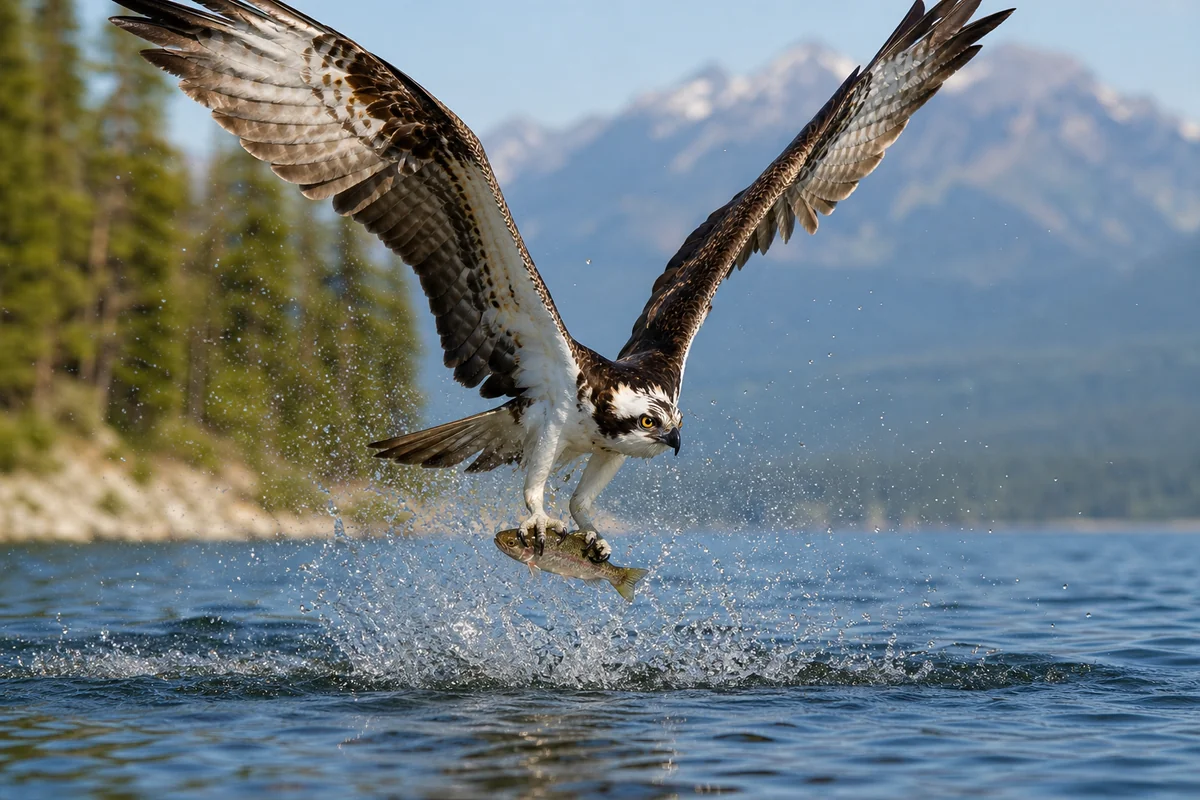
Most Montana ducks and osprey migrate south, though some mallards and common goldeneyes remain on open water.
Spiders are inactive in winter, which again most people consider a feature rather than a bug.
Interestingly, invasive species like feral horses aren’t an issue to manage during winter viewing—the mountain horse populations of the Pryor Mountains can sometimes be seen but are much less accessible. And if you’ve ever been curious about Montana alpaca farms, some do offer winter visits, though that’s obviously a different experience than wild animal viewing. The diverse bird species that call Montana home are reduced in winter, but what remains is still impressive.
Safety Considerations
Winter wildlife watching in Montana carries real risks that summer visitors don’t face.
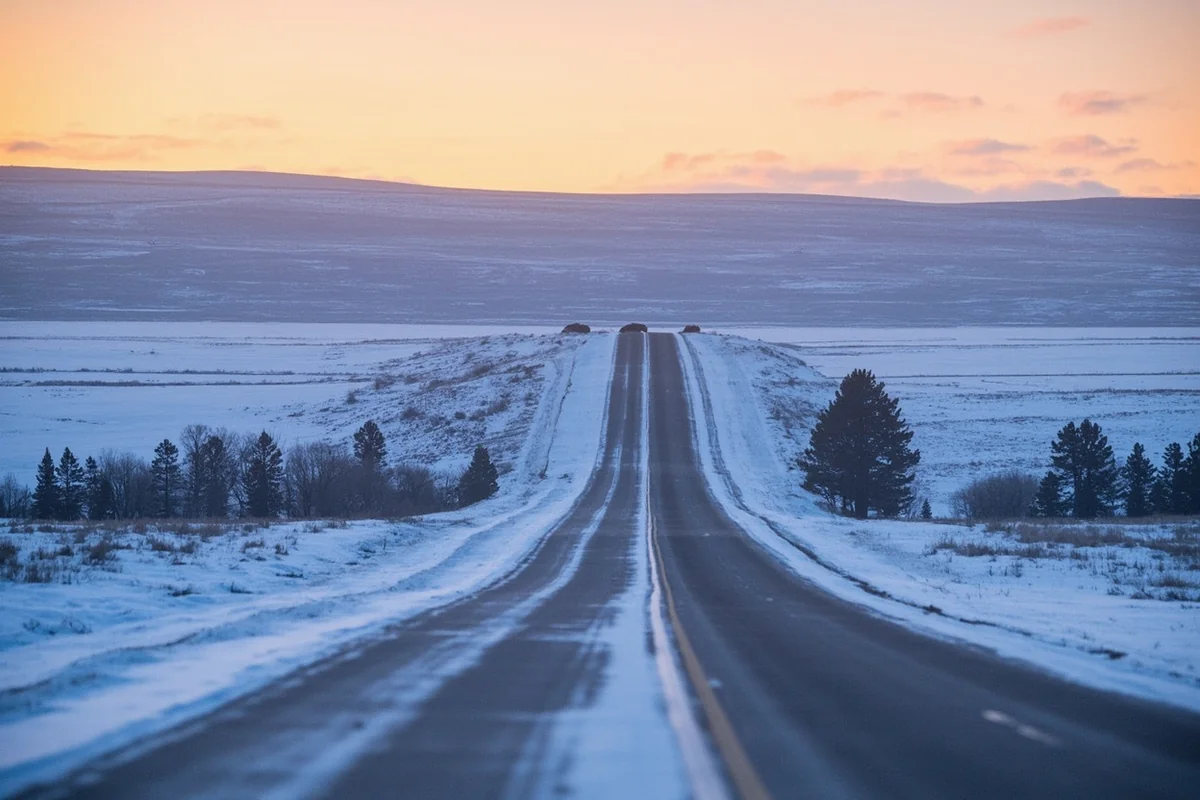
Road conditions: Highway 89 through Paradise Valley can close during storms. The road from Mammoth to Cooke City (the Lamar Valley route) stays open but can be treacherous. Always carry chains, a full tank of gas, and emergency supplies.
Hypothermia: Standing still while watching wildlife is different from hiking. Your body isn’t generating heat, and cold creeps in faster than you’d expect. I’ve seen visitors shivering uncontrollably after just 30 minutes of wolf-watching.
Wildlife distance: Cold-stressed animals are unpredictable animals. Maintain greater distances than you would in summer and never approach animals on foot in snow—you can’t move fast enough to escape if something goes wrong.
Cell service: Much of the best wildlife habitat has no cell coverage. Tell someone your plans, carry a satellite communicator if venturing off main roads, and don’t rely on your phone for emergencies.
Where to Stay for Winter Wildlife Trips
Lodging options narrow significantly in winter, but good choices exist.
Gardiner: The north entrance to Yellowstone stays open year-round, making Gardiner the best base for Lamar Valley trips. The Yellowstone Village Inn has been my go-to—nothing fancy, but warm rooms and reasonable rates.
Mammoth Hot Springs: The Mammoth Hot Springs Hotel inside the park operates during winter. Staying here eliminates the morning drive from Gardiner and gets you closer to the action, but book months in advance.
Bozeman: A larger town with more amenities, Bozeman works well for exploring the Paradise Valley and Gallatin Canyon. It’s about 90 minutes from the park entrance.
Whitefish/Kalispell: For northwest Montana and Glacier area wildlife, these towns offer good winter infrastructure thanks to the ski resort economy.
Final Thoughts: Is Winter Worth It?
Standing in the Lamar Valley last January, watching wolves bring down an elk while bison looked on and ravens circled overhead, I realized something about Montana that changed how I think about travel.
The easy experiences aren’t always the best ones. Summer in Montana is beautiful, accessible, and comfortable. Winter is challenging, cold, and requires serious preparation. But winter is when Montana’s wildlife reveals itself fully—when the veil between the wild world and our domesticated one thins almost to nothing.
If you’re willing to embrace the cold, invest in proper gear, and accept that some trips will be defined by what you didn’t see, winter wildlife watching in Montana will give you moments that stay with you forever.
The steam rising from a bison’s nostrils in minus-twenty air. The howl of a wolf pack echoing across a frozen valley. The pure white coat of an ermine hunting through snow that matches its fur perfectly.
These are the moments that make the cold worth enduring.
Frequently Asked Questions
What animals can you see in Montana during winter?
During my winter trips to Montana, I’ve spotted elk, mule deer, bison, wolves, and bald eagles, which are more visible against snowy landscapes. Yellowstone’s northern range in Montana is particularly famous for winter wolf watching. You may also encounter moose, bighorn sheep, and mountain lions in areas like Glacier National Park and the Bitterroot Valley.
Where is the best place to see wolves in Montana in winter?
The Lamar Valley in Yellowstone’s Montana section is hands-down the best spot for winter wolf watching in the lower 48 states. I recommend arriving at dawn with a spotting scope, as wolves are most active during early morning hours. Guided wolf-watching tours from Gardiner, MT typically cost $150-$300 per person and dramatically increase your chances of a sighting.
What should I pack for winter wildlife viewing in Montana?
Pack extreme cold-weather gear including insulated boots rated to -25°F, hand warmers, layered clothing, and a balaclava since temperatures often drop below 0°F. Binoculars and a spotting scope are essential since most wildlife viewing happens from 100-500 yards away. I always bring a thermos of hot coffee and snacks since you may spend hours waiting in remote locations with no facilities nearby.
What is the best time to visit Montana for winter wildlife watching?
January through early March offers the best winter wildlife viewing because animals congregate in lower elevations where snow is less deep. I’ve found that mid-January provides ideal conditions with good snow cover making animals easier to spot against white backgrounds. Wildlife is most active during the golden hours of dawn and dusk, so plan your viewing sessions around these times.
Can you see grizzly bears in Montana during winter?
Grizzly bears hibernate from late November through March, so you won’t see them during peak winter months in Montana. However, if you visit in late October or early April, you might catch bears entering or emerging from their dens in Glacier National Park or the Greater Yellowstone Ecosystem. Black bears follow similar hibernation patterns, making winter the wrong season for bear encounters.
How much does a guided winter wildlife tour cost in Montana?
Guided winter wildlife tours in Montana typically range from $125 for half-day excursions to $400+ for full-day private tours with experienced naturalists. Multi-day packages including lodging in areas like West Yellowstone or Gardiner run $800-$1,500 per person. I’ve found that the investment is worth it since guides know exactly where animals are and provide high-quality optics and heated vehicles.
Is it safe to drive in Montana during winter for wildlife viewing?
Winter driving in Montana requires caution, as highways like Route 191 and Going-to-the-Sun Road (partially closed) can be icy and snow-packed. I always rent an AWD or 4WD vehicle with winter tires and carry emergency supplies including blankets, food, and a shovel. Wildlife commonly crosses roads at dawn and dusk, so drive slowly and watch for elk and deer, which cause frequent collisions during winter months.