You are currently viewing Montana Lynx: Ghost Cats of the Rockies

Montana Lynx: Ghost Cats of the Rockies

  • Post author:
  • Post category:Montana
  • Reading time:37 mins read

Have you ever wondered what mysterious predator silently stalks the snow-covered forests of Montana, leaving behind only ghostlike tracks and fleeting glimpses? The Canada lynx often called the Montana lynx by locals—remains one of North America’s most elusive and specialized wild cats, perfectly adapted to life in the northern wilderness. While these tufted-eared felines might not command the same attention as wolves or grizzlies, their remarkable adaptations and precarious future tell a compelling story about wilderness preservation in changing times.

As climate patterns shift and human development fragments their habitat, Montana’s lynx face mounting challenges that threaten their very existence. Their specialized hunting techniques, remarkable physical adaptations, and intricate relationship with snowshoe hares reveal nature’s delicate balance in action.

In this comprehensive exploration, we’ll venture into the secretive world of the Montana lynx examining everything from their distinctive physical features and hunting behaviors to their conservation status and cultural significance. Whether you’re a wildlife enthusiast, conservation advocate, or simply curious about these magnificent predators, prepare to discover why the continued presence of lynx in Montana’s forests matters far beyond the fate of a single species.

Physical Characteristics of the Montana Lynx

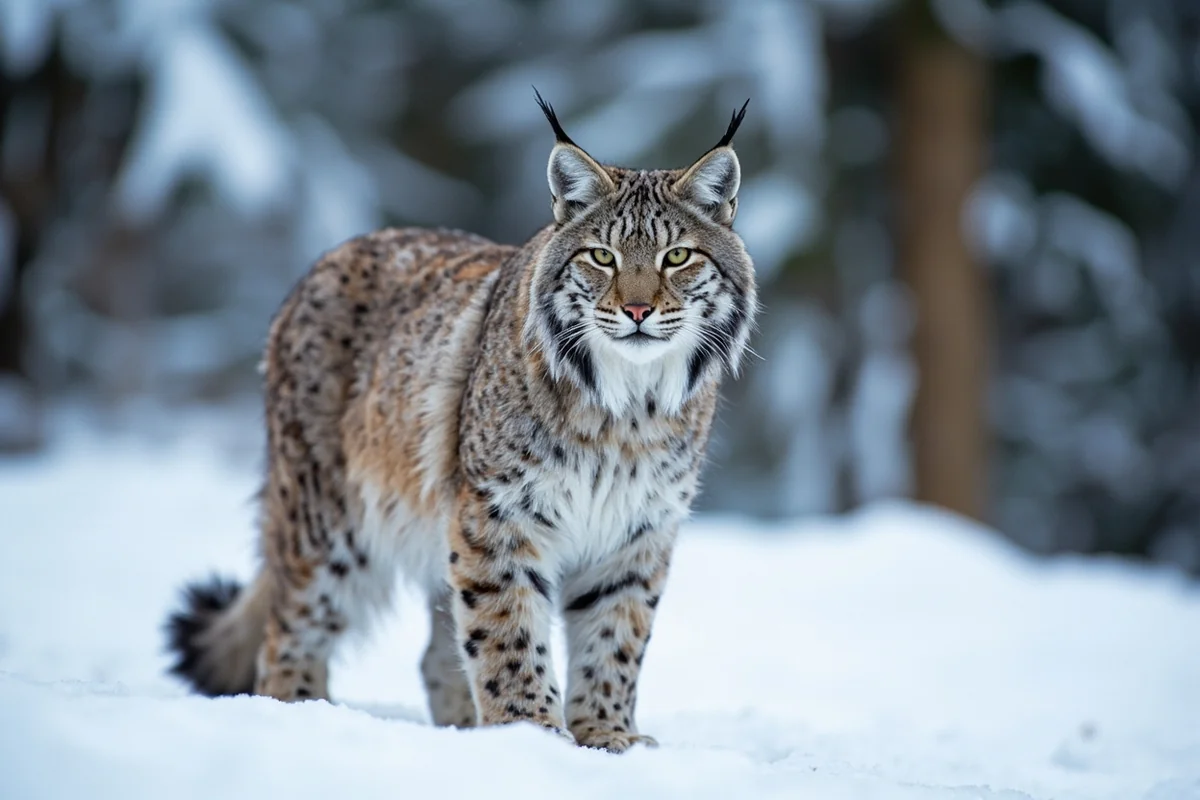
The Montana lynx (Lynx canadensis) stands as one of North America’s most distinctive wild felids, perfectly adapted to its harsh northern environment. These medium-sized cats typically weigh between 18-30 pounds, with males generally larger than females. From nose to tail, they measure approximately 30-40 inches in length, with their characteristic stubby, black-tipped tail adding just 4-6 inches to their overall profile.

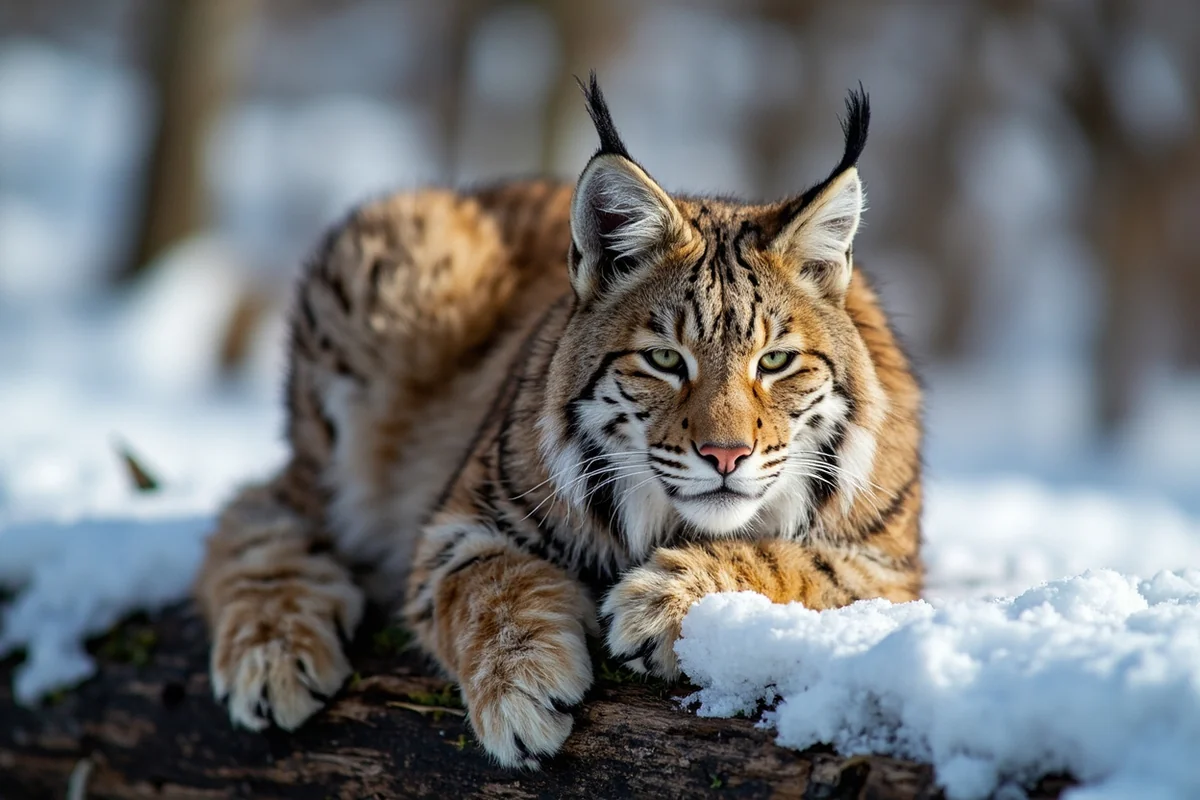
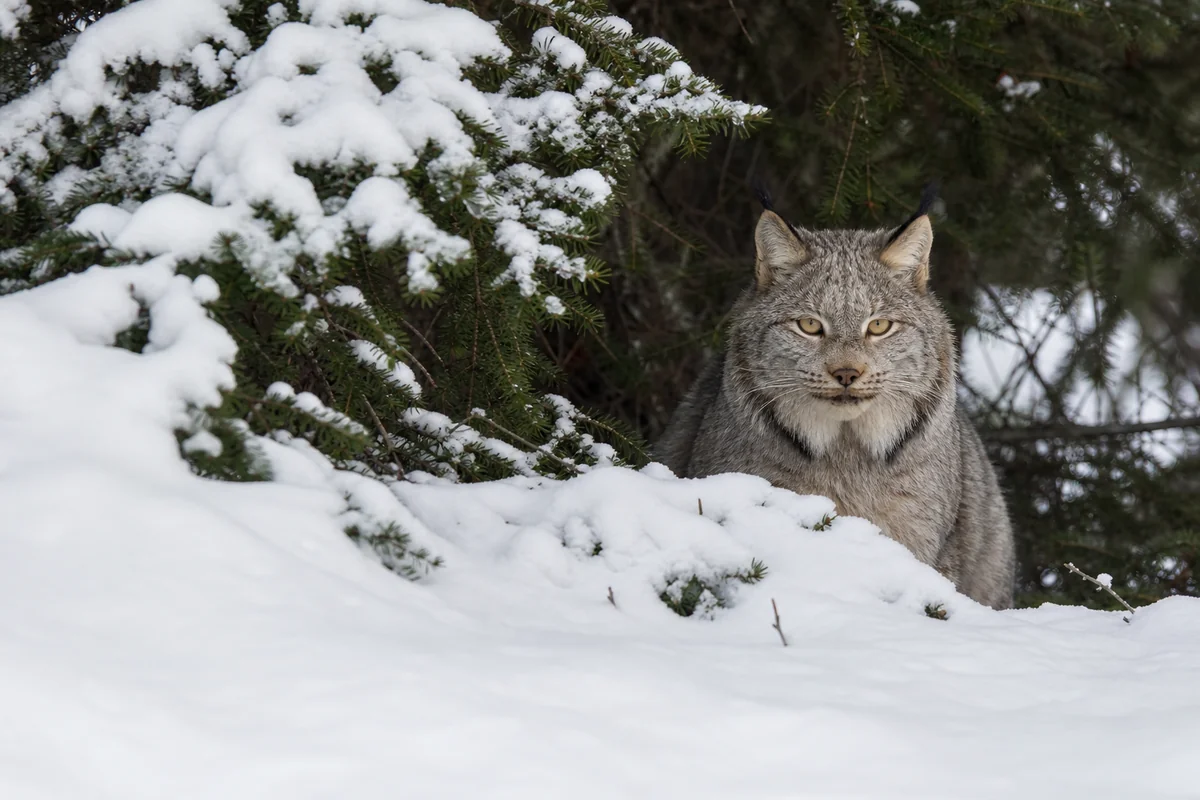
Perhaps the most striking features of the Montana lynx are its tufted ears. These prominent black ear tufts can extend up to 1.5 inches beyond the ear tips, serving both as sensory enhancers that capture distant sounds and as visual signals to other lynx. The facial ruff of fur that frames their face creates a distinctive triangular appearance, giving them an almost mystical, wise countenance.

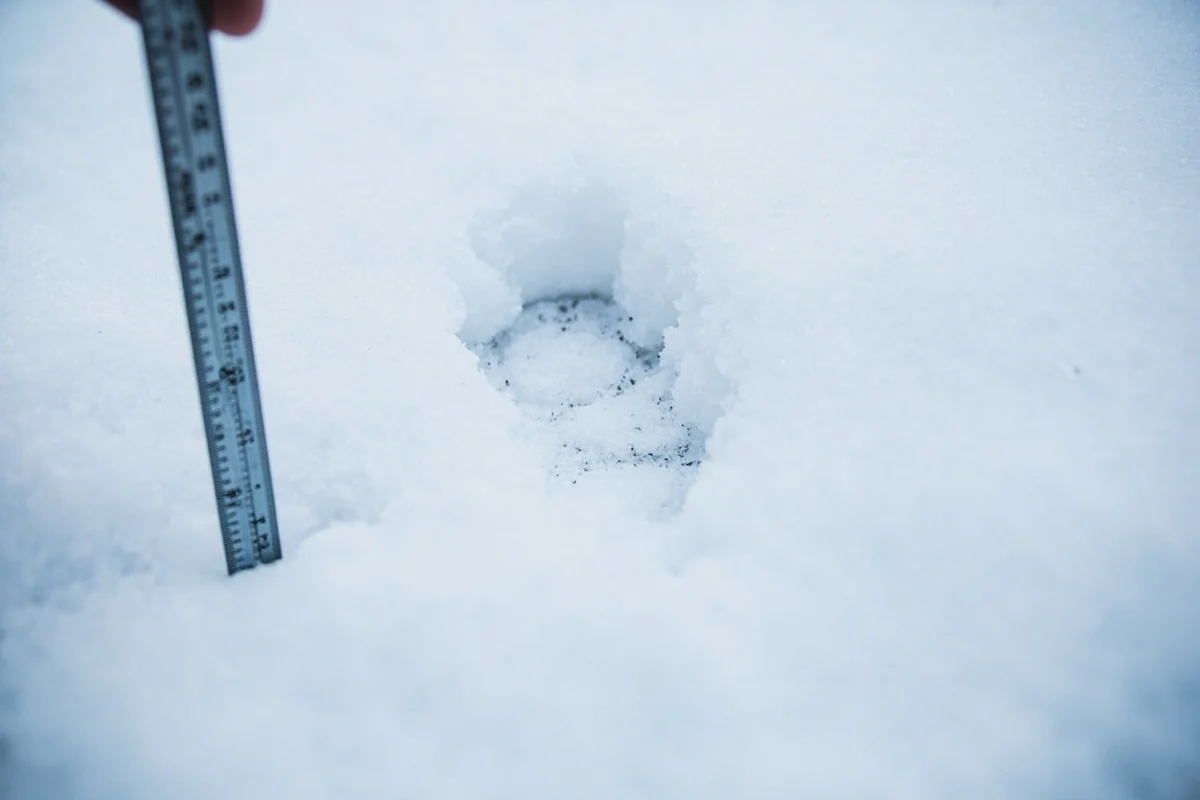
The lynx’s enormous, disproportionately large paws are evolutionary marvels. These natural “snowshoes” measure nearly 4 inches in diameter when spread—almost twice the size of a bobcat’s paw relative to body size. This adaptation allows the lynx to distribute its weight across snow surfaces, enabling efficient movement through deep powder where other predators might flounder. Each paw features dense fur between the toes and retractable claws that provide additional traction on slippery terrain.

The coat of a Montana lynx undergoes remarkable seasonal transformations. During winter, the fur grows exceptionally thick and silvery-gray with slight brown undertones, providing superior insulation against subzero temperatures. Summer brings a shorter, more reddish-brown coat that offers better camouflage among the forest floor’s dappled light. Regardless of season, most Montana lynx display subtle dark spotting on their limbs and subtle barring on their inner legs, though these markings are less pronounced than in many other wild cats.

While often confused with bobcats, the Montana lynx possesses several distinguishing characteristics. Beyond the more obvious differences in paw size, lynx stand taller at the shoulder (approximately 20-24 inches compared to a bobcat’s 14-15 inches) and display longer hind legs, giving them a distinctive sloped appearance. The lynx’s tail is shorter with a solid black tip, unlike the bobcat’s tail with its black bars and white underside. The facial markings also differ significantly—lynx have less prominent facial striping and their ear tufts are considerably more pronounced than those of bobcats.

These physical adaptations collectively make the Montana lynx a specialized hunter perfectly suited to the northern forest ecosystem, where their distinctive features serve both practical survival functions and contribute to their mysterious, ethereal presence in Montana’s wilderness.

Natural Habitat and Range of the Montana Lynx

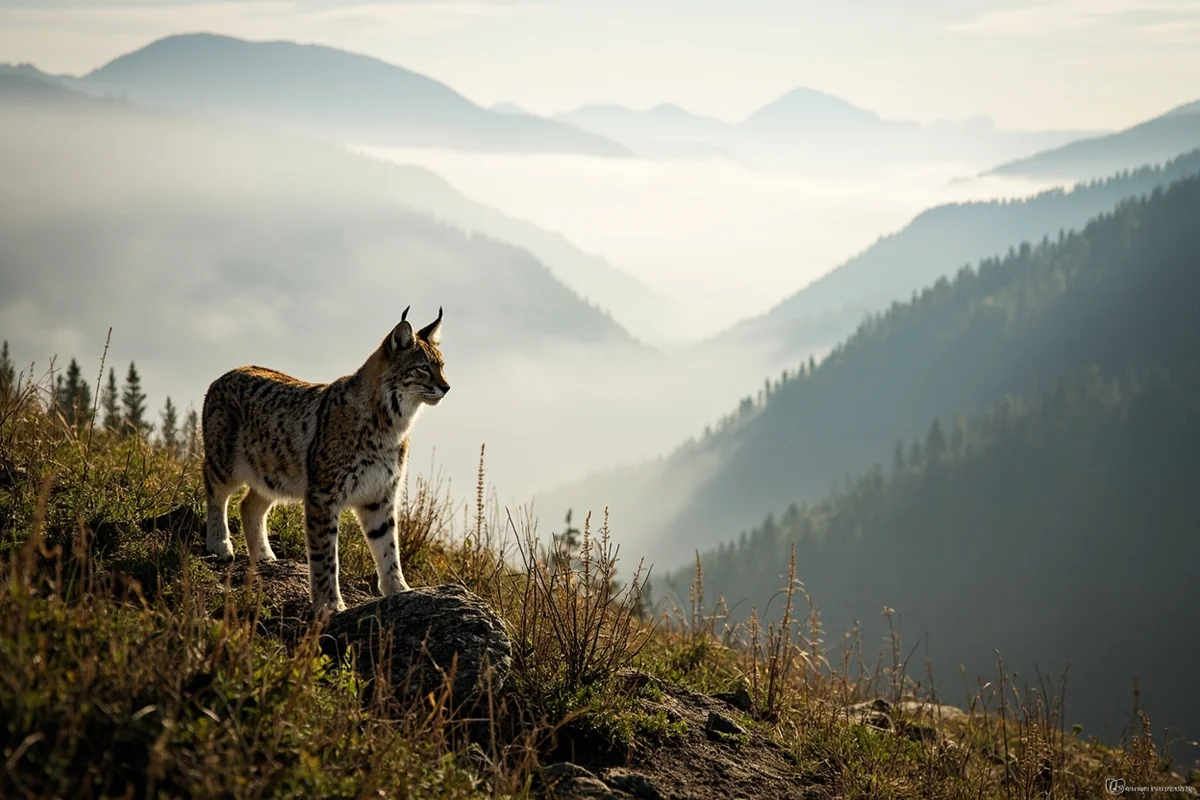
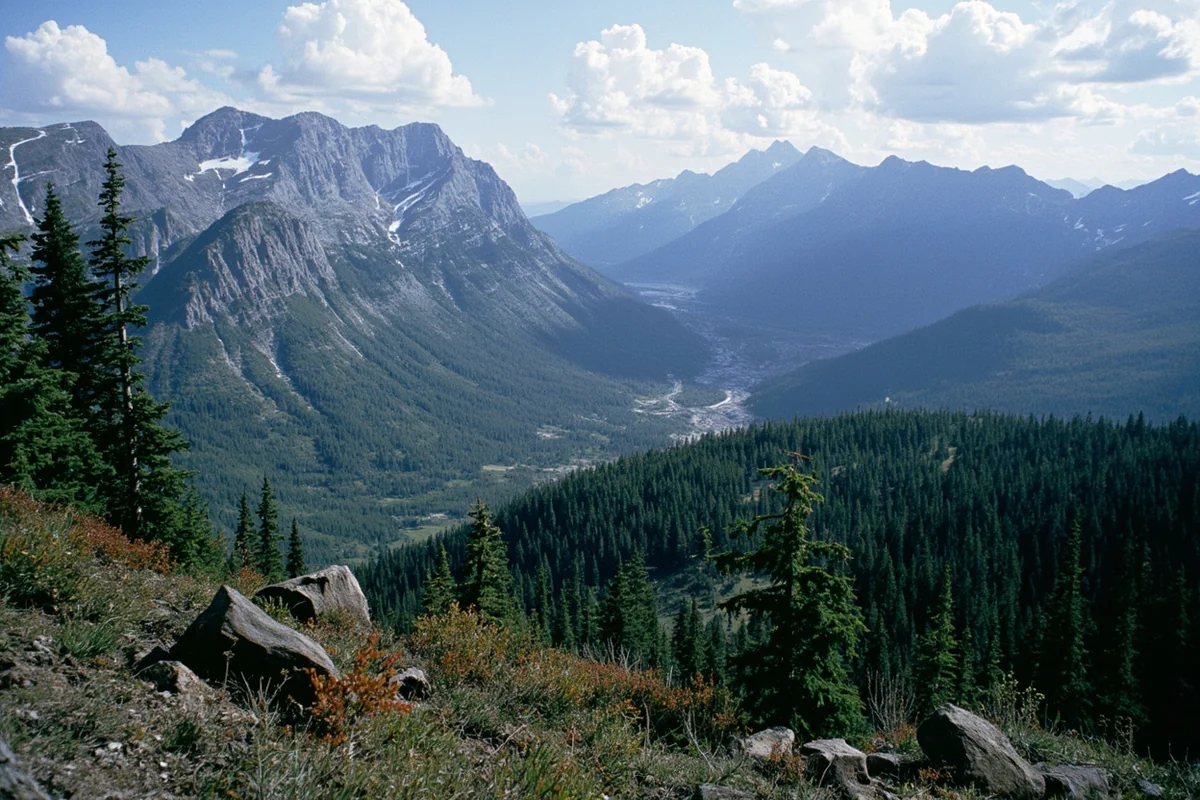
The Montana lynx thrives in the state’s dense, high-elevation boreal and subalpine forests, creating a specialized niche that few other predators can exploit. These elusive cats prefer mature coniferous forests dominated by spruce, fir, and lodgepole pine that provide the perfect blend of cover and hunting opportunities. The forest understory must be complex enough to support snowshoe hare populations—their primary prey—while also offering adequate hiding places and denning sites.

Elevation plays a crucial role in lynx habitat selection in Montana. These adaptable felines typically favor elevations between 4,000 and 7,000 feet, where deep, powdery snow persists through winter months. Their oversized paws—nature’s snowshoes—give them a competitive advantage in these environments, allowing them to traverse snow-covered landscapes with remarkable efficiency while deer and coyotes struggle in the same conditions.

Historically, lynx ranged throughout Montana’s mountainous regions, with stable populations in the northwestern portion of the state extending through the Continental Divide and into parts of central Montana. Their distribution once formed part of a continuous population stretching from Alaska through Canada and into the northern United States. Today, however, their range has contracted significantly. Current populations are largely confined to the northwestern mountains, particularly in areas like the Cabinet Mountains, the Whitefish Range, and portions of Glacier National Park.

The lynx’s habitat requirements are quite specific, making them particularly vulnerable to landscape changes. These cats need:

  • Large, unbroken tracts of mature forest with minimal fragmentation
  • Abundant snowshoe hare populations (requiring dense undergrowth)
  • Deep, persistent snowpack during winter months
  • Suitable denning sites featuring large woody debris, often in older growth forests
  • Connected corridors that allow for movement between habitat patches

Montana represents the southern periphery of the lynx’s range in the Rocky Mountains, making these populations especially important from a conservation perspective. As climate patterns shift and development continues, the lynx’s ability to maintain viable populations in Montana depends largely on the preservation of these specialized habitat requirements across sufficiently large landscapes. The mosaic of federal, state, and private lands that comprise lynx habitat in Montana creates complex management challenges, requiring coordination across multiple jurisdictions to ensure this magnificent predator maintains its foothold in the Northern Rockies.

Diet and Hunting Behavior of the Montana Lynx

The Montana lynx exhibits a hunting prowess that has evolved specifically for the northern forest ecosystems they inhabit. Their dietary patterns and hunting techniques represent a fascinating example of predator specialization in the wild.

Snowshoe Hare Dependency

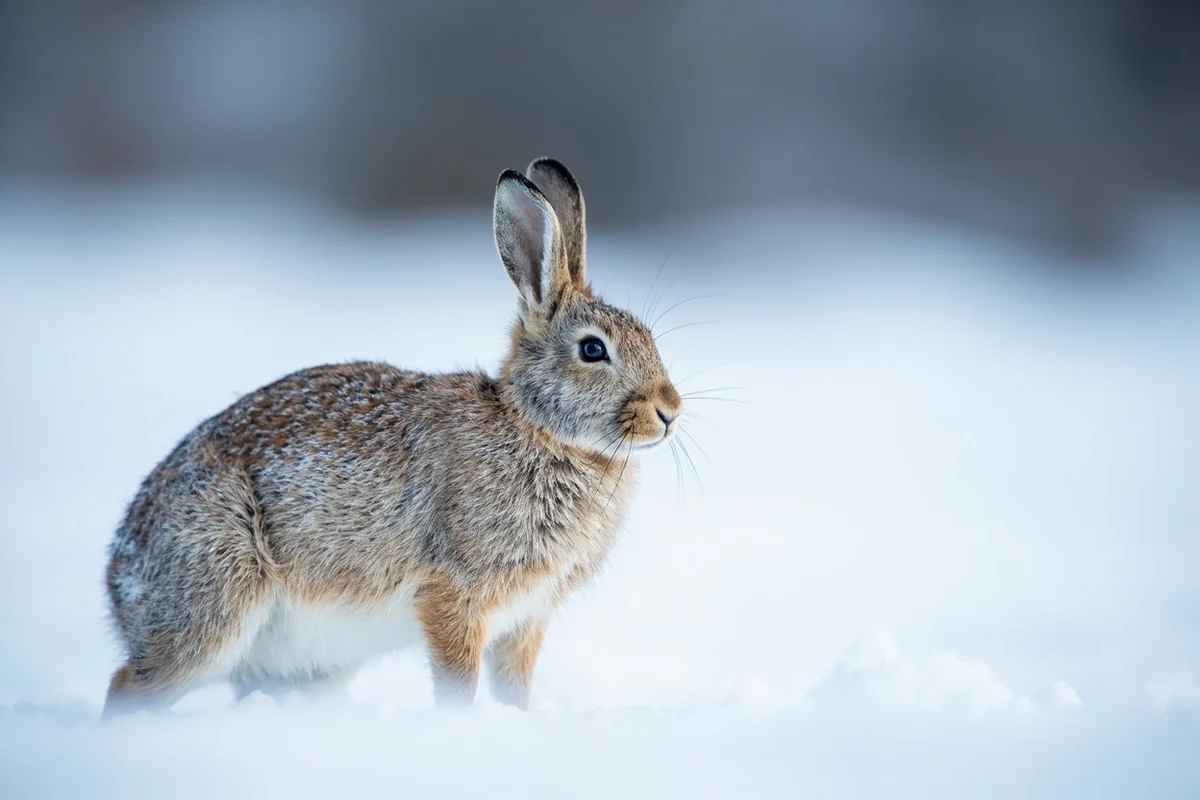
At the core of the Montana lynx’s diet is an extraordinary dependency on snowshoe hares. These medium-sized mammals constitute approximately 75-90% of the lynx’s diet throughout the year, creating one of the most specialized predator-prey relationships in North America. This dependency is so pronounced that lynx populations rise and fall in direct response to snowshoe hare abundance, following a cyclical pattern that typically spans 8-11 years.

The lynx’s physical adaptations—from its oversized paws that act as natural snowshoes to its keen eyesight and hearing—have evolved primarily to detect and capture these elusive hares. During peak hare populations, a single lynx may consume one to two hares per day, demonstrating both their hunting efficiency and metabolic requirements.

Beyond the Hare: Alternative Prey Species

While snowshoe hares form the foundation of their diet, Montana lynx display dietary flexibility when necessary. During periods of hare scarcity, they expand their hunting portfolio to include:

  • Red squirrels and other small rodents
  • Grouse and ptarmigan
  • Young deer or caribou (particularly fawns)
  • Voles and mice
  • Occasionally smaller mustelids like weasels

This dietary diversification represents a critical survival strategy during the low points of the hare population cycle, though it comes at an energy cost. The lynx expends significantly more energy capturing multiple small prey items compared to a single, substantial hare.

Hunting Techniques: The Art of Ambush

Montana lynx employ hunting strategies that maximize their natural advantages while conserving energy in the harsh northern environment. Their primary hunting method involves:

  1. Patient stalking – Moving silently through underbrush, using cover to approach prey
  2. Ambush positioning – Waiting motionless near game trails or feeding areas
  3. Explosive pounce – Covering distances up to 20 feet in a single bound
  4. Precision kills – Delivering a fatal bite to the neck or base of the skull

Unlike many predators that rely on long chases, the lynx is a short-burst hunter. If the initial ambush fails, they rarely pursue prey for extended distances, instead conserving energy for the next hunting opportunity.

Seasonal Variations in Hunting and Diet

The Montana lynx’s hunting behavior shifts with the seasons, reflecting changes in prey availability and environmental conditions:

Winter Hunting
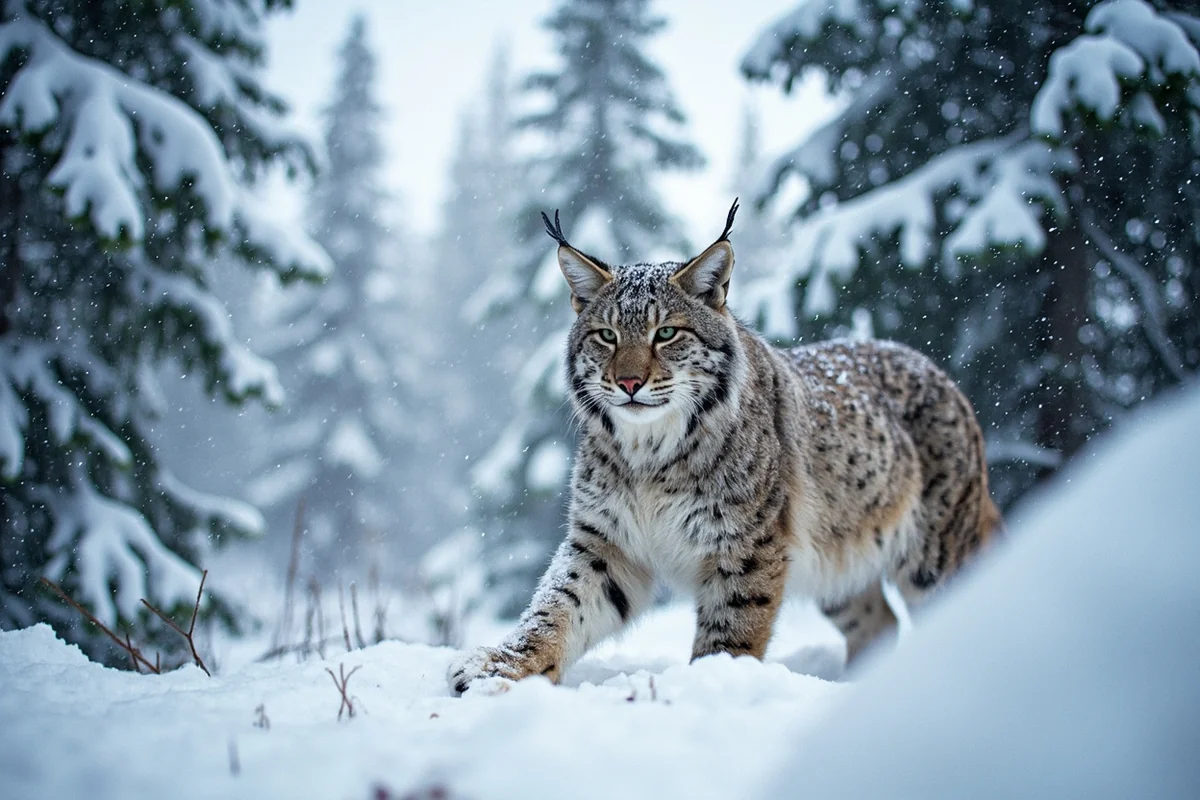
During winter months, lynx gain a significant advantage over many competitors. Their wide, fur-covered paws distribute their weight across snow, allowing them to move efficiently across surfaces that deer and coyotes sink into. This adaptation gives them superior access to snowshoe hares, which also remain active throughout winter.

Spring and Summer Hunting
In warmer months, lynx often expand their dietary range. They may consume more birds, including ground-nesting species and their eggs. Young ungulates become temporarily available prey items during spring birthing seasons, though adult deer remain too large for typical lynx predation.

Fall Transition
Autumn represents a critical feeding period as lynx build fat reserves for the coming winter. Hunting activity increases, and successful lynx may cache excess kills beneath snow or forest debris for later consumption.

Remarkable Predatory Adaptations

The Montana lynx possesses specialized adaptations that make it an exceptional hunter in its niche:

  • Enhanced night vision – Reflective eye structures that gather available light
  • Tufted ears – Acting as sound amplifiers that can independently rotate to pinpoint prey
  • Whisker positioning system – Facial whiskers that help determine if their body will fit through tight spaces when pursuing prey
  • Specialized dentition – Sharp carnassial teeth designed for slicing through flesh rather than crushing

These adaptations, refined over thousands of years of evolution, have created a hunting specialist uniquely suited to the boreal and subalpine environments of Montana. The lynx’s hunting behavior represents not just a feeding strategy, but a complex ecological relationship that shapes forest ecosystems throughout their range.

The Snowshoe Hare-Lynx Population Cycle

The relationship between the Montana lynx and snowshoe hare represents one of nature’s most fascinating ecological dances. This intricate predator-prey relationship manifests in a remarkable 10-year population cycle that has captivated wildlife biologists for generations. In Montana’s forests, this cycle plays out with clockwork precision, though with unique regional variations.

The cycle begins when snowshoe hare populations flourish, typically reaching densities of 4-6 hares per acre in optimal Montana habitats. These abundant prey resources trigger a corresponding increase in lynx reproduction rates. Female lynx, which normally produce 2-3 kittens annually, may bear litters of 5-6 kittens during these boom years. More remarkably, the survival rate of these kittens jumps from the typical 15-20% to over 65% when hares are plentiful.

As lynx numbers increase, predation pressure intensifies on the hare population. In Montana’s coniferous forests, a single lynx requires approximately 200-300 snowshoe hares annually for survival. This relentless predation, combined with other factors like disease and food limitations for hares, eventually triggers a population crash. Hare numbers can plummet by over 90% in just 1-2 years.

The ecological implications of this cycle ripple throughout Montana’s forest ecosystems. When hare populations crash, lynx face severe food shortages. Their reproduction rates plummet, with many females skipping breeding entirely during these lean years. Kitten mortality approaches 100% in the worst periods, and adult lynx may expand their territories dramatically, sometimes increasing from 5-10 square miles to over 30 square miles in search of prey.

Montana’s lynx population cycle shows some distinctive patterns compared to more northern regions. The amplitude of the cycle—the difference between population peaks and valleys—tends to be less extreme than in Canada. This moderation likely results from Montana’s more diverse prey base, which includes red squirrels, grouse, and small rodents that can supplement the lynx diet when hares are scarce.

Climate change has begun altering these historical patterns in Montana. Inconsistent snow cover affects both hare vulnerability and lynx hunting success. Some research suggests the classic 10-year cycle may be stretching to 11-12 years or becoming less predictable in its timing.

For Montana’s forest managers, understanding this cycle proves crucial for conservation planning. Timber harvest operations, recreational development, and other human activities must be timed and located with awareness of where lynx populations stand in their cycle. When lynx numbers crash following hare declines, the remaining individuals become particularly vulnerable to additional stressors, making thoughtful management during these periods especially critical for the species’ long-term survival in Montana.

Reproduction and Life Cycle of the Montana Lynx

The reproductive biology of the Montana lynx represents a fascinating adaptation to the harsh northern environment they inhabit. These elusive cats have developed a breeding strategy perfectly synchronized with their ecosystem’s rhythms, ensuring the survival of their species through generations.

Mating Season

Montana lynx typically enter their mating season during late winter to early spring, primarily February through March. This timing is strategic, coinciding with the lengthening daylight hours that trigger hormonal changes in both males and females. During this period, the normally solitary lynx become more vocal and travel extensively to find potential mates. Males may fight for breeding rights, engaging in physical confrontations accompanied by distinctive yowling calls that echo through the snowy forests. These vocalizations serve as both territorial warnings to rivals and advertisements to receptive females.

Gestation Period

Once mating occurs, the female lynx undergoes a gestation period of approximately 60-70 days. This relatively short pregnancy allows the female to give birth during the optimal spring conditions when food resources begin to increase. The expectant mother will select a secluded den site, often utilizing fallen logs, rock crevices, or dense thickets that provide protection from predators and harsh weather. During the final weeks of pregnancy, the female prepares her birthing den by lining it with soft materials such as fur, feathers, and dry vegetation.

Kitten Development

In May or early June, a female lynx typically delivers a litter of 1-5 kittens, with the average being 2-3. These newborns are completely helpless—blind, nearly deaf, and weighing only about 7-8 ounces. Their fur appears spotted and darker than adult coloration, providing crucial camouflage in the dappled light of their forest home.

The kittens’ development progresses rapidly:

  • Eyes open after 10-12 days
  • Begin walking steadily at 24-30 days
  • Start consuming solid food at 6-7 weeks
  • Begin accompanying mother on short hunting trips by 8-10 weeks
  • Develop hunting skills through play and observation throughout their first summer

By autumn, the kittens have grown substantially and mastered basic hunting techniques, though they remain significantly smaller than adults. Their distinctive juvenile coat gradually transitions to the more uniform adult pattern as they mature.

Family Structure

The Montana lynx exhibits a fascinating family structure centered around the mother. Adult males play no direct role in raising offspring, leaving the female to handle all parenting responsibilities. The mother demonstrates remarkable dedication, nursing her kittens for the first 4-5 months while simultaneously hunting to sustain herself. As the kittens grow, she teaches them essential survival skills—stalking techniques, pouncing mechanics, and prey recognition.

The family unit remains intact for nearly a year, with the mother gradually allowing the growing kittens more independence while continuing to provide protection and hunting guidance. This extended learning period is crucial for developing the specialized hunting techniques lynx require to capture their primary prey, the snowshoe hare.

Survival Rates

Survival challenges begin immediately for lynx kittens. In years when snowshoe hare populations crash, first-year mortality can exceed 80%. Even during favorable conditions, only about 50% of kittens survive their first year. Predation by wolves, coyotes, and great horned owls claims many young lynx, while starvation during harsh winters presents another significant threat.

Those that survive to adulthood face better odds, with annual survival rates increasing to approximately 70-85% for healthy adults. However, these rates fluctuate dramatically based on snowshoe hare abundance, with population-wide stress occurring during the low points of the prey cycle.

Lifespan in the Wild

In their natural Montana habitat, lynx that survive the vulnerable kitten stage typically live 10-14 years, though some exceptional individuals have reached 16-17 years. Their longevity depends heavily on consistent access to prey, successful avoidance of competitors, and adaptation to increasingly unpredictable climate conditions. As they age, older lynx gradually lose territory to younger, more vigorous individuals, eventually occupying smaller ranges with diminished hunting success.

The life cycle of the Montana lynx represents a delicate balance between reproductive timing, maternal investment, and environmental conditions—a remarkable evolutionary strategy that has allowed these magnificent cats to persist in one of North America’s most challenging landscapes.

Montana Lynx: Conservation Status and Threats

The Canada lynx population in Montana exists in a precarious balance, leading to its classification as a threatened species under the U.S. Endangered Species Act since 2000. Current population estimates suggest approximately 300-500 lynx inhabit Montana’s forests, though these numbers fluctuate based on snowshoe hare abundance and habitat conditions.

The threatened status of Montana’s lynx population stems from multiple interconnected pressures. Foremost among these is habitat fragmentation and loss. As Montana’s landscape continues to transform through development, logging operations, and road construction, the lynx’s specialized habitat becomes increasingly fragmented. These magnificent cats require large, connected areas of mature boreal forest with dense understory—precisely the type of habitat that continues to diminish across their range.

Climate change represents perhaps the most insidious threat to Montana’s lynx population. As winters become shorter and snowpack decreases, the lynx loses its competitive advantage over other predators. The species evolved specifically for deep snow conditions, with their oversized paws acting as natural snowshoes. Warming temperatures also directly impact snowshoe hare populations, creating a cascade effect that threatens the lynx’s primary food source.

Human conflicts, while less common than with other large predators, still pose significant challenges. Incidental trapping remains a concern despite regulations designed to protect lynx. Additionally, vehicle collisions along highways that bisect lynx habitat claim several animals annually. These human-caused mortalities, while individually small in number, have outsized impacts on a population already under stress.

Compounding these threats is the lynx’s naturally low reproductive rate and specific habitat requirements. Unlike more adaptable predators, lynx cannot easily shift their range or diet in response to changing conditions. Their specialized nature, once an evolutionary advantage in Montana’s snowy forests, has become a vulnerability in our rapidly changing world.

Climate Change and Its Impact on Montana’s Lynx Population

The Canada lynx population in Montana faces an uncertain future as climate change alters the very foundation of their specialized existence. These remarkable predators have evolved specifically for cold, snowy environments, with their oversized paws serving as natural snowshoes and their thick winter coats providing insulation against frigid temperatures. However, the warming climate is rapidly transforming their world in several critical ways.

The most immediate threat comes from changing snowpack patterns across Montana’s mountains. Historical data shows winter snow depths have decreased by approximately 15-20% in key lynx habitat areas over the past 50 years, with snow melting an average of 2-3 weeks earlier in spring. For lynx, these changes are catastrophic—their competitive advantage over other predators like coyotes and bobcats exists primarily in deep snow conditions where their specialized adaptations give them superior mobility.

Equally concerning is how climate change affects snowshoe hares, which constitute up to 96% of the lynx diet in winter months. These hares depend on reliable snow cover for their seasonal coat changes, switching from brown to white as winter approaches. With increasingly unpredictable snowfall and earlier spring melts, hares are experiencing “mismatch events” where their white coats stand out starkly against snowless backgrounds, making them easy targets for all predators. Research in Montana’s Seeley-Swan Valley has documented increased hare mortality during these mismatch periods, directly impacting lynx food security.

Climate models project significant range shifts for Montana’s lynx populations. The suitable habitat band is expected to move northward and to higher elevations as temperatures rise. By mid-century, models suggest Montana could lose between 40-70% of current lynx habitat, with the most severe losses in lower-elevation areas and the southern portions of their range. The remaining habitat would become increasingly fragmented, creating isolated “sky islands” of lynx populations with limited genetic exchange.

The projected future for lynx in Montana under current climate models is sobering. If global warming continues at present rates, Montana may retain only small pockets of suitable lynx habitat in its highest northern mountain ranges by 2100. These remnant populations would face multiple challenges, including increased competition from other predators expanding their ranges northward, potential new diseases moving into previously colder regions, and the fundamental problem of finding enough snowshoe hares in a transformed landscape.

What makes this situation particularly challenging is the specialized nature of lynx adaptations. Unlike some generalist species that can readily adjust to changing conditions, lynx have evolved specific traits for snow-dominated environments over thousands of years. Their long legs, large paws, and hunting techniques are all optimized for deep snow environments that are rapidly disappearing. The pace of current climate change far exceeds the speed at which lynx could potentially evolve new adaptations or behaviors.

Conservation efforts now focus on identifying and protecting “climate refugia”—areas projected to maintain suitable conditions for lynx despite broader regional warming. These include north-facing slopes at higher elevations and regions with historically reliable snowfall. Creating protected corridors between these areas may allow lynx populations to shift and adapt as conditions change, providing at least some hope for their continued presence in Montana’s wilderness.

Montana Lynx Management and Conservation Efforts

The Canada lynx, including those found in Montana, received federal protection in 2000 when it was listed as threatened under the Endangered Species Act. This landmark decision marked a turning point in lynx conservation, triggering a series of management initiatives designed to protect this elusive predator and its habitat.

Federal protection measures include critical habitat designation across Montana’s forested regions, particularly in the northwestern portion of the state where lynx populations are most concentrated. These designations restrict certain land uses and development activities that might negatively impact lynx survival. Additionally, federal agencies must consult with the U.S. Fish and Wildlife Service before undertaking projects within designated lynx habitat to ensure minimal disruption to these sensitive areas.

At the state level, Montana Fish, Wildlife & Parks has implemented specific management guidelines for areas with known lynx populations. These include restrictions on trapping seasons and methods in lynx habitat to prevent accidental captures, as well as educational programs for trappers on lynx identification and release techniques. The state has also incorporated lynx considerations into forest management practices, recognizing that healthy forests are essential for lynx survival.

Habitat conservation plans represent another crucial component of lynx management in Montana. These plans, developed collaboratively between government agencies, conservation organizations, and private landowners, aim to balance human land use with the needs of lynx populations. A notable example is the Montana Department of Natural Resources and Conservation Habitat Conservation Plan, which covers approximately 548,500 acres of state trust lands and includes specific provisions for lynx conservation while allowing sustainable timber harvest.

While Montana hasn’t needed formal reintroduction efforts (unlike some other states), conservation initiatives have focused on habitat connectivity to allow natural recolonization of suitable areas. Wildlife corridors linking the fragmented patches of lynx habitat have become a priority, with conservation easements and land acquisitions strategically targeted to maintain these crucial pathways for lynx movement and genetic exchange.

Monitoring programs form the backbone of Montana’s lynx conservation strategy. The Montana Lynx Study has employed various techniques including GPS collaring, snow tracking, and camera traps to gather critical data on lynx populations, movements, and habitat use. These monitoring efforts provide valuable insights that inform adaptive management strategies. Citizen science has also played an increasingly important role, with programs training volunteers to identify and report lynx tracks and sightings, expanding the reach of professional monitoring efforts.

Interagency cooperation has proven essential for effective lynx management, with the U.S. Forest Service, Bureau of Land Management, National Park Service, and state agencies coordinating their approaches to lynx conservation. This collaboration extends across state and international boundaries, recognizing that lynx populations don’t observe political borders, particularly along the U.S.-Canada boundary where transboundary conservation initiatives have gained momentum.

Despite these extensive efforts, challenges remain in balancing lynx conservation with human activities such as recreation, resource extraction, and development. The success of Montana’s lynx management ultimately depends on continued commitment to science-based conservation strategies, adequate funding for monitoring programs, and public support for protecting this iconic species of the northern forests.

Research and Tracking Methods for Studying Montana Lynx

Understanding the elusive Montana lynx requires sophisticated research techniques that balance scientific rigor with minimal disturbance to these sensitive creatures. Wildlife biologists employ several complementary methods to study lynx populations, movements, and behaviors across Montana’s vast wilderness areas.

Radio collaring represents one of the most valuable tools in lynx research, providing real-time data on individual animals. Researchers carefully trap lynx using specialized box traps designed to minimize stress, then fit them with lightweight GPS collars that transmit location data via satellite. These collars allow scientists to track daily movements, identify hunting patterns, and map territories with unprecedented precision. The collars are programmed to eventually drop off, eliminating the need for recapture. One notable Montana study used radio collars to document lynx traveling over 100 miles through mountainous terrain—revealing previously unknown migration corridors essential for conservation planning.

DNA sampling has revolutionized lynx research by allowing non-invasive population monitoring. Researchers collect hair samples using specialized stations that attract lynx with scent lures. These stations feature rough surfaces that snag fur as the animal investigates. Each hair follicle contains genetic material that can identify individual lynx, determine gender, estimate relatedness between individuals, and even track genetic diversity across populations. In Montana’s Bitterroot Mountains, DNA sampling recently confirmed the presence of lynx in areas where they hadn’t been documented for decades.

Camera traps provide a window into the secret world of Montana lynx without human presence. These motion-triggered cameras, strategically placed along game trails and in potential lynx habitat, capture photographs that confirm presence, document behaviors, and occasionally reveal unexpected information such as prey preferences or interactions with other species. Modern camera traps can operate for months in remote locations, functioning through Montana’s harsh winters when traditional field research would be challenging or impossible. A network of camera traps across the Crown of the Continent ecosystem has documented lynx using habitat corridors between isolated mountain ranges.

Citizen science has become increasingly valuable for lynx research in Montana. Trained volunteers assist with tracking surveys, report sightings through mobile applications, and even help maintain camera trap networks. The Montana Lynx Project engages hunters, hikers, and outdoor enthusiasts in reporting lynx tracks, scat, and sightings, creating a broader monitoring network than professional researchers could maintain alone. These community-based efforts have expanded the known range of lynx in the state and provided early detection of lynx moving into previously unoccupied areas.

Current research projects in Montana focus on understanding how lynx are adapting to climate change and habitat fragmentation. The Greater Yellowstone Lynx Study examines how decreasing snowpack affects hunting success and competition with other predators. In northwestern Montana, the Connectivity Conservation Project tracks lynx movements between isolated habitat patches to identify critical wildlife corridors needing protection. Meanwhile, the Montana State University Lynx Ecology Program studies the complex relationship between forest management practices and lynx habitat quality, providing science-based recommendations for sustainable forestry that benefits both timber production and lynx conservation.

These diverse research approaches, when combined, create a comprehensive understanding of Montana lynx that informs conservation decisions. From high-tech GPS tracking to community involvement, each method contributes valuable pieces to the puzzle of protecting this magnificent wild cat for future generations.

The Lynx’s Role in Montana’s Ecosystem

The Montana lynx occupies a specialized ecological niche that contributes significantly to the health and balance of northern forest ecosystems. As a mid-sized predator, the lynx plays a critical role in regulating prey populations and maintaining the intricate web of life in Montana’s mountainous regions.

At the core of the lynx’s ecological importance is its relationship with the snowshoe hare. This predator-prey relationship represents one of nature’s most studied population cycles, where lynx numbers rise and fall in response to hare abundance. By controlling snowshoe hare populations, lynx prevent overgrazing of vegetation that could otherwise alter forest composition and structure. This regulation cascades throughout the ecosystem, affecting everything from plant communities to soil quality.

Beyond snowshoe hares, lynx occasionally prey on small mammals, grouse, and other birds, providing additional population control across multiple species. This diversified predation helps maintain species diversity by preventing any single prey species from dominating the environment. The lynx’s hunting pressure also influences prey behavior, creating what ecologists call a “landscape of fear” that affects where and how prey animals feed and move through their habitat.

The lynx shares its ecological space with other predators like wolverines, coyotes, and occasionally wolves. Rather than direct competition, these species often exhibit niche partitioning—utilizing different hunting strategies, prey preferences, or activity patterns to coexist. For instance, lynx can hunt effectively in deep snow thanks to their oversized paws, allowing them to access prey that other predators cannot reach during winter months.

As an umbrella species, protecting lynx habitat benefits countless other plants and animals that share the same ecosystem requirements. The large territories needed by lynx—sometimes spanning up to 50 square miles for a single male—encompass diverse landscape features that support a wide range of other species. When we conserve lynx habitat, we simultaneously protect old-growth forests, riparian zones, and the complex mosaic of successional forest stages that create biodiversity hotspots.

Climate change and habitat fragmentation threaten to disrupt the lynx’s ecological role. If lynx populations decline significantly, we might expect to see cascading effects: increased snowshoe hare numbers, altered vegetation patterns, and potential shifts in competitive relationships among predator species. This highlights why maintaining viable lynx populations is crucial not just for the species itself, but for the integrity of Montana’s entire mountain ecosystem.

Encountering Lynx in Montana: What to Know

The Montana lynx offers one of the most coveted wildlife viewing experiences in the Northern Rockies, yet remains among the most elusive. Encountering these ghost-like predators in their natural habitat is an experience few can claim, as lynx have mastered the art of remaining unseen, even in territories they regularly patrol.

Rarity of Sightings

Lynx sightings in Montana are exceptionally rare, even for seasoned outdoors people who spend considerable time in lynx territory. These solitary cats typically detect human presence long before humans detect them, silently slipping away without leaving a trace. Most wildlife biologists who study lynx go years between actual sightings, despite regularly finding evidence of their presence through tracks, scat, and trail camera footage. This elusiveness stems from the lynx’s naturally secretive behavior, keen senses, and their preference for remote, often inaccessible habitat.

Best Locations for Potential Viewing

While no location guarantees a lynx sighting, certain areas of Montana offer slightly better possibilities than others:

  • Northwestern Montana: The forests around Glacier National Park, particularly the North Fork of the Flathead River valley, support some of Montana’s healthiest lynx populations.
  • The Cabinet Mountains Wilderness: This remote region maintains substantial lynx habitat with minimal human disturbance.
  • The Seeley-Swan Valley: The corridor between the Mission and Swan mountain ranges provides excellent lynx habitat, particularly in areas with mature forest adjacent to recent burns or young regrowth.
  • High-elevation forests in Western Montana: Focus on subalpine fir and spruce forests between 4,000-7,000 feet elevation, particularly where these forests interface with meadows or recently disturbed areas.

Optimal Timing for Lynx Encounters

Timing significantly influences your minimal chances of encountering a lynx:

  • Winter months: Lynx are most visible against snow backgrounds, and their tracks become apparent in fresh snow. Early morning hours after a light snowfall provide the best tracking conditions.
  • Dawn and dusk: Like many predators, lynx are most active during crepuscular periods.
  • Breeding season: February through March represents increased activity as lynx travel more extensively in search of mates.
  • Snowshoe hare population peaks: Years with abundant snowshoe hares may increase lynx activity and visibility as they hunt their primary prey.

Wildlife Viewing Ethics

Encountering a lynx carries significant responsibility for ethical wildlife viewing:

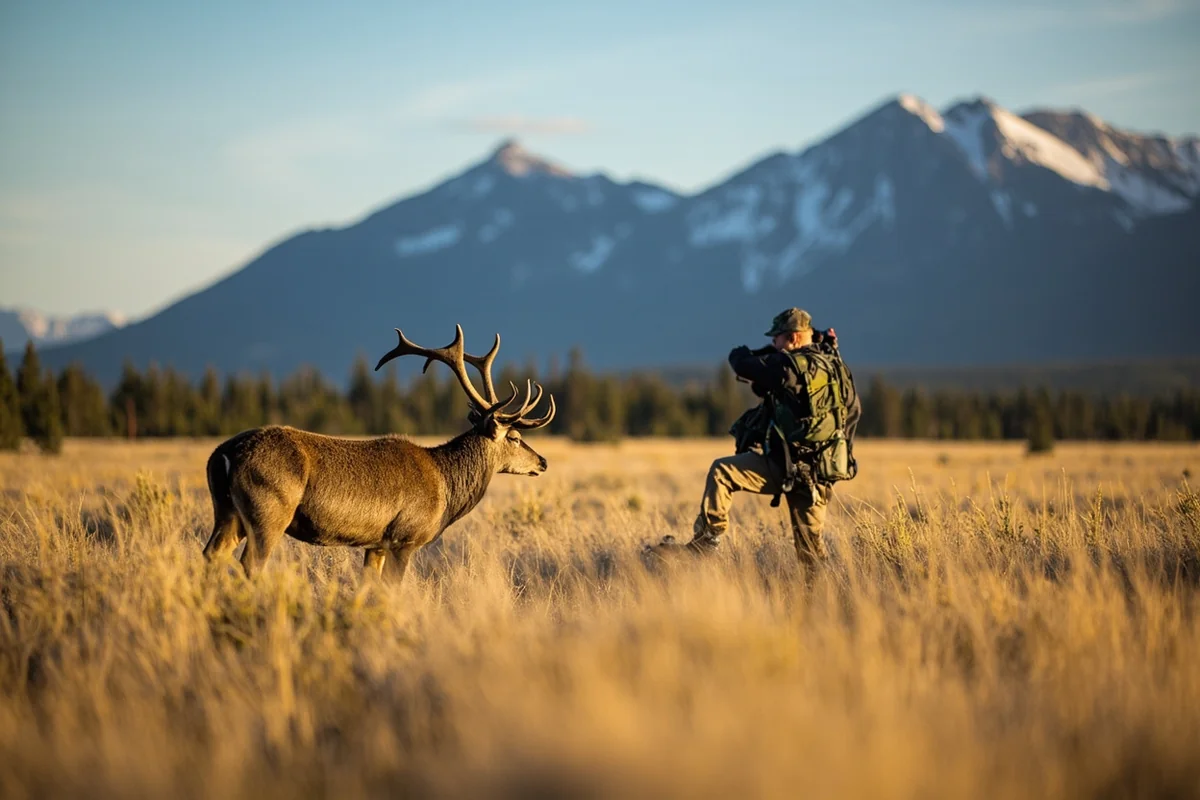
  • Maintain substantial distance: Use binoculars or spotting scopes rather than attempting close approach. A minimum of 100 yards is recommended.
  • Never pursue or follow: Allow the animal to continue its natural behavior without human interference.
  • Avoid calling or baiting: These practices stress wildlife and can create dangerous dependencies.
  • Keep encounters brief: Limit observation time to minimize stress on the animal.
  • Never approach dens or kittens: Female lynx are extremely protective of young and may abandon sites if disturbed.
  • Leave no trace: Pack out all trash and minimize your impact on the habitat.

Safety Considerations

While lynx attacks on humans are virtually non-existent in North America, proper safety protocols remain essential:

  • Travel prepared: Carry bear spray (effective against all predators), first aid supplies, and navigation tools.
  • Inform others: Always tell someone your plans when venturing into remote lynx habitat.
  • Maintain awareness: Lynx territory overlaps with that of more potentially dangerous wildlife like bears, wolves, and mountain lions.
  • Keep dogs leashed: Off-leash dogs may provoke defensive reactions from lynx, particularly near dens.
  • Respect closures: Some areas may be temporarily closed to protect denning lynx; always honor these restrictions.

The profound rarity of lynx encounters makes them all the more special. Many Montana residents have spent lifetimes outdoors without glimpsing these phantom cats. If you’re fortunate enough to experience a lynx sighting, consider it an extraordinary gift—one that comes with the responsibility to protect the moment through ethical viewing practices and by sharing your experience in ways that foster appreciation for these remarkable creatures and their fragile place in Montana’s wild landscapes.

Montana Lynx vs. Other Wild Cats of the Region

Montana’s wilderness is home to three remarkable wild feline species: the Canada lynx (Lynx canadensis), the bobcat (Lynx rufus), and the mountain lion (Puma concolor). While these cats share the same mountainous terrain, they differ significantly in appearance, behavior, and ecological niches.

The Montana lynx stands out with its distinctive physical attributes. At 30-35 pounds, it’s larger than a bobcat but significantly smaller than a mountain lion. The lynx’s most notable features include its oversized, snowshoe-like paws—an adaptation for traveling across deep snow—along with prominent ear tufts and a short, black-tipped tail. Their gray-brown coat provides excellent camouflage in their boreal forest habitat.

Bobcats, though closely related to lynx, are more adaptable and widespread throughout Montana. They’re smaller (15-30 pounds) with smaller paws, shorter ear tufts, and a longer tail with a black tip on top but white underneath. Their coat tends to be more reddish-brown with more prominent spotting than the lynx. Unlike the specialized lynx, bobcats thrive in diverse habitats from forests to desert edges.

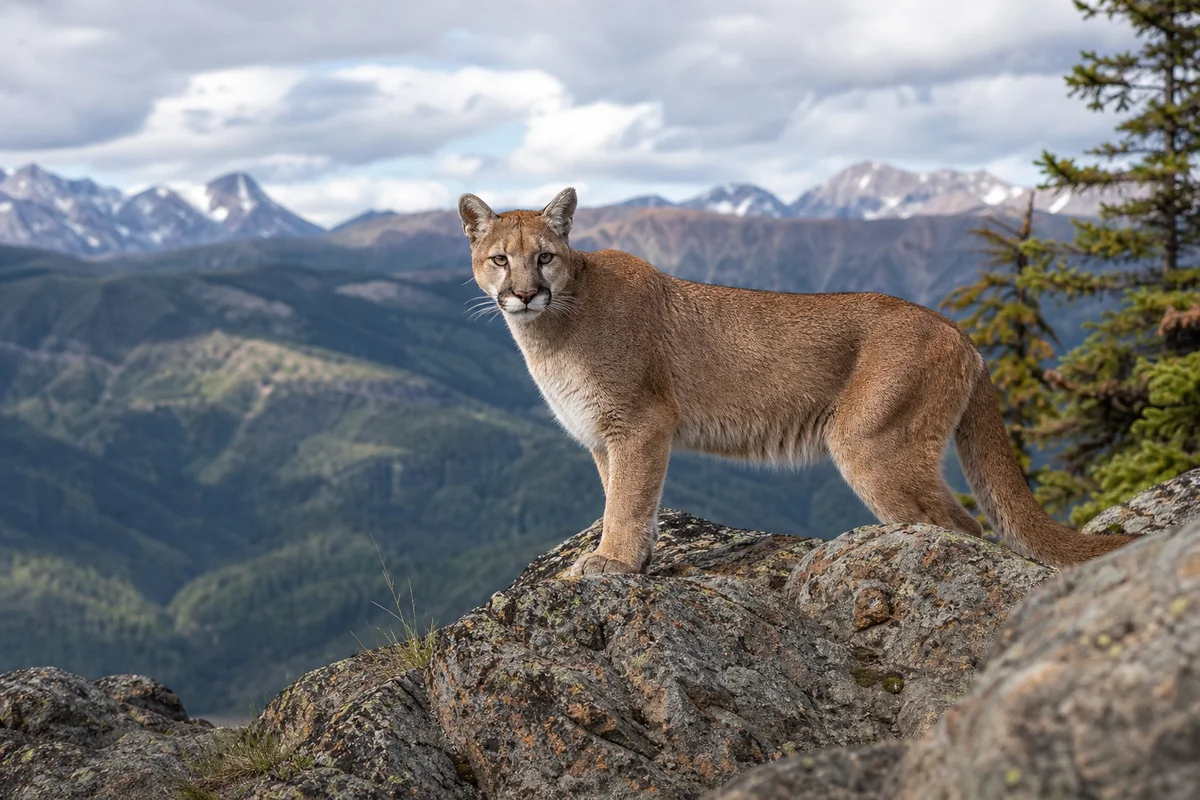
Mountain lions (also called cougars or pumas) dwarf both species at 90-180 pounds. These powerful predators have a uniform tawny coat, a long tail (nearly as long as their body), and lack the ear tufts of lynx and bobcats. Mountain lions occupy vast territories across Montana’s varied landscapes and prey on larger animals like deer and elk.

When identifying these cats in the wild, focus on these key differences:

  • Paw size: Lynx paws are disproportionately large
  • Ear tufts: Prominent in lynx, smaller in bobcats, absent in mountain lions
  • Tail length and markings: Lynx have short tails with solid black tips; bobcats have medium tails with black on top, white underneath; mountain lions have long tails
  • Body size: Mountain lions are substantially larger than both lynx and bobcats

These three felids often have overlapping territories, particularly in Montana’s western and central regions. However, they minimize direct competition through different hunting strategies and prey preferences. Lynx specialize in hunting snowshoe hares in deep snow where their large paws give them an advantage. Bobcats are opportunistic hunters taking rabbits, rodents, and birds across various habitats. Mountain lions focus on larger prey like deer.

Climate change and habitat fragmentation are shifting these competitive dynamics. As snowpack decreases, bobcats can move into traditionally lynx-dominated areas, creating increased competition for the more specialized lynx. Meanwhile, mountain lions maintain their position as apex predators across their range, occasionally preying on both lynx and bobcats when the opportunity arises.

Understanding these differences helps wildlife enthusiasts correctly identify these magnificent cats during rare sightings and appreciate the complex ecological relationships that allow these three predators to coexist in Montana’s diverse landscapes.

Cultural and Historical Significance of Lynx in Montana

The Montana lynx holds a profound place in the cultural tapestry of the region, woven through centuries of human history and spiritual significance. For Indigenous peoples such as the Blackfeet, Salish, Kootenai, and Crow Nations, the lynx was never merely an animal but a being of spiritual importance. Many tribes regarded the lynx as a symbol of patience, stealth, and keen perception—qualities that warriors and hunters aspired to embody. In traditional stories, the lynx often appeared as a clever mediator between worlds or as a teacher of hunting skills.

The arrival of European fur traders in the 18th and 19th centuries dramatically altered the relationship between humans and lynx in Montana. The luxurious, thick fur of the lynx became highly prized in European and Eastern American markets, leading to extensive trapping that significantly reduced lynx populations. During the height of the fur trade, thousands of lynx pelts were shipped annually from the Montana territory, creating one of the first major human impacts on this elusive predator’s existence.

Montana’s artistic heritage frequently features the lynx as a subject of fascination. From early petroglyphs carved by Indigenous artists to contemporary wildlife paintings and photography, the lynx’s distinctive tufted ears and penetrating gaze have captivated creative minds. Regional literature similarly embraces the lynx, with Montana authors like Rick Bass and Doug Peacock incorporating the cat into their nature writing as a symbol of wilderness integrity and the untamed spirit of the Northern Rockies.

The lynx also serves as a powerful cultural symbol in modern Montana. As development and climate change threaten traditional wildlife habitats, the lynx has become an emblem of conservation ethics and the preservation of wild spaces. For many Montanans, the continued presence of lynx in their forests represents a connection to the state’s wild heritage—a living link to the untamed landscape that shaped the region’s identity.

In educational contexts, the Montana lynx serves as an ambassador species, helping young people understand complex ecological relationships and the importance of biodiversity. School programs throughout the state use the lynx’s story to teach not only biology but also lessons about adaptation, resilience, and the delicate balance of natural systems—values deeply embedded in Montana’s cultural identity.

The Future of Montana’s Lynx: Challenges and Hope

The future of Montana’s lynx population stands at a critical crossroads. As we look ahead, the intersection of climate change, habitat fragmentation, and conservation efforts will determine whether these elusive cats continue to prowl the northern forests or fade into local extinction.

Climate projections for Montana suggest a significant reduction in snowpack over the next 50 years—a troubling forecast for a species so perfectly adapted to deep snow environments. With warming temperatures pushing the lynx’s preferred habitat northward and to higher elevations, Montana’s populations may become increasingly isolated, creating genetic islands that reduce overall species resilience.

Despite these challenges, conservation priorities have been established that offer genuine hope. The preservation and connection of high-elevation forest corridors has become a focal point for land managers and conservation organizations. These wildlife highways allow lynx to move between isolated habitat patches, maintaining genetic diversity and enabling population stability. The Northern Rockies Lynx Management Direction, implemented by federal agencies, continues to provide crucial protections for lynx habitat on public lands.

Success stories have emerged from these conservation efforts. In areas where forest management has incorporated lynx-friendly practices—maintaining dense understory vegetation and preserving mature forest stands—lynx populations have shown remarkable resilience. The recolonization of previously abandoned territories in western Montana demonstrates that with proper habitat protection, lynx can recover.

Individual actions also play a significant role in lynx conservation. Montana residents and visitors supporting wilderness designations, participating in citizen science programs tracking lynx populations, and advocating for climate-smart policies all contribute to the species’ future. Even simple actions like respecting winter wildlife closures in lynx habitat help reduce stress on these animals during critical seasons.

Several important research questions remain unanswered, driving ongoing scientific inquiry. How exactly will lynx adapt their hunting techniques as snowpack patterns change? What minimum habitat connectivity requirements will maintain viable populations? Can forest management practices be further refined to benefit both lynx and human communities? The answers to these questions will shape conservation strategies in coming decades.

The future of Montana’s lynx ultimately depends on our collective commitment to preserving wilderness, addressing climate change, and valuing biodiversity. While the challenges are substantial, the demonstrated adaptability of these remarkable cats, combined with growing public awareness and scientific understanding, provides genuine reason for hope. With continued dedication to evidence-based conservation, future generations of Montanans may still glimpse those distinctive tufted ears and oversized paws moving silently through snowy forests.

FAQs About Montana Lynx

What is a Montana lynx and how is it different from other wild cats?

The Montana lynx (Lynx canadensis) is a medium-sized wild cat with distinctive tufted ears, large snowshoe-like paws, and a short black-tipped tail. Unlike bobcats, they have longer legs, larger paws, and less prominent spotting. They’re much smaller than mountain lions, weighing between 18-30 pounds, and are specially adapted for hunting in deep snow environments.

Where can I find lynx in Montana?

Lynx primarily inhabit high-elevation coniferous forests in northwestern Montana, particularly around Glacier National Park, the Cabinet Mountains Wilderness, and the Seeley-Swan Valley. They prefer mature spruce-fir forests with dense undergrowth at elevations between 4,000-7,000 feet where snowshoe hares—their primary prey—are abundant.

Why are Montana lynx considered threatened?

Montana lynx are listed as threatened under the Endangered Species Act due to habitat fragmentation, climate change impacts on snowpack, and human development. Their specialized adaptations for deep snow environments make them particularly vulnerable as winters become shorter and warmer, giving competitors like coyotes and bobcats an advantage in their traditional habitat.

What do Montana lynx eat?

Snowshoe hares make up 75-90% of a Montana lynx’s diet, creating one of North America’s most specialized predator-prey relationships. During hare scarcity, they’ll also hunt red squirrels, grouse, young deer, and other small mammals. Their hunting success is closely tied to snow conditions, as their large paws give them an advantage over other predators in deep snow.

How likely am I to see a lynx in the wild in Montana?

Extremely unlikely. Montana lynx are among the most elusive predators in North America, with even dedicated researchers going years between sightings. Your best chances come in winter after fresh snowfall in remote high-elevation forests at dawn or dusk, particularly in northwestern Montana. Most “encounters” are limited to tracks or trail camera images rather than actual sightings.

How is climate change affecting Montana’s lynx population?

Climate change poses the greatest long-term threat to Montana lynx by reducing snowpack depth and duration. This eliminates their competitive advantage over other predators, disrupts snowshoe hare populations, and forces lynx to seek habitat at increasingly higher elevations. Climate models suggest Montana could lose 40-70% of suitable lynx habitat by mid-century if current warming trends continue.

What conservation efforts are protecting Montana lynx?

Conservation efforts include critical habitat designation under the Endangered Species Act, wildlife corridor preservation between habitat patches, modified forest management practices that maintain snowshoe hare habitat, and restrictions on trapping in lynx territories. Research programs using GPS collars, DNA sampling, and camera traps help scientists understand population trends and habitat needs to guide protection strategies.

How do lynx and snowshoe hare populations interact in Montana?

Montana lynx and snowshoe hare populations follow a famous 10-year cycle of boom and bust. When hares are abundant, lynx reproduction increases dramatically. As lynx numbers grow, they put intense predation pressure on hares, eventually causing a population crash. This decline then leads to reduced lynx reproduction until the hare population recovers, starting the cycle again.

Sources

Sarah Bennett

My writing is rooted in long-term experience living in Montana, covering its cities through the lens of everyday life and local highlights. I aim to provide a balanced perspective that is supported by research and facts, helping readers understand the true character of these communities without hype or exaggeration

Leave a Reply