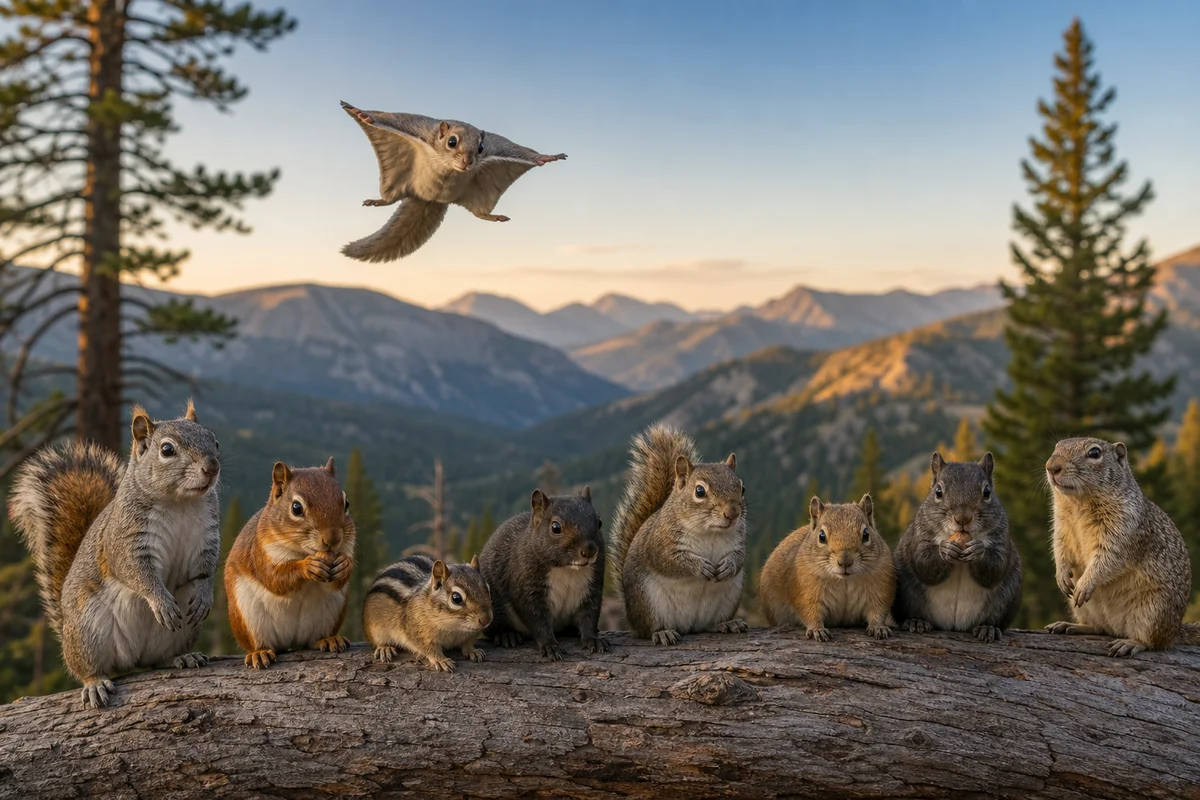
I was crouched behind a fallen ponderosa pine in the Rattlesnake Wilderness last September when a Northern flying squirrel glided directly over my head—a surreal, silent apparition against the twilight sky that made me forget I was supposed to be watching for owls.
That single moment reminded me why squirrels deserve far more attention than they typically receive among Montana wildlife enthusiasts.
Most visitors come to Montana hoping to spot bears, elk, or mountain lions—and rightfully so. But I’ve spent the better part of a decade exploring this state’s forests, grasslands, and alpine zones, and I can tell you that Montana’s nine squirrel species offer some of the most accessible and genuinely entertaining wildlife encounters you’ll have here.
- Montana hosts 9 squirrel species across diverse habitats, from prairie grasslands to alpine peaks
- Red squirrels are the most commonly seen; Northern flying squirrels require night visits
- Best viewing: Glacier National Park, Lolo National Forest, and Rocky Mountain Front
- Prime seasons: Late spring through early fall for most species; chipmunks hibernate
- Golden-mantled ground squirrels are often mistaken for chipmunks—look for size and stripes
- No feeding—human food harms squirrels and creates dangerous wildlife behavior
Liked this article?
Add Roaming Montana as a preferred source so you see more of our articles and guides on Google.
Why Montana Squirrels Matter More Than You Think
I’ll be honest—when I first started documenting Montana wildlife, squirrels were an afterthought. I was chasing the glamorous stuff: grizzlies in the Swan Valley, bighorn sheep along the Rocky Mountain Front, and deer in the Bitterroot.
But something shifted during a three-week camping trip through Glacier National Park in 2019. I kept a wildlife journal that trip, and by the end, squirrel sightings outnumbered every other mammal combined by a ratio of roughly 15 to 1.
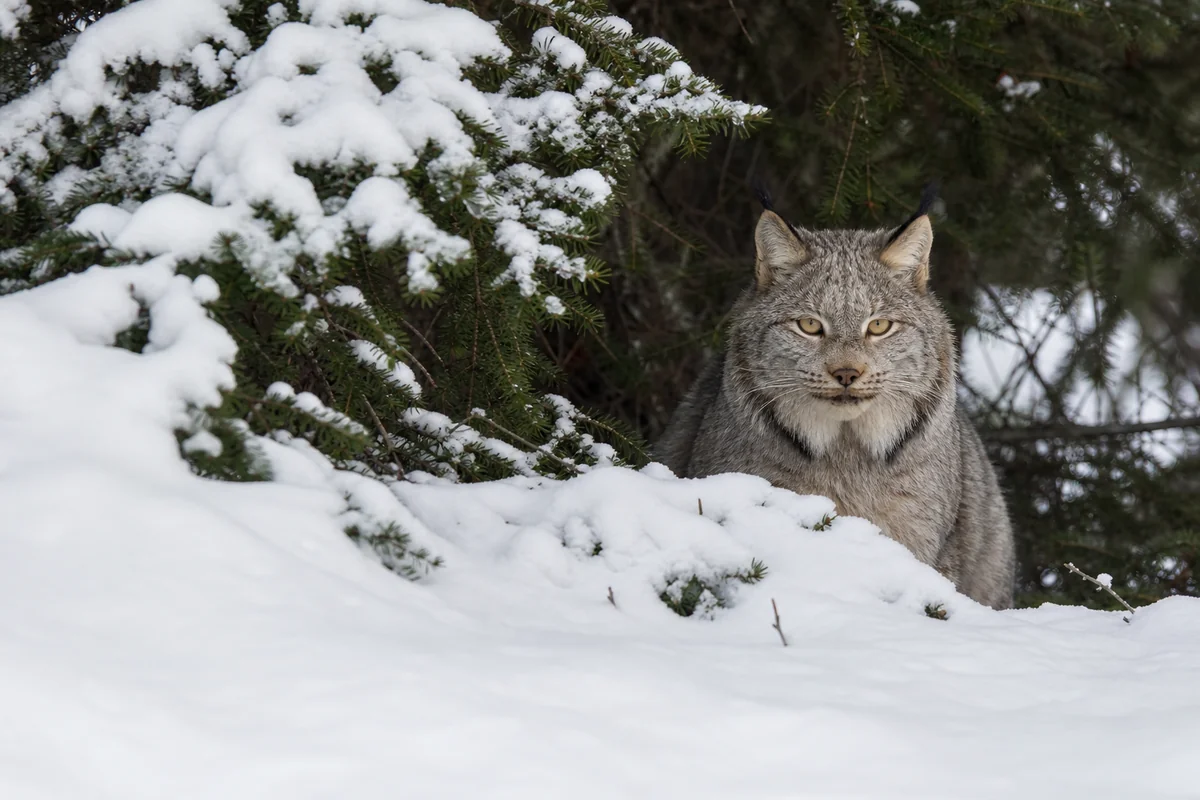
These small mammals are ecosystem engineers. Red squirrels cache millions of conifer seeds annually, accidentally planting the next generation of Montana’s forests. Ground squirrels aerate soil and provide critical prey for lynx, hawks, and the rattlesnakes that share their grassland habitats.
Understanding squirrels also helps you read the landscape. When red squirrels fall silent, something larger is usually approaching. During my visit to the Seeley-Swan corridor last summer, a sudden squirrel alarm call gave me a 30-second heads-up before a black bear wandered through my picnic area.
The Complete Montana Squirrel Species Guide
Montana officially hosts nine squirrel species, though you’ll need luck, patience, and the right timing to see them all. I’ve personally encountered eight of the nine (still working on the elusive fox squirrel), and each one has its own personality, preferred habitat, and viewing quirks.
Red Squirrel (Tamiasciurus hudsonicus)
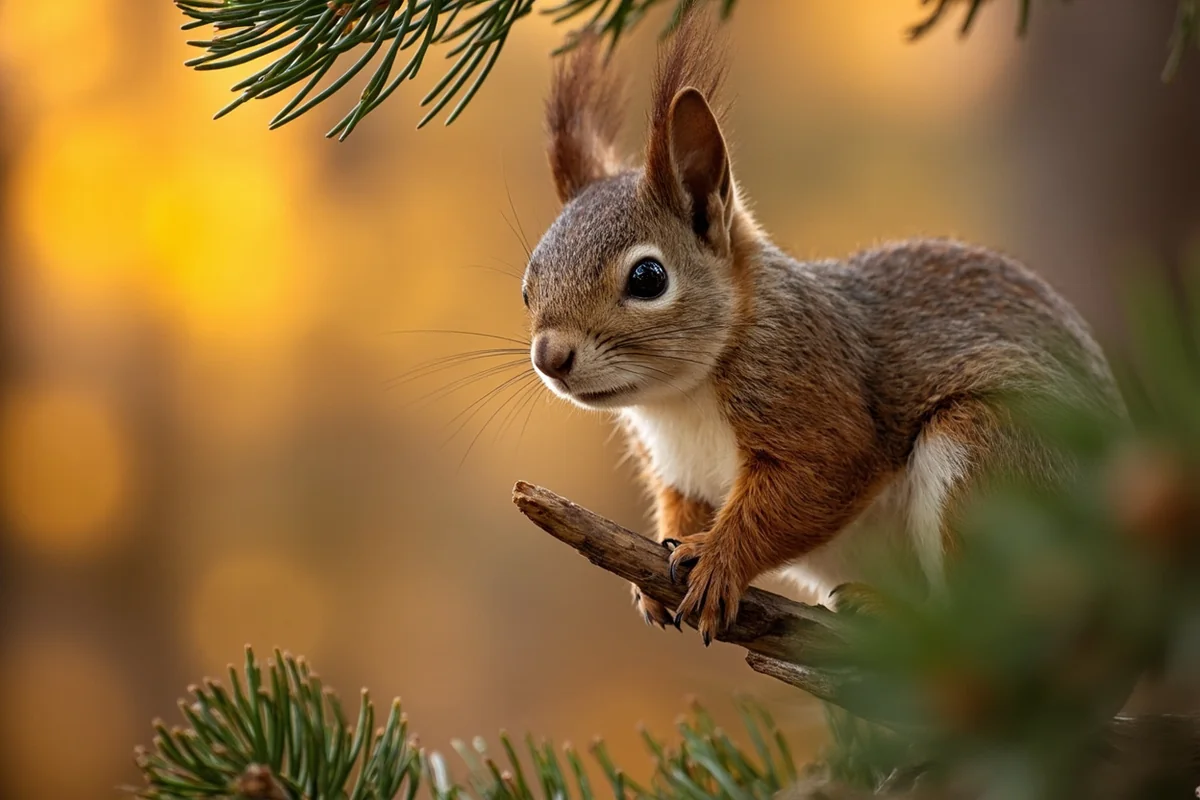
The red squirrel is Montana’s most commonly encountered tree squirrel, and also its most vocal. These rust-colored bundles of energy rarely weigh more than half a pound, but their chattering territorial calls can echo through an entire drainage.
I’ve found red squirrels in nearly every coniferous forest I’ve hiked in Montana. They’re particularly abundant around Seeley Lake, throughout the Flathead National Forest, and in the lodgepole pine stands surrounding West Yellowstone.
During my September trip to the Lolo National Forest, I spent an afternoon watching a single red squirrel dismantle 47 lodgepole pine cones in under three hours. The scale middens they create—massive piles of discarded cone debris—can grow to several feet tall over generations.
Best viewing tip: Listen for their distinctive “chit-chit-chit” alarm call, then look toward the sound. They’ll often stay put, scolding you from a safe branch rather than fleeing.
Northern Flying Squirrel (Glaucomys sabrinus)
This is Montana’s only nocturnal squirrel species, and spotting one requires dedicated effort. I spent three nights in the Rattlesnake Wilderness before finally seeing my first one, and even then, it was a fleeting glimpse.
Northern flying squirrels don’t actually fly—they glide, using a membrane called a patagium that stretches between their front and back legs. They can cover up to 150 feet in a single glide, steering with their flat, rudder-like tails.
Your best chance to see them is at dusk in old-growth forests with plenty of standing dead trees. They nest in woodpecker cavities and natural tree hollows, emerging after dark to feed on lichens, fungi, seeds, and insects.
Best viewing tip: Bring a red-filtered headlamp. Regular white light startles them, but red light is less disruptive. The forests around Polebridge and the North Fork of the Flathead are prime habitat.
Columbian Ground Squirrel (Urocitellus columbianus)
If you’ve visited Glacier National Park, you’ve seen Columbian ground squirrels—they’re the chunky, reddish-brown squirrels that populate every meadow, picnic area, and trailhead parking lot in the park.
These ground-dwellers are highly social, living in colonies that can contain dozens of individuals. During my last trip to Logan Pass in July, I counted over 30 within sight of the visitor center.
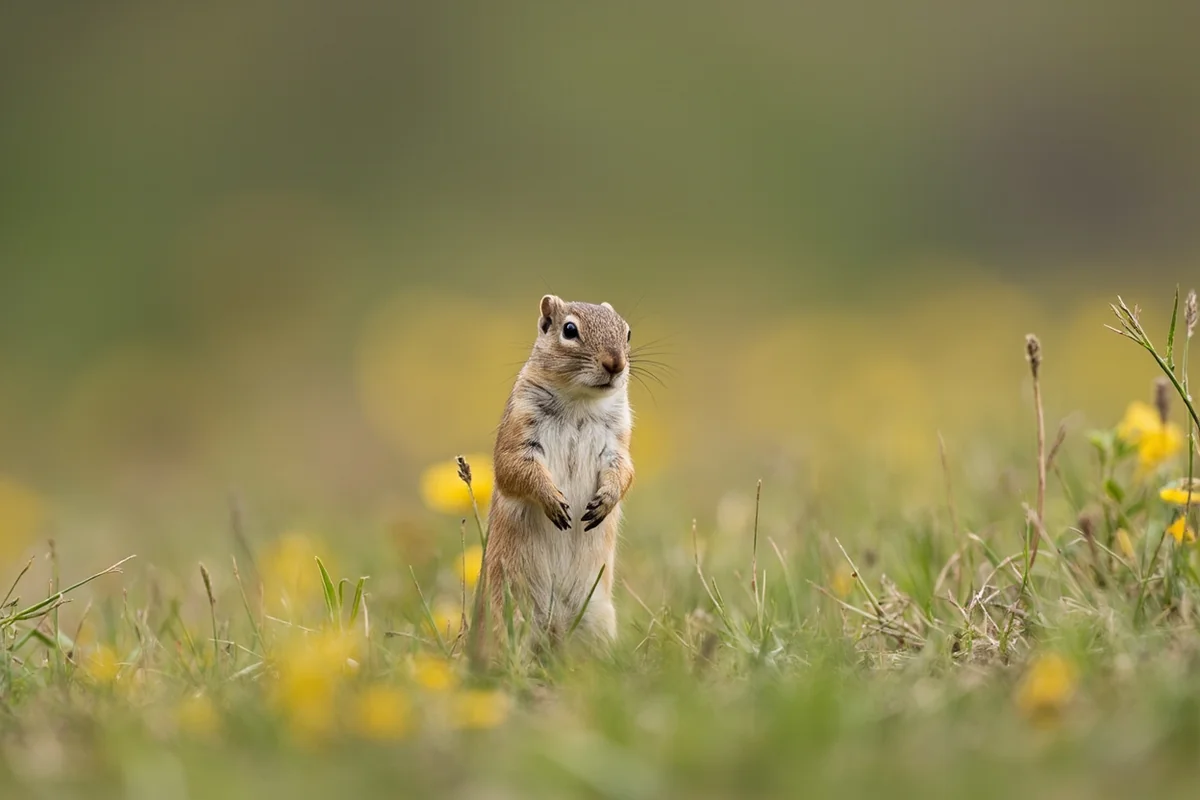
Columbian ground squirrels are true hibernators, spending roughly seven months underground each year. They typically emerge in April and disappear again by late August or early September, making summer the only window for sightings.
Best viewing tip: The Many Glacier area offers exceptional viewing. These squirrels are habituated to people but shouldn’t be fed—it disrupts their natural foraging and makes them dependent on unreliable human food sources.
Golden-mantled Ground Squirrel (Callospermophilus lateralis)
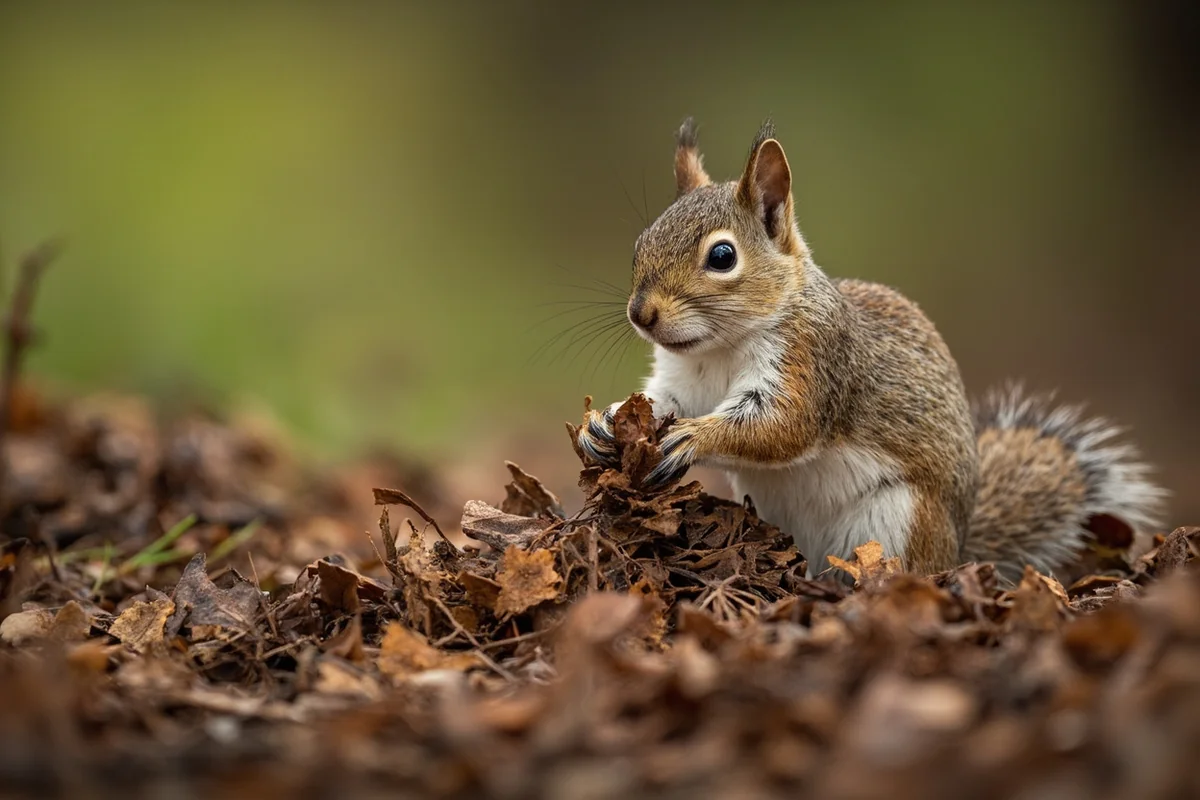
This species causes more identification confusion than any other Montana rodent. Golden-mantled ground squirrels look almost exactly like oversized chipmunks at first glance, with similar striping and coloration.
Here’s the key difference I use: chipmunks have stripes that extend onto their faces, while golden-mantled ground squirrels have unstriped, solid-colored heads. Golden-mantled squirrels are also noticeably larger, typically weighing twice as much as a chipmunk.
I encounter these squirrels regularly in rocky, forested areas throughout western Montana. They’re especially common along the Going-to-the-Sun Road in Glacier and around the developed areas of Yellowstone’s northern entrance.
Best viewing tip: Look for them near rocky outcrops and talus slopes. They prefer areas where they can quickly dart to safety among boulders if predators appear.
Thirteen-lined Ground Squirrel (Ictidomys tridecemlineatus)
Eastern Montana’s prairies host this beautifully patterned ground squirrel. The thirteen-lined ground squirrel sports alternating light and dark stripes along its back, with rows of pale spots within the dark stripes creating a distinctive dotted appearance.
During my drive along Highway 2 through the Hi-Line last June, I spotted these squirrels standing sentinel-style in the grasslands near Malta and Glasgow. They’re far less common than Richardson’s ground squirrels but occupy similar habitat.
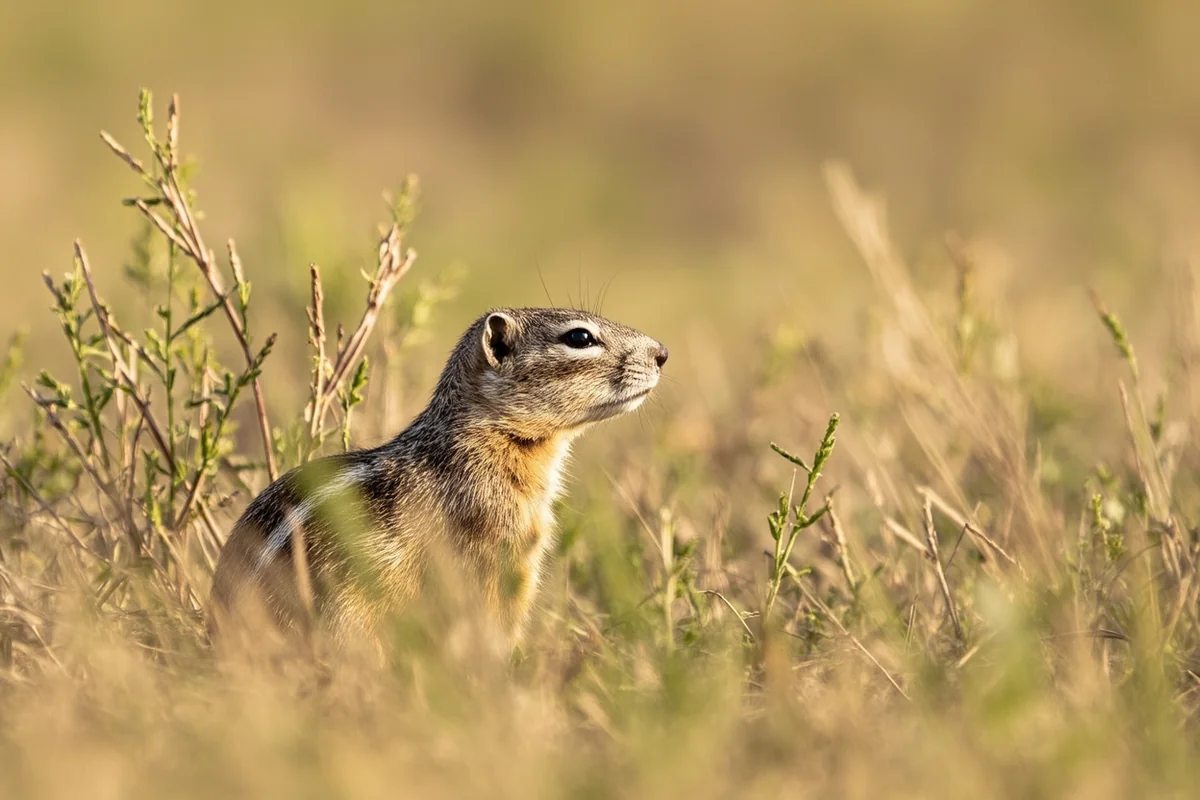
These are solitary squirrels, unlike the colonial Columbian and Richardson’s ground squirrels. Each individual maintains its own burrow system and territory.
Best viewing tip: Drive slowly along rural roads in eastern Montana during early morning. They often perch upright near their burrow entrances to warm up in the sun.
Richardson’s Ground Squirrel (Urocitellus richardsonii)
Locals call them “picket pins” or “gophers” (incorrectly—true gophers are different animals), and they’re the most abundant ground squirrel in Montana’s eastern prairies and agricultural lands.
Richardson’s ground squirrels are yellowish-brown without distinctive markings, and they stand perfectly upright when alarmed, looking like small prairie dogs from a distance. Their colonies can be massive—I’ve seen fields near Great Falls with hundreds of burrow entrances.
These squirrels have a complicated relationship with farmers and ranchers. While they aerate soil and provide food for raptors and other predators, their extensive burrowing can damage equipment and crops.
Best viewing tip: The prairies around Lewistown and the Charles M. Russell National Wildlife Refuge offer excellent viewing opportunities among native grassland habitats.
Wyoming Ground Squirrel (Urocitellus elegans)
Despite its name, the Wyoming ground squirrel is common throughout southwestern Montana. I’ve encountered them most frequently in the Beaverhead and Madison valleys, particularly around Dillon and Ennis.
They look similar to Richardson’s ground squirrels but tend to be slightly smaller with grayer coloration. Honestly, telling these two species apart in the field without a close look is challenging even for experienced observers.
Best viewing tip: Look for them in sagebrush country between 5,000 and 8,000 feet elevation. They’re most active in morning and late afternoon during summer.
Fox Squirrel (Sciurus niger)
The fox squirrel is Montana’s largest tree squirrel and its rarest. These hefty, orange-tinted squirrels are primarily found in the eastern part of the state, particularly in riparian corridors along the Yellowstone and Missouri rivers.
I haven’t personally confirmed a fox squirrel sighting in Montana despite several dedicated searches. They’re most likely to appear in deciduous woodlands near towns like Miles City, Glendive, and Sidney, where mature cottonwoods provide food and nesting sites.
Best viewing tip: Check urban parks and cemeteries in eastern Montana towns during early morning. Fox squirrels are less shy around human development than other species.
A Note About Chipmunks
Chipmunks are technically squirrels—they belong to the family Sciuridae—but Montana’s three chipmunk species (least chipmunk, yellow-pine chipmunk, and red-tailed chipmunk) are covered in our broader winter animals coverage since their hibernation patterns create unique seasonal viewing considerations.
Montana Squirrel Species Quick Reference
| Species | Habitat | Active Period | Best Location |
|---|---|---|---|
| Red Squirrel | Coniferous forests | Year-round, diurnal | Flathead NF, Seeley Lake |
| Northern Flying Squirrel | Old-growth forests | Year-round, nocturnal | Rattlesnake Wilderness |
| Columbian Ground Squirrel | Mountain meadows | April–August, diurnal | Glacier National Park |
| Golden-mantled Ground Squirrel | Rocky forests | May–September, diurnal | Going-to-the-Sun Road |
| Thirteen-lined Ground Squirrel | Short-grass prairie | April–September, diurnal | Hi-Line region |
| Richardson’s Ground Squirrel | Grasslands, ag fields | March–August, diurnal | Central Montana prairies |
| Wyoming Ground Squirrel | Sagebrush valleys | April–August, diurnal | Beaverhead Valley |
| Fox Squirrel | Riparian woodlands | Year-round, diurnal | Eastern MT river corridors |
Where to See Montana Squirrels: My Favorite Locations
After years of squirrel watching across Montana, I’ve identified several locations that consistently deliver excellent sightings. Here’s where I recommend spending your time.
Glacier National Park
Glacier offers the highest squirrel diversity of any single location in Montana. Within the park, you can encounter red squirrels, Columbian ground squirrels, golden-mantled ground squirrels, and Northern flying squirrels without traveling more than 30 miles.
The Logan Pass area is ground squirrel central. On a recent July visit, I photographed both Columbian and golden-mantled ground squirrels within 50 feet of the visitor center. The alpine meadows between the parking lot and Hidden Lake Overlook are particularly productive.
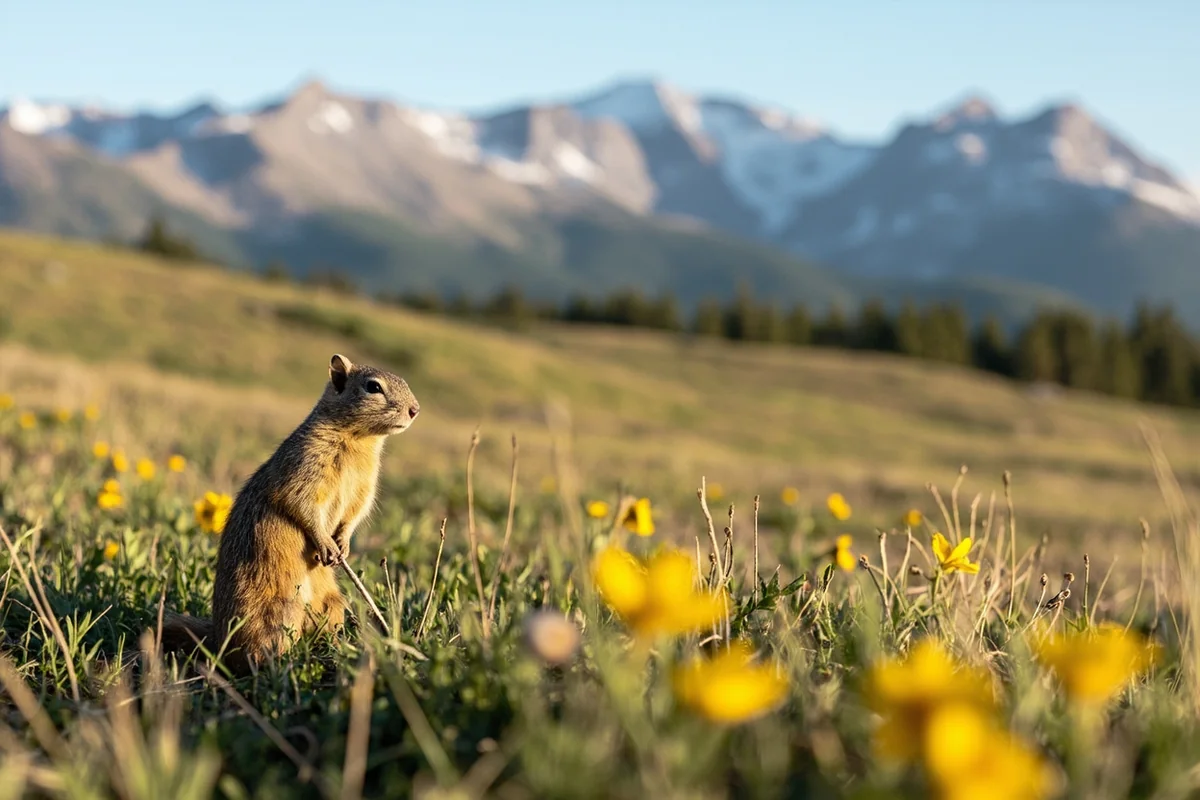
For red squirrels, the forested trails in the Many Glacier valley are exceptional. The Swiftcurrent Nature Trail offers easy access to prime habitat, and the dense spruce-fir forests along the Iceberg Lake Trail are practically crawling with them during July and August.
Lolo National Forest
The Lolo is my go-to forest for red squirrel encounters. The area around Seeley Lake, particularly the Morrell Falls Trail and the forests along the Clearwater River, supports high red squirrel densities.
This forest also offers some of the best Northern flying squirrel habitat in the state. During a camping trip near Holland Lake last August, I set up near a snag-rich forest edge and spotted two flying squirrels gliding between trees just after sunset.
The mix of mature forests, wetlands, and clearings creates excellent edge habitat where multiple species overlap. I’ve seen red squirrels, chipmunks, and ground squirrels all within a single afternoon hike here.
Rocky Mountain Front
The dramatic transition zone where Montana’s prairies meet the mountains creates unique squirrel viewing opportunities. You can find both mountain and prairie species within a short drive of towns like Choteau and Augusta.
The Pine Butte Swamp Preserve, managed by The Nature Conservancy, offers exceptional habitat diversity. During my visit last spring, I observed Richardson’s ground squirrels in the grasslands and red squirrels in the montane forest patches, all while keeping an eye out for grizzlies descending from the peaks.
Charles M. Russell National Wildlife Refuge
For prairie squirrel specialists like the thirteen-lined and Richardson’s ground squirrels, the CMR refuge in eastern Montana is hard to beat. This million-acre preserve protects native grasslands that have become increasingly rare elsewhere.
The auto tour routes through the refuge pass through excellent ground squirrel habitat. I recommend driving slowly during morning hours and stopping frequently to scan the roadside for upright silhouettes.
This area also supports populations of diverse bird species that prey on ground squirrels, making it a productive destination for combined wildlife watching.
Beaverhead-Deerlodge National Forest
Southwest Montana’s vast national forest complex provides excellent squirrel habitat from valley floors to alpine zones. The Big Hole Valley and the upper Madison drainage are particularly productive.
I’ve had good success finding Wyoming ground squirrels along the Pioneer Mountains Scenic Byway. The sagebrush meadows between Wise River and Polaris support healthy populations, though they require more patience to spot than the abundant Columbian ground squirrels of Glacier.
Best Seasons and Times for Squirrel Watching
Timing matters enormously for Montana squirrel viewing. Ground squirrels hibernate for up to eight months annually, while tree squirrels remain active year-round but alter their behavior seasonally.
Spring (April–May)
Ground squirrels emerge from hibernation in April, making this an excellent time for prairie squirrel watching. The squirrels are hungry after their long winter sleep and spend considerable time foraging in the open.
However, mountain access remains limited during spring. Many roads in Glacier and other high-elevation areas don’t open until late May or June, restricting access to Columbian and golden-mantled ground squirrel habitat.
Red squirrels are active but often focused on breeding activities during spring. I’ve found them more skittish and less vocal during April and early May compared to later in the season.
Summer (June–August)
This is prime squirrel season in Montana. All species are active, access roads are open, and long daylight hours provide extended viewing opportunities.
During my August visits to Glacier, ground squirrel activity peaks during early morning (7-10 AM) and late afternoon (4-7 PM). Midday heat drives them underground, so plan your viewing sessions accordingly.
For Northern flying squirrels, the shorter summer nights mean later sunset times—typically around 9:30 PM in late June. Plan to be in position at least 30 minutes before dark.
Fall (September–October)
Fall brings frantic pre-hibernation activity among ground squirrels. They’re feeding intensively to build fat reserves, making them more visible and less cautious than usual.
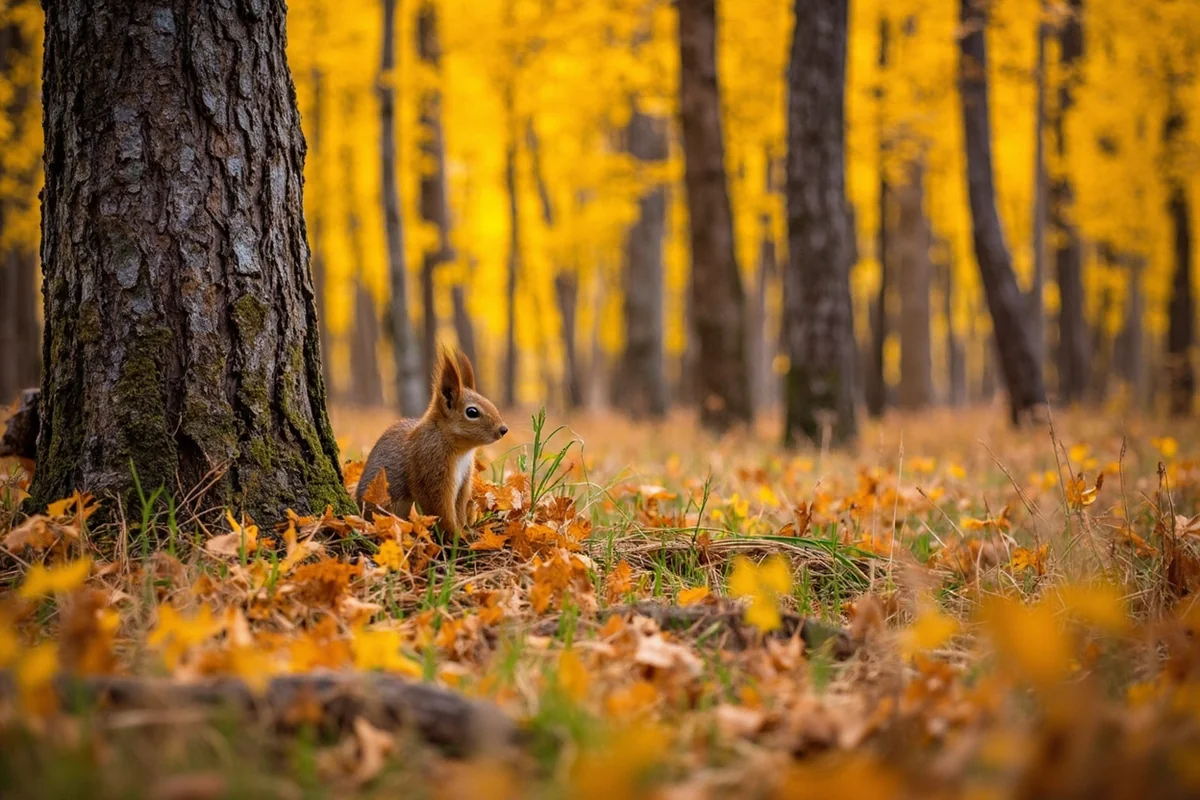
Red squirrels are also at their most active during fall. Their cone caching behavior reaches peak intensity in September and October, providing excellent opportunities to watch them work.
I particularly enjoy fall squirrel watching because the decreased tourist pressure means quieter viewing conditions. During a late September trip to Many Glacier last year, I had entire meadows to myself.
Winter (November–March)
Ground squirrels are underground, but tree squirrels remain active throughout winter. Red squirrels venture out on all but the coldest days to access their cached food supplies.
Winter squirrel watching requires snowshoes or cross-country skis in most areas. The effort is worth it—red squirrels against fresh snow create stunning photographic opportunities, and their tracks tell stories across the white landscape.
Northern flying squirrels also remain active during winter, though the long nights and cold temperatures make nighttime observation more challenging. I’ve spotted them near bird feeders in the Seeley Lake area during December.
Photography Tips from the Field
I’ve made plenty of mistakes photographing Montana squirrels over the years. Here’s what I’ve learned about getting quality images of these quick, unpredictable subjects.
Gear Considerations
A telephoto lens in the 100-400mm range covers most squirrel photography situations. Ground squirrels at popular viewing areas like Logan Pass can be photographed with shorter lenses, but habituated wildlife often produces less interesting images than wild-behaving animals at greater distances.
A sturdy tripod helps during long waits for flying squirrel appearances. Handholding a camera at dusk while watching for movement quickly leads to fatigue and missed shots.
I always carry a ground cloth or foam pad for getting low. Squirrel-level perspectives create far more engaging images than shooting down from standing height.
Behavioral Tips
Patience produces better squirrel photos than pursuit. When I spot an active squirrel, I find a comfortable position and wait rather than stalking closer. Squirrels habituate to stationary observers surprisingly quickly.
Morning light in Montana is exceptional for wildlife photography. The golden tones during the first two hours after sunrise complement the warm fur colors of most squirrel species beautifully.
Watch for predictable behavior patterns. Red squirrels often use the same branch paths repeatedly. Ground squirrels return to favorite sentinel posts. Identifying these patterns lets you pre-position your camera for action.
Squirrel Safety and Ethics
Responsible wildlife watching protects both the animals and future viewing opportunities. I follow several guidelines during every squirrel encounter.
Never Feed Wildlife
This cannot be overstated. Feeding squirrels—or any Montana wildlife—harms them in multiple ways. Human food lacks proper nutrition, feeding creates dangerous dependencies, and habituated animals often must be killed when they become aggressive or problematic.
I’ve witnessed tourists at Logan Pass hand-feeding ground squirrels despite clear signage prohibiting the practice. Those same squirrels approach cars, risk being run over, and may bite children expecting food. The cuteness isn’t worth the consequences.
Maintain Distance
Even for small animals, I try to maintain at least 25 feet of distance. Approaching too closely causes stress, disrupts natural behavior, and can separate parents from young.
If a squirrel shows alarm behavior—freezing, alarm calling, or fleeing—you’re too close. Back away slowly and give the animal space to resume normal activities.
Stay on Trails
Trampling vegetation to pursue squirrels damages habitat far beyond your footprints. Alpine meadows like those at Logan Pass take decades to recover from off-trail damage.
The established trails provide plenty of excellent viewing opportunities. I’ve photographed every Montana squirrel species I’ve encountered from designated paths and roadways.
Squirrels and Montana’s Broader Ecosystem
Understanding how squirrels fit into Montana’s ecology enhances your appreciation of these common but remarkable animals.
Red squirrels are primary prey for alpine predators including American martens, fishers, and raptors. Their abundance directly influences predator populations, creating cascading effects throughout forest ecosystems.
Ground squirrels serve a similar role in prairie food webs. Ferruginous hawks, golden eagles, badgers, and coyotes all depend heavily on ground squirrel populations. When I watch waterfowl and other prairie wildlife, I’m always aware that the ground squirrels nearby are supporting the entire system.
Squirrels also interact with other Montana mammals in surprising ways. Red squirrels and flying squirrels compete for tree cavities. Ground squirrels share burrow systems with prairie rattlesnakes, sometimes deliberately. These connections remind me that every animal I encounter is part of something larger.
The role of squirrels in forest regeneration deserves special mention. Red squirrels cache far more seeds than they recover, effectively planting thousands of trees during their lifetimes. Some researchers estimate that squirrel caching accounts for a significant percentage of natural conifer regeneration in Montana’s forests.
Climate change is already affecting Montana’s squirrel populations. Shifting hibernation timing, changing food availability, and altered predator-prey dynamics create uncertainty about future squirrel distributions. Some species tracked as potentially threatened depend on stable squirrel populations as prey.
Beyond Squirrels: Montana’s Small Mammal Diversity
Once you develop an eye for squirrels, you’ll start noticing Montana’s other small mammals too. The same observation skills translate directly to spotting pikas, marmots, voles, and shrews.
Marmots share many characteristics with large ground squirrels and occupy similar alpine habitats. During a hike to Grinnell Glacier last July, I photographed both hoary marmots and Columbian ground squirrels within the same meadow.
The American pika—technically a lagomorph related to rabbits rather than a rodent—occupies rocky talus slopes alongside golden-mantled ground squirrels. Their distinctive “eek” calls often alert me to productive viewing areas.
Montana’s biodiversity extends far beyond the charismatic megafauna that dominates tourism marketing. From the intricate spider populations to the winter bird communities, small creatures reward patient observers with endless fascination.
For visitors interested in Montana’s full wildlife tapestry, checking out resources on invasive species helps understand the challenges facing native animals like squirrels. And for a completely different Montana wildlife experience, the state’s alpaca farms and mountain horse operations offer domesticated animal encounters that complement wild observations.
Planning Your Montana Squirrel Adventure
Here’s how I recommend structuring a trip focused on squirrel diversity.
Start in Glacier National Park during July or August when ground squirrels are abundant and all park roads are open. Spend at least two days exploring the Logan Pass and Many Glacier areas, where you’ll encounter four species without significant effort.
Add a night or two in the North Fork area near Polebridge for a shot at Northern flying squirrels. This requires camping or staying at one of the few rustic accommodations in the area, but the intact wilderness character makes the effort worthwhile.
Include a day driving through eastern Montana’s prairies. The stretch between Great Falls and Malta along Highway 87 passes through excellent Richardson’s and thirteen-lined ground squirrel habitat. Combine this with a visit to the Charles M. Russell National Wildlife Refuge for the full prairie experience.
If you’re visiting during the shoulder seasons, focus on the lower-elevation forests around Seeley Lake and the Bitterroot Valley. Red squirrels remain active here when mountain areas are snow-covered or ground squirrels are still hibernating.
Allow flexibility in your schedule. Wildlife watching is inherently unpredictable, and the best encounters often happen when you have time to wait. I’ve learned that rushing through Montana never produces the experiences that lingering allows.
Montana’s squirrels won’t make your Instagram followers gasp the way a grizzly bear photo might. But for travelers who appreciate the full fabric of wild Montana, these energetic, charismatic, often comical creatures add depth and richness to every forest walk, meadow crossing, and prairie drive. Give them your attention, and they’ll reward you with glimpses into a Montana that most visitors never notice.
Frequently Asked Questions
What types of squirrels can I see while visiting Montana?
Montana is home to several squirrel species including red squirrels, fox squirrels, northern flying squirrels, and various ground squirrels like the Columbian and golden-mantled varieties. I’ve found that red squirrels are the most commonly spotted in forested areas, while ground squirrels are abundant in Glacier National Park’s alpine meadows. Richardson’s ground squirrels, often called ‘picket pins’ by locals, are particularly entertaining to watch near park roadsides.
When is the best time to see squirrels in Montana national parks?
The best time for Montana squirrel watching is late spring through early fall, specifically May through September when ground squirrels are most active before hibernation. I recommend visiting in early morning or late afternoon when temperatures are cooler and squirrels are foraging. Keep in mind that many ground squirrel species hibernate by August, so plan your trip for June or July for the greatest variety.
Where are the best spots to photograph squirrels in Glacier National Park?
Logan Pass and the Hidden Lake Overlook trail are prime locations where I’ve consistently spotted Columbian ground squirrels posing just feet from the boardwalk. The Many Glacier area and Going-to-the-Sun Road pullouts also offer excellent opportunities, especially near picnic areas. Bring a zoom lens of at least 200mm, though these curious critters often approach within 10-15 feet of patient photographers.
Are Montana squirrels dangerous and can I feed them?
While Montana squirrels appear friendly, feeding wildlife is illegal in all Montana state and national parks and carries fines up to $150. Ground squirrels can carry fleas that transmit plague, and bites may require medical attention, so maintain a safe distance of at least 6 feet. I always keep my snacks sealed and stored away, as habituated squirrels can become aggressive around food.
What should I bring for squirrel watching on Montana hiking trails?
Pack binoculars for observing squirrels without disturbing them, a camera with a telephoto lens, and bear-resistant containers for your snacks since squirrels will target unsealed food. I also recommend bringing layers since mountain meadows where ground squirrels thrive can be 20°F cooler than valley floors. A small field guide to Montana mammals helps distinguish between the similar-looking ground squirrel species you’ll encounter.
What’s the difference between Montana chipmunks and ground squirrels?
Montana’s chipmunks have distinctive facial stripes extending through their eyes, while ground squirrels like the golden-mantled variety have stripes only on their bodies. Chipmunks are noticeably smaller at 8-10 inches total length compared to ground squirrels which can reach 12-15 inches. I find chipmunks more common in rocky, forested areas while ground squirrels prefer open meadows and grasslands throughout the state.
Can I see flying squirrels during my Montana camping trip?
Northern flying squirrels live throughout Montana’s coniferous forests, but they’re strictly nocturnal and rarely seen without effort. Your best chance is camping in areas like the Flathead National Forest and watching tree trunks with a red-filtered headlamp about 30 minutes after sunset. I’ve had luck spotting them near campground bird feeders, where they glide between trees covering distances up to 150 feet in a single leap.