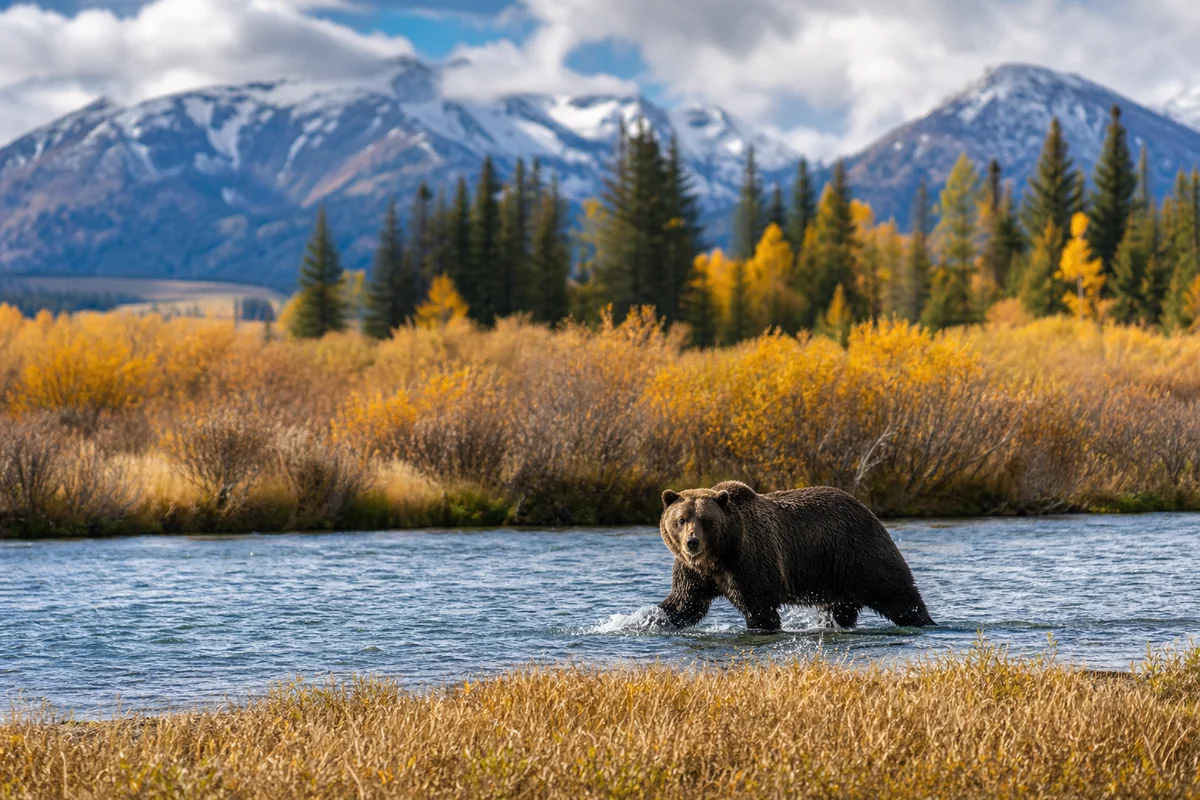
The first time I watched a grizzly bear wade through the shallows at Lee Metcalf National Wildlife Refuge, time stopped.
My hands trembled as I lifted my binoculars, and I remember thinking — this is why people travel halfway across the country to Montana.
That single moment, lasting maybe thirty seconds, fundamentally changed how I approach wildlife watching in Big Sky Country.
- Montana hosts 18 national wildlife refuges spanning diverse ecosystems from prairie to wetland
- Best viewing times are typically dawn and dusk, with spring and fall offering peak migration activity
- Free admission to most refuges, though some require federal duck stamps for hunting access
- Pack binoculars, layers, and patience — wildlife doesn’t operate on your schedule
- The Mission Valley and Hi-Line regions offer the highest concentration of refuges
Liked this article?
Add Roaming Montana as a preferred source so you see more of our articles and guides on Google.
Why Montana’s Wildlife Refuges Are Different
I’ve visited wildlife refuges across the American West, from California’s Salton Sea to Texas’s Aransas. Montana’s refuges occupy a unique ecological position that makes them genuinely special, not just another checkbox on a birding list.
The state sits at the intersection of three major flyways — the Pacific, Central, and Mississippi. This geographic quirk means Montana refuges host an astonishing diversity of migratory species that you simply won’t find concentrated elsewhere.
During my travels across Montana’s refuge system over the past four years, I’ve documented over 200 bird species and dozens of mammal encounters. Each refuge offers something distinctly different, from prairie potholes teeming with waterfowl to riparian corridors hiding moose and elk.
The Major Refuges You Need to Know
Lee Metcalf National Wildlife Refuge
This 2,800-acre gem in the Bitterroot Valley became my home base for wildlife photography last September. Located just 25 miles south of Missoula, Lee Metcalf offers the most accessible refuge experience in western Montana.
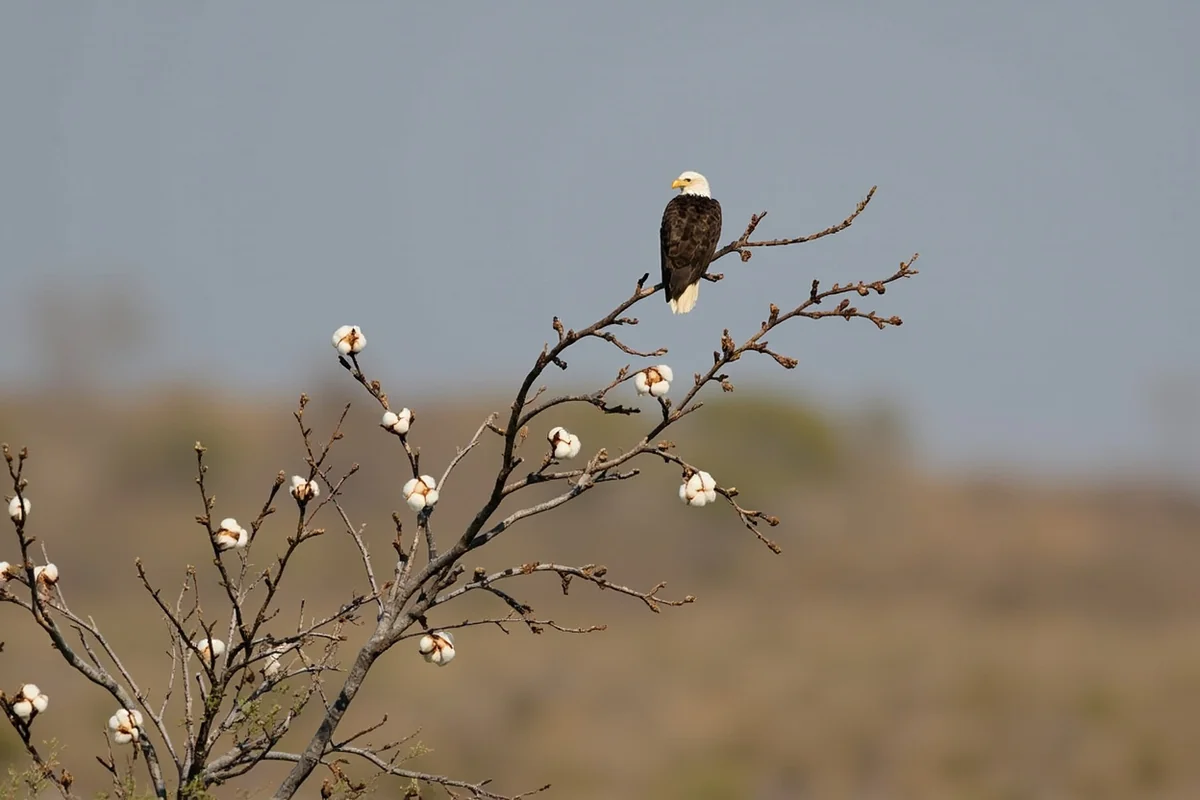
The Kenai Trail loop remains my favorite walk anywhere in the state. At just over two miles, it winds through cottonwood groves, past beaver ponds, and along the Bitterroot River. I’ve spotted bald eagles here on every single visit — not an exaggeration.
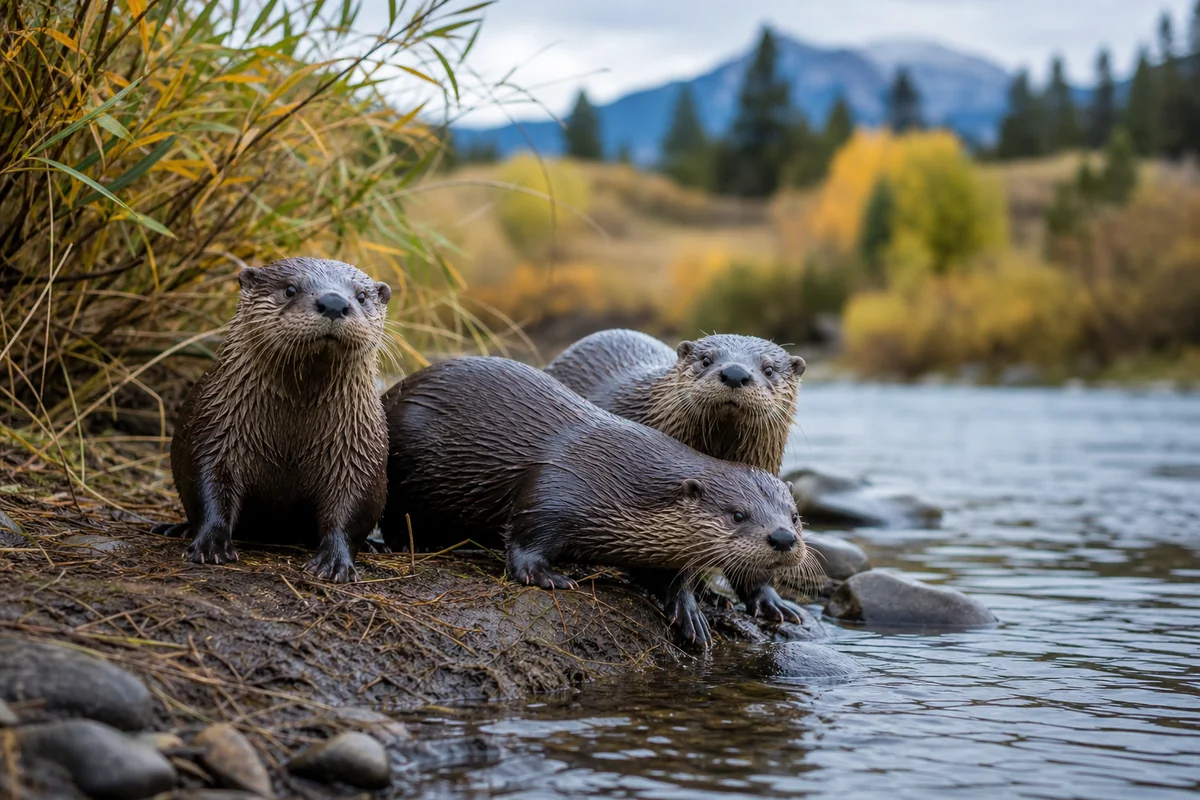
What makes Lee Metcalf special is its habitat diversity compressed into a manageable area. Within a single morning, I photographed great blue herons, white-tailed deer, painted turtles, and a family of river otters playing near the fishing access.
Pro tip: Arrive by 6:30 AM during summer months. The refuge opens at dawn, and the first hour offers dramatically better wildlife activity than midday visits.
National Bison Range
I need to address this directly because it confuses many visitors: the Bison Range Wildlife Refuge is now managed by the Confederated Salish and Kootenai Tribes, not the U.S. Fish and Wildlife Service. This transition happened in 2020, and the experience has only improved.
When I drove the Red Sleep Mountain scenic route last July, I counted 127 bison across six different herds. The 19-mile gravel loop climbs to nearly 5,000 feet, offering sweeping views of the Mission Valley that literally took my breath away.
The tribal management has enhanced interpretive signage throughout the refuge, providing cultural context that was previously missing. I learned more about bison ecology and their relationship with Indigenous peoples during this visit than in any museum exhibit.
Timing matters here: the summer driving season runs May through October. Winter access is extremely limited, and the high-elevation roads close at the first significant snowfall.
Benton Lake National Wildlife Refuge
Benton Lake Wildlife Refuge near Great Falls might be the most underrated birding destination in Montana. I almost skipped it during my first Hi-Line road trip — what a mistake that would have been.
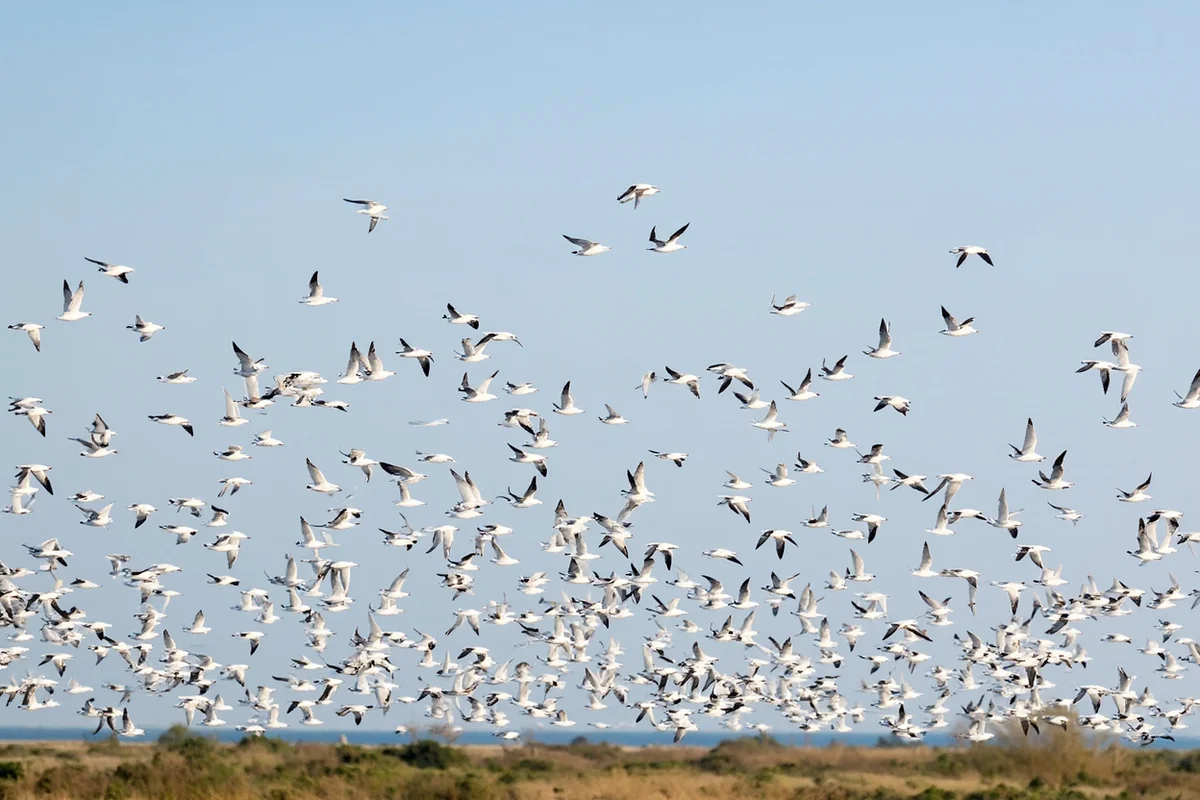
This 12,000-acre prairie marsh supports one of the largest nesting colonies of Franklin’s gulls in North America. During my May visit, I estimated over 20,000 individuals swirling above the wetlands in a living, screaming cloud.
The nine-mile Prairie Marsh Wildlife Drive is poorly maintained but absolutely worth the bumps. I saw avocets, black-necked stilts, marbled godwits, and Wilson’s phalaropes all within the first mile.
Fair warning: mosquitoes here are legendary. I made the rookie mistake of visiting without head netting in June and retreated to my car within 20 minutes. The wetland habitat that makes Benton Lake so productive also breeds biblical quantities of biting insects.
Medicine Lake National Wildlife Refuge
This northeastern Montana refuge requires serious commitment to reach. The closest major airport is in Williston, North Dakota, over an hour away. But Medicine Lake rewarded my persistence with pelicans.
American white pelicans breed here in massive numbers — up to 10,000 individuals during peak nesting season. Watching these enormous birds soar on thermal currents, their nine-foot wingspans catching the prairie wind, remains one of my most memorable Montana wildlife moments.
The refuge also hosts one of the state’s largest populations of sharp-tailed grouse. During my April visit, I witnessed lek displays at dawn — male grouse stomping, cooing, and inflating their purple neck sacs in an elaborate courtship ritual unchanged for thousands of years.
Medicine Lake requires patience and planning. The nearest lodging is in Plentywood, 25 miles north. I car-camped in the refuge parking area (not officially sanctioned, but tolerated) to maximize my dawn viewing time.
Black Coulee National Wildlife Refuge
When people ask me which Montana refuge feels most remote, I point them toward Black Coulee Wildlife Refuge in the Hi-Line region. This 1,500-acre prairie refuge near Harlem sees maybe a dozen visitors weekly during peak season.
I drove out here specifically for pronghorn antelope, and Black Coulee delivered beyond expectations. The rolling grasslands support healthy populations of North America’s fastest land mammal, and I photographed several bachelor herds from remarkably close range.
The refuge lacks formal trails or facilities — just a gravel access road and endless prairie. This raw, undeveloped character appeals to visitors seeking genuine solitude with wildlife.
Seasonal Planning: When to Visit Each Refuge
| Season | Best Refuges | Target Species | Conditions |
|---|---|---|---|
| Spring (April-May) | Benton Lake, Medicine Lake, Bowdoin | Migratory shorebirds, grouse displays, waterfowl | Wet roads, variable weather, peak bird activity |
| Summer (June-August) | National Bison Range, Lee Metcalf, Red Rock Lakes | Bison, elk calves, nesting waterfowl, trumpeter swans | Best road access, intense heat, insects |
| Fall (September-November) | Ninepipe, Pablo, Freezout Lake WMA | Snow geese migration, elk rut, waterfowl staging | Comfortable temps, excellent visibility, crowded |
| Winter (December-March) | Lee Metcalf, National Bison Range (limited) | Wintering raptors, bald eagles, deer herds | Limited access, extreme cold, solitude |
Hidden Gems Most Visitors Miss
Red Rock Lakes National Wildlife Refuge
Getting to Red Rock Lakes requires navigating 28 miles of potholed gravel road through the Centennial Valley. Most visitors turn around halfway. Their loss.
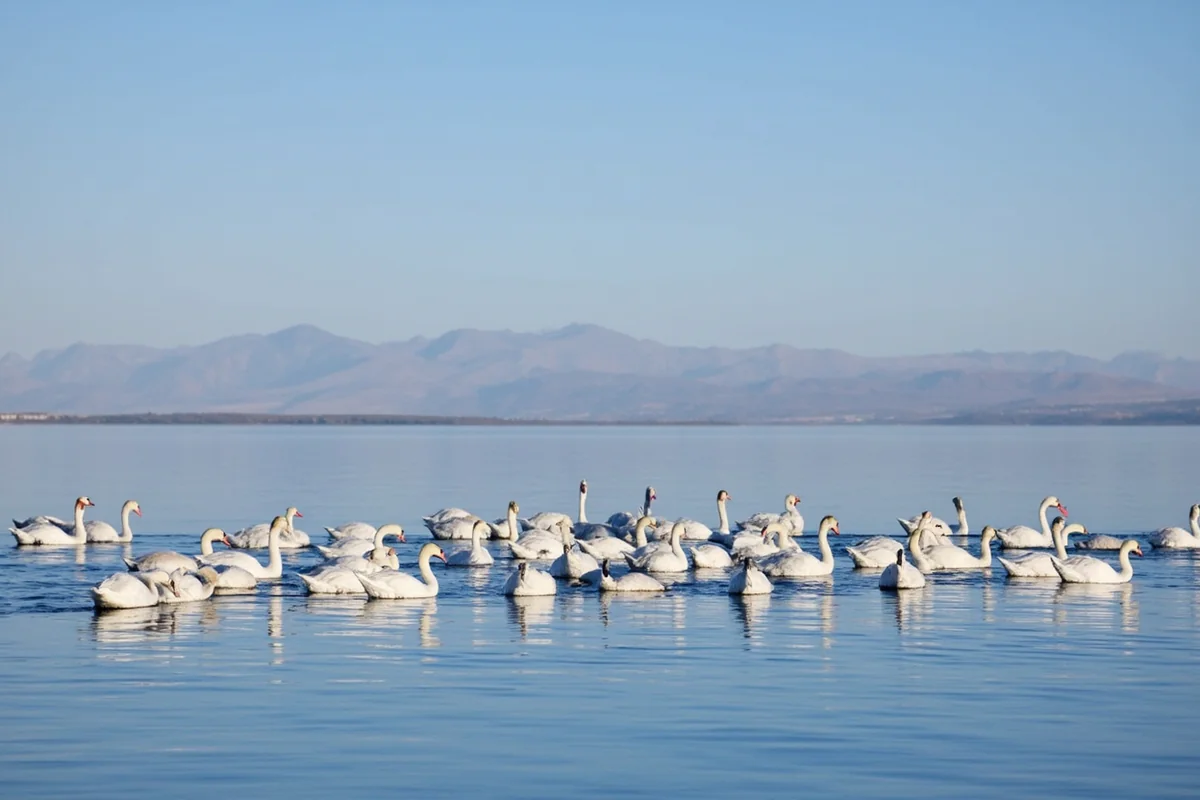
This high-elevation refuge (6,600 feet) played a crucial role in saving trumpeter swans from extinction. When I visited last August, the valley’s absolute silence — broken only by swan calls echoing across Upper Red Rock Lake — felt almost spiritual.
The Centennial Valley’s isolation creates perfect conditions for large mammals. I spotted moose on three consecutive mornings, including a bull with a massive rack feeding in willows just 200 yards from my campsite.
If you’re visiting Red Rock Lakes, budget at least two full days. The distance from amenities (Monida, the nearest town, has essentially nothing) means you’re committing to real backcountry immersion.
Bowdoin National Wildlife Refuge
Bowdoin, near Malta in north-central Montana, rarely appears on tourist itineraries. This is a shame, because the refuge’s saline wetlands attract species uncommon elsewhere in the state.
During my June visit, I added American avocet and black-necked stilt to my Montana life list — both species prefer the alkaline conditions Bowdoin provides. The auto tour route winds past several impoundments where I observed Wilson’s phalaropes spinning in their characteristic feeding pattern.
The refuge hosts an active colonial nesting island that’s off-limits to visitors, but visible from the tour road with a spotting scope. I counted pelicans, cormorants, herons, and gulls all breeding in chaotic proximity.
Pablo and Ninepipe Complexes
These twin refuges in the Mission Valley operate as part of the larger Flathead Reservation ecosystem. They’re modest in size but enormous in productivity.
I particularly recommend Ninepipe during late October and early November, when thousands of tundra swans stage here during southward migration. The sight and sound of several hundred swans lifting off at dawn creates sensory overload in the best possible way.
Pablo Reservoir, the smaller sibling, offers better shoreline access for photography. During my September visit, I positioned myself at the eastern spillway and captured frame-filling shots of migrating ducks backlighting against the rising sun.
Beyond the Refuges: Expanding Your Wildlife Experience
American Prairie Reserve
While not technically a federal wildlife refuge, the American Prairie Reserve in Montana deserves mention in any serious discussion of Big Sky Country wildlife viewing. This private conservation project near the Missouri Breaks aims to create the largest nature reserve in the continental United States.
I spent four days at American Prairie last summer, staying in their safari-style tented camps. The reserve’s bison herd roams genuinely free across hundreds of thousands of acres — a fundamentally different experience than the fenced populations elsewhere.
The prairie dog towns here support black-footed ferret reintroduction, though spotting these rare predators requires specialized night tours. I wasn’t lucky enough to see one, but knowing they exist just beyond my flashlight beam was thrilling.
Wildlife Management Areas
Montana’s state-managed WMAs complement the federal refuge system perfectly. Freezout Lake WMA near Choteau draws the most attention — rightly so.
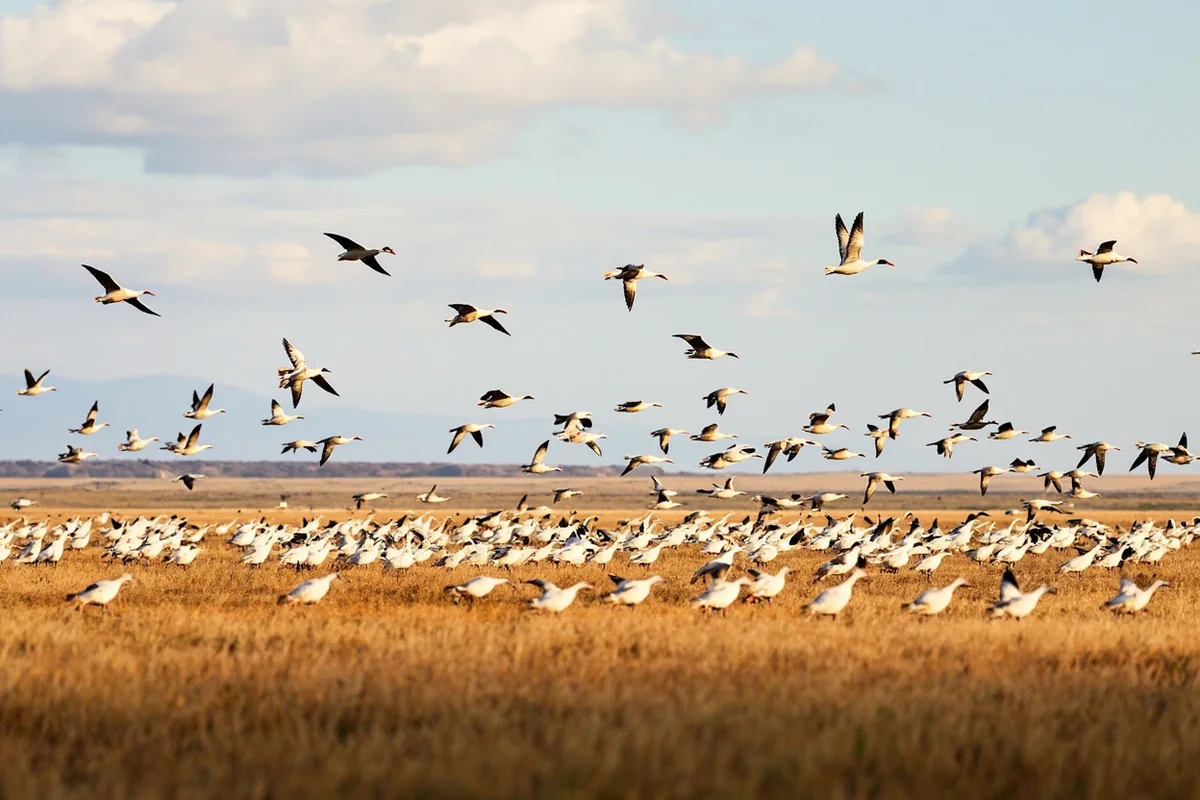
I’ve visited Freezout during spring snow goose migration four times now. The spectacle defies description. Estimates range from 100,000 to 300,000 snow geese funneling through this staging area during peak weeks, typically late March to early April.
The birds’ collective wing noise sounds like a freight train. Standing in a parking lot surrounded by thousands of geese lifting off simultaneously created genuine sensory overwhelm. I’ve never experienced anything comparable.
Practical Gear and Preparation
Essential Equipment
After countless refuge visits, I’ve refined my packing list to these genuine necessities:
- Binoculars: 8×42 or 10×42 from a reputable manufacturer. Cheap binoculars cause eye strain and miss details.
- Spotting scope: Not essential, but dramatically improves shorebird identification and distant mammal viewing.
- Field guides: Sibley’s bird guide covers Montana well. For mammals, I use Elbroch’s comprehensive guide.
- Layering system: Montana weather changes rapidly. I’ve experienced 40-degree temperature swings in single days.
- Sun protection: Prairie refuges offer zero shade. I’ve seen serious sunburns on cloudy days.
- Insect protection: DEET-based repellent minimum, head nets during peak mosquito season.
Photography Considerations
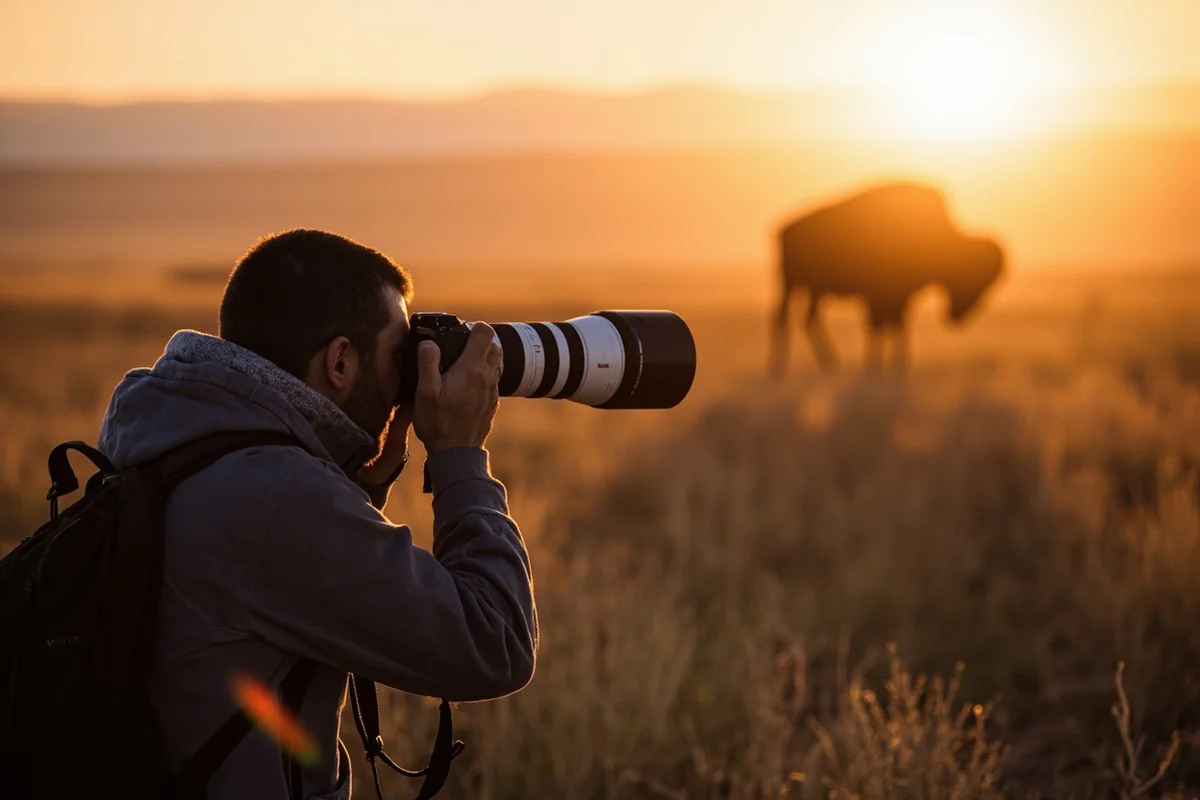
If you’re serious about wildlife photography, Montana refuges reward long lenses. My 100-400mm zoom handles most situations, but I’ve repeatedly wished for 600mm reach in open prairie environments.
Tripods matter less than most people think. I use a monopod for stability while maintaining mobility — crucial when tracking active wildlife.
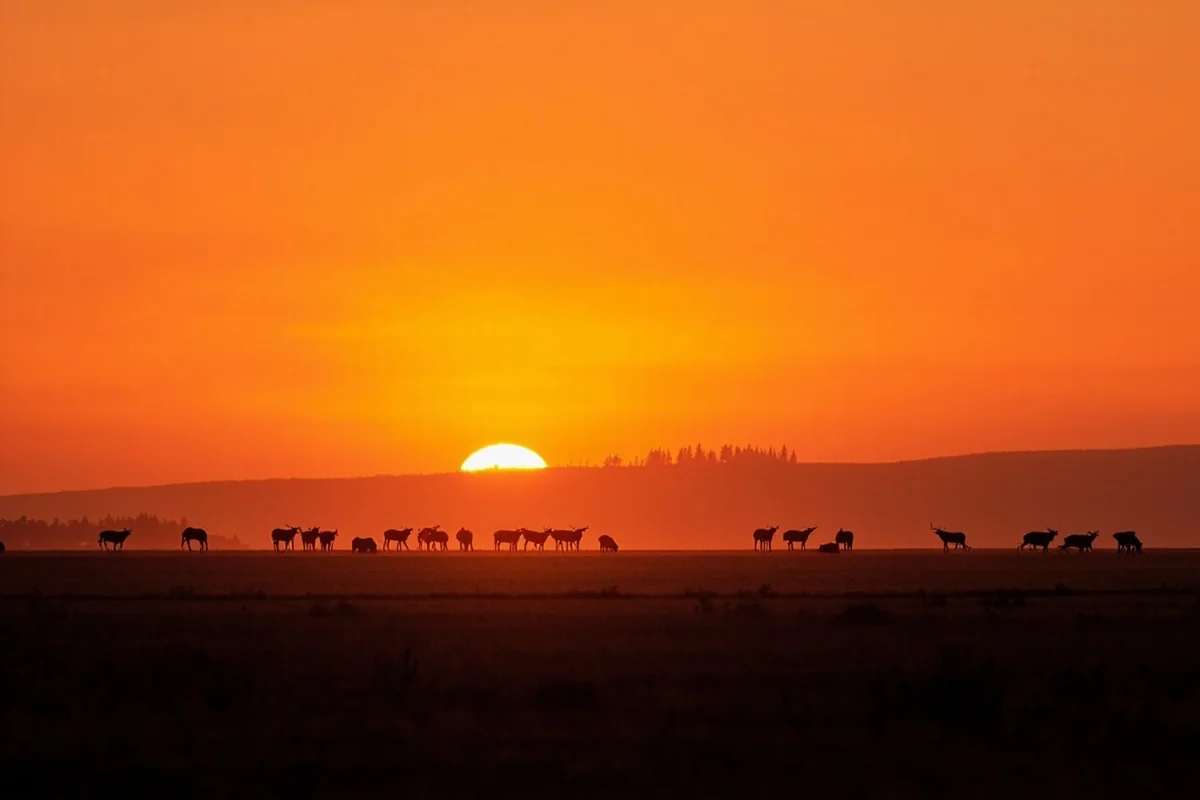
Early morning and late evening light in Montana creates genuinely spectacular photography conditions. The “golden hours” here last longer than lower latitudes due to the sun’s angle, extending your shooting windows.
Refuge Etiquette and Regulations
Rules That Matter
I’ll be direct: most refuge regulations exist because someone did something stupid. Following them protects both wildlife and future visitor access.
Stay on designated roads and trails. Prairie vegetation takes decades to recover from off-road damage, and ground-nesting birds abandon eggs when disturbed.
Maintain safe distances from wildlife. The general rule is 100 yards from bears and wolves, 25 yards from other animals. If an animal changes behavior because of your presence, you’re too close.
Pets are prohibited or severely restricted at most refuges. I know this disappoints dog owners, but the reasons are legitimate. Domestic animals stress wildlife and can transmit diseases.
Hunting and Fishing
Many Montana refuges allow hunting during designated seasons. If you’re visiting during fall, check regulations carefully — some areas close to non-hunters during active seasons for safety reasons.
Federal duck stamps ($25, valid nationwide) are required for waterfowl hunting and provide crucial refuge funding. Even non-hunters can purchase stamps as a conservation contribution.
Building Your Refuge Itinerary
Three-Day Western Montana Circuit
This itinerary, which I’ve run twice now, maximizes refuge diversity while maintaining reasonable driving distances:
- Day 1: Fly into Missoula, drive to Lee Metcalf (25 min). Afternoon exploration, overnight in Stevensville or Hamilton.
- Day 2: Early departure to National Bison Range (1.5 hours). Full day on Red Sleep Mountain Drive. Overnight in Polson or Ronan.
- Day 3: Morning at Ninepipe/Pablo complex. Afternoon return to Missoula through the stunning Mission Valley.
Five-Day Hi-Line Adventure
For serious refuge enthusiasts willing to cover distance:
- Day 1: Great Falls arrival, afternoon at Benton Lake. Overnight in Great Falls.
- Day 2: Drive to Bowdoin (3 hours). Full day birding, overnight in Malta.
- Day 3: Continue to Medicine Lake (2 hours). Afternoon and evening wildlife viewing. Overnight in Plentywood.
- Day 4: Morning at Medicine Lake, return west toward Fort Peck area. Overnight in Glasgow.
- Day 5: Black Coulee and prairie exploration. Return to Great Falls via Highway 2.
Lodging and Logistics
Montana’s refuge system challenges visitors with limited nearby amenities. Here’s what I’ve learned through trial and error:
Book lodging early during peak seasons. Small-town Montana motels fill quickly during hunting seasons and summer tourist months. I’ve slept in my car more than once after failing to plan ahead.
Gas stations become strategic planning points in eastern Montana. I now make it a rule: never pass a gas station on the Hi-Line with less than half a tank.
Cell service is unreliable to nonexistent at most refuges. Download offline maps before leaving civilization. I use both Google Maps and Gaia GPS for backup.
The Bigger Picture: Why These Places Matter
I want to end with something beyond logistics. Montana’s wildlife refuges represent a profound commitment to preserving wild places in an increasingly developed world.
When I stand in the predawn darkness at Freezout Lake, listening to thousands of geese wake, I’m participating in a ritual that predates human presence on this continent. These refuges maintain migration patterns and breeding populations that benefit ecosystems far beyond Montana’s borders.
Your visit contributes to this preservation. Entrance fees, duck stamps, and conservation donations directly fund habitat maintenance and wildlife management. Even simple presence demonstrates public support that protects refuges from political threats.
The refuges I’ve described aren’t theme parks. They’re working conservation landscapes that require patience, planning, and respect. But for visitors willing to invest the effort, Montana’s refuge system offers wildlife experiences that rival anywhere on Earth.
Every visit teaches me something new. Last fall, I learned that great horned owls use abandoned magpie nests at Lee Metcalf. This spring, I discovered that the pullout at mile marker 7 on the Benton Lake auto tour offers the best shorebird viewing angles.
These small discoveries accumulate into genuine expertise — the kind of knowledge that transforms casual wildlife watching into profound connection with the natural world.
I hope this guide helps you begin your own Montana refuge journey. The wild things are waiting.
Frequently Asked Questions
What are the best wildlife refuges to visit in Montana for seeing native animals?
I highly recommend the National Bison Range near Moiese for guaranteed bison sightings, Lee Metcalf National Wildlife Refuge for elk and white-tailed deer, and Red Rock Lakes National Wildlife Refuge for rare trumpeter swans. Benton Lake National Wildlife Refuge near Great Falls is exceptional for migratory birds, with over 200 species recorded throughout the year.
When is the best time to visit Montana wildlife refuges for optimal wildlife viewing?
For the best wildlife viewing experience, I suggest visiting Montana refuges from late April through June when animals are most active and raising young, or September through October during elk rutting season and fall bird migration. Early morning visits between 6-9 AM and late afternoon from 4-7 PM offer the highest chances of spotting wildlife when temperatures are cooler.
Are Montana national wildlife refuges free to visit and what are the entrance fees?
Most Montana national wildlife refuges are completely free to visit, including Lee Metcalf, Benton Lake, and Red Rock Lakes refuges. The National Bison Range charges a $8 vehicle fee per day, which I think is well worth it for the scenic 19-mile auto tour through prime bison habitat.
What should I bring for a day trip to Montana wildlife refuges?
Pack binoculars or a spotting scope, a camera with a zoom lens, layers for unpredictable Montana weather, and plenty of water and snacks since facilities are limited. I always bring bear spray when hiking refuge trails, sunscreen, and a detailed paper map since cell service is often unavailable in remote refuge areas.
How far are Montana’s top wildlife refuges from major cities like Missoula and Billings?
From Missoula, Lee Metcalf National Wildlife Refuge is just 25 miles south, while the National Bison Range is about 45 miles north near Charlo. Red Rock Lakes Refuge is more remote at roughly 180 miles from Bozeman, and Benton Lake is only 12 miles north of Great Falls, making it perfect for a quick morning excursion.
Can I see grizzly bears and wolves at Montana wildlife refuges?
While Montana refuges primarily protect bird habitat and ungulates, you may spot grizzly bears near Red Rock Lakes Refuge due to its proximity to the Greater Yellowstone Ecosystem. Wolves are occasionally seen in refuge areas but are uncommon; for better wolf-watching odds, I recommend combining your refuge visit with a trip to Yellowstone National Park or the North Fork of the Flathead River area.
Are Montana wildlife refuges accessible for RVs and is camping allowed?
Most Montana wildlife refuges allow RV access on main roads, though the National Bison Range restricts vehicles over 22 feet on its scenic loop during peak season. Camping is not permitted within refuge boundaries, but nearby BLM land and national forest campgrounds offer sites ranging from free dispersed camping to $15-25 per night at developed campgrounds within a short drive of most refuges.