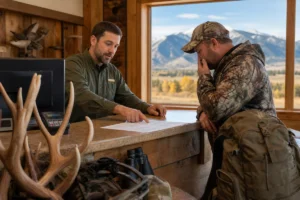
The first time I logged into the Montana Fish, Wildlife & Parks website at 2 AM, coffee in hand, trying to navigate the license application system before the deadline, I realized just how complex—and rewarding—hunting in Big Sky Country truly is.
After years of pursuing everything from whitetail in the Missouri Breaks to elk in the Bob Marshall Wilderness, I’ve learned that understanding Montana FWP isn’t just helpful; it’s the difference between a successful hunt and going home empty-handed.
Whether you’re a first-timer or a seasoned hunter looking to maximize your opportunities, this Montana Hunting Guide breakdown of Montana FWP will give you the insider knowledge you need.
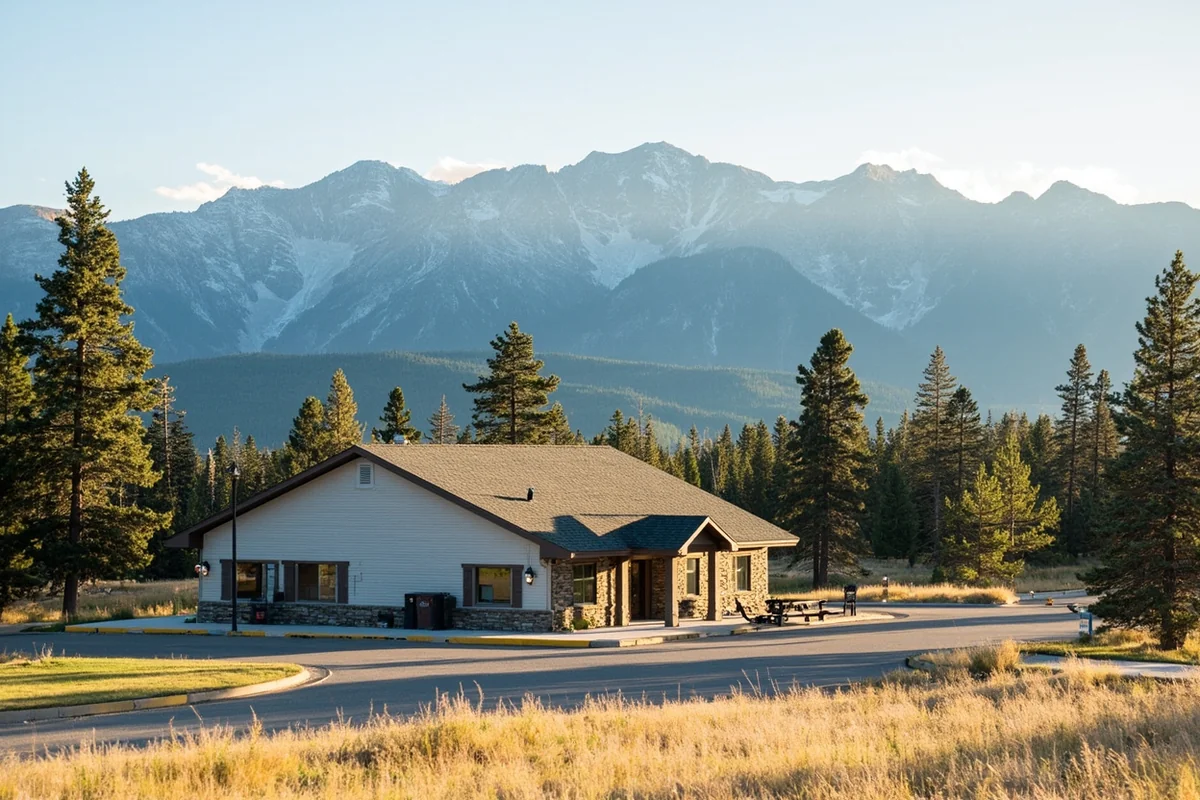
- Montana FWP manages all hunting licenses, regulations, and wildlife in the state through seven regional offices
- The online licensing system (MyFWP) handles applications, draws, and purchases—create your account well before deadlines
- Non-residents face limited license availability (roughly 10% of total allocations) and higher fees
- Understanding hunting districts, Block Management, and access programs is essential for success
- FWP’s preference point system rewards persistent hunters with better draw odds over time
- The agency offers extensive hunter education, harvest reporting, and wildlife management programs
What Is Montana FWP and Why Does It Matter?
Montana Fish, Wildlife & Parks—commonly called FWP or sometimes MFWP—is the state agency responsible for managing all fish, wildlife, and state parks across Montana’s nearly 147,000 square miles. For hunters, FWP is essentially the gatekeeper to some of the best hunting opportunities in North America.
I’ve interacted with FWP staff dozens of times over the years, from wildlife biologists conducting elk surveys to game wardens checking licenses in the field. What I’ve consistently found is an agency staffed by people who genuinely care about conservation and hunter success.
The agency operates through seven regional offices, each managing specific geographic areas with unique wildlife populations and hunting opportunities. Understanding which region covers your hunting area is crucial for getting accurate, local information.
Navigating the MyFWP Online System
Let me be honest: the first time I used the MyFWP portal, I found it overwhelming. But once you understand its structure, it becomes an incredibly powerful tool for managing your Montana hunting life.
Creating Your Account
Before you can purchase any Montana hunting license or apply for special permits, you need a MyFWP account. I strongly recommend creating this account at least a month before you need it—not the night before application deadlines when servers are slammed.
You’ll need your social security number, driver’s license information, and if you’re a non-resident, proof of hunter education completion. The system creates a unique ALS (Automated Licensing System) number that follows you for life.
During my last account update session, I noticed FWP had added new features including harvest reporting directly through the app. This is a massive improvement from the old call-in system I used for years.

Understanding Application Deadlines
Montana FWP operates on a strict calendar, and missing deadlines means missing opportunities. Here’s the timeline I’ve burned into my memory after one costly mistake early in my hunting career:
| Application Type | Typical Deadline | Draw Results |
|---|---|---|
| Big Game Combo (Deer/Elk) | March 15 | Mid-April |
| Moose/Sheep/Goat/Bison | May 1 | Early June |
| Antlerless Elk B Licenses | August 1 | Mid-August |
| Antelope | June 1 | Mid-June |
| Deer B/Antlerless | August 1 | Mid-August |
I always add these dates to my calendar with two-week advance reminders. Trust me on this one.
License Types and What They Mean for Your Hunt
Montana’s licensing structure confused me for years until I finally sat down with a biologist at the Missoula regional office who walked me through everything. Here’s what I learned.
Resident vs. Non-Resident Licenses
The Montana hunting license costs differ dramatically between residents and non-residents. Last season, a resident deer/elk combo ran about $30, while non-residents paid over $900 for similar privileges.
But it’s not just about cost—availability matters more. Non-residents are typically limited to about 10% of available tags in most hunting districts. I’ve watched out-of-state friends struggle to draw tags year after year in popular units.
Montana defines residency strictly: you must live in the state for at least 180 consecutive days immediately before applying, with genuine intent to make Montana your permanent home. I know folks who’ve had their residency challenged, and it’s not a situation you want to be in.
General vs. Special Permits
Understanding the difference between general licenses and special permits unlocked more hunting opportunities for me than any other single piece of knowledge.
General licenses—like the deer/elk combination—are available over-the-counter for residents and through a draw for non-residents. These let you hunt in designated districts during general seasons.
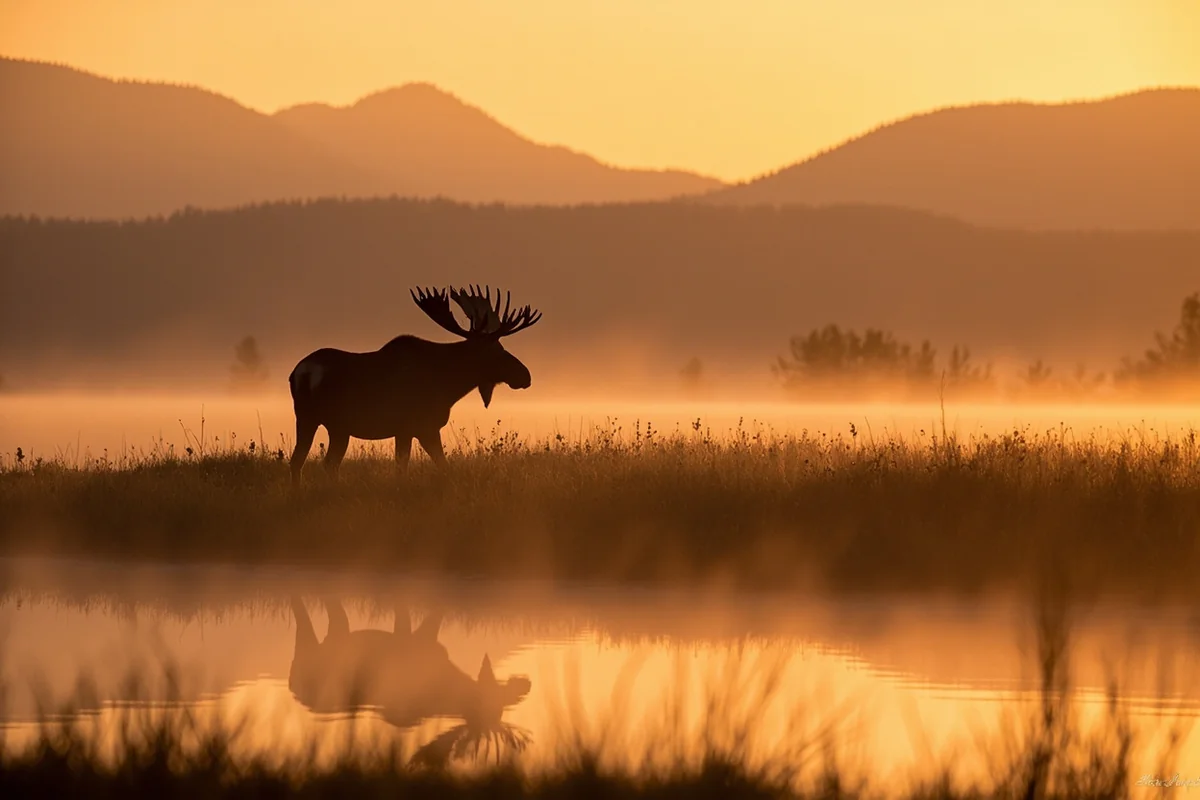
Special permits are required for specific species like Montana bighorn sheep, moose, mountain goat, and Montana buffalo. These are always through a draw, regardless of residency, and some hunters wait decades to draw certain tags.
Additional Licenses and Permits
Beyond the basics, Montana offers numerous add-on opportunities. The Montana bear hunting license is one I purchase every year because it’s valid during any open bear season while I’m hunting other species.
B licenses for antlerless elk and deer can significantly increase your harvest opportunities if you’re willing to hunt cows or does. I’ve filled my freezer many years primarily through B license success in districts where populations need reduction.
The Preference Point System Explained
The Montana preference points system took me three seasons to fully understand, and I’m still strategizing my approach. Here’s the real story.
For species like moose, bighorn sheep, and mountain goat, Montana awards preference points to unsuccessful applicants. These points improve your odds in future draws—but it’s not as simple as “more points equals guaranteed success.”
Montana uses a “squared” preference point system, meaning your points are squared to calculate your number of chances in the draw. Someone with 10 points gets 100 chances, while someone with 5 points gets 25 chances. This rewards long-term commitment.
I currently have 8 moose preference points accumulated over years of unsuccessful applications. Based on historical draw statistics, I’m optimistic about the next few years—but nothing is guaranteed.
Understanding Hunting Districts and Regulations
Montana divides the state into over 150 hunting districts, each with specific regulations that can change annually. Learning to navigate Montana hunting regulations by district is essential.
How Districts Are Organized
During my first Montana elk hunt, I assumed all districts in a region had similar rules. I was wrong—and almost made a costly mistake before double-checking the regulations.
Each district has unique parameters including:
- Season dates for different weapon types
- Legal game (buck only, either sex, antlerless only)
- Antler point restrictions in some areas
- Access restrictions on private land
- Special permit requirements
The FWP hunting regulations booklet—available free at any sporting goods store or online—is your bible. I keep one in my truck, one at camp, and a digital copy on my phone.
Reading the Regulations Correctly
Here’s something that trips up many hunters: Montana deer hunting regulations and elk regulations can differ within the same district. A district might be either-sex for deer but brow-tined bull only for elk during the same dates.
I’ve made it a habit to physically write out the regulations for my specific district and tags before each hunt. It seems excessive until you’re standing over an animal wondering if it’s legal.
Montana’s Block Management Access Program
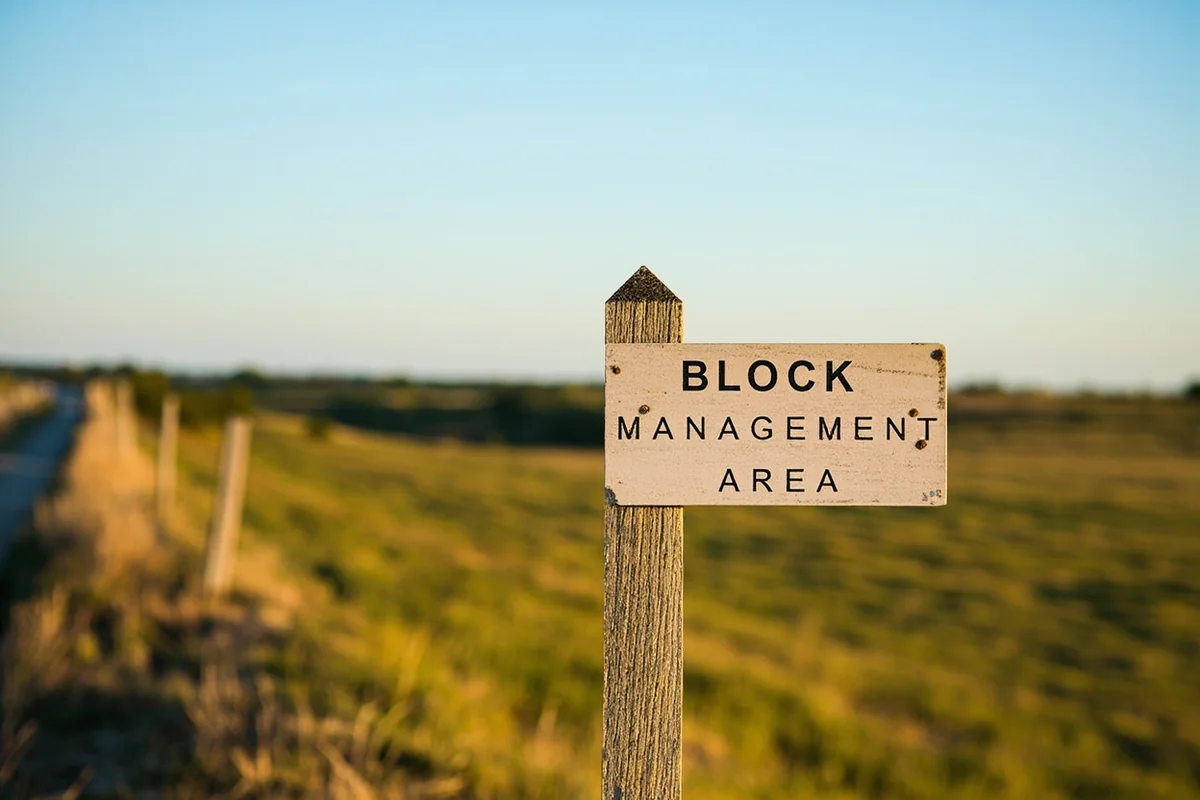
The Block Management program is, in my opinion, FWP’s greatest gift to hunters. This program provides free hunting access to millions of acres of private land that would otherwise be inaccessible.
How Block Management Works
Landowners voluntarily enroll their property in exchange for benefits including reduced liability and sometimes small payments. In return, hunters gain access to prime habitat.
Some Block Management areas operate on a walk-in basis, while others require advance permission or operate through a sign-up system. I’ve hunted Type 1 areas (unlimited access during legal hours) and Type 2 areas (requiring permission) across the state.
Last fall, I hunted a Block Management area in Region 4 that I’d driven past for years without realizing public access existed. The online Block Management map—accessible through FWP’s website—revealed this gem, and I filled my Montana deer tag opening weekend.
Tips for Block Management Success
Through years of Block Management hunting, I’ve developed strategies that consistently produce results:
Always check the current year’s Block Management booklet, as areas change annually. Properties that were available last year might be gone this season.
On Type 2 permission areas, call landowners at reasonable hours and be genuinely polite. Many have told me they deny access to hunters who call at odd hours or seem pushy.
Treat these properties better than you’d treat your own land. I pack out every piece of trash I find—not just my own—and always close gates. This attitude preserves access for everyone.
State Land Hunting Opportunities
Many hunters overlook hunting on Montana state land, but these School Trust lands offer excellent opportunities. The state manages over 5 million acres of trust land, much of it open to hunting.
I discovered some of my favorite hunting spots by overlaying the state land maps (available through the Montana State Trust Lands portal) with FWP hunting district maps. The intersection often reveals unpressured areas that other hunters skip.
State land hunting requires no additional fee beyond your standard hunting license, though you must have a valid hunting license for the species you’re pursuing.
Species-Specific FWP Programs
FWP manages each species differently based on population objectives and biological data. Understanding these differences helps you plan more successful hunts.
Big Game Programs
For Montana elk hunting, FWP divides the state into over 140 elk management units, each with population objectives based on habitat capacity and human tolerance. Some districts are managed for trophy potential, others for maximum opportunity.
The Montana shoulder season elk hunting program exemplifies FWP’s adaptive management. Created to address elk populations exceeding objectives on private land, these extended seasons give hunters additional opportunities while helping landowners manage wildlife damage.
Montana deer hunting operates similarly, with Montana whitetail deer hunting more prevalent in the western mountains and river bottoms while mule deer dominate the eastern prairies.
Antelope Management
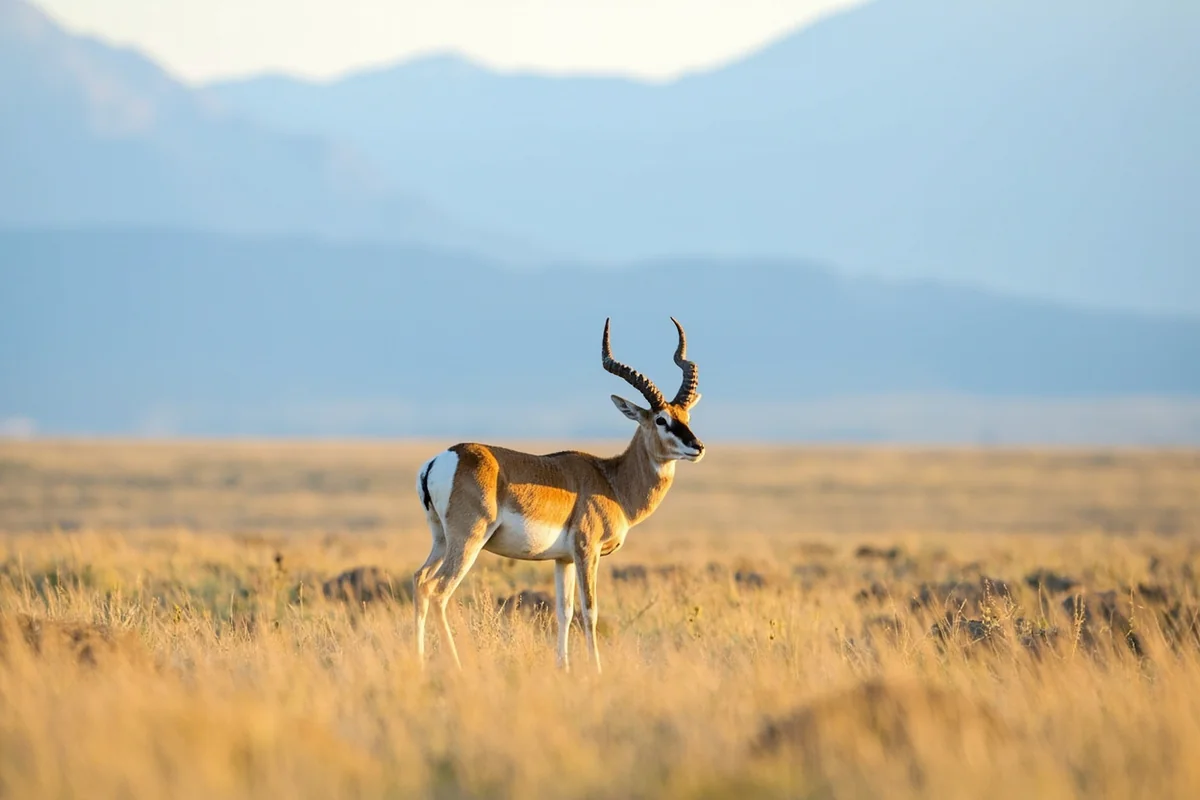
Montana antelope hunting offers some of the best pronghorn opportunities in North America. FWP conducts aerial surveys each summer to set quotas, and license availability can vary dramatically year-to-year based on population trends.
During dry years when fawn survival drops, FWP reduces tags significantly. I’ve seen antelope districts go from 500+ permits to fewer than 100 between seasons.
Wolf Hunting Programs
Montana wolf hunting has evolved significantly since wolves were delisted. FWP now manages wolves through regulated hunting and trapping seasons, with quotas in some areas near Yellowstone and Glacier national parks.
I’ve participated in wolf seasons for several years, though I haven’t harvested one yet. The hunting is challenging, requiring extensive time in the field and good understanding of pack territories.
Navigating Hunting Seasons
Montana hunting seasons span from September through February for various species, and understanding the timing helps maximize your opportunities.
Big Game Season Structure
The general rifle season for deer and elk typically runs from late October through late November—a five-week window that draws the most hunters.
But I’ve increasingly focused on archery seasons (September) and Montana muzzleloader season (mid-October to late October in most districts) to avoid crowds. Pressure during general rifle season can push animals onto private land or into thick cover where they’re nearly unhuntable.
Upland and Waterfowl Timing
Montana upland bird hunting begins in September for many species and continues into January for some birds. I typically combine upland hunting with big game scouting trips—it’s a great excuse to cover country while putting pheasants and huns in the game bag.
Montana duck hunting follows federal frameworks set by the Fish and Wildlife Service, with FWP selecting specific dates within those parameters. The Central and Pacific flyways converge in Montana, creating excellent waterfowl opportunities, especially during migration peaks in October and November.
Even specialized hunts like Montana swan hunting fall under FWP management, though opportunities are extremely limited through special drawings.
Small Game Seasons
Don’t overlook Montana squirrel hunting and other small game opportunities. These seasons often provide action when big game seasons are closed, and they’re excellent for introducing new hunters to the sport.
FWP Regional Offices: Your Local Resource
Each of FWP’s seven regional offices serves as a hub for local information, and I’ve found visiting these offices invaluable for planning hunts in unfamiliar areas.
| Region | Headquarters | Primary Hunting Opportunities |
|---|---|---|
| Region 1 | Kalispell | Whitetail, elk, bears, mountain lions |
| Region 2 | Missoula | Elk, whitetail, bears, upland birds |
| Region 3 | Bozeman | Elk, mule deer, antelope, moose |
| Region 4 | Great Falls | Mule deer, elk, antelope, upland birds |
| Region 5 | Billings | Mule deer, antelope, elk, waterfowl |
| Region 6 | Glasgow | Mule deer, antelope, sharp-tailed grouse |
| Region 7 | Miles City | Mule deer, antelope, turkeys, upland birds |
I once walked into the Glasgow office before a mule deer hunt and left with hand-drawn maps, specific recommendations for water sources, and intel about where bucks had been spotted during recent surveys. That level of local knowledge is impossible to get any other way.
Hunter Education and Safety Programs
FWP administers Montana’s hunter education program, and completion is required for all first-time hunters regardless of age. Even experienced hunters can benefit from refresher courses.
The standard course covers firearms safety, wildlife identification, ethics, and regulations. I assisted with a hunter education course last spring, and the questions from students reminded me how much there is to learn—and how seriously FWP takes their educational mission.
FWP also offers specialized courses including bowhunter education and crossbow certification. These aren’t legally required for most hunting but provide valuable skills.
Harvest Reporting and Why It Matters
Montana requires mandatory harvest reporting for certain species, and I’ve come to appreciate why this matters for wildlife management.
When I harvest an elk, I must report it within 24 hours through the MyFWP system or by calling a toll-free number. This data feeds directly into population models that determine future quotas.
During my conversation with a wildlife biologist in Helena, she explained that harvest reporting compliance has improved dramatically since going digital, allowing more accurate real-time tracking of hunter success. Better data means better management—which ultimately means better hunting.
Planning Your FWP Experience: Practical Steps
After years of navigating Montana FWP systems, here’s the approach I recommend for anyone planning a Montana hunt:
12+ Months Before: Create your MyFWP account. Research hunting districts using the FWP hunting district maps and regulations. Begin accumulating preference points for limited-entry species.
6-12 Months Before: Decide which districts to apply for. Study draw statistics from previous years (available on FWP’s website). Mark all application deadlines on your calendar.
3-6 Months Before: Submit applications before deadlines. Monitor draw results. Begin planning access through Block Management or state lands.
1-3 Months Before: Review current-year regulations thoroughly. Apply for any remaining B licenses or permits. Scout your hunting areas.
Week of Hunt: Verify all licenses are in your possession (digital or physical). Confirm regulations haven’t changed. Check FWP’s online harvest reports for current hunting pressure and success rates.
Common FWP Pitfalls and How to Avoid Them
I’ve made mistakes with Montana FWP that I hope you can avoid:
Missing application deadlines has cost me opportunities twice. Now I set multiple reminders and submit applications at least a week early.
Misreading regulations almost resulted in an illegal harvest my third year hunting Montana. I now read the specific language for my district multiple times and when in doubt, call the regional office.
Ignoring preference points delayed my chances at drawing premier tags. Even if you can’t hunt this year, consider applying just to accumulate points for species you hope to hunt someday.
Underutilizing Block Management meant I hunted crowded public lands for years while private land gems sat nearby. The Block Management search function changed my hunting success dramatically.
The Future of Montana FWP Hunting
FWP continues evolving its programs based on wildlife population trends, hunter feedback, and management needs. Recent changes have included expanded shoulder seasons, new access programs, and improved digital tools.
I’ve attended several FWP commission meetings over the years, and public comment genuinely influences decisions. If you care about Montana hunting’s future, engaging with the regulatory process matters.
The agency faces challenges including chronic wasting disease monitoring, hunter recruitment and retention, and balancing wildlife populations with agricultural interests. Understanding these issues helps you be a more informed hunter and advocate.
Montana FWP hunting isn’t just about following rules—it’s about participating in a conservation system that has kept Montana wild and huntable for generations. Every license purchase, harvest report, and piece of feedback contributes to this system.
When I look back at my Montana hunting journey, my relationship with FWP has grown from confused frustration to genuine appreciation. The system works when hunters invest time in understanding it.
Whether you’re applying for your first Montana license or planning a once-in-a-lifetime sheep hunt decades in the making, FWP provides the framework for your success. Put in the effort to learn the system, respect the regulations, and support the conservation mission—and Montana will reward you with hunting experiences you’ll remember forever.
Frequently Asked Questions
How do I apply for a Montana FWP hunting license as an out-of-state resident?
You can apply for a Montana FWP hunting license online through the Montana Fish, Wildlife & Parks website or by calling their licensing office. As a non-resident, I recommend applying early since some permits use a lottery system with deadlines typically in March through May. Non-resident combination licenses start around $650, with additional fees for specific species like elk or deer.
What is the best time of year to plan a hunting trip to Montana?
The prime hunting season in Montana typically runs from September through November, with archery seasons starting earliest and general rifle seasons peaking in late October. I’ve found that mid-October offers the best combination of active game movement and manageable weather conditions. Plan to arrive a few days early to scout your hunting district and acclimate to the elevation.
How much does a Montana FWP non-resident hunting license cost in 2024?
Non-resident hunting license costs vary by species, with a base conservation license at $10, deer licenses around $265, and elk licenses approximately $850. A combination sportsman license covering multiple species runs about $1,050 for out-of-state hunters. Additional permits for moose, sheep, or mountain goat require separate lottery applications with fees ranging from $125-$1,250.
What gear should I bring for a Montana elk hunting trip?
Essential gear includes layered clothing for temperatures ranging from 20°F to 60°F, quality hiking boots rated for rough terrain, and optics like binoculars and a rangefinder. I always pack a GPS unit, emergency supplies, and game bags since you may be miles from the nearest road. Don’t forget to bring your physical hunting license and any required permits, as Montana FWP officers conduct regular field checks.
Can I hunt on public land in Montana without a guide or outfitter?
Yes, Montana offers over 30 million acres of public land open to DIY hunters, including national forests, BLM land, and Block Management areas enrolled through Montana FWP. I’ve had great success hunting Block Management properties, which are private lands enrolled for free public access with landowner permission handled through the program. Download the Montana FWP Hunt Planner app to identify boundaries and access points before your trip.
How far in advance should I book my Montana hunting trip accommodations?
I recommend booking lodging 3-6 months in advance, especially for popular hunting districts near Bozeman, Missoula, or Great Falls during rifle season. Small towns near prime hunting areas have limited rooms, so securing a cabin rental or outfitter camp early is essential. Expect to pay $100-$200 per night for basic accommodations, with drive times of 30-90 miles from most towns to quality hunting grounds.
What are the Montana FWP regulations for transporting harvested game across state lines?
Montana FWP requires that harvested game be properly tagged before transport, with evidence of sex naturally attached to the carcass until processing. When crossing state lines, you’ll need your validated carcass tag and hunting license, and I suggest keeping meat in coolers at 40°F or below during transport. CWD regulations may require additional steps depending on which hunting district you’re leaving, so check current Montana FWP guidelines for your specific area.