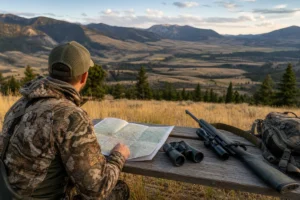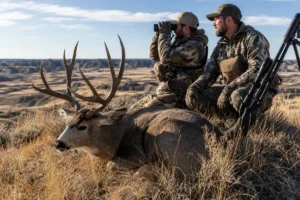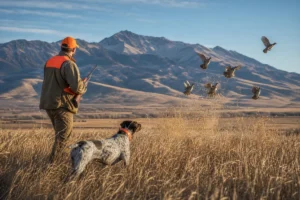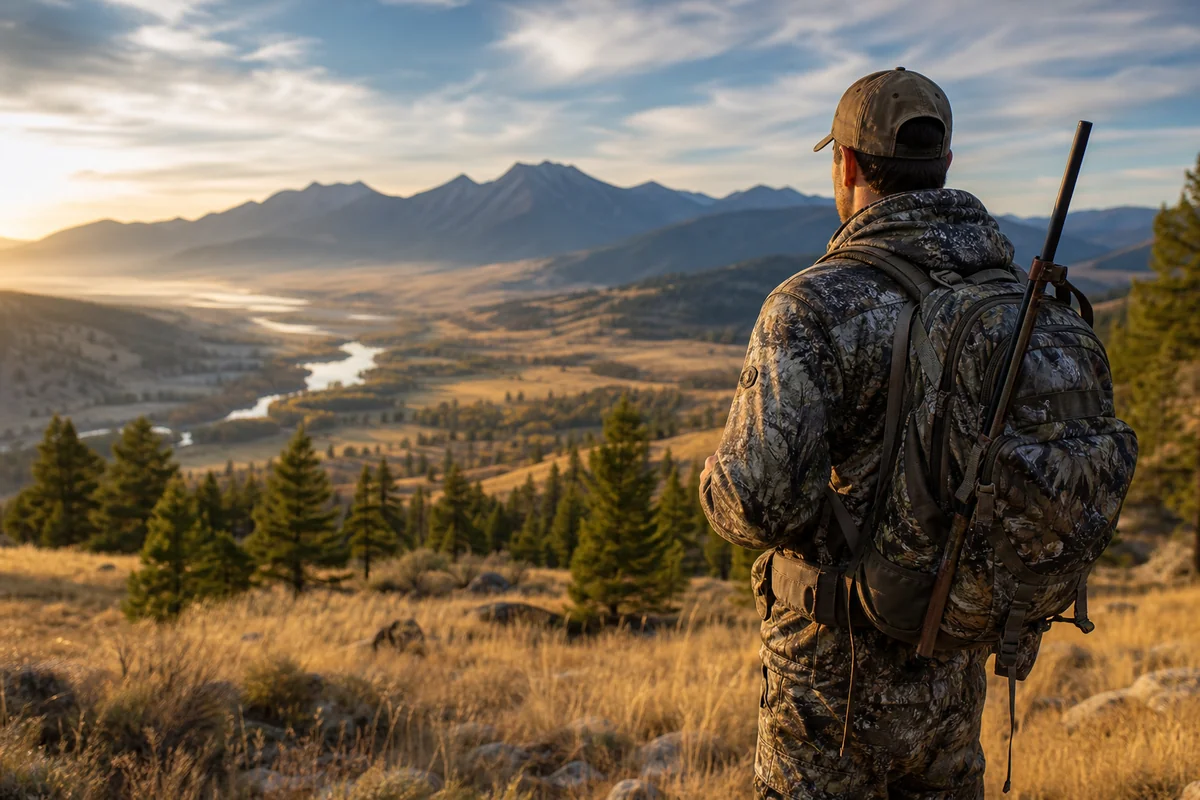
Standing in the FWP regional office in Missoula last September, watching a first-time hunter navigate the license application process, I realized just how overwhelming Montana’s hunting system can seem to outsiders—yet how incredibly well-organized it actually is once you understand the framework.
After spending over a decade hunting across Montana and working closely with Fish, Wildlife & Parks staff on various conservation projects, I’ve come to appreciate that FWP isn’t just a regulatory agency; it’s the backbone of one of America’s most remarkable wildlife management success stories.
Whether you’re planning your first Montana hunt or your fiftieth, understanding how FWP operates will dramatically improve your experience in Big Sky Country, and this Montana Hunting Guide ecosystem is designed to help you navigate every aspect of the process.
- Montana Fish, Wildlife & Parks manages all hunting activities across 147,000+ square miles of diverse terrain
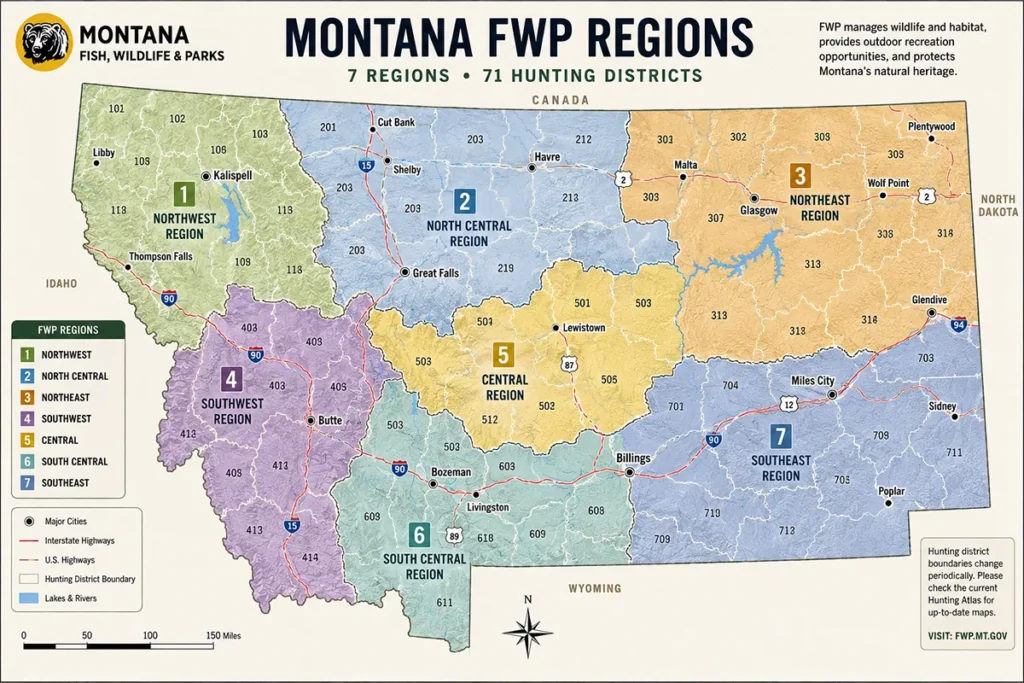
- FWP divides the state into 7 regions with individual offices that provide localized hunting information
- Online license purchasing through the FWP portal has streamlined the entire process significantly
- Hunter education certification is mandatory for first-time buyers and available through FWP
- FWP manages over 70 Wildlife Management Areas open to public hunting
- The agency’s draw system for limited permits requires strategic planning months in advance
- Regional biologists are incredibly helpful and respond to hunter inquiries—I’ve experienced this firsthand
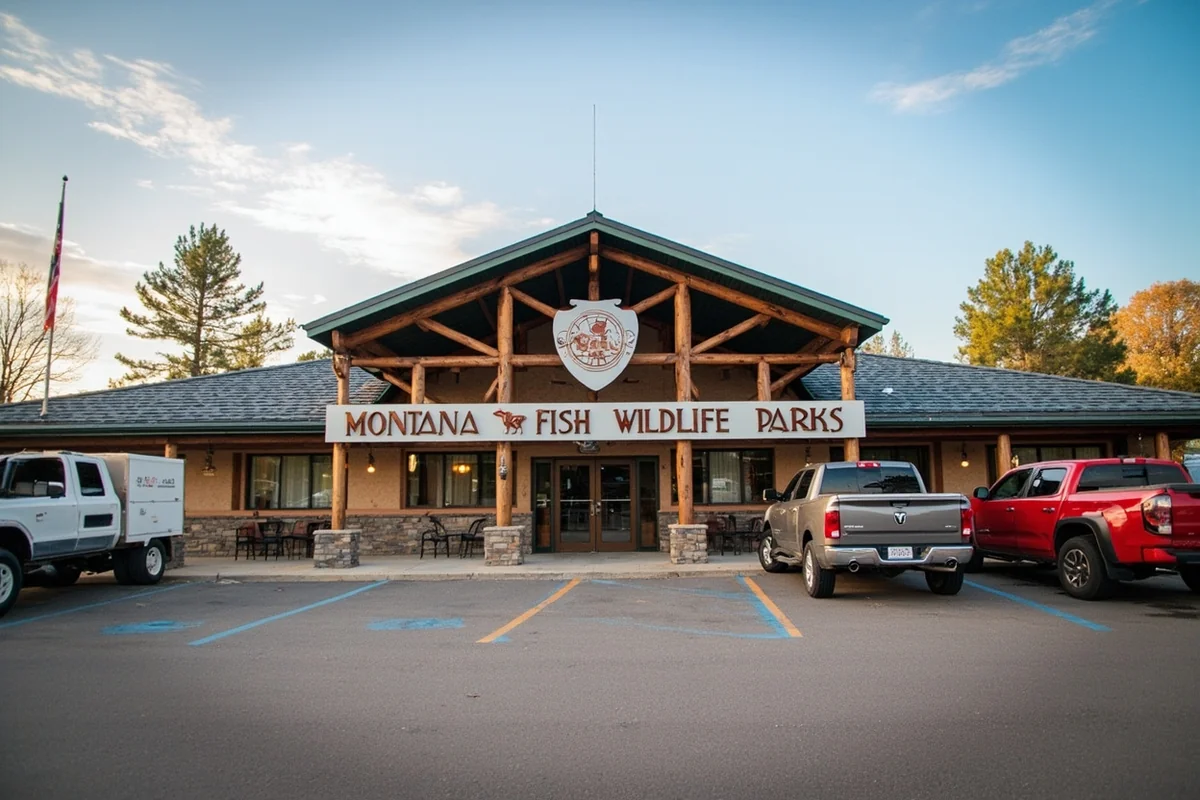
Understanding Montana Fish, Wildlife & Parks: The Agency Behind Your Hunt
When I first started hunting Montana back in 2011, I made the rookie mistake of treating FWP like a simple licensing bureau. That misconception cost me a primo elk spot in the Gravelly Range because I didn’t realize the wealth of information regional biologists could provide.
Montana Fish, Wildlife & Parks does far more than sell licenses and enforce regulations. The agency manages wildlife populations, conducts research, maintains public access, and oversees conservation efforts that keep Montana’s hunting heritage alive.
FWP operates under a wildlife management philosophy that prioritizes sustainable harvests while maintaining healthy populations. This isn’t bureaucratic jargon—I’ve watched these principles play out in real-time population recoveries across multiple hunting districts.
The Seven Regional Structure
Montana’s FWP divides the state into seven distinct regions, each with its own headquarters and specialized staff. Understanding this structure has been invaluable during my hunts.
Region 1 covers the northwest corner, including Kalispell and the Cabinet Mountains. This is where I’ve pursued whitetail deer hunts in Montana in some incredibly thick timber country.
Region 2 encompasses Missoula and the Bitterroot Valley, one of my favorite areas for general season elk. The regional office on Spurgin Road has helped me countless times with access questions.
Region 3 includes Bozeman and the legendary hunting grounds surrounding Yellowstone. The staff there are particularly knowledgeable about shoulder seasons and late-season opportunities.
Region 4 covers Great Falls and the Rocky Mountain Front—prime territory for mule deer and the occasional Montana bighorn sheep hunting opportunity.
Region 5 handles Billings and southeastern Montana, where I’ve spent memorable seasons chasing antelope across the prairie.
Region 6 manages Glasgow and the vast northeastern plains, offering phenomenal Montana upland bird hunting opportunities.
Region 7 covers Miles City and the breaks country—some of the most rugged and rewarding hunting terrain I’ve ever experienced.
The FWP License System: From Application to Tag in Hand
I’ll never forget my first experience with Montana’s online licensing system back when it launched. Compared to the paper application days, the current FWP portal feels like magic.
The system operates through a centralized database that tracks every hunter’s history, including purchases, harvest reports, and Montana preference points for limited-entry draws.
Creating your FWP account is straightforward, but I recommend doing it well before application deadlines. During my recent visit to help a friend set up his account, we discovered that address verification can occasionally cause delays.
License Types and What They Actually Mean
Montana’s licensing structure confused me for years until a patient FWP employee in Helena broke it down during an extended phone call.
The Conservation License is your foundation—you cannot purchase any hunting or fishing license without it. Think of it as your “access card” to Montana’s outdoor opportunities. You’ll want to understand Montana hunting license costs before budgeting for your trip.
Your base Montana hunting license grants you access to general season hunting for various species. For deer specifically, you’ll need species tags, and understanding the Montana deer tag system is crucial for planning.
Combination licenses offer savings for hunters pursuing multiple species. Last fall, I calculated that my combo license saved me roughly $40 compared to purchasing individual permits.
Non-resident licenses carry higher fees, but Montana remains relatively affordable compared to neighboring states. I’ve hunted Wyoming and Idaho, and Montana’s value proposition—especially considering public land access—is exceptional.
| License Type | Resident Cost (2024) | Non-Resident Cost (2026) | What It Covers |
|---|---|---|---|
| Conservation License | $8 | $8 | Required base license for all outdoor activities |
| Deer/Elk Combo | $28 | $1,026 | General deer tag + elk tag + base hunting |
| Deer B Tag (Antlerless) | $16 | $206 | Additional doe/antlerless deer permit |
| Upland Bird License | $11.50 | $126 | Pheasant, partridge, grouse hunting |
| Black Bear Tag | $19 | $350 | Spring and fall bear hunting |
| Wolf Tag | $19 | $50 | Wolf hunting in designated areas |
Navigating the Draw System: Lessons From the Trenches
The limited-entry draw system initially frustrated me beyond belief. My first three years applying for a premium elk tag resulted in nothing but rejection letters and dwindling hope.
Then I sat down with a wildlife biologist during a chance encounter at a check station near Gardiner. That conversation transformed my approach to Montana’s draw system.
FWP uses a weighted random draw for most limited permits. Your preference points increase your odds, but they don’t guarantee success like in pure preference point states.
The application window typically runs from March 1 through April 1 for most species. I’ve learned to mark my calendar for February to review hunting district statistics and make informed choices.
Species-Specific Draw Considerations
Each species category operates somewhat differently within the FWP system. For Montana elk hunting, some districts offer over-the-counter tags while others require decades of point accumulation.
Montana deer hunting draws tend to be less competitive for most districts, but premium mule deer areas can rival elk permits in difficulty. The Montana deer hunting regulations vary significantly by district.
Montana antelope hunting offers excellent draw odds in most districts. During my last pronghorn hunt near Jordan, I drew a tag on my first application.
Montana bear hunting permits are often available over-the-counter for black bear, though certain units have limited entry to manage populations.
The Montana buffalo hunting guide covers one of the most exclusive permits FWP offers. I’ve been accumulating points for years, watching my odds slowly improve.
Montana wolf hunting operates under its own unique framework with quotas that can close districts mid-season.
FWP Regulations: Making Sense of the Red Tape
The annual Montana hunting regulations booklet sits on my desk year-round. At over 100 pages, it initially seemed impenetrable, but I’ve grown to appreciate its thoroughness.
FWP updates Montana hunting regulations annually based on population surveys, harvest data, and management objectives. Some changes are subtle; others completely reshape hunting strategies.
I make it a ritual every August to compare the new regulations with the previous year’s version. Last year, this habit alerted me to a district boundary change that would have caused serious legal problems had I followed my old GPS waypoints.
Season Structures and Timing
Montana’s Montana hunting seasons follow patterns that become predictable once you understand the logic. General big game season typically runs from late October through late November.
Archery seasons precede rifle seasons by several weeks, offering less pressure but requiring specialized skills. I started bowhunting specifically to extend my Montana season.
The Montana muzzleloader season varies by species and district. Some areas have dedicated primitive weapons seasons; others allow muzzleloaders during general season only.
Montana shoulder season elk hunting extends opportunities in specific districts dealing with high elk populations. I hunted a shoulder season near Gardiner two winters ago and found surprising success when regular seasons had gone quiet.
Wildlife Management Areas: FWP’s Gift to Public Hunters
When someone tells me they can’t find public hunting land in Montana, I immediately know they haven’t explored FWP’s Wildlife Management Areas.
FWP manages over 70 WMAs totaling hundreds of thousands of acres specifically maintained for wildlife habitat and hunting access. These properties represent some of the best public hunting opportunities in North America.
During my visit to Wall Creek WMA near Ennis last October, I encountered elk within the first hour of hiking. The habitat improvements FWP has implemented there created ideal feeding and bedding areas.
My Favorite WMAs for Different Species
The Blackfoot-Clearwater WMA west of Ovando consistently produces quality whitetails. The mix of agricultural land and timber creates edge habitat deer absolutely love.
For mule deer, the Mount Haggin WMA near Anaconda has never disappointed me. The sagebrush slopes and aspen pockets hold good numbers of bucks each fall.
Elk hunters should seriously consider the Sun River WMA complex. On a November hunt there in 2019, I watched over 200 elk feed into the WMA from adjacent wilderness.
Montana duck hunting opportunities abound on WMAs like Freezeout Lake and Nine Pipe—some of the best waterfowl hunting I’ve experienced anywhere.
Montana swan hunting permits are extremely limited, but FWP manages specific areas where successful applicants can pursue trumpeter swans.
Even Montana squirrel hunting finds a home on timbered WMAs, offering excellent small game action and a relaxed hunting experience.
Understanding Block Management: FWP’s Access Solution
Montana’s Block Management Program represents FWP’s innovative approach to the private land access challenge. This program has opened doors—literally—to hunting opportunities that would otherwise require expensive lease agreements.
Landowners who enroll in Block Management receive compensation from FWP while agreeing to allow public hunting access. The program currently includes over 7 million acres across the state.
I’ve hunted Block Management areas from the Missouri Breaks to the Bitterroot foothills. The quality varies, but I’ve taken some of my best animals on BMA land.
Navigating the Block Management System
Each Block Management area operates under specific rules set by the landowner and FWP. Some require reservations weeks in advance; others operate on a daily sign-in basis.
The FWP website and Hunt Planner tool show all enrolled properties with their specific requirements. I spend several evenings each August identifying new BMA opportunities in my target areas.
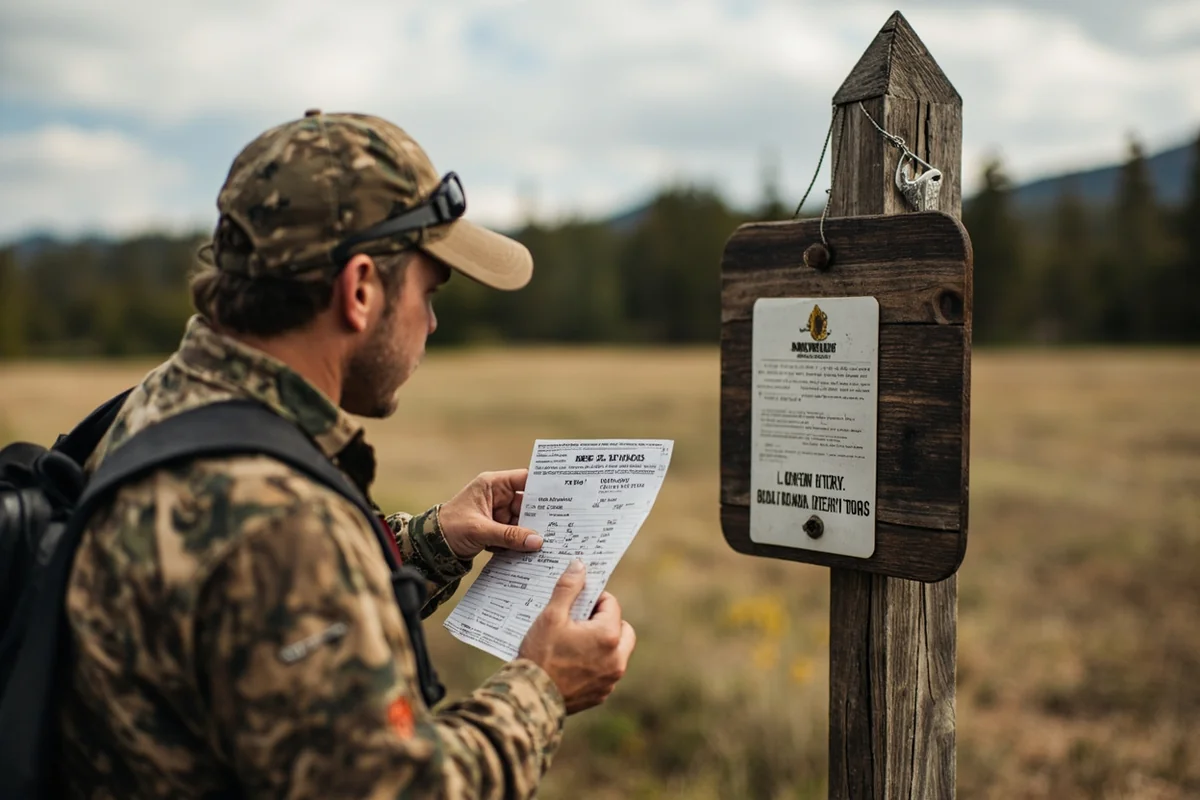
Permission requirements range from simple sign-in at registration boxes to mandatory phone calls to landowners. I once drove two hours to a prime antelope block only to discover I needed a reservation I hadn’t made—lesson learned.
Hunt on Montana state land opportunities complement Block Management access, creating a patchwork of public opportunity across the state.

Working with FWP Staff: The Human Element
The single best decision I ever made regarding Montana hunting was picking up the phone and calling a regional wildlife biologist. That 30-minute conversation reshaped my entire approach.
FWP employs wildlife biologists, game wardens, and administrative staff who genuinely want to help hunters succeed while maintaining healthy populations. I’ve been consistently impressed by their responsiveness.
Last spring, I emailed the Region 3 office with questions about black bear population trends in a specific drainage. Within three days, I received a detailed response with harvest statistics and habitat assessment.
Game Wardens: More Than Enforcers
Montana’s game wardens serve dual roles as law enforcement officers and hunter resource specialists. My interactions with wardens have always been positive and educational.
During a September scouting trip near Phillipsburg, I encountered a warden checking anglers at a trailhead. We ended up talking for nearly an hour about elk movement patterns in the area.
Wardens appreciate honest questions about regulations far more than dealing with violations later. When I’ve been uncertain about legal shooting light or boundary lines, I’ve called warden stations directly.
The ethical foundation wardens reinforce protects Montana’s hunting heritage. I’ve reported suspected poaching twice through Operation Game Thief, and FWP’s follow-up impressed me both times.
The Online Tools That Changed Everything
FWP’s digital transformation over the past decade has made hunt planning dramatically more effective. The online resources available today would have seemed like science fiction when I started hunting Montana.
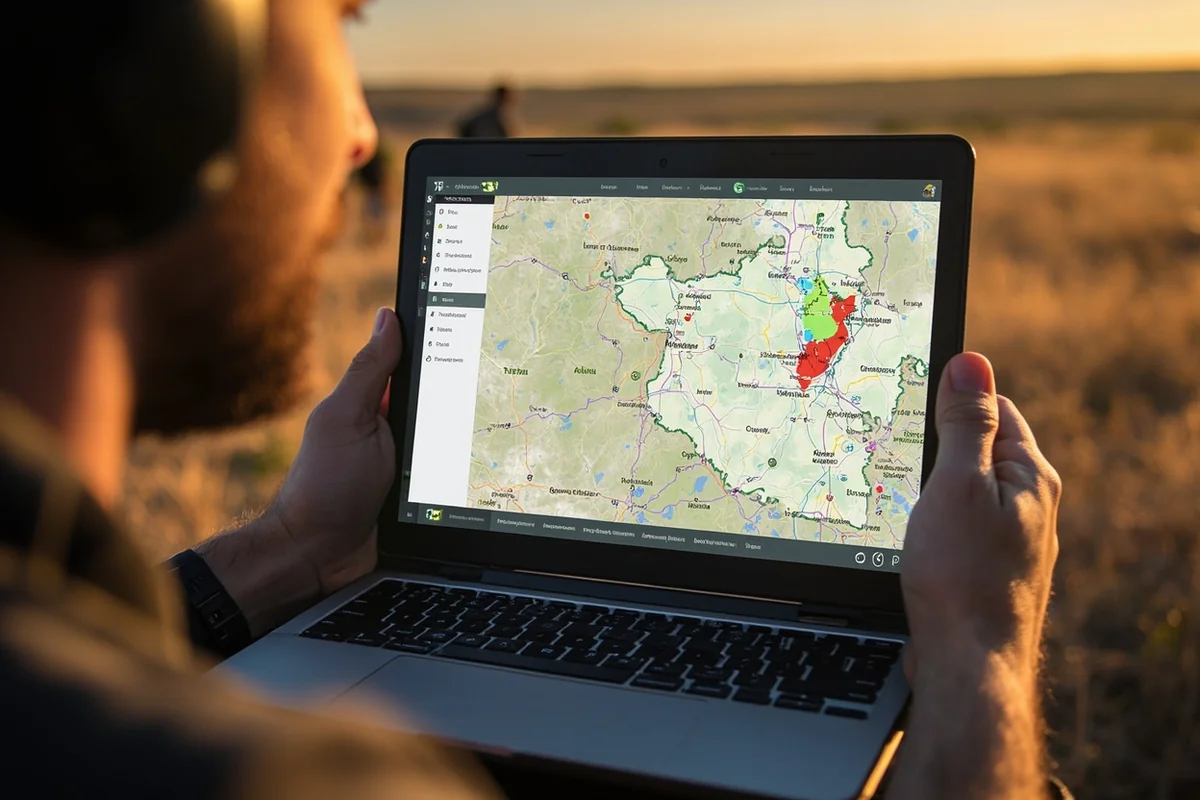
The Hunt Planner tool allows you to overlay harvest statistics, public land boundaries, WMA locations, and Block Management areas on a single map. I use it obsessively during planning season.
MyFWP mobile access means license verification and emergency contacts are always in my pocket. The convenience during check station encounters cannot be overstated.
Harvest Statistics: Your Planning Goldmine
FWP publishes detailed harvest reports for every hunting district going back years. This data tells stories that transform abstract decisions into informed strategies.
When planning a mule deer hunt in Region 7 last year, harvest statistics revealed a specific district where buck-to-doe ratios had improved significantly over three seasons. I focused my efforts there and tagged a respectable 4×4 on day two.
Hunter success rates, animal densities, and harvest trends all appear in FWP reports. The information isn’t hidden—it’s freely available on the FWP website.
Drawing odds calculations also help set realistic expectations for limited permits. I’ve learned to balance dream hunts with achievable goals based on FWP’s transparent statistics.
Hunter Education: FWP’s Foundation Program
Montana requires hunter education certification for first-time license buyers, and FWP administers the program with impressive effectiveness.
I completed Montana’s hunter education course as an adult after moving from a state that didn’t require it. The experience exceeded my expectations in both content and instruction.
Course options include traditional classroom formats, online learning with field day requirements, and intensive weekend sessions. FWP accommodates various schedules and learning preferences.
What the Course Actually Teaches
Beyond firearms safety fundamentals, Montana’s hunter education covers wildlife identification, ethical hunting practices, and conservation principles.
The emphasis on fair chase ethics resonated with me long after the course ended. FWP instructors share real scenarios that illustrate why these principles matter.
Field day components include hands-on firearms handling under instructor supervision. I watched nervously as some classmates handled guns for the first time, but the safety protocols FWP employs prevented any incidents.
Certification transfers to other states through the International Hunter Education Association, making your Montana course investment applicable nationwide.
Conservation Funding: Where Your Money Goes
Every license fee, every habitat stamp, every permit application cost contributes to Montana’s wildlife management funding. Understanding this connection deepened my appreciation for the FWP model.
The Pittman-Robertson Act ensures that federal excise taxes on firearms and ammunition flow back to state wildlife agencies. Montana receives substantial funding through this program.
When I purchase a hunting license, I’m directly investing in the wildlife populations I pursue. This isn’t marketing spin—it’s observable in habitat improvements, research programs, and population recoveries.
Success Stories You Can See
Montana’s elk population has grown from near-extinction levels in the early 1900s to over 150,000 animals today. FWP management made this recovery possible.
Pronghorn antelope numbers have similarly rebounded, with current populations supporting generous hunting opportunities across the eastern prairies.
Even controversial predator management reflects FWP’s science-based approach. The agency balances competing interests while maintaining ecosystem health across diverse habitats.
Planning Your FWP-Dependent Hunt: Practical Timelines
After years of trial and error, I’ve developed a planning timeline that maximizes success while minimizing deadline stress.
January through February: Research hunting districts using FWP harvest statistics and Hunt Planner. Identify primary and backup options for draw applications.
March: Complete limited permit applications before the deadline. Triple-check district numbers and species codes—I’ve made painful errors here.
April through June: Study general season regulations for your target areas. Contact regional biologists with specific questions about habitat conditions.
July: Monitor drought conditions and fire activity that might affect hunting districts. FWP issues emergency closures when necessary.
August: Review the new regulations booklet immediately upon release. Plan Block Management reservations and WMA visits.
September: Conduct scouting trips if possible. Verify license purchases and ensure all tags are in order.
October through November: Execute your hunt while checking FWP updates for emergency changes.
December: Submit harvest reports promptly. Begin planning for next year.
Common Mistakes FWP Can’t Save You From
Even the most helpful agency can’t protect hunters from certain self-inflicted wounds. I’ve made most of these mistakes myself.
Missing application deadlines eliminates your chance at limited permits regardless of how many points you’ve accumulated. I set multiple calendar reminders now.
Hunting the wrong district happens more often than you’d think. GPS units and physical maps don’t always agree with FWP boundaries—always verify.
Failing to report harvest creates legal problems and damages population management data. FWP depends on honest reporting for future regulations.
Ignoring closure notices can result in citations and license revocations. Check FWP announcements throughout your hunt, especially during fire season.
The Future of FWP and Montana Hunting
Montana’s hunting heritage faces challenges from population growth, habitat fragmentation, and competing land uses. FWP positions itself as the steward navigating these pressures.
The chronic wasting disease monitoring program demonstrates FWP’s proactive approach to emerging threats. Mandatory testing in certain areas helps track disease spread.
Access programs continue evolving as private land patterns change. FWP’s willingness to adapt Block Management and pursue conservation easements shows forward thinking.
Climate impacts on wildlife populations increasingly shape management decisions. I’ve noticed FWP adjusting season dates and permit numbers in response to changing conditions.
Final Thoughts From the Field
After all these years hunting Montana under FWP’s management framework, I’ve come to see the agency as a partner rather than a bureaucratic obstacle.
The staff genuinely care about wildlife and hunting traditions. The systems, while sometimes complex, serve real management purposes.
Your success in Montana depends partly on understanding how FWP operates. This knowledge transforms frustration into opportunity and confusion into confidence.
Take time to explore the FWP website, call regional offices with questions, and engage with the resources available. The agency exists to support your hunting experience while protecting the resources that make Montana extraordinary.
The wild places FWP manages and the populations they maintain represent something increasingly rare in America—functional wildlife ecosystems accessible to everyday hunters. That reality shouldn’t be taken for granted, and I never do.
Frequently Asked Questions
How much does a non-resident hunting license cost through Montana Fish Wildlife and Parks?
Non-resident hunting licenses in Montana range from $15 for a conservation license (required base license) to $1,000+ for combination elk and deer tags. I’d budget around $800-1,200 total for a general deer/elk hunting trip, as you’ll need multiple licenses and permits. Always purchase through the official Montana FWP website to avoid scams.
When is the best time to hunt in Montana for out-of-state visitors?
The general rifle season typically runs from late October through late November, which I consider the sweet spot for non-resident hunters targeting deer and elk. Archery seasons open earlier in September, offering less crowded conditions but warmer weather. Check Montana FWP’s annual hunting regulations since dates shift slightly each year.
Do I need to apply for a Montana hunting permit in advance or can I buy one when I arrive?
For popular species like elk, moose, mountain goat, and bighorn sheep, you must enter Montana’s permit drawing system by mid-March—these aren’t over-the-counter purchases. General deer licenses and some elk combo licenses can be bought online closer to your trip. I recommend applying 6-8 months ahead for any limited-entry hunts.
What hunting gear should I pack for a Montana hunting trip?
Pack layered clothing rated for temperatures from 20°F to 50°F, waterproof boots broken in for hiking 5-10 miles daily, and quality optics since Montana’s terrain demands long-range glassing. Don’t forget your hunter education certificate, fluorescent orange gear required during rifle season, and a reliable GPS since cell service is spotty in most hunting units.
Where can I find public land for hunting near popular Montana travel destinations?
Montana offers over 30 million acres of public hunting land, with excellent access through Block Management areas coordinated by Montana FWP. I’ve found great hunting within 30-60 miles of Bozeman, Missoula, and Helena on national forest land. Use the FWP’s free Hunt Planner map tool to identify walk-in areas and check access restrictions before your trip.
Can I hunt in Montana without hiring a guide as an out-of-state hunter?
Yes, non-residents can hunt independently in Montana for most species without a guide, unlike some Western states. However, for wilderness areas targeting elk or mule deer, I’d recommend at least a DIY drop camp service ($1,500-3,000) if you’re unfamiliar with the backcountry. Guided hunts typically run $4,000-7,000 for elk and include licensing assistance and meat processing.
How do I check hunting season dates and regulations on the Montana FWP website?
Visit fwp.mt.gov and navigate to the ‘Hunting’ section, then download the current year’s hunting regulations PDF—it’s about 100 pages but searchable. I always cross-reference the online Hunt Planner tool which shows season dates by specific hunting district. Sign up for FWP email alerts since regulations can change, especially regarding CWD testing requirements in certain regions.