Last September, I stood at the Montana Fish, Wildlife & Parks office in Helena, watching a frustrated hunter from Texas discover he’d missed the special permit application deadline by three months.
His dream elk hunt evaporated in that moment—a costly mistake I’ve seen too many out-of-state hunters make when navigating Montana’s complex licensing system.
If you’re planning to hunt Big Sky Country as a non-resident, understanding the licensing process isn’t just helpful—it’s absolutely essential to making your hunt happen at all.
Before diving into the specifics, I recommend reviewing our complete Montana Hunting Guide for a broader overview of hunting opportunities across the state.
- Non-resident base hunting license costs $117.50 (Conservation License + Base Hunting License)
- Special permit applications for elk, deer, and antelope open March 1 and close April 1
- General deer and elk combo license costs $1,051 for non-residents
- Apply online through the Montana FWP MyFWP portal—paper applications are outdated
- Non-resident caps exist for most species—apply early and accumulate preference points
- Budget $1,500-$3,000+ for licenses depending on species and permit types
Understanding Montana’s Non-Resident Hunting License Structure
When I first started hunting Montana as an out-of-stater back in 2018, I made the rookie mistake of thinking one license covered everything. I quickly learned that Montana uses a tiered licensing system that requires multiple purchases depending on what you want to hunt.
The foundation of everything is the Conservation License, which costs $10 and is required before you can purchase any other hunting or fishing license. Think of it as your entry ticket into Montana’s wildlife management system.
From there, you’ll need species-specific licenses and potentially special permits, depending on your target game and hunting district. The system seems complex at first, but after walking through it a few times, it becomes second nature.
The Three-Tier System Explained
Montana structures non-resident hunting access across three distinct tiers. I’ll break down each one based on my experience navigating the system over multiple hunting seasons.
Tier one includes general licenses that you can purchase over-the-counter without any application or drawing. These include upland bird, turkey, and certain predator species.
Tier two encompasses combination licenses for deer and elk that are available in limited quantities and require application during specific windows.
Tier three covers special permits for trophy species like bighorn sheep, moose, mountain goat, and specific deer or elk units. These require applications, drawings, and often years of preference point accumulation.
Non-Resident License Types and Current Costs
One question I get constantly from hunters planning their first Montana trip: how much is this actually going to cost me? Let me walk you through the real numbers based on the current 2024 license year, and I’d also recommend checking our detailed breakdown of Montana hunting license costs for the most up-to-date pricing.
| License Type | Non-Resident Cost | Notes |
|---|---|---|
| Conservation License | $10.00 | Required for all licenses |
| Base Hunting License | $107.50 | Required for big game |
| Deer/Elk Combo License | $1,051.00 | Limited availability, drawing required |
| Deer License (B Tag) | $527.00 | Drawing required |
| Elk License (B Tag) | $882.00 | Drawing required |
| Upland Game Bird | $125.50 | Over-the-counter |
| Turkey License | $146.25 | Over-the-counter |
| Mountain Lion | $320.00 | Over-the-counter |
| Black Bear | $350.00 | Spring/Fall seasons available |
| Wolf License | $50.00 | Over-the-counter |
| Antelope License | $205.00 | Drawing required |
These prices don’t include the application fees for special permits, which typically run $5-$50 depending on the species. During my most recent application cycle, I spent about $75 just on application fees across multiple species.
For a comprehensive look at the Montana hunting license system as a whole, including resident options, that link covers the complete picture.
The Application Process: Step-by-Step
I’ve helped dozens of first-time Montana hunters navigate the application system, and the process has gotten significantly easier since Montana launched the MyFWP online portal. Here’s exactly how to approach it.

Step 1: Create Your ALS Account
Before anything else, you need to establish your Automated Licensing System (ALS) account. I recommend doing this months before any application deadlines to avoid technical issues during crunch time.
Visit fwp.mt.gov and click on the MyFWP portal. You’ll need to provide personal identification information, including your Social Security number for non-resident verification.
The system will generate a unique ALS number that becomes your permanent identifier in Montana’s wildlife licensing system. Write this down and keep it somewhere safe—you’ll use it for every future transaction.
Step 2: Purchase Your Conservation License
Your Conservation License must be purchased before applying for any special permits. At $10, it’s a small investment that opens the door to everything else.
I typically purchase mine in January each year when the new license year begins. This ensures I’m ready when application windows open without any last-minute scrambling.
Step 3: Apply for Special Permits
Here’s where timing becomes critical. Montana’s big game application period runs from March 1 through April 1 for most species.
During my most recent application cycle last spring, the online system experienced heavy traffic during the final week. I always submit my applications during the second week of March to avoid technical problems.
For deer and elk combination licenses, you’ll indicate your first through fifth hunting district choices on the application. District selection strategy significantly impacts your drawing odds, which I’ll cover in detail later.
Step 4: Wait for Drawing Results
Drawing results typically post in late June or early July. Montana sends email notifications, but I always check the MyFWP portal directly since email notifications sometimes get delayed or filtered.
If you’re successful, the license fee will be charged to your payment method on file. Unsuccessful applicants receive preference points automatically if they opted in during application.
Big Game License Options for Non-Residents
Montana offers several pathways for non-resident big game hunters, and understanding which one fits your situation can save you significant money and frustration.
Deer and Elk Combination License
The deer/elk combo is the most popular option for non-resident big game hunters visiting Montana. At $1,051, it gives you tags for both species and flexibility across hunting districts.
Last fall, I hunted with a friend from Wyoming who had drawn his combo license for Region 3. We spent nine days covering ground between Ennis and Three Forks, and he tagged a 5×5 bull elk on day seven.
The combination license allows you to hunt deer and elk in your specified hunting district during the general season. Keep in mind that understanding Montana hunting seasons is crucial for planning your trip timing.
If you’re specifically targeting elk, our Montana elk hunting guide provides in-depth information on strategies, equipment, and the best hunting districts for non-residents.
B Licenses for Deer and Elk
B licenses provide additional tags beyond your combination or general license. They’re district-specific and have varying quota allocations.
Non-resident B license availability fluctuates based on wildlife management objectives. During my 2022 hunting season, Region 7 had abundant antlerless elk B tags available for population management purposes.
These licenses are particularly valuable for hunters looking to fill their freezer, as many B tags cover antlerless animals at significantly reduced competition levels.
For deer-specific information, check out our guides on Montana deer hunting and Montana deer hunting regulations to understand what you’re getting into.
Special Permit Species
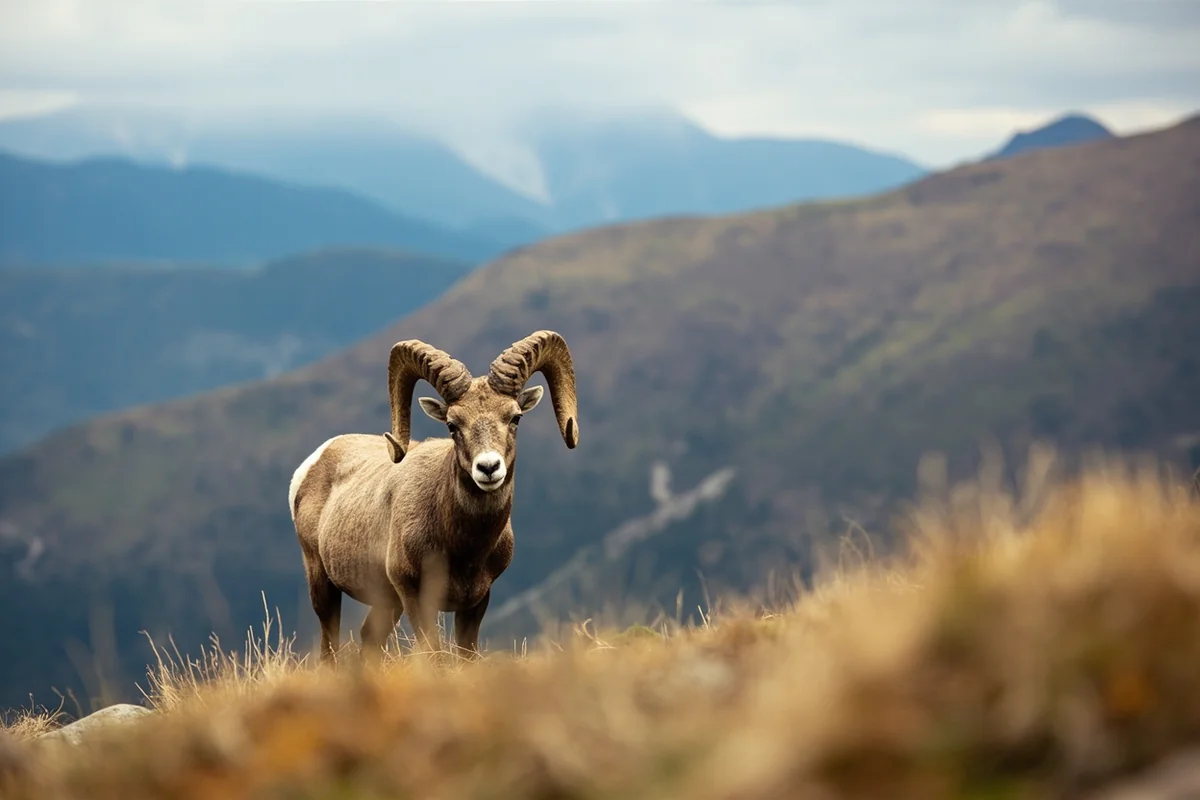
Montana’s trophy species require special permits that are extremely limited for non-residents. These include bighorn sheep, moose, mountain goat, and certain deer/elk districts.
I’ve been accumulating preference points for bighorn sheep since 2019, and based on current drawing statistics, I estimate another 15-20 years before I have reasonable odds. This isn’t meant to discourage you—just to set realistic expectations.
For those interested in Montana bighorn sheep hunting, patience and commitment to the preference point system are essential.
Understanding the Preference Point System
Montana’s preference point system determines drawing order for limited licenses, and navigating it strategically can dramatically improve your odds. For a deep dive into this topic, visit our complete guide on Montana preference points.
How Points Accumulate
You earn one preference point each year you apply unsuccessfully for a specific species. Points are species-specific, meaning your elk points don’t help your sheep application.
When I started applying for limited elk districts in 2018, I had zero points and essentially zero chance of drawing premium units. Now with six points, my odds have improved to approximately 15-20% for some mid-tier districts.
Preference points cost $20 each to purchase without applying for a license. Many hunters buy points annually while building toward their target threshold.
The Drawing Order
Montana uses a preference point system where applicants with the highest points draw first, followed by a random component among applicants with equal points.
This isn’t a pure preference system like some states use. There’s still a random element, which means even first-time applicants have slim chances at premium units.
Last year, I met a hunter from Georgia who drew a coveted Unit 417 elk tag on his third application—a combination of modest point accumulation and pure luck.
Strategic Point Accumulation
Here’s insight I wish someone had shared when I started: don’t just apply randomly. Research historical draw odds, which Montana publishes annually, and develop a multi-year strategy.
For example, if you’re targeting elk in Region 2, analyze which districts historically require fewer points while still offering quality hunting. Sometimes a district requiring four points produces similar opportunities to one requiring twelve.
I maintain a spreadsheet tracking my point levels, historical odds, and district quota trends. This level of planning has helped me draw two premium tags I likely wouldn’t have gotten with random application approaches.
Application Deadlines You Cannot Miss
Montana’s application windows are strict, and missing them means waiting an entire year. Here are the critical dates burned into my calendar.
- March 1: Big game special permit applications open
- April 1: Big game special permit applications close (no exceptions)
- May 1: Antelope, deer B-license, and elk B-license applications open
- June 1: Antelope, deer B-license, and elk B-license applications close
- August 1: Turkey applications open
- Late June/Early July: Drawing results announced
That Texas hunter I mentioned at the beginning? He tried to apply for elk special permits in July, not realizing the window closed in April. His only option was to wait until the following year—a hard lesson about Montana’s firm deadlines.
Non-Resident Caps and Quota Limitations
Montana implements non-resident quotas to ensure resident hunters maintain priority access. Understanding these limitations helps set realistic expectations.

The 10% Rule
For most big game licenses, Montana caps non-resident allocation at approximately 10% of total available permits. This means competition among out-of-state hunters is intense.
During last year’s drawing, over 35,000 non-residents applied for roughly 5,500 deer/elk combination licenses. Those numbers translate to approximately 15% success rates before accounting for preference points.
Unlimited Licenses
Not everything requires a drawing. Montana offers several non-resident hunting opportunities without caps:
Upland game bird licenses are available over-the-counter, making Montana upland bird hunting an excellent option for hunters who don’t draw big game tags.
Similarly, Montana wolf hunting licenses are available without drawings, though season quotas and district restrictions apply.
Montana bear hunting licenses are also generally available over-the-counter, with both spring and fall seasons providing excellent opportunities.
Hunting District Selection Strategy
Your hunting district choices on applications dramatically impact drawing odds and hunt quality. I’ve developed a systematic approach over years of trial and error.
Research Historical Data
Montana FWP publishes drawing statistics annually, showing application numbers, licenses available, and success rates by district. I spend several evenings each February analyzing these numbers.
Look for districts where non-resident quotas increased recently—this often indicates population management objectives that benefit hunters. Region 7’s antlerless elk permits, for instance, have expanded significantly due to agricultural damage complaints.
Balance Access and Quality
Premium districts with known trophy potential attract maximum applications. Meanwhile, lesser-known districts sometimes offer comparable hunting with dramatically better drawing odds.
During my 2021 elk hunt, I chose a district in Region 6 that most out-of-staters overlook. The draw odds were 45% versus the 8% in “popular” districts, and I ended up taking a beautiful 6×6 bull on public land.
Consider also hunting on Montana state land, which provides excellent public access in many districts that receive less hunting pressure than national forest areas.
First Choice Versus Backup Choices
Montana’s application system allows multiple district choices ranked by preference. I always make my first choice my actual target unit, with increasingly accessible backup options.
Some hunters strategically apply for ultra-competitive units as their first choice, accepting low odds for a chance at premium hunting. I prefer moderately competitive districts where I’ll actually draw within a few years.
Species-Specific License Considerations
Different species involve distinct licensing pathways. Here’s what I’ve learned pursuing various Montana game animals.
Antelope
Antelope licenses require drawings similar to deer and elk, but generally offer better non-resident odds in eastern Montana districts. For comprehensive information, see our Montana antelope hunting guide.
I drew my first antelope tag on my second application, hunting prairie near Miles City. The eastern districts offer vast public land access and consistent pronghorn populations.
Mule Deer Versus Whitetail
Montana’s deer licenses often distinguish between mule deer and whitetail opportunities. Understanding these distinctions affects your district choices significantly.
Eastern Montana prairie breaks offer excellent mule deer hunting, while river bottom habitats along the Yellowstone and Missouri support strong whitetail populations. Our guides on Montana deer tags and whitetail deer hunts in Montana break down these opportunities.
Waterfowl and Upland Birds
These require separate licenses from big game but don’t involve drawings. I often purchase bird licenses as backup opportunities when visiting Montana for big game.
Montana duck hunting along the Missouri River corridor and prairie pothole regions provides excellent Pacific Flyway opportunities.
Alternative Seasons
Montana offers specialized seasons that many non-residents overlook. The Montana muzzleloader season provides dedicated hunting periods with reduced competition.
Additionally, the Montana shoulder season elk hunting program extends opportunities for elk management in specific districts—sometimes with licenses available after standard season deadlines.
Additional Hunting Opportunities
Beyond mainstream big game, Montana offers unique hunting experiences worth considering.
Buffalo Hunting
Limited Montana buffalo hunting opportunities exist near Yellowstone National Park. These hunts require separate applications and typically involve significant waiting periods for non-residents.
Small Game
When big game applications don’t pan out, small game provides excellent alternatives. Montana squirrel hunting might sound underwhelming, but timbered areas in western Montana offer challenging hunting and excellent camp meat.
Specialty Species
For truly dedicated hunters, Montana swan hunting provides unique permit opportunities through separate application processes.
Understanding the complete Montana hunting regulations helps identify these alternative opportunities that might fit your timeline and budget.
Practical Tips From Years of Non-Resident Hunting
After six years hunting Montana as a non-resident, I’ve accumulated hard-won knowledge that doesn’t appear in official regulations.
Apply Early, Every Year
Even if you can’t hunt this season, apply anyway. Preference points accumulate, and you never know when circumstances will align for a Montana trip.
The $20 preference point purchase compounds over time. My accumulated sheep points represent over $100 invested, but they’ll eventually translate into a once-in-a-lifetime hunt.
Join Hunting Forums
Montana-specific hunting forums provide invaluable district-level intelligence. I’ve learned more about specific units from forum members than any official source.
Local hunters share information about access points, game patterns, and landowner relationships that dramatically improve non-resident success rates.
Consider Guided Hunts Initially
My first Montana hunt was guided, and that investment paid dividends in learning the landscape, game behavior, and local protocols.
Outfitters often have established relationships with private landowners and can access areas unavailable to unguided non-residents.
Build Multi-Year Plans
Montana hunting rewards long-term commitment. Develop species-specific plans spanning five to ten years, accumulating points strategically while gaining experience in more accessible opportunities.
My current ten-year plan includes sheep as the ultimate goal, with elk every 2-3 years and antelope filling gaps between drawings.
Common Non-Resident Mistakes to Avoid
I’ve witnessed countless out-of-state hunters make preventable errors. Here’s what to avoid.
Assuming Licenses Are Available On Demand
Unlike some states, Montana big game licenses for non-residents require advance applications. You cannot simply arrive and purchase an elk tag.
Ignoring District Regulations
Each hunting district has specific weapon restrictions, access limitations, and quota rules. A license valid in one district doesn’t authorize hunting in another.
Underestimating Costs
Budget $1,500-$3,000 for licenses alone, depending on species combinations. Add travel, lodging, outfitter fees, and meat processing, and realistic Montana hunting budgets often exceed $5,000.
Neglecting Physical Preparation
Montana’s terrain humbles unprepared hunters. Mountain elk hunting at 8,000+ feet elevation requires serious physical conditioning that flatland hunters often underestimate.
Final Thoughts on Non-Resident Montana Hunting
Hunting Montana as a non-resident demands more planning, patience, and investment than most states. But the payoff—vast wilderness, strong game populations, and genuine Western hunting experiences—justifies every obstacle.
Start your application process early, commit to preference point accumulation, and approach Montana hunting as a multi-year journey rather than a single trip. The hunters I see consistently successful in Big Sky Country embrace this long-term mindset.
Montana’s licensing system exists to protect wildlife resources and ensure quality hunting experiences. While the complexity frustrates newcomers, it ultimately preserves the hunting heritage that draws us here in the first place.
Your first Montana tag will feel hard-earned—because it is. But standing in that golden September light, watching elk feed across a mountain meadow you hiked miles to reach, you’ll understand why generations of hunters consider Montana the pinnacle of American hunting.

Frequently Asked Questions
How much does a non-resident Montana hunting license cost in 2024?
A non-resident Montana hunting license starts at $15 for the base conservation license, but you’ll need species-specific permits on top of that. Expect to pay around $115 for deer, $185 for elk, and combination packages can run $500-$1,000+ depending on what you’re after. I always budget extra for application fees since popular tags require entering the draw system.
When should I apply for a non-resident Montana hunting license?
The application deadline for most non-resident Montana hunting permits falls in early March, with draw results typically announced by mid-May. I recommend starting your research in January so you have time to identify which hunting districts match your target species. For leftover licenses and general deer tags, you can often purchase these starting in mid-August on a first-come basis.
Can non-residents buy over-the-counter elk tags in Montana?
Unlike some Western states, Montana does not offer over-the-counter elk tags for non-residents—you must enter the annual drawing. The draw odds vary significantly by hunting district, with some units seeing less than 5% success rates for non-residents. I suggest applying for multiple districts and considering combination licenses to improve your chances of drawing at least one tag.
What documents do I need to buy a non-resident Montana hunting license?
You’ll need a valid government-issued ID, proof of hunter education certification, and your social security number to purchase a non-resident Montana hunting license. If your hunter education was completed in another state, Montana accepts it through the nationwide reciprocity system. I keep digital copies of my hunter safety card on my phone as backup since some licensing agents want to verify it on the spot.
How far in advance should I book my non-resident Montana hunting trip?
I recommend booking accommodations and outfitter services 6-12 months in advance, especially for popular September archery and October/November rifle seasons. Towns near prime hunting areas like Bozeman, Missoula, and Helena fill up quickly, and lodging prices can double during peak season. Once you receive your draw results in May, lock in your travel arrangements immediately.
What gear should non-residents bring for hunting in Montana?
Montana weather is notoriously unpredictable, so I always pack layers including a quality base layer, insulated jacket, and waterproof outer shell even for early-season hunts. Essential items include blaze orange clothing (required during rifle season), sturdy boots broken in for mountain terrain, and optics rated for glassing across Montana’s vast open landscapes. Don’t forget game bags and a reliable GPS unit since cell service is spotty in most hunting districts.
Do non-residents need a guide or outfitter to hunt in Montana?
Non-residents are not legally required to hire a guide or outfitter for most Montana hunting, but access can be challenging since roughly 60% of the state is private land. I’ve found that booking with a licensed outfitter significantly improves success rates, especially for elk hunts in wilderness areas requiring pack horses. DIY hunters should secure Block Management Area permissions or focus on national forest lands, which are open to public hunting with your valid license.