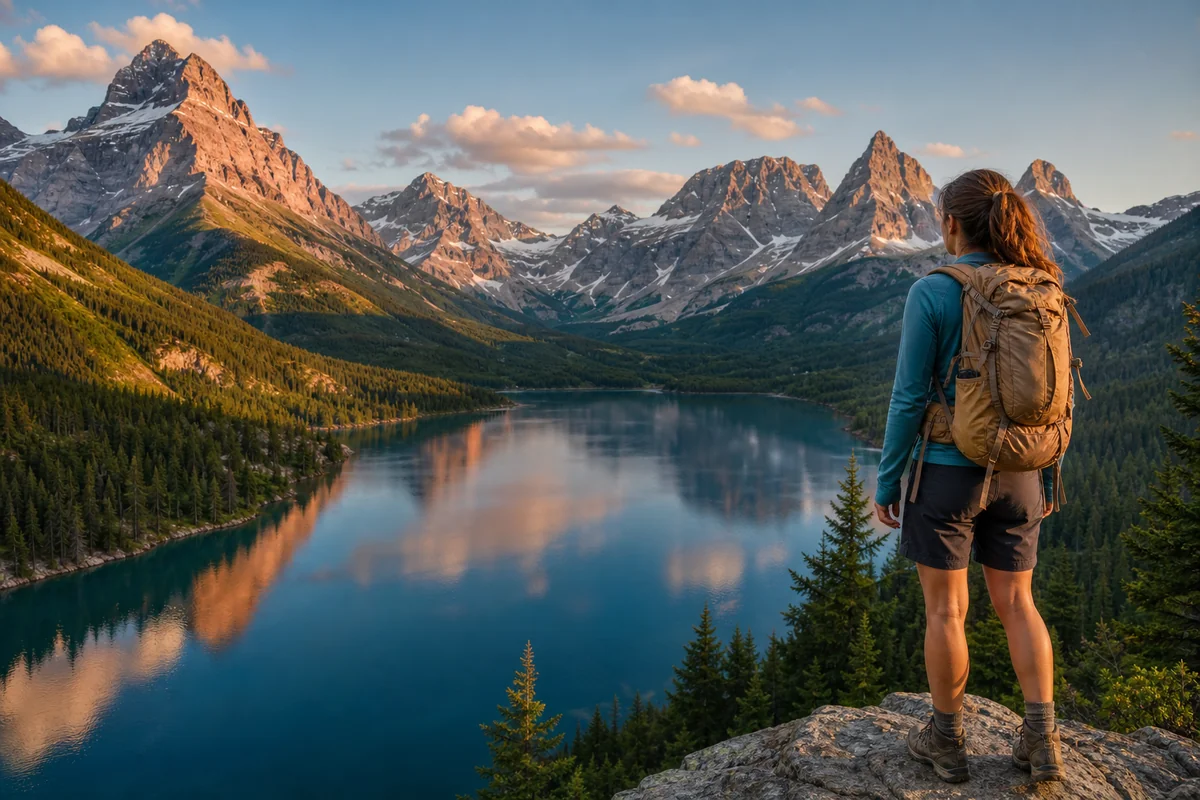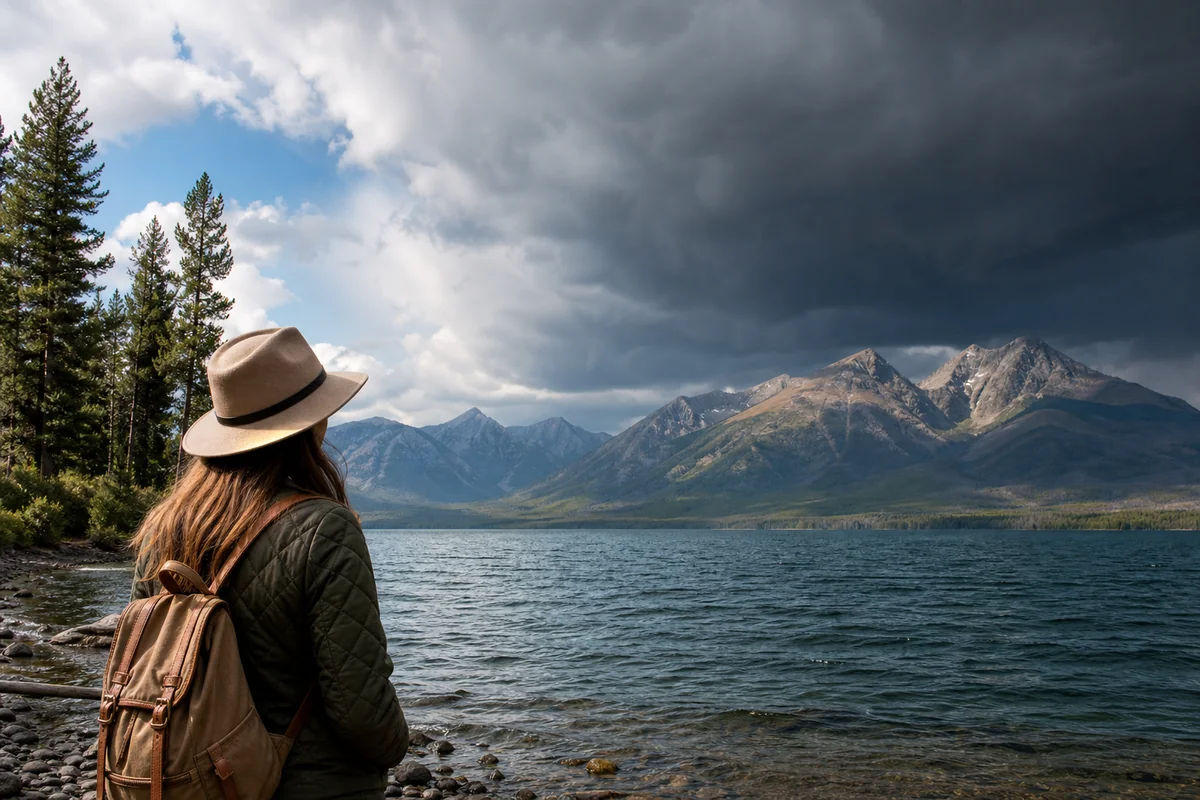
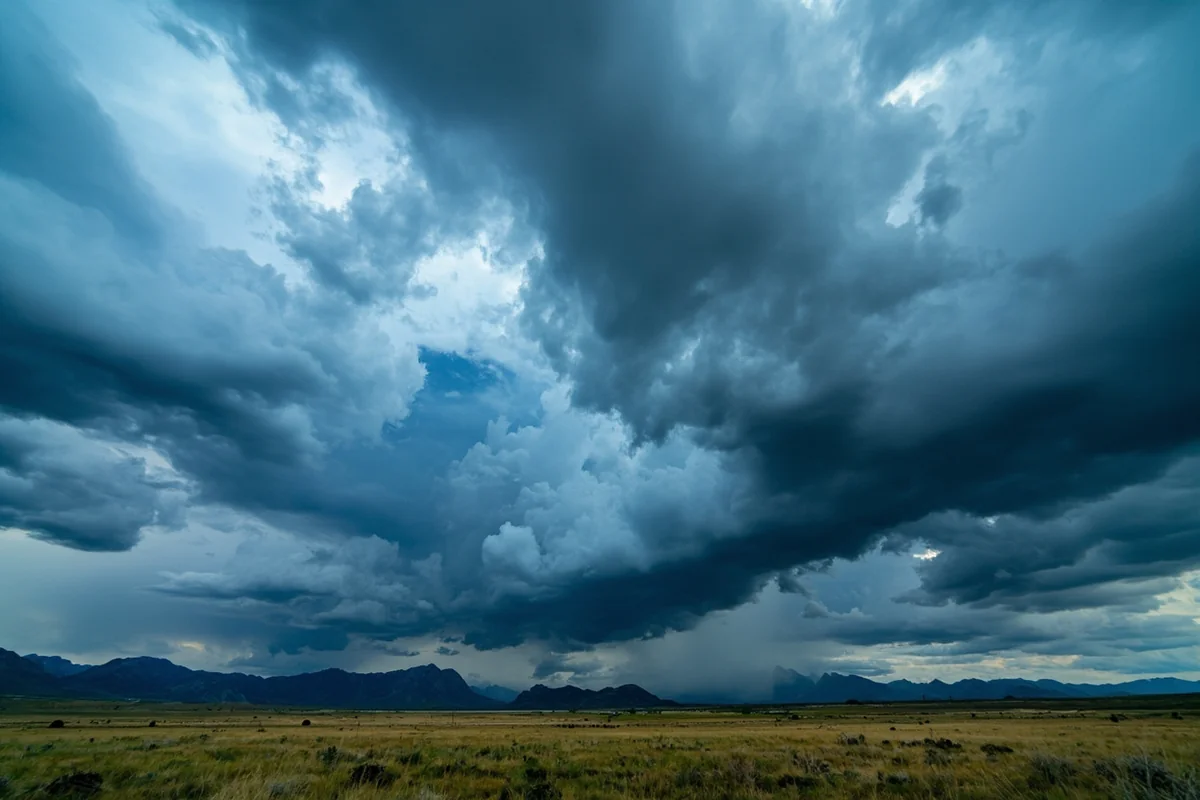
I’ll never forget standing on the shore of Flathead Lake last September, watching dark clouds roll over the Mission Mountains while a fellow traveler from Florida asked me nervously, “This isn’t going to turn into a hurricane, is it?” I couldn’t help but smile—it’s a question I’ve heard more times than you’d expect from visitors unfamiliar with Montana’s geography.
The short answer brought immediate relief to her face, but the longer conversation about what weather Montana *does* throw at you proved far more valuable for her trip planning.
If you’re researching our comprehensive Montana Weather Guide before your visit, understanding the state’s unique meteorological patterns—including what extreme weather events are and aren’t possible here—will help you pack appropriately and plan confidently.
- Montana does NOT get hurricanes—the state is over 600 miles from the nearest ocean and hurricanes cannot form or sustain themselves over land
- The remnants of Pacific tropical systems occasionally bring extra moisture to Montana, but this is rare and never produces hurricane conditions
- Montana’s actual weather concerns include sudden thunderstorms, high winds, winter blizzards, and occasional tornadoes on the eastern plains
- Travelers should prepare for rapid weather changes, especially in mountain areas, rather than tropical storm systems
- The state’s continental climate produces its own dramatic weather events that require specific preparation
Liked this article?
Add Roaming Montana as a preferred source so you see more of our articles and guides on Google.
The Simple Science: Why Hurricanes Can’t Reach Montana
Let me explain this as clearly as I explained it to that worried traveler at Flathead Lake—hurricanes are physically incapable of reaching Montana. It’s not that they rarely happen or that Montana gets lucky; it’s that the very nature of these storms makes a Montana hurricane impossible.
Hurricanes require warm ocean water of at least 80°F to form and sustain their power. Once these massive storm systems move over land, they rapidly lose their energy source and weaken.
Montana sits more than 600 miles from the Pacific Ocean at its closest point and over 1,000 miles from the warm Gulf of Mexico waters where Atlantic hurricanes draw their strength. By the time any tropical system traveled that far inland, it would be nothing more than a regular low-pressure system bringing rain.
During my years exploring Montana, I’ve experienced plenty of powerful storms. Last summer near Great Falls, I watched a thunderstorm produce 60 mph wind gusts that had me seriously rethinking my campsite choice. But that’s fundamentally different from a hurricane’s sustained, organized circulation that requires oceanic fuel to maintain.
Understanding Montana’s Geographic Protection
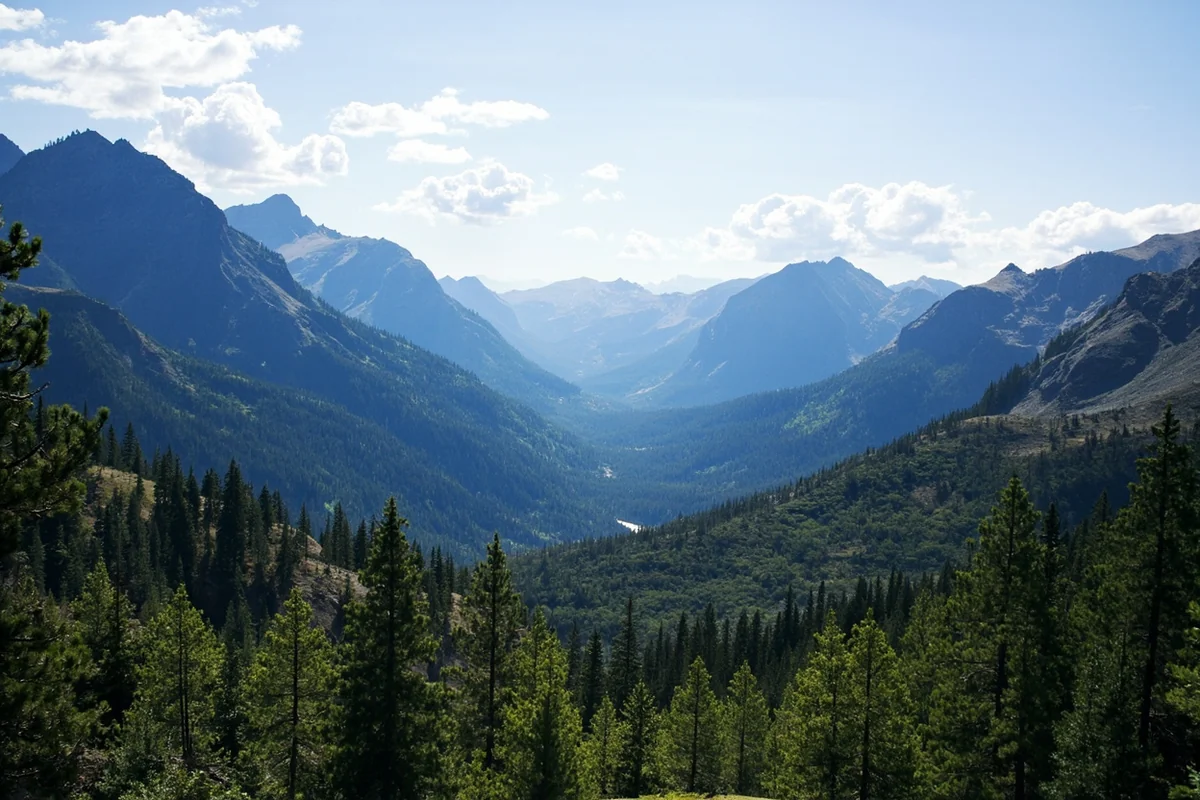
Montana’s position in the northern Rocky Mountain region creates a natural fortress against tropical weather systems. The state sits between the 45th and 49th parallels—roughly the same latitude as southern France—far north of where tropical systems typically travel.
The Rocky Mountains themselves act as a massive weather barrier. When I drive over the Continental Divide at Rogers Pass, I’m crossing a line that fundamentally changes weather patterns between the western and eastern parts of the state.
These mountains force air masses to rise, cool, and drop their moisture on the western slopes. Any moisture from a weakening Pacific system would largely dump on the Cascades and Northern Rockies long before reaching Montana’s interior valleys.
I’ve spoken with meteorologists at the National Weather Service office in Great Falls who confirm they’ve never issued any kind of tropical weather advisory in their careers. The office’s focus remains on the weather events that actually affect Montana—which are plenty dramatic on their own.
What About Tropical Storm Remnants?
Now, here’s where I need to get a bit more nuanced—because while Montana doesn’t get hurricanes, the state occasionally feels the distant effects of Pacific tropical systems in very specific ways.
When a powerful hurricane or typhoon crosses the Pacific and makes landfall on the West Coast (a rare event in itself), the remnant moisture can sometimes get swept up into weather systems that eventually affect Montana. I experienced this during a September backpacking trip in the Beartooth Mountains several years ago.
The forecast mentioned “tropical moisture” contributing to an incoming storm system. What I actually experienced was heavy rain for about 36 hours—memorable for a camping trip but nothing remotely resembling hurricane conditions. Wind speeds stayed around 25 mph, and the main inconvenience was wet gear and a delayed summit attempt.
The “Pineapple Express” Phenomenon
More common than tropical storm remnants is what meteorologists call an “atmospheric river” or, more colorfully, the “Pineapple Express.” These moisture plumes originate near Hawaii and can bring significant precipitation to the Pacific Northwest and, occasionally, western Montana.
During a late autumn trip to Missoula a few years back, one of these atmospheric rivers pushed into the region. The result was several days of steady rain in the valleys and heavy snow at higher elevations—great for the ski resorts, less great for my hiking plans.
But again, this isn’t a hurricane or anything close. There’s no organized circulation, no eye, no sustained destructive winds. It’s simply moisture from tropical latitudes being transported northward by normal atmospheric patterns.
If you’re wondering about other moisture-related concerns, check out our guide on Montana winter flooding—the spring snowmelt creates far more water-related concerns than any tropical moisture ever could.
Montana’s Actual Weather Threats Travelers Should Know
Here’s where my experience as a Montana explorer becomes genuinely useful—because while you don’t need to worry about hurricanes, the state absolutely has weather events that deserve your respect and preparation.
Severe Thunderstorms and Lightning
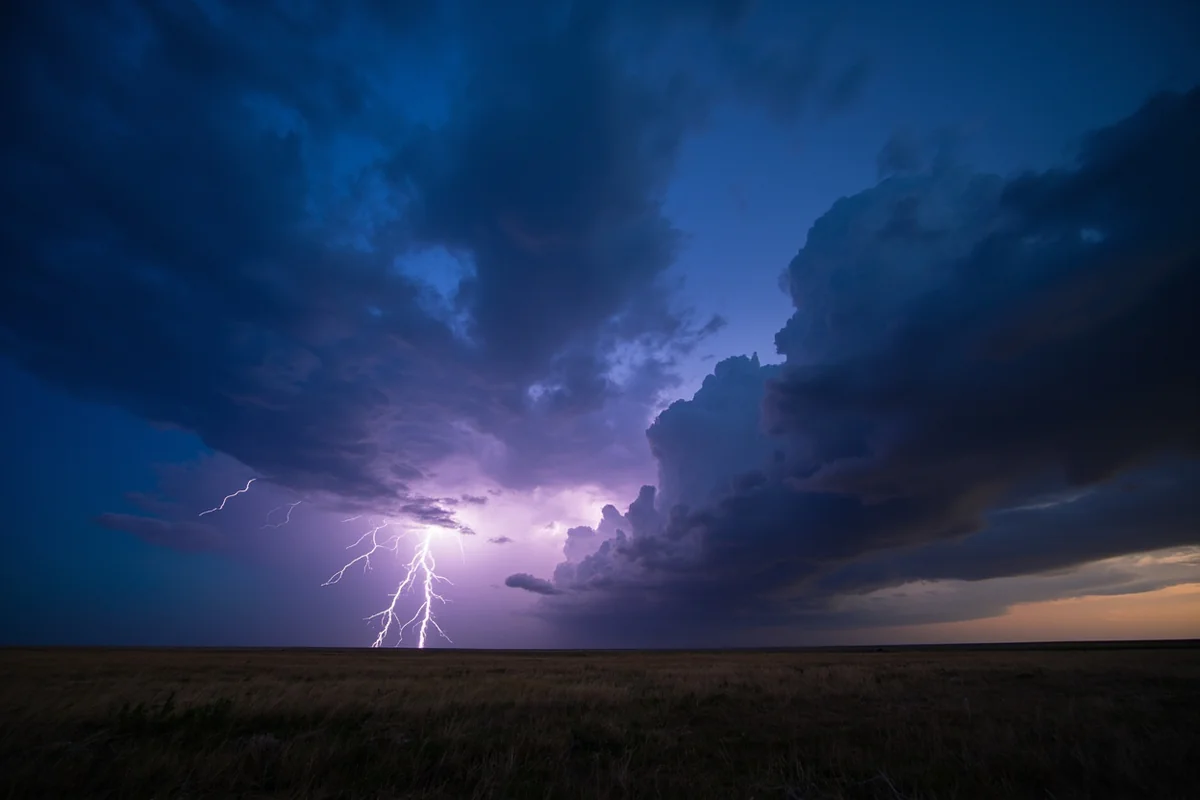
If there’s one weather phenomenon I’ve learned to watch carefully in Montana, it’s afternoon thunderstorms during summer months. These storms build with surprising speed, especially in mountain areas.
Last July, I was hiking in Glacier National Park when a storm developed over just 45 minutes. I went from hiking under blue skies to scrambling off an exposed ridge as lightning cracked across the peaks. The hail that followed left welts through my rain jacket.
Montana’s dry conditions mean these storms often produce more lightning than rain. The state consistently ranks among the top in lightning-caused wildfires, which tells you something about the intensity of these events.
My advice for summer travelers: start hikes early, plan to be below treeline by early afternoon, and never underestimate how quickly conditions can change. I’ve seen temperatures drop 30 degrees in under an hour when a strong cold front pushes through.
Wind: Montana’s Constant Companion
Want to know what weather element actually affects your daily experience in Montana most frequently? It’s wind. Sustained winds of 20-30 mph are common across the plains, and I’ve experienced gusts over 80 mph near the Rocky Mountain Front.
For an in-depth look at this phenomenon, our guide on how windy Montana really is covers everything from the infamous “chinook” winds to practical tips for camping in breezy conditions.
During a spring visit to the town of Browning on the Blackfeet Reservation, I watched the wind rip a tent clean out of the ground at a neighboring campsite. The sustained 45 mph winds with higher gusts made that particular afternoon an exercise in patience and very secure tie-downs.
These winds aren’t hurricanes—they don’t come with the organized structure or consistent direction—but they can certainly make outdoor activities challenging and, in extreme cases, dangerous.
Tornadoes: Yes, They Happen Here
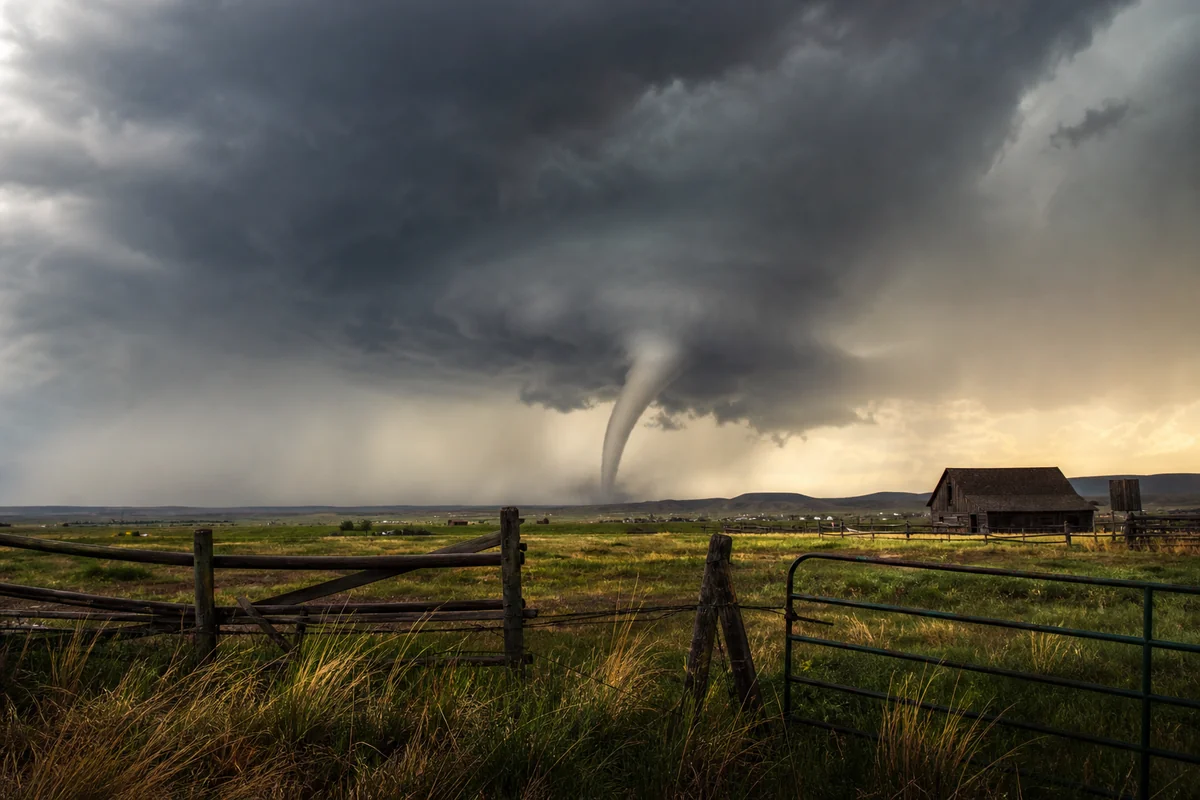
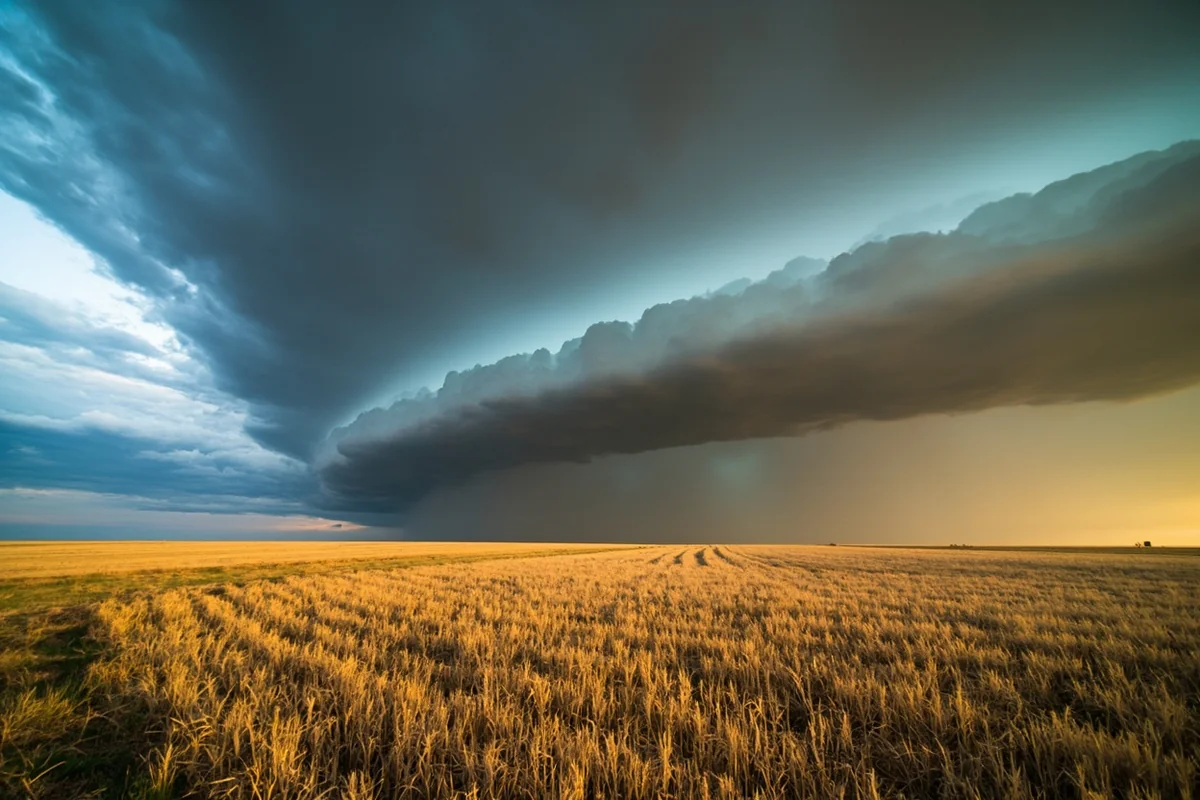
This surprises many visitors, but Montana does experience tornadoes, primarily on the eastern plains during late spring and early summer. The state averages about 5-10 tornadoes annually, mostly weak, short-lived events.
Our detailed coverage of tornadoes in Montana explains why the eastern part of the state sits on the edge of Tornado Alley and what travelers should know about severe weather season.
I was driving through the Hi-Line region near Havre during a severe storm warning last June. The sky turned that distinctive greenish color that makes any Midwesterner nervous. Fortunately, the storms passed without producing a tornado, but the experience reminded me that Montana’s weather can turn severe quickly, even if hurricanes aren’t part of the equation.
Winter Storms and Blizzards
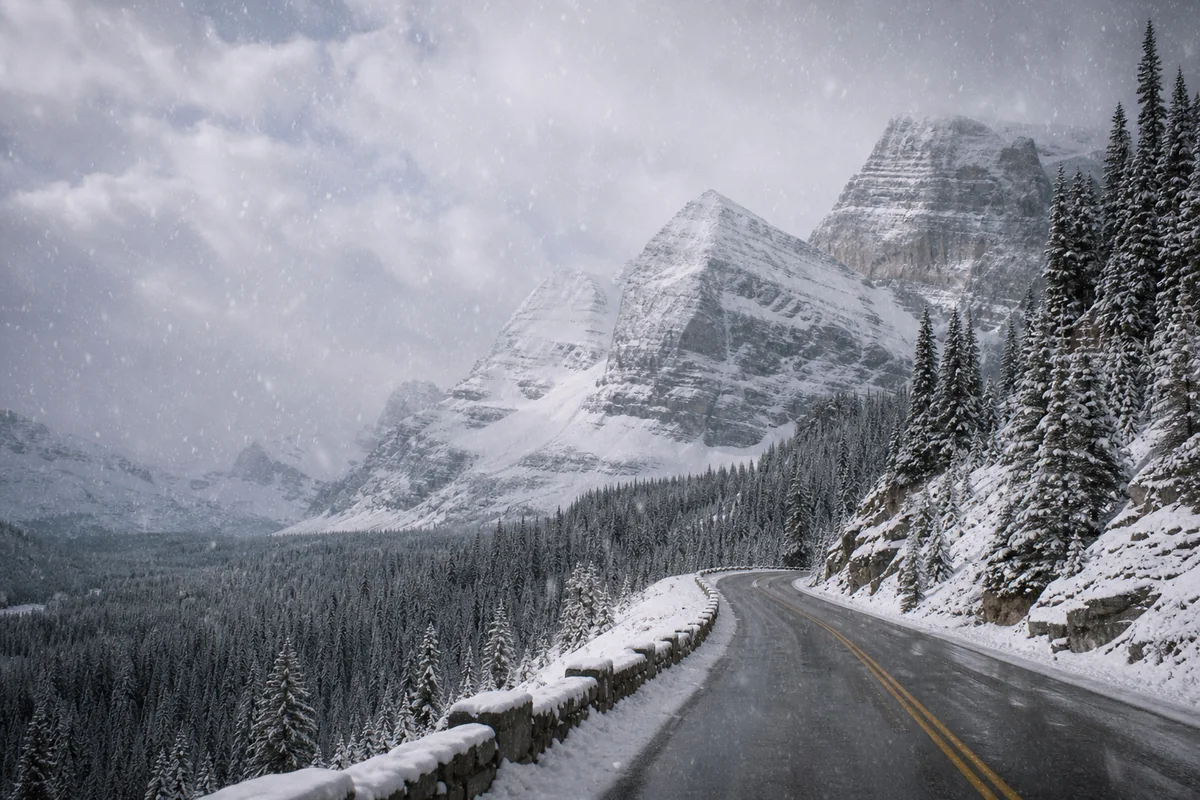
If you’re visiting Montana between November and April, winter weather is your primary concern—not tropical systems. The state experiences significant snowfall, bitterly cold temperatures, and occasional blizzards that can strand travelers for days.
When I think about weather preparation for Montana visitors, I always point them toward resources like our guide to Montana snow and the Montana winter weather overview. These cover far more relevant concerns than hurricanes ever could.
During a January trip to Yellowstone’s northern entrance near Gardiner, I experienced a three-day period where temperatures never rose above -10°F. Combined with wind, the conditions felt genuinely life-threatening for anyone unprepared. Proper clothing—covered in our Montana winter clothing guide—makes the difference between an enjoyable winter adventure and a dangerous situation.
Comparing Hurricane Regions to Montana’s Climate
For travelers coming from hurricane-prone areas like Florida, Texas, or the Carolinas, Montana’s weather concerns require a mental reset. Let me break down the key differences I’ve observed.
| Weather Factor | Hurricane Regions | Montana |
|---|---|---|
| Hurricane Risk | Moderate to High (seasonal) | None (impossible) |
| Tornado Risk | Moderate (often hurricane-spawned) | Low to Moderate (eastern plains only) |
| Severe Winter Weather | Minimal | Significant (Nov-Apr) |
| Extreme Cold | Rare | Common (winter months) |
| Humidity Levels | High year-round | Generally low |
| Lightning Storms | Frequent (summer) | Frequent (summer) |
| Persistent High Winds | During storm events | Common year-round |
Humidity: Montana’s Opposite Extreme
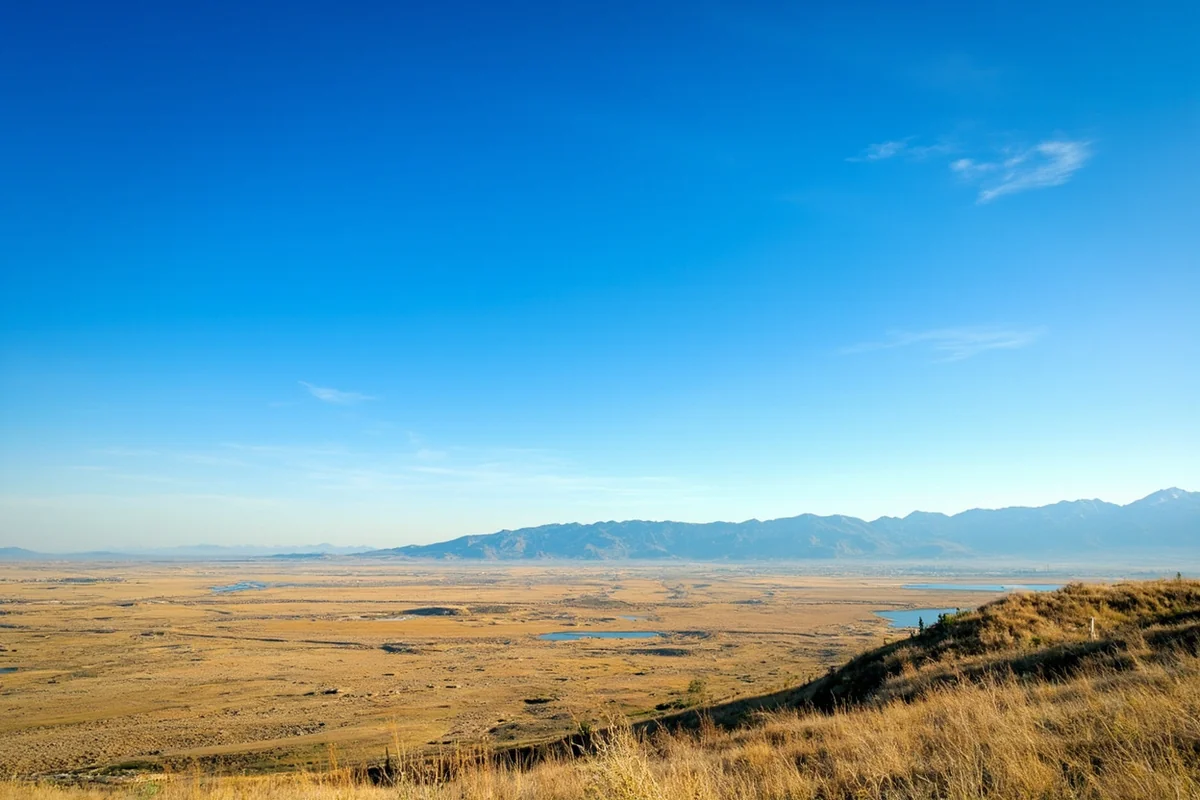
One of the most striking differences for travelers from coastal areas is Montana’s low humidity. If you’ve spent years dealing with the oppressive moisture that accompanies hurricane season in the Southeast, Montana’s dry air feels like a revelation.
Our guide on Montana humidity levels explains this in detail, but I can tell you from experience: packing for Montana means bringing lip balm, lotion, and a good water bottle. Your skin and hydration needs change dramatically in this climate.
During my first extended Montana summer, I didn’t drink nearly enough water, assuming I’d feel thirst like I did in more humid environments.
The dry air wicks moisture away so efficiently that you can become dehydrated without realizing it. I learned that lesson hiking the switchbacks up to Hidden Lake in Glacier—by the time I felt thirsty, I already had a headache.
Seasonal Weather Patterns: What to Expect When
Let me walk you through Montana’s weather by season based on my travels throughout the state over multiple years. Understanding these patterns will serve you far better than worrying about impossible hurricanes.
Summer (June-August)
Summer brings Montana’s warmest and most stable weather, but “stable” is relative. Morning temperatures typically start cool, even in July, often in the 40s or 50s°F at higher elevations. Afternoons warm considerably, reaching the 80s and occasionally 90s in valleys and eastern plains.
If you’re curious about the hottest spots, our article on Montana’s warmest places covers which regions experience the highest temperatures.
Afternoon thunderstorms remain the primary summer weather concern. I plan every backcountry trip with the assumption that weather will deteriorate after 2 PM. Starting hikes at dawn isn’t just for avoiding crowds—it’s smart weather strategy.
Wildfire smoke can significantly affect air quality during late summer. August and September trips sometimes involve checking air quality forecasts as carefully as weather forecasts. During a 2021 trip to Big Sky, smoke from regional fires reduced visibility to under a mile for three consecutive days.
Our Montana summer guide provides comprehensive planning information for this prime travel season.
Fall (September-November)
Fall is my favorite Montana season, with stable weather, golden larch trees, and fewer crowds. September often extends summer’s pleasant conditions, while October brings the first serious cold snaps.
By November, winter has effectively arrived at higher elevations. I’ve experienced significant snowstorms in November that shut down mountain passes and made even lower-elevation travel challenging.
This transitional season requires flexible packing—layers become essential as you might experience 70°F afternoons followed by 25°F mornings within the same week.
Winter (December-February)
Montana winters are the state’s most demanding season for travelers, but also incredibly rewarding for those prepared. Temperatures regularly drop below zero, and our guide on how cold Montana gets covers the extremes you might encounter.
I’ve learned to respect Montana winters through direct experience—including one memorable night car camping near Bozeman when my diesel fuel gelled at -28°F. Proper preparation, including appropriate winter boots and understanding winter driving conditions, transforms potential disasters into manageable situations.
If you’re wondering how Montana’s cold compares to other states, check out our analysis of whether Montana is actually the coldest state. Spoiler: it’s not, but it’s definitely in the conversation.
The state has experienced some record-breaking winters that demonstrate just how extreme conditions can become. Understanding why Montana gets so cold helps travelers appreciate the climate patterns at play.
Spring (March-May)
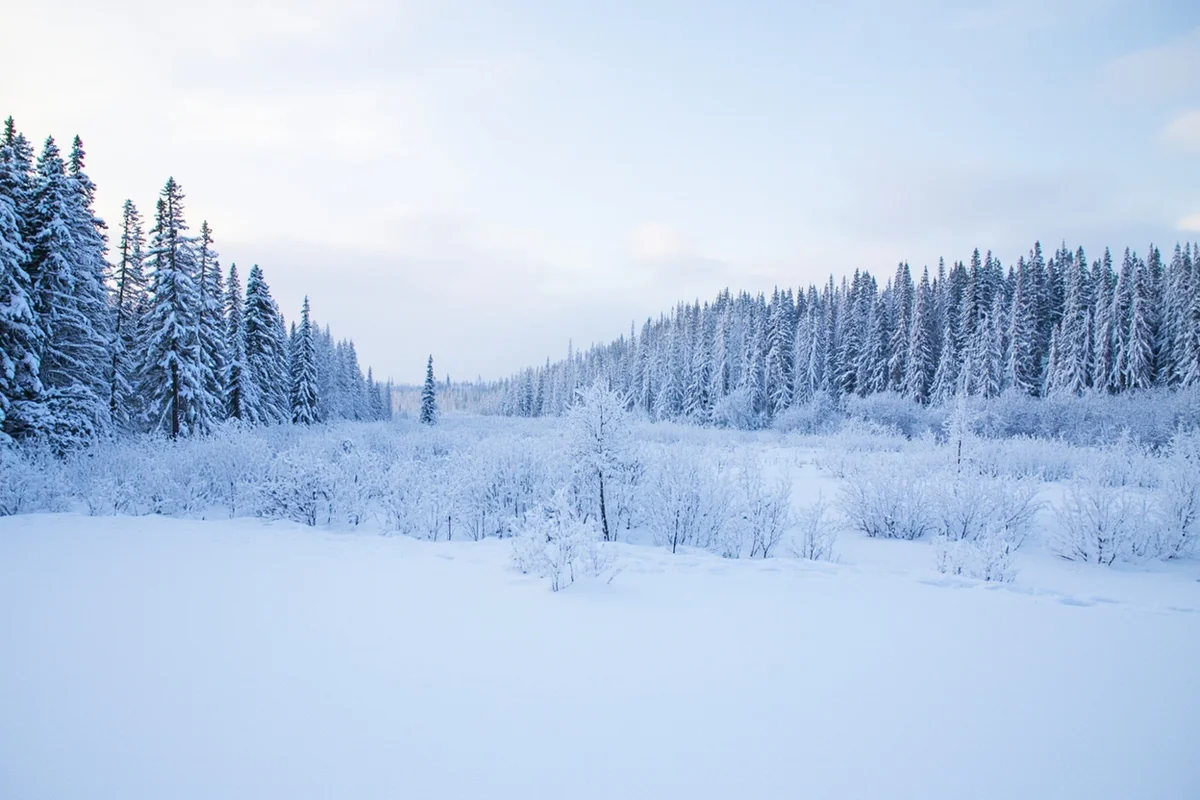
Spring in Montana is the most unpredictable season. I’ve experienced 70°F days in March followed by blizzards in April. May can feel like summer in the valleys while mountain passes remain closed under 10 feet of snow.
This variability makes spring planning challenging but also exciting. The landscape transforms dramatically as snow melts, rivers swell, and wildlife becomes increasingly active.
Snowmelt during spring creates flooding concerns in some river valleys—a far more realistic water-related threat than any hurricane. Montana’s rivers can rise quickly when a warm spell accelerates mountain snowmelt, particularly if combined with spring rain.
What Weather Apps and Resources Actually Work in Montana
After years of Montana travel, I’ve developed preferences for weather information sources that provide actionable data for this specific region.
The National Weather Service’s Great Falls and Missoula offices provide the most reliable forecasts. Their zone forecasts break down conditions by geographic region rather than treating the entire state uniformly—crucial given Montana’s dramatic terrain variations.
For mountain weather, I check the Avalanche.org forecasts, even during summer. These forecasters understand how terrain affects conditions in ways that generic weather apps miss.
Before backcountry trips, I call ranger stations directly. The staff at these stations observe conditions daily and can provide insight no app captures.
Before a recent trip into the Bob Marshall Wilderness, a ranger at the Spotted Bear station warned me about unusually high creek levels that weren’t reflected in any forecast.
I recommend downloading weather data before entering areas without cell service. The Windy app allows offline forecast downloads that have saved me from poor decisions multiple times when I couldn’t access real-time data.
Preparing for Montana’s Real Weather Challenges
Let me share the practical wisdom I’ve accumulated preparing for Montana weather—none of it involves hurricane preparedness, but all of it has proven valuable.
Layering Is Everything
Montana’s temperature swings demand a layering approach. On a single day hiking in the Crazy Mountains last August, I wore every layer I had at dawn, stripped to a t-shirt by noon, and added my puffy jacket again by early evening. The temperature range exceeded 45 degrees.
My basic three-season layering system includes:
- Moisture-wicking base layer (merino wool preferred)
- Insulating mid-layer (fleece or light down)
- Weather-resistant outer layer (wind and water protection)
- Packable puffy jacket for unexpected cold
Lightning Safety Protocol
Since lightning poses a genuine risk, I’ve developed habits for summer mountain travel:
- Begin hikes at first light to maximize time above treeline before afternoon storms
- Monitor sky conditions constantly, especially cumulus cloud development
- Identify shelter options while hiking in case quick descent becomes necessary
- If caught in a storm, avoid ridges, isolated trees, and metal objects
- The lightning crouch position (feet together, crouching, minimizing ground contact) as a last resort
Vehicle Preparedness
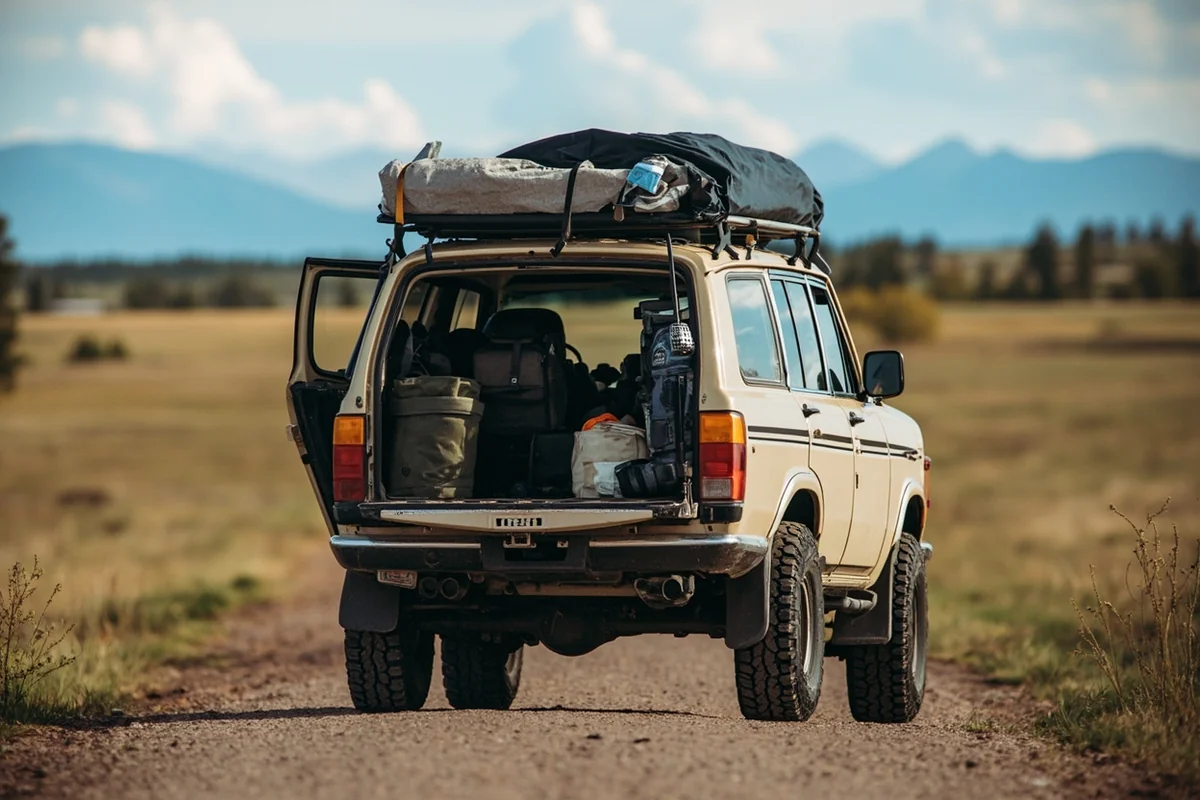
Montana’s distances and variable conditions make vehicle preparedness essential. My truck always carries:
- Extra water (at least one gallon per person)
- Non-perishable food
- Warm clothing and sleeping bag (even in summer)
- Basic tools and tow strap
- Tire chains (October through May)
- Jumper cables or battery pack
- Physical maps (cell coverage is unreliable in rural areas)
This kit isn’t for hurricane survival—it’s for the reality of Montana travel where you might be hours from assistance in any weather conditions.
Other Natural Hazards Worth Understanding
While we’re dispelling hurricane myths, let me briefly address other natural phenomena visitors occasionally ask about.
Earthquakes do happen in Montana—the state sits in a seismically active region with occasional notable events. The 1959 Hebgen Lake earthquake near Yellowstone remains one of the most powerful recorded in the continental United States. Small earthquakes occur regularly, though most aren’t perceptible.
Wildfire poses a significant summer and fall risk. Air quality can deteriorate rapidly when fires burn in or near Montana. I always check InciWeb for current fire information and pack N95 masks during fire season.
Wildlife encounters require awareness but rarely constitute weather-like emergencies. Bears, mountain lions, and moose deserve respect and proper food storage practices.
Final Thoughts: Embrace Montana’s Unique Weather Character
After spending countless days exploring Montana across all seasons, I can tell you with complete confidence: hurricanes should rank dead last on your list of weather concerns. That worried traveler at Flathead Lake laughed when I explained she had better odds of winning the lottery than experiencing a hurricane in Montana.
What Montana does offer is weather with character—dramatic afternoon thunderstorms that paint the sky purple over the prairies, crystalline winter days so cold that trees crack in the silence, and spring chinook winds that can raise temperatures 40 degrees in a few hours.
This weather demands respect and preparation but rewards those who engage with it thoughtfully. I’ve never felt more alive than watching a lightning storm from a safe meadow in the Absaroka Range or skiing through fresh powder during a gentle Montana snowfall.
Come to Montana prepared for the weather that actually exists here—rapidly changing conditions, temperature extremes, wind, and seasonal variations that make each visit unique.
Leave your hurricane anxiety at the airport because the only tropical thing you’ll encounter in Montana is the occasional pineapple on a pizza in Missoula.
The state’s weather is part of its essential character, shaping everything from the wildlife migrations to the timing of wildflower blooms to the decisions you’ll make each day about which adventure to pursue. Understanding this reality—rather than worrying about impossibilities—is the first step toward experiencing Montana as it truly is.
Frequently Asked Questions
Does Montana get hurricanes or tropical storms?
No, Montana does not get hurricanes. The state is located approximately 500-800 miles inland from any ocean, and hurricanes require warm ocean water to form and sustain their energy. By the time any remnant moisture from Pacific storms reaches Montana, it arrives as regular rain or snow systems, not tropical cyclones.
What severe weather should I prepare for when visiting Montana instead of hurricanes?
While Montana is hurricane-free, you should prepare for sudden thunderstorms, hail, and occasional tornadoes in eastern Montana during summer months. Winter visitors need to watch for blizzards and extreme cold snaps that can drop temperatures well below zero. I always recommend packing layers and checking local forecasts daily, as Montana weather can change dramatically within hours.
What is the best time to visit Montana to avoid severe weather?
The best time to visit Montana for mild weather is late June through early September, when temperatures average 70-85°F and severe storms are less frequent. September offers the bonus of fewer crowds and stunning fall colors. If you’re planning outdoor activities like hiking Glacier National Park, July and August provide the most reliable conditions with minimal snow at higher elevations.
Can hurricane season on the coasts affect my Montana travel plans?
Hurricane season (June through November) on the Atlantic and Gulf coasts won’t directly impact Montana’s weather, making it an excellent alternative destination during that time. However, if you’re flying through connecting hubs like Denver or Minneapolis, coastal hurricanes could cause flight delays. I recommend booking flexible tickets during peak hurricane months if your itinerary involves coastal connections.
What weather gear should I pack for a Montana trip since there are no hurricanes?
Pack versatile layers including a waterproof rain jacket, warm fleece, and sturdy hiking boots for Montana’s unpredictable mountain weather. Sunscreen and sunglasses are essential since the high elevation means stronger UV exposure. In summer, bring a light down jacket for cool evenings, and winter visitors absolutely need insulated boots, thermal base layers, and quality cold-weather gear rated for temperatures below 0°F.
How does Montana’s weather compare to hurricane-prone states for summer travel?
Montana offers a refreshing escape from the humidity and hurricane risks of Gulf and Atlantic coast states during summer. While Florida averages 90°F with 70% humidity in July, Montana’s mountain regions stay comfortable around 75-80°F with low humidity. You’ll trade hurricane evacuation worries for the occasional afternoon thunderstorm that typically passes within an hour.
Are there any Montana weather emergencies that could disrupt my vacation like a hurricane would?
Wildfires pose the biggest weather-related disruption risk in Montana, particularly from July through September, potentially causing road closures and poor air quality. Winter blizzards can shut down highways like I-90 and delay travel plans for 1-2 days. I always check the Montana Department of Transportation road conditions website and download the MT 511 app before any Montana road trip to stay informed of closures.
Sources