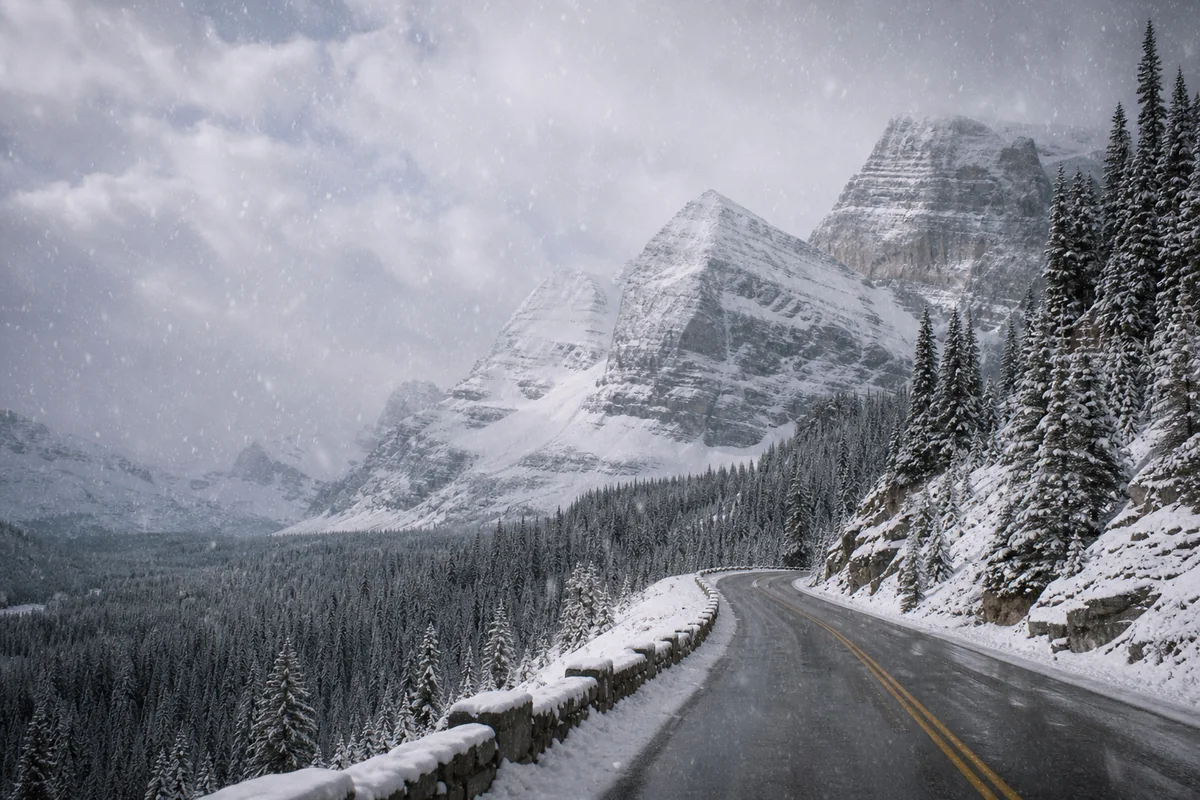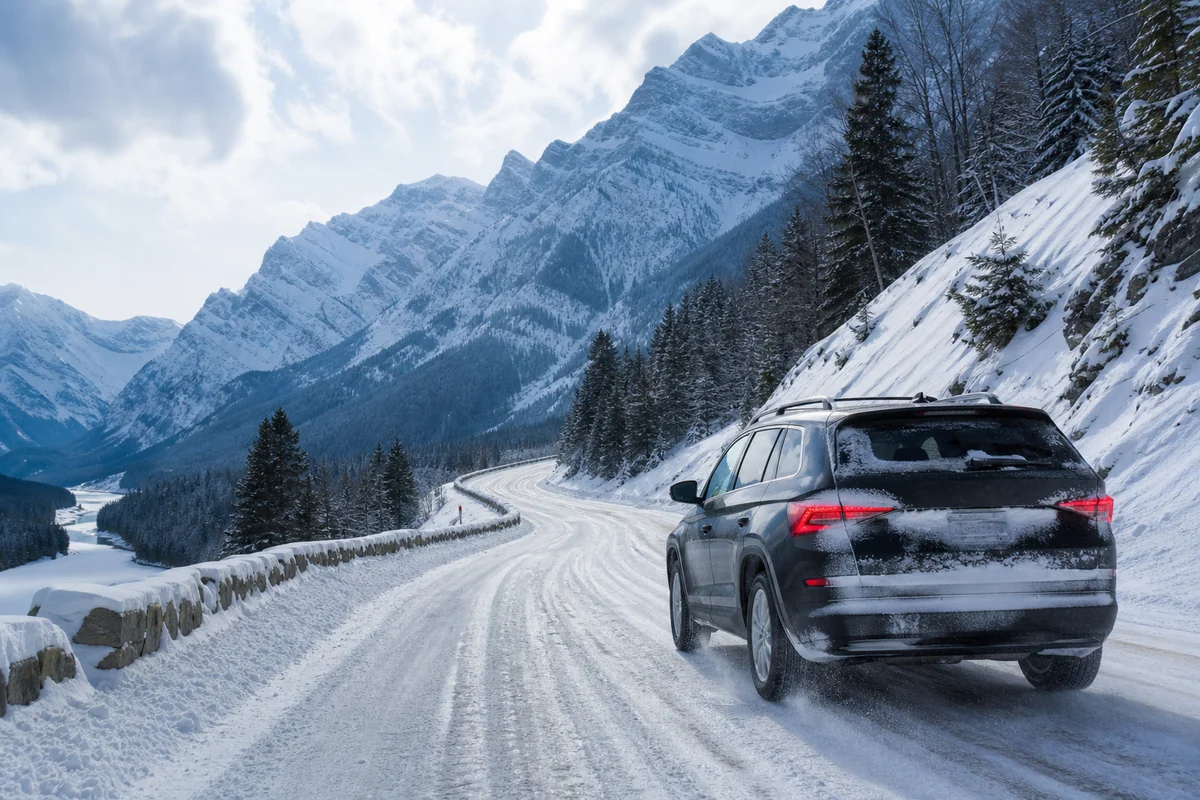
I’ll never forget the moment my rental car started sliding sideways on Highway 200 near Great Falls during a sudden whiteout last January—my knuckles white on the steering wheel, visibility dropping to maybe twenty feet, and the terrifying realization that I couldn’t see where the road ended and the ditch began.
That experience, and the dozen other winter trips I’ve taken across Montana since 2018, taught me that understanding Montana’s unique weather patterns isn’t optional—it’s survival.
- Montana winter driving requires AWD or 4WD, winter tires, and an emergency survival kit—no exceptions
- Check road conditions at 511mt.net before every trip; conditions change hourly
- Key mountain passes (Lookout, Marias, Rogers) frequently close without warning
- Always carry enough supplies to survive overnight in your vehicle
- Cell service is unreliable on 60%+ of Montana’s rural highways
- Plan for half-speed travel times from November through April
Liked this article?
Add Roaming Montana as a preferred source so you see more of our articles and guides on Google.
Why Montana Winter Driving Demands Respect
Montana isn’t like other winter driving destinations. I’ve driven through Wyoming blizzards and Colorado mountain passes, but nothing quite prepares you for the combination of extreme cold, sudden weather changes, and vast distances between services that define Montana’s winter roads.
During my most recent December trip from Missoula to Billings, I encountered temperatures ranging from 28°F to -15°F in a single day. The state’s continental climate means temperatures can plummet dramatically when Arctic air masses push down from Canada.
What makes Montana particularly challenging is the isolation. On Highway 2 between Havre and Glasgow, I drove 87 miles without passing a single gas station or town. If something goes wrong out there, you’re genuinely on your own.
Understanding Montana’s Winter Road Conditions
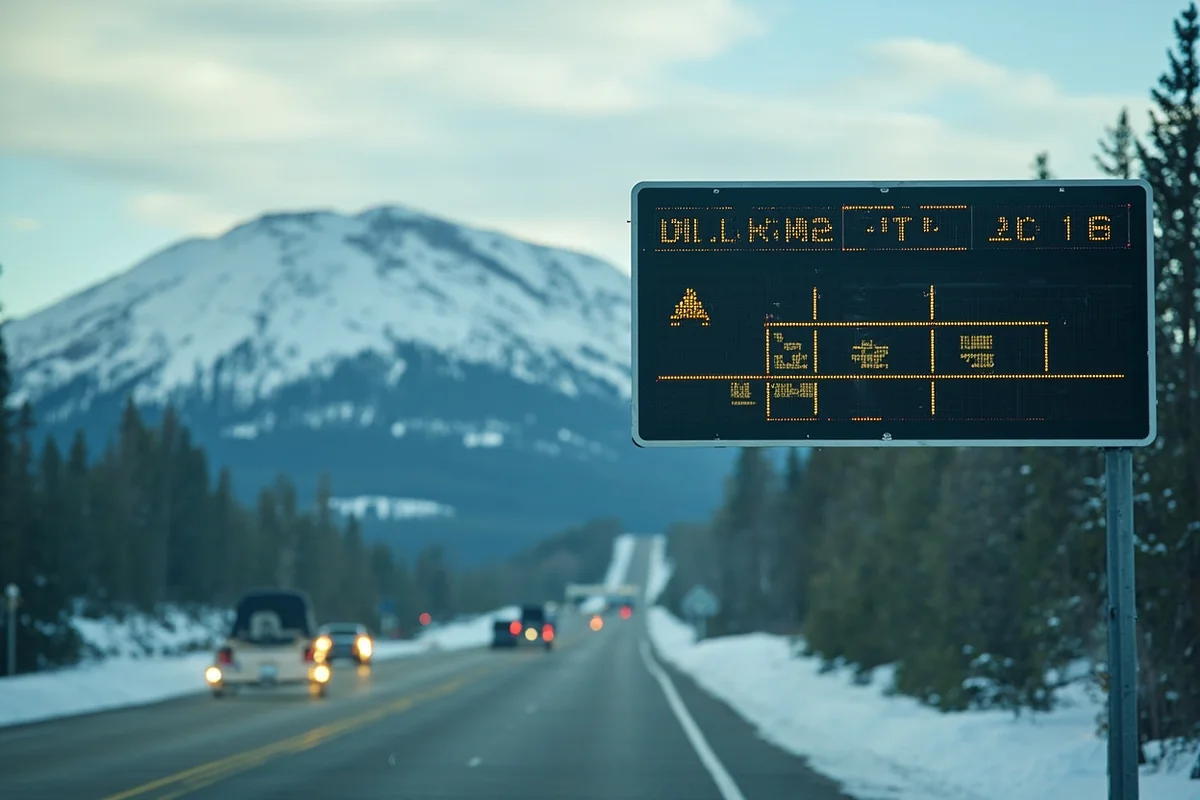
The Montana Department of Transportation maintains over 25,000 miles of state highways, and winter road conditions vary dramatically based on elevation, region, and time of day.
The Four Condition Categories
Montana uses a specific rating system I’ve learned to interpret carefully:
Dry: Road is clear and safe at posted speeds. I’ve seen this rating optimistically applied when patches of black ice still lurked in shadows.
Wet: Precipitation or melting has left moisture on the road. In Montana’s cold, “wet” can turn to “ice” within minutes after sunset.
Scattered Snow/Ice: Portions of the road have winter conditions. This is where experience matters—scattered can mean 20% or 80% coverage depending on the stretch.
Snow/Ice Covered: Plan for significantly reduced speeds. When I see this rating, I automatically double my estimated travel time.
Regional Differences That Caught Me Off Guard
Western Montana near Missoula and Kalispell typically receives more snow but often milder temperatures. Snow accumulation can be substantial, but the Pacific influence keeps things relatively moderate.
Eastern Montana around Billings and Miles City sees less snow but brutally cold temperatures. The wind chill during my February trip to the Bakken region hit -45°F.
The Rocky Mountain Front—that dramatic transition zone where the plains meet the mountains near Choteau and Augusta—experiences some of the most dramatic weather swings I’ve ever witnessed. I once saw temperatures drop 40 degrees in two hours when a chinook wind suddenly reversed.
Essential Vehicle Preparation
After years of Montana winter travel, I’ve developed a checklist that I consider non-negotiable.
Tire Requirements and Recommendations
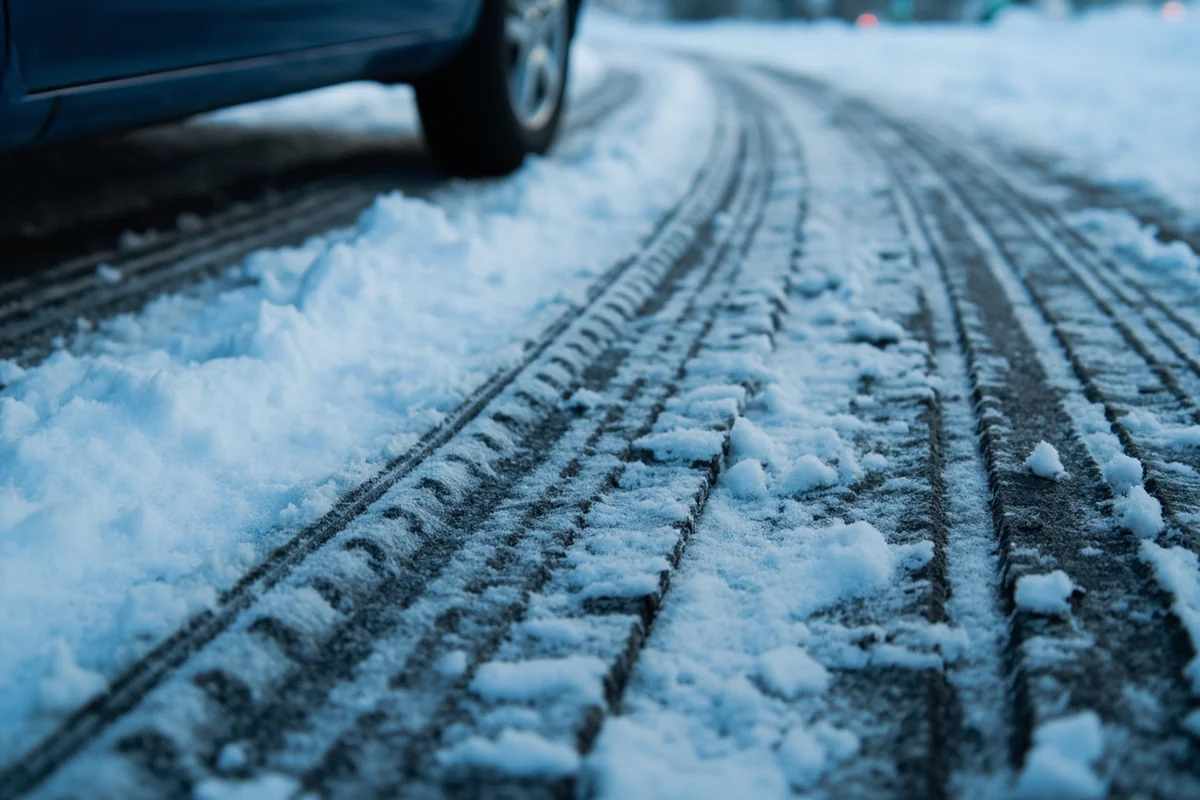
Montana doesn’t mandate winter tires, but I’d never attempt a winter trip without them. The difference between all-season and true winter tires became crystal clear during my drive over Lookout Pass—my buddy in his rear-wheel-drive truck with all-seasons needed a tow while I cruised past in my Subaru with Blizzaks.
Studded tires are legal from October 1 through May 31. I’ve found them most beneficial on the mountain passes and in northwestern Montana where packed snow and ice persist longest.
Tire chains: I always carry a set, even with AWD. On Lolo Pass during a heavy snowfall two winters ago, chain requirements went into effect suddenly, and I watched unprepared drivers turn around.
My Winter Vehicle Equipment Checklist
| Item | Why It’s Essential |
|---|---|
| Winter tires (not all-season) | Compound stays flexible in extreme cold |
| Tire chains | Required on some passes, lifesaver on others |
| Full-size spare (checked) | Help may be hours away |
| Jumper cables or jump pack | Batteries fail in extreme cold |
| Windshield washer fluid (winter-rated) | Standard fluid freezes at -20°F |
| Ice scraper and brush | Thick ice buildup is common |
| Tow strap | Good Samaritan with a truck may be your only option |
| Folding shovel | For digging out when stuck |
| Sand or cat litter (50 lbs) | Adds weight and traction aid |
The Cold-Start Reality
When I stayed in Cut Bank during a -30°F cold snap, I learned about block heaters the hard way. My rental car’s battery was dead by morning.
If you’re visiting Montana for more than a day or two in winter, consider accommodations with plug-in options. Most Montana hotels and many restaurants in cold regions have electrical outlets in their parking lots specifically for engine block heaters.
Modern synthetic oils handle cold better than conventional, but I still recommend starting your vehicle 5-10 minutes before driving when temperatures drop below zero.
Building Your Winter Survival Kit
This is where I get serious. A survival kit isn’t paranoia in Montana—it’s basic preparedness. The state averages several winter fatalities each year from people unprepared for breakdowns in remote areas.
The Overnight Survival Essentials
I keep a plastic tote in my vehicle from November through April containing:
- Zero-degree sleeping bag (for each passenger)
- Wool blankets (two per person)
- Hand and toe warmers (at least 20 pairs)
- Extra winter clothing including proper winter boots and insulated layers
- Flashlight with extra lithium batteries (alkaline die in cold)
- Emergency candles and waterproof matches
- Non-perishable food (protein bars, nuts, jerky)
- Water (I keep 2 gallons but check it hasn’t frozen solid)
- First aid kit
- Portable phone charger
- Emergency whistle and reflective triangles
Communication Backup
Cell service in Montana is unreliable at best. On my drives between Bozeman and Lewistown, I regularly lose signal for 30+ miles.
I invested in a Garmin inReach satellite communicator after my close call near Great Falls. The $15/month subscription feels like cheap insurance when you’re stuck in the middle of nowhere.
Before any long winter drive, I text someone my route, expected arrival time, and instruction to call authorities if I’m more than two hours overdue.
Navigating Montana’s Treacherous Mountain Passes
Mountain passes are where Montana winter driving gets genuinely dangerous. I’ve crossed most of them multiple times, and each one has its own personality.
Lookout Pass (I-90, Montana/Idaho Border)
Elevation: 4,725 feet
This is my most frequently traveled pass, and I’ve been caught here in conditions ranging from light flurries to near-zero visibility blizzards. The westbound descent into Idaho is particularly treacherous—steep grades combined with frequent black ice have caused countless accidents.
My advice: Check the Lookout Pass ski area webcam before departing. If conditions look questionable, wait. I once sat in a Wallace, Idaho coffee shop for four hours waiting for conditions to improve, and it was absolutely the right call.
Marias Pass (Highway 2, Glacier Area)
Elevation: 5,213 feet
This pass near Glacier National Park is notorious for high winds and sudden ground blizzards. During my winter trip to photograph Glacier, I encountered 60 mph gusts that literally pushed my vehicle across lanes.
The stretch between East Glacier and Browning can close multiple times per winter. Montana’s winter weather is particularly fierce in this region.
Rogers Pass (Highway 200)
Elevation: 5,610 feet
This is where Montana set the lower-48 cold temperature record of -70°F in 1954. I’ve driven it in temperatures below -40°F, and the experience was humbling.
The pass itself is less steep than others, but the exposure and lack of services make it dangerous. There’s essentially nothing between Lincoln and Augusta—plan accordingly.

Other Passes to Respect
Homestake Pass (I-90 near Butte): Higher elevation and frequent closures during storms.
MacDonald Pass (Highway 12): The old route between Helena and Missoula. Steep, winding, and often icier than I-90.
Kings Hill (Highway 89): Between Great Falls and White Sulphur Springs. Remote and frequently snow-packed.
Real-Time Information Resources
Before every winter drive, I check multiple sources. Conditions can vary dramatically across short distances.
Official Resources
511mt.net: Montana’s official road condition website. I check it obsessively during winter trips, refreshing every 30-60 minutes on longer drives.
MontanaHighwayRoadConditions app: Puts the same information on your phone with GPS integration.
Montana DOT Twitter (@MDaboreau): Often posts real-time updates during major storms.
Webcams I Actually Use
MDOT maintains road webcams at key locations. My go-to cameras include:
- Lookout Pass summit
- Marias Pass
- MacDonald Pass
- Helena corridor
- Bozeman Pass
These cameras update every 10-15 minutes and have saved me from several bad decisions.
Weather Forecasting
I’ve found the National Weather Service offices in Great Falls, Missoula, and Billings provide the most accurate local forecasts. Generic national weather apps consistently underestimate Montana winter severity.
Understanding just how cold Montana can get will help you plan appropriately—the difference between a forecast of 0°F and -20°F is significant for driving preparation.
Driving Techniques That Have Saved Me
Montana winter driving requires adjusting everything you know about vehicle operation.
Speed and Following Distance
I’ve adopted a simple rule: cut my normal highway speed by 30-40% on snow-covered roads. If the speed limit is 70, I’m doing 45-50 max.
Following distance increases to a minimum of 6-8 seconds in winter conditions. This seemed excessive until I watched a semi jackknife on I-90 near Deer Lodge and realized how little time you have to react.
Handling Slides and Skids
Every Montana local I’ve talked to emphasizes the same technique: when you start to slide, look where you want to go, not at what you’re sliding toward. Your hands will follow your eyes.
For rear-wheel skids, steer into the skid (turn the wheel in the direction your rear end is sliding). For front-wheel skids, ease off the gas and wait for traction to return before gently steering.
Never slam the brakes on ice. If you don’t have ABS, pump gently. If you do have ABS, apply firm steady pressure and let the system do its job.
Whiteout Survival
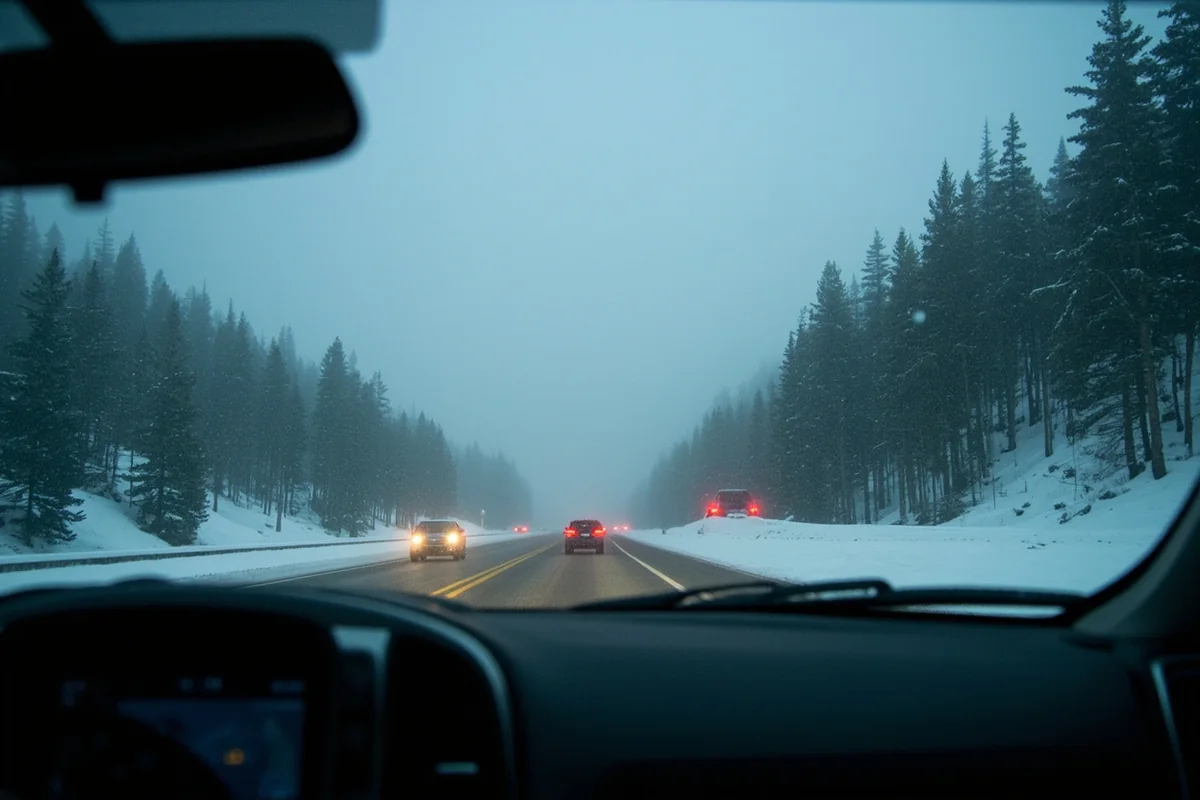
Whiteouts are my biggest Montana driving fear. When visibility suddenly drops:
- Slow down gradually—don’t brake hard
- Turn on your hazard lights
- If you can safely pull completely off the road, do so
- If you can’t pull off safely, keep your lights on and crawl forward
- Never stop in the driving lane—other drivers can’t see you either
During my Highway 200 whiteout experience, I followed the rumble strips on the right side of the road at about 5 mph for nearly a mile until I found a ranch driveway to pull into. It took 20 minutes for visibility to return.
Wildlife Hazards in Winter
Montana’s wildlife doesn’t hibernate completely, and winter creates additional driving hazards that caught me off guard.
Deer and Elk Encounters
Animals move more during dawn and dusk in winter, often crossing roads to reach food sources. The stretch of Highway 93 between Missoula and Kalispell is particularly notorious—I’ve seen more deer in winter than summer on this route.
Salt used for road treatment attracts animals, so they congregate near pavement edges. During my drives through the Flathead Valley, I’ve counted a dozen deer in a single mile, all nibbling salt-treated roadside vegetation.
What to Do When Wildlife Appears
Contrary to instinct, Montana Highway Patrol recommends braking firmly rather than swerving to avoid animals. Swerving often causes loss of control, rollovers, or head-on collisions—potentially worse outcomes than hitting the animal.
I keep my high beams on whenever possible (when not blinding oncoming traffic) and constantly scan roadsides for eye shine or movement.
Planning Realistic Winter Travel Times
One of the biggest mistakes I made early on was assuming Google Maps winter times were accurate. They’re not, even close.
My Time Multiplier System
For winter trips, I use these multipliers on summer driving times:
- Dry conditions, clear weather: 1.1x (add 10%)
- Light snow, treated roads: 1.3x (add 30%)
- Moderate snow, partial coverage: 1.5x (add 50%)
- Heavy snow, full coverage: 2x (double your time)
- Storm conditions, poor visibility: Don’t drive
A summer drive from Missoula to Great Falls takes about 2.5 hours. In December, I plan for 3-4 hours minimum, and I’ve had it take 5+ hours during storms.
Build in Buffer Days
For any winter Montana trip, I schedule at least one buffer day. Roads close. Storms happen. Winter flooding from rapid snowmelt occasionally causes unexpected closures.
Missing a flight because you couldn’t make it through Rogers Pass is a real possibility. I learned to book refundable reservations during winter travel.
Fuel and Services Strategy
Never pass a gas station with less than half a tank in Montana winter. This rule has never failed me.
Distances Between Services
Here are some stretches that still make me nervous:
- Highway 200 (Great Falls to Lewistown): 87 miles with limited services
- Highway 2 (Havre to Glasgow): 95+ miles between reliable fuel
- Highway 87 (Havre to Billings via Roundup): Long stretches between towns
- Highway 191 (Big Timber to Lewistown): Remote and isolated
During my February cross-state trip, I filled up in every town regardless of my tank level. The peace of mind was worth the extra stops.
Cash Considerations
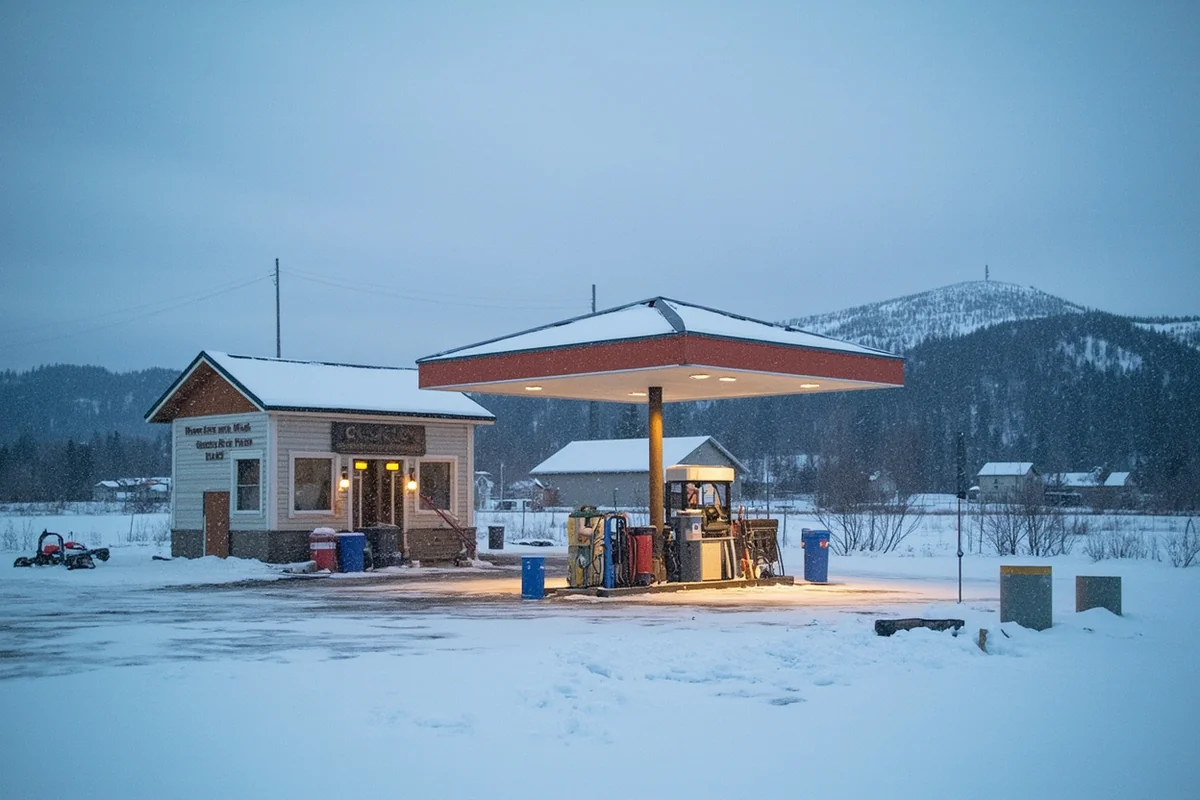
Some rural Montana gas stations are pump-only after hours, and a few only accept cash or local checks. I keep $200 in small bills specifically for fuel emergencies.
Card readers also malfunction in extreme cold. More than once, I’ve had my card rejected at an automated pump when temperatures dropped below -20°F.
What Happens When Things Go Wrong
Despite perfect preparation, breakdowns and accidents happen. Here’s what I’ve learned about Montana’s response system.
If You Break Down
- Pull completely off the roadway if possible
- Turn on hazard lights and set out reflective triangles
- Stay with your vehicle unless help is clearly visible
- Run the engine periodically for heat (15 minutes per hour max to conserve fuel)
- Crack a window slightly to prevent carbon monoxide buildup
- Call 911 or *MT (*68) for highway emergencies
Montana Highway Patrol response times vary dramatically based on location. In urban areas, expect 20-45 minutes. In rural areas, it could be 2+ hours.
Tow Truck Realities
Tow services in rural Montana are limited and expensive. During my breakdown near Drummond, the tow cost $400 for a 50-mile haul, and the truck took nearly three hours to arrive.
AAA coverage works but faces the same distance and availability challenges. I recommend the “Plus” membership with 100-mile towing rather than basic coverage.
Hospital and Medical Access
Major medical facilities are concentrated in Billings, Missoula, Great Falls, and Bozeman. Rural hospitals can handle basic emergencies but often transfer serious cases.
I carry a basic first aid kit and know the approximate location of the nearest hospital throughout any route.
Regional Driving Differences
After exploring most of Montana’s regions in winter, I’ve noticed distinct challenges in different areas.
Northwestern Montana (Kalispell, Whitefish, Glacier Area)
This region receives the most snow—often 100+ inches annually in valleys and much more in mountains. Roads are typically better maintained due to ski resort traffic, but accumulation happens fast.
Going-to-the-Sun Road in Glacier closes for winter, but surrounding highways remain open (when not actively storming). The drive from Kalispell to Whitefish Mountain Resort is usually well-plowed but can get dicey during heavy snowfall.
Central Montana (Great Falls, Helena, Lewistown)
This is wind country. Montana’s legendary winds blast across the plains with nothing to stop them. Ground blizzards can create whiteout conditions even when it’s not actively snowing.
The Helena Valley and I-15 corridor experience frequent temperature inversions, trapping cold air and creating persistent ice fog that reduces visibility for days.
Eastern Montana (Billings, Miles City, Glendive)
Less snow but extreme cold. Montana competes for coldest state status, and eastern Montana often records the lowest temperatures.
Roads here are typically less congested, but that means fewer people around if you need help. I’ve driven the stretch from Billings to Miles City in February and passed maybe ten other vehicles in an hour.
Southwestern Montana (Butte, Dillon, Bozeman)
This region combines mountain passes with high-elevation valleys. Butte sits at 5,545 feet and regularly experiences severe winter conditions.
The I-90 corridor between Butte and Bozeman is heavily traveled and well-maintained but still sees frequent accidents during storms. Bozeman Pass (5,760 feet) catches many unprepared drivers.
When to Just Stay Put
The most important winter driving skill I’ve learned is recognizing when not to drive.
Conditions That Keep Me Parked
- Visibility below 1/4 mile
- Wind gusts above 50 mph
- Active road closures on my route
- Multiple “travel not advised” warnings
- Temperatures below -30°F with any other complicating factor
Montana has some relatively warm spots, but they’re the exception during winter. Plan your trip acknowledging that delays happen.
Finding Unexpected Layover Options
Montana towns have adapted to stranded travelers. Most small towns have at least one motel that keeps rooms available during storms.
I’ve spent unplanned nights in towns like Three Forks, Boulder, and Stanford when conditions deteriorated. These experiences often turned into highlights—talking with locals at small-town bars, discovering excellent regional restaurants, and simply waiting out storms with fellow travelers.
Hotel chains in larger towns fill quickly during major storms. I’ve learned to call ahead as soon as I suspect I might need to stop.
Special Considerations for Rental Vehicles
If you’re flying into Montana and renting a car for winter travel, consider these factors I’ve learned through experience.
Choosing the Right Vehicle
AWD or 4WD is essential. Period. I won’t rent a two-wheel-drive vehicle for winter Montana travel regardless of price difference.
Most major rental agencies at Bozeman, Missoula, Billings, and Kalispell airports stock AWD vehicles, but availability varies. Book well in advance and confirm your vehicle type.
Ask about tire type. Some rental agencies equip vehicles with true winter tires; others use all-season. If possible, visually check the tire tread depth and type before leaving the lot.
Rental Insurance Considerations
Montana’s winter roads damage rental vehicles frequently. Windshields crack from temperature stress and road debris. Undercarriages suffer from ice and snow impacts.
Review your personal auto insurance and credit card coverage before declining rental insurance. Some policies exclude certain winter damage or don’t cover Montana at all.
A Final Word on Respect and Preparation
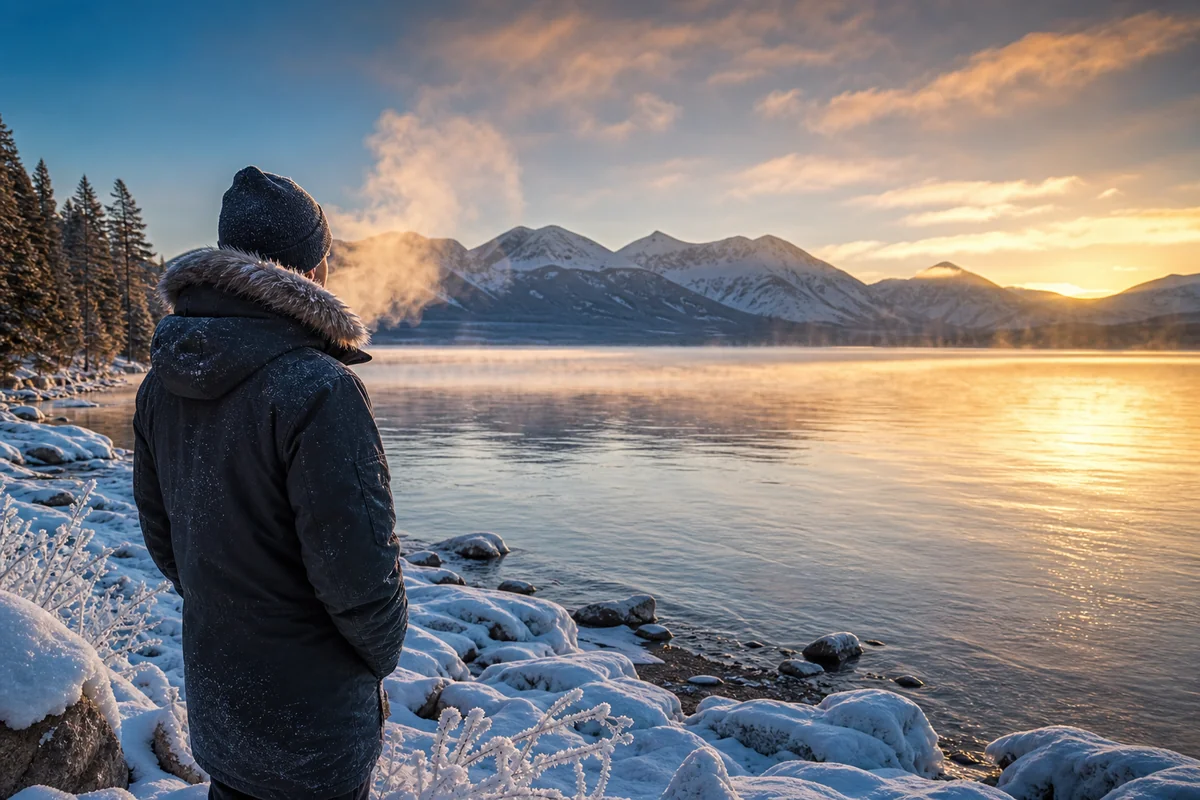
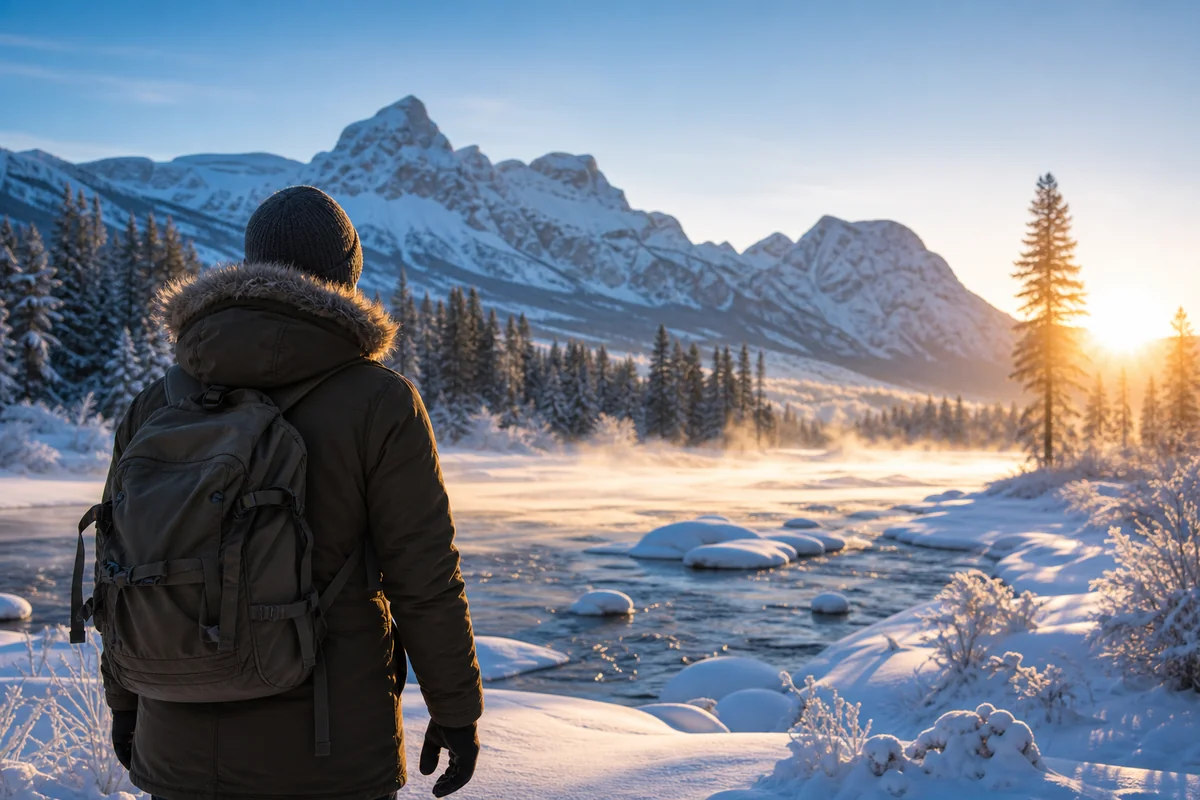
Montana in winter is staggeringly beautiful. Frozen waterfalls, snow-covered peaks, wildlife against white landscapes—these experiences are worth pursuing. But they require respect for conditions that kill unprepared travelers every year.
While Montana doesn’t face hurricanes or significant tornado threats in winter, the cold itself is the danger. Even earthquake risks pale compared to winter driving hazards.
Interestingly, Montana’s low humidity means the cold often feels more manageable than humid cold in other states—but that’s a psychological trap. Dry cold kills just as effectively.
Every successful winter drive I’ve completed in Montana started with preparation, continued with caution, and ended with gratitude for safe arrival. The Montana summer may be easier for driving, but winter rewards those who take it seriously.
Take the time to prepare properly. Check conditions obsessively. Drive slowly. Pull over when conditions deteriorate. And carry enough supplies to survive a night in your vehicle if necessary.
Montana will test you in winter. That’s part of its character. Meet that test with respect, preparation, and patience, and you’ll discover why so many of us keep coming back despite—or because of—the challenge.
Frequently Asked Questions
How bad are Montana roads in winter and do I need a 4WD vehicle?
Montana winter roads can be challenging, with icy conditions and packed snow common from November through March, especially on mountain passes. While 4WD or AWD is highly recommended, I’ve driven Montana winters in a front-wheel-drive car with quality snow tires and careful driving. If you’re renting, budget an extra $15-25 per day for AWD upgrades, which is worth every penny for peace of mind.
What should I pack in my car for winter driving in Montana?
I always carry a winter emergency kit including jumper cables, a snow shovel, ice scraper, blankets, flashlight, non-perishable snacks, and a phone charger. Chains or traction devices are smart to have even with 4WD, as some passes require them during storms. Pack extra warm layers and keep your gas tank at least half full since distances between towns can exceed 100 miles.
When is the most dangerous time to drive in Montana during winter?
December through February sees the worst driving conditions, with January averaging the most road closures due to blizzards and black ice. Early morning drives before 9 AM are particularly treacherous as overnight ice hasn’t melted. I recommend checking the Montana Department of Transportation road conditions at 511mt.net before any trip and avoiding travel during active storm warnings.
How long does it take to drive across Montana in winter conditions?
In good weather, crossing Montana on I-90 takes about 9 hours covering 550 miles, but winter conditions can easily add 2-4 hours to that drive. Mountain passes like Lookout Pass near the Idaho border frequently slow traffic significantly during storms. I always build in extra time and identify backup overnight stops along my route in case conditions deteriorate.
Are Montana highways plowed regularly and which routes are safest in winter?
Major interstates like I-90 and I-15 are prioritized for plowing and generally well-maintained, though delays still occur during heavy snowfall. Secondary highways and scenic routes like Going-to-the-Sun Road in Glacier National Park close entirely from October through June. Stick to main corridors when possible and know that rural county roads may not see a plow for days after storms.
Do I need snow tires for a Montana winter road trip or are all-season tires enough?
Dedicated winter tires make a dramatic difference on Montana’s icy roads and I strongly recommend them over all-season tires for any extended winter travel. The rubber compound in snow tires stays flexible below 45°F, providing far better grip on packed snow and ice. If you’re flying in and renting, call ahead to request a vehicle already equipped with winter tires or plan to install chains when needed.
What happens if I get stranded on a Montana highway in a winter storm?
Stay in your vehicle with the engine running periodically for heat, crack a window slightly to prevent carbon monoxide buildup, and call 911 or *HP for highway patrol assistance. Montana has emergency call boxes on major highways, and cell service exists along most interstates but drops in mountain valleys. I carry a physical road atlas because GPS won’t help when your phone has no signal 50 miles from the nearest town.
Sources
- https://www.mtech.edu/env-health-safety/safetymanual/docs/safe_man_travel.pdf
- https://www.montana.edu/extension/judithbasin/community/black_ice_safety.pdf
- https://www.montana.edu/emergency/emergency_actions/winter-weather.html
- https://www.nhtsa.gov/winter-driving-tips
- https://www.mtsac.edu/risk/documents/2021_12_14_SafetyTipsWetWeatherDriving.pdf