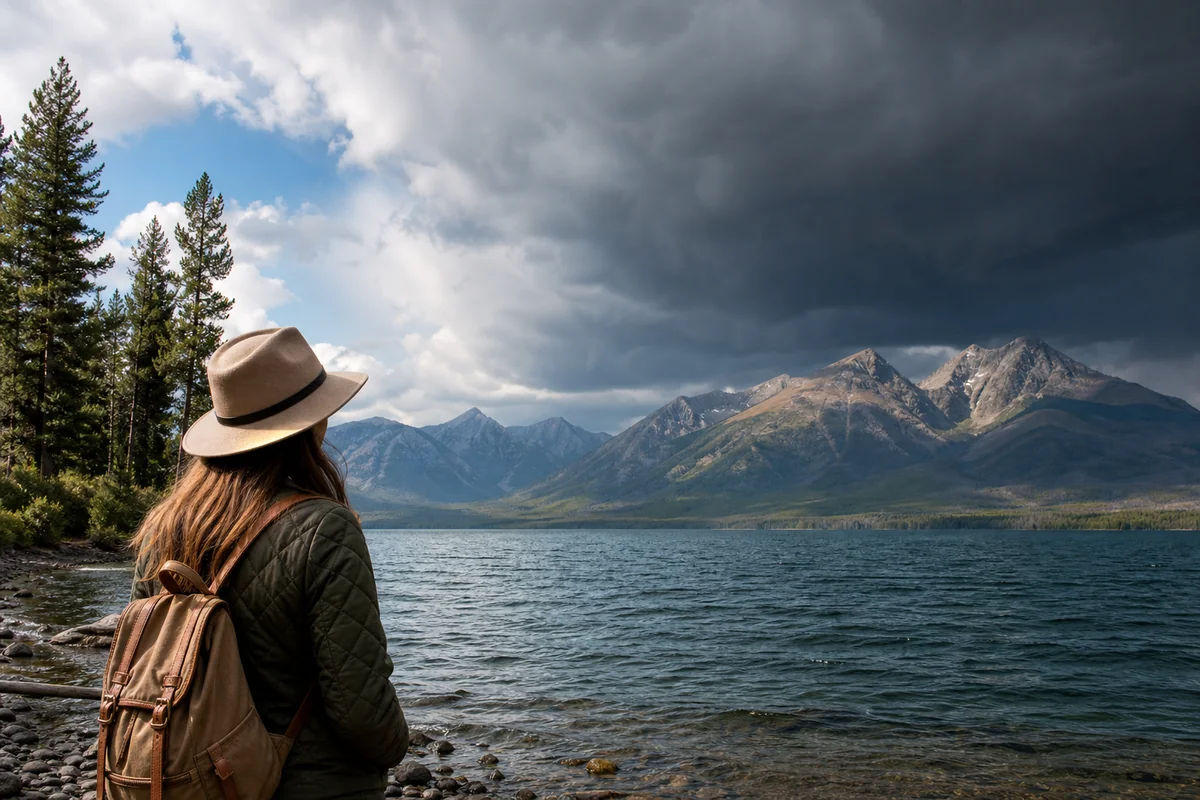
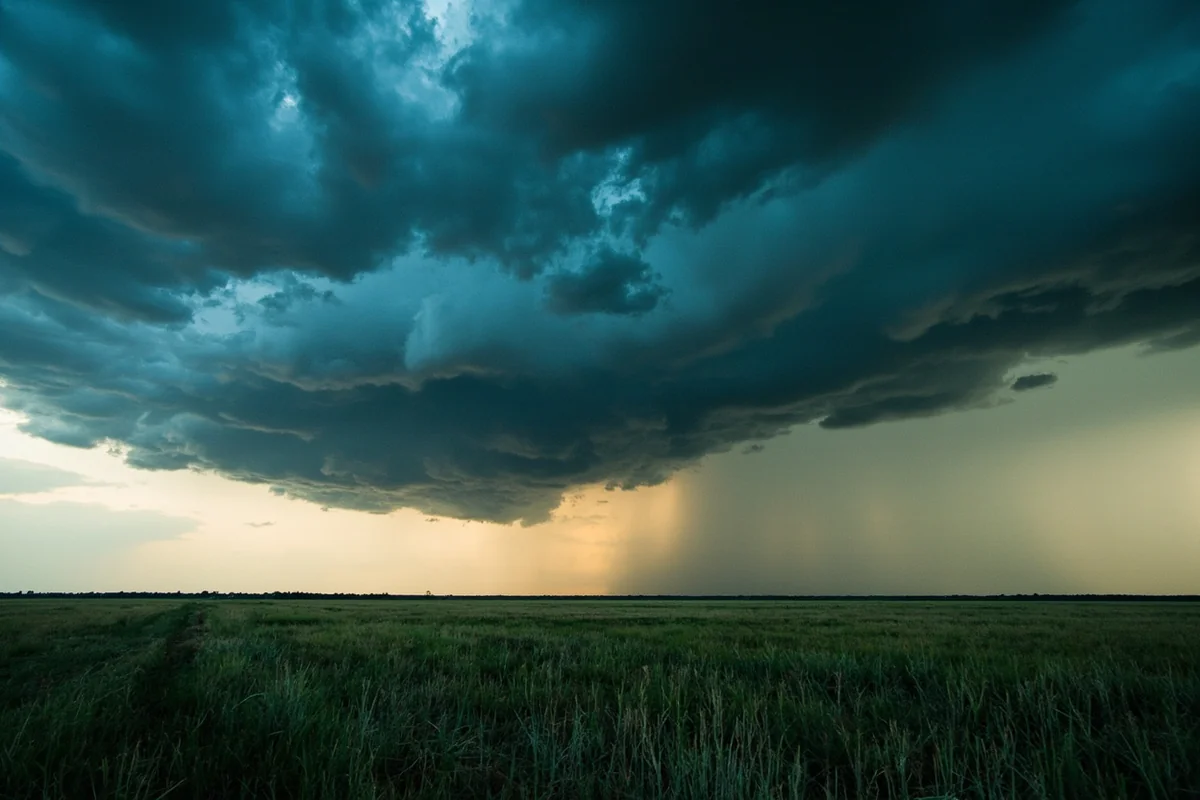
I’ll never forget standing on my friend’s ranch near Billings last June when the sky turned an eerie shade of green I’d only seen in movies. Within minutes, the National Weather Service alert on my phone screamed tornado warning, and we found ourselves crouched in a storm cellar while baseball-sized hail pounded overhead.
That afternoon changed how I think about Montana weather forever—and it’s exactly why I’m writing this guide for anyone planning to visit Big Sky Country.
The truth is, tornadoes in Montana are real, but they’re probably not what you’re imagining if you’ve grown up watching footage from Oklahoma or Kansas.
Understanding the full picture of Montana’s Montana Weather Guide means knowing both the risks and the reality—and the reality is far more nuanced than a simple yes or no answer.
- Montana averages 10-11 tornadoes per year, ranking 23rd among U.S. states
- Tornado season runs May through August, with June being the peak month
- Eastern Montana’s plains see 85% of tornado activity; the western mountains rarely experience them
- Most Montana tornadoes are weak (EF0-EF1) and short-lived compared to Tornado Alley storms
- The state has had only 3 tornado-related fatalities since 1950
- Travelers should monitor weather during summer road trips across the eastern prairies
Liked this article?
Add Roaming Montana as a preferred source so you see more of our articles and guides on Google.
The Straight Truth About Montana Tornadoes
Let me be direct with you: yes, tornadoes happen in Montana. But before you cancel your summer road trip, let me put this into perspective based on what I’ve learned from years of traveling across this state and interviewing local ranchers, storm chasers, and meteorologists.
Montana averages between 10 and 11 tornadoes annually. That might sound alarming until you realize that Texas sees over 150 per year, and Kansas averages around 90. Montana ranks 23rd in the nation for tornado frequency—solidly middle-of-the-pack.
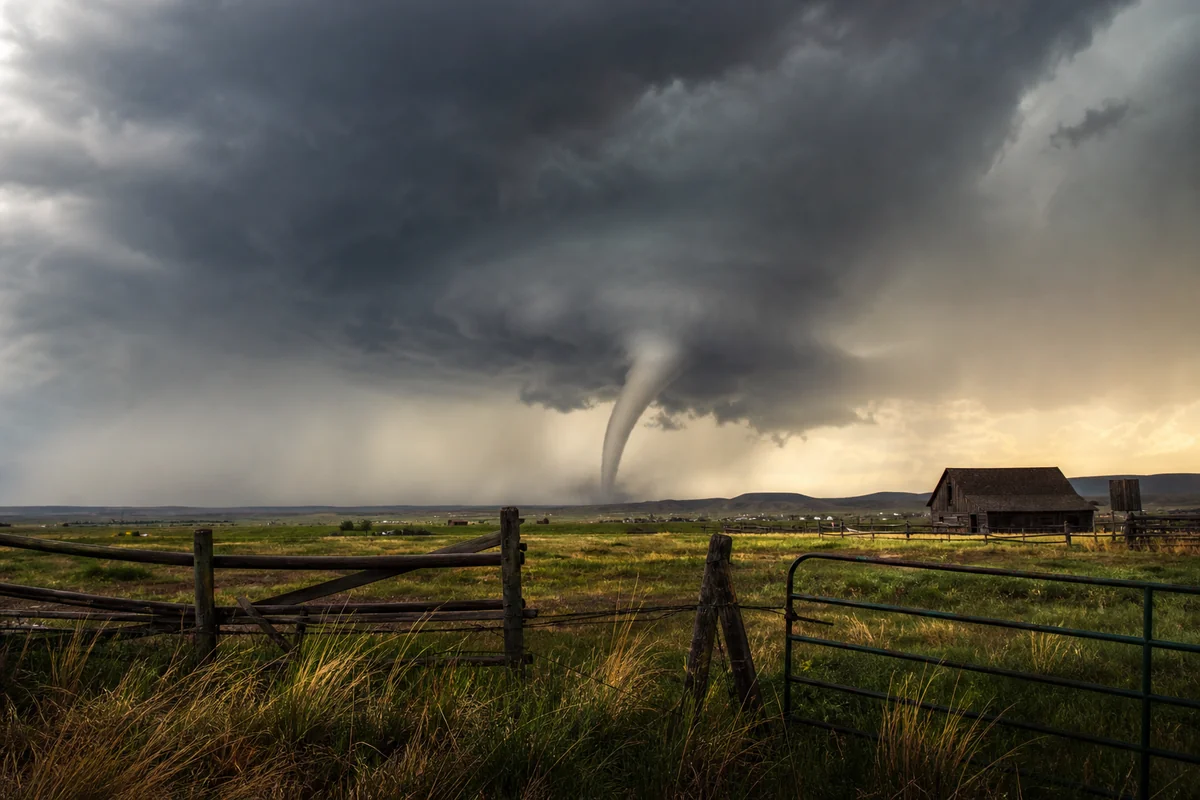
What’s more telling is the intensity. During my conversation with a meteorologist at the National Weather Service office in Glasgow last summer, she explained that the vast majority of Montana tornadoes are what they call “rope tornadoes”—skinny, short-lived funnels that often touch down in open farmland where they cause minimal damage.
In fact, since 1950, Montana has recorded only 3 tornado-related deaths. Compare that to the hundreds of fatalities in traditional Tornado Alley states during the same period, and you’ll understand why locals here don’t panic every time clouds roll in.
When Tornado Season Actually Hits Montana
If you’re planning your Montana adventure, timing matters. Tornado season here follows a predictable pattern that I’ve tracked over multiple summer visits.
| Month | Tornado Risk Level | Average Tornadoes | Travel Considerations |
|---|---|---|---|
| April | Low | 0-1 | Still cold; focus on proper clothing |
| May | Moderate | 2-3 | Season beginning; monitor forecasts |
| June | Highest | 3-4 | Peak tornado month; stay weather-aware |
| July | Moderate-High | 2-3 | Afternoon storms common; plan morning activities |
| August | Moderate | 1-2 | Risk decreasing; still possible |
| September | Low | 0-1 | Season ending; excellent travel window |
June is undeniably the month to watch. During a recent trip to Great Falls in mid-June, I witnessed three separate severe thunderstorm warnings in a single week. None produced tornadoes where I was staying, but the potential was clearly there.
The typical time window for tornado development is between 3 PM and 8 PM, when daytime heating has had a chance to destabilize the atmosphere. I’ve learned to plan my long drives across the eastern plains for morning hours during peak season, which gives me plenty of time to reach shelter before afternoon storms develop.
Where Tornadoes Actually Form in Montana
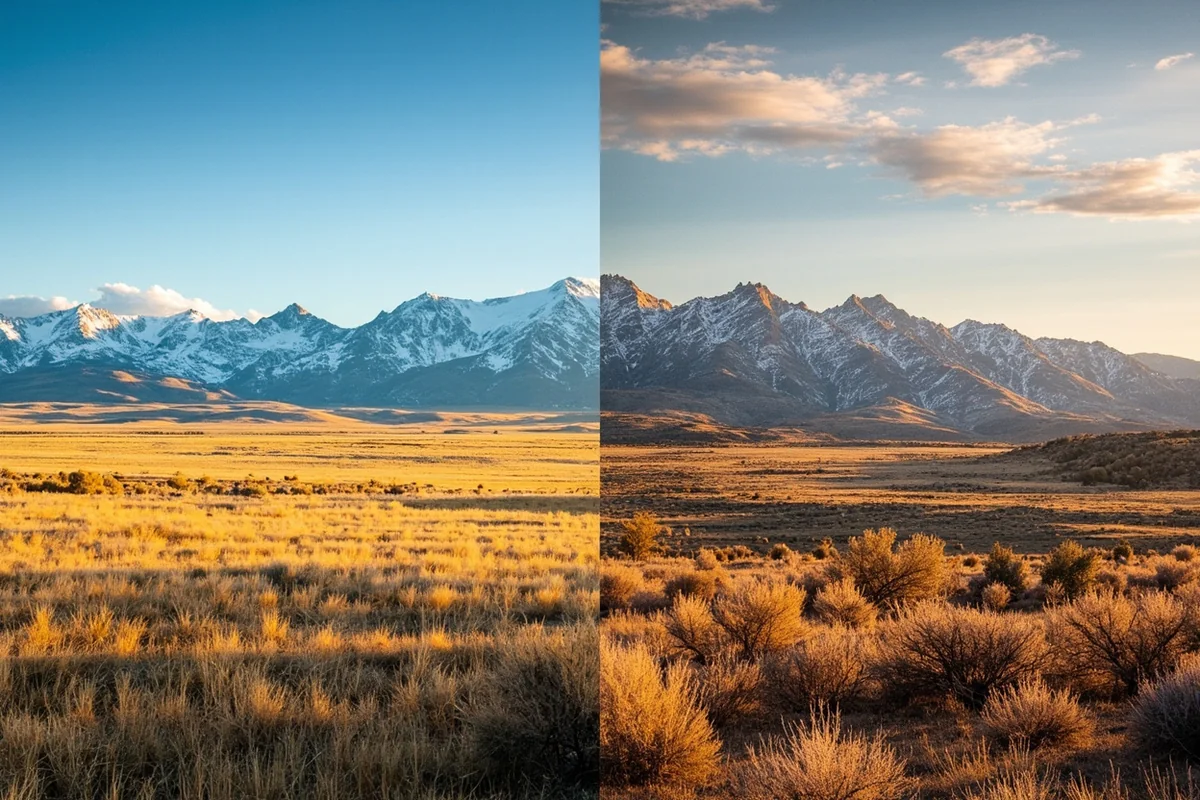
Here’s something many visitors don’t realize: Montana is essentially two completely different states when it comes to tornado risk. The Rocky Mountains create a dramatic dividing line that determines whether you need to worry about twisters at all.
Eastern Montana: The Tornado Zone
The eastern two-thirds of Montana—everything from Great Falls eastward—sits on the northern edge of what meteorologists call “Tornado Alley.” This vast expanse of rolling prairies, wheat fields, and cattle ranches sees approximately 85% of the state’s tornado activity.
I’ve spent considerable time in this region, particularly around the Hi-Line communities like Havre, Glasgow, and Sidney. The landscape is deceptively calm most days—endless golden grass under impossibly blue skies. But when conditions align, the same flat terrain that makes for stunning photography also provides perfect tornado breeding grounds.
The Missouri River corridor, running from Great Falls through Fort Benton and into the northeastern plains, sees concentrated activity. During my visit to Fort Peck last summer, a local fishing guide told me he’s seen funnel clouds from his boat at least a dozen times over the years—though most never touched down.
Cities with notable tornado history include:
- Billings: Montana’s largest city sits in tornado-prone territory and has experienced several significant storms
- Miles City: This ranching hub sees regular severe weather during summer months
- Glasgow: The northeastern plains around Glasgow are among the most active areas
- Great Falls: Located at the transition zone between mountains and plains
Western Montana: The Mountain Shield
Here’s the good news for visitors heading to Glacier National Park, Missoula, or the Flathead Valley: the Rocky Mountains act as a natural tornado barrier. Tornadoes require specific atmospheric conditions that mountainous terrain simply doesn’t provide.
During countless trips to western Montana—from Whitefish to Helena to Bozeman—I’ve never once worried about tornadoes. The terrain disrupts the rotating supercell thunderstorms that spawn twisters, and the cooler air masses coming off the peaks don’t carry the same energy as the warm, humid air over the eastern plains.
That said, western Montana has its own weather challenges. The powerful winds that funnel through mountain passes can be just as dangerous for drivers, and severe thunderstorms still bring lightning, hail, and flash flooding.
What Montana Tornadoes Actually Look Like
Forget the mile-wide monsters you’ve seen in disaster movies. Montana tornadoes have their own personality, and understanding what you might actually encounter helps separate legitimate concern from unnecessary fear.
Most tornadoes here are rated EF0 or EF1 on the Enhanced Fujita Scale, meaning wind speeds between 65 and 110 mph. While certainly dangerous, these aren’t the catastrophic EF4 and EF5 tornadoes that level entire towns in Oklahoma or Alabama.
The typical Montana tornado is what storm chasers affectionately call a “landspout”—a tornado that forms from the ground up rather than descending from a rotating supercell. These tend to be narrow (often less than 50 yards wide), short-lived (usually under 10 minutes), and relatively weak.
I spoke with a professional storm chaser based in Bozeman who’s been documenting Montana severe weather for over a decade. He described most local tornadoes as “photogenic but not particularly destructive”—they make for incredible photographs but rarely cause serious damage because they typically touch down in unpopulated areas.
The sparse population density works in Montana’s favor. With only about 7 people per square mile (compared to over 400 per square mile in New Jersey), the odds of a tornado hitting a populated area are remarkably low.
Notable Tornado Events in Montana History
To give you a real sense of what’s possible, let me walk you through some significant tornado events that have shaped Montana’s severe weather history.
The 2010 Billings Tornado
On Father’s Day 2010, an EF2 tornado touched down in the Billings area, causing significant damage to homes and businesses. This was one of the stronger tornadoes in recent Montana history, with estimated winds of 120 mph.
What struck me when I researched this event was the community response. Local emergency services responded quickly, and despite the damage, there were no fatalities. The tornado served as a wake-up call for many Montana residents who assumed tornadoes only happened “somewhere else.”
The 2018 Tornado Outbreak
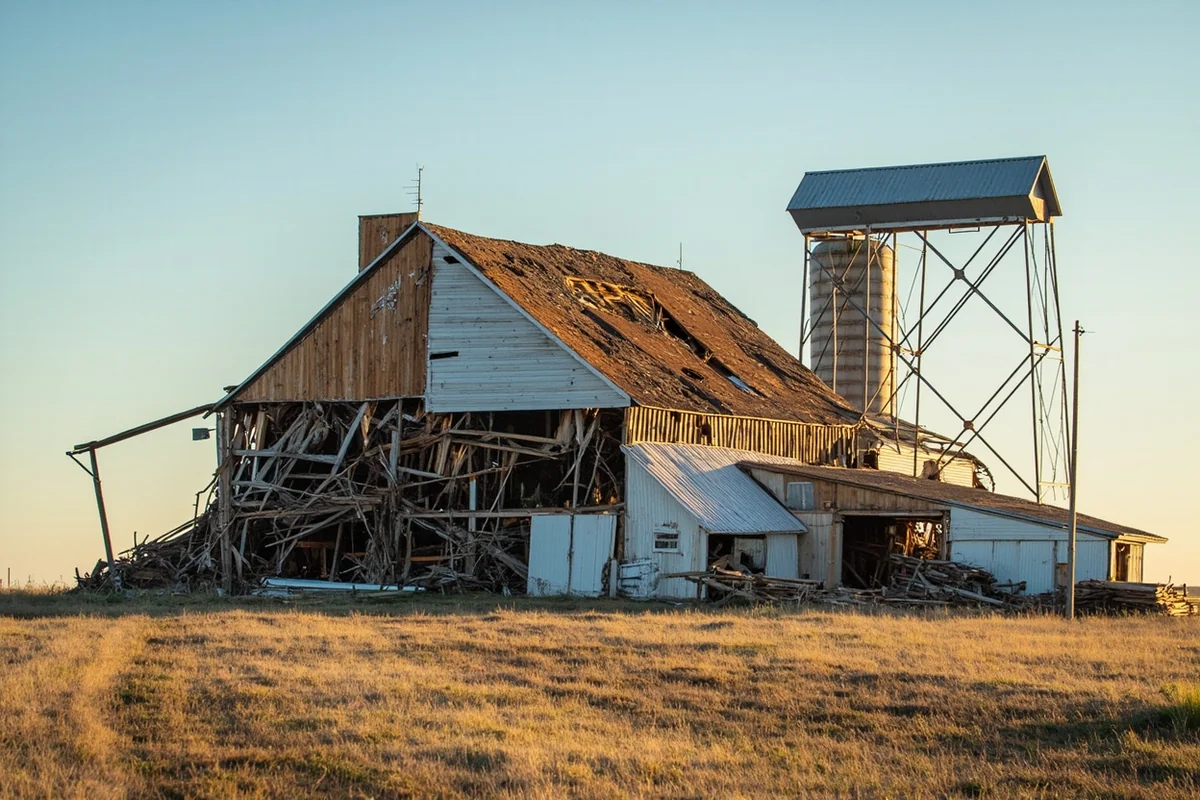
Late June 2018 saw an unusual cluster of tornado activity across eastern Montana. Multiple tornadoes touched down over several days, including an EF2 near Roundup that damaged farm structures.
I was actually in Montana during this period, though safely in the Flathead Valley. Watching the news coverage reminded me how quickly conditions can change on the eastern plains. What started as a typical summer day transformed into a severe weather event within hours.
Historical Context
The deadliest tornado in Montana history struck in 1923 near Saco, killing three people. Since then, the state has seen only occasional fatalities from tornadoes—a testament to improved forecasting, warning systems, and public awareness.
For comparison, this is in stark contrast to hurricane activity, which doesn’t affect Montana at all due to its landlocked position. And while earthquakes do occur in Montana, they represent a different type of geological risk entirely.
Staying Safe: A Traveler’s Action Plan
Now for the practical advice you came here for. Based on my experiences and conversations with locals, here’s exactly how to stay safe during tornado season in Montana.
Before Your Trip
Download the NOAA Weather Radio app or a reliable weather alert app before you arrive. I personally use Weather Underground and the official NWS app, both of which allow location-based alerts.
Research your itinerary’s tornado risk. If you’re spending a week in Glacier National Park, you can largely relax. If you’re driving the Hi-Line from Williston to Havre, pay closer attention to forecasts.
Consider travel insurance that covers weather-related delays or cancellations. During my June visits, I’ve had to adjust plans multiple times due to severe weather.
While You’re There
- Check forecasts every morning: I make this a breakfast ritual during summer trips to eastern Montana
- Watch the sky: Learn to recognize wall clouds, rotating cloud bases, and that distinctive greenish tint that indicates hail
- Know your surroundings: Identify sturdy buildings, storm shelters, or low-lying ditches along your route
- Don’t ignore warnings: When your phone screams tornado warning, take it seriously—even in Montana
- Plan flexible schedules: Leave room to delay departure if storms are forecast
If You’re Caught in a Storm
Finding shelter in Montana’s vast open spaces can be challenging. Here’s what I’ve learned:
In a Vehicle:
Your car is not safe shelter during a tornado. If you can see a tornado and it’s distant, drive perpendicular to its path (tornadoes generally move northeast). If it’s close, abandon your vehicle and seek a low-lying ditch, covering your head with your arms. Never shelter under an overpass—this is a dangerous myth that can actually increase your risk.
In a Building:
Move to the lowest floor, interior room, away from windows. Bathrooms and closets in central locations offer the best protection. Many Montana hotels and motels, particularly in eastern cities, have designated storm shelter areas—ask at check-in.
In a Campground:
This is the trickiest situation. I recommend camping in western Montana during peak tornado season if possible. If you’re at an eastern campground and severe weather threatens, drive to a substantial building in a nearby town. RVs and tents offer zero tornado protection.

How Montana Compares to Other States
Perspective matters when assessing risk. Let me contextualize Montana’s tornado threat against states you might be comparing.
Montana’s 10-11 annual tornadoes seem significant until you consider:
- Texas: 150+ tornadoes per year
- Kansas: 90+ tornadoes per year
- Oklahoma: 60+ tornadoes per year
- Florida: 50+ tornadoes per year
- Iowa: 50+ tornadoes per year
Even neighboring states see more activity. South Dakota averages around 30 tornadoes annually, and Wyoming sees about 12. North Dakota, despite similar terrain, averages 20-25.
Montana’s northern latitude plays a role here. The jet stream patterns that drive severe weather activity don’t align as favorably for tornado development this far north. The state sits at the very edge of conditions that support tornadic storms.
The intensity difference is equally important. While Tornado Alley regularly produces violent EF4 and EF5 tornadoes capable of leveling concrete structures, Montana has never recorded an EF5 and has seen only a handful of EF4 storms in recorded history.
Climate Change and Future Tornado Trends
I’d be doing you a disservice if I didn’t address how climate change might affect Montana’s tornado patterns. This is a topic I’ve discussed with several meteorologists during my travels.
The scientific consensus suggests that tornado patterns are shifting. Traditional Tornado Alley activity may be moving eastward, and the frequency of tornado days is changing—fewer days with tornadoes overall, but more tornadoes on the days they do occur.
For Montana specifically, some models suggest slightly increased severe weather potential as warming temperatures push favorable conditions further north. However, the magnitude of any change remains uncertain, and Montana is unlikely to ever rival traditional Tornado Alley states.
What this means for travelers: the same vigilance I recommend today will remain appropriate for the foreseeable future. Stay informed, monitor forecasts, and respect severe weather warnings.
The Bigger Picture: Other Weather Hazards
Tornadoes get attention because they’re dramatic, but honest travel advice requires acknowledging that other weather hazards in Montana pose equal or greater risks.
Lightning
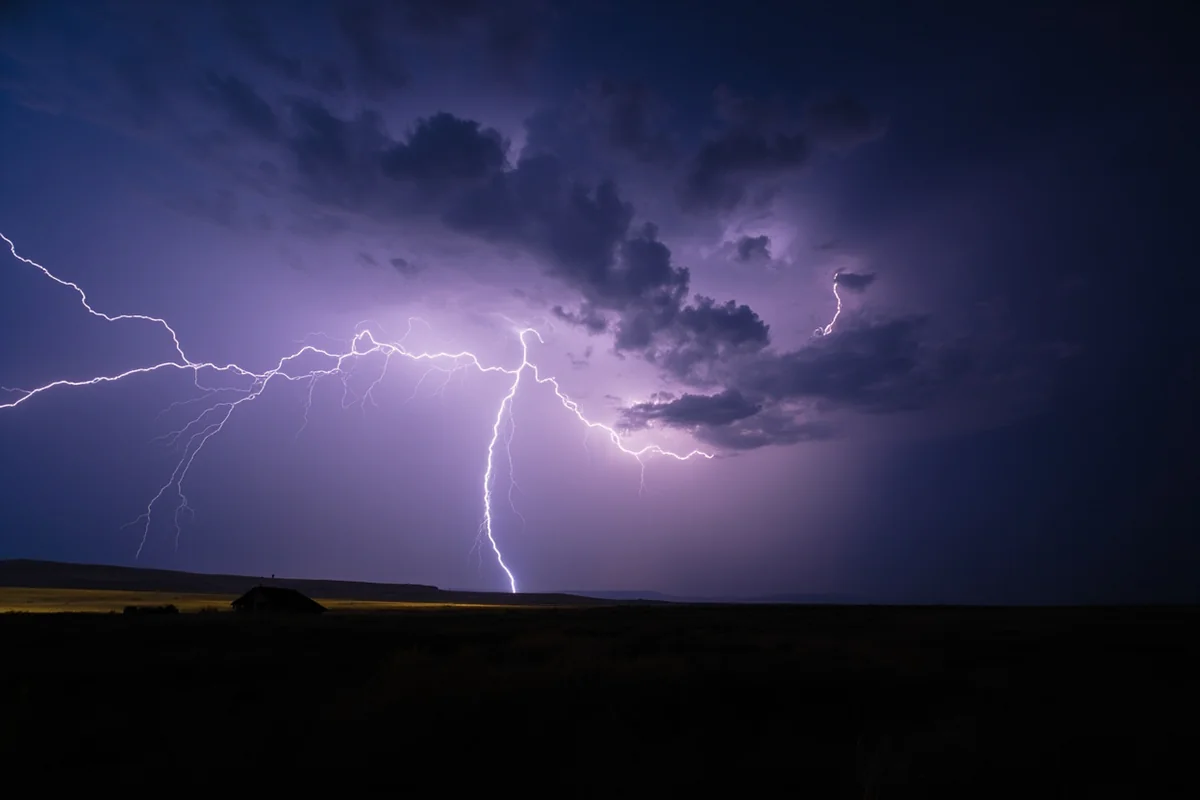
Severe thunderstorms in Montana produce dangerous lightning, and the state’s popularity for outdoor activities puts people at particular risk. I’ve retreated from hiking trails more than once when afternoon storms rolled in. Lightning kills more people in Montana than tornadoes do.
Hail
That green sky I mentioned at the beginning? It often signals large hail. During my June 2023 trip, baseball-sized hail damaged vehicles across a wide swath near Lewistown. If you’re driving when severe weather hits, hail is often your immediate concern.
Flash Flooding
Intense summer thunderstorms can drop enormous amounts of rain in short periods. Flooding concerns aren’t limited to winter—summer flash floods catch tourists off guard every year in narrow canyons and dry creek beds.
Wind
Even without tornadoes, Montana wind can be extreme. Chinook winds on the eastern slopes of the Rockies have exceeded 100 mph, and sustained high winds make driving large vehicles or towing trailers dangerous.
Winter Weather
If you’re visiting outside summer, Montana’s winter weather demands serious respect. The state has seen some record-breaking winters, and understanding how cold it actually gets is essential. Many visitors wonder if Montana is the coldest state—while it’s not quite the coldest, it’s certainly in contention.
Snow is abundant across most of Montana, and the reasons for the extreme cold involve complex geography. Proper preparation means having a solid winter driving plan and investing in quality winter boots.
Month-by-Month Travel Recommendations
Based on everything I’ve covered, here’s my honest assessment of when to visit Montana if tornado risk is a concern.
Lowest Risk Months: September through April
Tornado risk drops to near zero outside summer months. Of course, you’re trading tornado concerns for winter weather challenges. If you’re focused on the warmest places in Montana during cooler months, the southwest valleys near Missoula and Bozeman offer relatively mild conditions.
Moderate Risk: May and August
Excellent times to visit. Tornado risk exists but isn’t at peak levels. Weather patterns are typically more stable, and you can enjoy summer activities with standard precautions.
Highest Risk: June and July
Peak Montana summer season coincides with peak tornado season. Don’t let this deter you—the vast majority of visitors during these months never encounter severe weather. Simply remain weather-aware, especially when traveling through eastern regions.
What Locals Actually Think About Tornadoes
Every time I’m in Montana, I ask locals about their tornado experiences. Their responses consistently fall into two categories.
Eastern Montana residents—the ranchers around Miles City, the farmers near Glasgow, the folks in small towns along Highway 2—treat tornado potential as a fact of life, similar to how Californians view earthquakes or Floridians view hurricanes. They watch the sky, they have storm shelters, and they don’t panic.
Western Montana residents often forget tornadoes are even a thing. In Missoula, Kalispell, and Bozeman, the conversation usually shifts to wildfire smoke or avalanche conditions instead.
Both perspectives offer wisdom. Yes, tornadoes happen. No, they shouldn’t dominate your trip planning. Awareness without anxiety is the sweet spot.
Packing and Preparation Checklist
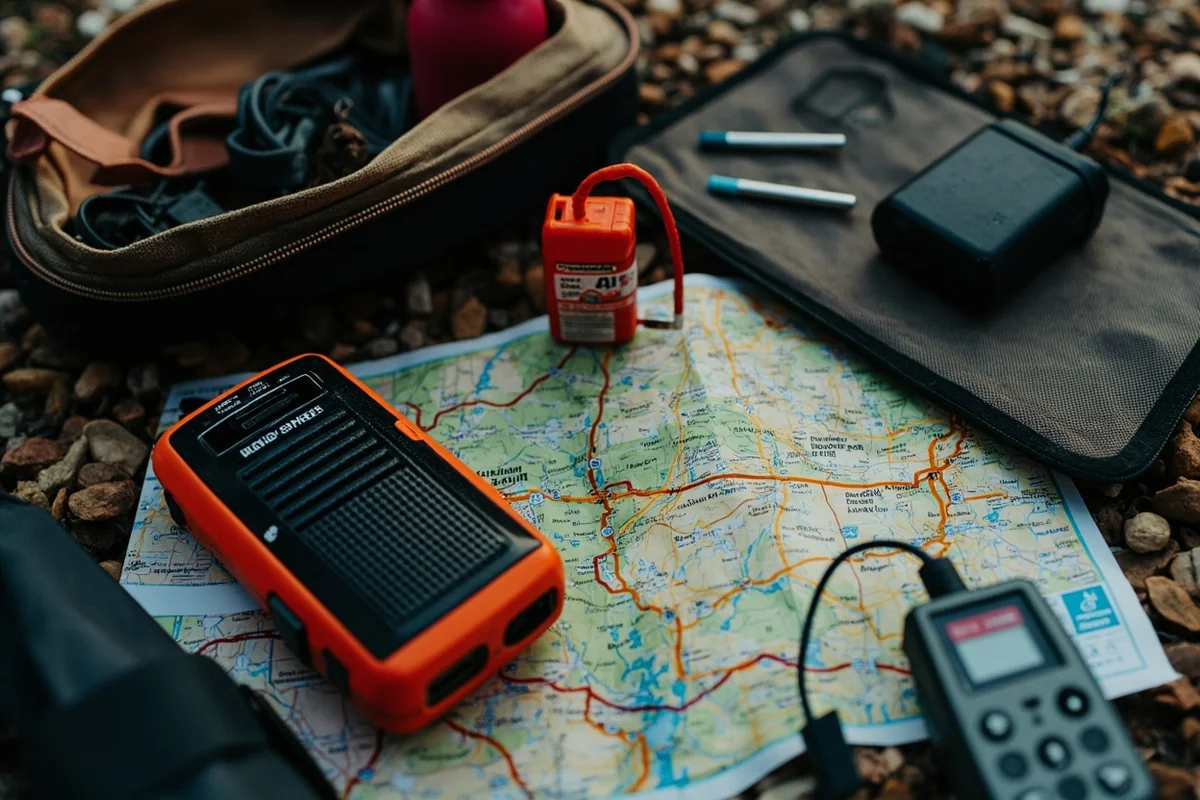
For summer travel to eastern Montana specifically, I recommend adding these items to your standard packing list:
- Weather radio or reliable app: Essential for remote areas with spotty cell service
- Portable phone charger: Keep devices charged for emergency alerts
- Physical maps: Cell service is unreliable across much of eastern Montana
- First aid kit: Standard travel advice, but especially important in remote areas
- Emergency snacks and water: Weather delays can leave you stranded far from services
- Sturdy shoes: If you need to evacuate a vehicle quickly, flip-flops won’t cut it
For those wondering about Montana’s humidity and heat during summer storms, the state is generally not particularly humid compared to eastern states—though moisture increases during storm systems.
Final Thoughts From the Field
After that storm shelter experience near Billings, my friend’s wife poured me a cup of coffee and laughed. “You know,” she said, “I’ve lived here 40 years and that’s maybe the fourth time I’ve actually needed to use that cellar.”
Her comment stuck with me. Four times in 40 years. That’s the real Montana tornado story—infrequent events that demand respect but shouldn’t inspire fear.
Should you visit Montana during summer? Absolutely. The wildlife, the landscapes, the small towns, and the wide-open spaces are worth every bit of planning and preparation.
Should you be aware of tornado potential? Yes. Monitor weather forecasts, understand the risks, and know what to do if warnings are issued.
Should you worry excessively? Not at all. Montana has survived over 130 years of statehood with only three tornado fatalities. Your biggest weather-related risk during a summer visit is probably getting a sunburn while marveling at the endless Big Sky views.
The afternoon after that storm, I drove through the area where the tornado warning had been issued. The landscape was unchanged—golden wheat fields stretching to the horizon, a few distant cattle, and clouds that had settled into peaceful white puffs against the blue.
That’s Montana. Dramatic, occasionally wild, but ultimately a place where nature commands respect without requiring fear. Plan accordingly, stay informed, and enjoy one of the most spectacular destinations in America.
Frequently Asked Questions
Does Montana get tornadoes, and how common are they?
Yes, Montana does experience tornadoes, but they’re relatively rare compared to Tornado Alley states. The state averages about 10-15 tornadoes per year, mostly occurring in the eastern plains region. Most Montana tornadoes are weak EF0 or EF1 storms, so they’re far less destructive than what you’d see in Kansas or Oklahoma.
What months have the highest tornado risk when visiting Montana?
Montana’s tornado season runs primarily from May through July, with June being the peak month for severe weather activity. If you’re planning summer travel to eastern Montana, I’d recommend keeping an eye on weather forecasts during these months. Late spring and early summer afternoons are when conditions are most favorable for tornado development.
Which parts of Montana are most likely to see tornadoes?
Eastern Montana’s flat plains and grasslands see the majority of tornado activity, particularly around cities like Billings, Miles City, and Great Falls. The mountainous western region near Missoula and Kalispell rarely experiences tornadoes due to the terrain disrupting storm formation. If severe weather concerns you, planning your trip around Glacier National Park and the western mountains significantly reduces your tornado risk.
What should I pack for Montana in case of severe weather or tornadoes?
I always recommend packing a portable weather radio or downloading a reliable weather app like NOAA Weather Radar for real-time severe weather alerts. Bring layers since Montana weather changes quickly, and keep a basic emergency kit in your vehicle with a flashlight, water, and first aid supplies. If you’re camping in eastern Montana during summer, choose sites near sturdy structures when possible.
Will my Montana road trip be disrupted by tornado warnings?
Tornado warnings in Montana are typically brief and localized, so major trip disruptions are unlikely but not impossible during peak season. If you’re driving through eastern Montana in June, build some flexibility into your itinerary to shelter if needed. Most storms pass within 30-60 minutes, and you can track cells easily with weather apps to route around severe weather.
Is it safe to visit Montana during tornado season in summer?
Absolutely—millions of visitors safely explore Montana every summer despite the slight tornado risk. The odds of encountering a tornado during your trip are extremely low, especially if you’re visiting popular destinations like Glacier or Yellowstone in the western and southern regions. Just stay weather-aware, have a plan if warnings are issued, and don’t let tornado concerns keep you from experiencing Big Sky Country.
What should I do if there’s a tornado warning while traveling in Montana?
If a tornado warning is issued, immediately seek shelter in a sturdy building, basement, or interior room away from windows. If you’re caught driving with no shelter nearby, abandon your vehicle and lie flat in a low ditch away from trees and power lines. Most Montana towns have emergency sirens, and your phone should receive wireless emergency alerts automatically when warnings are issued for your location.
Sources
- https://www.weather.gov/mkx/taw-tornado_myths
- http://www.ncdc.noaa.gov/stormevents/choosedates.jsp
- https://www.ncei.noaa.gov/access/monitoring/tornadoes/ytd/7
- https://www.spc.noaa.gov/climo/torn/fatalmap.php
- https://www.mass.gov/info-details/tornado-safety-tips#
- https://www.fema.gov/sites/default/files/2020-07/tornado-risk-hazards-southeast_recovery-advisory.pdf
- https://www.weather.gov/oun/efscale