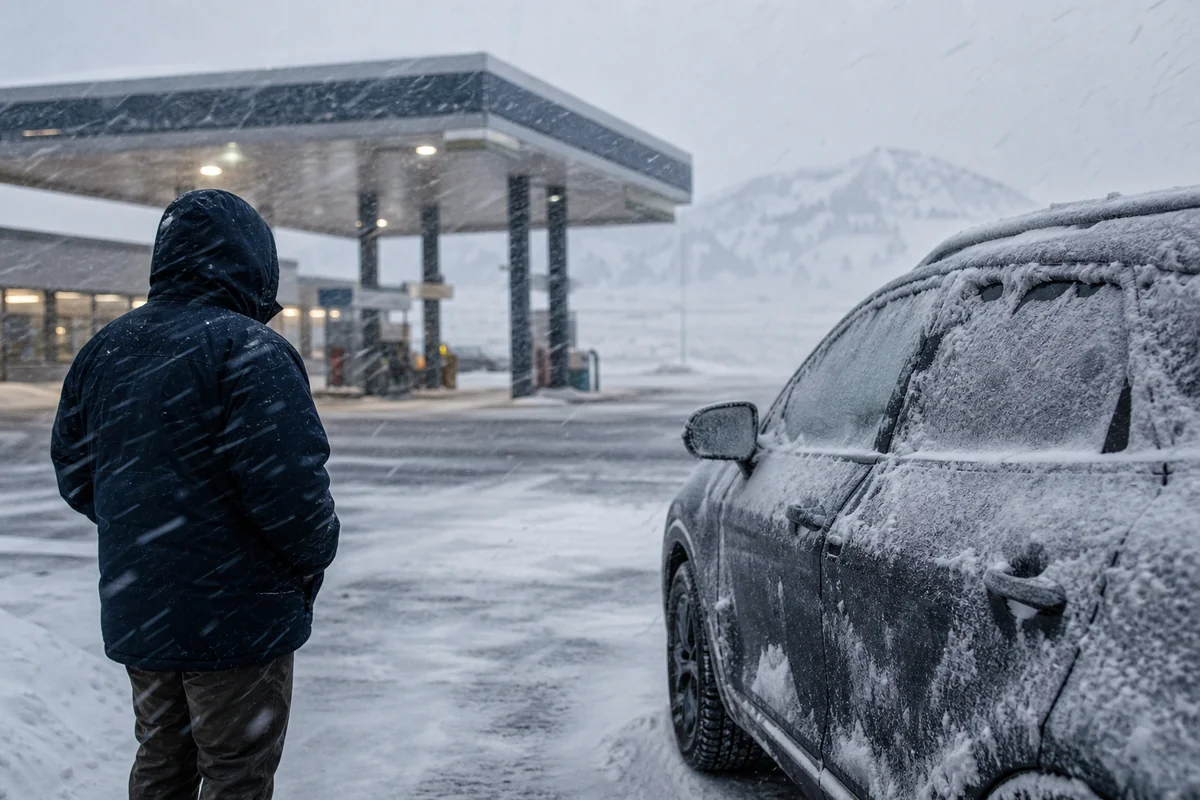
I was standing outside a coffee shop in Bozeman last January, watching a tourist in stylish leather ankle boots attempt to navigate an icy sidewalk, when I realized just how unprepared most visitors are for Montana winters.
She slipped twice before making it to her rental car, and I couldn’t help but think about my own first winter here—when I learned the hard way that the wrong footwear can ruin an entire trip.
Understanding Montana weather patterns is essential, but knowing exactly what to put on your feet might be the single most important gear decision you’ll make.
- Insulated, waterproof boots rated to at least -25°F are essential for Montana winters
- Traction matters more than style—look for Vibram Arctic Grip or similar aggressive outsoles
- Pack two pairs: one for outdoor adventures, one for town and driving
- Avoid leather-soled boots, fashion boots, and anything not rated for snow/ice
- Budget $150-300 for quality boots that will actually keep you warm and safe
- Break in new boots before your trip to prevent blisters
Liked this article?
Add Roaming Montana as a preferred source so you see more of our articles and guides on Google.
Why Montana Demands Serious Winter Footwear
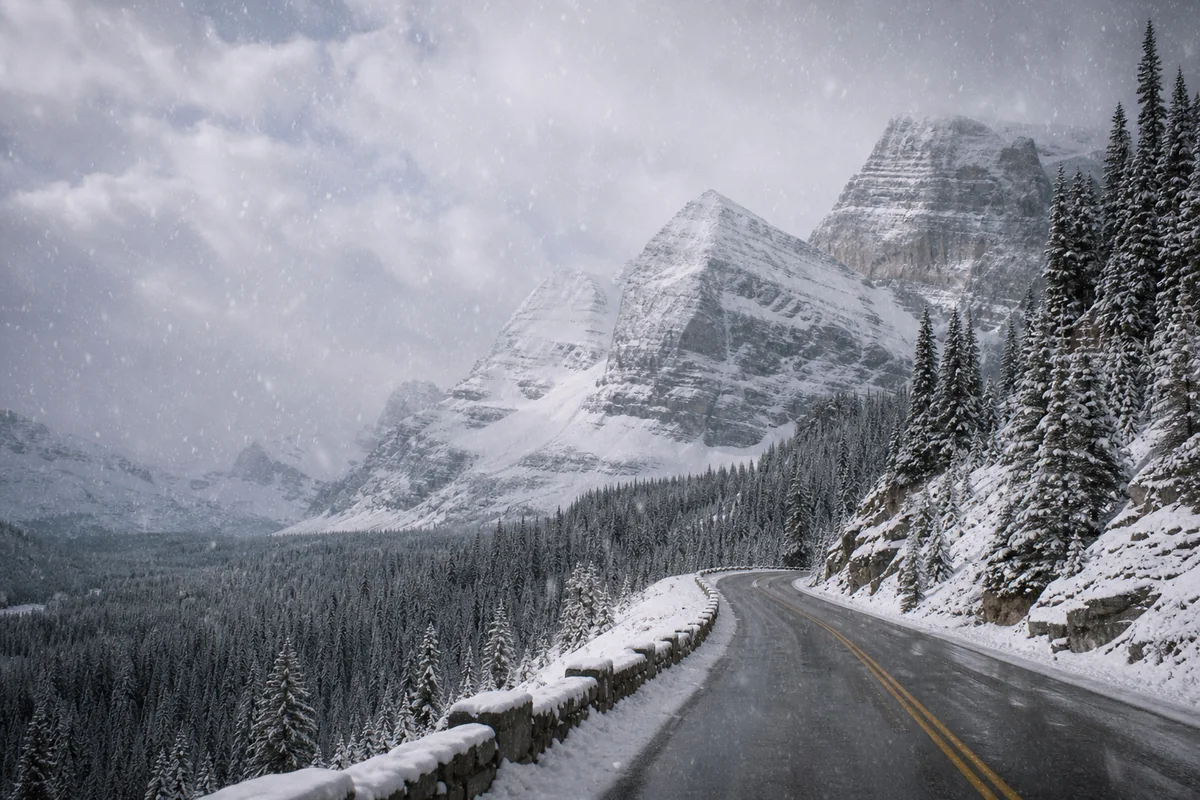
Montana isn’t playing games when it comes to winter. During my years exploring this state, I’ve experienced everything from a sunny 35°F afternoon in Missoula to a brutal -30°F morning in West Yellowstone. If you’re curious about how cold it actually gets in Montana, the answer is: much colder than most visitors expect.
The challenge isn’t just the cold—it’s the combination of factors. You’re dealing with deep snow, hidden ice beneath that snow, slush that soaks through inadequate footwear in seconds, and temperature swings that can span 40 degrees in a single day.
I’ve seen visitors from places like Arizona or Southern California show up with what they consider “winter boots”—usually some fashion-forward option with minimal insulation and smooth soles. Within hours, they’re miserable, cold, and dangerously unstable on icy surfaces.
The Real Conditions You’ll Face
Let me paint a picture of what your feet will encounter. Last December, I spent a week split between Whitefish and Glacier National Park’s winter-accessible areas. Here’s what I dealt with:
Morning temperatures hovering around -10°F while waiting for sunrise near Lake McDonald. Packed snow and ice on every sidewalk in Whitefish, even the well-maintained ones. Ankle-deep powder when I ventured off-trail for photos. Slush and standing water in parking lots during afternoon warm-ups.
Your boots need to handle all of this—often in a single day. And while Montana doesn’t experience hurricanes or frequent tornadoes, the state has seen some genuinely record-breaking winters that pushed even the locals to their limits.
The Three Boot Categories Every Montana Visitor Should Know
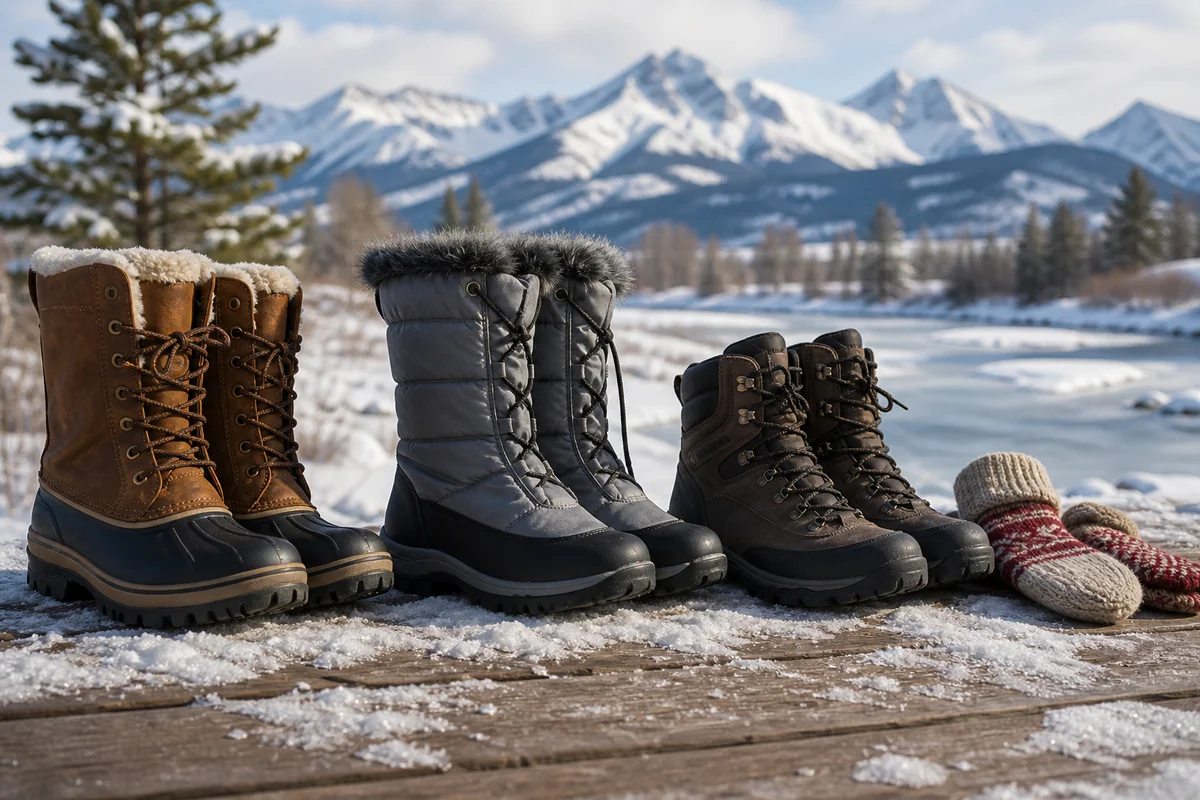
After testing dozens of boots across multiple Montana winters, I’ve organized winter footwear into three essential categories. Understanding these will help you make the right choice for your specific trip.
Category 1: Heavy-Duty Pac Boots
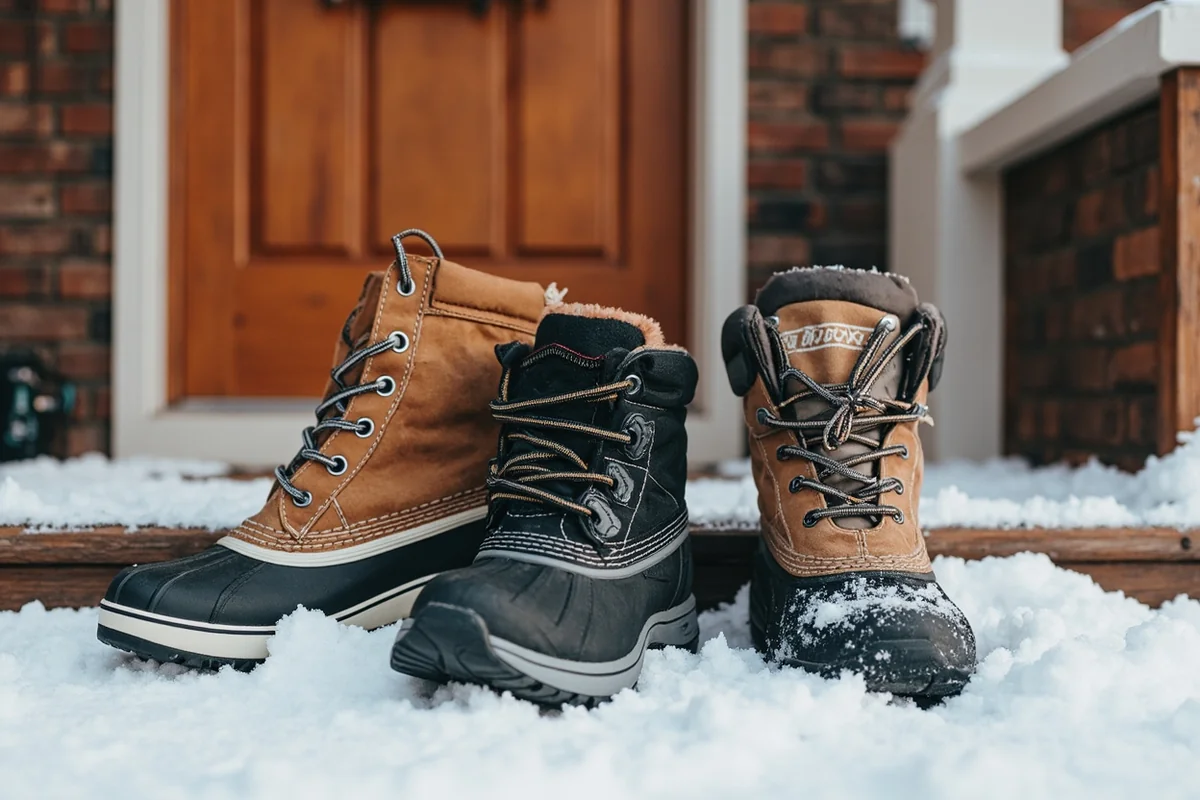
These are the workhorses of extreme cold. Pac boots feature a rubber lower section (completely waterproof) and an insulated upper, usually with removable felt liners. They’re what I wear when I’m heading to West Yellowstone or anywhere in eastern Montana during January.
The classic example is the Sorel Caribou, which I’ve owned for six years now. They’re rated to -40°F, and I can confirm they deliver. During a photography trip to Yellowstone’s north entrance last February, I stood outside for three hours in -22°F weather, and my feet stayed warm.
The downside? Pac boots are bulky. They’re not great for driving, and you’ll feel like you’re wearing moon boots in restaurants. But for serious outdoor time in Montana’s coldest conditions, nothing else comes close.
Category 2: Insulated Winter Hiking Boots
This is my go-to category for most Montana winter adventures. These boots look more like traditional hiking boots but feature serious insulation (usually 200-400 grams of Thinsulate or similar) and winter-specific outsoles.
I wore my Oboz Bridger Insulated boots through most of last winter’s explorations. They handled a snowshoe trek near Big Sky, icy sidewalks in Helena, and everything in between. They’re warm enough for temperatures down to about -15°F with proper socks, and they’re comfortable enough to wear all day.
The key advantage is versatility. You can drive in them, hike in them, and walk through restaurants without feeling ridiculous. For visitors spending time in both outdoor and urban settings, this category offers the best balance.
Category 3: Urban Winter Boots
If your Montana trip is mostly town-focused—exploring Missoula’s hip downtown, brewery hopping in Bozeman, or shopping in Kalispell—you can get by with lighter-weight urban winter boots. These prioritize style and comfort over extreme weather protection.
I keep a pair of Blundstone winter boots for exactly this purpose. They’re lined, waterproof, and have decent traction. But I learned their limits during a particularly cold snap in Great Falls. When temperatures dropped below 0°F, my feet were uncomfortably cold within 20 minutes outside.
Urban winter boots work when you’re moving between heated spaces and don’t plan extended outdoor exposure. They’re inadequate for anything more demanding.
Essential Features: What Actually Matters
Let me break down the specific features I look for after years of trial and error in Montana conditions.
Insulation Rating: Don’t Skimp Here
Boot insulation is measured in grams—typically ranging from 200g for light insulation to 800g+ for extreme cold. Here’s my experience-based recommendation:
| Temperature Range | Recommended Insulation | Activity Level |
|---|---|---|
| 30°F to 15°F | 200-400g Thinsulate | Active hiking/walking |
| 15°F to -5°F | 400-600g Thinsulate | Moderate activity |
| -5°F to -25°F | 600-800g Thinsulate | Low activity/standing |
| Below -25°F | Pac boots with felt liners | Any activity |
Remember: these ratings assume you’re wearing appropriate winter socks. I’ll cover sock selection later, but the right socks can effectively add 10-15 degrees to your boot’s performance.
If you’re wondering why Montana gets so cold, the combination of northern latitude, high elevation, and continental climate creates conditions that routinely challenge even well-prepared visitors.
Waterproofing: Non-Negotiable
Every boot you bring to Montana should be fully waterproof—not just “water-resistant.” Snow melts against warm feet, and you’ll inevitably step in slush, cross small streams of meltwater, or encounter wet conditions.
I look for boots with sealed seams and waterproof membranes (Gore-Tex or proprietary alternatives). Leather boots can be waterproofed with treatments, but they require regular maintenance and never match the reliability of membrane-based waterproofing.
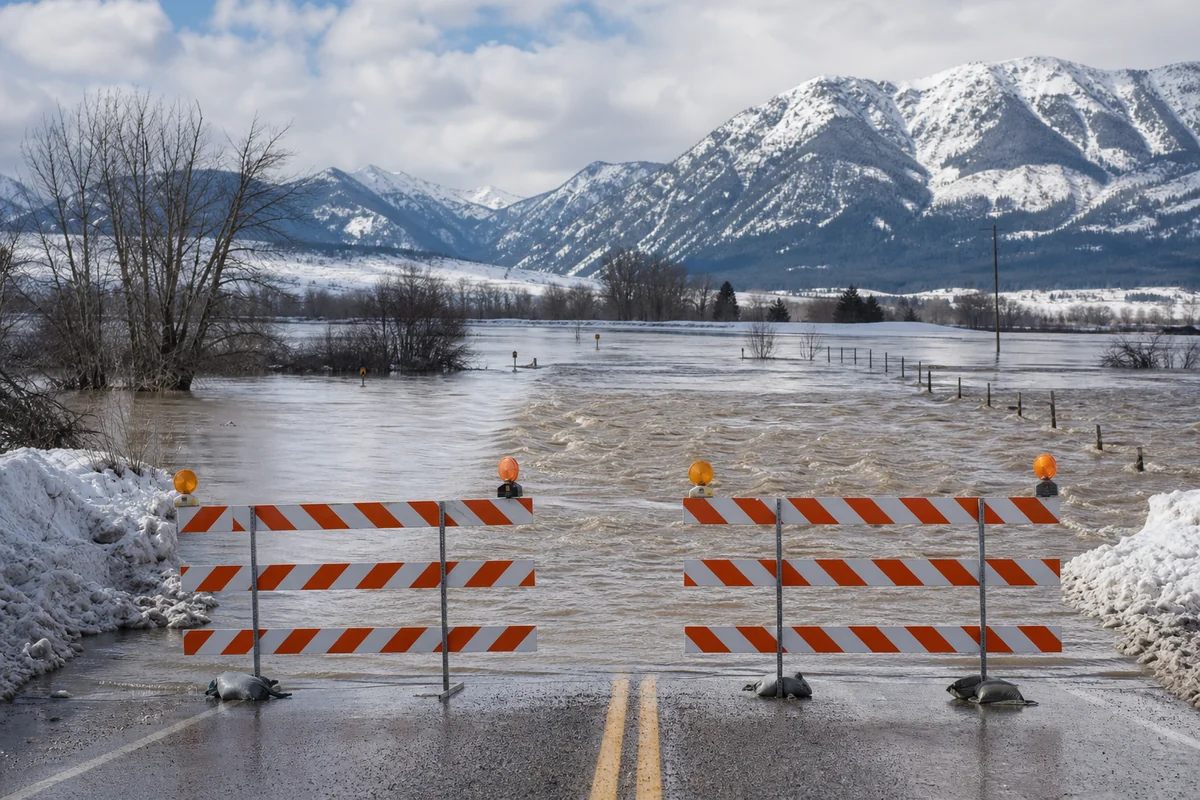
Last March, during a spring trip to investigate Montana’s winter flooding patterns, I was grateful for truly waterproof boots. The combination of snowmelt and spring rain created standing water everywhere around the Flathead Valley.
Traction: This Could Save Your Life
I’m not being dramatic. Montana’s ice isn’t like ice elsewhere. It forms in layers, hides under snow, and appears in unexpected places. Falls on ice send thousands of people to emergency rooms every winter.
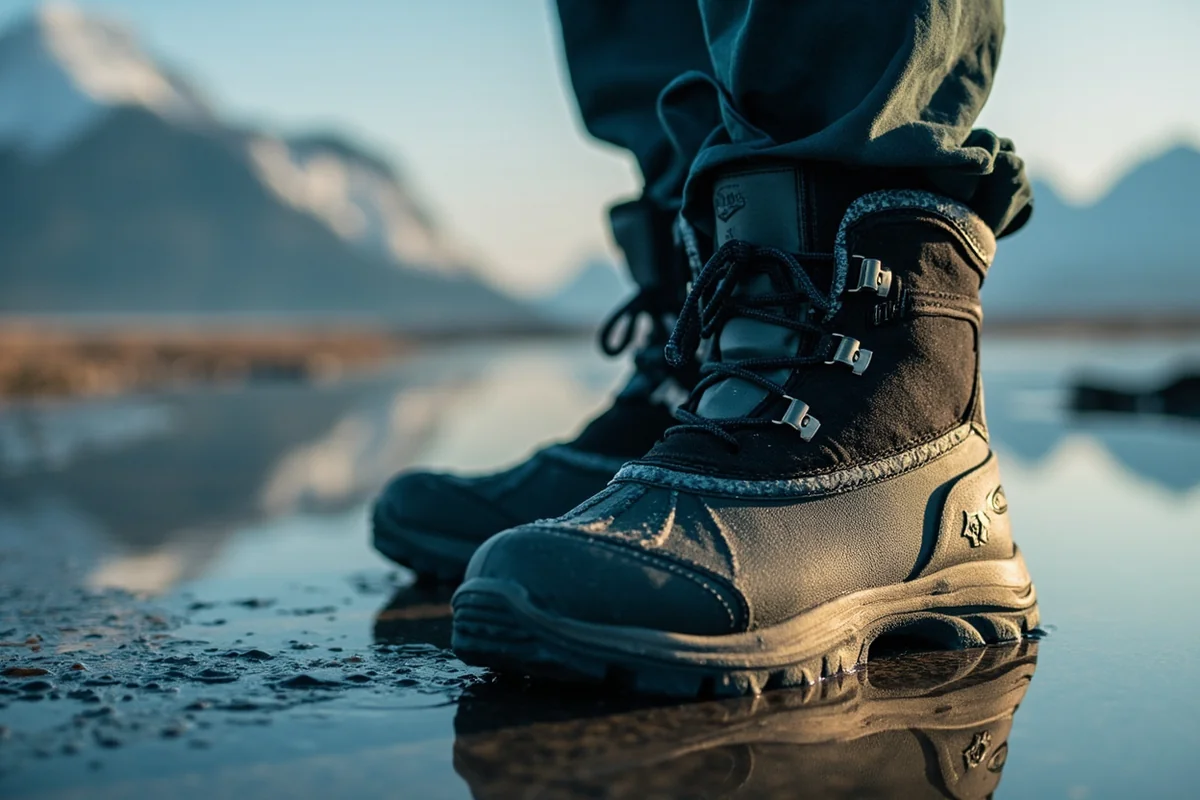
The best winter boot soles use aggressive lug patterns and specialized rubber compounds that stay flexible in cold temperatures. Standard rubber hardens and becomes slippery below freezing.
Vibram Arctic Grip is currently the gold standard. I’ve tested it extensively, and the difference is remarkable—especially on wet ice, which is notoriously treacherous. Other good options include IceTrek compounds and similar cold-weather-specific outsoles.
If your boots don’t have winter-specific soles, consider adding removable traction devices like Yaktrax or Kahtoola NANOspikes. I always keep a pair in my day pack as backup.
Height: Higher Is Usually Better
Ankle-height boots might seem sufficient, but I recommend at least mid-height (6-8 inches) for Montana winters. Here’s why:
Snow accumulates quickly during storms. What started as a light dusting can become several inches while you’re having lunch. Higher boots keep snow out of your footwear and provide ankle support on uneven, snow-covered terrain.
During my most recent visit to Big Sky last February, I watched a fellow visitor with low-cut boots struggle through a parking lot that had accumulated 4 inches of snow during our two-hour ski break. Snow went right over the tops, melted, and soaked his socks. His afternoon was ruined.
My Tested Boot Recommendations by Budget
These are boots I’ve personally worn in Montana conditions. I’m not including anything I haven’t actually tested.
Budget-Friendly: Under $150
Kamik Nationplus – I bought these as backup boots three years ago and was impressed. They’re warm to -25°F, fully waterproof, and surprisingly comfortable. The traction isn’t exceptional, but it’s adequate for most conditions. They run about $90-110.
Merrell Coldpack Ice+ Moc – These slip-on boots have Vibram Arctic Grip soles, which is remarkable at this price point. They’re my recommendation for visitors who want easy on/off functionality. Expect to pay around $130.
The tradeoff at this price point is typically durability. My Kamiks are showing significant wear after three seasons, while my premium boots still look nearly new.

Mid-Range: $150-250
Oboz Bridger 10″ Insulated – These are my most-worn Montana winter boots. The insulation handles temperatures to about -15°F with heavy socks, the traction is excellent, and they’re comfortable enough for all-day wear. They run around $200 and are worth every penny.
Danner Arctic 600 – A step up in quality and style. These boots look good enough for nicer restaurants while still providing serious weather protection. The Vibram Arctic Grip outsole is the same technology used on much pricier boots. Expect to pay $200-230.
Salomon Toundra Pro CSWP – For visitors planning significant hiking, these offer the best combination of warmth and mobility I’ve found. They’re lighter than traditional winter boots but still rated to -40°F. Price is typically around $230.
Premium: $250+
Sorel Caribou – The classic Montana winter boot. Every longtime resident seems to own a pair. They’re rated to -40°F, nearly indestructible, and have a removable felt liner you can dry overnight. Current price is about $180-200, but I’m including them in premium for their exceptional durability.
Baffin Impact – When I need maximum cold protection, I reach for these. They’re rated to -76°F (yes, seriously) and feel like wearing warm sleeping bags on your feet. They’re overkill for most visitors but essential for serious cold-weather photographers or anyone spending extended time in Montana’s coldest regions. About $250-280.
La Sportiva Trango Tower GTX – For technical winter hiking and mountaineering, these are exceptional. They’re not casual boots—they’re tools for serious outdoor pursuits. If you’re planning to tackle icy trails or winter mountaineering in the Beartooths, these deliver. $350+.
Boot Selection by Activity: What I’d Actually Pack
Let me give you specific recommendations based on common Montana winter trip types.
Yellowstone Winter Visit
Yellowstone in winter is magical but demanding. Temperatures regularly drop below -20°F, and you’ll be standing around waiting for wildlife and geysers. You need maximum insulation.
I recommend pac boots (Sorel Caribou or Baffin) for wildlife watching and geyser viewing. Bring a second pair of lighter insulated boots for driving and walking around West Yellowstone or Gardiner.
During my last Yellowstone winter trip, I used a rotation of Baffin Impact boots for early morning wildlife photography and Oboz Bridger boots for afternoon exploring. This combination handled everything the park threw at me.
Ski Town Vacation (Big Sky, Whitefish, etc.)
If you’re primarily skiing, your ski boots handle the cold while you’re on the mountain. But you need good après-ski footwear for everything else.
I’d pack insulated winter hiking boots as my primary option—something like the Danner Arctic 600. They’re warm enough for short walks between heated spaces and stylish enough for restaurants.
If you’re planning non-ski adventures like snowshoeing or winter hiking, add a more serious pair. The temperature difference between sunny ski slopes and shaded forest trails is significant.
City Exploration (Bozeman, Missoula, Billings)
Montana cities keep sidewalks reasonably clear, but ice remains a constant threat. Urban winter boots with excellent traction are essential.
I’d recommend the Merrell Coldpack Ice+ or similar boots with Vibram Arctic Grip. You want something comfortable for walking, warm enough for short outdoor periods, and stable on ice.
The warmest parts of Montana are actually in the southwest, but even Montana’s warmest places experience genuine winter conditions that demand proper footwear.
For more general guidance on dressing for Montana’s cold, check out our complete Montana winter clothing guide.
Backcountry Winter Adventures
If you’re planning snowshoeing, winter camping, or backcountry skiing, boot selection becomes more complex. You need to balance warmth, weight, and compatibility with your equipment.
For snowshoeing, almost any insulated winter hiking boot works—the activity generates significant heat. I prefer something breathable enough to prevent sweat buildup but warm enough for rest breaks.
For winter camping, bring the warmest boots you can find plus down booties for inside the tent. Wet boots in freezing temperatures become useless quickly, so waterproofing is absolutely critical.
The Sock Equation: Equally Important
I cannot overstate how much your sock choice affects warmth and comfort. The wrong socks can make excellent boots feel terrible.
My Sock System
I use a two-layer system for most Montana winter activities:
Base layer: Thin merino wool or synthetic liner sock (like REI Coolmax liners). This wicks moisture away from skin and prevents blisters.
Outer layer: Heavy merino wool sock (I prefer Darn Tough or Smartwool). This provides insulation and cushioning.
The two-layer system creates dead air space that traps heat. It also allows the layers to slide against each other rather than against your skin, preventing blisters during long days.
For extreme cold (below -10°F), I sometimes add a third insulating layer or switch to specialized expedition socks. But for most visitors, the two-layer system provides ample warmth.
Socks to Avoid
Cotton socks are absolutely forbidden. Cotton absorbs moisture, loses all insulating value when wet, and takes forever to dry. I’ve seen visitors suffer through trips because they packed cotton athletic socks for Montana winters.
Also avoid socks that are too thick for your boots. If your feet are compressed, blood circulation decreases, and your feet get cold despite the insulation. Your boots should fit comfortably with your intended sock system—not tightly.
Boot Care and Maintenance in Montana Conditions
Montana winters are tough on footwear. The combination of salt, ice-melt chemicals, extreme cold, and wet conditions degrades boots faster than normal use.
Daily Care
Every evening, I remove my boots from the car (cold boots take much longer to warm up) and let them dry naturally in a heated space. Never put wet boots directly on heat sources—this damages waterproofing and can warp materials.
If boots are wet inside, stuff them with newspaper or use a boot dryer. Moisture that stays in boots overnight can freeze by morning, which is both uncomfortable and damaging.
Seasonal Maintenance
At the end of each winter trip, I clean my boots thoroughly, apply waterproofing treatment to leather portions, and condition any rubber components. This maintenance extends boot life significantly.
For leather boots, products like Nikwax or Sno-Seal restore water resistance. For boots with membrane waterproofing, clean them regularly to prevent pore blockage.

Driving Considerations: An Often-Overlooked Factor
Here’s something most boot guides miss: your footwear affects your driving safety.
Bulky pac boots make it difficult to feel the pedals and can even get stuck between the brake and accelerator. During my first Montana winter, I had a scary moment when my boot wedged awkwardly while trying to brake on an icy road.
Now I keep a pair of driving shoes in the car and change when I’m behind the wheel. It takes 30 seconds and dramatically improves pedal feel and safety. For comprehensive advice on Montana’s winter roads, see our Montana winter driving guide.
If you’re renting a car and don’t want to pack extra footwear, at least choose a boot with a relatively flexible sole and low profile. The heavily insulated pac boots are particularly problematic for driving.
Where to Buy Boots in Montana (If You Arrive Unprepared)
If you realize upon arrival that your footwear is inadequate, several Montana retailers can help:
Bozeman: Schnee’s is my top recommendation—they specialize in quality footwear and understand Montana conditions. REI also has a good selection.
Missoula: Both REI and Bob Ward’s carry extensive winter boot inventory. Bob Ward’s is a Montana institution with particularly knowledgeable staff.
Whitefish: Sportsman & Ski Haus near the ski resort has excellent options, though expect resort-area pricing.
Billings: Scheels carries a wide range, from budget to premium options.
Don’t wait until your feet are freezing to address boot issues. I’ve seen visitors waste half a vacation day searching for proper footwear because they didn’t prepare adequately.
Common Mistakes I’ve Watched Visitors Make
After years of observing tourists struggle with Montana winters, these are the most common footwear mistakes:
Assuming regular winter boots are sufficient. Boots designed for mild winters in the Pacific Northwest or Mid-Atlantic states lack the insulation and traction for Montana.
Prioritizing style over function. Those fashionable knee-high boots with smooth leather soles? They’re ice-skating waiting to happen.
Buying boots without trying them. Fit matters enormously. Your feet will spend hours in these boots, and a poor fit leads to blisters, cold spots, or circulation problems.
Not breaking in new boots. New boots need several hours of wear before a trip. Breaking them in during your Montana vacation is a recipe for blisters.
Packing only one pair. Boots get wet. Having a second pair drying while you wear the first is not luxury—it’s practical necessity.
Understanding Montana’s climate helps explain why preparation matters. The state’s positioning explains whether Montana ranks among the coldest states, and the answer might surprise you. To understand typical conditions, review our detailed Montana winter weather overview.
My Personal Boot Rotation for Montana Winters
For full transparency, here’s exactly what I currently use:
Primary boots: Oboz Bridger 10″ Insulated (fourth season). These handle 80% of my winter activities.
Extreme cold boots: Sorel Caribou (sixth season). For anything below -10°F or when I’ll be standing still for extended periods.
Town boots: Blundstone Winter (second season). For restaurant dinners and quick errands when serious boots feel excessive.
Backup: Kamik Nationplus (third season). Lives in my car as emergency backup.
This rotation covers everything Montana winter throws at me. For most visitors on a week-long trip, two pairs—one serious, one lighter—will suffice.
A Note on Montana’s Variable Conditions
Montana’s weather can change dramatically. A January trip might encounter anything from a mild 40°F Chinook wind to a -30°F cold snap. The state even experiences occasional seismic activity, though footwear doesn’t help with that.
Montana generally has low humidity levels, which affects how cold temperatures feel. Dry cold penetrates less than humid cold, but don’t let that fool you into under-preparing.
The wind chill factor significantly affects effective temperature. A 15°F day with 20 mph winds feels like -2°F to exposed skin—and to inadequately insulated feet.
Check forecasts before your trip and pack boots appropriate for the worst expected conditions. You can always remove layers, but you can’t add insulation you didn’t bring.
For planning warm-weather visits, our Montana summer guide provides complementary information, and knowing Montana’s snow patterns helps with timing your trip.
Final Recommendations
After everything I’ve shared, here’s my bottom-line advice for visitors planning Montana winter trips:
Invest in quality boots rated for temperatures at least 20 degrees colder than you expect to encounter. Bring two pairs when possible. Prioritize traction—falls on ice cause more visitor injuries than cold feet.
Don’t cheap out on this purchase. A $200 boot that keeps you warm and stable for five winters costs less than a $75 boot you replace every year—and it prevents the misery of cold, wet feet ruining your vacation.
Montana winters are spectacular. The snow-covered mountains, the wildlife photography opportunities, the uncrowded parks and trails—it’s genuinely magical. But that magic disappears quickly when you can’t feel your toes.
Prepare properly, respect the conditions, and you’ll create memories that last far longer than any boot. I’ll see you out there—I’ll be the one with the warm, dry feet.
Frequently Asked Questions
What type of winter boots do I need for visiting Montana in winter?
For Montana winters, you’ll need insulated, waterproof boots rated for at least -25°F with aggressive tread for icy conditions. I recommend boots with at least 400g of Thinsulate insulation and a height of 8 inches or more to keep snow out when walking through deep powder. Brands like Sorel, Bogs, and Columbia make excellent options specifically designed for harsh Rocky Mountain winters.
How much do quality Montana winter boots cost?
Expect to spend between $120-$250 for reliable winter boots that can handle Montana’s extreme cold and heavy snowfall. Budget options around $80-$100 exist but often lack adequate insulation for temperatures that regularly drop below 0°F. I’ve found investing in quality boots saves money long-term since cheap boots often fail mid-trip, and replacing them in resort towns can cost double.
Can I wear regular snow boots for hiking in Montana during winter?
Regular snow boots work fine for walking around towns like Bozeman or Whitefish, but Montana’s backcountry winter hiking demands specialized insulated hiking boots with crampon compatibility. If you’re planning trails in Glacier National Park or Yellowstone’s winter routes, look for mountaineering-style boots with stiff soles and waterproof membranes. I always bring both casual snow boots for town days and technical boots for trail adventures.
When is the coldest time to visit Montana and what boot features matter most?
January and February are Montana’s coldest months, with temperatures frequently dropping to -20°F or colder in areas like West Yellowstone and the Hi-Line region. During these months, prioritize boots with 800g+ insulation, removable felt liners, and rubber outsoles that stay flexible in extreme cold. I’ve learned that boots with leather uppers can freeze and crack, so synthetic or rubber materials perform better in deep winter conditions.
Should I buy winter boots before my Montana trip or after I arrive?
Always purchase and break in your Montana winter boots at least two weeks before your trip to avoid painful blisters and ensure proper fit with thick wool socks. While towns like Missoula and Billings have outdoor retailers, selection is limited during peak winter season and prices run 15-20% higher than online retailers. I made the mistake of buying boots in Big Sky once and paid $200 for a style that costs $150 on Amazon.
Are pac boots or hiking boots better for Montana winter travel?
Pac boots like Sorel Caribous are ideal for standing around at ski resorts, ice fishing, or casual winter activities where warmth trumps mobility. However, if you’re planning mixed activities including winter hiking near places like Flathead Lake or the Beartooth Range, insulated hiking boots offer better ankle support and traction. I typically pack both styles when visiting Montana in winter since each excels in different situations.
What boot traction features do I need for walking on Montana’s icy sidewalks and roads?
Look for boots with deep lugs at least 5mm deep and multi-directional tread patterns designed for ice and packed snow common on Montana streets from November through March. Many travelers also pack slip-on ice cleats like Yaktrax for extra grip on particularly treacherous days in cities like Helena or Great Falls. I never visit Montana in winter without traction devices since even downtown sidewalks become skating rinks after freezing rain.
Sources
- https://www.ehs.iastate.edu/weather/winter/walking
- https://www.montana.edu/international/training/participant_resources/WhattoBring.html
- https://www.montana.edu/emergency/emergency_actions/winter-weather.html
- https://www.health.ny.gov/environmental/investigations/face/training/snowmaking/footwear.htm
- https://www.sorel.com/
- https://thenorthface.com
- https://www.merrell.com/
- https://www.kamik.com/
- https://obozfootwear.com/